
Compound Monograph
Ergosterol Peroxide
Ergosterol peroxide (5α,8α-epidioxy-22E-ergosta-6,22-dien-3β-ol) is the UV/singlet-oxygen oxidation product of ergosterol, carrying a reactive 5,8-endoperoxide bridge. A widespread sterol of medicinal mushrooms — reishi, Cordyceps, chaga, Antrodia — it is the molecule that carries most of the 'mushroom ergosterol' anticancer and anti-inflammatory literature, though the parent sterol often gets the credit. The evidence is entirely preclinical.

Sources · 8
Where Does It Come From?
Ergosterol Peroxide is a naturally occurring oxidised sterol (5,8-endoperoxide of ergosterol), found in Reishi, Cordyceps, Chaga and 5 other sources. It is well tolerated orally (low toxicity).
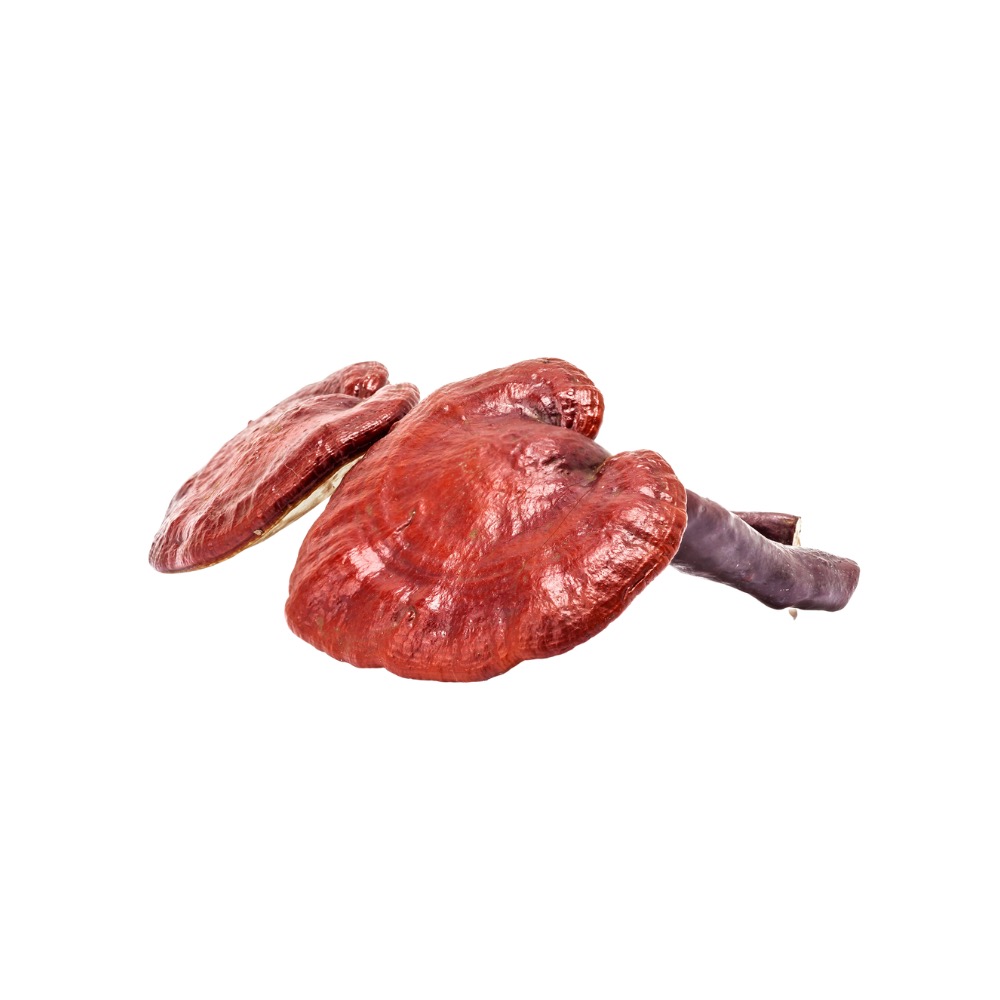 Principal source Reishi Ganoderma lucidum Herb monograph →
Photo coming soon
Source Chaga Inonotus obliquus Herb monograph →
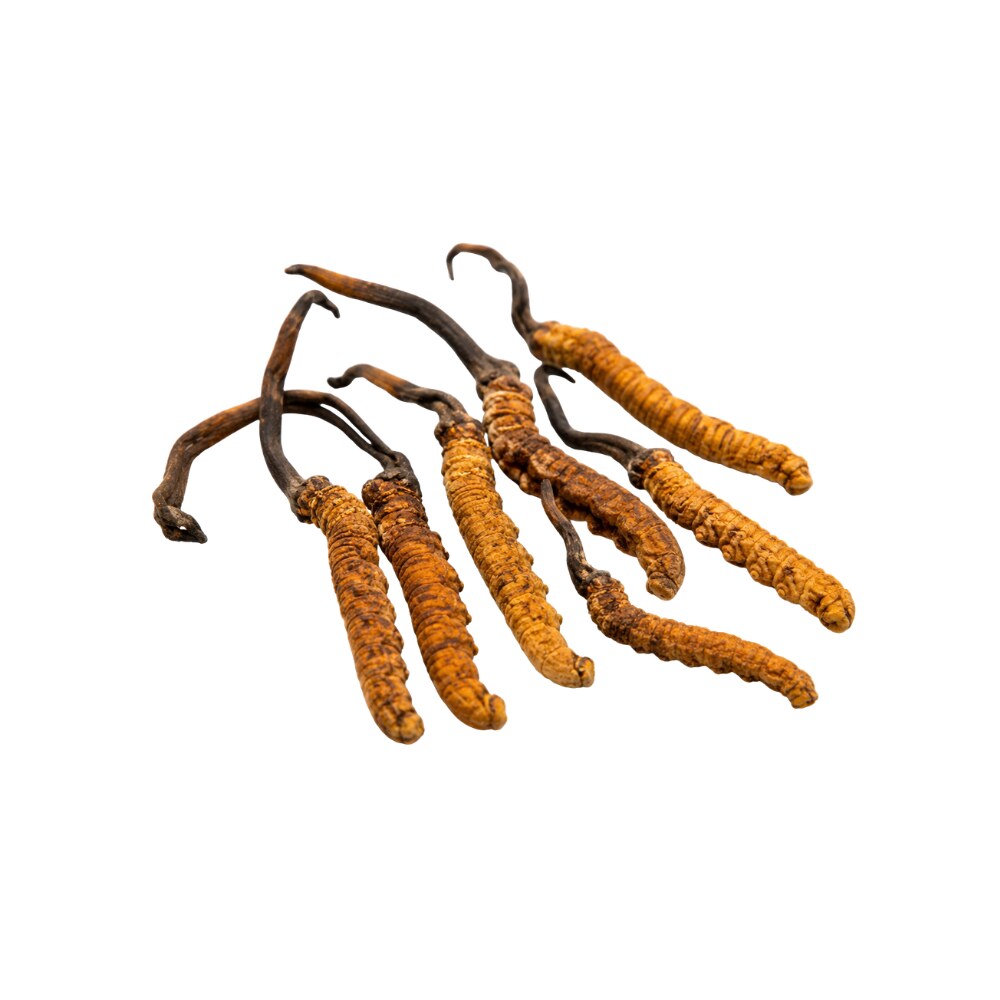 Source Cordyceps Ophiocordyceps sinensis Herb monograph →
Concentration
Content by Source
Concentrations not reported. No percent-dry-weight or mg/g figures have been published for this compound in its source plants.
Ergosterol Peroxide at a Glance
Ergosterol peroxide (5α,8α-epidioxy-22E-ergosta-6,22-dien-3β-ol) is the oxidised derivative of ergosterol — the parent fungal membrane sterol with a 5,8-endoperoxide bridge added across its B-ring. That bridge is the whole story: it forms when UV light or singlet oxygen oxidises ergosterol’s conjugated 5,7-diene, and it is the presumed pharmacophore behind everything interesting this molecule does 1,
It is a widespread sterol of medicinal mushrooms — reishi (Ganoderma lucidum), cordyceps, chaga (Inonotus obliquus), Antrodia and many other Basidiomycetes accumulate it as the oxidised form of their abundant ergosterol 1,
The honest headline sits underneath that: the oxidised sterol that carries most of the mushroom anticancer signal, but the evidence is preclinical and the parent sterol often gets the credit. Every result below is in-vitro (isolated compound at micromolar concentrations on cancer or immune cell lines) or in mice — there are no human trials — and the oral bioavailability of a lipophilic sterol is an open question the recent preclinical work is only beginning to address 6Reference 6Early preclinical studies of ergosterol peroxide and biological evaluation of its derivativesView study →.
The Oxidised Sterol That Carries the Signal
To read this correctly you have to separate two molecules that the literature routinely blurs. Ergosterol is the intact fungal membrane sterol — provitamin D2, the antifungal drug target — and its own bioactivity is thin 1Reference 1Potential beneficial effects and pharmacological properties of ergosterol, a common bioactive compound in edible mushroomsView study →. Ergosterol peroxide is what you get when that sterol is oxidised at the 5,7-diene: molecular oxygen (as singlet oxygen, typically photosensitised by UV) adds across the ring to give a 5,8-endoperoxide, converting an ordinary sterol into a reactive one 1,
That single modification is why the mushroom “anticancer sterol” story is really a story about the derivative, not the parent. When reviews and marketing credit Ganoderma or chaga’s antitumour activity to “ergosterol,” the isolated-compound experiments underneath almost always used ergosterol peroxide: it is the fraction that induces apoptosis in cancer lines, suppresses inflammatory macrophages, and lowers VEGF 3,
Because it forms spontaneously from ergosterol under light and air, ergosterol peroxide is also partly an artefact question: some of what is extracted from dried, UV-exposed or aged fungal material is peroxide generated during handling, not made by the living fungus. That does not undo the pharmacology — the isolated compound is genuinely active — but it means “how much the intact mushroom delivers” is even less certain than the cell data suggest.
The Endoperoxide Pharmacophore
The reason a small structural change matters so much is that the 5,8-endoperoxide bridge is a reactive motif, not a passive decoration. A peroxide (O–O) bond embedded in a ring is chemically primed to break and generate radicals or oxidising species — the same class of reactive endoperoxide that makes the antimalarial artemisinin work 6Reference 6Early preclinical studies of ergosterol peroxide and biological evaluation of its derivativesView study →. On that reading, ergosterol peroxide is best understood as an artemisinin-like sterol: a lipophilic scaffold that carries a reactive peroxide into cells.
This framing does real explanatory work across the pharmacology below. Several of the effects — ROS-dependent apoptosis in cancer cells, oxidative disruption of tumour and endothelial signalling — are consistent with the endoperoxide acting as an intracellular pro-oxidant trigger rather than the sterol acting as a classical receptor ligand 4,
What It's Used For
Ergosterol peroxide’s pharmacology is broad on paper but uniformly preclinical: a substantial isolated-compound literature across cancer, inflammation, angiogenesis and viral models, with no human data anywhere. The load-bearing caveat is the one carried from the parent page — this is the molecule that earns the mushroom anticancer reputation, but only in cells and mice.
Support is an experimental score — weighted by study type (human > animal > in vitro) and volume. A beta, not a validated metric. Every row rests on isolated-compound cell and mouse work with no human trials, so scores stay low by design; read the per-row basis.
The application that defines the molecule, and the one that is really the “mushroom ergosterol” anticancer story. Isolated ergosterol peroxide is pro-apoptotic and antiproliferative across a spread of cancer lines: it was identified as the apoptosis-inducing component of the edible mushroom Sarcodon aspratus 2Reference 2Ergosterol peroxide, an apoptosis-inducing component isolated from Sarcodon aspratus (Berk.) SView study →, suppressed growth of HT29 colon adenocarcinoma cells 3Reference 3Ergosterol peroxide from an edible mushroom suppresses inflammatory responses in RAW264.7 macrophages and growth of HT29 colon adenocarcinoma cellsView study →, and drove apoptosis in prostate, leukaemia, myeloma 5Reference 5Inhibition of STAT3 signaling and induction of SHP1 mediate antiangiogenic and antitumor activities of ergosterol peroxide in U266 multiple myeloma cellsView study → and hepatocellular carcinoma cells. In liver-cancer cells it activated Foxo3-mediated death signalling by inhibiting AKT and c-Myc and raising pro-apoptotic Puma and Bax 4Reference 4Ergosterol peroxide activates Foxo3-mediated cell death signaling by inhibiting AKT and c-Myc in human hepatocellular carcinoma cellsView study →; across models the recurring mechanism is caspase-3/7 activation, PARP cleavage, cell-cycle arrest and ROS generation — consistent with the endoperoxide acting as a pro-oxidant trigger 4,
A 2024 preclinical programme took it further into mice, reporting tumour-growth inhibition with the compound well tolerated, and built synthetic derivatives to improve its drug-likeness 6Reference 6Early preclinical studies of ergosterol peroxide and biological evaluation of its derivativesView study →.
Gap: all cell-line and mouse work on the isolated compound at μM concentrations; no human oncology data, and selectivity for tumour over normal cells is only partly characterised 4,
A robust preclinical anti-inflammatory signal with a defined molecular route. In LPS-stimulated RAW264.7 macrophages, ergosterol peroxide suppressed the inflammatory response — lowering nitric oxide, PGE₂ and pro-inflammatory mediators — alongside its effect on colon-cancer cells 3Reference 3Ergosterol peroxide from an edible mushroom suppresses inflammatory responses in RAW264.7 macrophages and growth of HT29 colon adenocarcinoma cellsView study →.
Mechanistic follow-ups place the action on the NF-κB / MyD88 axis: the compound restrains IκB-α degradation and NF-κB p65 activation, and dampens MyD88-dependent signalling, blunting downstream cytokine production. In a viral-inflammation model it suppressed influenza-A-induced pro-inflammatory signalling by blocking RIG-I and its downstream p38/NF-κB arms 7Reference 7Ergosterol peroxide suppresses influenza A virus-induced pro-inflammatory response and apoptosis by blocking RIG-I signalingView study →.
Gap: in-vitro and mouse work on the isolate; the effective concentrations come from purified compound, not from an eaten mushroom, and there is no human anti-inflammatory outcome 3,
The clearest single mechanistic anticancer study, and the one reused from the parent ergosterol page. In U266 multiple-myeloma cells and mice, ergosterol peroxide inhibited STAT3 signalling (and its upstream JAK2 and Src), induced the phosphatase SHP-1, lowered VEGF, and disrupted endothelial tube formation and tumour growth — an antiangiogenic and antitumour effect achieved at doses described as non-toxic 5Reference 5Inhibition of STAT3 signaling and induction of SHP1 mediate antiangiogenic and antitumor activities of ergosterol peroxide in U266 multiple myeloma cellsView study →.
Because VEGF and STAT3 sit at the centre of tumour angiogenesis, this is the mechanistic backbone under the broader “anticancer” claim.
Gap: a single (well-executed) isolated-compound study in one myeloma model plus mice; no human angiogenesis or oncology data 5Reference 5Inhibition of STAT3 signaling and induction of SHP1 mediate antiangiogenic and antitumor activities of ergosterol peroxide in U266 multiple myeloma cellsView study →.
The most preliminary thread, but consistent with the reactive-scaffold framing. Ergosterol peroxide suppressed influenza-A virus-induced inflammation and apoptosis by blocking RIG-I signaling, positioning it as a possible antiviral adjunct 7Reference 7Ergosterol peroxide suppresses influenza A virus-induced pro-inflammatory response and apoptosis by blocking RIG-I signalingView study →, and older reports describe antiviral and trypanocidal activity for the compound. These are scattered single studies rather than a developed programme.
Gap: isolated-compound, in-vitro / model work with no mechanism unified across viruses or parasites, and no in-vivo antiparasitic or human data 7Reference 7Ergosterol peroxide suppresses influenza A virus-induced pro-inflammatory response and apoptosis by blocking RIG-I signalingView study →.
Mechanisms
| Target / pathway | Effect | Relevant to |
|---|---|---|
| 5,8-endoperoxide bridge (reactive O–O motif) | artemisinin-like pro-oxidant / radical-generating pharmacophore | the presumed engine behind most effects |
| Caspase-3/7 · PARP cleavage · Bax/Bcl-2 | intrinsic apoptosis in cancer cells | anticancer |
| ROS generation | oxidative stress → apoptosis / cell-cycle arrest | anticancer |
| Foxo3 ↑ via AKT ↓ and c-Myc ↓ (Puma, Bax ↑) | activates pro-apoptotic transcription in hepatocellular carcinoma | anticancer |
| STAT3 / JAK2 / Src ↓; SHP-1 ↑; VEGF ↓ | inhibits tumour angiogenesis; blocks endothelial tube formation | anti-angiogenic |
| NF-κB (IκB-α / p65) and MyD88 ↓ | ↓ NO, PGE₂, pro-inflammatory cytokines in LPS macrophages | anti-inflammatory |
| RIG-I signaling ↓ (→ p38 / NF-κB) | suppresses influenza-driven inflammation and apoptosis | antiviral / anti-inflammatory |
The load-bearing idea is the top row: a single reactive endoperoxide distinguishes this molecule from inert ergosterol and plausibly underlies the ROS-dependent apoptosis and the anti-inflammatory and anti-angiogenic signalling below. Everything here is preclinical.
Pharmacokinetics
For most of its history ergosterol peroxide’s ADME was simply unstudied — the pharmacology sits on μM cell exposures and injected mouse doses, not on any characterised oral disposition. The most useful data come from the 2024 preclinical programme, which found the compound metabolically stable in liver microsomes and plasma and well tolerated in mice (no toxicity at escalating doses up to ~500 mg/kg), while noting that its poor aqueous solubility is the practical limit on developing it — the reason the same work synthesised more soluble derivatives 6Reference 6Early preclinical studies of ergosterol peroxide and biological evaluation of its derivativesView study →. Two consequences follow. First, as with the parent sterol, in-vitro potency likely overstates what an eaten mushroom delivers systemically, because a lipophilic sterol is not readily absorbed intact. Second, the reactive endoperoxide is itself a stability variable — heat, light and reducing conditions can degrade it — so formulation, not just dose, governs exposure. Robust human PK does not exist.
Clinical Trials
There are no clinical trials of ergosterol peroxide in any indication. The entire evidence base is isolated-compound cell work and mouse models.
| Completed | Planned | Terminated | Preclinical |
|---|---|---|---|
| —(none; never tested in humans) | — | — | Anticancer / apoptosis 2, |
Last checked: July 2026.
Isolate vs. Plant Studies
The split here is unusually clean and worth stating plainly: essentially all of the pharmacology is the isolated molecule. Ergosterol peroxide has been tested as a purified compound in radical-driven apoptosis assays, on cancer cell lines, in LPS-stimulated macrophages, on endothelial tube-formation, and in tumour-bearing mice 2,
In its source mushrooms the compound is one contributor among many. Reishi, chaga, Cordyceps and Antrodia are complex matrices of triterpenes, polysaccharides (β-glucans) and multiple sterols, so a whole-mushroom effect cannot be attributed to ergosterol peroxide alone even when the isolate studies were designed to probe its share 1,
Prevalence in Nature
Ergosterol peroxide is widespread across the higher fungi as the oxidised counterpart of their dominant membrane sterol. It has been isolated from a long list of medicinal and edible mushrooms — reishi (Ganoderma lucidum), cordyceps, chaga (Inonotus obliquus), Antrodia camphorata, oyster mushroom (Pleurotus ostreatus), Sarcodon aspratus — as well as from marine and endophytic fungi such as Phoma and Paecilomyces 2,
Its distribution is entangled with how it forms. Because ergosterol’s 5,7-diene is oxidised to the 5,8-endoperoxide by singlet oxygen under UV light (and slowly by air), part of the ergosterol peroxide recovered from dried, sun- or lab-exposed and aged fungal material is generated during harvest and processing rather than made by the living fungus. This is the same photochemistry that, on a different reaction path, turns ergosterol into vitamin D2 — here the oxygen adds instead of the ring opening. As a result the compound is rarely quantified as a fixed “content”; reported levels depend heavily on species, tissue and handling.
Quantitative source levels are not well established and are tracked for a later pass.
Discovery & Synthesis
Ergosterol peroxide entered the literature as an oxidation product of ergosterol rather than as a headline discovery of its own — it was characterised through twentieth-century work on mushroom and fungal sterols, in which the 5,8-endoperoxide of ergosterol was recognised as a recurring natural sterol and as the photo-oxidation product of the parent. No single “first isolation” date stands out; the molecule’s identity is inseparable from ergosterol’s.
Preparation reflects that origin. The compound can be extracted from fungal biomass (reishi, chaga, Antrodia and others), but it is also made directly by photo-oxygenation of ergosterol — irradiating ergosterol in the presence of oxygen and a photosensitiser adds singlet oxygen across the 5,7-diene to give the 5,8-endoperoxide, the same reaction that happens incidentally during UV exposure of mushrooms. The recent medicinal-chemistry interest has gone the other way, using ergosterol peroxide as a scaffold for synthetic derivatives designed to raise its aqueous solubility and drug-likeness while retaining the reactive peroxide 6Reference 6Early preclinical studies of ergosterol peroxide and biological evaluation of its derivativesView study →.
Patents: not yet researched.
Toxicity & Safety
Ergosterol peroxide carries a low flag, but for a specific, evidence-limited reason: it is a normal constituent of edible and medicinal mushrooms long consumed by humans, and in the one preclinical toxicity assessment available it was well tolerated in mice with no observed toxicity at doses up to ~500 mg/kg, including no cardio- or hepatotoxic signal in the accompanying assays 6Reference 6Early preclinical studies of ergosterol peroxide and biological evaluation of its derivativesView study →. In the cell literature it appears as a selective pro-apoptotic agent — active against cancer and inflammatory cells at concentrations far above anything an eaten mushroom delivers 3,
The caveats are the honest ones for a preclinical molecule:
- A dietary mushroom sterol, well tolerated in the one animal study. Present in commonly eaten and medicinal mushrooms; no toxicity in mice up to ~500 mg/kg, and no established toxicity for the isolate 6Reference 6Early preclinical studies of ergosterol peroxide and biological evaluation of its derivativesView study →.
- Safety rests entirely on preclinical data. There are no human safety trials, and no characterised repeat-dose, genotoxicity or reproductive package for the pure compound 6Reference 6Early preclinical studies of ergosterol peroxide and biological evaluation of its derivativesView study →.
- It carries a reactive endoperoxide. The pharmacophore is a pro-oxidant motif; the same reactivity behind its anticancer effect is why selectivity and off-target oxidative effects at medicinal (not dietary) doses are unquantified 4,
6Reference 4Ergosterol peroxide activates Foxo3-mediated cell death signaling by inhibiting AKT and c-Myc in human hepatocellular carcinoma cellsView study →Reference 6Early preclinical studies of ergosterol peroxide and biological evaluation of its derivativesView study → . - Extract fractions ≠ the food. The bioactivity data use purified compound at high in-vitro concentrations; they do not describe culinary mushroom intake 3Reference 3Ergosterol peroxide from an edible mushroom suppresses inflammatory responses in RAW264.7 macrophages and growth of HT29 colon adenocarcinoma cellsView study →.
Pregnancy and lactation are decided on the herb or supplement page where intake is chosen, not on this molecule page; no isolate-specific reproductive dataset is characterised here for ergosterol peroxide, and no verdict is issued.
Dosage
There is no established or recommended human dose for ergosterol peroxide. It has never been tested in people, and its lipophilic-sterol chemistry means an oral “dose” cannot be translated from the preclinical work with confidence 6Reference 6Early preclinical studies of ergosterol peroxide and biological evaluation of its derivativesView study →.
The figures that exist are research values, not recommendations:
| Context | Figure | Note |
|---|---|---|
| Anticancer / apoptosis (cell) | low–mid µM | purified compound on cancer cell lines 2, |
| Tumour inhibition (mouse) | mg/kg dosing | in-vivo efficacy in tumour-bearing mice 6Reference 6Early preclinical studies of ergosterol peroxide and biological evaluation of its derivativesView study → |
| Mouse tolerability | up to ~500 mg/kg | no observed toxicity in the preclinical assessment 6Reference 6Early preclinical studies of ergosterol peroxide and biological evaluation of its derivativesView study → |
Practical human exposure is dietary — via medicinal and edible mushrooms (reishi, cordyceps, chaga and others) — where the compound is one of many constituents and its systemic absorption is uncertain. These are research figures, not a personal recommendation.
References
- Rangsinth P, et al. (2023). Potential beneficial effects and pharmacological properties of ergosterol, a common bioactive compound in edible mushrooms. Foods. https://pubmed.ncbi.nlm.nih.gov/37444267/
- Takei T, Yoshida M, Ohnishi-Kameyama M, Kobori M (2005). Ergosterol peroxide, an apoptosis-inducing component isolated from Sarcodon aspratus (Berk.) S. Ito. Bioscience, Biotechnology, and Biochemistry. https://pubmed.ncbi.nlm.nih.gov/15665489/
- Kobori M, Yoshida M, Ohnishi-Kameyama M, Shinmoto H (2007). Ergosterol peroxide from an edible mushroom suppresses inflammatory responses in RAW264.7 macrophages and growth of HT29 colon adenocarcinoma cells. British Journal of Pharmacology. https://pubmed.ncbi.nlm.nih.gov/17160010/
- Li X, Wu Q, Bu M, et al. (2016). Ergosterol peroxide activates Foxo3-mediated cell death signaling by inhibiting AKT and c-Myc in human hepatocellular carcinoma cells. Oncotarget. https://pubmed.ncbi.nlm.nih.gov/27058618/
- Rhee YH, Jeong SJ, Lee HJ, et al. (2012). Inhibition of STAT3 signaling and induction of SHP1 mediate antiangiogenic and antitumor activities of ergosterol peroxide in U266 multiple myeloma cells. BMC Cancer. https://pubmed.ncbi.nlm.nih.gov/22260501/
- Ling T, Arroyo-Cruz LV, Smither WR, et al. (2024). Early preclinical studies of ergosterol peroxide and biological evaluation of its derivatives. ACS Omega. https://pubmed.ncbi.nlm.nih.gov/39246459/
- Zhou B, Liang X, Feng Q, et al. (2019). Ergosterol peroxide suppresses influenza A virus-induced pro-inflammatory response and apoptosis by blocking RIG-I signaling. European Journal of Pharmacology. https://pubmed.ncbi.nlm.nih.gov/31323223/



