
Compound Monograph
Ergosterol
Ergosterol is the principal sterol of the fungal cell membrane — fungi's counterpart to cholesterol — and the provitamin from which UV light makes vitamin D2 (ergocalciferol). It is what makes UV-exposed mushrooms a vitamin-D food and the target that makes antifungal drugs selective; its own mushroom anti-inflammatory and anticancer signals are preclinical.

Sources · 11
Where Does It Come From?
Ergosterol is a naturally occurring sterol (ergostane; provitamin d2), found in Cordyceps, Lion's mane, Black truffle and 8 other sources. It is well tolerated orally (low toxicity).
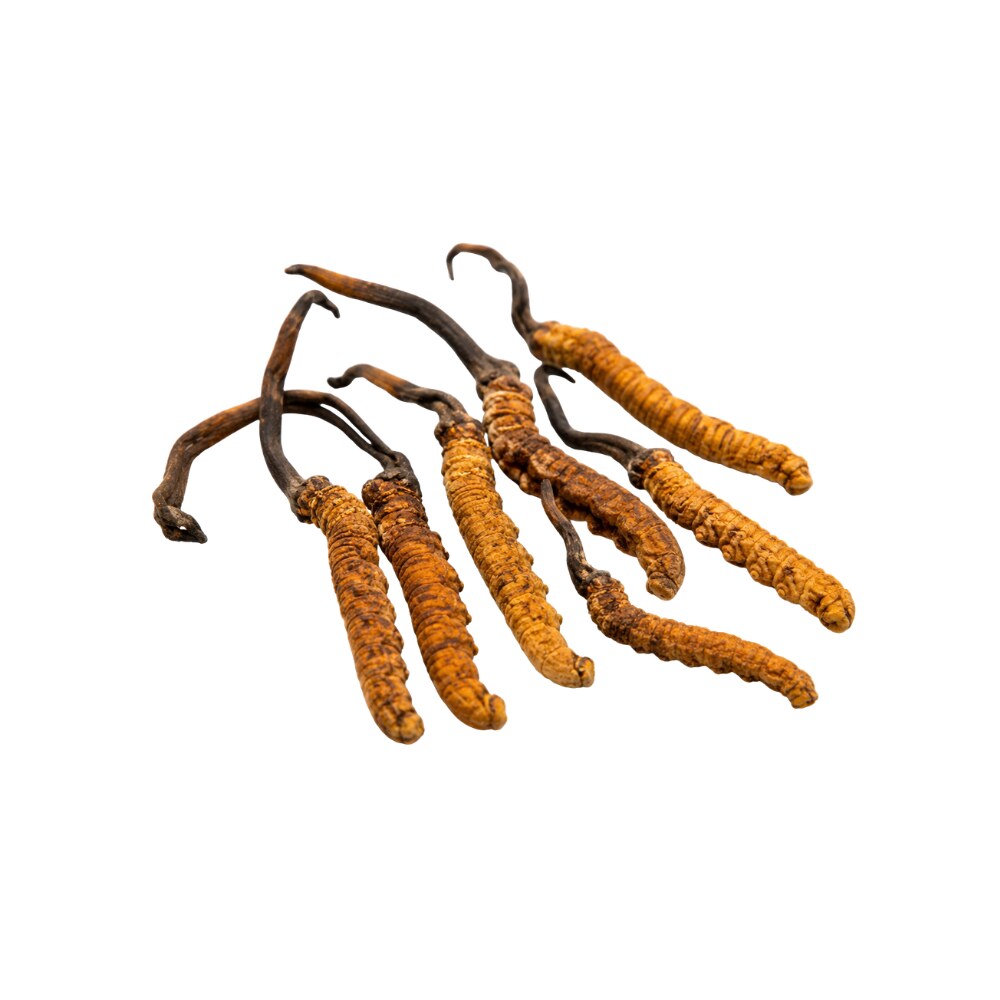 Principal source Cordyceps Ophiocordyceps sinensis Herb monograph →
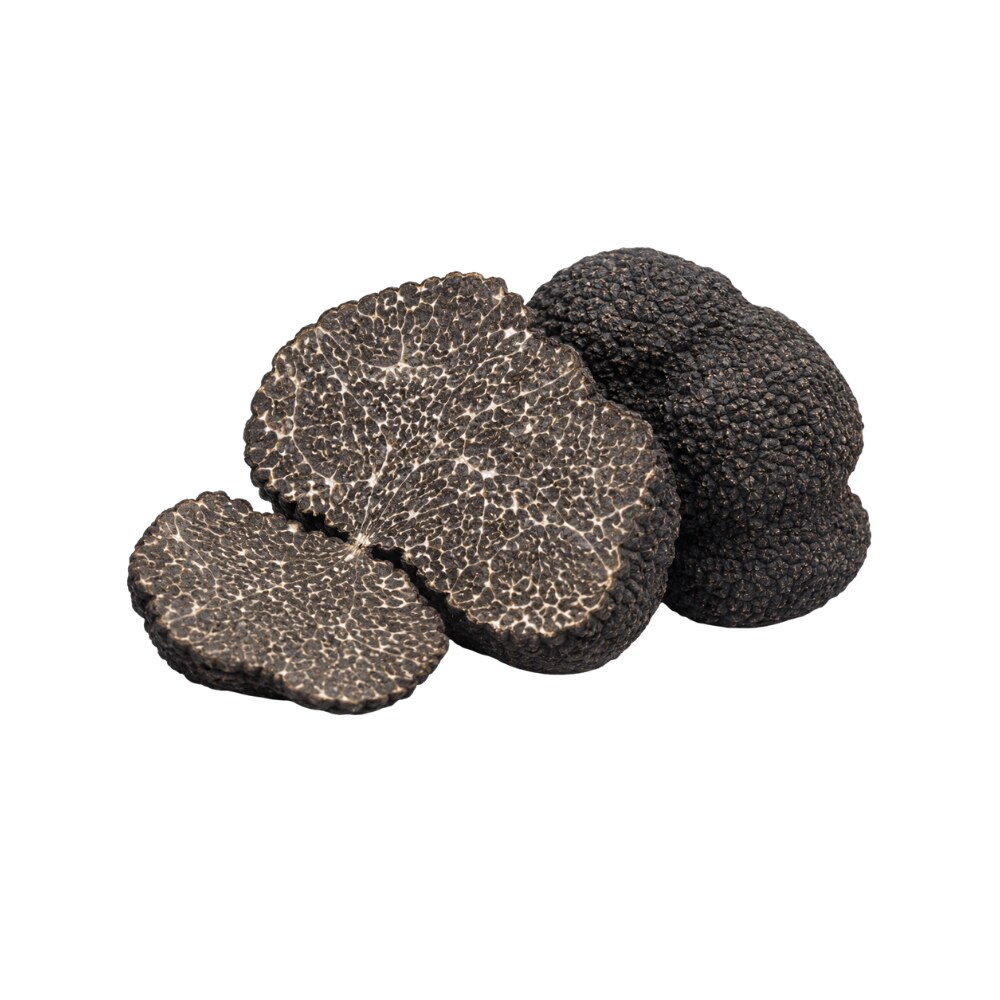 Source Black Truffle Tuber melanosporum Herb monograph →
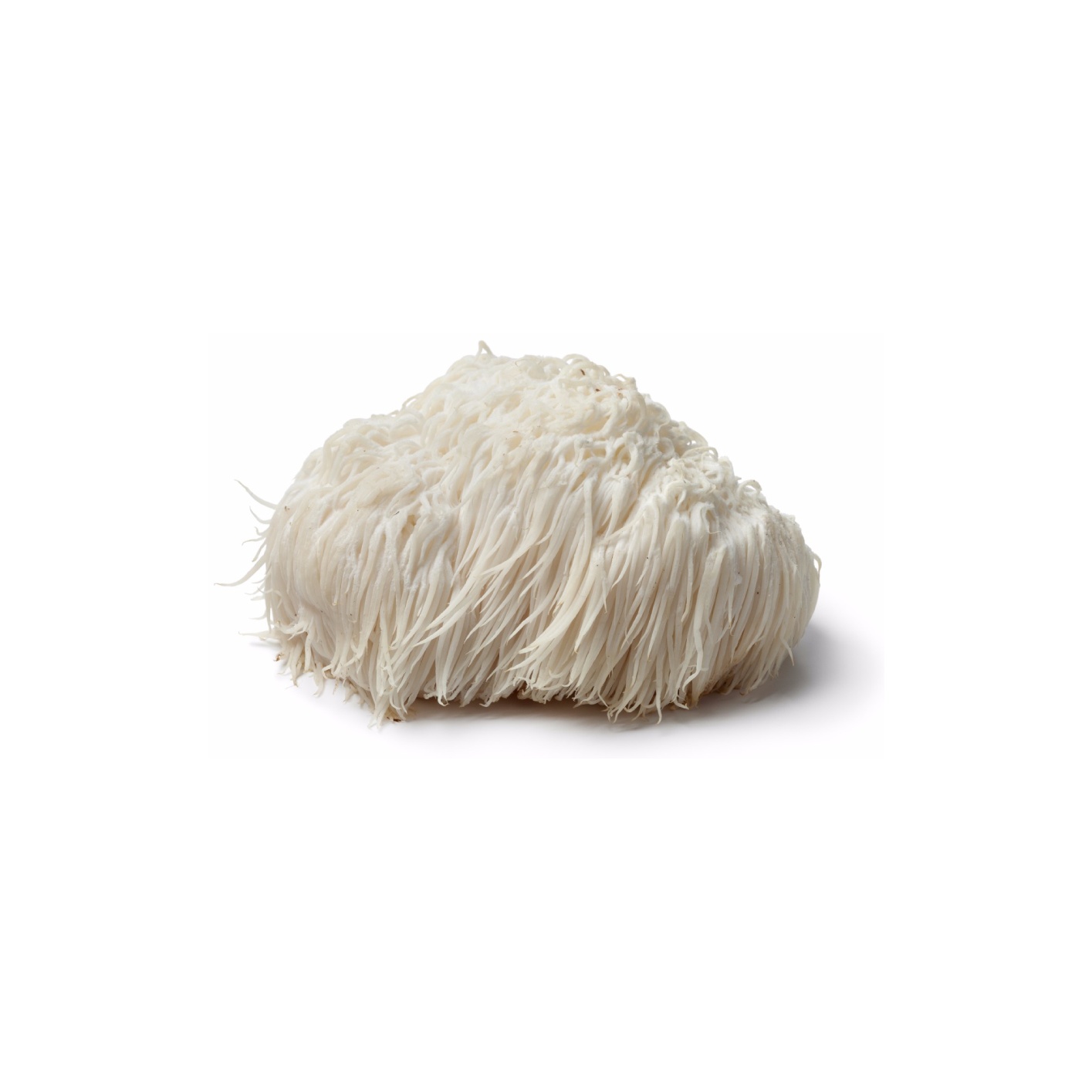 Source Lion's Mane Hericium erinaceus Herb monograph →
 Source Muira Puama Ptychopetalum olacoides Herb monograph →
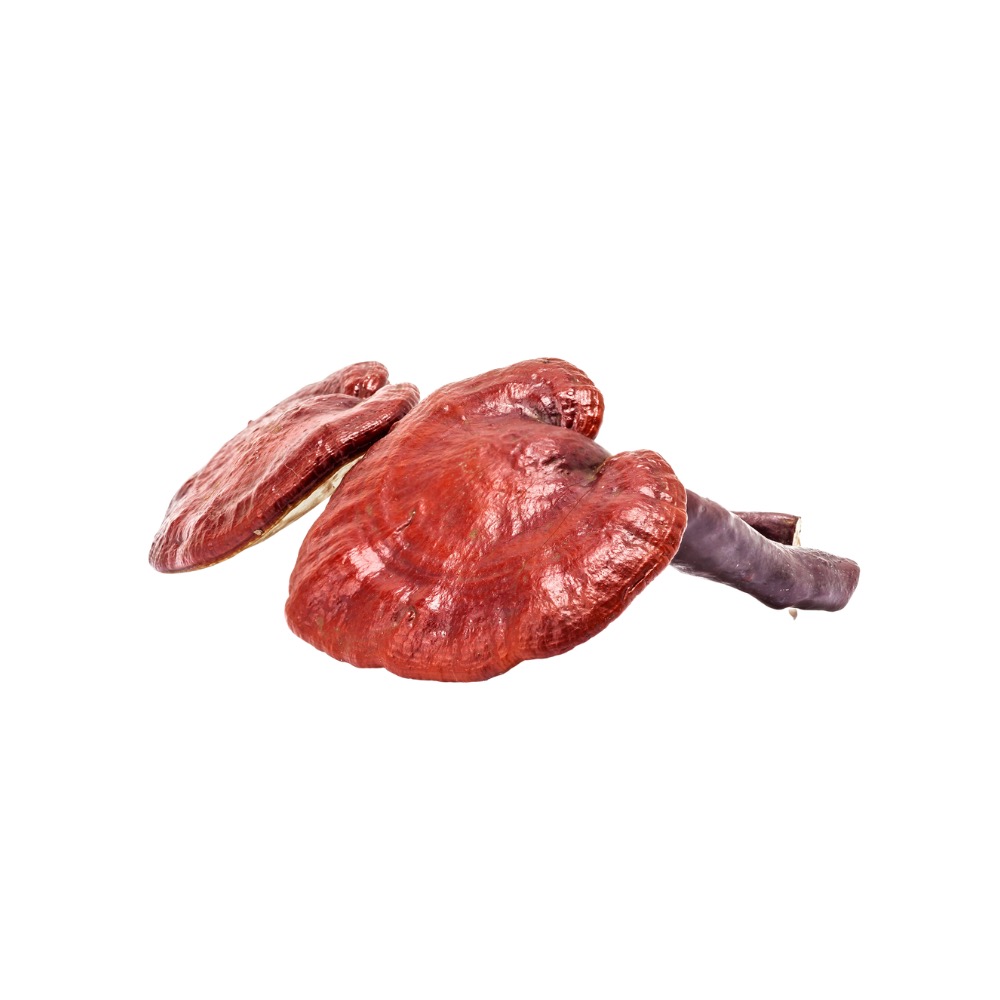 Source Reishi Ganoderma lucidum Herb monograph →
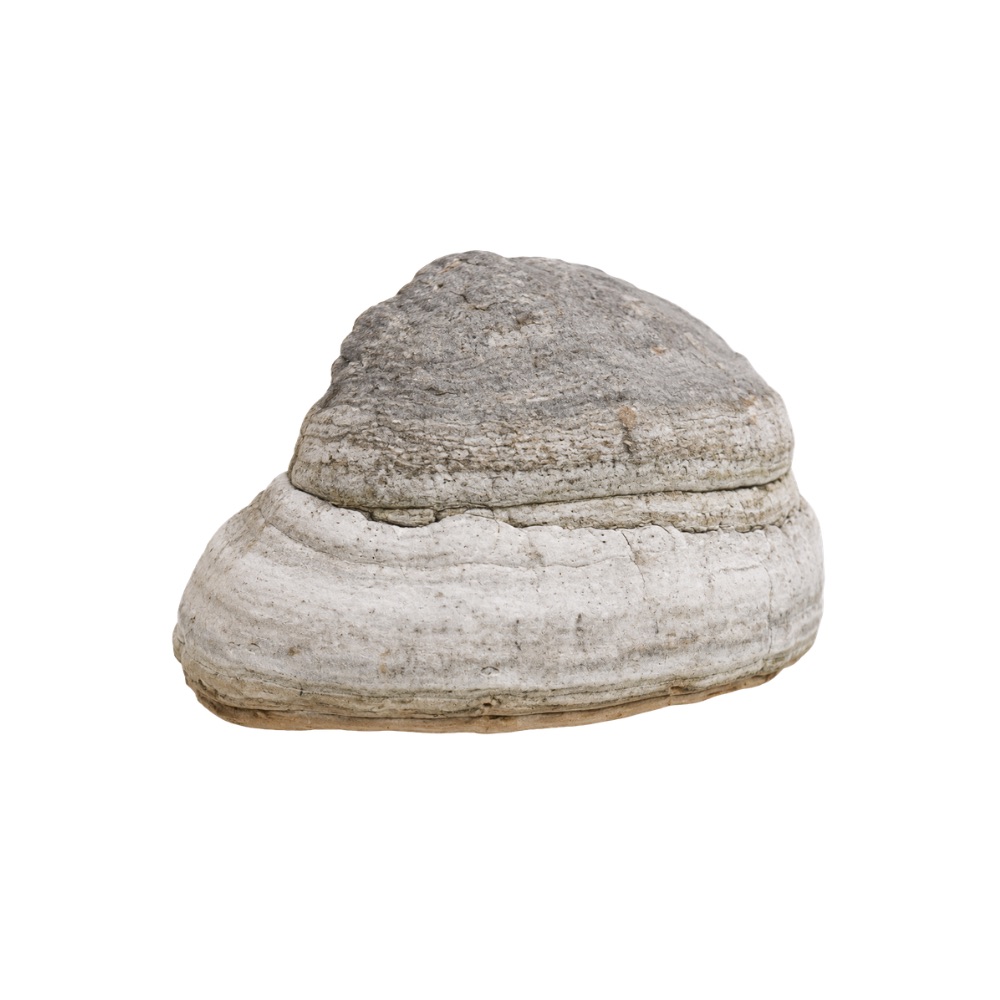 Source Tinder Conk Fomes fomentarius Herb monograph →
Concentration
Content by Source
Reported concentrations across the plants that contain ergosterol — the bar marks the typical level, the line shows the reported range.
Literature figures for varying plant parts and preparations. Read them as a comparative guide, not exact assays.
Ergosterol at a Glance
Ergosterol (ergosta-5,7,22-trien-3β-ol) is the principal sterol of the fungal cell membrane — the molecule fungi use where animals use cholesterol. It is the dominant sterol of most yeasts, moulds and mushrooms, and it reaches the human diet through edible fungi such as cordyceps, lion’s mane and black truffle 4Reference 4Potential beneficial effects and pharmacological properties of ergosterol, a common bioactive compound in edible mushroomsView study →.
Two things make ergosterol matter far more than a typical mushroom phytochemical, and neither is “herbal medicine.” First, it is provitamin D2: ultraviolet light converts it to vitamin D2 (ergocalciferol), which is exactly why UV-exposed mushrooms are a genuine dietary vitamin-D source 5,
Its own pharmacology is thinner and honest about it. Mushroom extracts and isolated ergosterol show anti-inflammatory and immunomodulatory activity in cell and animal studies 1,
Ergosterol as Provitamin D2
The single most consequential fact about ergosterol is that it is a provitamin: it has no vitamin-D activity itself, but ultraviolet light turns it into vitamin D2. Absorbing a UV-B photon triggers a 6π electrocyclic ring-opening of ergosterol’s B-ring to give previtamin D2, which then rearranges by a thermal 1,
This is why UV-exposed mushrooms are a real vitamin-D food. Fresh mushrooms grown in the dark are low in vitamin D, but a brief UV-B dose converts their abundant ergosterol into large amounts of vitamin D2: sliced shiitake exposed before drying reached several hundred µg/g of vitamin D2 in one study, versus roughly ten-fold less in whole caps 6Reference 6UV induced conversion during drying of ergosterol to vitamin D in various mushrooms: effect of different drying conditionsView study →. The relevant human intake is therefore the photoproduct, not the parent sterol — you cross-link this molecule to vitamin D2 precisely because ergosterol is where dietary D2 comes from.
Does the mushroom-derived vitamin D2 actually raise vitamin-D status? Partly, with caveats. In healthy adults, 2,000 IU of vitamin D2 from UV-treated mushrooms raised serum 25-hydroxyvitamin D about as well as an equivalent D2 or D3 supplement 5Reference 5Photobiology of vitamin D in mushrooms and its bioavailability in humansView study →. But a randomised trial in overweight, prediabetic adults found that vitamin D2 from a cooked mushroom entrée produced only modest or no rise in 25(OH)D — cooking losses and the population studied both blunted it 7Reference 7RCTBioavailability of vitamin D2 from enriched mushrooms in prediabetic adults: a randomized controlled trialView study →. So the pathway is genuine, but the food-matrix and cooking details decide how much reaches the blood.
The Fungal Sterol & Antifungal Drug Target
Ergosterol is the reason antifungal drugs can be selective — and this is its most clinically important role. Human cell membranes are built around cholesterol; fungal membranes are built around ergosterol. Because the two kingdoms use different sterols and neither makes the other’s, a drug aimed at ergosterol or its synthesis hits the fungus and largely spares us 8Reference 8Ergosterol biosynthesis in Aspergillus fumigatus: its relevance as an antifungal target and role in antifungal drug resistanceView study →.
The major antifungal classes exploit this in two different ways:
- Azoles (fluconazole, itraconazole, voriconazole and relatives) inhibit the synthesis of ergosterol, blocking the enzyme lanosterol 14α-demethylase (CYP51 / Erg11). Ergosterol runs out, toxic sterol intermediates accumulate, and membrane integrity fails 8Reference 8Ergosterol biosynthesis in Aspergillus fumigatus: its relevance as an antifungal target and role in antifungal drug resistanceView study →.
- Polyenes (amphotericin B, nystatin) bind ergosterol directly in the membrane, punching pores that leak the cell’s contents and cause lysis 8Reference 8Ergosterol biosynthesis in Aspergillus fumigatus: its relevance as an antifungal target and role in antifungal drug resistanceView study →.
- Allylamines (terbinafine) hit the same pathway earlier, at squalene epoxidase 8Reference 8Ergosterol biosynthesis in Aspergillus fumigatus: its relevance as an antifungal target and role in antifungal drug resistanceView study →.
The flip side is resistance: fungi that alter or mutate Erg11, over-express drug-efflux pumps, or remodel their membrane sterols become harder to treat — the ergosterol pathway is both the target and the escape route 8Reference 8Ergosterol biosynthesis in Aspergillus fumigatus: its relevance as an antifungal target and role in antifungal drug resistanceView study →. For a molecule page this is the key point of leverage: ergosterol’s value to medicine is mostly as the thing drugs are aimed at, not as a drug itself.
Its Role in Fungi
In the fungal cell ergosterol plays the structural part that cholesterol plays in animals: embedded in the plasma membrane, it tunes membrane fluidity and permeability, supports the function of membrane-bound proteins and transporters, and contributes to processes from endocytosis to cell-cycle progression 4,
It is not, however, quite the universal “fungal sterol” it is often called. A phylogenetic survey found ergosterol dominant in most Ascomycota and Basidiomycota — the yeasts, moulds and mushrooms people encounter — but replaced by other sterols in early-diverging lineages and some specialised groups, which is why ergosterol is an unreliable biomass marker for fungi such as arbuscular mycorrhizae 10Reference 10Phylogenetic distribution of fungal sterolsView study →.
What It's Used For
Beyond its provitamin and antifungal-target roles, ergosterol’s own bioactivity is a preclinical, extract-heavy literature. The load-bearing caveat: the anti-inflammatory work is in vitro on concentrated mushroom fractions, and most of the anticancer signal belongs to an oxidised derivative, ergosterol peroxide, not the parent sterol 1,
Support is an experimental score — weighted by study type (human > animal > in vitro) and volume. A beta, not a validated metric. Note that the highest-scoring row credits the vitamin D2 photoproduct (which has human data), not ergosterol acting as a drug; read the per-row basis.
The application that reaches humans — but with the crucial qualifier that the active molecule is what ergosterol becomes, not ergosterol. UV-B converts membrane ergosterol to previtamin D2 and then ergocalciferol, so UV-treated mushrooms carry substantial vitamin D2 6Reference 6UV induced conversion during drying of ergosterol to vitamin D in various mushrooms: effect of different drying conditionsView study →.
In a human bioavailability study, 2,000 IU of vitamin D2 from UV-exposed mushrooms raised and maintained serum 25(OH)D comparably to a D2 or D3 supplement 5Reference 5Photobiology of vitamin D in mushrooms and its bioavailability in humansView study →; a randomised trial in prediabetic adults, however, saw only modest or no increase from a cooked mushroom entrée 7Reference 7RCTBioavailability of vitamin D2 from enriched mushrooms in prediabetic adults: a randomized controlled trialView study →.
Isolate vs. plant: here the “isolate” (ergosterol) is inert until irradiated, and the human data are for whole UV-treated mushrooms delivering the photoproduct.
Gap: ergosterol per se has no vitamin activity; the outcome depends on UV dose, mushroom form, cooking losses and the person’s baseline — so this is really a story about mushroom vitamin D2, not a pharmacology of the sterol 6,
The best-supported bioactivity of ergosterol itself, though still preclinical. In lion’s mane, an ethanol extract and isolated ergosterol neutralised LPS-induced IL-1β, IL-6 and IL-8 in human monocytes in vitro, with ergosterol proposed to bind lipid A of the LPS molecule and blunt TLR4 signalling 2Reference 2Hericium erinaceus ethanol extract and ergosterol exert anti-inflammatory activities by neutralizing lipopolysaccharide-induced pro-inflammatory cytokine production in human monocytesView study →.
A pressurised-liquid extract of black truffle enriched in β-glucan and ergosterol (≈4.5%) cut IL-1β ~40% and IL-6 ~60% in THP-1 human macrophages 1Reference 1Screening of bioactive compounds in truffles and evaluation of pressurized liquid extractions (PLE) to obtain fractions with biological activitiesView study →, and a pharmacology review compiles ergosterol’s suppression of NF-κB and MAPK (p38/ERK/JNK) signalling with lowered TNF-α and iNOS/COX-2 across models 4Reference 4Potential beneficial effects and pharmacological properties of ergosterol, a common bioactive compound in edible mushroomsView study →.
Isolate vs. plant: a mix — one study isolates ergosterol 2Reference 2Hericium erinaceus ethanol extract and ergosterol exert anti-inflammatory activities by neutralizing lipopolysaccharide-induced pro-inflammatory cytokine production in human monocytesView study →, the other credits a β-glucan/ergosterol fraction, not the pure sterol 1Reference 1Screening of bioactive compounds in truffles and evaluation of pressurized liquid extractions (PLE) to obtain fractions with biological activitiesView study →.
Gap: all in-vitro or cell-line, at concentrations from concentrated extract fractions, not the intact food; the truffle signal cannot be separated cleanly from its co-extracted β-glucan 1,
A real preclinical signal, but it mostly belongs to a derivative, not ergosterol. Ergosterol peroxide — an oxidised form abundant in many mushrooms — inhibited STAT3 signalling (and its upstream JAK2/Src), lowered VEGF, and disrupted tube formation and tumour growth in U266 multiple-myeloma cells and mice, giving an antiangiogenic/antitumour effect at non-toxic doses 9Reference 9Inhibition of STAT3 signaling and induction of SHP1 mediate antiangiogenic and antitumor activities of ergosterol peroxide in U266 multiple myeloma cellsView study →.
Reviews also list apoptosis-induction and cell-cycle arrest for ergosterol and its oxides in various cancer lines 4Reference 4Potential beneficial effects and pharmacological properties of ergosterol, a common bioactive compound in edible mushroomsView study →.
Isolate vs. plant: isolated-molecule work, but the load-bearing molecule is ergosterol peroxide, a distinct compound.
Gap: the strongest data are the peroxide, not the parent sterol; all preclinical (cell lines and mouse xenografts), with no human oncology evidence 4,
Mechanisms
| Target / pathway | Effect | Relevant to |
|---|---|---|
| Fungal plasma membrane (as structural sterol) | maintains membrane fluidity, permeability and protein function — the fungal counterpart of cholesterol | fungal biology; antifungal target |
| Lanosterol 14α-demethylase (CYP51 / Erg11) | the biosynthetic enzyme azoles inhibit to starve the fungus of ergosterol | antifungal drug target |
| Membrane ergosterol ↔ polyenes | amphotericin B / nystatin bind ergosterol → membrane pores → lysis | antifungal drug target |
| UV-B photolysis (6π ring-opening → previtamin D2 → ergocalciferol) | photoconversion to vitamin D2 | provitamin D2 / nutrition |
| Lipid A of LPS (binding) | ergosterol binds lipid A → dampened TLR4-driven cytokine induction | anti-inflammatory |
| NF-κB / MAPK (p38, ERK, JNK) | suppressed pro-inflammatory transcription; ↓ TNF-α, IL-1β, IL-6, iNOS/COX-2 | anti-inflammatory |
| STAT3 / JAK2 / VEGF (ergosterol peroxide) | oxidised derivative inhibits STAT3, lowers VEGF → antiangiogenic | anticancer (derivative) |
The load-bearing rows are the top four: ergosterol’s real medical footprint is as the fungal membrane sterol that antifungals target, and as the provitamin UV turns into vitamin D2. The anti-inflammatory and anticancer rows are preclinical, and the anticancer effect largely belongs to ergosterol peroxide.
Pharmacokinetics
For a molecule this widely eaten, the striking PK fact is that ergosterol itself is poorly absorbed. In rat data compiled by a pharmacology review, oral ergosterol showed a time-to-peak around 8 h and a half-life near 5.9 h, but roughly 62.5% was recovered in the faeces and only ~3.2% in urine — consistent with low oral bioavailability, attributed to the sterol’s poor aqueous solubility; nanostructured lipid carriers raise absorption in experimental formulations 4Reference 4Potential beneficial effects and pharmacological properties of ergosterol, a common bioactive compound in edible mushroomsView study →. Two consequences follow: (1) in-vitro potency on cells overstates what an eaten mushroom delivers systemically, and (2) the nutritionally important molecule — vitamin D2, the UV photoproduct — is by contrast well absorbed and demonstrably raises serum 25(OH)D 5Reference 5Photobiology of vitamin D in mushrooms and its bioavailability in humansView study →, so the useful “ADME” here is largely the vitamin’s, not the sterol’s. Robust human PK for isolated ergosterol is not established.
Clinical Trials
There are no controlled trials of ergosterol as an isolated drug. The only human data are for the vitamin D2 photoproduct in UV-treated mushrooms — a bioavailability study showing mushroom D2 raises 25(OH)D like a supplement 5Reference 5Photobiology of vitamin D in mushrooms and its bioavailability in humansView study → and a randomised trial in prediabetic adults showing only modest/no rise from a cooked mushroom entrée 7Reference 7RCTBioavailability of vitamin D2 from enriched mushrooms in prediabetic adults: a randomized controlled trialView study →. Everything else — anti-inflammatory, anticancer — is in-vitro or animal.
| Completed | Planned | Terminated | Preclinical |
|---|---|---|---|
| Human: only mushroom vitamin D2 bioavailability (the photoproduct) 5, | — | — | Anti-inflammatory (in vitro) 1, |
Last checked: July 2026.
Isolate vs. Plant Studies
The evidence splits in an unusually clean way. Where humans are involved, the vehicle is the whole UV-treated mushroom delivering vitamin D2 — the parent sterol is inert until irradiated, so there is no such thing as a human trial of “ergosterol the drug” 5,
Prevalence in Nature
Ergosterol is the defining membrane sterol of the higher fungi. It is the major sterol of baker’s and brewer’s yeast (Saccharomyces cerevisiae), of moulds such as Aspergillus, and of mushrooms broadly — it reaches the diet through edible and medicinal fungi including cordyceps — where it is one of the fruiting body’s characterised sterols 3Reference 3The chemical constituents and pharmacological actions of Cordyceps sinensisView study → — lion’s mane and black truffle 1,
Its distribution is not quite universal, though. A phylogenetic survey of fungal sterols found ergosterol dominant across most Ascomycota and Basidiomycota but absent from early-diverging lineages and replaced by other sterols in groups such as the arbuscular mycorrhizal Glomeromycota — so “the fungal sterol” is a good rule with real exceptions 10Reference 10Phylogenetic distribution of fungal sterolsView study →. Outside the fungi proper, it also appears in some protozoa and trypanosomatids that build ergosterol-type membranes, which is why a few antiparasitic strategies borrow the antifungal ergosterol-pathway playbook.
Discovery & Synthesis
Ergosterol was first isolated in 1889 by the French chemist Charles Tanret, who separated it from the sclerotia of ergot (Claviceps purpurea) and named it “ergosterine” after that fungus — the etymology the modern name still carries 4Reference 4Potential beneficial effects and pharmacological properties of ergosterol, a common bioactive compound in edible mushroomsView study →. Its identity as provitamin D2 followed in the 1920s–30s, when the photochemistry linking irradiated ergosterol to antirachitic activity was worked out, and “vitamin D2” (ergocalciferol) was characterised as the UV product of ergosterol 5,
Manufacture today is by extraction from fungal biomass rather than total synthesis: ergosterol is recovered from yeast (a by-product of fermentation industries) and from cultivated mushroom mycelium, and is the standard industrial feedstock for making vitamin D2 by controlled UV irradiation 4,
Patents: not yet researched.
Toxicity & Safety
Ergosterol carries a low flag. It is a normal dietary constituent of edible mushrooms and yeast eaten by humans for millennia, and its poor oral absorption 4Reference 4Potential beneficial effects and pharmacological properties of ergosterol, a common bioactive compound in edible mushroomsView study → further limits systemic exposure from food. No characteristic toxicity of the isolated sterol is established, and the concentrations used in the anti-inflammatory and anticancer cell studies are far above anything an eaten mushroom delivers.
The safety caveats that exist are really about its products and its context, not the sterol:
- A benign dietary sterol. The principal sterol of edible mushrooms and yeast, long consumed in food, with no established toxicity for the isolate and low oral absorption 4Reference 4Potential beneficial effects and pharmacological properties of ergosterol, a common bioactive compound in edible mushroomsView study →.
- The vitamin-D2 photoproduct can be over-done. Ergosterol is inert, but the vitamin D2 it becomes is fat-soluble — excess vitamin-D supplementation (not mushrooms as food) causes hypercalcaemia. That risk belongs to vitamin D2/D3, adjudicated on those pages, not to the sterol.
- Extract fractions ≠ the food. The bioactivity data use concentrated β-glucan/ergosterol or ethanol extracts at high in-vitro concentrations; they do not describe culinary mushroom intake 1,
2Reference 1Screening of bioactive compounds in truffles and evaluation of pressurized liquid extractions (PLE) to obtain fractions with biological activitiesView study →Reference 2Hericium erinaceus ethanol extract and ergosterol exert anti-inflammatory activities by neutralizing lipopolysaccharide-induced pro-inflammatory cytokine production in human monocytesView study → . - UV over-irradiation makes side-photoisomers. Beyond the vitamin, prolonged UV exposure of ergosterol also yields tachysterol2 and lumisterol2 — a yield/quality issue for fortified mushrooms rather than a documented toxicity 6Reference 6UV induced conversion during drying of ergosterol to vitamin D in various mushrooms: effect of different drying conditionsView study →.
Pregnancy and lactation are decided on the herb or supplement page where intake is chosen, not on this molecule page; no isolate-specific reproductive dataset is characterised here for ergosterol, and no verdict is issued.
Dosage
There is no established or recommended human dose for ergosterol as an isolate. The pure sterol is poorly absorbed and has no vitamin activity until UV light converts it, so a “dose” of ergosterol is not a meaningful clinical quantity 4Reference 4Potential beneficial effects and pharmacological properties of ergosterol, a common bioactive compound in edible mushroomsView study →.
The figures that do matter are for the vitamin D2 it can become, and are research values rather than recommendations:
| Context | Figure | Note |
|---|---|---|
| Ergosterol in button mushroom | ~3–8 mg/g dry weight | the convertible pool 5Reference 5Photobiology of vitamin D in mushrooms and its bioavailability in humansView study → |
| Mushroom vitamin D2 (bioavailability study) | 2,000 IU | raised 25(OH)D like a supplement in healthy adults 5Reference 5Photobiology of vitamin D in mushrooms and its bioavailability in humansView study → |
| Truffle extract active fraction | ~4.5% ergosterol | a concentrated PLE fraction, not the food 1Reference 1Screening of bioactive compounds in truffles and evaluation of pressurized liquid extractions (PLE) to obtain fractions with biological activitiesView study → |
Practical human exposure is dietary: mushrooms and yeast-containing foods, with UV-exposed (“vitamin-D”) mushrooms delivering meaningfully more of the photoproduct. These are research figures and food concentrations, not a personal recommendation.
References
- Tejedor-Calvo E, et al. (2020). Screening of bioactive compounds in truffles and evaluation of pressurized liquid extractions (PLE) to obtain fractions with biological activities. Food Research International. https://pubmed.ncbi.nlm.nih.gov/32331654/
- Tada H, et al. (2022). Hericium erinaceus ethanol extract and ergosterol exert anti-inflammatory activities by neutralizing lipopolysaccharide-induced pro-inflammatory cytokine production in human monocytes. Biochemical and Biophysical Research Communications. https://pubmed.ncbi.nlm.nih.gov/36335857/
- Liu Y, et al. (2015). The chemical constituents and pharmacological actions of Cordyceps sinensis. Evidence-Based Complementary and Alternative Medicine. https://pubmed.ncbi.nlm.nih.gov/25960753/
- Rangsinth P, et al. (2023). Potential beneficial effects and pharmacological properties of ergosterol, a common bioactive compound in edible mushrooms. Foods. https://pubmed.ncbi.nlm.nih.gov/37444267/
- Keegan RJ, et al. (2013). Photobiology of vitamin D in mushrooms and its bioavailability in humans. Dermato-Endocrinology. https://pubmed.ncbi.nlm.nih.gov/24494050/
- Jiang Q, et al. (2020). UV induced conversion during drying of ergosterol to vitamin D in various mushrooms: effect of different drying conditions. Trends in Food Science & Technology. https://pubmed.ncbi.nlm.nih.gov/32982063/
- Mehrotra A, et al. (2014). Bioavailability of vitamin D2 from enriched mushrooms in prediabetic adults: a randomized controlled trial. European Journal of Clinical Nutrition. https://pubmed.ncbi.nlm.nih.gov/25117997/
- Alcazar-Fuoli L, Mellado E (2012). Ergosterol biosynthesis in Aspergillus fumigatus: its relevance as an antifungal target and role in antifungal drug resistance. Frontiers in Microbiology. https://pubmed.ncbi.nlm.nih.gov/23335918/
- Rhee YH, et al. (2012). Inhibition of STAT3 signaling and induction of SHP1 mediate antiangiogenic and antitumor activities of ergosterol peroxide in U266 multiple myeloma cells. BMC Cancer. https://pubmed.ncbi.nlm.nih.gov/22260501/
- Weete JD, et al. (2010). Phylogenetic distribution of fungal sterols. PLoS One. https://pubmed.ncbi.nlm.nih.gov/20526375/



