
Compound Monograph
γ-Terpinene
γ-Terpinene is the monoterpene the mint family oxidises to make thymol and carvacrol — the phenolic compounds oregano, thyme and savory are valued for. It is 4–19% of Origanum vulgare oil, and its own distinguishing property is an antioxidant mechanism that works nothing like vitamin E's.

Sources · 9
Where Does It Come From?
γ-Terpinene is a naturally occurring monoterpene (cyclohexadiene; p-menthadiene), found in Oregano, Marjoram, Thyme and 6 other sources. It is well tolerated orally (low toxicity).
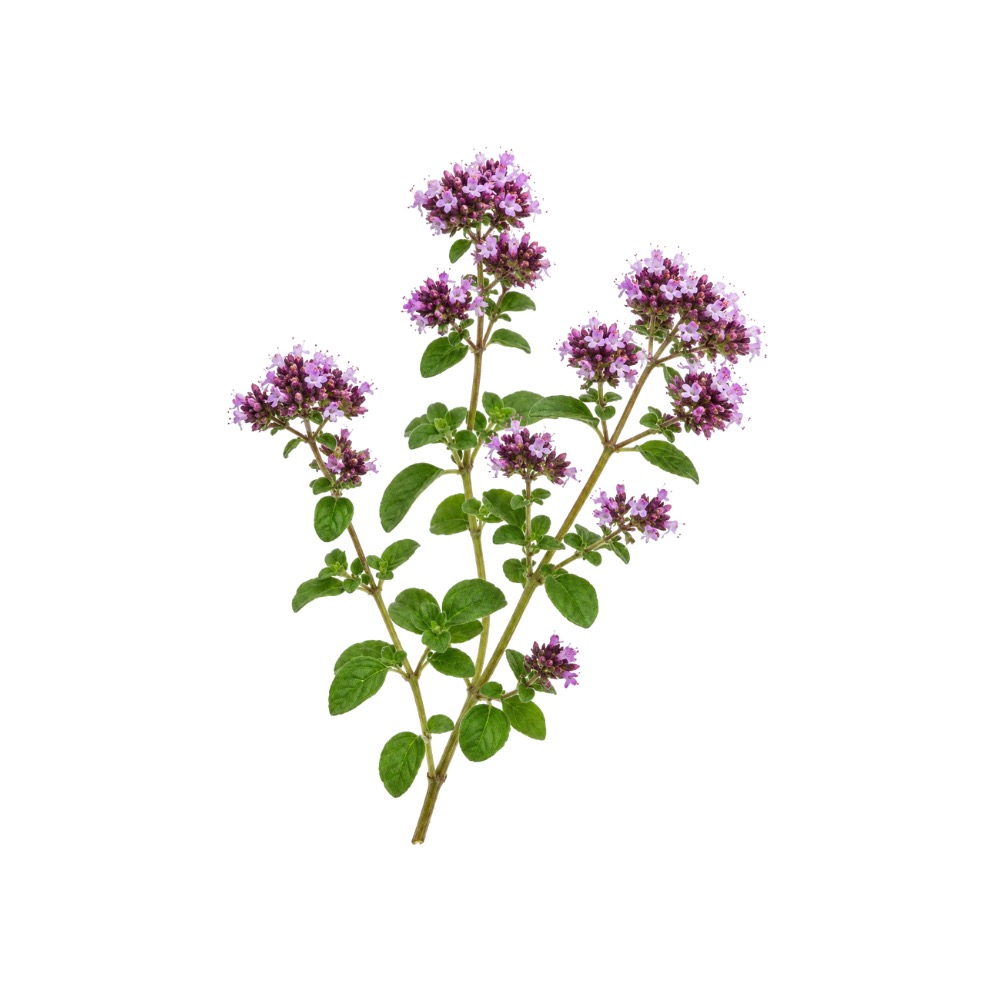 Principal source Oregano Origanum vulgare Herb monograph →
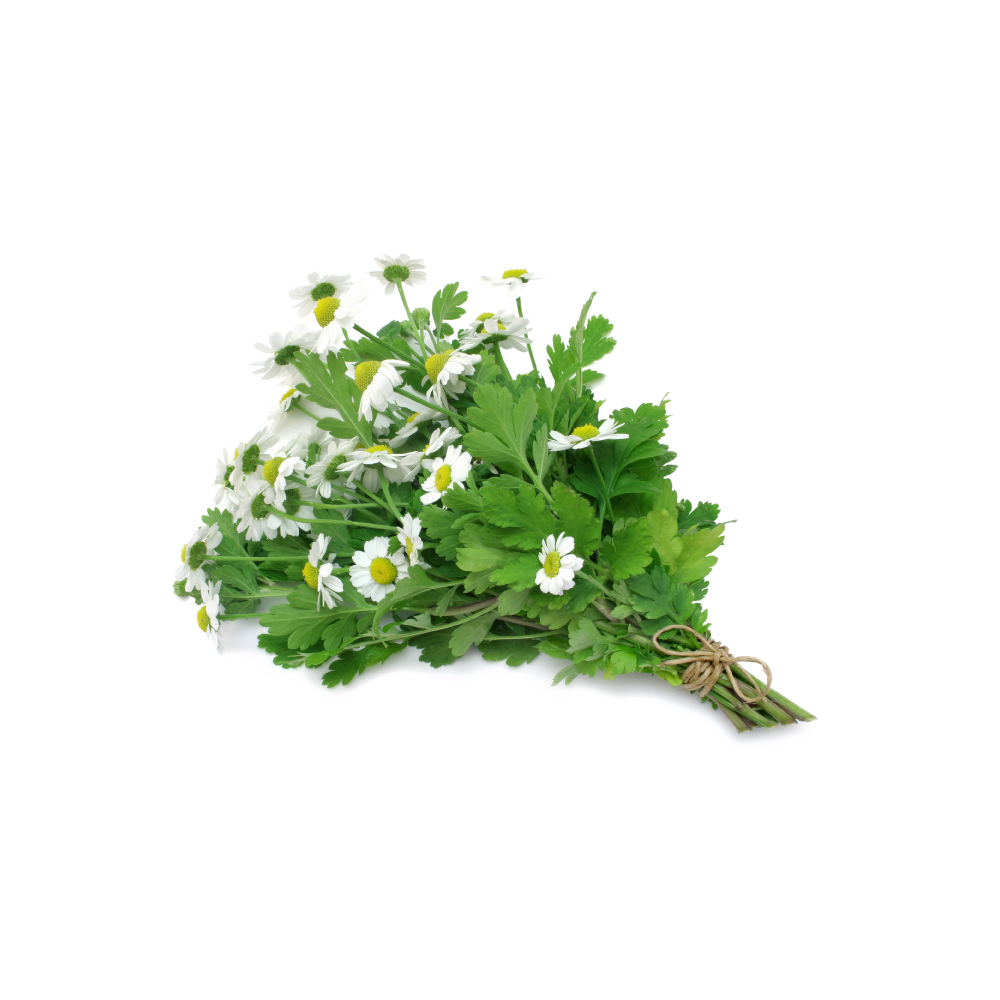 Source Feverfew Tanacetum parthenium Herb monograph →
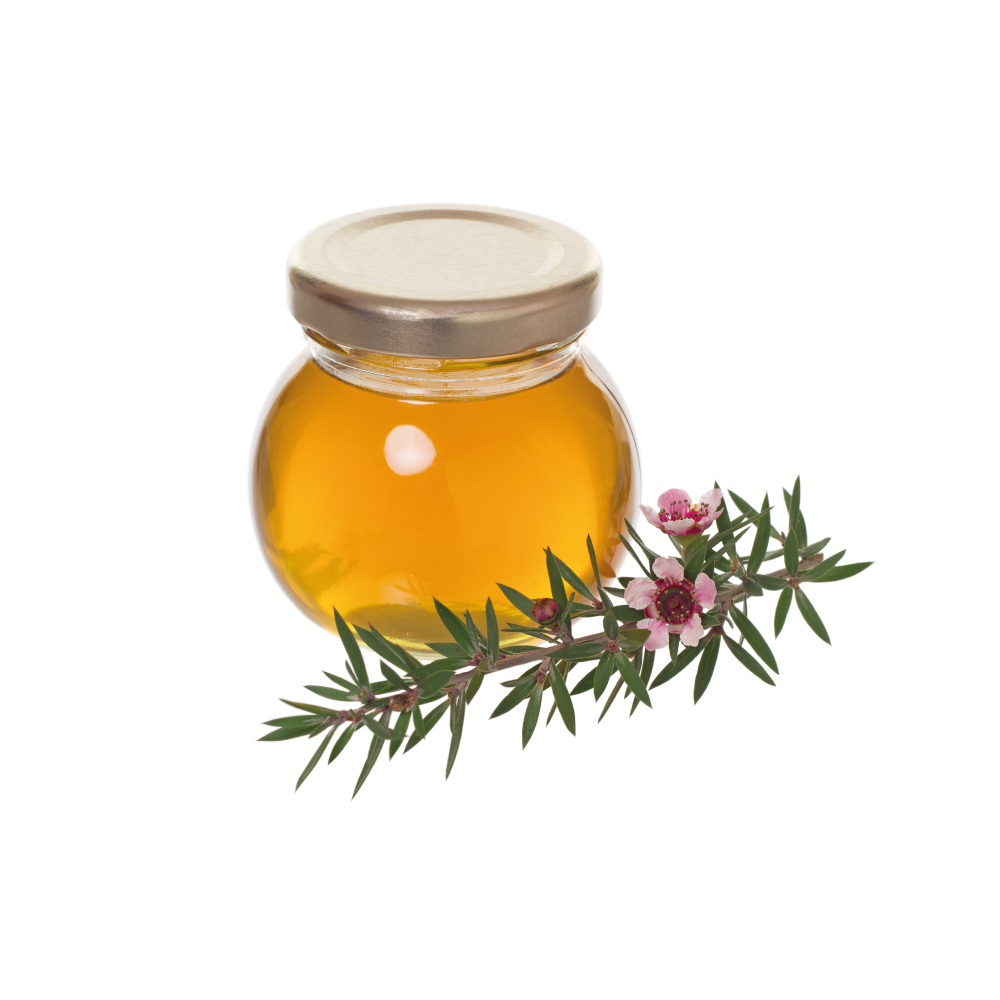 Source Manuka Leptospermum scoparium Herb monograph →
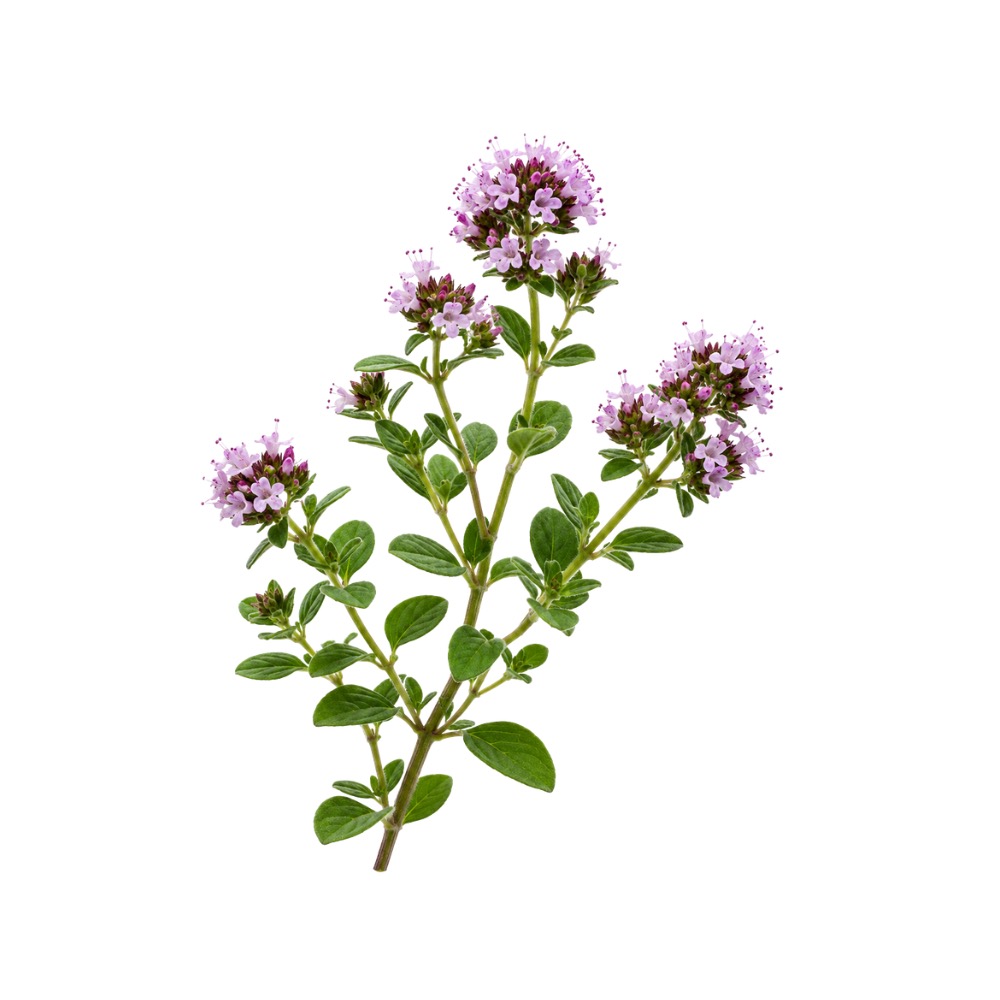 Source Marjoram Origanum majorana Herb monograph →
Photo coming soon
Source Thyme Thymus vulgaris Herb monograph →
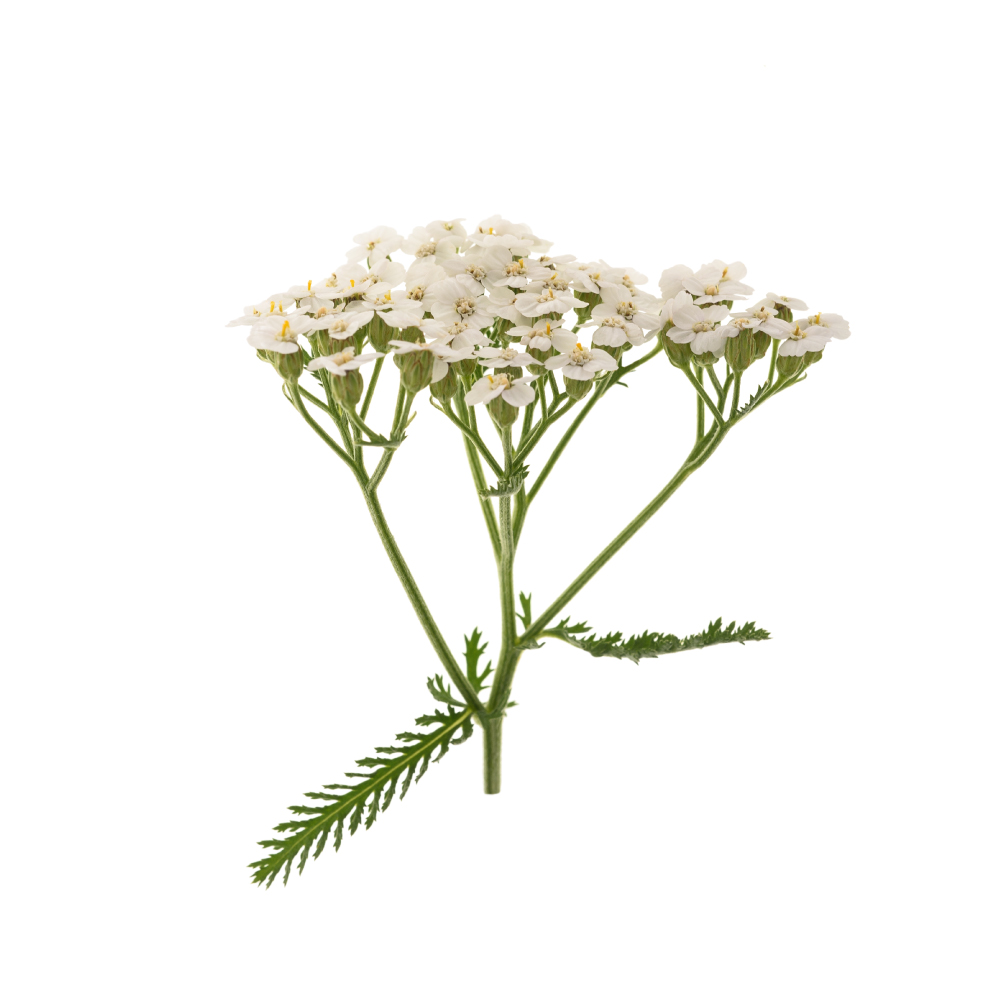 Source Yarrow Achillea millefolium Herb monograph →
Concentration
Content by Source
Reported concentrations across the plants that contain γ-terpinene — the bar marks the typical level, the line shows the reported range.
Literature figures for varying plant parts and preparations. Read them as a comparative guide, not exact assays.
γ-Terpinene at a Glance
γ-Terpinene is a monoterpene hydrocarbon — a cyclohexadiene with a methyl at one end and an isopropyl group at the other — and its importance is almost entirely about what the plant does with it next. It is the committed precursor of thymol and carvacrol, the phenolic monoterpenes that make oregano, thyme and savory antimicrobial 1Reference 1In vitroThe biosynthesis of thymol, carvacrol, and thymohydroquinone in Lamiaceae proceeds via cytochrome P450s and a short-chain dehydrogenase — in vitroView study →.
In Origanum vulgare oil it runs 4–19%, sitting behind carvacrol, thymol and p-cymene 4Reference 4ReviewA recent insight regarding the phytochemistry and bioactivity of Origanum vulgare L. essential oil — reviewView study →. In sweet marjoram it is a few per cent, part of a milder oil that stops the same oxidation sequence early. It also occurs across citrus peel, cumin and tea tree oils.
Its one distinctive property in its own right is a chemistry curiosity with real practical use: γ-terpinene retards lipid peroxidation by a mechanism completely unlike vitamin E’s, generating hydroperoxyl radicals that terminate the peroxidation chain rather than donating a hydrogen atom to a peroxyl radical 2Reference 2In vitroMechanism of inhibition of lipid peroxidation by gamma-terpinene, an unusual and potentially useful hydrocarbon antioxidant — in vitroView study →.
Upstream of Thymol and Carvacrol
For decades the textbook route from γ-terpinene to the phenols ran through p-cymene as an intermediate: cyclise geranyl diphosphate to γ-terpinene, aromatise it to p-cymene, hydroxylate that to thymol or carvacrol. Work published in 2021 showed the real pathway is different, and that p-cymene is a side product rather than a step 1Reference 1In vitroThe biosynthesis of thymol, carvacrol, and thymohydroquinone in Lamiaceae proceeds via cytochrome P450s and a short-chain dehydrogenase — in vitroView study →.
What actually happens is:
- γ-Terpinene synthase cyclises geranyl diphosphate to γ-terpinene — the committed step.
- Cytochrome P450s of the CYP71D subfamily oxidise γ-terpinene to unstable cyclohexadienol intermediates.
- A short-chain dehydrogenase/reductase converts those to the corresponding ketones, which tautomerise to the aromatic phenols — thymol and carvacrol.
- Two further P450s, of the CYP76S and CYP736A subfamilies, hydroxylate thymol and carvacrol to thymohydroquinone.
The decisive experiment was subtraction. In the absence of the dehydrogenase, the cyclohexadienol intermediates rearranged and only p-cymene was formed — which is why p-cymene had looked like an intermediate for so long, and why it accumulates in oils where the pathway is incomplete 1Reference 1In vitroThe biosynthesis of thymol, carvacrol, and thymohydroquinone in Lamiaceae proceeds via cytochrome P450s and a short-chain dehydrogenase — in vitroView study →. Reconstituting the enzymes with γ-terpinene, in vitro and in Nicotiana benthamiana, produced thymol and carvacrol directly.
This explains a difference that anyone cooking with these herbs already knows. Oregano runs the sequence to completion and its oil can be 56–83% carvacrol; sweet marjoram stops earlier, keeping the terpinenes and p-cymene and staying mild. A γ-terpinene figure is therefore a statement about how far a given plant carries its own chemistry, and oregano chemotypes are bred and hybridised on exactly that axis 9Reference 9Creation of new oregano genotypes with different terpene chemotypes via inter- and intraspecific hybridizationView study →.
An Antioxidant That Does Not Work Like Vitamin E
γ-Terpinene retards the peroxidation of linoleic acid, and it does so by a route with no resemblance to the classical chain-breaking antioxidants.
Vitamin E works by donating a hydrogen atom to a lipid peroxyl radical, quenching it. γ-Terpinene does not. Its own peroxidation yields p-cymene as the sole organic product, in a chain reaction whose carrier is the hydroperoxyl radical, HOO•. Those hydroperoxyl radicals then cross-react with lipid peroxyl radicals extremely fast, terminating the lipid chain 2Reference 2In vitroMechanism of inhibition of lipid peroxidation by gamma-terpinene, an unusual and potentially useful hydrocarbon antioxidant — in vitroView study →. The molecule protects the fat by feeding a different, faster-terminating radical into the same system.
The practical consequence is the interesting part. Vitamin E becomes a pro-oxidant at high concentrations, which caps how much of it can usefully be added to a fat. γ-Terpinene has no such ceiling in this mechanism, so essential oils containing it offer a route to oxidative stability that simply adding more tocopherol cannot 2Reference 2In vitroMechanism of inhibition of lipid peroxidation by gamma-terpinene, an unusual and potentially useful hydrocarbon antioxidant — in vitroView study →. Later work has mapped how this behaviour shifts with pH and with whether the lipid is bulk oil or a structured emulsion 8Reference 8In vitropH- and phase-dependent antioxidant behavior of γ- and α-terpinene in bulk and structured lipid systems — in vitroView study →, and γ-terpinene shows synergy with conventional antioxidants — with rutin and ascorbic acid it inhibited low-density lipoprotein oxidation more than any of them alone 3Reference 3In vitroSynergistic inhibition of low-density lipoprotein oxidation by rutin, gamma-terpinene, and ascorbic acid — in vitroView study →.
This is food chemistry and lipid chemistry, not a health claim. Nothing here has been tested as an antioxidant intervention in a person.
What It's Used For
There is very little pharmacology to report. What exists is chemistry — the biosynthetic role and the radical mechanism — plus in-vitro antioxidant work.
γ-Terpinene retards linoleic acid peroxidation by a mechanism established in detail: its own peroxidation produces p-cymene as the only organic product via a chain carried by the hydroperoxyl radical HOO•, and rapid cross-termination between HOO• and lipid peroxyl radicals is what slows the lipid chain 2Reference 2In vitroMechanism of inhibition of lipid peroxidation by gamma-terpinene, an unusual and potentially useful hydrocarbon antioxidant — in vitroView study →.
Because this is not hydrogen-atom donation, it does not carry vitamin E’s pro-oxidant behaviour at high concentration, which is the property that makes it interesting for food shelf life 2Reference 2In vitroMechanism of inhibition of lipid peroxidation by gamma-terpinene, an unusual and potentially useful hydrocarbon antioxidant — in vitroView study →.
In an LDL-oxidation model, γ-terpinene combined with rutin and ascorbic acid produced synergistic inhibition 3Reference 3In vitroSynergistic inhibition of low-density lipoprotein oxidation by rutin, gamma-terpinene, and ascorbic acid — in vitroView study →, and its behaviour has since been characterised across pH values and in both bulk and structured lipid systems 8Reference 8In vitropH- and phase-dependent antioxidant behavior of γ- and α-terpinene in bulk and structured lipid systems — in vitroView study →.
Gap: all of it is chemistry in lipid systems and cell-free assays. There is no animal or human study of γ-terpinene as an antioxidant, and antioxidant activity measured in a fat does not translate to antioxidant activity in a person.
Mechanisms
| Target / pathway | Effect | Relevant to |
|---|---|---|
| Lipid peroxyl radicals (LOO•) | indirect termination — γ-terpinene generates HOO•, which cross-reacts with LOO• very fast | lipid antioxidant |
| Hydrogen-atom donation | not the mechanism — the explicit contrast with vitamin E | lipid antioxidant |
| CYP71D P450s (in planta) | oxidise γ-terpinene to unstable cyclohexadienols | thymol / carvacrol biosynthesis |
| Short-chain dehydrogenase (in planta) | converts those intermediates to ketones → thymol and carvacrol | thymol / carvacrol biosynthesis |
| Absence of that dehydrogenase | intermediates rearrange to p-cymene instead | why p-cymene accumulates in some oils |
Pharmacokinetics
Nothing is established for γ-terpinene in humans or animals — no absorption fraction, no half-life, no metabolite profile. As a small lipophilic hydrocarbon it would be expected to behave like its neighbours in the class, but that is an inference rather than a measurement. The one relevant observation about its fate is chemical rather than physiological: in the presence of oxygen it converts to p-cymene 2Reference 2In vitroMechanism of inhibition of lipid peroxidation by gamma-terpinene, an unusual and potentially useful hydrocarbon antioxidant — in vitroView study →, so an aged or air-exposed oil carries less γ-terpinene and more p-cymene than the fresh material did.
Clinical Trials
| Completed | Planned | Terminated | Preclinical |
|---|---|---|---|
| None | — | — | Lipid-peroxidation chemistry; LDL-oxidation synergy; plant enzymology |
Last checked: September 2026.
Isolate vs. Plant Studies
γ-Terpinene is studied as an isolate almost exclusively by chemists. The radical-mechanism work used the pure compound in defined lipid systems 2,
Its pharmacology, such as it is, arrives second-hand. Oregano and thyme oils have a large antimicrobial literature, and γ-terpinene is named in the composition of nearly every one of those studies — but the activity is attributed to carvacrol and thymol, with p-cymene credited as a membrane-permeabilising helper 4Reference 4ReviewA recent insight regarding the phytochemistry and bioactivity of Origanum vulgare L. essential oil — reviewView study →. Reading oregano’s antibacterial record onto γ-terpinene would be attributing a product’s effect to its raw material.
Prevalence in Nature
- Oregano (Origanum vulgare) — 4–19% of the essential oil, behind carvacrol (56–83% in the carvacrol chemotype), thymol and p-cymene 4Reference 4ReviewA recent insight regarding the phytochemistry and bioactivity of Origanum vulgare L. essential oil — reviewView study →. Chemotype governs everything: carvacrol-, thymol- and linalool-dominant forms are all sold as oregano.
- Sweet marjoram (Origanum majorana) — a few per cent, in an oil defined instead by terpinen-4-ol and cis-sabinene hydrate. Marjoram’s mildness relative to oregano is the same pathway, stopped earlier.
- Thyme (Thymus vulgaris) — present throughout the thymol chemotypes, and the thyme genome assembly has been used to map the glandular trichomes and monoterpene genes that produce it 5Reference 5Chromosome-level assembly and analysis of the Thymus genome provide insights into glandular secretory trichome formation and monoterpenoid biosynthesis in thymeView study →.
- Wild bergamot, yarrow and feverfew carry it as a minor volatile.
- Outside the Lamiaceae it is common in citrus peel oils, in cumin and other Apiaceae seed oils, and in tea tree.
Its ratio to thymol, carvacrol and p-cymene is stable enough within a species to be used analytically: deuterium/hydrogen isotope-ratio measurement of these four compounds is a method for authenticating thyme, savory and oregano oils and detecting synthetic adulteration 7Reference 7Deuterium/hydrogen ratio analysis of thymol, carvacrol, gamma-terpinene and p-cymene in thyme, savory and oregano essential oils by gas chromatography-pyrolysis-isotope ratio mass spectrometryView study →.
Discovery & Synthesis
γ-Terpinene was named as one of the terpinene isomers in the nineteenth-century terpene work that also sorted out the pinenes and the menthanes. It has never been a target of manufacture in its own right — it is obtained from the essential oils that contain it, chiefly citrus processing streams, and used as a fragrance and flavour material and as an intermediate to p-cymene.
The substantive recent work is biological. γ-Terpinene synthases have been characterised from several Lamiaceae, and the 2021 reconstruction of the thymol and carvacrol pathway resolved what happens to its product 1Reference 1In vitroThe biosynthesis of thymol, carvacrol, and thymohydroquinone in Lamiaceae proceeds via cytochrome P450s and a short-chain dehydrogenase — in vitroView study →; chromosome-level genome assemblies of Thymus and hybridisation programmes in Origanum now allow the ratio of γ-terpinene to its phenolic products to be manipulated deliberately 5,
Patents: not yet researched.
Toxicity & Safety
γ-Terpinene carries a low flag. It is a constituent of ordinary culinary herbs and citrus, consumed daily and without a documented pattern of harm at those levels.
- A dietary constituent of common culinary herbs and citrus peel, encountered at low levels in food and flavourings.
- Oxidised oils are a different material. γ-Terpinene converts to p-cymene on air exposure, and oxidation products of terpene-rich oils are the usual source of contact sensitisation.
- Do not read its isomer’s allergy record onto it. α-Terpinene, the isomer in tea tree oil, autoxidises rapidly on air exposure to compounds that are skin allergens.
- Oregano oil is not γ-terpinene. The antimicrobial potency and the mucosal irritancy of oregano oil belong to carvacrol and thymol.
Full Safety & Interactions Detail
What is established. γ-Terpinene has a long history of dietary exposure through oregano, thyme, marjoram, cumin and citrus, and no specific toxicity is documented at those concentrations.
Oxidation is the relevant caution for the class. Terpene hydrocarbons form allergenic oxidation products on air exposure, and the best-documented example is the close isomer α-terpinene, which autoxidises rapidly in air to compounds identified as skin allergens and is a known sensitiser in aged tea tree oil 6Reference 6In vitroRudbäck J, Bergström MA, Börje A, et al. (2012). α-Terpinene, an antioxidant in tea tree oil, autoxidizes rapidly to skin allergens on air exposure — in vitro. Chem Res Toxicol. https://pubmed.ncbi.nlm.nih.gov/22250748/View study →. γ-Terpinene’s own air oxidation is well characterised chemically — it yields p-cymene 2Reference 2In vitroMechanism of inhibition of lipid peroxidation by gamma-terpinene, an unusual and potentially useful hydrocarbon antioxidant — in vitroView study → — but it has not been given the same dedicated sensitisation study. The practical advice is the ordinary one for terpene-rich oils: store them cold, dark and closed, and treat an old bottle as a different material from a fresh one.
What belongs to the downstream molecules. Oregano and thyme oils are potent mucosal irritants at concentration, and that belongs to carvacrol and thymol — the phenols γ-terpinene is the raw material for, not the raw material itself.
Reproductive note. No reproductive-toxicity dataset for isolated γ-terpinene is characterised here. Pregnancy and lactation decisions belong to the herb or product page.
Interactions. None documented. No human pharmacokinetic study exists against which an interaction could be assessed.
Dosage
No therapeutic dose has been established for γ-terpinene, and no human study has administered it. The figures below are composition reference points.
| Source | Form | γ-Terpinene content |
|---|---|---|
| Oregano (Origanum vulgare) | Essential oil | 4–19% of the oil 4Reference 4ReviewA recent insight regarding the phytochemistry and bioactivity of Origanum vulgare L. essential oil — reviewView study → |
| Sweet marjoram (Origanum majorana) | Leaf oil | a few per cent, in a terpinen-4-ol-dominated oil |
| Thyme, citrus peel, cumin, tea tree | Essential oil | present as a supporting constituent 5, |
These are composition figures, not doses, and are not a personal recommendation.
References
- Krause ST, Liao P, Crocoll C, et al. (2021). The biosynthesis of thymol, carvacrol, and thymohydroquinone in Lamiaceae proceeds via cytochrome P450s and a short-chain dehydrogenase — in vitro. Proc Natl Acad Sci U S A. https://pubmed.ncbi.nlm.nih.gov/34930840/
- Foti MC, Ingold KU (2003). Mechanism of inhibition of lipid peroxidation by gamma-terpinene, an unusual and potentially useful hydrocarbon antioxidant — in vitro. J Agric Food Chem. https://pubmed.ncbi.nlm.nih.gov/12696969/
- Milde J, Elstner EF, Grassmann J (2004). Synergistic inhibition of low-density lipoprotein oxidation by rutin, gamma-terpinene, and ascorbic acid — in vitro. Phytomedicine. https://pubmed.ncbi.nlm.nih.gov/15070159/
- Lombrea A, Antal D, Ardelean F, et al. (2020). A recent insight regarding the phytochemistry and bioactivity of Origanum vulgare L. essential oil — review. Int J Mol Sci. https://pubmed.ncbi.nlm.nih.gov/33348921/
- Sun M, Zhang Y, Zhu L, et al. (2022). Chromosome-level assembly and analysis of the Thymus genome provide insights into glandular secretory trichome formation and monoterpenoid biosynthesis in thyme. Plant Commun. https://pubmed.ncbi.nlm.nih.gov/35841150/
- Rudbäck J, Bergström MA, Börje A, et al. (2012). α-Terpinene, an antioxidant in tea tree oil, autoxidizes rapidly to skin allergens on air exposure — in vitro. Chem Res Toxicol. https://pubmed.ncbi.nlm.nih.gov/22250748/
- Nhu-Trang TT, Casabianca H, Grenier-Loustalot MF (2006). Deuterium/hydrogen ratio analysis of thymol, carvacrol, gamma-terpinene and p-cymene in thyme, savory and oregano essential oils by gas chromatography-pyrolysis-isotope ratio mass spectrometry. J Chromatogr A. https://pubmed.ncbi.nlm.nih.gov/16945376/
- Jin Z, Huang Y, Guernelli S, et al. (2026). pH- and phase-dependent antioxidant behavior of γ- and α-terpinene in bulk and structured lipid systems — in vitro. Food Chem. https://pubmed.ncbi.nlm.nih.gov/42480463/
- Sun M, Liu N, Miao J, et al. (2023). Creation of new oregano genotypes with different terpene chemotypes via inter- and intraspecific hybridization. Int J Mol Sci. https://pubmed.ncbi.nlm.nih.gov/37108486/



