
Compound Monograph
Gangetin
Gangetin is a pterocarpan and the characteristic chemical marker of Desmodium gangeticum — the Ayurvedic Salaparni — and belongs to a separate literature from the West African D. adscendens.

Sources · 1
Where Does It Come From?
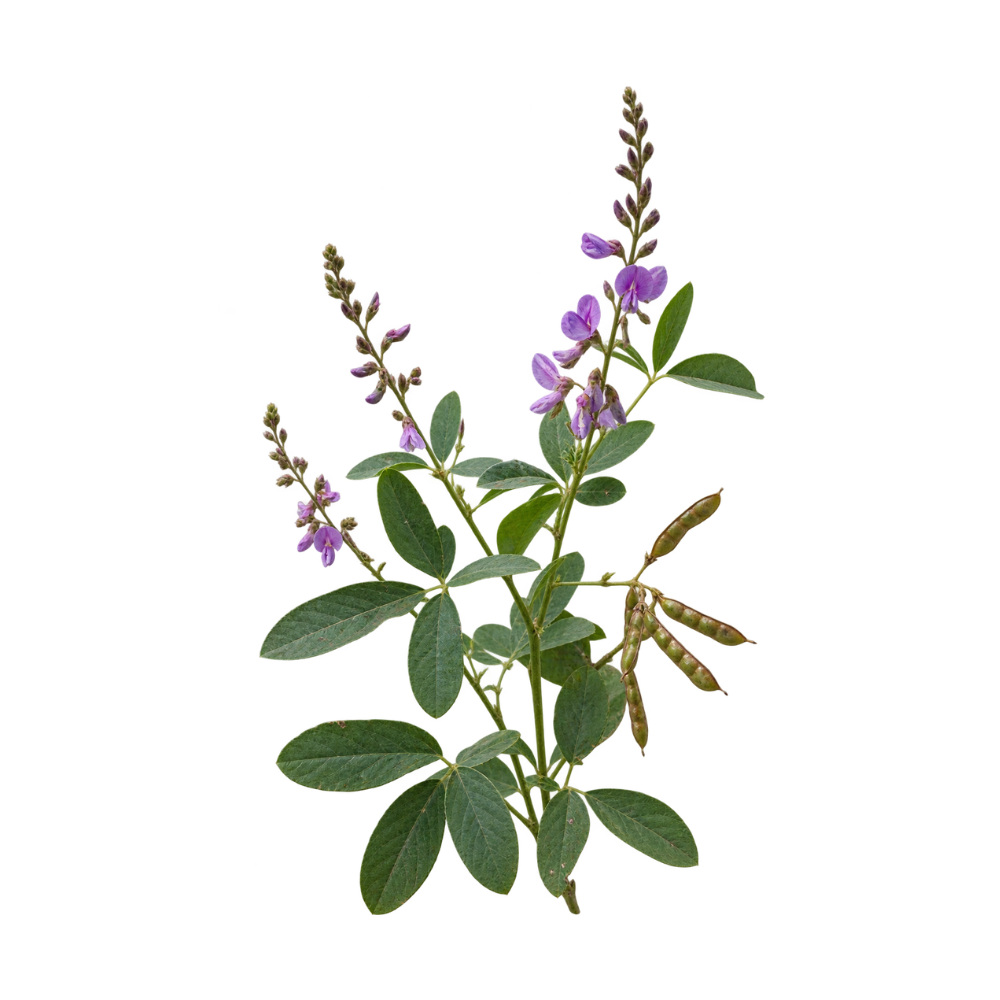
Gangetin is a naturally occurring pterocarpan (isoflavonoid), found in Tick trefoil. Its toxicity is not yet characterized.
Concentration
Content by Source
Concentrations not reported. No percent-dry-weight or mg/g figures have been published for this compound in its source plants.
Research & Evidence
Gangetin is a pterocarpan — an isoflavonoid-derived structure, the class that in legumes usually serves as a phytoalexin, a chemical-defence compound the plant makes against fungal attack rather than a phytoestrogen. Its structural relatives elsewhere here are medicarpin and maackiain.
It is named for, and characteristic of, Desmodium gangeticum — the Ayurvedic Salaparni, one of the ten roots of the Dashamoola formula. That species identity is the whole point. Desmodium is a genus rather than a plant, and its research divides almost entirely along two species that share almost nothing: D. gangeticum carries the cardioprotective, antiulcer, antileishmanial and antidiabetic work, while D. adscendens carries the anti-asthma and hepatoprotective work and the BK-channel saponin. Nothing reads across, and gangetin sits firmly on the gangeticum side.
Its own isolate pharmacology is not developed enough to summarise here; it functions in the literature chiefly as a marker compound for authenticating the species.
Toxicity & Safety
No isolated-compound toxicity data were located.



