
Compound Monograph
Ginkgolide A
Ginkgolide A is a diterpene trilactone of Ginkgo biloba and one of the ginkgo terpene lactones that antagonize the platelet-activating-factor (PAF) receptor. It is the most abundant and best-absorbed ginkgolide, but a weaker PAF antagonist than ginkgolide B, and its human evidence belongs to the whole extract (EGb 761), not the isolate.

Sources · 1
Where Does It Come From?
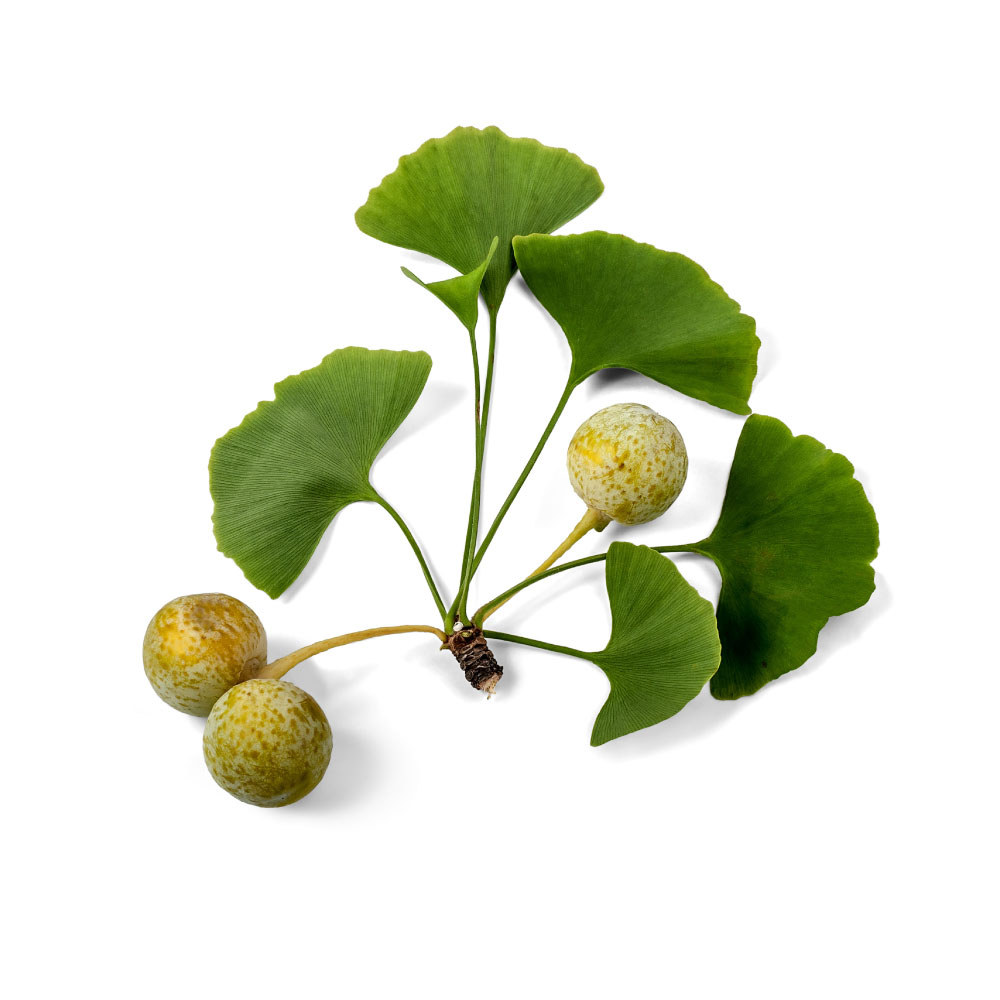
Ginkgolide A is a naturally occurring diterpene lactone (ginkgolide), found in Ginkgo. It is well tolerated orally (low toxicity).
Concentration
Content by Source
Concentrations not reported. No percent-dry-weight or mg/g figures have been published for this compound in its source plants.
Ginkgolide A at a Glance
Ginkgolide A is one of the terpene trilactones — the cage-shaped diterpene “ginkgolides” (A/B/C/J) that, together with the sesquiterpene bilobalide, make up the terpene-lactone fraction of Ginkgo biloba leaf (see the ginkgolides class page). Like its siblings it is a selective antagonist of the platelet-activating-factor (PAF) receptor, the mechanism that defines the group.
Its distinguishing traits within the series are pharmacokinetic rather than pharmacological: ginkgolide A is generally the most abundant and best-absorbed of the ginkgolides, reaching the highest plasma levels after ginkgo dosing 3,
The load-bearing honesty point is the same as for every ginkgolide: ginkgo’s human evidence rests on the standardized EGb 761 extract, not on isolated ginkgolide A 1Reference 1Ginkgo biloba extract (EGb 761) and CNS functions: basic studies and clinical applicationsView study →. The isolate’s own literature is thin — mechanistic PAF/neuroprotection data plus a single genuinely ginkgolide-A-specific efficacy study, in fatty-liver models.
Ginkgolide A vs. B vs. C
The ginkgolides share an identical six-ring cage skeleton with three lactone groups and a tert-butyl group; they differ only in the number and position of their hydroxyl groups, and that small difference sets their PAF potency:
- Ginkgolide A — one fewer hydroxyl than B (it lacks the 1-position OH); intermediate PAF antagonist, most abundant, best-absorbed.
- Ginkgolide B — the reference PAF antagonist (drug code BN52021); the most potent of the group.
- Ginkgolide C — an extra 7β-hydroxyl relative to B; the weakest and poorest-absorbed congener.
In head-to-head assays the rank order of PAF-receptor antagonism is B > A > C (ginkgolide J weakest), tracking these hydroxylation differences 2Reference 2Comparison of three paf-acether receptor antagonist ginkgolidesView study →; structure-activity work on the ring positions confirms that hydroxyl substitution governs PAF potency 10Reference 10Preparation of 7-substituted ginkgolide derivatives: potent platelet-activating-factor (PAF) receptor antagonistsView study →. So ginkgolide A sits in the middle: a real but sub-B PAF blocker that, because it is present and absorbed in greater amount, may still contribute meaningfully to the extract’s terpene-lactone activity.
What It's Used For
Almost all of ginkgolide A’s pharmacology is either shared class mechanism (PAF antagonism, glycine/GABA channel block) or whole-extract evidence. The one thing tested on the isolated molecule for its own indication is a metabolic/fatty-liver signal.
Support is an experimental score — weighted by study type (human > animal > in vitro) and volume. A beta, not a validated metric. There are no human trials of the isolate, so scores stay low by design.
The defining, best-characterized property. Ginkgolide A competitively antagonizes the platelet-activating-factor receptor, blocking PAF-induced platelet aggregation and PAF binding; in the classic head-to-head comparison of the ginkgolides it was an effective antagonist, weaker than ginkgolide B but of the same mechanism 2Reference 2Comparison of three paf-acether receptor antagonist ginkgolidesView study →.
Unlike its poorly-absorbed siblings, ginkgolide A is well absorbed — human pharmacokinetic work estimates fractional oral bioavailability above 100% and records the highest plasma concentrations of any ginkgolide after standardized-extract dosing 3,
Because PAF drives platelet activation, vascular permeability and inflammatory signaling, this mechanism underlies both the circulatory rationale for ginkgo and the group’s bleeding caution.
Gap: this is the shared class mechanism, not an isolated-ginkgolide-A indication — there is no human antiplatelet or anti-inflammatory outcome study of the isolate, and blood carboxylation of the lactone ring further lowers its PAF activity in vivo 3Reference 3Human pharmacokinetics of ginkgo terpene lactones and impact of carboxylation in blood on their platelet-activating-factor antagonistic activityView study →.
The one genuinely ginkgolide-A-specific efficacy signal, and the page’s distinctive hook. In high-fat-diet mice and in NEFA-loaded HepG2 hepatocytes, isolated ginkgolide A inhibited lipogenesis and lipid accumulation, suppressed hepatic inflammation, and promoted lipoapoptosis of fat-laden cells (via mitochondrial oxidative stress), with the authors framing it as a candidate for non-alcoholic fatty liver disease 5Reference 5AnimalGinkgolide A ameliorates non-alcoholic fatty liver diseases on high fat diet miceView study →.
Gap: a single study spanning one cell line and one mouse model, with no dose-ranging, replication or human data — hypothesis-generating only, and independent of the ginkgo extract’s established uses 5Reference 5AnimalGinkgolide A ameliorates non-alcoholic fatty liver diseases on high fat diet miceView study →.
Ginkgolides are framed as contributors to the neuroprotective actions of the whole extract 1Reference 1Ginkgo biloba extract (EGb 761) and CNS functions: basic studies and clinical applicationsView study →. For the isolate specifically, ginkgolide A protected cultured neurons against amyloid-β1–42-induced synapse damage, preserving the presynaptic marker synaptophysin dose-dependently (ED50 ≈ 40 nM), an effect linked to PAF-receptor antagonism — though ginkgolide B was more potent 6Reference 6In vitroGinkgolides protect against amyloid-β1–42-mediated synapse damage in vitroView study →.
Gap: in-vitro only, downstream of the same PAF mechanism rather than an independent claim, and the ginkgolides’ limited blood-brain-barrier entry (see Pharmacokinetics) makes the in-vivo CNS relevance of the isolate uncertain 6,
Mechanisms
| Target / pathway | Effect | Relevant to |
|---|---|---|
| PAF receptor (PAFR) | selective competitive antagonist; intermediate potency (weaker than ginkgolide B, stronger than C); attenuated by plasma carboxylation | antiplateletanti-inflammatoryneuroprotectionbleeding signal |
| Hepatic lipogenesis / mitochondrial stress | ↓ lipid accumulation and inflammation, ↑ lipoapoptosis of fat-laden hepatocytes (in-vitro / HFD mice) | metabolic / hepatic |
| Glycine receptor (& GABA-A-gated Cl⁻ channel) | non-competitive pore antagonist (a shared ginkgolide property) | CNS excitability (mechanistic only) |
Pharmacokinetics
Ginkgolide A is a small, relatively polar cage diterpene trilactone, and it is the standout absorber of the group. Human studies of standardized ginkgo preparations report ginkgolide A reaching the highest plasma levels of any ginkgolide — median Cmax around 16 ng/mL after EGb 761 tablets (versus ~10 ng/mL for ginkgolide B and far less for C/J), with estimated fractional oral bioavailability exceeding 100% 3,
Clinical Trials
There are no clinical trials of isolated ginkgolide A for any indication. Ginkgo’s human evidence rests on the standardized EGb 761 extract, and the ginkgolide-class human data (ischemic stroke) come from an injectable ginkgolide mixture, not this isolate. Human data specific to ginkgolide A exist only as pharmacokinetic measurements after extract dosing 3,
| Completed | Planned | Terminated | Preclinical |
|---|---|---|---|
| —(none, isolate) | — | — | Thin(mechanistic + one in-vitro/animal efficacy study) |
Last checked: July 2026.
Isolate vs. Plant Studies
The evidence for ginkgolide A is almost entirely not about ginkgolide A on its own. Its clinical reputation is borrowed from the whole EGb 761 extract, whose human cognitive and circulatory data cannot be attributed to any single terpene lactone 1Reference 1Ginkgo biloba extract (EGb 761) and CNS functions: basic studies and clinical applicationsView study →, and from the injectable ginkgolide mixture used for ischemic stroke — again a mixture, not the isolate. The genuinely isolated-molecule findings are a handful of mechanistic and preclinical studies: PAF-antagonist assays 2Reference 2Comparison of three paf-acether receptor antagonist ginkgolidesView study →, the amyloid-β synapse-protection experiment 6Reference 6In vitroGinkgolides protect against amyloid-β1–42-mediated synapse damage in vitroView study →, and the fatty-liver study 5Reference 5AnimalGinkgolide A ameliorates non-alcoholic fatty liver diseases on high fat diet miceView study →. Even the pharmacokinetic advantage — ginkgolide A being the best-absorbed ginkgolide — is measured within extract dosing 3,
Prevalence in Nature
The ginkgolides are essentially unique to Ginkgo biloba, the sole surviving species of an ancient lineage; they are found in the leaves (and root bark) and are not reported at meaningful levels in other plants. Within standardized leaf extract (EGb 761), the terpene-trilactone fraction is about 5–7% of the extract by weight, split among the diterpene ginkgolides (A/B/C/J) and the sesquiterpene bilobalide, so any individual ginkgolide is a sub-percent constituent of the extract 1Reference 1Ginkgo biloba extract (EGb 761) and CNS functions: basic studies and clinical applicationsView study →. Ginkgolide A is typically among the more abundant of the diterpene ginkgolides. Precise leaf-content figures vary widely with cultivar, season and processing, and the compound is defined for commerce by its concentration in standardized extract rather than by a fixed leaf percentage.
Discovery & Synthesis
The ginkgolides were first isolated from Ginkgo biloba by Furukawa in 1932, but their extraordinary cage structures were not solved until the 1960s, when Nakanishi and colleagues elucidated the ginkgolide structures (1967) — a landmark of natural-product chemistry given the compounds’ six rings, three lactones and tert-butyl group. The name honors the tree; individual ginkgolides are lettered A/B/C (and J, M). The first total synthesis of a ginkgolide (ginkgolide B) was completed by E. J. Corey in 1988, confirming the structure and demonstrating the synthetic challenge these molecules pose. Manufacture today is by extraction from cultivated ginkgo leaf, not synthesis: ginkgolide A is obtained as part of the standardized terpene-lactone fraction of EGb-type extracts (or, for research and the injectable mixture, by further purification), because total synthesis remains far too complex to be economical.
Patents: not yet researched.
Toxicity & Safety
Ginkgolide A carries a low toxicity flag. There are no toxicology signals for the isolated molecule, and at the sub-percent levels present in standardized ginkgo extracts the ginkgolides are well tolerated. The only practical concern is mechanism-based and class-level: a theoretical additive bleeding risk with antiplatelet or anticoagulant drugs, arising from PAF antagonism — a risk its modest plasma exposure and carboxylation likely keep small.
- No isolate toxicology signals. At the sub-percent levels found in standardized ginkgo extracts, the ginkgolides are well tolerated.
- Theoretical additive bleeding risk. PAF antagonism may add to antiplatelet and anticoagulant drugs (and NSAIDs), especially perioperatively — observe with the whole-extract bleeding caution.
- Not the allergenic or neurotoxic ginkgo compounds. The allergenic ginkgolic acids and the seed neurotoxin ginkgotoxin are separate entities, not ginkgolide A.
- Human safety data are for the extract, not the isolate. No dedicated toxicology package characterizes purified ginkgolide A.
Full Safety & Interactions Detail
Ginkgolide A is one of the better-tolerated ginkgo constituents, distinct from the allergenic ginkgolic-acid contaminants (capped <5 ppm in quality extracts) and the seed neurotoxin ginkgotoxin — both separate entities, not ginkgolide A. The one flag worth naming is bleeding: as a PAF antagonist, ginkgolide A inhibits PAF-induced platelet aggregation in vitro, so a theoretical additive risk with anticoagulants, antiplatelets and NSAIDs is prudent to observe, particularly around surgery 7Reference 7Inhibition of PAF-induced aggregation of human thrombocytes by ginkgolides: considerations on possible bleeding complications after oral Ginkgo biloba extractsView study →.
In practice the concern is small for the isolate — oral plasma levels are low and blood carboxylation further reduces PAF activity 3Reference 3Human pharmacokinetics of ginkgo terpene lactones and impact of carboxylation in blood on their platelet-activating-factor antagonistic activityView study → — and the real-world ginkgo bleeding signal comes chiefly from whole-leaf-extract case reports rather than from a purified ginkgolide 7Reference 7Inhibition of PAF-induced aggregation of human thrombocytes by ginkgolides: considerations on possible bleeding complications after oral Ginkgo biloba extractsView study →.
At the CNS level, ginkgolide A shares the ginkgolides’ non-competitive block of inhibitory glycine (and weak GABA-A) chloride channels 8Reference 8Structure-activity studies with Ginkgo biloba extract constituents as receptor-gated chloride-channel blockers and modulatorsView study →, a theoretical pro-convulsant property not seen at achievable exposures. No reproductive-toxicity dataset exists for the isolate; because ginkgo extracts are cautioned in pregnancy (bleeding and labor concerns) and PAF has roles in implantation and parturition, avoidance of the isolate in pregnancy and lactation is the prudent default, but that decision belongs to the herb or product page where intake is decided.
Dosage
There is no established human dose for isolated ginkgolide A, and none should be implied. It occurs only as a sub-percent fraction of the ~5–7% terpene-trilactone content of standardized EGb 761 leaf extract, typically dosed 120–240 mg extract per day; at that intake, ginkgolide A exposure is a milligram fraction reaching only single-to-low-double-digit ng/mL plasma levels 3,
References
- DeFeudis FV, Drieu K (2000). Ginkgo biloba extract (EGb 761) and CNS functions: basic studies and clinical applications. Current Drug Targets. https://pubmed.ncbi.nlm.nih.gov/11475535/
- Korth R, Nunez D, Bidault J, Benveniste J (1988). Comparison of three paf-acether receptor antagonist ginkgolides. European Journal of Pharmacology. https://pubmed.ncbi.nlm.nih.gov/2850196/
- Liu XW, Yang JL, Niu W, et al. (2018). Human pharmacokinetics of ginkgo terpene lactones and impact of carboxylation in blood on their platelet-activating-factor antagonistic activity. Acta Pharmacologica Sinica. https://pubmed.ncbi.nlm.nih.gov/30054600/
- Woelkart K, Feizlmayr E, Dittrich P, et al. (2010). Pharmacokinetics of bilobalide, ginkgolide A and B after administration of three different Ginkgo biloba L. preparations in humans. Phytotherapy Research. https://pubmed.ncbi.nlm.nih.gov/20041430/
- Jeong HS, Kim KH, Lee IS, et al. (2017). Ginkgolide A ameliorates non-alcoholic fatty liver diseases on high fat diet mice. Biomedicine & Pharmacotherapy. https://pubmed.ncbi.nlm.nih.gov/28142119/
- Bate C, Tayebi M, Williams A (2008). Ginkgolides protect against amyloid-β1–42-mediated synapse damage in vitro. Molecular Neurodegeneration. https://pubmed.ncbi.nlm.nih.gov/18179689/
- Koch E (2005). Inhibition of PAF-induced aggregation of human thrombocytes by ginkgolides: considerations on possible bleeding complications after oral Ginkgo biloba extracts. Phytomedicine. https://pubmed.ncbi.nlm.nih.gov/15693702/
- Chatterjee SS, Kondratskaya EL, Krishtal OA (2003). Structure-activity studies with Ginkgo biloba extract constituents as receptor-gated chloride-channel blockers and modulators. Pharmacopsychiatry. https://pubmed.ncbi.nlm.nih.gov/13130392/
- Ude C, Paulke A, Nöldner M, et al. (2011). Plasma and brain levels of terpene trilactones in rats after an oral single dose of standardized Ginkgo biloba extract EGb 761. Planta Medica. https://pubmed.ncbi.nlm.nih.gov/20814851/
- Strømgaard K, Suehiro M, Nakanishi K (2003). Preparation of 7-substituted ginkgolide derivatives: potent platelet-activating-factor (PAF) receptor antagonists. Journal of Medicinal Chemistry. https://pubmed.ncbi.nlm.nih.gov/12570381/



