
Compound Monograph
Ginsenoside Rb2
A major protopanaxadiol-type saponin of Asian ginseng and the arabinopyranose sibling of ginsenoside Rc — best known in the laboratory for anti-diabetic and hepatic-lipid effects and for a classic anti-angiogenic/anti-metastatic signal. As with the other ginsenosides, that evidence is preclinical and shadowed by very poor oral absorption and heavy gut-microbial conversion toward compound K, so none of it has been shown for the isolated molecule in a human trial.

Sources · 3
Where Does It Come From?
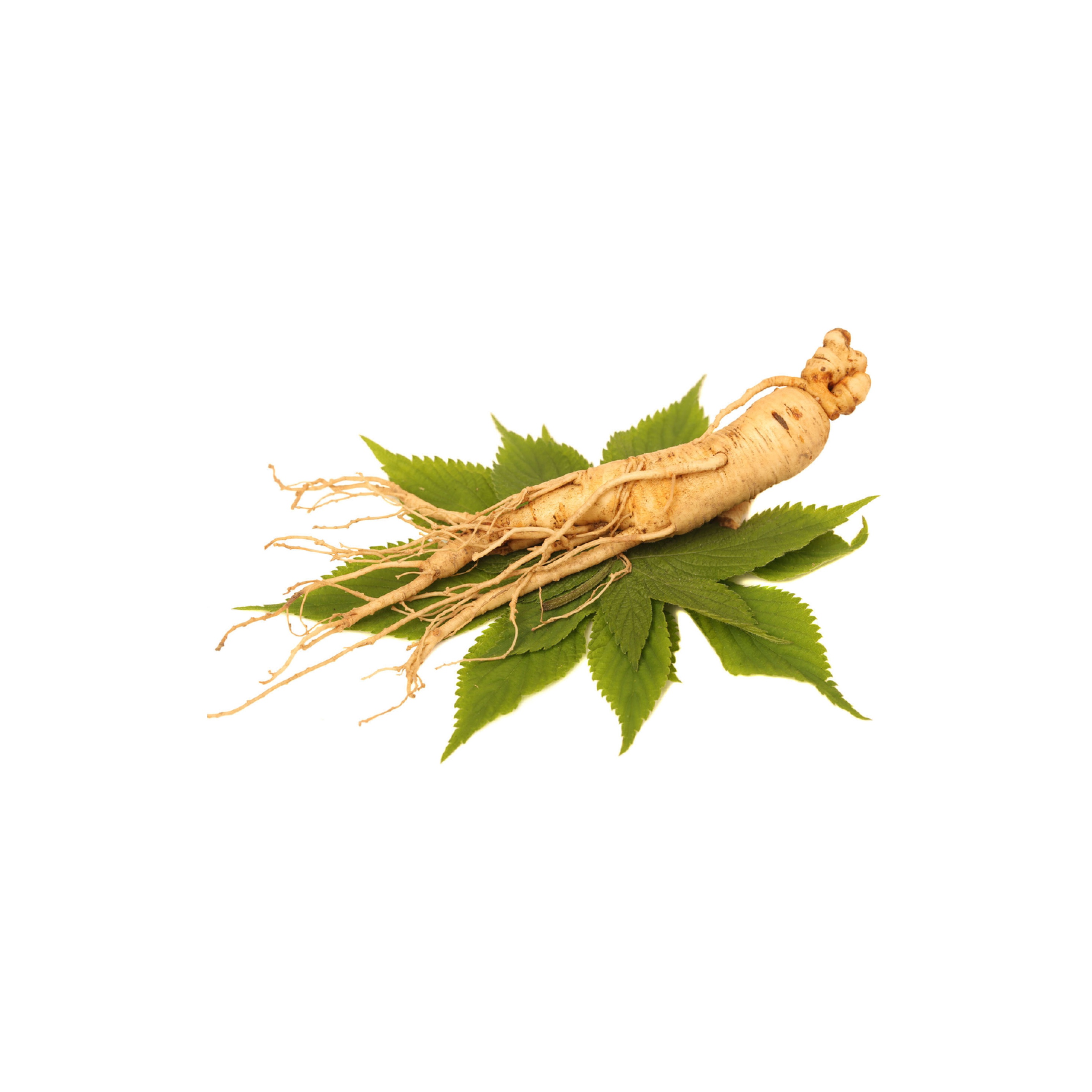
Ginsenoside Rb2 is a naturally occurring dammarane triterpenoid saponin (protopanaxadiol group), found in Asian ginseng and 2 other sources. It is well tolerated orally (low toxicity).


Concentration
Content by Source
Concentrations not reported. No percent-dry-weight or mg/g figures have been published for this compound in its source plants.
Ginsenoside Rb2 at a Glance
Ginsenoside Rb2 is one of the major protopanaxadiol (PPD)-type saponins of Asian ginseng (Panax ginseng), sitting in the same abundant PPD group as ginsenoside Rb1 and ginsenoside Rd. Ginsenosides split into two families by their triterpene backbone: the PPD-type (Rb1, Rb2, Rc, Rd) and the protopanaxatriol (PPT)-type (ginsenoside Rg1, Re, Rf) — a distinction that tracks with different sugar attachment points and, broadly, different pharmacology.
Within the PPD set, Rb2’s laboratory reputation is metabolic: a long line of preclinical work links it to lower blood glucose, improved insulin sensitivity, and reduced fat accumulation in the liver and adipose tissue 1Reference 1AnimalStudies on the mechanism of the hypoglycemic activity of ginsenoside-Rb2 in streptozotocin-diabetic rats — rat, in vivoView study →2Reference 2In vitroThe antidiabetic effect of ginsenoside Rb2 via activation of AMPK — in vitro (hepatocytes)View study →3Reference 3AnimalGinsenoside Rb2 promotes glucose metabolism and attenuates fat accumulation via AKT-dependent mechanisms — 3T3-L1 adipocytes + diet-induced obese miceView study →4Reference 4AnimalGinsenoside Rb2 alleviates hepatic lipid accumulation by restoring autophagy via induction of Sirt1 and activation of AMPK — db/db mice + HepG2/primary hepatocytesView study →5Reference 5AnimalGinsenoside Rb2 alleviates obesity by activation of brown fat and induction of browning of white fat — diet-induced obese mice + adipocytesView study →6Reference 6AnimalGinsenoside Rb2 improves insulin resistance by inhibiting adipocyte pyroptosis — high-fat-diet mice + 3T3-L1 adipocytesView study →. Its other signature is older — a classic 1990s finding that isolated Rb2 is anti-angiogenic and anti-metastatic in tumour-bearing mice 7Reference 7AnimalInhibition of tumor angiogenesis and metastasis by a saponin of Panax ginseng, ginsenoside-Rb2 — mouse (B16-BL6 melanoma), in vivo + endothelial-invasion assayView study →8Reference 8AnimalInhibitory effect of tumor metastasis in mice by saponins, ginsenoside-Rb2, 20(R)- and 20(S)-ginsenoside-Rg3, of red ginseng — mouse, in vivoView study →.
The caveat that runs through every ginsenoside applies here in full. Isolated Rb2 is a large, polar saponin that is very poorly absorbed by mouth (rodent oral bioavailability under ~5%), and gut bacteria progressively strip its sugars, converting it toward compound K, the smaller and more absorbable metabolite that actually reaches the blood 11Reference 11AnimalPharmacokinetics and bioavailability of ginsenoside Rb1 and Rg1 from Panax notoginseng in rats — rat, in vivo pharmacokinetics (PPD-group context for Rb2)View study →12Reference 12AnimalDetection of 13 ginsenosides (Rb1, Rb2, Rc, Rd, Re, Rf, Rg1, Rg3, Rh2, F1, compound K, 20(S)-protopanaxadiol, and 20(S)-protopanaxatriol) in human plasma and application to human pharmacokinetic studies following two-week repeated administration of red ginseng extract — human, in vivoView study →. Ginseng’s human reputation rests on whole standardized extracts, not on isolated Rb2 — there are no human trials of the isolated molecule.
Ginsenoside Rb2 & Glucose/Lipid Metabolism
This is the section only Rb2 needs, and the reason it stands apart from its PPD siblings.
The structural distinction. Rb2 and ginsenoside Rc are near-twins: both are protopanaxadiol saponins carrying a glucose–glucose chain at C-3 and a branched sugar at C-20. The only difference is the terminal five-carbon sugar on the C-20 chain — Rb2 carries an α-L-arabinopyranose (six-membered ring), whereas Rc carries an α-L-arabinofuranose (five-membered ring). It is a subtle change, but a real one: gut bacteria deploy different enzymes to remove them — an α-L-arabinopyranosidase for Rb2 versus an α-L-arabinofuranosidase for Rc — before both funnel down to Rd and onward to compound K 10Reference 10In vitroPurification and characterization of α-L-arabinopyranosidase and α-L-arabinofuranosidase from Bifidobacterium breve K-110, a human intestinal anaerobic bacterium metabolizing ginsenoside Rb2 and Rc — in vitro (bacterial enzymology)View study →. That single sugar is what separates two otherwise-identical molecules.
The metabolic signal. Rb2’s distinctive preclinical thread is anti-diabetic and lipid-lowering. The earliest work, from the mid-1980s, showed isolated Rb2 lowered blood glucose in streptozotocin-diabetic rats and shifted hepatic glucose- and lipid-handling enzymes 1Reference 1AnimalStudies on the mechanism of the hypoglycemic activity of ginsenoside-Rb2 in streptozotocin-diabetic rats — rat, in vivoView study →. Modern mechanistic work has filled in the how: Rb2 inhibits hepatic gluconeogenesis via AMPK 2Reference 2In vitroThe antidiabetic effect of ginsenoside Rb2 via activation of AMPK — in vitro (hepatocytes)View study →, raises glucose uptake and insulin sensitivity through Akt in adipocytes and obese mice 3Reference 3AnimalGinsenoside Rb2 promotes glucose metabolism and attenuates fat accumulation via AKT-dependent mechanisms — 3T3-L1 adipocytes + diet-induced obese miceView study →, restores autophagy via SIRT1/AMPK to clear fat from the liver in a fatty-liver (NAFLD) model 4Reference 4AnimalGinsenoside Rb2 alleviates hepatic lipid accumulation by restoring autophagy via induction of Sirt1 and activation of AMPK — db/db mice + HepG2/primary hepatocytesView study →, and even drives browning of white fat and brown-fat thermogenesis to raise energy expenditure 5Reference 5AnimalGinsenoside Rb2 alleviates obesity by activation of brown fat and induction of browning of white fat — diet-induced obese mice + adipocytesView study →6Reference 6AnimalGinsenoside Rb2 improves insulin resistance by inhibiting adipocyte pyroptosis — high-fat-diet mice + 3T3-L1 adipocytesView study →. Taken together this is a more developed metabolic case than most single ginsenosides carry.
The anti-angiogenic signal. Rb2’s second distinctive line is vascular but pointed the other way — it suppresses blood-vessel growth. In tumour-bearing mice, isolated Rb2 inhibited tumour-associated angiogenesis and reduced lung metastasis 7Reference 7AnimalInhibition of tumor angiogenesis and metastasis by a saponin of Panax ginseng, ginsenoside-Rb2 — mouse (B16-BL6 melanoma), in vivo + endothelial-invasion assayView study →8Reference 8AnimalInhibitory effect of tumor metastasis in mice by saponins, ginsenoside-Rb2, 20(R)- and 20(S)-ginsenoside-Rg3, of red ginseng — mouse, in vivoView study →. This is a genuine, if aged, isolated-molecule signal, and it is a double-edged property (anti-angiogenesis is wanted in cancer, unwanted in wound healing or ischaemia).
The honest limit. All of the above is isolated Rb2 in cells and rodents. There is essentially no human isolate data — Rb2 is one saponin among dozens in whole ginseng, its individual contribution to any human effect is unmeasured, and its poor oral uptake means an oral dose delivers little intact parent molecule to tissue 11Reference 11AnimalPharmacokinetics and bioavailability of ginsenoside Rb1 and Rg1 from Panax notoginseng in rats — rat, in vivo pharmacokinetics (PPD-group context for Rb2)View study →12Reference 12AnimalDetection of 13 ginsenosides (Rb1, Rb2, Rc, Rd, Re, Rf, Rg1, Rg3, Rh2, F1, compound K, 20(S)-protopanaxadiol, and 20(S)-protopanaxatriol) in human plasma and application to human pharmacokinetic studies following two-week repeated administration of red ginseng extract — human, in vivoView study →. Read this section as a coherent preclinical story, not a human one.
What It's Used For
Rb2’s evidence is entirely preclinical and splits into a well-developed metabolic thread, an older anti-angiogenic one, and a thin cardioprotective one. The section above frames it; the machinery below ranks and details it.
Support is an experimental score — weighted by study type (human > animal > in vitro) and volume, tempered for isolate-vs-plant match and bioavailability. A beta, not a validated metric. Every row rests on isolated Rb2 in animals or cells (no human isolate data), so scores are capped accordingly. Each application links to its write-up.
Rb2’s deepest and most consistent thread, all on isolated Rb2. The foundational work showed Rb2 lowered blood glucose in streptozotocin-diabetic rats while shifting hepatic glucose- and lipid-metabolising enzymes 1Reference 1AnimalStudies on the mechanism of the hypoglycemic activity of ginsenoside-Rb2 in streptozotocin-diabetic rats — rat, in vivoView study →.
Mechanistic studies since have converged on three routes. AMPK-mediated suppression of hepatic gluconeogenesis (Rb2 was reported as the first PPD-type ginsenoside shown to do this) 2Reference 2In vitroThe antidiabetic effect of ginsenoside Rb2 via activation of AMPK — in vitro (hepatocytes)View study →.
Akt-dependent glucose uptake and reduced fat accumulation, with restored GLUT1/GLUT4 in the adipose tissue of diet-induced obese mice 3Reference 3AnimalGinsenoside Rb2 promotes glucose metabolism and attenuates fat accumulation via AKT-dependent mechanisms — 3T3-L1 adipocytes + diet-induced obese miceView study →.
Restoration of hepatic autophagy via SIRT1 and AMPK, which cleared lipid and improved glucose tolerance in a NAFLD/db-db model 4Reference 4AnimalGinsenoside Rb2 alleviates hepatic lipid accumulation by restoring autophagy via induction of Sirt1 and activation of AMPK — db/db mice + HepG2/primary hepatocytesView study →.
Rb2 also promoted brown-fat activation and browning of white fat (UCP1, PGC-1α) to raise energy expenditure in obese mice 5Reference 5AnimalGinsenoside Rb2 alleviates obesity by activation of brown fat and induction of browning of white fat — diet-induced obese mice + adipocytesView study →, and eased insulin resistance by inhibiting adipocyte pyroptosis 6Reference 6AnimalGinsenoside Rb2 improves insulin resistance by inhibiting adipocyte pyroptosis — high-fat-diet mice + 3T3-L1 adipocytesView study →.
Gap: every study is isolated Rb2 in rodents or cell lines, several using injection or high in-vitro concentrations that bypass Rb2’s poor oral uptake; there are no diabetic or NAFLD clinical outcomes for the isolated molecule, and its contribution inside whole ginseng is unquantified.
A genuine isolated-molecule signal, though the primary work is now three decades old. In syngeneic mice bearing B16-BL6 melanoma, intravenous, intratumoural or oral isolated Rb2 reduced tumour-oriented neovascularisation and inhibited lung metastasis, with a dose-dependent anti-angiogenic effect 7Reference 7AnimalInhibition of tumor angiogenesis and metastasis by a saponin of Panax ginseng, ginsenoside-Rb2 — mouse (B16-BL6 melanoma), in vivo + endothelial-invasion assayView study →; in vitro, Rb2 concentration-dependently blocked endothelial-cell invasion of Matrigel, an essential step in new-vessel formation 7Reference 7AnimalInhibition of tumor angiogenesis and metastasis by a saponin of Panax ginseng, ginsenoside-Rb2 — mouse (B16-BL6 melanoma), in vivo + endothelial-invasion assayView study →.
A companion study confirmed that Rb2 (alongside 20(R)- and 20(S)-ginsenoside Rg3 from red ginseng) inhibited experimental tumour metastasis in mice 8Reference 8AnimalInhibitory effect of tumor metastasis in mice by saponins, ginsenoside-Rb2, 20(R)- and 20(S)-ginsenoside-Rg3, of red ginseng — mouse, in vivoView study →.
Gap: solid in-vivo mouse data, but from the 1990s and never advanced into human trials; the anti-angiogenic action is also a double-edged property (undesirable where new vessels are needed), and it has not been re-examined against modern oncology endpoints.
The thinnest of the three. In a single in-vitro model — H9c2 rat cardiomyoblasts stressed with hydrogen peroxide to mimic coronary-heart-disease injury — isolated Rb2 promoted cell proliferation and suppressed oxidative stress and apoptosis, an effect attributed to activation of the Nrf2/HO-1 antioxidant pathway 9Reference 9In vitroEffect of ginsenoside Rb2 on a myocardial cell model of coronary heart disease through Nrf2/HO-1 signaling pathway — in vitro (H9c2 cardiomyoblasts)View study →.
Gap: one in-vitro cell study only; no animal cardiac model or clinical endpoint for isolated Rb2, and the Nrf2/HO-1 route is a generic cytoprotective mechanism shared by many ginsenosides rather than an Rb2-specific finding.
Mechanisms
| Target / pathway | Effect | Relevant to |
|---|---|---|
| AMP-activated protein kinase (AMPK) | Activation; inhibits hepatic gluconeogenesis; drives autophagy/thermogenesis | Glucose & lipid metabolism |
| Akt (PI3K/Akt) | ↑ glucose uptake; restores GLUT1/GLUT4; ↓ fat accumulation | Glucose & lipid metabolism |
| SIRT1 → autophagic flux | Restores hepatic autophagy; clears lipid droplets | Hepatic lipid / NAFLD |
| UCP1 / PGC-1α (brown & beige fat) | Brown-fat activation, browning of white fat, ↑ energy expenditure | Obesity / metabolism |
| Tumour-associated angiogenesis / endothelial invasion | Inhibits neovascularisation and Matrigel invasion | Anti-angiogenic / anti-metastatic |
| Nrf2 / HO-1 | Antioxidant, anti-apoptotic cytoprotection | Cardioprotection |
| Gut microbiota (α-L-arabinopyranosidase, β-glucosidases) | Deglycosylation Rb2 → Rd → compound K | Pharmacokinetics; bioactivation |
Pharmacokinetics
Bioavailability is the load-bearing fact, as for the whole PPD group. Rb2 is a large, polar, tetra-glycosylated saponin that crosses the gut wall badly: its close sibling Rb1 was measured at only ~4–5% absolute oral bioavailability in rats, and Rb2 (in the same protopanaxadiol group, and even larger than Rb1) is expected to sit in the same very-low range 11Reference 11AnimalPharmacokinetics and bioavailability of ginsenoside Rb1 and Rg1 from Panax notoginseng in rats — rat, in vivo pharmacokinetics (PPD-group context for Rb2)View study →. What is absorbed in quantity is largely a set of gut-microbial metabolites: colonic bacteria progressively strip Rb2’s sugars, and because its C-20 terminal sugar is an arabinopyranose, that step needs a specific α-L-arabinopyranosidase (distinct from the arabinofuranosidase that acts on Rc) before the molecule collapses to Rd and on to compound K, the smaller, more absorbable and often more potent active 10Reference 10In vitroPurification and characterization of α-L-arabinopyranosidase and α-L-arabinofuranosidase from Bifidobacterium breve K-110, a human intestinal anaerobic bacterium metabolizing ginsenoside Rb2 and Rc — in vitro (bacterial enzymology)View study →. This microbiota dependence makes exposure vary widely between people and blunted by antibiotics. A human pharmacokinetic study that dosed red-ginseng extract for two weeks did detect intact Rb2 in plasma (one of nine ginsenosides measurable), confirming some parent molecule survives — but at low levels, alongside its metabolites 12Reference 12AnimalDetection of 13 ginsenosides (Rb1, Rb2, Rc, Rd, Re, Rf, Rg1, Rg3, Rh2, F1, compound K, 20(S)-protopanaxadiol, and 20(S)-protopanaxatriol) in human plasma and application to human pharmacokinetic studies following two-week repeated administration of red ginseng extract — human, in vivoView study →.
Clinical Trials
There are no registered trials of isolated ginsenoside Rb2. All human ginseng data are at the whole-extract level, standardized to total ginsenosides, so any benefit cannot be attributed to Rb2 specifically. The isolated-molecule literature is entirely preclinical.
| Completed | Planned | Terminated | Preclinical |
|---|---|---|---|
| None(isolated Rb2) | None identified | None | Extensive |
Last checked: July 2026.
Isolate vs. Plant Studies
Nearly all of Rb2’s pharmacology is done on the isolated molecule — the metabolic, anti-angiogenic and cardioprotective studies above all use purified Rb2 in cells or rodents 1Reference 1AnimalStudies on the mechanism of the hypoglycemic activity of ginsenoside-Rb2 in streptozotocin-diabetic rats — rat, in vivoView study →2Reference 2In vitroThe antidiabetic effect of ginsenoside Rb2 via activation of AMPK — in vitro (hepatocytes)View study →3Reference 3AnimalGinsenoside Rb2 promotes glucose metabolism and attenuates fat accumulation via AKT-dependent mechanisms — 3T3-L1 adipocytes + diet-induced obese miceView study →4Reference 4AnimalGinsenoside Rb2 alleviates hepatic lipid accumulation by restoring autophagy via induction of Sirt1 and activation of AMPK — db/db mice + HepG2/primary hepatocytesView study →7Reference 7AnimalInhibition of tumor angiogenesis and metastasis by a saponin of Panax ginseng, ginsenoside-Rb2 — mouse (B16-BL6 melanoma), in vivo + endothelial-invasion assayView study →9Reference 9In vitroEffect of ginsenoside Rb2 on a myocardial cell model of coronary heart disease through Nrf2/HO-1 signaling pathway — in vitro (H9c2 cardiomyoblasts)View study →. That is normally a strength for a compound page (it isolates the molecule’s own effect), but here it is undercut by pharmacokinetics: isolated Rb2 is barely absorbed orally and is largely converted to other actives before it reaches tissue, so an isolated-Rb2 result in a dish or an injected rat does not predict what an oral dose does in a person 11Reference 11AnimalPharmacokinetics and bioavailability of ginsenoside Rb1 and Rg1 from Panax notoginseng in rats — rat, in vivo pharmacokinetics (PPD-group context for Rb2)View study →12Reference 12AnimalDetection of 13 ginsenosides (Rb1, Rb2, Rc, Rd, Re, Rf, Rg1, Rg3, Rh2, F1, compound K, 20(S)-protopanaxadiol, and 20(S)-protopanaxatriol) in human plasma and application to human pharmacokinetic studies following two-week repeated administration of red ginseng extract — human, in vivoView study →.
The human evidence, by contrast, is entirely whole-plant: people take standardized ginseng extracts in which Rb2 is one saponin among dozens, and no human study has isolated its individual contribution. So the honest picture is inverted from the ideal — plenty of isolate mechanism, no isolate outcome, and a human reputation that belongs to the extract, not the molecule.
Prevalence in Nature
Ginsenoside Rb2 is a characteristic saponin of the genus Panax. Its main source is Asian ginseng (Panax ginseng) root, where it is one of the major protopanaxadiol-type ginsenosides — routinely reported in root and root-extract profiles, generally sitting just behind the dominant Rb1 among the abundant PPD saponins 12Reference 12AnimalDetection of 13 ginsenosides (Rb1, Rb2, Rc, Rd, Re, Rf, Rg1, Rg3, Rh2, F1, compound K, 20(S)-protopanaxadiol, and 20(S)-protopanaxatriol) in human plasma and application to human pharmacokinetic studies following two-week repeated administration of red ginseng extract — human, in vivoView study →. It also occurs in American ginseng (Panax quinquefolius) and notoginseng (Panax notoginseng), though the relative saponin profiles differ by species and the Rg1:Rb1 ratio — not the Rb2 level — is the usual chemotaxonomic marker used to tell the ginsengs apart.
A firm concentration figure for Rb2 specifically is not well pinned down in the sources here; total ginsenoside content of P. ginseng root runs roughly 1–4% of dry weight and rises with root age, cultivar and processing, but the Rb2 fraction of that is reported inconsistently. That hole is logged in this compound’s gaps tracker to chase on a later pass.
Discovery & Synthesis
Ginsenoside Rb2 was isolated and structurally defined in 1974 by Shoji Sanada, Shoji Shibata and colleagues, in the first paper of their landmark series on the saponins of ginseng — the study that assigned structures to ginsenoside-Ro, -Rb1, -Rb2, -Rc and -Rd and established the now-standard “Rx” naming (letters run by decreasing polarity on the thin-layer chromatogram) 13Reference 13Studies on the saponins of ginsengView study →. Rb2’s structure is 20(S)-protopanaxadiol bearing a β-D-glucopyranosyl-(1→2)-β-D-glucopyranoside at C-3 and an α-L-arabinopyranosyl-(1→6)-β-D-glucopyranoside at C-20 — the arabinopyranose being the single sugar that distinguishes it from its twin Rc.
Manufacture today is by extraction from ginseng, not synthesis: Rb2 is purified from Panax root extract (historically by column and preparative HPLC separation of the saponin fraction), and interest in scalable supply has shifted toward microbial or enzymatic biotransformation of the abundant PPD saponins into rarer, more absorbable actives such as compound K rather than toward total chemical synthesis of Rb2 itself. No practical total synthesis is in commercial use.
Patents: not yet researched.
Toxicity & Safety
Ginsenoside Rb2 is regarded as low in toxicity at the levels supplied by normal ginseng use, and the PPD-type ginsenosides are generally well tolerated in animal work. Its very poor oral absorption and heavy first-pass conversion keep systemic exposure to the intact molecule low, which further limits the chance of reaching toxic levels. There is no isolated-Rb2-specific toxicity signal of note in the sources reviewed here — the practical cautions attach to whole ginseng rather than the isolated saponin.
Two points are worth flagging in prose. First, Rb2’s documented anti-angiogenic activity is a genuine two-edged property: desirable where you want to starve a tumour, potentially unwanted where new blood vessels are needed (wound healing, ischaemia) 7Reference 7AnimalInhibition of tumor angiogenesis and metastasis by a saponin of Panax ginseng, ginsenoside-Rb2 — mouse (B16-BL6 melanoma), in vivo + endothelial-invasion assayView study →. Second, its metabolic (glucose-lowering, insulin-sensitising) signal means the general ginseng caution around additive effects with anti-diabetic drugs is the relevant theoretical interaction — though this is a whole-ginseng, not an isolated-Rb2, observation 1Reference 1AnimalStudies on the mechanism of the hypoglycemic activity of ginsenoside-Rb2 in streptozotocin-diabetic rats — rat, in vivoView study →3Reference 3AnimalGinsenoside Rb2 promotes glucose metabolism and attenuates fat accumulation via AKT-dependent mechanisms — 3T3-L1 adipocytes + diet-induced obese miceView study →. No dedicated human interaction, genotoxicity or repeat-dose package exists for the isolated molecule; absence of a signal here is not evidence of safety.
- Low apparent toxicity. A well-tolerated protopanaxadiol ginsenoside; poor oral absorption keeps systemic exposure to the intact molecule low.
- Anti-angiogenic activity is two-edged. Isolated Rb2 suppresses new blood-vessel growth — helpful against tumours, potentially unwanted where healing or perfusion depends on angiogenesis.
- Additive glucose lowering (theoretical). Rb2’s insulin-sensitising signal means the general ginseng caution alongside anti-diabetic medication applies, though this is a whole-plant, not isolated-Rb2, concern.
- No human isolate safety data. No dedicated interaction, genotoxicity or reproductive-toxicity dataset exists for the pure compound; pregnancy/lactation decisions belong to the herb or product page, not this molecule page.
Dosage
There is no established human dose of isolated ginsenoside Rb2 — it is a research compound, not a standardized supplement. For orientation only, the preclinical work cited above used rodent doses and in-vitro concentrations chosen for the experiment: metabolic studies dosed diabetic and obese mice with oral or injected Rb2 over days to weeks 1Reference 1AnimalStudies on the mechanism of the hypoglycemic activity of ginsenoside-Rb2 in streptozotocin-diabetic rats — rat, in vivoView study →3Reference 3AnimalGinsenoside Rb2 promotes glucose metabolism and attenuates fat accumulation via AKT-dependent mechanisms — 3T3-L1 adipocytes + diet-induced obese miceView study →5Reference 5AnimalGinsenoside Rb2 alleviates obesity by activation of brown fat and induction of browning of white fat — diet-induced obese mice + adipocytesView study →, and the anti-angiogenesis work used microgram-level intravenous, intratumoural or oral doses in mice (dose-dependent from roughly 10–500 µg per mouse) 7Reference 7AnimalInhibition of tumor angiogenesis and metastasis by a saponin of Panax ginseng, ginsenoside-Rb2 — mouse (B16-BL6 melanoma), in vivo + endothelial-invasion assayView study →. None of these translate to a human oral dose, and because oral Rb2 is poorly absorbed and largely converted to compound K by gut bacteria before it acts, an oral milligram figure does not map cleanly onto delivered exposure 10Reference 10In vitroPurification and characterization of α-L-arabinopyranosidase and α-L-arabinofuranosidase from Bifidobacterium breve K-110, a human intestinal anaerobic bacterium metabolizing ginsenoside Rb2 and Rc — in vitro (bacterial enzymology)View study →11Reference 11AnimalPharmacokinetics and bioavailability of ginsenoside Rb1 and Rg1 from Panax notoginseng in rats — rat, in vivo pharmacokinetics (PPD-group context for Rb2)View study →. In practice, human intake of Rb2 happens only through standardized whole-ginseng extracts, where it is one saponin among many.
These are doses studied in research and are not a personal recommendation.
References
- Yokozawa T, Kobayashi T, Oura H, Kawashima Y (1985). Studies on the mechanism of the hypoglycemic activity of ginsenoside-Rb2 in streptozotocin-diabetic rats — rat, in vivo. Chemical & Pharmaceutical Bulletin (Tokyo). https://pubmed.ncbi.nlm.nih.gov/4017130/
- Lee KT, Jung TW, Lee HJ, Kim SG, Shin YS, Whang WK (2011). The antidiabetic effect of ginsenoside Rb2 via activation of AMPK — in vitro (hepatocytes). Archives of Pharmacal Research. https://pubmed.ncbi.nlm.nih.gov/21811928/
- Dai S, Hong Y, Xu J, Lin Y, Si Q, Gu X (2018). Ginsenoside Rb2 promotes glucose metabolism and attenuates fat accumulation via AKT-dependent mechanisms — 3T3-L1 adipocytes + diet-induced obese mice. Biomedicine & Pharmacotherapy. https://pubmed.ncbi.nlm.nih.gov/29425748/
- Huang Q, Wang T, Yang L, Wang HY (2017). Ginsenoside Rb2 alleviates hepatic lipid accumulation by restoring autophagy via induction of Sirt1 and activation of AMPK — db/db mice + HepG2/primary hepatocytes. International Journal of Molecular Sciences. https://pubmed.ncbi.nlm.nih.gov/28534819/
- Hong Y, Lin Y, Si Q, Yang L, Dong W, Gu X (2019). Ginsenoside Rb2 alleviates obesity by activation of brown fat and induction of browning of white fat — diet-induced obese mice + adipocytes. Frontiers in Endocrinology (Lausanne). https://pubmed.ncbi.nlm.nih.gov/30930854/
- Lin Y, Hu Y, Hu X, Yang L, Chen X, Li Q, Gu X (2020). Ginsenoside Rb2 improves insulin resistance by inhibiting adipocyte pyroptosis — high-fat-diet mice + 3T3-L1 adipocytes. Adipocyte. https://pubmed.ncbi.nlm.nih.gov/32580621/
- Sato K, Mochizuki M, Saiki I, Yoo YC, Samukawa K, Azuma I (1994). Inhibition of tumor angiogenesis and metastasis by a saponin of Panax ginseng, ginsenoside-Rb2 — mouse (B16-BL6 melanoma), in vivo + endothelial-invasion assay. Biological & Pharmaceutical Bulletin. https://pubmed.ncbi.nlm.nih.gov/7522731/
- Mochizuki M, Yoo YC, Matsuzawa K, et al. (1995). Inhibitory effect of tumor metastasis in mice by saponins, ginsenoside-Rb2, 20(R)- and 20(S)-ginsenoside-Rg3, of red ginseng — mouse, in vivo. Biological & Pharmaceutical Bulletin. https://pubmed.ncbi.nlm.nih.gov/8845804/
- Li Y, Zhang W (2022). Effect of ginsenoside Rb2 on a myocardial cell model of coronary heart disease through Nrf2/HO-1 signaling pathway — in vitro (H9c2 cardiomyoblasts). Biological & Pharmaceutical Bulletin. https://pubmed.ncbi.nlm.nih.gov/34980781/
- Shin HY, Park SY, Sung JH, Kim DH (2003). Purification and characterization of α-L-arabinopyranosidase and α-L-arabinofuranosidase from Bifidobacterium breve K-110, a human intestinal anaerobic bacterium metabolizing ginsenoside Rb2 and Rc — in vitro (bacterial enzymology). Applied and Environmental Microbiology. https://pubmed.ncbi.nlm.nih.gov/14660356/
- Xu QF, Fang XL, Chen DF (2003). Pharmacokinetics and bioavailability of ginsenoside Rb1 and Rg1 from Panax notoginseng in rats — rat, in vivo pharmacokinetics (PPD-group context for Rb2). Journal of Ethnopharmacology. https://pubmed.ncbi.nlm.nih.gov/12648814/
- Jin S, Jeon JH, Lee S, et al. (2019). Detection of 13 ginsenosides (Rb1, Rb2, Rc, Rd, Re, Rf, Rg1, Rg3, Rh2, F1, compound K, 20(S)-protopanaxadiol, and 20(S)-protopanaxatriol) in human plasma and application to human pharmacokinetic studies following two-week repeated administration of red ginseng extract — human, in vivo. Molecules. https://pubmed.ncbi.nlm.nih.gov/31323835/
- Sanada S, Kondo N, Shoji J, Tanaka O, Shibata S (1974). Studies on the saponins of ginseng. I. Structures of ginsenoside-Ro, -Rb1, -Rb2, -Rc and -Rd — chemistry (isolation & structure elucidation). Chemical & Pharmaceutical Bulletin (Tokyo). https://www.jstage.jst.go.jp/article/cpb1958/22/2/22_2_421/_article



