
Compound Monograph
Glaucine
Glaucine is an aporphine alkaloid of the yellow horned poppy (Glaucium flavum) — a non-opioid antitussive marketed in parts of Eastern Europe that works as a bronchodilator, PDE4 inhibitor and calcium-channel blocker rather than through opioid receptors. At high recreational doses it can cause dissociative, hallucination-like effects.

Sources · 4
Where Does It Come From?
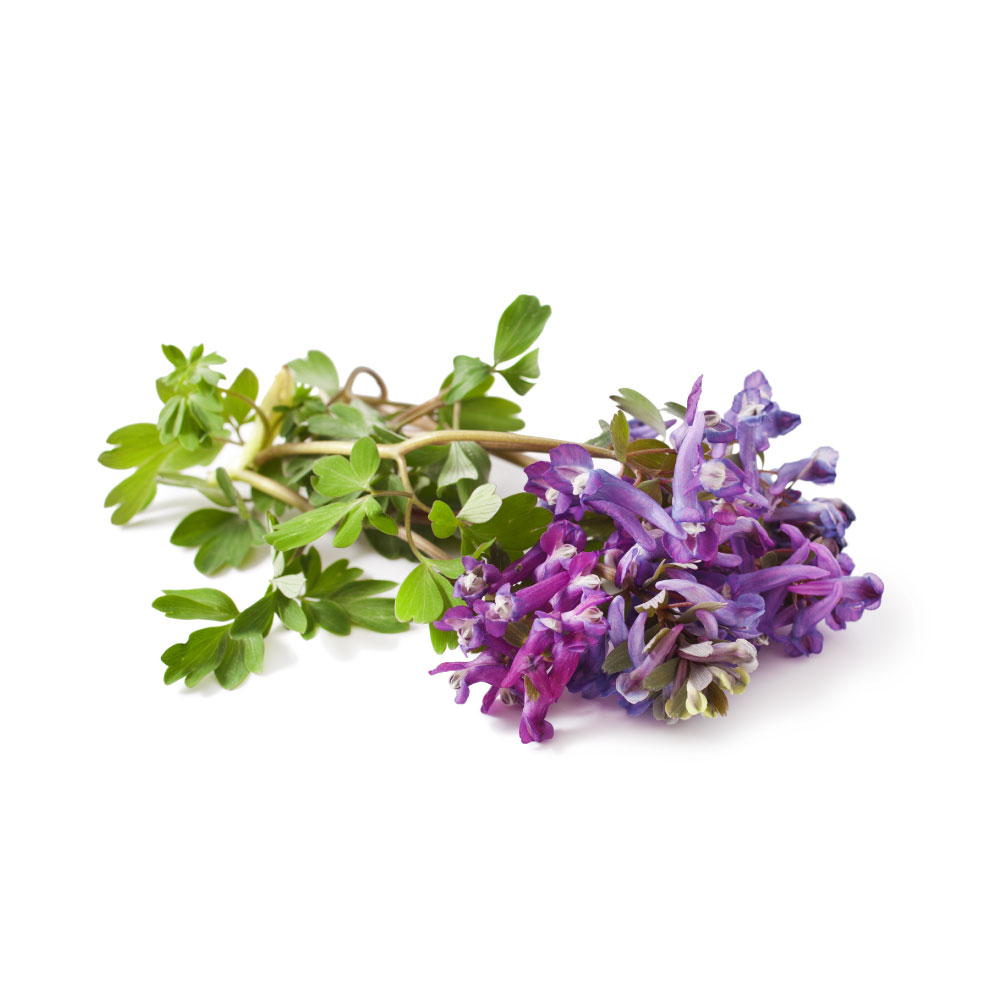
Glaucine is a naturally occurring aporphine alkaloid (isoquinoline), found in Yellow horned poppy, Corydalis and 2 other sources. It is flagged as moderately toxic.
Concentration
Content by Source
Concentrations not reported. No percent-dry-weight or mg/g figures have been published for this compound in its source plants.
Glaucine at a Glance
Glaucine is an aporphine alkaloid — an isoquinoline of the yellow horned poppy (Glaucium flavum, Papaveraceae). Unlike most of the alkaloids it is filed alongside in Corydalis, its established role is not analgesia or metabolic modulation but cough suppression: it is a licensed non-opioid antitussive sold in Bulgaria, Romania, Russia, Iceland and other Eastern European markets under names such as Glauvent.
What makes it interesting as a molecule is how it quiets a cough. Opioid antitussives (codeine, dextromethorphan) act centrally on the brainstem cough circuit; glaucine instead combines bronchodilation, phosphodiesterase-4 (PDE4) inhibition and calcium-channel antagonism in the airway, with only weak, non-opioid central activity 1Reference 1In vitroBronchodilator and anti-inflammatory activities of glaucine: in vitro studies in human airway smooth muscle and polymorphonuclear leukocytesView study →. That gives it a genuine human-use record without the classic opioid dependence liability — but not without its own catch. At recreational overdose, glaucine produces dissociative, hallucination-like effects, and it has turned up as an undeclared active in “legal high” products 8Reference 8Detection of the pharmaceutical agent glaucine as a recreational drugView study →. The honest headline: a real, if modestly-evidenced, antitussive drug, whose other reputations (anti-inflammatory, anticancer) are so far entirely preclinical.
Glaucine as an Antitussive
Glaucine’s one established human use is as a cough suppressant, and it is worth setting out plainly because it is unusual among plant alkaloids to have reached the pharmacy shelf at all.
The clinical footprint. Small double-blind human trials support it. In a placebo-controlled crossover study in chronic cough, glaucine 30 mg reduced cough counts 3Reference 3RCTDouble-blind study of glaucine in chronic coughView study →; in an objective study using a writing cough recorder in 24 patients, both dextromethorphan and glaucine lowered coughing, but only glaucine was significantly better than placebo 4Reference 4Objective evaluation of dextromethorphan and glaucine as antitussive agentsView study →. It has been marketed for decades as glaucine hydrobromide or phosphate (Glauvent and similar), typically dosed around 30 mg three times daily.
The mechanism, and why it matters. Glaucine is not an opioid. Where codeine suppresses cough through central μ-opioid action (with the attendant sedation, constipation and dependence), glaucine’s antitussive effect is built from peripheral airway pharmacology: it relaxes bronchial smooth muscle, inhibits PDE4, and blocks calcium entry into airway muscle 1Reference 1In vitroBronchodilator and anti-inflammatory activities of glaucine: in vitro studies in human airway smooth muscle and polymorphonuclear leukocytesView study →. In human isolated bronchus, calcium-channel antagonism appears to be the main driver of relaxation, while PDE4 inhibition dominates its damping of inflammatory granulocytes 1Reference 1In vitroBronchodilator and anti-inflammatory activities of glaucine: in vitro studies in human airway smooth muscle and polymorphonuclear leukocytesView study →. The practical consequence claimed for it — a cough suppressant “without being addictive” — follows from the non-opioid mechanism, though its human efficacy dataset is old and small rather than large and modern.
Aporphine, Not Protoberberine
Glaucine is frequently listed among Corydalis alkaloids next to berberine-type compounds, and the two are easy to conflate — but they are different structural subclasses of isoquinoline alkaloid with different pharmacology.
- Protoberberines (berberine, palmatine, tetrahydropalmatine) have a fused tetracyclic quaternary or tertiary core; berberine itself is a flat, positively-charged quaternary cation.
- Aporphines (glaucine, magnoflorine, bulbocapnine, boldine) are built on a different four-ring aporphine skeleton. Glaucine specifically is the tetra-O-methylated aporphine O,O-dimethylisoboldine, a lipophilic, tertiary (uncharged) amine.
That last point is load-bearing. Because glaucine is a lipophilic tertiary base — not a permanently-charged quaternary cation like magnoflorine — it is orally active and reaches the CNS, which is exactly why it can both suppress cough centrally-adjacent pathways and cause central dissociative effects in overdose. Its aporphine sibling magnoflorine, being quaternary and permanently charged, barely crosses the blood-brain barrier — a clean illustration of how the same alkaloid family splits on one structural feature.
What It's Used For
Beyond the antitussive use, glaucine’s pharmacology is a mix of a defined airway mechanism and a scatter of preclinical anti-inflammatory and anticancer signals. The evidence quality drops sharply once you leave cough behind.
Support is an experimental score — weighted by study type (human > animal > in vitro) and volume. A beta, not a validated metric. Only the antitussive row rests on human data; the rest are preclinical, so read the per-row basis.
The marquee application and the only one with human evidence. In a placebo-controlled crossover trial in chronic cough, glaucine 30 mg reduced cough 3Reference 3RCTDouble-blind study of glaucine in chronic coughView study →, and in an objective study using a mechanical cough recorder, glaucine was the only agent (vs. dextromethorphan and placebo) to differ significantly from placebo 4Reference 4Objective evaluation of dextromethorphan and glaucine as antitussive agentsView study →.
It is a licensed non-opioid antitussive in several Eastern European countries. The isolate is the drug here — cough syrups and capsules deliver purified glaucine salts, not a whole-plant extract.
Gap: the human trials are small and old (1980s), with no large modern RCT or head-to-head against current standards; efficacy is established enough to license but thinly evidenced by contemporary standards 3,
Mechanistically the best-characterised action. In human isolated bronchus, glaucine produces relaxation chiefly by antagonising calcium channels (depressing contractile responses to Ca²⁺ and the histamine-driven rise in intracellular Ca²⁺), while it inhibits PDE4 from human bronchus and neutrophils non-competitively (Ki ≈ 3.4 µM), which underlies its dampening of granulocyte function 1Reference 1In vitroBronchodilator and anti-inflammatory activities of glaucine: in vitro studies in human airway smooth muscle and polymorphonuclear leukocytesView study →.
It also inhibited antigen-induced bronchoconstriction in sensitised guinea-pig airways 1Reference 1In vitroBronchodilator and anti-inflammatory activities of glaucine: in vitro studies in human airway smooth muscle and polymorphonuclear leukocytesView study →.
Gap: this is in-vitro human-tissue and animal pharmacology, not a clinical asthma/COPD outcome; and as a PDE4 inhibitor glaucine is low-potency, so the bronchodilator contribution to real-world dosing is modest 1Reference 1In vitroBronchodilator and anti-inflammatory activities of glaucine: in vitro studies in human airway smooth muscle and polymorphonuclear leukocytesView study →.
Reported in rodents and cells. Classic work described analgesic and anti-inflammatory activity for glaucine 5Reference 5Nikolov R, Peneva M (1978). [Analgetic and anti-inflammatory action of glaucine]. Eksperimentalna Meditsina i Morfologiya. https://pubmed.ncbi.nlm.nih.gov/310388/View study →, and a 2024 study found it attenuated hypoxia-induced angiogenesis (lowering HIF-1α and VEGF, suppressing HUVEC tube formation) and LPS-induced inflammation (reducing IL-6 and MCP-1) in human retinal pigment epithelial ARPE-19 cells, suggesting possible relevance to age-related macular degeneration 7Reference 7Glaucine inhibits hypoxia-induced angiogenesis and attenuates LPS-induced inflammation in human retinal pigment epithelial ARPE-19 cellsView study →.
Its PDE4 inhibition and NF-κB suppression are the plausible mechanistic threads 1,
Gap: entirely preclinical — rodent models and cultured cells, no human anti-inflammatory or analgesic trial of the isolate 5,
A single mechanistic study. In highly-metastatic MDA-MB-231 human breast-cancer cells, glaucine blocked PMA-induced MMP-9 expression and activity and inhibited migration and invasion by suppressing NF-κB activation (attenuating IκBα degradation and NF-κB nuclear translocation) 6Reference 6Glaucine inhibits breast cancer cell migration and invasion by inhibiting MMP-9 gene expression through the suppression of NF-κB activationView study →.
Gap: one in-vitro cell-line study of an anti-metastatic mechanism, not a tumour-shrinkage or survival outcome; no animal or human oncology data 6Reference 6Glaucine inhibits breast cancer cell migration and invasion by inhibiting MMP-9 gene expression through the suppression of NF-κB activationView study →.
Mechanisms
| Target / pathway | Effect | Relevant to |
|---|---|---|
| Voltage-operated Ca²⁺ channels (airway smooth muscle) | antagonised — main driver of bronchial relaxation | bronchodilation / antitussive |
| Phosphodiesterase-4 (PDE4) | non-competitive inhibition (Ki ≈ 3.4 µM; low potency) | anti-inflammatory / airway granulocytes |
| Cough reflex (non-opioid) | suppressed without μ-opioid action | antitussive |
| NF-κB / IκBα; MMP-9 | NF-κB activation suppressed → MMP-9 down | anti-metastatic (in vitro) |
| HIF-1α / VEGF | attenuated → reduced angiogenesis | anti-angiogenic (in vitro) |
| Central dopaminergic (esp. D1) receptors | modulation implicated in dissociative/hallucinatory overdose effects | recreational toxicity (honesty flag) |
The airway mechanism (Ca-channel + PDE4) is the load-bearing, human-tissue part; the dopaminergic thread is inferred from animal work and is the mechanistic guess for the overdose syndrome, not a therapeutic target.
Pharmacokinetics
Glaucine is a lipophilic tertiary aporphine base, so — unlike its quaternary sibling magnoflorine — it is orally active and CNS-penetrant, which is why it works as an oral cough medicine and why it can cause central effects in overdose. Its hepatic metabolism is CYP-mediated: in-vitro/in-vivo work identifies CYP1A2, CYP2C19, CYP2D6 and CYP3A4 as the main isoforms, with O-demethylation (positions 2, 9, 10), N-demethylation, hydroxylation and N-oxidation as the principal phase-I routes, followed by glucuronidation/sulfation of phenolic metabolites 9Reference 9AnimalStudies on the in vivo contribution of human cytochrome P450s to the hepatic metabolism of glaucine, a new drug of abuseView study →. Roughly, 2-O-demethylation is shared between CYP1A2 and CYP3A4 9Reference 9AnimalStudies on the in vivo contribution of human cytochrome P450s to the hepatic metabolism of glaucine, a new drug of abuseView study →. This CYP profile is the basis for a plausible (but formally unstudied) drug-interaction liability. Human oral bioavailability and half-life are not well quantified in the accessible literature — a genuine hole for a molecule that has been a marketed drug for decades.
Clinical Trials
Human evidence is confined to the antitussive indication and is small and dated: placebo-controlled crossover and objective-recorder studies in chronic cough from the 1980s 3,
| Completed | Planned | Terminated | Preclinical |
|---|---|---|---|
| Antitussive: small double-blind trials (1980s) | — | — | Anti-inflammatory / analgesic; anti-angiogenic; anti-metastatic (in vitro/rodent) |
Last checked: July 2026.
Isolate vs. Plant Studies
This molecule sits firmly on the isolate side. The antitussive drug is purified glaucine (hydrobromide/phosphate salts in syrups and capsules), and the human trials dosed the isolate, not a Glaucium flavum decoction 3,
Prevalence in Nature
Glaucine is the principal alkaloid of the yellow horned poppy, Glaucium flavum Crantz (Papaveraceae), a coastal poppy of Europe, North Africa and western Asia. It accumulates in the aerial parts and latex, alongside related aporphine and isoquinoline alkaloids such as pontevedrine, oxoglaucine and other Glaucium bases. Quantitative methods for determining glaucine in G. flavum grass date back to at least the 1970s 2Reference 2Maslova GA (1974). [Method for the quantitative determination of glaucine in the yellow horned poppy, Glaucium flavum Crantz]. Farmatsiia. https://pubmed.ncbi.nlm.nih.gov/4420837/View study →, though a single consensus percentage-of-dry-weight figure is not well established in the accessible literature (see the gaps note). It also occurs as a minor aporphine in Corydalis and other members of the poppy family — which is why it is catalogued among Corydalis alkaloids — but Glaucium is its defining source.
Discovery & Synthesis
Glaucine takes its name directly from its source genus, Glaucium (the horned poppies), from which it was isolated in the nineteenth century; the exact first-isolation date and the first total synthesis are not reliably documented in the sources reviewed here. Structurally it was later characterised as the tetra-O-methylated aporphine O,O-dimethylisoboldine, the (S)-(+) enantiomer being the natural and pharmacologically-used form. Manufacture for pharmaceutical use has historically drawn on extraction from Glaucium flavum (with established quantitative assays for the plant material) 2Reference 2Maslova GA (1974). [Method for the quantitative determination of glaucine in the yellow horned poppy, Glaucium flavum Crantz]. Farmatsiia. https://pubmed.ncbi.nlm.nih.gov/4420837/View study →, the alkaloid then being formulated as the hydrobromide or phosphate salt for its antitussive products.
Patents: not yet researched.
Toxicity & Safety
Glaucine carries a moderate flag. At therapeutic antitussive doses it has a long, reasonably benign marketed record as a non-opioid, non-addictive cough suppressant — but the badge is set by what happens above that range. Glaucine has been detected as an undeclared active in recreational “legal high” products, and at high doses it causes a dissociative, hallucination-like syndrome with sympathomimetic features — the reason it is not simply a “low”-toxicity plant alkaloid.
- Established antitussive at therapeutic doses. A licensed non-opioid, non-addictive cough suppressant in several countries, with a long marketed record around 30 mg doses.
- Recreational abuse and overdose. Reported as an undeclared active in “herbal high” tablets; high doses cause dissociative, hallucination-like effects with nausea/vomiting, agitation and tachycardia.
- CNS and cardiovascular effects. As a CNS-penetrant tertiary alkaloid it can cause sedation, dizziness and, in overdose, tachycardia and tachypnoea.
- CYP-metabolised — interaction potential. Hepatic clearance via CYP1A2, CYP2C19, CYP2D6 and CYP3A4; formal drug-interaction studies are lacking.
Full Safety & Interactions Detail
Recreational toxicity (the defining hazard). A published emergency-medicine case describes a 23-year-old woman who, after taking two tablets of a BZP-free “head candy”/“herbal high”, developed nausea and vomiting within ~30 minutes followed by dissociative-type symptoms — feeling detached and “in another world” — presenting agitated, vomiting, tachycardic and tachypnoeic with otherwise normal vital signs; analysis identified glaucine as the active 8Reference 8Detection of the pharmaceutical agent glaucine as a recreational drugView study →. Glaucine has been deliberately included by manufacturers in legally-sold BZP-free “alternatives” to recreational drugs 8Reference 8Detection of the pharmaceutical agent glaucine as a recreational drugView study →, and its metabolism has since been studied specifically as a “drug of abuse” 9Reference 9AnimalStudies on the in vivo contribution of human cytochrome P450s to the hepatic metabolism of glaucine, a new drug of abuseView study →. The hallucination-like effect is described as bright, colourful visual imagery, with animal data implicating central dopaminergic (D1) activity as the likely mechanism 8Reference 8Detection of the pharmaceutical agent glaucine as a recreational drugView study →.
Therapeutic-range effects. At antitussive doses the profile is milder — the marketed positioning is a non-addictive cough suppressant — but as a CNS-active alkaloid it can still cause sedation and dizziness, and the overdose data show a clear ceiling on how much is safe.
Interactions. Glaucine is metabolised by CYP1A2, CYP2C19, CYP2D6 and CYP3A4 9Reference 9AnimalStudies on the in vivo contribution of human cytochrome P450s to the hepatic metabolism of glaucine, a new drug of abuseView study →, so co-administration with strong inhibitors or inducers of these isoforms could in principle alter its exposure; this has not been formally studied, and no interaction dataset should be inferred as reassuring.
Reproductive note (prose only). No dedicated reproductive- or developmental-toxicity dataset for isolated glaucine was identified. Pregnancy and lactation decisions belong to the product or herb page where intake is actually decided, not to this molecule page; no comprehensive isolate genotoxicity or repeat-dose package is characterised here beyond the toxicology above.
Dosage
There is no dose to recommend here. As an antitussive, glaucine has been studied and marketed at roughly 30 mg per dose (as the hydrobromide or phosphate salt), commonly three times daily 3,
References
- Cortijo J, Villagrasa V, Pons R, Berto L, Martí-Cabrera M, Martinez-Losa M, Domenech T, Beleta J, Morcillo EJ (1999). Bronchodilator and anti-inflammatory activities of glaucine: in vitro studies in human airway smooth muscle and polymorphonuclear leukocytes. British Journal of Pharmacology. https://pubmed.ncbi.nlm.nih.gov/10455321/
- Maslova GA (1974). [Method for the quantitative determination of glaucine in the yellow horned poppy, Glaucium flavum Crantz]. Farmatsiia. https://pubmed.ncbi.nlm.nih.gov/4420837/
- Dierckx P, Leblanc G, Decoster A, Criscuolo D (1981). Double-blind study of glaucine in chronic cough. International Journal of Clinical Pharmacology, Therapeutics and Toxicology. https://pubmed.ncbi.nlm.nih.gov/7028646/
- Rühle KH, Criscuolo D, Dieterich HA, Köhler D, Riedel G (1984). Objective evaluation of dextromethorphan and glaucine as antitussive agents. British Journal of Clinical Pharmacology. https://pubmed.ncbi.nlm.nih.gov/6375709/
- Nikolov R, Peneva M (1978). [Analgetic and anti-inflammatory action of glaucine]. Eksperimentalna Meditsina i Morfologiya. https://pubmed.ncbi.nlm.nih.gov/310388/
- Kang H, Jang SW, Pak JH, Shim S (2015). Glaucine inhibits breast cancer cell migration and invasion by inhibiting MMP-9 gene expression through the suppression of NF-κB activation. Molecular and Cellular Biochemistry. https://pubmed.ncbi.nlm.nih.gov/25670016/
- Chen TE, Lo J, Huang SP, Chang KC, Liu PL, Wu HE, Chen YR, Chang YC, Liu CC, Lee PY, Lai YH, Wu PC, Wang SC, Li CY (2024). Glaucine inhibits hypoxia-induced angiogenesis and attenuates LPS-induced inflammation in human retinal pigment epithelial ARPE-19 cells. European Journal of Pharmacology. https://pubmed.ncbi.nlm.nih.gov/39128809/
- Dargan PI, Button J, Hawkins L, Archer JRH, Ovaska H, Lidder S, Ramsey J, Holt DW, Wood DM (2008). Detection of the pharmaceutical agent glaucine as a recreational drug. European Journal of Clinical Pharmacology. https://pubmed.ncbi.nlm.nih.gov/18204834/
- Meyer GMJ, Meyer MR, Wink CSD, Zapp J, Maurer HH (2013). Studies on the in vivo contribution of human cytochrome P450s to the hepatic metabolism of glaucine, a new drug of abuse. Biochemical Pharmacology. https://pubmed.ncbi.nlm.nih.gov/23988488/



