
Compound Monograph
Hordenine
Hordenine is the N,N-dimethyl relative of tyramine, found in germinating barley and therefore in beer, and sold as a stimulant in pre-workout and fat-burner supplements. The clearest evidence about it is a horse experiment: injected, it doubled heart rate within a minute; the same dose given by mouth changed nothing at all.

Sources · 11
Where Does It Come From?
Hordenine is a naturally occurring phenethylamine alkaloid (n,n-dimethyltyramine), found in Night-blooming cereus, Peyote, San Pedro cactus and 8 other sources. It is flagged as moderately toxic.
 Source San Pedro Echinopsis pachanoi Herb monograph →
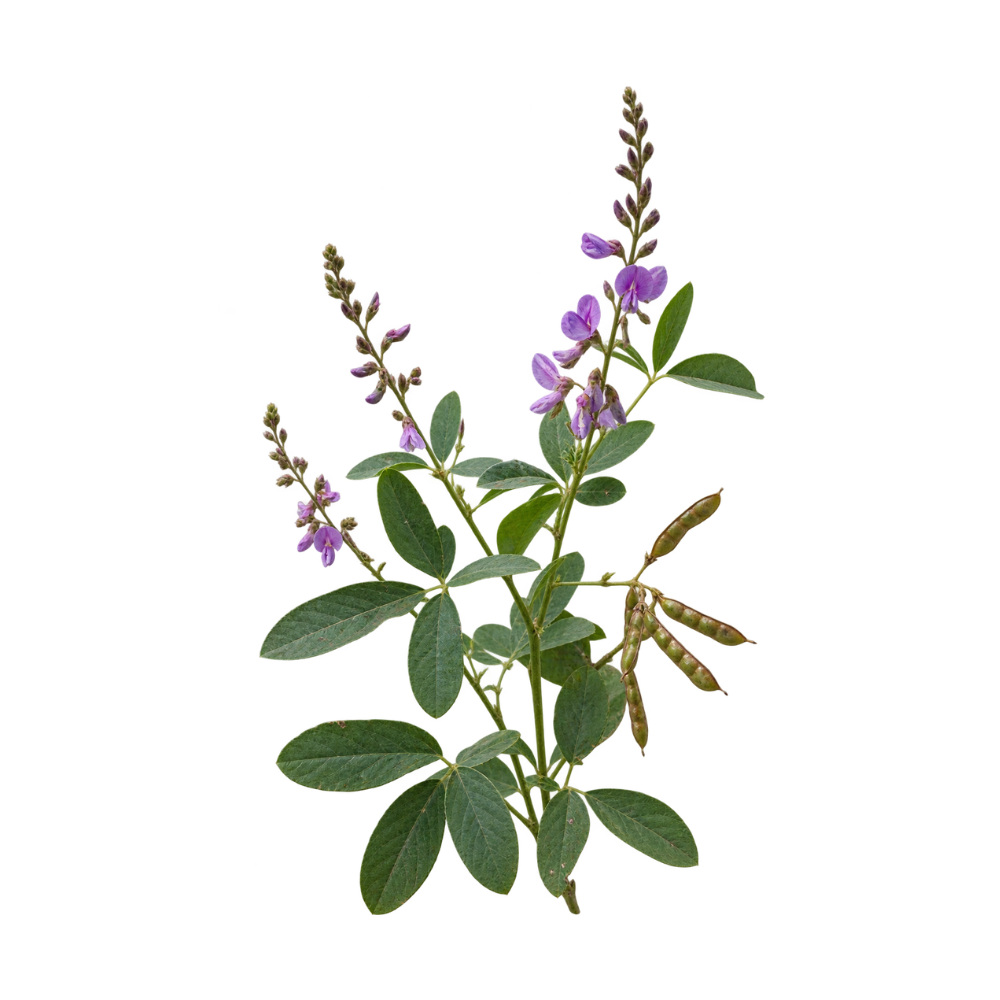 Source Tick Trefoil Desmodium spp. Herb monograph →
Concentration
Content by Source
Reported concentrations across the plants that contain hordenine — the bar marks the typical level, the line shows the reported range.
Literature figures for varying plant parts and preparations. Read them as a comparative guide, not exact assays.
Hordenine at a Glance
Hordenine is a simple phenethylamine alkaloid — tyramine with two methyl groups on the nitrogen. It forms during barley germination, which is why it survives malting and turns up in beer at a few milligrams per litre 4Reference 4In vitroMonitoring of the dopamine D2 receptor agonists hordenine and N-methyltyramine during the brewing process and in commercial beer samples — in vitroView study →, and it occurs as a minor amine in mescaline-bearing cacti, in canary grass, and in night-blooming cereus. It is sold as a stimulant ingredient in pre-workout and “fat-burner” products.
The evidence that matters most about it is a route comparison in horses. Given 2.0 mg/kg by rapid intravenous injection, hordenine produced a flehmen response and defecation within sixty seconds, respiratory rates up about 250%, heart rates roughly double resting values, and sweating — all of it gone within thirty minutes. Given the same 2.0 mg/kg by mouth, it produced no change in heart rate, respiratory rate, body temperature or behaviour 1Reference 1AnimalHordenine: pharmacology, pharmacokinetics and behavioural effects in the horse — animal modelView study →.
Human data point the same way for a different reason. Hordenine is a genuine dopamine D2 receptor agonist in vitro, with a Ki of 13 µM 5Reference 5In vitroIdentification of the beer component hordenine as food-derived dopamine D2 receptor agonist by virtual screening a 3D compound database — in vitroView study →; after drinking beer, free hordenine peaks in plasma at 12–17 nanomolar 3Reference 3Clinical trialAbsorption, biokinetics, and metabolism of the dopamine D2 receptor agonist hordenine (N,N-dimethyltyramine) after beer consumption in humans — human volunteersView study →. That is roughly a thousand-fold short.
The Horse Experiment
Hordenine was studied in horses for a regulatory reason rather than a therapeutic one: it appears in post-race urine samples, because racehorses eat sprouting barley and canary grass, and a positive test needed interpreting. The result is the cleanest route-comparison anyone has published for this molecule.
Ten horses were given 2.0 mg/kg intravenously. The effects were immediate and unambiguous — flehmen and defecation inside a minute, substantial respiratory distress, respiratory rate up around 250%, heart rate roughly doubled, and sweating shortly after injection, with body temperature unaffected. They were transient: the animals appeared normal within thirty minutes, and when tested in a variable-interval responding apparatus half an hour later showed neither residual stimulation nor depression. Plasma peaked near 1.0 µg/mL and fell biexponentially, with an α-phase half-life of about 3 minutes and a β-phase half-life of about 35 minutes 1Reference 1AnimalHordenine: pharmacology, pharmacokinetics and behavioural effects in the horse — animal modelView study →.
Animals given the same dose orally showed nothing — no change in heart rate, respiratory rate, basal body temperature or behaviour 1Reference 1AnimalHordenine: pharmacology, pharmacokinetics and behavioural effects in the horse — animal modelView study →.
A German pharmacology group reached the same conclusion from the other direction. Studying hordenine in rats and dogs, they characterised it as an indirectly acting adrenergic agent that releases noradrenaline from stores — positively inotropic, raising systolic and diastolic pressure and peripheral blood flow, inhibiting gut movement, and having no effect on the psychomotor behaviour of mice. Every effect was short-lived and required doses far above anything achievable from feed, and their conclusion was that a measurable improvement in racehorse performance is “quite improbable” 2Reference 2AnimalPharmacological effects of hordenine — animal modelView study →.
This is the argument the supplement market has to answer. A compound sold for its stimulant effect, in an oral capsule, whose only controlled oral-versus-injected comparison found the oral route inert.
The Dose Gap
The modern case for hordenine is not the sympathomimetic one but a dopaminergic one, and it fails on the same arithmetic.
Hordenine was found by virtual screening of a food-compound database and confirmed in radioligand and functional assays: it activates D2 receptor G-protein signalling with about 76% of dopamine’s ligand efficacy and a Ki of 13 µM, while antagonising D2-mediated β-arrestin recruitment — making it a functionally selective, or biased, agonist 5Reference 5In vitroIdentification of the beer component hordenine as food-derived dopamine D2 receptor agonist by virtual screening a 3D compound database — in vitroView study →. Its precursor N-methyltyramine binds with similar affinity (Ki 31.3 µM) and the same bias, and both are released continuously from barley malt during mashing and survive fermentation into the finished beer at 1.05–6.32 and 0.59–4.61 mg/L respectively 4Reference 4In vitroMonitoring of the dopamine D2 receptor agonists hordenine and N-methyltyramine during the brewing process and in commercial beer samples — in vitroView study →.
Then the exposure was measured. Four volunteers drank beer supplying 0.075 mg hordenine per kilogram of body weight. Maximum plasma concentrations of free hordenine were 12.0–17.3 nM, reached within the first hour; phase-II metabolism was dominated first by sulfation and later by glucuronidation; plasma half-lives were 52.7–66.4 minutes for the free compound; and 9.9% of the ingested dose appeared in urine within 24 hours. The authors’ own conclusion is the honest one: the levels observed “seem too low to provoke direct interaction with the dopamine D2 receptor” 3Reference 3Clinical trialAbsorption, biokinetics, and metabolism of the dopamine D2 receptor agonist hordenine (N,N-dimethyltyramine) after beer consumption in humans — human volunteersView study →.
| Value | |
|---|---|
| D2 receptor Ki in vitro 5Reference 5In vitroIdentification of the beer component hordenine as food-derived dopamine D2 receptor agonist by virtual screening a 3D compound database — in vitroView study → | 13 µM |
| Peak free plasma after beer 3Reference 3Clinical trialAbsorption, biokinetics, and metabolism of the dopamine D2 receptor agonist hordenine (N,N-dimethyltyramine) after beer consumption in humans — human volunteersView study → | 0.012–0.017 µM |
| Ratio | roughly 1,000-fold short |
Absorption is not the barrier — hordenine plainly gets into the blood, and it is a selective substrate for MAO-B rather than the MAO-A that predominates in intestinal epithelium, so gut monoamine oxidase does not destroy it on the way through 8Reference 8In vitroDeamination of hordenine by monoamine oxidase and its action on vasa deferentia of the rat — in vitroView study →. The barrier is arithmetic: the concentration that reaches a receptor from any realistic oral intake is orders of magnitude below the concentration the receptor needs.
Why It Turns Up in Drug Tests
Hordenine has a second life in forensic toxicology that has nothing to do with whether it works. It cross-reacts with opiate immunoassays: tested against a range of ELISA and RIA kits, it reacted most strongly with the morphine kit and least with the etorphine and buprenorphine kits, and it also interfered with thin-layer chromatography of oxymorphone, hydromorphone and apomorphine. The paper naming the problem also names the sources — beer in people, canary grass or barley in horses — and developed GC-MS and HPLC methods to tell hordenine apart from the opiates it mimics on a screen 9Reference 9In vitroScreening and confirmation of drugs in urine: interference of hordenine with the immunoassays and thin layer chromatography methods — in vitroView study →.
So a person who drank beer, or a horse that grazed the wrong pasture, can produce a false-positive opiate screen. Of everything known about hordenine, this is the finding most likely to matter to someone in practice.
What It's Used For
The literature is larger than the molecule deserves, and almost all of it uses routes or concentrations the exposure data above rule out.
The classical pharmacology, and the reason hordenine is sold at all. It is an indirectly acting adrenergic agent: it displaces noradrenaline from storage vesicles rather than binding adrenoceptors itself, so its effect depends on the tissue having noradrenaline to release — in isolated organs and adrenaline-depleted preparations it does very little 2Reference 2AnimalPharmacological effects of hordenine — animal modelView study →.
In intact rats and dogs it is positively inotropic and raises systolic and diastolic blood pressure, peripheral flow and gut quiescence 2Reference 2AnimalPharmacological effects of hordenine — animal modelView study →; in horses given 2.0 mg/kg intravenously it roughly doubled heart rate and raised respiratory rate about 250% for under half an hour 1Reference 1AnimalHordenine: pharmacology, pharmacokinetics and behavioural effects in the horse — animal modelView study →.
It also inhibits noradrenaline uptake in isolated rat vas deferens, potentiating responses to submaximal noradrenaline while itself producing no contraction — a different action from tyramine’s 8Reference 8In vitroDeamination of hordenine by monoamine oxidase and its action on vasa deferentia of the rat — in vitroView study →.
Gap: every positive finding is by injection at doses two orders of magnitude above dietary exposure, and the matched oral arm was completely negative 1,
Hordenine was identified as a food-derived D2 agonist by virtual screening of ~13,000 food and natural-source compounds followed by radioligand confirmation. It activates G-protein signalling with roughly dopamine’s efficacy (76%) at Ki 13 µM, and antagonises β-arrestin recruitment — functional selectivity, which is pharmacologically interesting 5Reference 5In vitroIdentification of the beer component hordenine as food-derived dopamine D2 receptor agonist by virtual screening a 3D compound database — in vitroView study →.
Its precursor N-methyltyramine does the same at Ki 31.3 µM, and brewing releases both from malt into beer 4Reference 4In vitroMonitoring of the dopamine D2 receptor agonists hordenine and N-methyltyramine during the brewing process and in commercial beer samples — in vitroView study →.
Gap: the human biokinetic study by the same group measured free plasma hordenine at 12–17 nM after beer, about a thousandfold below the Ki, and concluded the levels are too low for direct D2 interaction — leaving synergy with alcohol or N-methyltyramine as the only route by which it could matter 3Reference 3Clinical trialAbsorption, biokinetics, and metabolism of the dopamine D2 receptor agonist hordenine (N,N-dimethyltyramine) after beer consumption in humans — human volunteersView study →.
Two 2023 studies pushed the D2 story into behaviour, by injection. At 50 mg/kg, hordenine limited ongoing alcohol consumption in mice, reduced relapse drinking after withdrawal, and blocked the establishment of alcohol-induced conditioned place preference — though it enhanced CPP retrieval independently, and depressed locomotor activity dose-dependently. Binding work found strong interaction with the serotonin and dopamine transporters plus D3 and α1A/α2A adrenoceptor activation, and no effect on GABA-A or glycinergic signalling 7Reference 7AnimalThe beer component hordenine inhibits alcohol addiction-associated behaviours in mice — animal modelView study →.
A second group confirmed D2 (not D1) agonism in living cells and reported improved locomotion, gait and postural balance in MPTP- and 6-OHDA-treated mice and in C. elegans, with reduced α-synuclein accumulation via the D2 pathway 6Reference 6AnimalHordenine improves Parkinsonian-like motor deficits in mice and nematodes by activating dopamine D2 receptor-mediated signaling — animal modelView study →.
Gap: injected doses of 40–50 mg/kg in rodents, which no oral human intake approaches; and the reported inhibition of locomotor activity sits awkwardly beside the marketing of hordenine as a stimulant.
Hordenine from sprouting barley inhibited acyl-homoserine-lactone signalling in Pseudomonas aeruginosa at 0.5–1.0 mg/mL, suppressed lasI, lasR, rhlI and rhlR expression, reduced QS-controlled virulence factors, and disrupted preformed biofilms, with added effect alongside netilmicin 10Reference 10In vitroHordenine: a novel quorum sensing inhibitor and antibiofilm agent against Pseudomonas aeruginosa — in vitroView study →.
Gap: milligram-per-millilitre concentrations in culture. This is a food-science and antibiofilm-materials result, not a systemic antibacterial one.
Mechanisms
| Target / pathway | Effect | Relevant to |
|---|---|---|
| Noradrenaline storage vesicles | indirect release → transient inotropy, ↑ heart rate and blood pressure | sympathomimetic (injection only) |
| Noradrenaline uptake (neuronal) | inhibition — potentiates noradrenaline, blocks tyramine responses | sympathomimetic |
| Dopamine D2 receptor | biased agonist: G-protein activation (Ki 13 µM), β-arrestin antagonism | dopaminergic effects in vitro |
| MAO-B | selective substrate; not deaminated by intestinal MAO-A, so it survives the gut | pharmacokineticsMAOI interaction |
| Phase-II sulfation, then glucuronidation | dominant human clearance route | pharmacokinetics |
| Bacterial acyl-homoserine-lactone quorum sensing | competitive interference with signalling | antibiofilm (in vitro) |
Pharmacokinetics
Better characterised than the pharmacology, and the reason the pharmacology does not translate. In four volunteers drinking beer at 0.075 mg hordenine/kg body weight, free hordenine peaked at 12.0–17.3 nM within the first hour. Phase-II metabolism was first dominated by sulfation, later by glucuronidation; plasma half-lives were 52.7–66.4 minutes for free hordenine and roughly 60–80 minutes longer for the sulfate and glucuronide. Urinary excretion peaked at 2–3.5 hours and accounted for 9.9% of the ingested dose over 24 hours 3Reference 3Clinical trialAbsorption, biokinetics, and metabolism of the dopamine D2 receptor agonist hordenine (N,N-dimethyltyramine) after beer consumption in humans — human volunteersView study →.
Two mechanistic points fill in the picture. Hordenine is a highly selective substrate for liver MAO-B (Km 479 µM, Vmax 128 nmol/mg protein/h) and is not deaminated by the MAO-A of intestinal epithelium — the enzyme that destroys dietary tyramine — so dietary hordenine is expected to be absorbed rather than degraded in the gut 8Reference 8In vitroDeamination of hordenine by monoamine oxidase and its action on vasa deferentia of the rat — in vitroView study →. And in horses, intravenous hordenine cleared with an α half-life of ~3 minutes and a β half-life of ~35 minutes, with total urinary hordenine peaking near 400 µg/mL and back to background by 24 hours 1Reference 1AnimalHordenine: pharmacology, pharmacokinetics and behavioural effects in the horse — animal modelView study →.
So the compound is absorbed, cleared quickly, conjugated efficiently — and never present at a concentration close to any of its measured targets.
Clinical Trials
There are no clinical trials of hordenine for any indication. Human exposure is dietary (beer, malt products) and through unregulated supplements, neither of which has been studied for effect.
| Completed | Planned | Terminated | Preclinical |
|---|---|---|---|
| None | — | — | Animal pharmacology, receptor and behavioural work |
Last checked: September 2026.
Isolate vs. Plant Studies
Nearly everything here is isolate work: purified hordenine, injected into horses, rats, dogs and mice, or applied to receptors and bacteria 1,
The plant side barely exists. Night-blooming cereus carries hordenine alongside tyramine and N-methyltyramine, and the 1999 European veterinary review of that plant judged the amine concentrations too low to exert pharmacological effects — the herb is used as a drop-dose tincture, which makes the amine content smaller still 11Reference 11ReviewSelenicereus grandiflorus summary report (EMEA/MRL/601/99-Final) — regulatory monographView study →. Barley and beer deliver a few milligrams, quantified 4Reference 4In vitroMonitoring of the dopamine D2 receptor agonists hordenine and N-methyltyramine during the brewing process and in commercial beer samples — in vitroView study →. Peyote and San Pedro contain it as a minor companion to mescaline, and nothing attributes any part of their effect to it.
The pattern is consistent across every source: hordenine is present, measurable, and present in amounts too small to do what the isolate does.
Its Role in Plants
In barley, hordenine is not a curiosity but a defence and allelopathic compound, made along with the indole alkaloid gramine and released from roots to suppress competing plants. The two work on membranes: molecular simulation and experiments on artificial bilayers mimicking the plant plasma membrane showed both compounds interacting directly with the lipid phase, with gramine and hordenine differing in how they insert 12Reference 12In vitroInteraction between the barley allelochemical compounds gramine and hordenine and artificial lipid bilayers mimicking the plant plasma membrane — in vitroView study →. Both are classed as phytotoxic alkaloids persistent enough in soil to matter agriculturally, and soil bacteria capable of degrading them have been characterised 13Reference 13In vitroMicrobial degradation of two major phytotoxic alkaloids from barley — in vitroView study →.
Its accumulation is developmental — it appears during germination and is highest in sprouting grain and malt, which is exactly why malting concentrates it into beer 4Reference 4In vitroMonitoring of the dopamine D2 receptor agonists hordenine and N-methyltyramine during the brewing process and in commercial beer samples — in vitroView study → and why racehorses grazing sprouting barley excrete it 1,
Prevalence in Nature
Hordenine is named for Hordeum, barley, and barley is its defining source: it forms during germination, is released continuously from malt during mashing, survives fermentation and conditioning intact, and reaches 1.05–6.32 mg/L in commercial beers, with N-methyltyramine at 0.59–4.61 mg/L alongside it. Caramel malts tended to release more than base malts 4Reference 4In vitroMonitoring of the dopamine D2 receptor agonists hordenine and N-methyltyramine during the brewing process and in commercial beer samples — in vitroView study →.
Beyond the grain it is a widely distributed minor amine. It occurs in the Cactaceae — peyote (Lophophora williamsii) and San Pedro (Echinopsis pachanoi), where it accompanies mescaline — and in night-blooming cereus’s amine fraction alongside tyramine and N-methyltyramine 11Reference 11ReviewSelenicereus grandiflorus summary report (EMEA/MRL/601/99-Final) — regulatory monographView study →. It is a notable constituent of canary grass (Phalaris species), which is how it enters grazing horses 9Reference 9In vitroScreening and confirmation of drugs in urine: interference of hordenine with the immunoassays and thin layer chromatography methods — in vitroView study →, and is reported from bitter orange and a range of other plants.
No source concentrates it. In every plant where it has been measured it is a minor component, which is consistent with the exposure data: dietary hordenine intake is in the low milligram range even for a beer drinker 4Reference 4In vitroMonitoring of the dopamine D2 receptor agonists hordenine and N-methyltyramine during the brewing process and in commercial beer samples — in vitroView study →.
Discovery & Synthesis
Hordenine takes its name from barley, and has travelled under two other names — anhaline, from its isolation in cactus material, and eremursine. The original isolation reports predate the indexed literature and are not given a date here rather than a guessed one.
Biosynthetically it is tyrosine → tyramine → N-methyltyramine → hordenine, two successive N-methylations of a decarboxylated amino acid; the intermediate N-methyltyramine is itself present in beer at comparable levels 4Reference 4In vitroMonitoring of the dopamine D2 receptor agonists hordenine and N-methyltyramine during the brewing process and in commercial beer samples — in vitroView study →. Modern manufacture is straightforward: a combined chemoenzymatic route in continuous flow, starting from tyrosine, was published in 2022 as a sustainable synthesis of the natural product 14Reference 14In vitroCombined chemoenzymatic strategy for sustainable continuous synthesis of the natural product hordenine — in vitroView study →. Commercially, supplement-grade hordenine is a synthetic material sold as the hydrochloride, not a barley extract.
Analytical interest is ongoing, driven by the two contexts that matter — beer composition and supplement quality control — and includes electrochemical ion-transfer voltammetry methods validated on both beer and a bodybuilding supplement 15Reference 15In vitroDetermination of hordenine in beer samples and bodybuilding supplement at the electrified liquid-liquid interface — in vitroView study →.
Patents: not yet researched (future patent-loop pass).
Toxicity & Safety
Hordenine keeps a moderate flag. Not because a hazard has been demonstrated at dietary levels — it has not — but because it is marketed as a stimulant at doses nobody has studied, in a product category with documented labelling problems, and because it is an amine with a real monoamine-oxidase interaction rationale.
- Monoamine oxidase inhibitors. Hordenine is a selective MAO-B substrate that escapes intestinal MAO-A 8Reference 8In vitroDeamination of hordenine by monoamine oxidase and its action on vasa deferentia of the rat — in vitroView study →. Someone on an MAOI loses a clearance route for an indirectly acting sympathomimetic — the same mechanism behind the tyramine “cheese reaction”.
- Supplements containing it are unreliably labelled. In a 2025 analysis of twelve sports supplements, none was accurately labelled; hordenine was among the ingredients found in inaccurate quantities, four products carried an undeclared stimulant, and two contained an FDA-prohibited one 16Reference 16ObservationalPresence and quantity of ingredients in sports supplements purportedly containing the orchid Eria jarensis — observationalView study →.
- Sympathomimetic in principle, at doses no capsule delivers. Injected, it doubles heart rate briefly 1Reference 1AnimalHordenine: pharmacology, pharmacokinetics and behavioural effects in the horse — animal modelView study →. Whether an oral supplement dose does anything at all is unestablished, and the one matched oral comparison was negative.
- Cross-reacts with opiate immunoassays 9Reference 9In vitroScreening and confirmation of drugs in urine: interference of hordenine with the immunoassays and thin layer chromatography methods — in vitroView study → — a false-positive drug screen is a documented consequence, from beer as well as from supplements.
Full Safety & Interactions Detail
The interaction rationale. Tyramine is dangerous with MAO inhibitors because intestinal and hepatic MAO normally destroy it before it can release noradrenaline systemically. Hordenine’s position is different in detail and similar in consequence: it is a selective substrate for MAO-B, and it is not deaminated by the MAO-A that predominates in intestinal epithelium, so it is absorbed rather than degraded in the gut — the study establishing this concluded that dietary hordenine is therefore “likely to be absorbed and could affect the sympathetic nervous system” through its inhibition of noradrenaline uptake 8Reference 8In vitroDeamination of hordenine by monoamine oxidase and its action on vasa deferentia of the rat — in vitroView study →. Combining it with an MAOI, or with other sympathomimetics, is the interaction to avoid; there is no clinical study of that combination.
Cardiovascular. The direct evidence is the horse study: 2.0 mg/kg intravenously roughly doubled heart rate, raised respiratory rate by about 250% and caused substantial respiratory distress, resolving within thirty minutes 1Reference 1AnimalHordenine: pharmacology, pharmacokinetics and behavioural effects in the horse — animal modelView study →. Nothing comparable has been done orally in any species, and the matched oral arm produced no cardiovascular change 1Reference 1AnimalHordenine: pharmacology, pharmacokinetics and behavioural effects in the horse — animal modelView study →. People with cardiovascular disease have a reasonable basis for avoiding a stimulant-marketed sympathomimetic with no oral dose–response data at all.
Supplement quality. This is where the practical risk sits, and it is not really about hordenine. Of twelve sports supplements marketed as containing the orchid Eria jarensis, none was accurately labelled; the products contained inaccurate quantities of caffeine (0.1 to 665 mg per serving), theobromine, hordenine, yohimbine, N,N-dimethylphenethylamine and synephrine; nine either listed an undetected ingredient or contained an unlisted stimulant; and two contained 1,4-dimethylamylamine, prohibited by the FDA 16Reference 16ObservationalPresence and quantity of ingredients in sports supplements purportedly containing the orchid Eria jarensis — observationalView study →. A product sold for its hordenine content is, on that evidence, unlikely to contain what its label says. Hordenine is also discussed in the doping literature among the stimulants commonly stacked into pre-workout and thermogenic formulations 17Reference 17ReviewUnauthorized ingredients in “nootropic” dietary supplements: a review of the history, pharmacology, prevalence, international regulations, and potential as doping agents — reviewView study →.
Reproductive. No reproductive or developmental toxicology exists for hordenine in any species.
Scope. There is no repeat-dose toxicity study, no genotoxicity package and no human safety trial. Dietary exposure through beer and malt has a long, uneventful history; that is a record for milligram amounts in a food matrix, not a clearance for concentrated capsules.
Dosage
No dose has been established for any purpose, and unusually there is a positive reason not to expect one to work: in the only controlled comparison of routes, an oral dose that had a large effect intravenously produced no measurable change at all 1Reference 1AnimalHordenine: pharmacology, pharmacokinetics and behavioural effects in the horse — animal modelView study →.
| Setting | Route | Dose or concentration |
|---|---|---|
| Horse cardiovascular study 1Reference 1AnimalHordenine: pharmacology, pharmacokinetics and behavioural effects in the horse — animal modelView study → | intravenous | 2.0 mg/kg — heart rate roughly doubled |
| Same study, matched oral arm 1Reference 1AnimalHordenine: pharmacology, pharmacokinetics and behavioural effects in the horse — animal modelView study → | oral | 2.0 mg/kg — no measurable change |
| Human beer biokinetics 3Reference 3Clinical trialAbsorption, biokinetics, and metabolism of the dopamine D2 receptor agonist hordenine (N,N-dimethyltyramine) after beer consumption in humans — human volunteersView study → | oral, in beer | 0.075 mg/kg → plasma 12–17 nM |
| Mouse alcohol-behaviour studies 6, | injection | 40–50 mg/kg |
| D2 receptor binding 5Reference 5In vitroIdentification of the beer component hordenine as food-derived dopamine D2 receptor agonist by virtual screening a 3D compound database — in vitroView study → | in vitro | Ki 13 µM |
| P. aeruginosa quorum sensing 10Reference 10In vitroHordenine: a novel quorum sensing inhibitor and antibiofilm agent against Pseudomonas aeruginosa — in vitroView study → | in vitro | 0.5–1.0 mg/mL |
Dietary intake sits in the low milligram range: a litre of beer supplies roughly 1–6 mg 4Reference 4In vitroMonitoring of the dopamine D2 receptor agonists hordenine and N-methyltyramine during the brewing process and in commercial beer samples — in vitroView study →. Supplement label amounts should be treated as unverified given the analytical findings above 16Reference 16ObservationalPresence and quantity of ingredients in sports supplements purportedly containing the orchid Eria jarensis — observationalView study →. These are doses studied in research and are not a personal recommendation.
References
- Frank M, Weckman TJ, Wood T, et al. (1990). Hordenine: pharmacology, pharmacokinetics and behavioural effects in the horse — animal model. Equine Veterinary Journal. https://pubmed.ncbi.nlm.nih.gov/2269269/
- Hapke HJ, Strathmann W (1995). Pharmacological effects of hordenine — animal model. Deutsche Tierärztliche Wochenschrift. https://pubmed.ncbi.nlm.nih.gov/8582256/
- Sommer T, Göen T, Budnik N, Pischetsrieder M (2020). Absorption, biokinetics, and metabolism of the dopamine D2 receptor agonist hordenine (N,N-dimethyltyramine) after beer consumption in humans — human volunteers. Journal of Agricultural and Food Chemistry. https://pubmed.ncbi.nlm.nih.gov/31984737/
- Sommer T, Dlugash G, Hübner H, Gmeiner P, Pischetsrieder M (2019). Monitoring of the dopamine D2 receptor agonists hordenine and N-methyltyramine during the brewing process and in commercial beer samples — in vitro. Food Chemistry. https://pubmed.ncbi.nlm.nih.gov/30409657/
- Sommer T, Hübner H, El Kerdawy A, et al. (2017). Identification of the beer component hordenine as food-derived dopamine D2 receptor agonist by virtual screening a 3D compound database — in vitro. Scientific Reports. https://pubmed.ncbi.nlm.nih.gov/28281694/
- Li H, Gao M, Chen Z, et al. (2023). Hordenine improves Parkinsonian-like motor deficits in mice and nematodes by activating dopamine D2 receptor-mediated signaling — animal model. Phytotherapy Research. https://pubmed.ncbi.nlm.nih.gov/36883794/
- Li Y, Vogel C, Kalinichenko LS, et al. (2023). The beer component hordenine inhibits alcohol addiction-associated behaviours in mice — animal model. Addiction Biology. https://pubmed.ncbi.nlm.nih.gov/37500485/
- Barwell CJ, Basma AN, Lafi MA, Leake LD (1989). Deamination of hordenine by monoamine oxidase and its action on vasa deferentia of the rat — in vitro. Journal of Pharmacy and Pharmacology. https://pubmed.ncbi.nlm.nih.gov/2570842/
- Singh AK, Granley K, Misrha U, et al. (1992). Screening and confirmation of drugs in urine: interference of hordenine with the immunoassays and thin layer chromatography methods — in vitro. Forensic Science International. https://pubmed.ncbi.nlm.nih.gov/1618458/
- Zhou JW, Luo HZ, Jiang H, et al. (2018). Hordenine: a novel quorum sensing inhibitor and antibiofilm agent against Pseudomonas aeruginosa — in vitro. Journal of Agricultural and Food Chemistry. https://pubmed.ncbi.nlm.nih.gov/29353476/
- Committee for Veterinary Medicinal Products (1999). Selenicereus grandiflorus summary report (EMEA/MRL/601/99-Final) — regulatory monograph. European Agency for the Evaluation of Medicinal Products. https://www.ema.europa.eu/en/documents/mrl-report/selenicereus-grandiflorus-summary-report-committee-veterinary-medicinal-products_en.pdf
- Lebecque S, Crowet JM, Lins L, et al. (2018). Interaction between the barley allelochemical compounds gramine and hordenine and artificial lipid bilayers mimicking the plant plasma membrane — in vitro. Scientific Reports. https://pubmed.ncbi.nlm.nih.gov/29955111/
- Wu Y, Li T, Zhou NY (2025). Microbial degradation of two major phytotoxic alkaloids from barley — in vitro. Journal of Hazardous Materials. https://pubmed.ncbi.nlm.nih.gov/40684507/
- Gianolio S, Roura Padrosa D, Paradisi F (2022). Combined chemoenzymatic strategy for sustainable continuous synthesis of the natural product hordenine — in vitro. Green Chemistry. https://pubmed.ncbi.nlm.nih.gov/36353210/
- Rudnicki K, Powałka E, Marciniak K, et al. (2025). Determination of hordenine in beer samples and bodybuilding supplement at the electrified liquid-liquid interface — in vitro. Food Chemistry. https://pubmed.ncbi.nlm.nih.gov/40073602/
- Cohen PA, Abarca R, Sovereign A, Gonzaga MJ, Gerona R (2025). Presence and quantity of ingredients in sports supplements purportedly containing the orchid Eria jarensis — observational. Clinical Toxicology. https://pubmed.ncbi.nlm.nih.gov/40679500/
- Jędrejko K, Catlin O, Stewart T, et al. (2023). Unauthorized ingredients in “nootropic” dietary supplements: a review of the history, pharmacology, prevalence, international regulations, and potential as doping agents — review. Drug Testing and Analysis. https://pubmed.ncbi.nlm.nih.gov/37357012/



