
Compound Monograph
Jaceidin
Jaceidin (5,7,4′-trihydroxy-3,6,3′-trimethoxyflavone) is a lipophilic methylated flavonol of feverfew and other Asteraceae, best evidenced by a single antitumor/anti-angiogenic study of the isolate — with essentially no feverfew-specific pharmacology of its own.

Sources · 3
Where Does It Come From?
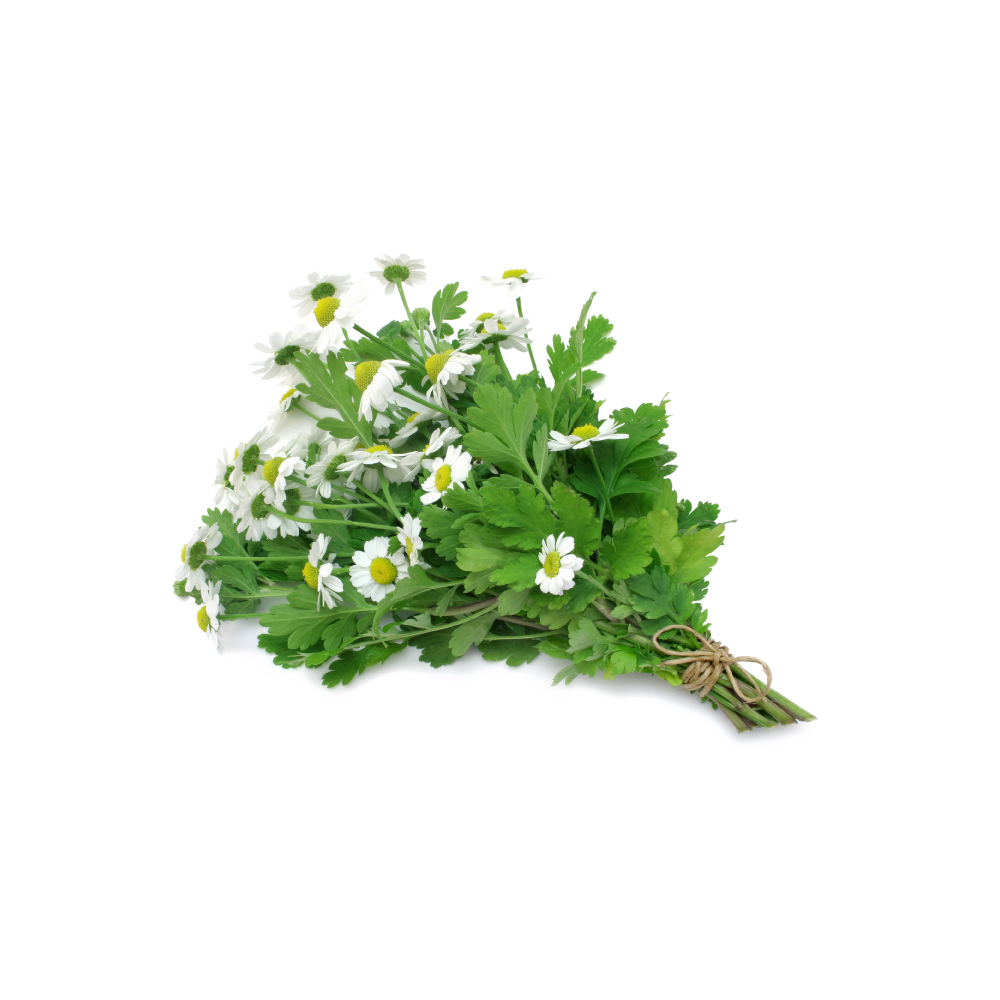
Jaceidin is a naturally occurring methylated flavonol (flavonoid aglycone), found in Feverfew and 2 other sources. It is well tolerated orally (low toxicity).
Concentration
Content by Source
Concentrations not reported. No percent-dry-weight or mg/g figures have been published for this compound in its source plants.
Jaceidin at a Glance
Jaceidin is a lipophilic methylated flavonol — chemically 5,7,4′-trihydroxy-3,6,3′-trimethoxyflavone, i.e. quercetagetin bearing methyl ethers at the 3-, 6- and 3′-positions. It is one of the minor flavonoids of feverfew (Tanacetum parthenium) aerial parts, where it sits alongside the sibling methylated flavonols tanetin and santin and the parent flavones apigenin and luteolin 1,
The honest posture: almost all of the biological data attach to the isolated molecule from non-feverfew sources, and there is essentially no feverfew-specific pharmacology for jaceidin itself. The single substantive study is an antitumor / anti-angiogenic investigation of jaceidin isolated from the desert shrub Chiliadenus montanus 3Reference 3AnimalJaceidin flavonoid isolated from Chiliadenus montanus attenuates tumor progression in mice via VEGF inhibition: in vivo and in silico studiesView study →. In feverfew, jaceidin is best understood as a marker constituent of the plant’s characteristic methylated-flavonol fraction rather than a driver of the herb’s traditional migraine use — that role belongs to the sesquiterpene lactone parthenolide.
This is a thin, occurrence-plus-one-study molecule. The sections below stay deliberately lean.
Methylated-Flavonol Chemistry & Feverfew Co-Occurrence
Jaceidin belongs to feverfew’s distinctive suite of 6-oxygenated, O-methylated flavonols — flavonols whose several hydroxyls are partly capped as methyl ethers, making them more lipophilic (fat-soluble) than common dietary flavonols like quercetin or kaempferol. Structurally, jaceidin is quercetagetin (6-hydroxyquercetin) methylated at the 3-, 6- and 3′-hydroxyls, leaving free hydroxyls at 5, 7 and 4′ (molecular formula C₁₈H₁₆O₈) 3Reference 3AnimalJaceidin flavonoid isolated from Chiliadenus montanus attenuates tumor progression in mice via VEGF inhibition: in vivo and in silico studiesView study →.
In Tanacetum parthenium it co-occurs with a small family of chemically similar aglycones — most notably tanetin (6-hydroxykaempferol 3,6,4′-trimethyl ether) and santin — which together define the plant’s lipophilic flavonoid fraction 1,
A practical caveat on identity: jaceidin (a flavonol, 3-methoxy) is not the same molecule as jaceosidin (a flavone lacking the 3-position oxygen), and the two are easily confused in secondary sources. Bioactivity reports for jaceosidin do not transfer to jaceidin and are excluded here.
What It's Used For
The evidence base is small and lopsided: one in-vivo study of the isolate (from Chiliadenus, not feverfew) carries most of the weight, with the feverfew connection resting on the anti-inflammatory activity of the whole methylated-flavonoid fraction rather than on jaceidin tested alone.
Support is an experimental score — weighted by study type (human > animal > in vitro) and volume. A beta, not a validated metric. Every row here rests on preclinical work, and only the first tested jaceidin as the isolate; read the per-row basis.
The only application where jaceidin itself was the thing tested. Working with the isolate from Chiliadenus montanus (an Asteraceae shrub, not feverfew), one study reported in-vitro cytotoxicity against HepG2 liver-cancer (IC₅₀ ≈ 9.7 µM) and MCF-7 breast-cancer (IC₅₀ ≈ 9.3 µM) cells, then a large tumor-weight reduction in an Ehrlich ascites carcinoma solid-tumor mouse model at 50 mg/kg dosed three times weekly for 21 days, accompanied by a significant fall in serum VEGF (a driver of tumor blood-vessel growth); molecular docking suggested direct VEGFR binding 3Reference 3AnimalJaceidin flavonoid isolated from Chiliadenus montanus attenuates tumor progression in mice via VEGF inhibition: in vivo and in silico studiesView study →.
The authors argued the compound’s methoxylation improves metabolic stability and predicted intestinal absorption relative to unmethylated flavonols 3Reference 3AnimalJaceidin flavonoid isolated from Chiliadenus montanus attenuates tumor progression in mice via VEGF inhibition: in vivo and in silico studiesView study →.
Gap: this is a single study, single laboratory, isolate-only, and from a non-feverfew plant. There is no replication, no feverfew-sourced material, and no human data — it establishes a preclinical hypothesis, not efficacy.
This is where jaceidin connects, weakly, to feverfew’s traditional reputation. The lipophilic methylated flavonoids of Tanacetum parthenium variously inhibit the major pathways of arachidonic-acid metabolism in leukocytes (the cyclo-oxygenase / lipoxygenase eicosanoid routes), an activity independent of the herb’s sesquiterpene lactones 1Reference 1The flavonoids of Tanacetum parthenium and T. vulgare and their anti-inflammatory propertiesView study →.
Jaceidin is a member of that fraction — but the compounds actually assayed in the source work were its major flavonols, and jaceidin was not isolated and tested on its own 1Reference 1The flavonoids of Tanacetum parthenium and T. vulgare and their anti-inflammatory propertiesView study →.
Gap: the anti-inflammatory signal belongs to the fraction, not demonstrably to jaceidin. No isolate assay, no dose-response, no in-vivo confirmation for this molecule specifically.
As a polyhydroxy flavonol, jaceidin plausibly contributes to the antioxidant capacity of the feverfew extracts it appears in — feverfew aerial-part extracts show measurable antioxidant and radical-scavenging activity 2Reference 2Chemical composition of extracts from various parts of feverfew (Tanacetum parthenium L.) and their antioxidant, protective, and antimicrobial activitiesView study →. But jaceidin’s B-ring carries a 3′-methoxy/4′-hydroxy pattern (not a free catechol), so it is not an obvious antioxidant standout, and it is never assayed as the isolate.
Gap: entirely inferred from class and from whole-extract assays; there is no antioxidant measurement for purified jaceidin 2Reference 2Chemical composition of extracts from various parts of feverfew (Tanacetum parthenium L.) and their antioxidant, protective, and antimicrobial activitiesView study →.
Mechanisms
| Target / pathway | Effect | Relevant to |
|---|---|---|
| VEGF / VEGFR signalling | lowered serum VEGF in tumor-bearing mice; docking suggests VEGFR binding → reduced angiogenesis | antitumor / anti-angiogenic |
| Tumor-cell viability (HepG2, MCF-7) | in-vitro cytotoxicity at low-micromolar IC₅₀ | antitumor |
| Arachidonate metabolism (COX / LOX eicosanoid synthesis) | inhibited by the feverfew methylated-flavonoid fraction (jaceidin as a member, not individually tested) | anti-inflammatory |
| Radical scavenging (flavonol class) | plausible contribution to extract antioxidant capacity; not measured for the isolate | antioxidant |
The load-bearing caveat: only the VEGF/VEGFR and cytotoxicity rows come from testing jaceidin itself, and both are from a single non-feverfew study 3Reference 3AnimalJaceidin flavonoid isolated from Chiliadenus montanus attenuates tumor progression in mice via VEGF inhibition: in vivo and in silico studiesView study →. The eicosanoid row is a fraction-level property of feverfew flavonoids 1Reference 1The flavonoids of Tanacetum parthenium and T. vulgare and their anti-inflammatory propertiesView study →.
Pharmacokinetics
No pharmacokinetic study of jaceidin exists. The only relevant data are in-silico ADMET predictions from the antitumor paper, which suggested that jaceidin’s O-methylation should improve hepatic metabolic stability and intestinal absorption compared with fully hydroxylated flavonols 3Reference 3AnimalJaceidin flavonoid isolated from Chiliadenus montanus attenuates tumor progression in mice via VEGF inhibition: in vivo and in silico studiesView study → — a reasonable expectation for methylated flavonols in general, but predicted, not measured. Absorption, oral bioavailability, distribution, active metabolites and half-life are all uncharacterized for this molecule.
Clinical Trials
There are no clinical trials of jaceidin — no human data of any kind. All evidence is preclinical (one in-vivo mouse model plus in-vitro assays) and, for the feverfew connection, fraction-level.
| Completed | Planned | Terminated | Preclinical |
|---|---|---|---|
| — | — | — | Antitumor/anti-angiogenic (mouse + in vitro) 3Reference 3AnimalJaceidin flavonoid isolated from Chiliadenus montanus attenuates tumor progression in mice via VEGF inhibition: in vivo and in silico studiesView study →; anti-inflammatory fraction (in vitro) 1Reference 1The flavonoids of Tanacetum parthenium and T. vulgare and their anti-inflammatory propertiesView study → |
Last checked: July 2026.
Isolate vs. Plant Studies
The split here is stark and worth stating plainly. The only isolate data come from a plant other than feverfew — jaceidin purified from Chiliadenus montanus 3Reference 3AnimalJaceidin flavonoid isolated from Chiliadenus montanus attenuates tumor progression in mice via VEGF inhibition: in vivo and in silico studiesView study →. The only feverfew-linked activity is at the fraction level — the methylated-flavonoid fraction of Tanacetum parthenium, within which jaceidin was not individually assayed 1Reference 1The flavonoids of Tanacetum parthenium and T. vulgare and their anti-inflammatory propertiesView study →. So for feverfew specifically, jaceidin is an occurrence claim, not an activity claim: it is present, un-quantified, and its contribution to the herb’s effects is unmeasured. Nothing about jaceidin’s pharmacology should be read as evidence for feverfew, and nothing about feverfew’s traditional use should be attributed to jaceidin.
Its Role in Plants
In Asteraceae such as Tanacetum and Centaurea, 6-oxygenated methylated flavonols like jaceidin, tanetin and santin accumulate mainly in aerial surfaces and are thought to serve the usual flavonoid ecological roles — UV screening and defence against herbivores and pathogens — with O-methylation increasing lipophilicity and surface deposition 1,
Prevalence in Nature
Jaceidin is a minor flavonol of feverfew (Tanacetum parthenium) aerial parts, reported among the plant’s flavonoid constituents alongside apigenin, luteolin, quercetin, tanetin, santin, centaureidin and related methyl ethers 1,
Beyond feverfew, jaceidin occurs across other Asteraceae: it was among the flavonoids isolated from the flowering and aerial parts of Centaurea africana 5Reference 5A flavonoid with cytotoxic activity and other constituents from Centaurea africanaView study →, and it is the compound characterized from the aerial parts of the desert shrub Chiliadenus montanus 3Reference 3AnimalJaceidin flavonoid isolated from Chiliadenus montanus attenuates tumor progression in mice via VEGF inhibition: in vivo and in silico studiesView study →. Because it has never been quantified in a food or herb here, no concentration chart is shown — the concentration gaps are logged in this compound’s gaps tracker.
Discovery & Synthesis
Jaceidin was first characterized as a natural product from Asteraceae flavonoid chemistry — its trivial name follows the Centaurea jacea group of knapweeds from which many “jace-” flavonoids were described — but no single, verifiable first-isolation report is pinned down here. Its structure is defined as quercetagetin 3,6,3′-trimethyl ether (5,7,4′-trihydroxy-3,6,3′-trimethoxyflavone), established by standard spectroscopic methods (UV, MS, NMR) in the phytochemical reports that isolated it 3,
Patents: not yet researched.
Toxicity & Safety
Jaceidin carries a low flag, in line with its status as a minor plant flavonol aglycone — but this reflects the absence of any reported toxicity signal rather than a positive safety record. There is no dedicated toxicology, no repeat-dose, genotoxicity or reproductive dataset for the isolate. The one in-vivo study dosed mice at 50 mg/kg three times weekly for three weeks as an antitumor treatment without flagging overt toxicity, but that study was not designed as a safety assessment 3Reference 3AnimalJaceidin flavonoid isolated from Chiliadenus montanus attenuates tumor progression in mice via VEGF inhibition: in vivo and in silico studiesView study →.
- No toxicity signal reported. A minor flavonol aglycone; the single in-vivo study dosed mice repeatedly without noting overt harm 3Reference 3AnimalJaceidin flavonoid isolated from Chiliadenus montanus attenuates tumor progression in mice via VEGF inhibition: in vivo and in silico studiesView study →.
- Safety is uncharacterized, not established. No dedicated toxicology, genotoxicity, reproductive or repeat-dose data exist for the isolate — silence is not the same as safety.
- Asteraceae-family context. Whole feverfew can cause contact dermatitis, mouth ulceration and allergy in daisy-family–sensitive people; those cautions belong to the herb, and any jaceidin exposure is only ever as a minor part of it.
- Don’t borrow jaceosidin data. Toxicology (or efficacy) reported for the flavone jaceosidin does not apply to jaceidin.
Dosage
There is no established or recommended dose for jaceidin — it has no human use. The only figure on record is the research dose of 50 mg/kg in mice (three times weekly, 21 days) used in the antitumor study of the isolate from Chiliadenus montanus 3Reference 3AnimalJaceidin flavonoid isolated from Chiliadenus montanus attenuates tumor progression in mice via VEGF inhibition: in vivo and in silico studiesView study →, and the in-vitro cytotoxic concentrations of roughly 9–10 µM against HepG2 and MCF-7 cells 3Reference 3AnimalJaceidin flavonoid isolated from Chiliadenus montanus attenuates tumor progression in mice via VEGF inhibition: in vivo and in silico studiesView study →. Herbal exposure is incidental and unquantified: jaceidin is a minor flavonol within whole feverfew preparations, which are standardized to parthenolide, not to their flavonols. These are research figures, not a personal recommendation.
References
- Williams CA, Harborne JB, Geiger H, Hoult JRS (1999). The flavonoids of Tanacetum parthenium and T. vulgare and their anti-inflammatory properties. Phytochemistry. https://pubmed.ncbi.nlm.nih.gov/10382317/
- Michalak M, et al. (2024). Chemical composition of extracts from various parts of feverfew (Tanacetum parthenium L.) and their antioxidant, protective, and antimicrobial activities. International Journal of Molecular Sciences. https://pubmed.ncbi.nlm.nih.gov/39596244/
- Elhady SS, Eltamany EE, Shaaban AE, et al. (2020). Jaceidin flavonoid isolated from Chiliadenus montanus attenuates tumor progression in mice via VEGF inhibition: in vivo and in silico studies. Plants (Basel). https://pubmed.ncbi.nlm.nih.gov/32823927/
- Kashkooe A, et al. (2024). Exploring the phytochemistry, signaling pathways, and mechanisms of action of Tanacetum parthenium (L.) Sch.Bip.: a comprehensive literature review. Biomedicines. https://pubmed.ncbi.nlm.nih.gov/39457613/
- Seghiri R, Boumaza O, Mekkiou R, et al. (2009). A flavonoid with cytotoxic activity and other constituents from Centaurea africana. Phytochemistry Letters. https://doi.org/10.1016/j.phytol.2009.03.002



