
Compound Monograph
Licochalcone A
Licochalcone A is the signature retro-chalcone of Chinese licorice (Glycyrrhiza inflata) — a broadly-acting anti-inflammatory (NF-κB, NLRP3, TLR4) and antibacterial molecule whose one genuinely human-tested role is topical: it is a workhorse anti-inflammatory in commercial anti-acne and atopic-dermatitis skincare. Its large antitumour, antioxidant and metabolic literature is almost entirely preclinical.

Sources · 3
Where Does It Come From?
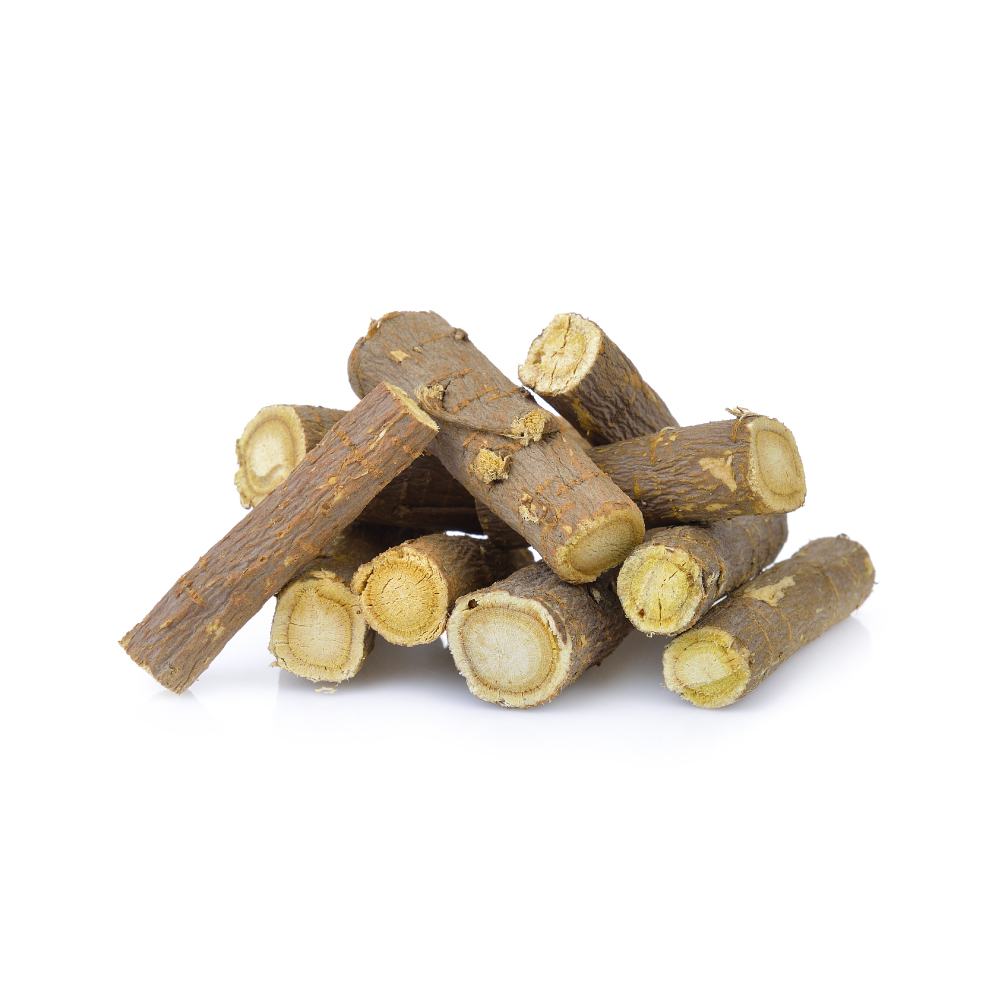
Licochalcone A is a naturally occurring retro-chalcone (prenylated chalcone / flavonoid), found in Chinese licorice, Licorice and Chinese licorice. It is well tolerated orally (low toxicity).
Concentration
Content by Source
Concentrations not reported. No percent-dry-weight or mg/g figures have been published for this compound in its source plants.
Licochalcone A at a Glance
Licochalcone A is a prenylated retro-chalcone — the best-studied of the “licochalcones,” a small family of chalcones characteristic of Chinese licorice (Glycyrrhiza inflata) and, in smaller amounts, other licorice species. It is one of the more thoroughly investigated licorice flavonoids, with a broad and consistent preclinical pharmacology: anti-inflammatory (suppressing NF-κB, the NLRP3 inflammasome and TLR4 signalling), antibacterial and antimicrobial, antitumour (pro-apoptotic across many cancer-cell lines), plus antioxidant and metabolic effects 1,
The one place this molecule has actually reached people is the skin. Licochalcone A is used as an anti-inflammatory ingredient in commercial anti-acne and atopic-dermatitis skincare, and small human trials of those formulations are the closest thing to clinical evidence it has 2,
Its reported toxicity is low, and topical cosmetic use (including in children with eczema) has been well tolerated in short studies. The main caveats are that its systemic human safety is simply uncharacterised, and that in animals it inhibits CYP3A4 and P-glycoprotein, a plausible drug-interaction route 24Reference 24AnimalEffects of licochalcone A on the bioavailability and pharmacokinetics of nifedipine in rats: possible role of intestinal CYP3A4 and P-gp inhibition by licochalcone AView study →.
The Anti-Inflammatory, Antibacterial Retro-Chalcone
Licochalcone A is a retro-chalcone: its aromatic rings carry an oxygenation pattern “reversed” relative to a common chalcone, and it bears a distinctive 1,1-dimethylallyl (prenyl) group. That lipophilic, membrane-partitioning structure is the practical reason a single molecule turns up as active in so many unrelated assays — it interacts readily with cell membranes, microbial targets and several inflammatory signalling nodes rather than one specific receptor 1Reference 1Biological Effects of LicochalconesView study →.
Two threads run through almost all of its biology. The first is broad anti-inflammatory signalling: across models, licochalcone A dampens NF-κB-driven transcription, blocks activation of the NLRP3 inflammasome, and can directly suppress Toll-like receptor 4 (TLR4) — the receptor tier that sits upstream of much innate inflammation 3,
These two threads converge on the skin. Acne is driven by inflammation around the pilosebaceous unit as much as by bacteria, and licochalcone A’s combined anti-inflammatory-plus-antibacterial profile is exactly why the cosmetic industry adopted it — see the next section.
Dermatological Use — Anti-Acne & Atopic Dermatitis
The molecule’s genuine, human-tested application is topical dermatology, where it functions as a plant-derived anti-inflammatory soothing agent rather than as a drug. This is where isolate biology and real use come closest to meeting 2Reference 2Therapeutic potential of Licochalcone A in dermatological diseases: from basic to clinical researchView study →.
- Acne. In a mechanistic study, licochalcone A attenuated acne-related inflammation by suppressing the NLRP3 inflammasome 3Reference 3Licochalcone A attenuates acne symptoms mediated by suppression of NLRP3 inflammasomeView study →. In people, formulations containing it have been tested in controlled trials: a vehicle-controlled study of a licochalcone-A-containing skincare regimen improved mild-to-moderate acne 5Reference 5RCTA double-blind, randomized, vehicle-controlled efficacy assessment study of a skin care formulation for improvement of mild to moderately severe acneView study →; a within-person comparison found a licochalcone-A-containing regimen combined with adapalene improved tolerability and outcomes versus adapalene alone 6Reference 6RCTThe efficacy of glycolic acid, salicylic acid, gluconolactone, and licochalcone A combined with 0.1% adapalene vs adapalene monotherapy in mild-to-moderate acne vulgaris: a double-blinded within-person comparative studyView study →; and a licochalcone-A/L-carnitine sunscreen improved acne and post-acne pigmentation as a retinoid adjunct 7Reference 7Efficacy and Tolerability of a Sunscreen Containing Licochalcone A and L-Carnitine as an Adjunct to Retinoids in the Management of Acne and Post-Acne Pigmentation Among Malaysian PatientsView study →.
- Atopic dermatitis (eczema). Two randomised paediatric studies compared a licochalcone-A moisturiser against topical hydrocortisone in childhood atopic dermatitis and found it a useful, well-tolerated steroid-sparing option for mild disease 8,
9Reference 8RCTRandomized, double-blind, split-side, comparison study of moisturizer containing licochalcone A and 1% hydrocortisone in the treatment of childhood atopic dermatitisView study →Reference 9Comparative trial of moisturizer containing licochalcone A vs. hydrocortisone lotion in the treatment of childhood atopic dermatitis: a pilot studyView study → .
The honest framing: these are trials of proprietary cosmetic formulations, not of purified licochalcone A at a stated dose, so they demonstrate that the ingredient helps in the product, not a defined isolate potency.
What It's Used For
Beyond the skin, licochalcone A’s pharmacology is broad, mechanistically coherent and almost entirely preclinical. The evidence splits sharply by application — a modest but real human topical signal, versus a large body of in-vitro and rodent isolate work everywhere else.
Support is an experimental score — weighted by study type (human > animal > in vitro) and volume. A beta, not a validated metric. Only the dermatological rows carry human data (and those are formulations, not the isolate), so preclinical rows stay modest by design.
The strongest and only human-tested application — and, tellingly, the one where the isolate is used as a formulation ingredient. Mechanistically, licochalcone A suppresses the NLRP3 inflammasome to attenuate acne inflammation 3Reference 3Licochalcone A attenuates acne symptoms mediated by suppression of NLRP3 inflammasomeView study →.
Clinically, a vehicle-controlled study of a licochalcone-A skincare formulation improved mild-to-moderate acne 5Reference 5RCTA double-blind, randomized, vehicle-controlled efficacy assessment study of a skin care formulation for improvement of mild to moderately severe acneView study →.
A within-person comparison paired it with adapalene and improved tolerability/outcomes over adapalene alone 6Reference 6RCTThe efficacy of glycolic acid, salicylic acid, gluconolactone, and licochalcone A combined with 0.1% adapalene vs adapalene monotherapy in mild-to-moderate acne vulgaris: a double-blinded within-person comparative studyView study →.
A licochalcone-A/L-carnitine sunscreen improved acne and post-acne pigmentation alongside retinoids 7Reference 7Efficacy and Tolerability of a Sunscreen Containing Licochalcone A and L-Carnitine as an Adjunct to Retinoids in the Management of Acne and Post-Acne Pigmentation Among Malaysian PatientsView study →.
In childhood atopic dermatitis, two randomised studies found a licochalcone-A moisturiser a useful, well-tolerated steroid-sparing alternative to hydrocortisone for mild disease 8,
Gap: every human trial tests a proprietary product, not purified licochalcone A at a stated concentration, so efficacy belongs to the formulation; and these are short studies in mild disease, not long-term or moderate-severe evidence 2,
The mechanistic core of the molecule. Across models licochalcone A inhibits NF-κB-driven inflammatory transcription, blocks NLRP3-inflammasome activation 3Reference 3Licochalcone A attenuates acne symptoms mediated by suppression of NLRP3 inflammasomeView study →, and can directly suppress TLR4 — shown for both a Radix Glycyrrhizae extract and isolated licochalcone A, placing part of the action high in the innate-immune signalling chain 4Reference 4Radix Glycyrrhizae extract and licochalcone A exert an anti-inflammatory action by direct suppression of toll like receptor 4View study →.
This single anti-inflammatory theme is what underwrites the dermatological use and recurs inside the antitumour and hepatoprotective work below 1Reference 1Biological Effects of LicochalconesView study →.
Gap: almost all of this is isolated-molecule work in cell lines and rodents; the only human read-out is indirect, via the topical formulations 3,
Licochalcone A inhibits the growth of various bacteria and, distinctively, acts as an anti-virulence agent: at sub-inhibitory concentrations it lowers Staphylococcus aureus α-toxin (Hla) production in both methicillin-sensitive and methicillin-resistant isolates, blunting a key toxin without necessarily killing the organism 10Reference 10Subinhibitory concentrations of licochalcone A decrease alpha-toxin production in both methicillin-sensitive and methicillin-resistant Staphylococcus aureus isolatesView study →.
Beyond bacteria, it has reported antiviral activity, including a dual action against respiratory syncytial virus (RSV) that also limits host damage 11Reference 11Licochalcone A plays dual antiviral roles by inhibiting RSV and protecting against host damageView study →.
This antimicrobial edge complements the anti-inflammatory action in the skin setting.
Gap: the antibacterial/antiviral data are in-vitro and animal; there is no clinical anti-infective use, and the concentrations involved are laboratory exposures, not achievable systemic human levels 10,
The largest slice of the literature, and the most consistent theme is selective induction of cancer-cell death through several distinct routes. Reported examples: ROS-mediated apoptosis via thioredoxin-reductase-1 (TrxR1) inactivation in colorectal cells 13Reference 13Licochalcone A Induces ROS-Mediated Apoptosis through TrxR1 Inactivation in Colorectal Cancer CellsView study →; suppression of PD-L1 via NF-κB and Ras/Raf/MEK with apoptosis in colon cancer 14Reference 14Licochalcone A inhibits proliferation and promotes apoptosis of colon cancer cell by targeting programmed cell death-ligand 1 via the NF-κB and Ras/Raf/MEK pathwaysView study →; endoplasmic-reticulum-stress apoptosis via GRP78 in endometrial cancer 15Reference 15Licochalcone A induces endoplasmic reticulum stress-mediated apoptosis of endometrial cancer cells via upregulation of GRP78 expressionView study →; and enhanced ferroptosis in acute myeloid leukaemia through the IGF2BP3/MDM2 cascade 16Reference 16Licochalcone A decreases cancer cell proliferation and enhances ferroptosis in acute myeloid leukemia through suppressing the IGF2BP3/MDM2 cascadeView study →.
Reviews catalogue similar findings across many more lines 12Reference 12ReviewAnticancer effects of licochalcones: A review of the mechanismsView study →.
Gap: this is uniformly in-vitro and rodent work on the isolate; there are no human oncology trials, and the pro-oxidant/pro-death mechanisms that look useful against tumour cells are not characterised for safety in healthy tissue 12Reference 12ReviewAnticancer effects of licochalcones: A review of the mechanismsView study →.
Licochalcone A’s original claim to fame. In the early 1990s it was described as a novel antiparasitic agent with potent activity against Leishmania 20Reference 20Licochalcone A, a novel antiparasitic agent with potent activity against human pathogenic protozoan species of LeishmaniaView study → and, shortly after, as a new antimalarial that inhibited Plasmodium falciparum in vitro and protected mice from rodent malaria 21Reference 21In vitroLicochalcone A, a new antimalarial agent, inhibits in vitro growth of the human malaria parasite Plasmodium falciparum and protects mice from P. yoelii infectionView study →.
The mechanism was traced to parasite mitochondria — it interferes with mitochondrial function in Leishmania 22Reference 22The antileishmanial agent licochalcone A interferes with the function of parasite mitochondriaView study → and inhibits the P. falciparum respiratory chain 23Reference 23Parasite mitochondria as a target of chemotherapy: inhibitory effect of licochalcone A on the Plasmodium falciparum respiratory chainView study →.
This is the work that first put the molecule on the pharmacology map.
Gap: despite promising 1990s animal data, licochalcone A was never developed into a clinical antiparasitic drug; the evidence remains preclinical and largely historical 20,
Rather than acting only as a direct radical scavenger, licochalcone A activates the Nrf2 antioxidant pathway: in mice it upregulated Nrf2 signalling and thereby alleviated acetaminophen-induced liver injury, a standard oxidative-hepatotoxicity model 17Reference 17Licochalcone A Upregulates Nrf2 Antioxidant Pathway and Thereby Alleviates Acetaminophen-Induced HepatotoxicityView study →. This ties its antioxidant reputation to a defined transcriptional mechanism rather than generic phenolic chemistry.
Gap: a single rodent injury model on the isolate; no human antioxidant or liver-protective outcome rests on licochalcone A specifically 17Reference 17Licochalcone A Upregulates Nrf2 Antioxidant Pathway and Thereby Alleviates Acetaminophen-Induced HepatotoxicityView study →.
Two complementary in-vitro/ex-vivo signals. Licochalcone A (and Glycyrrhiza uralensis) promoted adipocyte “browning,” shifting fat cells toward a more thermogenic phenotype 18Reference 18Anti-obesity potential of Glycyrrhiza uralensis and licochalcone A through induction of adipocyte browningView study →; and separately it prevented adipocyte differentiation and lipogenesis by suppressing PPARγ and SREBP signalling 19Reference 19Licochalcone A prevents adipocyte differentiation and lipogenesis via suppression of peroxisome proliferator-activated receptor γ and sterol regulatory element-binding protein pathwaysView study →. Together these sketch a plausible anti-obesity mechanism.
Gap: cell-based and preclinical only; no human metabolic or weight data, and the doses are laboratory concentrations 18,
Mechanisms
| Target / Pathway | Effect | Relevant To |
|---|---|---|
| NF-κB | suppresses inflammatory (and pro-survival) transcription | anti-inflammatory; antitumour |
| NLRP3 inflammasome | blocks activation → less IL-1β-type inflammation | anti-inflammatory; anti-acne |
| Toll-like receptor 4 (TLR4) | direct suppression upstream of innate inflammation | anti-inflammatory |
| Nrf2 / antioxidant response | activation → cytoprotection (acetaminophen liver injury) | antioxidant; hepatoprotective |
| Thioredoxin reductase 1 (TrxR1) | inactivation → ROS accumulation → apoptosis | antitumour |
| PD-L1 (via NF-κB, Ras/Raf/MEK) | downregulation + apoptosis | antitumour |
| ER stress / GRP78 | upregulation → ER-stress apoptosis | antitumour |
| Ferroptosis (IGF2BP3/MDM2) | enhanced iron-dependent cell death | antitumour |
| PPARγ / SREBP | suppression → less adipogenesis/lipogenesis | metabolic / anti-obesity |
| S. aureus α-toxin (Hla) | reduced virulence-factor production at sub-MIC | antibacterial / anti-virulence |
| Parasite mitochondrial respiratory chain | inhibition → antiparasitic death | antiparasitic (historical) |
| CYP3A4 / P-glycoprotein | inhibition (raises co-dosed substrate exposure in rats) | pharmacokinetics; interactions |
The load-bearing pattern is the anti-inflammatory node (NF-κB / NLRP3 / TLR4): it explains the dermatological use directly and recurs inside the antitumour and hepatoprotective stories. The antitumour effects, by contrast, run through several unrelated death pathways — breadth that is real in vitro but untranslated to humans.
Pharmacokinetics
Human ADME for licochalcone A is not established; the available pharmacokinetics are preclinical and point to extensive metabolism and low systemic exposure. In vitro, licochalcone A undergoes substantial phase-II glucuronidation by human UDP-glucuronosyltransferases 25Reference 25In vitroIn vitro characterization of the glucuronidation pathways of licochalcone A mediated by human UDP-glucuronosyltransferasesView study →, and rodent/LC-MS-MS work maps extensive hepatic phase-I and phase-II metabolism of the molecule 26Reference 26Hepatic metabolism of licochalcone A, a potential chemopreventive chalcone from licorice (Glycyrrhiza inflata), determined using liquid chromatography-tandem mass spectrometryView study → — consistent with the general chalcone problem of rapid first-pass processing and modest oral bioavailability. The most decision-relevant PK finding is an interaction: in rats, licochalcone A inhibited intestinal CYP3A4 and P-glycoprotein, raising the bioavailability and plasma exposure of co-administered nifedipine 24Reference 24AnimalEffects of licochalcone A on the bioavailability and pharmacokinetics of nifedipine in rats: possible role of intestinal CYP3A4 and P-gp inhibition by licochalcone AView study →. That flags a plausible herb-drug interaction (see Toxicity) and is itself a reminder that meaningful systemic concentrations of the parent molecule are hard to reach and sustain.
Practically, this undercuts the many in-vitro potency claims: the micromolar concentrations that suppress inflammation or kill cancer cells in a dish are far above what extensive glucuronidation is likely to leave circulating after oral intake — one reason the only convincing human use is topical, where systemic PK is bypassed.
Clinical Trials
Human evidence exists only in dermatology, and only as formulations — controlled trials of licochalcone-A-containing skincare in acne 5,
| Completed | Planned | Terminated | Preclinical |
|---|---|---|---|
| Topical formulations: acne + atopic-dermatitis RCTs (ingredient-level) | — | — | Anti-inflammatory, antibacterial, antitumour, antioxidant, metabolic, antiparasitic (all isolate, in-vitro/rodent) |
Last checked: July 2026.
How Licochalcone A Works
Most of licochalcone A’s repertoire collapses into two upstream themes — an anti-inflammatory signalling block and a pro-death (pro-oxidant/apoptotic) action — layered onto a lipophilic, membrane-partitioning chalcone scaffold.
Anti-Inflammatory Signalling
The recurring core: suppression of NF-κB transcription, NLRP3-inflammasome activation and TLR4 signalling 3,
Redox & Pro-Apoptotic Action
Against cancer cells the molecule flips toward pro-oxidant behaviour — inactivating thioredoxin reductase 1 to let ROS accumulate 13Reference 13Licochalcone A Induces ROS-Mediated Apoptosis through TrxR1 Inactivation in Colorectal Cancer CellsView study → — and triggers death through ER stress (GRP78) 15Reference 15Licochalcone A induces endoplasmic reticulum stress-mediated apoptosis of endometrial cancer cells via upregulation of GRP78 expressionView study → and ferroptosis 16Reference 16Licochalcone A decreases cancer cell proliferation and enhances ferroptosis in acute myeloid leukemia through suppressing the IGF2BP3/MDM2 cascadeView study →, alongside NF-κB/PD-L1 downregulation 14Reference 14Licochalcone A inhibits proliferation and promotes apoptosis of colon cancer cell by targeting programmed cell death-ligand 1 via the NF-κB and Ras/Raf/MEK pathwaysView study →. The same redox lever that is cytoprotective via Nrf2 in normal liver tissue 17Reference 17Licochalcone A Upregulates Nrf2 Antioxidant Pathway and Thereby Alleviates Acetaminophen-Induced HepatotoxicityView study → becomes cytotoxic in tumour cells, a context-dependence typical of reactive chalcones.
Metabolic & Antimicrobial Effects
Peripherally, it suppresses PPARγ/SREBP-driven adipogenesis and promotes adipocyte browning 18,
Isolate vs. Plant Studies
The licochalcone A file has an unusually clean split. Mechanistic and preclinical work is overwhelmingly the isolated molecule — the NLRP3/TLR4 anti-inflammatory studies 3,
The human evidence, by contrast, is neither the pure isolate nor a simple plant extract — it is cosmetic formulations in which licochalcone A is one anti-inflammatory ingredient among several, tested in acne and eczema 5,
Prevalence in Nature
Licochalcone A is a signature chalcone of Chinese licorice (Glycyrrhiza inflata), the species with which the “licochalcone” name is most associated, and it is reported in smaller amounts from other licorice species including Glycyrrhiza glabra and Glycyrrhiza uralensis 1Reference 1Biological Effects of LicochalconesView study →. Within the plant it belongs to the prenylated flavonoid / chalcone fraction of the root — the same broadly bioactive, lipophilic fraction that also carries glabridin and the chalcone glycoside isoliquiritin.
Its concentration is strongly species- and chemotype-dependent — Glycyrrhiza inflata is the classic rich source, whereas the more common G. glabra and G. uralensis are dominated by other flavonoids — and it also varies with provenance and extraction method. A reliable quantified percentage of dry root is not well established in the accessible literature, so no comparative content figure is asserted here (tracked in this molecule’s gaps note). As with all licorice chemistry, species discipline matters: results obtained with a licochalcone-A-rich G. inflata preparation do not transfer to a G. glabra whole-root tea or tincture.
Licochalcone A sits alongside its sibling licochalcone B and the flavanone/chalcone glycosides liquiritin and isoliquiritin; structurally it is a prenylated chalcone in the same broad class as hop and kava chalcones such as xanthohumol and flavokawain A, though these come from unrelated plants.
Discovery & Synthesis
Licochalcone A is a chalcone of Chinese/Xinjiang licorice (Glycyrrhiza inflata), and its rise to pharmacological attention is unusually well dated. In the early 1990s a Danish-led research group identified it as a novel antiparasitic agent, first reporting potent activity against human-pathogenic Leishmania species 20Reference 20Licochalcone A, a novel antiparasitic agent with potent activity against human pathogenic protozoan species of LeishmaniaView study → and then, in 1994, describing it as a new antimalarial effective against Plasmodium falciparum in vitro and protective in rodent malaria 21Reference 21In vitroLicochalcone A, a new antimalarial agent, inhibits in vitro growth of the human malaria parasite Plasmodium falciparum and protects mice from P. yoelii infectionView study →. Follow-up mechanistic work localised the action to parasite mitochondria 22,
Its precise first isolation and total synthesis are not documented here; the molecule is obtained for research chiefly by extraction from G. inflata root and by preparative isolation from licorice flavonoid fractions. Synthetic and semi-synthetic chalcone chemistry is well developed in general, but a verified first-synthesis record for licochalcone A specifically was not confirmed.
Patents: not yet researched.
Toxicity & Safety
Licochalcone A carries a low toxicity flag. Its only real-world human exposure is topical cosmetic use, which has been well tolerated — including in randomised studies of children with atopic dermatitis, where a licochalcone-A moisturiser was a usable steroid-sparing option 8,
- Low reported toxicity, well tolerated topically. Used at low concentrations in anti-acne and atopic-dermatitis skincare, including in children, without serious adverse effects in short trials 8,
9Reference 8RCTRandomized, double-blind, split-side, comparison study of moisturizer containing licochalcone A and 1% hydrocortisone in the treatment of childhood atopic dermatitisView study →Reference 9Comparative trial of moisturizer containing licochalcone A vs. hydrocortisone lotion in the treatment of childhood atopic dermatitis: a pilot studyView study → . - Systemic human safety is uncharacterised. There is no oral human safety record for the isolate; all systemic data are in-vitro or rodent, and extensive glucuronidation keeps systemic exposure low and hard to interpret 25,
26Reference 25In vitroIn vitro characterization of the glucuronidation pathways of licochalcone A mediated by human UDP-glucuronosyltransferasesView study →Reference 26Hepatic metabolism of licochalcone A, a potential chemopreventive chalcone from licorice (Glycyrrhiza inflata), determined using liquid chromatography-tandem mass spectrometryView study → . - CYP3A4 / P-glycoprotein inhibition. In rats, licochalcone A inhibited intestinal CYP3A4 and P-gp and raised the exposure of co-dosed nifedipine — a plausible herb-drug interaction with CYP3A4/P-gp substrates to keep in mind for concentrated licorice-flavonoid products 24Reference 24AnimalEffects of licochalcone A on the bioavailability and pharmacokinetics of nifedipine in rats: possible role of intestinal CYP3A4 and P-gp inhibition by licochalcone AView study →.
- The antitumour mechanisms are double-edged. The pro-oxidant, ROS-generating, pro-apoptotic and pro-ferroptotic actions that look useful against cancer cells are not characterised for safety in healthy human tissue 12,
13Reference 12ReviewAnticancer effects of licochalcones: A review of the mechanismsView study →Reference 13Licochalcone A Induces ROS-Mediated Apoptosis through TrxR1 Inactivation in Colorectal Cancer CellsView study → .
No dedicated reproductive- or developmental-toxicity dataset exists for isolated licochalcone A, and its interactions and long-term systemic effects have not been assessed in humans. Pregnancy and lactation decisions belong to the licorice herb monograph and to specific products — where intake and dose are actually decided — not to this molecule-level page; note separately that whole licorice itself carries well-known cautions (blood-pressure/potassium effects from glycyrrhizin) that are unrelated to licochalcone A.
Dosage
There is no established or recommended human dose for isolated licochalcone A. Its human use is entirely topical and formulation-based, and the preclinical figures below are laboratory exposures, not convertible to self-dosing.
| Setting | Form | Typical exposure |
|---|---|---|
| Dermatological (human) | Topical cream / lotion / sunscreen | Low, usually undisclosed licochalcone-A content in proprietary formulations 5, |
| Anti-inflammatory / antibacterial (preclinical) | In-vitro | Low micromolar concentrations 3, |
| Antitumour (preclinical) | Cancer cells / rodents | Micromolar in vitro; mg/kg in mice 12, |
Because licochalcone A is extensively glucuronidated and reaches only low systemic levels, the micromolar in-vitro concentrations behind most of its claimed effects are unlikely to be achieved by oral intake 25,
References
- Maria Pia GD, Sara F, Mario F, et al. (2019). Biological Effects of Licochalcones. Mini Reviews in Medicinal Chemistry. https://pubmed.ncbi.nlm.nih.gov/30049263/
- Liu D, et al. (2025). Therapeutic potential of Licochalcone A in dermatological diseases: from basic to clinical research. Frontiers in Pharmacology. https://pubmed.ncbi.nlm.nih.gov/41181588/
- Yang G, et al. (2018). Licochalcone A attenuates acne symptoms mediated by suppression of NLRP3 inflammasome. Phytotherapy Research. https://pubmed.ncbi.nlm.nih.gov/30281174/
- Cai M, et al. (2023). Radix Glycyrrhizae extract and licochalcone A exert an anti-inflammatory action by direct suppression of toll like receptor 4. Journal of Ethnopharmacology. https://pubmed.ncbi.nlm.nih.gov/36309116/
- Angelova-Fischer I, et al. (2013). A double-blind, randomized, vehicle-controlled efficacy assessment study of a skin care formulation for improvement of mild to moderately severe acne. Journal of the European Academy of Dermatology and Venereology. https://pubmed.ncbi.nlm.nih.gov/23731195/
- Kantikosum K, et al. (2019). The efficacy of glycolic acid, salicylic acid, gluconolactone, and licochalcone A combined with 0.1% adapalene vs adapalene monotherapy in mild-to-moderate acne vulgaris: a double-blinded within-person comparative study. Clinical, Cosmetic and Investigational Dermatology. https://pubmed.ncbi.nlm.nih.gov/30858720/
- How KN, et al. (2023). Efficacy and Tolerability of a Sunscreen Containing Licochalcone A and L-Carnitine as an Adjunct to Retinoids in the Management of Acne and Post-Acne Pigmentation Among Malaysian Patients. Clinical, Cosmetic and Investigational Dermatology. https://pubmed.ncbi.nlm.nih.gov/38152154/
- Wananukul S, et al. (2013). Randomized, double-blind, split-side, comparison study of moisturizer containing licochalcone A and 1% hydrocortisone in the treatment of childhood atopic dermatitis. Journal of the Medical Association of Thailand. https://pubmed.ncbi.nlm.nih.gov/24163988/
- Udompataikul M, Srisatwaja W (2011). Comparative trial of moisturizer containing licochalcone A vs. hydrocortisone lotion in the treatment of childhood atopic dermatitis: a pilot study. Journal of the European Academy of Dermatology and Venereology. https://pubmed.ncbi.nlm.nih.gov/20840345/
- Qiu J, et al. (2010). Subinhibitory concentrations of licochalcone A decrease alpha-toxin production in both methicillin-sensitive and methicillin-resistant Staphylococcus aureus isolates. Letters in Applied Microbiology. https://pubmed.ncbi.nlm.nih.gov/20025648/
- Li Z, et al. (2023). Licochalcone A plays dual antiviral roles by inhibiting RSV and protecting against host damage. Journal of Medical Virology. https://pubmed.ncbi.nlm.nih.gov/37635463/
- Deng N, Qiao M, Li Y, et al. (2023). Anticancer effects of licochalcones: A review of the mechanisms. Frontiers in Pharmacology. https://pubmed.ncbi.nlm.nih.gov/36755942/
- Wu P, et al. (2020). Licochalcone A Induces ROS-Mediated Apoptosis through TrxR1 Inactivation in Colorectal Cancer Cells. BioMed Research International. https://pubmed.ncbi.nlm.nih.gov/32596335/
- Liu X, et al. (2021). Licochalcone A inhibits proliferation and promotes apoptosis of colon cancer cell by targeting programmed cell death-ligand 1 via the NF-κB and Ras/Raf/MEK pathways. Journal of Ethnopharmacology. https://pubmed.ncbi.nlm.nih.gov/33677006/
- Wu MH, et al. (2024). Licochalcone A induces endoplasmic reticulum stress-mediated apoptosis of endometrial cancer cells via upregulation of GRP78 expression. Environmental Toxicology. https://pubmed.ncbi.nlm.nih.gov/38308464/
- Han P, et al. (2024). Licochalcone A decreases cancer cell proliferation and enhances ferroptosis in acute myeloid leukemia through suppressing the IGF2BP3/MDM2 cascade. Annals of Hematology. https://pubmed.ncbi.nlm.nih.gov/39264435/
- Lv H, et al. (2018). Licochalcone A Upregulates Nrf2 Antioxidant Pathway and Thereby Alleviates Acetaminophen-Induced Hepatotoxicity. Frontiers in Pharmacology. https://pubmed.ncbi.nlm.nih.gov/29628888/
- Lee HE, et al. (2018). Anti-obesity potential of Glycyrrhiza uralensis and licochalcone A through induction of adipocyte browning. Biochemical and Biophysical Research Communications. https://pubmed.ncbi.nlm.nih.gov/30093114/
- Quan HY, et al. (2012). Licochalcone A prevents adipocyte differentiation and lipogenesis via suppression of peroxisome proliferator-activated receptor γ and sterol regulatory element-binding protein pathways. Journal of Agricultural and Food Chemistry. https://pubmed.ncbi.nlm.nih.gov/22563885/
- Chen M, et al. (1993). Licochalcone A, a novel antiparasitic agent with potent activity against human pathogenic protozoan species of Leishmania. Antimicrobial Agents and Chemotherapy. https://pubmed.ncbi.nlm.nih.gov/8109916/
- Chen M, et al. (1994). Licochalcone A, a new antimalarial agent, inhibits in vitro growth of the human malaria parasite Plasmodium falciparum and protects mice from P. yoelii infection. Antimicrobial Agents and Chemotherapy. https://pubmed.ncbi.nlm.nih.gov/7979274/
- Zhai L, et al. (1995). The antileishmanial agent licochalcone A interferes with the function of parasite mitochondria. Antimicrobial Agents and Chemotherapy. https://pubmed.ncbi.nlm.nih.gov/8593012/
- Mi-Ichi F, et al. (2005). Parasite mitochondria as a target of chemotherapy: inhibitory effect of licochalcone A on the Plasmodium falciparum respiratory chain. Annals of the New York Academy of Sciences. https://pubmed.ncbi.nlm.nih.gov/16387676/
- Choi JS, et al. (2014). Effects of licochalcone A on the bioavailability and pharmacokinetics of nifedipine in rats: possible role of intestinal CYP3A4 and P-gp inhibition by licochalcone A. Biopharmaceutics & Drug Disposition. https://pubmed.ncbi.nlm.nih.gov/24903704/
- Xia YL, et al. (2019). In vitro characterization of the glucuronidation pathways of licochalcone A mediated by human UDP-glucuronosyltransferases. Xenobiotica. https://pubmed.ncbi.nlm.nih.gov/30044687/
- Huang L, et al. (2017). Hepatic metabolism of licochalcone A, a potential chemopreventive chalcone from licorice (Glycyrrhiza inflata), determined using liquid chromatography-tandem mass spectrometry. Analytical and Bioanalytical Chemistry. https://pubmed.ncbi.nlm.nih.gov/29127460/



