
Subclass of Phenolics
Chalcones
Open-chain flavonoid precursors, often yellow pigments with anti-inflammatory activity.
Overview
About Chalcones
Chalcones are the open-chain form of a flavonoid — two aromatic rings joined by a three-carbon bridge that has not yet closed into the third ring. They are the biosynthetic entry point to the entire flavonoid family: chalcone synthase makes them, chalcone isomerase folds them shut, and everything else follows.
Some plants leave a portion unfolded, and those free chalcones accumulate as yellow pigments with a distinct pharmacology of their own — including a reactivity the cyclized flavonoids lose.
Where Chalcones Occur
A scattered group, concentrated in a few well-studied plants:
Liquorice
licochalcone A and B, isoliquiritin
Hops
xanthohumol and desmethylxanthohumol
Kava
the flavokawains
Angelica keiskei (ashitaba)
the prenylated chalcones
Safflower and dahlia
the classic yellow chalcone pigments
Apple and Russian tarragon
phloretin and the dihydrochalcones
The Reactive Bridge
The unclosed three-carbon bridge carries an α,β-unsaturated ketone — a Michael acceptor, the same reactive motif that makes sesquiterpene lactones what they are. It reacts with cysteine thiols on proteins.
That single feature explains most chalcone pharmacology: covalent inhibition of NF-κB signalling, activation of Nrf2 by modifying its Keap1 sensor, and — at the other end — the cytotoxicity and hepatocyte damage that some members show. Cyclize the chalcone into a flavanone and the reactivity largely disappears.
Pharmacological Importance
Licochalcone A is among the better-characterized plant anti-inflammatories, with a real formulation record in topical anti-redness and anti-acne products. Licochalcone B disrupts the NEK7–NLRP3 interaction, making it an unusually selective inflammasome inhibitor.
Xanthohumol has a broad preclinical metabolic and chemopreventive literature, though it is complicated by its spontaneous isomerization to isoxanthohumol and onward bacterial conversion to 8-prenylnaringenin — one of the most potent phytoestrogens known, produced in the gut rather than the plant.
Toxicity & Safety
Dietary chalcone exposure is low and unproblematic. The class's cautionary case is flavokawain B, the kava chalcone that depletes glutathione and is cytotoxic to hepatocytes — a leading candidate for kava's hepatotoxicity signal, and one that tracks with aerial-part material, tudei cultivars and solvent extraction rather than with traditional water-based root preparations.
The Michael-acceptor chemistry also means chalcones should not be assumed benign by association with dietary flavonoids; judge them individually.
Constituents
All Chalcones
15 totalA
AspalathinD
Davidigenin Desmethylxanthohumol DMC-2 DMC-2 dihydrochalconeF
Flavokawain A Flavokawain B Flavokawain CI
Isoliquiritin IsosalipurposideK
Kukulkanin BL
Licochalcone A Licochalcone BN
NothofaginX
XanthohumolNo chalcones match.
Source Plants
Herbs Containing Chalcones
7 herbsPlants in the materia medica documented to carry chalcones, with the compounds each one is listed for. The bar counts how many DISTINCT chalcones are on record for a plant, relative to the best-documented — it measures breadth of record, not potency, so a plant with one well-studied compound can outrank a richer source that has simply been analysed less. Where a measured concentration is on record it is quoted inline; most entries have none yet.
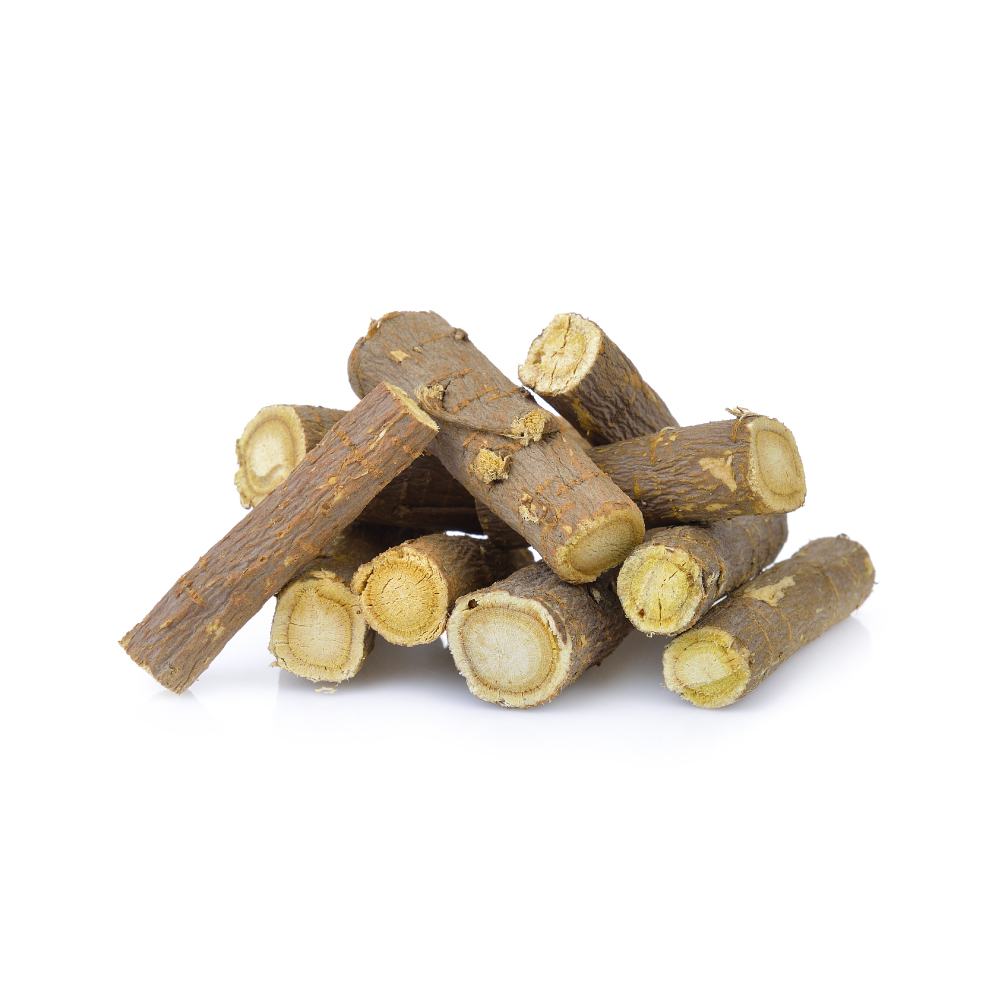 Licorice Glycyrrhiza glabra Documented for chalcones, isoliquiritin, licochalcone A and 1 more.
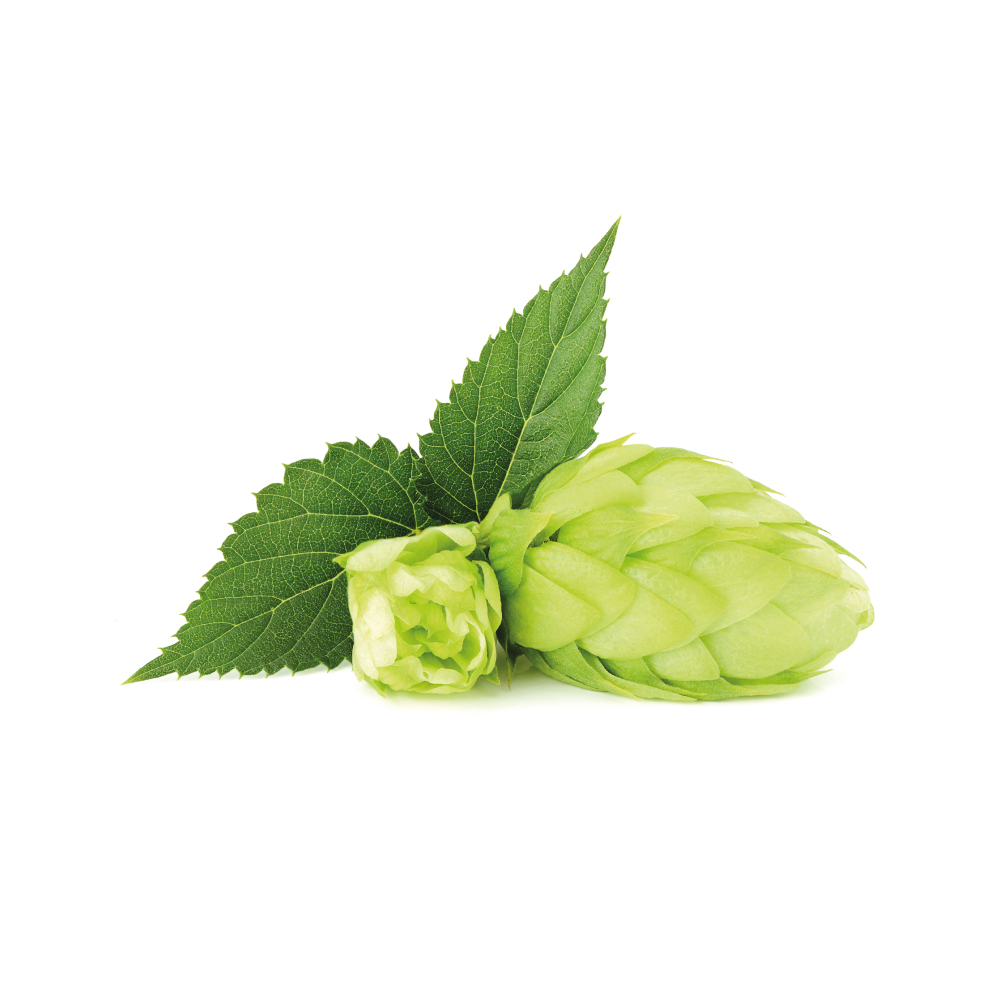 Hops Humulus lupulus Documented for chalcones, desmethylxanthohumol, xanthohumol. Kava Piper methysticum Documented for flavokawain C (0.01 % of extract), flavokawain A, flavokawain B.
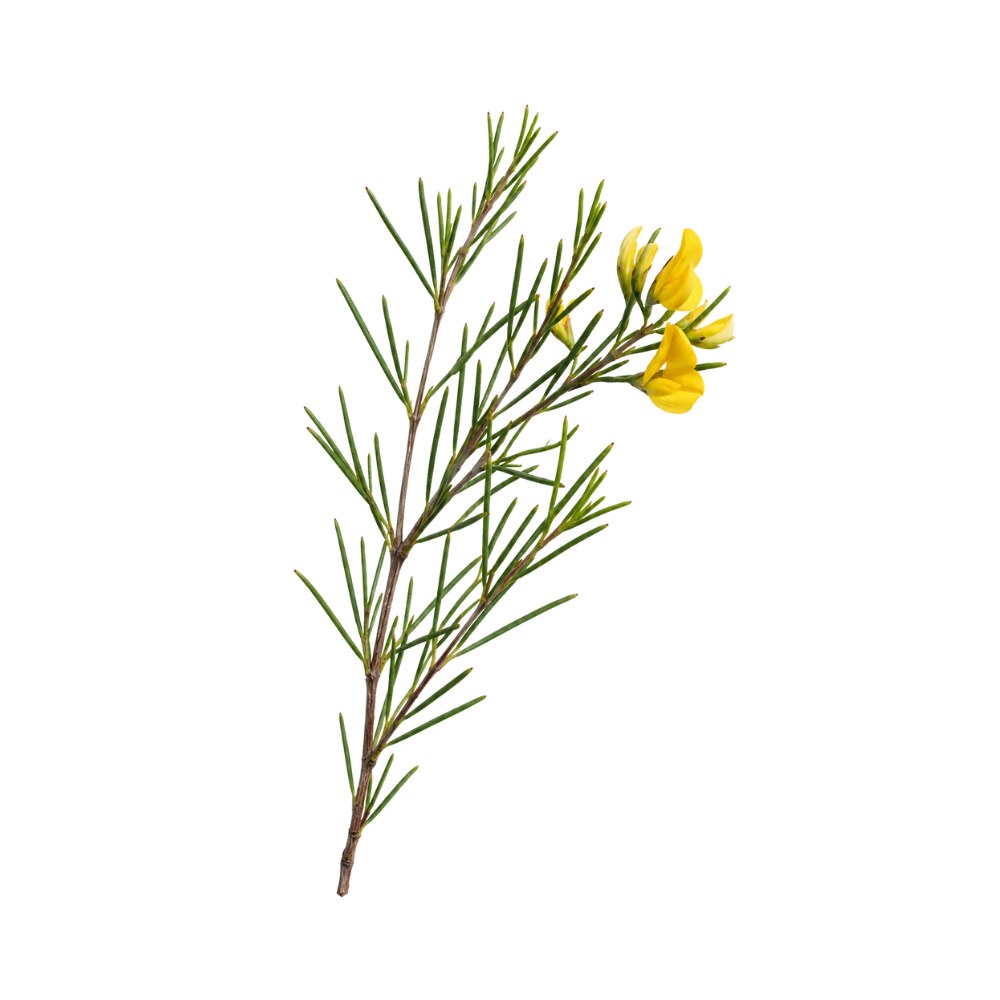 Rooibos Aspalathus linearis Documented for aspalathin, nothofagin.
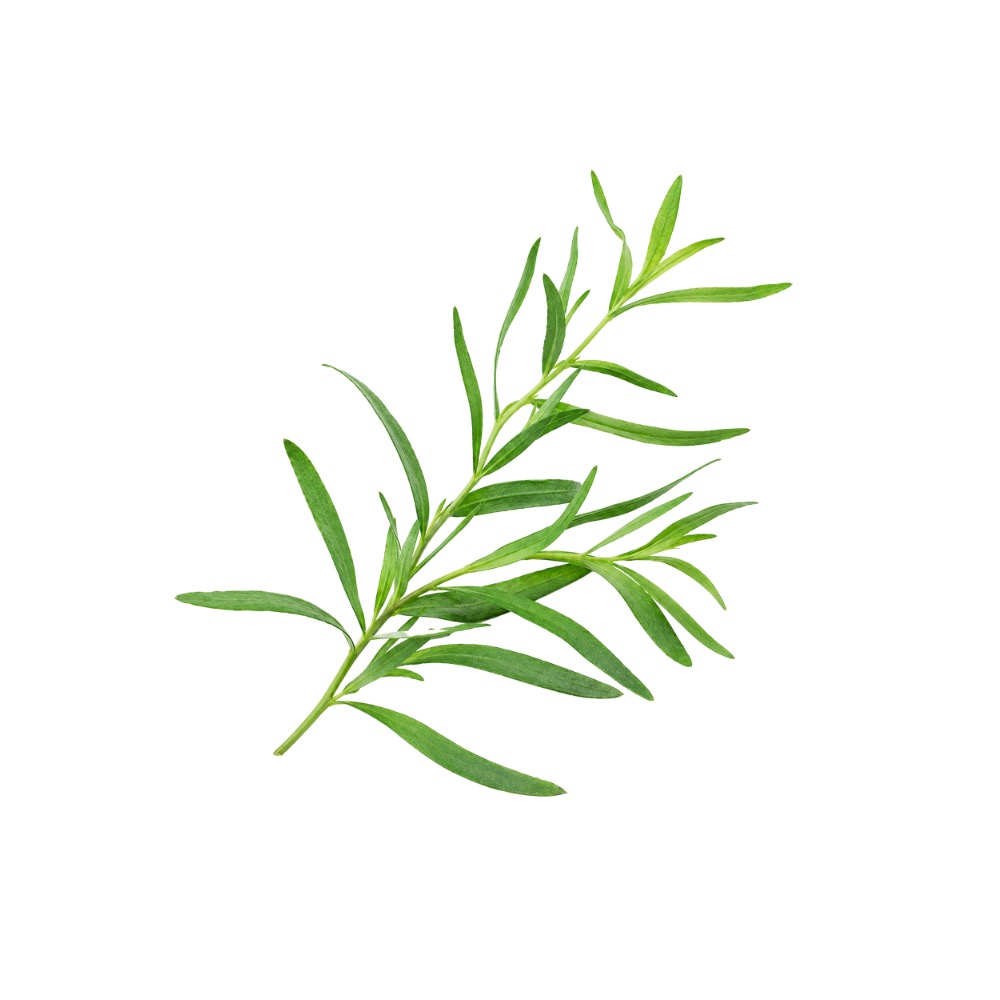 Tarragon Artemisia dracunculus Documented for davidigenin, DMC-2 dihydrochalcone.
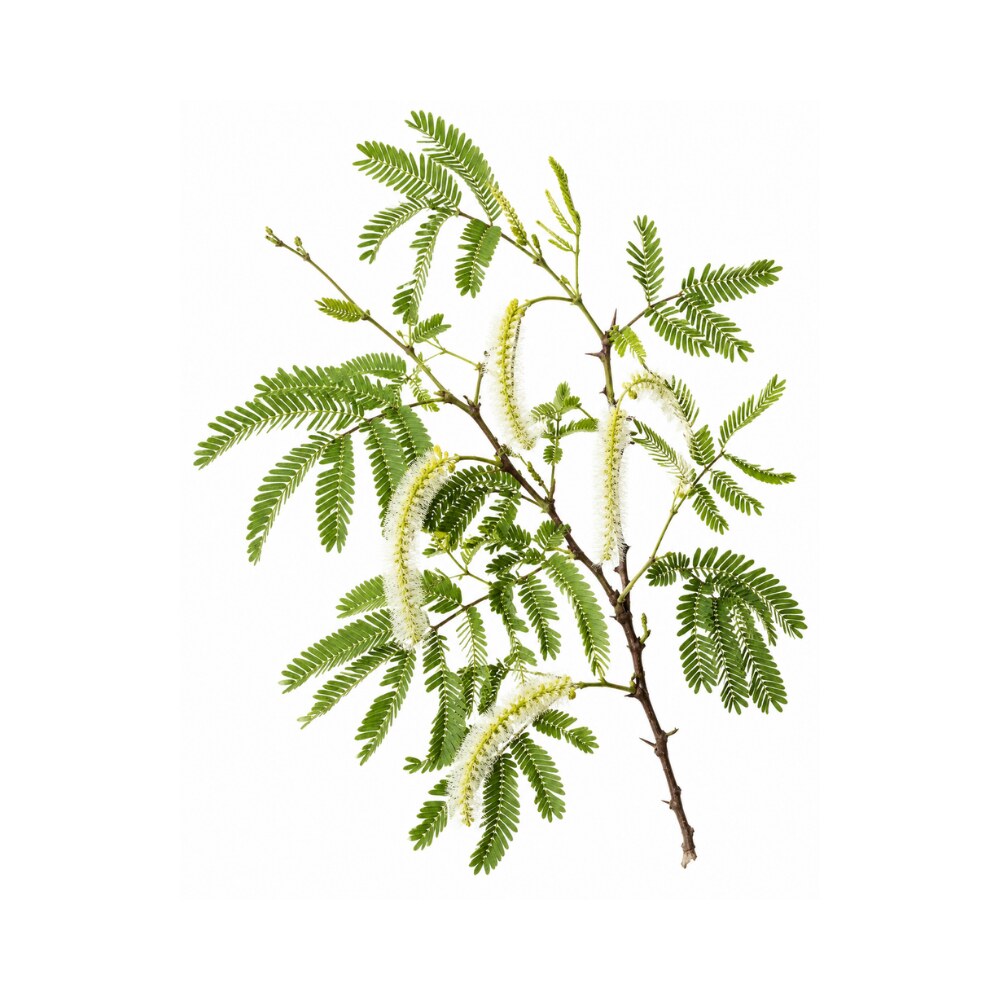 Jurema Mimosa tenuiflora Documented for kukulkanin B.
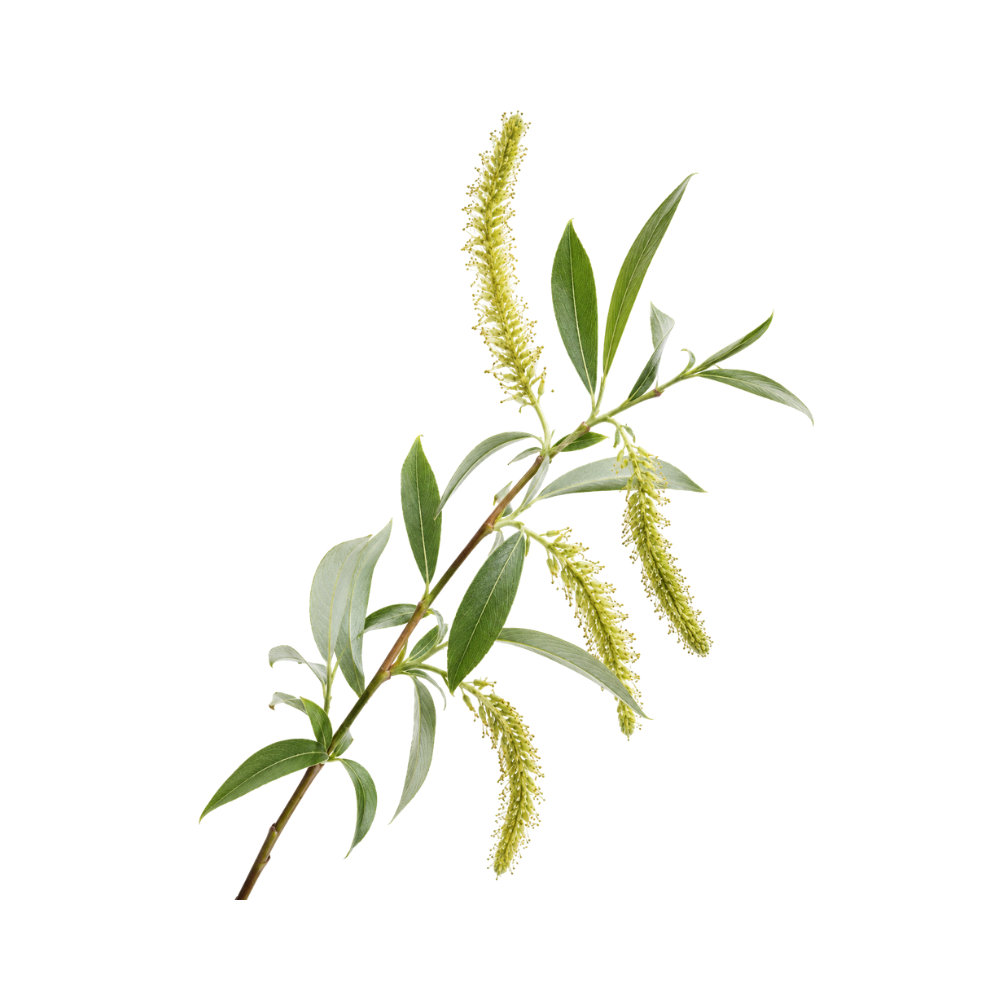 Willow Salix alba Documented for isosalipurposide.
Keep Exploring
Other Compound Classes
Keep Reading
 GuidesThe Best Kava: A Buyer's GuideHow to buy good kava: noble vs two-day cultivars, which part of the root, chemotype codes, origin, form, and the batch tests a seller should show you.
Read more
 GuidesThe Amazon's Endangered Medicinal PlantsThe Amazon gives us some of our most important medicines — but which healing plants are actually endangered?
Read more
 NutritionThe Best Yerba Maté Brands [Reviewed]A drinker's guide to buying yerba maté — what actually changes the taste, and ten brands worth your money.
Read more
 GuidesHow to Prepare Yerba Maté — The Five Best MethodsHow to brew yerba maté properly — the traditional gourd method, plus tereré, french press and cold brew.
Read more