
Compound Monograph
Menisperine
Menisperine is a quaternary aporphine alkaloid — magnoflorine's methyl ether, and its constant travelling companion in Menispermaceae, Phellodendron bark and muira puama. Its own isolate literature is tiny: two anti-inflammatory screens, one 1984 neuromuscular study, and an identification as the toxic principle of Magnolia grandiflora wood. As a permanent cation it is poorly absorbed.

Sources · 11
Where Does It Come From?
Menisperine is a naturally occurring aporphine alkaloid (quaternary isoquinoline), found in Muira Puama, Amur cork tree, Barberry and 8 other sources. It is flagged as moderately toxic.
 Principal source Muira Puama Ptychopetalum olacoides Herb monograph →
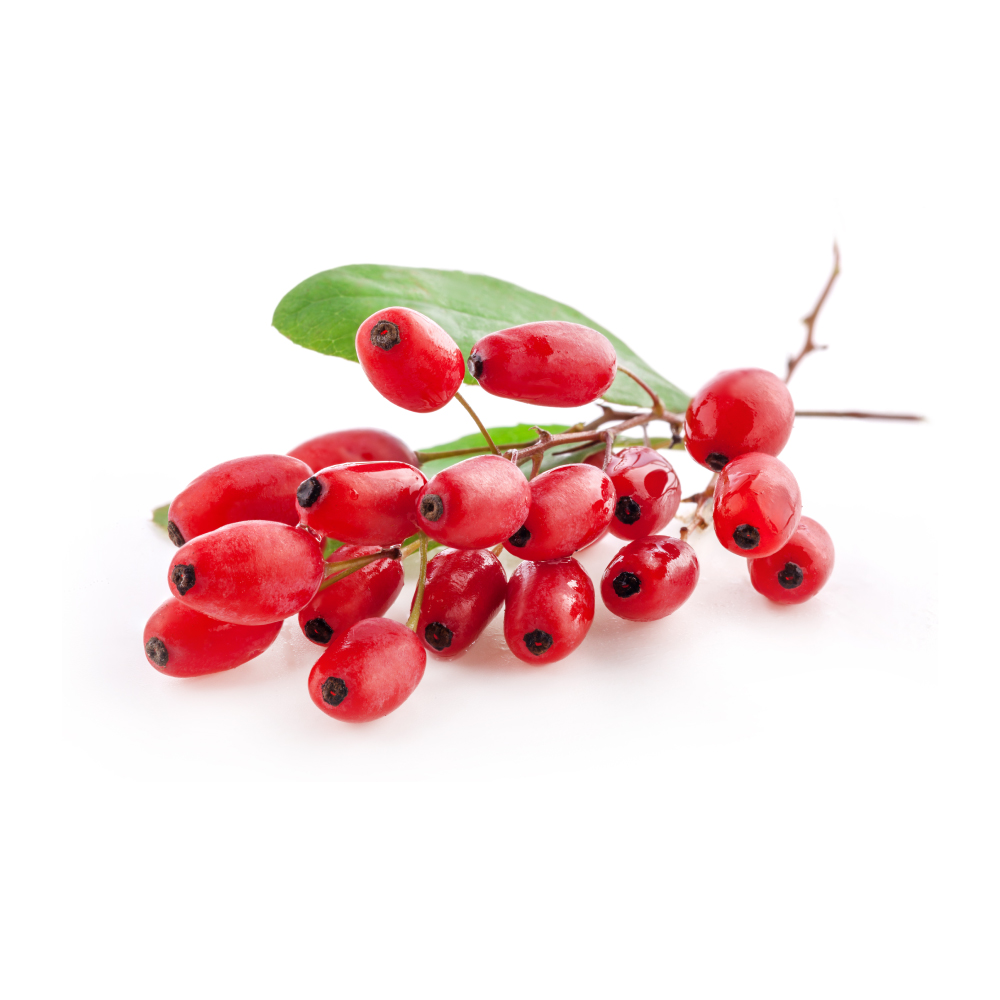 Source Barberry Berberis spp. Herb monograph →
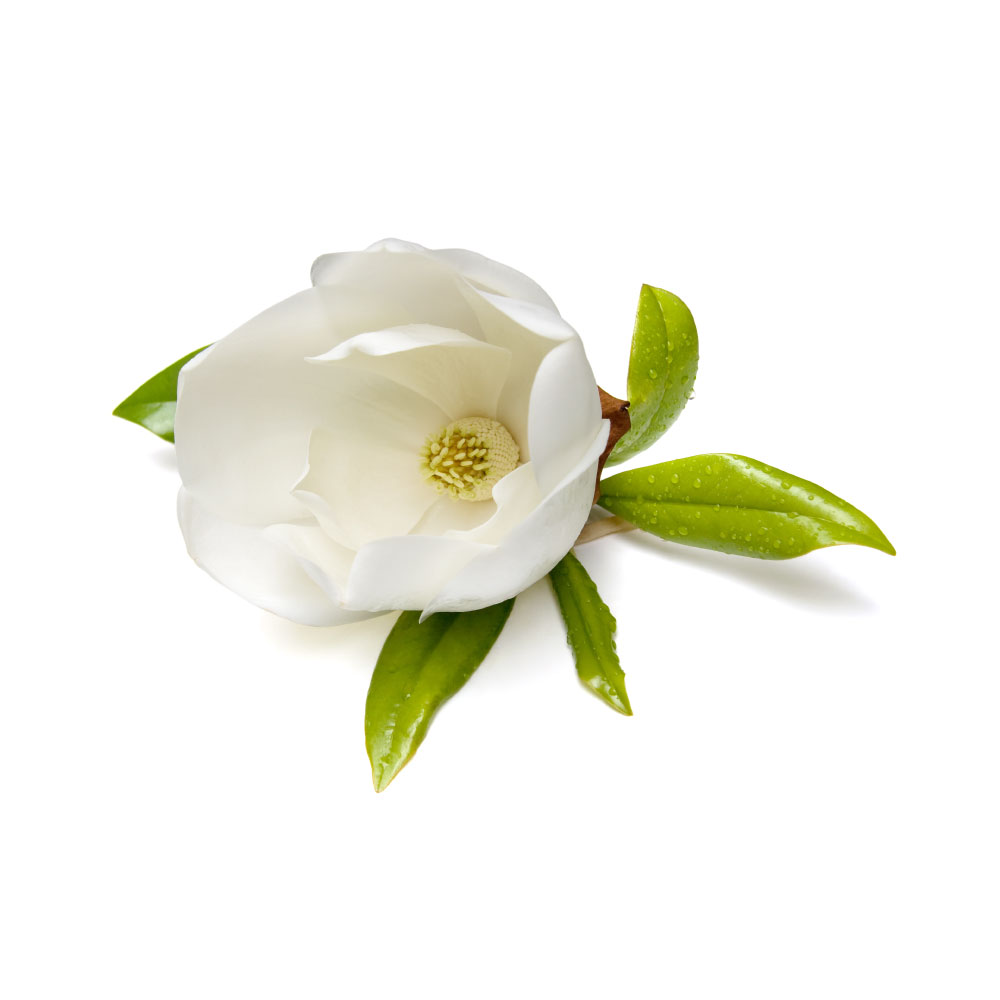 Source Magnolia Magnolia officinalis Herb monograph →
Concentration
Content by Source
Concentrations not reported. No percent-dry-weight or mg/g figures have been published for this compound in its source plants.
Menisperine at a Glance
Menisperine is a quaternary aporphine alkaloid — one of the permanently charged isoquinolines that dominate the bark and root chemistry of the moonseed family (Menispermaceae), from which it takes its name. It is C21H26NO4+, MW 356.4, and it carries a fixed positive charge on nitrogen 23Reference 23National Center for Biotechnology InformationView study →.
In practice it is almost never encountered alone. Menisperine is magnoflorine’s methyl ether, and the two co-occur so consistently — in Sinomenium, Tinospora, Phellodendron, Stephania, Berberis and muira puama — that most of the literature reports them as a pair in the same chromatogram 1,
Its own isolate record is small and honest to state: two independent screens naming it as an anti-inflammatory constituent of Sinomenium 3,
Menisperine vs. Magnoflorine
The two are not the same molecule, and one common shorthand for the relationship is wrong. Menisperine is not the N-methyl derivative of magnoflorine — both alkaloids are already N,N-dimethyl quaternary aporphines, which is why both carry a permanent charge. The actual difference is on the aromatic ring: menisperine is magnoflorine with the C-1 hydroxyl capped as a methyl ether 23Reference 23National Center for Biotechnology InformationView study →.
| Magnoflorine | Menisperine | |
|---|---|---|
| Formula | C20H24NO4+ | C21H26NO4+ |
| Molecular weight | 342.4 | 356.4 |
| Substitution | 2,10-dimethoxy; 1,11-dihydroxy | 1,2,10-trimethoxy; 11-hydroxy |
| Nitrogen | quaternary (N,N-dimethyl) | quaternary (N,N-dimethyl) |
| Free-base relative | corytuberine | isocorydine |
The consequence is a clean 14-Da (one CH2) gap that makes them trivially separable by mass spectrometry — MALDI imaging of Sinomenium acutum stem resolves menisperine at m/z 356 and magnoflorine at m/z 342 in the same tissue section 11Reference 11AnimalIn vivo analysis and spatial profiling of phytochemicals in herbal tissue by matrix-assisted laser desorption/ionization mass spectrometryView study →. Every co-detection in the literature rests on exactly this separation.
Where it matters most is that the two behave differently in the one assay that tested them side by side. Screening Caulis Sinomenii for dual activity, Sun and colleagues found seven alkaloids that inhibited NF-κB — menisperine among them, and flagged as a novel NF-κB inhibitor. But when the same seven were run against a β2-adrenergic receptor reporter, only sinomenine, magnoflorine and laurifoline were agonists. Menisperine was not 4Reference 4Screening and identification of Caulis Sinomenii bioactive ingredients with dual-target NF-κB inhibition and β2-AR agonizing activitiesView study →. That single negative is the best evidence here that the two alkaloids are not pharmacologically interchangeable, and it is the reason magnoflorine’s β2-AR, hypotensive, anxiolytic and neuroprotective findings must stay on magnoflorine’s page and not be carried across.
What It's Used For
The literature on menisperine is dominated by analytical chemistry — it is a quality-control marker far more often than it is a test article. What isolate pharmacology exists is in-vitro, from two Chinese screening groups, plus two mid-20th-century animal reports.
Support is an experimental score — weighted by study type (human > animal > in vitro) and volume. A beta, not a validated metric. There is no human evidence and no dose-response for any row, so scores are low by design; read the per-row basis rather than the number.
The only application with more than one source, and both used the isolated compound rather than the extract. Screening Caulis Sinomenii with UPLC-Q/TOF-MS coupled to an NF-κB luciferase reporter, Sun and colleagues identified menisperine as one of seven potential NF-κB inhibitors and specifically named it — with laudanosoline-1-O-xylopyranose — as a novel one, with IL-6 and IL-8 assays confirming the anti-inflammatory effect 4Reference 4Screening and identification of Caulis Sinomenii bioactive ingredients with dual-target NF-κB inhibition and β2-AR agonizing activitiesView study →.
Independently, a spectrum-effect study across 19 batches of Sinomenii Caulis used nitric-oxide inhibition as the readout and then tested individual compounds to verify: sinomenine, magnoflorine, menisperine and stepharanine were the major anti-inflammatory compounds 3Reference 3Identification of anti-inflammatory components in Sinomenii Caulis based on spectrum-effect relationship and chemometric methodsView study →.
Gap: both are cell-based screens of a herb’s constituents, not dedicated pharmacology. No potency value (IC50) for menisperine is reported in either abstract, no animal inflammation model has ever been run on the isolate, and neither study addresses whether an orally dosed quaternary cation reaches the relevant tissue 3,
A 1984 Indian Journal of Experimental Biology paper reports the mechanism of neuromuscular blocking action of isocorydine methochloride, described as a new quaternary alkaloid from Cocculus laurifolius (Menispermaceae) 5Reference 5Mechanism of neuromuscular blocking action of isocorydine methochloride, a new quaternary alkaloid from Cocculus laurifolius DCView study →.
Isocorydine methochloride is menisperine — the NLM substance record lists it as an entry term for menisperine (CAS 25342-82-9) 24Reference 24https://www.ncbi.nlm.nih.gov/mesh/67042421View study →, and the identity was set out explicitly in 1982 2Reference 2Constituents of Magnolia grandifloraView study →.
Neuromuscular blockade is a plausible class effect: permanently charged quaternary alkaloids of the benzylisoquinoline families include the curare-type agents, and the charge is what makes a molecule an acetylcholine mimic at the endplate.
Gap: a single study, four decades old, with no abstract available — the attribution rests on the title and on the synonym mapping, not on read data. No potency, no species detail, no confirmation anywhere since. It is listed as an isolate finding but should be treated as unreplicated and, until the paper is retrieved, provisional 5Reference 5Mechanism of neuromuscular blocking action of isocorydine methochloride, a new quaternary alkaloid from Cocculus laurifolius DCView study →.
A 2023 review of Menispermi Rhizoma (the rhizome of Menispermum dauricum) states that a cytotoxicity test found thalifortine, cycleapeltine, sutchuenenine and menisperine to have good inhibitory activity against proliferation of human hepatoma HepG2 cells 8Reference 8Research progress on chemical constituents and pharmacological activities of Menispermi RhizomaView study →.
Gap: this is a secondary report only. The primary source is a 2016 Chinese-language paper on bisbenzylisoquinoline alkaloids of M. dauricum — a class menisperine does not belong to — which is not PubMed-indexed and could not be read. No potency, no comparator, no replication, and a class mismatch that warrants suspicion of a transcription error. It is scored, minimally, only because omitting it would hide the one oncology mention that exists 8Reference 8Research progress on chemical constituents and pharmacological activities of Menispermi RhizomaView study →.
Mechanisms
| Target / pathway | Effect | Relevant to |
|---|---|---|
| NF-κB (luciferase reporter) | inhibited; IL-6 / IL-8 suppression confirmed | anti-inflammatory |
| Nitric-oxide production (cell assay) | inhibited — verified by testing the individual compound | anti-inflammatory |
| β2-adrenergic receptor | no agonist activity — menisperine failed where magnoflorine, sinomenine and laurifoline passed, in the same assay | the honest separation from magnoflorine |
| Neuromuscular junction | blockade reported (as isocorydine methochloride), mechanism not retrievable | neuromuscular (single 1984 study) |
| HepG2 proliferation | inhibition reported | cytotoxicity (secondary source only) |
No molecular target has been characterised for menisperine to the level of a binding constant or an IC50. The β2-AR row is a negative result and is the most reliable single line in the table.
Pharmacokinetics
Load-bearing, and the reason to be sceptical of any oral claim. Menisperine’s nitrogen is quaternary, so the molecule is a permanent cation at every physiological pH. Fixed cations cross lipid membranes poorly by passive diffusion, which for this structural class means low oral bioavailability and negligible blood-brain-barrier penetration — the point made explicitly for its near-twin magnoflorine, where it is the central caveat on the whole literature 7Reference 7ReviewMagnoflorine: a review of its pharmacology, pharmacokinetics and toxicityView study →. Menisperine’s extra methyl group makes it marginally less polar than magnoflorine, but the charge, not the substitution pattern, governs absorption; there is no measured permeability value for menisperine to test that against.
Absorption is nevertheless not zero. Serum-chemistry work in rats identified menisperine as one of nine constituents detectable in serum after oral administration of the Huangbai–Zhimu herb-pair extract, alongside magnoflorine, palmatine and berberine 6Reference 6AnimalIdentification of major alkaloids and steroidal saponins in rat serum by HPLC-diode array detection-MS/MS following oral administration of Huangbai-Zhimu herb-pair extractView study →. That establishes that some fraction gets in from a decoction, and nothing more.
Beyond that, the record is empty. There is no published Cmax, AUC, absolute bioavailability, volume of distribution, half-life, metabolic route or excretion pathway for menisperine in any species — a PubMed search for menisperine AND pharmacokinetic returns zero records (31 July 2026). Any in-vitro finding here should be read against an unknown, and probably small, systemic exposure.
Clinical Trials
There are no clinical trials of menisperine — ClinicalTrials.gov returns 0 studies (API v2, 31 July 2026). Human exposure is only as a minor constituent of multi-herb preparations (Sinomenium, Phellodendron bark, Radix Tinosporae, Huo-Tan-Chu-Shi decoction, muira puama products), where nothing can be attributed to the molecule. One network-pharmacology paper nominates menisperine as a key component of a coronary-heart-disease decoction, but its own experimental verification pointed at magnoflorine and luteolin instead 22Reference 22Chemical profile and potential mechanisms of Huo-Tan-Chu-Shi decoction in the treatment of coronary heart disease by UHPLC-Q/TOF-MS in combination with network pharmacology analysis and experimental verificationView study →.
| Completed | Planned | Terminated | Preclinical |
|---|---|---|---|
| —(none, isolate) | — | — | Minimal(three findings, all in vitro or pre-1985) |
Last checked: July 2026.
The Size of the Literature
Proving the emptiness matters more here than filling it. Every search below was run 31 July 2026 against NCBI E-utilities, Europe PMC, ClinicalTrials.gov API v2 and PubChem.
| Source | Query | Result |
|---|---|---|
| PubMed | menisperine | 21 records — all reviewed |
| PubMed | menisperine OR "isocorydine methochloride" | 21 — the synonym adds only PMID 6746025 |
| PubMed | menisperine AND pharmacokinetic | 0 |
| PubMed | menisperine AND cytotoxic | 0 |
| PubMed | menisperine AND toxicity | 1 — the 1982 Magnolia paper |
| Europe PMC | menisperine (incl. full text) | 107 — overwhelmingly constituent tables |
| ClinicalTrials.gov | menisperine | 0 studies |
Of the 21 PubMed records, fifteen are analytical-chemistry or phytochemical-isolation papers in which menisperine is a peak, a marker or an isolate with no biological test attached. Three carry a pharmacological or toxicological finding 2,
Isolate vs. Plant Studies
Unusually for a page like this, the two isolate findings are the strong end of the evidence, not the weak end — both Sinomenium screens moved past the extract and tested the pure compound to confirm the assignment 3,
The specific transferability problem for this molecule is not isolate-versus-plant but molecule-versus-molecule. Menisperine is co-quantified with magnoflorine in essentially every survey 1,
The muira puama case is worth stating precisely, because the figure is easy to over-read. Tian and colleagues isolated 14 known compounds from Ptychopetalum olacoides and found magnoflorine and menisperine to be the major constituents of the bark, with the two accounting for 75.96% of all analytes 1Reference 1Qualitative and quantitative analysis of chemical constituents of Ptychopetalum olacoides BenthView study →. That is 76% of the quantified analyte set — the eight compounds for which calibration curves were built — not 76% of the bark by mass. It supports the paper’s real conclusion, that alkaloids rather than lupeol or the phenolics dominate this plant’s chemistry, and it does not license any statement about menisperine’s activity in the herb. No monotherapy trial of muira puama exists, and no effect of the herb has ever been traced to this molecule.
Prevalence in Nature
Menisperine is named for Menispermaceae — the moonseed family — and it is genuinely at home there: it is catalogued among the constituents of Menispermum dauricum rhizome 8Reference 8Research progress on chemical constituents and pharmacological activities of Menispermi RhizomaView study →, is a routinely quantified alkaloid of Sinomenium acutum stem and rhizome 3,
But the name undersells the range. The molecule turns up across at least seven plant families:
- Rutaceae — Phellodendron amurense and P. chinense bark, where it is one of the standard fingerprint peaks alongside berberine, palmatine, jatrorrhizine and magnoflorine 13,
14Reference 13Chemical fingerprint analysis of Phellodendri Amurensis Cortex by ultra performance LC/Q-TOF-MS methods combined with chemometricsView study →Reference 14Evaluation of raw and processed Phellodendri Chinensis Cortex using the quality marker analysis strategy by UHPLC-Q-Orbitrap MS and multivariate statistical analysisView study → . Processing the bark measurably lowers its content 14Reference 14Evaluation of raw and processed Phellodendri Chinensis Cortex using the quality marker analysis strategy by UHPLC-Q-Orbitrap MS and multivariate statistical analysisView study →. - Berberidaceae — detected in European barberry and Oregon grape extracts (and in silk and wool dyed with them) 21Reference 21Capillary-HPLC with tandem mass spectrometry in analysis of alkaloid dyestuffs — a new approachView study →.
- Magnoliaceae — Magnolia grandiflora wood, from which it was isolated for the first time in the genus in 1982 2Reference 2Constituents of Magnolia grandifloraView study →.
- Olacaceae — muira puama (Ptychopetalum olacoides) bark, where with magnoflorine it is co-dominant among the quantified analytes 1Reference 1Qualitative and quantitative analysis of chemical constituents of Ptychopetalum olacoides BenthView study →.
- Papaveraceae — Corydalis decumbens bulbs, reported from the quaternary-ammonium fraction in 1994 19Reference 19Liao J, Liang WZ, Tu GS (1994). [Chemical constituents of Corydalis decumbens (Thunb.) Pers]. Zhongguo Zhong Yao Za Zhi. https://pubmed.ncbi.nlm.nih.gov/7873082/View study →.
- Annonaceae — Xylopia parviflora bark and root, as (+)-menisperine 17Reference 17Quaternary isoquinoline alkaloids from Xylopia parvifloraView study →.
- Aristolochiaceae — Bragantia wallichii, where the 1958 Indian characterisation of “chakranine” was later shown to be the same compound 2,
20Reference 2Constituents of Magnolia grandifloraView study →Reference 20Studies on Indian medicinal plantsView study → .
Within a plant it is a bark, root, rhizome and stem alkaloid, not a leaf one, and it distributes unevenly across tissues: laser-microdissection profiling of Sinomenii Caulis found menisperine in every microdissected region — epidermis, cortex, stone cells, pericycle, vascular bundles and pith — with alkaloids concentrated in the outer cortex, phloem and xylem 10Reference 10Tissue-specific metabolite profiling of alkaloids in Sinomenii Caulis using laser microdissection and liquid chromatography-quadrupole/time of flight-mass spectrometryView study →. MALDI imaging of the same species resolves it spatially at m/z 356 11Reference 11AnimalIn vivo analysis and spatial profiling of phytochemicals in herbal tissue by matrix-assisted laser desorption/ionization mass spectrometryView study →.
No quantitative abundance figure is available for menisperine in any species. The only comparative number anywhere is the pooled magnoflorine-plus-menisperine 75.96%-of-analytes figure from muira puama 1Reference 1Qualitative and quantitative analysis of chemical constituents of Ptychopetalum olacoides BenthView study →; the Sinomenium work reports it as a quantified peak without a citable percentage 12Reference 12Genetic and chemical comparison of Boi (Sinomeni Caulis et Rhizoma) and SeifutoView study →.
Discovery & Synthesis
Menisperine’s discovery history is genuinely unsettled, and the page says so rather than inventing a date. The original isolation is not documented in the PubMed-indexed literature — the name plainly derives from Menispermum, the moonseed genus, but no indexed paper states who first obtained it or from which species.
What is documented is the convergence of three names on one molecule. In 1958 an Indian group characterised an alkaloid from Bragantia wallichii (Aristolochiaceae) and called it chakranine 20Reference 20Studies on Indian medicinal plantsView study →. Separately, the compound was known as isocorydine methochloride — the quaternary N-methyl salt of the aporphine isocorydine — and it is under that name that its neuromuscular pharmacology was published in 1984 5Reference 5Mechanism of neuromuscular blocking action of isocorydine methochloride, a new quaternary alkaloid from Cocculus laurifolius DCView study →. In 1982, Rao and Davis, working on the toxic principle of Magnolia grandiflora wood, stated the identity outright: the toxic alkaloid was identical with menisperine, also called chakranine and the isocorydinium cation 2Reference 2Constituents of Magnolia grandifloraView study →. The NLM substance record now carries all of these as one entity, CAS 25342-82-9 24Reference 24https://www.ncbi.nlm.nih.gov/mesh/67042421View study →.
No total synthesis of menisperine is reported in the indexed literature. Nor would one be the obvious route: because menisperine is simply isocorydine quaternised at nitrogen, the practical preparation is exhaustive N-methylation of an available aporphine rather than a de-novo build — an inference from the structure and the “methochloride” naming, not a documented procedure. Manufacture today is analytical-scale only: menisperine is supplied as a reference standard for herbal quality control, which is what nearly all of its literature uses it for 3,
Patents: not yet researched.
Toxicity & Safety
Menisperine carries a moderate flag, and the reasoning should be read carefully because it is not a finding of oral harm. It is the combination of two positive parenteral signals — an explicit identification as a toxic principle, and a neuromuscular blocking action — with the complete absence of any oral toxicology to bound them. Silence is not safety here; there simply is no dataset.
- Poor oral absorption limits exposure. As a permanent cation, menisperine is unlikely to be well absorbed from the gut, which is the main reason ordinary herbal intake is not an acute concern 6,
7Reference 6AnimalIdentification of major alkaloids and steroidal saponins in rat serum by HPLC-diode array detection-MS/MS following oral administration of Huangbai-Zhimu herb-pair extractView study →Reference 7ReviewMagnoflorine: a review of its pharmacology, pharmacokinetics and toxicityView study → . - Identified as a toxic principle. The alcoholic extract of Magnolia grandiflora wood was toxic to mice by intraperitoneal injection, and the toxic principle was isolated and shown to be menisperine 2Reference 2Constituents of Magnolia grandifloraView study →.
- Neuromuscular blocking action reported. A 1984 study describes the mechanism of neuromuscular blockade by isocorydine methochloride (= menisperine) — the same charge that limits absorption is what makes quaternary alkaloids active at the endplate 5Reference 5Mechanism of neuromuscular blocking action of isocorydine methochloride, a new quaternary alkaloid from Cocculus laurifolius DCView study →.
- No toxicology package exists. No LD50, no repeat-dose study, no genotoxicity assay, no reproductive or developmental data, no CYP or transporter interaction work, in any species.
- No human data at all. Menisperine has never been administered to a person as an isolate, and there is no case report of exposure.
Full Safety & Interactions Detail
The toxic-principle finding. This is the single most consequential safety datum and it is unambiguous in the source: Rao and Davis found the alcoholic extract of Magnolia grandiflora wood toxic to mice when injected intraperitoneally, isolated the responsible phenolic quaternary alkaloid, and identified it spectroscopically as menisperine 2Reference 2Constituents of Magnolia grandifloraView study →. Two caveats bound it: the route is intraperitoneal, not oral, and no LD50, target organ or dose is reported in the abstract. It establishes that menisperine is not inert; it does not quantify the hazard.
Neuromuscular action and the class context. The 1984 report of neuromuscular blockade 5Reference 5Mechanism of neuromuscular blocking action of isocorydine methochloride, a new quaternary alkaloid from Cocculus laurifolius DCView study → belongs to a recognisable pattern. Permanently charged quaternary alkaloids from these families include the curare-type neuromuscular blockers, and charge is precisely the structural feature that makes an alkaloid active at the acetylcholine receptor. This is a reason to treat any injected or high systemic exposure as unpredictable, not a reason to attribute neuromuscular effects to a bark decoction.
What has not been assessed. There is no acute or repeat-dose oral toxicity study, no LD50 by any route, no Ames or micronucleus assay, no reproductive or developmental study, no organ-toxicity work, and no CYP450 or P-glycoprotein interaction data for menisperine. Drug interactions have therefore not been assessed at all — none can be listed or ruled out. Reproductive and developmental toxicity are likewise entirely unstudied; that finding is stated here as a gap, and pregnancy or lactation decisions belong to the herb or product page where intake is actually decided, not to a molecule page.
A class disclaimer worth stating. Menisperine occurs in Bragantia wallichii, an Aristolochiaceae species 20Reference 20Studies on Indian medicinal plantsView study →. As with magnoflorine, that is an occurrence fact and nothing more — the kidney toxicity and carcinogenicity associated with Aristolochia belong to aristolochic acid, a chemically unrelated molecule, and must not be transferred to this one.
And the trap that gives this class its name. Menisperine is an aporphine. Apomorphine — the dopamine agonist used clinically in Parkinson’s disease and erectile dysfunction — shares the aporphine ring system. Shared skeleton is chemistry, not pharmacology: apomorphine is a tertiary amine that crosses into the brain, menisperine is a permanent cation that largely does not, and nothing in apomorphine’s clinical or safety profile applies here.
Dosage
There is no dose for menisperine, in any form, for any purpose. It has never been administered to a human as an isolate; no animal study here reports a dose that could be scaled; there are no pharmacokinetic parameters to scale with; and there is no clinical trial. The only quantitative human-exposure statement possible is indirect and unhelpful: menisperine is a minor constituent of Phellodendron bark, Sinomenium stem, Radix Tinosporae and muira puama bark preparations, whose own dosing is set by the herb, not the molecule 1,
No figure here is a recommendation, and none should be treated as one.
References
- Tian X, Guo S, He K, et al. (2018). Qualitative and quantitative analysis of chemical constituents of Ptychopetalum olacoides Benth. Natural Product Research. https://pubmed.ncbi.nlm.nih.gov/28750557/
- Rao KV, Davis TL (1982). Constituents of Magnolia grandiflora. III. Toxic principle of the wood. Journal of Natural Products. https://pubmed.ncbi.nlm.nih.gov/7119806/
- Wang LJ, Jiang ZM, Xiao PT, et al. (2019). Identification of anti-inflammatory components in Sinomenii Caulis based on spectrum-effect relationship and chemometric methods. Journal of Pharmaceutical and Biomedical Analysis. https://pubmed.ncbi.nlm.nih.gov/30738242/
- Sun D, Han Y, Wang W, et al. (2016). Screening and identification of Caulis Sinomenii bioactive ingredients with dual-target NF-κB inhibition and β2-AR agonizing activities. Biomedical Chromatography. https://pubmed.ncbi.nlm.nih.gov/27187693/
- Mukherjee KC, Patnaik GK, Bhakuni DS, Dhawan BN (1984). Mechanism of neuromuscular blocking action of isocorydine methochloride, a new quaternary alkaloid from Cocculus laurifolius DC. Indian Journal of Experimental Biology. https://pubmed.ncbi.nlm.nih.gov/6746025/
- Ma C, Fan M, Tang Y, et al. (2008). Identification of major alkaloids and steroidal saponins in rat serum by HPLC-diode array detection-MS/MS following oral administration of Huangbai-Zhimu herb-pair extract. Biomedical Chromatography. https://pubmed.ncbi.nlm.nih.gov/18318017/
- Xu T, Kuang T, Du H, et al. (2020). Magnoflorine: a review of its pharmacology, pharmacokinetics and toxicity. Pharmacological Research. https://pubmed.ncbi.nlm.nih.gov/31911246/
- Zhai X, Wang K, Gao X, Yan B (2023). Research progress on chemical constituents and pharmacological activities of Menispermi Rhizoma. Molecules. https://pubmed.ncbi.nlm.nih.gov/36985672/
- Jiang ZM, Wang LJ, Pang HQ, et al. (2019). Rapid profiling of alkaloid analogues in Sinomenii Caulis by an integrated characterization strategy and quantitative analysis. Journal of Pharmaceutical and Biomedical Analysis. https://pubmed.ncbi.nlm.nih.gov/31202880/
- Yi L, Liang ZT, Peng Y, et al. (2012). Tissue-specific metabolite profiling of alkaloids in Sinomenii Caulis using laser microdissection and liquid chromatography-quadrupole/time of flight-mass spectrometry. Journal of Chromatography A. https://pubmed.ncbi.nlm.nih.gov/22721764/
- Ng KM, Liang Z, Lu W, et al. (2007). In vivo analysis and spatial profiling of phytochemicals in herbal tissue by matrix-assisted laser desorption/ionization mass spectrometry. Analytical Chemistry. https://pubmed.ncbi.nlm.nih.gov/17313187/
- Sano T, Matsumura I, Nakamura R, et al. (2010). Genetic and chemical comparison of Boi (Sinomeni Caulis et Rhizoma) and Seifuto. Journal of Natural Medicines. https://pubmed.ncbi.nlm.nih.gov/20217263/
- Li Y, Zhang T, Zhang X, et al. (2010). Chemical fingerprint analysis of Phellodendri Amurensis Cortex by ultra performance LC/Q-TOF-MS methods combined with chemometrics. Journal of Separation Science. https://pubmed.ncbi.nlm.nih.gov/21049522/
- Wang W, Shi X, Zhu G (2023). Evaluation of raw and processed Phellodendri Chinensis Cortex using the quality marker analysis strategy by UHPLC-Q-Orbitrap MS and multivariate statistical analysis. Frontiers in Chemistry. https://pubmed.ncbi.nlm.nih.gov/37583566/
- Xiang Q, Hashi Y, Chen Z (2016). Simultaneous detection of eight active components in Radix Tinosporae by ultra high performance liquid chromatography coupled with electrospray tandem mass spectrometry. Journal of Separation Science. https://pubmed.ncbi.nlm.nih.gov/27059766/
- Chang HM, El-Fishawy AM, Slatkin DJ, Schiff PL Jr (1984). Quaternary alkaloids of Tinospora capillipes. Planta Medica. https://pubmed.ncbi.nlm.nih.gov/17340259/
- Nishiyama Y, Moriyasu M, Ichimaru M, et al. (2004). Quaternary isoquinoline alkaloids from Xylopia parviflora. Phytochemistry. https://pubmed.ncbi.nlm.nih.gov/15081299/
- Tanahashi T, Su U, Nagakura N, Nayeshiro H (2000). Quaternary isoquinoline alkaloids from Stephania cepharantha. Chemical and Pharmaceutical Bulletin. https://pubmed.ncbi.nlm.nih.gov/10726860/
- Liao J, Liang WZ, Tu GS (1994). [Chemical constituents of Corydalis decumbens (Thunb.) Pers]. Zhongguo Zhong Yao Za Zhi. https://pubmed.ncbi.nlm.nih.gov/7873082/
- Kamat VN, Vaz A, Divekar PV, Fernandes F, Bhatnagar SS (1958). Studies on Indian medicinal plants. I. Characterization of chakranine, an alkaloid isolated from Bragantia wallichii R. Br. Indian Journal of Medical Research. https://pubmed.ncbi.nlm.nih.gov/13562877/
- Dąbrowski D, Lech K, Jarosz M (2018). Capillary-HPLC with tandem mass spectrometry in analysis of alkaloid dyestuffs — a new approach. Electrophoresis. https://pubmed.ncbi.nlm.nih.gov/29124775/
- He L, Jiang H, Lan T, et al. (2021). Chemical profile and potential mechanisms of Huo-Tan-Chu-Shi decoction in the treatment of coronary heart disease by UHPLC-Q/TOF-MS in combination with network pharmacology analysis and experimental verification. Journal of Chromatography B. https://pubmed.ncbi.nlm.nih.gov/33992976/
- PubChem Compound Summary CID 30358, menisperine (C21H26NO4+, MW 356.4). National Center for Biotechnology Information. https://pubchem.ncbi.nlm.nih.gov/compound/30358
- NLM Medical Subject Headings supplementary concept record C042421 — menisperine; entry terms isocorydine methochloride, menisperine chloride; CAS 25342-82-9; mapped to Aporphines. https://www.ncbi.nlm.nih.gov/mesh/67042421



