
Compound Monograph
Palmatine
A yellow protoberberine alkaloid from calumba, coptis, phellodendron and barberry — berberine's near-twin, sharing its metabolic and anti-inflammatory mechanisms and its poor oral absorption, but with far less evidence and no human trials.

Sources · 8
Where Does It Come From?
Palmatine is a naturally occurring isoquinoline alkaloid (protoberberine group), found in Calumba, Chinese goldthread, Amur cork tree and 5 other sources. It is well tolerated orally (low toxicity).
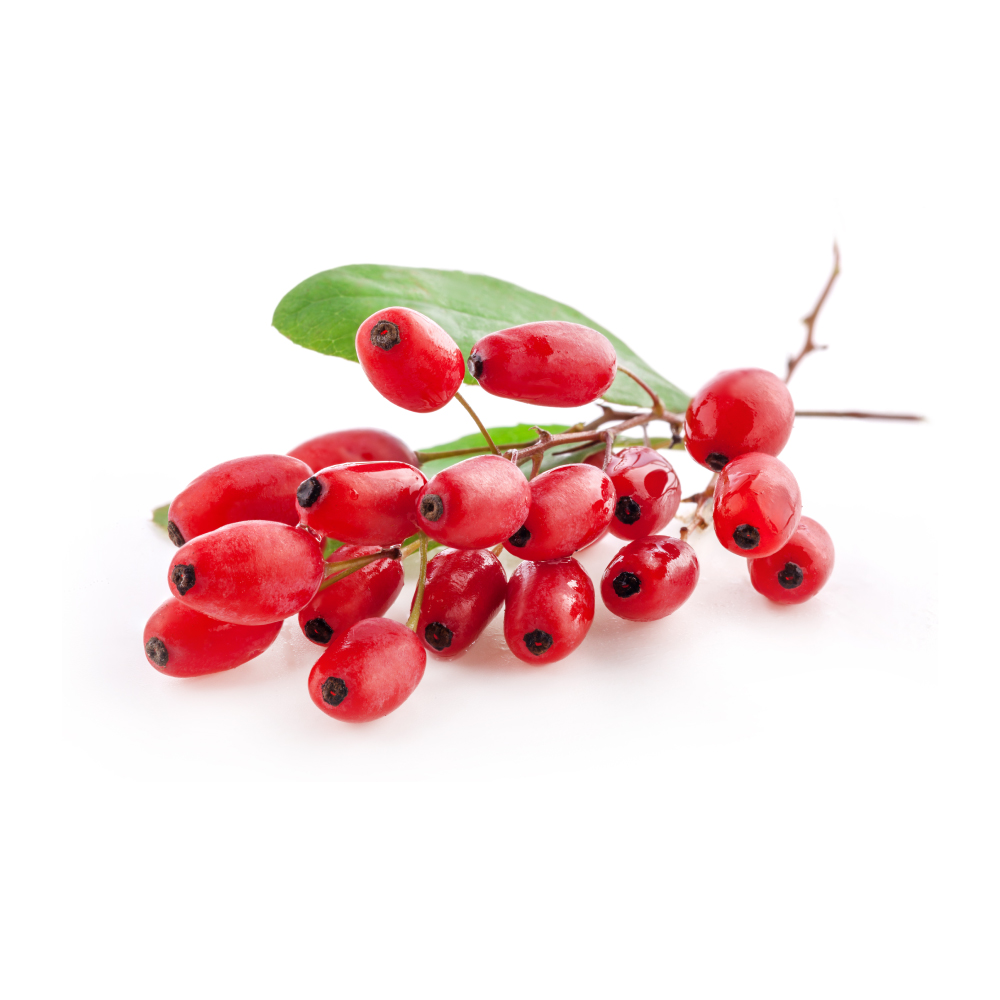 Source Barberry Berberis spp. Herb monograph →
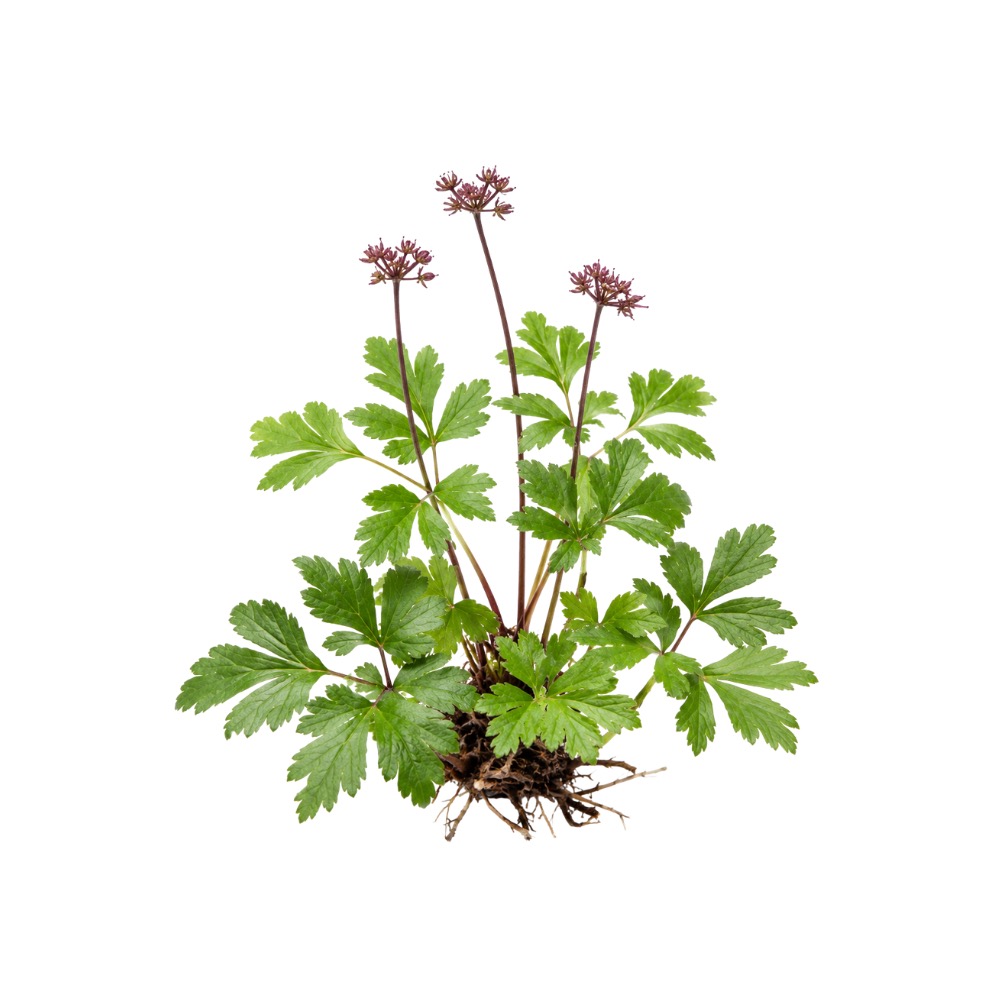 Source Coptis Coptis chinensis Herb monograph →
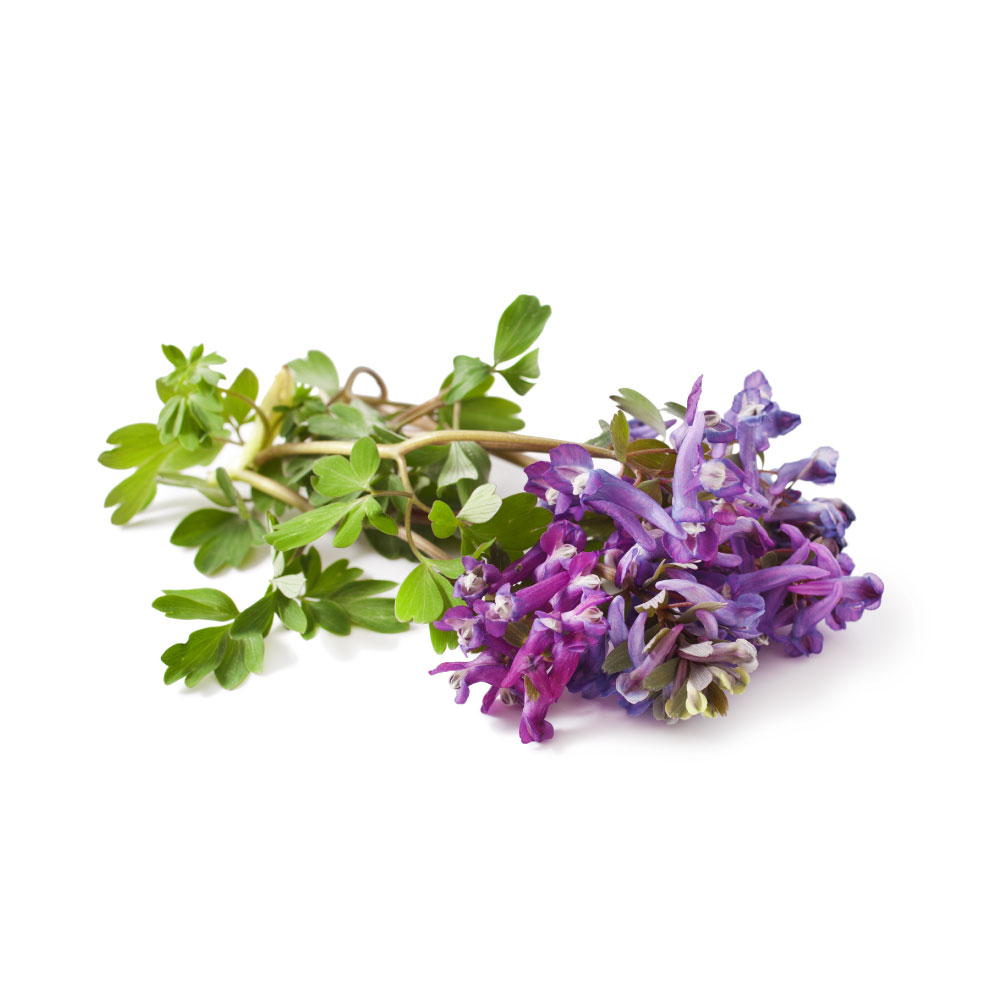 Source Corydalis Corydalis yanhusuo Herb monograph →
Concentration
Content by Source
Reported concentrations across the plants that contain palmatine — the bar marks the typical level, the line shows the reported range.
Literature figures for varying plant parts and preparations. Read them as a comparative guide, not exact assays.
Palmatine at a Glance
Palmatine is a bright-yellow protoberberine alkaloid — the close chemical cousin of berberine, and structurally almost the same molecule. It occurs in the same roots and barks: calumba, Chinese goldthread (Coptis), Amur cork tree (Phellodendron), barberry and several tropical vines.
Its pharmacology reads like a quieter echo of berberine’s. In animals and cell studies palmatine acts on the same metabolic and inflammatory pathways — AMPK, glucose and lipid handling, the NLRP3 inflammasome — and it shares berberine’s defining weakness, poor oral absorption. The crucial difference is the weight of evidence: berberine has dozens of human randomized trials, while palmatine has none. Every claim below rests on preclinical data.
The honest framing is that palmatine is a real, moderately-studied molecule with plausible mechanisms and no clinical validation — interesting mostly as berberine’s under-studied relative, and as the signature alkaloid of a few plants (calumba, Fibraurea) where it, not berberine, dominates.
Palmatine vs. Berberine
Palmatine is best understood next to berberine, because the two are nearly interchangeable on paper and constantly co-occur in the same plants.
The structures differ in one ring. Both are protoberberine (quaternary isoquinoline) alkaloids. Berberine carries a methylenedioxy bridge across two of its aromatic carbons; in palmatine that bridge is opened into two separate methoxy groups, making palmatine the fully tetramethoxy protoberberine. Otherwise the cationic yellow scaffold is the same.
The mechanisms overlap almost completely. Palmatine hits the same targets berberine is known for — AMPK activation, improved glucose and lipid handling, NLRP3-inflammasome suppression, broad antimicrobial activity 2,
The evidence does not. This is the whole story. Berberine’s metabolic effects have been tested in many human RCTs and meta-analyses; palmatine has not been run in a single clinical trial 2,
Palmatine has its own turf. It is the dominant protoberberine — and the namesake alkaloid — of calumba (Jateorhiza palmata) and the vine Fibraurea recisa, and a major alkaloid of Phellodendron bark, plants where berberine is comparatively minor. Where the calumba/Phellodendron literature exists, it is genuinely palmatine’s.
The fair summary: palmatine is berberine’s poor cousin — same chemistry, same mechanisms, same terrible bioavailability, a fraction of the data, and no human evidence.
What It's Used For
Palmatine’s research base is entirely preclinical — isolated-compound studies in rodents, cell lines and invertebrate models, plus one multi-herb formula in which palmatine is a named active. No application has been tested as isolated palmatine in humans.
Support is an experimental score I’m building — a composite weighted by study type (human > animal > in vitro > review) and volume, tempered for isolate-vs-plant match and bioavailability. It’s a beta, not a validated metric, and for palmatine every score is capped low by the total absence of human data. Each application links to its write-up.
Palmatine’s most developed application, though still preclinical. In high-fat-diet rats with impaired glucose tolerance, isolated palmatine improved glucose tolerance and insulin resistance, protected pancreatic β-cells and increased β-cell mass, acting through MAPK (ERK/JNK) signalling 4Reference 4AnimalPalmatine ameliorates high fat diet induced impaired glucose tolerance — rat & β-cell studyView study →.
As a named active of the multi-herb JinQi Jiangtang formula, palmatine’s hypoglycaemic contribution was traced to activation of FGFR1 signalling 5Reference 5The hypoglycemic effect of JinQi Jiangtang tablets is partially dependent on the palmatine-induced activation of the fibroblast growth factor receptor 1 signaling pathway — animal/mechanistic studyView study →.
Reviews collate wider animal evidence for lipid regulation and AMPK-linked effects, mirroring berberine’s metabolic profile 2,
Gap: all data are animal, cell or whole-formula — there is no trial of isolated palmatine in people, and the FGFR1 work sits inside a multi-herb product, not a palmatine mono-preparation 3,
The clearest single-target preclinical story. In mice with dextran-sulfate-sodium (DSS) colitis, palmatine (40–100 mg/kg) reduced weight loss, colon shortening, disease-activity and histology scores by promoting PINK1/Parkin mitophagy and thereby inactivating the NLRP3 inflammasome, lowering IL-1β 6Reference 6AnimalPalmatine attenuated dextran sulfate sodium (DSS)-induced colitis via promoting mitophagy-mediated NLRP3 inflammasome inactivation — mouse & macrophage studyView study →.
A separate DSS study found palmatine also remodels the gut microbiota and suppresses tryptophan metabolism, contributing to its anti-colitis effect 7Reference 7AnimalPalmatine ameliorated murine colitis by suppressing tryptophan metabolism and regulating gut microbiota — mouse studyView study →.
Both used the isolated alkaloid, delivered orally — a setting where palmatine’s poor systemic absorption is an advantage, since the target tissue is the gut lumen and wall.
Gap: two rodent studies from overlapping groups; no human inflammatory-bowel-disease data, and the doses (40–100 mg/kg in mice) do not translate directly to people 6,
Several preclinical models point the same way. In PS2APP Alzheimer’s-model mice, palmatine selectively induced mitophagy, restored mitochondrial function and improved cognition 8Reference 8AnimalThe natural alkaloid palmatine selectively induces mitophagy and restores mitochondrial function in an Alzheimer’s disease mouse model — PS2APP mouse studyView study →.
In amyloid-β-transgenic Caenorhabditis elegans it reduced Aβ toxicity by boosting antioxidant defence and small heat-shock-protein expression 9Reference 9Neuroprotective effects of palmatine via the enhancement of antioxidant defense and small heat shock protein expression in Aβ-transgenic Caenorhabditis elegans — invertebrate modelView study →.
Mechanistically, palmatine is a non-competitive acetylcholinesterase inhibitor and acts synergistically with berberine on that enzyme 10Reference 10Synergistic inhibition on acetylcholinesterase by the combination of berberine and palmatine originally isolated from Chinese medicinal herbs — enzyme studyView study → — the cholinergic angle behind its Alzheimer’s interest.
Gap: the evidence is a mouse model, an invertebrate and enzyme assays — promising convergence, but no mammalian efficacy at scale and no clinical data 8,
Palmatine’s antimicrobial activity is real but in vitro. It shows strong synergy with the azole antifungals fluconazole and itraconazole against planktonic and biofilm Candida (including non-albicans species), with fractional-inhibitory-concentration indices well below 1; the mechanism is blockade of fungal drug-efflux pumps, so more azole accumulates inside the cell 11Reference 11In vitroStrong synergism of palmatine and fluconazole/itraconazole against planktonic and biofilm cells of Candida species and efflux-associated antifungal mechanism — in vitroView study →.
As a protoberberine it also has dose-dependent antibacterial activity, including anti-Helicobacter pylori urease inhibition 2Reference 2ReviewFrom traditional remedy to modern therapy: a comprehensive review of palmatine’s multi-target mechanisms and ethnopharmacological potential — reviewView study →.
Gap: cell-culture data only; the antifungal effect is an azole potentiator, not a stand-alone drug, and systemic antibacterial use is undercut by low oral bioavailability 1,
The cautionary tale. In the classic 1988 survey of protoberberine alkaloids, palmatine was as potent as quinine against Plasmodium falciparum in vitro — but completely inactive in vivo in the animal malaria model 12Reference 12In vitroProtoberberine alkaloids as antimalarials — in vitro & in vivoView study →. It is the textbook illustration of why in-vitro potency for this alkaloid class must be read sceptically: the numbers in a dish did not survive contact with a whole organism.
Gap: the in-vivo failure is the finding — palmatine is not a viable antimalarial despite the in-vitro data, most likely a pharmacokinetic (absorption/distribution) failure 12Reference 12In vitroProtoberberine alkaloids as antimalarials — in vitro & in vivoView study →.
Mechanisms
| Target / pathway | Effect | Relevant to |
|---|---|---|
| AMPK / mTOR | ↑ autophagy, ↑ glucose uptake, ↓ hepatic lipogenesis | metabolichepatoprotection |
| IRS1 / AKT2 / FOXO1 → GLUT4 | ↑ insulin-stimulated glucose uptake | metabolic |
| FGFR1 signalling | contributes to hypoglycaemic effect (in JinQi Jiangtang formula) | metabolic |
| MAPK (ERK / JNK) | protects pancreatic β-cells; improves insulin resistance | metabolic |
| NLRP3 inflammasome (via PINK1/Parkin mitophagy) | ↓ IL-1β, ↓ colonic inflammation | ulcerative colitis |
| Gut microbiota / tryptophan metabolism | remodels microbiota, suppresses tryptophan catabolism | ulcerative colitis |
| Acetylcholinesterase | non-competitive inhibition (synergistic with berberine) | neuroprotection |
| Nrf2 / HO-1 antioxidant axis | ↑ antioxidant defence, ↓ Aβ toxicity | neuroprotection |
| Fungal drug-efflux pumps | blocked → restores azole (fluconazole/itraconazole) potency | antifungal |
Pharmacokinetics
Like berberine, palmatine is a quaternary cation with poor oral absorption, but its numbers are a notch better than its cousin’s. In rats, oral bioavailability was measured at about 11% (reviews put it at “no more than 10%”), versus berberine’s <1% 1,
Clinical Trials
There are no clinical trials of isolated palmatine. Human exposure has only ever been as one alkaloid within traditional plant or multi-herb preparations (e.g. JinQi Jiangtang tablets), not as a mono-compound intervention 3,
| Completed | Planned | Terminated | Preclinical |
|---|---|---|---|
| — | — | — | Extensive(metabolic, colitis, neuro, antimicrobial) |
Last checked: July 2026.
Isolate vs. Plant Studies
Palmatine’s evidence splits cleanly, and neither half reaches humans. The isolated-compound work — the colitis, metabolic, neuroprotection and antimicrobial studies — used purified palmatine, so those results genuinely describe the molecule, but only in animals and cells 4,
Its Role in Plants
Palmatine is a benzylisoquinoline (protoberberine) alkaloid, built — like berberine — from two molecules of the amino acid tyrosine through the shared (S)-reticuline branch point of this alkaloid family. It sits at the fully O-methylated end of the protoberberine series: columbamine and jatrorrhizine are progressively methylated to give palmatine, which is why the three so often co-occur.
In the plant it is a yellow pigment and a defensive alkaloid, concentrated in roots, rhizomes and bark rather than leaves — tissues where a bitter, antimicrobial quaternary alkaloid deters herbivores and pathogens. Its intense colour has long doubled as a natural dye, the same property that made these roots recognisable in traditional medicine.
Prevalence in Nature
Palmatine occurs across several alkaloid-rich plant families, always in the underground or bark tissues 2Reference 2ReviewFrom traditional remedy to modern therapy: a comprehensive review of palmatine’s multi-target mechanisms and ethnopharmacological potential — reviewView study →:
- Menispermaceae — calumba (Jateorhiza palmata), the eponymous source, plus the vines Fibraurea recisa, Tinospora and Stephania species.
- Ranunculaceae — Chinese goldthread (Coptis chinensis) and Thalictrum species.
- Rutaceae — Amur cork tree (Phellodendron amurense), where it accompanies berberine and jatrorrhizine in the bark.
- Berberidaceae — barberry (Berberis) and relatives, as a minor partner to berberine.
Quantitatively it is usually the junior alkaloid. In Coptis chinensis rhizome, optimized extraction recovered about 16.7 mg/g palmatine (~1.7% dry weight) against ~57 mg/g berberine — roughly a threefold berberine lead 14Reference 14Effective extraction of palmatine and berberine from Coptis chinensis by deep eutectic solvents-based ultrasound-assisted extraction — analytical studyView study →. Phellodendron amurense bark carries less, around 1.25–2.53 mg/g (~0.12–0.25%) 2Reference 2ReviewFrom traditional remedy to modern therapy: a comprehensive review of palmatine’s multi-target mechanisms and ethnopharmacological potential — reviewView study →. Calumba root is the exception that names the molecule: its ~2–3% total alkaloids are chiefly protoberberines (palmatine, jatrorrhizine, columbamine) with little berberine, so palmatine is a leading component there.
Major Natural Sources
| Source (Botanical) | Family | Part | Palmatine notes |
|---|---|---|---|
| Calumba (Jateorhiza palmata) | Menispermaceae | Root | Eponymous, protoberberine-dominant; palmatine a leading alkaloid |
| Chinese goldthread (Coptis chinensis) | Ranunculaceae | Rhizome | ~1.7% dry wt; secondary to berberine 14Reference 14Effective extraction of palmatine and berberine from Coptis chinensis by deep eutectic solvents-based ultrasound-assisted extraction — analytical studyView study → |
| Amur cork tree (Phellodendron amurense) | Rutaceae | Bark | ~0.12–0.25% dry wt 2Reference 2ReviewFrom traditional remedy to modern therapy: a comprehensive review of palmatine’s multi-target mechanisms and ethnopharmacological potential — reviewView study → |
| Fibraurea (Fibraurea recisa) | Menispermaceae | Stem | Palmatine a principal alkaloid |
| Barberry (Berberis vulgaris) | Berberidaceae | Root bark | Minor, alongside berberine |
Other Reported Sources
Corydalis yanhusuo (Papaveraceae), Thalictrum species, Tinospora and Stephania species, and other Menispermaceae vines carry palmatine as a minor-to-moderate protoberberine constituent 2Reference 2ReviewFrom traditional remedy to modern therapy: a comprehensive review of palmatine’s multi-target mechanisms and ethnopharmacological potential — reviewView study →.
Discovery & Synthesis
Palmatine is named after calumba, Jateorhiza palmata — the “palmata” referring to the plant’s palm-shaped (palmate) leaves — from whose bitter root the protoberberine alkaloids were characterised; it was among the alkaloids obtained from these yellow roots in the nineteenth century 2Reference 2ReviewFrom traditional remedy to modern therapy: a comprehensive review of palmatine’s multi-target mechanisms and ethnopharmacological potential — reviewView study →. Its first dedicated total synthesis is not well documented in the accessible literature (protoberberines as a class have been synthesised, but palmatine is rarely a made molecule).
Manufacture today is by extraction, not synthesis. Commercial palmatine is isolated from plants that are rich in it — Phellodendron bark, Coptis rhizome, Fibraurea stem and calumba — typically as the chloride salt, and often co-purified with berberine and jatrorrhizine from the same alkaloid fraction 2,
Patents: not yet researched.
Toxicity & Safety
Palmatine carries a low flag: it has a long traditional-use record inside calumba, coptis and phellodendron preparations and no signal of acute toxicity in animal work at studied doses. The caveats are that it has no human safety data at all, and that a review has flagged a genotoxicity concern for the isolated compound.
- No acute-toxicity signal in animals. Studied at 40–100 mg/kg in rodents without reported serious harm; long history as a minor alkaloid of edible/medicinal roots.
- Reported DNA toxicity. A pharmacology/toxicity review flags “obvious DNA toxicity” for isolated palmatine — expected for a protoberberine (the class can intercalate DNA / affect topoisomerase), so high-dose or prolonged isolate use is not established as safe.
- Complex effects on liver drug-metabolizing enzymes. Reviews note palmatine perturbs hepatic metabolic enzymes, implying a theoretical drug-interaction potential that has not been mapped in humans.
- No human data. No clinical safety studies, no established maximum dose, and pharmacokinetics characterised only in animals.
Full Safety & Interactions Detail
Palmatine is generally well tolerated in animal studies at the doses used for efficacy (roughly 40–100 mg/kg), with no consistent acute-toxicity signal reported 4,
The most-cited safety concern is from a dedicated pharmacology/toxicity review, which states palmatine has “obvious DNA toxicity” and complex effects on hepatic metabolic enzymes 1Reference 1ReviewPalmatine: a review of its pharmacology, toxicity and pharmacokinetics — reviewView study → — findings consistent with the protoberberine class, whose planar cationic scaffold can interact with DNA and topoisomerases (the same chemistry behind the DNA-damage discussion around berberine and its metabolites). Because palmatine is cleared largely by glucuronidation and sulfation, competition at those conjugation pathways is a plausible but uncharacterised interaction route 1Reference 1ReviewPalmatine: a review of its pharmacology, toxicity and pharmacokinetics — reviewView study →.
Reproductive note (prose only). No dedicated reproductive- or developmental-toxicity dataset exists for isolated palmatine. As a protoberberine closely related to berberine — which displaces bilirubin from serum albumin and is contraindicated in pregnancy, breastfeeding and neonates — palmatine plausibly shares that liability, but this has not been specifically tested; caution in pregnancy and in neonates is prudent rather than proven. Pregnancy/lactation decisions belong to the herb or product page where intake is actually decided, not to this molecule page.
Dosage
There is no human dose for palmatine — it has never been given as an isolated drug in a clinical trial, and the figures below are the exposures used in animal research, not recommendations.
| Application (animal model) | Dose studied | Source |
|---|---|---|
| Ulcerative colitis (mouse, DSS) | 40–100 mg/kg | 6Reference 6AnimalPalmatine attenuated dextran sulfate sodium (DSS)-induced colitis via promoting mitophagy-mediated NLRP3 inflammasome inactivation — mouse & macrophage studyView study → |
| Impaired glucose tolerance (rat, HFD) | oral, isolated palmatine | 4Reference 4AnimalPalmatine ameliorates high fat diet induced impaired glucose tolerance — rat & β-cell studyView study → |
| Alzheimer’s model (mouse) | ~50–100 mg/kg | 8Reference 8AnimalThe natural alkaloid palmatine selectively induces mitophagy and restores mitochondrial function in an Alzheimer’s disease mouse model — PS2APP mouse studyView study → |
Human exposure occurs only indirectly, as a minor protoberberine within calumba, coptis, phellodendron or barberry preparations standardised (if at all) to total alkaloids or to berberine rather than to palmatine 2,
References
- Long J, Song J, Zhong L, Liao Y, Liu L, Li X. (2019). Palmatine: a review of its pharmacology, toxicity and pharmacokinetics — review. Biochimie, 162, 176–184. https://pubmed.ncbi.nlm.nih.gov/31051209/
- Shi Z, Han L, Yang H, Lu G, Shi Z, Ma B. (2025). From traditional remedy to modern therapy: a comprehensive review of palmatine’s multi-target mechanisms and ethnopharmacological potential — review. Frontiers in Pharmacology, 16, 1624353. https://pubmed.ncbi.nlm.nih.gov/40786032/
- Ekeuku SO, Pang KL, Chin KY. (2020). Palmatine as an agent against metabolic syndrome and its related complications — review. Drug Design, Development and Therapy, 14, 4963–4974. https://pubmed.ncbi.nlm.nih.gov/33235437/
- Tian X, Zhang Y, Li H, Li Y, Wang N, Zhang W, Ma B. (2020). Palmatine ameliorates high fat diet induced impaired glucose tolerance — rat & β-cell study. Biological Research, 53(1), 39. https://pubmed.ncbi.nlm.nih.gov/32928312/
- Li S, Li X, Wang H, Jia X, Mao H, Dong F, et al. (2022). The hypoglycemic effect of JinQi Jiangtang tablets is partially dependent on the palmatine-induced activation of the fibroblast growth factor receptor 1 signaling pathway — animal/mechanistic study. Frontiers in Pharmacology, 13, 895724. https://pubmed.ncbi.nlm.nih.gov/35935824/
- Mai CT, Wu MM, Wang CL, Su ZR, Cheng YY, Zhang XJ. (2019). Palmatine attenuated dextran sulfate sodium (DSS)-induced colitis via promoting mitophagy-mediated NLRP3 inflammasome inactivation — mouse & macrophage study. Molecular Immunology, 105, 76–85. https://pubmed.ncbi.nlm.nih.gov/30496979/
- Zhang XJ, Yuan ZW, Qu C, Yu XT, Huang T, Chen PV, et al. (2018). Palmatine ameliorated murine colitis by suppressing tryptophan metabolism and regulating gut microbiota — mouse study. Pharmacological Research, 137, 34–46. https://pubmed.ncbi.nlm.nih.gov/30243842/
- Lee DY, Lee KM, Um JH, Kim YY, Kim DH, Yun J. (2023). The natural alkaloid palmatine selectively induces mitophagy and restores mitochondrial function in an Alzheimer’s disease mouse model — PS2APP mouse study. International Journal of Molecular Sciences, 24(22), 16542. https://pubmed.ncbi.nlm.nih.gov/38003731/
- Jia W, Su Q, Cheng Q, Peng Q, Qiao A, Luo X, Zhang J, Wang Y. (2021). Neuroprotective effects of palmatine via the enhancement of antioxidant defense and small heat shock protein expression in Aβ-transgenic Caenorhabditis elegans — invertebrate model. Oxidative Medicine and Cellular Longevity, 2021, 9966223. https://pubmed.ncbi.nlm.nih.gov/34567416/
- Mak S, Luk WWK, Cui W, Hu S, Tsim KWK, Han Y. (2014). Synergistic inhibition on acetylcholinesterase by the combination of berberine and palmatine originally isolated from Chinese medicinal herbs — enzyme study. Journal of Molecular Neuroscience, 53(3), 511–516. https://pubmed.ncbi.nlm.nih.gov/24793543/
- Wang T, Shao J, Da W, Li Q, Shi G, Wu D, Wang C. (2018). Strong synergism of palmatine and fluconazole/itraconazole against planktonic and biofilm cells of Candida species and efflux-associated antifungal mechanism — in vitro. Frontiers in Microbiology, 9, 2892. https://pubmed.ncbi.nlm.nih.gov/30559726/
- Vennerstrom JL, Klayman DL. (1988). Protoberberine alkaloids as antimalarials — in vitro & in vivo. Journal of Medicinal Chemistry, 31(6), 1084–1087. https://pubmed.ncbi.nlm.nih.gov/3286870/
- Zheng JY, Li GF, He ZM, Zhu HY, Zhao Y, Gao YG, Yang H, Zhang LX. (2017). Pharmacokinetics and oral bioavailability of palmatine and jatrorrhizine in Huangteng in rats — rat PK study. Zhongguo Zhong Yao Za Zhi (China Journal of Chinese Materia Medica), 42(13), 2589–2594. https://pubmed.ncbi.nlm.nih.gov/29098836/
- Li L, Zhang D, Wang Y, Liu F, Xu Y, Bao H. (2021). Effective extraction of palmatine and berberine from Coptis chinensis by deep eutectic solvents-based ultrasound-assisted extraction — analytical study. Journal of Analytical Methods in Chemistry, 2021, 9970338. https://pubmed.ncbi.nlm.nih.gov/34422435/



