
Compound Monograph
Methyl Eugenol
Methyl eugenol is a naturally occurring allylbenzene phenylpropanoid and a genotoxic carcinogen — reclassified by IARC in 2023 as probably carcinogenic to humans (Group 2A) — whose modest antibacterial and antibiotic-resistance-modifying activity is a distant secondary to that safety ceiling.

Sources · 10
Where Does It Come From?
Methyl Eugenol is a naturally occurring phenylpropanoid (allylbenzene / methyl ether), found in Mexican tarragon, Tarragon, Hyssop and 7 other sources. It is flagged as a known carcinogen.
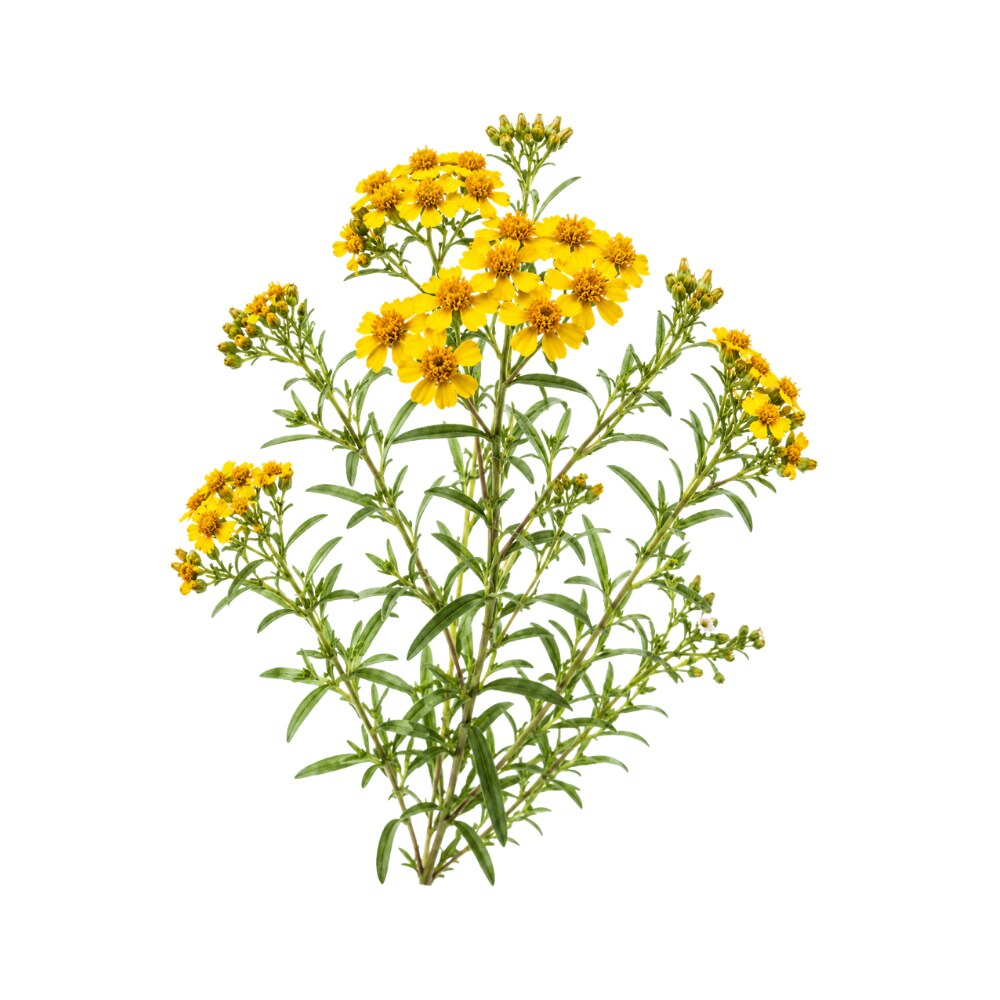 Principal source Mexican Tarragon Tagetes lucida Herb monograph →
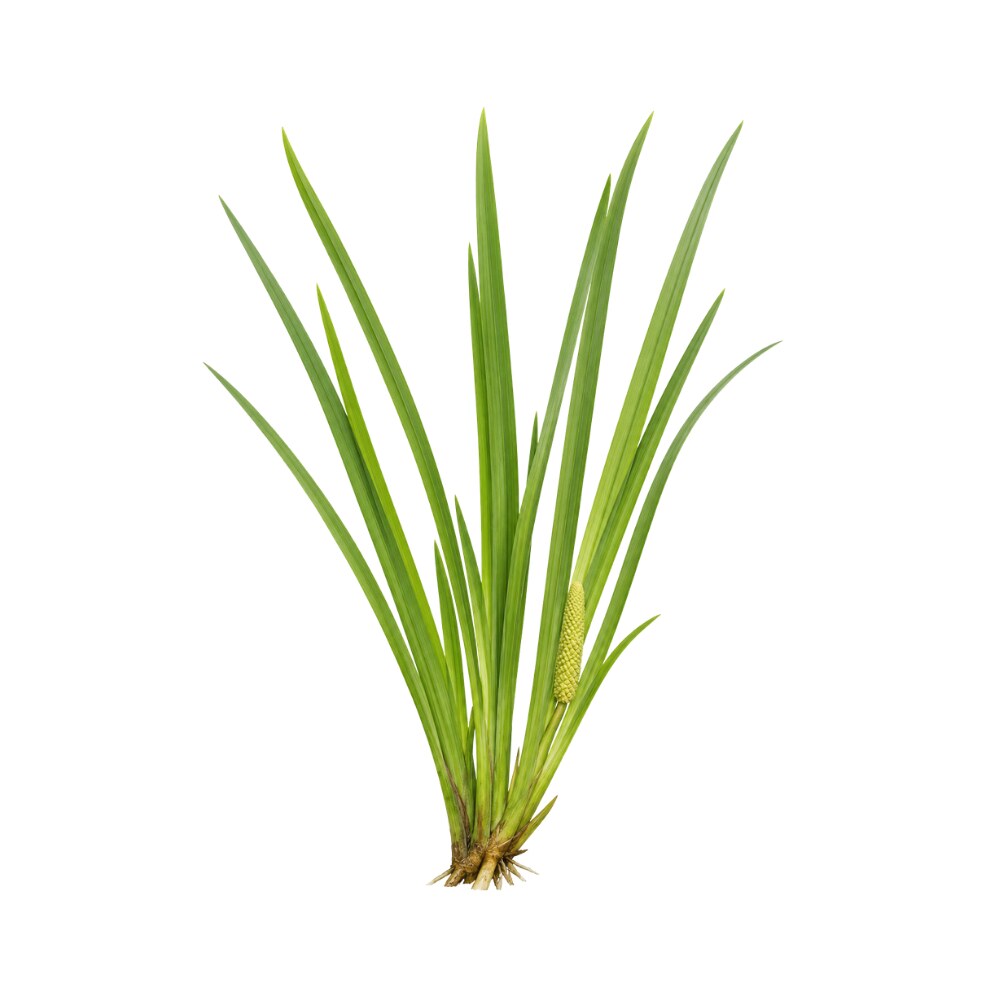 Source Calamus Acorus calamus Herb monograph →
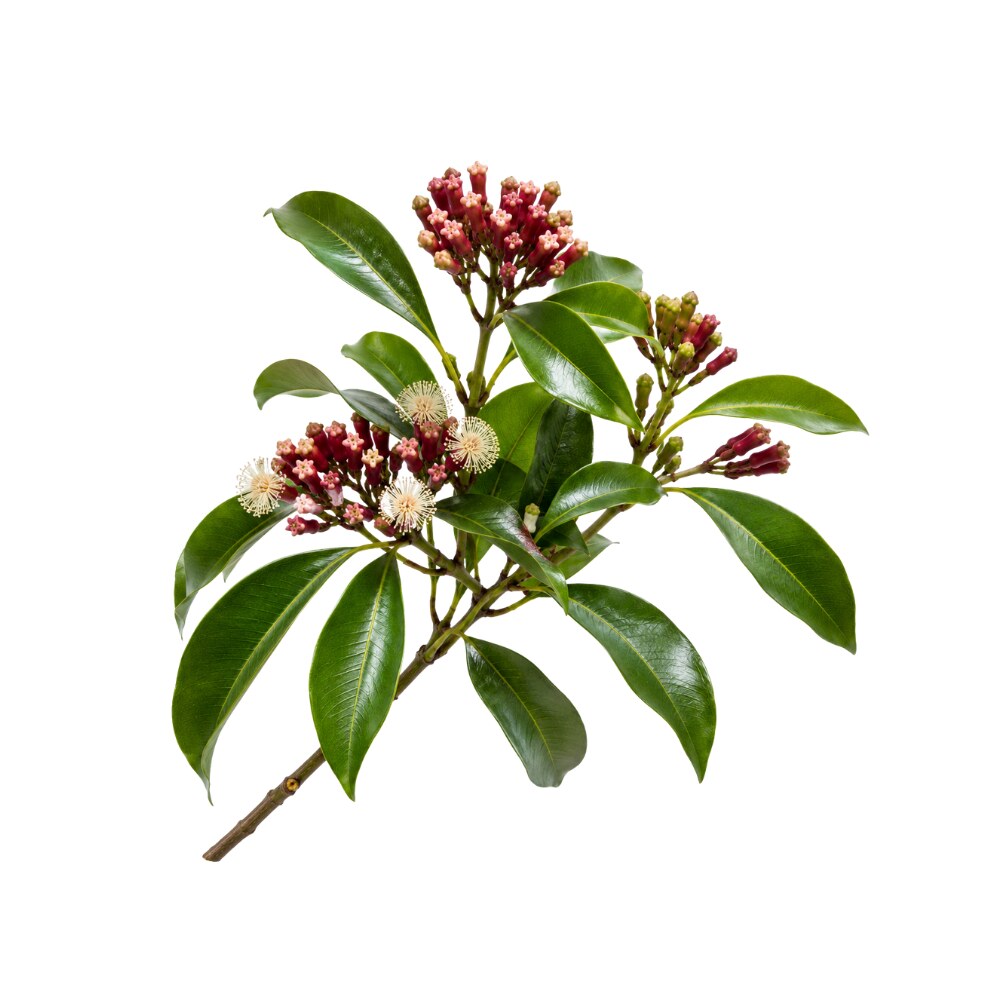 Source Clove Syzygium aromaticum Herb monograph →
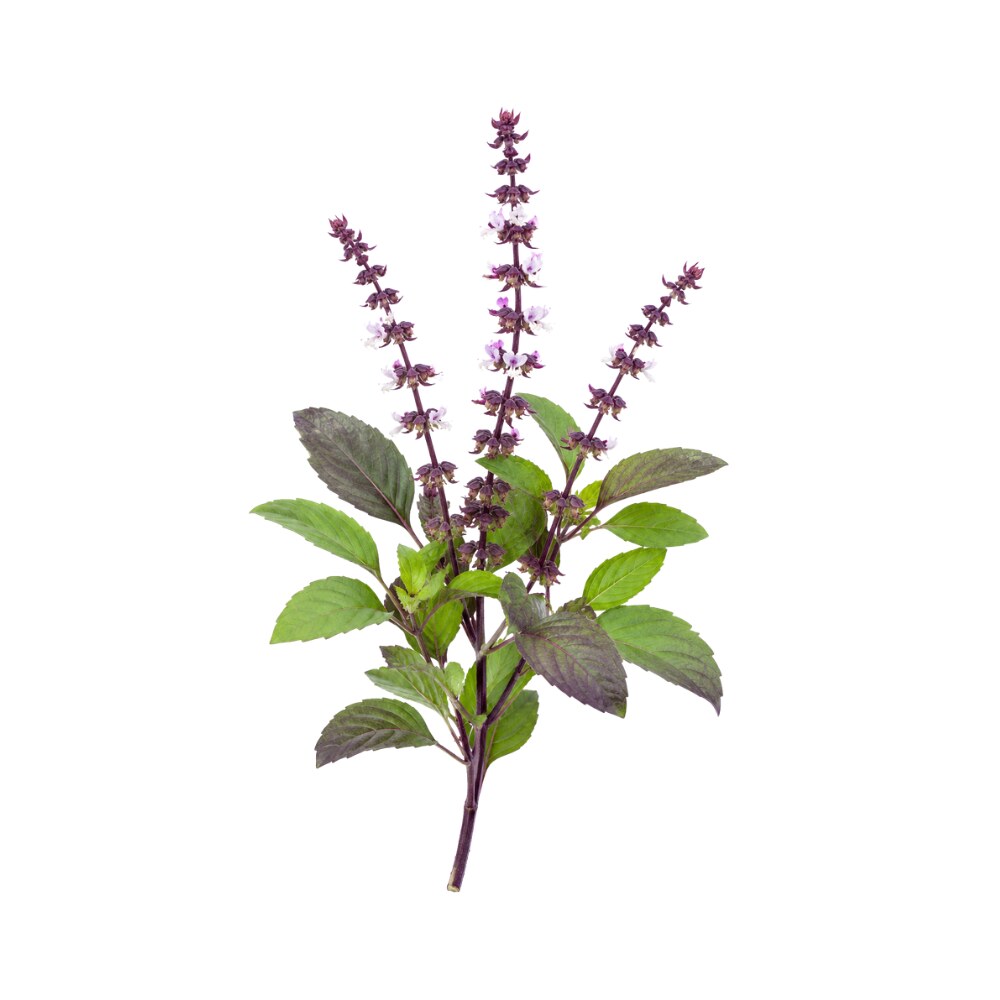 Source Holy Basil Ocimum tenuiflorum Herb monograph →
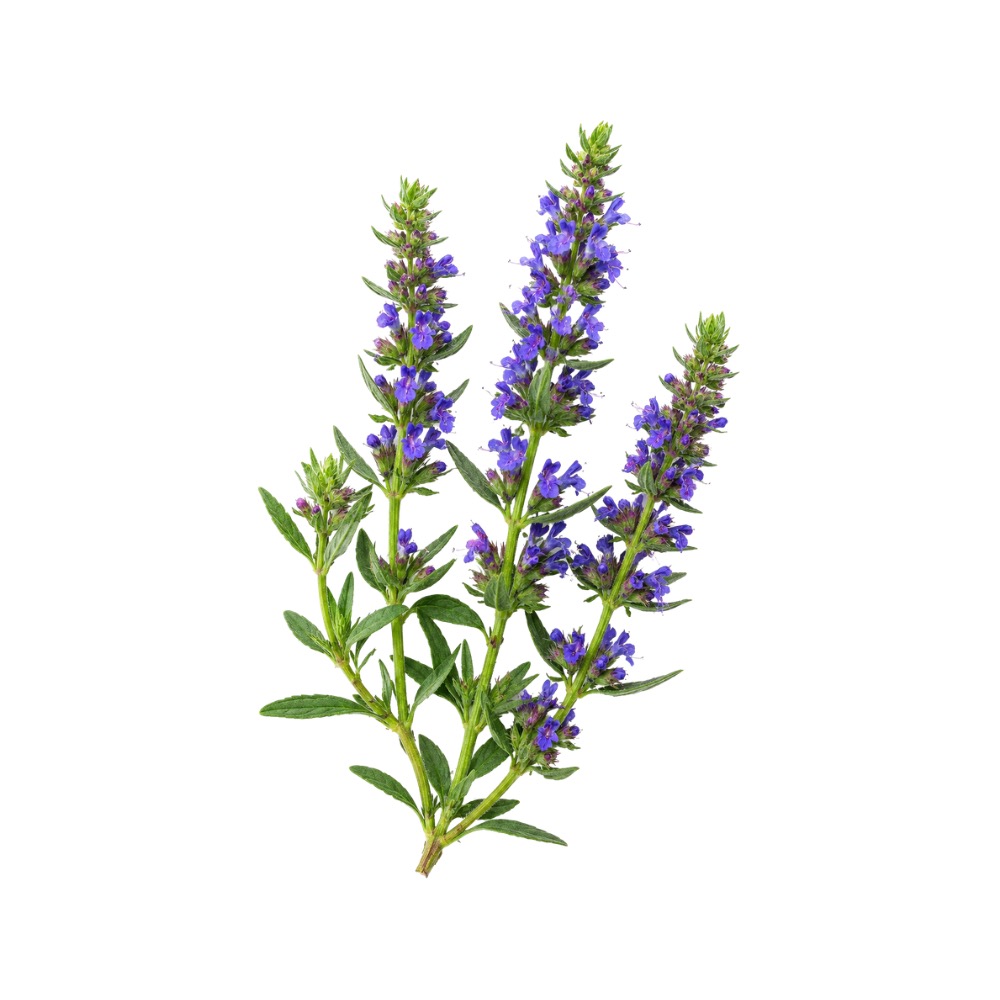 Source Hyssop Hyssopus officinalis Herb monograph →
 Source Tarragon Artemisia dracunculus Herb monograph →
Concentration
Content by Source
Reported concentrations across the plants that contain methyl eugenol — the bar marks the typical level, the line shows the reported range.
Literature figures for varying plant parts and preparations. Read them as a comparative guide, not exact assays.
Methyl Eugenol at a Glance
Methyl eugenol is a naturally occurring allylbenzene phenylpropanoid (4-allyl-1,2-dimethoxybenzene) — the fully O-methylated relative of eugenol. It contributes a warm, clove-like, spicy note to the essential oils of many culinary herbs and spices, and it is the same chemotype-defining volatile that makes Mexican tarragon, tarragon and some hyssop oils distinctive.
The headline fact about this molecule is not an aroma or a benefit — it is a hazard. Methyl eugenol is a genotoxic carcinogen: it produced liver and stomach tumours in a two-year rodent bioassay 4Reference 4AnimalTwo-year toxicity and carcinogenicity study of methyleugenol in F344/N rats and B6C3F1 mice. https://pubmed.ncbi.nlm.nih.gov/10956160/View study →, forms DNA adducts in human liver and lung tissue 8Reference 8Methyleugenol DNA adducts in human liver are associated with SULT1A1 copy number variations and expression levelsView study →, and in June 2023 was reclassified by IARC from Group 2B to Group 2A — “probably carcinogenic to humans” 13Reference 13ReviewCarcinogenicity of aspartame, methyleugenol, and isoeugenol (IARC Monographs Working Group)View study →. Because it is genotoxic, regulators treat it as having no safe threshold and work to minimise, not permit, exposure.
Everything else it does is a distant secondary. As a concentrated constituent of certain plant oils it shows modest antibacterial and antibiotic-resistance-modifying activity in vitro 1Reference 1Tagetes lucida Cav. essential oil and the mixture of its main compounds are antibacterial and modulate antibiotic resistance in multi-resistant pathogenic bacteriaView study →, and it has long been used in agriculture as a male-fruit-fly attractant in pest-monitoring lures. Neither is a human therapeutic use, and neither offsets the carcinogen framing that governs everything else.
The Genotoxic Bioactivation Pathway
Methyl eugenol is not itself the ultimate carcinogen — it has to be metabolically activated, and understanding that activation is the key to the whole molecule. The pathway is a two-enzyme relay 6,
- Cytochrome P450 enzymes hydroxylate the allylic side chain to form 1′-hydroxymethyleugenol.
- A sulfotransferase — chiefly SULT1A1 — sulfates that hydroxyl to 1′-sulfooxymethyleugenol.
- The sulfate ester is unstable: it spontaneously loses sulfate to generate a highly reactive carbocation that attacks DNA, forming adducts — principally N²-(methylisoeugenol-3′-yl)-2′-deoxyguanosine and a deoxyadenosine adduct 6Reference 6AnimalIdentification of human and murine sulfotransferases able to activate hydroxylated metabolites of methyleugenol to mutagens in Salmonella typhimurium and detection of associated DNA adducts using UPLC-MS/MS methodsView study →.
Those adducts are the molecular lesion behind the carcinogenicity, and the pathway is demonstrably active in humans, not just rodents. Human SULT1A1 (and the foetal enzyme SULT1C2) activate the hydroxy-metabolite even at very low substrate concentrations 6Reference 6AnimalIdentification of human and murine sulfotransferases able to activate hydroxylated metabolites of methyleugenol to mutagens in Salmonella typhimurium and detection of associated DNA adducts using UPLC-MS/MS methodsView study →, and methyl-eugenol DNA adducts have been detected in all 121 human liver samples in one study, with levels varying 122-fold between individuals in step with each person’s SULT1A1 copy number and expression 8Reference 8Methyleugenol DNA adducts in human liver are associated with SULT1A1 copy number variations and expression levelsView study →. Human translesion polymerases can replicate across the adducts, and the resulting mutations — plus a p53-driven DNA-damage response — are what tie the lesion to tumour formation 9,
This is why the sulfotransferase step, not the P450 step, is the load-bearing one: block SULT1A1 in mice and adduct formation collapses; humanise it and adducts rise 6Reference 6AnimalIdentification of human and murine sulfotransferases able to activate hydroxylated metabolites of methyleugenol to mutagens in Salmonella typhimurium and detection of associated DNA adducts using UPLC-MS/MS methodsView study →.
Regulatory Status
Methyl eugenol occupies an awkward regulatory space — a naturally occurring flavour in everyday foods that is also a genotoxic carcinogen. The result is a framework built around exposure limitation rather than a permitted dose.
- IARC: classified Group 2A, “probably carcinogenic to humans,” in June 2023 (IARC Monographs Volume 134), on the basis of sufficient evidence of cancer in experimental animals and strong mechanistic evidence, including studies in humanised mice and in exposed humans 13Reference 13ReviewCarcinogenicity of aspartame, methyleugenol, and isoeugenol (IARC Monographs Working Group)View study →. This is an upgrade from the Group 2B (“possibly carcinogenic”) evaluation of 2013.
- US National Toxicology Program: methyl eugenol is listed in the Report on Carcinogens as reasonably anticipated to be a human carcinogen, following the NTP two-year bioassay that found clear evidence of carcinogenic activity in both rats and mice 4Reference 4AnimalTwo-year toxicity and carcinogenicity study of methyleugenol in F344/N rats and B6C3F1 mice. https://pubmed.ncbi.nlm.nih.gov/10956160/View study →.
- European Union: methyl eugenol may not be added to food as a pure flavouring substance, and maximum residual levels are set for its incidental presence in finished foods and beverages 5Reference 5Safety assessment of allylalkoxybenzene derivatives used as flavouring substances — methyl eugenol and estragoleView study →. The EMA has advised against the internal use of essential oils rich in it — a caution that falls directly on oils such as hyssop and tarragon 2Reference 2Antioxidant, antigenotoxic and cytotoxic activity of essential oils and methanol extracts of Hyssopus officinalis L. subsp. aristatus (Godr.) Nyman (Lamiaceae)View study →.
The practical upshot: because the compound is genotoxic, agencies apply a margin-of-exposure approach and treat any deliberate addition as unjustified, while accepting that trace, unavoidable dietary exposure from herbs and spices cannot be eliminated 5,
Methyleugenol vs. Eugenol & the Allylbenzenes
The single most useful thing to understand about methyl eugenol is which chemical family it belongs to — because a one-atom difference decides whether a molecule is a genotoxic carcinogen or not.
Methyl eugenol sits in the 1′-hydroxylation carcinogen group of alkenylbenzenes, alongside estragole and safrole. All three share the same fatal geometry: an etherified (methylated or methylenedioxy) ring oxygen and an allyl side chain that can be hydroxylated at the 1′ position and sulfated into a DNA-reactive ester 5,
Eugenol is the crucial contrast. Eugenol carries a free phenolic –OH rather than a methyl ether. That free phenol is readily conjugated and detoxified and does not feed efficiently into the 1′-hydroxy/sulfate bioactivation route, so eugenol is not in the genotoxic-carcinogen class — a distinction that matters enormously for clove and holy-basil oils, where eugenol and methyl eugenol can co-occur but carry very different risk. Anethole (the anise/fennel volatile) is a propenyl rather than allyl isomer and is likewise not a member of this genotoxic group at normal exposures. The lesson: “phenylpropanoid” is not a safety category — the specific substitution pattern is what determines whether a molecule bioactivates.
What It's Used For
With no therapeutic use, the bioactivity evidence for methyl eugenol is thin and almost entirely about a single non-medical property: its behaviour as a concentrated essential-oil constituent.
Support is an experimental score — weighted by study type (human > animal > in vitro) and volume. A beta, not a validated metric. Methyl eugenol has no therapeutic application; the one row below is an in-vitro whole-oil property, scored low by design.
The lone bioactivity with a positive read, and a heavily caveated one. In the essential oil of Mexican tarragon (Tagetes lucida), where methyl eugenol makes up ~46% of the oil, both the whole oil and a reconstituted mixture of its main compounds inhibited growth of and modulated antibiotic resistance in multidrug-resistant Staphylococcus aureus and Pseudomonas aeruginosa, with the blend giving more reproducible effects than the naturally variable oil 1Reference 1Tagetes lucida Cav. essential oil and the mixture of its main compounds are antibacterial and modulate antibiotic resistance in multi-resistant pathogenic bacteriaView study →.
Reviews of alkenylbenzenes note similar membrane-directed antimicrobial activity across the class 14Reference 14ReviewAlkenylbenzenes in foods: aspects impeding the evaluation of adverse health effects (review)View study →.
Gap: this is whole-oil / mixture work in vitro, not the isolated molecule at a defined concentration, and it says nothing about a safe systemic use — the concentrations involved sit far above anything a genotoxic carcinogen could be dosed at. It is a laboratory antimicrobial observation, not a therapy 1Reference 1Tagetes lucida Cav. essential oil and the mixture of its main compounds are antibacterial and modulate antibiotic resistance in multi-resistant pathogenic bacteriaView study →.
Mechanisms
| Target / pathway | Effect | Relevant to |
|---|---|---|
| CYP450 1′-hydroxylation → SULT1A1 sulfation → 1′-sulfooxy carbocation | forms N²-dG / N⁶-dA DNA adducts → mutations, liver and glandular-stomach tumours | genotoxic carcinogenicity |
| O-demethylation, side-chain oxidation, epoxidation/epoxide hydrolysis, glucuronidation | competing detoxification routes that predominate at low exposure | dose-dependent safety |
| p53 / DNA-damage response | replication stress → mitochondrial apoptosis in exposed hepatocytes | genotoxic stress response |
| Bacterial membranes / antibiotic-resistance machinery | inhibits and re-sensitises multidrug-resistant strains (whole-oil, in vitro) | antibacterial (secondary) |
The load-bearing row is the first: the same 1′-hydroxy/sulfate relay that safrole and estragole use. Everything protective about ordinary exposure hinges on the second row winning the competition at low dose.
Pharmacokinetics
Methyl eugenol is a small, lipophilic molecule, rapidly absorbed and extensively metabolised in the liver. Its metabolism is a branching competition: the bulk flows through detoxifying routes — O-demethylation, side-chain oxidation, epoxidation followed by epoxide hydrolysis, and glucuronidation — while a minor fraction is 1′-hydroxylated and sulfated into the DNA-reactive ester (see Bioactivation Pathway) 7Reference 7AnimalPhysiologically based kinetic modeling of bioactivation and detoxification of the alkenylbenzene methyleugenol in human as compared with ratView study →. Physiologically based kinetic modelling comparing human and rat liver found that glucuronidation of 1′-hydroxymethyleugenol is a major detox route in rat but a minor one in human, whereas formation of the reactive 1′-sulfooxy metabolite is predicted to be similar in both species across a wide dose range — a species difference that undercuts any assumption that humans are protected relative to the tumour-bearing rodents 7Reference 7AnimalPhysiologically based kinetic modeling of bioactivation and detoxification of the alkenylbenzene methyleugenol in human as compared with ratView study →.
Two human-facing numbers anchor the risk framing: after a dietary bolus, serum methyl eugenol peaks within ~15 minutes and clears with a half-life of roughly 90 minutes, and fasting serum levels are very low (picogram-per-gram range) 11Reference 11Human consumption of methyleugenol and its elimination from serumView study →; biomonitoring confirms that despite widespread dietary exposure, human blood levels are low and short-lived 12Reference 12Use of biomonitoring data to evaluate methyl eugenol exposureView study →. But short residence does not equal safety for a genotoxic carcinogen — the 122-fold interindividual variation in liver DNA adducts, tracking SULT1A1 copy number, means the same intake can leave very different genotoxic footprints person to person 8Reference 8Methyleugenol DNA adducts in human liver are associated with SULT1A1 copy number variations and expression levelsView study →.
Clinical Trials
There are no human therapeutic trials of methyl eugenol — it has no medical use, and as a genotoxic carcinogen it will not be trialled as one. The human evidence base is toxicological and mechanistic: DNA-adduct measurements in human liver and lung tissue 8Reference 8Methyleugenol DNA adducts in human liver are associated with SULT1A1 copy number variations and expression levelsView study →, and biomonitoring of dietary exposure 11,
| Completed | Planned | Terminated | Preclinical |
|---|---|---|---|
| —(no therapeutic trials; human data are toxicological/biomonitoring) | — | — | Carcinogenicity bioassay 4Reference 4AnimalTwo-year toxicity and carcinogenicity study of methyleugenol in F344/N rats and B6C3F1 mice. https://pubmed.ncbi.nlm.nih.gov/10956160/View study →; DNA-adduct & bioactivation mechanism 6, |
Last checked: July 2026.
Isolate vs. Plant Studies
The two evidence streams for methyl eugenol point in opposite directions, and separating them is essential.
The carcinogenicity data are overwhelmingly the isolated molecule. The NTP two-year bioassay dosed pure methyl eugenol by gavage 4Reference 4AnimalTwo-year toxicity and carcinogenicity study of methyleugenol in F344/N rats and B6C3F1 mice. https://pubmed.ncbi.nlm.nih.gov/10956160/View study →; the bioactivation, adduct and sulfotransferase work all use the isolate or its defined metabolites 6,
The antibacterial signal, by contrast, is whole-plant / whole-oil. It comes from Tagetes lucida essential oil and a reconstituted blend of its constituents, where methyl eugenol is co-dominant but never tested alone at a defined dose 1Reference 1Tagetes lucida Cav. essential oil and the mixture of its main compounds are antibacterial and modulate antibiotic resistance in multi-resistant pathogenic bacteriaView study →. And the preparation distinction is safety-critical: methyl eugenol concentrates in the essential oil, so an oil-based hyssop or tarragon result must never be transferred to the water infusion, which carries far less 2Reference 2Antioxidant, antigenotoxic and cytotoxic activity of essential oils and methanol extracts of Hyssopus officinalis L. subsp. aristatus (Godr.) Nyman (Lamiaceae)View study →. “Natural” does not soften the hazard — the concentrated oil is a different, and more dangerous, exposure than the herb or its tea.
Prevalence in Nature
Methyl eugenol is widespread but usually minor across aromatic plants, occurring in the essential oils of many Lamiaceae, Asteraceae, Myristicaceae and Lauraceae species. Its share is dictated by chemotype and provenance, ranging from a trace to the dominant volatile:
- Mexican tarragon (Tagetes lucida) — up to ~46% of one essential oil (co-dominant with estragole) 1Reference 1Tagetes lucida Cav. essential oil and the mixture of its main compounds are antibacterial and modulate antibiotic resistance in multi-resistant pathogenic bacteriaView study →.
- Tarragon (Artemisia dracunculus) — up to ~39% of the oil in Russian-type chemotypes; French culinary tarragon is estragole-dominated instead 3Reference 3ReviewArtemisia dracunculus L. (tarragon): a critical review of its traditional use, chemical composition, pharmacology, and safetyView study →.
- Hyssop (Hyssopus officinalis) — 0 to ~28% of the oil depending on chemotype 2Reference 2Antioxidant, antigenotoxic and cytotoxic activity of essential oils and methanol extracts of Hyssopus officinalis L. subsp. aristatus (Godr.) Nyman (Lamiaceae)View study →.
- Holy basil, basil, bay, nutmeg and allspice — trace-to-minor spice-oil constituent; a methyl-eugenol chemotype exists in some Ocimum accessions.
- Calamus (Acorus calamus) — a minor oil constituent (calamus oil is dominated by the separate asarone phenylpropanoids).
- Diet — trace amounts also occur in foods such as bananas and citrus, which is why biomonitoring detects it broadly in human serum 12Reference 12Use of biomonitoring data to evaluate methyl eugenol exposureView study →.
Chemotype discipline is the recurring theme: “tarragon oil” or “hyssop oil” is not a single substance, and any methyl-eugenol figure is only meaningful with the chemotype and plant part attached 2,
Major Natural Sources
| Source | Plant part | Reported methyl eugenol content |
|---|---|---|
| Mexican tarragon (Tagetes lucida) | essential oil | up to ~46% of oil |
| Tarragon (Artemisia dracunculus) | essential oil | up to ~39% of oil (chemotype-dependent) |
| Hyssop (Hyssopus officinalis) | essential oil | 0–~28% of oil |
| Basil / holy basil / bay / nutmeg / allspice | essential oil | trace to minor |
These are percentages of the essential oil, not of the whole plant, and shift with chemotype, provenance and plant part 1,
Discovery & Synthesis
Methyl eugenol was characterised as an essential-oil constituent during the classical era of nineteenth- and early-twentieth-century volatile-oil chemistry, as the fully methylated relative of eugenol was recognised across spice and herb oils. Synthetically it is trivial to obtain: O-methylation of the free phenol of eugenol yields methyl eugenol directly — the same one-step relationship that also makes it a useful reference standard.
Its most familiar non-food application is agricultural: methyl eugenol is a powerful male attractant for fruit flies of the genus Bactrocera and is deployed worldwide in pest-monitoring and eradication lures. This is a functional use of the pure compound, but an outdoor agricultural one — not a route of human ingestion and not a therapeutic role.
Patents: not yet researched.
Toxicity & Safety
This is the section that governs the molecule. Methyl eugenol carries a carcinogen flag because it is a genotoxic carcinogen — one that damages DNA directly through a reactive metabolite — for which no safe threshold is assumed. Its acute toxicity is comparatively low; the concern is long-term, cumulative genotoxic risk, not immediate poisoning.
Carcinogenicity
The pivotal evidence is the US National Toxicology Program two-year gavage bioassay. Methyl eugenol (37, 75 or 150 mg/kg/day) produced clear evidence of carcinogenic activity in both F344/N rats and B6C3F1 mice, with increased incidences of liver neoplasms and neuroendocrine tumours of the glandular stomach 4Reference 4AnimalTwo-year toxicity and carcinogenicity study of methyleugenol in F344/N rats and B6C3F1 mice. https://pubmed.ncbi.nlm.nih.gov/10956160/View study →. The compound was tested precisely because of its structural resemblance to the known carcinogen safrole 4Reference 4AnimalTwo-year toxicity and carcinogenicity study of methyleugenol in F344/N rats and B6C3F1 mice. https://pubmed.ncbi.nlm.nih.gov/10956160/View study →. On that animal record plus strong mechanistic data, IARC classifies it Group 2A, “probably carcinogenic to humans” (2023) 13Reference 13ReviewCarcinogenicity of aspartame, methyleugenol, and isoeugenol (IARC Monographs Working Group)View study →, and the NTP lists it as reasonably anticipated to be a human carcinogen.
Genotoxicity & DNA Adducts in Humans
Unusually for a plant volatile, the human genotoxic mechanism is directly documented. Human SULT1A1 activates the 1′-hydroxy metabolite to a mutagen 6Reference 6AnimalIdentification of human and murine sulfotransferases able to activate hydroxylated metabolites of methyleugenol to mutagens in Salmonella typhimurium and detection of associated DNA adducts using UPLC-MS/MS methodsView study →; methyl-eugenol DNA adducts are present in human liver (all 121 samples in one series) and in human lung, with adduct burden varying 122-fold between people according to SULT1A1 copy number and expression 8Reference 8Methyleugenol DNA adducts in human liver are associated with SULT1A1 copy number variations and expression levelsView study →. The adducts are replicated by human polymerases and provoke a p53-dependent DNA-damage / apoptosis response in hepatocytes 9,
The Dose-Dependence Question
There is a real tension worth stating plainly. At ordinary dietary exposures, the detoxifying metabolic routes dominate, blood levels are low, and clearance is fast (half-life ~90 min) 7,
Developmental & Other Notes
No adequate human reproductive or developmental dataset exists for isolated methyl eugenol; the genotoxic/carcinogenic findings above are the defining toxicology, and any developmental caution follows from the general principle that a genotoxic carcinogen should not be deliberately consumed in concentrated form. As throughout, the essential oil is the meaningful exposure — the water infusion of a methyl-eugenol-bearing herb carries far less than its oil 2Reference 2Antioxidant, antigenotoxic and cytotoxic activity of essential oils and methanol extracts of Hyssopus officinalis L. subsp. aristatus (Godr.) Nyman (Lamiaceae)View study →. Pregnancy and lactation decisions belong to the herb or product page where intake is decided, not to this molecule page.
- Ordinary dietary traces are low-risk. Methyl eugenol from herbs, spices and fruit is present at low levels, is short-lived in the body (half-life ~90 min) and has no documented health effect at normal food exposure 11,
12Reference 11Human consumption of methyleugenol and its elimination from serumView study →Reference 12Use of biomonitoring data to evaluate methyl eugenol exposureView study → . - It is a genotoxic carcinogen (IARC Group 2A). Clear evidence of liver and stomach tumours in rodents, DNA adducts in human liver and lung, and no assumed safe threshold — deliberate or concentrated exposure is to be avoided 4,
8, .13Reference 4AnimalTwo-year toxicity and carcinogenicity study of methyleugenol in F344/N rats and B6C3F1 mice. https://pubmed.ncbi.nlm.nih.gov/10956160/View study →Reference 8Methyleugenol DNA adducts in human liver are associated with SULT1A1 copy number variations and expression levelsView study →Reference 13ReviewCarcinogenicity of aspartame, methyleugenol, and isoeugenol (IARC Monographs Working Group)View study → - Essential oils are the real hazard, not the tea. Methyl eugenol concentrates in the oil; the EMA advises against internal use of oils (e.g. some hyssop and tarragon chemotypes) rich in it, and an oil result never transfers to the infusion 2Reference 2Antioxidant, antigenotoxic and cytotoxic activity of essential oils and methanol extracts of Hyssopus officinalis L. subsp. aristatus (Godr.) Nyman (Lamiaceae)View study →.
- Individual risk varies genetically. Liver adduct levels vary over 100-fold between people according to SULT1A1 copy number, so the same intake is not equally genotoxic for everyone 8Reference 8Methyleugenol DNA adducts in human liver are associated with SULT1A1 copy number variations and expression levelsView study →.
Dosage
There is no therapeutic or recommended dose for methyl eugenol — it is a genotoxic carcinogen, not a remedy, and the governing principle is exposure minimisation, not dosing 5,
| Exposure route | What it means in practice |
|---|---|
| Culinary herbs & spices (tarragon, basil, bay, nutmeg, allspice) | Unavoidable trace intake; low serum levels, fast clearance 11, |
| Essential oils rich in methyl eugenol (some hyssop / tarragon chemotypes) | Avoid internal use — the concentrated, higher-risk exposure; EMA-cautioned 2Reference 2Antioxidant, antigenotoxic and cytotoxic activity of essential oils and methanol extracts of Hyssopus officinalis L. subsp. aristatus (Godr.) Nyman (Lamiaceae)View study → |
| Added flavouring substance | Prohibited as a pure additive in the EU; residual levels capped in foods 5Reference 5Safety assessment of allylalkoxybenzene derivatives used as flavouring substances — methyl eugenol and estragoleView study → |
The only defensible “dose” is as little as reasonably achievable. These are exposure descriptions and regulatory limits, not a personal recommendation.
References
- Torres-Martínez R, et al. (2022). Tagetes lucida Cav. essential oil and the mixture of its main compounds are antibacterial and modulate antibiotic resistance in multi-resistant pathogenic bacteria. Letters in Applied Microbiology. https://pubmed.ncbi.nlm.nih.gov/35419861/
- Mićović T, et al. (2021). Antioxidant, antigenotoxic and cytotoxic activity of essential oils and methanol extracts of Hyssopus officinalis L. subsp. aristatus (Godr.) Nyman (Lamiaceae). Plants (Basel). https://pubmed.ncbi.nlm.nih.gov/33916934/
- Obolskiy D, et al. (2011). Artemisia dracunculus L. (tarragon): a critical review of its traditional use, chemical composition, pharmacology, and safety. Journal of Agricultural and Food Chemistry. https://pubmed.ncbi.nlm.nih.gov/21942448/
- National Toxicology Program (2000). Two-year toxicity and carcinogenicity study of methyleugenol in F344/N rats and B6C3F1 mice. https://pubmed.ncbi.nlm.nih.gov/10956160/
- Smith RL, et al. (2002). Safety assessment of allylalkoxybenzene derivatives used as flavouring substances — methyl eugenol and estragole. Food and Chemical Toxicology. https://pubmed.ncbi.nlm.nih.gov/12065208/
- Herrmann K, et al. (2012). Identification of human and murine sulfotransferases able to activate hydroxylated metabolites of methyleugenol to mutagens in Salmonella typhimurium and detection of associated DNA adducts using UPLC-MS/MS methods. Mutagenesis. https://pubmed.ncbi.nlm.nih.gov/22337896/
- Al-Subeihi AAA, et al. (2012). Physiologically based kinetic modeling of bioactivation and detoxification of the alkenylbenzene methyleugenol in human as compared with rat. Toxicology and Applied Pharmacology. https://pubmed.ncbi.nlm.nih.gov/22445790/
- Tremmel R, et al. (2017). Methyleugenol DNA adducts in human liver are associated with SULT1A1 copy number variations and expression levels. Archives of Toxicology. https://pubmed.ncbi.nlm.nih.gov/28326452/
- Deshmukh PU, et al. (2023). Human translesion synthesis polymerases polκ and polη perform error-free replication across N²-dG methyleugenol and estragole DNA adducts. Biochemistry. https://pubmed.ncbi.nlm.nih.gov/37486230/
- Carlsson MJ, et al. (2022). p53 triggers mitochondrial apoptosis following DNA damage-dependent replication stress by the hepatotoxin methyleugenol. Cell Death & Disease. https://pubmed.ncbi.nlm.nih.gov/36446765/
- Schecter A, et al. (2004). Human consumption of methyleugenol and its elimination from serum. Environmental Health Perspectives. https://pubmed.ncbi.nlm.nih.gov/15121510/
- Robison SH, Barr DB (2006). Use of biomonitoring data to evaluate methyl eugenol exposure. Environmental Health Perspectives. https://pubmed.ncbi.nlm.nih.gov/17107870/
- Riboli E, et al. (2023). Carcinogenicity of aspartame, methyleugenol, and isoeugenol (IARC Monographs Working Group). The Lancet Oncology. https://pubmed.ncbi.nlm.nih.gov/37454664/
- Eisenreich A, et al. (2021). Alkenylbenzenes in foods: aspects impeding the evaluation of adverse health effects (review). Foods. https://pubmed.ncbi.nlm.nih.gov/34574258/



