
Compound Monograph
Monotropein
Monotropein is a bitter iridoid glucoside and the marker constituent of Morinda officinalis (ba ji tian), a Chinese kidney-yang tonic — which is why its most distinctive, best-reproduced signal is anti-osteoporotic: it promotes bone formation and blocks inflammatory bone loss in rodents. It is also the antinociceptive/anti-inflammatory iridoid of that root and recurs in cleavers, bearberry and other Rubiaceae/Ericaceae plants. There are no isolate human trials, and oral bioavailability is very low (~3% in rats).

Sources · 6
Where Does It Come From?
Monotropein is a naturally occurring iridoid glycoside, found in Cleavers, Bearberry, Morinda officinalis — root, the richest source and 3 other sources. It is well tolerated orally (low toxicity).
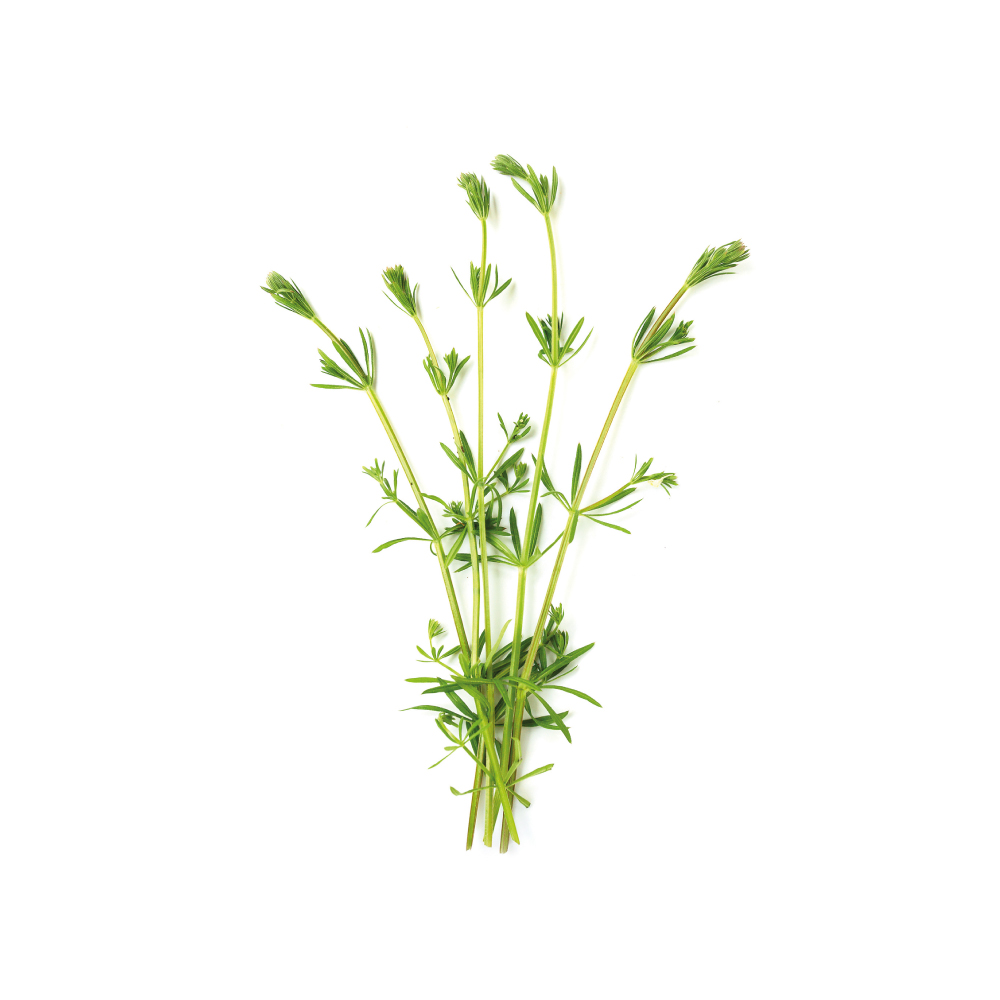 Principal source Cleavers Galium aparine Herb monograph →
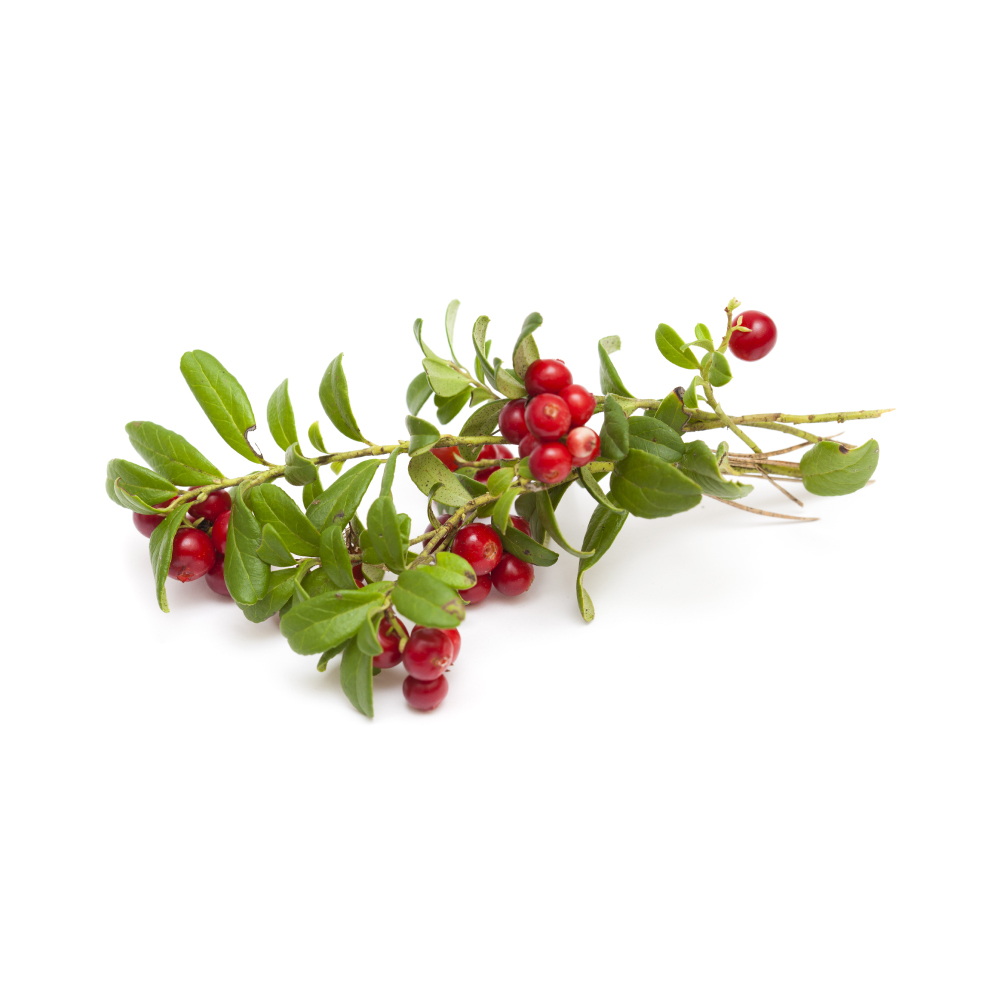 Source Bearberry Arctostaphylos uva-ursi Herb monograph →
Concentration
Content by Source
Reported concentrations across the plants that contain monotropein — the bar marks the typical level, the line shows the reported range.
Literature figures for varying plant parts and preparations. Read them as a comparative guide, not exact assays.
Monotropein at a Glance
Monotropein is a bitter iridoid glucoside — a monoterpene glycoside — and the defining marker constituent of Morinda officinalis (ba ji tian), a warming kidney-yang tonic of Chinese medicine used traditionally for the low back, knees and bone. It also recurs across the database as a minor iridoid of cleavers and bearberry, and across other Rubiaceae and Ericaceae/Pyrolaceae plants.
Its evidence is almost entirely preclinical but unusually focused: the marquee, best-reproduced signal is anti-osteoporotic — the isolate promotes osteoblastic bone formation and blocks inflammatory bone loss in rodents 1,
Two disciplines are load-bearing. Every human dataset for these effects is whole herb — ba ji tian, cleavers, bearberry — never the isolated molecule. And monotropein has very low oral bioavailability (~3% in rats): as a polar glucoside it is poorly absorbed and largely handled in the gut, so in-vitro potency overreads what an oral dose delivers 7,
Monotropein & Bone / Anti-Inflammation
The distinctive thread in monotropein’s file — the reason it is worth a page rather than a line — is a coherent anti-osteoporotic signal, and it flows directly from ethnobotany. Morinda officinalis (ba ji tian) is a kidney-yang tonic used for weak knees and low back, “bone-and-sinew” complaints and, in modern research, postmenopausal bone loss; monotropein is that root’s most abundant iridoid, so it became the obvious isolate to test against osteoporosis models 1,
The rodent work is unusually consistent for a plant iridoid. Monotropein isolated from M. officinalis increased bone mineral density, bone volume and femoral biomechanical strength in ovariectomized mice, while raising osteoblast proliferation, alkaline-phosphatase activity and mineralization and lowering serum IL-1, IL-6 and soluble RANKL 3Reference 3AnimalMonotropein isolated from the roots of Morinda officinalis increases osteoblastic bone formation and prevents bone loss in ovariectomized miceView study →. In a combined ovariectomy + LPS model it inhibited bone-mass reduction and inflammatory bone damage by blocking NF-κB activation in osteoblasts — suppressing p65/p50 nuclear translocation and IKK phosphorylation and cutting IL-6/IL-1β 4Reference 4AnimalMonotropein attenuates ovariectomy and LPS-induced bone loss in mice and decreases inflammatory impairment on osteoblast through blocking activation of NF-κB pathwayView study →. It protected osteoblasts from oxidative-stress apoptosis via Akt/mTOR-mediated autophagy 5Reference 5Monotropein attenuates oxidative stress via Akt/mTOR-mediated autophagy in osteoblast cellsView study →, and rescued LPS-impaired osteogenic differentiation of mesenchymal stem cells to improve fracture-callus healing in ovariectomized mice 6Reference 6Monotropein protects mesenchymal stem cells and promotes fracture healingView study →.
Underneath the bone story is the same anti-inflammatory / antinociceptive engine. Monotropein was first singled out by activity-directed fractionation as the constituent behind M. officinalis root’s traditional use for rheumatoid and inflammatory pain — reducing writhing and carrageenan paw oedema in rodents 2Reference 2Antinociceptive anti-inflammatory effect of monotropein isolated from the root of Morinda officinalisView study → — and the shared mechanism (NF-κB and pro-inflammatory-cytokine suppression) is what carries its colitis and other anti-inflammatory findings 9,
A Rubiaceae & Ericaceae Iridoid Marker
Monotropein belongs to the iridoid glycosides — a large family of bitter, C9 monoterpene glucosides that function as chemical-defence compounds and, for the herbalist, as chemotaxonomic markers. Its name traces to the genus Monotropa (Ericaceae), and it was characterised among the iridoids of the Ericaceae/Pyrolaceae (Pyrola, Monotropa) before becoming best known from the Rubiaceae.
In the Rubiaceae it is a marker of Morinda (ba ji tian, its richest source at ~1.3% of the dried root 1Reference 1ReviewMonotropein: a comprehensive review of biosynthesis, physicochemical properties, pharmacokinetics, and pharmacologyView study →) and of the bedstraws (Galium) — in cleavers (Galium aparine) it is one of the major iridoids, co-occurring with asperulosidic acid and 10-desacetylasperulosidic acid, where the iridoid fraction drives the herb’s immunostimulant (lymphocyte blast-transformation) activity 14Reference 14In vitroPhytochemical profiles and in vitro immunomodulatory activity of ethanolic extracts from Galium aparine LView study →. In the Ericaceae it appears in bearberry and Vaccinium as a qualitative marker rather than a quantified major constituent. This places monotropein alongside the site’s other iridoid markers — aucubin, harpagide and the asperuloside-family acids — as a bitter glucoside whose clinical footprint is mostly its identity in a herb, not a demonstrated isolate drug.
What It's Used For
Monotropein’s profile is preclinical but internally coherent: one NF-κB-anchored anti-inflammatory core that surfaces as bone protection, analgesia and gut anti-inflammation. The load-bearing caveat is the compound-page discipline — no human isolate data, and the very low oral bioavailability below limits how much of the in-vitro potency an oral dose can deliver.
Support is an experimental score — weighted by study type (human > animal > in vitro) and volume. A beta, not a validated metric. No human isolate data exist, so scores stay modest by design.
The strongest and most reproduced strand, and the one that makes monotropein distinctive. Isolated from M. officinalis, it increased bone mineral density, bone volume fraction and femoral biomechanical strength in ovariectomized mice while stimulating osteoblast proliferation, alkaline-phosphatase activity and mineralization and lowering IL-1/IL-6/sRANKL 3Reference 3AnimalMonotropein isolated from the roots of Morinda officinalis increases osteoblastic bone formation and prevents bone loss in ovariectomized miceView study →. In an ovariectomy + LPS model it curbed inflammatory bone loss by blocking NF-κB in osteoblasts (↓ p65/p50 translocation, ↓ IKK phosphorylation) 4Reference 4AnimalMonotropein attenuates ovariectomy and LPS-induced bone loss in mice and decreases inflammatory impairment on osteoblast through blocking activation of NF-κB pathwayView study →; it protected osteoblasts from oxidative-stress apoptosis through Akt/mTOR-mediated autophagy 5Reference 5Monotropein attenuates oxidative stress via Akt/mTOR-mediated autophagy in osteoblast cellsView study →; and it rescued LPS-impaired MSC osteogenic differentiation to aid fracture-callus healing in OVX mice 6Reference 6Monotropein protects mesenchymal stem cells and promotes fracture healingView study →.
Gap: all rodent/cell, from an overlapping set of groups, with no human isolate data; effects are shown at doses/exposures well above what ~3%-bioavailable oral monotropein plausibly reaches 7,
The original signal and the shared engine under the rest. Activity-directed fractionation identified monotropein as the antinociceptive, anti-inflammatory principle of M. officinalis root: given orally it reduced acetic-acid writhing and hot-plate nociception and suppressed carrageenan-induced paw oedema in rodents, rationalising the root’s traditional use for rheumatoid/inflammatory pain 2Reference 2Antinociceptive anti-inflammatory effect of monotropein isolated from the root of Morinda officinalisView study →.
Mechanistically it acts by suppressing NF-κB and downstream mediators (TNF-α, IL-6, IL-1β, NO), the same core seen in its acute-lung-injury and other inflammation models 9,
Gap: rodent isolate models of acute pain/inflammation; no human analgesic or anti-inflammatory trial of monotropein, and the pathway readouts are disease-model surrogates rather than validated clinical endpoints 2Reference 2Antinociceptive anti-inflammatory effect of monotropein isolated from the root of Morinda officinalisView study →.
A gut-focused extension of the NF-κB story, and a natural fit given how much of an oral dose stays in the intestine 8Reference 8AnimalComparative pharmacokinetic and bioavailability studies of monotropein, kaempferol-3-O-glucoside, and quercetin-4′-O-glucoside after oral and intravenous administration of Motiliperm in ratsView study →.
Monotropein isolated from M. officinalis ameliorated DSS-induced colitis in mice, suppressing IκB-α degradation and NF-κB DNA-binding in inflamed colon and in LPS-activated macrophages 9Reference 9Monotropein isolated from the roots of Morinda officinalis ameliorates proinflammatory mediators in RAW 264.7 macrophages and dextran sulfate sodium (DSS)-induced colitis via NF-κB inactivationView study →.
In AOM/DSS colitis-associated cancer it bound the vitamin-D receptor (VDR), raised intestinal JAK1 and drove JAK1/STAT1-dependent M1 macrophage polarization, reducing tumour development (confirmed in VDR-knockout models) 10Reference 10Monotropein inhibits colitis associated cancer through VDR/JAK1/STAT1 regulationView study →; a further study reported it inhibits epithelial-mesenchymal transition in chronic colitis via mTOR/P70S6K 11Reference 11Monotropein inhibits epithelial-mesenchymal transition in chronic colitis via mTOR/P70S6KView study →.
Gap: all mouse/cell isolate work from a small number of groups, on different mechanistic targets (NF-κB, VDR/JAK1/STAT1, mTOR/EMT) that have not been reconciled; no human IBD data 9,
The thinnest, newest strand. In a dexamethasone-induced muscle-atrophy model, monotropein improved muscle mass and myotube size by acting on the AKT/mTOR/FOXO3a axis — promoting protein synthesis and restraining the atrophy-driving FOXO3a/atrogene program 12Reference 12Monotropein improves dexamethasone-induced muscle atrophy via the AKT/mTOR/FOXO3a signaling pathwaysView study →.
Gap: a single model of glucocorticoid atrophy, no replication and no human data 12Reference 12Monotropein improves dexamethasone-induced muscle atrophy via the AKT/mTOR/FOXO3a signaling pathwaysView study →.
Mechanisms
| Target / pathway | Effect | Relevant to |
|---|---|---|
| NF-κB (IκB-α degradation, p65/p50 translocation, IKK phosphorylation) | suppressed | anti-inflammatory; anti-osteoporotic; colitis |
| TNF-α, IL-6, IL-1β, NO, soluble RANKL | reduced | inflammation; bone loss |
| Osteoblast proliferation, ALP activity, matrix mineralization | promoted | bone formation |
| Akt/mTOR → autophagy | activated (protects osteoblasts from oxidative-stress apoptosis) | anti-osteoporotic |
| MSC chondro-osteogenic differentiation (LPS-impaired) | rescued | fracture healing |
| Vitamin-D receptor → JAK1/STAT1 → M1 macrophage polarization | engaged / promoted | colitis-associated cancer |
| AKT/mTOR/FOXO3a atrogene program | protein synthesis ↑, atrophy program ↓ | muscle atrophy |
| Intestinal β-glucosidase → aglycone / deacetylasperulosidic acid | hydrolysis of the glucoside | pharmacokinetics caveat |
The reproduced, load-bearing finding is the NF-κB-anchored anti-inflammatory core expressed as bone protection; the organ-specific labels (colitis, muscle) are largely single- or double-study extensions of that same mechanism.
Pharmacokinetics
Monotropein is a polar, water-soluble iridoid glucoside, and its pharmacokinetics are the classic poorly-absorbed-glycoside pattern. In rats its absolute oral bioavailability is only ~3.0% 8Reference 8AnimalComparative pharmacokinetic and bioavailability studies of monotropein, kaempferol-3-O-glucoside, and quercetin-4′-O-glucoside after oral and intravenous administration of Motiliperm in ratsView study →, and after oral dosing of M. officinalis extract it and its congener deacetylasperulosidic acid are mainly retained in the intestine and stomach — consistent with limited systemic uptake of a large polar sugar conjugate 7Reference 7AnimalPharmacokinetics and tissue distribution of monotropein and deacetyl asperulosidic acid after oral administration of extracts from Morinda officinalis root in ratsView study →. As with other iridoid glucosides, gut and tissue β-glucosidase can cleave the sugar, and the compound also converts slightly to deacetylasperulosidic acid on handling, complicating exposure estimates 1Reference 1ReviewMonotropein: a comprehensive review of biosynthesis, physicochemical properties, pharmacokinetics, and pharmacologyView study →. Two nuances are worth flagging: a reported sex difference (higher AUC/Cmax/bioavailability in female than male rats) 7Reference 7AnimalPharmacokinetics and tissue distribution of monotropein and deacetyl asperulosidic acid after oral administration of extracts from Morinda officinalis root in ratsView study →, and unexpectedly high measured concentrations in the hypothalamus, hinting at some central penetration despite the low overall bioavailability 7Reference 7AnimalPharmacokinetics and tissue distribution of monotropein and deacetyl asperulosidic acid after oral administration of extracts from Morinda officinalis root in ratsView study →. Net: a poorly-absorbed, largely gut-localised glucoside whose in-vitro and injected-dose potency outruns what an oral human exposure plausibly delivers.
Clinical Trials
There are no trials of isolated monotropein. Every human context is a whole herb in which monotropein is a marker constituent — chiefly Morinda officinalis (ba ji tian) preparations used for bone, joint and kidney-yang complaints 13Reference 13ReviewMorinda officinalis How. — a comprehensive review of traditional uses, phytochemistry and pharmacologyView study →, and the Galium aparine (cleavers) and bearberry extracts elsewhere here. The molecule’s own evidence is entirely preclinical.
| Completed | Planned | Terminated | Preclinical |
|---|---|---|---|
| —(none, isolate; monotropein appears only as a marker constituent of whole herbs) | — | — | Moderate(multi-organ rodent, anti-osteoporotic-led) |
Last checked: July 2026.
Isolate vs. Plant Studies
The split is unusually clean. The mechanistic and disease-model literature is almost all the isolated compound in rodents and cell lines — the ovariectomy and OVX+LPS bone studies, the osteoblast-autophagy and MSC fracture-healing work, the carrageenan/writhing analgesia, and the DSS/AOM-DSS colitis models all test monotropein directly, several of them explicitly “isolated from M. officinalis” 2,
The weakness is translational, not attributional. No human study has ever given monotropein as an isolate. The human-facing evidence is whole-herb: ba ji tian’s traditional and modern use for bone and reproductive-tonic indications 13Reference 13ReviewMorinda officinalis How. — a comprehensive review of traditional uses, phytochemistry and pharmacologyView study →, and the cleavers iridoid fraction’s immunostimulant activity, where monotropein is one of several co-acting iridoids rather than the sole agent 14Reference 14In vitroPhytochemical profiles and in vitro immunomodulatory activity of ethanolic extracts from Galium aparine LView study →. Layered on top is the pharmacokinetic caveat — ~3% oral bioavailability 8Reference 8AnimalComparative pharmacokinetic and bioavailability studies of monotropein, kaempferol-3-O-glucoside, and quercetin-4′-O-glucoside after oral and intravenous administration of Motiliperm in ratsView study → — which means even the rodent isolate doses do not map cleanly onto an achievable oral human exposure. Read monotropein’s dossier as an anti-osteoporotic/anti-inflammatory isolate mechanism story; its presence in a herb is a statement about that herb’s chemistry, not evidence that the molecule reproduces the herb’s effect on its own.
Its Role in Plants
In the plant, monotropein is a defensive iridoid. Iridoid glucosides are bitter, deterrent monoterpene glycosides stored inert as the sugar conjugate; tissue damage brings them into contact with β-glucosidase, releasing a reactive aglycone that deters herbivores and pathogens — the same enzyme-triggered chemistry that shapes its pharmacokinetics 1Reference 1ReviewMonotropein: a comprehensive review of biosynthesis, physicochemical properties, pharmacokinetics, and pharmacologyView study →. Biosynthetically it belongs to the iridoid pathway: the MEP route supplies the isoprenoid units that condense to geranyl diphosphate and geraniol, which is oxidised and cyclised (via iridoid synthase) to the iridoid skeleton, then oxidised further and glucosylated to the iridoid glucoside 1Reference 1ReviewMonotropein: a comprehensive review of biosynthesis, physicochemical properties, pharmacokinetics, and pharmacologyView study →.
As with any constituent, a compound’s defensive role in the plant is plant biology, not human pharmacology, and does not predict what it does as a medicine.
Prevalence in Nature
Monotropein is a bitter iridoid glucoside distributed across the Rubiaceae and the Ericaceae/Pyrolaceae. Its richest documented source by far is Morinda officinalis (ba ji tian) root, where it is the most abundant iridoid glucoside at ~1.3% of the dried root (about 13 mg/g) and reaches up to ~2% in the leaf 1Reference 1ReviewMonotropein: a comprehensive review of biosynthesis, physicochemical properties, pharmacokinetics, and pharmacologyView study → — high enough that it is used as the pharmacopoeial quality-control marker for that herb. It is a major iridoid of the bedstraws (Galium): in cleavers (Galium aparine) it co-occurs with asperulosidic acid, 10-desacetylasperulosidic acid and asperuloside as part of the herb’s iridoid fraction 14Reference 14In vitroPhytochemical profiles and in vitro immunomodulatory activity of ethanolic extracts from Galium aparine LView study →. In the Ericaceae/Pyrolaceae it takes its name from Monotropa and appears in Pyrola, bearberry and Vaccinium, generally as a qualitative marker rather than a quantified major constituent. Outside M. officinalis, absolute content is rarely quantified as % dry weight and varies widely with species, plant part and provenance, so no reliable cross-source concentration ranking exists — a gap tracked for a later pass rather than asserted here.
Discovery & Synthesis
Monotropein takes its name from the genus Monotropa (Ericaceae, the Indian-pipe relatives), among whose iridoids — with those of the related Pyrola — it was characterised as a bitter iridoid glucoside in the mid-20th-century natural-product effort to map the iridoids of the Ericales. It later became far better known from the Rubiaceae, where it is the principal iridoid of Morinda officinalis root and now serves as that herb’s marker compound 1,
Patents: not yet researched.
Toxicity & Safety
Monotropein reads as a low-toxicity, food-and-medicine-adjacent iridoid — a marker constituent of long-used herbs (ba ji tian, cleavers, bearberry) with no acute-toxicity signal at the doses used in rodent studies 1Reference 1ReviewMonotropein: a comprehensive review of biosynthesis, physicochemical properties, pharmacokinetics, and pharmacologyView study →. The caveats are evidentiary and chemical rather than observed harms, and no isolate toxicology package exists.
- A marker constituent of long-used herbs. Present in Morinda officinalis (ba ji tian), cleavers and bearberry, with no acute-toxicity signal at the doses used in rodent studies 1Reference 1ReviewMonotropein: a comprehensive review of biosynthesis, physicochemical properties, pharmacokinetics, and pharmacologyView study →.
- Real-world exposure is dilute and whole-herb. Intake is as one iridoid among many in decoctions/extracts, not as a concentrated isolate.
- Very low oral bioavailability. ~3% in rats, and largely retained in the gut — in-vitro potency badly overstates what an oral dose delivers 7,
8Reference 7AnimalPharmacokinetics and tissue distribution of monotropein and deacetyl asperulosidic acid after oral administration of extracts from Morinda officinalis root in ratsView study →Reference 8AnimalComparative pharmacokinetic and bioavailability studies of monotropein, kaempferol-3-O-glucoside, and quercetin-4′-O-glucoside after oral and intravenous administration of Motiliperm in ratsView study → . - No comprehensive isolate toxicology. No definitive LD50, genotoxicity or repeat-dose organ-toxicity package for the pure compound; reproductive safety of the isolate is not established.
Full Safety & Interactions Detail
Monotropein carries a low flag. It is a natural iridoid glucoside of foods-and-medicines with a long decoction history in its source herbs, and rodent efficacy studies report no acute-toxicity signal at the doses used; the dedicated review characterises the safety profile as favourable 1Reference 1ReviewMonotropein: a comprehensive review of biosynthesis, physicochemical properties, pharmacokinetics, and pharmacologyView study →.
The honest limits are evidentiary. First, there is no comprehensive isolate toxicology — no definitive LD50, genotoxicity or repeat-dose package for the pure molecule. Second, like other iridoid glucosides, monotropein is poorly absorbed orally (~3% in rats), largely gut-localised, and subject to β-glucosidase hydrolysis 7,
Reproductive note (prose only). Morinda officinalis (ba ji tian) is a kidney-yang / reproductive tonic traditionally taken for fertility and libido, so its safety in pregnancy is a live question — but that is a decision about the herb, made where intake is decided, not about the isolated marker molecule. No dedicated reproductive- or developmental-toxicity dataset exists for isolated monotropein, and no pregnancy/lactation verdict is issued on this molecule page; any such caution belongs to the Morinda officinalis, cleavers or bearberry herb page and its actives.
Dosage
There is no established or recommended human dose for isolated monotropein — it has never been given to people as an isolate for therapy. Cited figures are preclinical rodent research doses (roughly 10–100 µM in vitro; ~10–80 mg/kg in vivo, frequently anti-osteoporotic models), not recommendations, and they do not translate given ~3% oral bioavailability and heavy gut retention 7,
References
- Wu M, Lai H, Peng W, Zhou X, Zhu L, Tu H, Yuan K, Yang Z. (2023). Monotropein: a comprehensive review of biosynthesis, physicochemical properties, pharmacokinetics, and pharmacology. Frontiers in Pharmacology. https://pubmed.ncbi.nlm.nih.gov/36937894/
- Choi J, Lee KT, Choi MY, Nam JH, Jung HJ, Park SK, Park HJ. (2005). Antinociceptive anti-inflammatory effect of monotropein isolated from the root of Morinda officinalis. Biological & Pharmaceutical Bulletin. https://pubmed.ncbi.nlm.nih.gov/16204945/
- Zhang Z, Zhang Q, Yang H, Liu W, Zhang N, Qin L, Xin H. (2016). Monotropein isolated from the roots of Morinda officinalis increases osteoblastic bone formation and prevents bone loss in ovariectomized mice. Fitoterapia. https://pubmed.ncbi.nlm.nih.gov/26996879/
- He YQ, Yang H, Shen Y, Zhang JH, Zhang ZG, Liu LL, Song HT, Lin B, Hsu HY, Qin LP, Han T, Xin HL, Zhang QY. (2018). Monotropein attenuates ovariectomy and LPS-induced bone loss in mice and decreases inflammatory impairment on osteoblast through blocking activation of NF-κB pathway. Chemico-Biological Interactions. https://pubmed.ncbi.nlm.nih.gov/29908987/
- Shi Y, Liu XY, Jiang YP, Zhang JB, Zhang QY, Wang NN, Xin HL. (2020). Monotropein attenuates oxidative stress via Akt/mTOR-mediated autophagy in osteoblast cells. Biomedicine & Pharmacotherapy. https://pubmed.ncbi.nlm.nih.gov/31698268/
- Zhao S, Guo L, Cui W, Zhao Y, Wang J, et al. (2023). Monotropein protects mesenchymal stem cells and promotes fracture healing. Calcified Tissue International. https://pubmed.ncbi.nlm.nih.gov/37747519/
- Shen Y, Zhang Q, Wu YB, He YQ, Han T, Zhang JH, Zhao L, Hsu HY, Song HT, Lin B, Xin HL, Qi YP, Zhang QY. (2018). Pharmacokinetics and tissue distribution of monotropein and deacetyl asperulosidic acid after oral administration of extracts from Morinda officinalis root in rats. BMC Complementary and Alternative Medicine. https://pubmed.ncbi.nlm.nih.gov/30355303/
- Choi BR, Pyo JS, Yeo MS, et al. (2020). Comparative pharmacokinetic and bioavailability studies of monotropein, kaempferol-3-O-glucoside, and quercetin-4′-O-glucoside after oral and intravenous administration of Motiliperm in rats. Journal of Men’s Health. https://doi.org/10.15586/jomh.v16iSP1.235
- Shin JS, Yun KJ, Chung KS, Seo KH, Park HJ, Cho YW, Baek NI, Jang D, Lee KT. (2013). Monotropein isolated from the roots of Morinda officinalis ameliorates proinflammatory mediators in RAW 264.7 macrophages and dextran sulfate sodium (DSS)-induced colitis via NF-κB inactivation. Food and Chemical Toxicology. https://pubmed.ncbi.nlm.nih.gov/23261679/
- Lu Y, Chen Y, Li Y, Xu S, Lian D, Liang J, Jiang D, Chen S, Hou S. (2023). Monotropein inhibits colitis associated cancer through VDR/JAK1/STAT1 regulation. International Immunopharmacology. https://pubmed.ncbi.nlm.nih.gov/37633235/
- Chen Y, Liu J, Zhong S, Zhang T, Yuan J, et al. (2025). Monotropein inhibits epithelial-mesenchymal transition in chronic colitis via mTOR/P70S6K. Frontiers in Pharmacology. https://pubmed.ncbi.nlm.nih.gov/40041493/
- Wang P, Kang SY, Kim SJ, Park YK, Jung HW. (2022). Monotropein improves dexamethasone-induced muscle atrophy via the AKT/mTOR/FOXO3a signaling pathways. Nutrients. https://pubmed.ncbi.nlm.nih.gov/35565825/
- Zhang JH, Xin HL, Xu YM, Shen Y, He YQ, Hsien-Yeh, Lin B, Song HT, Liu J, Yang HY, Qin LP, Zhang QY, Du J. (2018). Morinda officinalis How. — a comprehensive review of traditional uses, phytochemistry and pharmacology. Journal of Ethnopharmacology. https://pubmed.ncbi.nlm.nih.gov/29126988/
- Ilina T, Kashpur N, Granica S, Bazylko A, Shinkovenko I, Kovalyova A, Goryacha O, Koshovyi O. (2019). Phytochemical profiles and in vitro immunomodulatory activity of ethanolic extracts from Galium aparine L. Plants (Basel). https://pubmed.ncbi.nlm.nih.gov/31775336/



