
Compound Monograph
Salvianolic Acid B
The dominant water-soluble constituent of danshen and the marker compound five pharmacopoeias standardise the root on (not less than 3% dried root). A caffeic-acid tetramer with genuine molecule-level evidence — a 6-month biopsy-controlled liver-fibrosis trial, P2Y12 and phosphodiesterase antiplatelet activity, direct thrombin inhibition — undercut by an oral bioavailability of 1–2%.

Sources · 5
Where Does It Come From?
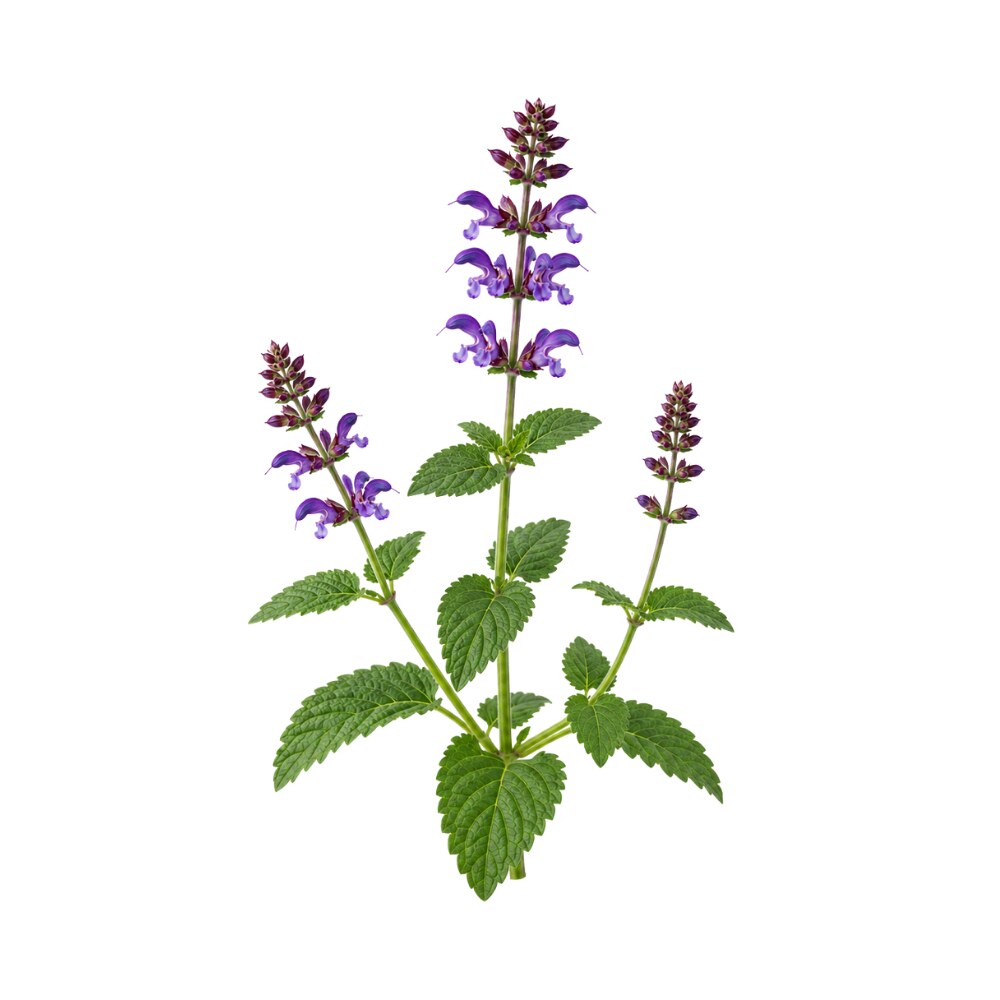
Salvianolic Acid B is a naturally occurring polyphenol (caffeic-acid oligomer / depside tetramer; phenolic acid), found in Danshen / Chinese red sage and 4 other sources. It is well tolerated orally (low toxicity).
Concentration
Content by Source
Reported concentrations across the plants that contain salvianolic acid B — the bar marks the typical level, the line shows the reported range.
Literature figures for varying plant parts and preparations. Read them as a comparative guide, not exact assays.
Salvianolic Acid B at a Glance
Salvianolic acid B is the dominant water-soluble constituent of danshen (Salvia miltiorrhiza) and the compound that five national pharmacopoeias use to decide whether a batch of the root is fit to sell. It is a large, very polar caffeic-acid tetramer — C₃₆H₃₀O₁₆, 718.6 Da — built from three danshensu units and one caffeic-acid unit, and it belongs squarely to the hydrophilic half of danshen’s split chemistry. Danshen is effectively two herbs sharing one root: the orange-red lipophilic tanshinones, which come out in ethanol, and the colourless water-soluble salvianolic acids, which come out in a decoction 34Reference 34Salvia miltiorrhiza — traditional medicinal uses, chemistry, and pharmacologyView study →. Sal B is the flagship of the second family, and a traditional water decoction of danshen does deliver it.
Three facts govern how the evidence should be read.
It has a formal quality-control identity. Very few molecules here are written into pharmacopoeial law. Danshen root must contain not less than 3.0% salvianolic acid B under the Chinese, US, European, Japanese and British pharmacopoeias, and not less than 4% under Hong Kong’s standard 1Reference 1Danshen (Salvia miltiorrhiza) on the global market — what are the implications for products’ quality? Frontiers in Pharmacology, 12, 621169. https://pubmed.ncbi.nlm.nih.gov/33981218/View study →. That makes “salvianolic acid B content” a real, checkable number on a certificate of analysis rather than a marketing claim.
Its human evidence is unusually good for a plant phenolic — and unusually easy to over-read. There is a genuine molecule-level trial: 60 patients with biopsy-proven hepatitis-B liver fibrosis, six months of oral Sal B tablets, paired liver biopsies 5Reference 5RCTClinical observation of salvianolic acid B in treatment of liver fibrosis in chronic hepatitis B — randomised double-blind trial with paired liver biopsiesView study →. That is more than most compounds here can show. But the large clinical literature attached to this molecule is not about the molecule: it is about salvianolate, an intravenous Chinese product of which Sal B is about 85% 7,
It is barely absorbed. Absolute oral bioavailability is 2.3% in rats and 1.07% in beagle dogs 15,
A Marker Compound With a Number
Most phytochemicals here have no regulatory existence. Salvianolic acid B does, and it is worth stating precisely because it is decision-relevant when you are looking at a bag of dried root or a bottle of extract.
| Pharmacopoeia | Minimum salvianolic acid B | Minimum tanshinone IIA |
|---|---|---|
| Chinese (ChP) | 3.0% | 0.20% |
| United States (USP) | 3.0% | 0.10% |
| European (Ph. Eur.) | 3.0% | 0.12% |
| Japanese (JP) | 3.0% | 0.12% |
| British (BP) | 3.0% | 0.12% |
| Hong Kong (CMMS) | 4.0% | — |
Minimum content of dried danshen root; compiled from a market-quality survey of the herb 1Reference 1Danshen (Salvia miltiorrhiza) on the global market — what are the implications for products’ quality? Frontiers in Pharmacology, 12, 621169. https://pubmed.ncbi.nlm.nih.gov/33981218/View study →.
Two things follow. First, Sal B is the larger of danshen’s two markers by an order of magnitude — the root is a few percent Sal B and a fraction of a percent tanshinones, which is why the hydrophilic fraction dominates by mass even though the lipophilic fraction dominates the herb’s colour and much of its reputation. Second, a “standardised danshen extract” that does not state a salvianolic-acid-B figure is not standardised in any sense a pharmacopoeia would recognise. A market survey found authenticated material carried higher Sal B and more consistent composition than online-store samples 1Reference 1Danshen (Salvia miltiorrhiza) on the global market — what are the implications for products’ quality? Frontiers in Pharmacology, 12, 621169. https://pubmed.ncbi.nlm.nih.gov/33981218/View study →.
Sal B Is Mostly Made After Harvest
This is the strangest and most useful fact about the molecule, and it explains why the pharmacopoeial number is attached to dried root.
Fresh danshen root contains almost no salvianolic acid B. It appears during drying. Tracking five markers through oven-drying at 50–160 °C, Sal B rose from a trace in fresh material to a maximum after 40 minutes at 130 °C, following a reverse-V curve — production correlated positively with drying temperature and negatively with sample moisture 27Reference 27Production of salvianolic acid B in roots of Salvia miltiorrhiza (danshen) during the post-harvest drying processView study →. A companion study put numbers on it: through a thermal dehydration period, Sal B rose from 0.01% to 5.51% of the root, and total salvianolic acids from 0.20% to 6.61%, with antioxidant activity in four separate assays climbing in step 28Reference 28Post-harvest induced production of salvianolic acids and significant promotion of antioxidant properties in roots of Salvia miltiorrhiza (danshen)View study →. A 2025 drying-kinetics study reported a 44-fold increase in Sal B relative to the fresh herb 27,
The interpretation the authors favour is that a freshly lifted root is still a living, physiologically active organ that responds to dehydration stress by making phenolics. Whatever the mechanism, the practical consequence is blunt: danshen’s headline constituent is a post-harvest product, and processing is not a neutral step but the step that creates the active. Sal B content is therefore a property of the drying protocol at least as much as of the plant.
Structure: A Rosmarinic Acid That Kept Going
Sal B is best understood as an oligomer of the mint family’s signature phenolic. Rosmarinic acid is an ester of caffeic acid and 3-(3,4-dihydroxyphenyl)lactic acid — one caffeic unit, one danshensu unit. Salvianolic acid B is the same chemistry extended: three danshensu units and one caffeic-acid unit, condensed into a benzofuran-containing tetramer of roughly double the molecular weight (718.6 vs 360.3 Da). Rosmarinic acid is its biosynthetic precursor, and danshen carries both.
That extension is the whole pharmacological story in miniature. Adding two more catechol-bearing units makes Sal B a far stronger radical scavenger and metal chelator than rosmarinic acid — eight phenolic hydroxyls versus four — and gives it enough surface to engage protein targets a small phenolic cannot, such as the thrombin active site 8Reference 8Salvianolic acid B inhibits thrombosis and directly blocks the thrombin catalytic siteView study →. It also makes it much harder to absorb. Rosmarinic acid is already poorly bioavailable; Sal B, at twice the mass and with four carboxyl/hydroxyl-dense units, is worse. Everything Sal B gains in potency at a target, it loses in ever reaching one by mouth.
Conversion to Salvianolic Acid A
Sal B is not thermally stable, and its main degradation route is genuinely interesting: under high temperature, high pressure and high humidity, salvianolic acid B in danshen tissue converts efficiently into salvianolic acid A 29Reference 29Conversion of salvianolic acid B into salvianolic acid A in tissues of Radix Salviae Miltiorrhizae using high temperature, high pressure and high humidityView study →. The proposed route is hydrolysis to lithospermic acid with loss of one danshensu unit, then decarboxylation to Sal A; a parallel route runs through salvianolic acid E. Because Sal A occurs only at very low levels in the raw root, this reaction is used deliberately in China as a manufacturing step to prepare Sal-A-rich material from the abundant Sal B 29Reference 29Conversion of salvianolic acid B into salvianolic acid A in tissues of Radix Salviae Miltiorrhizae using high temperature, high pressure and high humidityView study →. In the drying studies the non-Sal-B salvianolic acids appear later in the run than Sal B does, consistent with them being its breakdown products rather than independent biosynthetic endpoints 27,
Formal stability testing agrees on the direction of travel. Solid Sal B in sealed aluminium foil was stable for six months under accelerated conditions (40 °C, 75% RH), but degraded under open exposure to 60 °C or high humidity; in saline solution it degraded severely, with nine degradation products identified. The authors’ conclusion was that Sal B is usable as a solid formulation but “not suitable for use as a liquid formulation” 30Reference 30Studies on the stability of salvianolic acid B as potential drug materialView study →.
So three practical points. A hot, long, wet extraction of danshen shifts the salvianolic profile away from Sal B. A liquid Sal B product has a real stability problem. And any pharmacology attributed to Sal B in an aged or heat-abused preparation may partly belong to its degradation cascade — the same discipline problem carnosic acid poses in rosemary.
Two Names, One Molecule
Salvianolic acid B and lithospermic acid B were described separately and named separately, and for years were reported as having identical structures differing only in the configurational assignment of two stereocentres. In 2006 a Berkeley group settled it: by chemical correlation between a degradation product of salvianolic acid B and synthetic material, the absolute configuration of salvianolic acid B was corrected, establishing that the two are the same compound 2Reference 2Reassignment of the configuration of salvianolic acid B and establishment of its identity with lithospermic acid BView study →.
The names did not merge in the literature. As of August 2026, PubMed returns 687 records for "salvianolic acid B" AND "Salvia miltiorrhiza" but only 33 for "lithospermic acid B" AND "Salvia miltiorrhiza" — and of the 67 records that mention lithospermic acid B at all, 32 never mention salvianolic acid B. That second slice is not redundant: it holds a distinct research tradition, largely Japanese and Korean, centred on the magnesium salt magnesium lithospermate B and on the kidney. The founding paper of that line isolated magnesium lithospermate B by activity-guided fractionation as the constituent of danshen that improved glomerular filtration rate and renal blood flow in adenine-induced renal failure in rats 14Reference 14Isolation of a renal function-facilitating constituent from the Oriental drug, Salviae miltiorrhizae radix — identified as magnesium lithospermate BView study →; a further 118 PubMed records use the “magnesium lithospermate B” name specifically. Search only for “salvianolic acid B” and you will miss most of the renal literature — the same synonym trap that splits the tellimagrandin II / eugeniin evidence base.
What It's Used For
Support is an experimental score — weighted by study type (human > animal > in vitro) and volume, then tempered for how well the thing studied matches the molecule named. A beta, not a validated metric. Every row carries one of two ceilings: either the evidence is preclinical, or the human evidence used a preparation (salvianolate injection, ~85% Sal B; or the compound danshen dripping pill, a three-herb formula) rather than the isolate. The “Rests on” column names which.
The best-attributed pharmacology Sal B has, and the reason it matters for safety before it matters for therapy.
At the molecule level: Sal B inhibits human platelet activation induced by multiple agonists in vitro through two identified mechanisms — phosphodiesterase inhibition and P2Y12 receptor antagonism 7Reference 7Salvianolic acid B inhibits platelets as a P2Y12 antagonist and PDE inhibitor — evidence from clinic to laboratoryView study →.
P2Y12 is the receptor clopidogrel blocks; PDE inhibition is dipyridamole’s mechanism. Separately and more recently, Sal B was shown to inhibit thrombin-induced platelet activation, reduce ADP- and collagen-induced aggregation, modify fibrin network structure and reduce thrombus formation in mouse cremaster arterioles — and to bind the thrombin catalytic site directly, confirmed by enzymatic assay, intrinsic fluorescence and isothermal titration calorimetry. The authors note structural kinship with the trisubstituted benzimidazole thrombin inhibitors such as dabigatran and describe Sal B as the first herb-derived direct thrombin catalytic-site inhibitor 8Reference 8Salvianolic acid B inhibits thrombosis and directly blocks the thrombin catalytic siteView study →.
The human arm is preparation-level. In patients with acute coronary syndrome already on clopidogrel plus aspirin, salvianolate significantly potentiated the antiplatelet effect of dual antiplatelet therapy, measured by ADP-induced PAC-1 binding and P-selectin expression 7Reference 7Salvianolic acid B inhibits platelets as a P2Y12 antagonist and PDE inhibitor — evidence from clinic to laboratoryView study →.
Salvianolate is ~85% Sal B, so the attribution is tighter than usual, but it is still a mixture. A separate randomised PK/PD study in 18 coronary-heart-disease patients found a pharmacokinetic interaction between salvianolate and aspirin — aspirin shortened salicylic-acid absorption and reduced AUC, while Sal B’s elimination was prolonged and its AUC fell — with P2Y12 expression better in the combination than with salvianolate alone 21Reference 21RCTDrug–drug interactions between salvianolate injection and aspirin based on their metabolic enzymes — randomised clinical trialView study →.
Gap: no trial has given isolated Sal B to a person for a thrombotic endpoint, and the human data come from an intravenous mixture in patients already anticoagulated. Read this as a well-characterised mechanism and a clear bleeding-risk signal rather than an established antithrombotic therapy.
Sal B’s strongest distinct line, and the only application where a human trial tested the isolate.
Sixty patients with chronic hepatitis B and biopsy-diagnosed liver fibrosis were randomised, double-blind, to oral salvianolic acid B tablets or intramuscular interferon-γ for six months, with paired liver biopsies as the primary evidence. Fibrotic stage reversed in 36.7% on Sal B versus 30.0% on IFN-γ; inflammation improved in 40.0% versus 36.7%. Serum hyaluronic acid and type-IV collagen fell significantly, and on the pooled four-marker serological panel and the ultrasound score Sal B outperformed IFN-γ. Interferon-γ produced fever in 50% of its arm; Sal B produced no reported adverse effects 5Reference 5RCTClinical observation of salvianolic acid B in treatment of liver fibrosis in chronic hepatitis B — randomised double-blind trial with paired liver biopsiesView study →.
The mechanism is well replicated in rodents. Sal B suppresses hepatic stellate-cell activation through the TGF-β1 pathway — lowering TGF-β1 and TβRI expression, inhibiting TβRI kinase activity and blocking Smad3 nuclear translocation, with reduced collagen deposition and hydroxyproline in fibrotic liver in vivo 10Reference 10In vitroSalvianolic acid B inhibits hepatic stellate cell activation through transforming growth factor beta-1 signal transduction pathway in vivo and in vitroView study →.
A later study identified PDGFRβ as a direct antifibrotic target: Sal B reversed PDGF-BB-driven stellate-cell proliferation, restored apoptosis, and improved CCl₄-induced fibrosis in mice 11Reference 11Salvianolic acid B inhibits hepatic stellate cell activation and liver fibrosis by targeting PDGFRβView study →.
Further work implicates MAPK-mediated phospho-Smad2/3 linker-region signalling.
Gap: the human trial is n=60, single-centre, from 2002, with an active comparator rather than placebo, and has not been replicated in twenty-four years. It also never published a milligram dose. Given the 1–2% oral bioavailability, an oral result of this size deserves independent confirmation before it is treated as settled — but it is a real, biopsy-controlled, isolate-level finding, and it should not be discounted either.
The largest preclinical dataset. A systematic review and meta-analysis pooled 32 studies containing 732 animals and found Sal B significantly reduced myocardial infarct size and the injury markers CK-MB, CK, LDH and cardiac troponin I, while improving left-ventricular fractional shortening, ±dp/dt max and cardiac output. The proposed mechanisms were attenuation of oxidative stress and inflammation, promotion of neovascularisation, regulation of vascular function and reduced cardiomyocyte apoptosis. The authors flagged publication bias across all included studies and called for work on the extent of the effect and on safety 9Reference 9Meta-analysisProtective effect of salvianolic acid B against myocardial ischemia/reperfusion injury — preclinical systematic evaluation and meta-analysis of animal studiesView study →.
A 2025 review consolidates the wider cardiovascular mechanism set — antioxidant and anti-inflammatory action, mitophagy induction, endothelial function, antifibrotic activity and improved haemorheology 32Reference 32Salvianolic acid B — a promising cardioprotective agentView study →.
Gap: pooled rodents. No human trial has given Sal B for myocardial protection, and the clinical infarction data below used a mixture, not the molecule.
This is where the evidence is largest and the attribution weakest, and it is the most important discipline call on the page.
Salvianolate injection — the intravenous product that is roughly 85% Sal B, with lithospermic acid, salvianolic acids A and D and rosmarinic acid making up the rest 18Reference 18An integrated strategy for the systematic chemical characterization of Salvianolate lyophilized injection using four scan modes by UHPLC-QTRAP-MS/MSView study → — has been meta-analysed in acute myocardial infarction across 30 RCTs and 3,931 participants, added to conventional therapy. It reduced major adverse cardiac events (RR 0.34, 95% CI 0.24–0.49), lowered CK-MB and CRP, and improved left-ventricular ejection fraction, without a significant difference in adverse events. The authors qualified the result by the quality of the included trials and called for high-quality RCTs 19Reference 19Meta-analysisEfficacy and safety of salvianolate injection in treating acute myocardial infarction — meta-analysis and systematic literature review of 30 RCTsView study →.
Compound danshen dripping pill (Dantonic / T89) is a different thing again: a three-ingredient formula of danshen, notoginseng and borneol. It has been through an overview of 13 systematic reviews covering 34,071 participants for coronary heart disease 38Reference 38Systematic reviewCompound danshen (Salvia miltiorrhiza) dripping pill for coronary heart disease — an overview of systematic reviewsView study → and a GRADE-assessed meta-analysis of more than 230 angina trials 39Reference 39Meta-analysisHow efficacious is danshen (Salvia miltiorrhiza) dripping pill in treating angina pectoris? Evidence assessment for meta-analysis of randomized controlled trialsView study →, both concluding consistent symptomatic and ECG benefit with unproven hard endpoints and low evidence quality; it has also completed Western Phase I tolerability work in non-Asian volunteers 37Reference 37A phase I dose-escalation study to evaluate tolerability in a Western population to T89, a modern cardiovascular herbal medicineView study → and a multinational Phase III programme in chronic stable angina. None of this is evidence about salvianolic acid B. The dripping pill contains two other herbs, and its danshen fraction contributes tanshinones as well as salvianolic acids.
Gap: the further you get from the molecule, the bigger the trial. Salvianolate is close (85% Sal B, but intravenous); the dripping pill is not close at all. Neither tells you what an oral Sal B capsule does.
The application the “lithospermic acid B” half of the literature is built on. The founding study isolated magnesium lithospermate B from danshen by activity-guided fractionation as the constituent that improved glomerular filtration rate and increased renal plasma and blood flow in adenine-induced renal failure in rats — more effective than any other constituent tested 14Reference 14Isolation of a renal function-facilitating constituent from the Oriental drug, Salviae miltiorrhizae radix — identified as magnesium lithospermate BView study →.
That line continued for three decades under the magnesium-lithospermate-B name, across diabetic nephropathy, cisplatin and ischaemic acute kidney injury models.
Under the salvianolic-acid-B name, Sal A, Sal B and their combination partially improved kidney function in a renal-interstitial-fibrosis model, raising Par-3 and lowering CTGF, PDGF-C and PDGFR-α, and reversed apoptosis and endoplasmic-reticulum stress in HK-2 tubular cells through the PDGF-C/PDGFR-α pathway 13Reference 13Effects of salvianolic acid A and salvianolic acid B in renal interstitial fibrosis via PDGF-C/PDGFR-α signaling pathwayView study →.
The human data are preparation-level: a meta-analysis of salvianolate injection added to valsartan in hypertensive nephropathy found further improvement in renal function without an increase in adverse reactions, but no additional effect on endothelin-1 or malondialdehyde, and rated the evidence moderate to very low 20Reference 20Meta-analysisSalvianolate injection for hypertensive nephropathy patients who were using valsartan — systematic review and meta-analysisView study →.
Gap: rodent mechanism plus a low-certainty adjunct meta-analysis of an intravenous mixture. No trial of oral Sal B in kidney disease exists.
A small but genuinely isolate-level human result, and an unusual route. In a randomised clinical trial, triamcinolone acetonide, salvianolic acid B, and the two combined were injected intralesionally once weekly for 20 weeks in oral submucous fibrosis. At week 44 the net gain in mouth opening was 2.00 ± 1.21 mm with triamcinolone alone, 3.48 ± 2.23 mm with Sal B alone, and 5.50 ± 1.80 mm with the combination; burning sensation improved by 3.05, 4.96 and 6.11 points respectively on a 100-mm VAS. Forty-two subjects completed without obvious adverse reactions 6Reference 6RCTEfficacy of salvianolic acid B combined with triamcinolone acetonide in the treatment of oral submucous fibrosis — randomised clinical trialView study →.
Gap: n=42, single centre, no placebo arm, and the drug was injected into the lesion — which sidesteps the bioavailability problem entirely and says nothing about oral or systemic use. Sal B outperformed a corticosteroid on both endpoints as monotherapy, which is a striking result that nobody appears to have replicated.
Consistent with the hepatic and renal work, and mechanistically the same story. In a bleomycin-instilled mouse model, Sal B reduced inflammatory-cell infiltration, alveolar structural disruption and collagen deposition, and in vitro suppressed TGF-β-induced myofibroblast differentiation of MRC-5 fibroblasts and TGF-β-mediated epithelial-to-mesenchymal transition of A549 cells, inhibiting both Smad-dependent signalling and the Smad-independent MAPK pathway 12Reference 12Salvianolic acid B attenuates experimental pulmonary fibrosis through inhibition of the TGF-β signaling pathwayView study →.
Sal B was identified in that work as the key antifibrotic ingredient of the danshen component of a multi-herb formula. Related work extends the antifibrotic signal to skin fibrosis in systemic sclerosis models and to cardiac and vascular fibrosis 32Reference 32Salvianolic acid B — a promising cardioprotective agentView study →.
Gap: entirely animal and cell. The recurring TGF-β/Smad theme across four organs is the most coherent thing about Sal B’s pharmacology, but coherence is not clinical evidence.
Mechanisms
| Target / pathway | Effect | Relevant to | Evidence |
|---|---|---|---|
| P2Y12 receptor antagonism + phosphodiesterase inhibition | inhibits platelet activation | antiplateletbleeding risk | human platelets in vitro; human ACS arm used salvianolate 7Reference 7Salvianolic acid B inhibits platelets as a P2Y12 antagonist and PDE inhibitor — evidence from clinic to laboratoryView study → |
| Direct binding to the thrombin catalytic site | anticoagulant / antithrombotic | thrombosis | enzymatic, ITC, fluorescence, mouse intravital 8Reference 8Salvianolic acid B inhibits thrombosis and directly blocks the thrombin catalytic siteView study → |
| TGF-β1 ↓, TβRI kinase ↓, Smad2/3 phosphorylation ↓ | blocks fibroblast/stellate-cell activation | liverlungskin fibrosis | rodent + cell 10, |
| PDGFRβ (liver) and PDGF-C/PDGFR-α (kidney) antagonism | reverses myofibroblast proliferation | hepatic & renal fibrosis | rodent + cell 11, |
| Radical scavenging via eight phenolic hydroxyls; Nrf2/HO-1 induction | antioxidant, cytoprotective | all of the above | in vitro + animal 28, |
| CK-MB/LDH ↓, apoptosis ↓, neovascularisation ↑ | limits infarct size | myocardial I/R | 32-study animal meta-analysis 9Reference 9Meta-analysisProtective effect of salvianolic acid B against myocardial ischemia/reperfusion injury — preclinical systematic evaluation and meta-analysis of animal studiesView study → |
| Renal plasma flow ↑, GFR preservation (as magnesium lithospermate B) | nephroprotection | renal failure models | rat, activity-guided isolation 14Reference 14Isolation of a renal function-facilitating constituent from the Oriental drug, Salviae miltiorrhizae radix — identified as magnesium lithospermate BView study → |
| CYP3A4 / CYP2C9 induction | accelerates clearance of substrate drugs | drug interactions | rat PK + rat liver microsomes + Chang cells 26Reference 26AnimalEffects of salvianolic acid B and tanshinone IIA on the pharmacokinetics of losartan in rats by regulating the activities and expression of CYP3A4 and CYP2C9View study → |
Pharmacokinetics
The dominant pharmacokinetic fact is very poor oral absorption, and it is consistent across species and across both names for the molecule.
In conscious, freely moving rats, comparing an intravenous 100 mg/kg dose with an oral 500 mg/kg dose, absolute oral bioavailability was 2.3% 15Reference 15AnimalBioavailability of salvianolic acid B in conscious and freely moving ratsView study →. In beagle dogs given salvianolic acids orally at 180 mg/kg against 9 mg/kg intravenously, Sal B’s absolute bioavailability was 1.07 ± 0.43% 16Reference 16Bioavailability of salvianolic acid B and effect on blood viscosities after oral administration of salvianolic acids in beagle dogsView study →. Under the lithospermic-acid-B name, rats given 10 or 50 mg/kg orally showed 5% bioavailability at the higher dose and undetectable plasma levels at the lower one, with 23–41% of the dose recovered unabsorbed from the gastrointestinal tract at 24 hours and poor permeability through Caco-2 monolayers 17Reference 17AnimalPharmacokinetics of lithospermic acid B isolated from Salvia miltiorrhiza in ratsView study →. Clearance was slower at the higher intravenous dose, suggesting saturable metabolism 17Reference 17AnimalPharmacokinetics of lithospermic acid B isolated from Salvia miltiorrhiza in ratsView study →.
The reasons are structural and unsurprising: 718.6 Da, eight phenolic hydroxyls and four carboxyl-bearing units make Sal B far too polar and far too large for passive intestinal absorption. What is absorbed is subject to catechol-O-methyltransferase and to gut-microbial cleavage; danshensu is a major circulating metabolite, and much of the formulation literature on Sal B is explicitly about defeating COMT-mediated first-pass metabolism with phospholipid complexes, self-microemulsifying systems and nanoparticles.
The consequence is made concrete by the dog study: a single intravenous dose of salvianolic acids markedly reduced blood viscosity, while a single oral dose twenty times larger produced no significant change at all 16Reference 16Bioavailability of salvianolic acid B and effect on blood viscosities after oral administration of salvianolic acids in beagle dogsView study →. This is why the Chinese clinical products that work are given by infusion. Any claim made for an oral salvianolic-acid-B supplement has to answer that experiment.
Clinical Trials
The human record splits three ways and should always be read with the vehicle named:
| Isolated Sal B | Salvianolate (~85% Sal B, IV) | Multi-herb formula (danshen + notoginseng + borneol) |
|---|---|---|
| Liver fibrosis, oral tablets, 6 months, paired biopsies, n=60 5Reference 5RCTClinical observation of salvianolic acid B in treatment of liver fibrosis in chronic hepatitis B — randomised double-blind trial with paired liver biopsiesView study → | Acute MI: 30 RCTs, 3,931 patients 19Reference 19Meta-analysisEfficacy and safety of salvianolate injection in treating acute myocardial infarction — meta-analysis and systematic literature review of 30 RCTsView study → | Compound danshen dripping pill: 13 systematic reviews, 34,071 participants 38Reference 38Systematic reviewCompound danshen (Salvia miltiorrhiza) dripping pill for coronary heart disease — an overview of systematic reviewsView study →; >230 angina RCTs 39Reference 39Meta-analysisHow efficacious is danshen (Salvia miltiorrhiza) dripping pill in treating angina pectoris? Evidence assessment for meta-analysis of randomized controlled trialsView study → |
| Oral submucous fibrosis, intralesional injection, n=42 6Reference 6RCTEfficacy of salvianolic acid B combined with triamcinolone acetonide in the treatment of oral submucous fibrosis — randomised clinical trialView study → | Hypertensive nephropathy adjunct to valsartan 20Reference 20Meta-analysisSalvianolate injection for hypertensive nephropathy patients who were using valsartan — systematic review and meta-analysisView study →; ACS antiplatelet potentiation 7Reference 7Salvianolic acid B inhibits platelets as a P2Y12 antagonist and PDE inhibitor — evidence from clinic to laboratoryView study →; aspirin DDI, n=18 21Reference 21RCTDrug–drug interactions between salvianolate injection and aspirin based on their metabolic enzymes — randomised clinical trialView study → | Western Phase I tolerability, n=48 37Reference 37A phase I dose-escalation study to evaluate tolerability in a Western population to T89, a modern cardiovascular herbal medicineView study →; no effect on warfarin PK/PD, n=24 23Reference 23Absence of an effect of T89 on the steady-state pharmacokinetics and pharmacodynamics of warfarin in healthy volunteersView study → |
Last checked: August 2026.
Isolate vs. Plant Studies
Salvianolic acid B sits in an unusual position for this database: it has more isolate-level human evidence than most plant phenolics and far less than its citation count suggests. Two trials gave the actual molecule to actual patients 5,
- Salvianolate injection is the closest proxy — about 85% Sal B by content 7Reference 7Salvianolic acid B inhibits platelets as a P2Y12 antagonist and PDE inhibitor — evidence from clinic to laboratoryView study →, with Sal B quantified at 195–350 mg/g of the drug substance alongside lithospermic acid, salvianolic acids A and D and rosmarinic acid 18Reference 18An integrated strategy for the systematic chemical characterization of Salvianolate lyophilized injection using four scan modes by UHPLC-QTRAP-MS/MSView study →. But it is intravenous, which is precisely the variable that decides whether Sal B works, so its results cannot be read across to an oral capsule.
- Compound danshen dripping pill / Dantonic / T89 is a three-ingredient formula. Its angina evidence is genuinely large and has attracted Western regulatory attention, but it contains notoginseng and borneol as well as danshen, and its danshen fraction supplies tanshinones too. Crediting it to Sal B is a category error.
- Danshen decoction does deliver salvianolic acids — this is the fraction water extracts. So unlike the tanshinones, Sal B is a compound a traditional preparation actually contains. Whether enough of it crosses the gut wall to matter is the open question, and the 1–2% figure is not encouraging.
Within this database, Sal B is a legitimate and dominant constituent of dan shen, alongside its scarcer, per-unit more potent sibling salvianolic acid A and their shared biosynthetic precursor rosmarinic acid — an occurrence fact, not an endorsement of an isolated supplement.
Prevalence in Nature
Salvianolic acid B is not a food compound. It has no meaningful dietary exposure, no presence in fruit, vegetables or cereals, and essentially one commercially relevant source: the dried root of Salvia miltiorrhiza, where it is the single most abundant constituent at 3–5.5% of dry weight 1,
Within the genus it is widespread. A survey of Salvia species from southwest China found the phenolic-acid profile of most species followed the pattern salvianolic acid B > rosmarinic acid > danshensu > caffeic acid in both roots and leaves, and noted that leaf phenolic-acid content generally exceeds root 36Reference 36Content determination and chemical clustering analysis of tanshinone and salvianolic acid in Salvia sppView study →. Salvianolic acids are also present in culinary sage (Salvia officinalis), where the family extends to minor members such as salvianolic acid Y.
Outside Salvia, the record thins fast, and one commonly repeated occurrence needs a caveat. Comfrey root (Symphytum officinale) is often listed as a source: a 2018 study of a 65% ethanol comfrey-root extract identified and quantified caffeic-acid trimers and tetramers for the first time in comfrey and assigned them as “isomers of salvianolic acid A, B and C” by HPLC-DAD-QTOF-MS/MS, alongside rosmarinic acid as the main phenolic at 7.55 mg/g 35Reference 35Is comfrey root more than toxic pyrrolizidine alkaloids? Salvianolic acids among antioxidant polyphenols in comfrey (Symphytum officinale L.) rootsView study →. That is a tentative mass-spectrometric assignment of isomers, not isolation of salvianolic acid B itself — and a PubMed search for "salvianolic acid B" AND comfrey returns zero records. Treat comfrey as a probable but unconfirmed source, and do not carry a Sal B activity claim onto a comfrey page.
Discovery & Synthesis
Salvianolic acid B was isolated and its stereostructure defined by Ai Chun-Bo and Li Lian-Niang at the Institute of Materia Medica, Chinese Academy of Medical Sciences, Beijing, in a 1988 Journal of Natural Products paper that also reported salvianolic acid C 3Reference 3Stereostructure of salvianolic acid B and isolation of salvianolic acid C from Salvia miltiorrhizaView study →. It followed the same group’s 1984 description of salvianolic acid A, the depside that gave the series its name 4Reference 4Salvianolic acid A, a new depside from roots of Salvia miltiorrhizaView study →. Independently, Japanese workers isolating from the aqueous danshen extract characterised magnesium lithospermate B as the renal-function-improving principle of the root in 1989 14Reference 14Isolation of a renal function-facilitating constituent from the Oriental drug, Salviae miltiorrhizae radix — identified as magnesium lithospermate BView study →, under the separate name lithospermic acid B. The two names ran in parallel for eighteen years until a 2006 chemical-correlation study corrected salvianolic acid B’s configurational assignment and established the two as one compound 2Reference 2Reassignment of the configuration of salvianolic acid B and establishment of its identity with lithospermic acid BView study →.
Chemically it is a depside tetramer: three units of danshensu (3,4-dihydroxyphenyllactic acid) and one of caffeic acid, condensed with a benzofuran ring, C₃₆H₃₀O₁₆, 718.6 Da. It is weakly acidic, water-soluble, and commonly handled as its magnesium, potassium or ammonium salt.
Commercial Sal B is obtained by aqueous extraction from danshen root followed by resin chromatography — the root’s 3–5% content makes it an unusually convenient natural product to purify, and there is no economic case for total synthesis. The same aqueous stream supplies salvianolate lyophilised injection. Where salvianolic acid A is wanted, it is generally made from Sal B by controlled high-temperature, high-pressure, high-humidity conversion rather than isolated directly, because Sal A’s native content is very low 29Reference 29Conversion of salvianolic acid B into salvianolic acid A in tissues of Radix Salviae Miltiorrhizae using high temperature, high pressure and high humidityView study →.
Patents: not yet researched.
Toxicity & Safety
Salvianolic acid B has a better-than-usual tolerability record for a compound here, and one specific, mechanistically-grounded risk.
Tolerability. Six months of oral Sal B tablets in 60 patients with hepatitis-B liver fibrosis produced no reported adverse effects, against a 50% fever rate in the interferon-γ comparator arm 5Reference 5RCTClinical observation of salvianolic acid B in treatment of liver fibrosis in chronic hepatitis B — randomised double-blind trial with paired liver biopsiesView study →. Twenty weeks of weekly intralesional injections in 42 patients produced no obvious adverse reactions 6Reference 6RCTEfficacy of salvianolic acid B combined with triamcinolone acetonide in the treatment of oral submucous fibrosis — randomised clinical trialView study →. The intravenous salvianolate meta-analysis in 3,931 acute-MI patients found no significant difference in adverse events versus control 19Reference 19Meta-analysisEfficacy and safety of salvianolate injection in treating acute myocardial infarction — meta-analysis and systematic literature review of 30 RCTsView study →, and the hypertensive-nephropathy adjunct analysis likewise 20Reference 20Meta-analysisSalvianolate injection for hypertensive nephropathy patients who were using valsartan — systematic review and meta-analysisView study →. In mice, the intravenous LD50 of a Sal-B-plus-ginsenoside-Rg1 combination was 1,747 mg/kg — more than a hundred times the effective dose — with no histological abnormality in brain, heart, kidney, liver or lung and no biochemical changes on seven-day repeat dosing 33Reference 33AnimalThe safety evaluation of salvianolic acid B and ginsenoside Rg1 combination on miceView study →; note this is a combination, not the isolate alone. There is no published genotoxicity or reproductive-toxicity dataset for isolated Sal B, and no human safety study designed as one.
The Bleeding Question — and Who Owns the Warfarin Interaction
Danshen’s interaction with warfarin is one of the best-documented herb–drug interactions in the materia medica: multiple case reports of raised INR, over-anticoagulation and bleeding 24Reference 24Case reportInteraction between warfarin and danshen (Salvia miltiorrhiza) — review of case reportsView study →, plus rat work showing danshen increases warfarin absorption and prolongs prothrombin time 25Reference 25AnimalThe effects of danshen (Salvia miltiorrhiza) on pharmacokinetics and pharmacodynamics of warfarin in ratsView study →. Every danshen constituent page has to address it. This one has to divide it in two.
The pharmacokinetic half is not Sal B’s. When a danshen ethyl acetate extract, the individual tanshinones and an aqueous extract containing salvianolic acid B and danshensu were each tested against warfarin hydroxylation in rat liver microsomes, the tanshinones inhibited CYP1A1-, CYP2C6- and CYP2C11-mediated warfarin metabolism — and the aqueous extract had no effect at all 22Reference 22In vitroInhibition of warfarin hydroxylation by major tanshinones of danshen (Salvia miltiorrhiza) in the rat in vitro and in vivoView study →. In humans, a water-type danshen product (T89, danshen plus notoginseng) added for a week to volunteers stabilised on warfarin produced no increase in INR and R- and S-warfarin Cmax and AUC ratios within the 0.80–1.25 bioequivalence bounds 23Reference 23Absence of an effect of T89 on the steady-state pharmacokinetics and pharmacodynamics of warfarin in healthy volunteersView study →. Sal B, if anything, moves CYPs the other way: in rats it induced CYP3A4 and CYP2C9 and accelerated losartan metabolism, where tanshinone IIA inhibited them 26Reference 26AnimalEffects of salvianolic acid B and tanshinone IIA on the pharmacokinetics of losartan in rats by regulating the activities and expression of CYP3A4 and CYP2C9View study →.
The pharmacodynamic half is Sal B’s. Sal B antagonises P2Y12 and inhibits phosphodiesterase in human platelets 7Reference 7Salvianolic acid B inhibits platelets as a P2Y12 antagonist and PDE inhibitor — evidence from clinic to laboratoryView study →, binds the thrombin catalytic site directly 8Reference 8Salvianolic acid B inhibits thrombosis and directly blocks the thrombin catalytic siteView study →, and — as salvianolate — measurably potentiated dual antiplatelet therapy in patients with acute coronary syndrome 7Reference 7Salvianolic acid B inhibits platelets as a P2Y12 antagonist and PDE inhibitor — evidence from clinic to laboratoryView study →. That is additive bleeding risk on its own terms, independent of any effect on warfarin metabolism. A human PK/PD study also found aspirin and salvianolate interact pharmacokinetically 21Reference 21RCTDrug–drug interactions between salvianolate injection and aspirin based on their metabolic enzymes — randomised clinical trialView study →.
The honest reading: the classic danshen–warfarin case reports point at the herb and, on the available mechanism work, at its lipophilic fraction — but Sal B carries a genuine, separately-evidenced antiplatelet and antithrombotic risk of its own. The practical conclusion is the same either way; the reasoning matters because it tells you the risk does not disappear in a warfarin-free patient on aspirin, clopidogrel or heading for surgery.
- Six months of oral dosing without reported adverse effects in a controlled 60-patient trial, against an active comparator that caused fever in half its arm 5Reference 5RCTClinical observation of salvianolic acid B in treatment of liver fibrosis in chronic hepatitis B — randomised double-blind trial with paired liver biopsiesView study →.
- Large intravenous exposure with meta-analysed safety. Across 30 RCTs and 3,931 acute-MI patients, salvianolate (≈85% Sal B) showed no excess adverse events 19Reference 19Meta-analysisEfficacy and safety of salvianolate injection in treating acute myocardial infarction — meta-analysis and systematic literature review of 30 RCTsView study →.
- Real antiplatelet and antithrombotic activity in its own right — P2Y12 antagonism, phosphodiesterase inhibition and direct thrombin-site binding 7,
8Reference 7Salvianolic acid B inhibits platelets as a P2Y12 antagonist and PDE inhibitor — evidence from clinic to laboratoryView study →Reference 8Salvianolic acid B inhibits thrombosis and directly blocks the thrombin catalytic siteView study → . Additive with aspirin, clopidogrel, DOACs and warfarin; relevant before surgery. - Do not treat the danshen–warfarin case literature as this molecule’s. The metabolic interaction traces to the tanshinones; the aqueous Sal-B-containing fraction had no effect on warfarin hydroxylation, and a water-type danshen product did not shift INR in humans 22,
23Reference 22In vitroInhibition of warfarin hydroxylation by major tanshinones of danshen (Salvia miltiorrhiza) in the rat in vitro and in vivoView study →Reference 23Absence of an effect of T89 on the steady-state pharmacokinetics and pharmacodynamics of warfarin in healthy volunteersView study → . - CYP3A4 / CYP2C9 induction in rats accelerated losartan clearance — the opposite direction to tanshinone IIA, and untested in humans 26Reference 26AnimalEffects of salvianolic acid B and tanshinone IIA on the pharmacokinetics of losartan in rats by regulating the activities and expression of CYP3A4 and CYP2C9View study →.
- No genotoxicity, reproductive or repeat-dose toxicology on the isolate. The mouse LD50 figure comes from a Sal B + ginsenoside Rg1 combination 33Reference 33AnimalThe safety evaluation of salvianolic acid B and ginsenoside Rg1 combination on miceView study →. Absence of findings is not a clean record.
- Preparation, not molecule, carries most of the safety data — and most of it is intravenous, hospital-administered and in Chinese populations.
Reproductive data specific to salvianolic acid B are absent. Danshen as a herb is conventionally avoided in pregnancy; that caution belongs on the dan shen monograph, where the preparation and dose are actually decided.
Dosage
There is no established oral dose of salvianolic acid B, and the reason is not neglect — it is that the oral route has a 1–2% bioavailability problem that nobody has convincingly solved 15,
| Context | Vehicle | What was given | Source |
|---|---|---|---|
| Liver fibrosis, chronic hepatitis B | Oral Sal B tablets | 6 months; milligram dose not reported | 5Reference 5RCTClinical observation of salvianolic acid B in treatment of liver fibrosis in chronic hepatitis B — randomised double-blind trial with paired liver biopsiesView study → |
| Oral submucous fibrosis | Intralesional Sal B injection | Weekly × 20 weeks | 6Reference 6RCTEfficacy of salvianolic acid B combined with triamcinolone acetonide in the treatment of oral submucous fibrosis — randomised clinical trialView study → |
| Acute myocardial infarction | Salvianolate injection (≈85% Sal B) | Intravenous, added to standard care | 19Reference 19Meta-analysisEfficacy and safety of salvianolate injection in treating acute myocardial infarction — meta-analysis and systematic literature review of 30 RCTsView study → |
| Hypertensive nephropathy | Salvianolate injection + valsartan | Intravenous, adjunctive | 20Reference 20Meta-analysisSalvianolate injection for hypertensive nephropathy patients who were using valsartan — systematic review and meta-analysisView study → |
| Angina / coronary heart disease | Compound danshen dripping pill (3-herb formula) | As trialled — proprietary product | 38, |
| Whole-herb intake | Danshen dried root, ≥3% Sal B | 9–15 g/day decoction ≈ 270–450 mg Sal B ingested | 1Reference 1Danshen (Salvia miltiorrhiza) on the global market — what are the implications for products’ quality? Frontiers in Pharmacology, 12, 621169. https://pubmed.ncbi.nlm.nih.gov/33981218/View study → |
The last row is the one worth sitting with. A traditional 9–15 g danshen decoction delivers a few hundred milligrams of salvianolic acid B into the gut — a genuinely large amount — of which, on the rat and dog figures, perhaps 3–10 mg reaches the circulation intact. These are research and traditional figures for orientation, not recommendations, and anyone on anticoagulant or antiplatelet medication should not be adding either the herb or the isolate without medical supervision.
References
- Kum KY, Kirchhof R, Luick R, Heinrich M. (2021). Danshen (Salvia miltiorrhiza) on the global market — what are the implications for products’ quality? Frontiers in Pharmacology, 12, 621169. https://pubmed.ncbi.nlm.nih.gov/33981218/
- Watzke A, O’Malley SJ, Bergman RG, Ellman JA. (2006). Reassignment of the configuration of salvianolic acid B and establishment of its identity with lithospermic acid B. Journal of Natural Products, 69(8), 1231–1233. https://pubmed.ncbi.nlm.nih.gov/16933885/
- Ai CB, Li LN. (1988). Stereostructure of salvianolic acid B and isolation of salvianolic acid C from Salvia miltiorrhiza. Journal of Natural Products, 51(1), 145–149. [Not PubMed-indexed; verified via Crossref.] https://doi.org/10.1021/np50055a023
- Li LN, Tan R, Chen WM. (1984). Salvianolic acid A, a new depside from roots of Salvia miltiorrhiza. Planta Medica, 50(3), 227–228. https://pubmed.ncbi.nlm.nih.gov/17340301/
- Liu P, Hu YY, Liu C, et al. (2002). Clinical observation of salvianolic acid B in treatment of liver fibrosis in chronic hepatitis B — randomised double-blind trial with paired liver biopsies. World Journal of Gastroenterology, 8(4), 679–685. https://pubmed.ncbi.nlm.nih.gov/12174378/
- Jiang XW, Zhang Y, Yang SK, et al. (2013). Efficacy of salvianolic acid B combined with triamcinolone acetonide in the treatment of oral submucous fibrosis — randomised clinical trial. Oral Surgery, Oral Medicine, Oral Pathology and Oral Radiology, 115(3), 339–344. https://pubmed.ncbi.nlm.nih.gov/23260769/
- Liu L, Li J, Zhang Y, et al. (2014). Salvianolic acid B inhibits platelets as a P2Y12 antagonist and PDE inhibitor — evidence from clinic to laboratory. Thrombosis Research, 134(4), 866–876. https://pubmed.ncbi.nlm.nih.gov/25077998/
- Neves MAD, et al. (2024). Salvianolic acid B inhibits thrombosis and directly blocks the thrombin catalytic site. Research and Practice in Thrombosis and Haemostasis, 8(5), 102443. https://pubmed.ncbi.nlm.nih.gov/38993621/
- Yang Y, Sun H, Sun J, et al. (2024). Protective effect of salvianolic acid B against myocardial ischemia/reperfusion injury — preclinical systematic evaluation and meta-analysis of animal studies. Frontiers in Pharmacology, 15, 1452545. https://pubmed.ncbi.nlm.nih.gov/39323645/
- Tao YY, Wang QL, Shen L, Fu WW, Liu CH. (2013). Salvianolic acid B inhibits hepatic stellate cell activation through transforming growth factor beta-1 signal transduction pathway in vivo and in vitro. Experimental Biology and Medicine, 238(11), 1284–1296. https://pubmed.ncbi.nlm.nih.gov/24006304/
- Liu F, et al. (2023). Salvianolic acid B inhibits hepatic stellate cell activation and liver fibrosis by targeting PDGFRβ. International Immunopharmacology, 122, 110550. https://pubmed.ncbi.nlm.nih.gov/37451016/
- Liu Q, et al. (2016). Salvianolic acid B attenuates experimental pulmonary fibrosis through inhibition of the TGF-β signaling pathway. Scientific Reports, 6, 27610. https://pubmed.ncbi.nlm.nih.gov/27278104/
- Yao L, et al. (2022). Effects of salvianolic acid A and salvianolic acid B in renal interstitial fibrosis via PDGF-C/PDGFR-α signaling pathway. Phytomedicine, 106, 154414. https://pubmed.ncbi.nlm.nih.gov/36057144/
- Yokozawa T, Chung HY, Oura H, Nonaka G, Nishioka I. (1989). Isolation of a renal function-facilitating constituent from the Oriental drug, Salviae miltiorrhizae radix — identified as magnesium lithospermate B. Nihon Jinzo Gakkai Shi (Japanese Journal of Nephrology), 31(11), 1091–1098. https://pubmed.ncbi.nlm.nih.gov/2615020/
- Wu YT, Chen YF, Hsieh YJ, Jaw I, Shiao MS, Tsai TH. (2006). Bioavailability of salvianolic acid B in conscious and freely moving rats. International Journal of Pharmaceutics, 326(1–2), 25–31. https://pubmed.ncbi.nlm.nih.gov/16905282/
- Gao DY, Han LM, Zhang LH, Fang XL, Wang JX. (2009). Bioavailability of salvianolic acid B and effect on blood viscosities after oral administration of salvianolic acids in beagle dogs. Archives of Pharmacal Research, 32(5), 773–779. https://pubmed.ncbi.nlm.nih.gov/19471893/
- Kim HH, Kim J, Ji HY, et al. (2005). Pharmacokinetics of lithospermic acid B isolated from Salvia miltiorrhiza in rats. Journal of Toxicology and Environmental Health, Part A, 68(23–24), 2239–2247. https://pubmed.ncbi.nlm.nih.gov/16326437/
- Guo Y, Mao R, Zhang Y, et al. (2022). An integrated strategy for the systematic chemical characterization of Salvianolate lyophilized injection using four scan modes by UHPLC-QTRAP-MS/MS. Journal of Pharmaceutical and Biomedical Analysis, 215, 114769. https://pubmed.ncbi.nlm.nih.gov/35468503/
- Chen P, Zhang H, Gao Z, Shi D, Zhang J. (2024). Efficacy and safety of salvianolate injection in treating acute myocardial infarction — meta-analysis and systematic literature review of 30 RCTs. Frontiers in Pharmacology, 15, 1478558. https://pubmed.ncbi.nlm.nih.gov/39741628/
- Xu Q, Shen L, Zhao J, Shen X. (2023). Salvianolate injection for hypertensive nephropathy patients who were using valsartan — systematic review and meta-analysis. Frontiers in Pharmacology, 14, 1119150. https://pubmed.ncbi.nlm.nih.gov/36794275/
- Cao W, Yang Q, Zhang W, et al. (2021). Drug–drug interactions between salvianolate injection and aspirin based on their metabolic enzymes — randomised clinical trial. Biomedicine & Pharmacotherapy, 135, 111203. https://pubmed.ncbi.nlm.nih.gov/33401223/
- Wu WW, Yeung JH. (2010). Inhibition of warfarin hydroxylation by major tanshinones of danshen (Salvia miltiorrhiza) in the rat in vitro and in vivo. Phytomedicine, 17(3–4), 219–226. https://pubmed.ncbi.nlm.nih.gov/19577456/
- Wang P, Sun H, Yang L, et al. (2014). Absence of an effect of T89 on the steady-state pharmacokinetics and pharmacodynamics of warfarin in healthy volunteers. Journal of Clinical Pharmacology, 54(2), 234–239. https://pubmed.ncbi.nlm.nih.gov/24142885/
- Chan TY. (2001). Interaction between warfarin and danshen (Salvia miltiorrhiza) — review of case reports. Annals of Pharmacotherapy, 35(4), 501–504. https://pubmed.ncbi.nlm.nih.gov/11302416/
- Lo AC, Chan K, Yeung JH, Woo KS. (1992). The effects of danshen (Salvia miltiorrhiza) on pharmacokinetics and pharmacodynamics of warfarin in rats. European Journal of Drug Metabolism and Pharmacokinetics, 17(4), 257–262. https://pubmed.ncbi.nlm.nih.gov/1301354/
- Wang R, et al. (2016). Effects of salvianolic acid B and tanshinone IIA on the pharmacokinetics of losartan in rats by regulating the activities and expression of CYP3A4 and CYP2C9. Journal of Ethnopharmacology, 180, 87–96. https://pubmed.ncbi.nlm.nih.gov/26806573/
- Li XB, et al. (2012). Production of salvianolic acid B in roots of Salvia miltiorrhiza (danshen) during the post-harvest drying process. Molecules, 17(3), 2388–2407. https://pubmed.ncbi.nlm.nih.gov/22370525/
- Zhou GJ, et al. (2014). Post-harvest induced production of salvianolic acids and significant promotion of antioxidant properties in roots of Salvia miltiorrhiza (danshen). Molecules, 19(6), 7207–7222. https://pubmed.ncbi.nlm.nih.gov/24886944/
- Xia H, et al. (2014). Conversion of salvianolic acid B into salvianolic acid A in tissues of Radix Salviae Miltiorrhizae using high temperature, high pressure and high humidity. Phytomedicine, 21(6), 906–911. https://pubmed.ncbi.nlm.nih.gov/24548723/
- Zhou LN, et al. (2011). Studies on the stability of salvianolic acid B as potential drug material. Phytochemical Analysis, 22(4), 378–384. https://pubmed.ncbi.nlm.nih.gov/21226127/
- He G, et al. (2023). Salvianolic acid B — a review of pharmacological effects, safety, combination therapy, new dosage forms and novel drug delivery routes. Pharmaceutics, 15(9), 2235. https://pubmed.ncbi.nlm.nih.gov/37765204/
- Shao Y, Zhai L, Jiang S, Sun F, Liu X. (2025). Salvianolic acid B — a promising cardioprotective agent. Frontiers in Immunology, 16, 1681358. https://pubmed.ncbi.nlm.nih.gov/41357244/
- Zhao Q, et al. (2015). The safety evaluation of salvianolic acid B and ginsenoside Rg1 combination on mice. International Journal of Molecular Sciences, 16(12), 29345–29356. https://pubmed.ncbi.nlm.nih.gov/26690140/
- Su CY, Ming QL, Rahman K, Han T, Qin LP. (2015). Salvia miltiorrhiza — traditional medicinal uses, chemistry, and pharmacology. Chinese Journal of Natural Medicines, 13(3), 163–182. https://pubmed.ncbi.nlm.nih.gov/25835361/
- Trifan A, Opitz SEW, Josuran R, et al. (2018). Is comfrey root more than toxic pyrrolizidine alkaloids? Salvianolic acids among antioxidant polyphenols in comfrey (Symphytum officinale L.) roots. Food and Chemical Toxicology, 112, 178–187. https://pubmed.ncbi.nlm.nih.gov/29288756/
- Wang F, et al. (2024). Content determination and chemical clustering analysis of tanshinone and salvianolic acid in Salvia spp. Metabolites, 14(8), 441. https://pubmed.ncbi.nlm.nih.gov/39195537/
- Ling S, et al. (2012). A phase I dose-escalation study to evaluate tolerability in a Western population to T89, a modern cardiovascular herbal medicine. Journal of Cardiovascular Pharmacology, 60(6), 513–519. https://pubmed.ncbi.nlm.nih.gov/23232790/
- Luo J, et al. (2015). Compound danshen (Salvia miltiorrhiza) dripping pill for coronary heart disease — an overview of systematic reviews. American Journal of Chinese Medicine, 43(1), 25–43. https://pubmed.ncbi.nlm.nih.gov/25582415/
- Jia Y, Leung SW. (2017). How efficacious is danshen (Salvia miltiorrhiza) dripping pill in treating angina pectoris? Evidence assessment for meta-analysis of randomized controlled trials. Journal of Alternative and Complementary Medicine, 23(9), 676–684. https://pubmed.ncbi.nlm.nih.gov/28650203/



