
Compound Monograph
Schaftoside
Schaftoside (apigenin 6-C-glucoside-8-C-arabinoside) is a flavone di-C-glycoside — a passionflower marker also abundant in Desmodium styracifolium, bamboo and rice. Its two carbon-bonded sugars make it exceptionally hydrolysis-resistant yet leave oral bioavailability under 1%. Genuine isolate studies exist — FXR-driven hepatoprotection, NF-kB anti-inflammatory action and SARS-CoV-2 protease inhibition — but all are preclinical.

Sources · 7
Where Does It Come From?
Schaftoside is a naturally occurring flavonoid (flavone di-c-glycoside), found in Passionflower, Desmodium styracifolium, Bamboo leaves and 4 other sources. It is well tolerated orally (low toxicity).
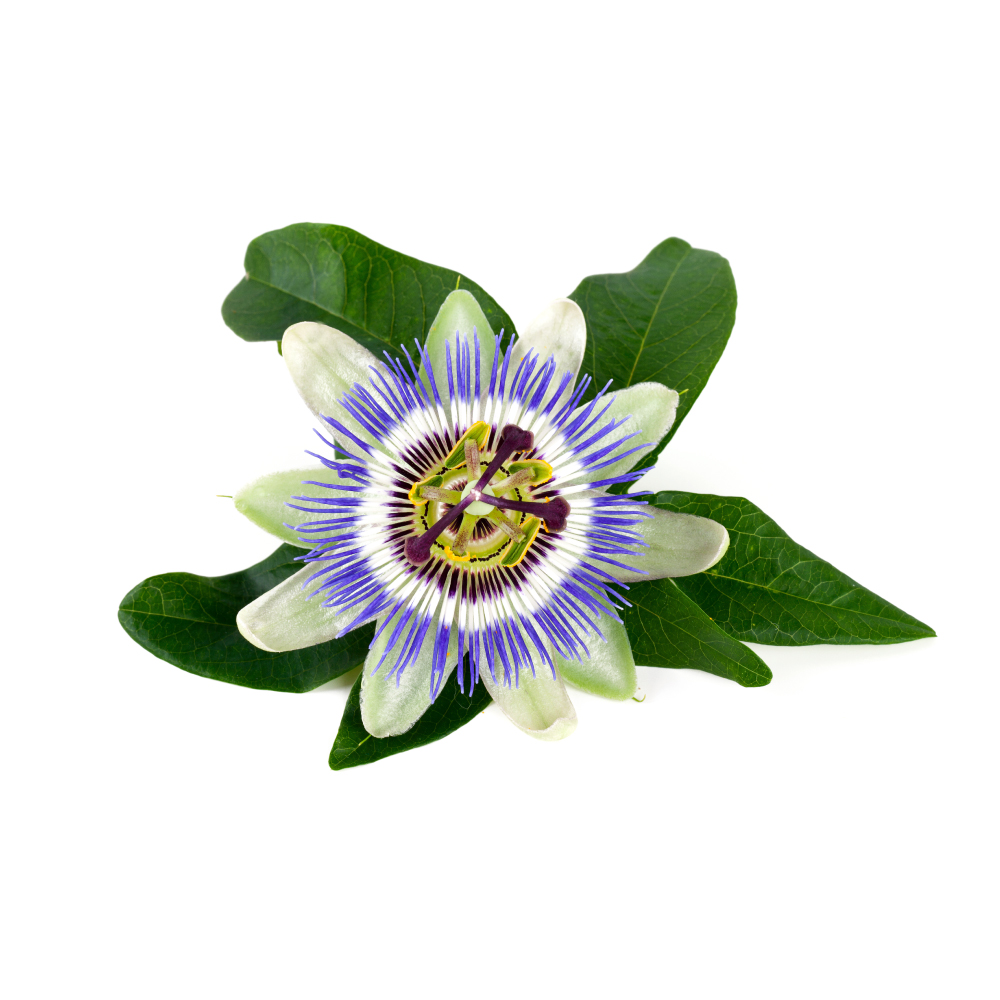 Principal source Passionflower Passiflora incarnata Herb monograph →
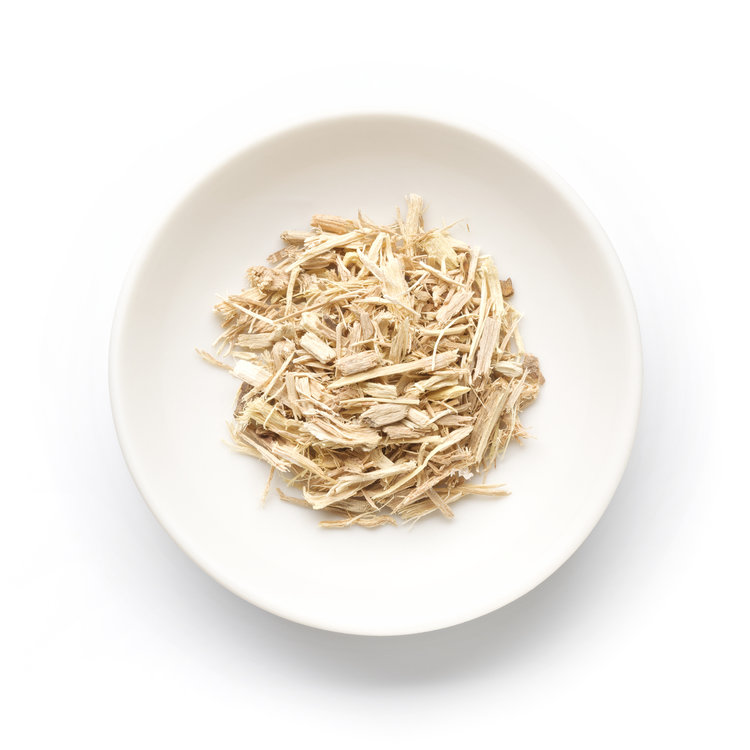 Source Eleuthero Root Eleutherococcus senticosus Herb monograph →
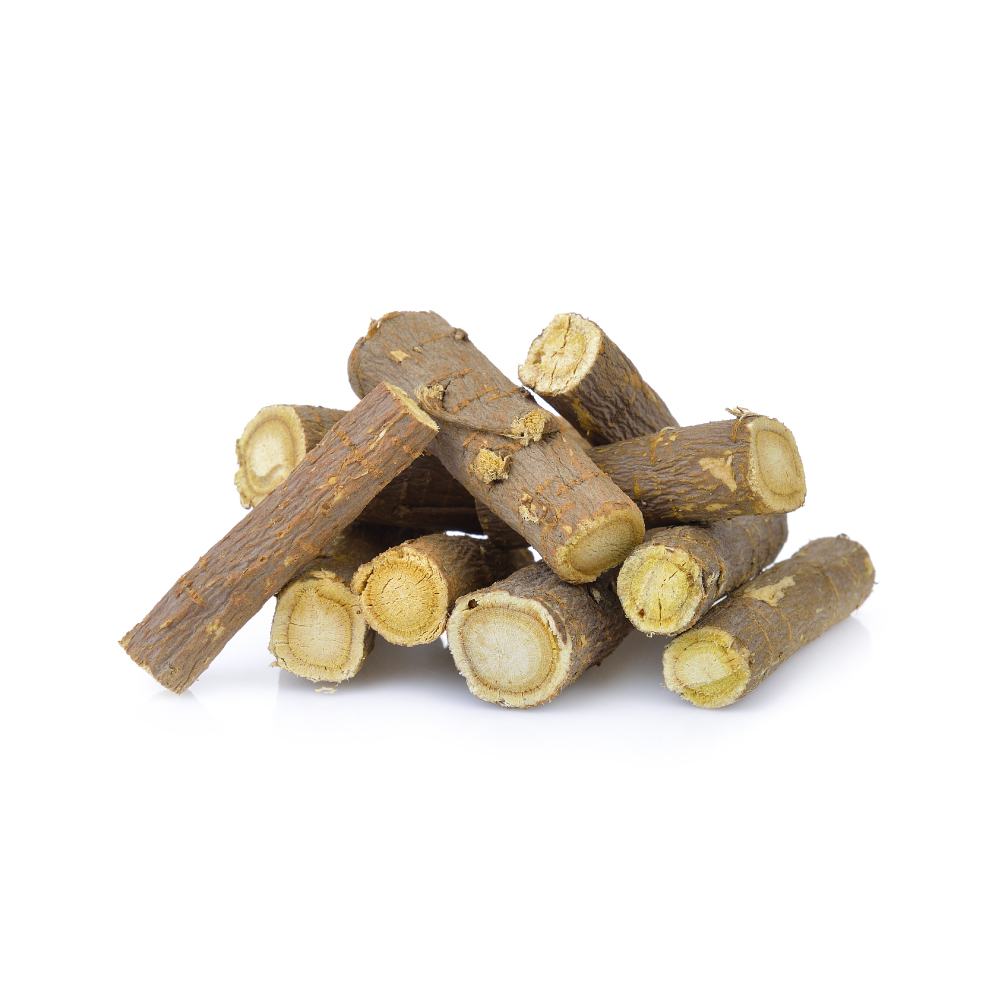 Source Licorice Glycyrrhiza glabra Herb monograph →
Concentration
Content by Source
Concentrations not reported. No percent-dry-weight or mg/g figures have been published for this compound in its source plants.
Schaftoside at a Glance
Schaftoside is a flavone di-C-glycoside — specifically apigenin 6-C-glucoside-8-C-arabinoside, a molecule of apigenin carrying two different sugars, each joined through a carbon–carbon bond: a glucose at C-6 and an arabinose at C-8. That double C-glycosylation is what sets it apart from the more familiar mono-C-glycosides here. It is a well-known passionflower marker and the major C-glycoside of the kidney-stone herb Desmodium styracifolium, and it occurs widely across the plant kingdom — in bamboo, rice, Eleutherococcus and licorice among many others — nearly always travelling with its positional isomer isoschaftoside 3,
Unusually for a C-glycosylflavone, schaftoside has a real, if small, body of isolate research rather than being only a name in a marker list. Studies of the pure compound report FXR-driven hepatoprotection against paracetamol liver injury in mice 2Reference 2Activation of Farnesoid X Receptor by Schaftoside Ameliorates Acetaminophen-Induced Hepatotoxicity by Modulating Oxidative Stress and InflammationView study →, NF-κB-mediated anti-inflammatory activity in macrophages and in a mouse lung-injury model 1,
Its two carbon-bonded sugars are the thread running through the page. They make schaftoside exceptionally resistant to hydrolysis, so it survives the gut intact — yet its oral bioavailability is under 1% in rats, the lowest of the C-glycosides covered here 4Reference 4AnimalPharmacokinetic and oral bioavailability study of schaftoside in ratsView study →.
Schaftoside & the Flavone C-Glycosides
Schaftoside belongs to the same family as the mono-C-glycosides already here, but it is a step up in complexity: it carries a sugar at both the 6- and 8-positions of the apigenin core, where its cousins carry only one.
| Compound | Aglycone | Sugar(s) |
|---|---|---|
| Schaftoside | apigenin | glucose at C-6 + arabinose at C-8 (di-C-glycoside) |
| Isoschaftoside | apigenin | arabinose at C-6 + glucose at C-8 (di-C, isomer) |
| Vitexin | apigenin | glucose at C-8 |
| Isovitexin | apigenin | glucose at C-6 |
| Orientin | luteolin | glucose at C-8 |
| Isoorientin | luteolin | glucose at C-6 |
The simplest way to place schaftoside is as the “both-at-once” apigenin C-glycoside: where vitexin is apigenin-8-C-glucoside and isovitexin is apigenin-6-C-glucoside, schaftoside fuses the two substitution sites — glucose at 6, arabinose at 8. Its constant companion, isoschaftoside, is the positional isomer that simply swaps the two sugars (arabinose at 6, glucose at 8); the pair almost always co-elute and co-occur, and isoschaftoside has no page of its own here. The luteolin-based siblings — orientin and isoorientin — differ by carrying the extra catechol hydroxyl on the B-ring, which makes them stronger direct antioxidants than any of the apigenin-based glycosides, schaftoside included 1Reference 1Schaftoside contributed to anti-inflammatory activity of Clinacanthus nutans extract in lipopolysaccharide-induced RAW 264.7 cellsView study →.
The second distinguishing feature is the arabinose. Schaftoside is not a di-glucoside but a mixed gluco-arabinoside — a five-carbon pentose sugar at C-8 rather than a second hexose. This is a genuine biosynthetic specialisation (see Its Role in Plants) and part of why schaftoside is treated as a distinct chemotaxonomic marker rather than lumped with the vicenins (the apigenin di-C-glucosides).
C-Glycoside Stability & Bioavailability
The single most important thing to understand about schaftoside’s pharmacology is what its two carbon–carbon bonds do — and do not — buy it.
In an ordinary flavonoid O-glycoside, the sugar hangs off an oxygen atom and is readily cleaved: stomach acid, intestinal glycosidases and gut bacteria hydrolyse it, releasing the free aglycone that is often the truly absorbed species. Schaftoside is a di-C-glycoside — both sugars are bolted directly to the flavone carbon skeleton — so it resists that hydrolysis even more thoroughly than a mono-C-glycoside and travels essentially as the intact molecule 4Reference 4AnimalPharmacokinetic and oral bioavailability study of schaftoside in ratsView study →. This stability is real, and it is exactly why schaftoside makes such a robust, reproducible chromatographic marker.
The intuitive expectation — that a stable molecule should therefore be well absorbed — does not hold; if anything schaftoside is the sharpest illustration of the paradox here. A dedicated rat study measured its absolute oral bioavailability at just 0.42–0.71% across a 5–20 mg/kg dose range — under one percent — with a plasma Cmax of only ~45–105 ng/mL and rapid elimination (IV half-life ~0.58 h) 4Reference 4AnimalPharmacokinetic and oral bioavailability study of schaftoside in ratsView study →. Two polar sugars locked onto the ring make the molecule highly hydrophilic and poorly permeable, and the second sugar only deepens the problem relative to its mono-glycoside cousins (vitexin sits at a few percent; isoorientin at ~9%). The practical reading is the caution that recurs on every C-glycoside page, in its strongest form here: the micromolar potencies seen in cell and enzyme assays sit far above the vanishing plasma concentrations an oral dose can plausibly deliver, so the mechanistic results should be read as mechanism, not as a delivered human effect 4Reference 4AnimalPharmacokinetic and oral bioavailability study of schaftoside in ratsView study →.
What It's Used For
Schaftoside’s evidence is a small but genuine preclinical machine — isolate studies in cells and rodents, not merely marker mentions. The split that matters is which system (liver, macrophages, viral proteases) and the fact that no rung of it is human.
Support is an experimental score — weighted by study type (human > animal > in vitro) and volume. A beta, not a validated metric. There is no human evidence for isolated schaftoside, so every score is capped by design — these rank preclinical strength, not clinical proof.
Schaftoside’s best-developed thread, and all of it the isolated molecule. In mice given a hepatotoxic dose of paracetamol (acetaminophen, APAP), schaftoside — a natural constituent of Desmodium styracifolium — was protective, and the mechanism was worked out in unusual detail: it behaves as a farnesoid X receptor (FXR) agonist, inducing phase II detoxifying enzymes (UGT1A1, GSTα1), glutathione-synthesis enzymes (Gclc, Gclm) and phase III efflux transporters, and shifting eicosanoid metabolism toward an anti-inflammatory balance — together raising antioxidant capacity and curbing hepatic inflammation 2Reference 2Activation of Farnesoid X Receptor by Schaftoside Ameliorates Acetaminophen-Induced Hepatotoxicity by Modulating Oxidative Stress and InflammationView study →.
The decisive result is genetic: in FXR-knockout mice the protection disappears, so the effect is FXR-dependent rather than a generic antioxidant action 2Reference 2Activation of Farnesoid X Receptor by Schaftoside Ameliorates Acetaminophen-Induced Hepatotoxicity by Modulating Oxidative Stress and InflammationView study →.
Gap: it is a single (if thorough) rodent isolate study with no human data, and schaftoside’s sub-1% oral bioavailability 4Reference 4AnimalPharmacokinetic and oral bioavailability study of schaftoside in ratsView study → leaves the deliverable hepatic dose genuinely uncertain.
A well-characterised isolate signal spanning cell and in-vivo work. In LPS-stimulated RAW 264.7 macrophages, schaftoside (effective at ~40 µmol/L) significantly lowered iNOS and nitric oxide, COX-2 and PGE2, TNF-α and IL-6, acting through suppression of the NF-κB pathway 1Reference 1Schaftoside contributed to anti-inflammatory activity of Clinacanthus nutans extract in lipopolysaccharide-induced RAW 264.7 cellsView study →.
Consistent with this, in the antiviral study the isolate also reduced pro-inflammatory cytokines and pathological changes in a mouse LPS-induced acute lung injury model 3Reference 3Schaftoside inhibits 3CLpro and PLpro of SARS-CoV-2 virus and regulates immune response and inflammation of host cells for the treatment of COVID-19View study →.
This positions inflammation as a recurring schaftoside mechanism rather than a one-off finding.
Gap: the macrophage work explicitly notes schaftoside “may not be the sole active compound” in the parent Clinacanthus nutans extract, crediting synergy with co-occurring isoorientin/isovitexin 1Reference 1Schaftoside contributed to anti-inflammatory activity of Clinacanthus nutans extract in lipopolysaccharide-induced RAW 264.7 cellsView study →; the human relevance of the in-vitro/rodent doses is untested and undercut by poor absorption 4Reference 4AnimalPharmacokinetic and oral bioavailability study of schaftoside in ratsView study →.
A tidy but wholly in-vitro/ex-vivo signal. Screening licorice constituents, researchers found schaftoside inhibited both key SARS-CoV-2 cysteine proteases — the 3C-like protease (3CLpro, IC50 ~1.73 µmol/L) and the papain-like protease (PLpro, IC50 ~3.91 µmol/L) — and suppressed the live virus in Vero E6 cells (EC50 ~11.8 µmol/L). Hydrogen–deuterium-exchange MS, QM/MM and mutagenesis localised non-covalent binding to defined active-site residues (H41/G143/R188 on 3CLpro; K157/E167/A246 on PLpro), and proteomics showed the compound also modulated host immune/inflammatory signalling 3Reference 3Schaftoside inhibits 3CLpro and PLpro of SARS-CoV-2 virus and regulates immune response and inflammation of host cells for the treatment of COVID-19View study →.
Gap: the antiviral data are enzyme- and cell-based; there is no in-vivo antiviral outcome and no human data, and the effective micromolar concentrations sit far above achievable plasma levels for an orally dosed di-C-glycoside 4Reference 4AnimalPharmacokinetic and oral bioavailability study of schaftoside in ratsView study →.
The property most often assumed for a flavonoid and least distinctive for schaftoside specifically. Because schaftoside is built on apigenin (a single B-ring hydroxyl) rather than the catechol-bearing luteolin, it is a weaker direct radical scavenger than the luteolin-based C-glycosides orientin and isoorientin — the same aglycone logic that left the apigenin glycosides essentially inactive in the classic C-glycosylflavone antioxidant comparison 1Reference 1Schaftoside contributed to anti-inflammatory activity of Clinacanthus nutans extract in lipopolysaccharide-induced RAW 264.7 cellsView study →.
Schaftoside does contribute to the antioxidant capacity of the Passiflora and Desmodium extracts it occurs in — Passiflora species carry measurable total-phenolic antioxidant activity as whole extracts 9Reference 9Assessment of total phenolic, antioxidant, and antibacterial activities of Passiflora speciesView study → — and its FXR-driven induction of glutathione enzymes is an indirect antioxidant effect 2Reference 2Activation of Farnesoid X Receptor by Schaftoside Ameliorates Acetaminophen-Induced Hepatotoxicity by Modulating Oxidative Stress and InflammationView study →, but its own direct scavenging is modest.
Gap: direct antioxidant activity is weak for this aglycone and is usually measured at the whole-extract level, where schaftoside is one contributor among many phenolics — no human antioxidant outcome rests on it specifically 1Reference 1Schaftoside contributed to anti-inflammatory activity of Clinacanthus nutans extract in lipopolysaccharide-induced RAW 264.7 cellsView study →.
Mechanisms
| Target / pathway | Effect | Relevant to |
|---|---|---|
| Farnesoid X receptor (FXR) | agonism → induces UGT1A1, GSTα1, Gclc/Gclm, efflux transporters (FXR-knockout abolishes it) | hepatoprotection |
| NF-κB signalling | suppressed → ↓iNOS/NO, COX-2/PGE2, TNF-α, IL-6 | anti-inflammatory |
| Glutathione synthesis (Gclc, Gclm) + phase II detox | up-regulated → raised hepatic antioxidant/detox capacity | hepatoprotection (indirect antioxidant) |
| SARS-CoV-2 3CLpro | non-covalent active-site inhibition (IC50 ~1.73 µM; H41/G143/R188) | antiviral (in vitro) |
| SARS-CoV-2 PLpro | non-covalent active-site inhibition (IC50 ~3.91 µM; K157/E167/A246) | antiviral (in vitro) |
| Direct radical scavenging | modest — weaker than the luteolin (catechol) C-glycosides | antioxidant |
| Insect NlCDK1 kinase | binds and blocks activation (↓Thr-14 phosphorylation) | plant defence / ecology |
The load-bearing point is that schaftoside’s most convincing action is receptor-mediated (FXR), not the generic radical-scavenging usually assumed for a flavonoid — and that its antiviral and anti-inflammatory potencies are real but measured at micromolar concentrations an orally dosed di-C-glycoside is unlikely to reach in plasma 4Reference 4AnimalPharmacokinetic and oral bioavailability study of schaftoside in ratsView study →. Almost all of it is in-vitro or rodent, on the isolate.
Pharmacokinetics
Schaftoside’s pharmacokinetics are the crux of its translation problem, and they are the most sharply defined of the C-glycosides here. Because both sugars are C-linked, schaftoside is not hydrolysed to free apigenin in the gut — the aglycone is not the absorbed species — and it circulates as the intact di-C-glycoside 4Reference 4AnimalPharmacokinetic and oral bioavailability study of schaftoside in ratsView study →. Yet a dedicated rat study puts its absolute oral bioavailability at just 0.42–0.71% over a 5–20 mg/kg range: rapid but minimal absorption (Cmax ~45–105 ng/mL, Tmax ~0.7–1.2 h), dose-linear exposure, and rapid elimination after IV dosing (half-life ~0.58 h) 4Reference 4AnimalPharmacokinetic and oral bioavailability study of schaftoside in ratsView study →. A separate comparative study of five Desmodium C-glycosylflavones found that plasma exposure of schaftoside and its congeners rises under a urolithiasis (kidney-stone) disease state relative to normal rats — a reminder that absorption is condition-dependent 5Reference 5AnimalComparative pharmacokinetic studies of five C-glycosylflavones in normal and urolithiasis model rats following administration of total flavonoids from Desmodium styracifolium by liquid chromatography-tandem mass spectrometryView study →. There is no human pharmacokinetic data at all. This sub-1% oral bioavailability is the single most important caveat on the page: it means the mechanistic potencies should not be read as achievable human effects.
Clinical Trials
There are no clinical trials of isolated schaftoside. The entire evidence base is preclinical (cell and rodent). The nearest human-relevant data belong to whole plant extracts — Passiflora (anxiolytic) and Desmodium styracifolium (anti-urolithiasis) — in which schaftoside is only a marker 5,
| Completed | Planned | Terminated | Preclinical |
|---|---|---|---|
| None(isolate) | — | — | Hepatoprotection (FXR), anti-inflammatory (NF-κB), antiviral (protease inhibition), antioxidant (all cell/rodent) |
Last checked: July 2026.
Isolate vs. Plant Studies
Schaftoside splits more favourably than most C-glycosides on the isolate axis, but the caveats are real. The hepatoprotection and antiviral work test schaftoside itself — the FXR-dependent APAP-liver study 2Reference 2Activation of Farnesoid X Receptor by Schaftoside Ameliorates Acetaminophen-Induced Hepatotoxicity by Modulating Oxidative Stress and InflammationView study → and the 3CLpro/PLpro enzyme-and-cell experiments 3Reference 3Schaftoside inhibits 3CLpro and PLpro of SARS-CoV-2 virus and regulates immune response and inflammation of host cells for the treatment of COVID-19View study → both isolate the molecule, which is a genuine strength for a mechanism base. The anti-inflammatory evidence sits on both sides: the RAW 264.7 macrophage study used purified schaftoside but the authors caution it “may not be the sole active compound” in the parent Clinacanthus nutans extract, pointing to synergy with co-occurring isoorientin and isovitexin 1Reference 1Schaftoside contributed to anti-inflammatory activity of Clinacanthus nutans extract in lipopolysaccharide-induced RAW 264.7 cellsView study →.
Where schaftoside is unambiguously a marker, not a proven active, is in its two most famous herbs. In passionflower, the human-relevant effect is anxiolysis, and an HPLC-characterised Passiflora incarnata extract (schaftoside among its C-glycoside markers) was anxiolytic via the GABAergic system in mice — an effect credited to the whole extract and generally attributed to other flavonoids, not to schaftoside 8Reference 8Anxiolytic activity of a phytochemically characterized Passiflora incarnata extract is mediated via the GABAergic systemView study →. In Desmodium styracifolium (guang jin qian cao), the traditional use is against kidney and gallstones, and schaftoside is the major C-glycoside used to standardise the extract — but the anti-urolithiasis evidence is for the total flavonoid fraction, with schaftoside serving as a pharmacokinetic marker 5Reference 5AnimalComparative pharmacokinetic studies of five C-glycosylflavones in normal and urolithiasis model rats following administration of total flavonoids from Desmodium styracifolium by liquid chromatography-tandem mass spectrometryView study →. So the correct framing is: solid isolate mechanism in liver and against viral proteases + no human isolate data + plant-level effects (passionflower anxiolysis, Desmodium anti-stone) that are not schaftoside’s alone to claim.
Its Role in Plants
Schaftoside is a flavone di-C-glycoside whose defining feature — two C-linked sugars of different kinds — is installed by a sequential, two-enzyme biosynthetic route. Starting from a 2-hydroxyflavanone precursor of apigenin, a first C-glycosyltransferase (a “Clade A” CGT) attaches a glucose to the flavone carbon skeleton; a second, distinct C-arabinosyltransferase (a “Clade B” CGT) then uses UDP-arabinose to add the arabinose to the mono-C-glucoside intermediate, building the di-C-glycoside 6Reference 6De novo biosynthesis of C-arabinosylated flavones by utilization of indica rice C-glycosyltransferasesView study →. The 6-C-versus-8-C placement of each sugar — the difference between schaftoside and its isomer isoschaftoside — falls out of this enzyme specificity and a dehydration step, which is also why the two isomers so reliably co-occur 6Reference 6De novo biosynthesis of C-arabinosylated flavones by utilization of indica rice C-glycosyltransferasesView study →. This mixed gluco-arabinose pattern is a real specialisation: it is what distinguishes schaftoside from the apigenin di-glucosides (the vicenins) and, more broadly, is the same C-glycoside chemistry that shifts toward 6-C or 8-C products depending on whether glycosylation acts on the finished flavone or an intermediate 10Reference 10Indirect and direct routes to C-glycosylated flavones in Saccharomyces cerevisiaeView study →.
Ecologically, schaftoside is a genuine plant defence compound, most clearly in rice. High leaf levels of schaftoside (with isoschaftoside and total apigenin-C-glycosides) are associated with resistance to the brown planthopper (Nilaparvata lugens), one of rice’s most destructive pests: schaftoside binds the insect’s cell-cycle kinase NlCDK1, suppressing its activating phosphorylation and acting as a feeding-deterrent/resistance factor 7Reference 7Schaftoside Interacts With NlCDK1 Protein: A Mechanism of Rice Resistance to Brown Planthopper, Nilaparvata lugensView study →. As with any constituent, this plant-biology role is not a human-pharmacology claim — but it is a real function, not decoration.
Prevalence in Nature
Schaftoside is widespread but rarely dominant. It occurs across many plant families, almost always as one of a set of co-occurring C-glycosylflavones and paired with its isomer isoschaftoside. Well-documented sources include the aerial parts of passionflower (Passiflora incarnata), where it is a pharmacopoeial C-glycoside marker 8Reference 8Anxiolytic activity of a phytochemically characterized Passiflora incarnata extract is mediated via the GABAergic systemView study →; Desmodium styracifolium (guang jin qian cao), where it is the major C-glycoside and the standardisation marker of the kidney-stone extract 5Reference 5AnimalComparative pharmacokinetic studies of five C-glycosylflavones in normal and urolithiasis model rats following administration of total flavonoids from Desmodium styracifolium by liquid chromatography-tandem mass spectrometryView study →; bamboo leaf (Phyllostachys spp.); rice (Oryza sativa), where it functions in pest defence 7Reference 7Schaftoside Interacts With NlCDK1 Protein: A Mechanism of Rice Resistance to Brown Planthopper, Nilaparvata lugensView study →; and Eleutherococcus (Siberian ginseng). It has also been recovered from licorice (Glycyrrhiza) constituent screens 3Reference 3Schaftoside inhibits 3CLpro and PLpro of SARS-CoV-2 virus and regulates immune response and inflammation of host cells for the treatment of COVID-19View study → and the Thai medicinal herb Clinacanthus nutans 1Reference 1Schaftoside contributed to anti-inflammatory activity of Clinacanthus nutans extract in lipopolysaccharide-induced RAW 264.7 cellsView study →.
Reliable, comparable quantitative content figures (mg/g) for schaftoside across these matrices are not well consolidated in the accessible literature — it is generally treated as a marker for standardisation rather than reported as a headline concentration (the holes are tracked in this compound’s gaps file).
Major Natural Sources
| Source | Plant part | Role / note |
|---|---|---|
| Desmodium styracifolium (guang jin qian cao) | aerial parts | major C-glycoside; anti-urolithiasis extract marker 5Reference 5AnimalComparative pharmacokinetic studies of five C-glycosylflavones in normal and urolithiasis model rats following administration of total flavonoids from Desmodium styracifolium by liquid chromatography-tandem mass spectrometryView study → |
| Passionflower (Passiflora incarnata) | aerial parts | pharmacopoeial C-glycoside marker 8Reference 8Anxiolytic activity of a phytochemically characterized Passiflora incarnata extract is mediated via the GABAergic systemView study → |
| Bamboo (Phyllostachys spp.) | leaves | co-occurring C-glycosylflavone marker |
| Rice (Oryza sativa) | leaves | pest-defence compound (brown planthopper) 7Reference 7Schaftoside Interacts With NlCDK1 Protein: A Mechanism of Rice Resistance to Brown Planthopper, Nilaparvata lugensView study → |
| Eleutherococcus, licorice, Clinacanthus nutans | various | reported constituent among other C-glycosides 1, |
These are qualitative source assignments, not whole-plant percentages; documented schaftoside content shifts with species, plant part, processing and analytical method, and precise ranges are not consolidated here.
Discovery & Synthesis
Schaftoside is a long-known apigenin di-C-glycoside, characterised through the twentieth-century wave of flavone C-glycoside chemistry alongside its isomer isoschaftoside and the mono-glycoside markers (vitexin, isovitexin, orientin, isoorientin). The precise date and author of its first isolation are not well documented in the accessible literature, and it entered pharmacology as one of a cluster of C-glycosylflavones identified across many species.
Modern production of schaftoside is chiefly of interest for supply and study rather than commerce. Because direct chemical di-C-glycosylation — installing two different C-linked sugars regioselectively — is very difficult, recent work reconstructs the biosynthetic route in engineered systems: expressing paired glucosyl- and arabinosyl-transferases (Clade A + Clade B CGTs, including rice enzymes) to build C-arabinosylated di-C-glycosides such as schaftoside from flavonoid precursors 6Reference 6De novo biosynthesis of C-arabinosylated flavones by utilization of indica rice C-glycosyltransferasesView study →. There is no large-scale commercial manufacture; research material is obtained by extraction from rich sources (Desmodium, bamboo, passionflower) or by such biosynthetic routes.
Patents: not yet researched.
Toxicity & Safety
Schaftoside carries a low toxicity flag. It is a constituent of ordinary foods and traditional herbal teas — bamboo leaf, rice, and passionflower and Desmodium infusions — consumed for generations without a specific safety signal attached to the molecule, and its sub-1% oral bioavailability further limits systemic exposure 4Reference 4AnimalPharmacokinetic and oral bioavailability study of schaftoside in ratsView study →. No isolate-specific genotoxicity, repeat-dose or reproductive-toxicity package is characterised here, and there are no human safety data; the low rating reflects its dietary ubiquity and benign preclinical record, not a formal toxicology dossier. Notably, the one in-vivo isolate studies that exist are protective (liver, lung) rather than harmful 2,
- Low-toxicity dietary flavonoid. A normal constituent of bamboo, rice and herbal teas, with no specific safety signal and very limited systemic absorption 4Reference 4AnimalPharmacokinetic and oral bioavailability study of schaftoside in ratsView study →.
- All evidence is preclinical. No human trials of the isolate exist — efficacy and safety in people are simply unknown.
- Very poor bioavailability undercuts potency. Oral bioavailability is under 1% in rats; in-vitro and rodent effects occur at exposures an oral dose is unlikely to reach — do not read the mechanistic results as a delivered human benefit 4Reference 4AnimalPharmacokinetic and oral bioavailability study of schaftoside in ratsView study →.
- Marker, not proven active, in its herbs. Its presence does not make schaftoside responsible for a herb’s effect — passionflower anxiolysis and Desmodium’s anti-stone use are the whole extracts’ 5,
8Reference 5AnimalComparative pharmacokinetic studies of five C-glycosylflavones in normal and urolithiasis model rats following administration of total flavonoids from Desmodium styracifolium by liquid chromatography-tandem mass spectrometryView study →Reference 8Anxiolytic activity of a phytochemically characterized Passiflora incarnata extract is mediated via the GABAergic systemView study → .
Dosage
There is no established or recommended human dose for isolated schaftoside. The figures in the literature are preclinical: rodent doses (e.g. 40–160 mg/kg in the mouse paracetamol-hepatoprotection study 2Reference 2Activation of Farnesoid X Receptor by Schaftoside Ameliorates Acetaminophen-Induced Hepatotoxicity by Modulating Oxidative Stress and InflammationView study →) and cell-culture concentrations (e.g. ~40 µmol/L in the anti-inflammatory macrophage work 1Reference 1Schaftoside contributed to anti-inflammatory activity of Clinacanthus nutans extract in lipopolysaccharide-induced RAW 264.7 cellsView study →, low-micromolar IC50s in the antiviral assays 3Reference 3Schaftoside inhibits 3CLpro and PLpro of SARS-CoV-2 virus and regulates immune response and inflammation of host cells for the treatment of COVID-19View study →). None is convertible to human self-dosing, and the compound’s sub-1% oral bioavailability would in any case complicate translating a rodent dose to an oral human one 4Reference 4AnimalPharmacokinetic and oral bioavailability study of schaftoside in ratsView study →.
Real human exposure is dietary and indirect — schaftoside arrives as one C-glycosylflavone within passionflower, Desmodium and bamboo-leaf products (whose dosing is set at the standardised-extract level, not the molecule level). These are research figures and food-exposure notes, not a personal recommendation.
References
- Thongyim S, Sattayawat P, Pongamornkul W, Jangsutthivorawat S, Tragoolpua Y, Panya A (2025). Schaftoside contributed to anti-inflammatory activity of Clinacanthus nutans extract in lipopolysaccharide-induced RAW 264.7 cells. Frontiers in Pharmacology. https://pubmed.ncbi.nlm.nih.gov/40556767/
- Liu M, Zhang G, Song M, Wang J, Shen C, Chen Z, Huang X, Gao Y, Zhu C, Lin C, Mi S, Liu C (2020). Activation of Farnesoid X Receptor by Schaftoside Ameliorates Acetaminophen-Induced Hepatotoxicity by Modulating Oxidative Stress and Inflammation. Antioxidants & Redox Signaling. https://pubmed.ncbi.nlm.nih.gov/32037847/
- Yi Y, Zhang M, Xue H, Yu R, Bao YO, Kuang Y, Chai Y, Ma W, Wang J, Shi X, Li W, Hong W, Li J, Muturi E, Wei H, Wlodarz J, Roszak S, Qiao X, Yang H, Ye M (2022). Schaftoside inhibits 3CLpro and PLpro of SARS-CoV-2 virus and regulates immune response and inflammation of host cells for the treatment of COVID-19. Acta Pharmaceutica Sinica B. https://pubmed.ncbi.nlm.nih.gov/35968270/
- Lin Y, Wang H, Xu S, Liu C, Zhang C (2024). Pharmacokinetic and oral bioavailability study of schaftoside in rats. Biomedical Chromatography. https://pubmed.ncbi.nlm.nih.gov/38769722/
- Li X, Chen C, Zhang T, Ding N, Zheng P, Yang M (2022). Comparative pharmacokinetic studies of five C-glycosylflavones in normal and urolithiasis model rats following administration of total flavonoids from Desmodium styracifolium by liquid chromatography-tandem mass spectrometry. Journal of Separation Science. https://pubmed.ncbi.nlm.nih.gov/35671519/
- Chen Z, Sun Y, Wang G, Zhang Y, Zhang Q, Zhang Y, Li J, Wang Y (2021). De novo biosynthesis of C-arabinosylated flavones by utilization of indica rice C-glycosyltransferases. Bioresources and Bioprocessing. https://pubmed.ncbi.nlm.nih.gov/34150466/
- Hao PY, Feng YL, Zhou YS, Song XM, Li HL, Ma Y, Ye CL, Yu XP (2018). Schaftoside Interacts With NlCDK1 Protein: A Mechanism of Rice Resistance to Brown Planthopper, Nilaparvata lugens. Frontiers in Plant Science. https://pubmed.ncbi.nlm.nih.gov/29896209/
- Grundmann O, Wang J, McGregor GP, Butterweck V (2008). Anxiolytic activity of a phytochemically characterized Passiflora incarnata extract is mediated via the GABAergic system. Planta Medica. https://pubmed.ncbi.nlm.nih.gov/19006051/
- Ramaiya SD, Bujang JS, Zakaria MH (2014). Assessment of total phenolic, antioxidant, and antibacterial activities of Passiflora species. The Scientific World Journal. https://pubmed.ncbi.nlm.nih.gov/25028673/
- Vanegas KG, Larsen AB, Eichenberger M, Fischer D, Mortensen UH, Naesby M (2018). Indirect and direct routes to C-glycosylated flavones in Saccharomyces cerevisiae. Microbial Cell Factories. https://pubmed.ncbi.nlm.nih.gov/29986709/



