
Compound Monograph
Isovitexin
Isovitexin (apigenin-6-C-glucoside, or saponaretin) is a flavone C-glycoside of passionflower, gentian and many cereal grains, with a broad but entirely preclinical antioxidant and anti-inflammatory profile. Its carbon-bonded sugar resists ordinary hydrolysis, yet oral bioavailability stays low and there are no human trials of the isolate.

Sources · 13
Where Does It Come From?
Isovitexin is a naturally occurring flavonoid (flavone c-glycoside), found in Passionflower, Gentian and 11 other sources. It is well tolerated orally (low toxicity).
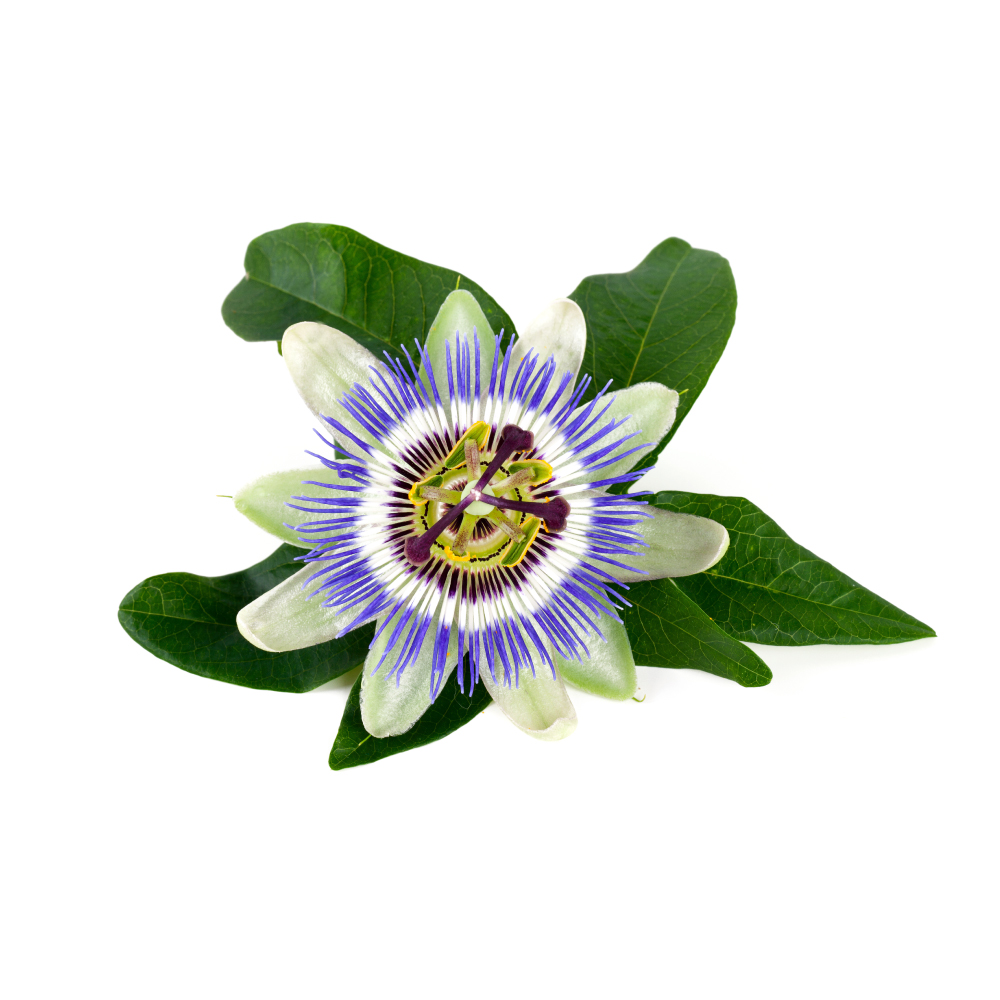 Principal source Passionflower Passiflora incarnata Herb monograph →
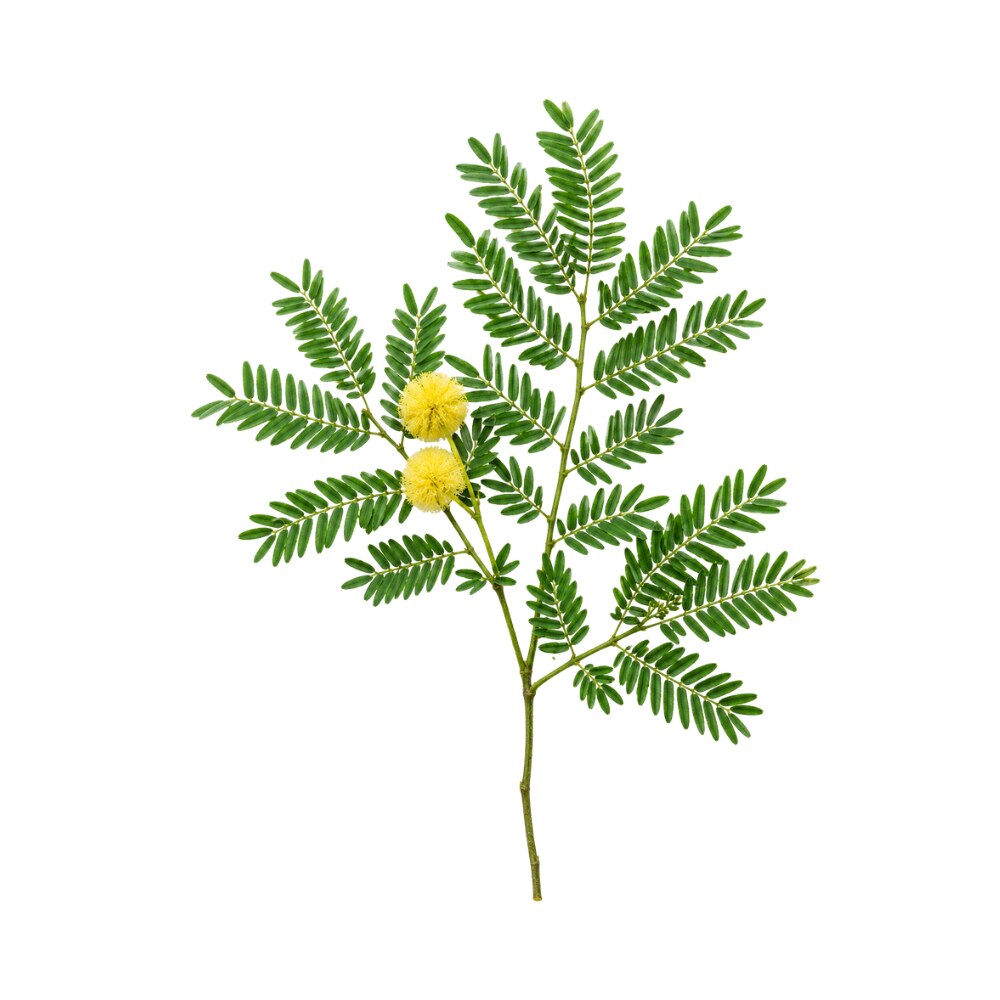 Source Acacia Acacia, Vachellia & Senegalia spp. Herb monograph →
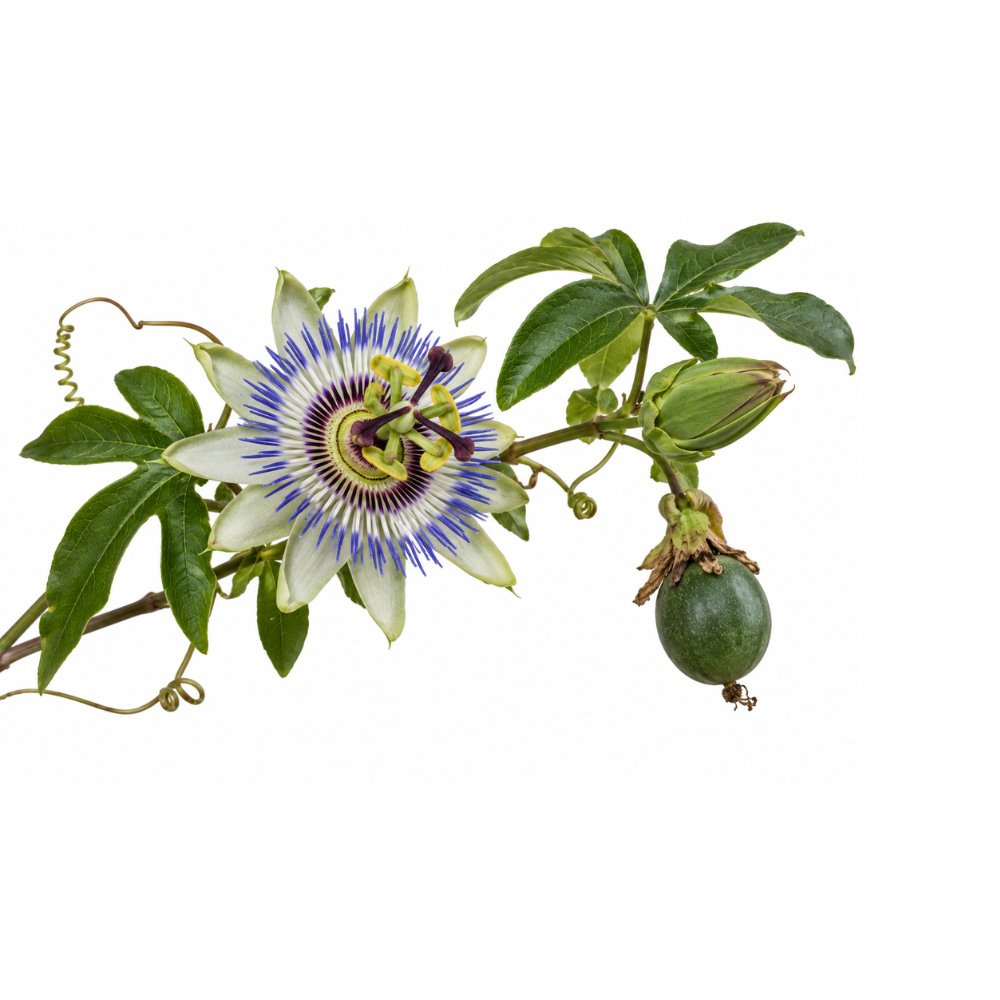 Source Blue Passionflower Passiflora caerulea Herb monograph →
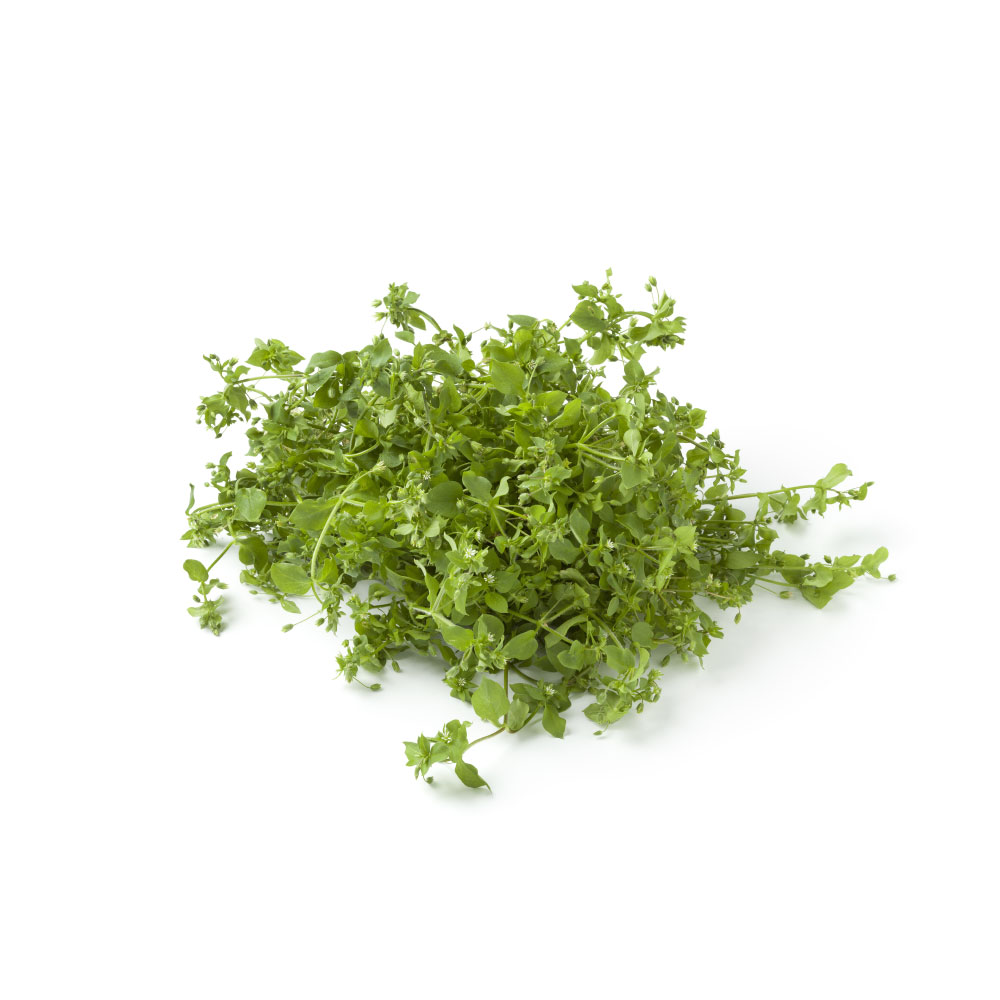 Source Chickweed Stellaria media Herb monograph →
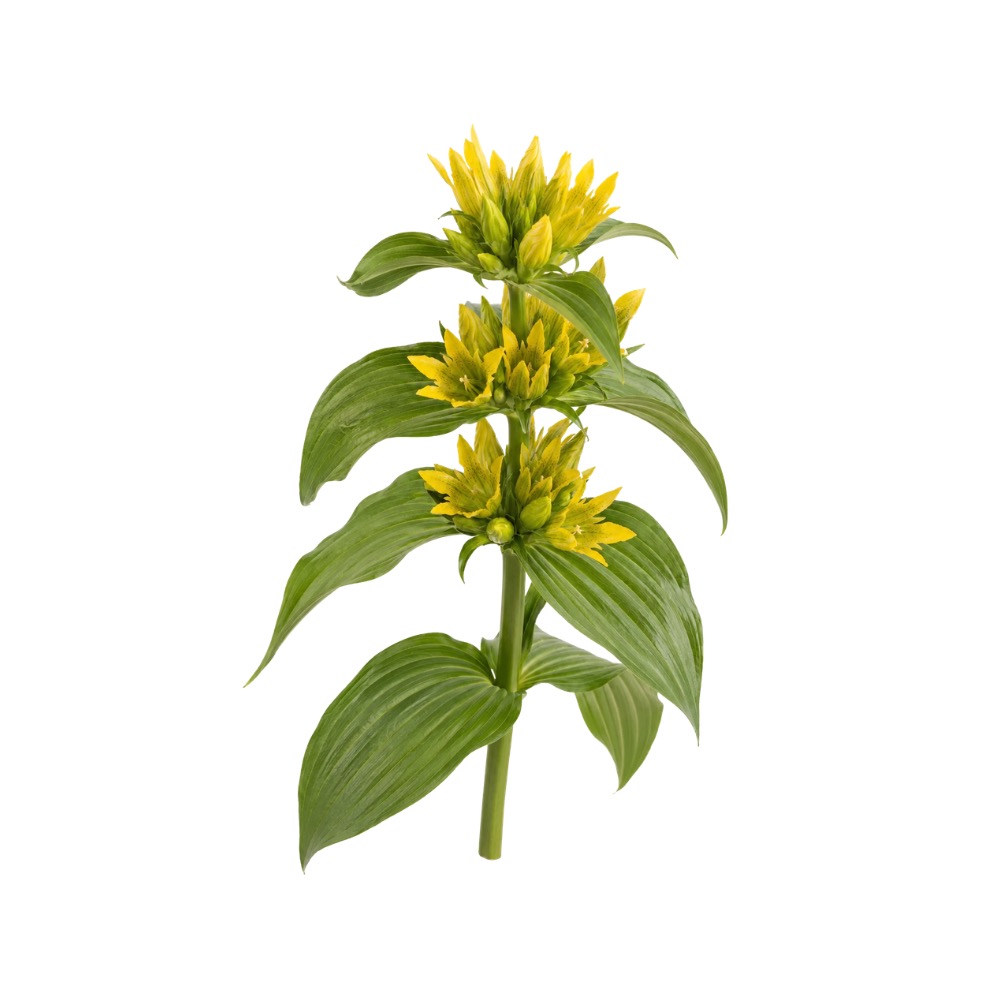 Source Gentian Gentiana lutea Herb monograph →
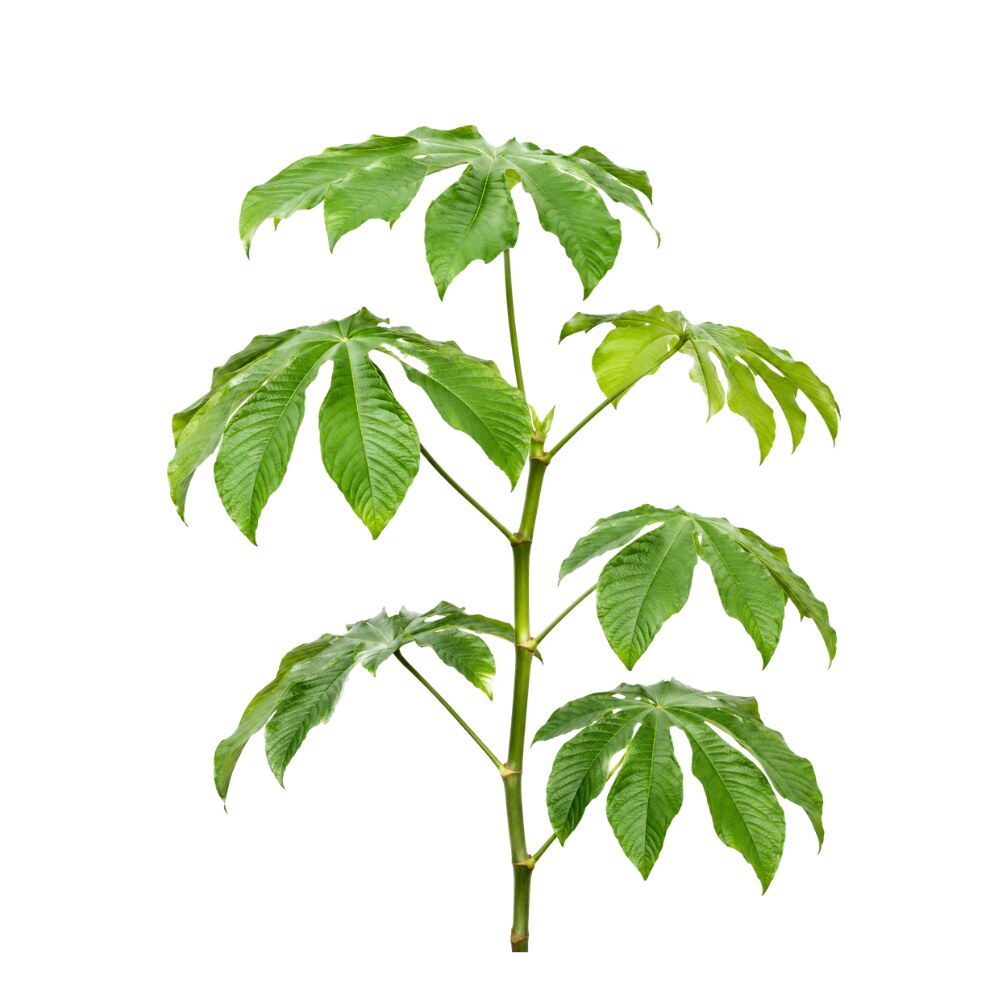 Source Guamura Cecropia obtusifolia Herb monograph →
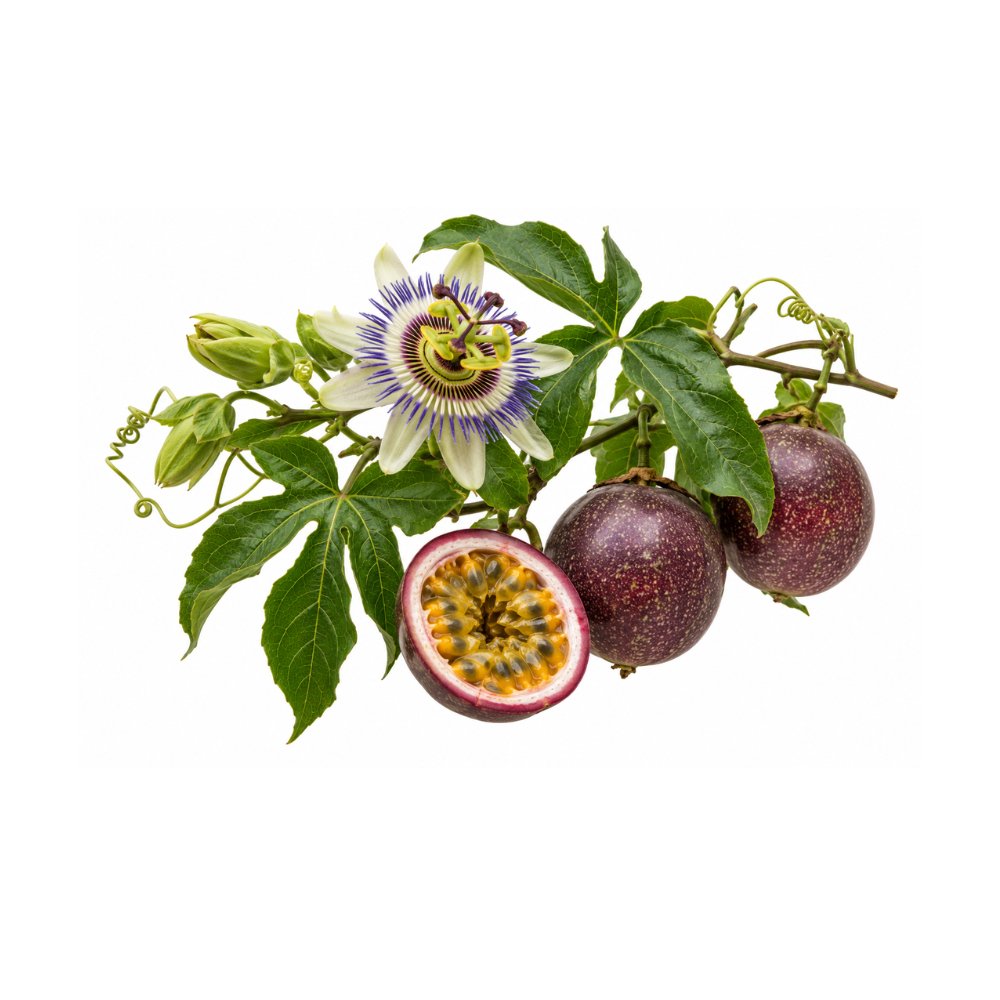 Source Passion Fruit Passiflora edulis Herb monograph →
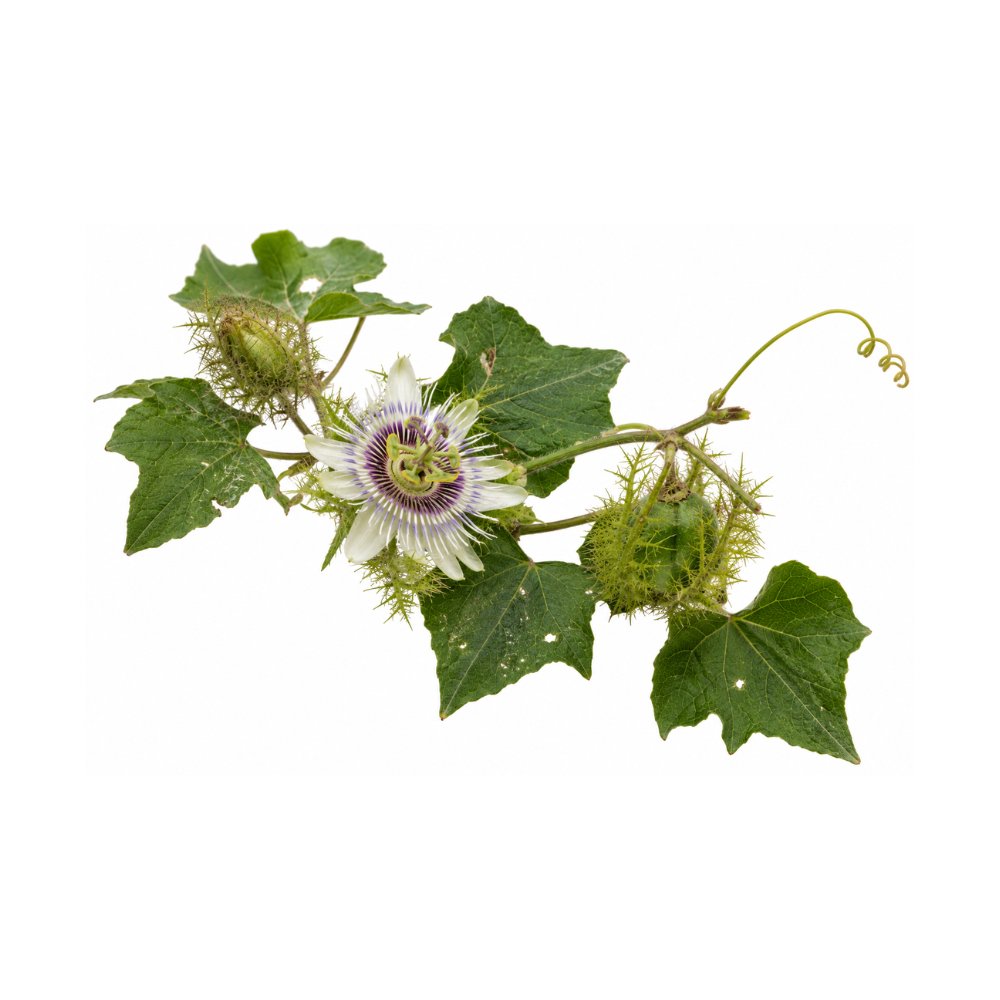 Source Stinking Passionflower Passiflora foetida Herb monograph →
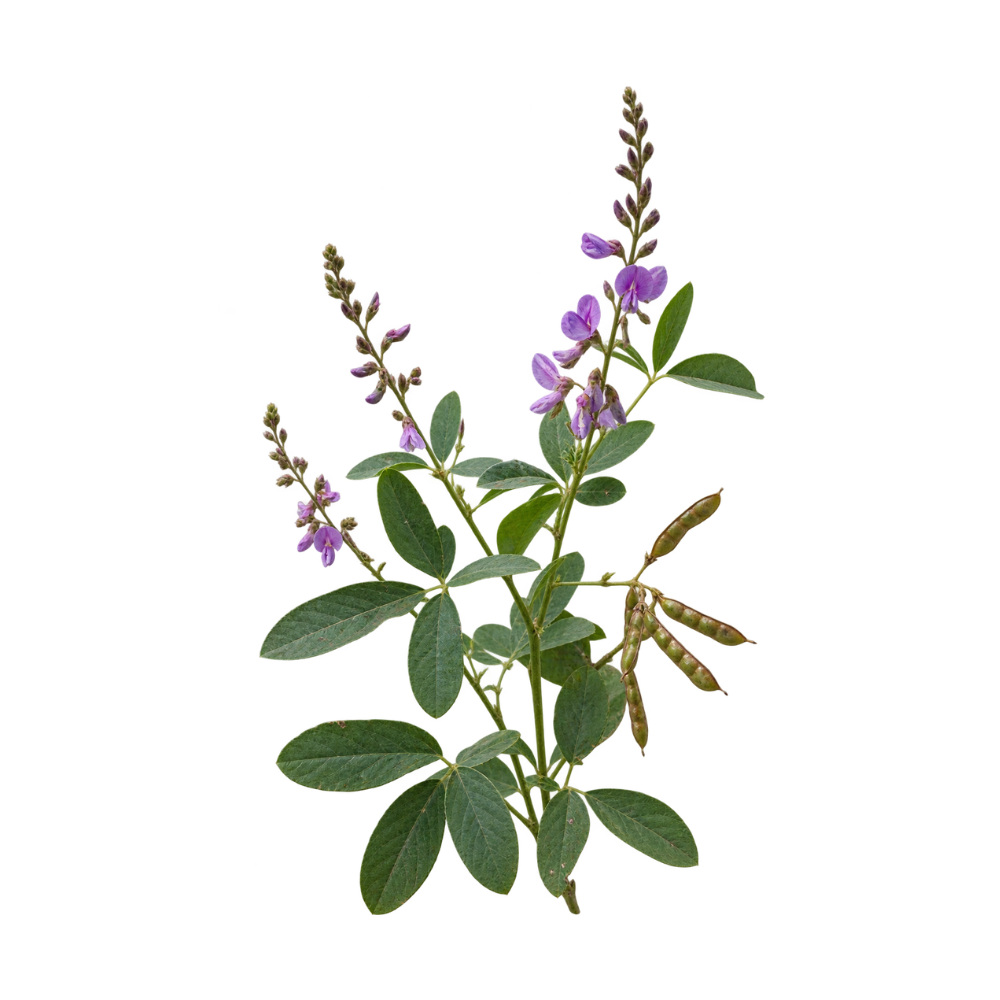 Source Tick Trefoil Desmodium spp. Herb monograph →
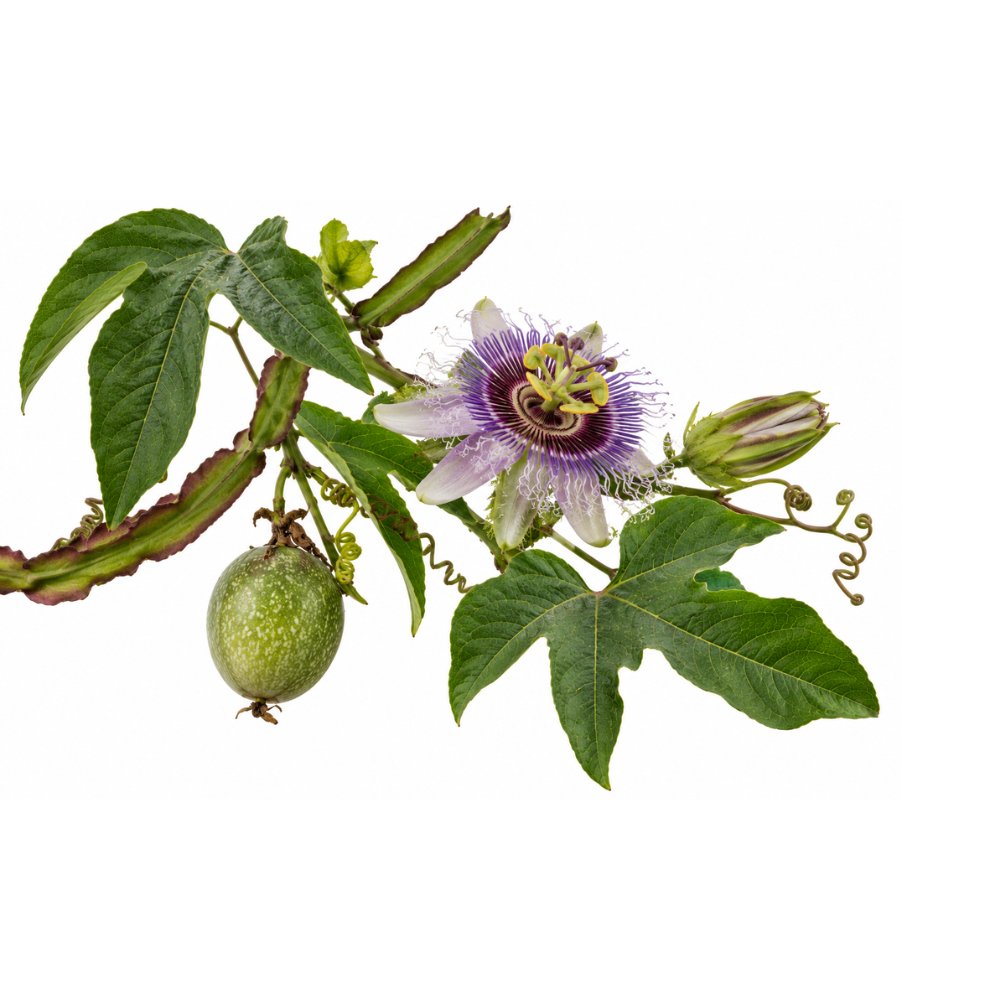 Source Winged-Stem Passionflower Passiflora alata Herb monograph →
Concentration
Content by Source
Concentrations not reported. No percent-dry-weight or mg/g figures have been published for this compound in its source plants.
Isovitexin at a Glance
Isovitexin is a flavone C-glycoside — specifically apigenin-6-C-glucoside, a molecule of apigenin carrying a single glucose unit joined through a carbon–carbon bond at the 6-position. It is the 6-C positional isomer of vitexin (apigenin-8-C-glucoside), and older literature calls it saponaretin or homovitexin. It occurs widely across the plant kingdom — in passionflower, gentian, cereal grains, bamboo, pigeon pea and many others — usually as one of a set of co-occurring C-glycosylflavones rather than a dominant constituent.
Its preclinical profile is genuinely broad: antioxidant, anti-inflammatory, neuroprotective, anti-atherosclerotic and anticancer effects are each reported in cell and rodent models, with the most substantial single result being protection against lipopolysaccharide-induced acute lung injury through the NF-κB/MAPK and Nrf2/HO-1 pathways 3Reference 3Isovitexin exerts anti-inflammatory and anti-oxidant activities on lipopolysaccharide-induced acute lung injury by inhibiting MAPK and NF-κB and activating HO-1/Nrf2 pathwaysView study →. The honest headline is the ceiling on that evidence: it is entirely preclinical. There are no controlled human trials of isolated isovitexin, and where a plant it marks (passionflower) has human-relevant activity, that activity belongs to the whole extract, not the isolate 7Reference 7Anxiolytic activity of a phytochemically characterized Passiflora incarnata extract is mediated via the GABAergic systemView study →.
The molecule’s structure cuts two ways and supplies the thread that runs through all of it. Its carbon-bonded sugar resists the acid and enzyme hydrolysis that split ordinary O-glycosides — yet its oral bioavailability is low, and, unusually for a C-glycoside, specific gut bacteria can still cleave it all the way to free apigenin 10Reference 10Intestinal bacterium Eubacterium cellulosolvens deglycosylates flavonoid C- and O-glucosidesView study →. That tension between stability and delivery is the compound-unique story.
Isovitexin vs. Vitexin, Orientin & the C-Glycosides
Isovitexin is one of a quartet of near-identical flavone C-glycosides that the herbal literature routinely lists together as the “C-glycosylflavones” of a plant such as passionflower or chickweed. The distinctions are small but pharmacologically real, and turn on two axes: the aglycone (apigenin vs. its catechol-bearing cousin luteolin) and the position of C-glycosylation (C-6 vs. C-8).
| Compound | Aglycone | Sugar position |
|---|---|---|
| Isovitexin (saponaretin) | apigenin (4’-OH B-ring) | glucose at C-6 |
| Vitexin | apigenin | glucose at C-8 |
| Orientin | luteolin (3’,4’-diOH B-ring) | glucose at C-8 |
| Iso-orientin (homoorientin) | luteolin | glucose at C-6 |
Isovitexin and vitexin are positional isomers — apigenin-6-C-glucoside versus apigenin-8-C-glucoside — and are so alike that they are usually isolated and reported together 1,
C-Glycoside Stability & Bioavailability
The single most important thing to understand about isovitexin’s pharmacology is what its carbon–carbon bond does — and does not — buy it.
In an ordinary flavonoid O-glycoside, the sugar hangs off an oxygen atom and is readily cleaved: stomach acid, intestinal glycosidases and gut bacteria hydrolyse it, releasing the free aglycone that is often the truly absorbed species. Isovitexin is a C-glycoside — the glucose is bolted directly to the flavone carbon skeleton — so it resists that ordinary hydrolysis and travels largely as the intact glycoside 1,
The intuitive expectation — that a stable molecule should therefore be well absorbed — does not hold. Isovitexin’s oral bioavailability is low: reviews describe poor gastrointestinal absorption with heavy first-pass metabolism (on the order of ~90% removed in the intestine), and formulation strategies (nanoparticles, encapsulation, cyclodextrin inclusion) are being explored precisely to overcome it 1,
There is one twist that sets isovitexin apart from the other C-glycosides. Although the C–C bond resists chemical hydrolysis, a specific human gut bacterium, Eubacterium cellulosolvens, can cleave the flavone C-glucosides and deglycosylate isovitexin all the way to free apigenin 10Reference 10Intestinal bacterium Eubacterium cellulosolvens deglycosylates flavonoid C- and O-glucosidesView study →. So the practical picture is layered: isovitexin survives the stomach and small intestine largely intact, is poorly absorbed as the parent glycoside, and any aglycone-mediated effect depends on the colonic microbiota rather than on host enzymes. The recurring caution on every C-glycoside page applies here too — the striking in-vitro potencies sit above the exposures an oral dose is likely to achieve, so the mechanistic results should be read as mechanism, not as a delivered human effect.
What It's Used For
Isovitexin’s evidence is a preclinical machine: cell and rodent studies of the isolate, plus umbrella reviews. What matters is which application and the fact that no rung of it is human.
Support is an experimental score — weighted by study type (human > animal > in vitro) and volume. A beta, not a validated metric. There is no human evidence for isolated isovitexin, so every score is capped by design — these rank preclinical strength, not clinical proof.
Isovitexin’s best-replicated thread, and all of it the isolated molecule. Its anchor study is LPS-induced acute lung injury: in RAW 264.7 macrophages isovitexin cut pro-inflammatory cytokines, iNOS and COX-2 and lowered ROS by inhibiting MAPK phosphorylation and NF-κB nuclear translocation while activating the HO-1/Nrf2 axis — and the same protection held in vivo in mice, reducing histopathological injury and neutrophil infiltration; an HO-1 inhibitor partially reversed the benefit, tying the effect to that pathway 3Reference 3Isovitexin exerts anti-inflammatory and anti-oxidant activities on lipopolysaccharide-induced acute lung injury by inhibiting MAPK and NF-κB and activating HO-1/Nrf2 pathwaysView study →.
A second whole-animal model points the same way: in monosodium-urate-induced acute gouty arthritis in rats, isovitexin (100 mg/kg) reduced joint inflammation by suppressing the TLR4/MyD88/NF-κB pathway, with an effect comparable to colchicine 14Reference 14AnimalIsovitexin alleviates acute gouty arthritis in rats by inhibiting inflammation via the TLR4/MyD88/NF-κB pathwayView study →.
Gap: both in-vivo studies are rodent, on the isolate; there are no human anti-inflammatory trials, and the poor oral bioavailability 1,
A strong and mechanistically clean isolate signal. In mouse hippocampal slices exposed to glutamate excitotoxicity, both a Passiflora actinia hydroalcoholic extract and its major constituent, isovitexin applied alone at the concentration present in the extract, were neuroprotective — while apigenin at an equivalent level was not, pointing to the intact C-glycoside itself as the active species 4Reference 4AnimalPassiflora actinia hydroalcoholic extract and its major constituent, isovitexin, are neuroprotective against glutamate-induced cell damage in mice hippocampal slicesView study →. Separately, isovitexin (with vitexin and quercetrin) isolated from Serjania erecta raised the viability of PC12 neuronal cells challenged with amyloid-β25-35, though vitexin was the strongest of the three 12Reference 12The glycosylated flavonoids vitexin, isovitexin, and quercetrin isolated from Serjania erecta Radlk (Sapindaceae) leaves protect PC12 cells against amyloid-β25-35 peptide-induced toxicityView study →.
Gap: isolate + cell/ex-vivo only; there is no in-vivo neurological dosing and no human data, and isovitexin’s poor bioavailability 1,
The property that needs the most care, because isovitexin’s antioxidant activity is indirect. As an apigenin (single-hydroxyl B-ring) glycoside it lacks the catechol that makes the luteolin-based C-glycosides good radical scavengers: in the classic chickweed assay, direct antioxidative activity was found only for orientin and iso-orientin, not for vitexin and isovitexin 6Reference 6Studies on antioxidative activity of some C-glycosylflavonesView study →.
What isovitexin does do is induce the cell’s own antioxidant machinery — up-regulating Nrf2 and HO-1 and thereby lowering ROS in the acute-lung-injury model 3Reference 3Isovitexin exerts anti-inflammatory and anti-oxidant activities on lipopolysaccharide-induced acute lung injury by inhibiting MAPK and NF-κB and activating HO-1/Nrf2 pathwaysView study →.
So it is a poor chemical antioxidant but a real cytoprotective one.
Gap: the direct-scavenging null result is in-vitro 6Reference 6Studies on antioxidative activity of some C-glycosylflavonesView study →; the indirect Nrf2/HO-1 effect is shown in one cell/animal system 3Reference 3Isovitexin exerts anti-inflammatory and anti-oxidant activities on lipopolysaccharide-induced acute lung injury by inhibiting MAPK and NF-κB and activating HO-1/Nrf2 pathwaysView study →. No clinical antioxidant outcome rests on isovitexin specifically.
A coherent vascular thread, isolate-tested. In the work that characterised its cardiovascular action, an extract of gentian (Gentiana lutea) and isovitexin itself blocked TNF-α-induced leukocyte adhesion and adhesion-molecule (ICAM-1/VCAM-1) expression in endothelial cells and abrogated ROS generation and migration in vascular smooth-muscle cells — an anti-atherosclerotic profile supported in a diabetic-rat model 5Reference 5Gentiana lutea exerts anti-atherosclerotic effects by preventing endothelial inflammation and smooth muscle cell migrationView study →. Isovitexin is also one of the C-glycosylflavones from Cecropia glaziovii that mobilised calcium in pulmonary endothelial cells, the mechanistic basis offered for that plant’s traditional vasodilator/hypotensive use 13Reference 13The mechanisms of calcium mobilization by procyanidins, flavonols and flavonoids from Cecropia glaziovii Snethl in pulmonary endothelial cell cultures endorse its popular use as vasodilator phytomedicineView study →.
Gap: endothelial/SMC cell work plus a rodent model, on the isolate and on whole extracts; no human cardiovascular data, and the vasodilation study tests isovitexin as one of several co-active flavonoids 5,
A single but reasonably characterised isolate study anchors this. In hepatocellular carcinoma SK-Hep-1 spheroids, isovitexin suppressed sphere and colony formation, shrank the CD44⁺ cancer-stem-cell population, and induced apoptosis by up-regulating the tumour-suppressor microRNA miR-34a — raising pro-apoptotic Bax while lowering Bcl-2 and Mcl-1 8Reference 8Isovitexin inhibits stemness and induces apoptosis in hepatocellular carcinoma SK-Hep-1 spheroids by upregulating miR-34a expressionView study →. Reviews collect further isovitexin antineoplastic signals across cell models 1,
Gap: essentially one in-vitro spheroid model of the isolate; there is no in-vivo tumour dosing or human oncology data, and (as always) the poor bioavailability caveat applies 1,
Included precisely to draw the marker-versus-extract line. Isovitexin is one of the HPLC marker C-glycosides (with vitexin, orientin and homoorientin) used to characterise passionflower (Passiflora incarnata) extracts, and such a characterised extract produced a diazepam-comparable, U-shaped anxiolytic effect mediated through the GABAergic system in mice — flumazenil-reversible, confirming a benzodiazepine-site mechanism 7Reference 7Anxiolytic activity of a phytochemically characterized Passiflora incarnata extract is mediated via the GABAergic systemView study →.
Gap: the anxiolysis is the whole extract’s, and its GABA mechanism is generally attributed to other flavonoids; no study shows isolated isovitexin is anxiolytic. Treat it here as a quality marker, not the active principle 7Reference 7Anxiolytic activity of a phytochemically characterized Passiflora incarnata extract is mediated via the GABAergic systemView study →.
Mechanisms
| Target / pathway | Effect | Relevant to |
|---|---|---|
| NF-κB (IκB / p65 nuclear translocation) | suppressed → ↓TNF-α, IL-6, iNOS, COX-2 | anti-inflammatory; anti-atherosclerotic |
| MAPK (p38 / ERK / JNK phosphorylation) | inhibited → dampened inflammatory signalling | anti-inflammatory |
| Nrf2 / HO-1 antioxidant axis | induced → ↑endogenous antioxidant enzymes, ↓ROS | indirect antioxidant; cytoprotection |
| TLR4 / MyD88 | suppressed upstream innate-immune signalling | anti-inflammatory (gout) |
| Endothelial adhesion molecules (ICAM-1, VCAM-1) | ↓ → reduced leukocyte adhesion | anti-atherosclerotic |
| miR-34a (tumour-suppressor microRNA) | up-regulated → ↑Bax, ↓Bcl-2/Mcl-1, apoptosis | anticancer (preclinical) |
| Endothelial Ca²⁺ mobilisation | mobilises intracellular Ca²⁺ in pulmonary endothelium | vasodilation |
| Direct radical scavenging | weak/absent (no catechol B-ring) | antioxidant (the key contrast with orientin) |
The load-bearing point is that isovitexin’s antioxidant action is indirect — it is a poor direct radical scavenger that instead switches on the Nrf2/HO-1 programme — and that its anti-inflammatory NF-κB/MAPK suppression is the most replicated effect. Almost all of it is in-vitro or rodent, on the isolate.
Pharmacokinetics
Isovitexin’s pharmacokinetics are thinly characterised and route-limited, and dominated by two facts. First, as a polar C-glycoside it is poorly absorbed orally with extensive intestinal first-pass metabolism, giving low systemic bioavailability — the reason formulation work (nanoparticles, encapsulation, cyclodextrin inclusion) is being pursued 1,
Clinical Trials
There are no clinical trials of isolated isovitexin. The entire evidence base is preclinical (cell and rodent). The nearest human-relevant data belong to whole Passiflora extracts in which isovitexin is only a marker 7Reference 7Anxiolytic activity of a phytochemically characterized Passiflora incarnata extract is mediated via the GABAergic systemView study →.
| Completed | Planned | Terminated | Preclinical |
|---|---|---|---|
| None(isolate) | — | — | Anti-inflammatory, neuroprotective, antioxidant, anti-atherosclerotic, anticancer (all cell/rodent) |
Last checked: July 2026.
Isolate vs. Plant Studies
The evidence divides cleanly, and mostly favours the isolate — a genuine strength for a mechanism base. The anti-inflammatory work (acute lung injury 3Reference 3Isovitexin exerts anti-inflammatory and anti-oxidant activities on lipopolysaccharide-induced acute lung injury by inhibiting MAPK and NF-κB and activating HO-1/Nrf2 pathwaysView study →, gout 14Reference 14AnimalIsovitexin alleviates acute gouty arthritis in rats by inhibiting inflammation via the TLR4/MyD88/NF-κB pathwayView study →), the neuroprotective hippocampal-slice experiment 4Reference 4AnimalPassiflora actinia hydroalcoholic extract and its major constituent, isovitexin, are neuroprotective against glutamate-induced cell damage in mice hippocampal slicesView study →, the anticancer spheroid study 8Reference 8Isovitexin inhibits stemness and induces apoptosis in hepatocellular carcinoma SK-Hep-1 spheroids by upregulating miR-34a expressionView study → and the anti-atherosclerotic endothelial/smooth-muscle work 5Reference 5Gentiana lutea exerts anti-atherosclerotic effects by preventing endothelial inflammation and smooth muscle cell migrationView study → all test isovitexin itself. The antioxidant data sit on both sides: the chickweed study isolated the four C-glycosylflavones and compared them head-to-head 6Reference 6Studies on antioxidative activity of some C-glycosylflavonesView study →, while the Nrf2/HO-1 induction is isovitexin acting in cells 3Reference 3Isovitexin exerts anti-inflammatory and anti-oxidant activities on lipopolysaccharide-induced acute lung injury by inhibiting MAPK and NF-κB and activating HO-1/Nrf2 pathwaysView study →.
The one place a plant isovitexin marks has human-relevant activity is passionflower — and there the effect is explicitly the whole extract’s: an HPLC-characterised Passiflora incarnata extract (isovitexin among its markers) was anxiolytic via the GABAergic system, comparable to diazepam, in mice 7Reference 7Anxiolytic activity of a phytochemically characterized Passiflora incarnata extract is mediated via the GABAergic systemView study →. That effect cannot be assigned to isovitexin. So the correct framing is: solid isolate mechanism across inflammation, neuroprotection and vascular biology + no human isolate data + a plant-level effect (passionflower) that is not isovitexin’s to claim.
Its Role in Plants
Isovitexin is a flavone C-glycoside built on the general flavonoid pathway. Its flavone core derives from apigenin’s precursors, and the defining C-glycosylation is installed not on the finished flavone but on an intermediate: a 2-hydroxyflavanone (produced by a CYP93-family flavanone 2-hydroxylase) is C-glucosylated by a C-glycosyltransferase (CGT), and dehydration then yields the flavone C-glycoside 15Reference 15Indirect and direct routes to C-glycosylated flavones in Saccharomyces cerevisiaeView study →. In engineered-yeast reconstructions the “direct” route — in which certain CGTs glycosylate the finished flavone — tends to favour the 6-C products such as isovitexin, whereas the “indirect” 2-hydroxyflavanone route yields mixtures of the 6-C and 8-C (vitexin) isomers 15Reference 15Indirect and direct routes to C-glycosylated flavones in Saccharomyces cerevisiaeView study →.
Functionally, C-glycosylflavones like isovitexin contribute to a plant’s antioxidant and UV-protective flavonoid pool and to stress and defence chemistry. As with any constituent, this plant-biology role does not translate into a human-pharmacology claim.
Prevalence in Nature
Isovitexin is widespread but rarely dominant. It occurs across many plant families, typically as one of a co-occurring set of C-glycosylflavones (isovitexin, vitexin, orientin, iso-orientin). Documented sources include the aerial parts of passionflower (Passiflora incarnata), where the flavonoid C-glycosides are the pharmacopoeial marker fraction 16Reference 16Clinical trialPassiflora incarnata L.: ethnopharmacology, clinical application, safety and evaluation of clinical trialsView study →, the root and herb of gentian (Gentiana lutea) 5Reference 5Gentiana lutea exerts anti-atherosclerotic effects by preventing endothelial inflammation and smooth muscle cell migrationView study →, and cereal grains and pulses — millet, wheat, oats, barley, pigeon pea — as well as bamboo leaves and mimosa 1,
Reliable quantitative in-planta figures for isovitexin specifically are sparse in the accessible literature: it is generally reported as a present-and-identified marker rather than quantified in mg/g, and the passionflower total-flavonoid figure is given for the C-glycoside fraction as a whole rather than for isovitexin alone 16Reference 16Clinical trialPassiflora incarnata L.: ethnopharmacology, clinical application, safety and evaluation of clinical trialsView study →. Those measured-concentration holes are logged in the compound’s gaps tracker to chase on a later pass.
Major Natural Sources
| Source | Plant part | Reported isovitexin content |
|---|---|---|
| Passionflower (Passiflora incarnata) | aerial parts | marker C-glycoside; not separately quantified here 7, |
| Gentian (Gentiana lutea) | root / herb | identified constituent; not quantified here 5Reference 5Gentiana lutea exerts anti-atherosclerotic effects by preventing endothelial inflammation and smooth muscle cell migrationView study → |
| Millet, wheat, oats, barley, pigeon pea | grain / seed | reported, not quantified here 1, |
| Bamboo leaves, mimosa | leaf | reported, not quantified here 1, |
These are qualitative occurrence notes, not whole-plant percentages; measured levels shift with species, tissue, processing and method, and the numeric figures are pending (see the gaps tracker).
Discovery & Synthesis
Isovitexin is a long-known apigenin C-glycoside — the 6-C positional isomer of vitexin, historically named saponaretin (and homovitexin) as it was characterised across many species through 20th-century flavonoid chemistry. The precise date and author of its first isolation are not well documented in the accessible literature; it entered pharmacology as one of a cluster of flavone C-glycosides identified together in plants such as passionflower, gentian and the cereals.
Modern synthesis of isovitexin is chiefly of interest for supply and study rather than commerce: because direct chemical C-glycosylation is difficult, recent work reconstructs the biosynthetic route in engineered microbes — expressing a flavanone 2-hydroxylase together with a C-glycosyltransferase in Saccharomyces cerevisiae, where the “direct” glycosylation route favours the 6-C isovitexin isomer 15Reference 15Indirect and direct routes to C-glycosylated flavones in Saccharomyces cerevisiaeView study →. There is no large-scale commercial manufacture; research material is obtained by extraction from flavonoid-rich plants or by such biosynthetic routes.
Patents: not yet researched.
Toxicity & Safety
Isovitexin carries a low toxicity flag. It is a constituent of ordinary foods and beverages — cereal grains and pulses, and passionflower/gentian preparations — consumed for generations without a specific safety signal attached to the molecule, and its poor absorption further limits systemic exposure 1,
One mechanistic nuance is worth flagging rather than alarming over: because colonic bacteria can convert isovitexin to apigenin 10Reference 10Intestinal bacterium Eubacterium cellulosolvens deglycosylates flavonoid C- and O-glucosidesView study →, any whole-body assessment of exposure has to account for the aglycone, not just the parent glycoside. No adverse consequence of this is documented.
- Low-toxicity dietary flavonoid. A normal constituent of grains, pulses and herbal preparations, with no specific safety signal and limited systemic absorption 1,
9Reference 1Dietary flavonoids vitexin and isovitexin: new insights into their functional roles in human health and disease preventionView study →Reference 9AnimalPharmacokinetics and tissue distribution study of isovitexin in rats by HPLC-MS/MSView study → . - All evidence is preclinical. No human trials of the isolate exist — efficacy and safety in people are simply unknown.
- Poor bioavailability undercuts potency. In-vitro and rodent effects occur at exposures an oral dose may not reach; do not read the mechanistic results as a delivered human benefit 1,
9Reference 1Dietary flavonoids vitexin and isovitexin: new insights into their functional roles in human health and disease preventionView study →Reference 9AnimalPharmacokinetics and tissue distribution study of isovitexin in rats by HPLC-MS/MSView study → . - Marker, not proven active, in passionflower. Its presence does not make isovitexin responsible for a herb’s effect — the passionflower anxiolysis is the whole extract’s 7Reference 7Anxiolytic activity of a phytochemically characterized Passiflora incarnata extract is mediated via the GABAergic systemView study →.
Dosage
There is no established or recommended human dose for isolated isovitexin. The figures in the literature are preclinical: cell-culture concentrations (typically low micromolar) and rodent doses — for example 100 mg/kg in the rat gout model 14Reference 14AnimalIsovitexin alleviates acute gouty arthritis in rats by inhibiting inflammation via the TLR4/MyD88/NF-κB pathwayView study →, an oral regimen in the ovariectomised-mouse bone study 11Reference 11AnimalOral administration of isovitexin, a naturally occurring apigenin derivative showed osteoanabolic effect in ovariectomized mice: a comparative study with teriparatideView study →, and the 2 mg/kg intravenous dose used to map its pharmacokinetics 9Reference 9AnimalPharmacokinetics and tissue distribution study of isovitexin in rats by HPLC-MS/MSView study →. None is convertible to human self-dosing, and the compound’s low oral bioavailability would in any case complicate translating a rodent dose to an oral human one 1,
Real human exposure is dietary and indirect — isovitexin arrives as one C-glycosylflavone within grains, pulses, passionflower and gentian products, whose own dosing (as foods or standardised herbal extracts) is decided at the herb/product level, not the molecule level. These are doses studied in research and are not a personal recommendation.
References
- Yan W, Cheng J, Xu B (2025). Dietary flavonoids vitexin and isovitexin: new insights into their functional roles in human health and disease prevention. International Journal of Molecular Sciences. https://pubmed.ncbi.nlm.nih.gov/40725244/
- He M, Min JW, Kong WL, He XH, Li JX, Peng BW (2016). A review on the pharmacological effects of vitexin and isovitexin. Fitoterapia. https://pubmed.ncbi.nlm.nih.gov/27693342/
- Lv H, Yu Z, Zheng Y, Wang L, Qin X, Cheng G, Ci X (2016). Isovitexin exerts anti-inflammatory and anti-oxidant activities on lipopolysaccharide-induced acute lung injury by inhibiting MAPK and NF-κB and activating HO-1/Nrf2 pathways. International Journal of Biological Sciences. https://pubmed.ncbi.nlm.nih.gov/26722219/
- Dos Santos KC, Borges TV, Olescowicz G, Ludka FK, de Moraes Santos CA, Molz S (2016). Passiflora actinia hydroalcoholic extract and its major constituent, isovitexin, are neuroprotective against glutamate-induced cell damage in mice hippocampal slices. Journal of Pharmacy and Pharmacology. https://pubmed.ncbi.nlm.nih.gov/26800497/
- Kesavan R, Chandel S, Upadhyay S, Bendre R, Ganugula R, Potunuru UR, Giri H, Sahu G, Kumar PU, Reddy GB, Joksic G, Bera AK, Dixit M (2016). Gentiana lutea exerts anti-atherosclerotic effects by preventing endothelial inflammation and smooth muscle cell migration. Nutrition, Metabolism and Cardiovascular Diseases. https://pubmed.ncbi.nlm.nih.gov/26868432/
- Budzianowski J, Pakulski G, Robak J (1991). Studies on antioxidative activity of some C-glycosylflavones. Polish Journal of Pharmacology and Pharmacy. https://pubmed.ncbi.nlm.nih.gov/1824129/
- Grundmann O, Wang J, McGregor GP, Butterweck V (2008). Anxiolytic activity of a phytochemically characterized Passiflora incarnata extract is mediated via the GABAergic system. Planta Medica. https://pubmed.ncbi.nlm.nih.gov/19006051/
- Xu C, Cao X, Cao X, Liu L, Qiu Y, Li X, Zhou L, Ning Y, Ren K, Cao J (2020). Isovitexin inhibits stemness and induces apoptosis in hepatocellular carcinoma SK-Hep-1 spheroids by upregulating miR-34a expression. Anti-Cancer Agents in Medicinal Chemistry. https://pubmed.ncbi.nlm.nih.gov/32329692/
- Li Y, Zhang Y, Yang T, Li H, Guo J, Zhao Q, Xie J (2015). Pharmacokinetics and tissue distribution study of isovitexin in rats by HPLC-MS/MS. Journal of Chromatography B. https://pubmed.ncbi.nlm.nih.gov/25902051/
- Braune A, Blaut M (2012). Intestinal bacterium Eubacterium cellulosolvens deglycosylates flavonoid C- and O-glucosides. Applied and Environmental Microbiology. https://pubmed.ncbi.nlm.nih.gov/22961906/
- Pal S, Sharma S, Porwal K, Riyazuddin M, Kulkarni C, Chattopadhyay S, Sanyal S, Gayen JR, Chattopadhyay N (2022). Oral administration of isovitexin, a naturally occurring apigenin derivative showed osteoanabolic effect in ovariectomized mice: a comparative study with teriparatide. Calcified Tissue International. https://pubmed.ncbi.nlm.nih.gov/35451627/
- Guimarães CC, Oliveira DD, Valdevite M, Saltoratto ALF, Pereira SIV, França SC, Pereira AMS, Pereira PS (2015). The glycosylated flavonoids vitexin, isovitexin, and quercetrin isolated from Serjania erecta Radlk (Sapindaceae) leaves protect PC12 cells against amyloid-β25-35 peptide-induced toxicity. Food and Chemical Toxicology. https://pubmed.ncbi.nlm.nih.gov/26385725/
- Trettel G, Bertoncini CRA, Lima-Landman MT (2021). The mechanisms of calcium mobilization by procyanidins, flavonols and flavonoids from Cecropia glaziovii Snethl in pulmonary endothelial cell cultures endorse its popular use as vasodilator phytomedicine. Biomedicine & Pharmacotherapy. https://pubmed.ncbi.nlm.nih.gov/34610498/
- Sun X, Li P, Qu X, Liu W (2021). Isovitexin alleviates acute gouty arthritis in rats by inhibiting inflammation via the TLR4/MyD88/NF-κB pathway. Pharmaceutical Biology. https://pubmed.ncbi.nlm.nih.gov/34582722/
- Vanegas KG, Larsen AB, Eichenberger M, Fischer D, Mortensen UH, Naesby M (2018). Indirect and direct routes to C-glycosylated flavones in Saccharomyces cerevisiae. Microbial Cell Factories. https://pubmed.ncbi.nlm.nih.gov/29986709/
- Miroddi M, Calapai G, Navarra M, Minciullo PL, Gangemi S (2013). Passiflora incarnata L.: ethnopharmacology, clinical application, safety and evaluation of clinical trials. Journal of Ethnopharmacology. https://pubmed.ncbi.nlm.nih.gov/24140586/



