
Compound Monograph
Isoorientin
Isoorientin (luteolin-6-C-glucoside, homoorientin) is the 6-C isomer of orientin — a flavone C-glycoside of chickweed, passionflower, passion-fruit and bamboo leaf. Its standout preclinical thread is Nrf2-driven hepatoprotection, alongside antioxidant, anti-inflammatory and neuroprotective activity, but its oral bioavailability is low (~9% in rats) and there are no human trials of the isolate.

Sources · 12
Where Does It Come From?
Isoorientin is a naturally occurring flavonoid (flavone c-glycoside), found in Chickweed, Passionflower, Passion fruit and 9 other sources. It is well tolerated orally (low toxicity).
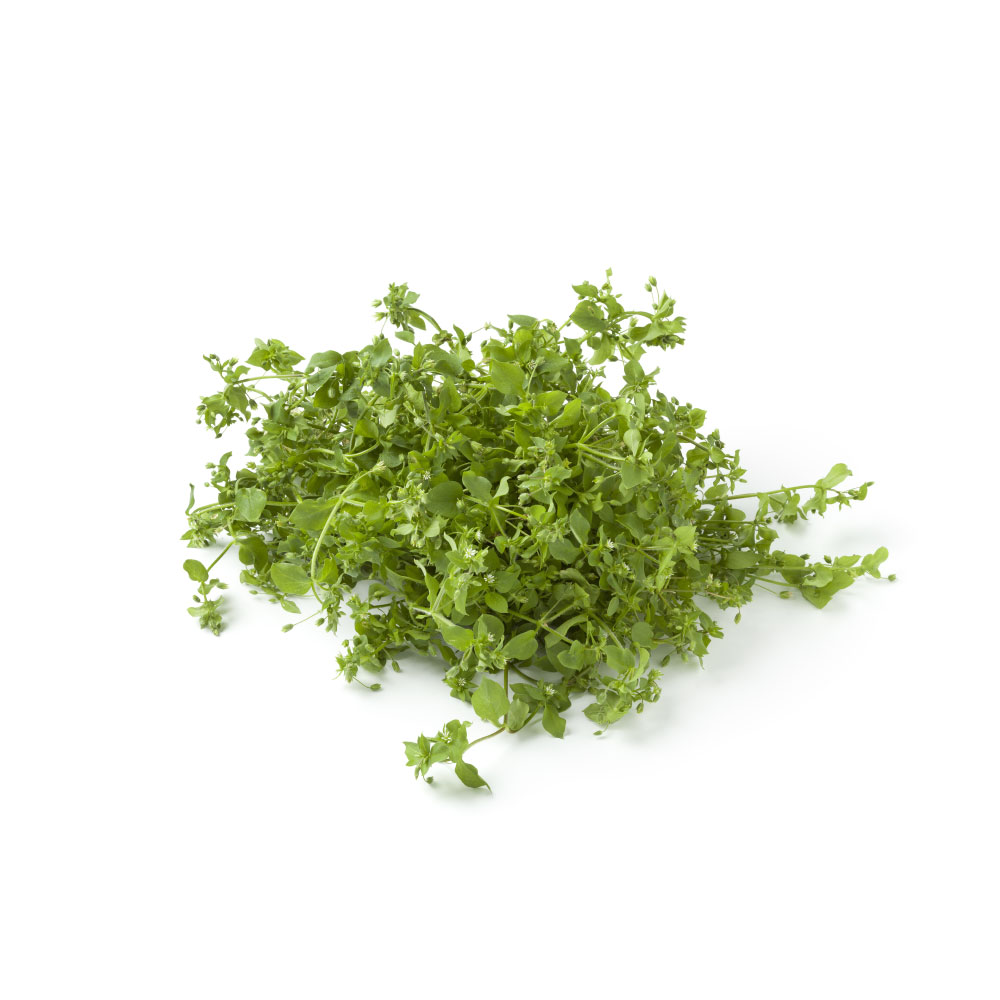 Principal source Chickweed Stellaria media Herb monograph →
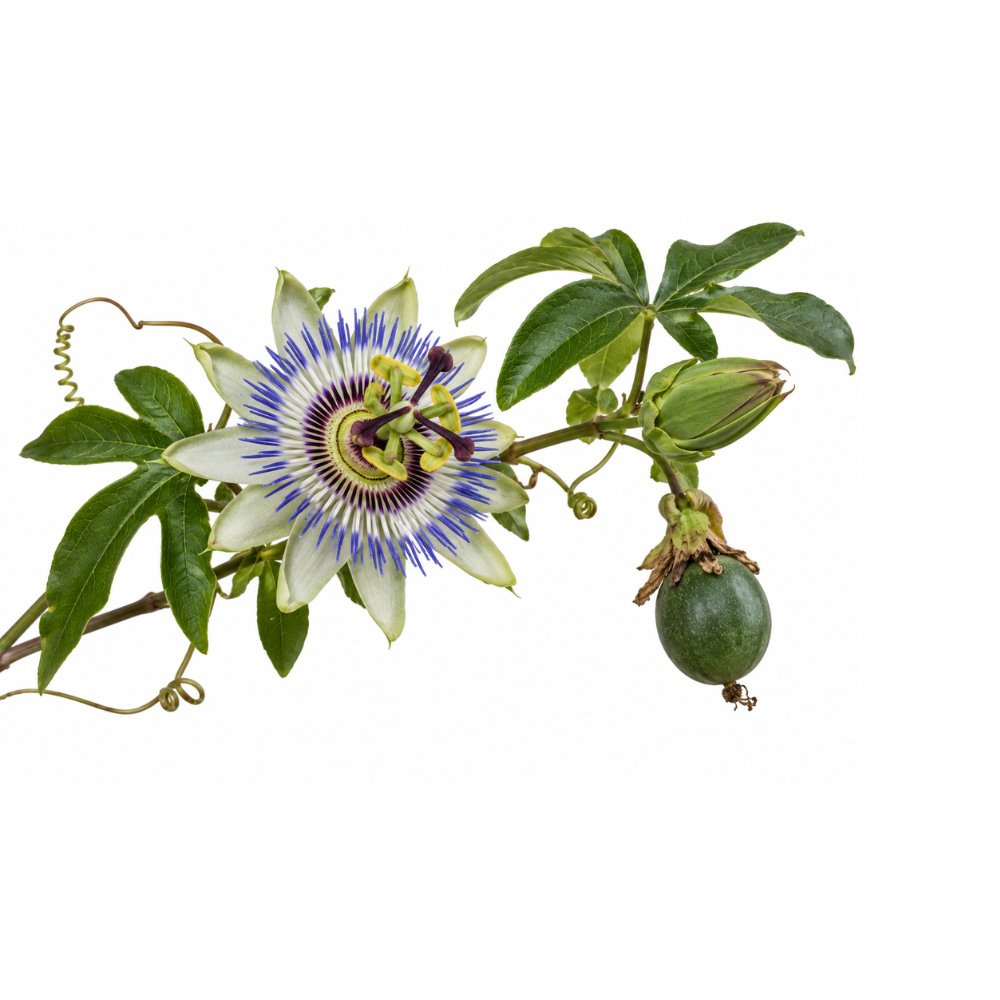 Source Blue Passionflower Passiflora caerulea Herb monograph →
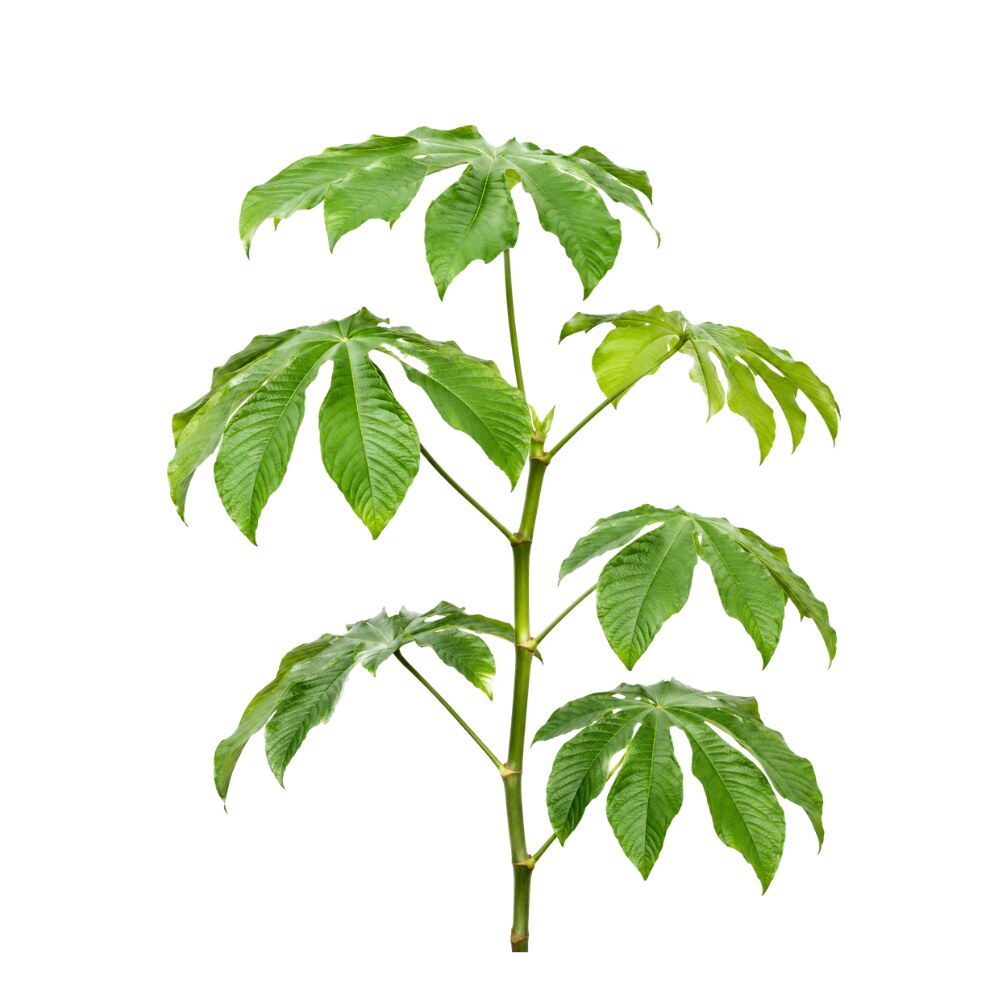 Source Guamura Cecropia obtusifolia Herb monograph →
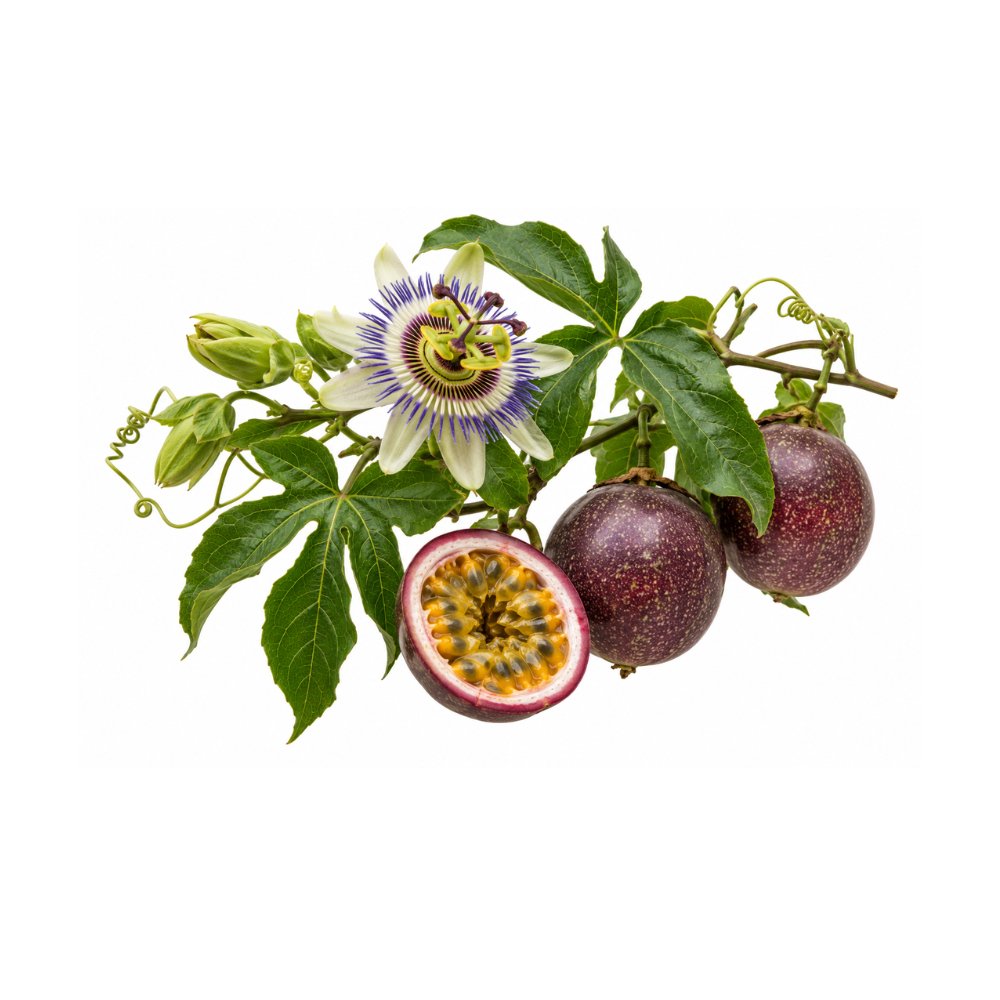 Source Passion Fruit Passiflora edulis Herb monograph →
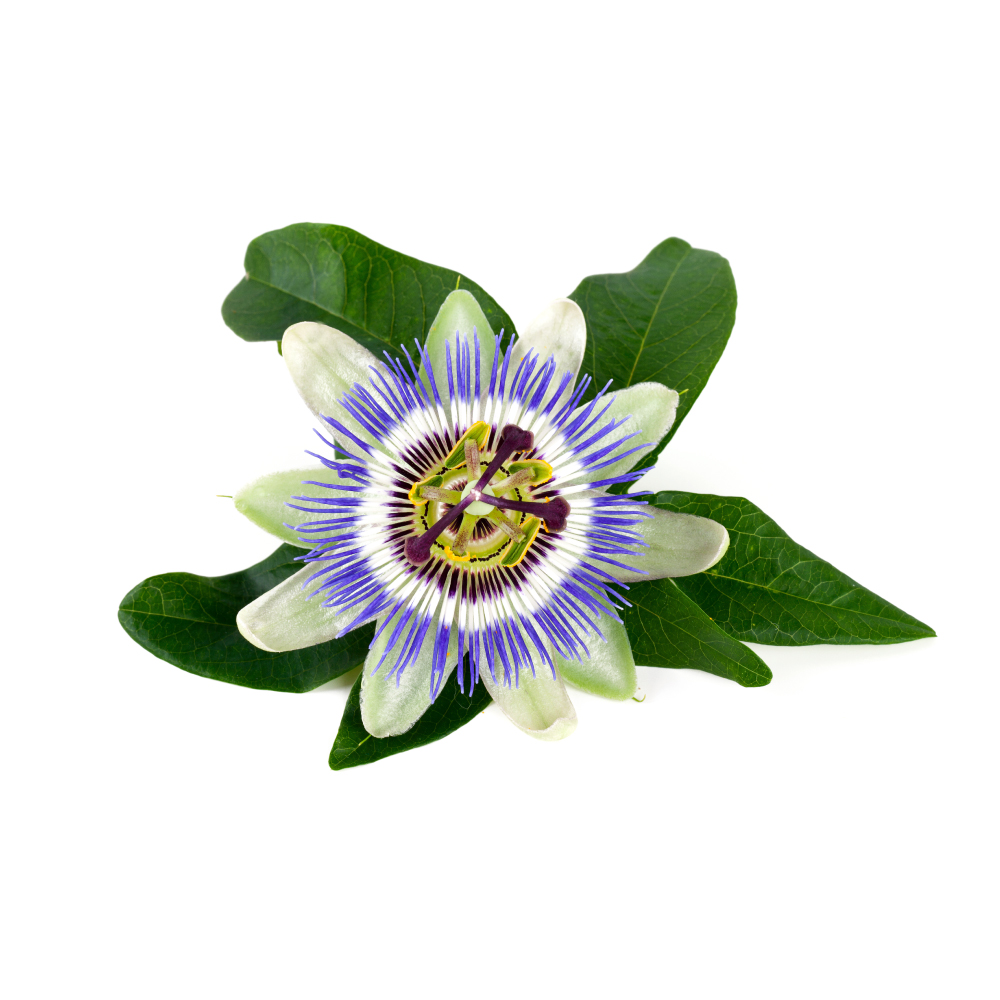 Source Passionflower Passiflora incarnata Herb monograph →
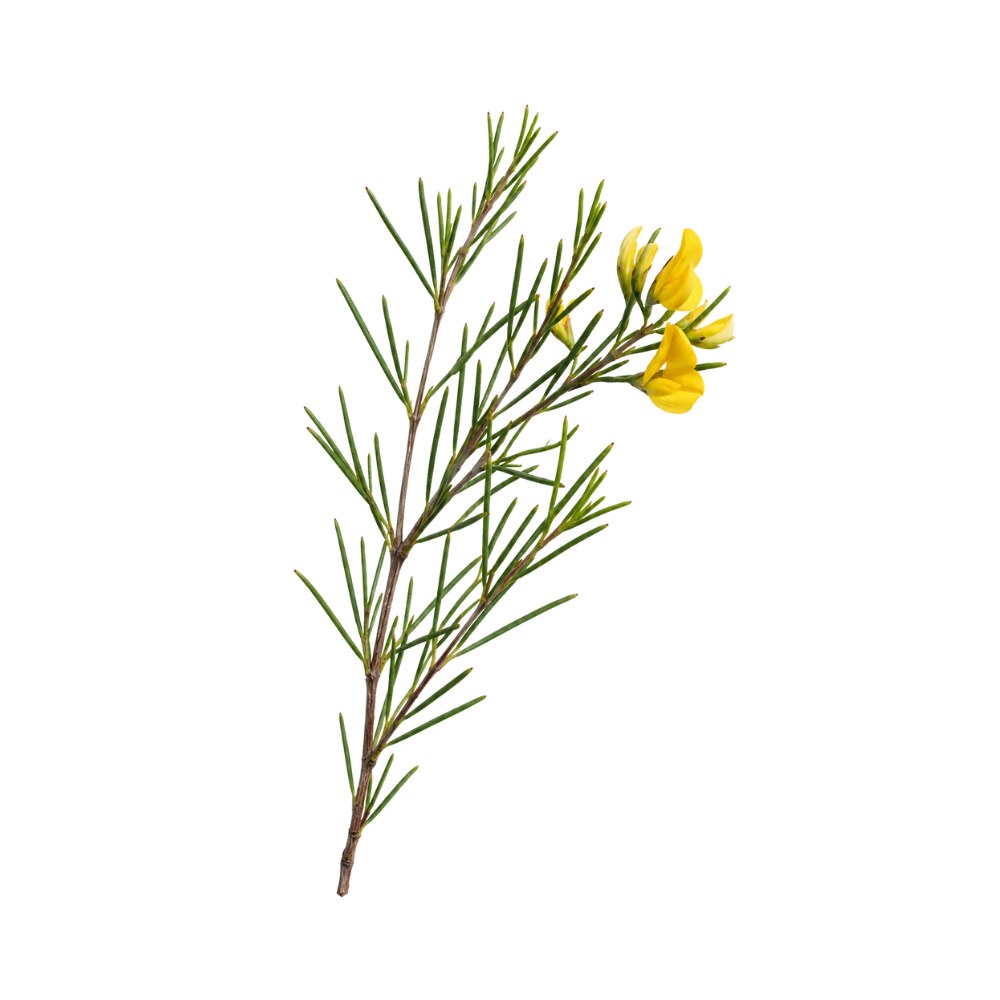 Source Rooibos Aspalathus linearis Herb monograph →
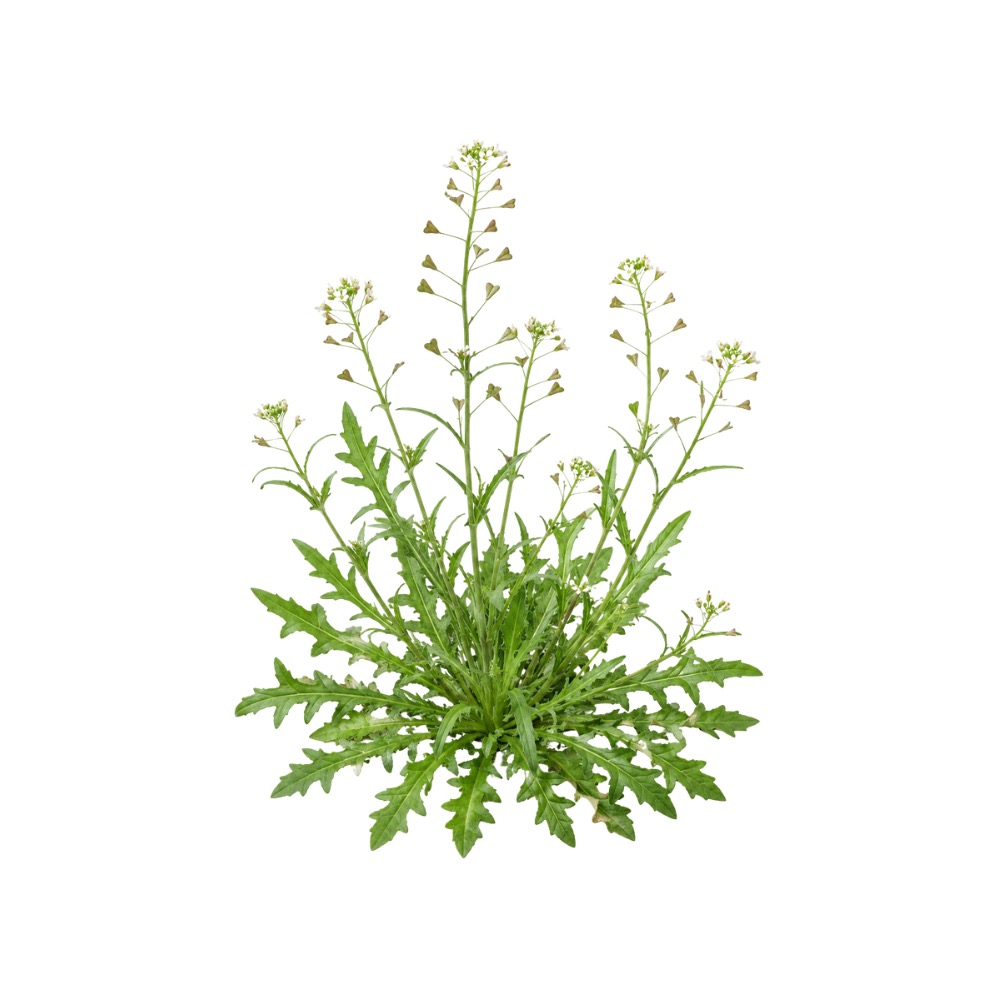 Source Shepherd's Purse Capsella bursa-pastoris Herb monograph →
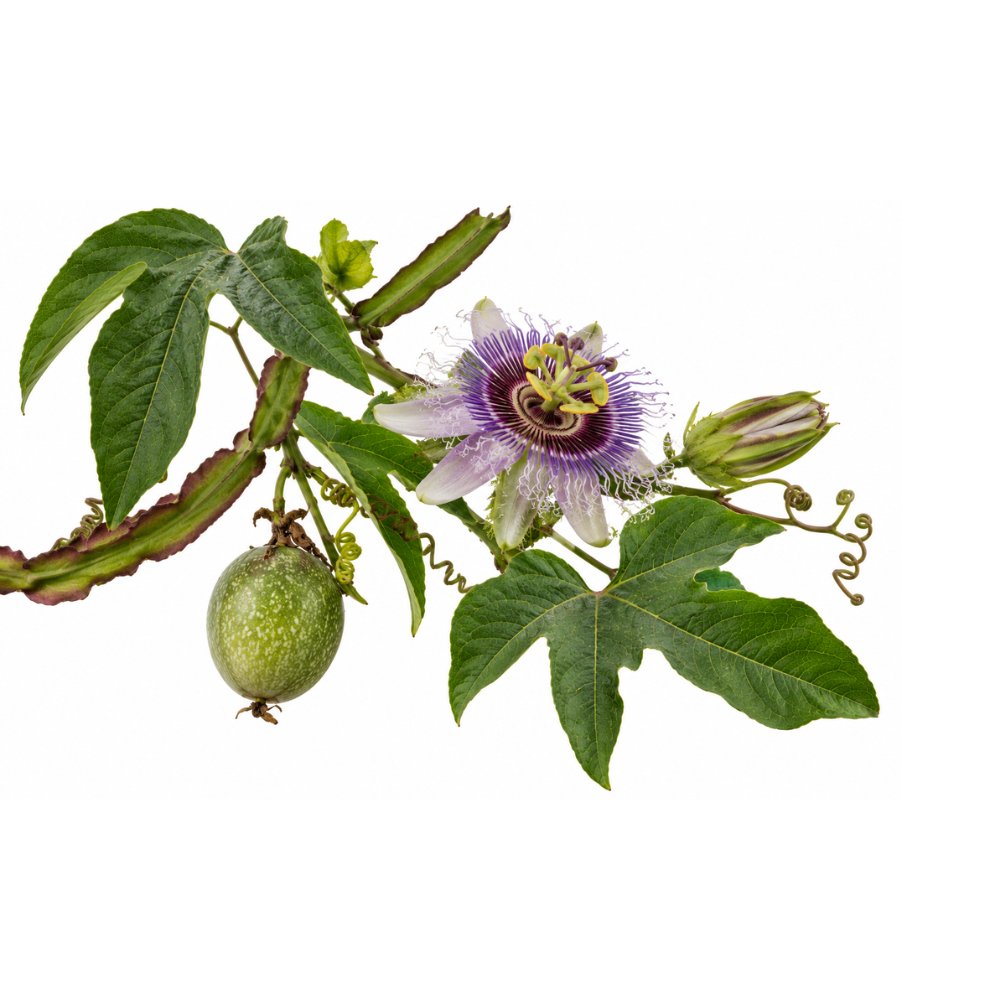 Source Winged-Stem Passionflower Passiflora alata Herb monograph →
Concentration
Content by Source
Reported concentrations across the plants that contain isoorientin — the bar marks the typical level, the line shows the reported range.
Literature figures for varying plant parts and preparations. Read them as a comparative guide, not exact assays.
Isoorientin at a Glance
Isoorientin is a flavone C-glycoside — specifically luteolin-6-C-glucoside (also called homoorientin), a molecule of luteolin carrying a single glucose unit joined through a carbon–carbon bond at the 6-position. It is the positional isomer of orientin (luteolin-8-C-glucoside), and the two travel together as a pair in the plants they mark: the aerial parts of chickweed and passionflower, passion-fruit (Passiflora edulis), bamboo leaf, Cecropia and millet 1,
Its preclinical profile is real and centres on one recurring mechanism — activation of the Nrf2 antioxidant pathway. The standout isoorientin thread, and the one that most distinguishes it from orientin, is hepatoprotection: in mice, isoorientin blunts acetaminophen (paracetamol) liver injury by switching on Nrf2, and the effect disappears in Nrf2-knockout animals 3,
The molecule’s defining structural feature cuts two ways, exactly as for orientin. Its carbon-bonded sugar resists hydrolysis, so isoorientin survives the gut largely intact — yet its oral bioavailability is low, measured at roughly 9% in rats, held down by poor aqueous solubility and extensive first-pass metabolism 9Reference 9AnimalMetabolism and plasma pharmacokinetics of isoorientin, a natural active ingredient, in Sprague-Dawley male rats after oral and intravenous administrationView study →. That tension between chemical stability and poor delivery is the compound-unique thread that runs through all of it.
Isoorientin vs. Orientin & the C-Glycosides
Isoorientin is easy to confuse with three near-identical siblings, and the herbal literature routinely lists them together as the “flavone C-glycosides” of a plant. The distinctions are small but real, and this molecule completes the quartet:
| Compound | Aglycone | Sugar position |
|---|---|---|
| Isoorientin (homoorientin) | luteolin (3’,4’-diOH B-ring) | glucose at C-6 |
| Orientin | luteolin | glucose at C-8 |
| Isovitexin | apigenin (4’-OH B-ring) | glucose at C-6 |
| Vitexin | apigenin | glucose at C-8 |
Two axes separate them: the aglycone (luteolin, with its catechol B-ring, versus apigenin, with a single hydroxyl) and the position of C-glycosylation (C-6 versus C-8). Isoorientin and orientin are the two luteolin glycosides — the “iso”/6-C prefix marks the sugar at C-6 — and this pair carried the antioxidant activity in the classic chickweed study, while the apigenin-based vitexin and isovitexin did not 2Reference 2Studies on antioxidative activity of some C-glycosylflavonesView study →. The extra B-ring hydroxyl of the luteolin core (the catechol) is the usual explanation: it makes isoorientin and orientin better radical scavengers than their apigenin twins.
The 6-C-versus-8-C distinction is not merely academic — it falls out of biosynthesis. When the C-glycosyltransferase acts directly on the finished flavone, it produces almost exclusively the 6-C-glucosides (isoorientin and isovitexin); the indirect route (via a 2-hydroxyflavanone intermediate), especially with 3’-hydroxylation, shifts the balance toward the 8-C-glucoside orientin 12Reference 12Indirect and direct routes to C-glycosylated flavones in Saccharomyces cerevisiaeView study →. So isoorientin is, in a real sense, the “direct-route” luteolin C-glycoside.
C-Glycoside Stability & Bioavailability
The single most important thing to understand about isoorientin’s pharmacology is what its carbon–carbon bond does — and does not — buy it.
In an ordinary flavonoid O-glycoside, the sugar hangs off an oxygen atom and is readily cleaved: stomach acid, intestinal glycosidases and gut bacteria hydrolyse it, releasing the free aglycone that is often the truly absorbed species. Isoorientin is a C-glycoside — the glucose is bolted directly to the flavone carbon skeleton — so it resists that hydrolysis and travels largely as the intact glycoside. This stability is real and is part of why C-glycosylflavones are robust dietary markers.
The intuitive expectation — that a stable molecule should therefore be well absorbed — does not hold. Isoorientin’s pharmacokinetics have been mapped once, in rats dosed both orally and intravenously, and the headline is a low oral bioavailability of about 9% (8.98 ± 1.07%) 9Reference 9AnimalMetabolism and plasma pharmacokinetics of isoorientin, a natural active ingredient, in Sprague-Dawley male rats after oral and intravenous administrationView study →. The study attributes that poor systemic exposure to the compound’s low aqueous solubility and extensive first-pass metabolism, and it fits the broader picture of C-glycosides being poorly absorbed in mammals: after an oral gavage dose, only about 6% of the dose was recovered in urine versus ~45% in faeces over 72 hours — most of it never crossed the gut wall 9Reference 9AnimalMetabolism and plasma pharmacokinetics of isoorientin, a natural active ingredient, in Sprague-Dawley male rats after oral and intravenous administrationView study →. The practical reading is a caution that recurs on every C-glycoside page: the striking in-vitro potencies sit above the concentrations an oral dose is likely to achieve in plasma, so the mechanistic results should be read as mechanism, not as a delivered human effect.
What It's Used For
Isoorientin’s evidence is a preclinical machine: cell and rodent studies of the isolate, plus umbrella reviews. The split that matters is which organ (the liver is the standout) and the fact that no rung of it is human.
Support is an experimental score — weighted by study type (human > animal > in vitro) and volume. A beta, not a validated metric. There is no human evidence for isolated isoorientin, so every score is capped by design — these rank preclinical strength, not clinical proof.
Isoorientin’s best-developed thread, and the one that sets it apart from orientin. In a mouse model of acetaminophen (paracetamol) overdose, isoorientin pretreatment reduced lethality, histological liver damage and serum ALT/AST, lowered malondialdehyde and myeloperoxidase, and restored depleted superoxide dismutase and glutathione 4Reference 4Isoorientin ameliorates APAP-induced hepatotoxicity via activation of Nrf2 antioxidative pathway: the involvement of AMPK/Akt/GSK3βView study →.
Mechanistically it activated Nrf2 — the master antioxidant transcription factor — through the AMPK/Akt/GSK3β pathway, and protected mitochondria by cutting JNK phosphorylation/translocation, Bax mitochondrial translocation, and release of cytochrome-c and apoptosis-inducing factor 4Reference 4Isoorientin ameliorates APAP-induced hepatotoxicity via activation of Nrf2 antioxidative pathway: the involvement of AMPK/Akt/GSK3βView study →.
The decisive detail is genetic: in Nrf2-knockout mice and cells the protection was lost, showing the effect is Nrf2-dependent rather than mere radical mopping 4Reference 4Isoorientin ameliorates APAP-induced hepatotoxicity via activation of Nrf2 antioxidative pathway: the involvement of AMPK/Akt/GSK3βView study →.
An earlier study had already shown isoorientin (from Sasa borealis) drives an Nrf2/PI3K-dependent antioxidant response in HepG2 liver cells, upregulating NQO1 3Reference 3Isoorientin induces Nrf2 pathway-driven antioxidant response through phosphatidylinositol 3-kinase signalingView study →.
Gap: every study is rodent or cell, on the isolate; there are no human hepatic trials, and the ~9% oral bioavailability 9Reference 9AnimalMetabolism and plasma pharmacokinetics of isoorientin, a natural active ingredient, in Sprague-Dawley male rats after oral and intravenous administrationView study → leaves the deliverable dose uncertain.
The foundational property, and the mechanism under everything else. In the classic study of C-glycosylflavones from chickweed (Stellaria media), antioxidative activity was found only for orientin and isoorientin — the two luteolin-based (catechol B-ring) glycosides — and not for the apigenin-based vitexin and isovitexin 2Reference 2Studies on antioxidative activity of some C-glycosylflavonesView study →.
Modern work reframes this as more than passive scavenging: isoorientin induces the Nrf2 antioxidant programme (↑NQO1, HO-1) through PI3K/Akt signalling 3Reference 3Isoorientin induces Nrf2 pathway-driven antioxidant response through phosphatidylinositol 3-kinase signalingView study →, the same axis that carries its liver protection 4Reference 4Isoorientin ameliorates APAP-induced hepatotoxicity via activation of Nrf2 antioxidative pathway: the involvement of AMPK/Akt/GSK3βView study →.
That organ-protective antioxidant story extends to the kidney: isoorientin attenuated cisplatin nephrotoxicity in mice by up-regulating SIRT1/SIRT6 and activating Nrf2 (↑HO-1/NQO1, ↓NOX4), again with the benefit abolished in Nrf2-knockouts 5Reference 5Isoorientin attenuates cisplatin-induced nephrotoxicity through the inhibition of oxidative stress and apoptosis via activating the SIRT1/SIRT6/Nrf-2 pathwayView study →.
Gap: antioxidant activity is almost all in-vitro / rodent, sometimes as an isolate and sometimes as an extract constituent among many phenolics; it is a mechanistic property, not a clinical antioxidant outcome 2,
An unusually strong strand for a C-glycoside, because it includes in-vivo isolate data. Isoorientin isolated from Pueraria tuberosa is a selective cyclooxygenase-2 (COX-2) inhibitor (IC₅₀ ≈ 39 µM); in LPS-stimulated RAW 264.7 macrophages it dose-dependently cut COX-2, iNOS, 5-LOX, TNF-α and IL-1β and blocked NF-κB p65 nuclear translocation, and in rats it reduced carrageenan-induced paw oedema and air-pouch cellular infiltration while raising catalase and glutathione-S-transferase 6Reference 6Evaluation of anti-inflammatory properties of isoorientin isolated from tubers of Pueraria tuberosaView study →.
Independently, a separate in-vivo profile found isoorientin anti-nociceptive and anti-inflammatory at 15 and 30 mg/kg (writhing and carrageenan-oedema tests) with no acute toxicity or gastric damage — though notably no gastroprotective effect against ethanol-induced ulcers 7Reference 7AnimalEvaluation of in vivo biological activity profile of isoorientinView study →.
Gap: these are rodent and macrophage models of the isolate; there is no human anti-inflammatory dose-response, and the COX-2 potency (µM) again sits above plausible oral plasma levels 6,
A single but mechanistically tidy isolate study. In BV2 microglia challenged with amyloid-β (Aβ25-35) — a model of Alzheimer-type neuroinflammation — isoorientin suppressed NF-κB activation (blocking IκB phosphorylation and p65 translocation), lowering iNOS, COX-2, TNF-α, IL-6 and ROS, and it reversed the pro-death phenotype (↑Bcl-2, ↓Bax; abrogated cleavage of caspase-9, caspase-3 and PARP) 10Reference 10Isoorientin inhibits amyloid β25-35-induced neuronal inflammation in BV2 cells by blocking the NF-κB signaling pathwayView study →.
The pathway logic mirrors the anti-inflammatory and hepatic work — an NF-κB-suppressing, anti-apoptotic core.
Gap: essentially one in-vitro microglial model of the isolate; no in-vivo neurological dose-response or human data, and isoorientin’s brain penetration is uncharacterised (its close isomer orientin crosses the blood–brain barrier poorly) 9,
Included to draw the marker-versus-extract line on the metabolic side. A review collects evidence that isoorientin-rich plants ameliorate hyperglycaemia, hyperlipidaemia and insulin resistance, framing isoorientin as a candidate against diabetes and obesity 1Reference 1Isoorientin: a dietary flavone with the potential to ameliorate diverse metabolic complicationsView study →. The most concrete anchor is a Cecropia obtusifolia study, where isoorientin and chlorogenic acid were the main constituents of an aqueous extract that lowered blood glucose in streptozotocin-diabetic rats comparably to glibenclamide 8Reference 8AnimalHypoglycemic effect of Cecropia obtusifolia on streptozotocin diabetic ratsView study →.
Gap: the hypoglycaemic effect is the whole extract’s (isoorientin plus chlorogenic acid), and the review evidence is largely at the level of isoorientin-rich plants, not the purified molecule — no isolate glucose-lowering trial establishes isoorientin as the active principle 1,
Mechanisms
| Target / pathway | Effect | Relevant to |
|---|---|---|
| Nrf2 / ARE (via AMPK/Akt/GSK3β and PI3K) | activates the master antioxidant programme → ↑NQO1, HO-1, SOD, glutathione | hepatoprotection; antioxidant; nephroprotection |
| ROS + antioxidant enzymes (SOD, catalase, GPx, GST) | scavenges radicals; restores endogenous antioxidant enzymes | antioxidant; organ protection |
| Mitochondrial apoptotic pathway (Bcl-2 ↑, Bax ↓, cytochrome-c ↓, AIF ↓, caspase-3/9 ↓) | anti-apoptotic — blocks the intrinsic cell-death cascade | hepatoprotection; neuroprotection |
| NF-κB (IκB phosphorylation, p65 translocation) | suppressed → ↓TNF-α, IL-6, iNOS, COX-2 | anti-inflammatory; neuroprotection |
| Cyclooxygenase-2 (COX-2) | selective reversible inhibition (IC₅₀ ≈ 39 µM) | anti-inflammatory |
| SIRT1 / SIRT6 | up-regulated → Nrf2 activation, ↓NOX4 | nephroprotection (cisplatin) |
| Endothelial Ca²⁺ mobilisation 11Reference 11The mechanisms of calcium mobilization by procyanidins, flavonols and flavonoids from Cecropia glaziovii Snethl in pulmonary endothelial cell cultures endorse its popular use as vasodilator phytomedicineView study → | mobilises intracellular Ca²⁺ in pulmonary endothelium | vasodilation (Cecropia) |
The load-bearing point is that these are mostly one story told in several organs: an Nrf2-driven antioxidant / anti-apoptotic core, with AMPK/Akt/GSK3β, PI3K, NF-κB and SIRT1/6 as the tissue-specific arms. Almost all of it is in-vitro or rodent, on the isolate.
Pharmacokinetics
Isoorientin’s pharmacokinetics are thinly characterised but, unusually for this class, include an oral figure. A single rat study dosed the compound both intravenously (5, 10, 15 mg/kg) and orally by gavage (150 mg/kg) and measured an oral bioavailability of 8.98 ± 1.07% — low, and attributed to the molecule’s low aqueous solubility and extensive first-pass metabolism 9Reference 9AnimalMetabolism and plasma pharmacokinetics of isoorientin, a natural active ingredient, in Sprague-Dawley male rats after oral and intravenous administrationView study →. Mass balance underlines the absorption problem: over 72 hours, roughly 6% of an oral dose appeared in urine versus ~45% in faeces, i.e. most of the compound passed through unabsorbed 9Reference 9AnimalMetabolism and plasma pharmacokinetics of isoorientin, a natural active ingredient, in Sprague-Dawley male rats after oral and intravenous administrationView study →. As a polar C-glycoside, isoorientin is hydrophilic and, like orientin, is not appreciably hydrolysed to free luteolin in the gut, so — unlike an O-glycoside — the aglycone is not the absorbed species. There is no human pharmacokinetic data, no repeat-dose or tissue-distribution profile beyond the excretion balance, and no direct blood–brain-barrier measurement (its isomer orientin penetrates the brain poorly) 9Reference 9AnimalMetabolism and plasma pharmacokinetics of isoorientin, a natural active ingredient, in Sprague-Dawley male rats after oral and intravenous administrationView study →.
Clinical Trials
There are no clinical trials of isolated isoorientin. The entire evidence base is preclinical (cell and rodent). The nearest human-relevant data belong to whole plant extracts (passionflower, Cecropia) in which isoorientin is only a marker or co-constituent 1,
| Completed | Planned | Terminated | Preclinical |
|---|---|---|---|
| None(isolate) | — | — | Hepatoprotection, antioxidant/Nrf2, anti-inflammatory, neuroprotection (all cell/rodent) |
Last checked: July 2026.
Isolate vs. Plant Studies
The evidence divides cleanly. The mechanistic and protective work is the isolated molecule — the APAP-hepatotoxicity study 4Reference 4Isoorientin ameliorates APAP-induced hepatotoxicity via activation of Nrf2 antioxidative pathway: the involvement of AMPK/Akt/GSK3βView study →, the HepG2 Nrf2/PI3K work 3Reference 3Isoorientin induces Nrf2 pathway-driven antioxidant response through phosphatidylinositol 3-kinase signalingView study →, the cisplatin-nephrotoxicity experiments 5Reference 5Isoorientin attenuates cisplatin-induced nephrotoxicity through the inhibition of oxidative stress and apoptosis via activating the SIRT1/SIRT6/Nrf-2 pathwayView study →, the COX-2 and carrageenan anti-inflammatory data 6Reference 6Evaluation of anti-inflammatory properties of isoorientin isolated from tubers of Pueraria tuberosaView study →, the writhing/oedema profile 7Reference 7AnimalEvaluation of in vivo biological activity profile of isoorientinView study → and the BV2 neuroinflammation study 10Reference 10Isoorientin inhibits amyloid β25-35-induced neuronal inflammation in BV2 cells by blocking the NF-κB signaling pathwayView study → all test isoorientin itself, which is a genuine strength for a mechanism base and a step ahead of orientin’s mostly cell-and-tissue record.
The places a plant isoorientin marks have human-relevant activity, the effect is explicitly the whole extract’s: an aqueous Cecropia extract (isoorientin + chlorogenic acid) is hypoglycaemic in diabetic rats 8Reference 8AnimalHypoglycemic effect of Cecropia obtusifolia on streptozotocin diabetic ratsView study →, and passionflower owes its anxiolytic reputation to its whole GABAergic flavonoid–alkaloid complex, in which isoorientin is one HPLC marker among vitexin, isovitexin and orientin. Neither effect can be assigned to isoorientin alone. So the correct framing is: solid isolate mechanism in liver, kidney, immune and neural cells + no human isolate data + plant-level effects (Cecropia, passionflower) that are not isoorientin’s to claim.
Its Role in Plants
Isoorientin is a flavone C-glycoside built on the general flavonoid pathway. The flavone core comes from luteolin’s precursors, and the defining C-glycosylation is installed by a C-glycosyltransferase (CGT). Reconstructing the routes in yeast is revealing: when a CGT glycosylates the finished flavone directly, the product is almost exclusively the 6-C-glucoside — isoorientin (and, on the apigenin side, isovitexin) 12Reference 12Indirect and direct routes to C-glycosylated flavones in Saccharomyces cerevisiaeView study →. The alternative “indirect” route glucosylates a 2-hydroxyflavanone intermediate and yields mixtures of the 6-C and 8-C isomers, with 3’-hydroxylation tilting the balance toward the 8-C product orientin 12Reference 12Indirect and direct routes to C-glycosylated flavones in Saccharomyces cerevisiaeView study →. Isoorientin is thus the characteristic direct-route luteolin C-glycoside.
Functionally, C-glycosylflavones like isoorientin contribute to a plant’s antioxidant and UV-protective flavonoid pool and to stress and defence chemistry — the same radical-scavenging property that dominates the pharmacology. As with any constituent, this plant-biology role does not translate into a human-pharmacology claim.
Prevalence in Nature
Isoorientin is widespread but rarely dominant across plants as a whole — yet it is frequently the dominant C-glycoside within the specific plants that carry it. It occurs across several families, typically alongside its co-glycosides (orientin, vitexin, isovitexin). Documented sources include the aerial parts of chickweed (Stellaria media) and passionflower (Passiflora incarnata), passion-fruit (Passiflora edulis), bamboo leaves (Phyllostachys / Bambusa spp.), Cecropia and millet 1,
Where it has been quantified, isoorientin often outstrips its 8-C twin. In bamboo leaf it is the leading C-glycoside at roughly 1.0–2.8 mg/g — far above the co-occurring orientin (0–0.07 mg/g) 13Reference 13Rapid screening for flavone C-glycosides in the leaves of different species of bamboo and simultaneous quantitation of four marker compounds by HPLC-UV/DADView study →. In Passiflora edulis it is likewise the marker C-glycoside: reviews report on the order of ~5 mg/g in the leaf and roughly 16 mg/L in the fruit pulp, though those figures come from journals without retrievable identifiers and are given here as orientation, not verified points (see the gaps tracker). In chickweed and passionflower it is a characteristic but unquantified constituent 2Reference 2Studies on antioxidative activity of some C-glycosylflavonesView study →.
Major Natural Sources
| Source | Plant part | Reported isoorientin content |
|---|---|---|
| Bamboo (Phyllostachys / Bambusa spp.) | leaves | ~1.0–2.8 mg/g 13Reference 13Rapid screening for flavone C-glycosides in the leaves of different species of bamboo and simultaneous quantitation of four marker compounds by HPLC-UV/DADView study → |
| Passion fruit (Passiflora edulis) | leaf / fruit pulp | reported ~5 mg/g leaf; not quantified here |
| Passionflower, chickweed | aerial parts | marker constituent, not quantified here 2Reference 2Studies on antioxidative activity of some C-glycosylflavonesView study → |
| Cecropia, millet | leaf / grain | reported, not quantified here 1, |
These are content figures for the stated matrix (e.g. dried leaf), not whole-plant percentages, and they shift with species, processing and method.
Discovery & Synthesis
Isoorientin is a long-known luteolin C-glycoside — the “homo”/6-C isomer named in parallel with orientin. The precise date and author of its first isolation are not well documented in the accessible literature; it entered pharmacology as one of a cluster of flavone C-glycosides identified across many species through the 20th century, and much of the modern isolate work has used material from Sasa borealis bamboo grass, Pueraria tuberosa and passion-fruit 3,
Modern synthesis of isoorientin is chiefly of interest for supply and study rather than commerce. Because direct chemical C-glycosylation is difficult, recent work reconstructs the biosynthetic route in engineered microbes — expressing a C-glycosyltransferase (with or without a flavanone 2-hydroxylase) in Saccharomyces cerevisiae; notably, direct flavone glycosylation yields the 6-C product isoorientin essentially cleanly 12Reference 12Indirect and direct routes to C-glycosylated flavones in Saccharomyces cerevisiaeView study →. There is no large-scale commercial manufacture; material for research is obtained by extraction from rich sources (bamboo leaf, passion-fruit, millet) or by such biosynthetic routes.
Patents: not yet researched.
Toxicity & Safety
Isoorientin carries a low toxicity flag. It is a constituent of ordinary foods and beverages — chickweed (a wild edible green), passion-fruit, bamboo-leaf extract (a food antioxidant) and millet — consumed for generations without a specific safety signal attached to the molecule, and its poor absorption further limits systemic exposure 1,
- Low-toxicity dietary flavonoid. A normal constituent of chickweed, passion-fruit, bamboo-leaf extract and millet, with no specific safety signal and limited systemic absorption 1,
9Reference 1Isoorientin: a dietary flavone with the potential to ameliorate diverse metabolic complicationsView study →Reference 9AnimalMetabolism and plasma pharmacokinetics of isoorientin, a natural active ingredient, in Sprague-Dawley male rats after oral and intravenous administrationView study → . - All evidence is preclinical. No human trials of the isolate exist — efficacy and safety in people are simply unknown.
- Poor bioavailability undercuts potency. Oral bioavailability is ~9% in rats; in-vitro and rodent effects occur at exposures an oral dose may not reach, so do not read the mechanistic results as a delivered human benefit 9Reference 9AnimalMetabolism and plasma pharmacokinetics of isoorientin, a natural active ingredient, in Sprague-Dawley male rats after oral and intravenous administrationView study →.
- Marker, not proven active, in its herbs. Its presence does not make isoorientin responsible for a plant’s effect — the Cecropia hypoglycaemia and passionflower anxiolysis are the whole extracts’ 1,
8Reference 1Isoorientin: a dietary flavone with the potential to ameliorate diverse metabolic complicationsView study →Reference 8AnimalHypoglycemic effect of Cecropia obtusifolia on streptozotocin diabetic ratsView study → .
Dosage
There is no established or recommended human dose for isolated isoorientin. The figures in the literature are preclinical: cell-culture concentrations (typically low micromolar) and rodent doses, including the 15–30 mg/kg used in the hepatoprotection and anti-nociception work 4,
Real human exposure is dietary and indirect — isoorientin arrives as one C-glycosylflavone within chickweed, passionflower, passion-fruit, bamboo-leaf products and millet, whose own dosing (as foods or standardised herbal extracts) is decided at the herb/product level, not the molecule level. These are research figures and food-exposure notes, not a personal recommendation.
References
- Ziqubu K, Dludla PV, Joubert E, Muller CJF, Louw J, Tiano L, Nkambule BB, Kappo AP, Mazibuko-Mbeje SE (2020). Isoorientin: a dietary flavone with the potential to ameliorate diverse metabolic complications. Pharmacological Research. https://pubmed.ncbi.nlm.nih.gov/32407953/
- Budzianowski J, Pakulski G, Robak J (1991). Studies on antioxidative activity of some C-glycosylflavones. Polish Journal of Pharmacology and Pharmacy. https://pubmed.ncbi.nlm.nih.gov/1824129/
- Lim JH, Park HS, Choi JK, Lee IS, Choi HJ (2007). Isoorientin induces Nrf2 pathway-driven antioxidant response through phosphatidylinositol 3-kinase signaling. Archives of Pharmacal Research. https://pubmed.ncbi.nlm.nih.gov/18254247/
- Fan X, Lv H, Wang L, Deng X, Ci X (2018). Isoorientin ameliorates APAP-induced hepatotoxicity via activation of Nrf2 antioxidative pathway: the involvement of AMPK/Akt/GSK3β. Frontiers in Pharmacology. https://pubmed.ncbi.nlm.nih.gov/30546306/
- Fan X, Wei W, Huang J, Liu X, Ci X (2020). Isoorientin attenuates cisplatin-induced nephrotoxicity through the inhibition of oxidative stress and apoptosis via activating the SIRT1/SIRT6/Nrf-2 pathway. Frontiers in Pharmacology. https://pubmed.ncbi.nlm.nih.gov/32256355/
- Anilkumar K, Reddy GV, Azad R, Yarla NS, Dharmapuri G, Srivastava A, Kamal MA, Pallu R (2017). Evaluation of anti-inflammatory properties of isoorientin isolated from tubers of Pueraria tuberosa. Oxidative Medicine and Cellular Longevity. https://pubmed.ncbi.nlm.nih.gov/28243356/
- Küpeli E, Aslan M, Gürbüz I, Yesilada E (2004). Evaluation of in vivo biological activity profile of isoorientin. Zeitschrift für Naturforschung C. https://pubmed.ncbi.nlm.nih.gov/15666535/
- Andrade-Cetto A, Wiedenfeld H (2001). Hypoglycemic effect of Cecropia obtusifolia on streptozotocin diabetic rats. Journal of Ethnopharmacology. https://pubmed.ncbi.nlm.nih.gov/11694359/
- Shi P, Lin X, Yao H (2015). Metabolism and plasma pharmacokinetics of isoorientin, a natural active ingredient, in Sprague-Dawley male rats after oral and intravenous administration. Xenobiotica. https://pubmed.ncbi.nlm.nih.gov/26084374/
- Kim B, Lee KY, Park B (2021). Isoorientin inhibits amyloid β25-35-induced neuronal inflammation in BV2 cells by blocking the NF-κB signaling pathway. Molecules. https://pubmed.ncbi.nlm.nih.gov/34834150/
- Trettel CDS, et al. (2021). The mechanisms of calcium mobilization by procyanidins, flavonols and flavonoids from Cecropia glaziovii Snethl in pulmonary endothelial cell cultures endorse its popular use as vasodilator phytomedicine. Biomedicine & Pharmacotherapy. https://pubmed.ncbi.nlm.nih.gov/34610498/
- Vanegas KG, Larsen AB, Eichenberger M, Fischer D, Mortensen UH, Naesby M (2018). Indirect and direct routes to C-glycosylated flavones in Saccharomyces cerevisiae. Microbial Cell Factories. https://pubmed.ncbi.nlm.nih.gov/29986709/
- Wang J, Yue YD, Jiang H, Tang F (2012). Rapid screening for flavone C-glycosides in the leaves of different species of bamboo and simultaneous quantitation of four marker compounds by HPLC-UV/DAD. International Journal of Analytical Chemistry. https://pubmed.ncbi.nlm.nih.gov/22654910/



