
Compound Monograph
Speciociliatine
Speciociliatine is the C-3 epimer of mitragynine and one of the three mitragynine diastereomers in kratom. A minor leaf alkaloid with an outsized pharmacokinetic footprint — in the only human study to measure it, plasma exposure exceeded mitragynine's by roughly an order of magnitude.

Sources · 1
Where Does It Come From?
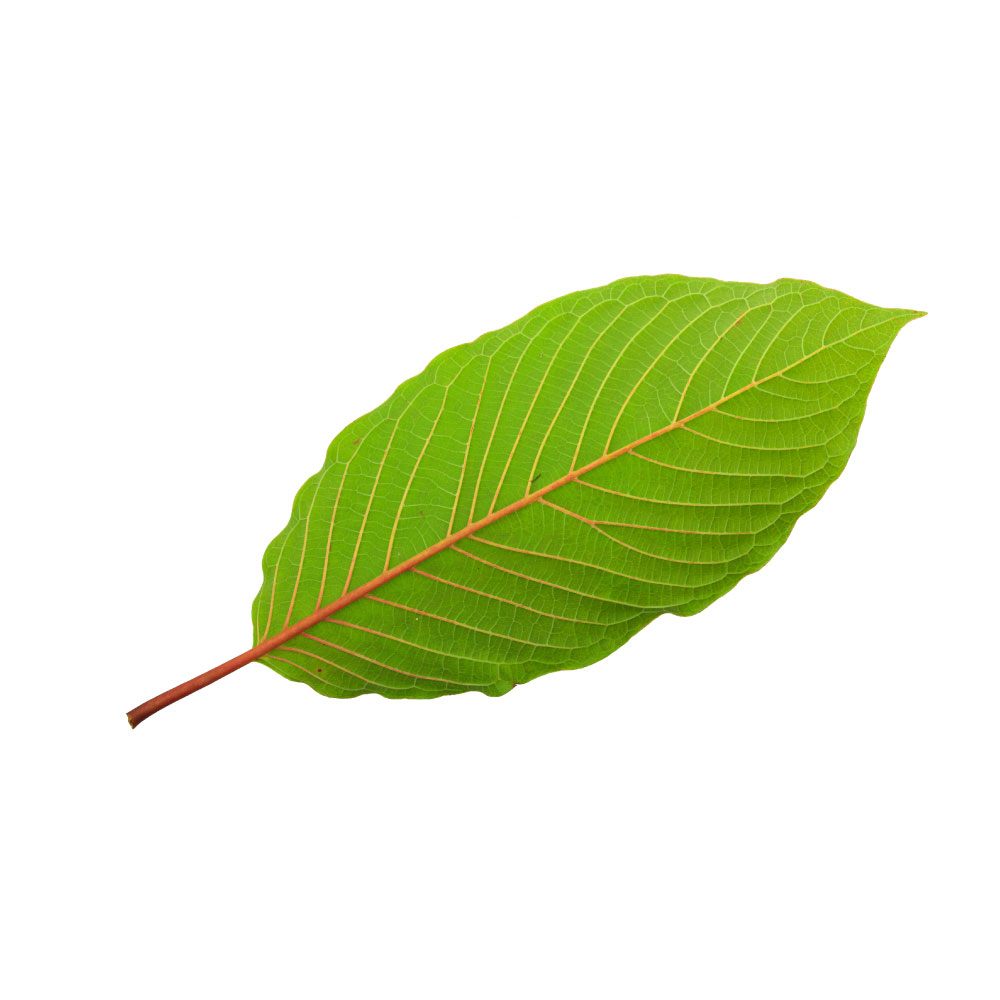
Speciociliatine is a naturally occurring monoterpene indole alkaloid (corynanthe type; mitragynine diastereomer), found in Kratom. It is flagged as moderately toxic and psychedelic.
Concentration
Content by Source
Reported concentrations across the plants that contain speciociliatine — the bar marks the typical level, the line shows the reported range.
Literature figures for varying plant parts and preparations. Read them as a comparative guide, not exact assays.
Speciociliatine at a Glance
Speciociliatine is a monoterpene indole alkaloid found only in kratom (Mitragyna speciosa). Structurally it is the C-3 epimer of mitragynine — the same atoms, connected the same way, with a single stereocentre inverted. That one change is the whole story of the molecule.
Kratom contains three diastereomers of mitragynine: speciogynine (inverted at C-20), speciociliatine (inverted at C-3), and mitraciliatine (inverted at both). Speciociliatine sits in the middle of the leaf’s alkaloid hierarchy — well behind mitragynine, roughly alongside paynantheine and speciogynine.
Two things make it worth a page of its own. First, the C-3 inversion measurably changes opioid-receptor pharmacology, and the direction of that change is genuinely disputed between the two labs that have measured it. Second — and this is the more important finding — its abundance in the leaf badly under-predicts its presence in the body. In the only human pharmacokinetic study to quantify the kratom diastereomers separately, speciociliatine’s plasma exposure was about 12-fold higher than mitragynine’s despite being dosed at roughly a quarter of the amount 3Reference 3Clinical pharmacokinetic assessment of kratom (Mitragyna speciosa), a botanical product with opioid-like effects, in healthy adult participantsView study →.
There are no human trials of isolated speciociliatine for any indication, and nothing here should be read as suggesting a use. Kratom and its alkaloids are regulated differently across jurisdictions; what follows is pharmacology and toxicology reference only.
The Mitragynine Diastereomers
The four corynanthe-type alkaloids at the centre of kratom chemistry share the molecular formula C₂₃H₃₀N₂O₄ and differ only in the arrangement of two stereocentres, C-3 and C-20 (C-15 is fixed S across the set) 8,
| Alkaloid | C-3 | C-20 | Relationship to mitragynine |
|---|---|---|---|
| Mitragynine | S | S | — |
| Speciogynine | S | R | C-20 epimer |
| Speciociliatine | R | S | C-3 epimer |
| Mitraciliatine | R | R | C-3 + C-20 double epimer |
The consequence at C-3 is conformational, not merely notational. Mitragynine and speciogynine, both 3S, adopt a flat trans-quinolizidine arrangement across the C and D rings; the 3R alkaloids speciociliatine and mitraciliatine adopt a cis-quinolizidine instead 8Reference 8ReviewThe chemical and pharmacological properties of mitragynine and its diastereomers: an insight reviewView study →. The whole molecule folds differently, its calculated molecular volume increases, and — the detail that keeps recurring in the receptor-modelling literature — the β-methoxyacrylate side chain swings from equatorial to axial 1,
Kratom’s alkaloid biosynthesis has now been reconstructed to the point where the enzymes that set this stereocentre are identified, and mitragynine and its C-20 epimer speciogynine have been produced enzymatically 30Reference 30Directed biosynthesis of mitragynine stereoisomersView study →. The 3R series is not a laboratory curiosity: it is made by the plant, alongside the 3S series, from the same corynanthe scaffold.
What the C-3 Inversion Does to Receptor Pharmacology
This is where the page has to be careful, because the two groups that measured speciociliatine at the µ-opioid receptor disagree, and the disagreement is not small.
| Alkaloid | µ-opioid Ki | κ-opioid Ki | Functional at µ-opioid |
|---|---|---|---|
| Mitragynine 1Reference 1Investigation of the adrenergic and opioid binding affinities, metabolic stability, plasma protein binding properties, and functional effects of selected indole-based kratom alkaloidsView study → | 161 ± 10 nM | 198 ± 30 nM | partial agonist |
| Speciociliatine 1Reference 1Investigation of the adrenergic and opioid binding affinities, metabolic stability, plasma protein binding properties, and functional effects of selected indole-based kratom alkaloidsView study → | 54.5 ± 4.4 nM | 116 ± 36 nM | partial agonist |
| 7-Hydroxymitragynine 1Reference 1Investigation of the adrenergic and opioid binding affinities, metabolic stability, plasma protein binding properties, and functional effects of selected indole-based kratom alkaloidsView study → | 7.16 ± 0.94 nM | 74.1 ± 7.8 nM | full agonist |
| Mitragynine 2Reference 2Synthetic and receptor signaling explorations of the Mitragyna alkaloids: mitragynine as an atypical molecular framework for opioid receptor modulatorsView study → | 233 ± 48 nM | 772 ± 207 nM | partial agonist (Eₘₐₓ 34%) |
| Speciociliatine 2Reference 2Synthetic and receptor signaling explorations of the Mitragyna alkaloids: mitragynine as an atypical molecular framework for opioid receptor modulatorsView study → | 560 ± 168 nM | 329 ± 112 nM | competitive antagonist |
| Speciogynine 2Reference 2Synthetic and receptor signaling explorations of the Mitragyna alkaloids: mitragynine as an atypical molecular framework for opioid receptor modulatorsView study → | 728 ± 61 nM | 3,200 ± 360 nM | competitive antagonist |
Obeng and colleagues (2020) report speciociliatine binding the µ-opioid receptor roughly three times more tightly than mitragynine and behaving as a partial agonist, with no agonist or antagonist activity at κ. They attribute the affinity gain directly to the C-3 inversion: the larger, differently-folded 3R conformer makes more contacts in the binding pocket 1Reference 1Investigation of the adrenergic and opioid binding affinities, metabolic stability, plasma protein binding properties, and functional effects of selected indole-based kratom alkaloidsView study →. In rats it produced antinociception and hypothermia on the hot plate, though less potently than 7-hydroxymitragynine — and the authors themselves flag that the shape of that in-vivo profile hints at non-opioid contributions 1Reference 1Investigation of the adrenergic and opioid binding affinities, metabolic stability, plasma protein binding properties, and functional effects of selected indole-based kratom alkaloidsView study →.
Kruegel and colleagues (2016) report the opposite ordering — speciociliatine binding µ more weakly than mitragynine — and find no measurable agonist activity at any human opioid receptor up to 100 µM, only weak competitive antagonism (IC₅₀ 4.2 ± 1.6 µM). Their docking work explains why: with the acrylate forced axial, speciociliatine adopts a completely different binding pose, indole swung toward TM3. Their conclusion is that several stereochemical arrangements are enough to bind the µ-opioid receptor, but mitragynine’s specific absolute stereochemistry is required to activate it 2Reference 2Synthetic and receptor signaling explorations of the Mitragyna alkaloids: mitragynine as an atypical molecular framework for opioid receptor modulatorsView study →.
Both studies are careful, and the discrepancy most plausibly reflects assay format — a bioluminescence G-protein assay in one case, a different functional readout and radioligand panel in the other, as Obeng’s group explicitly notes 1Reference 1Investigation of the adrenergic and opioid binding affinities, metabolic stability, plasma protein binding properties, and functional effects of selected indole-based kratom alkaloidsView study →. The honest summary is: speciociliatine binds the µ-opioid receptor at a comparable order of magnitude to mitragynine, and whether it activates that receptor is unresolved. A third group found it a partial agonist at µ and κ but an antagonist at δ, with no detectable β-arrestin-2 recruitment 7Reference 7Evaluation of kratom opioid derivatives as potential treatment option for alcohol use disorderView study → — which at least agrees with Obeng that there is some agonism there.
One thing all three agree on: the C-3 inversion pushes activity toward κ. In Kruegel’s dataset speciociliatine is the only natural kratom alkaloid that binds κ more tightly than µ 2Reference 2Synthetic and receptor signaling explorations of the Mitragyna alkaloids: mitragynine as an atypical molecular framework for opioid receptor modulatorsView study →; in Gutridge’s cAMP work it showed the strongest κ-opioid potency of every alkaloid tested 7Reference 7Evaluation of kratom opioid derivatives as potential treatment option for alcohol use disorderView study →.
The inversion also removes something. Speciogynine and paynantheine — the 3S alkaloids — have high affinity for 5-HT₁A and 5-HT₂B receptors and are the candidates for kratom’s mood-lifting effects 18Reference 18Activity of Mitragyna speciosa (“kratom”) alkaloids at serotonin receptorsView study →. Speciociliatine displaced essentially nothing at 100 nM at any serotonin receptor tested, reaching only 68% displacement at 5-HT₂A and 33% at 5-HT₁A at a 10 µM screening concentration 18Reference 18Activity of Mitragyna speciosa (“kratom”) alkaloids at serotonin receptorsView study →. Whatever speciociliatine contributes to whole-kratom effects, it is unlikely to be serotonergic.
What It's Used For
The isolate literature is real but narrow: receptor pharmacology, rodent pharmacokinetics and toxicology, and a handful of in-vitro oncology papers. There is no clinical evidence for any application.
Support is an experimental score — weighted by study type (human > animal > in vitro) and volume. A beta, not a validated metric. Every row here is preclinical; no application has human evidence, so the whole column sits low by construction.
The application everything else hangs on, and the one the literature cannot agree about. Obeng 2020 measured a µ-opioid Ki of 54.5 ± 4.4 nM for the isolate — roughly three-fold tighter than mitragynine’s 161 nM — and classed it a partial agonist 1Reference 1Investigation of the adrenergic and opioid binding affinities, metabolic stability, plasma protein binding properties, and functional effects of selected indole-based kratom alkaloidsView study →.
Kruegel 2016 measured 560 ± 168 nM for the same isolate against mitragynine’s 233 nM, and found no agonist activity at all up to 100 µM, only weak competitive antagonism 2Reference 2Synthetic and receptor signaling explorations of the Mitragyna alkaloids: mitragynine as an atypical molecular framework for opioid receptor modulatorsView study →.
Gutridge 2021 independently found partial µ agonism with no detectable β-arrestin-2 recruitment, consistent with the G-protein-biased character reported across the kratom alkaloids 7Reference 7Evaluation of kratom opioid derivatives as potential treatment option for alcohol use disorderView study →.
All three used the purified isolate, not plant extract. A 2022 review of the diastereomers restates the 3-fold-higher-affinity, partial-agonist reading 4,
Gap: the contradiction is unresolved and is the single most important thing to fix on this molecule. It is probably assay-format-dependent 1Reference 1Investigation of the adrenergic and opioid binding affinities, metabolic stability, plasma protein binding properties, and functional effects of selected indole-based kratom alkaloidsView study →, but nobody has run the comparison head-to-head in one lab across multiple readouts (G-protein, cAMP, β-arrestin) with a common reference agonist.
Isolated speciociliatine produced antinociceptive effects and hypothermia in rats in a hot-plate assay, less potent than both morphine and 7-hydroxymitragynine 1Reference 1Investigation of the adrenergic and opioid binding affinities, metabolic stability, plasma protein binding properties, and functional effects of selected indole-based kratom alkaloidsView study →.
That is the entire in-vivo analgesia record for this molecule — one experiment, one laboratory, one assay. The same authors note that the overall pattern of in-vivo activity “may indicate that speciociliatine is acting, at least in part, through nonopioid receptors” 1Reference 1Investigation of the adrenergic and opioid binding affinities, metabolic stability, plasma protein binding properties, and functional effects of selected indole-based kratom alkaloidsView study →, which sits awkwardly with reading the result as opioid analgesia.
Gap: no naloxone-reversal experiment, no dose-response across models, no replication, and no measurement of brain concentration at the effective dose. Until the receptor question is settled, the mechanism behind this result is genuinely unknown.
The most reproducible pharmacodynamic finding. In Kruegel’s human-receptor panel, speciociliatine was the only natural kratom alkaloid with tighter κ than µ binding (329 nM vs 560 nM), while δ affinity was negligible (>10 µM) 2Reference 2Synthetic and receptor signaling explorations of the Mitragyna alkaloids: mitragynine as an atypical molecular framework for opioid receptor modulatorsView study →.
Gutridge’s cAMP assays found it the most κ-potent alkaloid of those tested, behaving as a partial κ agonist, and a δ antagonist — it binds δ (pKi 5.4) but produces no cAMP inhibition there 7Reference 7Evaluation of kratom opioid derivatives as potential treatment option for alcohol use disorderView study →.
Obeng’s radioligand work also detected κ binding (116 nM) but found no functional κ effect 1Reference 1Investigation of the adrenergic and opioid binding affinities, metabolic stability, plasma protein binding properties, and functional effects of selected indole-based kratom alkaloidsView study →.
Isolate throughout.
Gap: κ-opioid agonism carries a distinctive behavioural signature (dysphoria, sedation, aversion) that has never been tested for speciociliatine in vivo. Given that plasma exposure after kratom use is high (see Pharmacokinetics), a κ-mediated contribution to the sedative end of kratom’s dose-response is a live, untested hypothesis.
In a two-bottle-choice paradigm, 30 mg/kg i.p. speciociliatine cut voluntary ethanol consumption by 90 ± 3% in male C57BL/6 mice without changing water intake 7Reference 7Evaluation of kratom opioid derivatives as potential treatment option for alcohol use disorderView study →.
The authors do not treat this as a therapeutic signal. The same dose produced an identical effect in δ-opioid-receptor knockout mice — ruling out the δ mechanism their programme was built around — and simultaneously caused marked motor incoordination on the rotarod, peaking 15–30 minutes post-injection. They conclude the alcohol effect is an off-target/sedative artefact 7Reference 7Evaluation of kratom opioid derivatives as potential treatment option for alcohol use disorderView study →.
Isolate, purified from kratom leaf.
Gap: an animal that cannot coordinate its movements drinks less of everything it has to work for. Nothing about this result supports an alcohol-use-disorder application, and the paper’s own lead candidates were the synthetic 7-hydroxy analogues, not speciociliatine.
Two unrelated cell-line studies. In nasopharyngeal carcinoma lines, mitragynine and speciociliatine sensitised NPC/HK1 and C666-1 cells to cisplatin by roughly 4- and >5-fold, though neither alkaloid was cytotoxic alone 29Reference 29Combinations of indole based alkaloids from Mitragyna speciosa (kratom) and cisplatin inhibit cell proliferation and migration of nasopharyngeal carcinoma cell linesView study →.
In multidrug-resistant gastric and breast lines, speciociliatine was more cytotoxic than morphine and lowered ABCG2 expression in MCF7MX cells — but raised ABCB1 expression, which the authors flag as a reason it is a poor MDR-reversal candidate; paynantheine outperformed it 28Reference 28Paynantheine more effectively reverses multidrug resistance in malignant EPG85.257RDB and MCF7MX cells than morphine and speciociliatineView study →.
Isolate in both, against cultured cells only.
Gap: no animal tumour model, no pharmacologically achievable-concentration analysis, and directly conflicting transporter effects between the two papers. This is exploratory in-vitro screening, not an oncology lead.
Mechanisms
| Target / pathway | Effect | Relevant to |
|---|---|---|
| µ-opioid receptor | binds at 55–560 nM depending on assay; partial agonist 1, | analgesia; contribution to whole-kratom effect |
| κ-opioid receptor | binds 116–329 nM; relatively κ-preferring for a kratom alkaloid; partial agonist in cAMP assay | sedationdysphoria (untested in vivo) |
| δ-opioid receptor | binds weakly (pKi 5.4); antagonist — no cAMP inhibition | distinguishes it from the δ-active kratom analogues |
| β-arrestin-2 | no recruitment detected at µ | G-protein bias shared across the kratom alkaloids |
| Serotonin receptors (5-HT₁A, 5-HT₂A/B) | negligible at 100 nM; partial displacement only at 10 µM | absence of the serotonergic activity its 3S siblings have |
| hERG / Iₖᵣ potassium current | suppressed in human iPSC-derived cardiomyocytes, IC₅₀ within the 0.91–2.47 µM range reported for the alkaloid set | cardiac safety |
| CYP2C19 | moderate inhibition in human liver microsomes | drug-interaction potential |
| Carboxylesterase 1 (CES1) | mixed-type reversible inhibitor, Ki 8.6 µM — the most potent of the kratom alkaloids tested | drug-interaction potential (judged unlikely to matter clinically) |
| ABCB1 / ABCG2 transporters | raises ABCB1, lowers ABCG2 expression in resistant breast-cancer cells | in-vitro oncology only |
The load-bearing point is the first row. Everything downstream of “does it activate µ?” — including how much of kratom’s opioid effect this alkaloid accounts for — is waiting on that question.
Clinical Trials
There are no clinical trials of isolated speciociliatine, completed or registered. The molecule has appeared in human research only as an analyte — quantified in the plasma and urine of participants dosed with whole kratom products 3,
| Completed | Planned | Terminated | Preclinical |
|---|---|---|---|
| None(isolate) | None known | — | Receptor binding & function; rat PK; rodent behaviour; zebrafish toxicity; in-vitro oncology |
Last checked: July 2026.
Pharmacokinetics — The Exposure Inversion
This is the most valuable section on the page, and the one that justifies treating speciociliatine as more than a trace companion.
In humans. Six healthy adults (five completing) were given a single 2 g dose of a well-characterised kratom product as a tea, with all six mitragynine-type alkaloids quantified separately. The product contained 19.48 mg/g mitragynine and 5.12 mg/g speciociliatine — roughly a 3.8-fold difference in the dose administered. The plasma results ran the other way 3Reference 3Clinical pharmacokinetic assessment of kratom (Mitragyna speciosa), a botanical product with opioid-like effects, in healthy adult participantsView study →:
| Parameter (median) | Mitragynine | Speciociliatine |
|---|---|---|
| Cₘₐₓ | 81.9 nM | 308 nM |
| AUC∞ | 420 nM·h | 5,120 nM·h |
| tₘₐₓ | 1 h | 2.5 h |
| Terminal half-life | 45.3 h | 12.3 h |
| Apparent volume of distribution (V_z/F) | 12,700 L | 130 L |
| Apparent clearance (CL/F) | 233 L/h | 5.01 L/h |
| Fraction excreted unchanged in urine | 0.001 | 0.091 |
Roughly 12-fold higher plasma exposure from roughly a quarter of the dose — about a 46-fold difference once dose-normalised. The authors found the split ran cleanly along the 3S / 3R axis: the 3S alkaloids (mitragynine, speciogynine, paynantheine) had lower AUC (430–490 nM·h), longer terminal half-lives (24–45 h) and enormous apparent volumes of distribution (960–12,700 L), while the 3R alkaloids (speciociliatine, mitraciliatine, isopaynantheine) had far higher AUC (794–5,120 nM·h), shorter half-lives (~12–18 h) and small volumes (~46–130 L) 3Reference 3Clinical pharmacokinetic assessment of kratom (Mitragyna speciosa), a botanical product with opioid-like effects, in healthy adult participantsView study →.
Why. The same paper ran the mechanistic follow-up. Speciociliatine was the most metabolically stable of the six in human liver microsomes (in-vitro t½ 26.2 min vs mitragynine’s 10.1 min) and the most stable in intestinal microsomes (>60 min), giving it the lowest predicted hepatic intrinsic clearance of the set (11.9 vs 31.0 mL/min/kg) 3Reference 3Clinical pharmacokinetic assessment of kratom (Mitragyna speciosa), a botanical product with opioid-like effects, in healthy adult participantsView study →. It is also far less lipophilic in a heptane–buffer partition (distribution coefficient 4.0 vs mitragynine’s 68) — so it stays in the plasma compartment instead of distributing into tissue 3Reference 3Clinical pharmacokinetic assessment of kratom (Mitragyna speciosa), a botanical product with opioid-like effects, in healthy adult participantsView study →. Less first-pass loss plus less tissue sequestration equals a much larger measured plasma AUC.
That last clause is the caveat, and it matters. A small volume of distribution is not a CNS-penetration argument — it is the opposite. Speciociliatine’s high plasma exposure is partly because it distributes less. A PAMPA blood-brain-barrier assay does rate it, alongside mitragynine, speciogynine and paynantheine, as having good in-vitro membrane permeability 24Reference 24Kratom alkaloids: a blood-brain barrier specific membrane permeability assay-guided isolation and cyclodextrin complexation studyView study →, but no study has measured speciociliatine concentrations in brain tissue, in any species. Published MALDI brain-imaging work in dosed rats mapped corynantheidine, mitragynine and speciogynine — not speciociliatine.
In rats. A dedicated study using intravenous (2.5 mg/kg) and oral (20 mg/kg) dosing found absolute oral bioavailability of 20.7%, volume of distribution 6.2 ± 2.3 L/kg and clearance 0.7 ± 0.2 L/h/kg — again with higher systemic exposure and lower clearance than both mitragynine and corynantheidine 5Reference 5AnimalPreclinical pharmacokinetic study of speciociliatine, a kratom alkaloid, in rats using an UPLC-MS/MS methodView study →. A companion study dosing whole kratom products in rats found that of eleven alkaloids measured, only mitragynine, 7-hydroxymitragynine, speciociliatine and corynantheidine still had measurable systemic exposure eight hours post-dose; speciogynine and paynantheine were gone within an hour 6Reference 6AnimalPharmacokinetics of eleven kratom alkaloids following an oral dose of either traditional or commercial kratom products in ratsView study →. Dose-normalised exposure of those four was 1.6–2.4-fold higher from a commercial concentrated product than from traditional kratom tea 6Reference 6AnimalPharmacokinetics of eleven kratom alkaloids following an oral dose of either traditional or commercial kratom products in ratsView study →.
On repeated dosing it accumulates. In plasma samples from a controlled 15-day kratom administration study, mitragynine, speciogynine and speciociliatine all accumulated over daily dosing 20Reference 20Quantification of 11 kratom alkaloids including mitragynine and its main metabolites in human plasma using LC-MS/MSView study →.
Protein binding is high — >97% in human plasma across the kratom alkaloids apart from 7-hydroxymitragynine 1Reference 1Investigation of the adrenergic and opioid binding affinities, metabolic stability, plasma protein binding properties, and functional effects of selected indole-based kratom alkaloidsView study → — with an unbound fraction of 0.040 measured specifically for speciociliatine 3Reference 3Clinical pharmacokinetic assessment of kratom (Mitragyna speciosa), a botanical product with opioid-like effects, in healthy adult participantsView study →.
Metabolism & Drug-Interaction Potential
Speciociliatine is cleared oxidatively, principally by CYP3A4 with a minor CYP2D6 contribution, via mono-oxidation and O-demethylation 4Reference 4Metabolism of speciociliatine, an overlooked kratom alkaloid for its potential pharmacological effectsView study →. Metabolism is markedly species-dependent: in-vitro hepatocyte half-lives of 6.6 min (monkey), 8.3 min (rat) and 11.2 min (mouse) against 91.7 ± 12.8 min in human hepatocytes and >120 min in dog 4Reference 4Metabolism of speciociliatine, an overlooked kratom alkaloid for its potential pharmacological effectsView study →. Humans clear it far more slowly than the rodents most of its pharmacology was measured in — which is another reason to treat rodent dose-response as a weak guide here. No human-specific or disproportionate metabolites were found 4Reference 4Metabolism of speciociliatine, an overlooked kratom alkaloid for its potential pharmacological effectsView study →.
Its phase I and phase II metabolites were mapped in rat and human urine over a decade earlier, and turned out to be the previously unidentified isomeric peaks that had been showing up in kratom users’ urine alongside mitragynine and speciogynine 10Reference 10AnimalMetabolism studies of the kratom alkaloid speciociliatine, a diastereomer of the main alkaloid mitragynine, in rat and human urine using liquid chromatography-linear ion trap mass spectrometryView study →.
As a perpetrator of interactions it is comparatively mild. In human liver microsomes it showed only moderate CYP2C19 inhibition; the potent CYP2D6 inhibitors among the kratom alkaloids are mitragynine (IC₅₀ 2.2 µM) and corynantheidine (4.2 µM), not speciociliatine 16Reference 16Exploration of cytochrome P450 inhibition mediated drug-drug interaction potential of kratom alkaloidsView study →. Against carboxylesterase 1 it is the most potent kratom alkaloid tested — a mixed-type reversible inhibitor with Ki 8.6 µM, ahead of corynantheidine (12.5), mitragynine (20.6) and paynantheine (26.1) — but a physiologically-based inhibition screen using real human exposure data concluded a CES1-mediated interaction is unlikely across 2–20 g kratom doses 17Reference 17In vitroAn in vitro evaluation of kratom (Mitragyna speciosa) on the catalytic activity of carboxylesterase 1 (CES1)View study →.
The more consequential direction is speciociliatine as a victim: because it depends on CYP3A4, and because kratom itself contains a time-dependent CYP3A inhibitor in mitragynine, co-administration of strong CYP3A inhibitors would be expected to raise an already-large exposure further. That prediction has not been tested.
Isolate vs. Plant Studies
The split here is unusually clean, and unusually informative.
Every pharmacodynamic finding here is isolate work — purified speciociliatine at defined concentrations in receptor assays 1,
Every human finding here is plant work — the pharmacokinetic data come from participants dosed with whole kratom tea 3Reference 3Clinical pharmacokinetic assessment of kratom (Mitragyna speciosa), a botanical product with opioid-like effects, in healthy adult participantsView study →, a commercial kratom extract 20Reference 20Quantification of 11 kratom alkaloids including mitragynine and its main metabolites in human plasma using LC-MS/MSView study →, or from clinical and forensic specimens of people who used kratom products 9,
The gap between those two bodies of evidence is exactly where the interesting question lives. The isolate work says the molecule’s receptor pharmacology is ambiguous and possibly antagonist. The plant work says it is one of the dominant circulating alkaloids after kratom use. Neither alone tells you what it contributes to the effect of a kratom dose — and Kruegel’s group made the same point from the other end, noting that the non-mitragynine alkaloids collectively account for roughly as much of the total alkaloid content as mitragynine does, so whole-plant effects are likely “a complex interplay of competing agonist and antagonist effects at the opioid receptors” 2Reference 2Synthetic and receptor signaling explorations of the Mitragyna alkaloids: mitragynine as an atypical molecular framework for opioid receptor modulatorsView study →.
Analytical & Forensic Significance
For laboratories, speciociliatine is not a minor alkaloid at all — it is a central analytical problem and, increasingly, a preferred marker.
It co-elutes with the thing everyone is trying to measure. Because mitragynine, speciogynine, speciociliatine and mitraciliatine share a molecular formula, connectivity and MS/MS transitions, a routine LC-HRMS multi-analyte screen does not separate them — a “mitragynine-positive” result from an unoptimised method may be measuring the sum of four compounds 9Reference 9Drug testing for mitragynine and kratom: analytical challenges and medico-legal considerationsView study →. Chromatographic resolution of the diastereomers is a deliberate method-development step in every validated kratom assay 11,
In urine it is usually the dominant peak. When 29 patient urine samples that screened positive for mitragynine were re-analysed with a diastereomer-resolving method, speciociliatine was the highest of the four in 66% of samples; mitragynine and mitraciliatine each led in only 17% 9Reference 9Drug testing for mitragynine and kratom: analytical challenges and medico-legal considerationsView study →. The presence of all four diastereomers, rather than one, is itself the evidence that the exposure was plant material rather than an isolated compound 9Reference 9Drug testing for mitragynine and kratom: analytical challenges and medico-legal considerationsView study →.
It is a prenatal-exposure biomarker. A validated umbilical-cord assay for detecting in-utero kratom exposure selected mitragynine and speciociliatine as the two biomarkers — they were the most abundant kratom analytes across 29 positive cords — with a 0.08 ng/g cutoff for both 19Reference 19Analysis of mitragynine and speciociliatine in umbilical cord by LC-MS-MS for detecting prenatal exposure to kratomView study →.
It is chemically robust. Across pH 2–10 and 4–80 °C, all Mitragyna alkaloids proved acid-labile and 7-hydroxymitragynine the most fragile, but speciociliatine and speciogynine were more stable than mitragynine itself 26Reference 26Temperature and pH-dependent stability of Mitragyna alkaloidsView study → — useful for specimens with uncertain storage histories.
It confounds imaging. In high-resolution ion-mobility mass-spectrometry imaging of kratom tissue, speciociliatine resolves into two gas-phase conformers, the faster of which co-elutes with mitragynine and required a dedicated subtraction strategy to stop it contaminating the mitragynine ion image 25Reference 25Spatial mapping of stereoisomeric and isobaric alkaloids in Mitragyna speciosa tissues by high-resolution DESI-cIM-MSView study →.
Full NMR, HRESIMS and ECD reference data for speciociliatine and its N(4)-oxide were published as part of a 19-alkaloid characterisation of kratom, along with a decision tree for telling the diastereomers apart from a few diagnostic chemical shifts 13Reference 13The chemistry of kratom [Mitragyna speciosa]: updated characterization data and methods to elucidate indole and oxindole alkaloidsView study →.
Its Role in the Plant
Speciociliatine is one product of kratom’s monoterpene indole alkaloid pathway, built from tryptamine and the iridoid secologanin like the rest of the corynanthe family. The biosynthetic steps that build this scaffold — and the mechanism that sets the key stereocentre — have now been characterised, and the pathway has been reconstituted enzymatically to produce mitragynine and its C-20 epimer speciogynine 30Reference 30Directed biosynthesis of mitragynine stereoisomersView study →.
It is not evenly distributed through the plant. High-resolution imaging mass spectrometry of kratom twig tissue found mitragynine broadly distributed everywhere except the xylem, mitraciliatine concentrated in the pith, and speciociliatine and speciogynine predominantly in the bark — especially the epidermis 25Reference 25Spatial mapping of stereoisomeric and isobaric alkaloids in Mitragyna speciosa tissues by high-resolution DESI-cIM-MSView study →. Older forensic work points the same way in a different organ: speciociliatine and its metabolites were proposed as markers useful particularly for material containing a high proportion of the fruits of Malaysian kratom 10Reference 10AnimalMetabolism studies of the kratom alkaloid speciociliatine, a diastereomer of the main alkaloid mitragynine, in rat and human urine using liquid chromatography-linear ion trap mass spectrometryView study →, and a hydroxylated relative, 7-hydroxyspeciociliatine, was described as a new alkaloid isolated from those fruits 27Reference 27A new indole alkaloid, 7-hydroxyspeciociliatine, from the fruits of Malaysian Mitragyna speciosa and its opioid agonistic activityView study →.
No ecological function has been demonstrated for speciociliatine specifically. As with the rest of the alkaloid set, the presumption is chemical defence, but that has not been tested for the individual diastereomers.
Prevalence in Nature
Speciociliatine occurs in Mitragyna speciosa and, so far as the published literature goes, nowhere else. It is not one of the alkaloids kratom shares with Uncaria — a distinction worth holding onto, because several kratom alkaloids (rhynchophylline, the corynoxines, mitraphylline) do occur in Uncaria and carry pharmacology from that literature that should never be transferred to kratom.
Quantified content varies enormously with material and preparation. A validated UPLC-MS/MS survey of leaf extracts and commercial products found speciociliatine at 0.4–12.3% w/w, against mitragynine at 0.7–38.7%, paynantheine at 0.3–12.8% and speciogynine at 0.1–5.3% 11Reference 11Simultaneous quantification of ten key kratom alkaloids in Mitragyna speciosa leaf extracts and commercial products by ultra-performance liquid chromatography-tandem mass spectrometryView study →. A separate survey of US commercial products and cultivated plants found mitragynine between 13.9 and 270 mg/g and concluded that several distinct chemotypes exist, with the relative levels of the other major alkaloids varying product to product 12Reference 12Kratom (Mitragyna speciosa) validation: quantitative analysis of indole and oxindole alkaloids reveals chemotypes of plants and productsView study →. The single best-characterised datapoint is the leaf powder used in the human pharmacokinetic study: 5.12 mg/g speciociliatine against 19.48 mg/g mitragynine 3Reference 3Clinical pharmacokinetic assessment of kratom (Mitragyna speciosa), a botanical product with opioid-like effects, in healthy adult participantsView study →.
Absolute alkaloid content is also driven by season, geography and growing conditions — a 745-sample Thai survey recorded mitragynine at 0.74–4.94% w/w across three collection months at a single site, and 0.31–3.46% w/w across three later nationwide collections, with soil calcium and magnesium implicated 31Reference 31Seasonal and geographic variation in alkaloid content of kratom (Mitragyna speciosa (Korth.) Havil.) from ThailandView study →. That survey quantified mitragynine, paynantheine and speciogynine but not speciociliatine, so the seasonal behaviour of the 3R alkaloids specifically remains unmeasured.
Two consequences follow. First, “speciociliatine is a minor alkaloid” is a statement about typical leaf, not about all kratom material — some commercial products carry double-digit percentages. Second, because concentrated extract products shift both the absolute content and the dose-normalised systemic exposure of the persistent alkaloids 6Reference 6AnimalPharmacokinetics of eleven kratom alkaloids following an oral dose of either traditional or commercial kratom products in ratsView study →, the alkaloid a consumer is actually most exposed to is not fixed by the species.
Discovery & Synthesis
Speciociliatine was first isolated from Mitragyna speciosa leaf in 1965 by A. H. Beckett, E. J. Shellard, J. D. Phillipson and C. M. Lee — part of the systematic British survey of Mitragyna alkaloids that also established the structure of mitragynine 21Reference 21Alkaloids from Mitragyna speciosa (Korth.)View study →. The name appears to follow the convention of that series: specio- from the species epithet, and the -ciliatine ending shared with mitraciliatine, the other 3R alkaloid.
Its absolute configuration was assigned in 1967 by Lee, Trager and Beckett in the second of their “Corynantheidine-type alkaloids” papers, which fixed the stereochemistry of mitragynine, speciociliatine, mitraciliatine and speciogynine simultaneously 22Reference 22Corynantheidine-type alkaloidsView study →; the assignments were chemically confirmed the following year by Trager, Phillipson and Beckett, who extended the confirmation to hirsutine 23Reference 23Chemical confirmation for the configurations assigned to the indole alkaloids, speciogynine, speciociliatine, mitraciliatine and hirsutineView study →. Modern NMR/ECD re-characterisation of the whole alkaloid set was published in 2020 13Reference 13The chemistry of kratom [Mitragyna speciosa]: updated characterization data and methods to elucidate indole and oxindole alkaloidsView study →.
There is no well-documented total synthesis of speciociliatine. Asymmetric total syntheses exist for mitragynine, speciogynine and 7-hydroxymitragynine, and directed biosynthesis has produced mitragynine and speciogynine enzymatically 30Reference 30Directed biosynthesis of mitragynine stereoisomersView study → — but the 3R diastereomer has not been a synthetic target in the same way. Research-grade material is obtained by chromatographic separation from kratom leaf, and the practical bottleneck has historically been purity rather than yield, since the diastereomers are difficult to resolve; purities of ≥98% by column chromatography were reported in 2021 8Reference 8ReviewThe chemical and pharmacological properties of mitragynine and its diastereomers: an insight reviewView study →. Analytical reference standards are commercially available. There is no commercial production of speciociliatine as a product in its own right.
Patents: not yet researched.
Toxicity & Safety
Speciociliatine carries a moderate + psychoactive flag. It is an opioid-receptor-active alkaloid of a botanical with a documented dependence and withdrawal syndrome, it reaches high and accumulating plasma concentrations in people who use kratom, and it has three specific preclinical toxicity signals of its own. It is not flagged higher: there is no mammalian lethality data, no human isolate toxicology, and no case report attributable to speciociliatine as opposed to kratom.
The honest framing is that this molecule’s safety profile is inseparable from kratom’s, and kratom’s cautions — dependence and withdrawal on regular use, additive risk with opioids and sedatives, concentrated extracts and adulterated products driving the serious harms, rare cholestatic liver injury — are covered on the kratom monograph.
- Opioid-receptor-active and psychoactive. Binds µ and κ opioid receptors at nanomolar-to-submicromolar affinity; part of the alkaloid set responsible for kratom’s dependence and withdrawal syndrome.
- It accumulates. Plasma concentrations of speciociliatine rose over 15 days of daily kratom dosing, and its systemic exposure after a single dose exceeds mitragynine’s by roughly an order of magnitude.
- Cardiac signal. Suppresses the hERG/Iₖᵣ potassium current in human iPSC-derived cardiomyocytes at low-micromolar concentrations, alongside the other mitragynine-type alkaloids.
- Developmental toxicity in zebrafish. Caused 100% embryo mortality at the top concentration tested, with hatching inhibition and spinal curvature — the authors flag a teratogenicity question for kratom use in pregnancy.
- Cleared by CYP3A4. Strong CYP3A inhibitors would be expected to raise an already-high exposure; the interaction has not been studied.
- Weak interaction perpetrator. Only moderate CYP2C19 inhibition, and its potent CES1 inhibition is judged unlikely to produce a clinical interaction at realistic kratom doses.
Full Safety & Interactions Detail
Cardiac (hERG / Iₖᵣ). In human induced-pluripotent-stem-cell-derived cardiomyocytes, mitragynine, paynantheine, speciogynine and speciociliatine all dose-dependently suppressed the rapid delayed-rectifier potassium current (Iₖᵣ) by 67–84%, with IC₅₀ values across the set of 0.91–2.47 µM; mitragynine additionally prolonged action-potential duration and induced arrhythmia 15Reference 15Evaluation of the cardiotoxicity of mitragynine and its analogues using human induced pluripotent stem cell-derived cardiomyocytesView study →. The authors conclude the alkaloid family may potentiate torsades de pointes. Speciociliatine’s low-micromolar potency here sits well above the ~0.3 µM peak plasma concentration measured after a 2 g kratom dose 3Reference 3Clinical pharmacokinetic assessment of kratom (Mitragyna speciosa), a botanical product with opioid-like effects, in healthy adult participantsView study → — but plasma exposure scales with dose and accumulates with daily use 20Reference 20Quantification of 11 kratom alkaloids including mitragynine and its main metabolites in human plasma using LC-MS/MSView study →, and this is a class effect rather than an isolated finding.
Developmental (zebrafish). Zebrafish embryos exposed for 96 hours post-fertilisation to speciociliatine or mitragynine showed 100% mortality at 100 µg/mL, with hatching inhibition and spinal curvature (scoliosis) at the highest concentrations; kratom decoction at ≥500 µg/mL was uniformly lethal 14Reference 14Comparative toxicity assessment of kratom decoction, mitragynine and speciociliatine versus morphine on zebrafish (Danio rerio) embryosView study →. Morphine produced a different malformation pattern (pericardial and yolk oedema, lordosis). The authors state the findings suggest a teratogenicity risk warranting further investigation — and this is the same molecule chosen as an umbilical-cord biomarker of prenatal kratom exposure 19Reference 19Analysis of mitragynine and speciociliatine in umbilical cord by LC-MS-MS for detecting prenatal exposure to kratomView study →. There is no mammalian reproductive-toxicity dataset for the isolate. Pregnancy and lactation decisions belong on the kratom monograph, where intake is decided, not on a molecule page.
Acute neurological (mouse). In the alcohol-consumption study, a 30 mg/kg intraperitoneal dose produced pronounced motor incoordination with rapid onset and full recovery by two hours, and one δ-opioid-receptor knockout mouse died after severe seizures at that dose 7Reference 7Evaluation of kratom opioid derivatives as potential treatment option for alcohol use disorderView study →. This is a single animal at a high parenteral dose and should not be over-read, but it is the only convulsive signal in the isolate literature and is recorded here rather than omitted.
Drug interactions. Speciociliatine is a CYP3A4 substrate with minor CYP2D6 involvement 4Reference 4Metabolism of speciociliatine, an overlooked kratom alkaloid for its potential pharmacological effectsView study →; its human hepatic clearance is slow (in-vitro hepatocyte t½ ~92 min) 4Reference 4Metabolism of speciociliatine, an overlooked kratom alkaloid for its potential pharmacological effectsView study →, so inhibition of that pathway has a large exposure to act on. As an inhibitor it is modest: moderate CYP2C19 inhibition in human liver microsomes, with the potent CYP2D6 inhibition in kratom belonging to mitragynine and corynantheidine 16Reference 16Exploration of cytochrome P450 inhibition mediated drug-drug interaction potential of kratom alkaloidsView study →. It is the strongest carboxylesterase-1 inhibitor among the kratom alkaloids (Ki 8.6 µM, mixed-type reversible), though a physiologically-based screen found a CES1-mediated interaction unlikely at 2–20 g kratom doses 17Reference 17In vitroAn in vitro evaluation of kratom (Mitragyna speciosa) on the catalytic activity of carboxylesterase 1 (CES1)View study →. Plasma protein binding is high (unbound fraction ~0.04) 3Reference 3Clinical pharmacokinetic assessment of kratom (Mitragyna speciosa), a botanical product with opioid-like effects, in healthy adult participantsView study →, so displacement interactions are theoretically possible but untested. Additive risk with opioids, sedatives and other CNS depressants follows from the receptor pharmacology and from kratom’s clinical record.
What is not known. There is no human toxicology, no repeat-dose animal study, no genotoxicity package and no carcinogenicity data for isolated speciociliatine. Absence of a finding here is absence of a study, not evidence of safety. Every serious adverse-event report in the kratom literature concerns the whole product, in which speciociliatine is one of dozens of constituents.
Dosage
There is no established human dose of isolated speciociliatine, and none is offered here. The molecule has never been administered to a person as an isolate, is not sold as a discrete product, and is encountered only as one constituent of kratom. Kratom’s own regulatory status varies by jurisdiction and its dose-response is covered — with the appropriate cautions — on the kratom monograph.
For completeness, the figures the research literature actually used:
| Study type | Species | Dose / concentration |
|---|---|---|
| Pharmacokinetics 5Reference 5AnimalPreclinical pharmacokinetic study of speciociliatine, a kratom alkaloid, in rats using an UPLC-MS/MS methodView study → | Rat | 2.5 mg/kg intravenous; 20 mg/kg oral |
| Behaviour, alcohol & rotarod 7Reference 7Evaluation of kratom opioid derivatives as potential treatment option for alcohol use disorderView study → | Mouse | 3, 10, 30 mg/kg intraperitoneal |
| Antinociception & hypothermia 1Reference 1Investigation of the adrenergic and opioid binding affinities, metabolic stability, plasma protein binding properties, and functional effects of selected indole-based kratom alkaloidsView study → | Rat | Hot-plate dose-response (isolate) |
| Receptor binding & function 1, | In vitro | Nanomolar to 100 µM |
| Cardiomyocyte electrophysiology 15Reference 15Evaluation of the cardiotoxicity of mitragynine and its analogues using human induced pluripotent stem cell-derived cardiomyocytesView study → | In vitro | 0.1–100 µM |
| Zebrafish embryo toxicity 14Reference 14Comparative toxicity assessment of kratom decoction, mitragynine and speciociliatine versus morphine on zebrafish (Danio rerio) embryosView study → | Zebrafish | 3.125–100 µg/mL |
Human exposure context, not a dose: a single 2 g portion of the kratom leaf powder used in the clinical pharmacokinetic study delivered about 10 mg of speciociliatine and produced a median peak plasma concentration of 308 nM 3Reference 3Clinical pharmacokinetic assessment of kratom (Mitragyna speciosa), a botanical product with opioid-like effects, in healthy adult participantsView study →. These are research figures, reported to make the pharmacokinetics interpretable. They are not a personal recommendation.
References
- Obeng S, Kamble SH, Reeves ME, et al. (2020). Investigation of the adrenergic and opioid binding affinities, metabolic stability, plasma protein binding properties, and functional effects of selected indole-based kratom alkaloids. Journal of Medicinal Chemistry. https://pubmed.ncbi.nlm.nih.gov/31834797/
- Kruegel AC, Gassaway MM, Kapoor A, et al. (2016). Synthetic and receptor signaling explorations of the Mitragyna alkaloids: mitragynine as an atypical molecular framework for opioid receptor modulators. Journal of the American Chemical Society. https://pubmed.ncbi.nlm.nih.gov/27192616/
- Tanna RS, Nguyen JT, Hadi DL, et al. (2022). Clinical pharmacokinetic assessment of kratom (Mitragyna speciosa), a botanical product with opioid-like effects, in healthy adult participants. Pharmaceutics. https://pubmed.ncbi.nlm.nih.gov/35335999/
- Kamble SH, Berthold EC, Kanumuri SRR, et al. (2022). Metabolism of speciociliatine, an overlooked kratom alkaloid for its potential pharmacological effects. The AAPS Journal. https://pubmed.ncbi.nlm.nih.gov/35854066/
- Berthold EC, Kamble SH, Raju KS, et al. (2021). Preclinical pharmacokinetic study of speciociliatine, a kratom alkaloid, in rats using an UPLC-MS/MS method. Journal of Pharmaceutical and Biomedical Analysis. https://pubmed.ncbi.nlm.nih.gov/33277117/
- Kamble SH, Berthold EC, King TI, et al. (2021). Pharmacokinetics of eleven kratom alkaloids following an oral dose of either traditional or commercial kratom products in rats. Journal of Natural Products. https://pubmed.ncbi.nlm.nih.gov/33620222/
- Gutridge AM, Chakraborty S, Varga BR, et al. (2021). Evaluation of kratom opioid derivatives as potential treatment option for alcohol use disorder. Frontiers in Pharmacology. https://pubmed.ncbi.nlm.nih.gov/34803709/
- Karunakaran T, Ngew KZ, Zailan AAD, et al. (2022). The chemical and pharmacological properties of mitragynine and its diastereomers: an insight review. Frontiers in Pharmacology. https://pubmed.ncbi.nlm.nih.gov/35281925/
- Helander A, Rylski A (2023). Drug testing for mitragynine and kratom: analytical challenges and medico-legal considerations. Drug Testing and Analysis. https://pubmed.ncbi.nlm.nih.gov/36258649/
- Philipp AA, Wissenbach DK, Weber AA, et al. (2011). Metabolism studies of the kratom alkaloid speciociliatine, a diastereomer of the main alkaloid mitragynine, in rat and human urine using liquid chromatography-linear ion trap mass spectrometry. Analytical and Bioanalytical Chemistry. https://pubmed.ncbi.nlm.nih.gov/21249338/
- Sharma A, Kamble SH, León F, et al. (2019). Simultaneous quantification of ten key kratom alkaloids in Mitragyna speciosa leaf extracts and commercial products by ultra-performance liquid chromatography-tandem mass spectrometry. Drug Testing and Analysis. https://pubmed.ncbi.nlm.nih.gov/30997725/
- Manwill PK, Flores-Bocanegra L, Khin M, et al. (2022). Kratom (Mitragyna speciosa) validation: quantitative analysis of indole and oxindole alkaloids reveals chemotypes of plants and products. Planta Medica. https://pubmed.ncbi.nlm.nih.gov/35468648/
- Flores-Bocanegra L, Raja HA, Graf TN, et al. (2020). The chemistry of kratom [Mitragyna speciosa]: updated characterization data and methods to elucidate indole and oxindole alkaloids. Journal of Natural Products. https://pubmed.ncbi.nlm.nih.gov/32597657/
- Damodaran T, Chear NJ, Murugaiyah V, et al. (2021). Comparative toxicity assessment of kratom decoction, mitragynine and speciociliatine versus morphine on zebrafish (Danio rerio) embryos. Frontiers in Pharmacology. https://pubmed.ncbi.nlm.nih.gov/34489704/
- Lu J, Wei H, Wu J, et al. (2014). Evaluation of the cardiotoxicity of mitragynine and its analogues using human induced pluripotent stem cell-derived cardiomyocytes. PLoS One. https://pubmed.ncbi.nlm.nih.gov/25535742/
- Kamble SH, Sharma A, King TI, et al. (2020). Exploration of cytochrome P450 inhibition mediated drug-drug interaction potential of kratom alkaloids. Toxicology Letters. https://pubmed.ncbi.nlm.nih.gov/31707106/
- Melchert PW, Zhang Q, Mukhopadhyay S, et al. (2023). An in vitro evaluation of kratom (Mitragyna speciosa) on the catalytic activity of carboxylesterase 1 (CES1). Chemico-Biological Interactions. https://pubmed.ncbi.nlm.nih.gov/37716419/
- León F, Obeng S, Mottinelli M, et al. (2021). Activity of Mitragyna speciosa (“kratom”) alkaloids at serotonin receptors. Journal of Medicinal Chemistry. https://pubmed.ncbi.nlm.nih.gov/34467758/
- Hughs M, Kish-Trier E, O’Brien A, McMillin GA (2023). Analysis of mitragynine and speciociliatine in umbilical cord by LC-MS-MS for detecting prenatal exposure to kratom. Journal of Analytical Toxicology. https://pubmed.ncbi.nlm.nih.gov/36047661/
- Sempio C, Campos-Palomino J, Klawitter J, et al. (2025). Quantification of 11 kratom alkaloids including mitragynine and its main metabolites in human plasma using LC-MS/MS. Analytical and Bioanalytical Chemistry. https://pubmed.ncbi.nlm.nih.gov/39644381/
- Beckett AH, Shellard EJ, Phillipson JD, Lee CM (1965). Alkaloids from Mitragyna speciosa (Korth.). Journal of Pharmacy and Pharmacology. https://pubmed.ncbi.nlm.nih.gov/4379809/
- Lee CM, Trager WF, Beckett AH (1967). Corynantheidine-type alkaloids. II. Absolute configuration of mitragynine, speciociliatine, mitraciliatine and speciogynine. Tetrahedron. https://pubmed.ncbi.nlm.nih.gov/6037287/
- Trager WF, Phillipson JD, Beckett AH (1968). Chemical confirmation for the configurations assigned to the indole alkaloids, speciogynine, speciociliatine, mitraciliatine and hirsutine. Tetrahedron. https://pubmed.ncbi.nlm.nih.gov/5641278/
- Dohárszky A, Vági EM, Könczöl Á, et al. (2024). Kratom alkaloids: a blood-brain barrier specific membrane permeability assay-guided isolation and cyclodextrin complexation study. Molecules. https://pubmed.ncbi.nlm.nih.gov/39598691/
- Wisanpitayakorn P, Konsue A, Sartyoungkul T, et al. (2025). Spatial mapping of stereoisomeric and isobaric alkaloids in Mitragyna speciosa tissues by high-resolution DESI-cIM-MS. Analytical Chemistry. https://pubmed.ncbi.nlm.nih.gov/41234027/
- Basiliere S, Kerrigan S (2020). Temperature and pH-dependent stability of Mitragyna alkaloids. Journal of Analytical Toxicology. https://pubmed.ncbi.nlm.nih.gov/31897484/
- Kitajima M, Misawa K, Kogure N, et al. (2006). A new indole alkaloid, 7-hydroxyspeciociliatine, from the fruits of Malaysian Mitragyna speciosa and its opioid agonistic activity. Journal of Natural Medicines. https://doi.org/10.1007/s11418-005-0001-7
- Abdali N, Nadipour Borujeni M, Hosseini SA, et al. (2024). Paynantheine more effectively reverses multidrug resistance in malignant EPG85.257RDB and MCF7MX cells than morphine and speciociliatine. Cell Biology International. https://pubmed.ncbi.nlm.nih.gov/38480672/
- Domnic G, Jeng-Yeou Chear N, Abdul Rahman SF, et al. (2021). Combinations of indole based alkaloids from Mitragyna speciosa (kratom) and cisplatin inhibit cell proliferation and migration of nasopharyngeal carcinoma cell lines. Journal of Ethnopharmacology. https://pubmed.ncbi.nlm.nih.gov/34224811/
- Schotte C, Jiang Y, Grzech D, et al. (2023). Directed biosynthesis of mitragynine stereoisomers. Journal of the American Chemical Society. https://pubmed.ncbi.nlm.nih.gov/36883326/
- Sengnon N, Vonghirundecha P, Chaichan W, et al. (2023). Seasonal and geographic variation in alkaloid content of kratom (Mitragyna speciosa (Korth.) Havil.) from Thailand. Plants (Basel). https://pubmed.ncbi.nlm.nih.gov/36840297/



