
Compound Monograph
Specioside
Specioside is a catalpol-type iridoid glycoside — the 6-O-p-coumaroyl ester of catalpol — found in Bignoniaceae bark (Catalpa and the Tabebuia/Handroanthus trees sold as pau d'arco). As an isolate its data are minimal: a single in-vitro Nrf2/hepatocyte-protection study, a mouse anti-inflammatory signal, and a conditional pro-apoptotic effect. In pau d'arco it is a minor constituent, overshadowed by the naphthoquinones lapachol and beta-lapachone.

Sources · 7
Where Does It Come From?
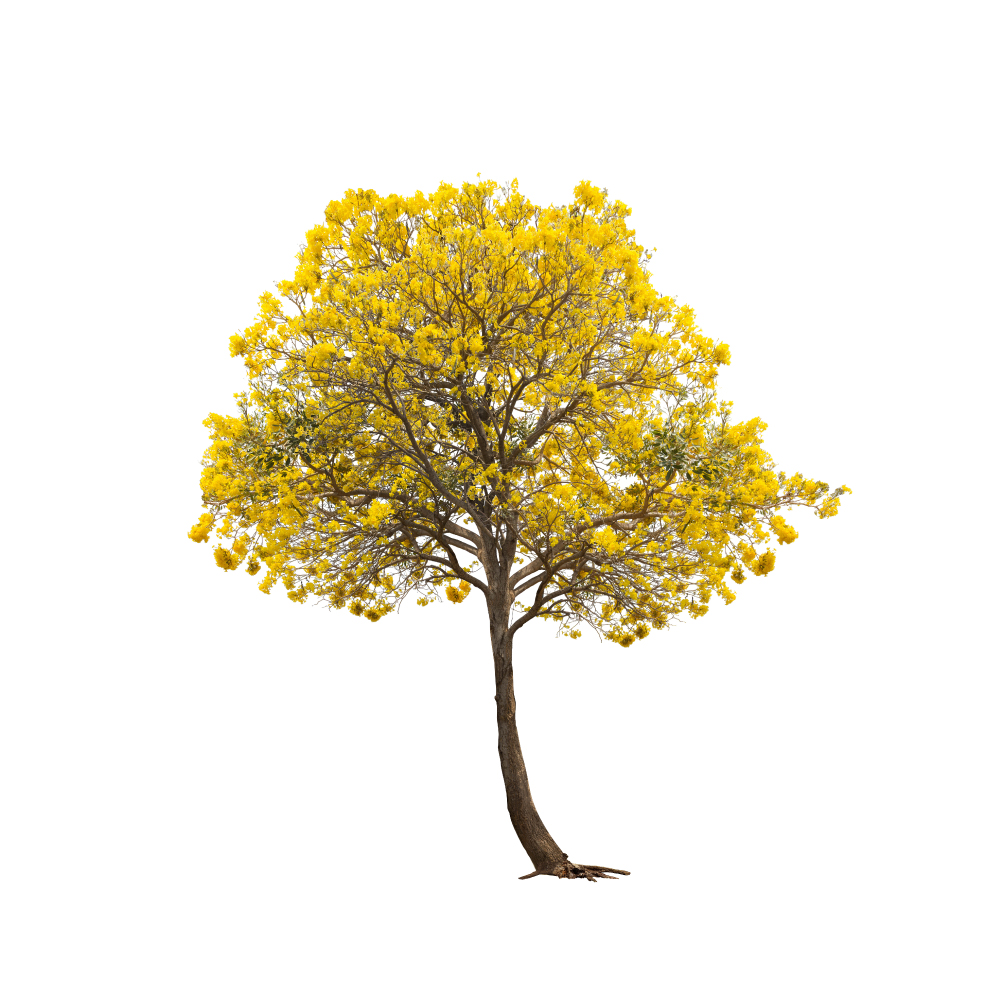
Specioside is a naturally occurring iridoid glycoside (catalpol-type; p-coumaroyl ester), found in Pau d'arco — inner bark, Northern catalpa — the namesake source, Tabebuia rosea — bark and 4 other sources. It is well tolerated orally (low toxicity).
Concentration
Content by Source
Concentrations not reported. No percent-dry-weight or mg/g figures have been published for this compound in its source plants.
Specioside at a Glance
Specioside is a catalpol-type iridoid glycoside — structurally, the 6-O-p-coumaroyl ester of catalpol, a bitter iridoid glucoside decorated with a p-coumaric-acid group. It is a Bignoniaceae signature compound, first isolated from northern catalpa (Catalpa speciosa), from which it takes its name, and later characterised in the bark of the Tabebuia/Handroanthus trees sold as pau d’arco (taheebo).
As an isolated molecule, specioside is very data-thin. The published record is essentially three small studies: an in-vitro report that it activates the Keap1–Nrf2 antioxidant pathway and protects liver cells from oxidative stress 3Reference 3Activation of the Keap1-Nrf2 pathway by specioside and the n-butanol extract from the inner bark of Tabebuia rosea (Bertol) DCView study →; a rodent study showing a modest anti-inflammatory effect while most other tested activities were negligible 5Reference 5Pharmacological properties of specioside from the stem bark of Tabebuia aureaView study →; and an in-vitro finding that it can push leukaemia cells toward apoptosis, but only in combination with a separate drug 4Reference 4The n-butanol extract obtained from the inner bark of Tabebuia rosea (Bertol.) DC, specioside, and catalposide induce leukemia cell apoptosis in the presence of apicidinView study →. An early attempt at antimicrobial activity was negative 2Reference 2Isolation of 6-O-(p-coumaroyl)-catalpol from Tabebuia roseaView study →.
The honest framing matters most here. In pau d’arco, the human-relevant evidence is for the whole inner bark, and its medicinal reputation rests on the naphthoquinones lapachol and beta-lapachone — not on this minor iridoid. Nothing below should be read as pau d’arco pharmacology; it is the thin dossier of one isolated constituent.
Specioside as a Catalpol Ester
Specioside is best understood as a decorated catalpol. Catalpol is a small, widespread C9 iridoid glucoside (the parent iridoid of catalpa, foxglove, Rehmannia and many Lamiales); specioside is its 6-O-ester with (E)-p-coumaric acid — hence the systematic name 6-O-p-coumaroylcatalpol 1,
Where it occurs. Specioside is a Bignoniaceae iridoid. It was named in 1980 from Catalpa speciosa 1Reference 1Specioside: a new iridoid glycoside from Catalpa speciosaView study → and confirmed in 1982 from Tabebuia rosea 2Reference 2Isolation of 6-O-(p-coumaroyl)-catalpol from Tabebuia roseaView study →; it is also reported from Tabebuia aurea stem bark 5Reference 5Pharmacological properties of specioside from the stem bark of Tabebuia aureaView study → and, outside the family, from Veronica peregrina. It sits within the broader class of iridoid glycosides that also includes aucubin and the Harpagophytum iridoid harpagide — all bitter, defensive plant glucosides.
Honest status in pau d’arco. In the Tabebuia/Handroanthus bark used medicinally, specioside is a minor constituent. The herb’s characteristic — and best-studied — chemistry is its naphthoquinones, principally lapachol and beta-lapachone, which carry essentially all of pau d’arco’s antimicrobial and anticancer research interest. Specioside is not the reason anyone drinks the tea.
What real isolate screening exists. Very little, and it is mixed. The isolate activates Nrf2 and protects hepatocytes from H₂O₂ in cell culture 3Reference 3Activation of the Keap1-Nrf2 pathway by specioside and the n-butanol extract from the inner bark of Tabebuia rosea (Bertol) DCView study →; it showed a modest anti-inflammatory effect in a mouse peritonitis model, while its antibacterial, antibiofilm, cytotoxic, anti-Trichomonas and antitrypanosomal activities were reported as negligible 5Reference 5Pharmacological properties of specioside from the stem bark of Tabebuia aureaView study →; and the earliest isolation study found it failed to show antimicrobial activity despite the plant’s traditional antimalarial/anti-infective use 2Reference 2Isolation of 6-O-(p-coumaroyl)-catalpol from Tabebuia roseaView study →. Isolate data are, plainly, minimal — enough to sketch a preclinical antioxidant/anti-inflammatory hint, not to claim a pharmacology.
What It's Used For
Specioside’s evidence is entirely preclinical and sparse — a handful of in-vitro and single-species rodent studies on the isolate, with no human data. Read the per-row basis; each rests on one or two reports.
Support is an experimental score — weighted by study type (human > animal > in vitro) and volume. A beta, not a validated metric. Every row here rests on one or two isolate studies with no human data, so scores stay low by design.
The strongest strand, and still a single in-vitro study. Isolated specioside (and the Tabebuia rosea n-butanol bark extract that contains it) dissociated Nrf2 from Keap1, raised cytoplasmic then nuclear Nrf2, and induced the antioxidant-response genes HMOX-1 and NQO1 after ~6 h; both the isolate and the extract protected HepG2 hepatocytes against H₂O₂-induced oxidative stress, keeping viability above ~80% 3Reference 3Activation of the Keap1-Nrf2 pathway by specioside and the n-butanol extract from the inner bark of Tabebuia rosea (Bertol) DCView study →.
This is the compound’s clearest own-molecule signal.
Gap: one in-vitro study on a single cell line — a cytoprotection/gene-induction readout, not a demonstrated antioxidant outcome in an animal or human; no replication and no exposure/PK data to say an oral dose could reach active concentrations 3Reference 3Activation of the Keap1-Nrf2 pathway by specioside and the n-butanol extract from the inner bark of Tabebuia rosea (Bertol) DCView study →.
Isolated specioside from Tabebuia aurea stem bark reduced leucocyte recruitment into the peritoneal cavity in carrageenan-injected mice, which the authors read as anti-inflammatory potential 5Reference 5Pharmacological properties of specioside from the stem bark of Tabebuia aureaView study →. Notably, the same study found its antibacterial, antibiofilm, cytotoxic, anti-Trichomonas vaginalis and antitrypanosomal activities negligible — so this is a narrow, isolated positive amid mostly negative screening.
Gap: a single acute rodent model with no mechanism worked out for the isolate, no dose-response and no human data; the surrounding negative results caution against reading it as a broad bioactive 5Reference 5Pharmacological properties of specioside from the stem bark of Tabebuia aureaView study →.
The most conditional strand. In THP-1 leukaemia cells, specioside (and its sister ester catalposide) increased p38 MAPK expression, drove G0/G1 arrest and apoptosis with mitochondrial depolarisation and raised Bax — but the effect was seen chiefly in cells co-treated with apicidin, a histone-deacetylase inhibitor 4Reference 4The n-butanol extract obtained from the inner bark of Tabebuia rosea (Bertol.) DC, specioside, and catalposide induce leukemia cell apoptosis in the presence of apicidinView study →. On its own the iridoid was a weak actor; the finding is really about a combination.
Gap: one in-vitro study in a single leukaemia line, and the apoptosis depends on co-treatment with a separate drug — this is a combination-screening lead, not evidence that specioside is anticancer by itself 4Reference 4The n-butanol extract obtained from the inner bark of Tabebuia rosea (Bertol.) DC, specioside, and catalposide induce leukemia cell apoptosis in the presence of apicidinView study →.
Mechanisms
| Target / pathway | Effect | Relevant to |
|---|---|---|
| Keap1–Nrf2 → HMOX-1, NQO1 | Nrf2 released from Keap1, translocates to nucleus, induces antioxidant genes | antioxidant / cytoprotection |
| H₂O₂-induced oxidative stress (HepG2) | hepatocyte viability preserved (>80%) | antioxidant / hepatocyte protection |
| Leucocyte recruitment (carrageenan peritonitis) | reduced | anti-inflammatory |
| p38 MAPK → G0/G1 arrest, Bax↑, mitochondrial depolarisation | apoptosis — but chiefly in the presence of apicidin | pro-apoptotic (conditional) |
| Antibacterial / antibiofilm / antiparasitic screens | no meaningful activity for the isolate | negative screening result |
| β-glucosidase cleavage to the catalpol-type aglycone | class-level: bitter iridoid glucosides are activated on tissue damage | pharmacokinetics / plant defence caveat |
The load-bearing point is how little there is: one in-vitro Nrf2 result, one rodent anti-inflammatory result, and one drug-combination apoptosis result. No mechanism has been reproduced across labs for the isolate.
Pharmacokinetics
There are no dedicated pharmacokinetic data for specioside — no measured oral bioavailability, half-life or metabolite profile for the isolate. What can be said is class-level: catalpol-type iridoid glucosides are polar, water-soluble molecules that are typically poorly absorbed orally, are prone to acid degradation in the stomach, and are cleaved by gut and tissue β-glucosidase to an unstable aglycone — the same limitation documented for related iridoids such as aucubin (oral bioavailability ~19% in rats). The added p-coumaroyl ester does not change that basic expectation. The practical consequence is that in-vitro potency (e.g. the Nrf2/HepG2 result) almost certainly overreads what an oral dose of the whole herb could deliver.
Clinical Trials
There are no clinical trials of specioside — not as an isolate and not as a named active. The only human-facing evidence for its plant sources is for whole pau d’arco (taheebo) inner bark, where specioside is a minor iridoid and any studied effect is attributed to the naphthoquinones, not to this compound.
| Completed | Planned | Terminated | Preclinical |
|---|---|---|---|
| —(none) | — | — | Minimal(one in-vitro Nrf2, one rodent anti-inflammatory, one in-vitro combination-apoptosis study) |
Last checked: July 2026.
Isolate vs. Plant Studies
The split is stark and points the same way. Every specioside-specific result — Nrf2/HepG2 cytoprotection 3Reference 3Activation of the Keap1-Nrf2 pathway by specioside and the n-butanol extract from the inner bark of Tabebuia rosea (Bertol) DCView study →, the carrageenan anti-inflammatory signal 5Reference 5Pharmacological properties of specioside from the stem bark of Tabebuia aureaView study →, the apicidin-dependent apoptosis 4Reference 4The n-butanol extract obtained from the inner bark of Tabebuia rosea (Bertol.) DC, specioside, and catalposide induce leukemia cell apoptosis in the presence of apicidinView study →, the negative antimicrobial screens 2,
Prevalence in Nature
Specioside is a Bignoniaceae iridoid. It was first isolated from northern catalpa (Catalpa speciosa) 1Reference 1Specioside: a new iridoid glycoside from Catalpa speciosaView study →, and is a documented constituent of the Tabebuia/Handroanthus barks used as pau d’arco — confirmed in Tabebuia rosea 2Reference 2Isolation of 6-O-(p-coumaroyl)-catalpol from Tabebuia roseaView study → and reported from Tabebuia aurea stem bark 5Reference 5Pharmacological properties of specioside from the stem bark of Tabebuia aureaView study →. Outside the family it occurs in Veronica peregrina (Plantaginaceae) among other iridoid-scavenging genera. Like other iridoid glucosides it is a bitter, defensive compound, stored inert and activated by β-glucosidase on tissue damage; its absolute concentration is rarely quantified as % dry weight, and in pau d’arco it is present at minor levels relative to the naphthoquinones — so no reliable cross-source concentration ranking exists, a gap tracked for a later pass rather than asserted here.
Major Natural Sources
| Source (botanical) | Family | Plant part | Notes |
|---|---|---|---|
| Northern catalpa (Catalpa speciosa) | Bignoniaceae | Bark / tissues | Namesake source; where specioside was first isolated 1Reference 1Specioside: a new iridoid glycoside from Catalpa speciosaView study → |
| Pau d’arco (Tabebuia rosea) | Bignoniaceae | Bark | Structure confirmed here as 6-O-p-coumaroylcatalpol 2Reference 2Isolation of 6-O-(p-coumaroyl)-catalpol from Tabebuia roseaView study → |
| Pau d’arco (Tabebuia aurea) | Bignoniaceae | Stem bark | Source of the anti-inflammatory isolate study 5Reference 5Pharmacological properties of specioside from the stem bark of Tabebuia aureaView study → |
| Veronica peregrina | Plantaginaceae | Aerial parts | Among antioxidative iridoids reported from the genus |
In pau d’arco (also from Handroanthus impetiginosus and related species), specioside is a minor iridoid; the herb’s studied actives are the naphthoquinones lapachol and beta-lapachone.
Discovery & Synthesis
Specioside was first isolated and named in 1980 by Sha’ban F. El-Naggar and Raymond W. Doskotch, who characterised it as a new iridoid glycoside from Catalpa speciosa — the species that gives the molecule its name 1Reference 1Specioside: a new iridoid glycoside from Catalpa speciosaView study →. Two years later, Compadre and colleagues (1982) isolated the same compound from the bark of Tabebuia rosea, confirming its structure as 6-O-(p-coumaroyl)-catalpol by spectroscopy; notably, although the plant’s traditional infusions were reputed antimalarial, the purified iridoid failed to show antimicrobial activity 2Reference 2Isolation of 6-O-(p-coumaroyl)-catalpol from Tabebuia roseaView study →.
There is no well-documented total synthesis of specioside; as with most iridoid glucosides, research supply is by extraction from catalpa or Tabebuia bark (or purchase as a reference standard), since the molecule is a straightforward p-coumaroyl ester of the naturally abundant catalpol rather than a synthetic target.
Patents: not yet researched.
Toxicity & Safety
Specioside carries a low flag — it is a bitter iridoid glucoside of the same broad class as many dietary and medicinal plant iridoids, with no toxicity signal reported at the doses used in its (few) rodent and cell studies 3,
- A low-toxicity plant iridoid. Same broad class as widely consumed iridoid glucosides; no acute toxicity signal in the small isolate studies to date 3,
5Reference 3Activation of the Keap1-Nrf2 pathway by specioside and the n-butanol extract from the inner bark of Tabebuia rosea (Bertol) DCView study →Reference 5Pharmacological properties of specioside from the stem bark of Tabebuia aureaView study → . - Real-world exposure is tiny. In pau d’arco it is a minor constituent; whole-bark intake delivers little specioside relative to the herb’s naphthoquinones.
- The safety story of pau d’arco is not this molecule’s. The herb’s meaningful toxicity concerns track its naphthoquinone lapachol (vitamin-K antagonism, dose-dependent effects), not specioside.
- No isolate toxicology. No LD50, genotoxicity, repeat-dose or reproductive data for the pure compound; safety is inferred from class, not measured.
Dosage
There is no established or recommended human dose for isolated specioside — it has never been given to people as an isolate for therapy. The figures in the literature are in-vitro concentrations and rodent research doses (e.g. the Nrf2/HepG2 and carrageenan-peritonitis studies 3,
References
- El-Naggar SF, Doskotch RW (1980). Specioside: a new iridoid glycoside from Catalpa speciosa. Journal of Natural Products, 43(4):524–526. https://doi.org/10.1021/np50010a015
- Compadre CM, Jáuregui JF, Nathan PJ, Enríquez RG (1982). Isolation of 6-O-(p-coumaroyl)-catalpol from Tabebuia rosea. Planta Medica, 46(1):42–44. https://pubmed.ncbi.nlm.nih.gov/17396938/
- Garzón-Castaño SC, Jiménez-González FJ, Veloza LA, Sepúlveda-Arias JC (2020). Activation of the Keap1-Nrf2 pathway by specioside and the n-butanol extract from the inner bark of Tabebuia rosea (Bertol) DC. F1000Research, 9:1262. https://pubmed.ncbi.nlm.nih.gov/33214880/
- Guerrero-Pepinosa NY, Veloza LA, Sepúlveda-Arias JC (2024). The n-butanol extract obtained from the inner bark of Tabebuia rosea (Bertol.) DC, specioside, and catalposide induce leukemia cell apoptosis in the presence of apicidin. Molecules, 29(17):3986. https://pubmed.ncbi.nlm.nih.gov/39274835/
- Nocchi SR, Kato NN, de Almeida JM, et al. (2020). Pharmacological properties of specioside from the stem bark of Tabebuia aurea. Revista Brasileira de Farmacognosia, 30:118–122. https://doi.org/10.1007/s43450-020-00017-5
- Garzón-Castaño SC, Lopera-Castrillón IA, Jiménez-González FJ, Siller-López F, Veloza LA, Sepúlveda-Arias JC (2018). Nrf2-mediated antioxidant activity of the inner bark extracts obtained from Tabebuia rosea (Bertol) DC and Tabebuia chrysantha (JACQ) G. Nicholson. F1000Research, 7:1937. https://pubmed.ncbi.nlm.nih.gov/30728952/



