
Compound Monograph
Swertisin
Swertisin is a flavone C-glycoside — 6-C-glucosyl-7-O-methylapigenin, the 7-O-methyl ether of isovitexin — from Swertia, Enicostemma and jujube (Ziziphus) seed. Its most-developed research thread is antidiabetic: an isolated-molecule signal for pancreatic islet neogenesis and beta-cell regeneration built almost entirely on cell and rodent work. There are no human trials of the isolate.

Sources · 10
Where Does It Come From?
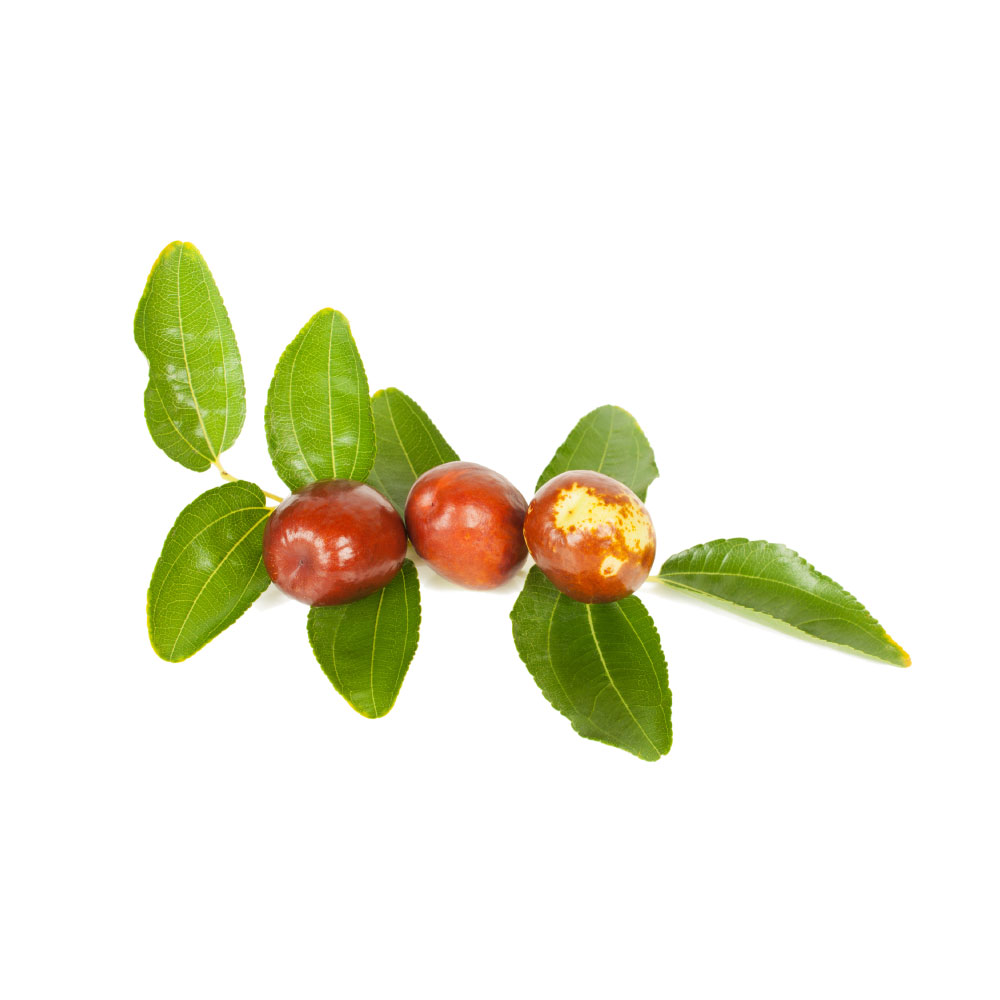
Swertisin is a naturally occurring flavone c-glycoside, found in Chirata and relatives, Enicostemma, Jujube / sour date and 7 other sources. It is well tolerated orally (low toxicity).
Concentration
Content by Source
Concentrations not reported. No percent-dry-weight or mg/g figures have been published for this compound in its source plants.
Swertisin at a Glance
Swertisin is a flavone C-glycoside — structurally 6-C-glucosyl-7-O-methylapigenin, i.e. the 7-O-methyl ether of isovitexin and a methylated, C-glucosylated relative of apigenin. It occurs in the bitter Gentianaceae (Swertia, Enicostemma) and in jujube (Ziziphus) seed, where it is the deglycosylation product of the sedative glycoside spinosin.
Its best-developed research thread is antidiabetic: an unusually specific signal that swertisin can push pancreatic stem/progenitor cells to differentiate into insulin-producing islet cells — a beta-cell regeneration story rather than a simple glucose-lowering one 1,
Swertisin as a C-Glycoside
The single most important structural fact about swertisin is that its sugar is attached through a carbon–carbon bond (6-C-glucoside), not the more common oxygen bridge of an O-glycoside. This is not a chemical footnote — it changes what happens to the molecule in the gut.
Mammalian and bacterial glycosidases hydrolyse O-glycosides readily (cleaving the sugar to release the aglycone), but they cannot cleave a C–C glycosidic bond. So a C-glycoside such as swertisin tends to survive intestinal digestion intact, circulating as the glycoside rather than being stripped to its aglycone apigenin 4Reference 4AnimalDegradation kinetics of 6'''-p-coumaroylspinosin and identification of its metabolites by rat intestinal floraView study →. The point is visible in the jujube chemistry: gut flora remove the outer, O-linked sugars from spinosin (2”-O-glucosyl swertisin) and its coumaroyl esters to yield swertisin — and there the deglycosylation stops, because the remaining glucose is C-attached 4Reference 4AnimalDegradation kinetics of 6'''-p-coumaroylspinosin and identification of its metabolites by rat intestinal floraView study →.
Practically, this makes swertisin its own circulating species with its own (poorly measured) pharmacokinetics, rather than a pro-drug for apigenin. It is also why C-glycosyl flavones as a class are studied as antidiabetic agents in their own right, not merely as aglycone carriers.
What It's Used For
The evidence is preclinical throughout, and it is worth separating the one genuinely distinctive thread — islet regeneration — from the more generic flavonoid activities.
Support is an experimental score — weighted by study type (human > animal > in vitro) and volume. A beta, not a validated metric. Every row here is preclinical; read the per-row basis.
The application that makes this molecule worth a page. In cultured pancreatic stem/progenitor cells, the isolated compound induces differentiation into insulin-secreting islet-like clusters through a p38 MAP-kinase–SMAD signalling programme, generating new beta-cell mass rather than merely prodding existing cells to secrete 1Reference 1Swertisin an anti-diabetic compound facilitate islet neogenesis from pancreatic stem/progenitor cells via p-38 MAP kinase-SMAD pathway: an in-vitro and in-vivo studyView study →.
Follow-up work in streptozotocin-diabetic BALB/c mice showed swertisin triggering resident pancreatic progenitors toward islet neogenesis, with return toward normoglycaemia and raised fasting insulin 2Reference 2AnimalSwertisin ameliorates diabetes by triggering pancreatic progenitors for islet neogenesis in streptozotocin treated BALB/c miceView study →.
A further study found swertisin-differentiated progenitors homed to and repaired the diabetic pancreas after transplantation 3Reference 3AnimalPancreatic resident endocrine progenitors demonstrate high islet neogenic fidelity and committed homing towards diabetic mice pancreasView study →.
Gap: every result is in-vitro or rodent, from a small cluster of overlapping groups; there is no human trial, no independent large-animal confirmation, and no pharmacokinetic bridge showing the doses used are orally achievable.
Alongside the regeneration story, swertisin shows the more ordinary antidiabetic mechanisms of a flavone C-glycoside. As the isolate, it is a competitive inhibitor of α-amylase (IC50 ≈ 1.894 mg/mL in vitro) and lowered blood glucose after a starch load in rats 5Reference 5In vitroInhibitory effect of flavonoid glycosides on digestive enzymes: in silico, in vitro, and in vivo studiesView study →. In the whole-plant setting, a swertisin-rich flavonoid fraction of Enicostemma littorale improved fasting glucose, insulin and lipid profiles in high-fat-diet/low-dose-streptozotocin type-2-diabetic rats 6Reference 6AnimalSwertisin rich fraction from Enicostema littorale ameliorates hyperglycemia and hyperlipidemia in high-fat fed diet and low dose streptozotacin induced type 2 diabetes mellitus in ratsView study →, and Enicostemma flavonoids enhanced glucose uptake in insulin-resistant HepG2 cells via IRS-1/PI3K/Akt signalling 7Reference 7Flavonoids from Enicostema littorale blume enhances glucose uptake of cells in insulin resistant human liver cancer (HepG2) cell line via IRS-1/PI3K/Akt pathwayView study →.
Gap: the enzyme-inhibition IC50 is a fairly high concentration, and the metabolic-fraction studies test a swertisin-rich mixture, not the purified molecule — so how much of the whole-plant effect is swertisin specifically is unresolved.
A small rodent thread, consistent with jujube-seed (Ziziphus) neuroactivity where swertisin co-occurs with spinosin. Swertisin reversed scopolamine-induced memory impairment in mice, acting as an adenosine A1-receptor antagonist and raising hippocampal/cortical PKA and CREB phosphorylation 8Reference 8AnimalSwertisin, a C-glucosylflavone, ameliorates scopolamine-induced memory impairment in mice with its adenosine A1 receptor antagonistic propertyView study →; a separate study found it attenuated MK-801-induced prepulse-inhibition deficits and cognitive impairment (≈30 mg/kg) via Akt–GSK-3β signalling in prefrontal cortex 9Reference 9AnimalSwertisin ameliorates pre-pulse inhibition deficits and cognitive impairment induced by MK-801 in miceView study →.
Gap: two isolated rodent behavioural studies with different mechanisms proposed; no human data, and the effects have not been replicated across labs.
Swertisin isolated from Iris tectorum inhibited hepatitis-B-virus markers (HBsAg, HBeAg and HBV DNA) dose-dependently in cell models and in HBV-transgenic mice, with an additive effect alongside entecavir 10Reference 10Anti-hepatitis B virus activity of swertisin isolated from Iris tectorum MaximView study →. Separately, swertisin is among the constituents of Echinodorus grandiflorus leaf extracts that suppress TNF-α release from stimulated monocytes in vitro 11Reference 11In vitroIn vitro TNF-α inhibition elicited by extracts from Echinodorus grandiflorus leavesView study → — a generic flavonoid anti-inflammatory signal.
Gap: the anti-HBV work is a single group’s in-vitro/transgenic-mouse dataset, and the anti-inflammatory activity was measured for an extract, not the isolated compound; several extract screens report swertisin as inactive on TNF-α at the isolate level.
Mechanisms
| Target / pathway | Effect | Relevant to |
|---|---|---|
| p38 MAPK–SMAD signalling | drives pancreatic progenitor differentiation into insulin-positive islet cells (neogenesis) | islet regeneration / antidiabetic |
| α-amylase | competitive inhibition (IC50 ≈ 1.9 mg/mL) → slower starch digestion, lower post-load glucose | glucose lowering |
| IRS-1 / PI3K / Akt | improved insulin-stimulated glucose uptake (swertisin-rich fraction) | insulin sensitivity |
| Adenosine A1 receptor | antagonism → raised PKA/CREB phosphorylation, pro-cognitive | neurocognitive |
| Akt / GSK-3β | modulation in prefrontal cortex, reversing MK-801 deficits | neurocognitive |
| Hepatitis B virus replication | dose-dependent suppression of HBsAg/HBeAg/HBV DNA in vitro and in transgenic mice | antiviral |
| C–C glycosidic bond | resists gut/mammalian glycosidases → the intact glycoside circulates rather than yielding apigenin | pharmacokinetics |
The load-bearing point is the top row: unlike most flavonoids studied only as antioxidants, swertisin’s headline claim is an active differentiation/regeneration mechanism — but it is defined entirely in cells and rodents.
Pharmacokinetics
Swertisin’s human pharmacokinetics are essentially uncharacterised. As a C-glycoside, it is expected to resist glycosidase hydrolysis and circulate intact rather than being cleaved to apigenin 4Reference 4AnimalDegradation kinetics of 6'''-p-coumaroylspinosin and identification of its metabolites by rat intestinal floraView study → — but flavone C-glycosides as a class (and swertisin’s parent glycoside spinosin in particular) are noted for poor oral bioavailability, which is the main brake on translating the rodent antidiabetic data 12Reference 12ReviewThe pharmacology, pharmacokinetics, and toxicity of spinosin: a mini reviewView study →. A rat study established an HPLC-MS/MS assay for swertisin after intravenous dosing, but published oral bioavailability, half-life and clearance figures for the molecule are lacking 13Reference 13AnimalPharmacokinetic study of swertisin by HPLC-MS/MS after intravenous administration in ratsView study →.
No reliable oral bioavailability number exists for swertisin — a real hole, given that all the efficacy data are oral-dose rodent studies.
Clinical Trials
There are no human clinical trials of isolated swertisin. Human exposure is indirect, through whole bitter herbs (Swertia, Enicostemma) and jujube-seed preparations, in which swertisin is one minor constituent among many.
| Completed | Planned | Terminated | Preclinical |
|---|---|---|---|
| — | — | — | Antidiabetic(islet neogenesis, α-amylase); neurocognitive; anti-HBV |
Last checked: July 2026.
Isolate vs. Plant Studies
The evidence base is unusually isolate-weighted for a molecule with no human data — a genuine strength on one axis and a caution on another. The marquee islet-neogenesis findings 1,
Prevalence in Nature
Swertisin is distributed across several unrelated plant families, always as a minor-to-moderate flavone C-glycoside rather than a dominant constituent, and clean quantitative figures are rarely published. It is best known from the Gentianaceae — Swertia (from which it is named) and Enicostemma littorale 6Reference 6AnimalSwertisin rich fraction from Enicostema littorale ameliorates hyperglycemia and hyperlipidemia in high-fat fed diet and low dose streptozotacin induced type 2 diabetes mellitus in ratsView study → — where it co-occurs with the bitter secoiridoid swertiamarin. It is a characteristic flavone C-glycoside of jujube / sour-date seed (Ziziphus jujuba var. spinosa), where it sits alongside its own glucoside spinosin 4Reference 4AnimalDegradation kinetics of 6'''-p-coumaroylspinosin and identification of its metabolites by rat intestinal floraView study →. It has also been isolated from roof iris (Iris tectorum) 10Reference 10Anti-hepatitis B virus activity of swertisin isolated from Iris tectorum MaximView study →, Gentiana species, Scorzonera, Desmodium caudatum and Echinodorus grandiflorus 11Reference 11In vitroIn vitro TNF-α inhibition elicited by extracts from Echinodorus grandiflorus leavesView study →.
Because reported occurrences are qualitative isolations rather than assayed concentrations, there is no reliable ranking of richest sources — quantifying swertisin content by plant and part is an open gap.
Discovery & Synthesis
Swertisin was characterised from Swertia japonica (Gentianaceae), the genus that gives it its name, and is registered as CAS 6991-10-2. Structurally it is 6-C-glucosyl-7-O-methylapigenin — equivalently, the 7-O-methyl ether of isovitexin, or genkwanin 6-C-glucoside — placing it firmly in the C-glucosylflavone family with vitexin and orientin.
Total synthesis is not well documented for swertisin; unlike many flavonoids it is not a routine synthetic target, and commercial and research material is obtained by extraction from plant sources (or, in principle, by regioselective 7-O-methylation of isovitexin). Manufacture today is therefore extraction-based, at reference-standard rather than bulk scale.
Patents: not yet researched.
Toxicity & Safety
Swertisin carries a low toxicity flag. It is a naturally occurring dietary flavone C-glycoside found in edible/medicinal plants (jujube seed, bitter Gentianaceae tonics) with a long history of indirect human consumption, and one extract-based genotoxicity screen reported the swertisin-containing fraction negative in a bacterial assay 14Reference 14Genotoxic Maillard byproducts in current phytopharmaceutical preparations of Echinodorus grandiflorusView study →. No signal of acute toxicity emerged in the rodent efficacy studies at the doses used.
The flag is low, not none, because the safety base is thin rather than reassuring: there is no dedicated toxicology package for the isolated molecule — no repeat-dose, reproductive/developmental, or human safety data — and no characterised drug-interaction profile.
- Low apparent toxicity. A dietary flavone C-glycoside from edible/medicinal plants; no acute toxicity noted in rodent efficacy studies, and an extract fraction tested negative for genotoxicity.
- No human safety data. Swertisin has never been given to people as a purified compound; safety is inferred from whole-plant use, not measured for the isolate.
- Untested interactions and no repeat-dose toxicology. No dedicated genotoxicity, reproductive/developmental or drug-interaction studies of the pure molecule exist; absence of findings is not evidence of safety.
Dosage
There is no established human dose for isolated swertisin — it has never been used as a purified drug in people. The figures in the literature are preclinical rodent doses (broadly ~10–50 mg/kg, e.g. 30 mg/kg in the cognitive studies) 8,
Real-world human exposure is indirect and unquantified: swertisin is a minor flavone C-glycoside within whole bitter herbs such as chirata (Swertia) and Enicostemma, taken as bitter tonics, and within jujube-seed preparations used for sleep. These are doses studied in research and are not a personal recommendation.
References
- Dadheech N, Srivastava A, Paranjape N, et al. (2015). Swertisin an anti-diabetic compound facilitate islet neogenesis from pancreatic stem/progenitor cells via p-38 MAP kinase-SMAD pathway: an in-vitro and in-vivo study. PLOS ONE. https://pubmed.ncbi.nlm.nih.gov/26047129/
- Srivastava A, Dadheech N, Vakani M, Gupta S (2018). Swertisin ameliorates diabetes by triggering pancreatic progenitors for islet neogenesis in streptozotocin treated BALB/c mice. Biomedicine & Pharmacotherapy. https://pubmed.ncbi.nlm.nih.gov/29428671/
- Srivastava A, Dadheech N, Vakani M, et al. (2019). Pancreatic resident endocrine progenitors demonstrate high islet neogenic fidelity and committed homing towards diabetic mice pancreas. Journal of Cellular Physiology. https://pubmed.ncbi.nlm.nih.gov/30341903/
- Jiao L, Li Y, Zhang Y, et al. (2017). Degradation kinetics of 6'''-p-coumaroylspinosin and identification of its metabolites by rat intestinal flora. Journal of Agricultural and Food Chemistry. https://pubmed.ncbi.nlm.nih.gov/28513155/
- Sadeghi M, Miroliaei M, Ghanadian M, et al. (2022). Inhibitory effect of flavonoid glycosides on digestive enzymes: in silico, in vitro, and in vivo studies. International Journal of Biological Macromolecules. https://pubmed.ncbi.nlm.nih.gov/35843397/
- Mokashi P, Khanna A, Pandita N (2017). Swertisin rich fraction from Enicostema littorale ameliorates hyperglycemia and hyperlipidemia in high-fat fed diet and low dose streptozotacin induced type 2 diabetes mellitus in rats. Biomedicine & Pharmacotherapy. https://pubmed.ncbi.nlm.nih.gov/29031588/
- Mokashi P, Khanna A, Pandita N (2017). Flavonoids from Enicostema littorale blume enhances glucose uptake of cells in insulin resistant human liver cancer (HepG2) cell line via IRS-1/PI3K/Akt pathway. Biomedicine & Pharmacotherapy. https://pubmed.ncbi.nlm.nih.gov/28364599/
- Lee S, Kim J, Jeon SJ, et al. (2016). Swertisin, a C-glucosylflavone, ameliorates scopolamine-induced memory impairment in mice with its adenosine A1 receptor antagonistic property. Behavioural Brain Research. https://pubmed.ncbi.nlm.nih.gov/26996316/
- Oh HK, Jeon SJ, Lee S, et al. (2017). Swertisin ameliorates pre-pulse inhibition deficits and cognitive impairment induced by MK-801 in mice. Journal of Psychopharmacology. https://pubmed.ncbi.nlm.nih.gov/27729563/
- Xu HY, Ren JH, Su Y, et al. (2020). Anti-hepatitis B virus activity of swertisin isolated from Iris tectorum Maxim. Journal of Ethnopharmacology. https://pubmed.ncbi.nlm.nih.gov/32224198/
- Garcia Ede F, de Oliveira MA, Dourado LP, et al. (2016). In vitro TNF-α inhibition elicited by extracts from Echinodorus grandiflorus leaves. Planta Medica. https://pubmed.ncbi.nlm.nih.gov/26692456/
- Kuang X, She G, Ma T, et al. (2022). The pharmacology, pharmacokinetics, and toxicity of spinosin: a mini review. Frontiers in Pharmacology. (Spinosin is 2”-O-glucosyl swertisin; the review notes poor oral bioavailability limits its clinical use.) https://pubmed.ncbi.nlm.nih.gov/36193419/
- Li Y, Zhao X, Zhang Y, et al. (2017). Pharmacokinetic study of swertisin by HPLC-MS/MS after intravenous administration in rats. Journal of Chromatographic Science. https://pubmed.ncbi.nlm.nih.gov/27993862/
- Lima-Dellamora EC, Waldhelm KC, et al. (2014). Genotoxic Maillard byproducts in current phytopharmaceutical preparations of Echinodorus grandiflorus. Anais da Academia Brasileira de Ciências. https://pubmed.ncbi.nlm.nih.gov/25098311/



