
Compound Monograph
Tellimagrandin I
Tellimagrandin I is a monomeric ellagitannin from rose petals, meadowsweet and willowherb. It is a weak antibiotic on its own — but at sub-inhibitory concentrations it restores the activity of oxacillin and other β-lactams against MRSA by knocking out the resistance protein PBP2a. A helper molecule, not a drug, and one whose size and gut hydrolysis mean the concentrations that work in a dish are reachable on a surface, not in blood.

Sources · 9
Where Does It Come From?
Tellimagrandin I is a naturally occurring ellagitannin (hydrolysable tannin; 2,3-di-o-galloyl-4,6-(s)-hhdp-d-glucose), found in Rose, Meadowsweet, Fringe cups and 6 other sources. It is well tolerated orally (low toxicity).
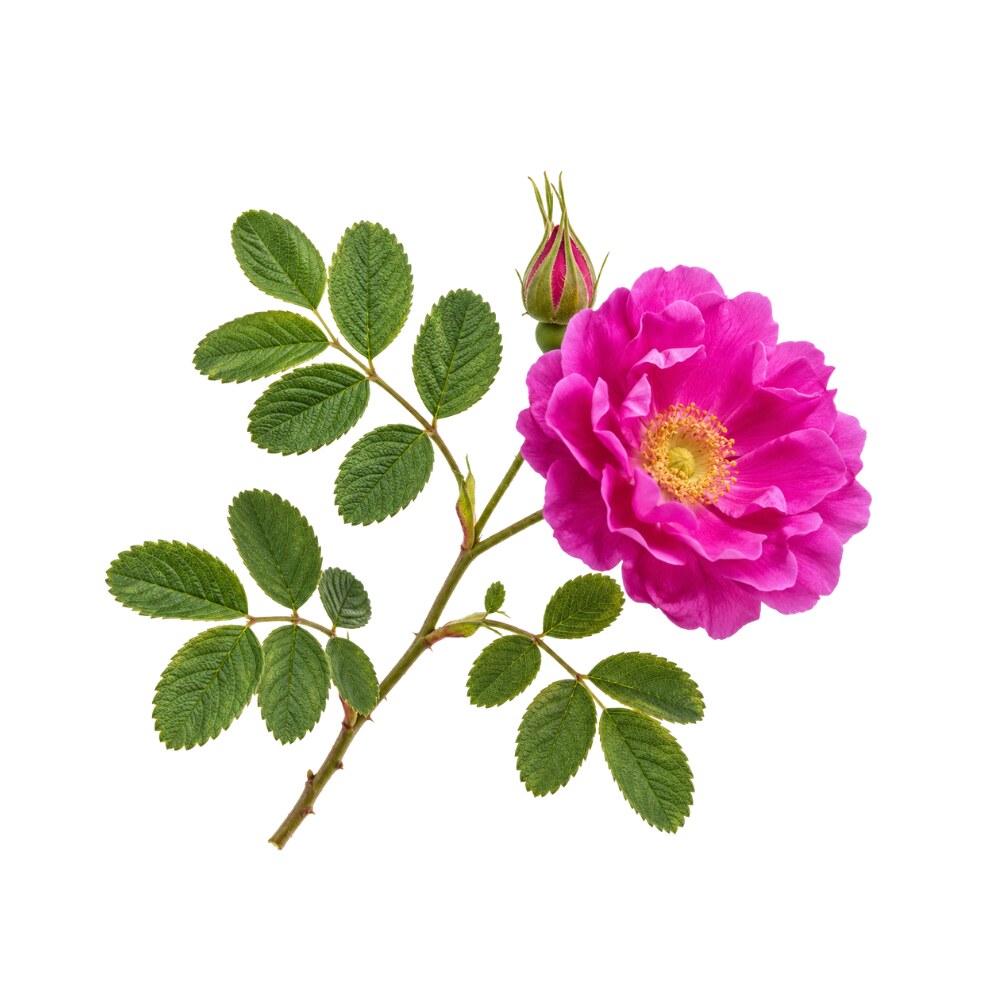 Principal source Rose Rosa spp. Herb monograph →
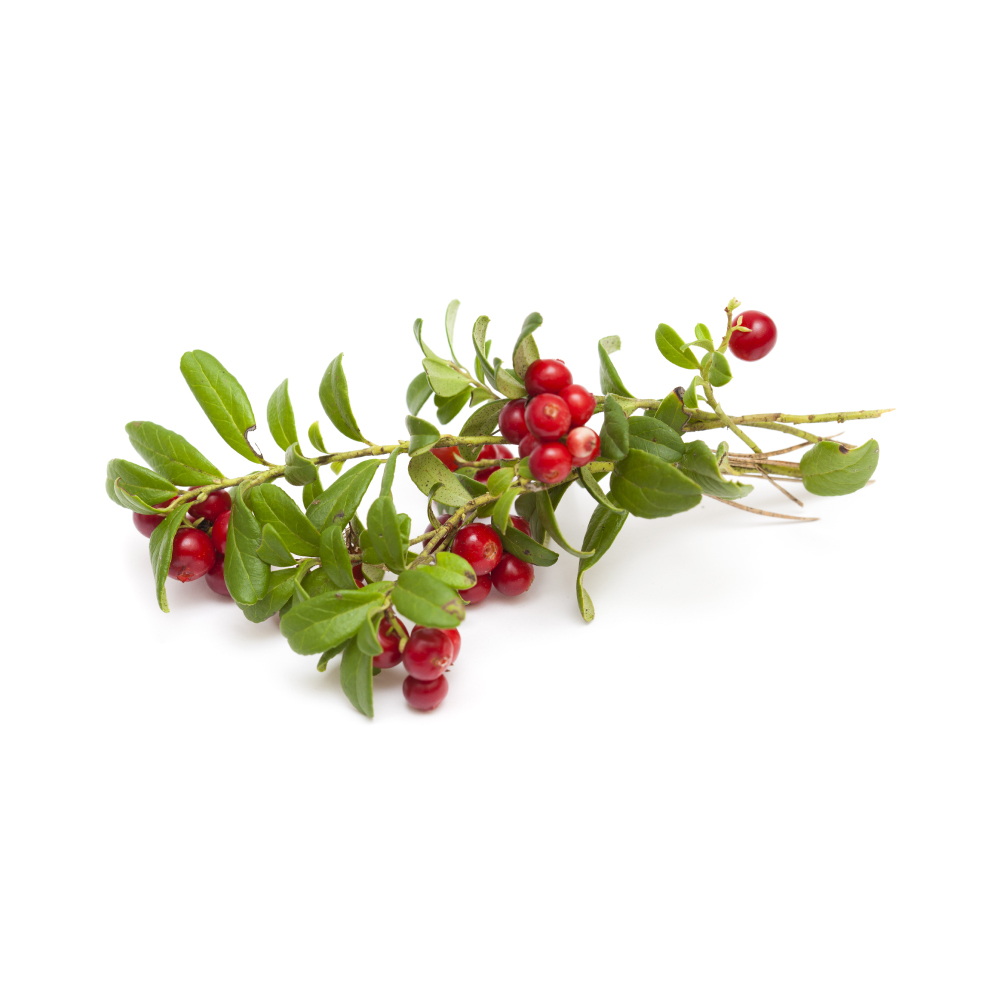 Source Bearberry Arctostaphylos uva-ursi Herb monograph →
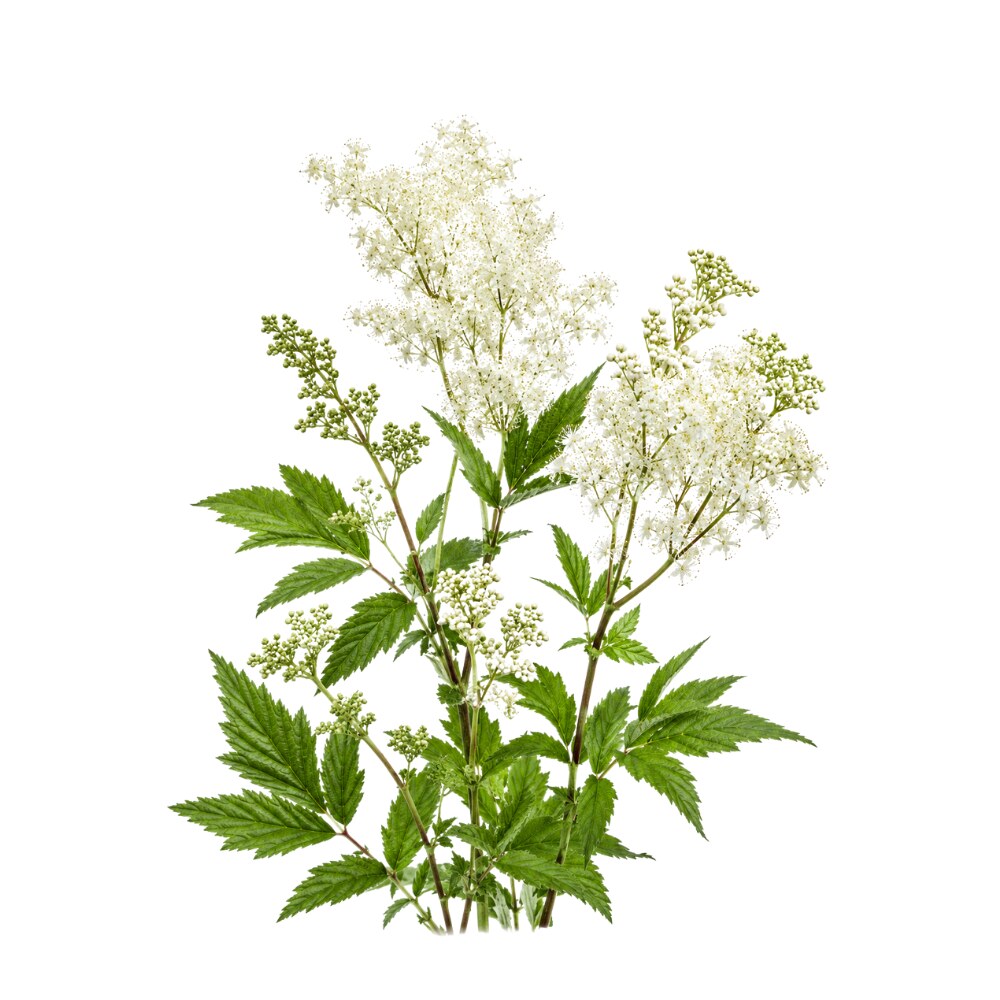 Source Meadowsweet Filipendula ulmaria Herb monograph →
Concentration
Content by Source
Concentrations not reported. No percent-dry-weight or mg/g figures have been published for this compound in its source plants.
Tellimagrandin I at a Glance
Tellimagrandin I is a monomeric ellagitannin: a glucose core carrying two gallic acid esters at C-2 and C-3 and a hexahydroxydiphenoyl (HHDP) bridge across C-4 and C-6 (C₃₄H₂₆O₂₂, MW 787). It was named for Tellima grandiflora, the fringe-cups plant it was first isolated from 19Reference 19Ellagitannins from Tellima grandifloraView study →, and it turns up across the Rosaceae, Onagraceae, Myrtaceae and Betulaceae — most abundantly in rose petals, meadowsweet flowers and willowherb.
Its reason to exist as a page is narrow and specific. Tellimagrandin I is a poor antibiotic — its own MIC against Staphylococcus aureus is around 128 µg/mL — but at a quarter of that concentration it restores the activity of oxacillin and other β-lactams against methicillin-resistant S. aureus 1Reference 1Restoration of effectiveness of beta-lactams on methicillin-resistant Staphylococcus aureus by tellimagrandin I from rose redView study →. The reported mechanism is direct inactivation of PBP2a, the alternative penicillin-binding protein that is methicillin resistance 2Reference 2Mechanisms of action of corilagin and tellimagrandin I that remarkably potentiate the activity of beta-lactams against methicillin-resistant Staphylococcus aureusView study →. That makes it an antibiotic helper compound, not a drug, and that framing matters because it is the only one that survives the bioavailability problem: a hydrolysable tannin of this size is not absorbed intact, is broken down in the colon to ellagic acid and then to urolithins, and never reaches the low-micromolar plasma levels its in-vitro work uses 24,
Everything else on the page — antibacterial activity against Helicobacter pylori, blockade of hepatitis-C entry, a topical anti-acne signal, protein-phosphatase inhibition — is isolated-molecule in-vitro work with no in-vivo or human follow-up. There are no clinical trials of this molecule at all.
The β-Lactam Potentiation Story
This is the finding the molecule is known for, and it is worth stating precisely because it is routinely over-summarised.
What was actually done. Screening extracts against MRSA, Shiota and colleagues found that a methanol extract of Rosa canina petals (“rose red”) sharply lowered β-lactam MICs, and bioassay-guided fractionation identified tellimagrandin I as the active principle (with rugosin B a weaker second hit) 1Reference 1Restoration of effectiveness of beta-lactams on methicillin-resistant Staphylococcus aureus by tellimagrandin I from rose redView study →. On its own tellimagrandin I was only weakly antibacterial — MIC 128 µg/mL against S. aureus. But adding 50 µg/mL to the medium dramatically reduced the oxacillin MIC against MRSA, with a fractional inhibitory concentration index of 0.39 — formally synergistic. Benzylpenicillin and ampicillin MICs fell too, and in some strains so did tetracycline’s 1Reference 1Restoration of effectiveness of beta-lactams on methicillin-resistant Staphylococcus aureus by tellimagrandin I from rose redView study →.
The mechanism paper. Four years later the same group asked what tellimagrandin I (and its bearberry counterpart corilagin) was doing to PBP2′/PBP2a, the low-β-lactam-affinity transpeptidase encoded by mecA that confers methicillin resistance. Growing MRSA in medium containing either tannin slightly decreased PBP2a production — but the striking result was functional: PBP2a from those cells had almost completely lost the ability to bind BOCILLIN FL, a fluorescent penicillin. The authors concluded that inactivation of PBPs, especially PBP2a, is the major reason for the collapse in resistance 2Reference 2Mechanisms of action of corilagin and tellimagrandin I that remarkably potentiate the activity of beta-lactams against methicillin-resistant Staphylococcus aureusView study →.
What the same paper also shows — and what usually gets dropped. Three qualifiers sit in the abstract itself:
- The binding activity of PBP2 and PBP3 was also reduced, so this is not a PBP2a-selective agent.
- Both tannins suppressed β-lactamase activity to some extent — a second, independent contribution to potentiation.
- Nothing here is a cell-free enzyme-inhibition assay. The compounds were added to the growth medium and PBPs were assayed afterwards, so “inactivation” is a whole-cell observation, not a demonstrated direct binding event at PBP2a.
Read together with what galloylated polyphenols are known to do generally — associate electrostatically with phospholipid headgroups and insert into bacterial membranes, with the effect scaling with the number of galloyl groups 5Reference 5Interactions of galloylated polyphenols with a simple Gram-negative bacterial membrane lipid modelView study → — the honest description is a galloyl-rich tannin that promiscuously disables surface proteins and perturbs the envelope, of which PBP2a happens to be the one that matters clinically. That is still a real and useful effect. It just isn’t a designed inhibitor.
Later work. The class effect replicated. Hatano and colleagues confirmed that tellimagrandin I and corilagin — alongside epicatechin gallate, licoricidin and several proanthocyanidins — restore oxacillin activity against MRSA 4Reference 4Effects of tannins and related polyphenols on methicillin-resistant Staphylococcus aureusView study →. The pomegranate ellagitannin punicalagin was later shown to do the same thing by a different route, suppressing transcription of the mec operon and so lowering PBP2a levels rather than inactivating the protein 28Reference 28Punicalagin suppresses methicillin resistance of Staphylococcus aureus to oxacillinView study →; the sibling tellimagrandin II cut the oxacillin MIC against MRSA ATCC33591 from 512 to 2 µg/mL (FIC 0.004) with both reduced mecA expression and visible cell-wall disruption on electron microscopy 30Reference 30Tellimagrandin II, a type of plant polyphenol extracted from Trapa bispinosa, inhibits antibiotic resistance of drug-resistant Staphylococcus aureusView study →. So the ellagitannin scaffold reliably re-sensitises MRSA to β-lactams; which of expression-suppression, protein inactivation and membrane damage dominates appears to vary by molecule, and no one has resolved it for tellimagrandin I specifically.
Where it stops. Everything above is in culture. There is no animal infection model, no topical formulation study and no human data for tellimagrandin I as a β-lactam adjuvant, and 50 µg/mL is not a plasma concentration anyone will achieve orally.
The Bearberry Attribution
Earlier secondary accounts credited tellimagrandin I to bearberry (Arctostaphylos uva-ursi). That attribution does not hold, and the correction is instructive.
A targeted PubMed search for tellimagrandin AND "Arctostaphylos uva-ursi" returns zero records. The confusion traces to a single sentence in the mechanism paper: “Corilagin and tellimagrandin I are polyphenols isolated from the extract of Arctostaphylos uvaursi and Rosa canina L. (rose red), respectively” 2Reference 2Mechanisms of action of corilagin and tellimagrandin I that remarkably potentiate the activity of beta-lactams against methicillin-resistant Staphylococcus aureusView study →. Corilagin is the bearberry compound — isolated from an A. uva-ursi extract that reduced β-lactam MICs 100- to 2,000-fold 3Reference 3Marked potentiation of activity of beta-lactams against methicillin-resistant Staphylococcus aureus by corilaginView study →. Tellimagrandin I is the rose compound 1Reference 1Restoration of effectiveness of beta-lactams on methicillin-resistant Staphylococcus aureus by tellimagrandin I from rose redView study →. Because the 2004 paper studies the two side by side, the pairing gets read as though both came from bearberry.
For completeness: the most thorough phenolic survey of bearberry leaf to date — LC–ion-mobility–HRMS, 88 compounds identified including 33 hydrolysable tannins — reports pentagalloylglucose at 6.6–12.9 mg/g and arbutin at 47–107 mg/g, and does not name tellimagrandin I among its quantified constituents 27Reference 27Discovery and characterization of phenolic compounds in bearberry (Arctostaphylos uva-ursi) leaves using liquid chromatography-ion mobility-high-resolution mass spectrometryView study →. It is not impossible that the molecule occurs in bearberry leaf at trace level, but nobody has reported it, and the β-lactam finding belongs to Rosa canina.
None of this weakens bearberry’s own case — corilagin does the same job in that leaf, and the herb’s urinary-antiseptic reputation rests on arbutin and its hydroquinone metabolite, not on any ellagitannin. It just means the MRSA note should be filed under rose.
What It's Used For
Tellimagrandin I has a small, scattered literature: a strong mechanistic thread on antibiotic potentiation and then a handful of one-paper findings across antibacterial, antiviral, dermatological and cell-signalling work. Almost all of it is the isolated molecule — unusual for a tannin, and a genuine strength — but almost none of it has been followed up in an animal, let alone a person.
Support is an experimental score — weighted by study type (human > animal > in vitro) and volume. A beta, not a validated metric. Every row here is capped hard: there are no human trials of this molecule and only one in-vivo experiment (a chick-embryo membrane assay).
The marquee application, covered in full above. Isolate work throughout: tellimagrandin I was purified from Rosa canina petal extract by bioassay-guided fractionation, and the potentiation and mechanism experiments used the pure compound 1,
Its own MIC against S. aureus is 128 µg/mL — weak — but 50 µg/mL in the medium collapses the oxacillin MIC against MRSA with an FIC index of 0.39, and benzylpenicillin, ampicillin and (in some strains) tetracycline MICs also fall 1Reference 1Restoration of effectiveness of beta-lactams on methicillin-resistant Staphylococcus aureus by tellimagrandin I from rose redView study →.
PBP2a in tannin-grown MRSA almost entirely loses BOCILLIN-FL binding, with smaller losses at PBP2/PBP3 and partial β-lactamase suppression 2Reference 2Mechanisms of action of corilagin and tellimagrandin I that remarkably potentiate the activity of beta-lactams against methicillin-resistant Staphylococcus aureusView study →.
The effect generalises across the ellagitannin class 4,
Gap: no animal infection model, no topical or device formulation, no human data — and no study has separated direct PBP2a binding from the non-specific protein-precipitating and membrane-perturbing behaviour every galloylated tannin shows 5Reference 5Interactions of galloylated polyphenols with a simple Gram-negative bacterial membrane lipid modelView study →. The concentration used is unreachable systemically; whether it is reachable on skin, on a dressing or in the gut has never been tested.
In a screen of 36 polyphenols and 4 terpenoids against H. pylori, all hydrolysable tannins were active and the monomeric ones — tellimagrandin I among them — were the strongest; tellimagrandin I showed time- and dose-dependent bactericidal activity 6Reference 6Antibacterial activity of hydrolyzable tannins derived from medicinal plants against Helicobacter pyloriView study →.
The discriminating detail is that the same tannins did not reduce viability of MKN-28 human gastric epithelial cells, which is the selectivity a gut-lumen agent needs. The authors also showed dose-dependent damage to lipid bilayer membranes but explicitly declined to claim that this is the antibacterial mechanism 6Reference 6Antibacterial activity of hydrolyzable tannins derived from medicinal plants against Helicobacter pyloriView study →.
Gap: one in-vitro study, isolate against isolate, with no eradication model in an animal or a person. H. pylori sits in the one compartment where a poorly-absorbed tannin can plausibly reach an active concentration — which makes this the most under-followed lead on the page, not a supported use.
Bioassay-guided separation of a methanol extract of Rosa rugosa flower (Rosae Rugosae Flos) against a model virus displaying the HCV envelope proteins E1 and E2 identified tellimagrandin I — with eugeniin and casuarictin — as a potent inhibitor of viral invasion, and structure–activity work on synthesised analogues mapped the substructures required 7Reference 7Tellimagrandin I, HCV invasion inhibitor from Rosae Rugosae FlosView study →. A follow-up found that oenothein B, the macrocyclic dimer built from two tellimagrandin I units, is roughly equipotent with the monomer, and that methylating the C-1 hydroxyl slightly reduces activity 8Reference 8Oenothein B, dimeric hydrolysable tannin inhibiting HCV invasion from Oenothera erythrosepalaView study →.
Gap: an entry assay with a pseudotyped model virus, not replication in infected hepatocytes and not an animal. HCV entry is a plasma-facing target, so this is precisely the application the bioavailability problem rules out — and it has not been pursued since.
Tellimagrandin I is one of the main ellagitannins of Carpinus tschonoskii (Korean hornbeam) leaf, and was tested alongside the leaf extract on an acne-relevant panel. The isolate scavenged DPPH radicals, inhibited nitric-oxide production, and suppressed IL-6 and IL-8 to a degree comparable with epigallocatechin gallate; it increased cornified-envelope formation and filaggrin mRNA (barrier repair) and inhibited 5α-reductase dose-dependently in rat liver microsomes 9Reference 9Anti-acne vulgaris effect including skin barrier improvement and 5α-reductase inhibition by tellimagrandin I from Carpinus tschonoskiiView study →.
Gap: a single in-vitro paper with no Cutibacterium acnes challenge, no skin model, no clinical arm and no formulation. The 5α-reductase result is a microsomal assay, not a demonstration of androgen modulation in skin. Its value is that it is a topical hypothesis — the one route where a large tannin’s working concentration is realistic.
Three separate isolate findings, all in cell lines. Tellimagrandin I is the most potent ellagitannin inhibitor of protein phosphatase-1 yet profiled (IC50 0.20 µM for PP1c, with preference over PP2Ac), confirmed by NMR-STD, SPR, ITC and microscale thermophoresis, and it suppressed viability and phosphatase activity in HeLa cells 10Reference 10Inhibition of protein phosphatase-1 and -2A by ellagitannins — structure-inhibitory potency relationships and influences on cellular systemsView study →.
Separately it restored gap-junctional intercellular communication in GJIC-deficient HeLa cells by raising connexin-43 mRNA and protein, inhibited anchorage-independent growth, and caused S-phase accumulation with reduced cyclin A 11Reference 11In vitroTellimagrandin I enhances gap junctional communication and attenuates the tumor phenotype of human cervical carcinoma HeLa cells in vitroView study →.
Total synthesis of the natural product plus a series of ring-expanded analogues showed that redox activity, protein-precipitating capacity and cytotoxicity can be tuned independently by changing the medium-ring size 23Reference 23Synthesis and biological profiling of tellimagrandin I and analogues reveals that the medium ring can significantly modulate biological activityView study →.
Gap: cell lines only — no xenograft, no in-vivo tumour work. A sub-micromolar PP1 IC50 is striking but PP1 is an essential, ubiquitous phosphatase, so selectivity, not potency, is the unanswered question. The synthesis paper’s real message is that this scaffold is a redox-active, protein-binding chemotype whose cellular effects may not be target-driven at all 23Reference 23Synthesis and biological profiling of tellimagrandin I and analogues reveals that the medium ring can significantly modulate biological activityView study →.
The isolate was not mutagenic in Ames strains and not cytotoxic or genotoxic to human lymphocytes; it protected DNA against 4-nitroquinoline-1-oxide, sodium azide and doxorubicin damage 13Reference 13Tellimagrandin-I and camptothin A exhibit chemopreventive effects in Salmonella enterica serovar Typhimurium strains and human lymphocytesView study →. It also inhibited hydroquinone/Cu(II)- and H₂O₂/Cu(II)-mediated DNA strand breaks in plasmid and MRC-5 genomic DNA 16Reference 16In vitroChebulinic acid and tellimagrandin I inhibit DNA strand breaks by hydroquinone/Cu(II) and H2O2/Cu(II), but potentiate DNA strand breaks by H2O2/Fe(II)View study →.
But the same laboratory showed the opposite face. Tellimagrandin I combined with Cu(II) induced concentration-dependent DNA strand breaks in both plasmid and MRC-5 genomic DNA — it reduces Cu(II) to Cu(I), and the breaks are blocked by a Cu(I) chelator or catalase 15Reference 15In vitroProoxidant action of chebulinic acid and tellimagrandin I — causing copper-dependent DNA strand breaksView study →. And against H₂O₂/Fe(II) it was protective at 1–10 µM but potentiating above 50 µM 16Reference 16In vitroChebulinic acid and tellimagrandin I inhibit DNA strand breaks by hydroquinone/Cu(II) and H2O2/Cu(II), but potentiate DNA strand breaks by H2O2/Fe(II)View study →.
Gap: this is a polyphenol acting as a redox switch, not an antioxidant. Direction depends on the transition metal present and on concentration, both in vitro. No in-vivo antioxidant or chemoprevention study exists for this molecule, and “antioxidant” should not be written on it without the metal-dependence attached.
Mechanisms
| Target / pathway | Effect | Relevant to |
|---|---|---|
| PBP2a (PBP2′), plus PBP2 and PBP3 | near-total loss of β-lactam (BOCILLIN FL) binding in tannin-grown MRSA; small fall in PBP2a production | β-lactam potentiation |
| Staphylococcal β-lactamase | partial suppression of enzyme activity | β-lactam potentiation |
| Bacterial membrane phospholipids | galloyl groups associate electrostatically with anionic (DPPG) headgroups and insert into the bilayer; effect scales with galloyl count | antibacterial (class-level) |
| Protein phosphatase-1 (PP1c) > PP2Ac | direct inhibition, IC50 0.20 µM — the most potent ellagitannin in a profiled series | antitumour / cell signalling |
| Connexin-43 / gap-junctional communication | Cx43 mRNA and protein up; GJIC restored in deficient HeLa cells | antitumour |
| HCV E1/E2-mediated cell entry | blocks envelope-dependent invasion in a pseudovirus model | antiviral |
| 5α-reductase | dose-dependent inhibition in rat liver microsomes | anti-acne (single study) |
| Cornified envelope / filaggrin expression | increased in keratinocytes | skin barrier |
| Cu(II)/Cu(I) redox cycling | prooxidant DNA strand breaks in the presence of copper; protective in its absence | toxicity / antioxidant |
| GATA-1 / NF-E2 down, GATA-2 up | blocks induced erythroid and megakaryocytic differentiation of K562 cells | haematological caution |
| Non-specific protein complexation (2 galloyl + 1 HHDP ester) | astringency; binds and precipitates proteins broadly | class-leveland the confounder throughout |
The load-bearing tension here sits in the first and last rows. “PBP2a inactivation” is the authors’ interpretation of a whole-cell experiment in a molecule whose defining chemical property is indiscriminate protein binding. The effect is real and useful; the selectivity is not established.
Pharmacokinetics
There is no pharmacokinetic study of tellimagrandin I. What can be said comes from the hydrolysable-tannin class, and it is the single most important qualifier here.
At 787 Da with two galloyl esters and an HHDP bridge, tellimagrandin I is far too large and too polar to be absorbed intact in any meaningful quantity. Dietary and herbal ellagitannins are instead hydrolysed in the gut, releasing HHDP that spontaneously lactonises to ellagic acid, which is itself barely absorbed — plasma peaks around 0.06 µmol/L after a pomegranate-juice ellagitannin load, with a sub-hour half-life 24Reference 24Bioavailability of ellagic acid in human plasma after consumption of ellagitannins from pomegranate (Punica granatum L.) juiceView study →. What actually circulates is the downstream microbial product: colonic bacteria convert ellagic acid to urolithins, which are absorbed as glucuronide/sulfate conjugates — and only in some people, since urolithin production splits the population into reproducible metabotypes A, B and 0 25,
The arithmetic matters. The MRSA-potentiating concentration of 50 µg/mL is ~64 µM 1Reference 1Restoration of effectiveness of beta-lactams on methicillin-resistant Staphylococcus aureus by tellimagrandin I from rose redView study →; the PP1 IC50 is 0.20 µM 10Reference 10Inhibition of protein phosphatase-1 and -2A by ellagitannins — structure-inhibitory potency relationships and influences on cellular systemsView study →. Neither is a plasma concentration a person can reach from food or a tea — the first is roughly a thousandfold above achievable circulating ellagitannin-derived phenolics. Any real-world effect of this molecule is therefore local: in the gut lumen before hydrolysis is complete, or on a surface it is applied to. That is not a fatal objection — H. pylori lives in the stomach and acne lives on skin — but it does mean the HCV-entry and antitumour findings, which require systemic exposure, are mechanistic curiosities rather than leads.
Clinical Trials
None. There are no completed, ongoing or terminated clinical trials of tellimagrandin I in any indication. Human exposure is entirely dietary and herbal, via rose, meadowsweet and willowherb preparations in which it is one tannin among many.
| Completed | Planned | Terminated | Preclinical |
|---|---|---|---|
| — | — | — | In vitro: MRSA potentiation, H. pylori, HCV entry, acne panel, PP1, GJIC. In vivo: one chick chorioallantoic-membrane angiogenesis assay |
Last checked: August 2026.
Isolate vs. Plant Studies
This molecule inverts the usual complaint. Nearly every finding here is on the purified isolate — the MRSA potentiation and PBP2a work 1,
The weakness is the other direction: isolate purity without any organism-level evidence. The one in-vivo experiment on the page is a chick chorioallantoic-membrane assay 14Reference 14AnimalPedunculagin and tellimagrandin-I stimulate inflammation and angiogenesis and upregulate vascular endothelial growth factor and tumor necrosis factor-alpha in vivoView study →. Where whole plants appear, they appear as the starting material — Rosa canina petal extract 1Reference 1Restoration of effectiveness of beta-lactams on methicillin-resistant Staphylococcus aureus by tellimagrandin I from rose redView study →, Rosa rugosa flower 7Reference 7Tellimagrandin I, HCV invasion inhibitor from Rosae Rugosae FlosView study →, Carpinus tschonoskii leaf 9Reference 9Anti-acne vulgaris effect including skin barrier improvement and 5α-reductase inhibition by tellimagrandin I from Carpinus tschonoskiiView study →, Poincianella pluviosa bark 22Reference 22In vitroHydrolyzable tannins from hydroalcoholic extract from Poincianella pluviosa stem bark and its wound-healing properties — phytochemical investigations and influence on in vitro cell physiology of human keratinocytes and dermal fibroblastsView study → — and in the last two cases the extract was tested alongside the isolate, with the extract’s activity not cleanly assignable to tellimagrandin I over its co-occurring tannins. Meanwhile the herbs that carry this molecule here — rose, meadowsweet — have their own human and traditional evidence that rests on quite different constituents. Nothing in meadowsweet’s clinical or traditional record should be credited to tellimagrandin I.
Its Role in Plants
Tellimagrandin I sits one step into the ellagitannin branch of hydrolysable-tannin metabolism, and the enzymology was worked out in the plant it is named after.
The pathway starts from β-glucogallin, which is galloylated in a strictly position-specific sequence up to pentagalloylglucose (PGG) — the branch point of the whole class. Further galloylation of PGG yields the higher gallotannins; oxidative C–C coupling of two adjacent galloyl groups instead creates the HHDP bridge that defines an ellagitannin 18Reference 18Enzymology of gallotannin and ellagitannin biosynthesisView study →. Gross and Niemetz isolated the enzyme that does it: a laccase-type phenol oxidase from Tellima grandiflora leaves that converts PGG to tellimagrandin II with the correct (S)-stereochemistry at the 4,6-HHDP group, the first committed intermediate of the ⁴C₁-glucose ellagitannin series 17,
From there the molecule becomes a building block. A second laccase-like oxidase dimerises tellimagrandin II to cornusiin E 18Reference 18Enzymology of gallotannin and ellagitannin biosynthesisView study →, and in the Onagraceae the tellimagrandin I unit is the monomer of the macrocyclic oligomers oenothein B (dimer) and oenothein A (trimer) and their higher congeners, which in rosebay willowherb account for roughly 90% of a total polyphenol load of 150–250 mg/g dry weight 20,
Functionally these are defence compounds. Their astringency — indiscriminate binding and precipitation of proteins — deters herbivores and inhibits microbial enzymes, and the same chemistry underlies the antibacterial activity described above. The sibling tellimagrandin II is the principal allelochemical of the aquatic macrophyte Myriophyllum spicatum, inhibiting algal exoenzymes and, at concentrations as low as 3 µM, photosystem II in competing photoautotrophs 29Reference 29Polyphenolic allelochemicals from the aquatic angiosperm Myriophyllum spicatum inhibit photosystem IIView study → — a demonstration of how sharp-edged this chemotype is in an ecological setting, though that specific result belongs to the II, not the I.
Prevalence in Nature
Tellimagrandin I is widely distributed but rarely quantified. It occurs across at least six plant families, and no study has been published that measures the free monomer in a herbal material — reported figures are for total ellagitannins or for the oligomers built from it.
Its centre of gravity is the Rosaceae: the petals of Rosa canina 1Reference 1Restoration of effectiveness of beta-lactams on methicillin-resistant Staphylococcus aureus by tellimagrandin I from rose redView study → and the flowers of Rosa rugosa 7Reference 7Tellimagrandin I, HCV invasion inhibitor from Rosae Rugosae FlosView study →, and the flowers of meadowsweet (Filipendula ulmaria), where tellimagrandins I and II were isolated alongside rugosins A, B, D and E; meadowsweet flower yields 55.5–124.8 mg/g of total ellagitannins, against just 0.43–1.26 mg/g in rose hips with seeds 21Reference 21Qualitative and quantitative determination of hydrolysable tannins and other polyphenols in herbal products from meadowsweet and dog roseView study →. In the Onagraceae the molecule is mostly present in oligomeric form: willowherb and evening primrose accumulate tellimagrandin I-based macrocycles (oenothein B and A) to 150–250 mg/g total polyphenol in leaves, flowers and inflorescence stems 20,
Beyond those it has been isolated from fringe cups (Tellima grandiflora, Saxifragaceae) — the type source 19Reference 19Ellagitannins from Tellima grandifloraView study → — from hornbeam leaf (Carpinus tschonoskii, Betulaceae) 9Reference 9Anti-acne vulgaris effect including skin barrier improvement and 5α-reductase inhibition by tellimagrandin I from Carpinus tschonoskiiView study →, from Eucalyptus microcorys leaf (Myrtaceae) 14Reference 14AnimalPedunculagin and tellimagrandin-I stimulate inflammation and angiogenesis and upregulate vascular endothelial growth factor and tumor necrosis factor-alpha in vivoView study →, and from Poincianella pluviosa stem bark (Fabaceae), where it appears in a wound-healing fraction alongside corilagin, geraniin, tellimagrandin II and PGG 22Reference 22In vitroHydrolyzable tannins from hydroalcoholic extract from Poincianella pluviosa stem bark and its wound-healing properties — phytochemical investigations and influence on in vitro cell physiology of human keratinocytes and dermal fibroblastsView study →.
Two negatives are worth recording. It has not been reported in bearberry leaf, despite being widely cited there (see above) 27Reference 27Discovery and characterization of phenolic compounds in bearberry (Arctostaphylos uva-ursi) leaves using liquid chromatography-ion mobility-high-resolution mass spectrometryView study →, and the Geum and Sibbaldianthe ellagitannin surveys that are sometimes cited for it in fact report tellimagrandin II, not the monogalloyl-lighter congener.
Major Natural Sources
| Source | Family | Part | Note |
|---|---|---|---|
| Dog rose (Rosa canina) | Rosaceae | Petals (“rose red”) | The MRSA-potentiation source 1Reference 1Restoration of effectiveness of beta-lactams on methicillin-resistant Staphylococcus aureus by tellimagrandin I from rose redView study → |
| Rose (Rosa rugosa) | Rosaceae | Flower (Rosae Rugosae Flos) | The HCV-entry-inhibition source 7Reference 7Tellimagrandin I, HCV invasion inhibitor from Rosae Rugosae FlosView study → |
| Meadowsweet (Filipendula ulmaria) | Rosaceae | Flower | With tellimagrandin II and rugosins A/B/D/E; 55.5–124.8 mg/g total ellagitannins 21Reference 21Qualitative and quantitative determination of hydrolysable tannins and other polyphenols in herbal products from meadowsweet and dog roseView study → |
| Rosebay willowherb (Epilobium angustifolium) | Onagraceae | Leaf, flower, stem | Mostly as tellimagrandin I-based oligomers (oenothein B/A) 20Reference 20Inter-population and inter-organ distribution of the main polyphenolic compounds of Epilobium angustifoliumView study → |
| Evening primrose (Oenothera spp.) | Onagraceae | Aerial | Source of oenothein B, the tellimagrandin I dimer 8Reference 8Oenothein B, dimeric hydrolysable tannin inhibiting HCV invasion from Oenothera erythrosepalaView study → |
| Fringe cups (Tellima grandiflora) | Saxifragaceae | Leaf | Type source and the plant it is named after 19Reference 19Ellagitannins from Tellima grandifloraView study → |
| Korean hornbeam (Carpinus tschonoskii) | Betulaceae | Leaf | One of the main ellagitannins; anti-acne study material 9Reference 9Anti-acne vulgaris effect including skin barrier improvement and 5α-reductase inhibition by tellimagrandin I from Carpinus tschonoskiiView study → |
| Eucalyptus microcorys | Myrtaceae | Leaf | Isolation source for the angiogenesis study 14Reference 14AnimalPedunculagin and tellimagrandin-I stimulate inflammation and angiogenesis and upregulate vascular endothelial growth factor and tumor necrosis factor-alpha in vivoView study → |
| Poincianella pluviosa | Fabaceae | Stem bark | In a wound-healing tannin fraction 22Reference 22In vitroHydrolyzable tannins from hydroalcoholic extract from Poincianella pluviosa stem bark and its wound-healing properties — phytochemical investigations and influence on in vitro cell physiology of human keratinocytes and dermal fibroblastsView study → |
Discovery & Synthesis
First isolation. Tellimagrandins I and II were isolated and named in 1976 by C. K. Wilkins and B. A. Bohm, working on the leaves of Tellima grandiflora — fringe cups, a Saxifragaceae plant of the Pacific Northwest — from which both compounds take their name 19Reference 19Ellagitannins from Tellima grandifloraView study →.
Total synthesis. The ellagitannins are hard synthetic targets: the HHDP bridge is an atropisomeric biaryl whose axial chirality has to be set correctly, on a highly oxygenated glucose core. Tellimagrandin II succumbed first, and the natural product tellimagrandin I itself was synthesised in 2012 by Zheng, Spring and co-workers, who also made a series of medium-ring analogues and showed that ring size and ester conjugation independently tune redox activity, protein precipitation and cytotoxicity — an unusually informative synthesis, because it separates properties that are entangled in the natural compound 23Reference 23Synthesis and biological profiling of tellimagrandin I and analogues reveals that the medium ring can significantly modulate biological activityView study →.
Manufacture today. There is none at scale. Tellimagrandin I is a research chemical, obtained by extraction and chromatographic purification from tannin-rich plant material (rose petal, willowherb, hornbeam leaf) rather than by synthesis, and it has no commercial or pharmaceutical production route. Nothing on the market is standardised to it.
Patents: not yet researched.
Toxicity & Safety
Tellimagrandin I carries the low flag it shares with the other dietary hydrolysable tannins — it is a normal constituent of rose, meadowsweet and willowherb preparations that people have drunk for centuries, and the direct genotoxicity testing came back clean. But there is no repeat-dose, reproductive or in-vivo mammalian toxicology for the isolate, and three in-vitro findings deserve to be on the record rather than buried.
- Not mutagenic or genotoxic in the standard assays. Negative in the Ames test, non-cytotoxic and non-genotoxic to human lymphocytes, and protective against several reference mutagens 13Reference 13Tellimagrandin-I and camptothin A exhibit chemopreventive effects in Salmonella enterica serovar Typhimurium strains and human lymphocytesView study →.
- A redox switch, not a plain antioxidant. With Cu(II) present it reduces copper and causes DNA strand breaks in plasmid and human fibroblast DNA; above ~50 µM it potentiates Fenton-driven damage rather than blocking it 15,
16Reference 15In vitroProoxidant action of chebulinic acid and tellimagrandin I — causing copper-dependent DNA strand breaksView study →Reference 16In vitroChebulinic acid and tellimagrandin I inhibit DNA strand breaks by hydroquinone/Cu(II) and H2O2/Cu(II), but potentiate DNA strand breaks by H2O2/Fe(II)View study → . - Pro-angiogenic and pro-inflammatory in the one in-vivo assay. In the chick chorioallantoic membrane it increased vessel number and calibre, inflammatory-cell infiltration, VEGF and TNF-α 14Reference 14AnimalPedunculagin and tellimagrandin-I stimulate inflammation and angiogenesis and upregulate vascular endothelial growth factor and tumor necrosis factor-alpha in vivoView study →.
- Blocks blood-cell differentiation in vitro. Inhibited induced erythroid and megakaryocytic differentiation of K562 cells (IC50 3 µM against butyric-acid-induced haemoglobin synthesis), which the authors flag as a possible interference with differentiation-therapy drugs 12Reference 12Inhibitory effect of tellimagrandin I on chemically induced differentiation of human leukemia K562 cellsView study →.
- Standard tannin cautions. Binds proteins, is astringent to the GI tract, and reduces non-heme iron absorption as a class effect; may interact with concurrently taken oral drugs by complexation.
Full Safety & Interactions Detail
Genotoxicity — the clean result. In Ames strains tellimagrandin I showed no marked mutagenic activity, and in human lymphocytes it was neither cytotoxic (trypan blue) nor genotoxic (CometChip). It was antimutagenic against 4-nitroquinoline-1-oxide and sodium azide and antigenotoxic against doxorubicin in co-treatment 13Reference 13Tellimagrandin-I and camptothin A exhibit chemopreventive effects in Salmonella enterica serovar Typhimurium strains and human lymphocytesView study →. Complementary work showed it inhibits hydroquinone/Cu(II)- and H₂O₂/Cu(II)-driven strand breaks in plasmid and MRC-5 genomic DNA 16Reference 16In vitroChebulinic acid and tellimagrandin I inhibit DNA strand breaks by hydroquinone/Cu(II) and H2O2/Cu(II), but potentiate DNA strand breaks by H2O2/Fe(II)View study →.
Genotoxicity — the other result, from the same groups. Tellimagrandin I in combination with Cu(II) induced concentration-dependent strand breaks in both plasmid DNA and MRC-5 genomic DNA; neither the tannin alone nor copper alone did so. The compound reduces Cu(II) to Cu(I), and the damage is abolished by the Cu(I) chelator bathocuproinedisulfonic acid or by catalase, implicating the Cu(II)/Cu(I) cycle and H₂O₂ 15Reference 15In vitroProoxidant action of chebulinic acid and tellimagrandin I — causing copper-dependent DNA strand breaksView study →. Against H₂O₂/Fe(II) it was protective at 1–10 µM and prooxidant above 50 µM 16Reference 16In vitroChebulinic acid and tellimagrandin I inhibit DNA strand breaks by hydroquinone/Cu(II) and H2O2/Cu(II), but potentiate DNA strand breaks by H2O2/Fe(II)View study →. The practical reading: direction of effect depends on the transition metal and the concentration, and no one has tested which way it falls in a living mammal.
Angiogenesis and inflammation. The only in-vivo experiment on this molecule is a chick chorioallantoic-membrane assay in which tellimagrandin I (isolated from Eucalyptus microcorys) significantly increased blood-vessel number and calibre, membrane thickness, fibroblast and inflammatory-cell infiltration, and VEGF and TNF-α 14Reference 14AnimalPedunculagin and tellimagrandin-I stimulate inflammation and angiogenesis and upregulate vascular endothelial growth factor and tumor necrosis factor-alpha in vivoView study →. The authors frame this positively, as a wound-healing/neovascularisation opportunity — consistent with the wound-healing tannin fraction of Poincianella pluviosa stimulating keratinocyte and fibroblast proliferation 22Reference 22In vitroHydrolyzable tannins from hydroalcoholic extract from Poincianella pluviosa stem bark and its wound-healing properties — phytochemical investigations and influence on in vitro cell physiology of human keratinocytes and dermal fibroblastsView study →. But pro-angiogenic and pro-inflammatory are not attributes you want systemically, and they sit awkwardly beside the antitumour cell-line data 10,
Haematological. Tellimagrandin I inhibited butyric-acid- and hemin-induced erythroid differentiation of K562 leukaemia cells (IC50 3 µM and 40 µM respectively), suppressed the erythroid markers acetylcholinesterase and glycophorin A, blocked TPA-induced megakaryocytic CD61 expression, and shifted the GATA-1/NF-E2/GATA-2 transcription-factor balance against differentiation. The authors’ own conclusion is that tannins like this “might influence the anti-tumour efficiency of some drugs and the haematopoiesis processes” 12Reference 12Inhibitory effect of tellimagrandin I on chemically induced differentiation of human leukemia K562 cellsView study →.
Drug interactions. No CYP450 or transporter study has been performed on this molecule. The plausible interaction is pharmacodynamic and physicochemical: as a strong protein and metal binder it can complex co-ingested drugs and reduce non-heme iron absorption, the standard hydrolysable-tannin caution. The β-lactam “interaction” is the intended synergy described above and is in-vitro only 1,
Reproductive note (prose only). There is no reproductive or developmental-toxicity dataset for isolated tellimagrandin I. Pregnancy and lactation decisions belong to the herb or product page where intake is actually decided, not to a molecule page. Note also that no repeat-dose, carcinogenicity or systemic-exposure toxicology package exists for the pure compound — the clean Ames and lymphocyte results 13Reference 13Tellimagrandin-I and camptothin A exhibit chemopreventive effects in Salmonella enterica serovar Typhimurium strains and human lymphocytesView study → describe short-term in-vitro endpoints only, and safety should not be inferred from their silence on everything else.
Dosage
There is no dose. Tellimagrandin I has never been given to a person as an isolate, has no established human exposure level, and is not sold as a standardised ingredient. Every quantity in its literature is a bench concentration:
| Context | Figure | Source |
|---|---|---|
| Own MIC against S. aureus | 128 µg/mL | 1Reference 1Restoration of effectiveness of beta-lactams on methicillin-resistant Staphylococcus aureus by tellimagrandin I from rose redView study → |
| Concentration that potentiates β-lactams against MRSA | 50 µg/mL (~64 µM) | 1Reference 1Restoration of effectiveness of beta-lactams on methicillin-resistant Staphylococcus aureus by tellimagrandin I from rose redView study → |
| Protein phosphatase-1 inhibition (IC50) | 0.20 µM | 10Reference 10Inhibition of protein phosphatase-1 and -2A by ellagitannins — structure-inhibitory potency relationships and influences on cellular systemsView study → |
| Inhibition of induced K562 erythroid differentiation (IC50) | 3 µM | 12Reference 12Inhibitory effect of tellimagrandin I on chemically induced differentiation of human leukemia K562 cellsView study → |
| Prooxidant switch with H₂O₂/Fe(II) | protective 1–10 µM, damaging >50 µM | 16Reference 16In vitroChebulinic acid and tellimagrandin I inhibit DNA strand breaks by hydroquinone/Cu(II) and H2O2/Cu(II), but potentiate DNA strand breaks by H2O2/Fe(II)View study → |
Herbal exposure is indirect and unquantified: meadowsweet flower carries 55.5–124.8 mg/g total ellagitannins and rose hips 0.43–1.26 mg/g, but neither figure tells you how much is tellimagrandin I 21Reference 21Qualitative and quantitative determination of hydrolysable tannins and other polyphenols in herbal products from meadowsweet and dog roseView study →, and what is swallowed is hydrolysed in the gut rather than absorbed 24,
References
- Shiota S, Shimizu M, Mizusima T, Ito H, Hatano T, Yoshida T, Tsuchiya T (2000). Restoration of effectiveness of beta-lactams on methicillin-resistant Staphylococcus aureus by tellimagrandin I from rose red. FEMS Microbiology Letters. https://pubmed.ncbi.nlm.nih.gov/10754237/
- Shiota S, Shimizu M, Sugiyama J, Morita Y, Mizushima T, Tsuchiya T (2004). Mechanisms of action of corilagin and tellimagrandin I that remarkably potentiate the activity of beta-lactams against methicillin-resistant Staphylococcus aureus. Microbiology and Immunology. https://pubmed.ncbi.nlm.nih.gov/14734860/
- Shimizu M, Shiota S, Mizushima T, Ito H, Hatano T, Yoshida T, Tsuchiya T (2001). Marked potentiation of activity of beta-lactams against methicillin-resistant Staphylococcus aureus by corilagin. Antimicrobial Agents and Chemotherapy. https://pubmed.ncbi.nlm.nih.gov/11600378/
- Hatano T, Kusuda M, Inada K, Ogawa TO, Shiota S, Tsuchiya T, Yoshida T (2005). Effects of tannins and related polyphenols on methicillin-resistant Staphylococcus aureus. Phytochemistry. https://pubmed.ncbi.nlm.nih.gov/16153408/
- Coones RT, Karonen M, Green RJ, Frazier R (2024). Interactions of galloylated polyphenols with a simple Gram-negative bacterial membrane lipid model. Membranes. https://pubmed.ncbi.nlm.nih.gov/38392674/
- Funatogawa K, Hayashi S, Shimomura H, Yoshida T, Hatano T, Ito H, Hirai Y (2004). Antibacterial activity of hydrolyzable tannins derived from medicinal plants against Helicobacter pylori. Microbiology and Immunology. https://pubmed.ncbi.nlm.nih.gov/15107535/
- Tamura S, Yang GM, Yasueda N, Matsuura Y, Komoda Y, Murakami N (2010). Tellimagrandin I, HCV invasion inhibitor from Rosae Rugosae Flos. Bioorganic & Medicinal Chemistry Letters. https://pubmed.ncbi.nlm.nih.gov/20144544/
- Tamura S, Yang GM, Koitabashi T, Matsuura Y, Komoda Y, Kawano T, Murakami N (2019). Oenothein B, dimeric hydrolysable tannin inhibiting HCV invasion from Oenothera erythrosepala. Journal of Natural Medicines. https://pubmed.ncbi.nlm.nih.gov/30132241/
- Yin J, Hwang IH, Lee MW (2019). Anti-acne vulgaris effect including skin barrier improvement and 5α-reductase inhibition by tellimagrandin I from Carpinus tschonoskii. BMC Complementary and Alternative Medicine. https://pubmed.ncbi.nlm.nih.gov/31752827/
- Kónya Z, Bécsi B, Kiss A, Horváth D, Raics M, Kövér KE, Lontay B, Erdődi F (2019). Inhibition of protein phosphatase-1 and -2A by ellagitannins — structure-inhibitory potency relationships and influences on cellular systems. Journal of Enzyme Inhibition and Medicinal Chemistry. https://pubmed.ncbi.nlm.nih.gov/30696301/
- Yi ZC, Liu YZ, Li HX, Yin Y, Zhuang FY, Fan YB, Wang Z (2006). Tellimagrandin I enhances gap junctional communication and attenuates the tumor phenotype of human cervical carcinoma HeLa cells in vitro. Cancer Letters. https://pubmed.ncbi.nlm.nih.gov/16338066/
- Yi Z, Wang Z, Li H, Liu M (2004). Inhibitory effect of tellimagrandin I on chemically induced differentiation of human leukemia K562 cells. Toxicology Letters. https://pubmed.ncbi.nlm.nih.gov/14757314/
- Fernandes AS, de Melo Bisneto AV, Silva LS, Bailão EFLC, Cardoso CG, Carneiro CC, da Costa Santos S, Chen-Chen L (2024). Tellimagrandin-I and camptothin A exhibit chemopreventive effects in Salmonella enterica serovar Typhimurium strains and human lymphocytes. Journal of Toxicology and Environmental Health, Part A. https://pubmed.ncbi.nlm.nih.gov/38073488/
- Fernandes AS, de Melo Bisneto AV, Silva LS, Bailão EFLC, Cardoso CG, Carneiro CC, da Costa Santos S, Chen-Chen L (2024). Pedunculagin and tellimagrandin-I stimulate inflammation and angiogenesis and upregulate vascular endothelial growth factor and tumor necrosis factor-alpha in vivo. Microvascular Research. https://pubmed.ncbi.nlm.nih.gov/37797833/
- Yi ZC, Liu YZ, Li HX, Wang Z (2009). Prooxidant action of chebulinic acid and tellimagrandin I — causing copper-dependent DNA strand breaks. Toxicology in Vitro. https://pubmed.ncbi.nlm.nih.gov/19344683/
- Yi ZC, Liu YZ, Li HX, Wang Z (2009). Chebulinic acid and tellimagrandin I inhibit DNA strand breaks by hydroquinone/Cu(II) and H2O2/Cu(II), but potentiate DNA strand breaks by H2O2/Fe(II). Toxicology in Vitro. https://pubmed.ncbi.nlm.nih.gov/19328845/
- Niemetz R, Gross GG (2003). Oxidation of pentagalloylglucose to the ellagitannin, tellimagrandin II, by a phenol oxidase from Tellima grandiflora leaves. Phytochemistry. https://pubmed.ncbi.nlm.nih.gov/12620341/
- Niemetz R, Gross GG (2005). Enzymology of gallotannin and ellagitannin biosynthesis. Phytochemistry. https://pubmed.ncbi.nlm.nih.gov/16153405/
- Wilkins CK, Bohm BA (1976). Ellagitannins from Tellima grandiflora. Phytochemistry, 15, 211–214. https://doi.org/10.1016/S0031-9422(00)89087-1
- Baert N, Kim J, Karonen M, Salminen JP (2017). Inter-population and inter-organ distribution of the main polyphenolic compounds of Epilobium angustifolium. Phytochemistry. https://pubmed.ncbi.nlm.nih.gov/27866749/
- Fecka I (2009). Qualitative and quantitative determination of hydrolysable tannins and other polyphenols in herbal products from meadowsweet and dog rose. Phytochemical Analysis. https://pubmed.ncbi.nlm.nih.gov/19291675/
- Bueno FG, Panizzon GP, Mello EV, Lechtenberg M, Petereit F, de Mello JC, Hensel A (2014). Hydrolyzable tannins from hydroalcoholic extract from Poincianella pluviosa stem bark and its wound-healing properties — phytochemical investigations and influence on in vitro cell physiology of human keratinocytes and dermal fibroblasts. Fitoterapia. https://pubmed.ncbi.nlm.nih.gov/25454458/
- Zheng S, Laraia L, O’Connor CJ, Sorrell D, Tan YS, Xu Z, Venkitaraman AR, Wu W, Spring DR (2012). Synthesis and biological profiling of tellimagrandin I and analogues reveals that the medium ring can significantly modulate biological activity. Organic & Biomolecular Chemistry. https://pubmed.ncbi.nlm.nih.gov/22361895/
- Seeram NP, Lee R, Heber D (2004). Bioavailability of ellagic acid in human plasma after consumption of ellagitannins from pomegranate (Punica granatum L.) juice. Clinica Chimica Acta. https://pubmed.ncbi.nlm.nih.gov/15369737/
- Tomás-Barberán FA, García-Villalba R, González-Sarrías A, Selma MV, Espín JC (2014). Ellagic acid metabolism by human gut microbiota — consistent observation of three urolithin phenotypes in intervention trials, independent of food source, age and health status. Journal of Agricultural and Food Chemistry. https://pubmed.ncbi.nlm.nih.gov/24976365/
- Espín JC, Larrosa M, García-Conesa MT, Tomás-Barberán F (2013). Biological significance of urolithins, the gut microbial ellagic-acid-derived metabolites — the evidence so far. Evidence-Based Complementary and Alternative Medicine. https://pubmed.ncbi.nlm.nih.gov/23781257/
- Song XC, Canellas E, Dreolin N, Nerin C, Goshawk J (2021). Discovery and characterization of phenolic compounds in bearberry (Arctostaphylos uva-ursi) leaves using liquid chromatography-ion mobility-high-resolution mass spectrometry. Journal of Agricultural and Food Chemistry. https://pubmed.ncbi.nlm.nih.gov/34493038/
- Mun SH, Kang OH, Kong R, Zhou T, Kim SA, Shin DW, Kwon DY (2018). Punicalagin suppresses methicillin resistance of Staphylococcus aureus to oxacillin. Journal of Pharmacological Sciences. https://pubmed.ncbi.nlm.nih.gov/30150143/
- Leu E, Krieger-Liszkay A, Goussias C, Gross EM (2002). Polyphenolic allelochemicals from the aquatic angiosperm Myriophyllum spicatum inhibit photosystem II. Plant Physiology. https://pubmed.ncbi.nlm.nih.gov/12481084/
- Chang YW, Huang WC, Lin CY, Chen WT, Wu SS, et al. (2019). Tellimagrandin II, a type of plant polyphenol extracted from Trapa bispinosa, inhibits antibiotic resistance of drug-resistant Staphylococcus aureus. International Journal of Molecular Sciences. https://pubmed.ncbi.nlm.nih.gov/31752109/



