
Compound Monograph
Trigonelline
Trigonelline (N-methylnicotinic acid) is a pyridine alkaloid of coffee and fenugreek with a broad but largely preclinical metabolic, neuroprotective and NAD-precursor profile; on coffee roasting it degrades to niacin and N-methylpyridinium.

Sources · 3
Where Does It Come From?
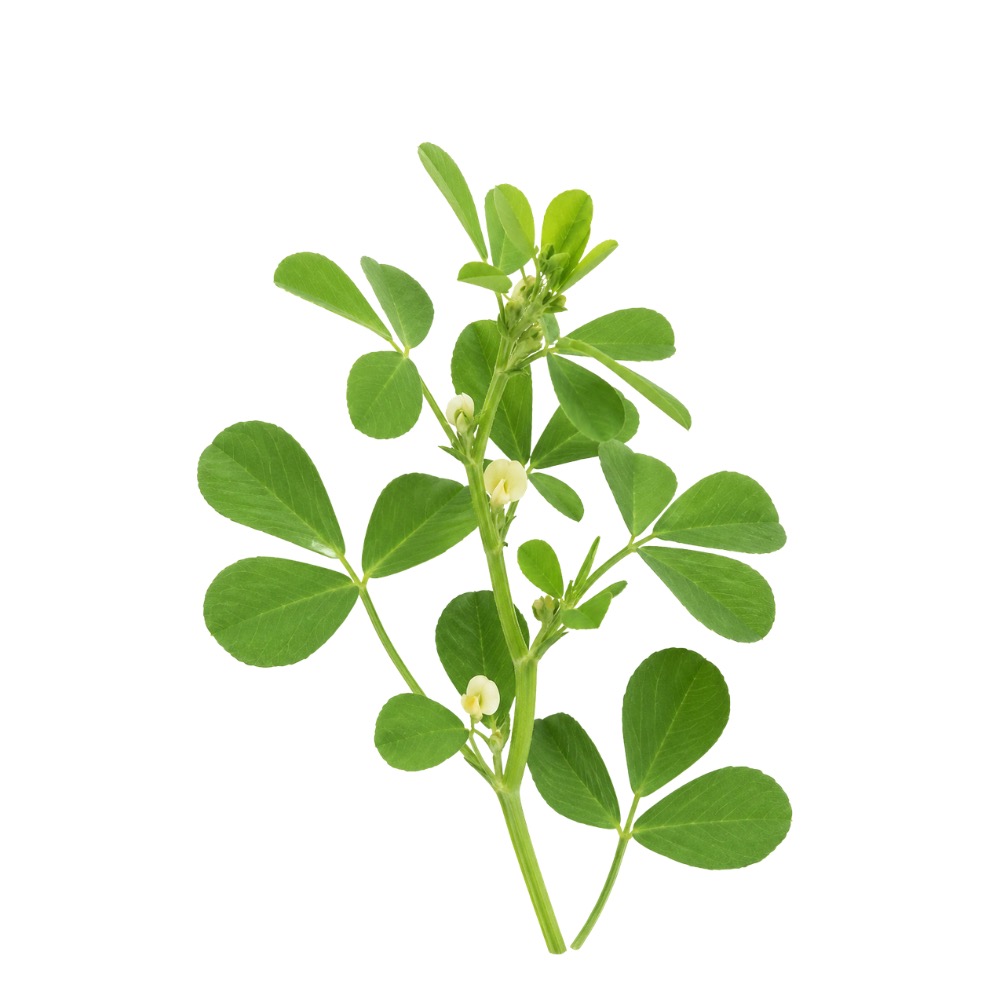
Trigonelline is a naturally occurring alkaloid (pyridine alkaloid; n-methylnicotinic acid), found in Coffee, Fenugreek and 1 other source. It is well tolerated orally (low toxicity).

Concentration
Content by Source
Reported concentrations across the plants that contain trigonelline — the bar marks the typical level, the line shows the reported range.
Literature figures for varying plant parts and preparations. Read them as a comparative guide, not exact assays.
Trigonelline at a Glance
Trigonelline is a pyridine alkaloid — the N-methyl betaine of nicotinic acid, so also called N-methylnicotinic acid — and one of the most abundant small molecules in coffee and fenugreek seed. It takes its name from fenugreek’s genus, Trigonella, where it was first isolated in 1885 1Reference 1ReviewPharmacological Activities, Therapeutic Effects, and Mechanistic Actions of TrigonellineView study →.
Its research interest is metabolic: trigonelline is a long-standing candidate contributor to the antidiabetic reputation of fenugreek seed, and a 2024 study identified it as a dietary NAD⁺ precursor whose blood levels fall in human sarcopenia 3Reference 3Trigonelline is an NAD⁺ precursor that improves muscle function during ageing and is reduced in human sarcopeniaView study →. Alongside this it carries preclinical neuroprotective, antioxidant and anti-inflammatory signals 1,
A distinctive twist sets this molecule apart from most phytochemicals: it is destroyed by cooking its own source. Roasting coffee demethylates and decomposes trigonelline into niacin (vitamin B3) and N-methylpyridinium, so a dark roast carries less trigonelline than a green bean — and is a modest niacin source because of it 8,
Trigonelline & Coffee Roasting
The single most compound-specific fact about trigonelline is its thermal fate. Green coffee beans are rich in it (~1–3% of dry weight), but trigonelline is heat-labile, and roasting degrades it steadily — the darker the roast, the less trigonelline survives 9Reference 9Quantitative studies on roast kinetics for bioactives in coffeeView study →.
It does not simply vanish. On roasting, trigonelline follows two main routes 8,
- Demethylation to nicotinic acid — i.e. niacin, vitamin B3. This is why roasted coffee is a genuine (if modest) dietary niacin source: the niacin is generated during roasting from trigonelline, not originally present. Darker roasts can therefore carry more niacin even as they carry less trigonelline. Small amounts of nicotinamide and methyl nicotinate appear too 8Reference 8Quantitative investigation of trigonelline, nicotinic acid, and nicotinamide in foods, urine, and plasma by means of LC-MS/MS and stable isotope dilution analysisView study →.
- Formation of N-methylpyridinium (NMP) and related alkylpyridinium ions, plus volatile pyridines that contribute to roast aroma. NMP rises with roast degree — inversely to trigonelline — and is readily absorbed, peaking in plasma about an hour after drinking coffee 9Reference 9Quantitative studies on roast kinetics for bioactives in coffeeView study →. NMP is itself bioactive: in liver (HepG2) cells it stimulated respiratory activity and promoted glucose utilisation 10Reference 10N-Methylpyridinium, a degradation product of trigonelline upon coffee roasting, stimulates respiratory activity and promotes glucose utilization in HepG2 cellsView study →.
In Lang and colleagues’ survey of 113 Arabica and 38 Robusta coffees, trigonelline (and the chlorogenic/caffeoylquinic acids) tracked roast colour downward while NMP tracked it upward, so no single roast maximises all of coffee’s bioactives at once 9Reference 9Quantitative studies on roast kinetics for bioactives in coffeeView study →. During brewing, trigonelline is almost quantitatively extracted into the cup (>90% at normal water-to-grounds ratios) 9Reference 9Quantitative studies on roast kinetics for bioactives in coffeeView study →. The practical upshot: green and light-roast coffee are the higher-trigonelline exposure; dark roast trades trigonelline for niacin and NMP.
Antidiabetic & Metabolic Activity
Trigonelline’s oldest research thread is metabolic, and it is inseparable from fenugreek. Fenugreek seed lowers blood glucose in human trials, but that whole-seed effect is driven mainly by its viscous galactomannan fibre and the amino acid 4-hydroxyisoleucine — trigonelline is one marker constituent within a multi-component effect, not the whole story 1,
As an isolate, trigonelline does show glucose- and lipid-lowering activity in rodents. In high-fat-fed, low-dose-streptozotocin type-2-diabetic rats, oral trigonelline lowered fasting glucose and glycated haemoglobin, improved insulin levels, restored hepatic and muscle glycogen, and normalised the lipid profile 4Reference 4AnimalAntidiabetic and antidyslipidemic nature of trigonelline, a major alkaloid of fenugreek seeds studied in high-fat-fed and low-dose streptozotocin-induced experimental diabetic ratsView study →. Reviews attribute the mechanism to a spread of actions — improved insulin secretion and β-cell protection, modulation of glucose-metabolising enzymes, PPAR-γ and Nrf2 signalling, and reduced oxidative stress — rather than one dominant target 1,
Trigonelline, NAD⁺ & Muscle Ageing
The newest and most striking finding gives trigonelline its own compound-unique story. A 2024 Nature Metabolism study reported that trigonelline is an NAD⁺ precursor 3Reference 3Trigonelline is an NAD⁺ precursor that improves muscle function during ageing and is reduced in human sarcopeniaView study →. NAD⁺ is the central redox coenzyme that declines with age; boosting it is the rationale behind niacin, nicotinamide riboside and NMN.
The key findings 3Reference 3Trigonelline is an NAD⁺ precursor that improves muscle function during ageing and is reduced in human sarcopeniaView study →:
- In humans, serum trigonelline was lower in people with sarcopenia (age-related muscle loss) and correlated positively with muscle strength and with mitochondrial oxidative-phosphorylation gene expression in skeletal muscle.
- Trigonelline raised NAD⁺ in C. elegans, mice, and primary human myotubes — including myotubes from sarcopenic donors — by feeding into the NAPRT-dependent Preiss–Handler pathway, the same route nicotinic acid uses.
- Unlike nicotinic acid, trigonelline did not activate GPR109A, the receptor behind niacin’s flushing — a potential tolerability advantage.
- Functionally, it improved mitochondrial respiration and biogenesis, extended lifespan and mobility in C. elegans (via a sirtuin-dependent, NAD⁺-requiring mechanism), and in aged male mice increased grip strength and delayed fatigue.
This reframes a familiar coffee/fenugreek molecule as a candidate NAD⁺-boosting nutrient. The caveat is proportionate to the novelty: the human data are observational correlations, the interventional data are animal and cell models, and there is as yet no human trigonelline supplementation trial confirming a muscle or NAD⁺ benefit 3Reference 3Trigonelline is an NAD⁺ precursor that improves muscle function during ageing and is reduced in human sarcopeniaView study →.
What It's Used For
The evidence is broad in range but shallow in tier: many activities, almost entirely preclinical, with the human contribution limited to observational correlations and to whole-food (coffee/fenugreek) epidemiology rather than trials of the isolate.
Support is an experimental score — weighted by study type (human > animal > in vitro) and volume. A beta, not a validated metric. Scores stay modest by design: no application rests on a controlled human trial of isolated trigonelline, so read the per-row basis.
The oldest and best-populated thread. As an isolate, oral trigonelline lowered fasting glucose and glycated haemoglobin, raised insulin, and restored hepatic/muscle glycogen and lipid profile in high-fat-fed, low-dose-streptozotocin diabetic rats 4Reference 4AnimalAntidiabetic and antidyslipidemic nature of trigonelline, a major alkaloid of fenugreek seeds studied in high-fat-fed and low-dose streptozotocin-induced experimental diabetic ratsView study →, with reviews adding β-cell protection, PPAR-γ activation and improved glucose-enzyme handling 1,
In the whole plant, fenugreek seed genuinely lowers blood glucose in people — but chiefly through its galactomannan fibre and 4-hydroxyisoleucine; trigonelline is a marker constituent within that effect, not its engine 1,
Gap: every isolate result is rodent; the human glucose data belong to whole fenugreek seed and to coffee epidemiology, never to purified trigonelline 1,
The novel headline (2024). Trigonelline incorporates into the NAD⁺ pool via the NAPRT/Preiss–Handler pathway, raising NAD⁺ in C. elegans, mice and human myotubes; in humans, serum trigonelline is reduced in sarcopenia and tracks muscle strength and mitochondrial gene expression, while dietary supplementation improved strength and fatigue-resistance in aged mice — without activating the niacin-flush receptor GPR109A 3Reference 3Trigonelline is an NAD⁺ precursor that improves muscle function during ageing and is reduced in human sarcopeniaView study →.
This is the strongest mechanistic case that trigonelline itself does something useful.
Gap: the human evidence is observational (serum correlation), the interventional evidence is worms/mice/cells, and no human trigonelline-supplementation trial has tested a muscle or NAD⁺ outcome 3Reference 3Trigonelline is an NAD⁺ precursor that improves muscle function during ageing and is reduced in human sarcopeniaView study →.
A coherent rodent-isolate signal, aided by a real pharmacokinetic fact — trigonelline crosses the blood–brain barrier 2,
In Alzheimer’s-model (5×FAD) mice it recovered memory, reversed amyloid-β-induced axonal and dendritic atrophy, and its effect was traced to the direct target creatine kinase B-type 5Reference 5AnimalTrigonelline recovers memory function in Alzheimer’s disease model mice: evidence of brain penetration and target moleculeView study →.
It also improved memory and reduced oxidative and glycation damage in d-galactose-aged mice 6Reference 6AnimalTrigonelline insulates against oxidative stress, proinflammatory cytokines and restores BDNF levels in lipopolysaccharide induced cognitive impairment in adult miceView study → and restored BDNF while dampening oxidative stress and cytokines in LPS-injured mice 7Reference 7In vitroIn vitro antiglycating effect and in vivo neuroprotective activity of Trigonelline in d-galactose induced cognitive impairmentView study →.
Gap: all rodent, all the isolate, in induced-injury models; no human cognitive trial of trigonelline exists 5,
The mechanistic substrate under the other applications. Trigonelline behaves as an antioxidant and anti-glycation agent (lowering advanced glycation end-products) and modulates the Nrf2 (up) and NF-κB (down) axes, reducing pro-inflammatory cytokines 1,
Gap: in-vitro and rodent only; as a dietary antioxidant its systemic contribution is unquantified and confounded by the whole coffee/fenugreek matrix 1,
Mechanisms
| Target / pathway | Effect | Relevant to |
|---|---|---|
| NAPRT / Preiss–Handler NAD⁺ biosynthesis | serves as an NAD⁺ precursor, raising cellular NAD⁺ | NAD⁺ / muscle & mitochondrial function |
| Mitochondrial respiration & biogenesis | improved oxidative phosphorylation, reduced age-related muscle wasting | NAD⁺ / muscle function |
| GPR109A (niacin receptor) | not activated — no flushing, unlike nicotinic acid | tolerability contrast with niacin |
| β-cell function / insulin secretion; PPAR-γ | improved insulin output and glucose handling in diabetic rodents | antidiabetic |
| Glucose-metabolising enzymes / glycogen storage | restored hepatic & muscle glycogen; lowered glucose and HbA1c | antidiabetic |
| Nrf2 (↑) / NF-κB (↓) signalling | antioxidant induction; suppressed inflammatory cytokines | antioxidant / anti-inflammatory / neuro |
| Advanced glycation end-products (AGEs) | anti-glycation; lowered AGE burden and acetylcholinesterase | neuroprotection |
| Creatine kinase B-type (CKB) | direct binding target driving axonal/dendritic regrowth | neuroprotection |
| Estrogen receptor | weak agonist — a phytoestrogen | estrogenic / bone (see Toxicity) |
The load-bearing shift is the NAD⁺-precursor mechanism 3Reference 3Trigonelline is an NAD⁺ precursor that improves muscle function during ageing and is reduced in human sarcopeniaView study →: it reframes a familiar dietary alkaloid as a candidate NAD⁺ booster that, unlike niacin, spares GPR109A.
Pharmacokinetics
Trigonelline is a small, highly water-soluble polar betaine (zwitterion), which shapes its disposition. It is absorbed after oral dosing and appears in plasma and urine — it is measurably bioavailable from coffee, and both trigonelline and its roast-product N-methylpyridinium rise in plasma within about an hour of drinking coffee 8,
Clinical Trials
There are no controlled efficacy trials of isolated trigonelline. Human evidence is (a) observational — serum trigonelline correlating with muscle strength and sarcopenia 3Reference 3Trigonelline is an NAD⁺ precursor that improves muscle function during ageing and is reduced in human sarcopeniaView study → — and (b) whole-food — the glycaemic trials of fenugreek seed and the metabolic epidemiology of coffee, neither of which isolates this molecule 1,
| Completed | Planned | Terminated | Preclinical |
|---|---|---|---|
| None of the isolate (human data are observational + whole-food fenugreek/coffee) | — | — | Antidiabetic, NAD⁺/muscle, neuroprotective, antioxidant (rodent + cell) |
Last checked: July 2026.
Isolate vs. Plant Studies
This molecule shows the classic compound-page split. The mechanistic and behavioural work is overwhelmingly the isolate: the diabetic-rat glucose/lipid studies 4Reference 4AnimalAntidiabetic and antidyslipidemic nature of trigonelline, a major alkaloid of fenugreek seeds studied in high-fat-fed and low-dose streptozotocin-induced experimental diabetic ratsView study →, the NAD⁺/muscle multi-model study 3Reference 3Trigonelline is an NAD⁺ precursor that improves muscle function during ageing and is reduced in human sarcopeniaView study →, and the neuroprotection series in Alzheimer’s-model, d-galactose and LPS mice 5,
The human evidence, by contrast, is never the isolate. Fenugreek’s glycaemic trials are whole-seed, where galactomannan fibre and 4-hydroxyisoleucine do most of the work and trigonelline is a marker 1,
Prevalence in Nature
Trigonelline is widely distributed in plants — it is a general product of niacin metabolism, formed by S-adenosylmethionine-dependent N-methylation of nicotinic acid, and functions in nitrogen storage, seed dormancy/germination and osmotic/stress regulation 1,
- Coffee (Coffea spp.) — green beans are among the richest known sources, at roughly 1–3% of dry weight (most cultivars ~2%), making trigonelline the second most abundant alkaloid in raw coffee after caffeine 1Reference 1ReviewPharmacological Activities, Therapeutic Effects, and Mechanistic Actions of TrigonellineView study →. Roasting lowers it (see above), so brewed exposure depends on roast degree 9Reference 9Quantitative studies on roast kinetics for bioactives in coffeeView study →.
- Fenugreek (Trigonella foenum-graecum) — the namesake source; seed content is reported around ~0.4–1% of dry weight in crushed-seed assays 14Reference 14A validated trigonelline-based method for the standardization and quality control of Trigonella foenum-graecum LView study →.
It also occurs across many legumes and other seeds (peas, soybeans and other Trigonella and Phaseolus species) as part of their nicotinic-acid metabolism 1,
Major Natural Sources
| Source | Plant part | Reported trigonelline content |
|---|---|---|
| Green coffee (Coffea arabica) | green bean | ~1–3% dry weight 1Reference 1ReviewPharmacological Activities, Therapeutic Effects, and Mechanistic Actions of TrigonellineView study → |
| Fenugreek (Trigonella foenum-graecum) | seed | ~0.4–1% dry weight 14Reference 14A validated trigonelline-based method for the standardization and quality control of Trigonella foenum-graecum LView study → |
| Roasted coffee (Coffea spp.) | roasted bean | lower, and falling with roast degree 9Reference 9Quantitative studies on roast kinetics for bioactives in coffeeView study → |
These are comparative ranges that shift with species, cultivar, growing conditions, assay method and — for coffee — roast degree 1,
Discovery & Synthesis
Trigonelline was first isolated in 1885 by the German pharmacist Eduard Jahns from the seeds of fenugreek, Trigonella foenum-graecum, from which it takes its name 1Reference 1ReviewPharmacological Activities, Therapeutic Effects, and Mechanistic Actions of TrigonellineView study →. Its structure — the N-methyl betaine of nicotinic acid (1-methylpyridinium-3-carboxylate) — places it squarely in the vitamin-B3 chemical family, and it is the plant’s methylated storage form of niacin.
Chemically it is readily prepared by exhaustive N-methylation of nicotinic acid (e.g. with methylating agents), and in plants it is made the same way biologically, by an S-adenosylmethionine-dependent nicotinate N-methyltransferase acting on niacin 1,
Patents: not yet researched.
Toxicity & Safety
Trigonelline carries a low toxicity flag: it is a normal constituent of two widely consumed foods — coffee and fenugreek — with a long history of dietary intake and no signal of acute toxicity at food-level exposure 1Reference 1ReviewPharmacological Activities, Therapeutic Effects, and Mechanistic Actions of TrigonellineView study →. It is water-soluble, poorly retained and largely excreted unchanged. The caveats below concern concentrated or supplemental use, which is not well characterised, and a specific hormonal signal.
Phytoestrogen & Bone Signal
The one non-trivial safety thread is that trigonelline is a weak phytoestrogen — it activates the estrogen receptor in cell assays 11Reference 11Trigonelline is a novel phytoestrogen in coffee beansView study →. The practical concern comes from bone studies in estrogen-deficient (ovariectomised) rats, where oral trigonelline (50 mg/kg) worsened bone mineralisation and the mechanical strength of cancellous bone, an unfavourable skeletal effect that appeared only under estrogen deficiency and not in estrogen-replete animals 12Reference 12AnimalUnfavorable effect of trigonelline, an alkaloid present in coffee and fenugreek, on bone mechanical properties in estrogen-deficient ratsView study →. In diabetic rats its skeletal effects were likewise mixed and model-dependent 13Reference 13AnimalEffects of Trigonelline, an Alkaloid Present in Coffee, on Diabetes-Induced Disorders in the Rat Skeletal SystemView study →. This is a rodent, supraphysiological-dose finding, but it flags that trigonelline’s estrogenic activity is not uniformly benign and warrants caution before concentrated supplemental use — particularly in postmenopausal or bone-fragile contexts.
General & Scope
At dietary levels (coffee, fenugreek), no meaningful toxicity is documented 1Reference 1ReviewPharmacological Activities, Therapeutic Effects, and Mechanistic Actions of TrigonellineView study →. Concentrated/isolated supplemental exposure has not been characterised for repeat-dose, genotoxicity or drug-interaction endpoints; no enzyme- or transporter-level human interaction data exist for the isolate. Pregnancy and lactation are decided on the fenugreek or coffee page where intake occurs, not on this molecule page; note only that fenugreek itself is traditionally cautioned in pregnancy, and that the phytoestrogen/bone signal above is unresolved.
- A dietary molecule with low toxicity. A normal constituent of coffee and fenugreek, consumed widely with no acute-toxicity signal at food levels 1Reference 1ReviewPharmacological Activities, Therapeutic Effects, and Mechanistic Actions of TrigonellineView study →.
- Weak phytoestrogen with an unfavourable bone signal. Activates the estrogen receptor and worsened cancellous-bone strength in estrogen-deficient rats at 50 mg/kg — a caution for concentrated use in postmenopausal/bone-fragile contexts 11,
12Reference 11Trigonelline is a novel phytoestrogen in coffee beansView study →Reference 12AnimalUnfavorable effect of trigonelline, an alkaloid present in coffee and fenugreek, on bone mechanical properties in estrogen-deficient ratsView study → . - Supplemental exposure is uncharacterised. No repeat-dose, genotoxicity or drug-interaction data exist for isolated/concentrated trigonelline 1Reference 1ReviewPharmacological Activities, Therapeutic Effects, and Mechanistic Actions of TrigonellineView study →.
- Exposure depends on roast. Dark-roast coffee carries much less trigonelline (and more niacin/N-methylpyridinium) than green or light roast 9Reference 9Quantitative studies on roast kinetics for bioactives in coffeeView study →.
Dosage
There is no established or recommended human dose for isolated trigonelline. The cited efficacy figures are preclinical rodent research doses — commonly 50–100 mg/kg orally in the diabetes and neuroprotection studies 4,
Real human exposure is dietary:
| Route | Typical trigonelline exposure |
|---|---|
| A cup of coffee | ~40–80 mg (falling with darker roast) 8, |
| Green / light-roast coffee | higher per bean than dark roast 9Reference 9Quantitative studies on roast kinetics for bioactives in coffeeView study → |
| Fenugreek seed (culinary/supplement) | a second dietary source; seed ~0.4–1% by weight 14Reference 14A validated trigonelline-based method for the standardization and quality control of Trigonella foenum-graecum LView study → |
Because coffee’s and fenugreek’s human metabolic signals come from the whole food — with caffeine, chlorogenic acids, galactomannan fibre and 4-hydroxyisoleucine all in play — they cannot be re-created by dosing purified trigonelline. These are dietary exposures and research figures, not a personal recommendation.
References
- Nguyen V, Taine EG, Meng D, Cui T, Tan W (2024). Pharmacological Activities, Therapeutic Effects, and Mechanistic Actions of Trigonelline. International Journal of Molecular Sciences. Review. https://pubmed.ncbi.nlm.nih.gov/38542359/
- Zhou J, Chan L, Zhou S (2012). Trigonelline: a plant alkaloid with therapeutic potential for diabetes and central nervous system disease. Current Medicinal Chemistry. Review. https://pubmed.ncbi.nlm.nih.gov/22680628/
- Membrez M, Migliavacca E, Christen S, et al. (2024). Trigonelline is an NAD⁺ precursor that improves muscle function during ageing and is reduced in human sarcopenia. Nature Metabolism. https://pubmed.ncbi.nlm.nih.gov/38504132/
- Subramanian SP, Prasath GS (2014). Antidiabetic and antidyslipidemic nature of trigonelline, a major alkaloid of fenugreek seeds studied in high-fat-fed and low-dose streptozotocin-induced experimental diabetic rats. Biomedicine & Preventive Nutrition. https://doi.org/10.1016/j.bionut.2014.07.001
- Farid MM, Yang X, Kuboyama T, Tohda C (2020). Trigonelline recovers memory function in Alzheimer’s disease model mice: evidence of brain penetration and target molecule. Scientific Reports. https://pubmed.ncbi.nlm.nih.gov/33009465/
- Chowdhury AA, Gawali NB, Munshi R, Juvekar AR (2018). Trigonelline insulates against oxidative stress, proinflammatory cytokines and restores BDNF levels in lipopolysaccharide induced cognitive impairment in adult mice. Metabolic Brain Disease. https://pubmed.ncbi.nlm.nih.gov/29277879/
- Chowdhury AA, Gawali NB, Bulani VD, et al. (2018). In vitro antiglycating effect and in vivo neuroprotective activity of Trigonelline in d-galactose induced cognitive impairment. Pharmacological Reports. https://pubmed.ncbi.nlm.nih.gov/29477946/
- Lang R, Yagar EF, Eggers R, Hofmann T (2008). Quantitative investigation of trigonelline, nicotinic acid, and nicotinamide in foods, urine, and plasma by means of LC-MS/MS and stable isotope dilution analysis. Journal of Agricultural and Food Chemistry. https://pubmed.ncbi.nlm.nih.gov/19007232/
- Lang R, Yagar EF, Wahl A, et al. (2013). Quantitative studies on roast kinetics for bioactives in coffee. Journal of Agricultural and Food Chemistry. https://doi.org/10.1021/jf403846g
- Riedel A, Hochkogler CM, Lang R, et al. (2014). N-Methylpyridinium, a degradation product of trigonelline upon coffee roasting, stimulates respiratory activity and promotes glucose utilization in HepG2 cells. Food & Function. https://doi.org/10.1039/c3fo60320b
- Allred KF, Yackley KM, Vanamala J, Allred CD (2009). Trigonelline is a novel phytoestrogen in coffee beans. The Journal of Nutrition. https://pubmed.ncbi.nlm.nih.gov/19710155/
- Folwarczna J, Janas A, Pytlik M, et al. (2014). Unfavorable effect of trigonelline, an alkaloid present in coffee and fenugreek, on bone mechanical properties in estrogen-deficient rats. Molecular Nutrition & Food Research. https://doi.org/10.1002/mnfr.201300936
- Folwarczna J, Janas A, Pytlik M, et al. (2016). Effects of Trigonelline, an Alkaloid Present in Coffee, on Diabetes-Induced Disorders in the Rat Skeletal System. Nutrients. https://doi.org/10.3390/nu8030133
- Aldholmi M, Ahmad R, Hago S, et al. (2024). A validated trigonelline-based method for the standardization and quality control of Trigonella foenum-graecum L. F1000Research. https://pubmed.ncbi.nlm.nih.gov/39931315/



