
Compound Monograph
Xanthotoxin
Xanthotoxin (8-methoxypsoralen, methoxsalen) is a linear furanocoumarin of bishop's weed, parsnip and figs — and a marketed drug. Activated by UVA light it cross-links DNA: the basis of PUVA photochemotherapy for psoriasis, vitiligo and cutaneous T-cell lymphoma, and equally of its phototoxicity, burn and skin-cancer risk.

Sources · 10
Where Does It Come From?
Xanthotoxin is a naturally occurring furanocoumarin (linear / psoralen-type), found in Bishop's weed, Parsnip, Angelica and 7 other sources. It is flagged as moderately toxic.
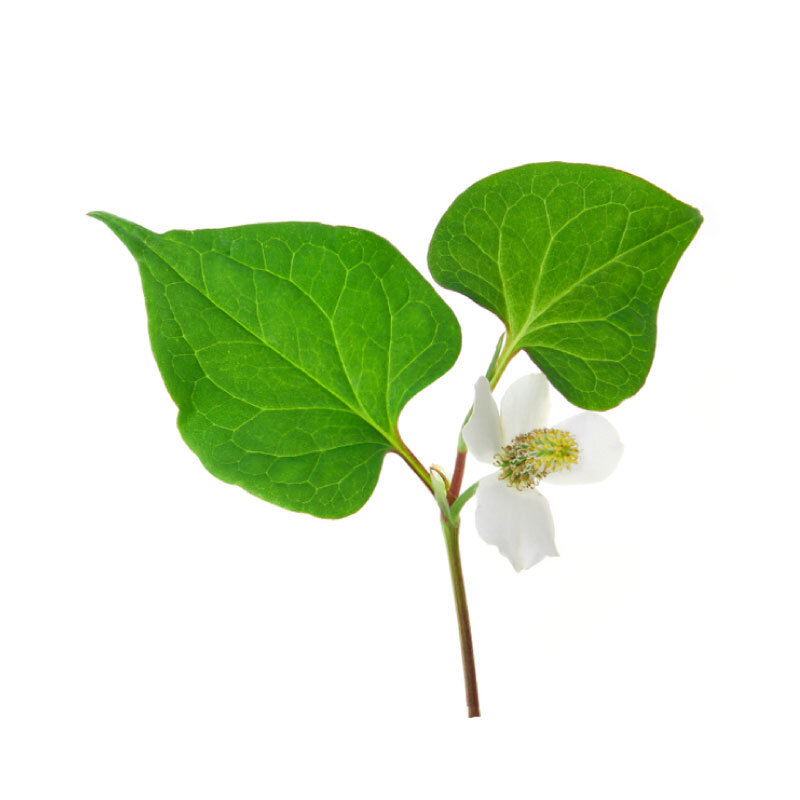 Principal source Fish Mint Houttuynia cordata Herb monograph →
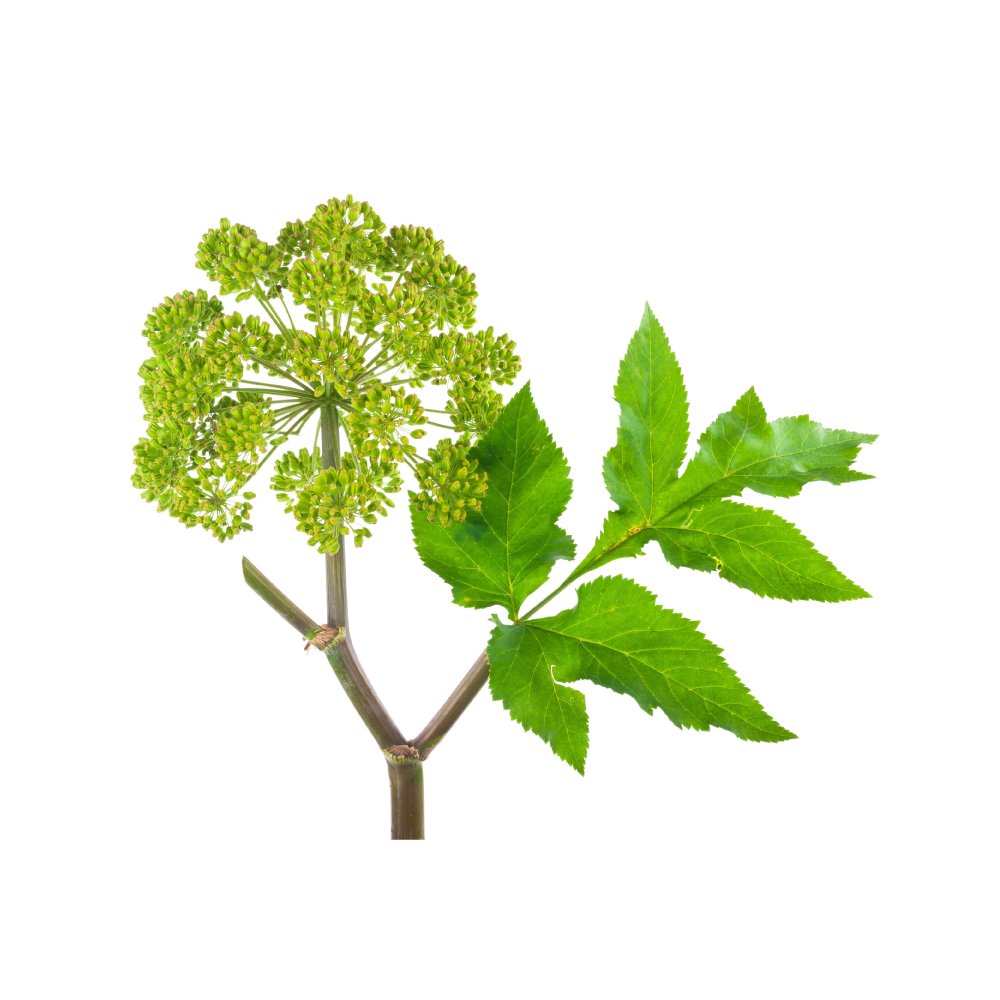 Source Angelica Angelica archangelica Herb monograph →
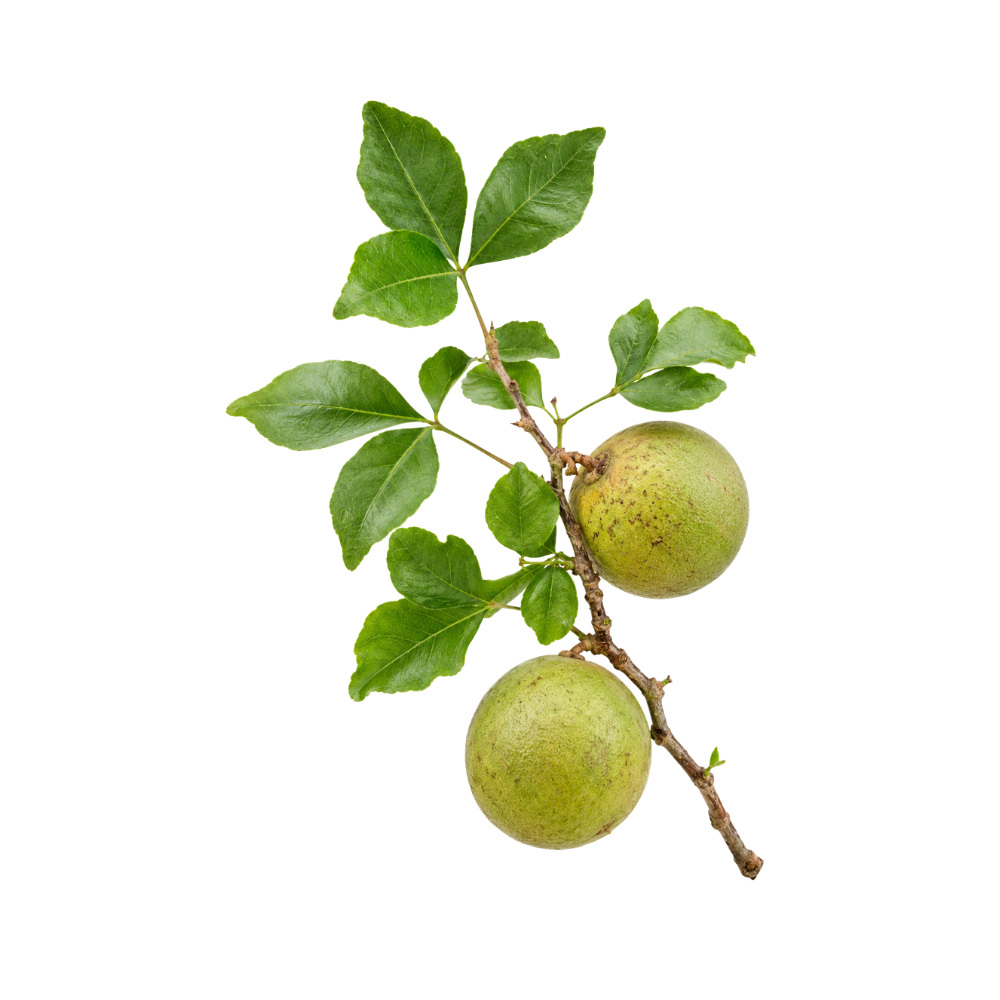 Source Bael Aegle marmelos Herb monograph →
Concentration
Content by Source
Concentrations not reported. No percent-dry-weight or mg/g figures have been published for this compound in its source plants.
Xanthotoxin at a Glance
Xanthotoxin is a linear furanocoumarin — a coumarin fused to a furan ring — found in bishop’s weed (Ammi majus), parsnip, angelica, celery and figs. It is far better known by its drug names: 8-methoxypsoralen (8-MOP) and methoxsalen, sold as Oxsoralen. It is one of the few plant constituents here that is also a marketed medicine.
The single fact that organises everything about this molecule is that it is phototoxic: on its own, in the dark, it is largely inert, but when skin containing it is exposed to long-wave ultraviolet (UVA) light, the molecule is photochemically activated and cross-links DNA. That one reaction is simultaneously the basis of its therapeutic use — the classic PUVA (Psoralen + UVA) photochemotherapy for psoriasis, vitiligo and cutaneous T-cell lymphoma — and of its harms: phytophotodermatitis, burns, and a documented long-term skin-cancer and photoageing risk 1,
Because the drug and the phytochemistry are the same molecule, the honest framing runs both ways. The clinical evidence is genuinely strong — decades of controlled dermatological use — but it belongs to a carefully dosed drug given with a measured light source and eye protection, not to eating parsnips or brushing against wild plants. The same chemistry that clears a psoriatic plaque under a UVA lamp raises a blistering burn on a forager’s forearm in the sun.
Established Medical Uses
Xanthotoxin’s real-world footprint is as a photosensitising drug, always paired with a controlled UVA dose and never used for its pharmacology alone:
- Psoriasis — oral or topical PUVA, the treatment that put the molecule on the modern map 1,
2Reference 1Photochemotherapy of psoriasis with oral methoxsalen and longwave ultraviolet lightView study →Reference 2Psoralen photochemotherapyView study → . - Vitiligo — psoralen photochemotherapy to stimulate repigmentation, a use that predates PUVA-for-psoriasis by centuries in its herbal form 16,
17Reference 16ReviewAatrilal (Ammi majus L.), an important drug of Unani system of medicine: A reviewView study →Reference 17Ammoidin (xanthotoxin) in the treatment of vitiligoView study → . - Cutaneous T-cell lymphoma — extracorporeal photopheresis, in which the patient’s white cells are treated with 8-MOP and UVA outside the body, then returned 4Reference 4Treatment of cutaneous T-cell lymphoma by extracorporeal photochemotherapyView study →.
Each of these rests on the same DNA-cross-linking photochemistry; they differ mainly in how the light and drug are delivered. None is a casual therapy — all involve prescription drug, measured UVA and eye/skin protection.
What PUVA Is
PUVA stands for Psoralen + Ultraviolet A. It is not a drug and not a light treatment but the deliberate combination of the two: the patient takes (or applies) a psoralen — most often xanthotoxin — and then, at the drug’s peak in the skin, receives a measured dose of UVA (~320–400 nm) 1,
The logic is that neither component does much alone at these doses. Psoralen in the dark is a fairly quiet molecule; UVA at therapeutic doses is far less directly damaging than UVB. Together they are potent, because UVA supplies exactly the energy needed to drive the psoralen’s photoreaction with DNA. This is why PUVA is best understood as a single photochemotherapy rather than “a pill plus a sunbed,” and why its benefits and its risks are inseparable — both flow from the same activated-molecule chemistry 2,
Delivery varies: oral PUVA (systemic 8-MOP, then whole-body UVA), topical / bath PUVA (soaking or painting the skin to limit systemic exposure), and extracorporeal photopheresis (the blood-cell version for lymphoma) 4Reference 4Treatment of cutaneous T-cell lymphoma by extracorporeal photochemotherapyView study →.
How Xanthotoxin Works
Xanthotoxin’s mechanism is photochemical, and it proceeds in stages.
Intercalation Into DNA
Being flat and planar, the furanocoumarin slips between the base pairs of the DNA double helix (intercalation), preferentially near thymine-rich runs. In the dark this is where it stops — a reversible, non-covalent association 3Reference 3The excitation of 8-methoxypsoralen with visible light: reversed phase HPLC quantitation of monoadducts and cross-linksView study →.
UVA Activation & Cycloaddition
When UVA light hits the intercalated molecule, it enters an excited state and undergoes a [2+2] cycloaddition with a pyrimidine base (usually thymine). A first photon forms a covalent monoadduct. Because xanthotoxin can react at either its furan or its pyrone double bond, a second photon can drive the monoadduct to react with a thymine on the opposite strand, producing an interstrand cross-link that welds the two DNA strands together 3Reference 3The excitation of 8-methoxypsoralen with visible light: reversed phase HPLC quantitation of monoadducts and cross-linksView study →.
Cross-Links, Repair and Cell Cycle Arrest
These cross-links block DNA replication and transcription in the treated cells and trigger DNA-damage responses. In hyperproliferative disease (psoriasis) this slows the runaway division of keratinocytes and T-cells; in the skin generally it also has immunomodulatory effects 1,
Immunomodulation (Photopheresis)
In extracorporeal photopheresis the target is not the skin but circulating malignant T-cells: 8-MOP + UVA damages them ex vivo, and re-infusing the treated cells appears to prompt a systemic immune response against the lymphoma clone rather than acting purely as a cytotoxic wash 4Reference 4Treatment of cutaneous T-cell lymphoma by extracorporeal photochemotherapyView study →.
What It's Used For
Unusually for a plant constituent, xanthotoxin’s headline evidence is human clinical — but every therapeutic use is a drug-plus-light protocol, so the caveat here is not “isolate vs. plant” so much as “the molecule is inert without the UVA half of the treatment.”
Support is an experimental score — weighted by study type (human > animal > in vitro) and volume. A beta, not a validated metric. The top three are established drug-plus-light therapies; the CYP2A6/nicotine row is a mechanistic lever, not an approved use.
The marquee use and the reason 8-MOP is a household name in dermatology. The 1974 NEJM trial of oral methoxsalen plus long-wave UVA showed clearing of psoriatic plaques and launched PUVA as a mainstream therapy 1Reference 1Photochemotherapy of psoriasis with oral methoxsalen and longwave ultraviolet lightView study →; subsequent reviews established it as an effective treatment for moderate-to-severe and palmoplantar psoriasis, working by cross-linking DNA in the hyperproliferating epidermis and dampening cutaneous immune activity 2Reference 2Psoralen photochemotherapyView study →.
Later protocol work showed the UVA dose and treatment frequency can be trimmed without much loss of antipsoriatic effect — a deliberate move to reduce cumulative carcinogenic exposure 13Reference 13Reduction of treatment frequency and UVA dose does not substantially compromise the antipsoriatic effect of oral psoralen-UVAView study →.
This is the isolated molecule used as a drug, but always with the UVA half of the protocol.
Gap: efficacy is inseparable from the light dose and cannot be claimed for the molecule alone; PUVA has largely been displaced in first-line practice by narrow-band UVB and biologics precisely because of its long-term skin-cancer burden 2,
The oldest use of all. Extracts of Ammi majus fruit — the herbal source of xanthotoxin — were used for vitiligo (leukoderma) in ancient Egyptian and Unani/Ayurvedic medicine, and the practice was revived scientifically in mid-20th-century Egypt once the active furanocoumarin was isolated 16Reference 16ReviewAatrilal (Ammi majus L.), an important drug of Unani system of medicine: A reviewView study →.
Purified xanthotoxin (“ammoidin”) plus sunlight or UVA was reported to stimulate repigmentation of vitiliginous skin in the 1950s 17Reference 17Ammoidin (xanthotoxin) in the treatment of vitiligoView study →, and psoralen-UVA remains a recognised (if now often second-line) vitiligo therapy. The proposed mechanism is stimulation and migration of melanocytes under the photoactivated drug.
Gap: repigmentation is partial, slow and unpredictable; the early literature is largely uncontrolled case series, and topical narrow-band UVB and calcineurin inhibitors have become preferred for many patients 16Reference 16ReviewAatrilal (Ammi majus L.), an important drug of Unani system of medicine: A reviewView study →.
A conceptually different application of the same photochemistry. In extracorporeal photochemotherapy (photopheresis), the patient’s leukocytes are separated, mixed with 8-MOP, irradiated with UVA outside the body, and re-infused. The 1987 NEJM preliminary report found responses in a majority of patients with otherwise-resistant cutaneous T-cell lymphoma (Sézary syndrome), with the treated cells appearing to provoke a systemic anti-tumour immune response 4Reference 4Treatment of cutaneous T-cell lymphoma by extracorporeal photochemotherapyView study →.
Photopheresis has since become an established option in CTCL and in graft-versus-host disease.
Gap: this is a specialist hospital procedure, not the molecule taken as a medicine; response rates vary and the immunological mechanism is still incompletely defined 4Reference 4Treatment of cutaneous T-cell lymphoma by extracorporeal photochemotherapyView study →.
A pharmacology story rather than a therapy. Xanthotoxin is a mechanism-based (“suicide”) inhibitor of CYP2A6, the human liver enzyme that hydroxylates coumarin and, importantly, clears nicotine. In human liver microsomes it is “one of the most potent” inhibitors of coumarin 7-hydroxylase 8Reference 8Inhibition of coumarin 7-hydroxylase activity in human liver microsomesView study → and is used as a selective CYP2A6 probe inhibitor in vitro 9Reference 9In vitroEvaluation of methoxsalen, tranylcypromine, and tryptamine as specific and selective CYP2A6 inhibitors in vitroView study →; in a human study it cut coumarin metabolism by roughly half 10Reference 10AnimalMetabolic interactions of methoxsalen and coumarin in humans and miceView study →.
Because slowing nicotine breakdown can reduce smoking, methoxsalen has been explored as a smoking-cessation adjunct — but the behavioural evidence is preclinical (e.g. reduced nicotine self-administration in mice) 11Reference 11AnimalEffects of methoxsalen, a CYP2A5/6 inhibitor, on nicotine dependence behaviors in miceView study →.
Gap: the enzyme inhibition is solidly characterised, but the smoking-cessation application is exploratory and unapproved, and the very same CYP2A6 potency is a drug-interaction hazard in ordinary use 10,
Mechanisms
| Target / pathway | Effect | Relevant to |
|---|---|---|
| DNA (intercalation) | flat furanocoumarin inserts between base pairs; reversible in the dark | prerequisite for all photoactivity |
| DNA + UVA ([2+2] cycloaddition) | forms covalent monoadducts, then interstrand cross-links with thymine on both strands | PUVA efficacy AND photo-genotoxicity |
| Keratinocyte / T-cell proliferation | cross-links block replication → arrest of hyperproliferating skin cells | psoriasis |
| Melanocytes (photoactivated) | stimulation / migration → repigmentation | vitiligo |
| Ex-vivo leukocytes + systemic immunity | damaged re-infused T-cells prime an anti-tumour response | CTCL photopheresis |
| CYP2A6 (coumarin 7-hydroxylase) | potent mechanism-based inhibition → slowed nicotine/coumarin clearance | drug interactions; smoking-cessation research |
| Reactive oxygen species (type II) | UVA-excited psoralen also generates singlet oxygen → membrane/lipid damage | phototoxic burnsunburn-type reaction |
The load-bearing point is that the first two rows are the same event: intercalation followed by UVA-driven cross-linking is both why PUVA works and why it is genotoxic and carcinogenic. There is no separating the therapeutic mechanism from the toxic one.
Pharmacokinetics
Orally, xanthotoxin is absorbed but with highly variable bioavailability — food, formulation and inter-individual metabolism all matter, and different oral preparations (crystalline vs. liquid/solubilised) produce markedly different peak plasma levels and clinical clearance, which is why PUVA is timed to the drug’s skin peak (~1–2 h) rather than a fixed clock 12Reference 12Comparative efficacy of two dosage forms of oral methoxsalen in psoralens plus ultraviolet A therapy of psoriasisView study →. It is extensively metabolised in the liver, and — the distinctive PK fact for this molecule — it inhibits its own metabolising enzyme, CYP2A6, so it is a mechanism-based inhibitor that shows non-linear, self-limiting clearance 8,
Clinical Trials
Human evidence for xanthotoxin is, unusually, substantial and old — it is an established drug, so the “trials” are decades of dermatological use rather than a modern pipeline. The active frontier is photopheresis protocols and CYP2A6/smoking-cessation research.
| Completed | Planned | Terminated | Preclinical |
|---|---|---|---|
| Extensive: oral/topical PUVA for psoriasis & vitiligo; photopheresis for CTCL 1, | Photopheresis protocol optimisation | — | CYP2A6-mediated smoking-cessation behaviour 11Reference 11AnimalEffects of methoxsalen, a CYP2A5/6 inhibitor, on nicotine dependence behaviors in miceView study →; anticancer/antimicrobial isolate assays |
Last checked: July 2026.
Xanthotoxin vs. Psoralen & Bergapten
Xanthotoxin belongs to a small family of linear furanocoumarins that share the same photochemistry but differ in substituent position and potency — a distinction worth holding onto because they co-occur in the same plants.
- Psoralen is the unsubstituted parent scaffold; xanthotoxin is simply psoralen with a methoxy group at the 8-position (hence *8-*methoxypsoralen).
- Bergapten is the 5-methoxy isomer (5-MOP), the other major medicinal/phototoxic psoralen; it and xanthotoxin are the two furanocoumarins most often blamed for phytophotodermatitis and are the workhorses of psoralen phototherapy.
- Angelicin is an angular furanocoumarin: because of its bent shape it forms mainly monoadducts and cannot readily cross-link DNA, making it far less phototoxic than the linear psoralens — a clean illustration that geometry, not just family, sets the risk.
All the linear psoralens act by the same UVA-driven cross-linking, and in a plant they occur as a mixture; their combined phototoxic and photo-genotoxic potency is roughly additive, which is why furanocoumarin-rich foods and plants are assessed as a group rather than one molecule at a time 15Reference 15Application of the equivalency factor concept to the phototoxicity and -genotoxicity of furocoumarin mixturesView study →.
Isolate vs. Plant Studies
This molecule inverts the usual database caution. The therapeutic evidence is for the near-pure isolate used as a drug — 8-MOP is a defined pharmaceutical dosed to the milligram, so PUVA, vitiligo and photopheresis data are isolate data, a genuine strength 1,
Its Role in Plants
In plants, xanthotoxin is a phytoalexin — a chemical defence, not a housekeeping metabolite. It is built on the coumarin / phenylpropanoid pathway, with the furan ring added to umbelliferone-derived precursors; the shikimate pathway feeds the coumarin core, and prenylation plus cyclisation yields the linear furanocoumarin skeleton it shares with psoralen and bergapten.
Its function is defensive. Furanocoumarins are frequently induced by wounding, infection or insect attack rather than stored at high levels in the healthy plant, and once a herbivore ingests them their DNA-cross-linking phototoxicity is activated by sunlight — a light-triggered chemical weapon. This is an evolutionary arms race: some specialist insects (notably in the Apiaceae-feeding lineages) carry cytochrome-P450 detoxification enzymes tuned to furanocoumarins, and the plants respond with more complex mixtures. The same defence chemistry is exactly what burns human skin on contact.
Prevalence in Nature
Xanthotoxin is concentrated in two plant families: the Apiaceae (Umbelliferae) and the Rutaceae. Classic dietary and wild sources include bishop’s weed (Ammi majus) — the richest traditional source and the origin of the drug — parsnip and wild parsnip (Pastinaca sativa), celery (Apium graveolens), angelica, cow parsnip and giant hogweed, plus the common fig (Ficus carica) and citrus peel (bergamot and relatives) 14,
Concentrations are highly variable and often stress-dependent: many of these plants carry little xanthotoxin until they are damaged, diseased or stressed, when furanocoumarin synthesis is induced. Levels shift with species, cultivar, tissue (fruit/seed usually richest), ripeness and geography, so a single ”% dry weight” figure is misleading — the molecule is better described as present, inducible and co-occurring with related psoralens than as a fixed-abundance constituent 14,
Discovery & Synthesis
Xanthotoxin was first isolated in 1911 by Thomas from the seeds of the African plant Fagara xanthoxyloides (now Zanthoxylum), which supplied the name xanthotoxin (“Xantho-” + “-toxin”). Its structure was elucidated, and the molecule synthesised, by Späth and Holzen in 1933, establishing it as 8-methoxypsoralen.
The medically important thread runs through Egypt. Building on a millennia-old Egyptian and Unani/Ayurvedic tradition of using Ammi majus fruit against vitiligo, Fahmy and Abu-Shady isolated a crystalline furanocoumarin from Ammi majus fruit in 1947 and named it “ammoidin” — soon shown to be the same molecule as xanthotoxin 16Reference 16ReviewAatrilal (Ammi majus L.), an important drug of Unani system of medicine: A reviewView study →. Mid-20th-century clinicians then used purified “ammoidin” plus sunlight to treat vitiligo 17Reference 17Ammoidin (xanthotoxin) in the treatment of vitiligoView study →. The molecule’s modern career was sealed in 1974, when Parrish, Fitzpatrick and colleagues published oral methoxsalen plus long-wave UVA for psoriasis in the New England Journal of Medicine — the birth of PUVA 1Reference 1Photochemotherapy of psoriasis with oral methoxsalen and longwave ultraviolet lightView study →.
Manufacture today is by chemical synthesis (the drug substance methoxsalen is a defined synthetic pharmaceutical), though Ammi majus fruit is still used as a botanical extraction source in some regions 16Reference 16ReviewAatrilal (Ammi majus L.), an important drug of Unani system of medicine: A reviewView study →.
Patents: not yet researched.
Toxicity & Safety
Xanthotoxin carries a [moderate] flag — higher than an ordinary plant coumarin, lower than an outright poison — because its hazard is conditional on light. In the dark it is relatively inert; under UVA or sunlight it becomes a DNA-cross-linking genotoxin. The therapeutic and toxic profiles are the same chemistry seen from two sides.
Phytophotodermatitis & Acute Burns
Skin contact with furanocoumarin-rich plant sap (parsnip, wild parsnip, giant hogweed, figs, celery, Ammi majus, bergamot) followed by sunlight produces phytophotodermatitis: a delayed, often striking burn-like eruption with blistering and long-lasting hyperpigmentation in the exact pattern of contact — xanthotoxin and bergapten are the usual culprits 14Reference 14Psoralen-Induced PhytophotodermatitisView study →. The same reaction, dose-controlled, is the therapeutic PUVA effect; uncontrolled (too much drug, too much UVA, or missed timing), it is a serious phototoxic burn 2Reference 2Psoralen photochemotherapyView study →.
Long-Term Skin Cancer & Photoageing
The cross-linking that clears plaques is mutagenic. Long-term follow-up of PUVA-treated psoriasis patients found a strongly dose-dependent rise in squamous cell carcinoma, including a striking excess of genital SCC in men (which prompted routine genital shielding) 5Reference 5Genital tumors among men with psoriasis exposed to psoralens and ultraviolet A radiation (PUVA) and ultraviolet B radiationView study →. Chronic PUVA also accelerates photoageing and is linked to melanoma risk at high cumulative exposure. This carcinogenicity is the main reason PUVA has ceded first-line ground to narrow-band UVB and biologics 2,
Eyes
Because oral 8-MOP photosensitises the whole body, the lens is a concern, and patients are told to wear UVA-blocking eyewear on treatment days. Reassuringly, a 25-year prospective cohort found no increased cataract risk in PUVA patients who used eye protection — so the eye risk is largely preventable, not inevitable, but it depends on compliance 6,
Drug Interactions (CYP2A6)
Xanthotoxin is a potent, mechanism-based inhibitor of CYP2A6 — so potent it is used as the reference CYP2A6 inhibitor in the lab 8,
Reproductive & Developmental Note
As a genotoxic, DNA-cross-linking agent, systemic psoralen exposure is generally avoided in pregnancy at the drug level, and the isolated molecule’s photo-genotoxicity is well documented 15Reference 15Application of the equivalency factor concept to the phototoxicity and -genotoxicity of furocoumarin mixturesView study →. There is no dedicated safe-exposure dataset for the isolate outside the controlled-drug setting. Consistent with this site’s convention, pregnancy/lactation decisions belong to the specific herb or product page where intake is decided, not to this molecule page; the finding is stated here as a cited risk.
- Established, effective drug — under supervision. Oral/topical PUVA for psoriasis and vitiligo, and photopheresis for cutaneous T-cell lymphoma, are recognised therapies with decades of use 1,
2, .4Reference 1Photochemotherapy of psoriasis with oral methoxsalen and longwave ultraviolet lightView study →Reference 2Psoralen photochemotherapyView study →Reference 4Treatment of cutaneous T-cell lymphoma by extracorporeal photochemotherapyView study → - Phototoxic by design. Inert in the dark, but UVA/sunlight activates it to cross-link DNA — the same reaction whether it is treating a plaque or burning a forager’s skin 3,
14Reference 3The excitation of 8-methoxypsoralen with visible light: reversed phase HPLC quantitation of monoadducts and cross-linksView study →Reference 14Psoralen-Induced PhytophotodermatitisView study → . - Potent CYP2A6 inhibitor. Can slow clearance of nicotine, coumarin and other CYP2A6 substrates and stacks with other photosensitising drugs 8,
10Reference 8Inhibition of coumarin 7-hydroxylase activity in human liver microsomesView study →Reference 10AnimalMetabolic interactions of methoxsalen and coumarin in humans and miceView study → . - Phytophotodermatitis from plants. Sap of parsnip, wild parsnip, giant hogweed, figs, celery and bishop’s weed plus sun causes blistering burns and lasting pigmentation 14Reference 14Psoralen-Induced PhytophotodermatitisView study →.
- Long-term cancer risk. Cumulative PUVA is dose-dependently linked to squamous cell carcinoma (notably genital SCC in men) and photoageing; eye protection prevents the cataract risk 5,
6Reference 5Genital tumors among men with psoriasis exposed to psoralens and ultraviolet A radiation (PUVA) and ultraviolet B radiationView study →Reference 6Psoralen plus ultraviolet A does not increase the risk of cataracts: a 25-year prospective studyView study → .
Dosage
There is no general or wellness dose for xanthotoxin. It is a prescription photosensitising drug used only under medical supervision with a controlled UVA source, eye protection and cumulative-dose tracking.
| Setting | Typical approach |
|---|---|
| Oral PUVA (psoriasis/vitiligo) | ~0.4–0.6 mg/kg methoxsalen taken ~1–2 h before a measured UVA exposure 1, |
| Bath / topical PUVA | Dilute methoxsalen soak or paint, then UVA — limits systemic dose and photosensitivity |
| Extracorporeal photopheresis | 8-MOP added to separated leukocytes and irradiated ex vivo 4Reference 4Treatment of cutaneous T-cell lymphoma by extracorporeal photochemotherapyView study → |
The UVA dose is titrated to skin type and response, and total lifetime exposure is capped to limit skin-cancer risk 2,
References
- Parrish JA, Fitzpatrick TB, Tanenbaum L, Pathak MA (1974). Photochemotherapy of psoriasis with oral methoxsalen and longwave ultraviolet light. New England Journal of Medicine. https://pubmed.ncbi.nlm.nih.gov/4422691/
- Gupta AK, Anderson TF (1987). Psoralen photochemotherapy. Journal of the American Academy of Dermatology. https://pubmed.ncbi.nlm.nih.gov/3316316/
- Gasparro FP, Gattolin P, Olack GA, Deckelbaum LI, et al. (1993). The excitation of 8-methoxypsoralen with visible light: reversed phase HPLC quantitation of monoadducts and cross-links. Photochemistry and Photobiology. https://pubmed.ncbi.nlm.nih.gov/8367529/
- Edelson R, Berger C, Gasparro F, et al. (1987). Treatment of cutaneous T-cell lymphoma by extracorporeal photochemotherapy. Preliminary results. New England Journal of Medicine. https://pubmed.ncbi.nlm.nih.gov/3543674/
- Stern RS, et al. (1990). Genital tumors among men with psoriasis exposed to psoralens and ultraviolet A radiation (PUVA) and ultraviolet B radiation. New England Journal of Medicine. https://pubmed.ncbi.nlm.nih.gov/2320078/
- Malanos D, Stern RS (2007). Psoralen plus ultraviolet A does not increase the risk of cataracts: a 25-year prospective study. Journal of the American Academy of Dermatology. https://pubmed.ncbi.nlm.nih.gov/17532094/
- Turno-Kręcicka A, et al. (2016). Ocular changes induced by drugs commonly used in dermatology. Clinics in Dermatology. https://pubmed.ncbi.nlm.nih.gov/26903180/
- Draper AJ, Madan A, Parkinson A (1997). Inhibition of coumarin 7-hydroxylase activity in human liver microsomes. Archives of Biochemistry and Biophysics. https://pubmed.ncbi.nlm.nih.gov/9143352/
- Zhang W, Kilicarslan T, Tyndale RF, Sellers EM (2001). Evaluation of methoxsalen, tranylcypromine, and tryptamine as specific and selective CYP2A6 inhibitors in vitro. Drug Metabolism and Disposition. https://pubmed.ncbi.nlm.nih.gov/11353760/
- Mäenpää J, et al. (1994). Metabolic interactions of methoxsalen and coumarin in humans and mice. Biochemical Pharmacology. https://pubmed.ncbi.nlm.nih.gov/7945434/
- Bagdas D, et al. (2014). Effects of methoxsalen, a CYP2A5/6 inhibitor, on nicotine dependence behaviors in mice. Neuropharmacology. https://pubmed.ncbi.nlm.nih.gov/24859605/
- Lowe NJ, Urbach F, Bailin P, Weingarten DP (1987). Comparative efficacy of two dosage forms of oral methoxsalen in psoralens plus ultraviolet A therapy of psoriasis. Journal of the American Academy of Dermatology. https://pubmed.ncbi.nlm.nih.gov/3294946/
- Legat FJ, et al. (2004). Reduction of treatment frequency and UVA dose does not substantially compromise the antipsoriatic effect of oral psoralen-UVA. Journal of the American Academy of Dermatology. https://pubmed.ncbi.nlm.nih.gov/15523353/
- Ellis CR, Elston DM (2021). Psoralen-Induced Phytophotodermatitis. Dermatitis. https://pubmed.ncbi.nlm.nih.gov/33273237/
- Raquet N, Schrenk D (2014). Application of the equivalency factor concept to the phototoxicity and -genotoxicity of furocoumarin mixtures. Food and Chemical Toxicology. https://pubmed.ncbi.nlm.nih.gov/24680798/
- Usmani QI, et al. (2021). Aatrilal (Ammi majus L.), an important drug of Unani system of medicine: A review. Journal of Ethnopharmacology. https://pubmed.ncbi.nlm.nih.gov/33930491/
- Couperus M (1954). Ammoidin (xanthotoxin) in the treatment of vitiligo. California Medicine. https://pubmed.ncbi.nlm.nih.gov/13209374/



