
Compound Monograph
Zingerone
Zingerone (vanillylacetone) is the sweet-spicy phenolic ketone of cooked and dried ginger — it is largely absent from the fresh rhizome and forms from 6-gingerol by a heat-driven retro-aldol cleavage. It has low toxicity and a mostly preclinical profile: antioxidant, anti-inflammatory, anti-enterotoxin/antidiarrheal, radioprotective and metabolic.

Sources · 2
Where Does It Come From?
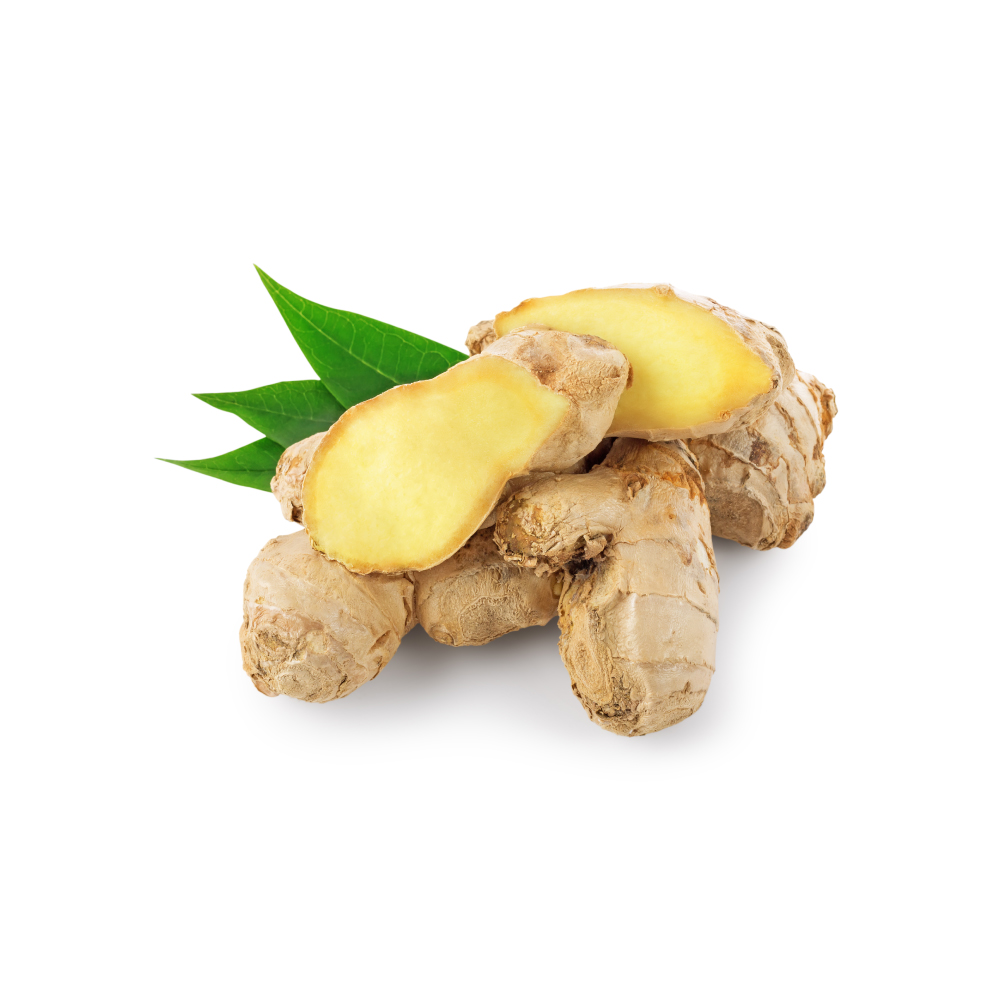
Zingerone is a naturally occurring phenolic ketone (vanillyl ketone; pungent ginger phenol), found in Ginger and 1 other source. It is well tolerated orally (low toxicity).
Concentration
Content by Source
Concentrations not reported. No percent-dry-weight or mg/g figures have been published for this compound in its source plants.
Zingerone at a Glance
Zingerone, also called vanillylacetone (4-(4-hydroxy-3-methoxyphenyl)butan-2-one), is a phenolic ketone of ginger and the molecule most responsible for the sweet-spicy aroma of cooked and dried ginger. Structurally it is essentially the “half” of a gingerol — a vanillyl ketone that shares the same aromatic head as 6-gingerol, 6-shogaol and vanillin, without the long fatty side-chain 11,
Its defining feature is what makes it unusual among ginger’s pungent principles: it is largely absent from the fresh rhizome. Zingerone forms when ginger is cooked, dried or stored, as the heat-labile 6-gingerol breaks down by a retro-aldol cleavage — which is why gingerbread and stewed ginger taste rounder and sweeter than the sharp fresh root 11,
Zingerone has low toxicity — it is a GRAS food-flavour and fragrance ingredient — and a genuine but almost entirely preclinical pharmacology: antioxidant, anti-inflammatory, anti-enterotoxin/antidiarrheal, radioprotective and metabolic effects, mostly in cell and rodent studies of the isolated molecule 11Reference 11ReviewA review on pharmacological properties of zingerone (4-(4-hydroxy-3-methoxyphenyl)-2-butanone)View study →.
A Marker of Cooked & Dried Ginger
The single most distinctive fact about zingerone is that fresh ginger contains very little of it. The fresh rhizome’s pungency is carried by the gingerols (chiefly 6-gingerol); zingerone is a thermal-degradation product that accumulates during processing.
Two competing reactions govern this. On heating or in acid, 6-gingerol first dehydrates to the sharper 6-shogaol — a reversible dehydration/hydration equilibrium 11,
The practical upshot is culinary and chemical at once: zingerone’s milder, sweet-spicy character is why cooked and dried ginger is gentler than the fresh root, and its presence is effectively a fingerprint of processing. In traditional practice this parallels the way fresh (Sheng Jiang) and dried (Gan Jiang) ginger are treated as distinct materials — a distinction that has a real chemical basis in the gingerol → shogaol / zingerone conversions.
What It's Used For
Zingerone’s pharmacology is real but sits almost entirely at the preclinical tier. The redeeming feature for a compound page is that most of it is done on the isolated molecule rather than whole ginger — but it is overwhelmingly in-vitro and rodent work, with no controlled human trials of the isolate 11Reference 11ReviewA review on pharmacological properties of zingerone (4-(4-hydroxy-3-methoxyphenyl)-2-butanone)View study →.
Support is an experimental score — weighted by study type (human > animal > in vitro) and volume. A beta, not a validated metric. Every row here is isolate preclinical work, so scores stay modest by design.
The best isolate-specific signal. Screening ginger for antidiarrheal activity, zingerone was pinpointed as the bioactive component that blocks enterotoxigenic Escherichia coli heat-labile enterotoxin (LT): ginger and zingerone inhibited LT binding to its GM1-ganglioside receptor and cut toxin-induced fluid accumulation in mouse ileal loops, the step upstream of the cAMP surge that drives secretory diarrhea 1Reference 1AnimalGinger and its bioactive component inhibit enterotoxigenic Escherichia coli heat-labile enterotoxin-induced diarrhea in miceView study →. A separate rat study found isolated zingerone directly inhibits spontaneous colonic motility, a complementary antidiarrheal mechanism at the level of gut smooth muscle 2Reference 2AnimalInhibitory effects of zingerone, a pungent component of Zingiber officinale Roscoe, on colonic motility in ratsView study →.
Gap: both are animal/isolate models of a specific toxin and of motility — there are no human antidiarrheal trials of zingerone, and clinical ginger data do not isolate this molecule 1,
A mechanistically clean isolate result. In a mouse model of LPS-induced acute systemic inflammation, both ginger and isolated zingerone significantly suppressed NF-κB activation — zingerone strongly so — with reduced downstream pro-inflammatory signalling 4Reference 4AnimalGinger and zingerone ameliorate lipopolysaccharide-induced acute systemic inflammation in mice, assessed by nuclear factor-κB bioluminescent imagingView study →. This NF-κB suppression is the recurring thread beneath zingerone’s anti-inflammatory, metabolic and radioprotective effects.
Gap: rodent and reporter-assay evidence on the isolate; no human anti-inflammatory trial of zingerone, and the effective doses exceed dietary intake 4,
Zingerone is a methoxyphenol, and the free phenolic hydroxyl gives it direct radical-scavenging capacity. In vitro it efficiently scavenges peroxynitrite — a damaging reactive-nitrogen species implicated in neurodegeneration — protecting against nitration/oxidation 3Reference 3Zingerone as an antioxidant against peroxynitriteView study →; broader work attributes superoxide-dismutase-like catalytic behaviour to the molecule. This antioxidant action is the presumed basis of much of its cytoprotective and radioprotective data 3,
Gap: in-vitro chemistry and cell assays; antioxidant capacity in a tube does not establish a systemic human benefit, and no clinical antioxidant outcome rests on zingerone specifically 3Reference 3Zingerone as an antioxidant against peroxynitriteView study →.
A consistent, if preclinical, isolate story from one research group. Pre-treatment with isolated zingerone improved survival and reduced chromosomal/clastogenic damage in mice given whole-body gamma radiation 7Reference 7AnimalRadiomodifying and anticlastogenic effect of zingerone on Swiss albino mice exposed to whole body gamma radiationView study →, protected cultured human lymphocytes from radiation-induced DNA damage and apoptosis 8Reference 8Protective effect of zingerone, a dietary compound against radiation induced genetic damage and apoptosis in human lymphocytesView study →, and lowered radiation-induced cytotoxicity, genotoxicity and oxidative stress in Chinese hamster lung fibroblasts 9Reference 9In vitroAntagonistic effects of zingerone, a phenolic alkanone against radiation-induced cytotoxicity, genotoxicity, apoptosis and oxidative stress in Chinese hamster lung fibroblast cells growing in vitroView study →.
The proposed mechanism is free-radical scavenging plus anti-inflammatory/anti-clastogenic action, consistent with the antioxidant data above.
Gap: animal and in-vitro isolate work (largely a single lab); no human radioprotection data, and the broader ginger radioprotection literature is preclinical too 7,
An adipose-tissue signal on the isolate. In ovariectomised rats, zingerone reduced body-fat storage and body-weight gain, attributed to enhanced lipolysis 6Reference 6AnimalHan LK, Morimoto C, Zheng YN, Li W, Asami E, Okuda H, Saito M (2008). [Effects of zingerone on fat storage in ovariectomized rats]. Yakugaku Zasshi. https://pubmed.ncbi.nlm.nih.gov/18670185/View study →; in cell work, zingerone was among spice-derived components that suppressed the inflammatory crosstalk between adipocytes and macrophages that characterises obese adipose tissue 5Reference 5Active spice-derived components can inhibit inflammatory responses of adipose tissue in obesity by suppressing inflammatory actions of macrophages and release of monocyte chemoattractant protein-1 from adipocytesView study →.
Together these mark it as a candidate anti-obesity/metabolic constituent — at the preclinical stage.
Gap: rodent and cell models of the isolate at pharmacological doses; no human metabolic trial of zingerone, and translation from ovariectomised-rat fat storage to human weight control is unproven 5,
Mechanisms
| Target / pathway | Effect | Relevant to |
|---|---|---|
| Heat-labile enterotoxin (LT) — GM1-ganglioside binding | blocks LT docking to GM1 → prevents the cAMP-driven fluid secretion of secretory diarrhea | anti-enterotoxin / antidiarrheal |
| Colonic smooth muscle | directly inhibits spontaneous colonic contractions | antidiarrheal / gut motility |
| NF-κB / pro-inflammatory transcription | suppresses LPS-induced NF-κB activation and downstream mediators | anti-inflammatory |
| Peroxynitrite & reactive oxygen/nitrogen species | direct scavenging; SOD-like catalytic behaviour | antioxidant / radioprotection |
| Radiation-induced clastogenicity & apoptosis | reduces micronuclei, chromosomal aberrations and cell death | radioprotective |
| Adipocyte lipid storage / adipose inflammation | promotes lipolysis; lowers fat accumulation and adipose inflammatory crosstalk | metabolic |
| TRPV1 (vanilloid receptor) | partial agonist — the basis of ginger’s warm pungency; rapid, strongly desensitising | pungency / sensory |
The load-bearing themes are two: a physical anti-toxin/anti-secretory action in the gut 1,
Pharmacokinetics
Zingerone is a small, lipophilic methoxyphenol (a vanillyl ketone), so it is expected to be well absorbed orally and, like other dietary phenols, to undergo phase-II conjugation (glucuronidation and sulfation of the phenolic hydroxyl) followed by urinary excretion. Distinctively, its precursor pharmacokinetics are a food-chemistry problem, not just a metabolic one: because zingerone is generated from 6-gingerol during cooking and can also arise from 6-shogaol breakdown, real dietary exposure depends heavily on how the ginger was processed 11,
Clinical Trials
There are no controlled efficacy trials of isolated zingerone. Human clinical evidence in this space belongs to whole ginger and standardised ginger extracts (for nausea, osteoarthritis and related indications), within which zingerone is only one of many constituents and is not the studied variable 11Reference 11ReviewA review on pharmacological properties of zingerone (4-(4-hydroxy-3-methoxyphenyl)-2-butanone)View study →.
| Completed | Planned | Terminated | Preclinical |
|---|---|---|---|
| —(isolate) | — | — | Anti-enterotoxin, anti-inflammatory (NF-κB), antioxidant, radioprotective, metabolic |
Last checked: July 2026.
Pungency & the TRPV1 Receptor
Zingerone is pungent, but mildly so — it is the gentler warmth of cooked ginger rather than the bite of the fresh root or of chilli. That pungency runs through the same channel as capsaicin’s heat: the TRPV1 (vanilloid) receptor on sensory neurons.
In classic electrophysiology on rat trigeminal-ganglion cells, zingerone activated inward currents like capsaicin and piperine, and the three compounds cross-desensitised — once zingerone had fully desensitised the neurons, capsaicin could no longer evoke a response, evidence they act on a shared vanilloid receptor 10Reference 10AnimalSimilarities and differences in the currents activated by capsaicin, piperine, and zingerone in rat trigeminal ganglion cellsView study →. Zingerone’s signature is a rapid onset but strong, near-complete desensitisation (tachyphylaxis): after repeated applications it stops evoking a current altogether 10Reference 10AnimalSimilarities and differences in the currents activated by capsaicin, piperine, and zingerone in rat trigeminal ganglion cellsView study →. Its lower lipophilicity relative to capsaicin is consistent with its weaker, shorter pungency.
This sensory role is the ecological and culinary point of the molecule — it is why cooked ginger reads as warm and sweet-spicy — and it is mechanistically distinct from the anti-toxin and antioxidant pharmacology above.
Isolate vs. Plant Studies
Zingerone’s evidence base is, unusually for a ginger constituent, mostly the isolated molecule — the anti-enterotoxin identification 1Reference 1AnimalGinger and its bioactive component inhibit enterotoxigenic Escherichia coli heat-labile enterotoxin-induced diarrhea in miceView study →, colonic-motility 2Reference 2AnimalInhibitory effects of zingerone, a pungent component of Zingiber officinale Roscoe, on colonic motility in ratsView study →, peroxynitrite-scavenging 3Reference 3Zingerone as an antioxidant against peroxynitriteView study →, NF-κB 4Reference 4AnimalGinger and zingerone ameliorate lipopolysaccharide-induced acute systemic inflammation in mice, assessed by nuclear factor-κB bioluminescent imagingView study →, radioprotection 7,
The countervailing caveat is exposure, not attribution: because zingerone is largely made during cooking rather than present in fresh ginger, the amount a person actually encounters depends on processing, and it is only ever one component of a complex ginger matrix that also delivers gingerols, shogaols and zingiberene 11,
Prevalence in Nature
Zingerone’s natural occurrence is essentially the story of one plant and its processing. It is a constituent of ginger (Zingiber officinale), but concentrated in cooked, dried and stored rhizome rather than the fresh root, where it forms from 6-gingerol by heat-driven retro-aldol cleavage 11,
Its abundance is not well quantified as a fixed figure, precisely because it is process-dependent: the same rhizome yields little zingerone raw and progressively more as it is dried or cooked, so any single “content” number is a snapshot of a particular preparation rather than a fixed property of the plant 12Reference 12Gingerols and shogaols: important nutraceutical principles from gingerView study →. Small amounts have been reported from other members of the ginger family and in trace flavour contexts, but ginger is the defining source.
Discovery & Synthesis
Zingerone was isolated and named in 1917 by the Japanese chemist Hiroshi Nomura, working on the pungent principles of ginger; the name derives from Zingiber, the ginger genus, and the molecule’s older synonym vanillylacetone records its structure — a vanillyl group joined to an acetone-derived ketone 11Reference 11ReviewA review on pharmacological properties of zingerone (4-(4-hydroxy-3-methoxyphenyl)-2-butanone)View study →. Nomura also established the first synthesis, still the basis of the modern route: a base-catalysed aldol condensation of vanillin with acetone gives dehydrozingerone, which is then hydrogenated to zingerone 11Reference 11ReviewA review on pharmacological properties of zingerone (4-(4-hydroxy-3-methoxyphenyl)-2-butanone)View study →.
Manufacture today is overwhelmingly synthetic for flavour and fragrance use — the vanillin/acetone route is cheap and clean, and extracting zingerone from ginger is impractical given how little the plant holds pre-formed. Commercial zingerone is therefore a made molecule used as a GRAS food-flavour and fragrance ingredient, while the zingerone people actually eat is generated in the kitchen from ginger’s gingerols.
Patents: not yet researched.
Toxicity & Safety
Zingerone carries a low toxicity flag. It is a long-established food-flavour and fragrance compound with GRAS status, encountered in the ordinary diet as a component of cooked and dried ginger, and no significant human toxicity is associated with dietary exposure 11Reference 11ReviewA review on pharmacological properties of zingerone (4-(4-hydroxy-3-methoxyphenyl)-2-butanone)View study →. The cautions below are modest and largely theoretical.
- Low-toxicity dietary flavour compound. A GRAS food/fragrance ingredient and a natural constituent of cooked ginger, with a long history of dietary exposure and no notable toxicity at food levels 11Reference 11ReviewA review on pharmacological properties of zingerone (4-(4-hydroxy-3-methoxyphenyl)-2-butanone)View study →.
- Pungent — a TRPV1 agonist. Concentrated zingerone is an irritant to mucous membranes and eyes, as expected of a vanilloid-receptor agonist; this is a handling caution for the isolate, not a dietary risk 10Reference 10AnimalSimilarities and differences in the currents activated by capsaicin, piperine, and zingerone in rat trigeminal ganglion cellsView study →.
- Efficacy claims are preclinical. The antioxidant, anti-inflammatory, radioprotective and metabolic findings are in-vitro and rodent isolate studies at doses far above dietary intake; none is an established human benefit 11Reference 11ReviewA review on pharmacological properties of zingerone (4-(4-hydroxy-3-methoxyphenyl)-2-butanone)View study →.
- Interactions not characterised. No human drug-interaction, pregnancy or repeat-dose safety dataset exists for isolated zingerone; absence of reported harm is not evidence of safety at supraphysiological doses.
Pregnancy/lactation is a per-herb / per-supplement decision and is not adjudicated on this molecule page; dietary ginger is a separate question addressed on the ginger monograph, and no isolate-specific verdict is issued here.
Dosage
There is no established or recommended human dose for isolated zingerone. The figures in the literature are preclinical rodent and in-vitro research doses 6,
Real-world human exposure is dietary and involuntary — zingerone is consumed as a flavour compound of cooked and dried ginger and as a GRAS food/fragrance ingredient, at levels set by cuisine, not by a supplement label. Anyone seeking ginger’s researched benefits is, in practice, taking whole ginger or a standardised ginger extract, not purified zingerone; see the ginger monograph for those doses. The values cited here are research figures, not a personal recommendation.
References
- Chen JC, Huang LJ, Wu SL, Kuo SC, Ho TY, Hsiang CY (2007). Ginger and its bioactive component inhibit enterotoxigenic Escherichia coli heat-labile enterotoxin-induced diarrhea in mice. Journal of Agricultural and Food Chemistry. https://pubmed.ncbi.nlm.nih.gov/17880155/
- Iwami M, Shiina T, Hirayama H, Shima T, Takewaki T, Shimizu Y (2011). Inhibitory effects of zingerone, a pungent component of Zingiber officinale Roscoe, on colonic motility in rats. Journal of Natural Medicines. https://pubmed.ncbi.nlm.nih.gov/20799069/
- Shin SG, Kim JY, Chung HY, Jeong JC (2005). Zingerone as an antioxidant against peroxynitrite. Journal of Agricultural and Food Chemistry. https://pubmed.ncbi.nlm.nih.gov/16159194/
- Hsiang CY, Cheng HM, Lo HY, et al. (2015). Ginger and zingerone ameliorate lipopolysaccharide-induced acute systemic inflammation in mice, assessed by nuclear factor-κB bioluminescent imaging. Journal of Agricultural and Food Chemistry. https://pubmed.ncbi.nlm.nih.gov/26073629/
- Woo HM, Kang JH, Kawada T, Yoo H, Sung MK, Yu R (2007). Active spice-derived components can inhibit inflammatory responses of adipose tissue in obesity by suppressing inflammatory actions of macrophages and release of monocyte chemoattractant protein-1 from adipocytes. Life Sciences. https://pubmed.ncbi.nlm.nih.gov/17196622/
- Han LK, Morimoto C, Zheng YN, Li W, Asami E, Okuda H, Saito M (2008). [Effects of zingerone on fat storage in ovariectomized rats]. Yakugaku Zasshi. https://pubmed.ncbi.nlm.nih.gov/18670185/
- Rao BN, Rao BS, Aithal BK, Kumar MR (2009). Radiomodifying and anticlastogenic effect of zingerone on Swiss albino mice exposed to whole body gamma radiation. Mutation Research. https://pubmed.ncbi.nlm.nih.gov/19463966/
- Rao BN, Archana PR, Aithal BK, Rao BS (2011). Protective effect of zingerone, a dietary compound against radiation induced genetic damage and apoptosis in human lymphocytes. European Journal of Pharmacology. https://pubmed.ncbi.nlm.nih.gov/21335001/
- Rao BN, Rao BS (2010). Antagonistic effects of zingerone, a phenolic alkanone against radiation-induced cytotoxicity, genotoxicity, apoptosis and oxidative stress in Chinese hamster lung fibroblast cells growing in vitro. Mutagenesis. https://pubmed.ncbi.nlm.nih.gov/20713432/
- Liu L, Simon SA (1996). Similarities and differences in the currents activated by capsaicin, piperine, and zingerone in rat trigeminal ganglion cells. Journal of Neurophysiology. https://pubmed.ncbi.nlm.nih.gov/8890298/
- Ahmad B, Rehman MU, Amin I, Arif A, Rasool S, Bhat SA, Afzal I, Hussain I, Bilal S, Mir Mu (2015). A review on pharmacological properties of zingerone (4-(4-hydroxy-3-methoxyphenyl)-2-butanone). The Scientific World Journal. https://pubmed.ncbi.nlm.nih.gov/26106644/
- Semwal RB, Semwal DK, Combrinck S, Viljoen AM (2015). Gingerols and shogaols: important nutraceutical principles from ginger. Phytochemistry. https://pubmed.ncbi.nlm.nih.gov/26228533/
- Bhattarai S, Tran VH, Duke CC (2001). The stability of gingerol and shogaol in aqueous solutions. Journal of Pharmaceutical Sciences. https://pubmed.ncbi.nlm.nih.gov/11745724/



