
Compound Monograph
6-Gingerol
6-Gingerol is the dominant gingerol and principal pungent phenol of fresh ginger (Zingiber officinale) — a vanillyl β-hydroxy ketone best known for anti-nausea activity. On drying or heating it dehydrates to the sharper 6-shogaol, so fresh and dried ginger differ. Most human evidence is for whole ginger, not the isolate, and it is a low-toxicity food constituent with a mild antiplatelet caveat.

Sources · 3
Where Does It Come From?
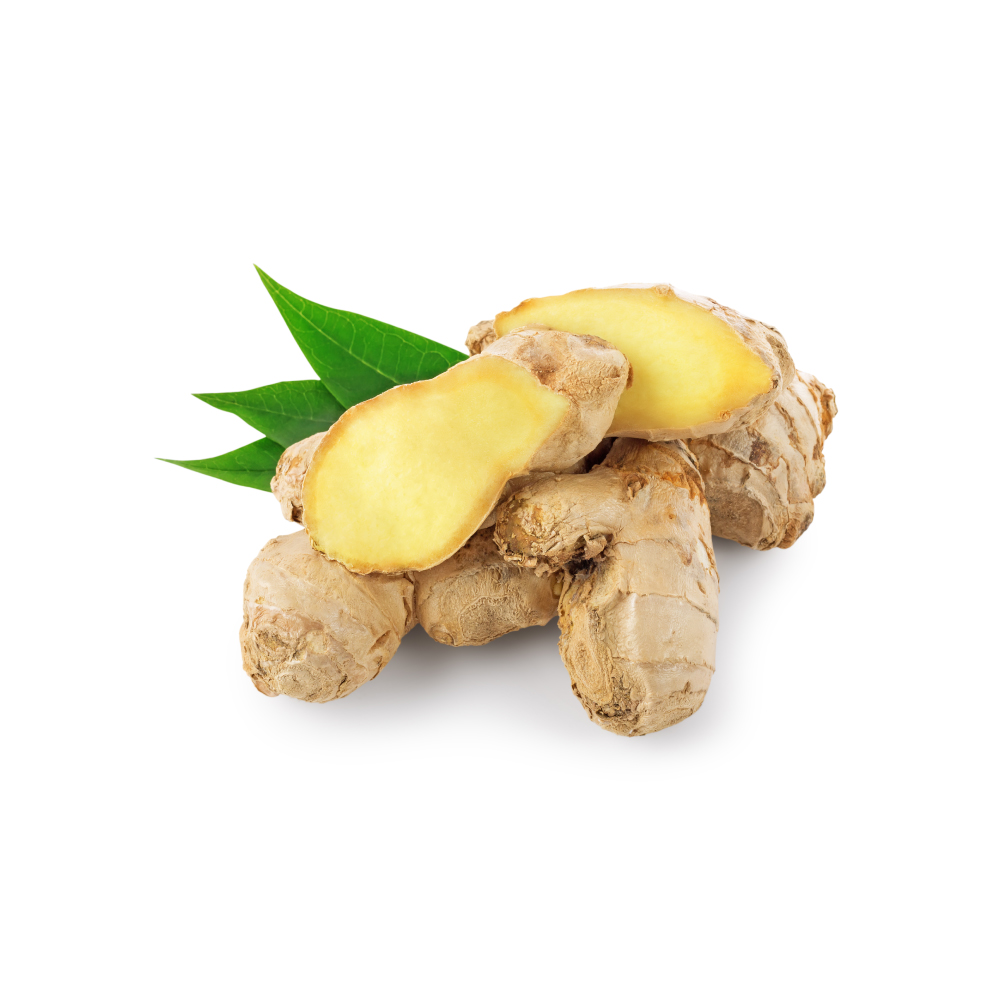
6-Gingerol is a naturally occurring pungent phenylalkanone (gingerol — a vanillyl β-hydroxy ketone), found in Ginger and 2 other sources. It is well tolerated orally (low toxicity).
Concentration
Content by Source
Concentrations not reported. No percent-dry-weight or mg/g figures have been published for this compound in its source plants.
6-Gingerol at a Glance
6-Gingerol is the principal pungent compound of fresh ginger (Zingiber officinale) and the most abundant member of the gingerol family — vanillyl β-hydroxy ketones responsible for ginger’s characteristic warm bite. Structurally it is the head of a homologous series that also includes 8-gingerol and 10-gingerol, differing only in side-chain length 16Reference 16ReviewGingerols and shogaols: important nutraceutical principles from gingerView study →.
Its signature — and the reason fresh, dried and cooked ginger behave differently — is chemical instability. On drying or heating, 6-gingerol dehydrates to 6-shogaol, a sharper and often more potent compound, and a retro-aldol reaction can further break it down to zingerone 15,
The molecule’s best-supported use is anti-nausea (antiemetic) activity, which is also ginger’s strongest human-evidence story. A crucial caveat runs through the whole page: most clinical data are for whole ginger, not isolated 6-gingerol — the single exception is one phase II trial of the purified compound 1Reference 1RCTA phase II randomized double-blind placebo-controlled study of 6-gingerol as an anti-emetic in solid tumor patients receiving moderately to highly emetogenic chemotherapyView study →. It is a low-toxicity food constituent; the one safety point worth flagging is a mild antiplatelet effect.
Fresh vs. Dried Ginger — The Gingerol–Shogaol Conversion
The defining fact about this molecule is that it does not survive processing intact, and that is why traditional systems treat fresh and dried ginger as different remedies.
6-Gingerol carries a β-hydroxy ketone group that makes it thermally labile. On heating or drying it loses a water molecule (dehydration) to become 6-shogaol, the dominant pungent compound of dried ginger; a competing retro-aldol cleavage of the same β-hydroxy-ketone yields the smaller, sweeter molecule zingerone 15,
The practical consequences:
This matters directly for reading the evidence: a result for a dried, standardised ginger extract is not automatically a result for 6-gingerol, because the compound present at dosing may be substantially shogaol. Wherever possible the sections below flag which preparation was actually tested.
What It's Used For
6-Gingerol has a broad preclinical pharmacology, but the load-bearing discipline is twofold: most human evidence is for whole ginger (fresh juice, dried powder or standardised capsules), and where the isolated molecule was tested it is nearly always in vitro or in animals 16Reference 16ReviewGingerols and shogaols: important nutraceutical principles from gingerView study →. The one controlled human trial of the pure compound is an antiemetic study 1Reference 1RCTA phase II randomized double-blind placebo-controlled study of 6-gingerol as an anti-emetic in solid tumor patients receiving moderately to highly emetogenic chemotherapyView study →.
Support is an experimental score — weighted by study type (human > animal > in vitro) and volume. A beta, not a validated metric. Most human data are whole ginger, so isolate-specific scores stay modest by design.
The strongest application, and the one with direct isolate evidence. In a phase II randomised, double-blind, placebo-controlled trial, isolated 6-gingerol 10 mg twice daily significantly improved the complete-response rate for nausea/vomiting and quality of life in solid-tumour patients on moderately-to-highly emetogenic chemotherapy 1Reference 1RCTA phase II randomized double-blind placebo-controlled study of 6-gingerol as an anti-emetic in solid tumor patients receiving moderately to highly emetogenic chemotherapyView study →.
This sits on top of a large whole-ginger clinical base: meta-analyses find ginger reduces acute chemotherapy-induced vomiting 6Reference 6Meta-analysisDoes the oral administration of ginger reduce chemotherapy-induced nausea and vomiting? A meta-analysis of 10 randomized controlled trialsView study → and relieves nausea in early pregnancy versus placebo (with weaker effect on vomiting), and it is used for motion and post-operative nausea. The mechanism is antagonism/negative allosteric modulation of 5-HT3 receptors plus NK-1 (substance P) and dopamine-receptor blockade — the same targets as standard antiemetics 3,
Gap: apart from the single Konmun isolate RCT 1Reference 1RCTA phase II randomized double-blind placebo-controlled study of 6-gingerol as an anti-emetic in solid tumor patients receiving moderately to highly emetogenic chemotherapyView study →, the human antiemetic evidence is whole ginger, often dried/standardised (so partly shogaol); the pregnancy evidence is at the whole-herb level and belongs to the ginger monograph, not the isolate 6Reference 6Meta-analysisDoes the oral administration of ginger reduce chemotherapy-induced nausea and vomiting? A meta-analysis of 10 randomized controlled trialsView study →.
A consistent, human-relevant signal — but carried by whole ginger. A meta-analysis of clinical trials found ginger supplementation significantly lowered CRP, TNF-α and IL-6 9Reference 9Meta-analysisThe effects of ginger supplementation on markers of inflammatory and oxidative stress: a systematic review and meta-analysis of clinical trialsView study →, and a separate meta-analysis of RCTs found ginger relieves primary dysmenorrhoea pain versus placebo (roughly 750–2000 mg/day of ginger powder over the first days of menses), comparably to NSAIDs in some trials 11Reference 11Meta-analysisEfficacy of ginger for alleviating the symptoms of primary dysmenorrhea: a systematic review and meta-analysis of randomized clinical trialsView study →.
Mechanistically 6-gingerol suppresses NF-κB signalling and COX-2 / prostaglandin (PGE2) and leukotriene production, the basis for the dysmenorrhoea and osteoarthritis literature 9Reference 9Meta-analysisThe effects of ginger supplementation on markers of inflammatory and oxidative stress: a systematic review and meta-analysis of clinical trialsView study →.
Gap: the clinical anti-inflammatory data are for dried/standardised ginger extract, not isolated 6-gingerol; the isolate’s own anti-inflammatory work is largely cell and animal models 9,
A distinctive gut action that plausibly reinforces the anti-nausea effect. In a randomised, double-blind crossover study of 24 healthy volunteers, ginger (1200 mg capsules) accelerated gastric emptying (half-emptying time roughly halved) and stimulated antral contractions versus placebo 8Reference 8Clinical trialEffects of ginger on gastric emptying and motility in healthy humansView study →.
Faster emptying and enhanced motility are consistent with ginger’s traditional carminative/digestive use and with relief of functional dyspepsia symptoms.
Gap: this is a whole-ginger human study; the specific contribution of 6-gingerol versus shogaols and other constituents was not isolated, and the population was healthy volunteers, not nausea patients 8Reference 8Clinical trialEffects of ginger on gastric emptying and motility in healthy humansView study →.
As a phenol, 6-gingerol scavenges free radicals and induces endogenous antioxidant defences in cell and animal models 16Reference 16ReviewGingerols and shogaols: important nutraceutical principles from gingerView study →. In humans the signal is at the whole-ginger level: a meta-analysis of RCTs found ginger supplementation increased glutathione peroxidase and reduced malondialdehyde (MDA), a marker of lipid peroxidation, with the effect most evident at lower doses and shorter durations 10Reference 10Meta-analysisEffects of ginger supplementation on biomarkers of oxidative stress: a systematic review and meta-analysis of randomized controlled trialsView study →.
Gap: the human antioxidant outcomes are for ginger supplements, not the isolate, and biomarker changes (MDA, GPx) are surrogate endpoints rather than clinical outcomes 10Reference 10Meta-analysisEffects of ginger supplementation on biomarkers of oxidative stress: a systematic review and meta-analysis of randomized controlled trialsView study →.
Ginger has been studied for blood-sugar and lipid control in type-2 diabetes and metabolic syndrome. Meta-analyses are mixed: some report significant reductions in HbA1c and fasting blood glucose with ginger supplementation, while others find no reliable effect on fasting glucose — so the metabolic claim is suggestive, not settled 12Reference 12Meta-analysisEffects of ginger (Zingiber officinale Roscoe) on type 2 diabetes mellitus and components of the metabolic syndrome: a systematic review and meta-analysis of randomized controlled trialsView study →.
Gap: heterogeneous whole-ginger trials with inconsistent results; no glycaemic trial of isolated 6-gingerol, and effect sizes and endpoints vary widely between meta-analyses 12Reference 12Meta-analysisEffects of ginger (Zingiber officinale Roscoe) on type 2 diabetes mellitus and components of the metabolic syndrome: a systematic review and meta-analysis of randomized controlled trialsView study →.
An active in-vitro / preclinical research area with no human efficacy data. Isolated 6-gingerol induces reactive-oxygen-species-driven DNA damage, p53-dependent mitochondrial apoptosis and cell-cycle arrest, and suppresses tumour-sphere formation, in breast, colorectal, cervical, renal and other cancer cell lines and some animal models 13,
Gap: entirely in-vitro and animal work on the isolate, often at concentrations far above the low, glucuronidated plasma levels achievable in humans (see Pharmacokinetics); there are no clinical cancer-treatment trials of 6-gingerol 13Reference 13Potential antitumor effects of 6-gingerol in p53-dependent mitochondrial apoptosis and inhibition of tumor sphere formation in breast cancer cellsView study →.
Mechanisms
| Target / pathway | Effect | Relevant to |
|---|---|---|
| 5-HT3 receptor (serotonin ion channel) | negative allosteric modulation / antagonism — dampens the emetic serotonergic signal | antiemetic |
| NK-1 (substance P) & dopamine receptors | antagonism — shared route with standard antiemetics | antiemetic |
| Gastric antral motility / emptying | accelerates emptying, stimulates contractions (prokinetic) | prokinetic / GI |
| NF-κB signalling | suppression of pro-inflammatory transcription | anti-inflammatory |
| COX-2 / prostaglandin (PGE2) & 5-LOX / leukotrienes | inhibits eicosanoid synthesis (analgesic, anti-dysmenorrhoeic) | anti-inflammatory |
| TRPV1 (vanilloid receptor) | capsaicin-like agonist (binds the same channel residues as capsaicin) — the molecular basis of pungency and warmth | pungency / thermogenesis |
| Thromboxane synthesis / platelet aggregation | inhibits — the basis of the antiplatelet/bleeding caveat | toxicity / interactions |
| ROS / p53 / mitochondrial apoptosis | pro-apoptotic in tumour cells (in vitro) | anticancer |
| Glutathione peroxidase / MDA | raises antioxidant enzymes, lowers lipid peroxidation | antioxidant |
The antiemetic mechanism is the load-bearing one: 5-HT3 and NK-1 antagonism place 6-gingerol on the same targets as ondansetron- and aprepitant-class drugs, which is why the anti-nausea signal is the compound’s best-evidenced action 3,
Pharmacokinetics
Human pharmacokinetics are the key reality check on 6-gingerol’s in-vitro claims. In a dose-escalation study in healthy volunteers (ginger 100 mg–2.0 g), no free 6-gingerol was detectable in plasma — it circulates almost entirely as glucuronide (and sulfate) conjugates, appearing within about an hour, with an elimination half-life under two hours and near-complete clearance by roughly 4 hours 2Reference 2Clinical trialPharmacokinetics of 6-gingerol, 8-gingerol, 10-gingerol, and 6-shogaol and conjugate metabolites in healthy human subjectsView study →. So the molecule is rapidly absorbed but rapidly conjugated and cleared, and systemic exposure to the free compound is very low. Two consequences follow: (1) anticancer and other potent in-vitro effects, measured at micromolar free-compound concentrations, may not be reachable in vivo 2,
Clinical Trials
There is one controlled trial of the isolated molecule (Konmun 2017, antiemetic) 1Reference 1RCTA phase II randomized double-blind placebo-controlled study of 6-gingerol as an anti-emetic in solid tumor patients receiving moderately to highly emetogenic chemotherapyView study →; the rest of the human record is whole ginger (nausea, dysmenorrhoea, gastric emptying, metabolic) 6,
| Completed | Planned | Terminated | Preclinical |
|---|---|---|---|
| Isolate: 1 phase II antiemetic RCT 1Reference 1RCTA phase II randomized double-blind placebo-controlled study of 6-gingerol as an anti-emetic in solid tumor patients receiving moderately to highly emetogenic chemotherapyView study →; whole-ginger RCTs/meta-analyses for nausea, dysmenorrhoea, GI motility, metabolic markers 6, | — | — | Anticancer, antioxidant, anti-inflammatory mechanistic (isolate, in vitro/animal) 13, |
Last checked: July 2026.
Isolate vs. Plant Studies
This molecule sits in an unusually honest middle. One human trial tested the pure compound — Konmun’s phase II antiemetic RCT of 6-gingerol 10 mg twice daily — and it was positive, which is a genuine strength for the isolate 1Reference 1RCTA phase II randomized double-blind placebo-controlled study of 6-gingerol as an anti-emetic in solid tumor patients receiving moderately to highly emetogenic chemotherapyView study →. Everything else clinical is whole ginger: the pregnancy- and chemotherapy-nausea meta-analyses, the dysmenorrhoea meta-analysis, the gastric-emptying study and the metabolic trials all used fresh juice, dried powder or standardised extracts, within which 6-gingerol is only one of several actives and — after drying — is partly converted to 6-shogaol 6,
Its Role in Plants
6-Gingerol is biosynthesised through the phenylpropanoid pathway from L-phenylalanine — via phenylalanine ammonia-lyase, cinnamate-4-hydroxylase and downstream hydroxycinnamoyl-CoA intermediates — with a polyketide-synthase (type III PKS) step condensing the phenylpropanoid unit with a fatty-acyl chain to build the characteristic long side chain, followed by reduction to the β-hydroxy ketone 16,
In the plant, gingerols are pungent chemical defences concentrated in the rhizome, deterring herbivores and microbes; their conversion to shogaols on tissue damage and heating is part of the same defensive phenolic chemistry that makes ginger a spice 16Reference 16ReviewGingerols and shogaols: important nutraceutical principles from gingerView study →.
Prevalence in Nature
6-Gingerol is essentially specific to ginger and its close Zingiberaceae relatives — it is the dominant gingerol of the Zingiber officinale rhizome and the compound that most defines fresh ginger’s pungency 16Reference 16ReviewGingerols and shogaols: important nutraceutical principles from gingerView study →. Related pungent phenylalkanones occur in a few kin genera such as galangal (Alpinia species) and grains of paradise (Aframomum melegueta), but ginger is by far the principal source. It co-occurs in the rhizome with its homologues 8-gingerol and 10-gingerol, its dehydration product 6-shogaol, and zingerone, alongside the aromatic sesquiterpenes of the essential oil.
Reported 6-gingerol content varies widely with cultivar, plant part, and — critically — processing: fresh rhizome is comparatively rich in it, whereas drying and heating convert a substantial fraction to 6-shogaol, so quantitative figures are only meaningful when the preparation and method are specified 15,
Discovery & Synthesis
Ginger’s pungency was pursued chemically in the nineteenth century: the pungent principle was named “gingerol” by Thresh in 1879, and its chemical characters and decomposition products were worked out by Lapworth and colleagues in 1917 in the Journal of the Chemical Society — the study that established gingerol’s breakdown to the related pungent and sweet fragments now known as shogaol and zingerone 18Reference 18The pungent principle of gingerView study →. The gingerol/shogaol series was progressively resolved over the following decades as chromatographic methods improved, distinguishing the 6-, 8- and 10-homologues 16Reference 16ReviewGingerols and shogaols: important nutraceutical principles from gingerView study →.
Manufacture today is by extraction from ginger rhizome (solvent or supercritical-CO2 oleoresin) followed by chromatographic purification, rather than by total synthesis — although 6-gingerol has been synthesised, its thermal lability and the abundance of ginger make extraction the practical route 16Reference 16ReviewGingerols and shogaols: important nutraceutical principles from gingerView study →. Analytical and commercial isolates must be handled to avoid the dehydration to 6-shogaol that the molecule undergoes on heating and storage 15Reference 15The stability of gingerol and shogaol in aqueous solutionsView study →.
Patents: not yet researched.
Toxicity & Safety
6-Gingerol carries a low toxicity flag: it is a constituent of a widely eaten food and spice, with low acute toxicity and a long history of dietary exposure. The safety notes below are mostly whole-herb cautions that also apply to concentrated ginger products.
- A low-toxicity food constituent. 6-Gingerol is the pungent principle of an everyday spice, with a long record of dietary use and low acute toxicity 16Reference 16ReviewGingerols and shogaols: important nutraceutical principles from gingerView study →.
- Mild antiplatelet effect. Ginger constituents inhibit thromboxane synthesis and platelet aggregation, so concentrated ginger may add to anticoagulant/antiplatelet drugs (warfarin, aspirin, clopidogrel) and is worth pausing before surgery 14Reference 14ReviewNatural products with antiplatelet actionView study →.
- The pregnancy-nausea use is whole-herb. Ginger’s anti-nausea benefit in pregnancy is documented for the whole rhizome and is a per-herb decision — it is not an endorsement of an isolated 6-gingerol dose, and pregnancy/lactation are adjudicated on the ginger monograph, not here 6Reference 6Meta-analysisDoes the oral administration of ginger reduce chemotherapy-induced nausea and vomiting? A meta-analysis of 10 randomized controlled trialsView study →.
- High-dose or concentrated ginger can cause mild GI upset, heartburn or reflux in some people; the pungent, TRPV1-active compounds are also irritant at high local concentration 7,
8, .16Reference 7Structural mechanisms underlying activation of TRPV1 channels by pungent compounds in gingersView study →Reference 8Clinical trialEffects of ginger on gastric emptying and motility in healthy humansView study →Reference 16ReviewGingerols and shogaols: important nutraceutical principles from gingerView study →
The dominant interaction concern is bleeding: ginger’s antiplatelet activity, via thromboxane-synthesis inhibition, is a plausible additive risk with anticoagulant and antiplatelet medication and a reason to be cautious around surgery, though clinically significant bleeding from dietary ginger is not well documented 14Reference 14ReviewNatural products with antiplatelet actionView study →. Ginger’s anti-nausea benefit in pregnancy is a genuine but whole-herb finding 6Reference 6Meta-analysisDoes the oral administration of ginger reduce chemotherapy-induced nausea and vomiting? A meta-analysis of 10 randomized controlled trialsView study →; because reproductive dosing decisions belong to the herb and product pages rather than a molecule-level phytochemistry page, no isolate-specific pregnancy verdict is issued here, and dedicated reproductive-toxicity data for the pure compound are limited.
Dosage
There is no established dose for isolated 6-gingerol. The only controlled human trial of the pure compound used 6-gingerol 10 mg twice daily (20 mg/day) for chemotherapy-related nausea 1Reference 1RCTA phase II randomized double-blind placebo-controlled study of 6-gingerol as an anti-emetic in solid tumor patients receiving moderately to highly emetogenic chemotherapyView study →.
Note that whole-ginger doses deliver a mixture of gingerols and (in dried products) shogaols, not a defined amount of 6-gingerol. These are doses studied in research and are not a personal recommendation.
References
- Konmun J, Danwilai K, Ngamphaiboon N, et al. (2017). A phase II randomized double-blind placebo-controlled study of 6-gingerol as an anti-emetic in solid tumor patients receiving moderately to highly emetogenic chemotherapy. Medical Oncology. Clinical trial. https://pubmed.ncbi.nlm.nih.gov/28349496/
- Zick SM, Djuric Z, Ruffin MT, et al. (2008). Pharmacokinetics of 6-gingerol, 8-gingerol, 10-gingerol, and 6-shogaol and conjugate metabolites in healthy human subjects. Cancer Epidemiology, Biomarkers & Prevention. https://pubmed.ncbi.nlm.nih.gov/18708382/
- Marx W, Ried K, McCarthy AL, et al. (2017). Ginger — mechanism of action in chemotherapy-induced nausea and vomiting: a review. Critical Reviews in Food Science and Nutrition. Review. https://pubmed.ncbi.nlm.nih.gov/25848702/
- Al Kury LT, Mahgoub M, Howarth FC, Oz M. (2018). Natural negative allosteric modulators of 5-HT3 receptors. Molecules. Review. https://pubmed.ncbi.nlm.nih.gov/30513973/
- Dai Y, Zhao Y, Nie K. (2022). The antiemetic mechanisms of gingerols against chemotherapy-induced nausea and vomiting. Evidence-Based Complementary and Alternative Medicine. Review. https://pubmed.ncbi.nlm.nih.gov/35251202/
- Chang WP, Peng YX. (2019). Does the oral administration of ginger reduce chemotherapy-induced nausea and vomiting? A meta-analysis of 10 randomized controlled trials. Cancer Nursing. Meta-analysis. https://pubmed.ncbi.nlm.nih.gov/30299420/
- Yin Y, Dong Y, Vu S, et al. (2019). Structural mechanisms underlying activation of TRPV1 channels by pungent compounds in gingers. British Journal of Pharmacology. https://pubmed.ncbi.nlm.nih.gov/31207668/
- Wu KL, Rayner CK, Chuah SK, et al. (2008). Effects of ginger on gastric emptying and motility in healthy humans. European Journal of Gastroenterology & Hepatology. Clinical trial. https://pubmed.ncbi.nlm.nih.gov/18403946/
- Jalali M, Mahmoodi M, Moosavian SP, et al. (2020). The effects of ginger supplementation on markers of inflammatory and oxidative stress: a systematic review and meta-analysis of clinical trials. Phytotherapy Research. Meta-analysis. https://pubmed.ncbi.nlm.nih.gov/32147845/
- Sheikhhossein F, Borazjani M, Jafari A, et al. (2021). Effects of ginger supplementation on biomarkers of oxidative stress: a systematic review and meta-analysis of randomized controlled trials. Clinical Nutrition ESPEN. Meta-analysis. https://pubmed.ncbi.nlm.nih.gov/34620306/
- Daily JW, Zhang X, Kim DS, Park S. (2015). Efficacy of ginger for alleviating the symptoms of primary dysmenorrhea: a systematic review and meta-analysis of randomized clinical trials. Pain Medicine. Meta-analysis. https://pubmed.ncbi.nlm.nih.gov/26177393/
- Zhu J, Chen H, Song Z, et al. (2018). Effects of ginger (Zingiber officinale Roscoe) on type 2 diabetes mellitus and components of the metabolic syndrome: a systematic review and meta-analysis of randomized controlled trials. Evidence-Based Complementary and Alternative Medicine. Meta-analysis. https://pubmed.ncbi.nlm.nih.gov/29541142/
- Sp N, Kang DY, Lee JM, Bae SW, Jang KJ. (2021). Potential antitumor effects of 6-gingerol in p53-dependent mitochondrial apoptosis and inhibition of tumor sphere formation in breast cancer cells. International Journal of Molecular Sciences. https://pubmed.ncbi.nlm.nih.gov/33925065/
- Hirsch GE, Viecili PRN, de Almeida AS, et al. (2017). Natural products with antiplatelet action. Current Pharmaceutical Design. Review. https://pubmed.ncbi.nlm.nih.gov/27881059/
- Bhattarai S, Tran VH, Duke CC. (2001). The stability of gingerol and shogaol in aqueous solutions. Journal of Pharmaceutical Sciences. https://pubmed.ncbi.nlm.nih.gov/11745724/
- Semwal RB, Semwal DK, Combrinck S, Viljoen AM. (2015). Gingerols and shogaols: important nutraceutical principles from ginger. Phytochemistry. Review. https://pubmed.ncbi.nlm.nih.gov/26228533/
- Ramirez-Ahumada MdC, Timmermann BN, Gang DR. (2006). Biosynthesis of curcuminoids and gingerols in turmeric (Curcuma longa) and ginger (Zingiber officinale): identification of curcuminoid synthase and hydroxycinnamoyl-CoA thioesterases. Phytochemistry. https://pubmed.ncbi.nlm.nih.gov/16890967/
- Lapworth A, Pearson LK, Royle LN. (1917). The pungent principle of ginger. Part I. The chemical characters and decomposition products of Thresh’s “gingerol.” Journal of the Chemical Society, Transactions. https://doi.org/10.1039/CT9171100777



