
Condition
Anemia
Anemia is a deficiency of red blood cells or hemoglobin that reduces the blood's capacity to carry oxygen.

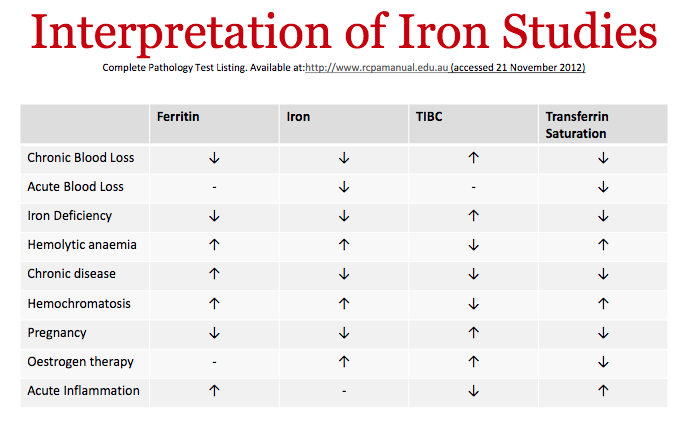
Overview
Aetiology
Hemolytic Anemia
Characterized by a premature breakdown of red blood cells. This hemolysis leads to excessive bilirubin production, which can increase the chances of developing cholelithiasis, as well as unconjugated hyperbilirubinemia and jaundice. There are two main categories of hemolytic anemia. Intrinsic hemolytic anemia arises from issues with the membranes, metabolic functions, or protein contents of the red blood cells, such as glucose-6-phosphate dehydrogenase deficiency. Extrinsic hemolytic anemia involves normal red blood cells that are broken down more rapidly due to immunological mechanisms or trauma, and this type generally has the best outcome from a herbal perspective.
Anemia of Decreased Production
This form results from the bone marrow producing too few red blood cells. It is commonly caused by deficiencies of iron, vitamin B12, or folate, as well as by chronic disease, bone marrow disorders, and inadequate erythropoietin signaling from the kidneys.
Anemia of Blood Loss
Blood loss reduces the total number of circulating red blood cells. Acute loss occurs with trauma or hemorrhage, while chronic loss, often from gastrointestinal or menstrual bleeding, gradually depletes iron stores and leads to iron-deficiency anemia.
Presentation
Symptoms
Anemia commonly causes fatigue, weakness, and reduced exercise tolerance. Pallor of the skin and mucous membranes is typical, and patients may experience shortness of breath, palpitations, dizziness, and headache. In hemolytic forms, jaundice may also be present.
Assessment
Diagnostic Considerations
- RBC count - low
Assessment
Differential Diagnosis
The different forms of anemia are distinguished from one another largely by red cell indices and the underlying mechanism, separating disorders of decreased production, increased destruction, and blood loss. Other causes of fatigue and pallor, such as hypothyroidism, chronic disease, and bone marrow disorders, should also be considered.
Context
Comorbidities
Anemia frequently accompanies chronic kidney disease, chronic inflammatory and autoimmune conditions, and malignancy. Nutritional deficiencies and chronic gastrointestinal blood loss are also commonly associated.
Herbs for Anemia
- Pfaffia paniculata
The Herbs
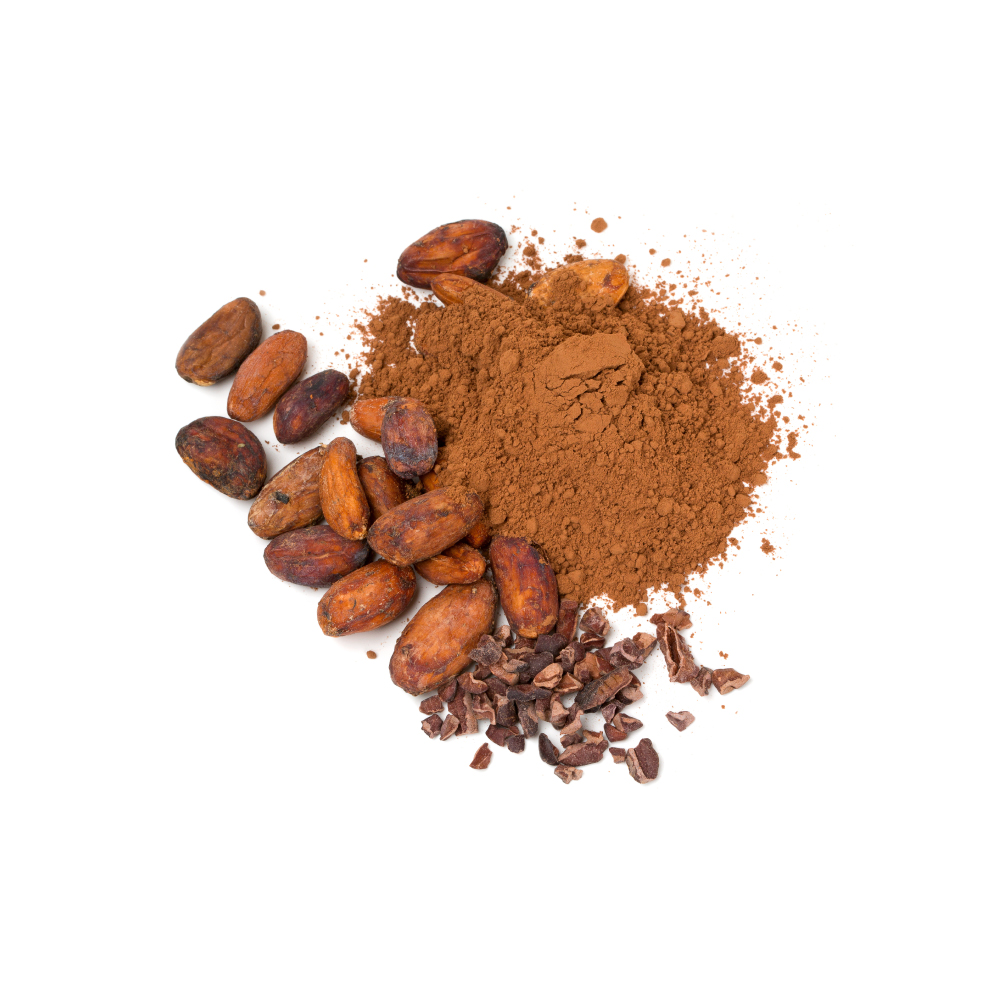
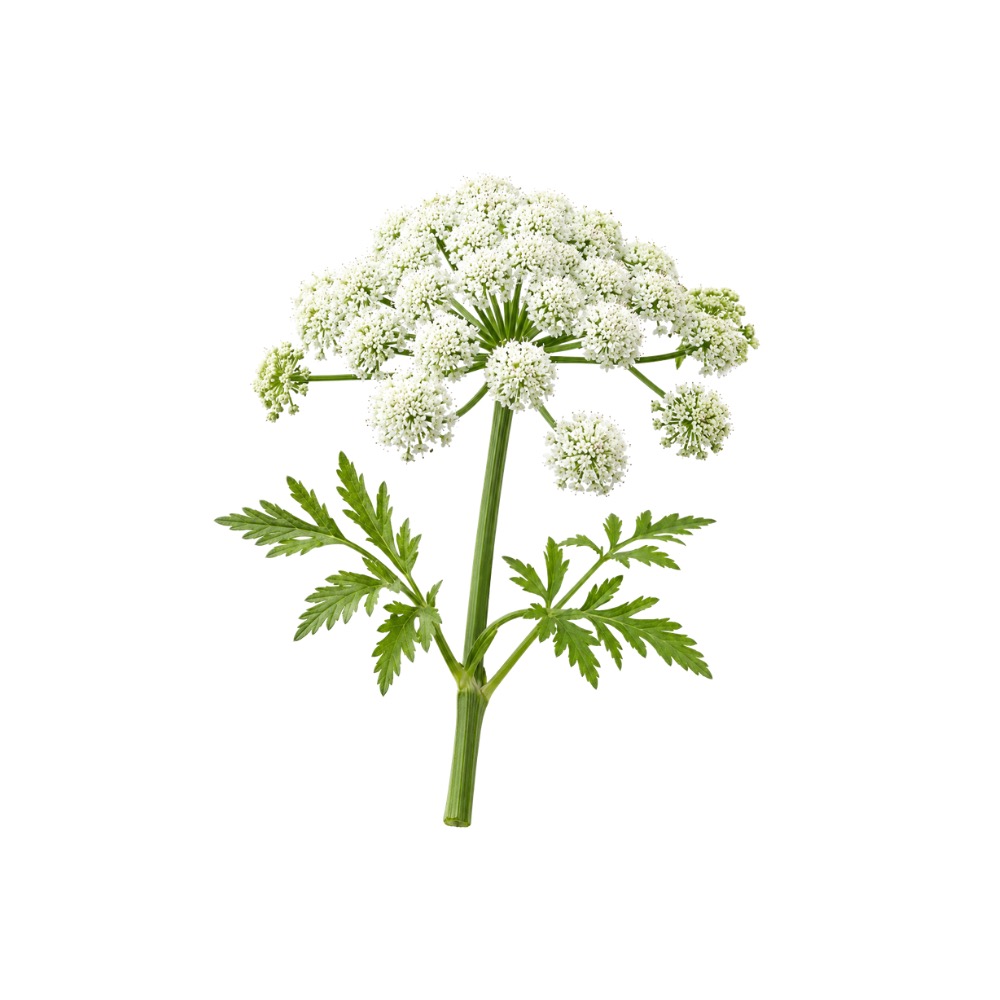
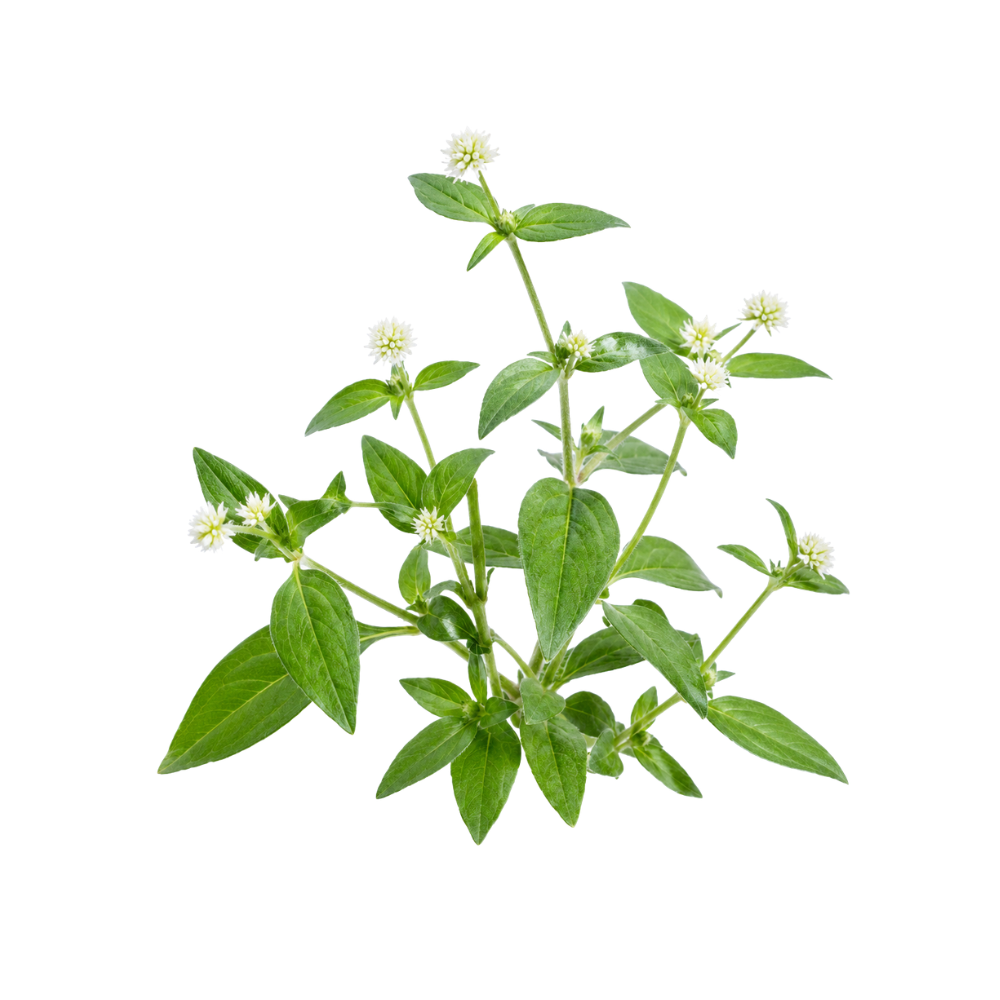
Materia Medica (3)
Herbs traditionally or clinically used for anemia.
Supplementation
Supplementation (5)
Supplements, nutrients and compounds used for anemia.
Copper
Trace mineral
An essential trace mineral and cofactor for a small set of critical enzymes — energy production, iron handling, connective-tissue crosslinking, and antioxidant defence. Deficiency and Wilson's disease are real clinical entities, but routine supplementation is rarely needed and has a narrow safety window.
Iron
Mineral (trace)
Iron is an essential trace mineral required for hemoglobin and oxygen transport; deficiency is the most common nutritional deficiency worldwide.
Vitamin B12
Vitamin
Cobalamin — the cobalt-containing B vitamin needed for red-blood-cell formation, DNA synthesis and the upkeep of the nervous system; found almost only in animal foods.
Vitamin B2 (Riboflavin)
Vitamin (water-soluble)
Vitamin B2 (riboflavin) is an essential water-soluble B vitamin and the precursor of the flavin coenzymes FMN and FAD, and — at doses far above nutritional intake — one of the best-evidenced preventive treatments for migraine.
Vitamin B9
Vitamin
Folate — the water-soluble B vitamin behind DNA synthesis and cell division, essential before and during early pregnancy to prevent neural-tube defects.