

Overview
Blood at a Glance
Blood works as a tissue. It carries red cells, white cells, platelets and the clotting proteins suspended with them, which together move oxygen, carry immune defence, and seal an injury before it empties the system.
Herbs used for the blood tend to fall into two very different groups.
The first are the blood-building tonics — herbs used for pallor, weakness, anemia, recovery after illness, and other states traditionally understood as deficient blood.
The second are the styptics and haemostatics — herbs used to slow or stop bleeding.
These two groups have little in common pharmacologically.
Blood-building herbs work, where they work at all, through nutrition, support of haematopoiesis, or treatment of the condition causing the deficiency.
Styptics work by tightening tissue, precipitating proteins at the bleeding surface, or altering platelet and coagulation activity.
That distinction matters because “building blood” is not a diagnosis.
Anemia can result from iron deficiency, folate or B12 deficiency, chronic disease, blood loss, haemolysis, inherited disorders, or failure of the bone marrow itself.
A nutritive herb may help support one of those situations and be largely irrelevant to another.
The haemostatic side is equally dependent on mechanism.
Tannin-rich herbs such as yarrow and horsetail work best where they can make direct contact with a bleeding surface.
Other herbs influence platelets or clotting more systemically, and some can actually increase bleeding risk rather than reduce it.
Notoginseng is a useful example of how complicated this can become.
It has a long traditional reputation for both stopping bleeding and moving stagnant blood, and its chemistry reflects both directions. Some constituents promote haemostasis, while its saponins inhibit platelet aggregation.
So the preparation, dose, and intended use matter.
Caution
Unexplained anemia, recurrent bruising, heavy bleeding, blood in the stool or urine, or persistent pallor and fatigue need investigation before herbal treatment. The cause of the blood abnormality is what determines what actually helps.
The Traditional View
How Herbalists Read the Blood
Traditional herbal medicine reads the blood through the signs it produces in the rest of the body.
Pallor, dizziness, weakness, dry skin, brittle nails, scanty menstruation, and poor recovery were all understood as signs that the blood itself was deficient.
Blood Deficiency
Chinese medicine developed this most clearly through the concept of blood deficiency, or xue xu.
Blood tonics such as dong quai are used where the picture includes pallor, dizziness, menstrual irregularity, dryness, weakness, or palpitations.
They’re often combined with qi tonics, on the reasoning that the body needs enough vitality to produce and circulate blood properly.
The Spring Tonics
Western herbalism arrived at a similar idea through a more nutritional route.
Nettle, dandelion, yellow dock, and other spring tonics were used for pallor, weakness, and post-winter depletion.
Part of that reputation is straightforwardly nutritive.
These plants provide iron, folate, vitamin C, minerals, and other nutrients that can contribute to normal blood formation.
That doesn’t make them substitutes for therapeutic iron or treatment of a diagnosed anemia, but it helps explain why nutritive herbs became associated with “building the blood.”
The Styptic Tradition
The styptic tradition is a separate branch.
Yarrow is one of the classic Western styptics, used externally on cuts and wounds and internally in traditional practice for various forms of bleeding.
Its historical use as a wound herb is reflected in the genus name Achillea, after Achilles.
Shepherd’s purse became especially associated with internal bleeding, particularly heavy menstrual and postpartum bleeding.
Most traditional styptics are strongly astringent.
Their tannins bind proteins and tighten tissue at the surface, which helps reduce oozing from small vessels when the herb is applied directly.
This is one of the places where the method of use is especially important.
Packing an astringent herb onto a small bleeding wound is very different from swallowing the same herb and expecting it to stop a bleed elsewhere in the body.
What Modern Haematology Adds
Modern haematology adds an important layer to the older blood-tonic framework.
Traditional medicine tended to treat depleted blood as a single constitutional state.
Modern medicine separates that into specific causes — iron deficiency, B12 or folate deficiency, blood loss, chronic inflammation, haemolysis, inherited disorders, and marrow disease.
The traditional signs can still be useful for recognising that something is wrong.
But the herbal question comes after the cause is understood:
Does the person need nutritional support, support during recovery, local haemostasis, or treatment of the underlying reason the blood is abnormal in the first place?
Key Herbal Actions
What the Herbs Do Here
The actions most often called on here, each linking through to the herbs that carry it:
Styptic
Dominant actionChecks bleeding, mostly by astringency at the bleeding surface.
Astringent
Precipitates protein through tannins, the mechanism behind most topical styptic activity.
Antiplatelet
Interaction riskReduces platelet aggregation, and is more often an interaction risk in this system than a therapeutic aim.
Nutritive & Tonic
Cover the blood-building half, where the effect is largely dietary mineral and vitamin content.
Mechanisms
How It Works
Four mechanisms account for essentially everything in this system.
01
Astringency: Protein Precipitation at the Bleeding Surface
Hydrolysable and condensed tannins bind and precipitate proteins on contact.
This is the oldest and most reliable mechanism, and the reason the classic styptics are all tannin-rich. Applied to a raw wound or an inflamed mucous membrane, tannins coagulate surface protein into a thin adherent layer that mechanically seals small vessels and reduces oozing.
The effect is local and contact-dependent, and it requires the herb to physically reach the bleeding surface. It explains powdered yarrow packed into a cut, rhubarb powder sprayed onto a gastric ulcer under endoscopy, and a horsetail or calendula wash.
It does not explain a tincture taken by mouth for a nosebleed, and that gap is the single largest weakness in the traditional styptic literature.
Herbs: YarrowRhubarbHorsetailCalendula
Key compounds: Tannins
02
Platelet & Coagulation Modulation
This is the one truly pharmacological haemostatic mechanism, and the only route by which something swallowed can change bleeding anywhere in the body rather than only where it is applied.
Stopping a bleed happens in two stages. Platelets arrive first: exposed collagen at a vessel injury activates them, they change shape, become sticky and clump into a soft plug within seconds.
The coagulation cascade runs behind them, a chain of clotting factors ending in thrombin, which converts soluble fibrinogen into fibrin, an insoluble mesh that binds the platelet plug into a stable clot.
A herb can push on either stage, in either direction.
Pushing bleeding down means making platelets more reactive, raising platelet numbers, or supporting fibrin formation. This is rare in plants and correspondingly poorly evidenced.
Dencichine is the best-described example: it enhances the haemostatic function of already-activated platelets through AMPA-type glutamate receptors 3Reference 3In vitroDencichine enhances hemostasis of activated platelets via AMPA receptors — in vitroView study →, and drives thrombopoiesis in animals by promoting megakaryocyte adhesion, migration and proplatelet formation 4Reference 4AnimalD-dencichine regulates thrombopoiesis by promoting megakaryocyte adhesion, migration and proplatelet formation — animal model in vivoView study →.
Pushing bleeding up is far more common, and it is why this mechanism is more often a risk than a treatment. Plant polyphenols and saponins inhibit platelet aggregation by blunting the activation signal, commonly through cyclooxygenase and thromboxane A₂, the same pathway aspirin blocks.
That is a genuine pharmacological effect at ordinary doses, and it is additive with antiplatelet and anticoagulant drugs.
A single root can contain both. Notoginseng’s saponins inhibit aggregation strongly enough to register in a meta-analysis of 36 randomised trials 5Reference 5Meta-analysisEffect of Panax notoginseng preparations on platelet function — a meta-analysis of 36 randomised controlled trialsView study → and to potentiate aspirin in a controlled trial 6Reference 6RCTCombination of Panax notoginseng saponins and aspirin potentiates platelet inhibition with alleviated gastric injury — a randomised, assessor-blinded trialView study →, while its dencichine does the opposite.
Which one dominates depends on the preparation and the fraction, and for the material most people can buy it is the antiplatelet side.
Herbs: NotoginsengDong Quai
Key compounds: DencichineGinsenoside Rg1Ferulic Acid
03
Haematopoietic Stimulation
Red cells are made in the bone marrow from haematopoietic stem cells, on a schedule set by growth-factor signalling rather than by raw material supply.
Erythropoietin from the kidney is the main driver of red-cell production, and GM-CSF and the interleukins govern the white-cell and platelet lines alongside it. Building blood faster therefore means either supplying a missing substrate, which is mechanism 4 below, or increasing the growth-factor signal telling the marrow to divide.
Only the first is what most people mean by anemia.
The plant constituents that reach the second are not the small molecules a herbalist would expect. They are polysaccharides: large sugar polymers that bind receptors on spleen and immune cells and induce them to secrete haematopoietic growth factors.
That is cytokine signalling rather than a nutritional effect, and downstream it shows up as faster recovery of red-cell count, haemoglobin and haematocrit after the marrow has been depleted.
Two consequences follow. The mechanism predicts a herb will help most where the marrow is suppressed, after blood loss, chemotherapy or irradiation, and least in a straightforward dietary deficiency, which is the opposite of how blood tonics are usually reached for.
Polysaccharides are also large, water-soluble and poorly absorbed intact, and nearly all the animal work injects a purified fraction rather than feeding a decoction.
Herbs: Dong Quai
Key compounds: Polysaccharides
04
Dietary Iron, Folate and Absorption Support
The least glamorous mechanism and, for most people, the most relevant one.
Several of the herbs used for blood-building are simply nutrient-dense leafy or seed material, and their traditional anemia reputation rests on iron, folate and vitamin C content rather than on any pharmacology.
Form is the first caveat. Plant iron is non-haem, absorbed at roughly 2 to 20% against 15 to 35% for haem iron from meat.
Vitamin C in the same meal meaningfully improves that, while tannins and phytates in the same meal meaningfully worsen it, which makes a tannin-rich blood-building tea an awkward proposition.
Dose is the second. A therapeutic iron regimen delivers 40 to 100 mg of elemental iron daily, and no realistic quantity of tea approaches it.
Dietary support is a fair claim, and correcting a diagnosed deficiency is not.
Herbs: Stinging NettleDandelionCacaoRed Spinach
The Herbs
Materia Medica
The haematological herbs, grouped by what they are being asked to do.
Bleeding that is heavy, unexplained, or accompanied by dizziness or breathlessness is a medical problem before it is a herbal one.
Styptics & Haemostatics
5 herbsThe better-evidenced half of this system, because blood loss is measurable.
The two Western staples are yarrow and shepherd’s purse, and they work through completely different applications. Shepherd’s purse is the internal one, taken by mouth for heavy menstrual and postpartum blood loss. Yarrow was the field medic’s herb, applied as a powder directly into an open wound.
Notoginseng is the third major styptic and the most contradictory. Chinese medicine gives it both to stop bleeding and to move stagnant blood, and the chemistry does both. Almost all the human data comes from standardised saponin preparations, which are the antiplatelet fraction, so in ordinary use it behaves as a bleeding risk.
Route decides the result. The positive trials delivered the herb directly to the bleeding surface, as an ointment on an episiotomy or a powder sprayed under a gastroscope, or tested a standardised oral extract against a measured endpoint. Traditional practice often used the same herbs as teas for bleeding somewhere a tea never reaches.
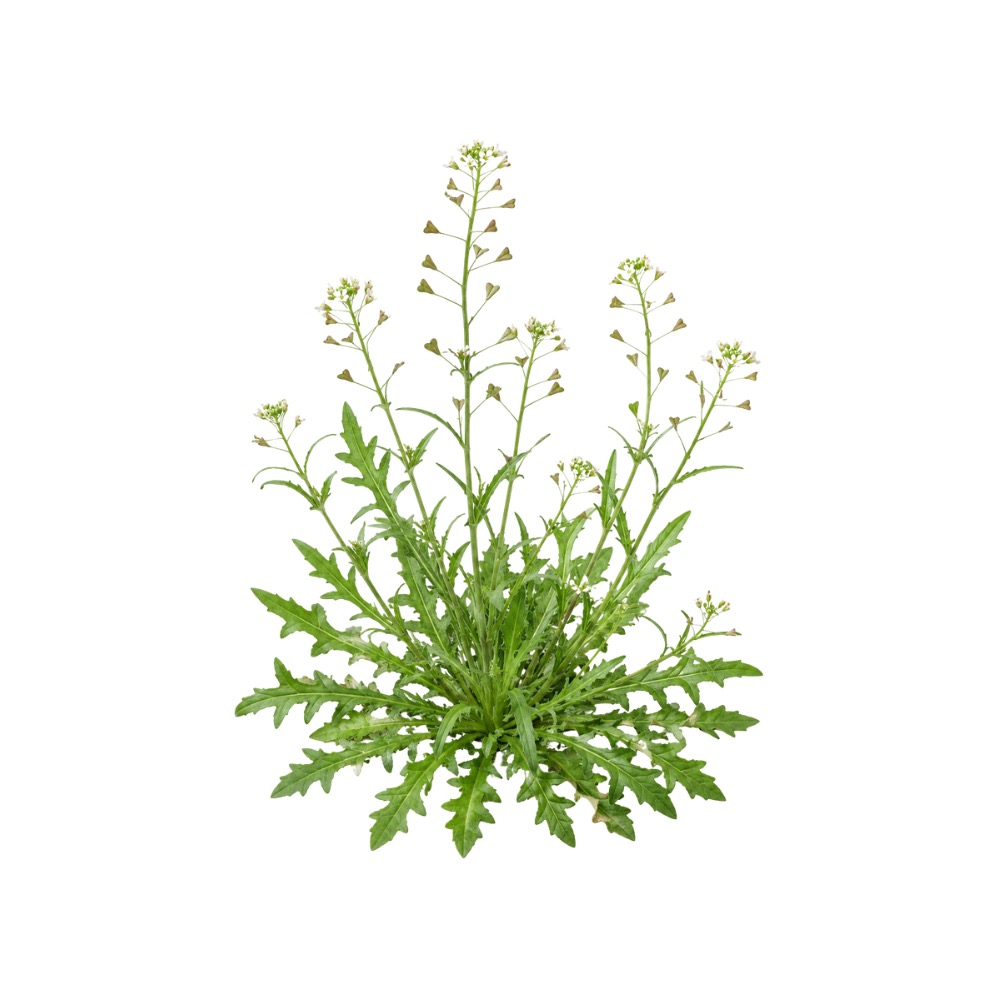 ModerateModerateShepherd’s PurseCapsella bursa-pastorisThe classic Western haemostatic for heavy menstrual bleeding, and the one with a modern test behind it. A 2018 triple-blind randomised placebo-controlled trial (n=84) gave women with heavy menstrual bleeding mefenamic acid plus either a hydroalcoholic Capsella extract capsule or placebo over two cycles, and pictorial blood-loss scores fell significantly further in the Capsella arm (p<0.001) 9Reference 9RCTEffect of hydroalcoholic extracts of Capsella bursa-pastoris on heavy menstrual bleeding — triple-blind, randomised, placebo-controlled clinical trialView study →.Read the evidenceShow lessMonograph →
The design is the limitation. The herb was added on top of an effective drug, so the trial demonstrates adjunctive benefit without isolating the herb’s own effect, and no placebo-alone comparison exists.
The EMA’s herbal committee and the German Commission E both recognise it for heavy menstrual bleeding as a traditional-use herb, having declined well-established use 10Reference 10ReviewAssessment report on Capsella bursa-pastoris (L.) Medikus, herba — regulatory monograph (traditional use)View study →.
The mechanism is undefined, and an old isolated-uterus study ranked it among the weaker uterotonics tested. The herb is also widely held to lose potency on storage, so fresh or recently dried aerial tops are what the tradition specifies.
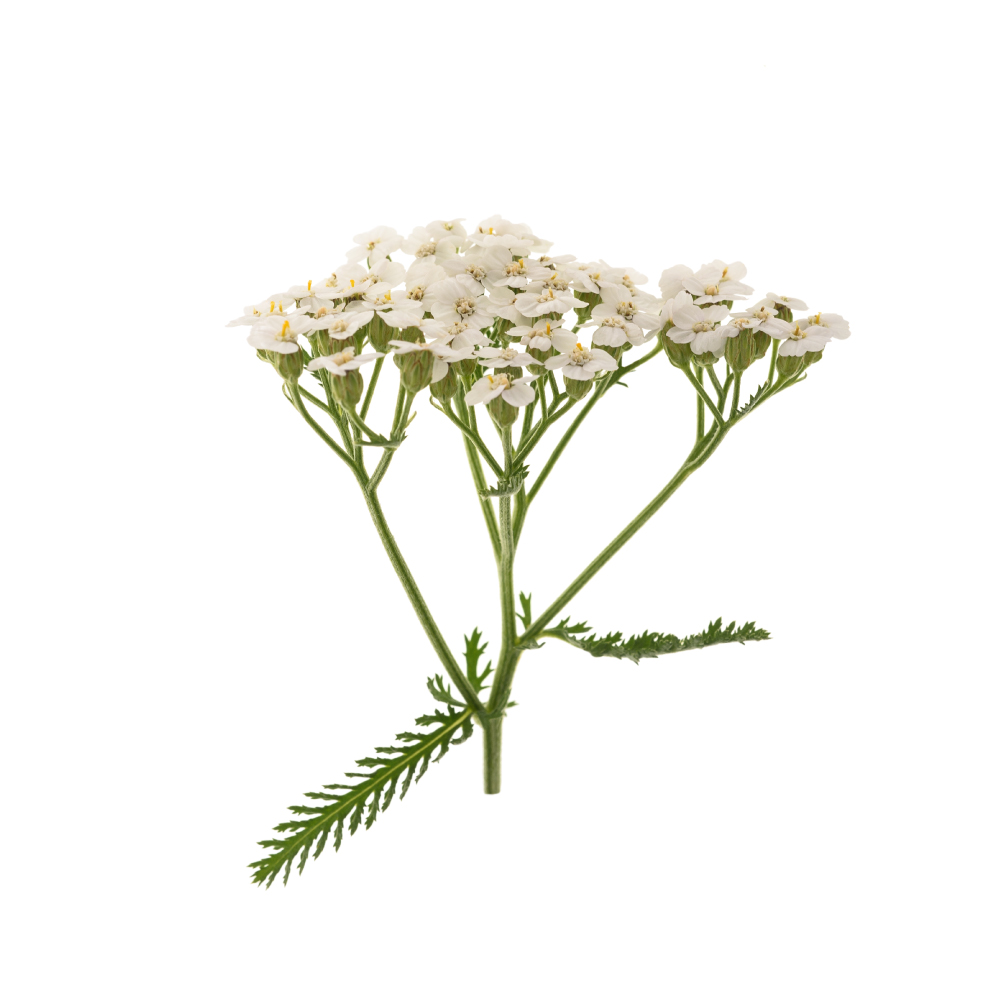 ModerateModerateYarrowAchillea millefoliumThe archetypal wound styptic, carried in field dressings from the Achilles name-myth to Second World War wound packs, where powdered leaf was placed directly into gunshot wounds.Read the evidenceShow lessMonograph →
Its best human evidence is adjacent rather than exact. In a double-blind trial of 140 primiparous women, an A. millefolium ointment reduced episiotomy pain, redness, oedema and ecchymosis against placebo and no intervention, though it did not change wound discharge or dehiscence 11Reference 11RCTThe effect of Achillea millefolium and Hypericum perforatum ointments on episiotomy wound healing in primiparous women — double-blind randomised trialView study →.
In vitro, yarrow extracts promote fibroblast activity and wound closure.
The haemostatic claim itself has never been tested in a controlled human setting. The trial measured healing and inflammation rather than bleeding time, and it used a formulated ointment rather than the powdered herb of the tradition.
Two quality problems compound this. Yarrow’s essential-oil chemotype varies enormously between samples, and a European Pharmacopoeia survey found only about half of commercial material met standard.
Yarrow contains thujone and is an Asteraceae allergen.
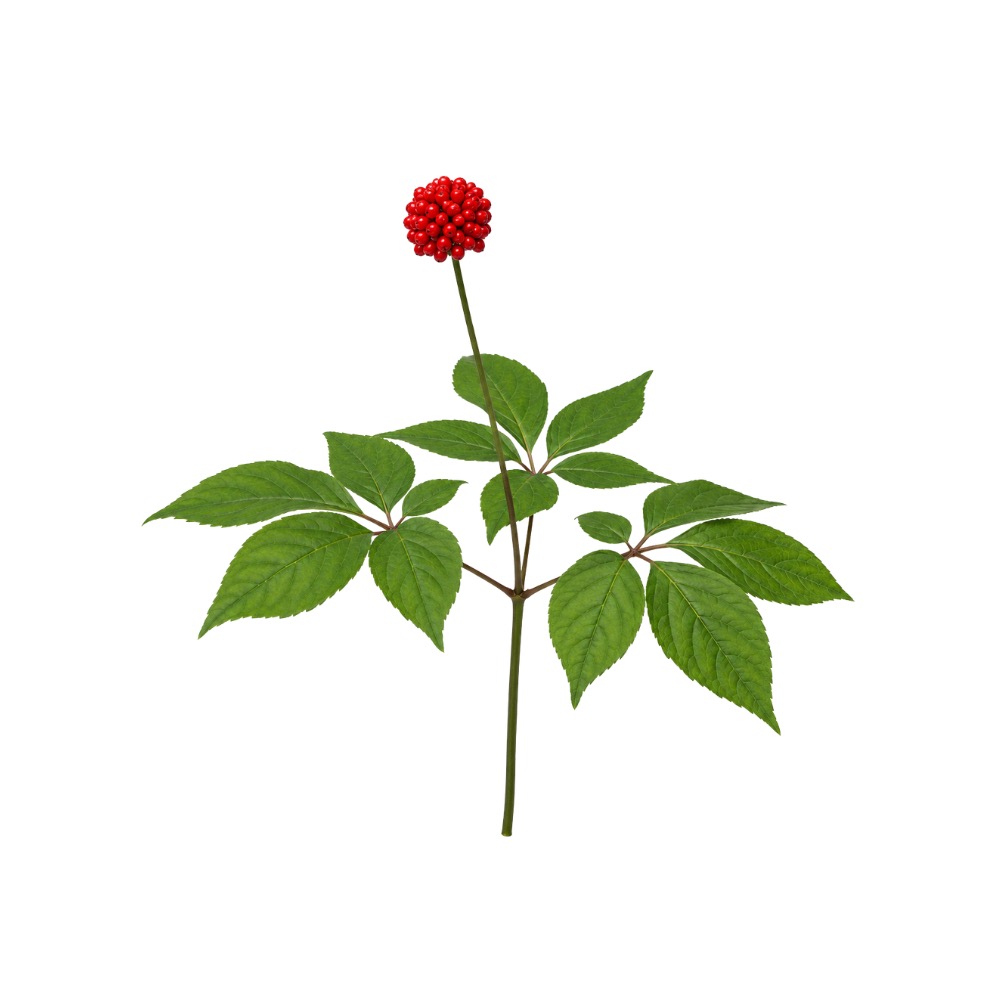 ModerateModerateNotoginsengPanax notoginsengSan qi is the Chinese trauma herb, given for bruising, internal bleeding and chest pain, and classically described as both stopping bleeding and moving stagnant blood.Also underAntiplatelet ↓Read the evidenceShow lessMonograph →
That contradiction is chemically real. Dencichine enhances platelet haemostatic function through AMPA receptors 3Reference 3In vitroDencichine enhances hemostasis of activated platelets via AMPA receptors — in vitroView study → and drives thrombopoiesis in animals 4Reference 4AnimalD-dencichine regulates thrombopoiesis by promoting megakaryocyte adhesion, migration and proplatelet formation — animal model in vivoView study →, while the saponins inhibit platelet aggregation across a meta-analysis of 36 randomised trials 5Reference 5Meta-analysisEffect of Panax notoginseng preparations on platelet function — a meta-analysis of 36 randomised controlled trialsView study →.
On the clinical side, a meta-analysis of 20 randomised trials (1,891 patients) reported that Panax notoginseng saponin injection improved recovery outcomes in intracerebral haemorrhage 12Reference 12Meta-analysisEfficacy and safety of Panax notoginseng saponin therapy for acute intracerebral hemorrhage — meta-analysisView study →.
Nearly all human data come from standardised saponin injections and capsules used in Chinese hospitals rather than the powdered root sold as a supplement, and the saponin preparations are the antiplatelet ones. In everyday practice notoginseng behaves as a bleeding-risk interaction: it is stopped before surgery and treated with care alongside anticoagulants and antiplatelet drugs.
Its cardiovascular and stroke evidence is covered on the cardiovascular page.
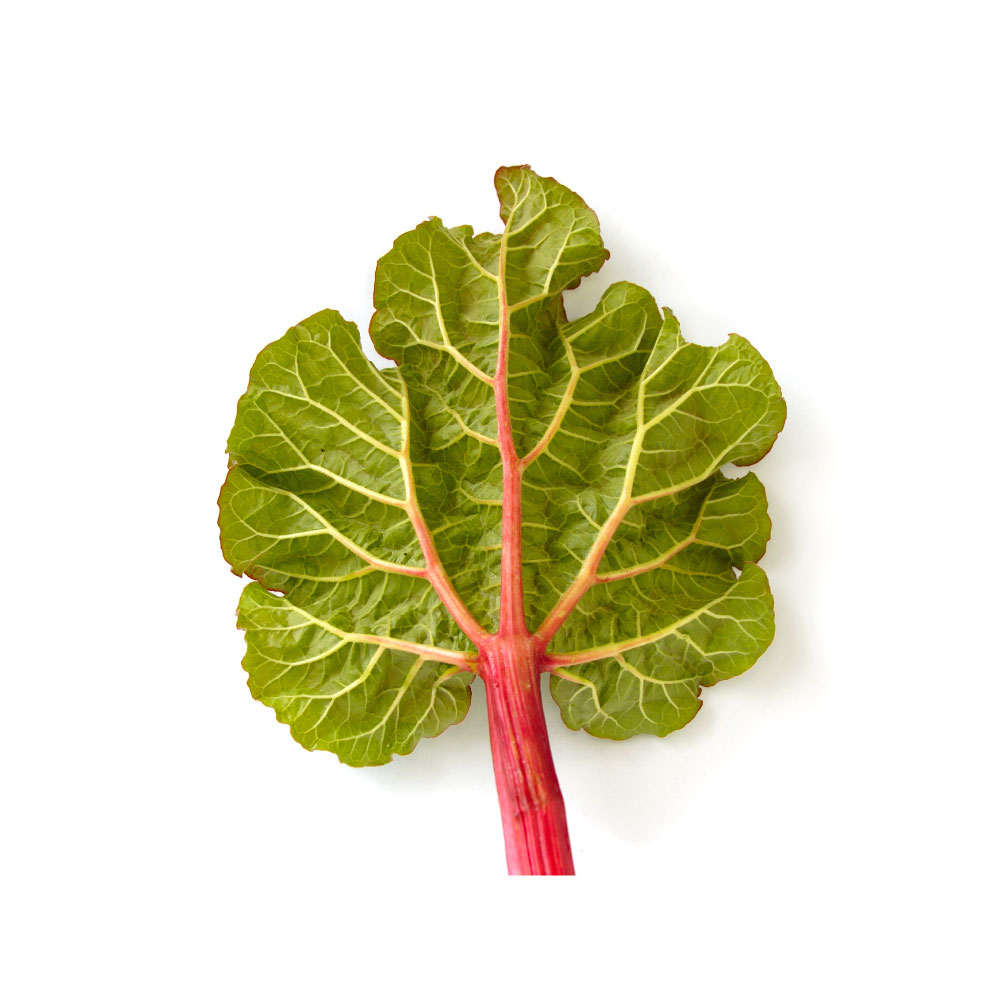 ModerateModerateRhubarbRheum palmatumOne specific and well-tested use, and not the one most people mean when they reach for rhubarb. A systematic review and meta-analysis of 14 randomised trials (1,493 patients) found that rhubarb powder solution sprayed onto the bleeding site under gastroscope improved haemostasis in acute non-variceal upper gastrointestinal bleeding compared with norepinephrine solution 13Reference 13Meta-analysisSpraying rhubarb powder solution under gastroscope in the treatment of acute non-variceal upper gastrointestinal bleeding — systematic review and meta-analysis of randomised controlled trialsView study →.Read the evidenceShow lessMonograph →
The plausible basis is the astringent tannin fraction acting directly on the ulcer surface, which fits the classical indication of blood-heat haemorrhage.
The route is the whole finding: a hospital procedure delivering powder to a visualised bleeding vessel. It does not transfer to oral or tincture use.
Swallowed rhubarb root is a stimulant laxative, since the anthraquinones are the dominant oral effect, and upper gastrointestinal bleeding is an emergency rather than something to treat at home.
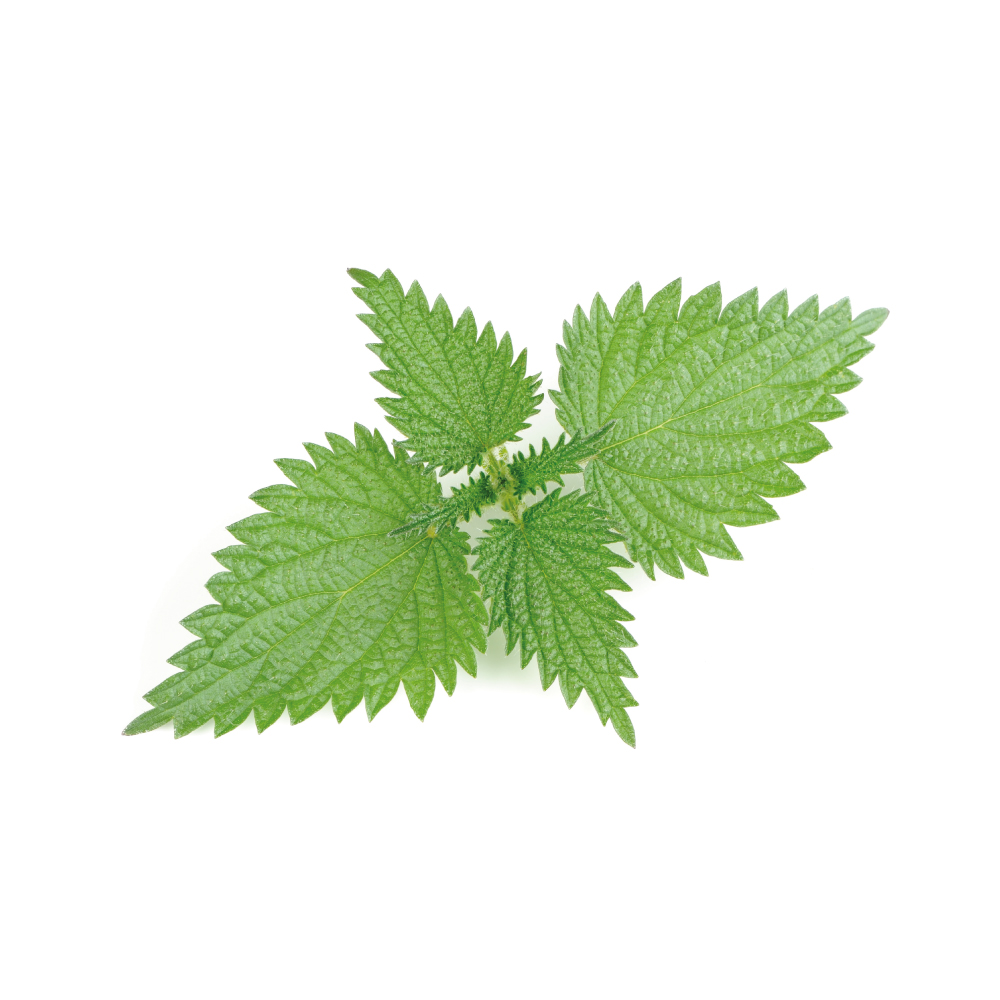 PreclinicalPreclinicalStinging NettleUrtica dioicaNettle’s styptic use is broad and old: nosebleeds in Peruvian practice, excessive menstrual bleeding in Brazilian, wounds across Europe.Also underNutritive ↓Read the evidenceShow lessMonograph →
The modern support is a single animal study finding haemostatic and wound-healing activity in leaf extract 14Reference 14AnimalExploring the Urtica dioica leaves hemostatic and wound-healing potential — animal modelView study →.
Nettle leaf and root also inhibit the cyclooxygenase and lipoxygenase branches in human platelets, which cuts against the styptic framing rather than supporting it.
Its real evidence base is elsewhere, in benign prostatic hyperplasia and inflammatory joint disease, on the urinary and musculoskeletal pages.
Blood-Building & Anemia
3 herbsThree herbs with a traditional anemia indication and a mechanism worth taking seriously, in descending order of how well the mechanism ties to the claim.
Dong quai is the developed case, with a polysaccharide that induces genuine haematopoietic growth-factor signalling. Suma has an unusually specific traditional claim for sickle-cell anemia and two in-vitro studies supporting the specific part of it. Cacao rests on nutritional grounds.
The gap between the mechanism and the claim is wide. The animal work is legitimate, no herb in this group has been tested in an anemic human being, and the correct first move for a suspected anemia is a blood test that names the cause.
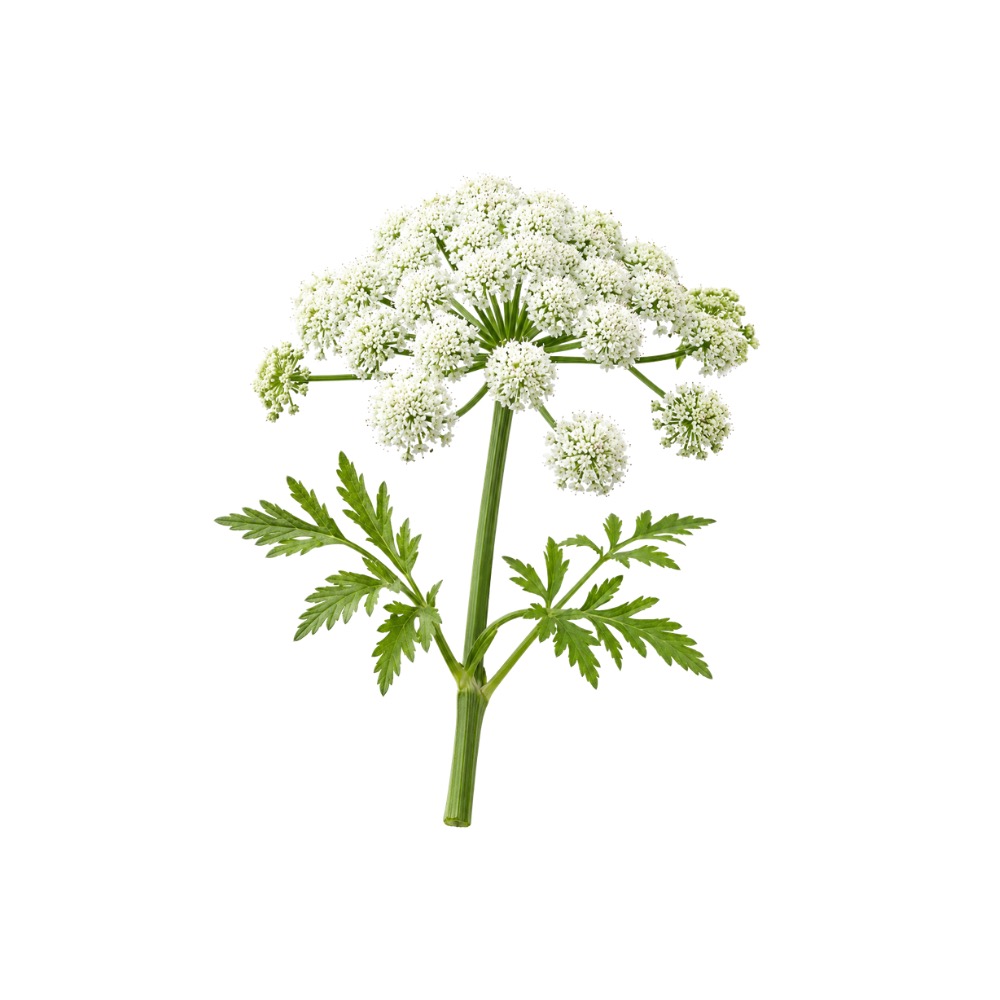 PreclinicalPreclinicalDong QuaiAngelica sinensisDang gui is the premier blood tonic of Chinese medicine, given for pallor, scanty periods, postpartum recovery and the pattern that maps onto anemia.Also underAntiplatelet ↓Read the evidenceShow lessMonograph →
The activity lives in Angelica sinensis polysaccharide rather than in the phthalides or ferulic acid. The polysaccharide fraction carries essentially all the blood-cell-stimulating effect, working through IL-6 and GM-CSF secretion, and it accelerated red-cell recovery after acute blood loss in mice 1Reference 1AnimalHaematopoietic effect of water-soluble polysaccharides from Angelica sinensis on mice with acute blood loss — animal modelView study →.
It also sped recovery of red cells, haemoglobin and haematocrit in a 5-FU chemotherapy-anemia model 7Reference 7AnimalAngelica sinensis polysaccharides ameliorate 5-FU-induced stress anaemia via extramedullary erythropoiesis — mouse in vivoView study →.
A further report of restored trilineage recovery in irradiation-induced aplastic anemia has been retracted and is not counted 8Reference 8AnimalAngelica sinensis polysaccharide prevents mitochondrial apoptosis by regulating the Treg/Th17 ratio in aplastic anaemia — mouse in vivoView study →.
Human relevance extends only to cell work showing myeloprotection of CD34⁺ cord-blood stem cells 2Reference 2In vitroHaematopoietic and myeloprotective activities of an acidic Angelica sinensis polysaccharide on human CD34⁺ stem cells — in vitroView study →. There is no clinical trial in anemic patients.
Dong quai also carries antiplatelet activity through ferulic acid, which makes the blood tonic a bleeding-risk interaction, and its famous menopausal indication is a well-tested negative as a single herb.
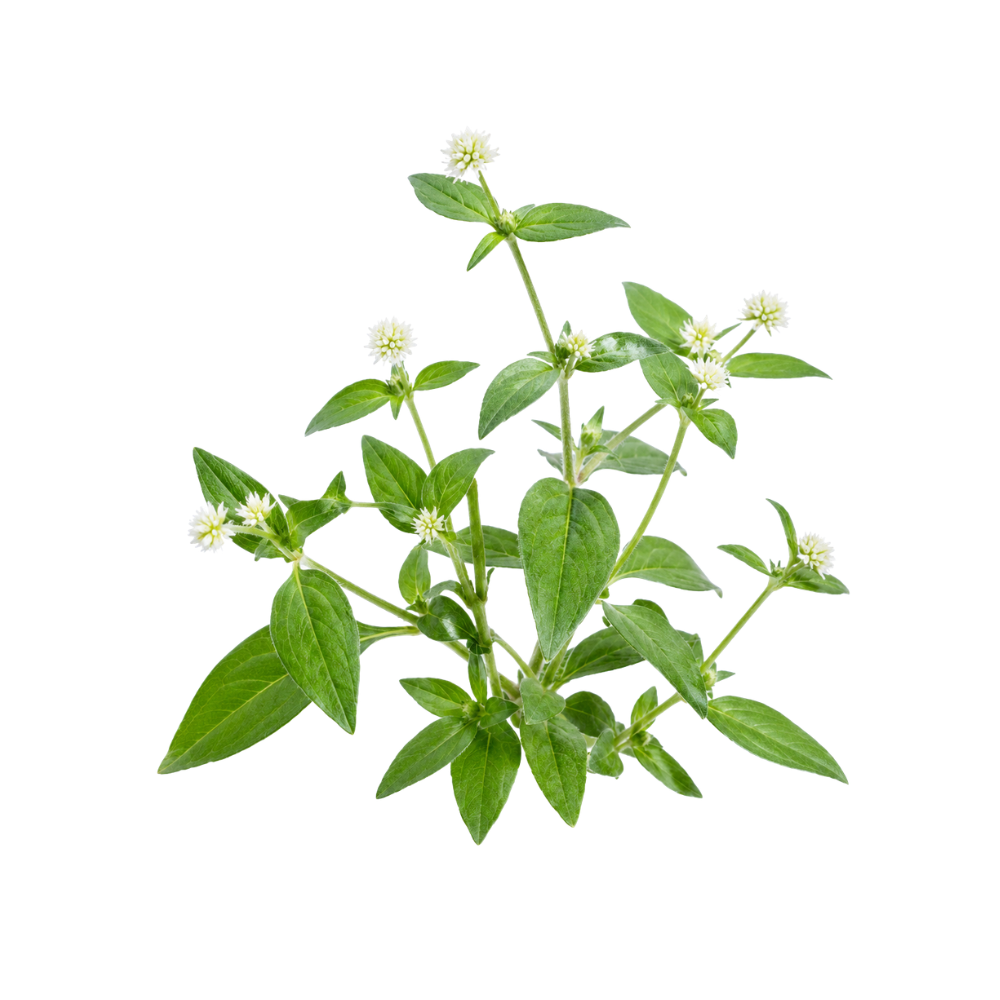 PreclinicalPreclinicalSumaPfaffia paniculataBrazilian ginseng is used across South America as a general tonic and specifically for anemia, including sickle-cell anemia, which is an unusually precise traditional claim.Read the evidenceShow lessMonograph →
Working with red cells in the test tube, Ballas showed suma extract acts as a sodium ionophore on sickle erythrocytes, raising their sodium and volume and so improving hydration and deformability 15Reference 15In vitroHydration of sickle erythrocytes using a herbal extract (Pfaffia paniculata) in vitro — in vitro studyView study →. That is mechanistically apt, since sickle cells are pathologically dehydrated and rigid.
Fifteen years later a second group confirmed the core finding on blood drawn from sickle-cell patients. Extract at 0.5 mg/mL improved deformability at the high shear stress found in capillaries, though it did not reduce cell fragility 16Reference 16In vitroPfaffia paniculata extract improves red blood cell deformability in sickle cell patients — in vitro studyView study →.
Both studies are in vitro, and the 2020 Cochrane review of phytomedicines for sickle-cell disease catalogued suma among candidate plants while concluding the controlled-trial evidence remains insufficient to judge benefit or harm 17Reference 17Systematic reviewPhytomedicines for sickle cell disease — systematic reviewView study →.
The broader traditional anemia use rests on the root’s iron and mineral content.
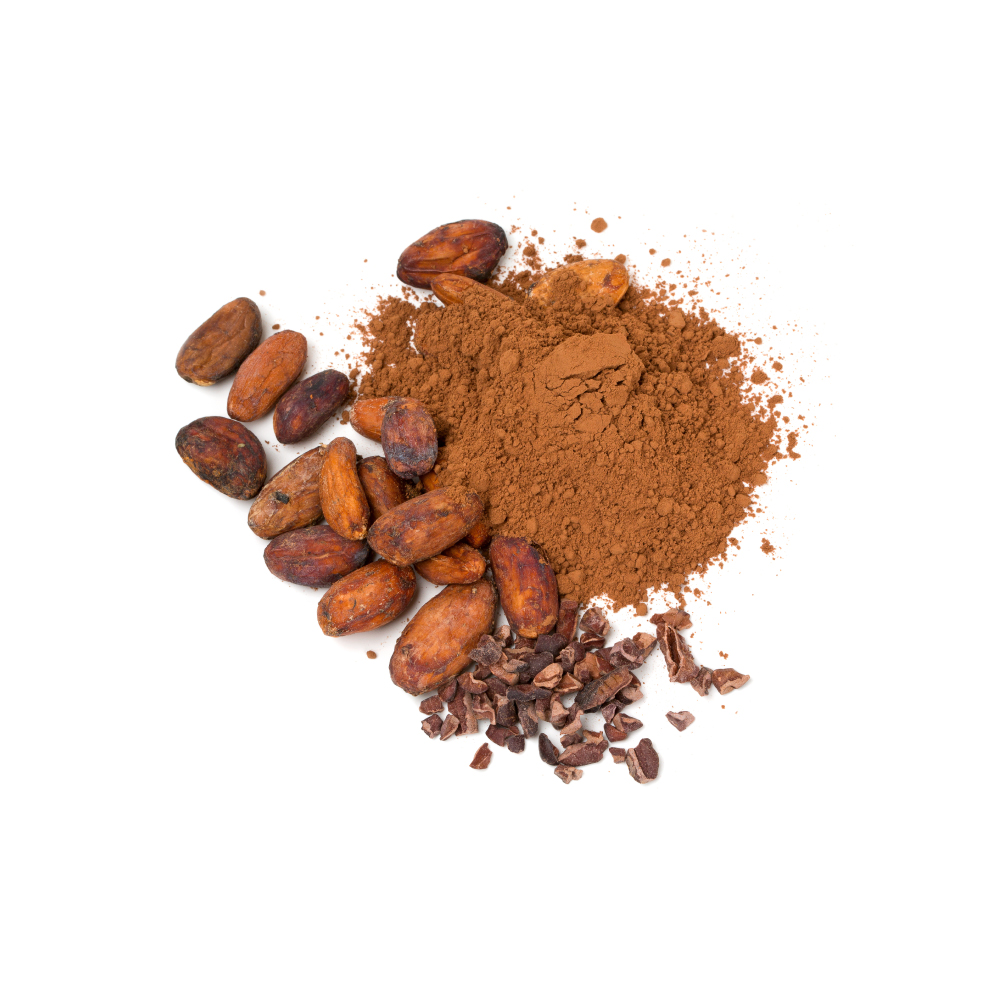 TraditionalTraditionalCacaoTheobroma cacaoCacao seed is a rich source of copper, magnesium and iron, and its traditional Mesoamerican use as a strengthening food is consistent with that.Also underNutritive ↓Read the evidenceShow lessMonograph →
The iron is non-haem, and cacao is simultaneously one of the most polyphenol-dense foods there is. Those polyphenols inhibit non-haem iron absorption in the same meal.
So cacao is a reasonable contributor to overall mineral intake and a poor vehicle for correcting iron deficiency, arguably a slightly counterproductive one taken alongside an iron supplement.
Cacao’s real evidence base is cardiovascular and cognitive, on the cardiovascular and nervous pages.
Antiplatelet
2 herbsThe mirror image of the styptic group. These herbs make bleeding more likely, and both of them are traditionally given for the opposite purpose.
This is almost always an interaction concern rather than a therapeutic aim. Antiplatelet activity adds to aspirin, clopidogrel, warfarin and the DOACs, and it matters before any surgery or dental extraction, where the usual advice is to stop one to two weeks ahead.
The herbs with the best-documented antiplatelet effects mostly belong to other systems. Ginkgo, garlic, ginger, feverfew, amla and turmeric all carry meaningful antiplatelet activity, and the cardiovascular page carries the fuller bleeding-risk picture.
ModerateModerateNotoginsengPanax notoginsengThe best-evidenced antiplatelet herb in this system, and the same plant described above as a styptic.Also underStyptics ↓Read the evidenceShow lessMonograph →
The Panax notoginseng saponins reduce platelet aggregation reproducibly. A meta-analysis of 36 randomised trials found they lowered the maximum aggregation rate against both placebo and non-antiplatelet comparators, and added to the effect of conventional antiplatelet drugs 5Reference 5Meta-analysisEffect of Panax notoginseng preparations on platelet function — a meta-analysis of 36 randomised controlled trialsView study →.
A small assessor-blinded randomised trial (n=42) found the saponins added to aspirin enhanced platelet inhibition while reducing aspirin-associated gastric injury 6Reference 6RCTCombination of Panax notoginseng saponins and aspirin potentiates platelet inhibition with alleviated gastric injury — a randomised, assessor-blinded trialView study →.
The dammarane saponins ginsenoside Rg1 and ginsenoside Rb1 are the constituents most implicated.
The endpoint throughout is aggregation rate, a pharmacodynamic surrogate rather than a clinical outcome, so the antiplatelet effect is well characterised as a mechanism and untested as a treatment. Its practical significance runs the other way: this is the fraction most supplement material delivers, which is why the trauma herb functions as a bleeding risk.
PreclinicalPreclinicalDong QuaiAngelica sinensisThe premier blood-building tonic of Chinese medicine is also the herb that appears on every interaction chart.Also underBlood-Building ↓Read the evidenceShow lessMonograph →
The activity is attributed to ferulic acid, which inhibits platelet aggregation.
The evidence is thinner than the warning’s ubiquity suggests. It rests largely on sodium ferulate, an isolated pharmaceutical derivative, rather than on the root as taken, and no trial has measured bleeding outcomes with dong quai itself.
It is still a real precaution. The interaction is mechanistically plausible, it is additive with anticoagulants, and case reports of raised INR alongside warfarin exist.
Stop before surgery.
Nutritive & Tonic
3 herbsThe quietest group, and for anyone whose anemia is dietary in origin, the most useful one.
These are not pharmacological agents. They are nutrient-dense plants whose blood reputation rests on mineral and vitamin content, and the claim they support is a contribution to intake rather than the treatment of a deficiency.
Plant iron is the poorly absorbed non-haem form, vitamin C in the same meal helps and tannins hurt, and no realistic quantity of any of them reaches a therapeutic iron dose.
TraditionalTraditionalStinging NettleUrtica dioicaThe archetypal spring tonic green, and the most defensible of them nutritionally.Also underStyptics ↓Read the evidenceShow lessMonograph →
Nettle leaf is a mineral-dense vegetable carrying non-haem iron alongside vitamin C and vitamin K, which is the entire basis of its blood-building reputation and a reasonable one as far as it goes.
Eaten as a cooked green or drunk as a strong infusion it is a real contributor to dietary intake. It does not treat a diagnosed deficiency, and the tea is the weaker of the two vehicles, since most of the mineral content stays in the leaf.
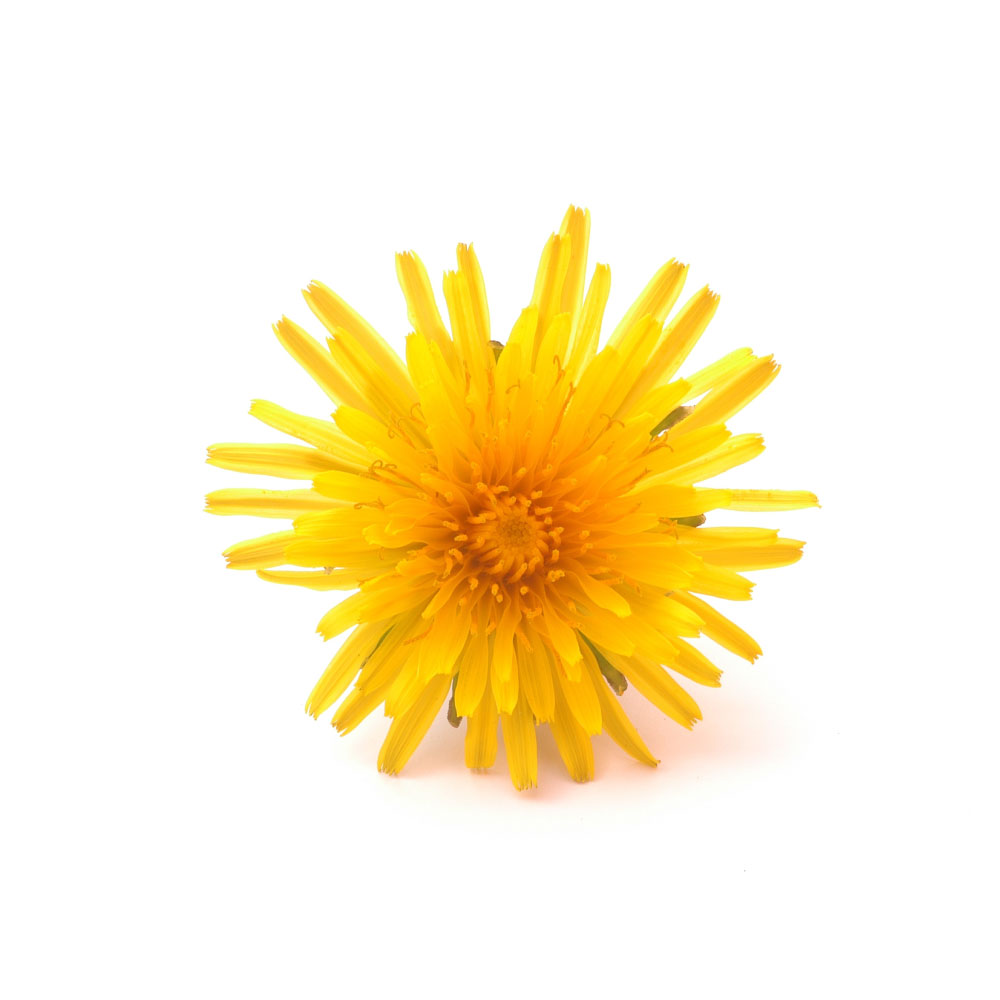 TraditionalTraditionalDandelionTaraxacum officinaleThe classic Western blood purifier, and a good illustration of how loosely that phrase maps onto haematology.Read the evidenceShow lessMonograph →
Dandelion leaf is mineral-rich, but the mineral it is actually characterised for is potassium, up to roughly 4.5% of the dry leaf. That underpins its reputation as a diuretic which does not deplete electrolytes rather than any effect on red cells.
Its documented pharmacology is hepatic and choleretic.
The spring-tonic use is real as a seasonal dietary practice, and the alterative or blood-cleansing framing is a traditional category rather than a haematological claim. Nothing in it has been tested for anemia.
TraditionalTraditionalCacaoTheobroma cacaoCacao seed carries copper, magnesium and iron, and its traditional Mesoamerican use as a strengthening food is consistent with that.Also underBlood-Building ↓Read the evidenceShow lessMonograph →
The iron is non-haem, and cacao is simultaneously one of the most polyphenol-dense foods there is, so its own polyphenols inhibit that iron’s absorption in the same meal.
It is a reasonable contributor to overall mineral intake and a poor vehicle for correcting iron deficiency, arguably a counterproductive one taken alongside an iron supplement.
No herbs match these filters.
Also Tagged
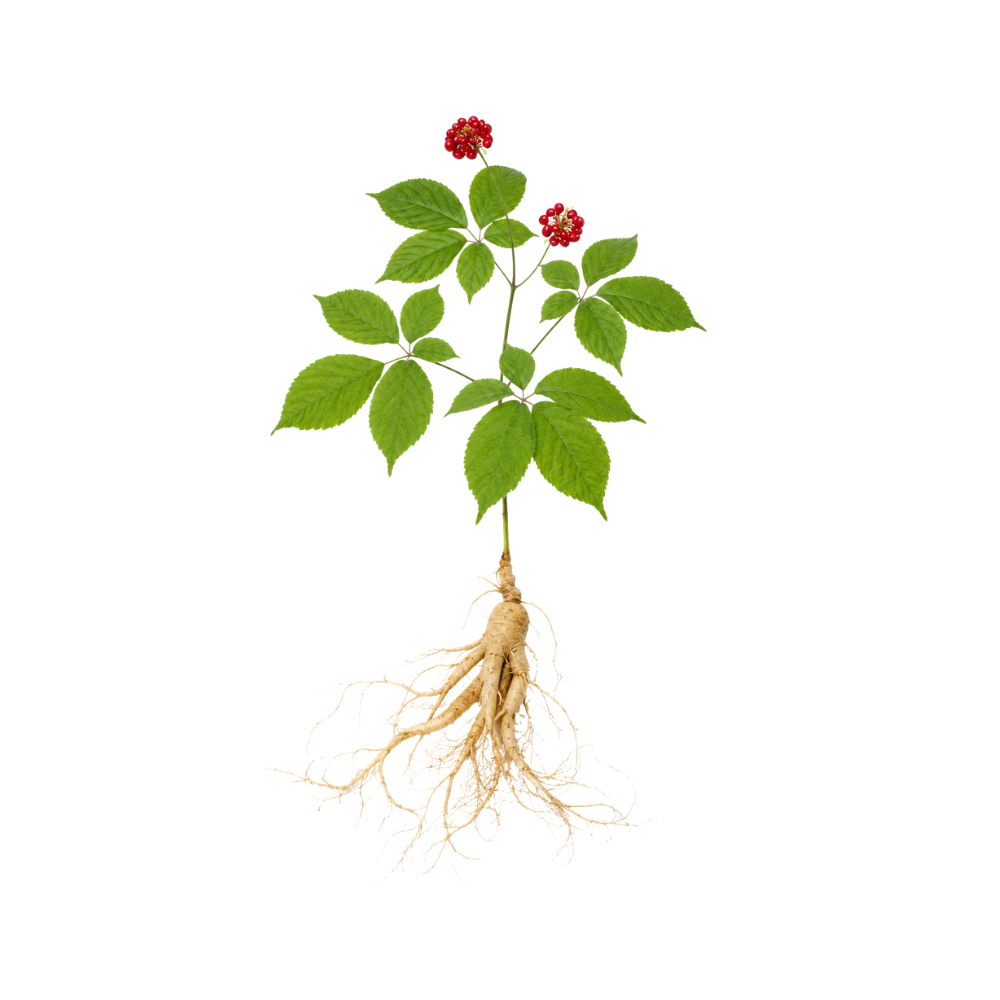
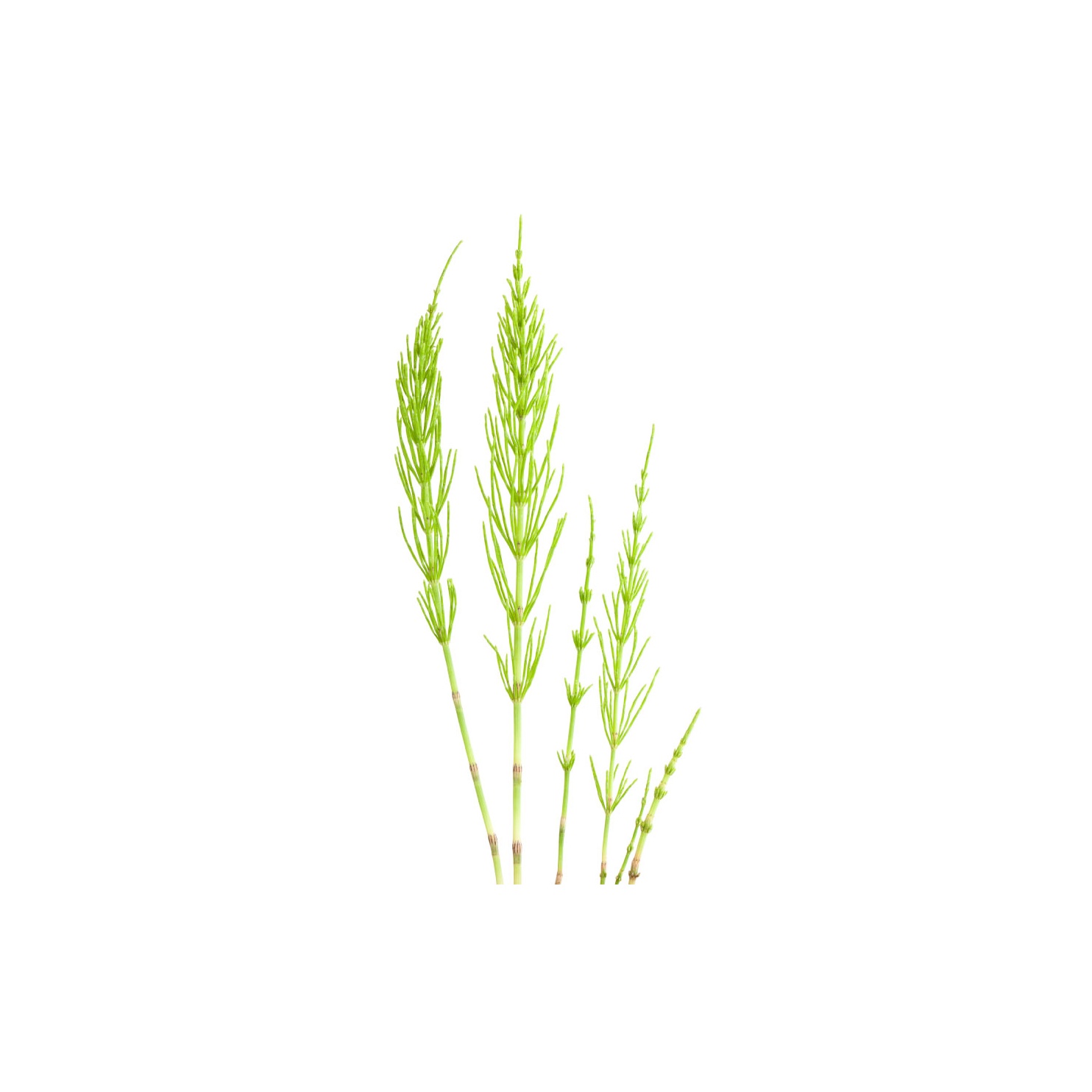
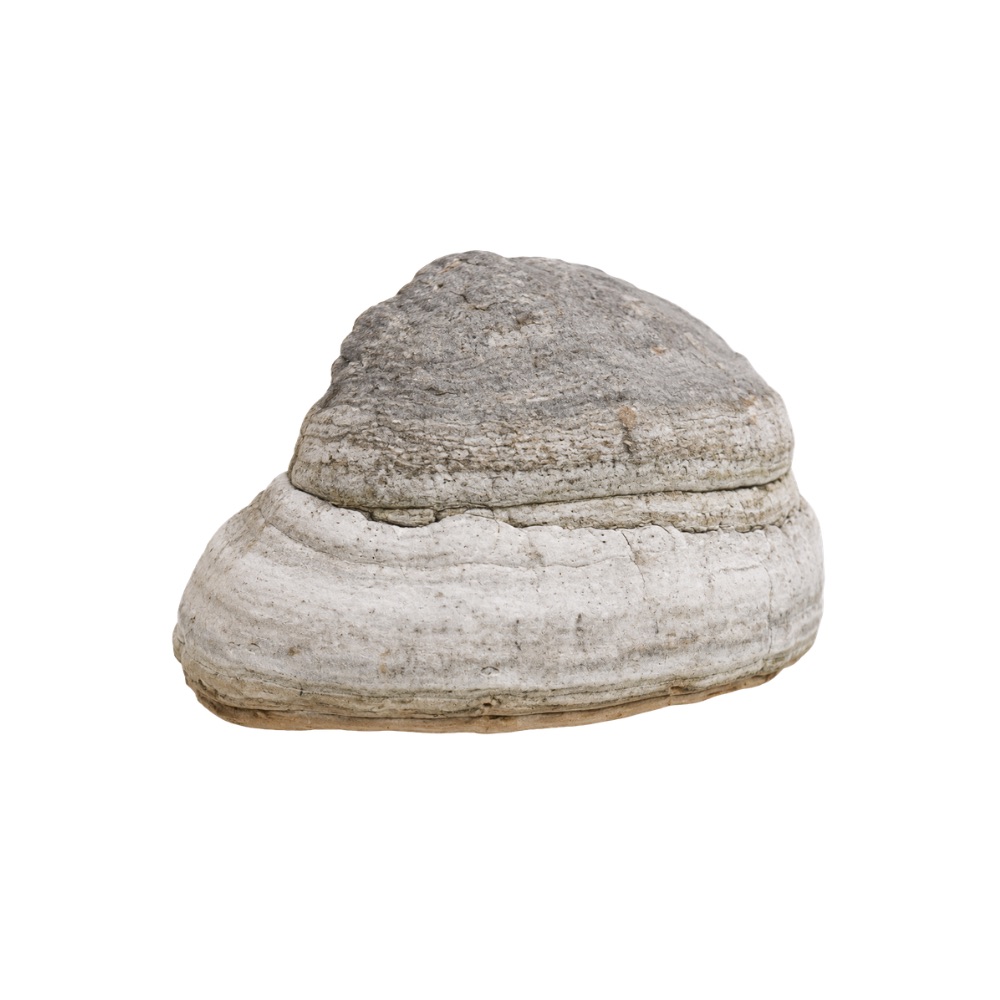
3 more herbs are tagged for this system.
Safety
- Get a diagnosis first. Anemia is a finding, not a diagnosis, and iron, B12, folate and chronic-disease anemias are treated differently. Unexplained fatigue or pallor needs a blood count and iron studies.
- Unexplained iron deficiency in an adult can be the first sign of slow gastrointestinal bleeding, especially in men and postmenopausal women. The standard of care is to find the cause, not to replace the iron.
- No herb corrects a diagnosed iron deficiency. Repletion is 40 to 100 mg of elemental iron daily, and plant iron is the poorly absorbed non-haem form.
- Several blood tonics are antiplatelet. They add to warfarin, the DOACs, aspirin and clopidogrel, and stop one to two weeks before surgery.
- Abnormal bleeding needs a cause. Heavy periods, bleeding between periods and any postmenopausal bleeding can be fibroids, polyps, thyroid disease or endometrial pathology.
- Emergency: vomiting blood, black tarry stools, bleeding that will not stop under fifteen minutes of firm pressure, or any bleeding with dizziness or fainting.
Pregnancy & Lactation
Pregnancy · AvoidLactation · Caution
- Assume avoid unless a clinician has advised otherwise, because several traditional bleeding and blood-tonic herbs are uterine stimulants and others carry antiplatelet activity.
- Anemia in pregnancy is common, consequential and routinely screened for, and it is treated with measured iron, including intravenous iron where oral is not tolerated.
- Any bleeding in pregnancy is an obstetric emergency rather than a herbal question.
References
- Liu, P. J., et al. (2010). Haematopoietic effect of water-soluble polysaccharides from Angelica sinensis on mice with acute blood loss — animal model. Experimental Hematology. https://pubmed.ncbi.nlm.nih.gov/20347925/
- Lee, J. G., Hsieh, W. T., Chen, S. U., et al. (2012). Haematopoietic and myeloprotective activities of an acidic Angelica sinensis polysaccharide on human CD34⁺ stem cells — in vitro. Journal of Ethnopharmacology. https://pubmed.ncbi.nlm.nih.gov/22155392/
- Huang, L. F., et al. (2014). Dencichine enhances hemostasis of activated platelets via AMPA receptors — in vitro. Thrombosis Research. https://pubmed.ncbi.nlm.nih.gov/24630643/
- Ding, S., et al. (2018). D-dencichine regulates thrombopoiesis by promoting megakaryocyte adhesion, migration and proplatelet formation — animal model in vivo. Frontiers in Pharmacology. https://pubmed.ncbi.nlm.nih.gov/29666579/
- Li, Y., et al. (2017). Effect of Panax notoginseng preparations on platelet function — a meta-analysis of 36 randomised controlled trials. China Journal of Chinese Materia Medica. https://pubmed.ncbi.nlm.nih.gov/29271165/
- Wang, W., et al. (2021). Combination of Panax notoginseng saponins and aspirin potentiates platelet inhibition with alleviated gastric injury — a randomised, assessor-blinded trial. Biomedicine & Pharmacotherapy. https://pubmed.ncbi.nlm.nih.gov/33370633/
- Wang, B., Jiang, H., Sun, N., et al. (2024). Angelica sinensis polysaccharides ameliorate 5-FU-induced stress anaemia via extramedullary erythropoiesis — mouse in vivo. International Immunopharmacology. https://pubmed.ncbi.nlm.nih.gov/39260313/
- Chen, Z., Cheng, L., Zhang, J., et al. (2020). Angelica sinensis polysaccharide prevents mitochondrial apoptosis by regulating the Treg/Th17 ratio in aplastic anaemia — mouse in vivo. BMC Complementary Medicine and Therapies. https://pubmed.ncbi.nlm.nih.gov/32571324/RetractedRetraction notice: BMC Complement Med Ther. 2022;22(1):277.Notice
- Naafe, M., Kariman, N., Keshavarz, Z., et al. (2018). Effect of hydroalcoholic extracts of Capsella bursa-pastoris on heavy menstrual bleeding — triple-blind, randomised, placebo-controlled clinical trial. Journal of Alternative and Complementary Medicine. https://pubmed.ncbi.nlm.nih.gov/29641247/
- European Medicines Agency, Committee on Herbal Medicinal Products (HMPC). Assessment report on Capsella bursa-pastoris (L.) Medikus, herba — regulatory monograph (traditional use). EMA/HMPC/262767/2010, adopted 12 July 2011. https://www.ema.europa.eu/en/documents/herbal-report/final-assessment-report-capsella-bursa-pastoris-l-medikus-herba-first-version_en.pdf
- Hajhashemi, M., et al. (2018). The effect of Achillea millefolium and Hypericum perforatum ointments on episiotomy wound healing in primiparous women — double-blind randomised trial. Journal of Maternal-Fetal & Neonatal Medicine. https://pubmed.ncbi.nlm.nih.gov/28027682/
- Xu, D., et al. (2014). Efficacy and safety of Panax notoginseng saponin therapy for acute intracerebral hemorrhage — meta-analysis. Frontiers in Neurology. https://pubmed.ncbi.nlm.nih.gov/25620952/
- Liu, J. T., et al. (2020). Spraying rhubarb powder solution under gastroscope in the treatment of acute non-variceal upper gastrointestinal bleeding — systematic review and meta-analysis of randomised controlled trials. Complementary Therapies in Medicine. https://pubmed.ncbi.nlm.nih.gov/32951726/
- Zouari Bouassida, K., Bardaa, S., Khimiri, M., et al. (2017). Exploring the Urtica dioica leaves hemostatic and wound-healing potential — animal model. BioMed Research International. https://pubmed.ncbi.nlm.nih.gov/29201895/
- Ballas, S. K. (2000). Hydration of sickle erythrocytes using a herbal extract (Pfaffia paniculata) in vitro — in vitro study. British Journal of Haematology. https://pubmed.ncbi.nlm.nih.gov/11091225/
- Mozar, A., et al. (2015). Pfaffia paniculata extract improves red blood cell deformability in sickle cell patients — in vitro study. Clinical Hemorheology and Microcirculation. https://pubmed.ncbi.nlm.nih.gov/26444603/
- Oniyangi, O., & Cohall, D. H. (2020). Phytomedicines for sickle cell disease — systematic review. Cochrane Database of Systematic Reviews. https://pubmed.ncbi.nlm.nih.gov/32977351/
Keep Exploring