Condition
Angina
Angina is chest pain or pressure caused by reduced blood flow to the heart muscle, usually a symptom of underlying coronary artery disease.

Overview
Aetiology
Angina occurs when the heart muscle does not receive enough oxygen-rich blood, most often because the coronary arteries have been narrowed by atherosclerosis. It is typically provoked when demand rises, such as during exertion or emotional stress (stable angina), but may also occur at rest when a plaque becomes unstable or an artery goes into spasm (unstable or variant angina). It is a manifestation of underlying coronary artery disease rather than a disease in itself.
Presentation
Symptoms
The characteristic symptom is a tight, heavy, or squeezing pain or pressure in the center of the chest, which may radiate to the arms, neck, jaw, or back. It is often brought on by exertion, cold, or stress and relieved by rest. It may be accompanied by breathlessness, sweating, nausea, and fatigue. Pain that is severe, prolonged, or occurs at rest may signal a heart attack and requires emergency attention.
Assessment
Differential Diagnosis
Myocardial infarction, gastro-esophageal reflux, musculoskeletal chest pain, pericarditis, and anxiety-related chest pain can all mimic angina and should be considered.
Herbs for Angina
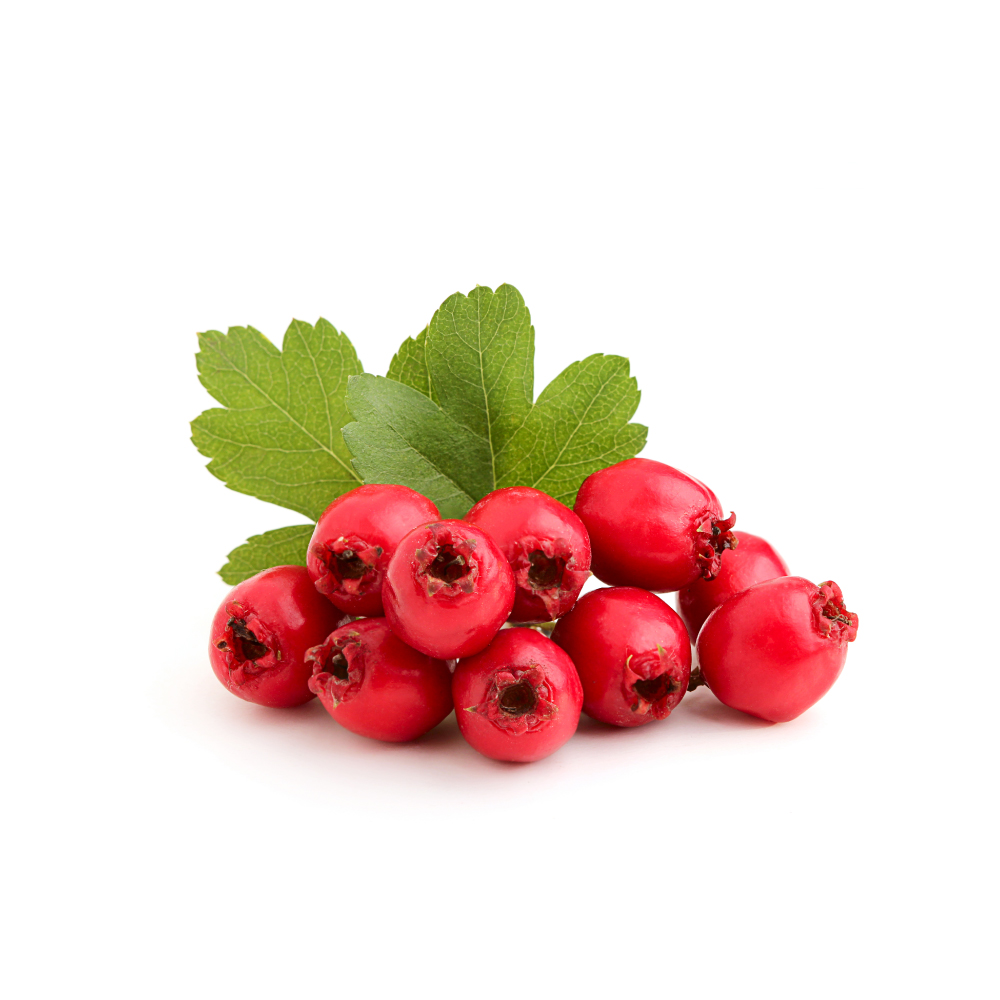
- Crataegus — key herb
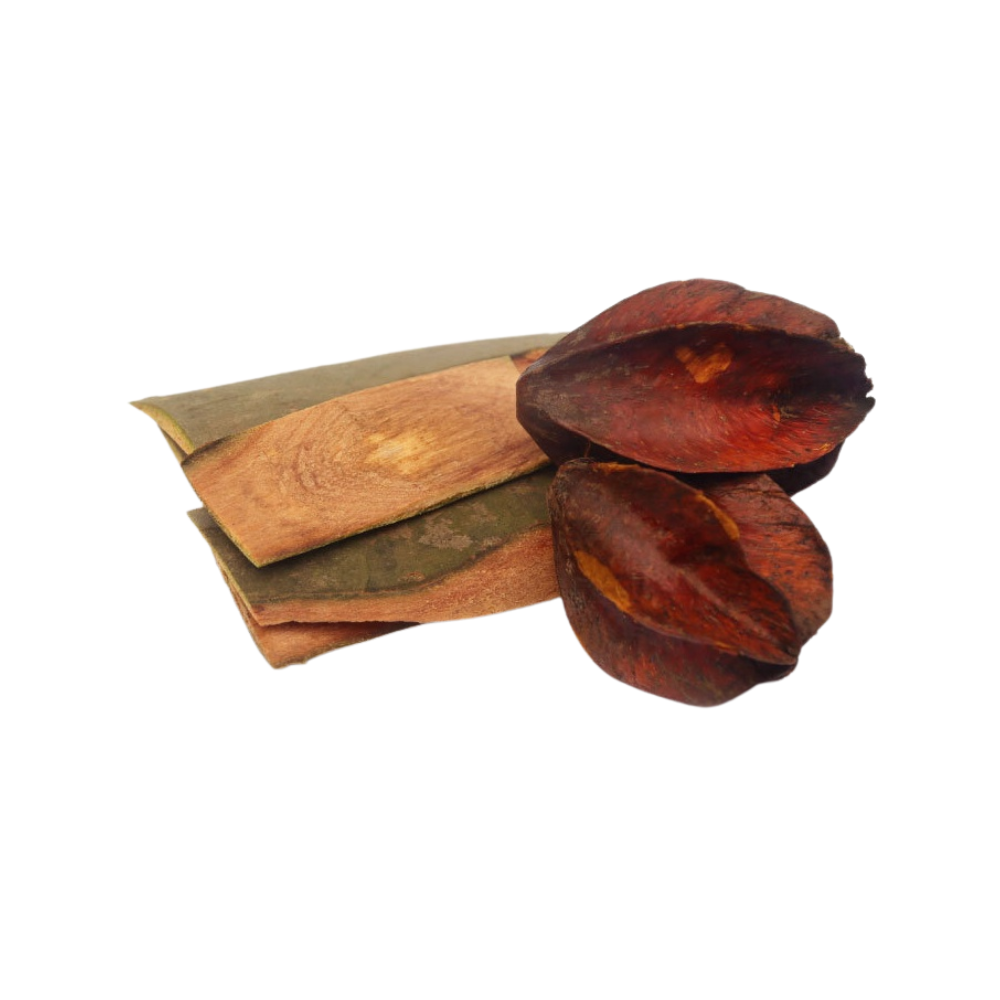
- Terminalia arjuna — key herb
- Inula racemosa — key herb
- Ginkgo — improves coronary blood flow
- Salvia miltiorrhiza — cardioprotective, vasodilator, antiplatelet
- Astragalus
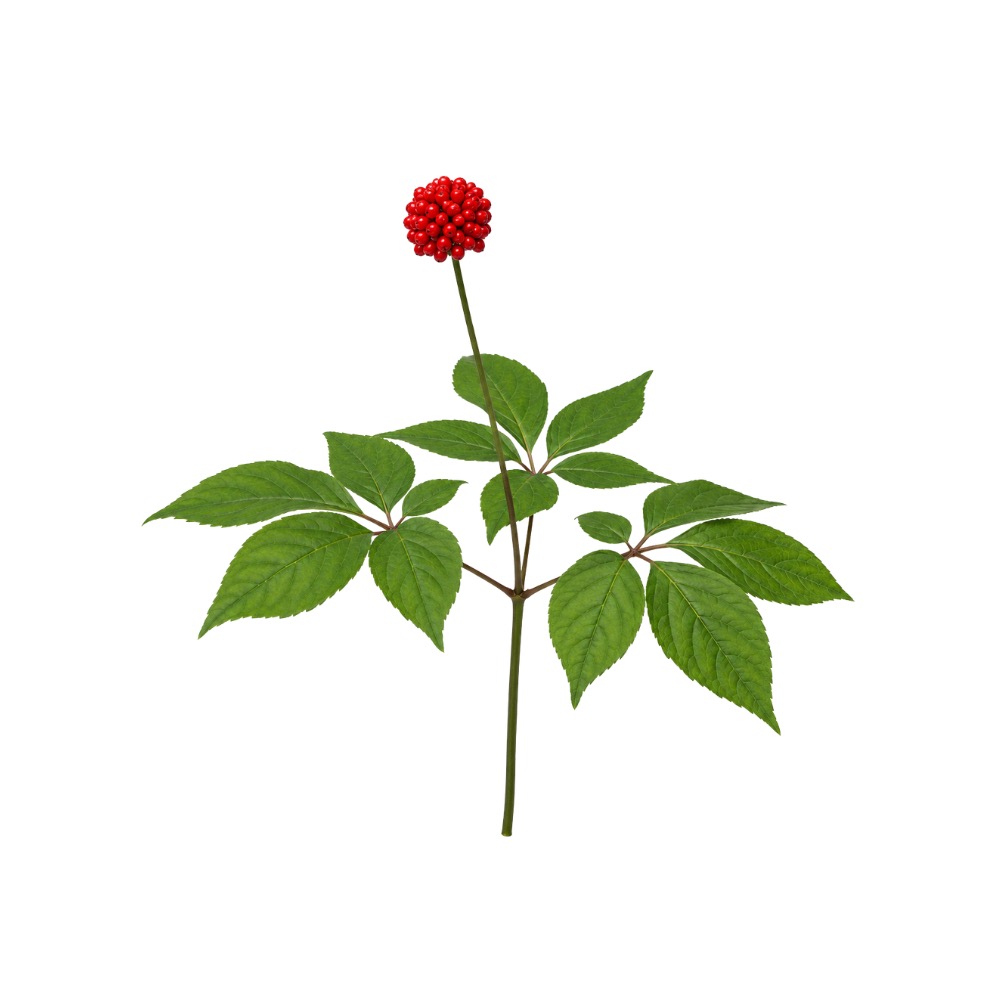
- Korean red ginseng — improves coronary flow reserve
- Coleus — antiplatelet
- Ginger — antiplatelet
- Turmeric — antiplatelet
- Capsicum — fibrinolytic
- Tilia — vasodilator
- Cramp bark — vasodilator
- Valerian — calming, to ease the side effects of some of the other herbs given
- Corydalis — calming, to ease the side effects of some of the other herbs given
The Herbs
Materia Medica (5)
Herbs traditionally or clinically used for angina.