
Condition
Dyslipidemia
Dyslipidemia is an abnormal level of lipids in the blood, such as elevated cholesterol or triglycerides, raising cardiovascular risk.

Overview
Aetiology
Hypercholesterolemia
The causes for high cholesterol has been highly debated over the years, but there are currently several strong theories based on correlation studies, and known pathophysiology.
Hypertriglyceridemia
Hypertriglyceridemia is an elevation of triglycerides in the blood. It is commonly linked to obesity, insulin resistance, excess alcohol intake, and high consumption of refined carbohydrates, and is a recognized risk factor for cardiovascular disease and pancreatitis.
Presentation
Symptoms
Dyslipidemia is usually asymptomatic and detected through blood testing. In severe or long-standing cases it may be associated with fatty deposits in the skin or tendons (xanthomas), a pale ring around the cornea, and the consequences of atherosclerosis such as cardiovascular disease.
Assessment
Diagnostic Considerations
LDL and HDL are carrier proteins for cholesterol and are the main markers for assessing cholesterol levels within the body.
Assessment
Differential Diagnosis
Secondary causes of abnormal lipids should be considered, including hypothyroidism, poorly controlled diabetes, nephrotic syndrome, liver disease, and the effects of certain medications.
Other Herbs:
- Allium sativum
- Olea europa
- Cynara scolymus
- Comiphora mol-mol
Supplementation
Nutritional Considerations
- Niacin
- Fibrates
- Omega 3 fatty acids
The Herbs
Materia Medica (33)
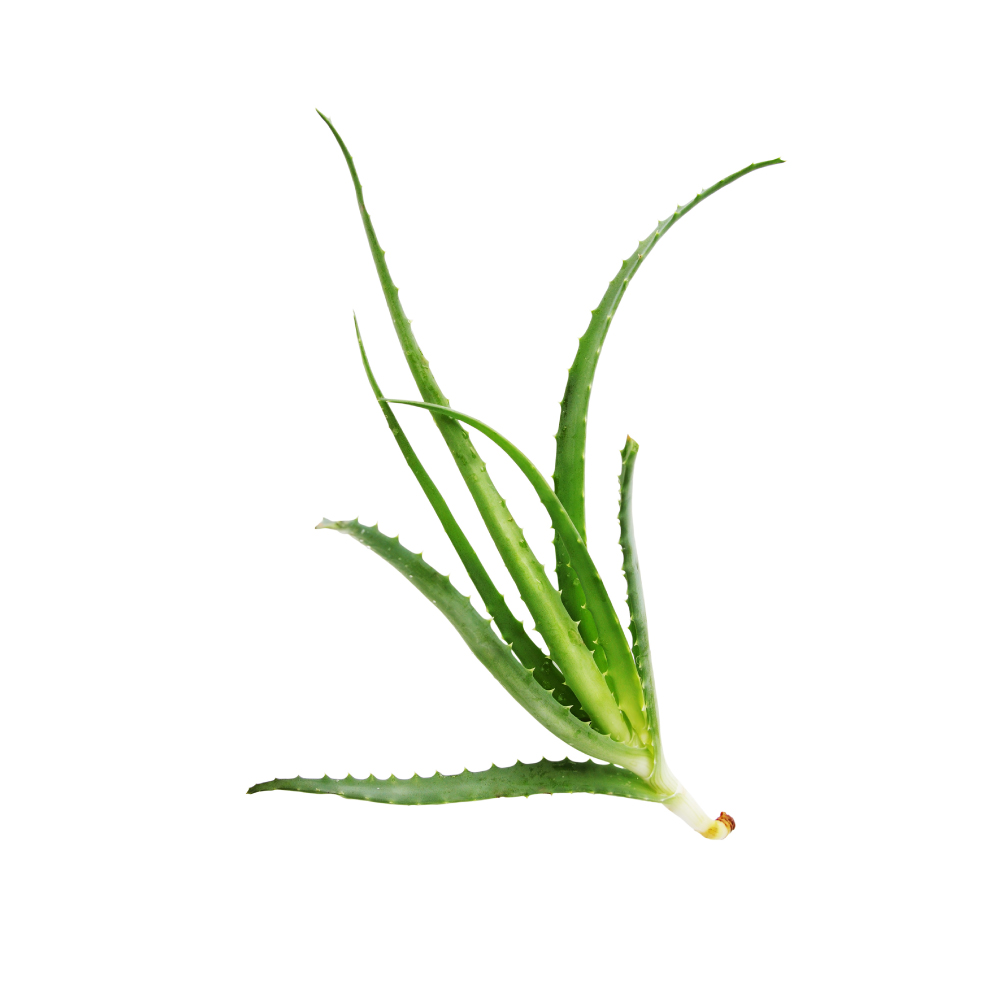
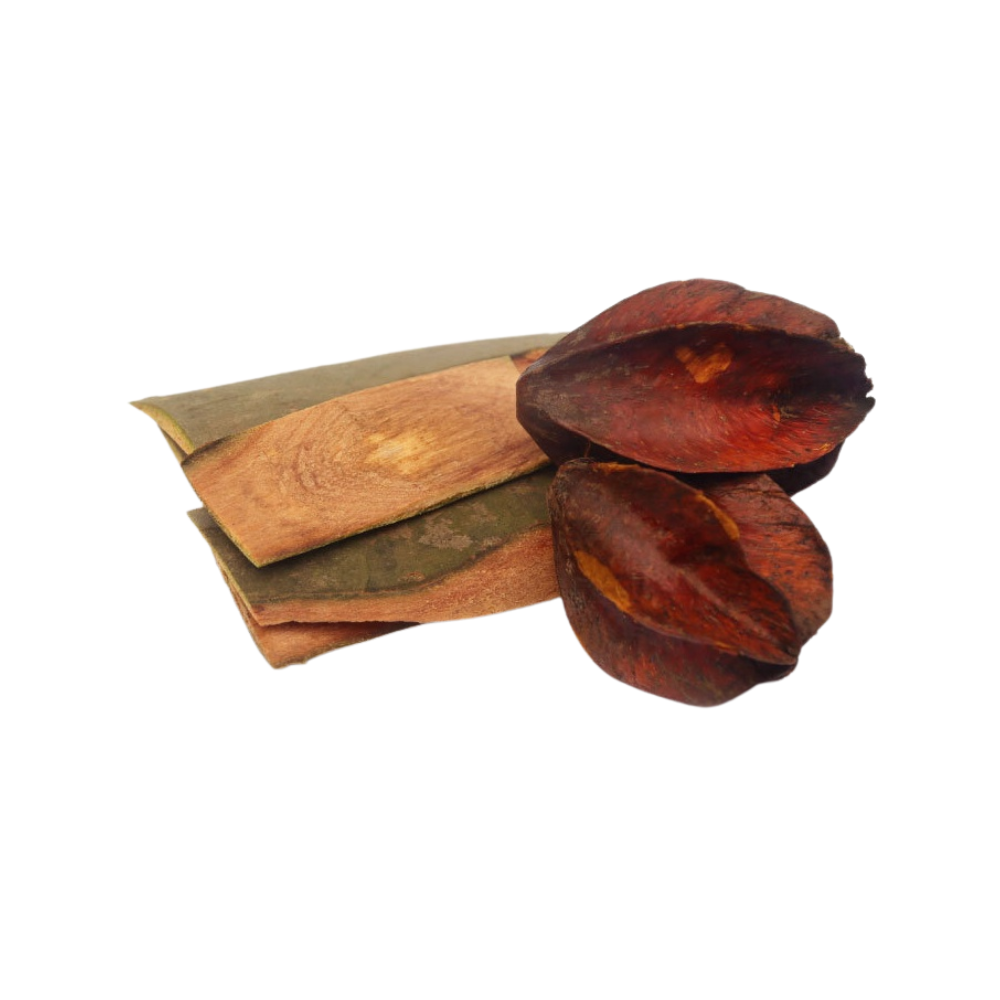
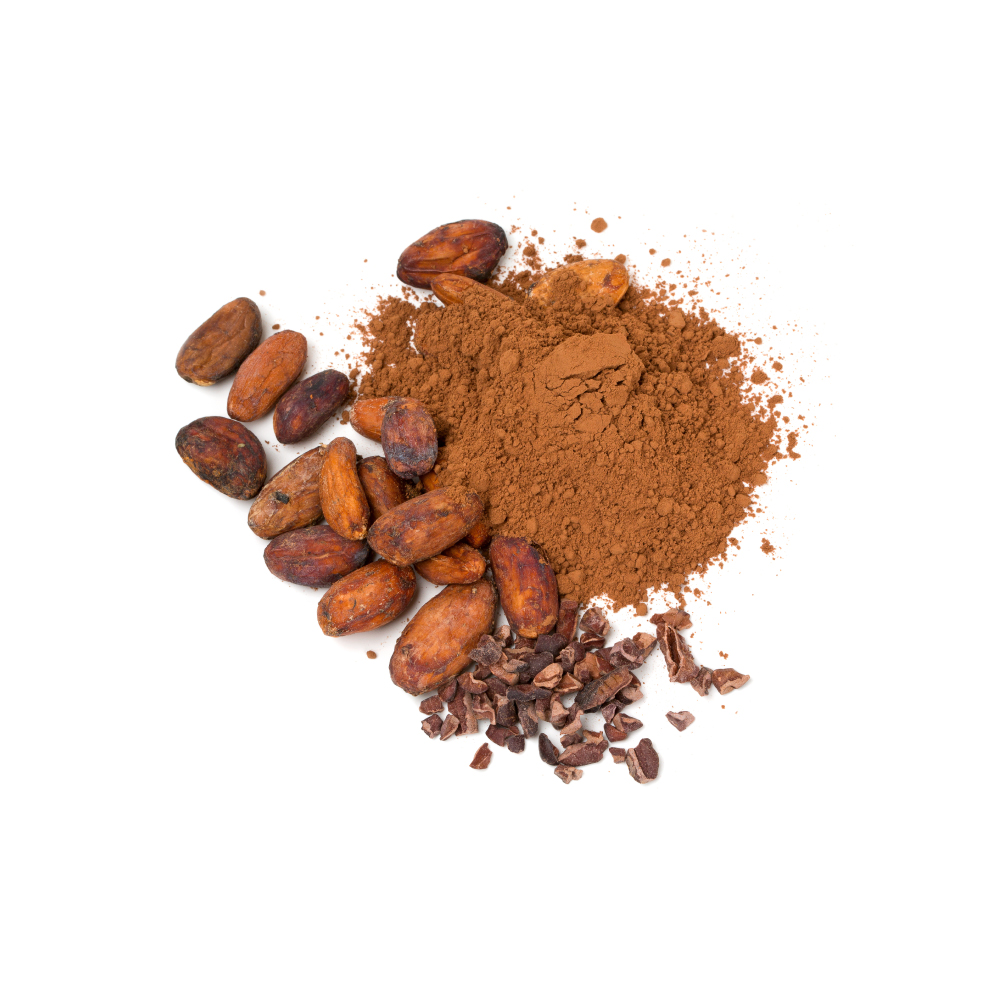
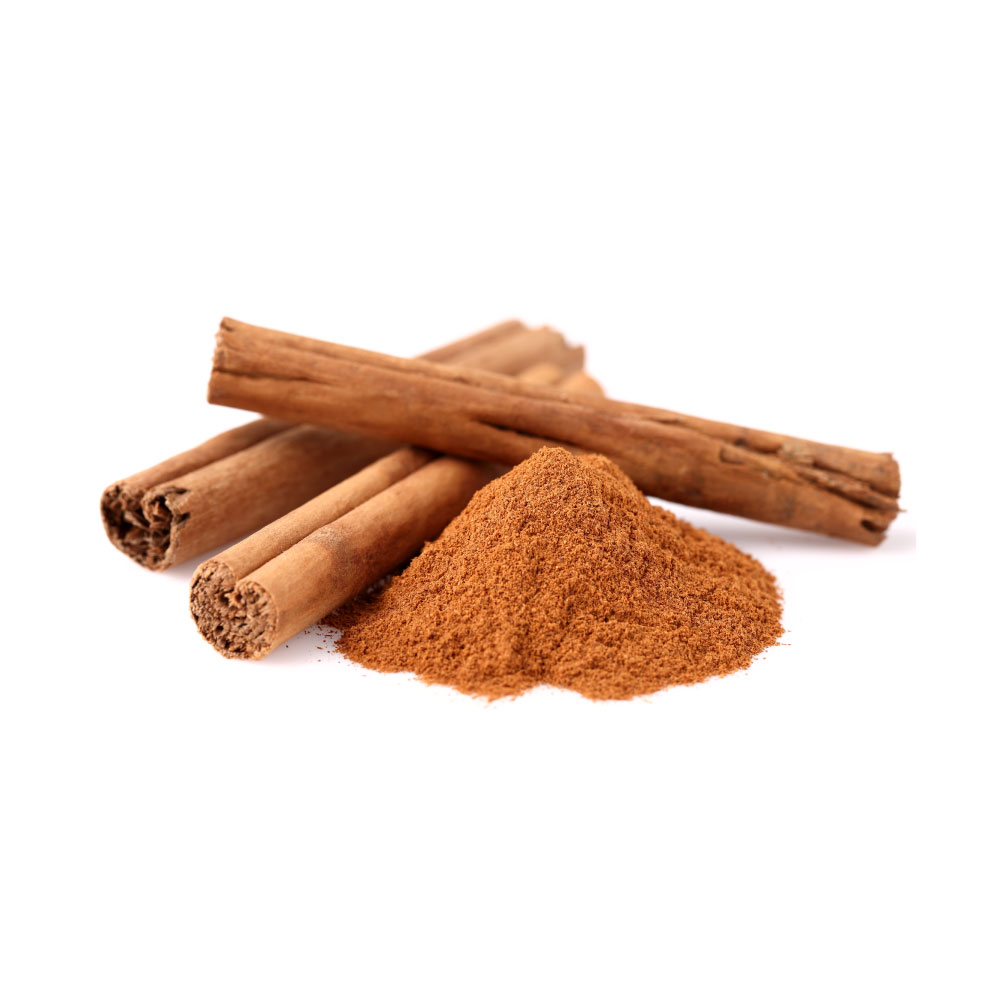
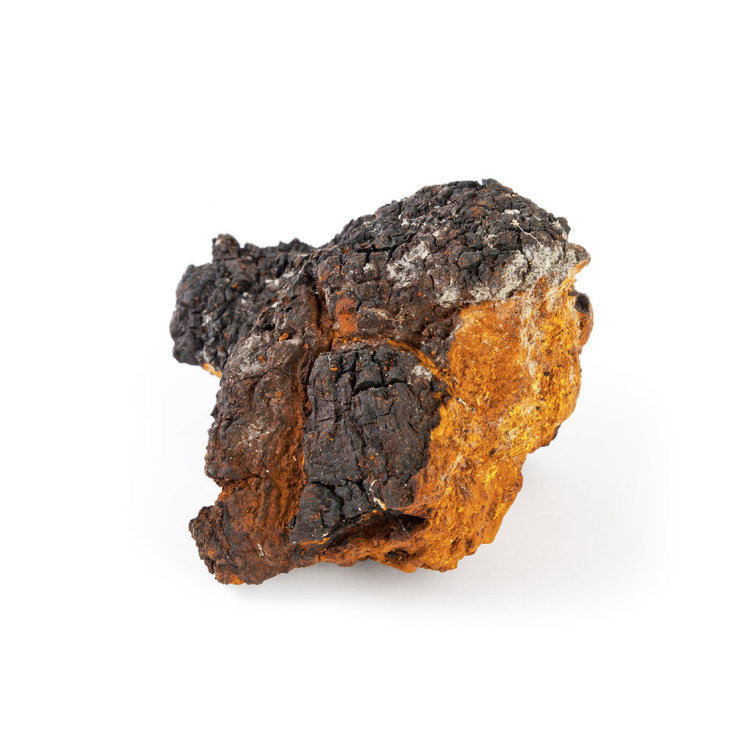
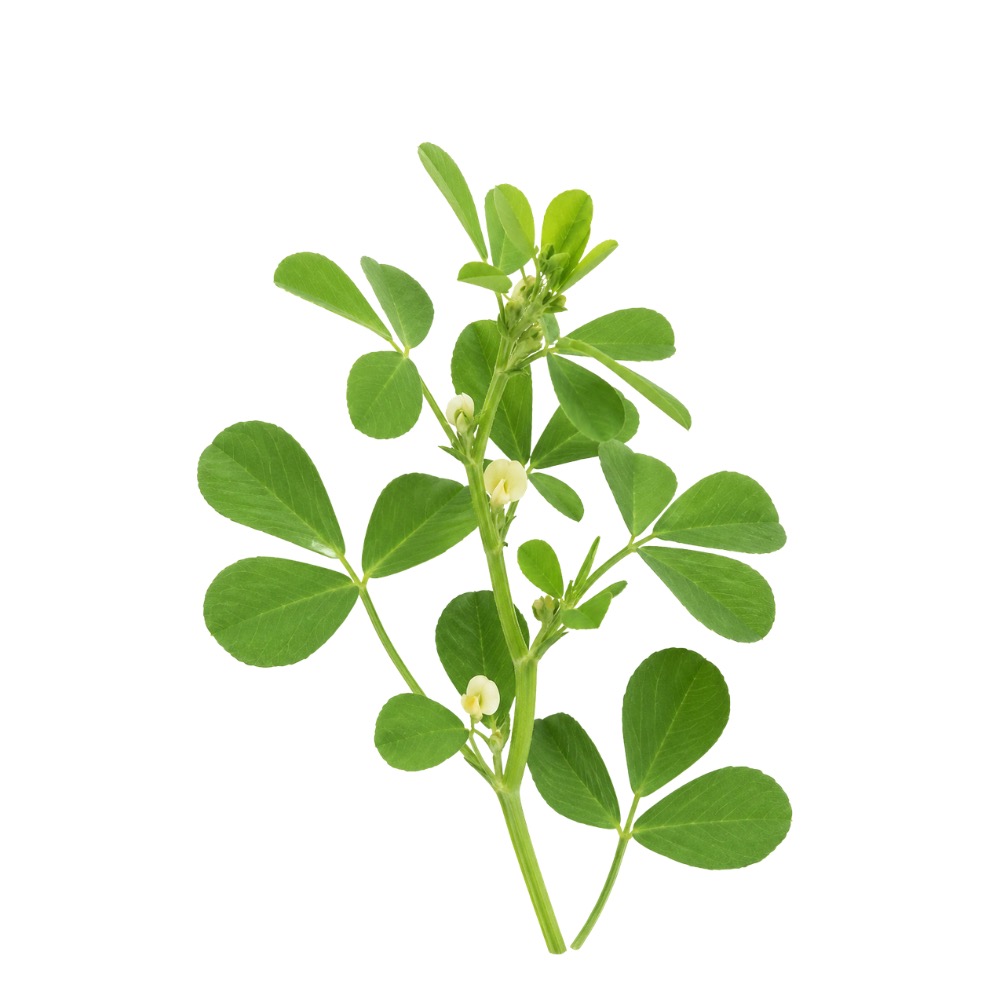
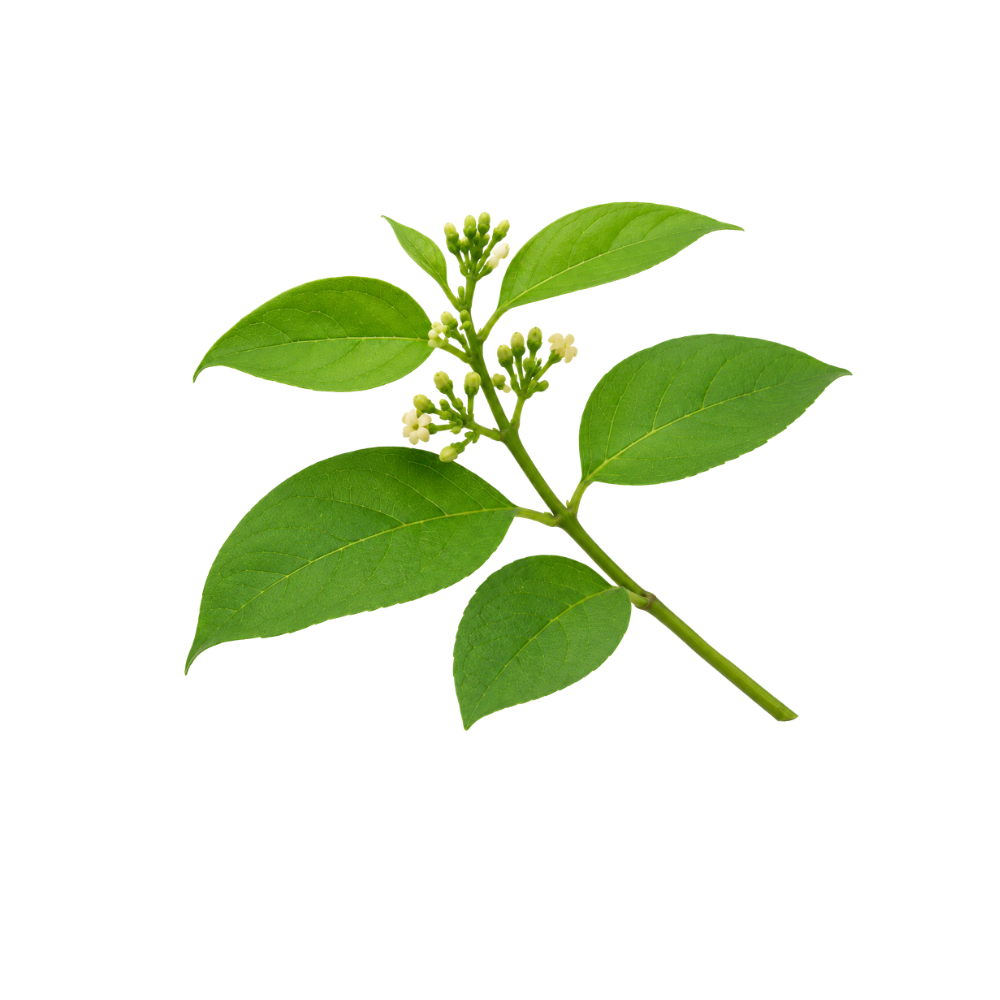
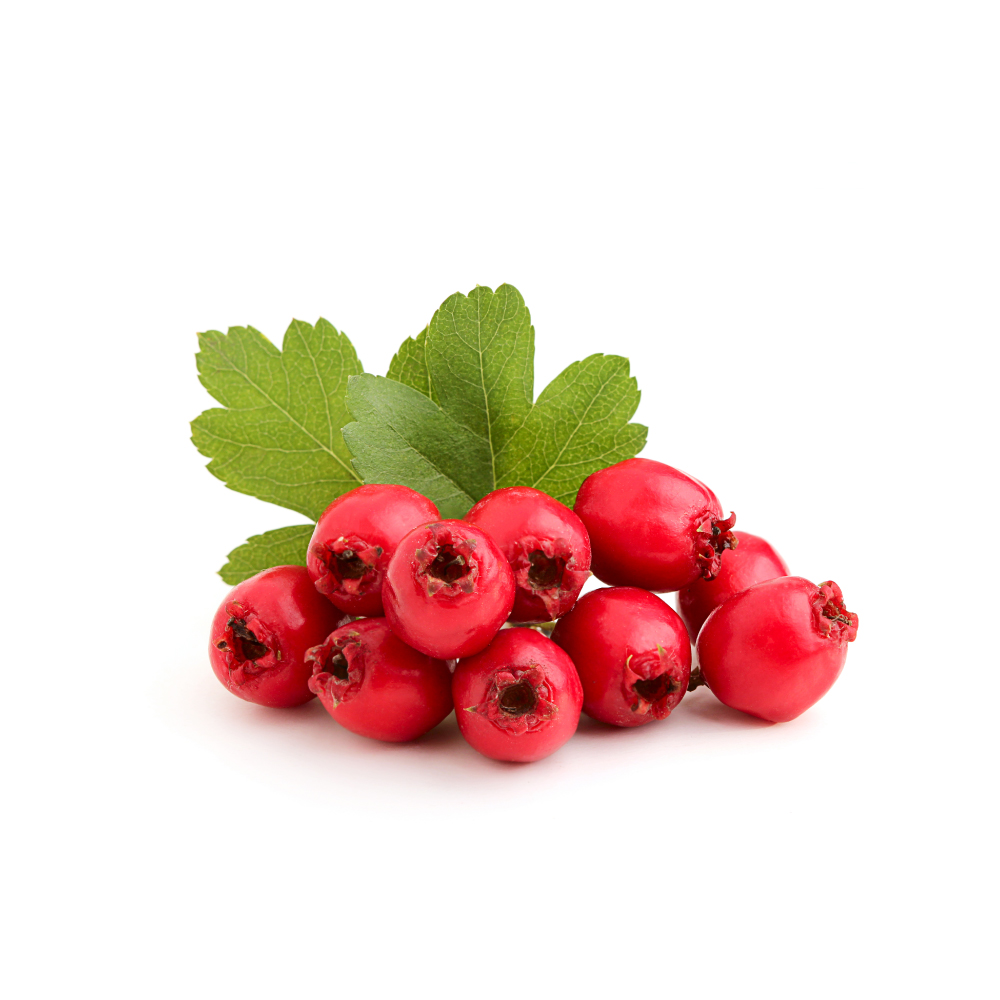
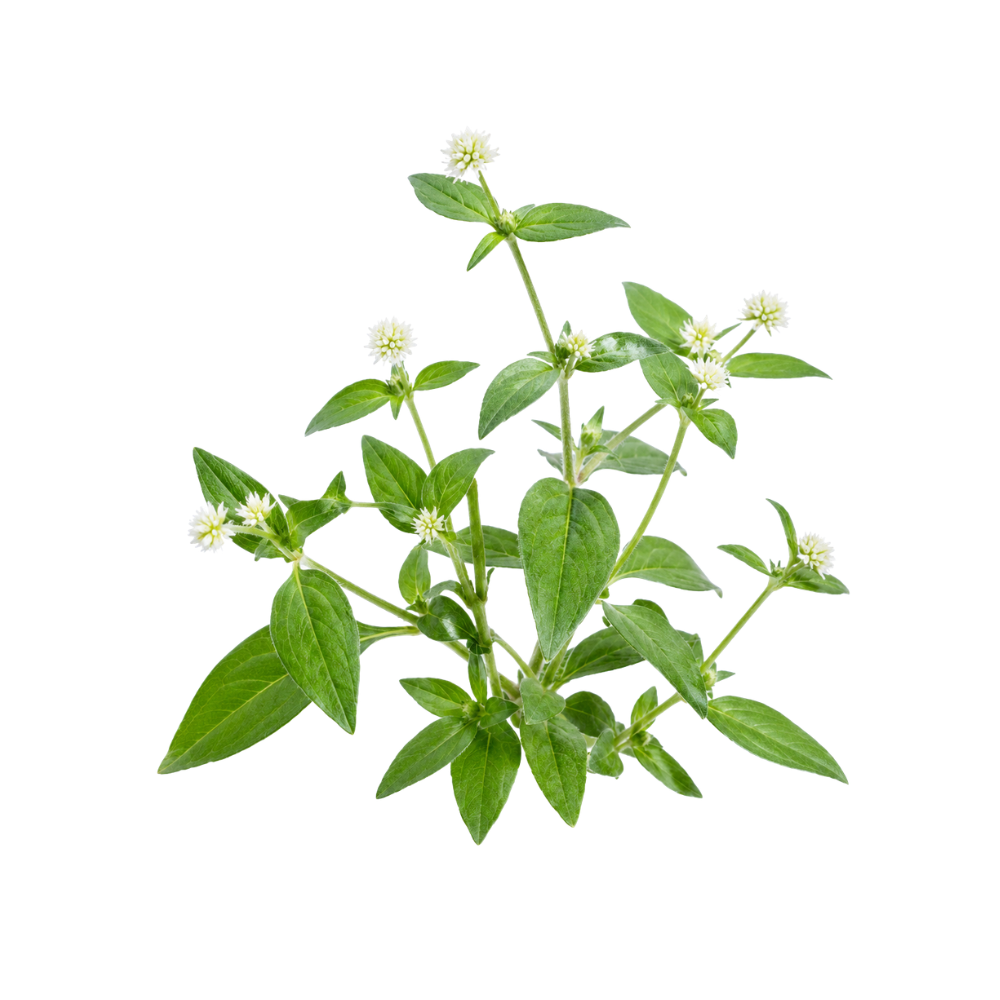
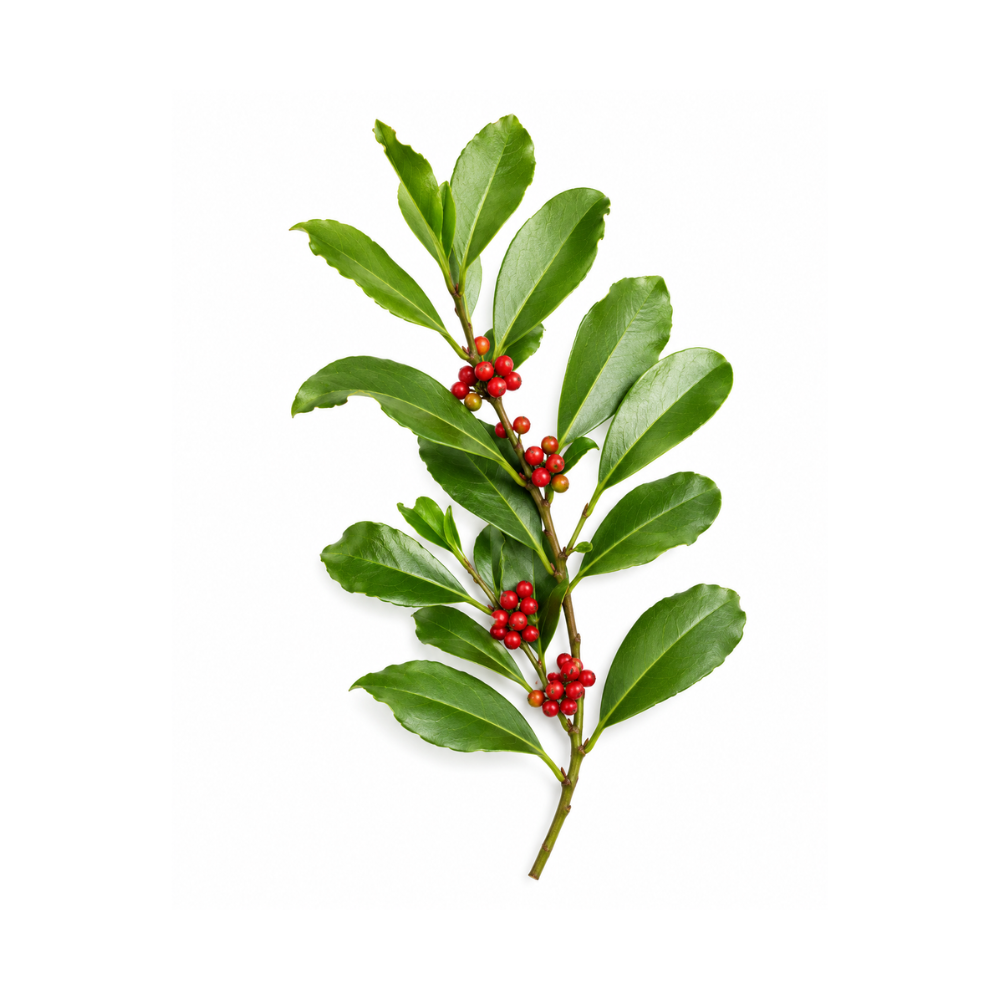
Herbs traditionally or clinically used for dyslipidemia.













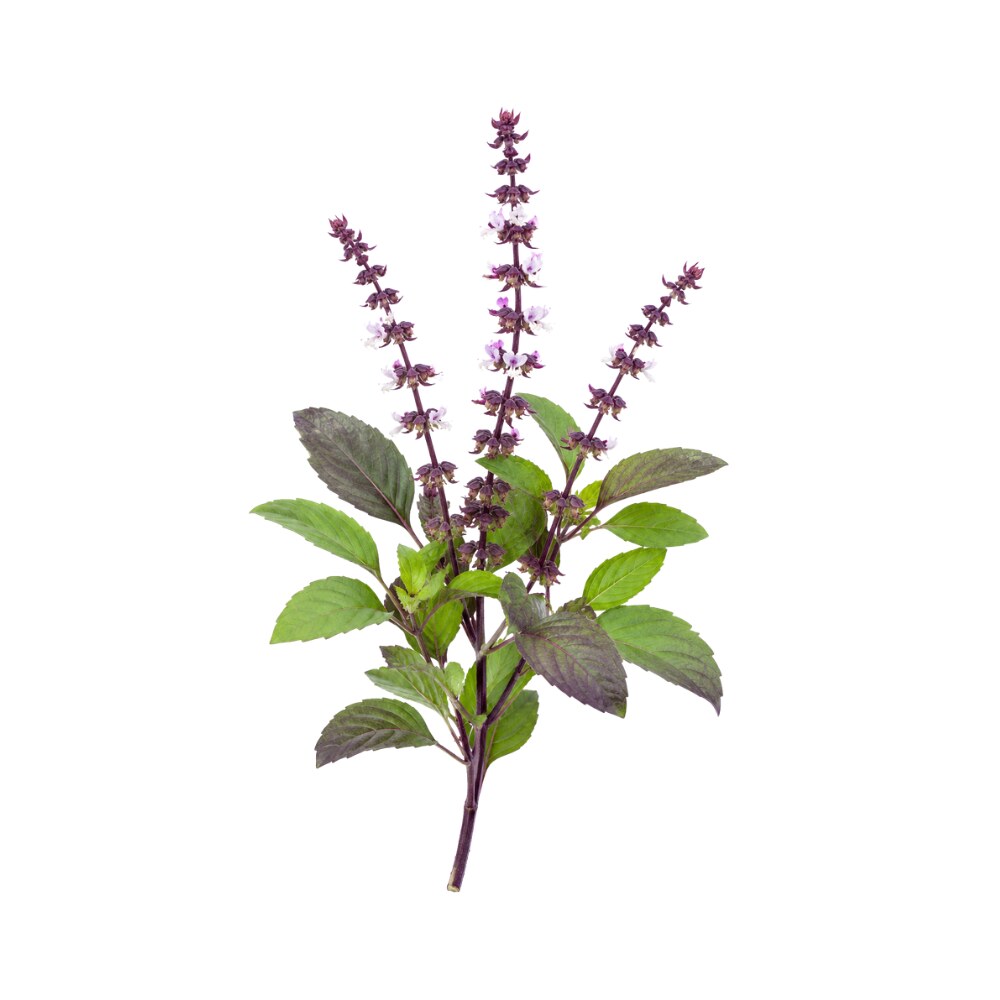
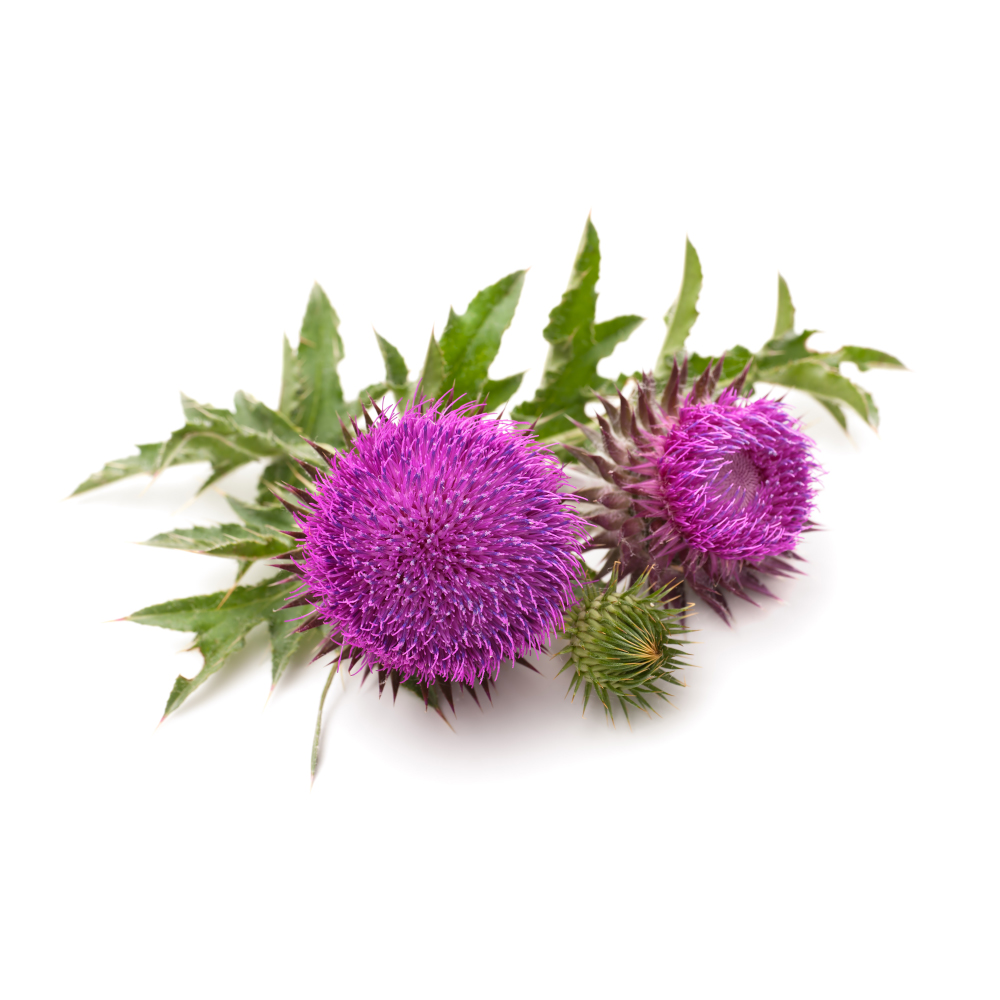




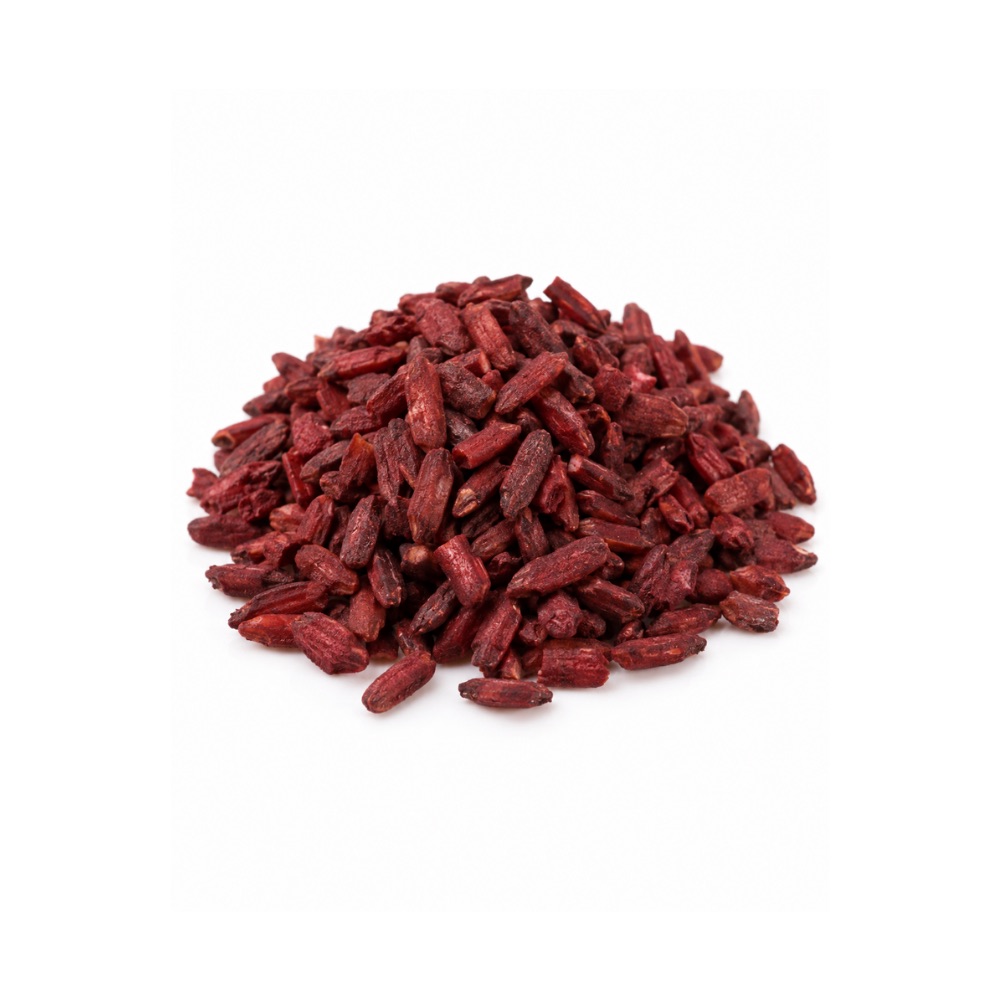
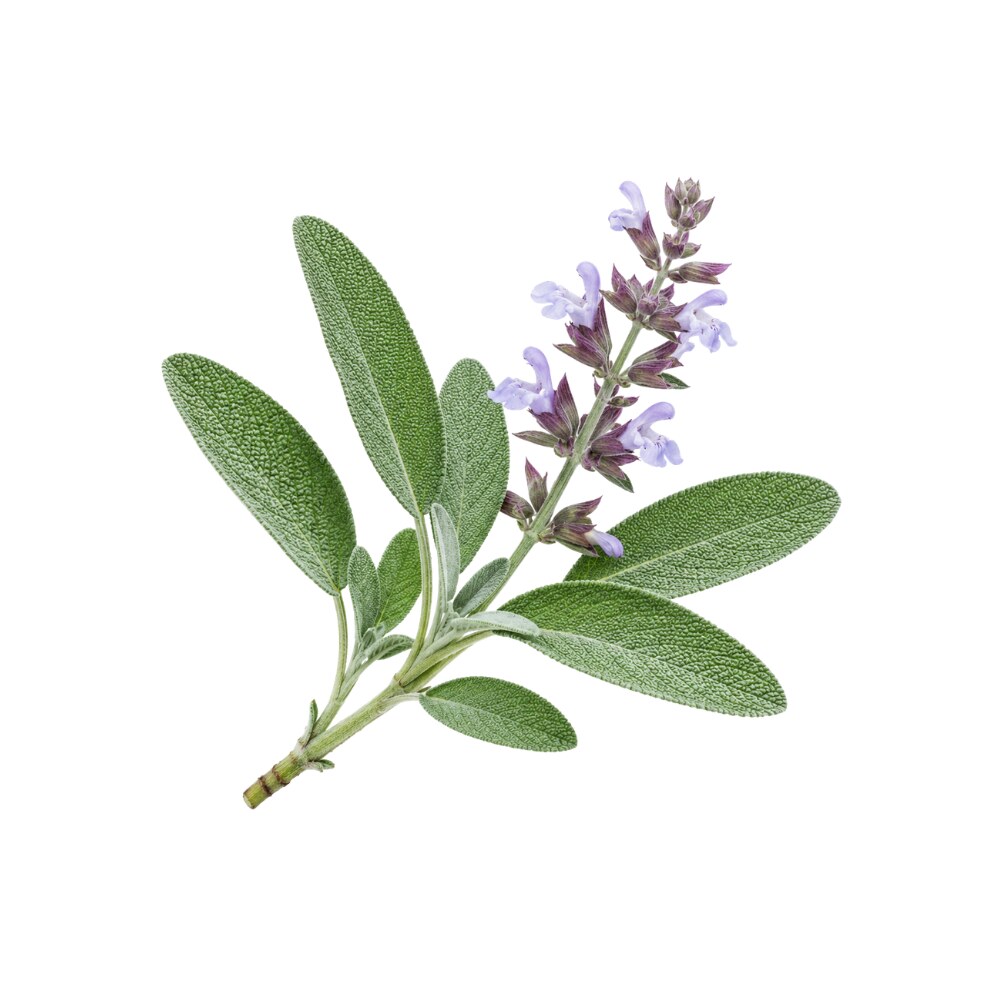


Supplementation
Supplementation (3)
Supplements, nutrients and compounds used for dyslipidemia.
Berberine
Alkaloid (isoquinoline)
A bright-yellow isoquinoline alkaloid from barberry, goldthread and goldenseal — with an unusually large clinical literature (blood sugar, cholesterol, fatty liver) for a plant compound, and famously poor oral absorption.
Fish Oil (EPA/DHA)
Omega-3 fatty acid
Fish oil supplies the long-chain omega-3 fatty acids EPA and DHA, studied for heart, brain and inflammatory health.
Vitamin B3 (Niacin / Niacinamide)
Vitamin (water-soluble)
Vitamin B3 (niacin/niacinamide) is an essential water-soluble B vitamin and precursor to the coenzymes NAD+ and NADP+, central to energy metabolism.
References:
- Weatherby, D., & Ferguson, S. (2002). Blood Chemistry and CBC Analysis: Clinical Laboratory Testing from a Functional Perspective. USA: Bear Mountain Publishing