Overview
Cardiovascular at a Glance
The cardiovascular system is the heart and the blood vessels: the pump, the pipes, and the pressure of everything they carry.
The cardiovascular system can be approached from several very different angles in herbal medicine.
Some herbs act primarily on vascular tone, relaxing the vessel wall and lowering blood pressure.
Others act on the heart muscle itself, where they’re used to support contraction, rhythm, or myocardial energy.
A separate group works on the veins and capillaries, especially where poor venous tone is allowing fluid to pool in the legs.
Then there are herbs that affect the contents of the blood — cholesterol, triglycerides, and platelet activity.
These are different jobs, even when they all end up filed under “cardiovascular support.”
Hawthorn is the classic cardiotonic, used more for the heart muscle itself.
Olive leaf, cocoa, grape seed, and similar herbs are used more for vascular tone and blood pressure.
Horse chestnut and gotu kola belong mainly to the venous side of the system, where the goal is to reduce capillary leakage and improve venous return.
Garlic, dan shen, and ginkgo overlap more with platelet activity and clotting.
The preparation matters here too.
Olive leaf’s blood-pressure research uses oleuropein-standardised extracts rather than ordinary tea.
Horse chestnut is used as an aescin-standardised seed extract rather than whole seed.
Hawthorn research generally centres on leaf-and-flower extracts rather than the berry alone.
These distinctions are important because the stronger cardiovascular herbs often act on the same physiological targets as prescription drugs.
A hypotensive herb can add to an antihypertensive.
An antiplatelet herb can increase bleeding risk alongside anticoagulants or antiplatelet drugs.
A herb that meaningfully changes vascular tone, clotting, or cardiac function isn’t automatically gentle just because it’s herbal.
Caution
Cardiovascular herbs need extra care alongside blood-pressure medication, anticoagulants, antiplatelet drugs, and heart-failure treatment. Chest pain, fainting, severe shortness of breath, new neurological symptoms, or signs of heart failure need medical assessment rather than self-treatment.
The Traditional View
How Herbalists Read the Cardiovascular System
Traditional herbal medicine tends to divide the cardiovascular system according to what part of the circulation needs support.
At the centre are the cardiotonics.
These are herbs used for the heart muscle itself, especially where the picture is one of weakness, poor endurance, age-related decline, or an irregular or overworked heart.
Hawthorn is the classic Western cardiotonic.
Arjuna fills a similar role in Ayurvedic medicine.
These herbs are generally used over longer periods rather than for an immediate effect.
Around them are the hypotensives and vasodilators.
These are used where vascular resistance is too high and the aim is to relax the vessel wall and reduce pressure.
Olive leaf, hawthorn, garlic, cocoa, grape seed, and related herbs often overlap here.
The circulatory stimulants work in a different direction.
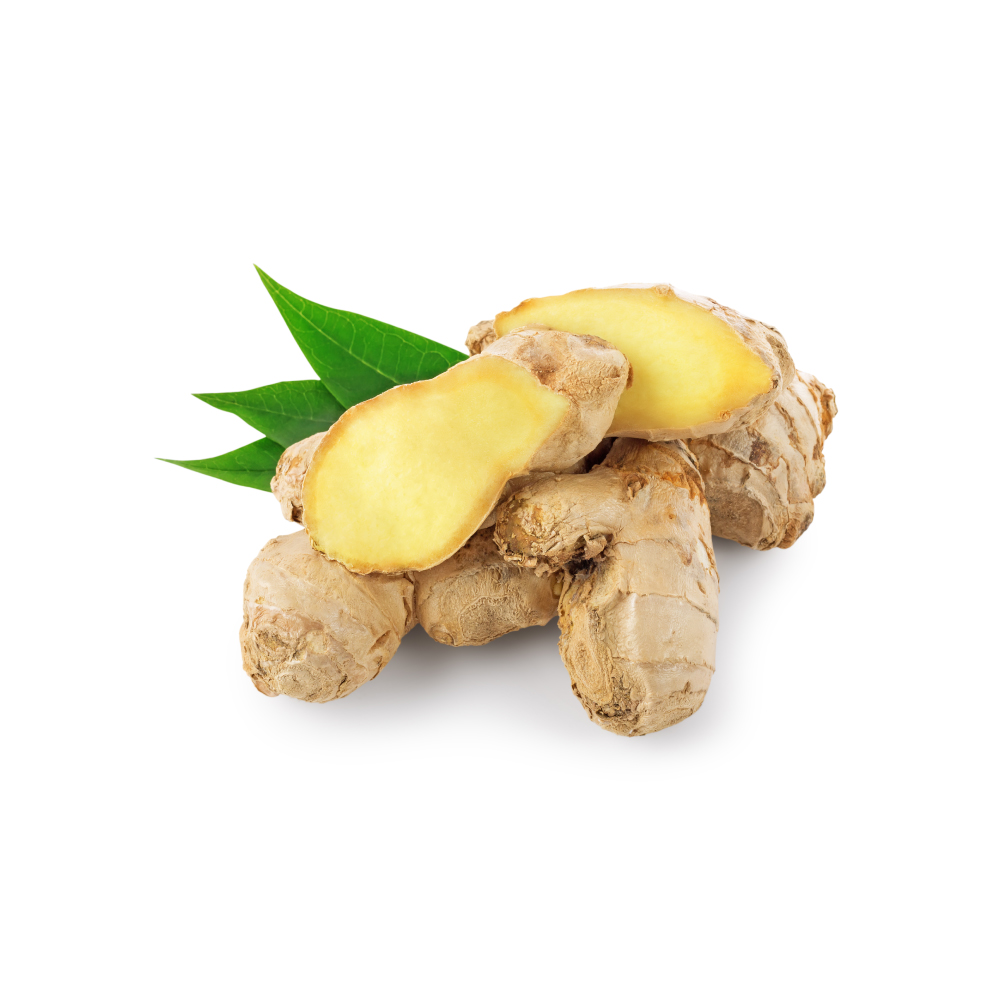
Ginger, cayenne, rosemary, and similar warming herbs are traditionally used where peripheral circulation is poor — cold hands and feet, sluggish blood flow to the extremities, or a general picture of coldness and stagnation.
They’re not simply weaker versions of vasodilators.
The intention is usually to improve peripheral flow rather than lower systemic blood pressure.
At the venous end of the circulation are the venotonics.
Horse chestnut, gotu kola, grape seed, and pine bark are used where veins and capillaries have become lax or excessively permeable, allowing fluid to pool in the tissues.
This is the classic pattern behind heavy legs, ankle swelling, varicosities, and chronic venous insufficiency.
A separate group acts more on blood composition and clotting than on the heart or vessel wall.
Garlic, dan shen, ginkgo, and notoginseng all influence platelet activity to varying degrees.
Other herbs, including artichoke, garlic, nigella, and red clover, are used more for lipid handling and cholesterol.
The useful distinction across all of this is that “circulation” is not one thing.
A herb used for a weak heart, a constricted artery, a cold hand, a swollen ankle, or excessive platelet aggregation may all be called cardiovascular, but they’re acting on very different problems.
The practical question is:
Does the heart need support, the vessels need relaxing, peripheral flow need encouraging, the veins need toning, or the blood itself need modifying?
Key Herbal Actions
What the Herbs Do Here
The actions most often called on here, each linking through to the herbs that carry it:
Cardiotonic
Feeds and strengthens the heart muscle over time. Unlike the cardiac glycoside drugs it works on myocardial energy rather than forcing contraction.
Antihypertensive
Lowers elevated blood pressure. It is the best-evidenced action in this system, and the one that adds to prescription blood-pressure medication.
Vasodilator
Relaxes and widens the blood vessels, usually through nitric-oxide release at the endothelium.
Circulatory Stimulant
Drives peripheral blood flow and warms cold extremities, the traditional counterpart to the relaxing vasodilators.
Hypolipidemic
Lowers blood cholesterol and triglycerides. The effect is real, modest, and mixed across the best trials.
Cardioprotective
Protects the heart muscle from ischaemic and oxidative injury, almost entirely on preclinical evidence.
Antioxidant
Is the shared mechanistic backbone, from the procyanidins of hawthorn, grape seed and pine to the polyphenols of olive leaf and cocoa.
Astringent
Tightens and seals slack vessel and vein walls, and underlies the leg-circulation herbs.
Diuretic
Offloads fluid, easing the volume load on a pressure-stressed or failing circulation.
Mechanisms
How It Works
Cardiovascular herbs can have almost nothing in common. One relaxes an artery within the hour, another nudges a cholesterol fraction over weeks, a third tightens a leaking capillary in a swollen ankle. Almost all of them act at one of six points.
01
Nitric Oxide & the Endothelium
The endothelium is the vessel’s inner lining, and it sets vascular tone by releasing nitric oxide through the enzyme eNOS.
This is the commonest cardiovascular mechanism in the group and the one behind most of the blood-pressure data. Polyphenol-rich herbs raise nitric-oxide availability and let the vessel relax.
Hawthorn’s standardised extract phosphorylates eNOS at serine-1177, cocoa’s (-)-epicatechin improves flow-mediated dilation in a clean dose-response, and grape seed, pine bark and olive leaf converge on the same route through their procyanidins and polyphenols.
The mechanism is measured rather than inferred, but it is measured mostly as flow-mediated dilation, which is a surrogate rather than a clinical event.
Herbs: HawthornCacaoGrape SeedOlive LeafPine
Key compounds: EpicatechinProcyanidinsOleuropein
02
ACE Inhibition & the Renin-Angiotensin System
Angiotensin-converting enzyme raises blood pressure by generating a potent vasoconstrictor, and inhibiting it lowers pressure.
This is the mechanism of the “-pril” drugs, reached from the plant side by a couple of these herbs. Bioassay-guided fractionation of olive leaf isolated the secoiridoid oleacein as a genuine ACE inhibitor, and hawthorn’s procyanidins inhibit the enzyme in assay.
It is the same target as the prescription drugs, which is why the effects add together and why doubling up needs care.
Herbs: Olive LeafHawthorn
Key compounds: OleaceinProcyanidins
03
Antiplatelet & Antithrombotic Action
Platelets clump at an injured vessel wall to start a clot, and several of these herbs make them less likely to do it.
Garlic suppresses thromboxane synthesis, dan shen’s salvianolic acids inhibit aggregation and promote fibrinolysis, notoginseng’s saponins reduce aggregation reproducibly, and ginkgo’s ginkgolide B antagonises platelet-activating factor.
The clearest human proof of the mechanism is a hazard rather than a benefit. Dan shen measurably potentiates warfarin, raising the INR and causing bleeding, which shows the antithrombotic action is pharmacologically real.
The property that might protect a vessel is the same one that becomes a bleeding risk around surgery and anticoagulants.
Herbs: GarlicDan ShenNotoginsengGinkgo
Key compounds: Salvianolic AcidGinkgolide BGinsenoside Rg1
04
Venotonic & Capillary-Sealing Action
Chronic venous insufficiency is driven by slack, leaky veins and capillaries that let fluid weep into the tissue.
These herbs tighten the vessel wall and cut its permeability. Horse chestnut’s aescin reduces the capillary filtration coefficient by about a fifth after a single dose.
Gotu kola’s triterpenes and the oligomeric procyanidins of grape seed and pine bark stabilise the capillary and stimulate the connective tissue of the vein wall.
This is a fluid-and-wall mechanism rather than a heart or pressure one, which is why the herbs that use it are grouped separately below.
Herbs: Horse ChestnutGotu KolaGrape SeedPine
Key compounds: AescinAsiaticosideProcyanidins
05
Cholesterol & Lipid Handling
Several unrelated routes end at a lower lipid number.
Artichoke’s leaf polyphenols inhibit cholesterol synthesis in the liver, an effect traced largely to luteolin, and increase biliary cholesterol excretion through the herb’s choleretic action. Garlic’s organosulfur compounds and nigella’s thymoquinone shift total cholesterol and triglycerides by less well-defined routes, and red clover’s isoflavones nudge the lipid profile through weak oestrogenic activity.
One caveat runs through all of it. The best-designed and most diet-controlled trials tend to shrink the effect toward nothing, so the pooled benefit is small and sensitive to trial quality.
Herbs: Globe ArtichokeGarlicNigellaRed Clover
Key compounds: LuteolinThymoquinoneFormononetin
06
The Heart Muscle: Inotropy & Myocardial Energy
The cardiotonic mechanism proper, and the one furthest from clean human proof.
Rather than forcing contraction the way a cardiac glycoside does, hawthorn’s flavonoids inhibit cardiac cyclic-AMP phosphodiesterase and improve how the heart muscle uses energy, raising contraction amplitude in isolated tissue. Coleus reaches the same cyclic-AMP endpoint from the opposite direction, since its diterpene forskolin activates adenylate cyclase directly.
Arjuna’s bark protects the ischaemic, hypertrophied myocardium in a coherent run of rodent models.
Almost all of this is animal and ex-vivo work, and the inotropic benefit is inferred inside the heart-failure trials rather than measured on its own.
Key compounds: ForskolinVitexinHyperoside
The Herbs
Materia Medica
The cardiovascular herbs, grouped by what they are used for and ordered within each group by the strength of the evidence rather than the size of the effect.
None of this replaces medical care.
Blood Pressure
4 herbsThe best-evidenced corner of the system, and the one where the numbers are easiest to check at home.
The effects run from about 2 to 11 mmHg systolic depending on the herb and the population, which is roughly the size of a single low-dose antihypertensive drug. All of them add to prescription blood-pressure medication.
Hibiscus belongs to this group by reputation. The trial literature behind it belongs to roselle, Hibiscus sabdariffa, whose tart red calyx has been compared against captopril and lisinopril.
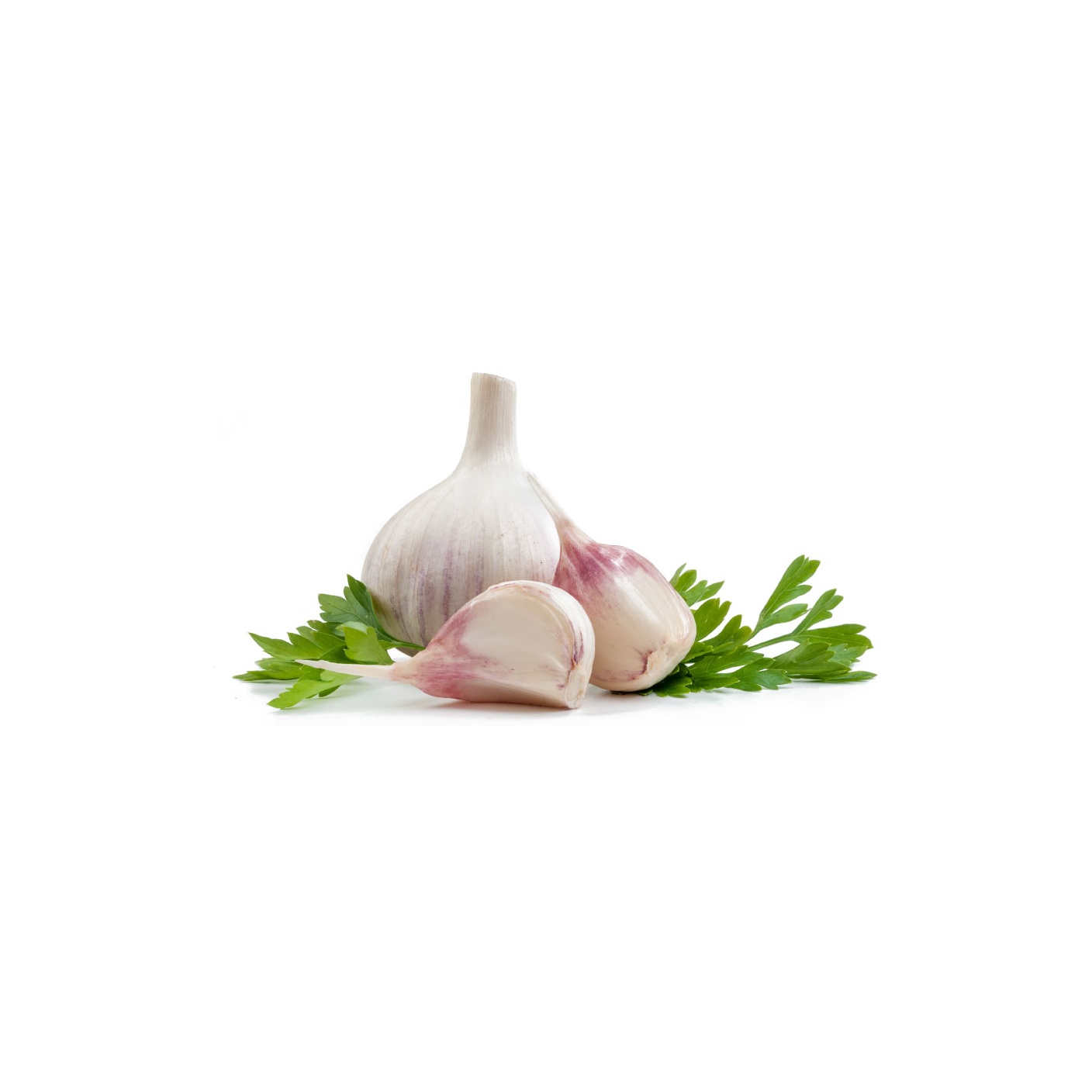 StrongStrongGarlicAllium sativumSeveral independent meta-analyses of placebo-controlled trials converge on a modest antihypertensive effect. A systematic review of seven trials found systolic pressure fell about 6.7 mmHg and diastolic about 4.8 mmHg against placebo 1Reference 1Meta-analysisGarlic for hypertension: a systematic review and meta-analysis of randomized controlled trialsView study →, and a 17-trial analysis reported roughly 3.75/3.4 mmHg, significant chiefly in people who were actually hypertensive 2Reference 2Meta-analysisEffect of garlic on blood pressure: a meta-analysisView study →.Read the evidenceShow lessMonograph →
The magnitude is comparable to a single low-dose antihypertensive rather than a replacement for one.
Garlic’s other cardiovascular signals are weaker. The lipid literature is large but mixed, with the best diet-controlled trials shrinking toward null 19,
Preparation is decisive. Fresh-crushed cloves, dried powder, aged extract and steam-distilled oil differ chemically and do not share evidence.
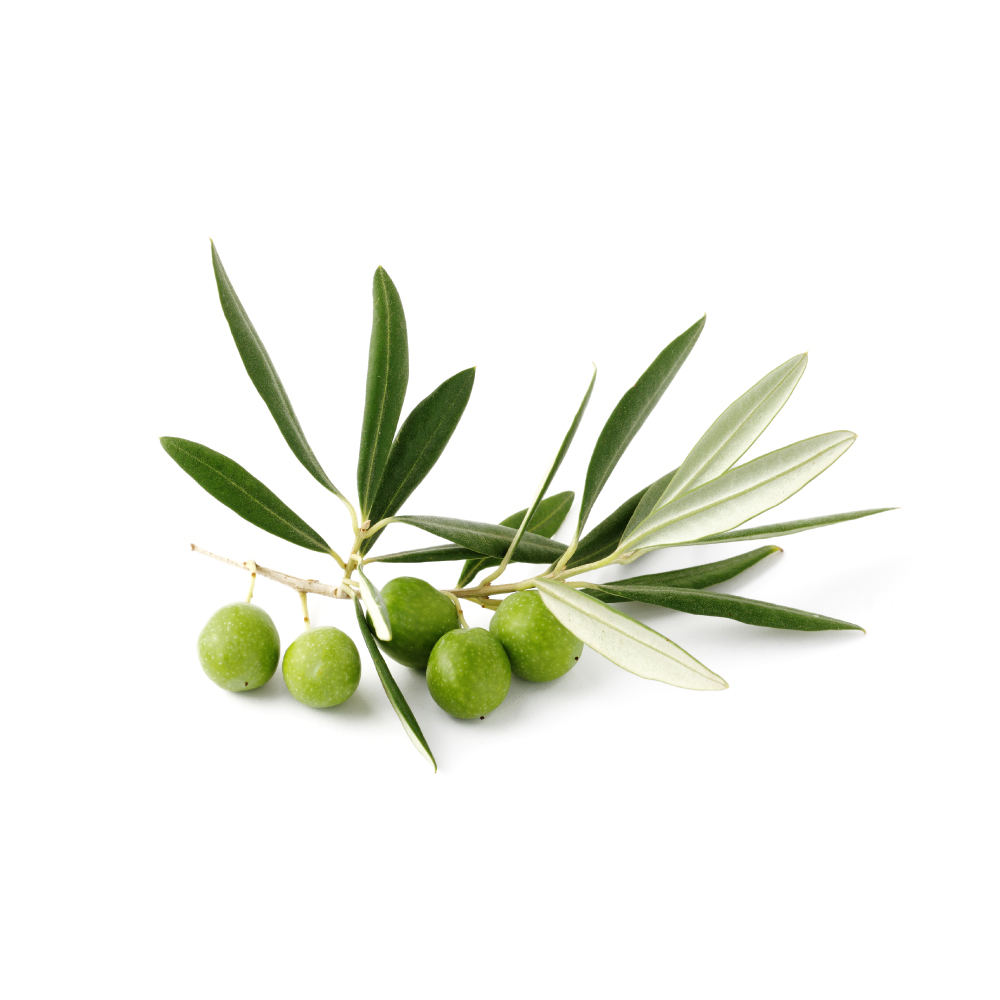 StrongStrongOlive LeafOlea europaeaA strong and growing human record, all of it belonging to a standardised extract rather than the tea. In a 12-week active-controlled trial an oleuropein-standardised extract at 500 mg twice daily lowered systolic pressure by about 11 mmHg in stage-1 hypertensives, statistically comparable to captopril 3Reference 3RCTOlive (Olea europaea) leaf extract effective in patients with stage-1 hypertension: comparison with captopril — randomised controlled trialView study →. A 2025 multicentre trial (n=621) confirmed a 24-hour systolic reduction of about 6.4 mmHg in treated hypertensives 4Reference 4RCTEfficacy of olive leaf extracts in controlling blood pressure in hypertensive patients: a double-blind randomized clinical trial — multicentre RCTView study →.Read the evidenceShow lessMonograph →
A 2024 meta-analysis of cardiometabolic trials supports the direction alongside modest lipid and glycaemic effects 5Reference 5Meta-analysisOlive leaf extract effect on cardiometabolic risk factors: a systematic review and meta-analysis of randomized clinical trialsView study →.
Mechanistically the action is partly ACE inhibition, through the secoiridoid oleacein.
Nearly every positive result belongs to a concentrated, oleuropein-rich capsule, often standardised to 16 to 20% oleuropein, rather than to leaf tea or a 1:2 liquid extract. Several well-run trials of combination products were null.
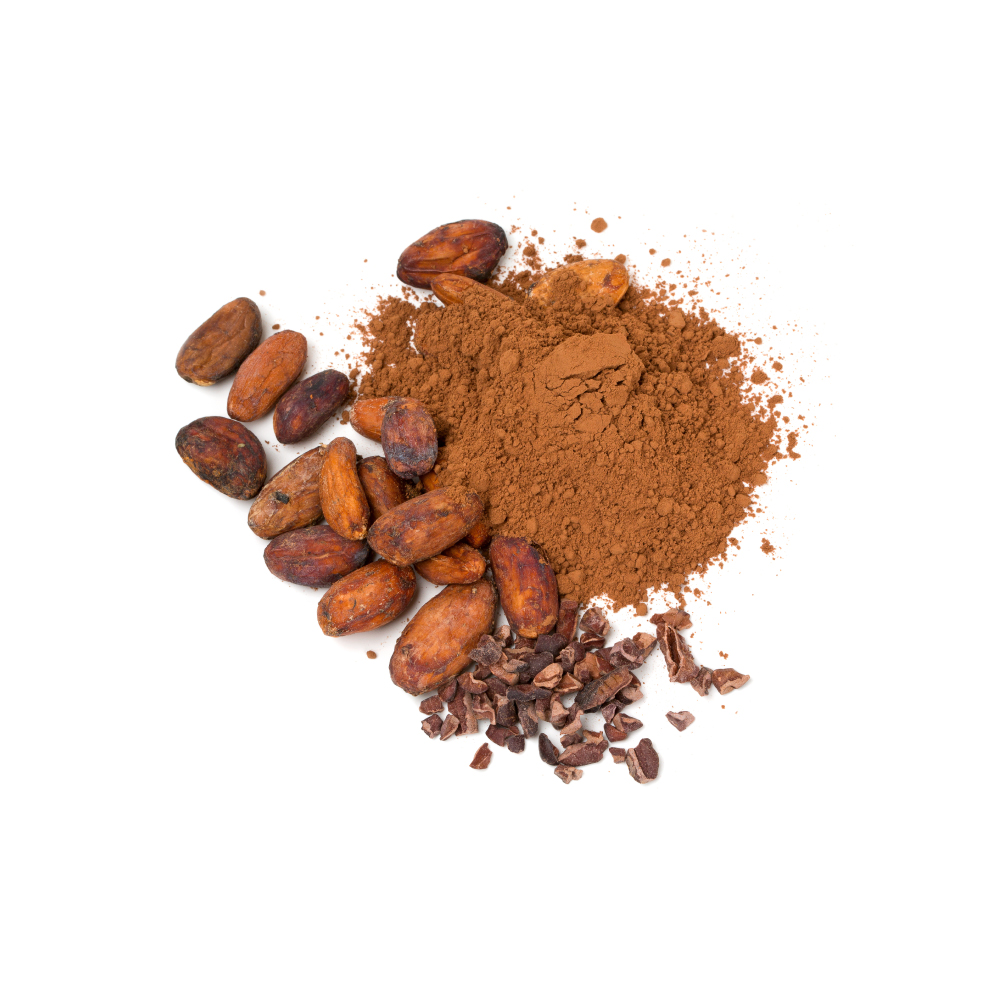 StrongStrongCacaoTheobroma cacaoCocoa flavanols improve flow-mediated dilation acutely and chronically in a clean dose-response, and a Cochrane meta-analysis found a small but consistent blood-pressure reduction of roughly 1.8 to 2 mmHg systolic 6Reference 6Meta-analysisEffect of cocoa on blood pressure — Cochrane systematic review and meta-analysisView study →. The active molecule is (-)-epicatechin, raising nitric-oxide availability at the endothelium.Read the evidenceShow lessMonograph →
The 21,442-person COSMOS trial, the one study powered on real cardiovascular events, missed its primary endpoint, with only a reduction in cardiovascular death as a secondary finding 7Reference 7RCTEffect of cocoa flavanol supplementation for the prevention of cardiovascular disease events: the COcoa Supplement and Multivitamin Outcomes Study (COSMOS) — randomised controlled trialView study →. A good surrogate did not translate into an outcome.
Delivery is the other decisive limit. The active dose is flavanols, which fermentation, roasting and alkalisation largely destroy, so ordinary chocolate carries a fraction of the tested dose.
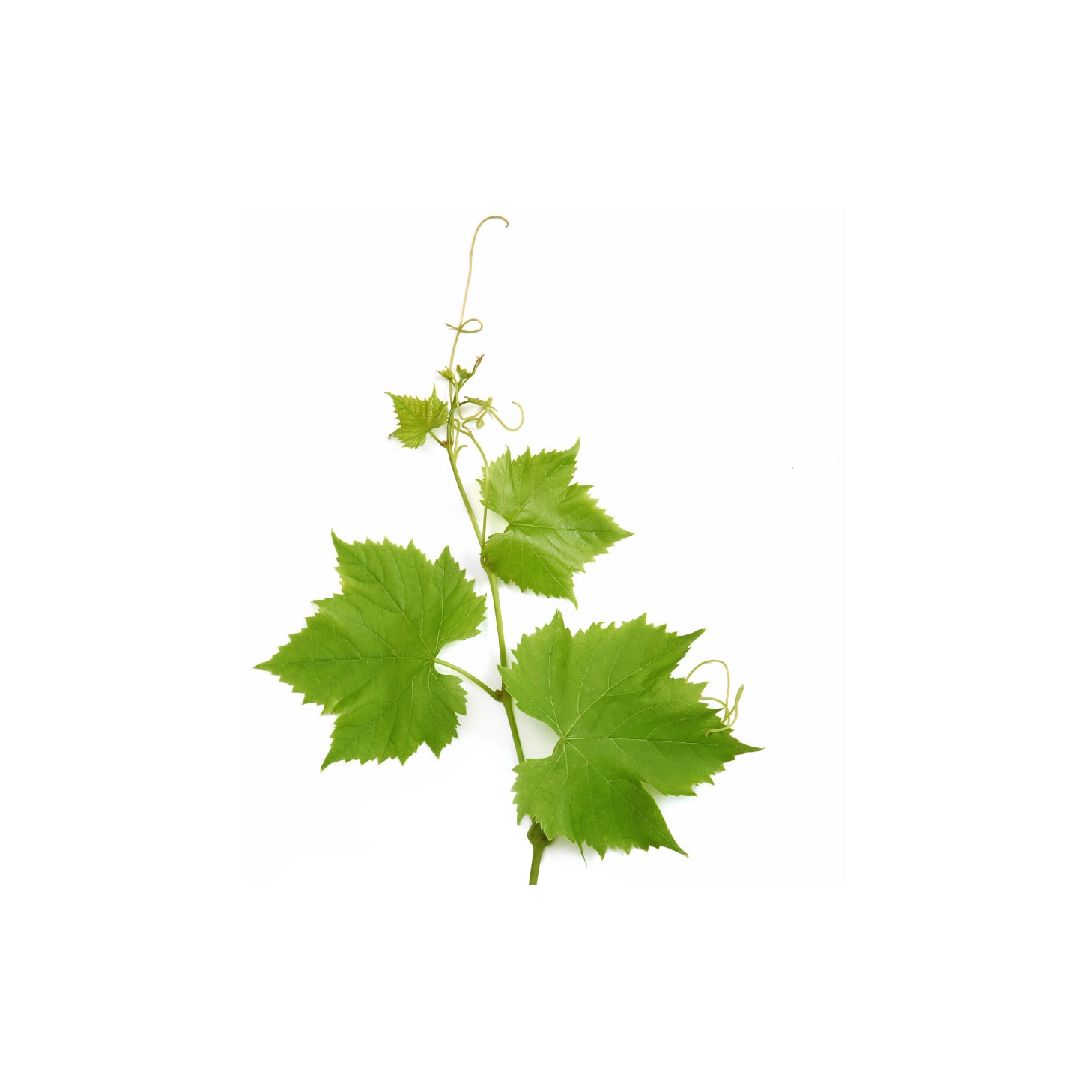 ModerateModerateGrape SeedVitis viniferaA concentrated oligomeric-procyanidin extract with a well-replicated but lopsided blood-pressure signal. A meta-analysis of 16 trials (810 subjects) found it lowered systolic pressure by about 6.1 mmHg and diastolic by 2.8 mmHg, with larger effects in younger, obese and metabolic-syndrome subjects 8Reference 8Meta-analysisThe impact of grape seed extract treatment on blood pressure changes: a meta-analysis of 16 randomized controlled trialsView study →.Read the evidenceShow lessMonograph →
A later dose- and duration-stratified meta-analysis of 19 trials confirmed a robust diastolic reduction and a fall in heart rate, but found the systolic effect non-significant and highly heterogeneous, with I² above 90% 9Reference 9Meta-analysisThe effect of grape (Vitis vinifera) seed extract supplementation on flow-mediated dilation, blood pressure and heart rate: a systematic review and meta-analysis with duration- and dose-response analysisView study →.
Because it is standardised to a defined procyanidin dose of 100 to 600 mg daily, its trials are more comparable than most. The extracts are still not interchangeable between manufacturers, and juice, wine and whole seed do not deliver the same thing.
It carries a separate and thinner signal in venous and lymphatic congestion.
Cholesterol & Blood Lipids
4 herbsThe lipid herbs move total and LDL cholesterol by roughly 5 to 15%, on trials that are short and have no cardiovascular-outcome data behind them.
Effects shrink as trial quality rises, and every result belongs to a standardised extract rather than to the food or the tea.
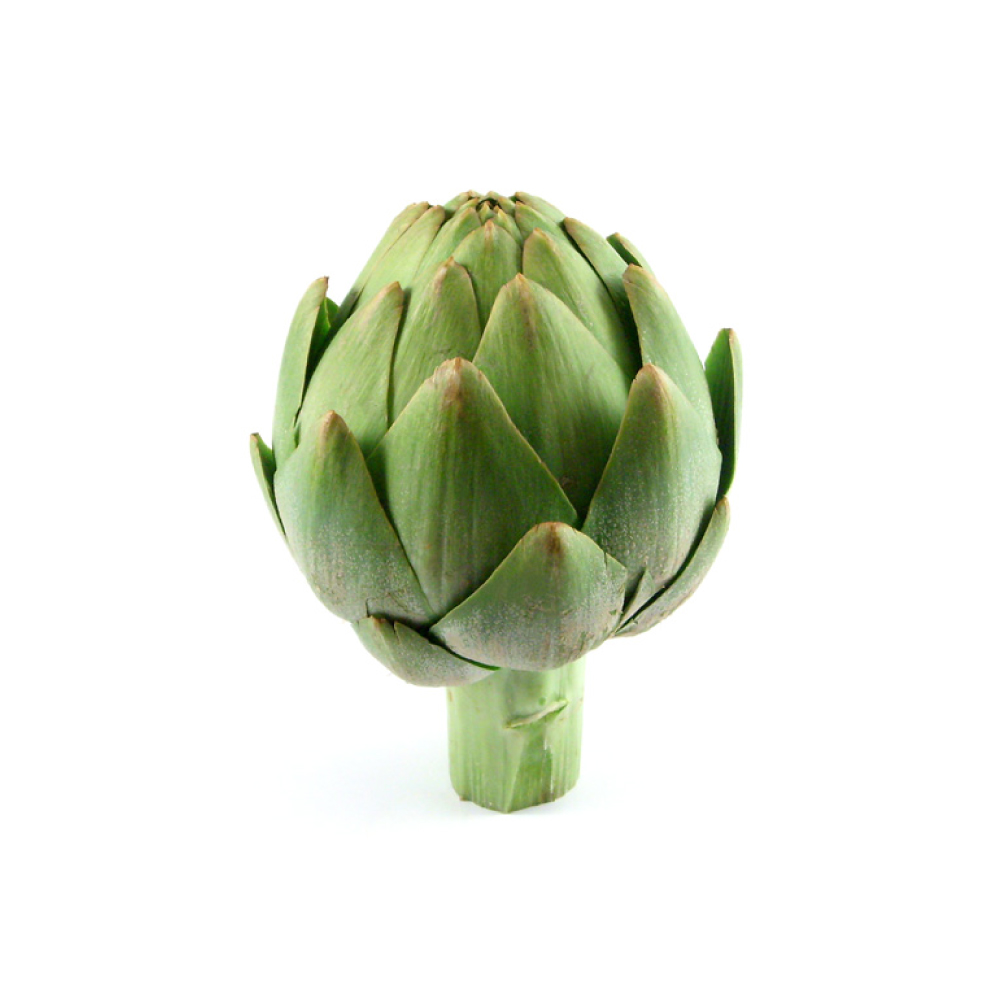 StrongStrongGlobe ArtichokeCynara scolymusThe best-evidenced lipid-lowering herb in the system. A meta-analysis of 9 trials (702 subjects) found artichoke leaf extract lowered total cholesterol by about 17.6 mg/dL, LDL by about 14.9 mg/dL and triglycerides by about 9.2 mg/dL, with a larger effect at higher baseline LDL 14Reference 14Meta-analysisLipid-lowering activity of artichoke extracts — systematic review and meta-analysisView study →. A later dose-response meta-analysis of 14 studies reproduced the direction and magnitude 15Reference 15Meta-analysisEffects of artichoke leaf extract supplementation or artichoke juice on lipid profile — systematic review and dose-response meta-analysis of randomised controlled trialsView study →, and 1,280 mg/day of leaf extract lowered total cholesterol in otherwise-healthy hypercholesterolaemic adults in a double-blind trial 16Reference 16RCTArtichoke leaf extract reduces plasma cholesterol in otherwise-healthy hypercholesterolemic adults — randomised, double-blind, placebo-controlled trialView study →.Read the evidenceShow lessMonograph →
The extract inhibits cholesterol synthesis in the liver, largely through luteolin, and raises biliary cholesterol excretion through its choleretic action.
Effects are modest and heterogeneous between products, the trials are short with no cardiovascular-outcome data, and what was tested is the standardised leaf extract rather than the boiled edible head.
Artichoke’s parallel evidence in fatty liver disease and functional dyspepsia belongs to the digestive and hepatobiliary systems.
 ModerateModerateNigellaNigella sativaBlack seed is one of the most heavily trialled herbs in the modern literature, and its cardiometabolic cluster is where the evidence is strongest. Meta-analyses show reductions in total and LDL cholesterol and in triglycerides with no change in HDL 17Reference 17Meta-analysisNigella sativa (black seed) effects on plasma lipid concentrations in humans — systematic review and meta-analysis of randomized placebo-controlled trialsView study →, alongside small but consistent drops in systolic and diastolic blood pressure 12Reference 12Meta-analysisAntihypertensive effects of Nigella sativa supplementation — updated systematic review and meta-analysis of randomized controlled trialsView study → and improved glycaemic control.Read the evidenceShow lessMonograph →
The effects are consistent in direction and small in size.
Dosing is not standardised, the fixed oil frequently outperforms ground seed powder for the same endpoint, and thymoquinone content varies several-fold with seed origin.
It is a mild, broad cardiometabolic nudge rather than a targeted lipid drug.
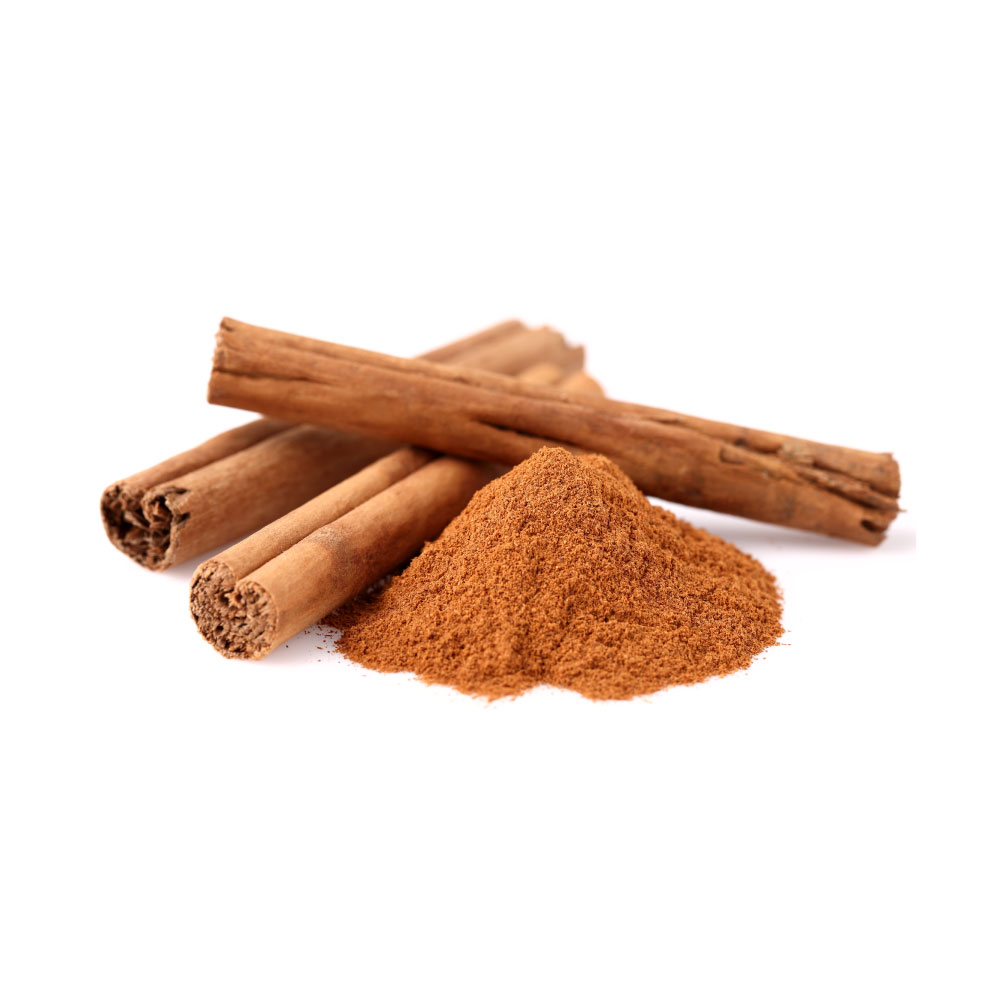 ModerateModerateCassia CinnamonCinnamomum cassiaA culinary spice with a surprisingly large metabolic trial base, most of it in type 2 diabetes. On lipids, meta-analyses of randomised trials show reductions in triglycerides and total cholesterol, with LDL and HDL mixed 18Reference 18Meta-analysisThe effects of cinnamon supplementation on blood lipid concentrations: a systematic review and meta-analysisView study →, and a separate meta-analysis found a modest blood-pressure drop only at doses of 2 g/day or less.Read the evidenceShow lessMonograph →
The metabolic effect is real but heterogeneous, and most cinnamon trials do not specify the species. Many used C. verum, Ceylon cinnamon, rather than cassia.
That matters because cassia’s high coumarin content is hepatotoxic, which caps how much can safely be taken where Ceylon’s does not.
The lipid effect is a side-benefit of a metabolic-support herb rather than a cholesterol treatment.
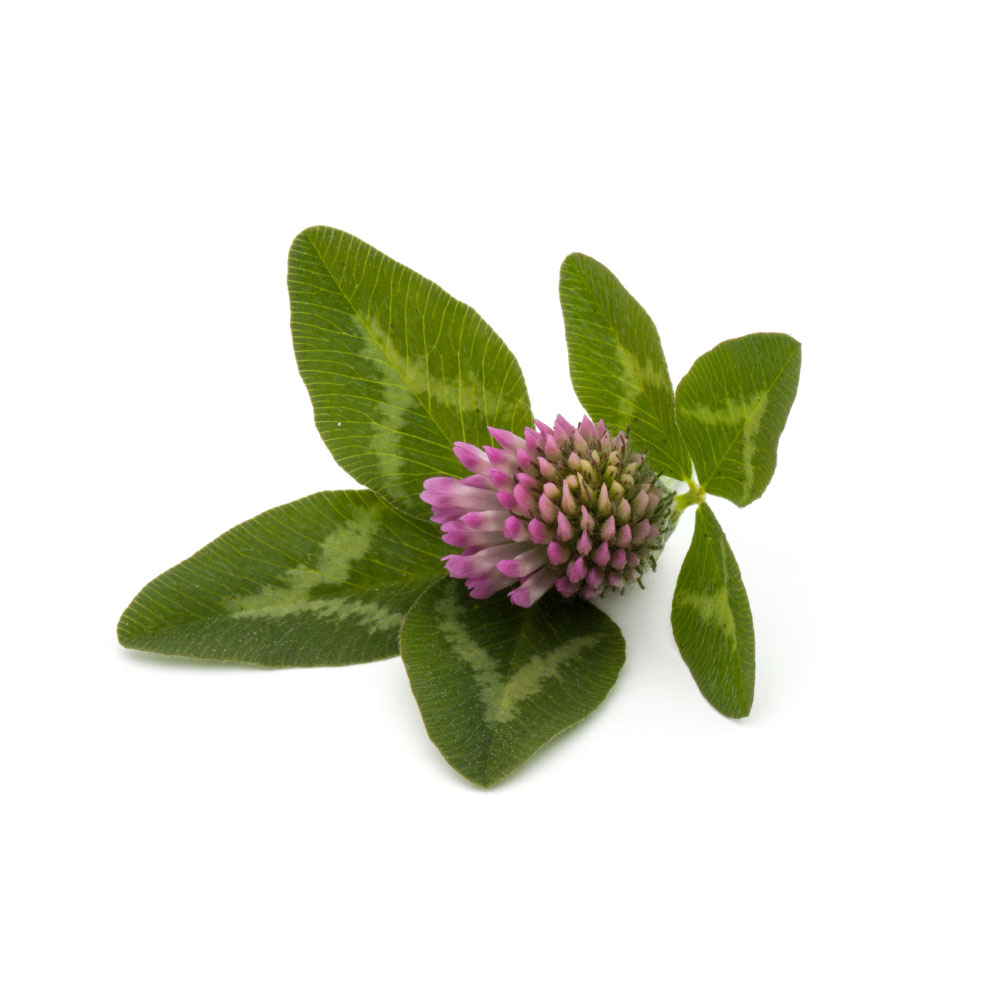 ModerateModerateRed CloverTrifolium pratensePrimarily a menopausal herb, carried here for a specific and replicated lipid effect. A systematic review and meta-analysis found red clover isoflavones produced modest improvements in the lipid profile, with lower total and LDL cholesterol, in peri- and postmenopausal women 21Reference 21Meta-analysisEffects of red clover (Trifolium pratense) isoflavones on the lipid profile of perimenopausal and postmenopausal women — systematic review and meta-analysisView study →.Read the evidenceShow lessMonograph →
The effect is tied to the weak, ERβ-preferring oestrogenic activity of its isoflavones, formononetin and biochanin A.
The benefit belongs to standardised, isoflavone-quantified extracts delivering 40 to 160 mg of isoflavones daily, not to a tea or whole-flower tincture, and it is confined to the menopausal-transition population it was studied in.
The Heart: Failure, Angina and Rhythm
6 herbsThe traditional heart of the system, and the part where the trial record is least flattering.
The pattern repeats across these herbs. A long tradition for the failing or labouring heart, a body of animal and ex-vivo pharmacology, and human trials that disappoint. They either test a different indication, or test the herb on top of modern drug therapy and find nothing left to add.
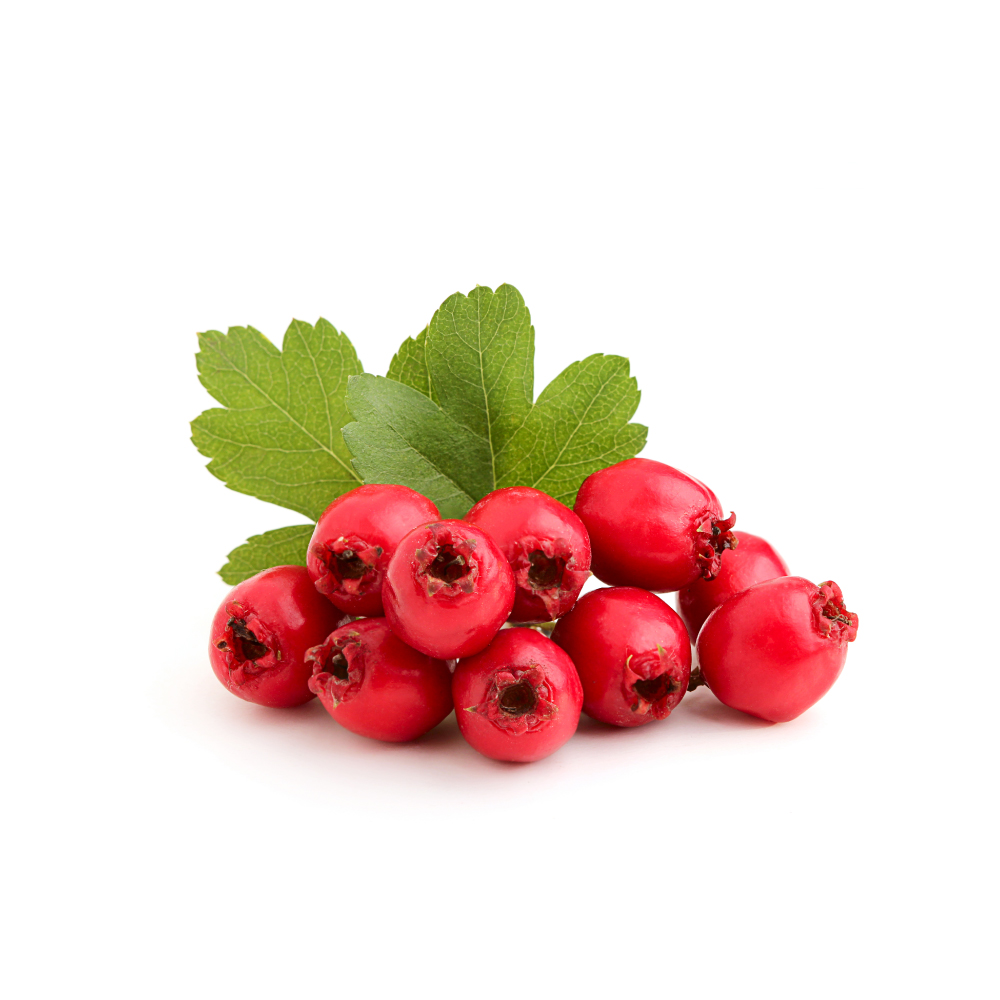 StrongStrongHawthornCrataegus oxyacanthaThe classic Western heart tonic, and one of very few herbs with two meta-analyses and large randomised trials behind it. A Cochrane review of 14 double-blind trials found standardised leaf-and-flower extract, used mostly as an adjunct, improved exercise tolerance and the symptoms of mild heart failure against placebo 22Reference 22Meta-analysisHawthorn extract for treating chronic heart failure — systematic review and meta-analysisView study →.Read the evidenceShow lessMonograph →
Those trials largely predate modern therapy. Tested on top of ACE inhibitors and beta-blockers the benefit vanished.
The large SPICE trial (n=2,681) missed its primary endpoint 23Reference 23RCTThe efficacy and safety of Crataegus extract WS 1442 in patients with heart failure: the SPICE trial — randomised controlled trialView study →, and the US HERB CHF trial found no functional benefit and more adverse events, with a companion analysis flagging faster early progression 24Reference 24RCTHawthorn Extract Randomized Blinded Chronic Heart Failure (HERB CHF) trial — randomised controlled trialView study →.
The more durable human signal is now a modest blood-pressure reduction. A meta-analysis of randomised placebo-controlled trials found hawthorn lowered blood pressure by a clinically meaningful margin in hypertension 10Reference 10Meta-analysisHawthorn (Crataegus spp.) clinically significantly reduces blood pressure in hypertension: a meta-analysis of randomized placebo-controlled clinical trialsView study →, and a randomised trial found a hypotensive effect in people with diabetes already taking prescription medication 11Reference 11RCTHypotensive effects of hawthorn for patients with diabetes taking prescription drugs: a randomised controlled trialView study →.
The mechanistic work on coronary dilation, positive inotropy through cyclic-AMP phosphodiesterase inhibition, and eNOS-mediated vasorelaxation is animal or in-vitro, and belongs to the standardised extracts rather than the tea, tincture or berry.
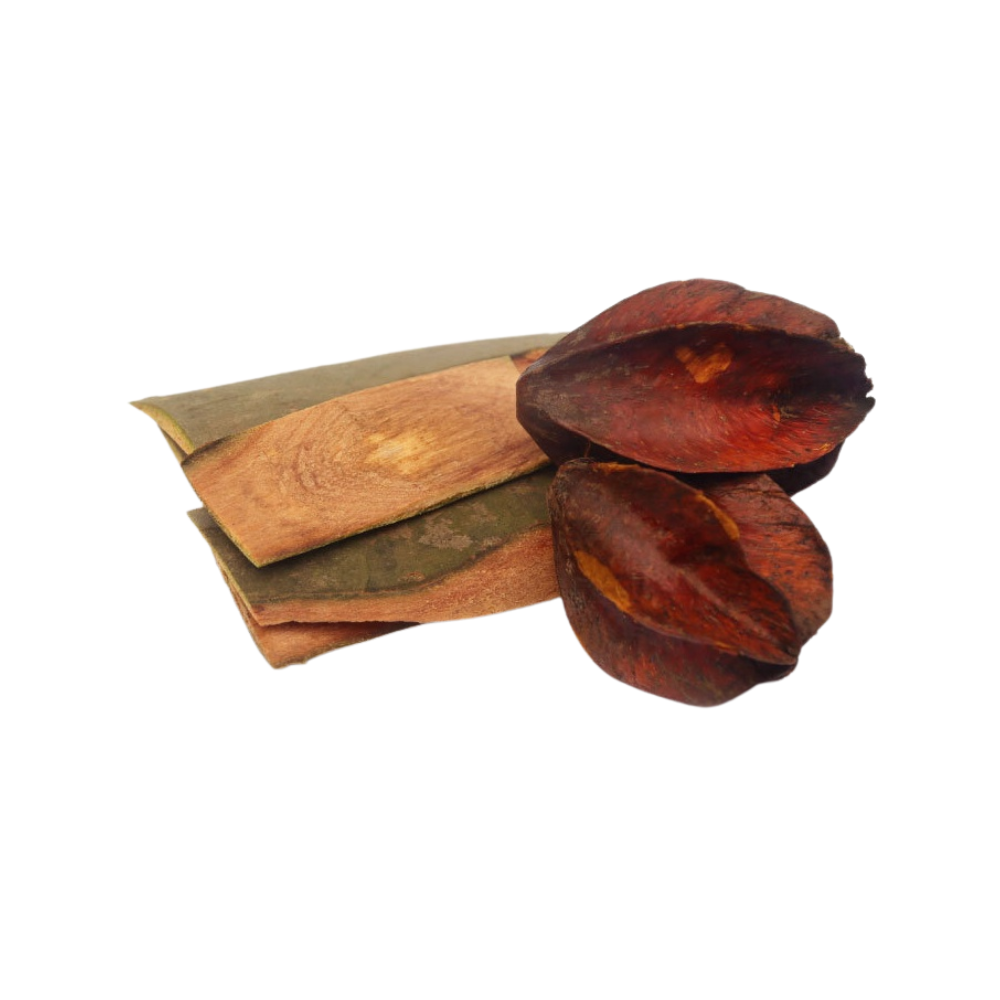 ModerateModerateArjunaTerminalia arjunaThe Ayurvedic heart-bark, unusual among traditional cardiac herbs for having a real if modest human trial record.Read the evidenceShow lessMonograph →
Its flagship human indication is chronic stable angina. In a double-blind crossover trial, bark extract reduced anginal frequency and improved treadmill parameters comparably to isosorbide mononitrate 25Reference 25RCTEfficacy of Terminalia arjuna in chronic stable angina: a double-blind, placebo-controlled, crossover study comparing Terminalia arjuna with isosorbide mononitrate — randomised controlled trialView study →, though a 2014 systematic review judged the pooled angina trials methodologically weak and inconclusive 26Reference 26Meta-analysisTerminalia arjuna in chronic stable angina: systematic review and meta-analysisView study →.
In heart failure the best-powered single trial (n=100) was null on its primary endpoint of ejection fraction, improving only functional and antioxidant secondary measures 27Reference 27RCTClinical efficacy of water extract of stem bark of Terminalia arjuna in patients of chronic heart failure — a double-blind, randomised controlled trialView study →. A 2026 meta-analysis of nine trials partly rehabilitates it, finding a consistent reduction in left-ventricular mass and a rise in HDL, which is a signal on cardiac remodelling rather than on pump function 28Reference 28Meta-analysisEvaluation of the therapeutic potential and safety of Terminalia arjuna in heart failure management — a systematic review and meta-analysis of randomised controlled trialsView study →.
Nearly all trials used crude water or alcohol stem-bark extract at around 1,500 mg/day, so the results do not transfer to tinctures or teas.
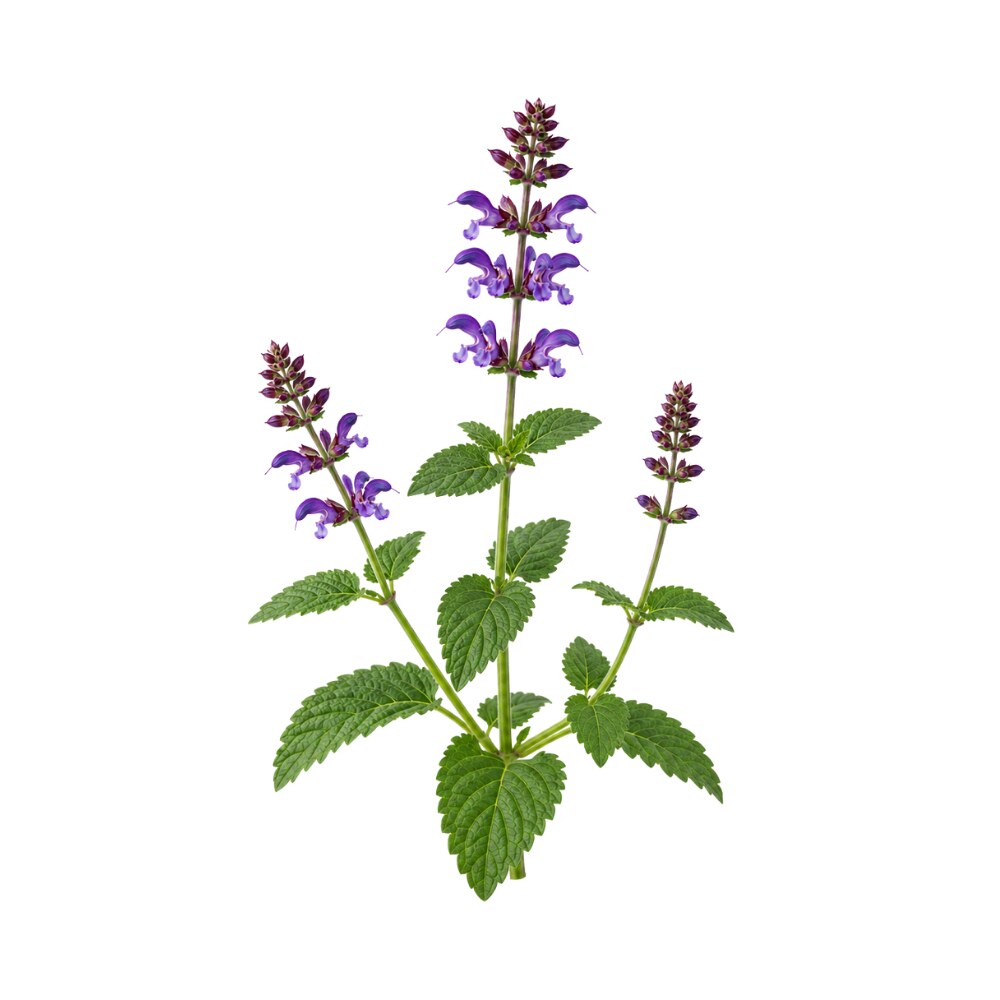 ModerateModerateDan ShenSalvia miltiorrhizaOne of the most-tested herbs in Chinese medicine, with a huge but awkwardly shaped angina literature. More than 230 randomised trials of danshen dripping pill for angina have been run, and meta-analyses report symptomatic and ECG improvement.Read the evidenceShow lessMonograph →
The certainty is low, and almost all of it tests compound formulas, danshen with notoginseng and borneol, or intravenous injections rather than the dried root a Western herbalist would use 29,
Its best-grounded mechanism is antiplatelet and antithrombotic, and the clearest human proof of that is inadvertent. Danshen measurably potentiates warfarin, raising the INR and causing bleeding 31Reference 31Case reportInteraction between warfarin and danshen (Salvia miltiorrhiza) — review of case reportsView study →, which demonstrates the effect and warns of the interaction at the same time.
The human evidence is large and low-certainty, and mostly on preparations that are not sold as loose root.
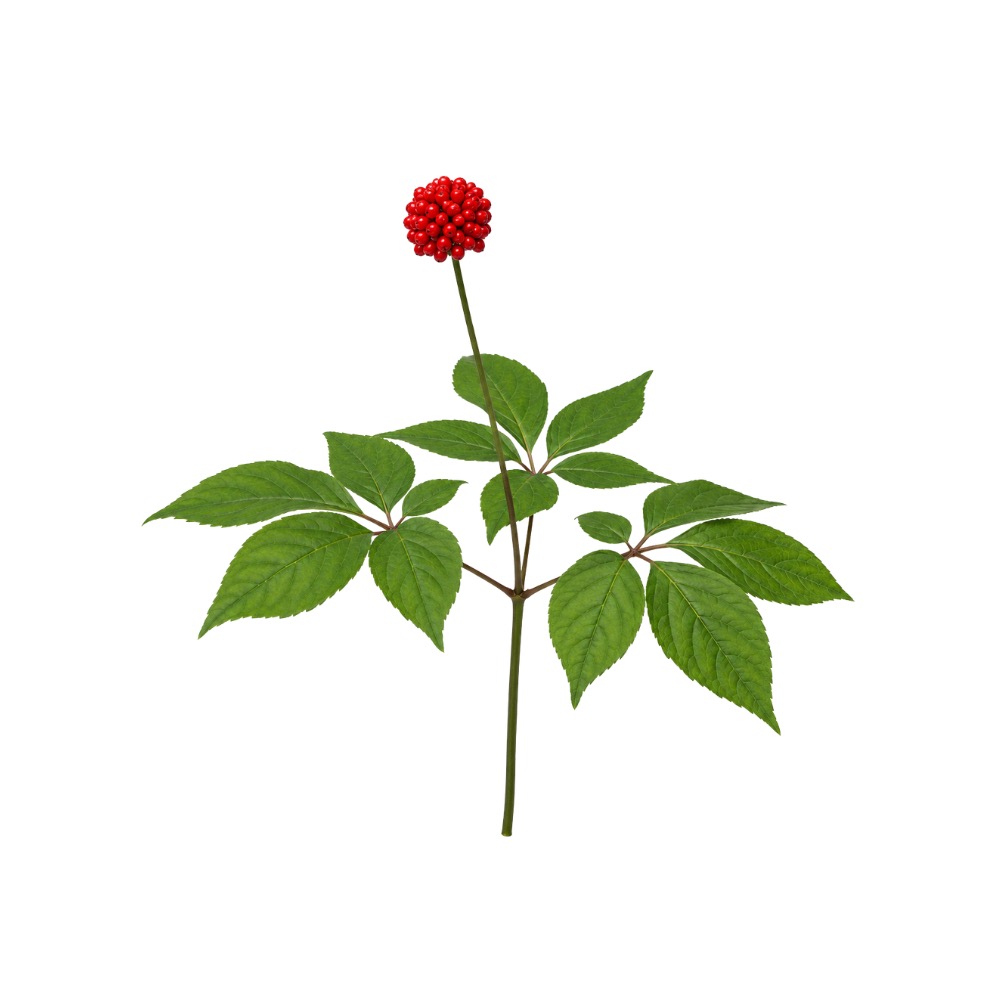 ModerateModerateNotoginsengPanax notoginsengSan qi carries the single strongest trial in this system, though not for the heart itself. A 2023 multicentre, double-blind, placebo-controlled trial across 67 centres (n=3,072) found standardised Panax notoginseng saponins improved functional independence after ischaemic stroke, with 89.3% against 82.4% reaching a modified Rankin score of 0 to 2 at three months 32Reference 32RCTEfficacy and safety of Panax notoginseng saponins in the treatment of adults with ischemic stroke in China — a multicentre, double-blind, placebo-controlled randomised clinical trialView study →.Read the evidenceShow lessMonograph →
Around it sit meta-analyses of a reproducible antiplatelet effect 33Reference 33Meta-analysisEffect of Panax notoginseng preparations on platelet function — a meta-analysis of 36 randomised controlled trialsView study → and of adjunctive benefit in unstable angina, though those are mostly injections of low trial quality with no demonstrated reduction in events.
The herb both stops bleeding and moves blood: the saponins inhibit platelets while the amino acid dencichine promotes clotting. Which side dominates depends on the fraction, and the standardised saponin preparations are the antiplatelet ones.
As with dan shen, nearly all the human data use standardised extracts or injections rather than powdered root. Its haematological side is covered on the blood page.
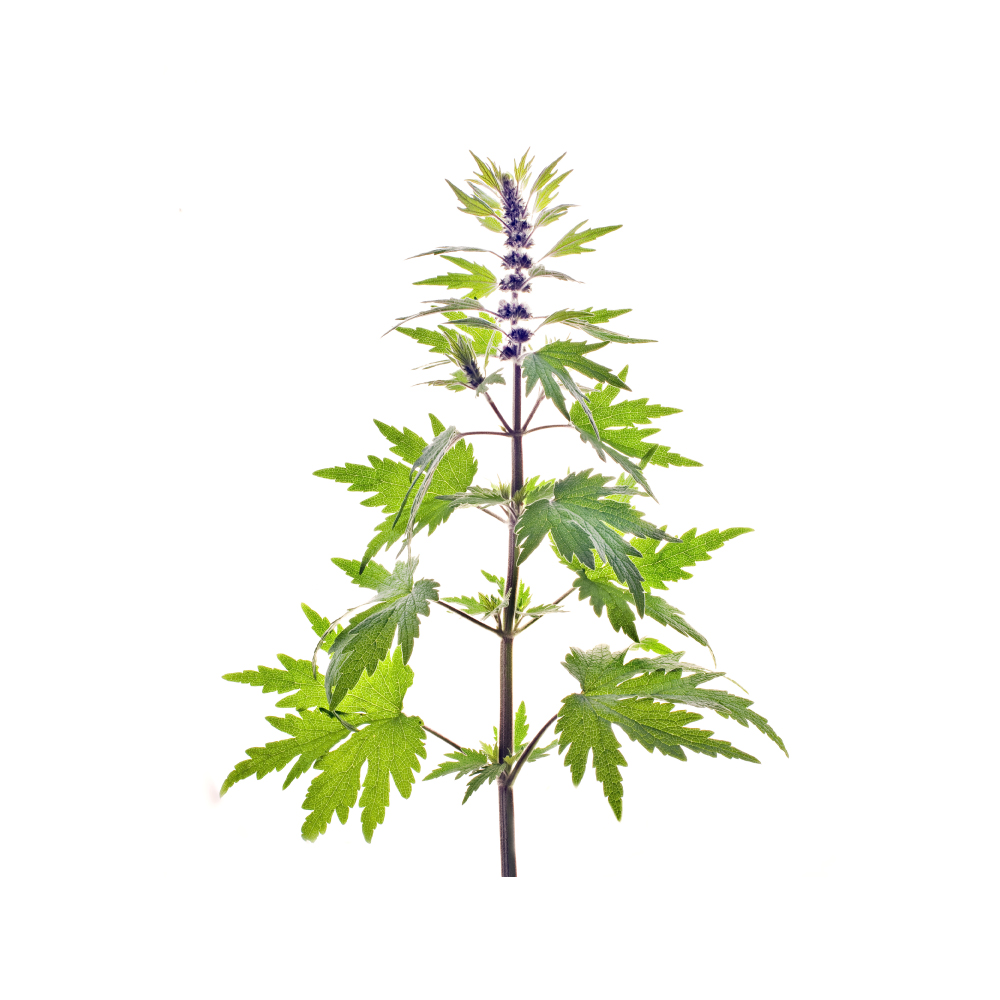 TraditionalTraditionalMotherwortLeonurus cardiacaThe classic Western herb for the nervous heart: palpitations, a racing or anxious heartbeat, the tachycardia of an over-adrenalised state. The species name cardiaca records the reputation.Read the evidenceShow lessMonograph →
Its best-mapped activity is a coherent ex-vivo profile. A refined extract on isolated hearts was negatively chronotropic and coronary-dilating, prolonging the PQ interval and modulating sodium, calcium and pacemaker currents rather than acting like a cardiac glycoside 34Reference 34Cardiac and electrophysiological effects of primary and refined extracts from Leonurus cardiaca L. — animal / ex vivoView study →.
The one published human study is an open-label trial of a CO₂ oil extract in 50 people with stage 1 to 2 hypertension and anxiety, in whom blood pressure and mood improved 35Reference 35Clinical trialEffect of Leonurus cardiaca oil extract in patients with arterial hypertension accompanied by anxiety and sleep disorders — open-label clinical trialView study →. That is suggestive rather than confirmatory.
Leonurine, the alkaloid usually credited as the active, is a marker of the Chinese species L. japonicus and is largely absent from true European L. cardiaca, so a large body of leonurine pharmacology does not transfer to this herb.
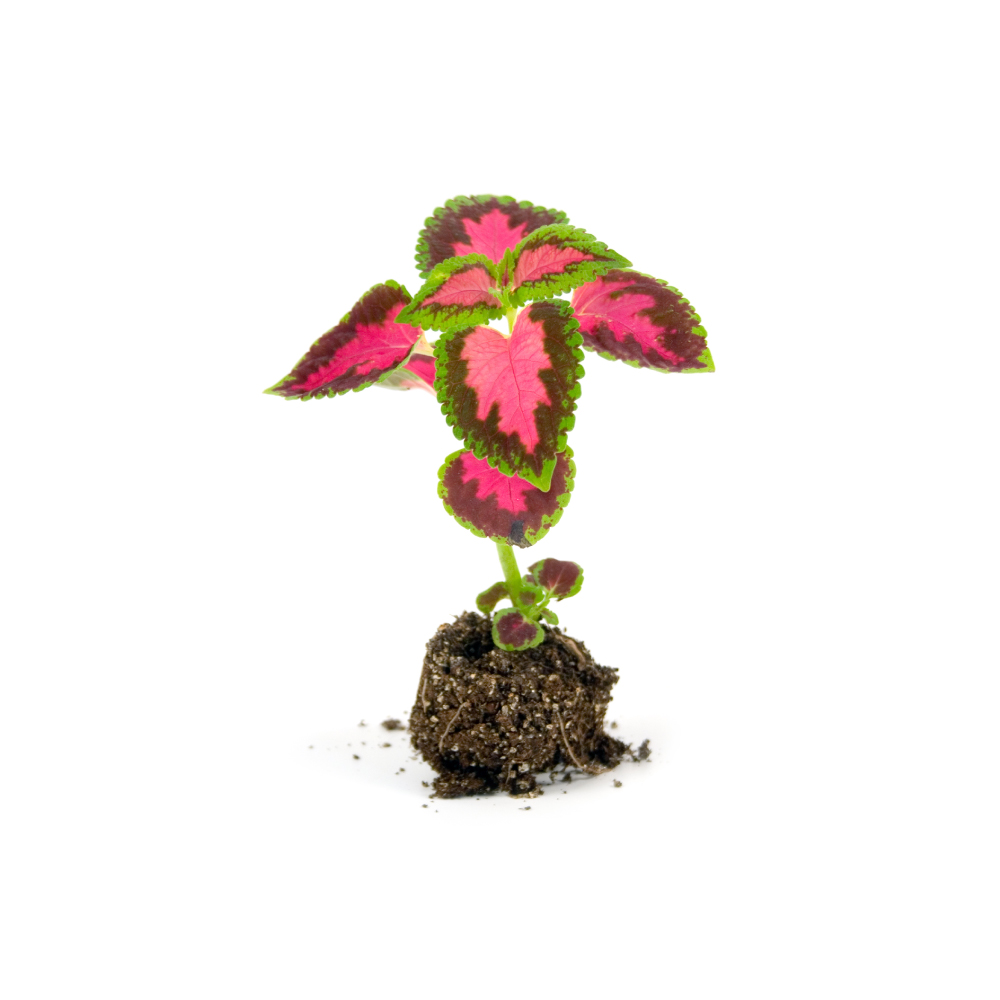 PreclinicalPreclinicalColeusColeus forskohliiEffectively a single-molecule herb, and a cautionary one for preparation. Its diterpene forskolin activates adenylate cyclase directly 13Reference 13In vitroForskolin: unique diterpene activator of adenylate cyclase in membranes and in intact cells — in vitroView study →, raising intracellular cyclic-AMP, the same second messenger hawthorn reaches by inhibiting its breakdown.Read the evidenceShow lessMonograph →
In principle that produces positive inotropy, vasodilation and lower blood pressure. Forskolin is a potent inotrope in ex-vivo failing human heart tissue and by intravenous infusion in cardiomyopathy patients.
The dried root carries only about 0.2 to 0.3% forskolin, and every compelling cardiac result used isolated forskolin given parenterally rather than the oral root, which has no standardised dose and will not reproduce them.
Circulation, Veins and Microcirculation
4 herbsThe venous herbs are the strongest part of the system, in the narrowest indication.
Chronic venous insufficiency produces an aching, heavy, swollen lower leg, and it is measurable: leg volume, ankle circumference, and capillary filtration all give a number. That is why the evidence here is better than for the heart itself.
Every result in this group belongs to a standardised extract, and all of it is about fluid and vessel wall rather than about the heart or blood pressure.
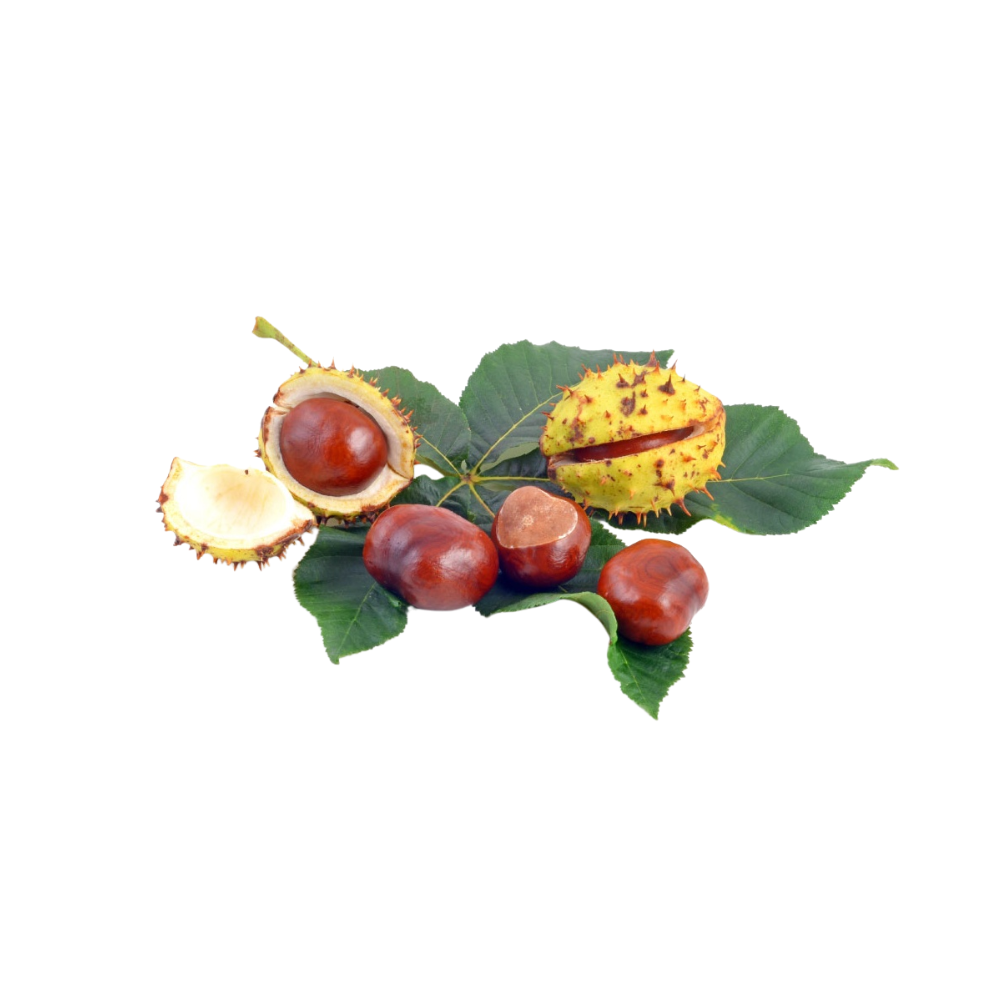 StrongStrongHorse ChestnutAesculus hippocastanumThe strongest single result in this system. For chronic venous insufficiency, horse chestnut seed extract has a Cochrane review behind it: pooling 17 randomised trials, it reduced leg pain, leg volume and oedema against placebo 36Reference 36Meta-analysisHorse chestnut seed extract for chronic venous insufficiency — systematic review and meta-analysisView study →.Read the evidenceShow lessMonograph →
A 240-patient trial in the Lancet found it reduced lower-leg volume about as much as class-II compression stockings over 12 weeks 37Reference 37RCTComparison of leg compression stocking and oral horse-chestnut seed extract therapy in patients with chronic venous insufficiency — randomised controlled trialView study →.
The mechanism is specific and measured. The saponin aescin cuts the capillary filtration coefficient by roughly a fifth after a single dose, reducing the fluid leak that drives venous oedema.
All of it belongs to a standardised extract delivering about 100 mg of aescin daily, and the raw seed contains toxic esculin that processing removes.
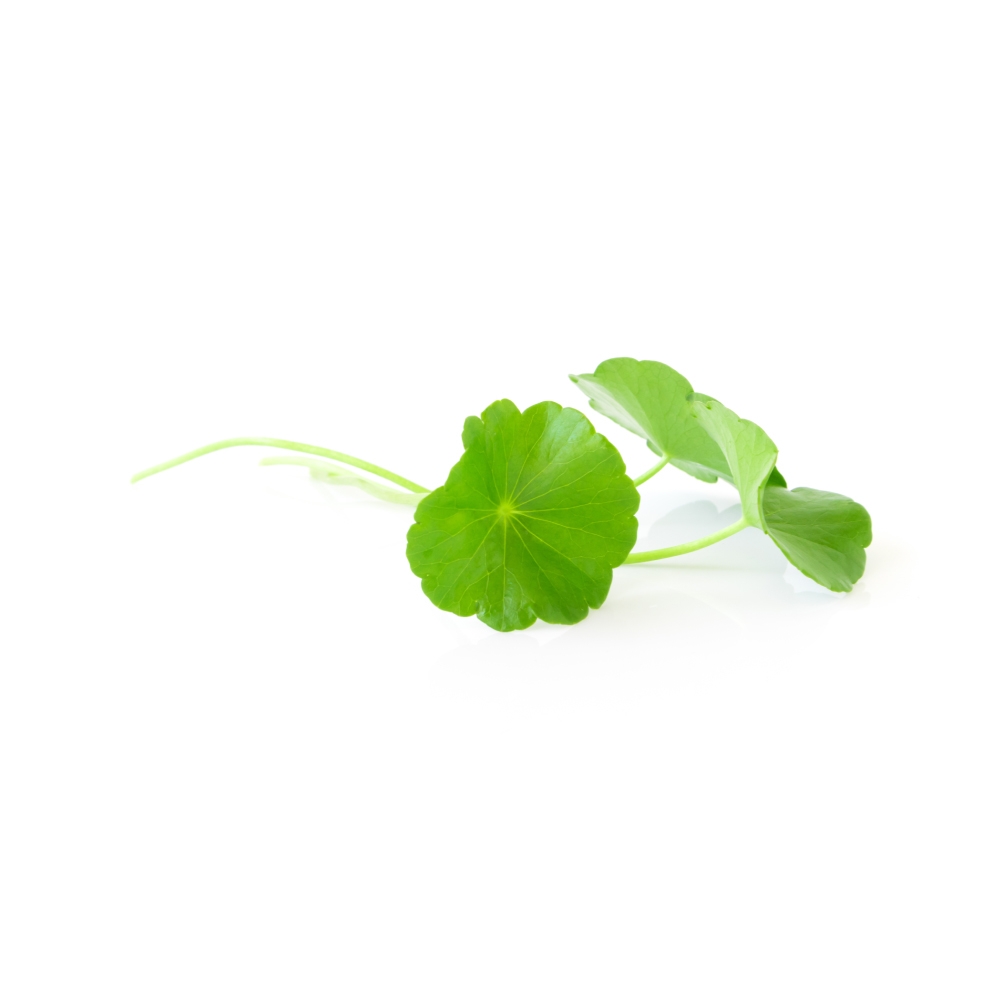 ModerateModerateGotu KolaCentella asiaticaBest known as a brain tonic, its strongest human evidence is vascular. A standardised total triterpenic fraction has been tested in a run of small placebo-controlled trials in chronic venous insufficiency and in venous and diabetic microangiopathy, reducing ankle oedema, capillary filtration and microcirculatory symptoms 39Reference 39RCTTitrated extract of Centella asiatica (TECA) in the treatment of venous insufficiency of the lower limbs — multicentre double-blind randomised trialView study →.Read the evidenceShow lessMonograph →
The 2020 Cochrane review of phlebotonics judged the class to moderately reduce oedema and some venous symptoms, and lists Centella asiatica among the agents assessed 38Reference 38Meta-analysisPhlebotonics for venous insufficiency — Cochrane systematic review and meta-analysisView study →. The European Medicines Agency accepts the herb as a traditional remedy for minor venous symptoms.
The trials are small and mostly from a single Italian research group.
The effect belongs to the standardised fraction or a defined cream, not to tea or raw powder, whose triterpene content varies enormously.
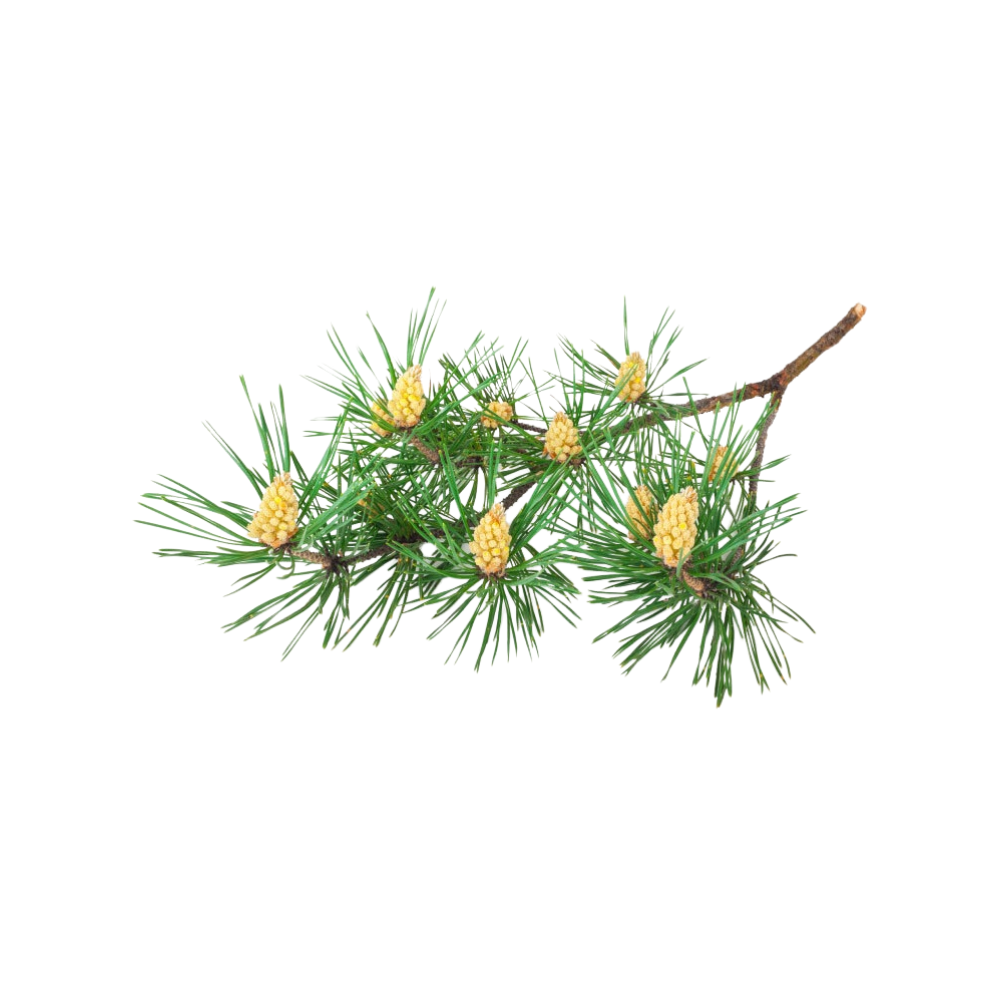 ModerateModeratePinePinus pinasterThe evidence belongs almost entirely to one standardised maritime-pine bark extract rather than to needles, resin or pollen.Read the evidenceShow lessMonograph →
In chronic venous insufficiency it is the most consistent finding. A double-blind trial at 100 mg three times daily for two months significantly reduced subcutaneous oedema, leg heaviness and pain, with about 60% of treated patients losing oedema entirely while placebo did nothing 41Reference 41RCTPycnogenol in chronic venous insufficiency — randomised placebo-controlled trialView study →.
A 2020 Cochrane review pooling 27 trials across ten disorders found oedema among the outcomes the bark extract helps, though it graded the certainty low because trials were small and mostly manufacturer-funded 40Reference 40Systematic reviewPine bark (Pinus spp.) extract for treating chronic disorders — Cochrane systematic reviewView study →.
The bark extract also carries modest blood-pressure and glycaemic signals. The active fraction is the bark’s oligomeric procyanidins, and a Pycnogenol result does not transfer to a cup of needle tea.
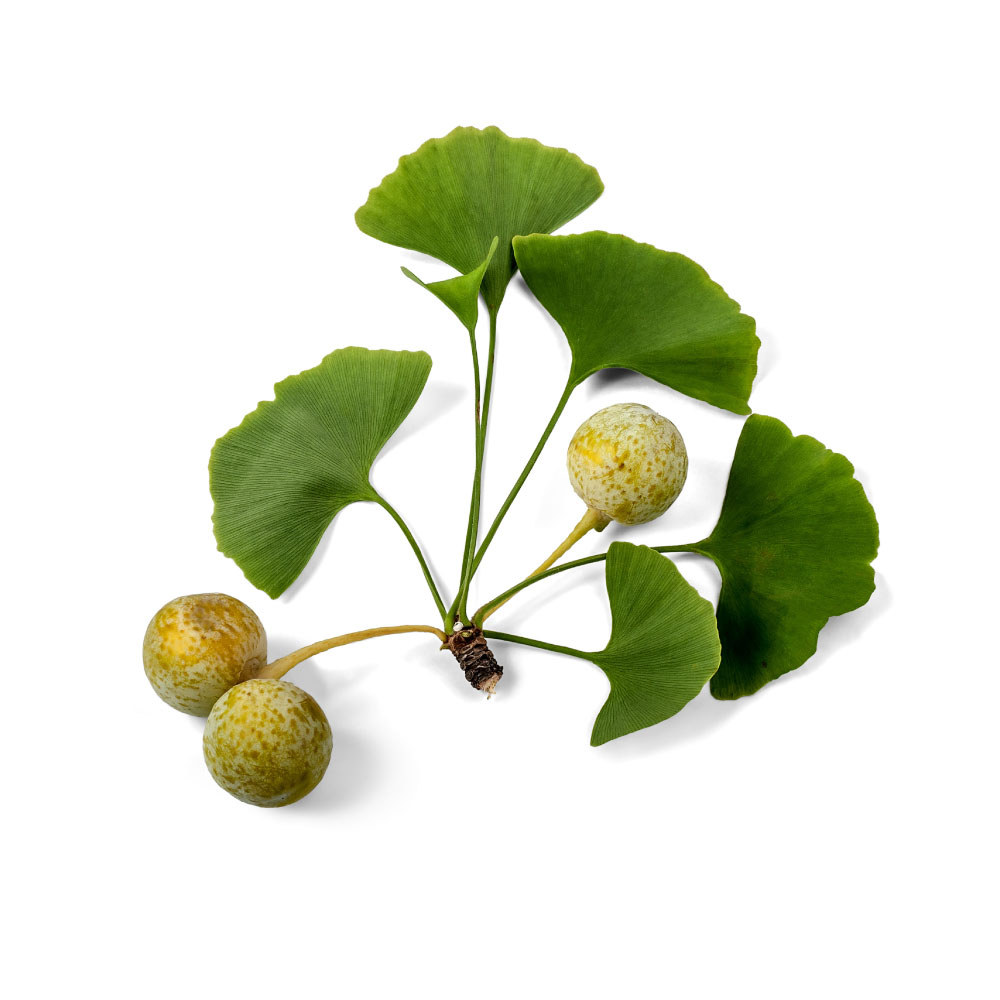 ModerateModerateGinkgoGinkgo bilobaMainly a nervous-system herb, carried here for peripheral circulation and for a mechanism that doubles as a warning.Read the evidenceShow lessMonograph →
For intermittent claudication, the calf pain of peripheral arterial disease, early meta-analyses showed a small gain in pain-free walking distance, but the 2009 Cochrane review found the effect small and of uncertain clinical significance 42Reference 42Meta-analysisGinkgo biloba for intermittent claudication — Cochrane systematic review and meta-analysisView study →.
Its circulatory rationale and its bleeding risk share one mechanism: ginkgolide B is a potent antagonist of platelet-activating factor 43Reference 43In vitroGinkgolide B inhibits platelet release by blocking Syk and p38 MAPK phosphorylation in thrombin-stimulated platelets — in vitro studyView study →.
The data belong to the standardised EGb 761 extract rather than crude leaf or tea, and the antiplatelet action means it is stopped before surgery and used cautiously with anticoagulants.
No herbs match these filters.
Also Tagged
53 more herbs are tagged for this system.
American Ginseng
Panax quinquefolius
Amla
Phyllanthus emblica
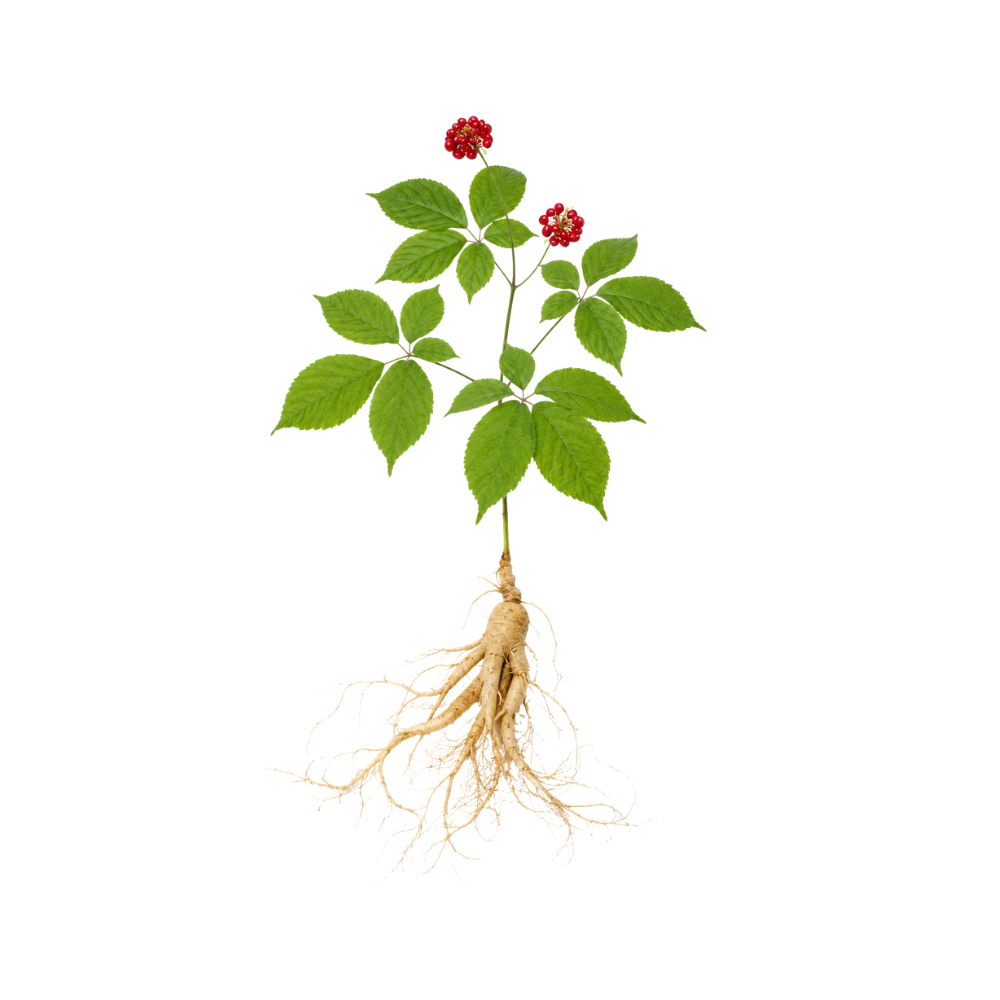
Asian Ginseng
Panax ginseng
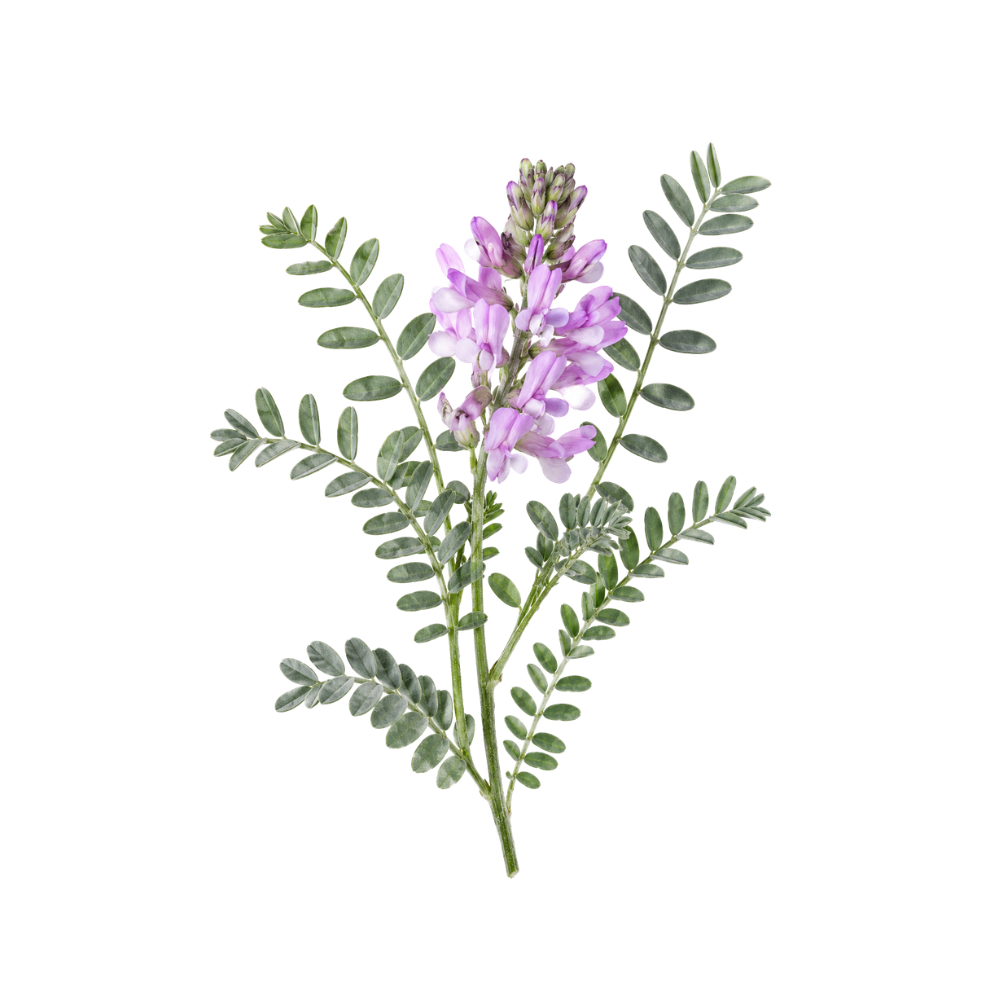
Astragalus
Astragalus mongholicus
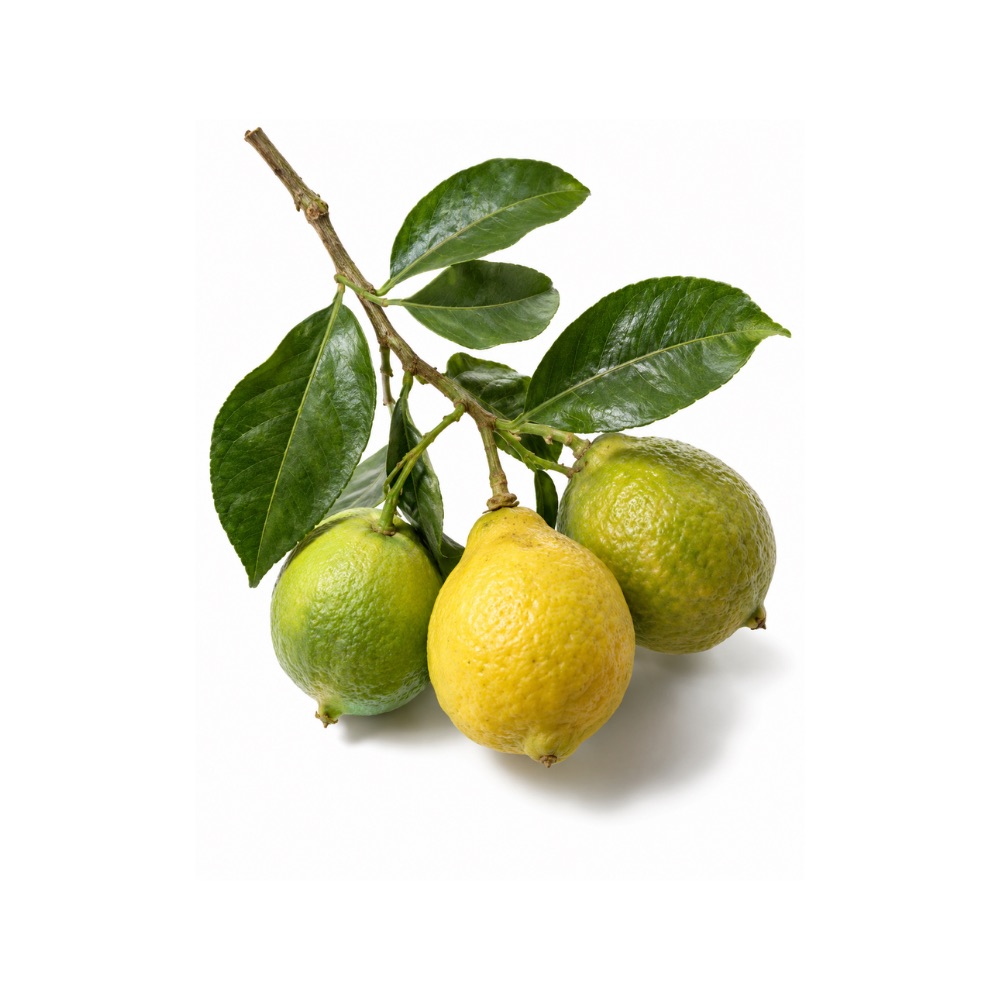
Bergamot
Citrus bergamia
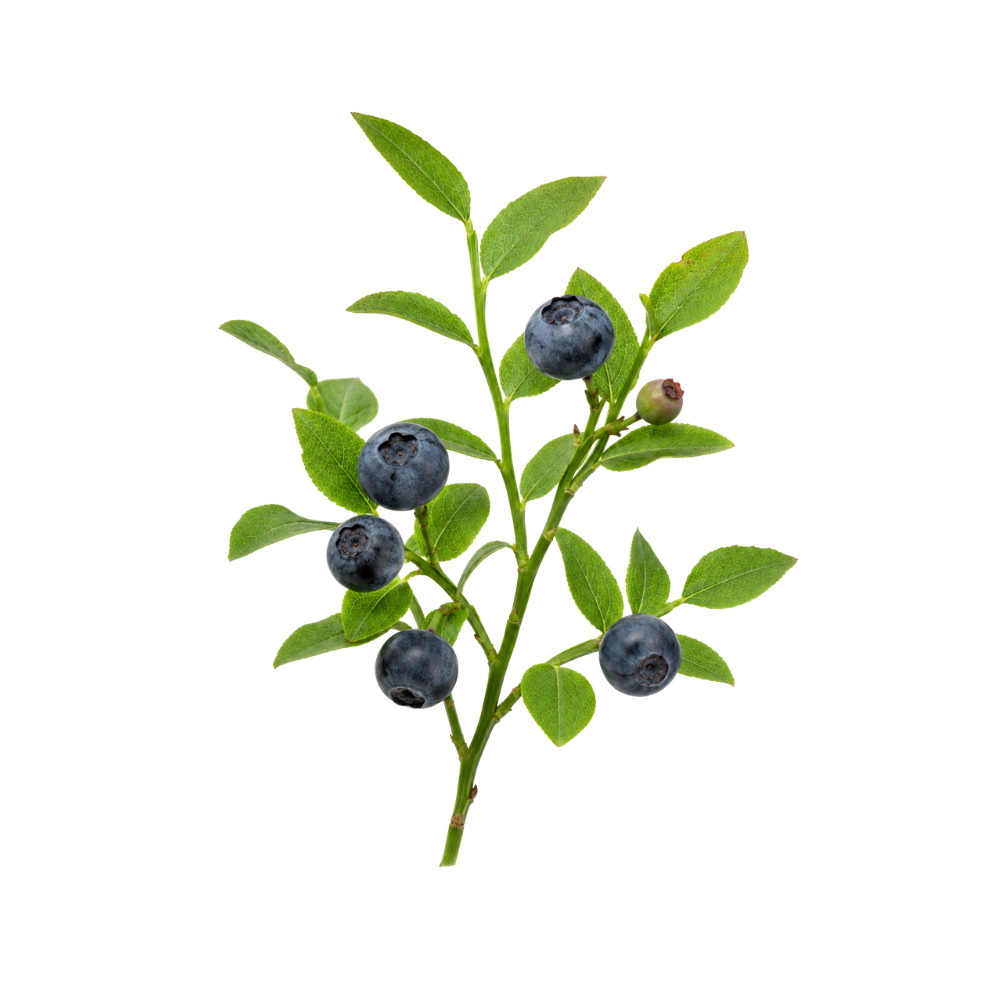
Bilberry
Vaccinium myrtillus
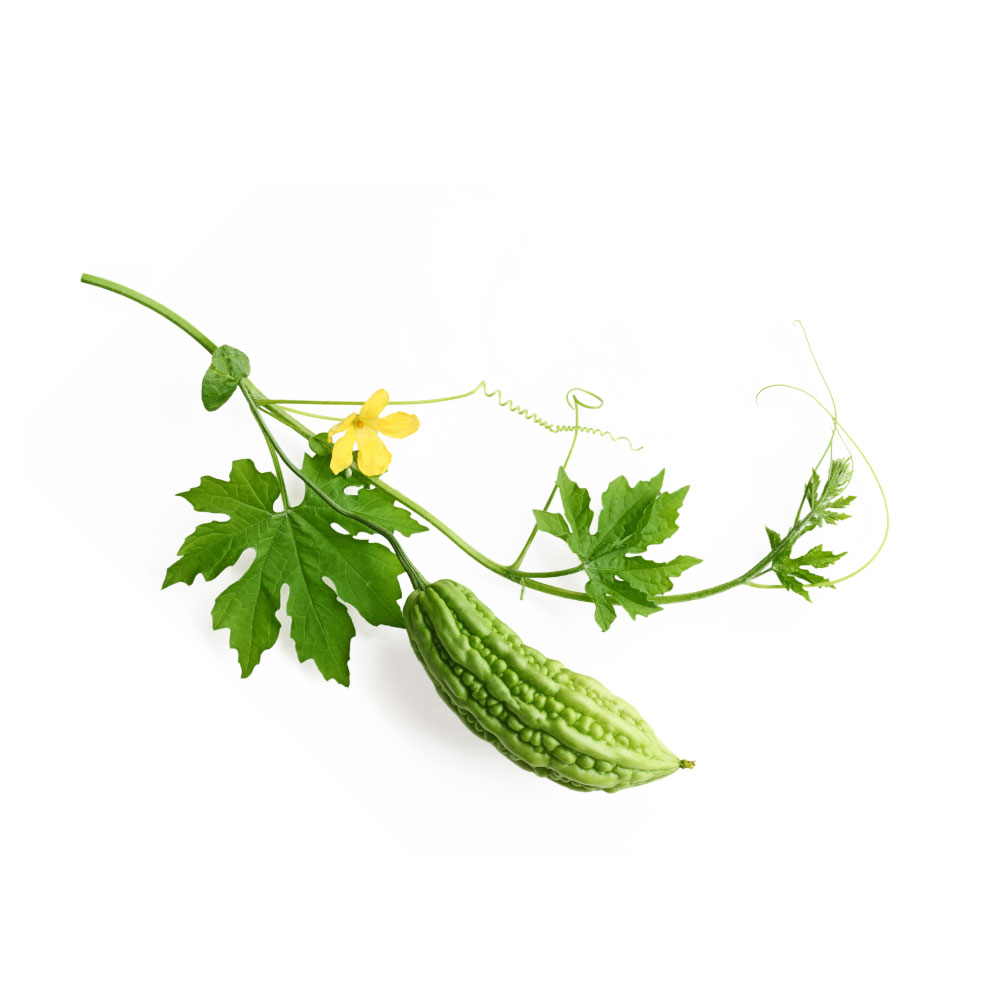
Bitter Melon
Momordica charantia
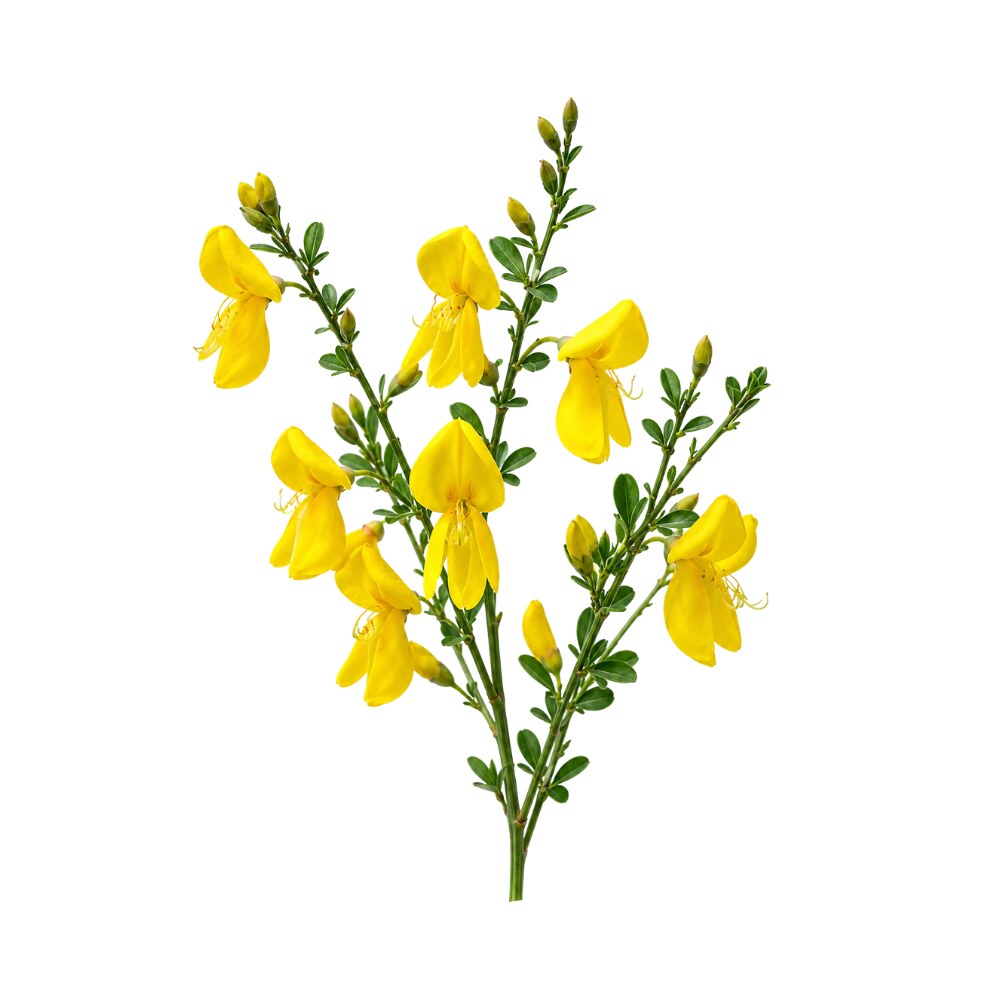
Broom
Cytisus scoparius
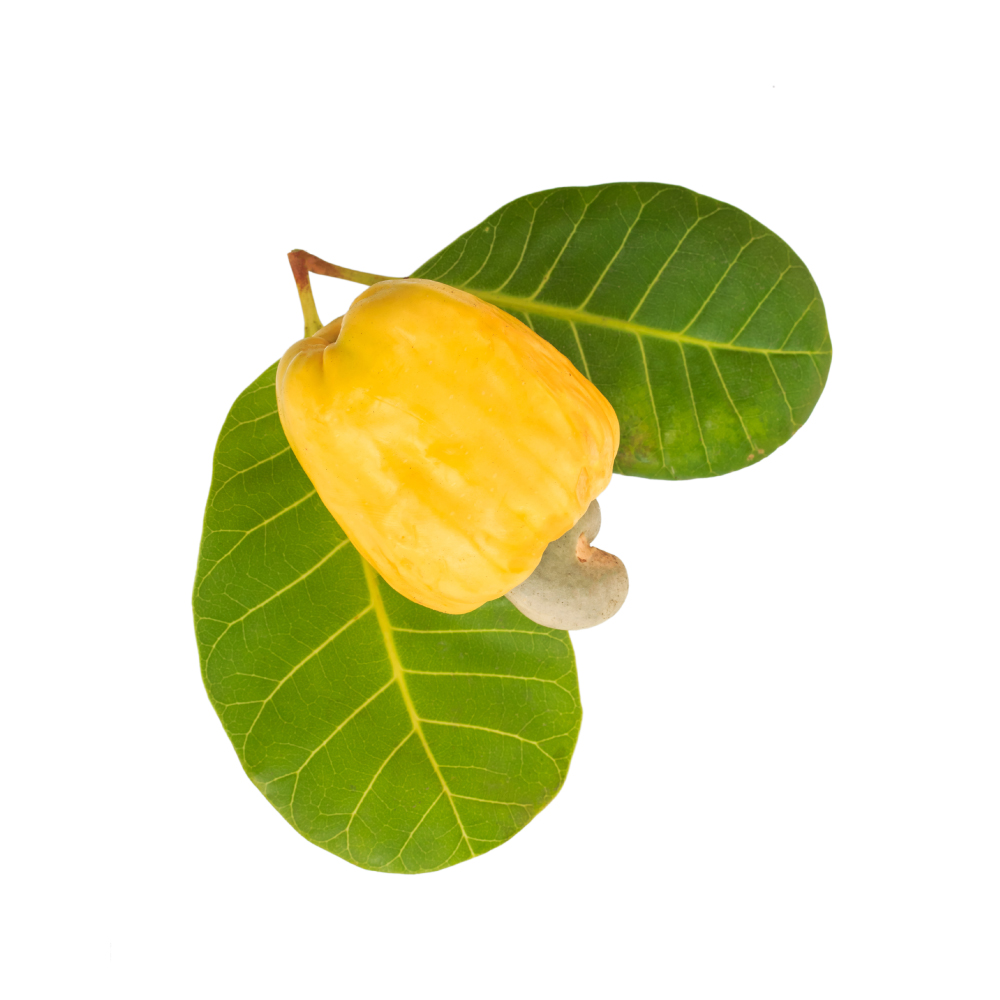
Cashew
Anacardium occidentale

Cayenne
Capsicum annuum
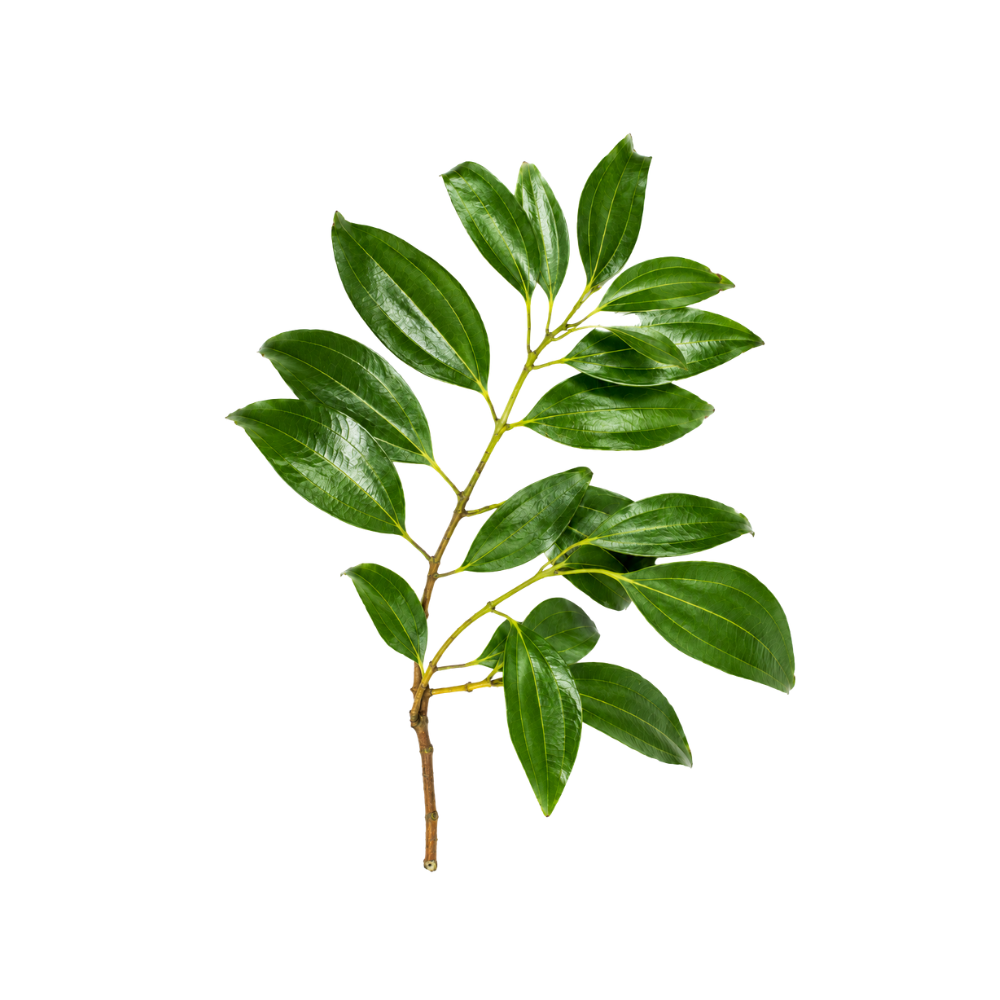
Ceylon Cinnamon
Cinnamomum verum
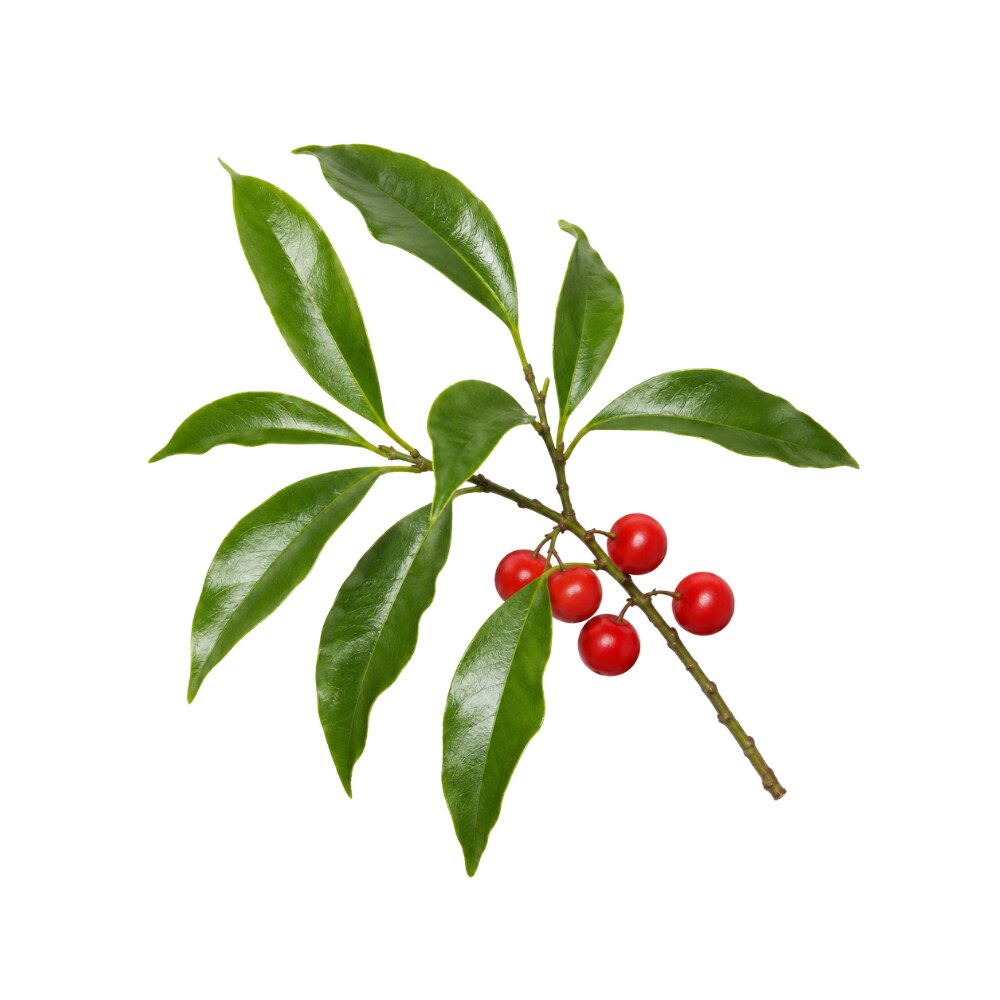
Chá de Bugre
Cordia salicifolia
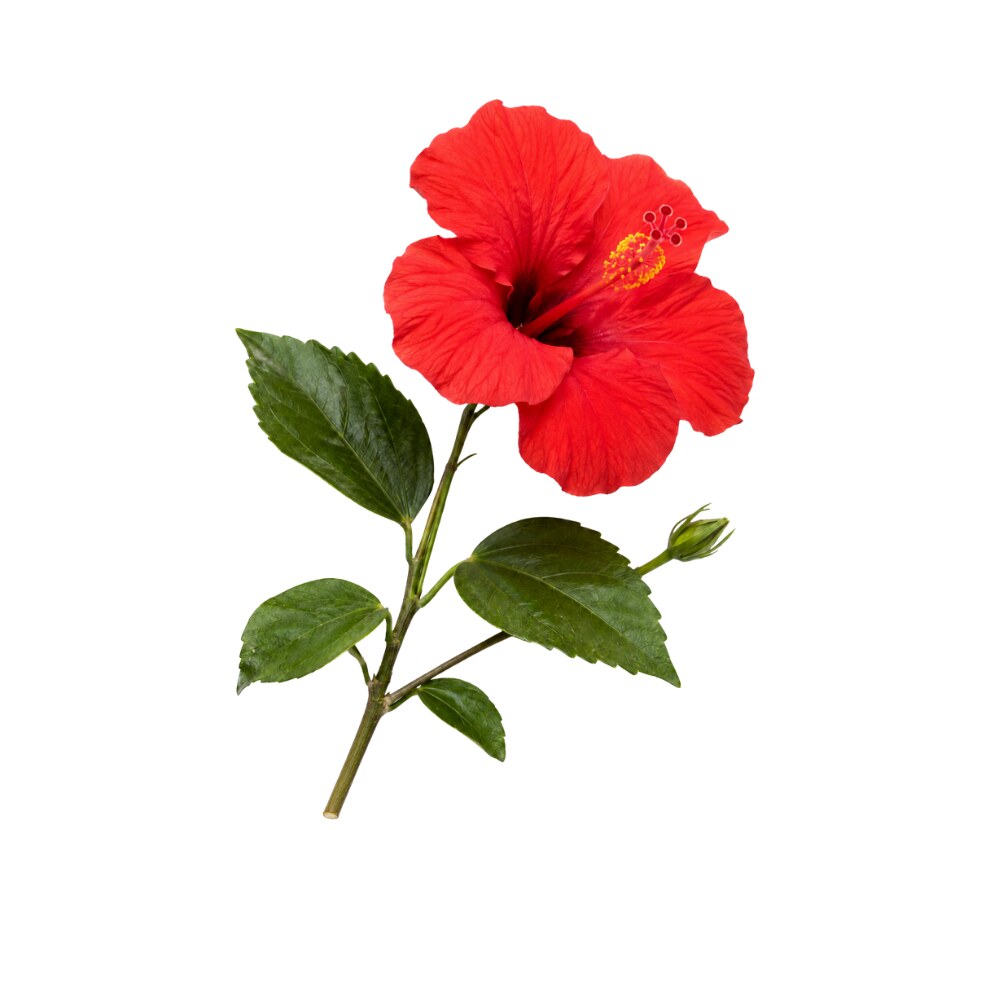
Chinese Hibiscus
Hibiscus rosa-sinensis
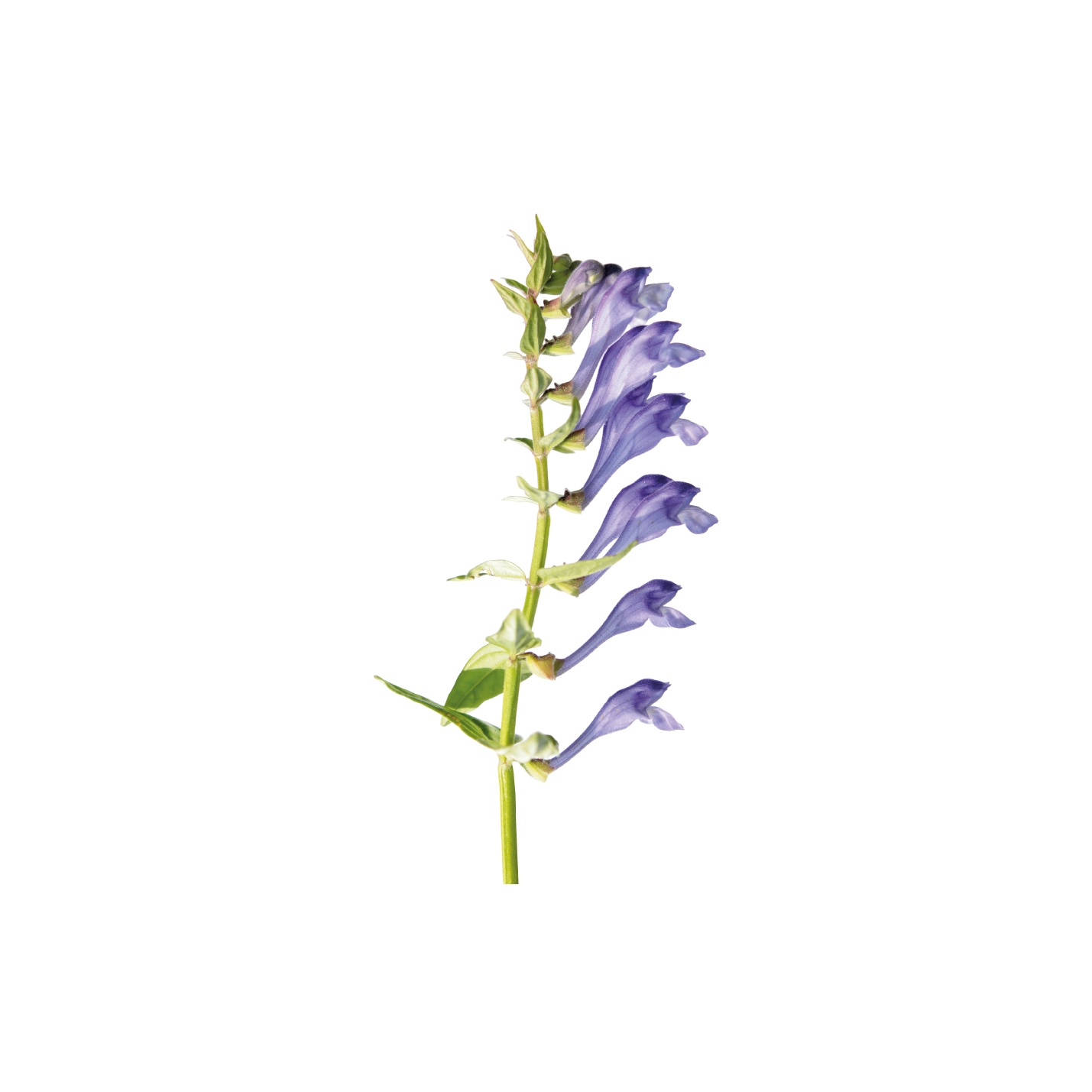
Chinese Skullcap
Scutellaria baicalensis
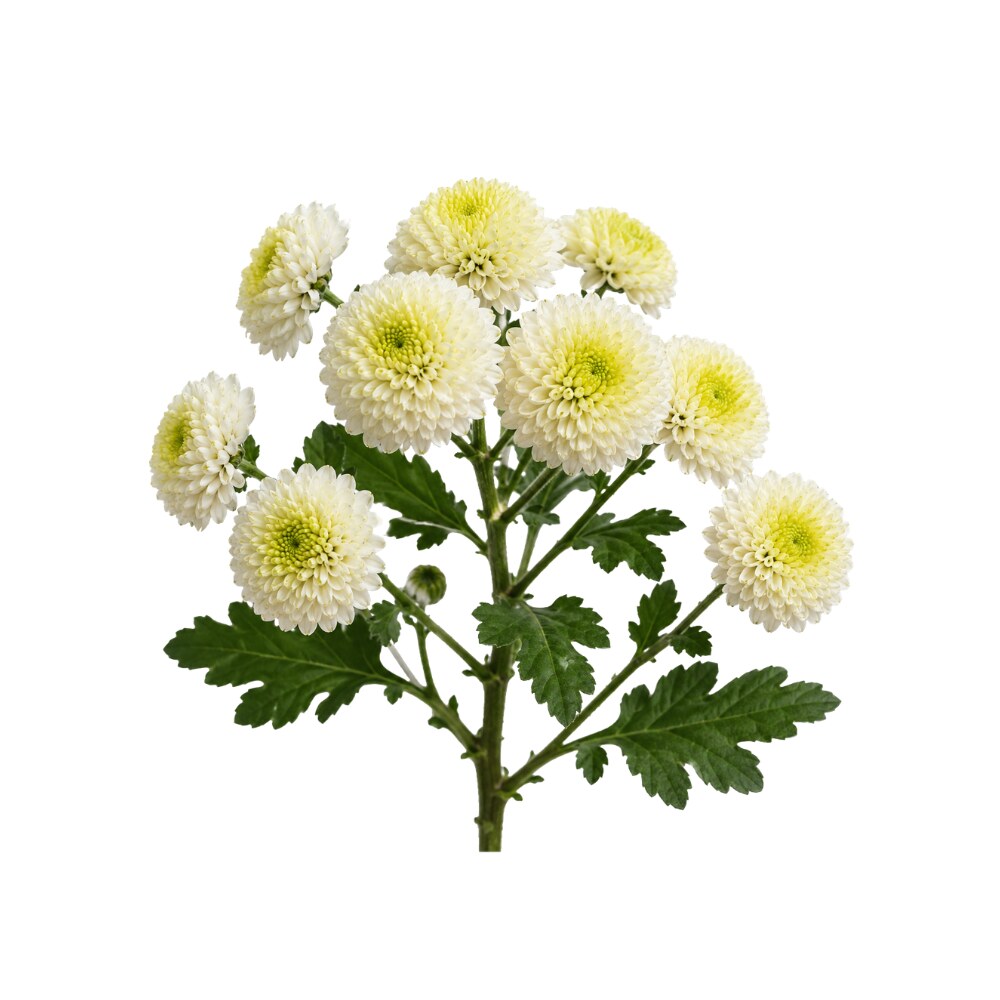
Chrysanthemum
Chrysanthemum morifolium
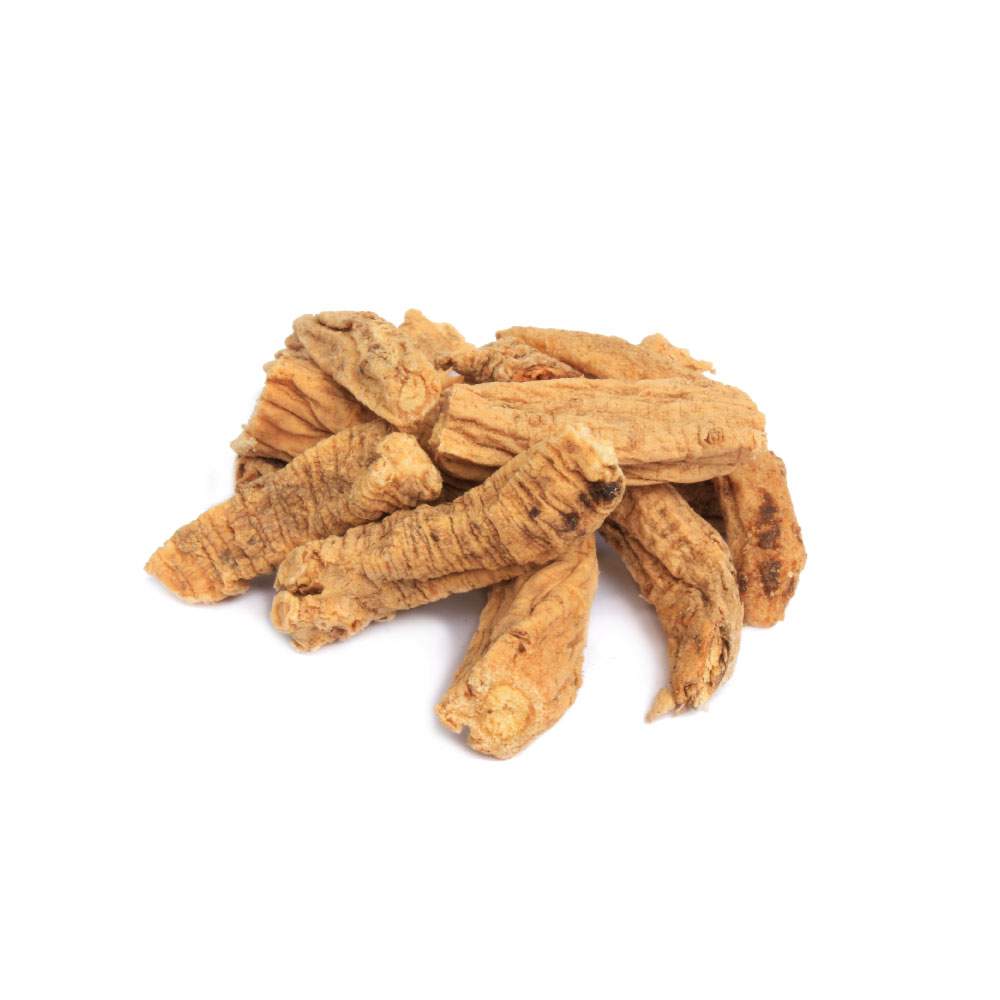
Codonopsis
Codonopsis pilosula
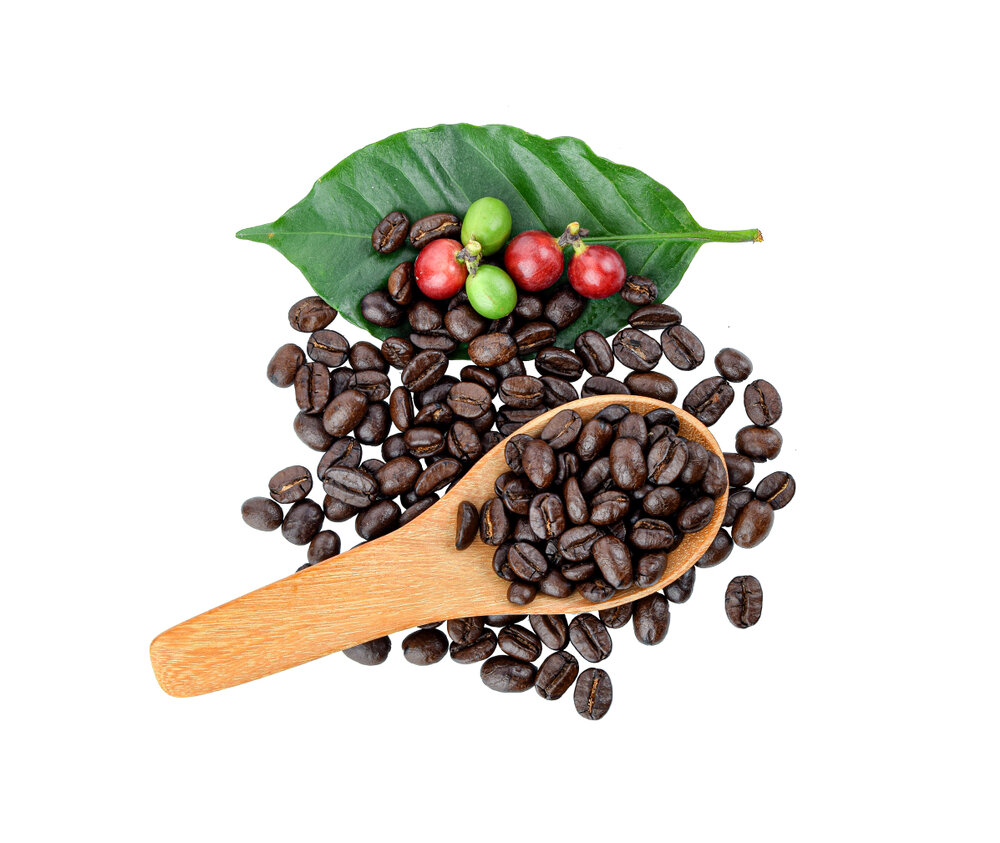
Coffee
Coffea arabica
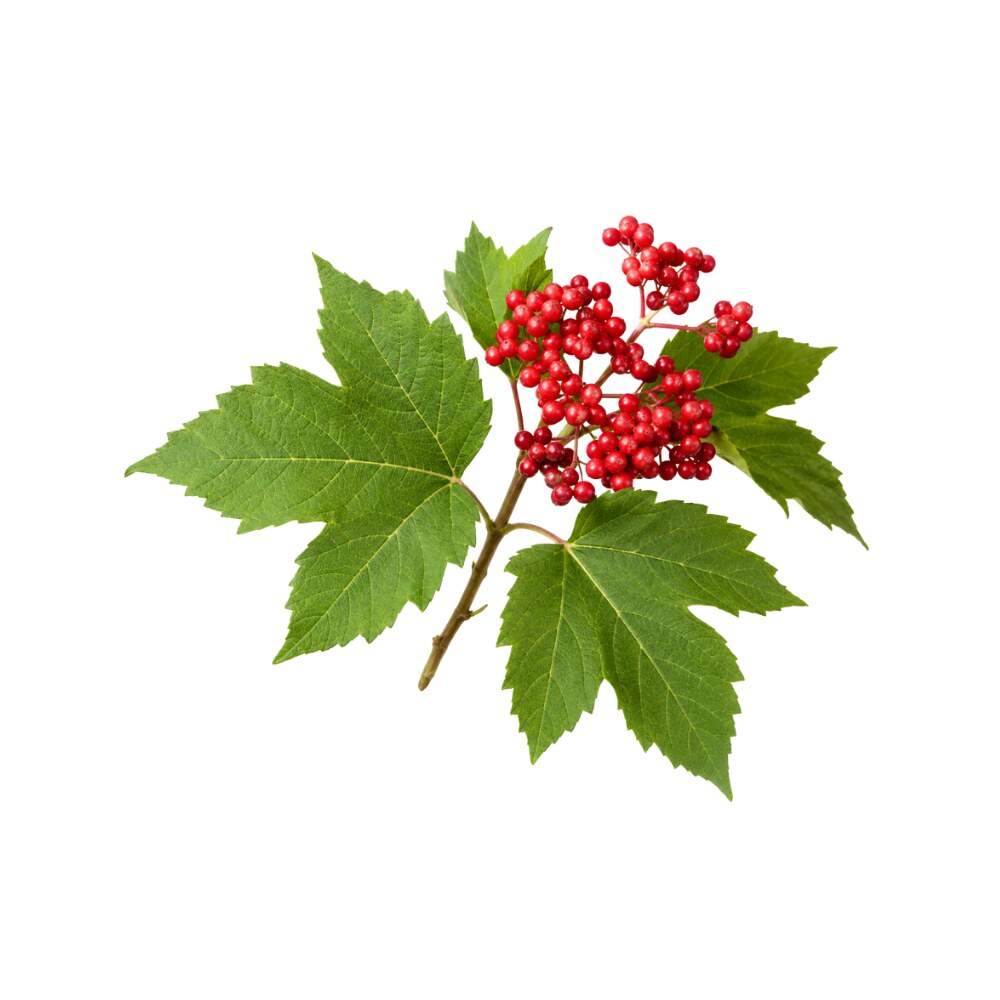
Cramp Bark
Viburnum opulus
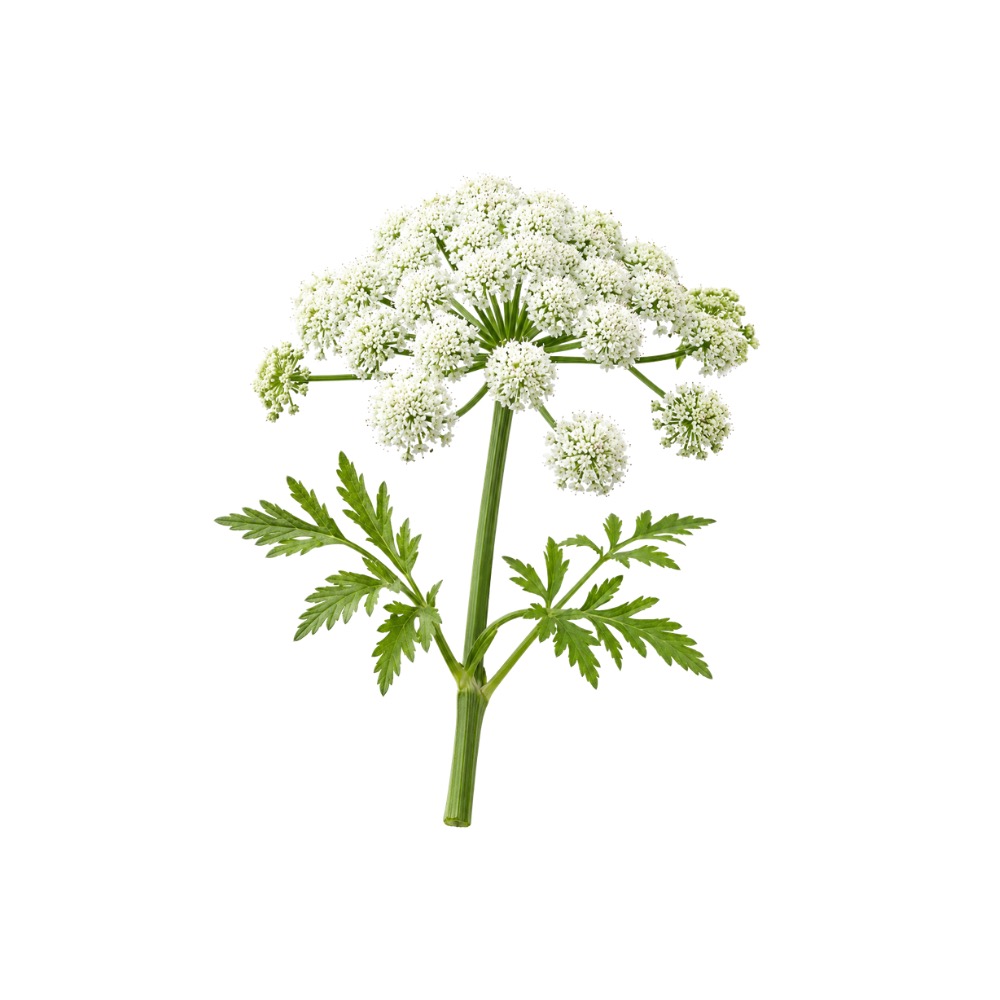
Dong Quai
Angelica sinensis
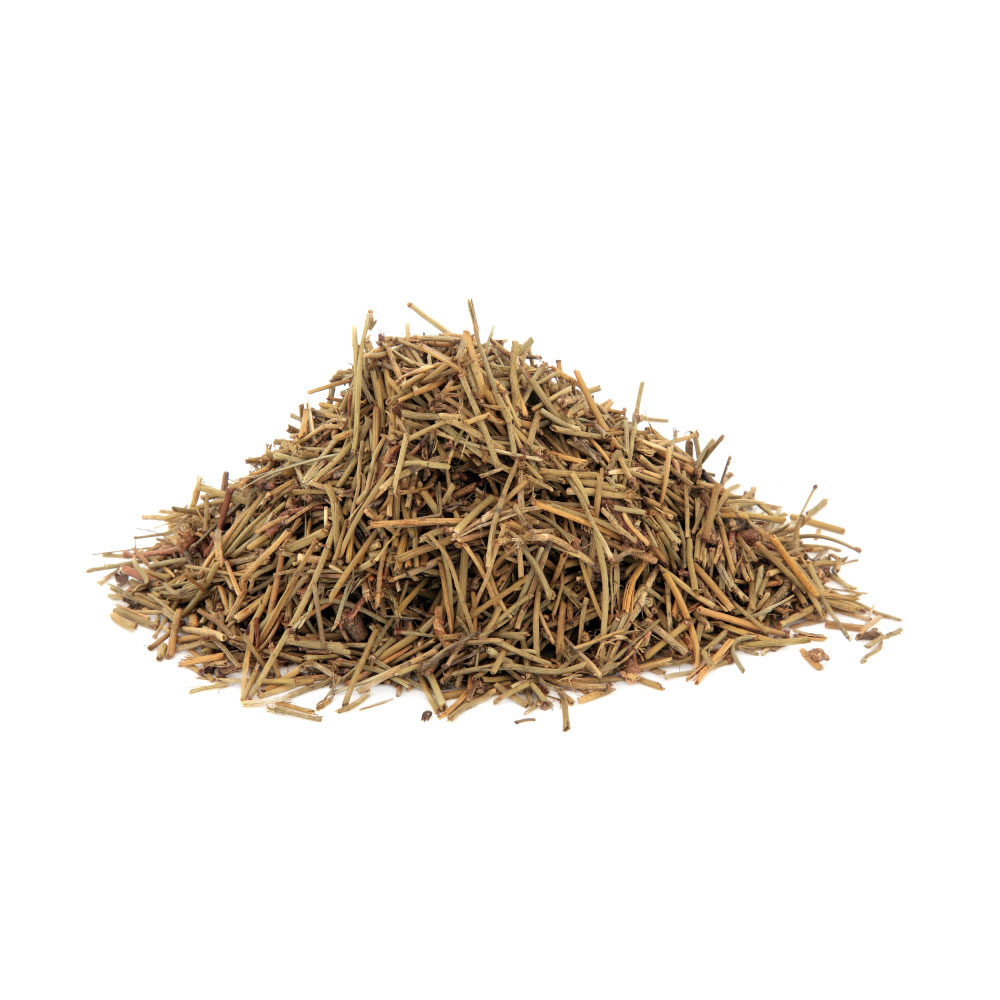
Ephedra
Ephedra sinica
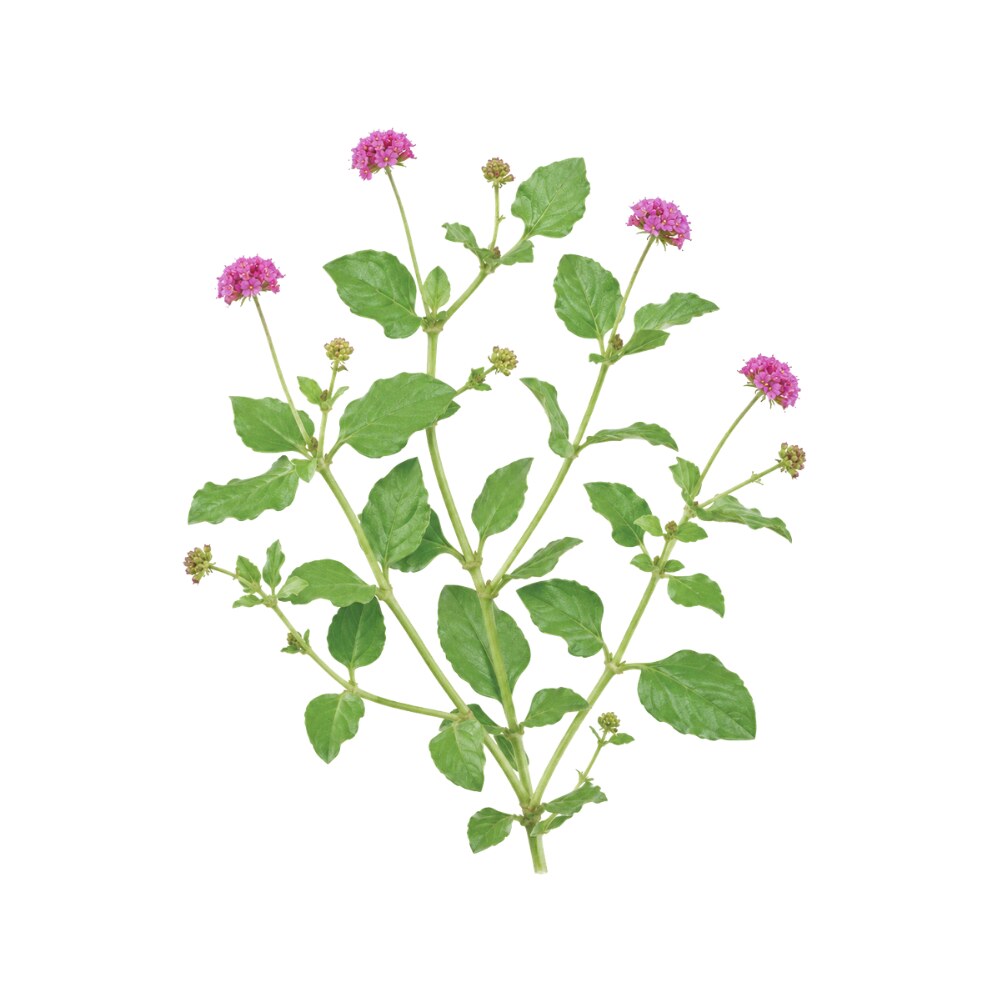
Erva Tostão
Boerhavia diffusa
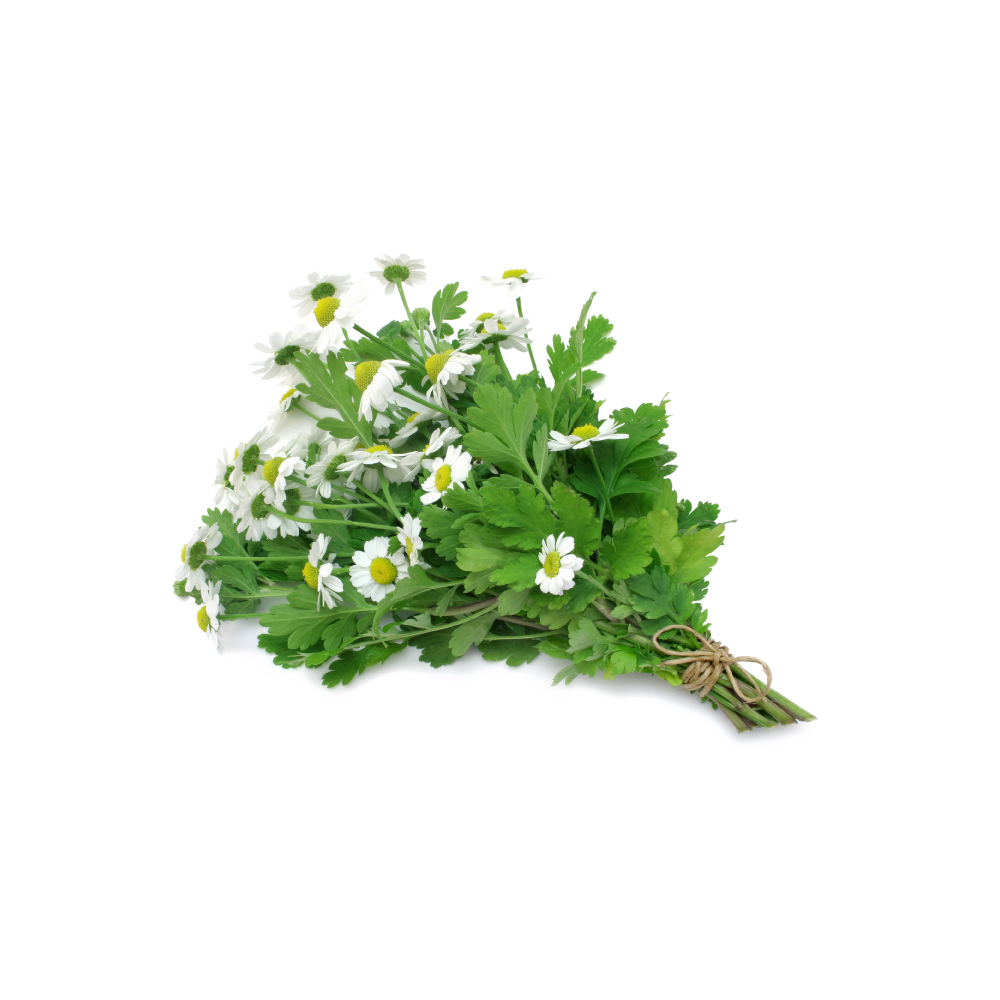
Feverfew
Tanacetum parthenium
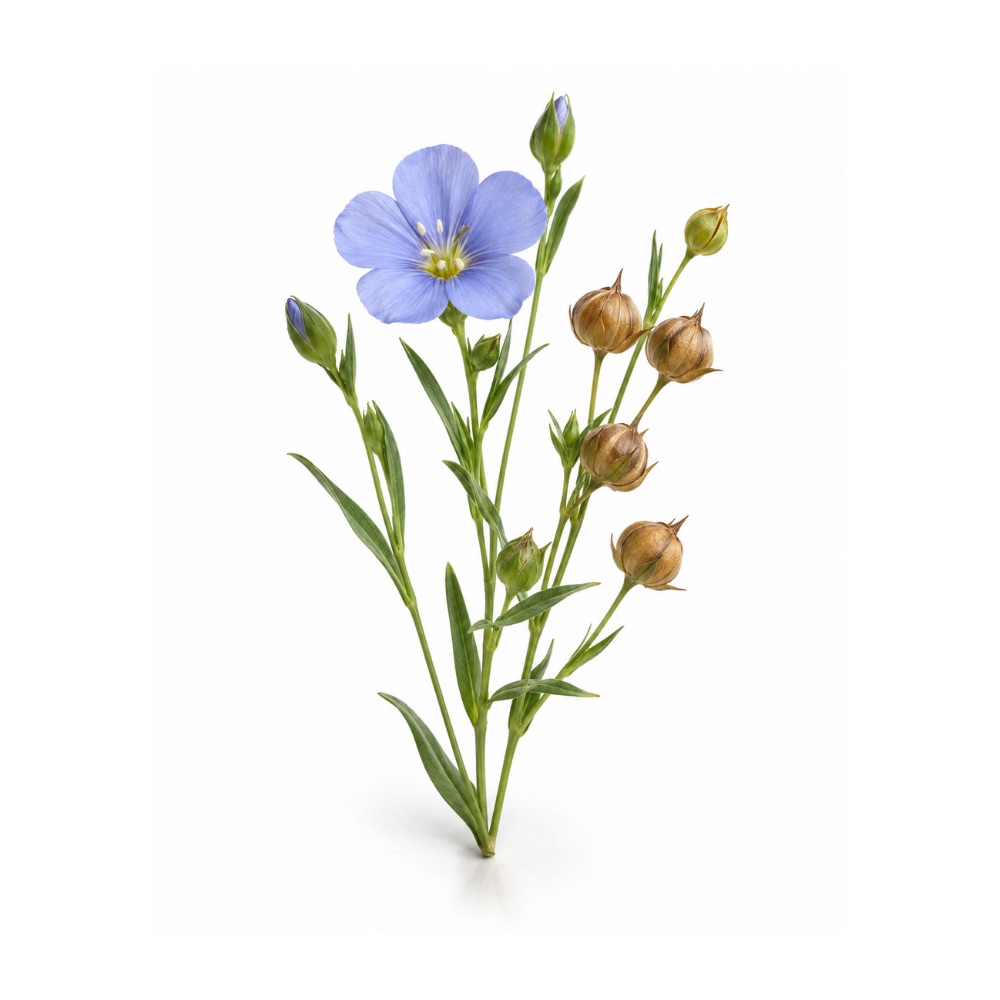
Flaxseed
Linum usitatissimum
Ginger
Zingiber officinale
Graviola
Annona muricata
Guamura
Cecropia obtusifolia
Guarana
Paullinia cupana
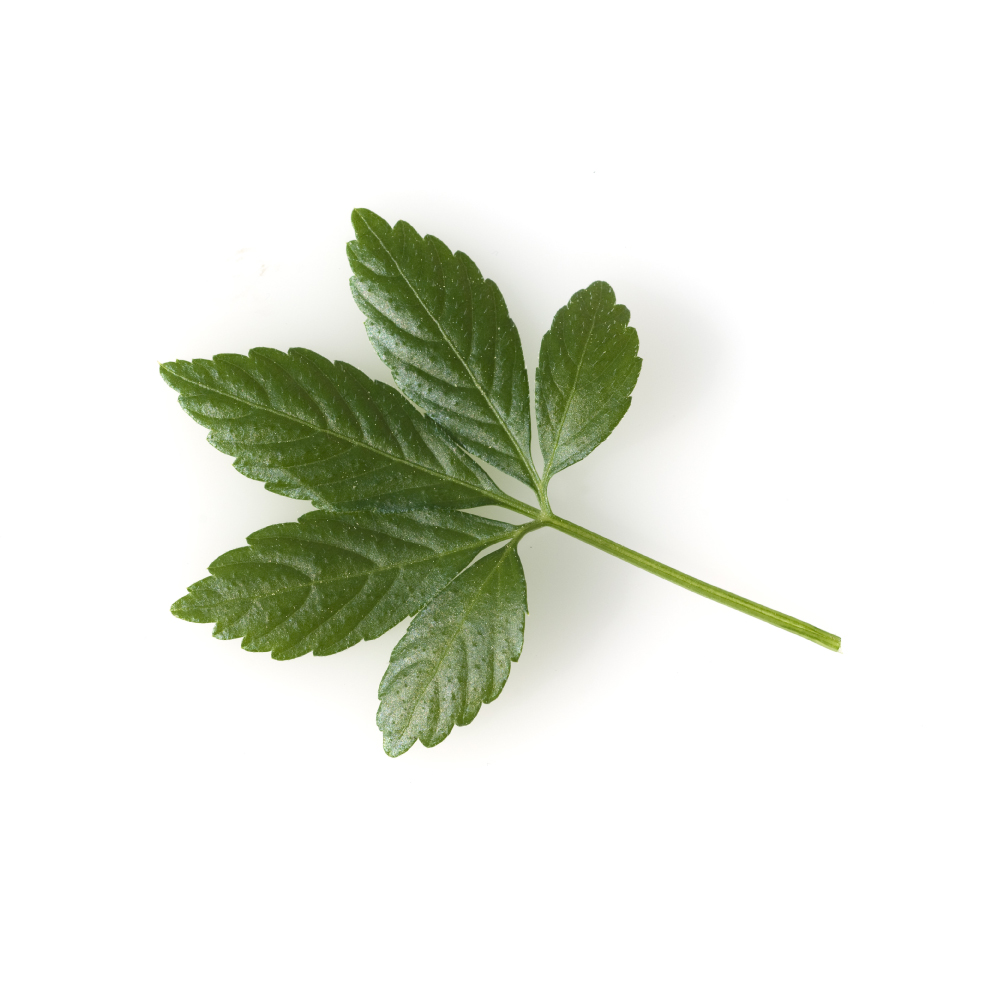
Gynostemma
Gynostemma pentaphyllum
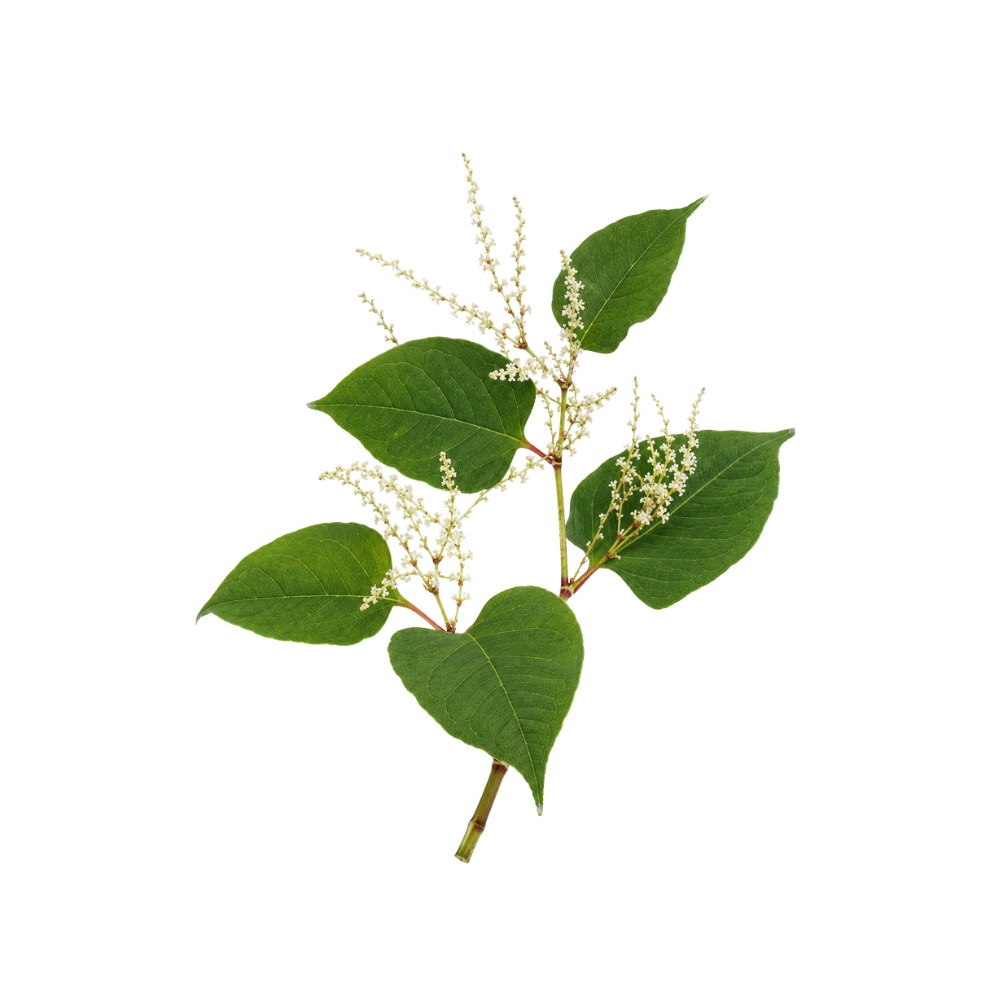
Japanese Knotweed
Reynoutria japonica

Lesser Periwinkle
Vinca minor
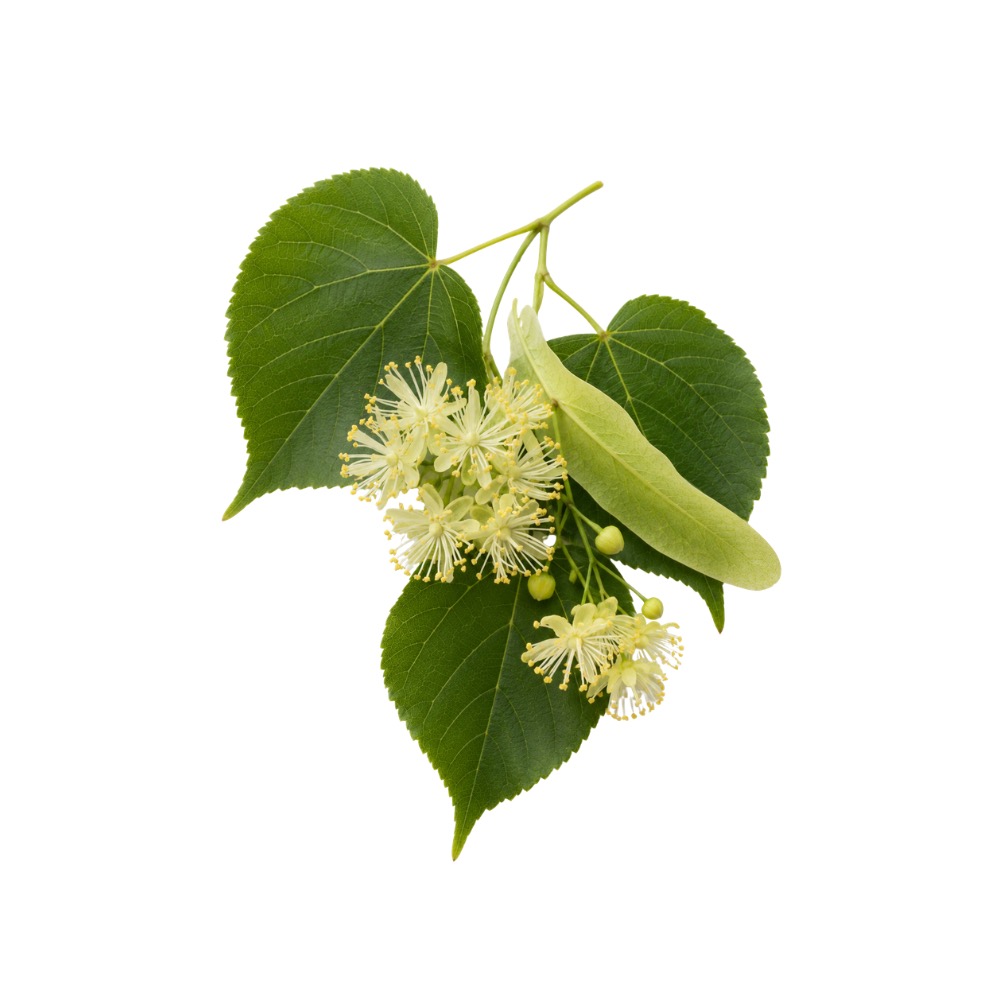
Linden Flower
Tilia spp.
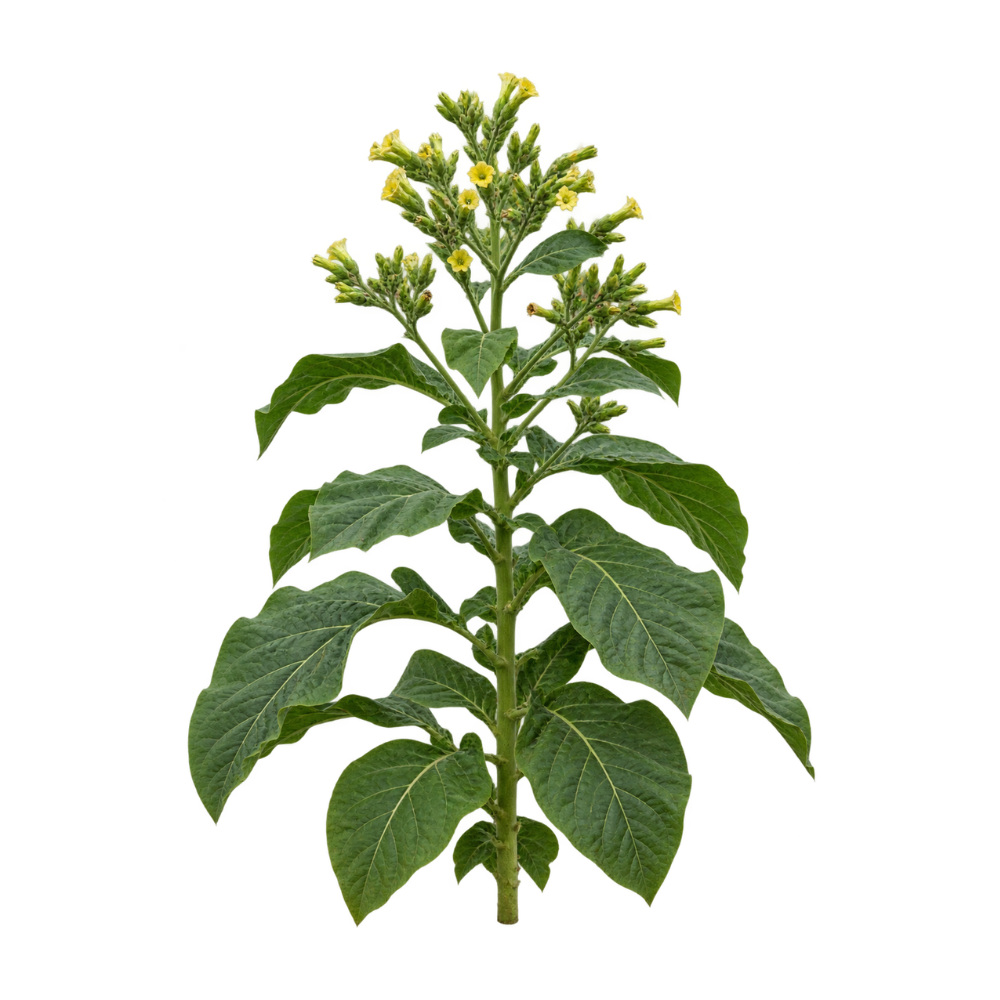
Mapacho
Nicotiana rustica
Maritime Pine
Pinus pinaster
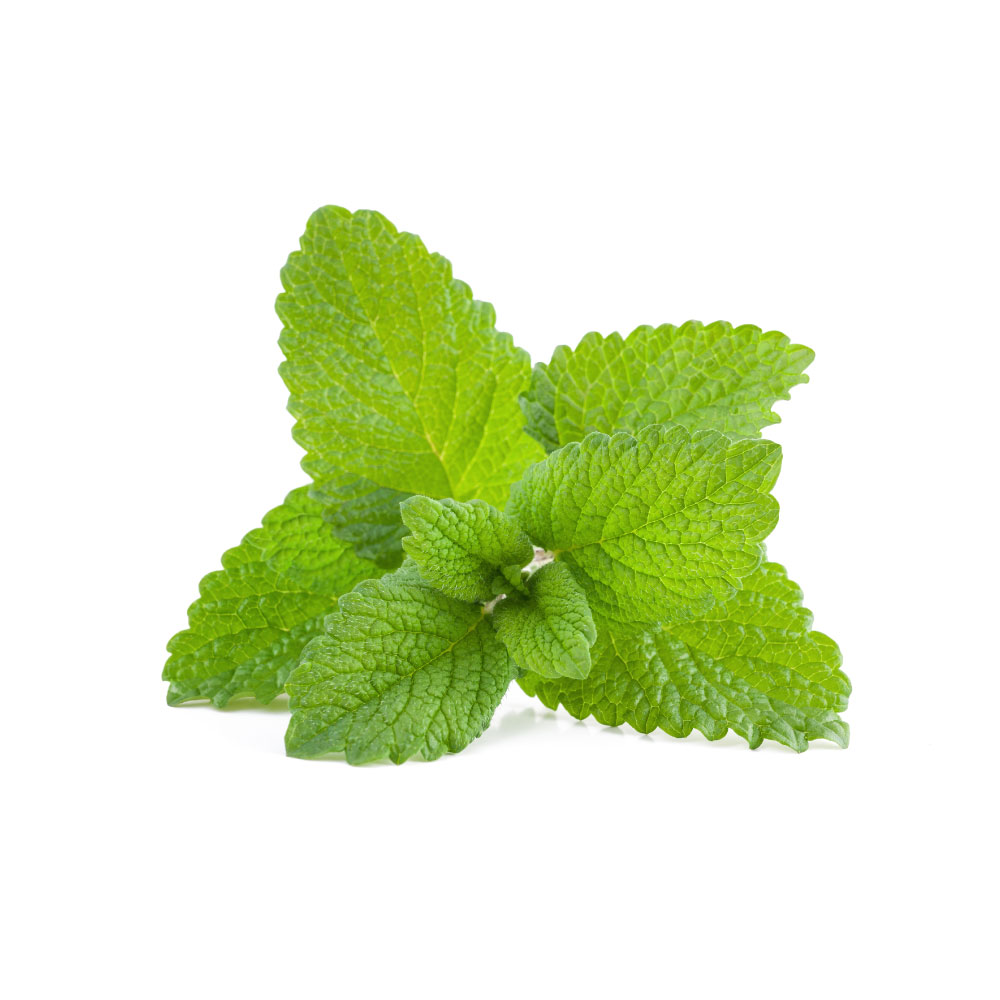
Melissa
Melissa officinalis
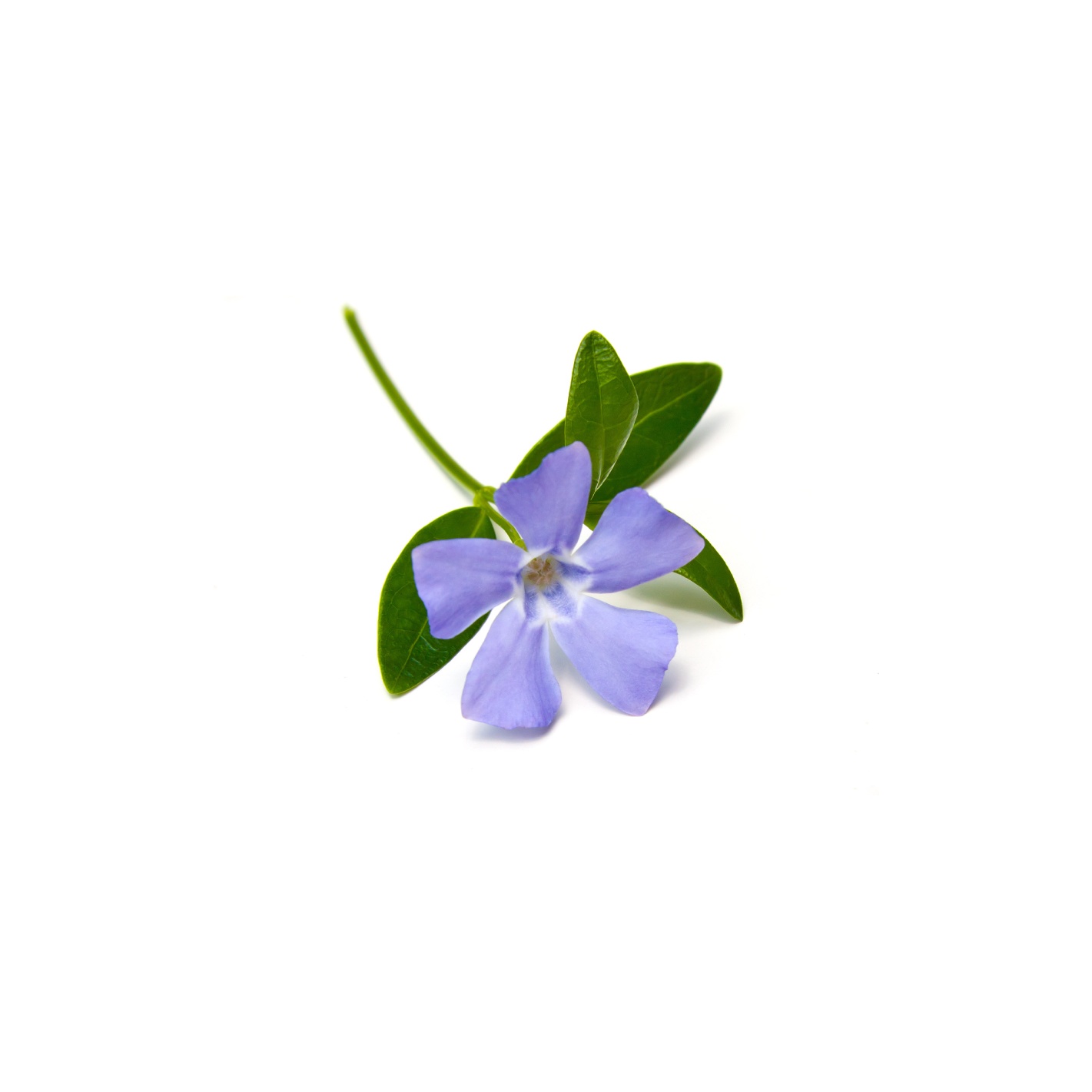
Periwinkle
Vinca major
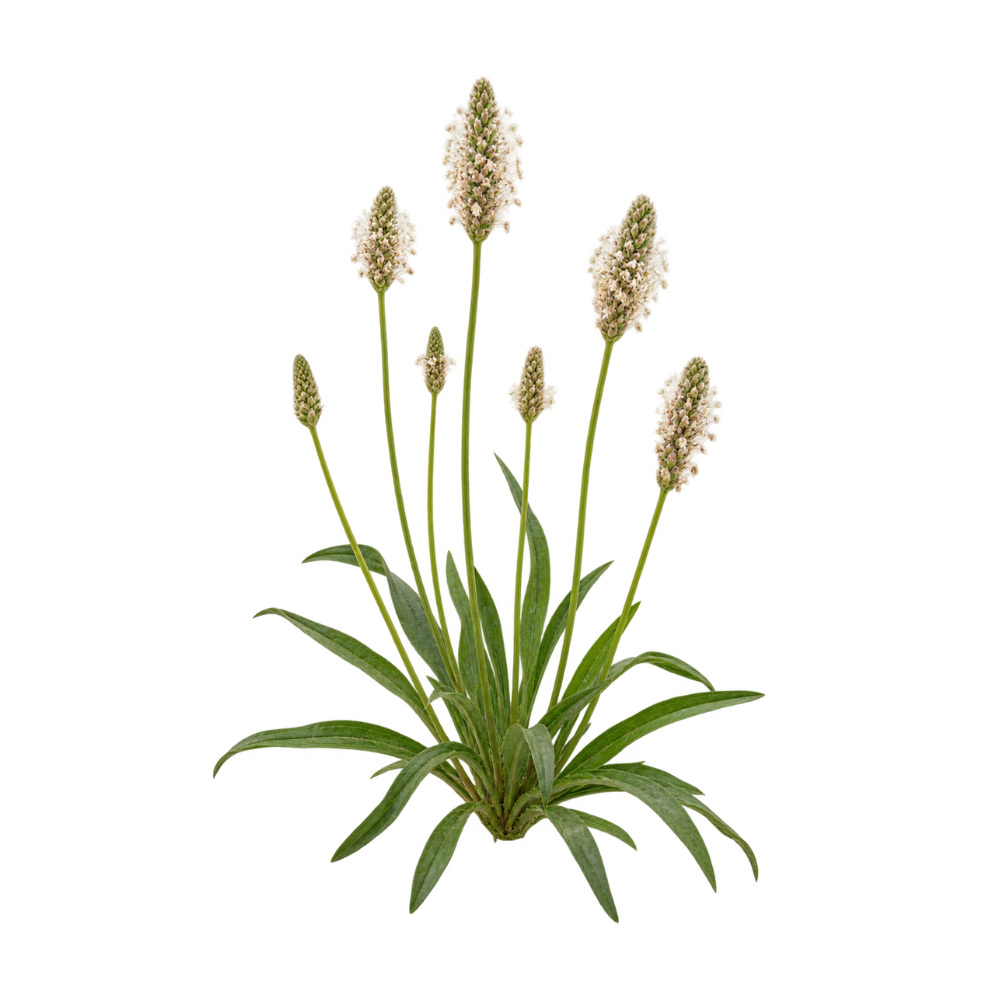
Psyllium
Plantago ovata
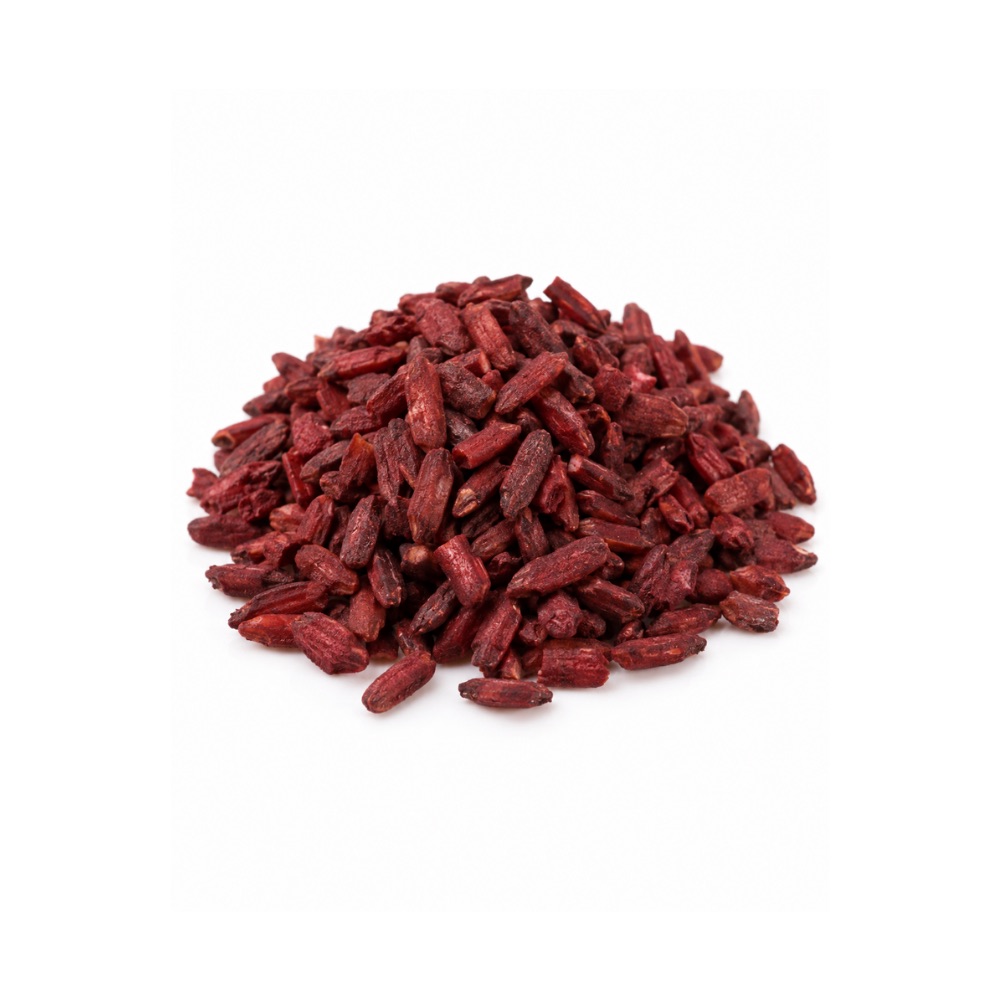
Red Yeast Rice
Monascus purpureus
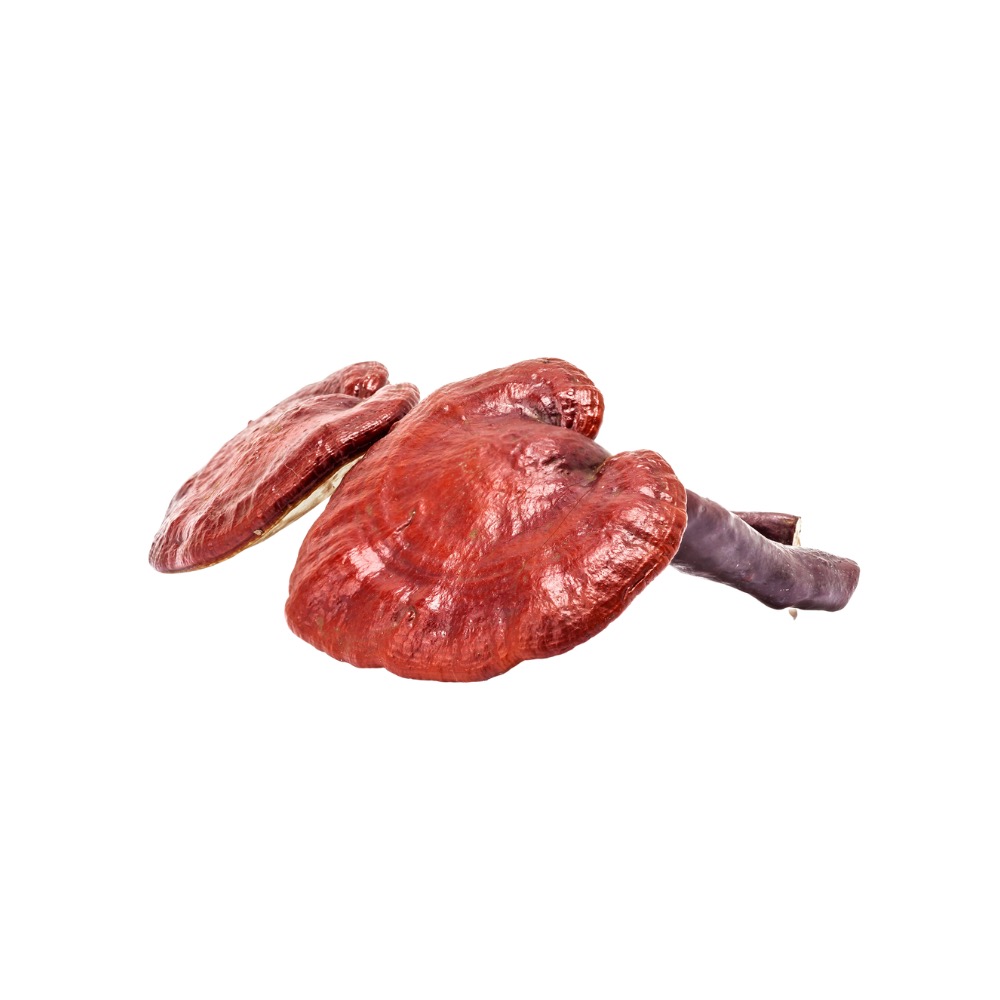
Reishi
Ganoderma lucidum
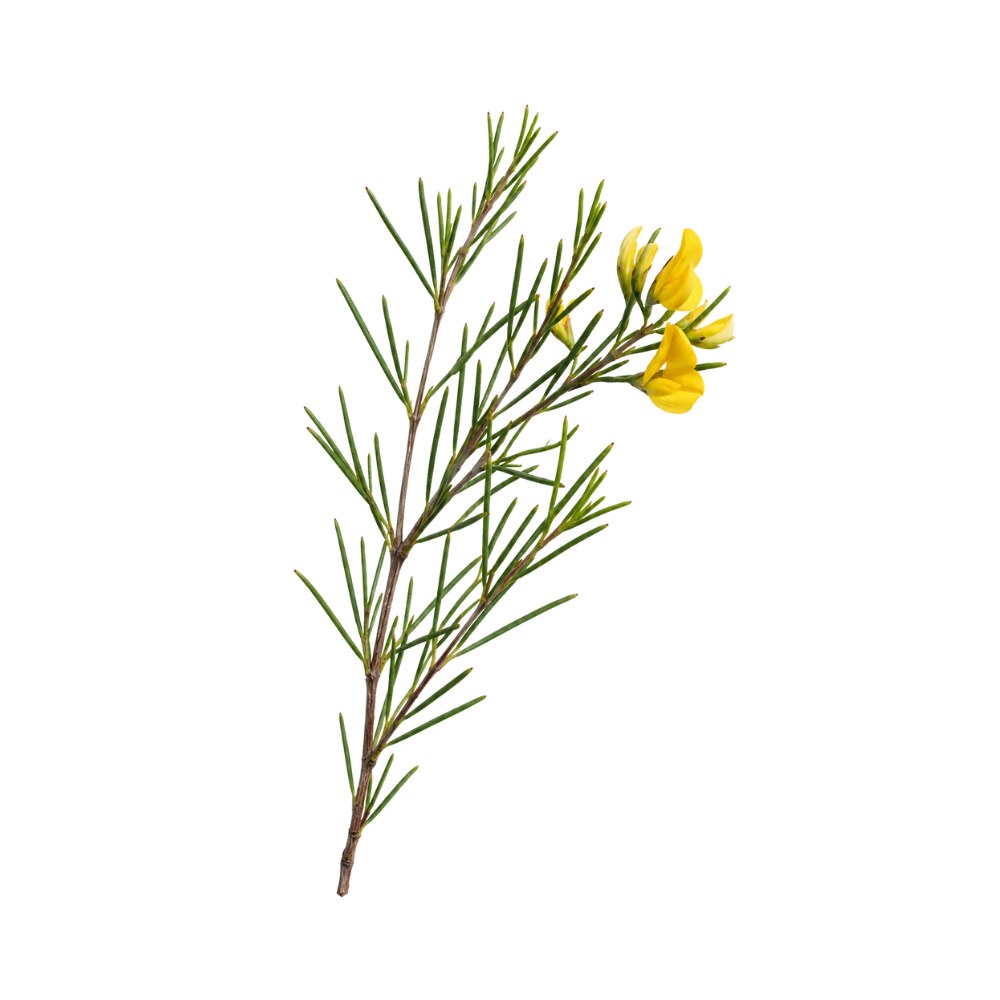
Rooibos
Aspalathus linearis
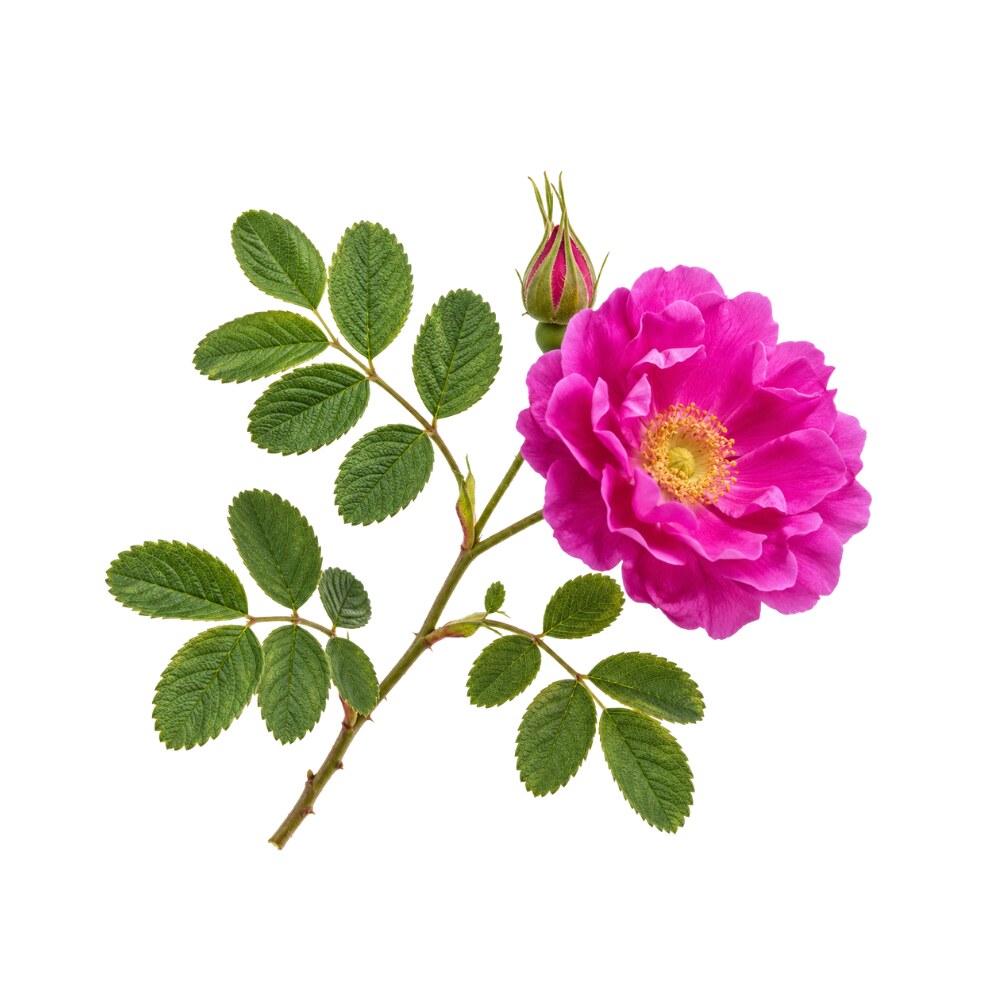
Rose
Rosa spp.
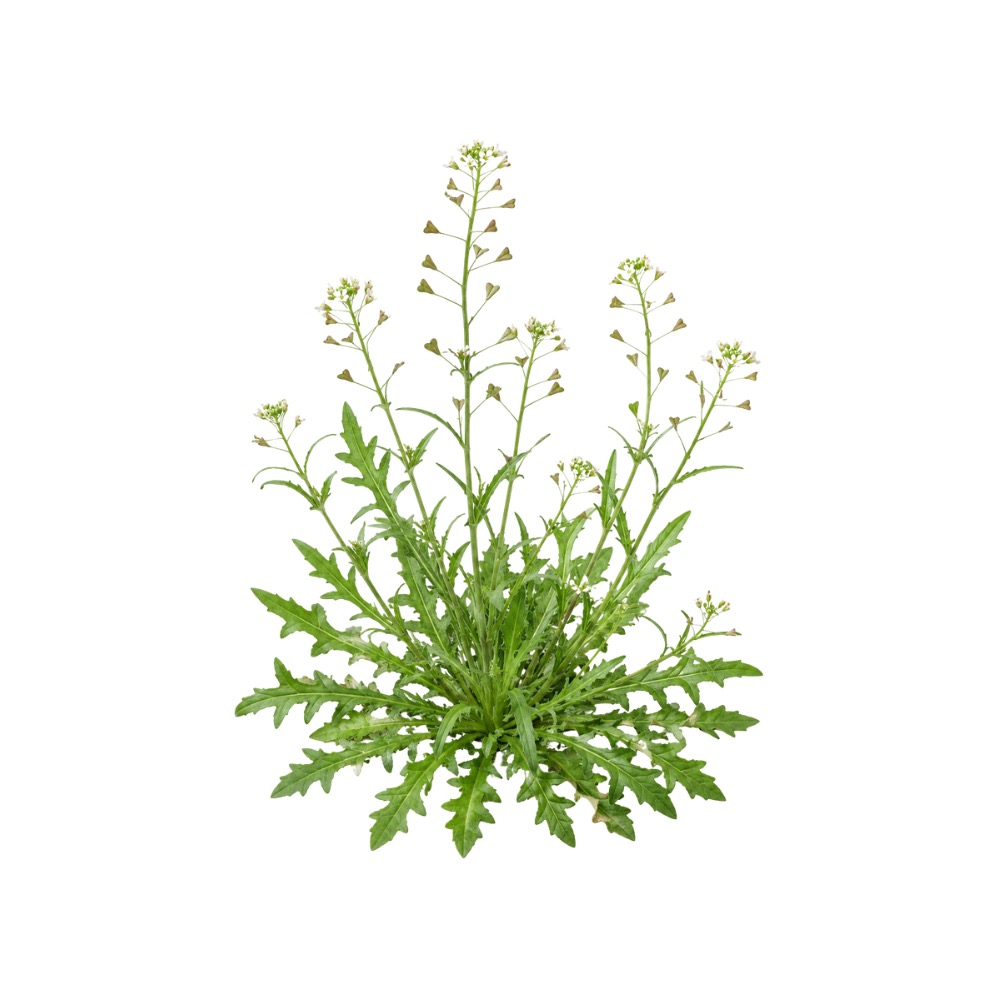
Shepherd's Purse
Capsella bursa-pastoris
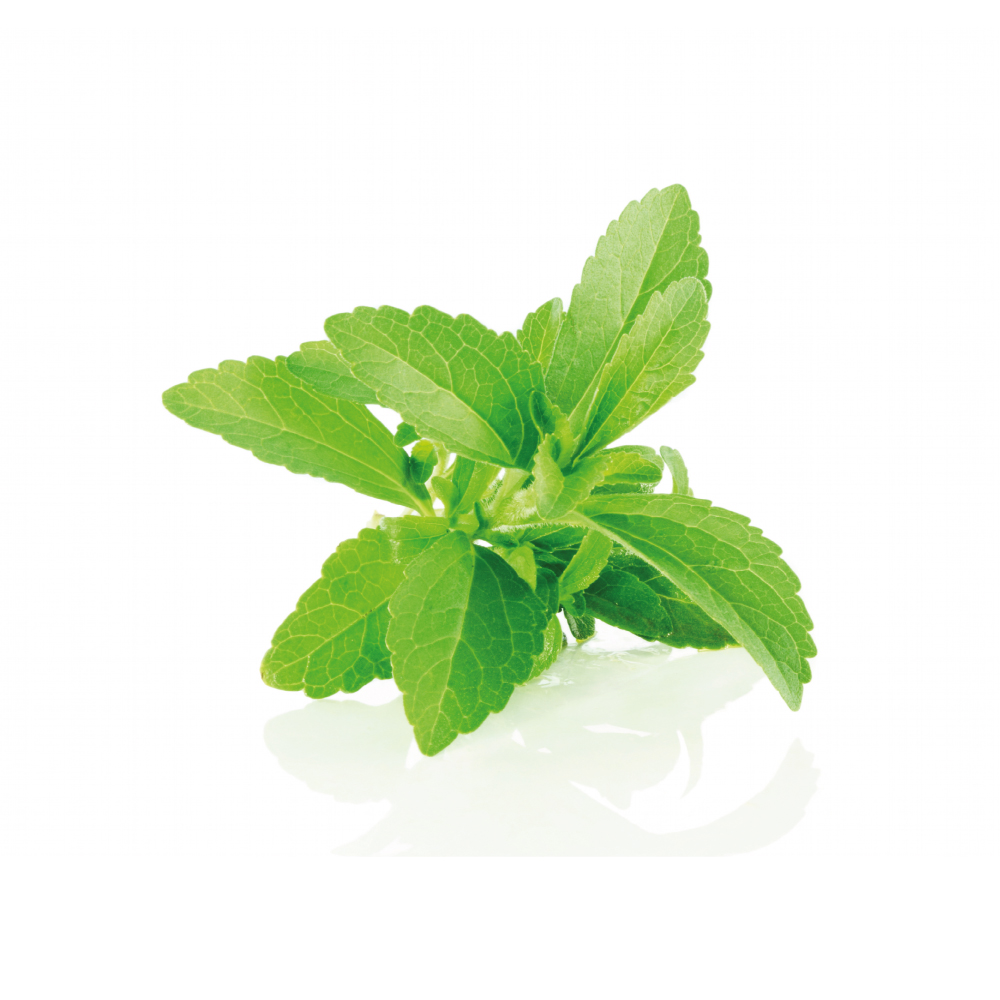
Stevia
Stevia rebaudiana
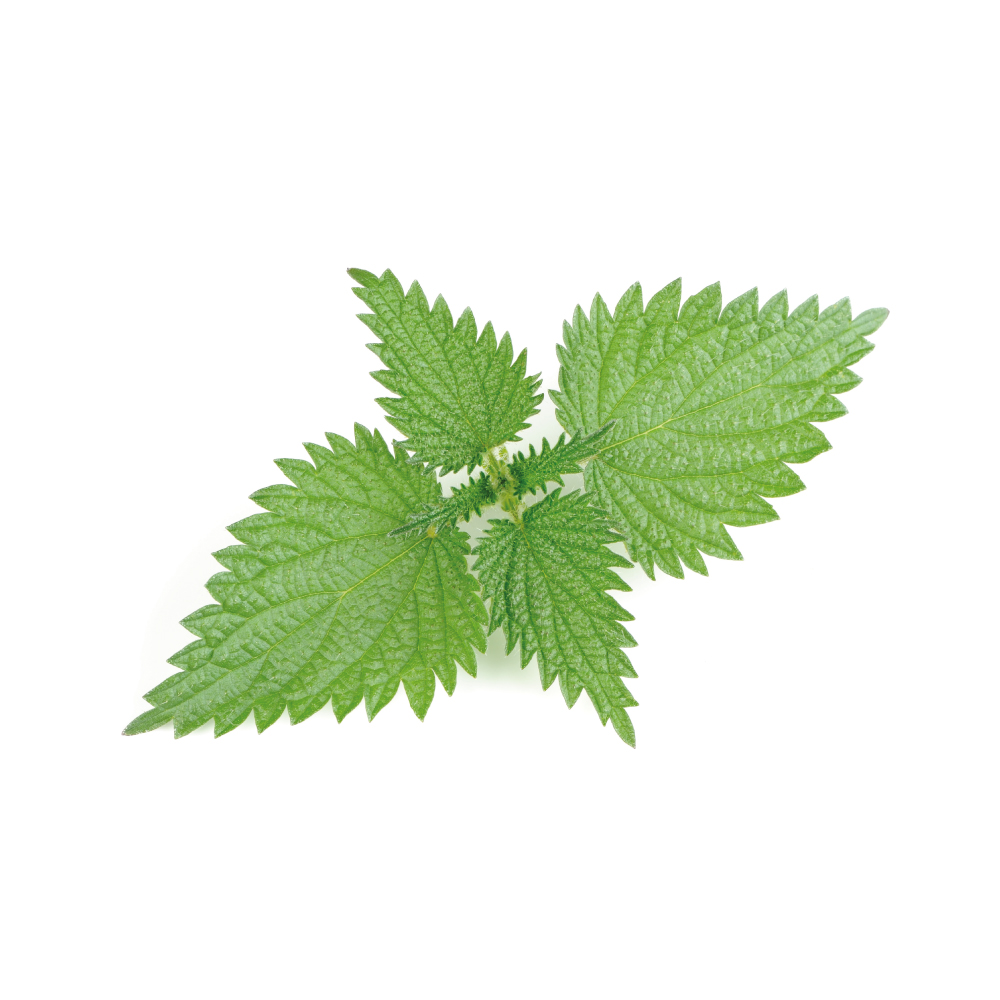
Stinging Nettle
Urtica dioica
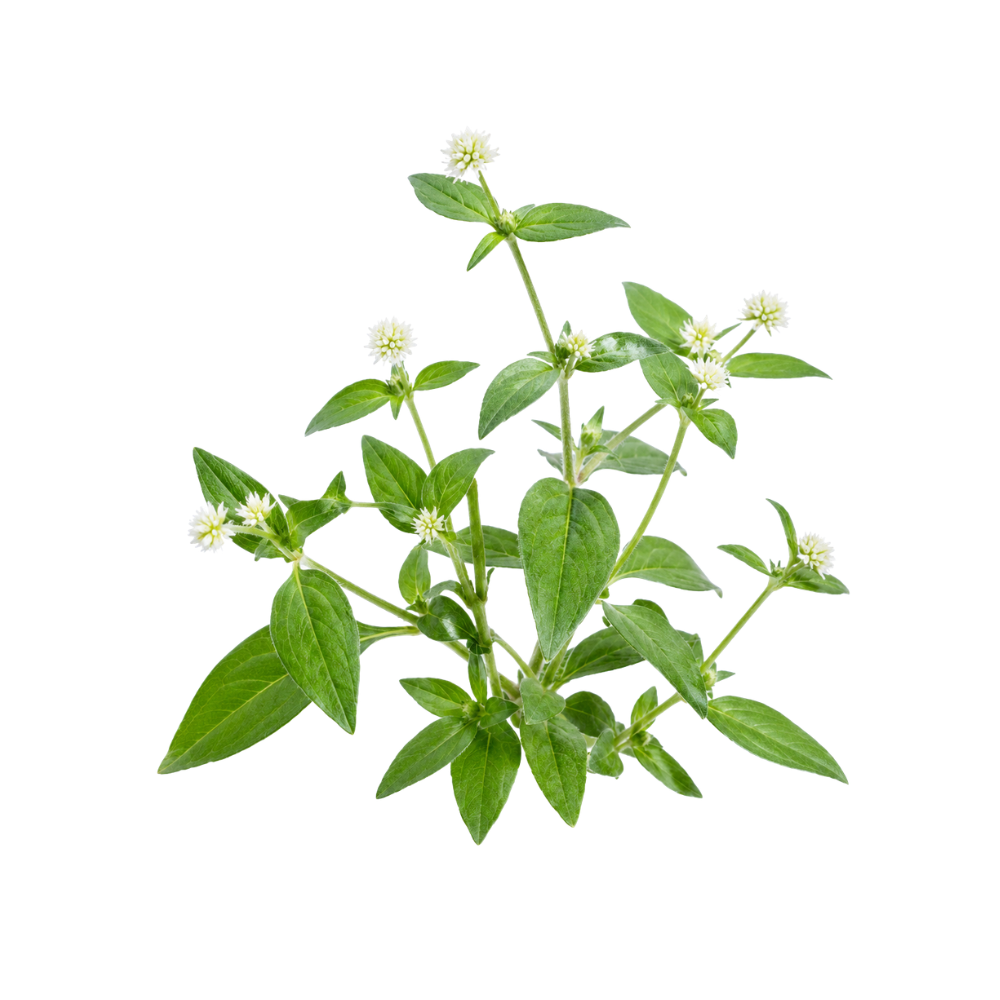
Suma
Pfaffia paniculata
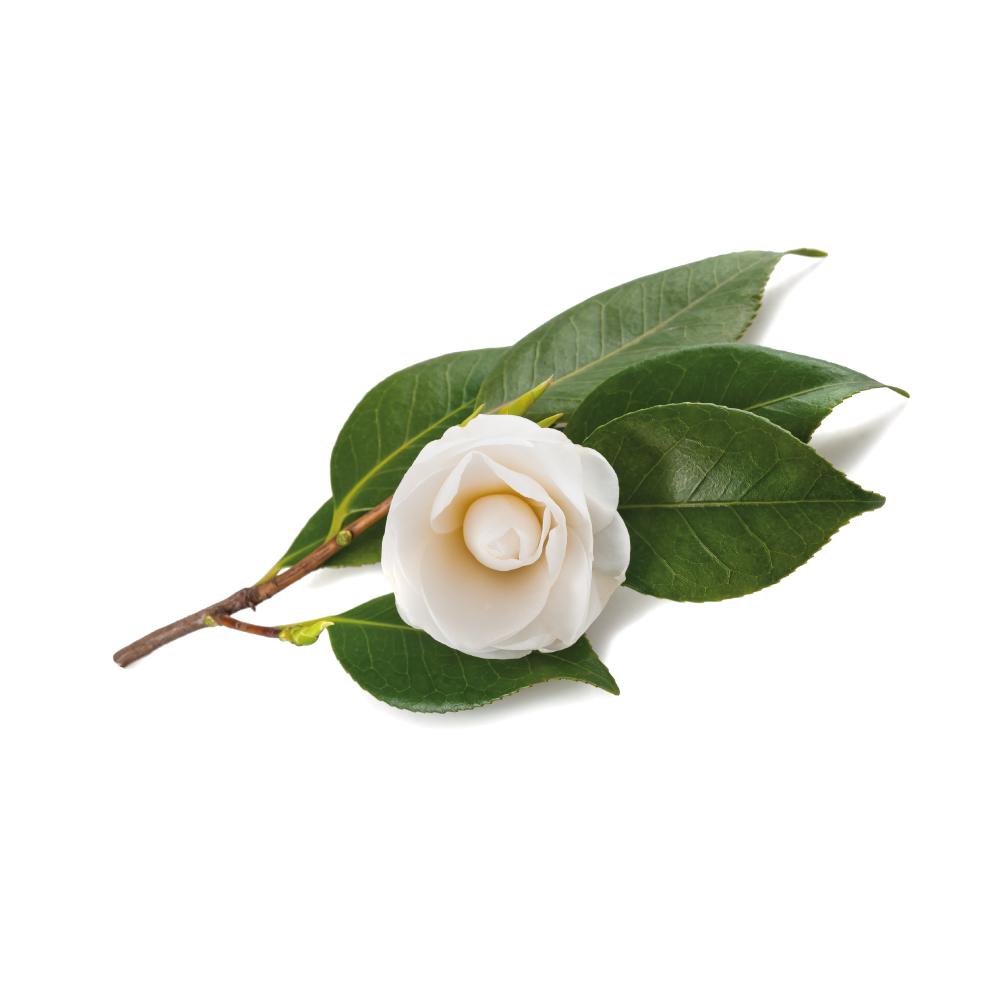
Tea
Camellia sinensis
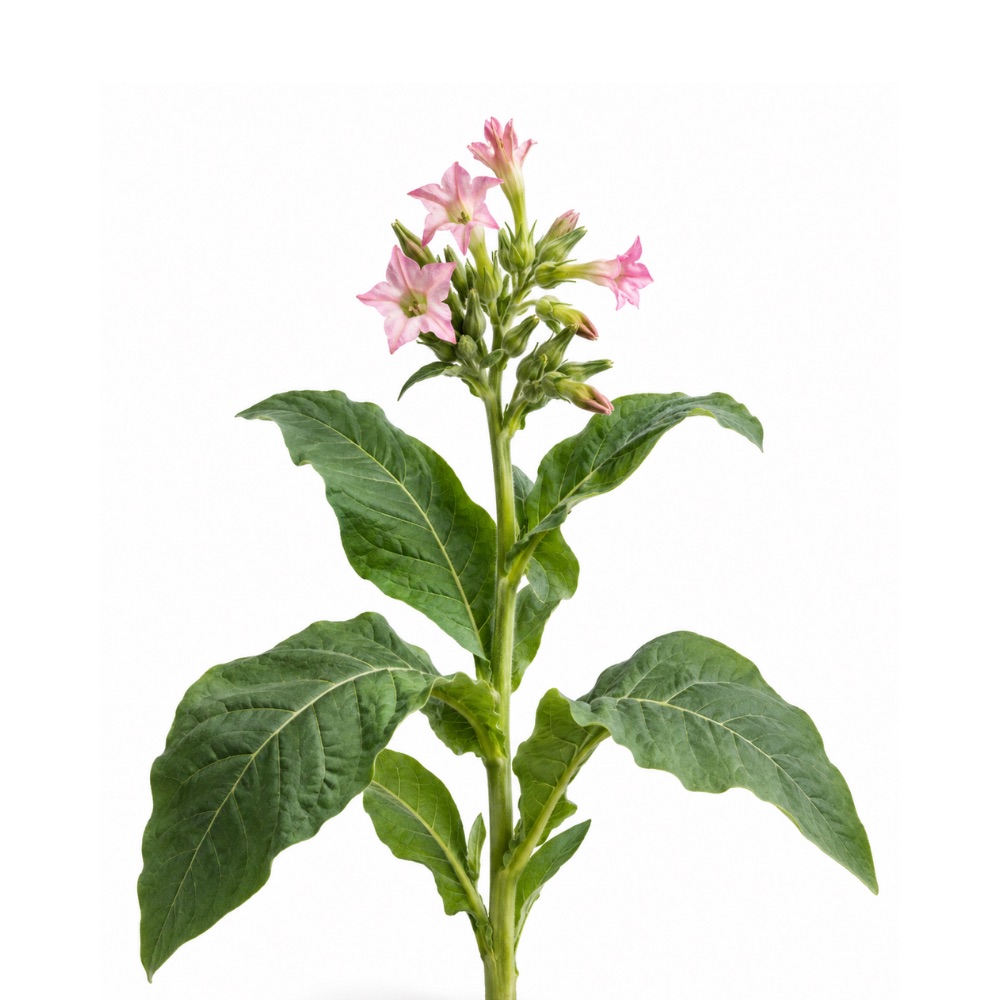
Tobacco
Nicotiana tabacum
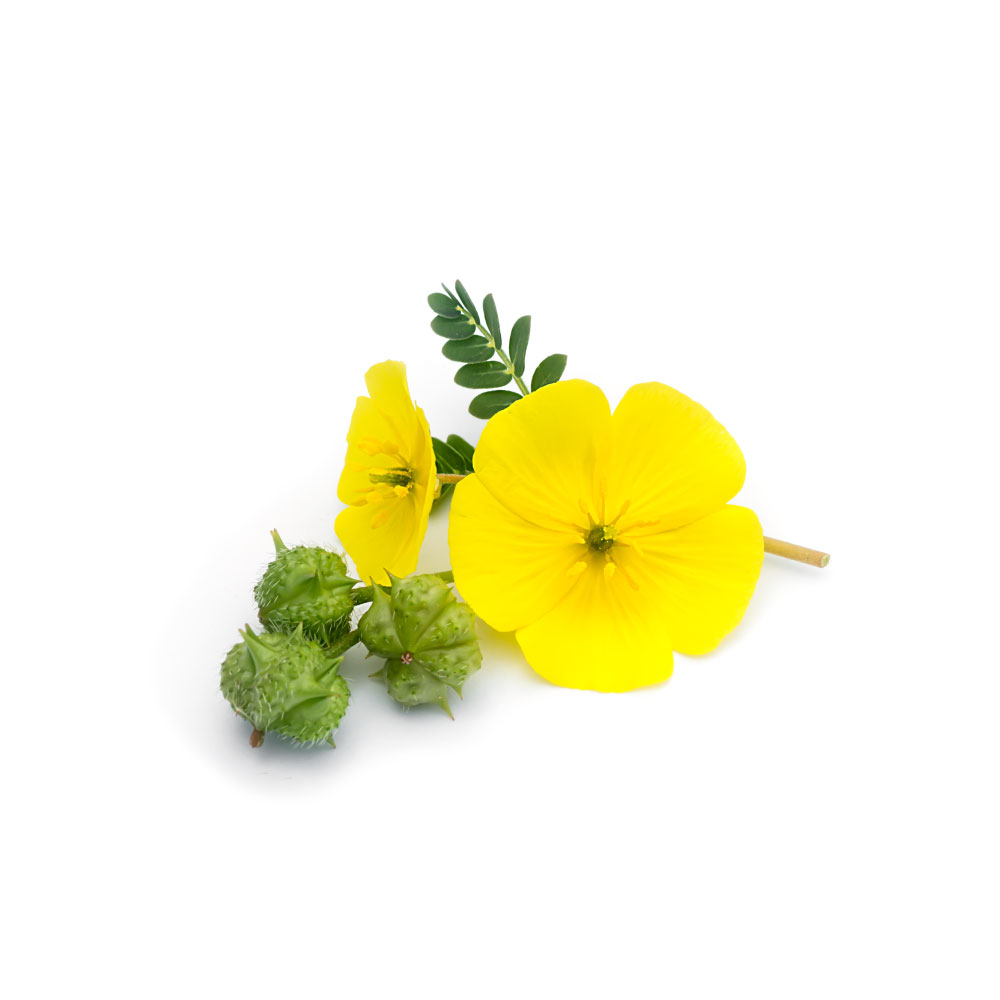
Tribulus
Tribulus terrestris
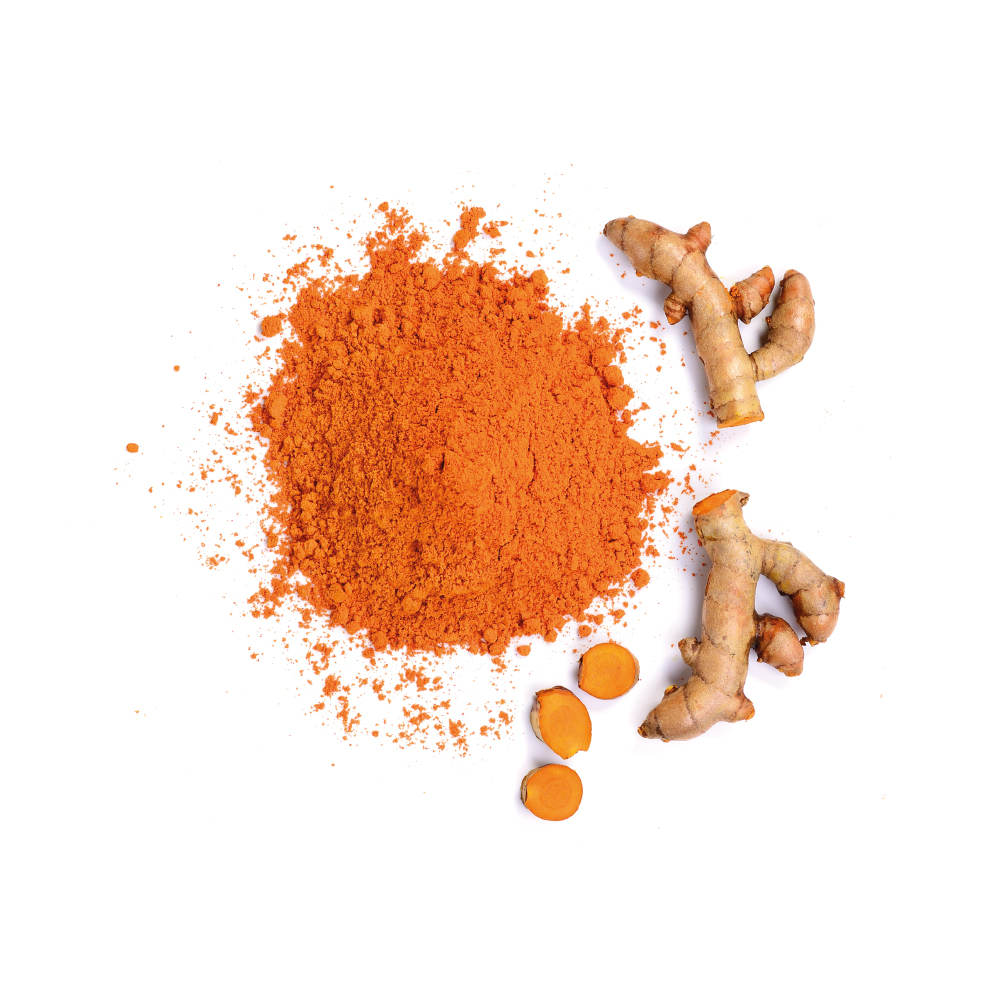
Turmeric
Curcuma longa
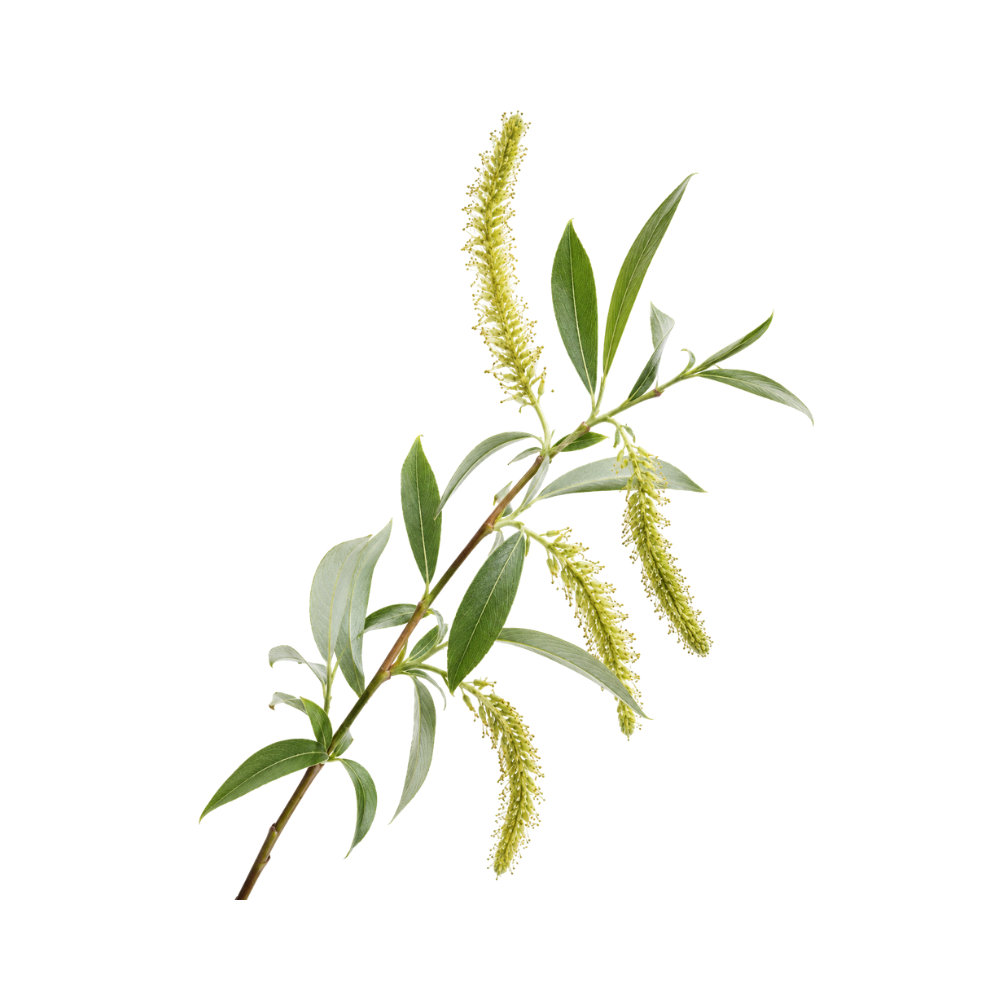
Willow
Salix alba
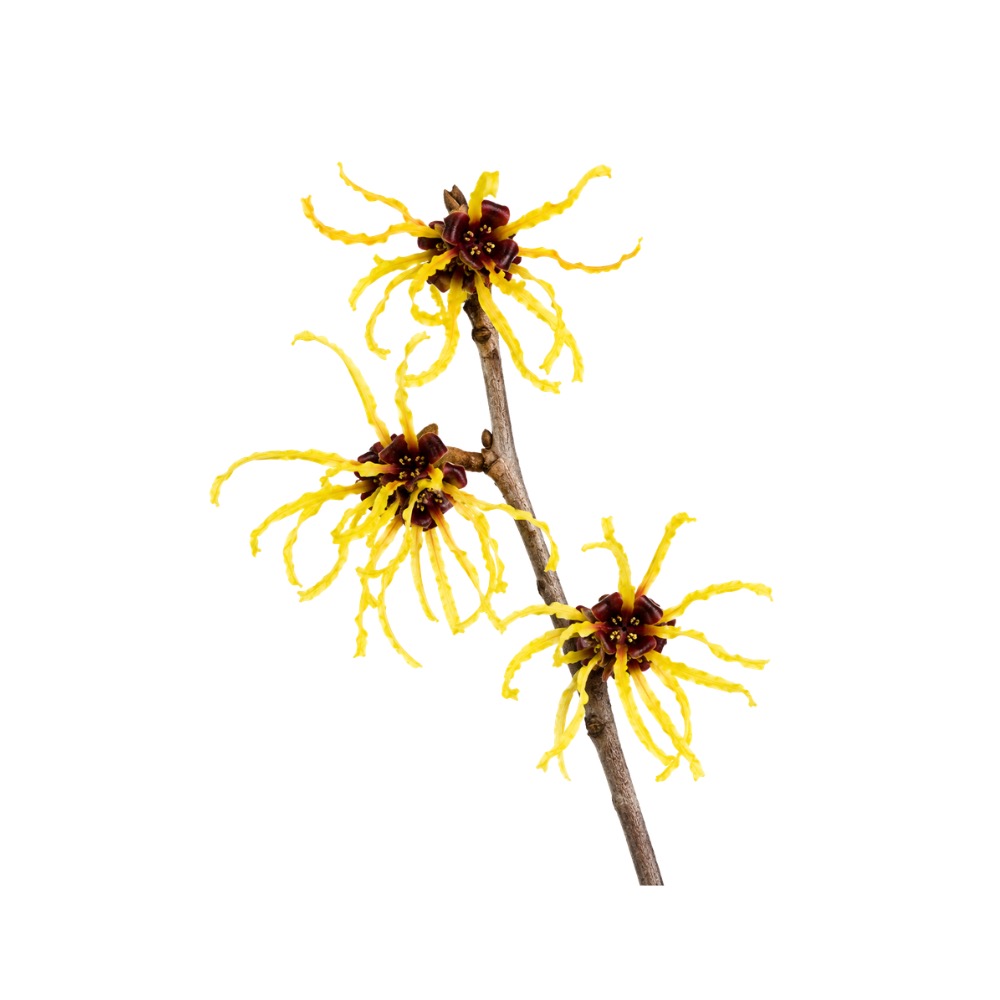
Witch Hazel
Hamamelis virginiana
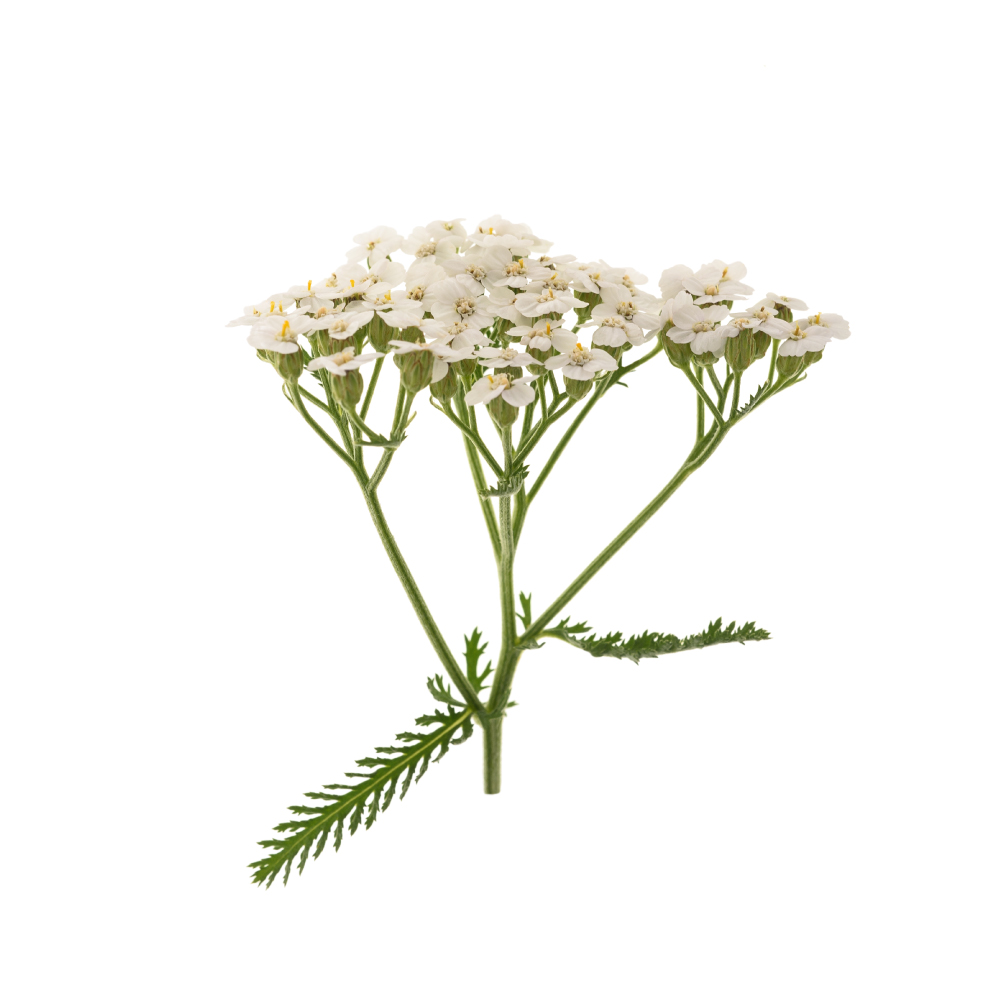
Yarrow
Achillea millefolium
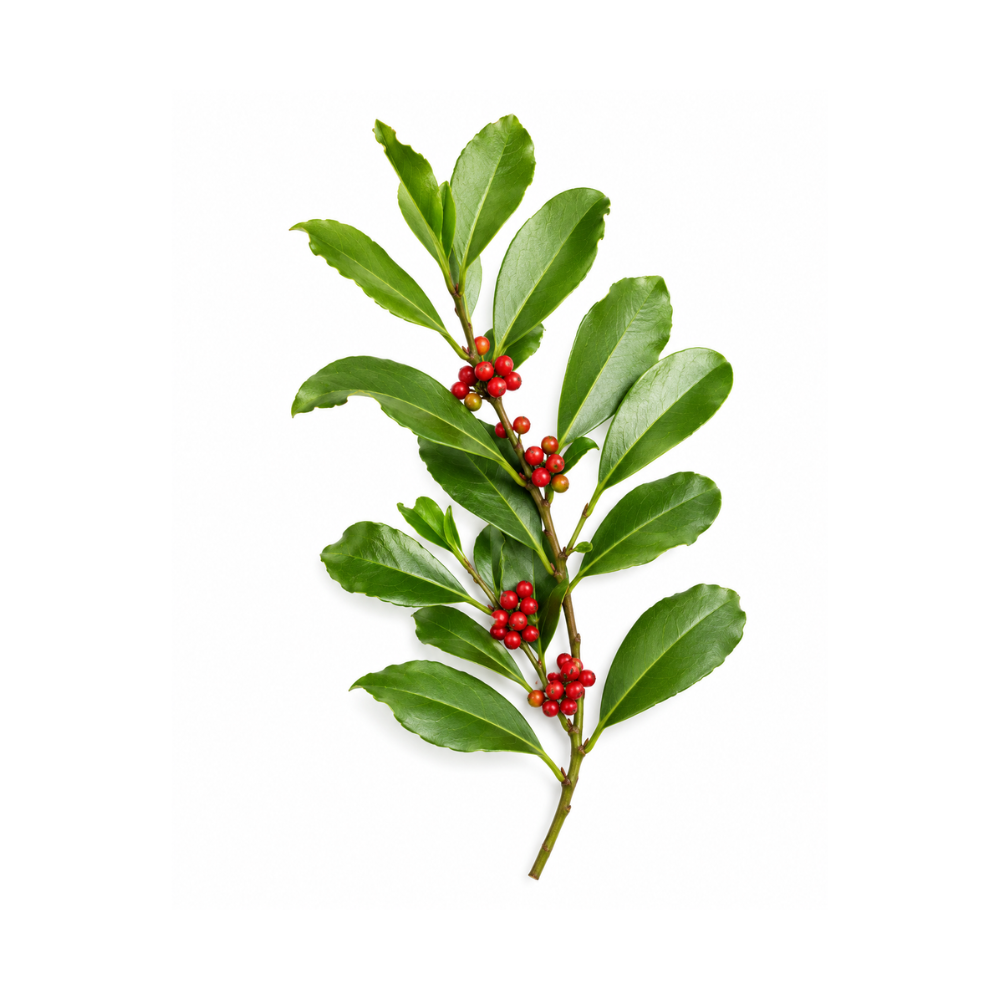
Yerba Maté
Ilex paraguariensis
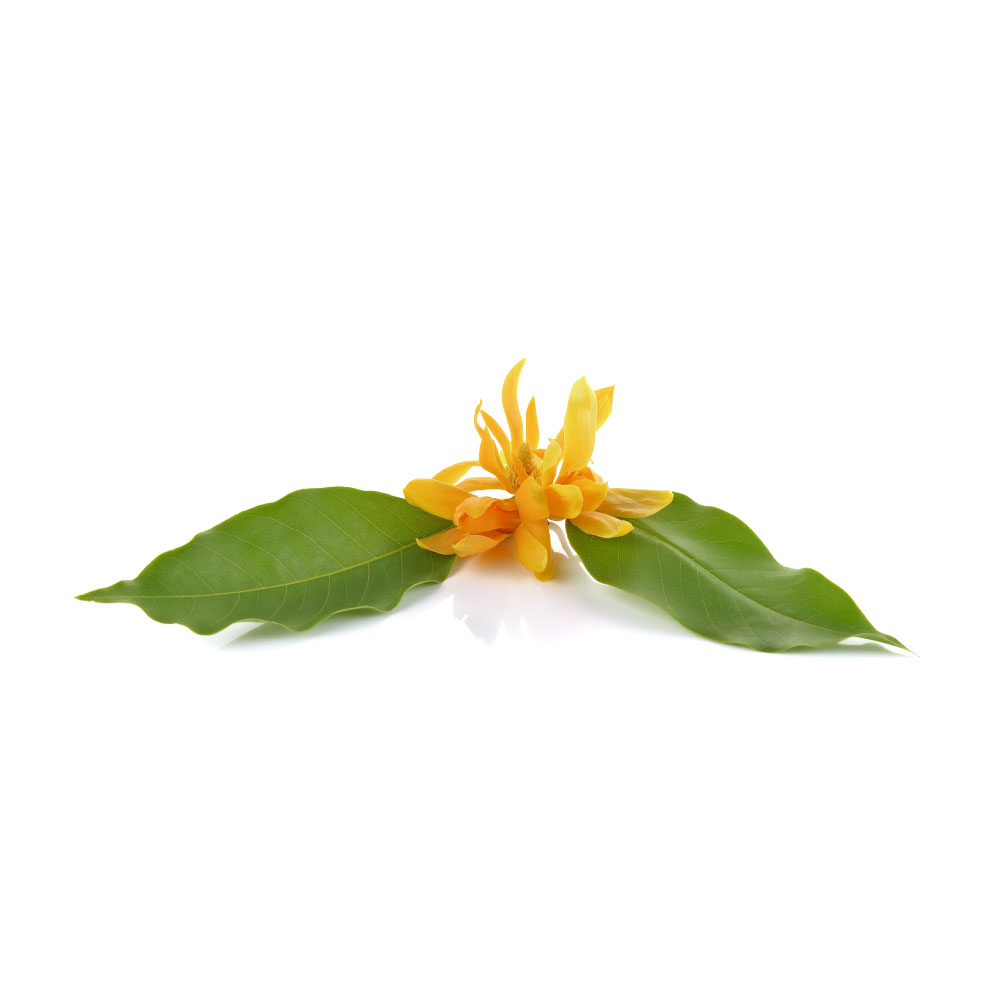
Ylang Ylang
Cananga odorata
Safety
Pregnancy & lactation
- Assume avoid unless a clinician has advised otherwise, since almost none of the standardised cardiovascular extracts have been tested in pregnancy.
- Culinary amounts of kitchen herbs and spices are a separate question from concentrated therapeutic extracts, and the caution attaches to the therapeutic dose.
- Two categories carry specific concern: herbs with a uterine-stimulant reputation, and antiplatelet herbs, which raise bleeding concerns around delivery.
- Raised blood pressure in pregnancy is an obstetric matter and belongs with a clinician.
- Blood-pressure effects stack. Garlic, olive leaf, hawthorn, cocoa flavanols and grape seed each lower it by a real if modest amount, and adding one to a prescribed antihypertensive can drop pressure too far.
- Antiplatelet herbs. Garlic, ginkgo, dan shen and notoginseng add to aspirin and to anticoagulants, and stop one to two weeks before planned surgery or dental work.
- Dan shen and warfarin are not combined, with case reports of raised INR, over-anticoagulation and bleeding.
- Heart failure is not self-treated. The herbal benefit disappears on modern guideline-directed therapy, and no cardiovascular herb has a proven mortality benefit.
- Preparation sets the dose. Olive leaf’s evidence is a standardised capsule, horse chestnut’s an aescin extract, cocoa’s a flavanol-standardised powder.
- Emergency: chest pain, sudden breathlessness, an irregular heartbeat with faintness, sudden face, arm or speech symptoms, or a swollen, hot, painful calf.
References
- Xiong, X. J., et al. (2015). Garlic for hypertension: a systematic review and meta-analysis of randomized controlled trials. Phytomedicine. https://pubmed.ncbi.nlm.nih.gov/25837272/
- Wang, H. P., et al. (2015). Effect of garlic on blood pressure: a meta-analysis. Journal of Clinical Hypertension. https://pubmed.ncbi.nlm.nih.gov/25557383/
- Susalit, E., et al. (2011). Olive (Olea europaea) leaf extract effective in patients with stage-1 hypertension: comparison with captopril — randomised controlled trial. Phytomedicine. https://pubmed.ncbi.nlm.nih.gov/21036583/
- Lamti, F., et al. (2025). Efficacy of olive leaf extracts in controlling blood pressure in hypertensive patients: a double-blind randomized clinical trial — multicentre RCT. Journal of Hypertension. https://pubmed.ncbi.nlm.nih.gov/40990594/
- Álvares, A., et al. (2024). Olive leaf extract effect on cardiometabolic risk factors: a systematic review and meta-analysis of randomized clinical trials. Nutrition Reviews. https://pubmed.ncbi.nlm.nih.gov/38287654/
- Ried, K., Fakler, P., et al. (2017). Effect of cocoa on blood pressure — Cochrane systematic review and meta-analysis. Cochrane Database of Systematic Reviews. https://pubmed.ncbi.nlm.nih.gov/28439881/
- Sesso, H. D., Manson, J. E., et al. (2022). Effect of cocoa flavanol supplementation for the prevention of cardiovascular disease events: the COcoa Supplement and Multivitamin Outcomes Study (COSMOS) — randomised controlled trial. American Journal of Clinical Nutrition. https://pubmed.ncbi.nlm.nih.gov/35294962/
- Zhang, H., et al. (2016). The impact of grape seed extract treatment on blood pressure changes: a meta-analysis of 16 randomized controlled trials. Medicine (Baltimore). https://pubmed.ncbi.nlm.nih.gov/27537554/
- Foshati, S., et al. (2022). The effect of grape (Vitis vinifera) seed extract supplementation on flow-mediated dilation, blood pressure and heart rate: a systematic review and meta-analysis with duration- and dose-response analysis. Pharmacological Research. https://pubmed.ncbi.nlm.nih.gov/34798267/
- Szikora, Z., Mátyus, R. O., Szabó, B. V., Csupor, D., & Tóth, B. (2025). Hawthorn (Crataegus spp.) clinically significantly reduces blood pressure in hypertension: a meta-analysis of randomized placebo-controlled clinical trials. Pharmaceuticals. https://pubmed.ncbi.nlm.nih.gov/40732315/
- Walker, A. F., Marakis, G., Simpson, E., et al. (2006). Hypotensive effects of hawthorn for patients with diabetes taking prescription drugs: a randomised controlled trial. British Journal of General Practice. https://pubmed.ncbi.nlm.nih.gov/16762125/
- Kavyani, Z., Musazadeh, V., et al. (2023). Antihypertensive effects of Nigella sativa supplementation — updated systematic review and meta-analysis of randomized controlled trials. Phytotherapy Research. https://pubmed.ncbi.nlm.nih.gov/37341696/
- Seamon, K. B., Padgett, W., & Daly, J. W. (1981). Forskolin: unique diterpene activator of adenylate cyclase in membranes and in intact cells — in vitro. Proceedings of the National Academy of Sciences USA. https://pubmed.ncbi.nlm.nih.gov/6267587/
- Sahebkar, A., Pirro, M., Banach, M., et al. (2018). Lipid-lowering activity of artichoke extracts — systematic review and meta-analysis. Critical Reviews in Food Science and Nutrition. https://pubmed.ncbi.nlm.nih.gov/28609140/
- Shahinfar, H., Bazshahi, E., Amini, M. R., et al. (2021). Effects of artichoke leaf extract supplementation or artichoke juice on lipid profile — systematic review and dose-response meta-analysis of randomised controlled trials. Phytotherapy Research. https://pubmed.ncbi.nlm.nih.gov/34569671/
- Bundy, R., Walker, A. F., Middleton, R. W., et al. (2008). Artichoke leaf extract reduces plasma cholesterol in otherwise-healthy hypercholesterolemic adults — randomised, double-blind, placebo-controlled trial. Phytomedicine. https://pubmed.ncbi.nlm.nih.gov/18424099/
- Sahebkar, A., Beccuti, G., et al. (2016). Nigella sativa (black seed) effects on plasma lipid concentrations in humans — systematic review and meta-analysis of randomized placebo-controlled trials. Pharmacological Research. https://pubmed.ncbi.nlm.nih.gov/26875640/
- Maierean, S. M., et al. (2017). The effects of cinnamon supplementation on blood lipid concentrations: a systematic review and meta-analysis. Journal of Clinical Lipidology. https://pubmed.ncbi.nlm.nih.gov/28887086/
- Zeng, T., et al. (2012). A meta-analysis of randomized, double-blind, placebo-controlled trials for the effects of garlic on serum lipid profiles. Journal of the Science of Food and Agriculture. https://pubmed.ncbi.nlm.nih.gov/22234974/
- Stevinson, C., et al. (2000). Garlic for treating hypercholesterolemia: a meta-analysis of randomized clinical trials. Annals of Internal Medicine. https://pubmed.ncbi.nlm.nih.gov/10975959/
- Kanadys, W., et al. (2020). Effects of red clover (Trifolium pratense) isoflavones on the lipid profile of perimenopausal and postmenopausal women — systematic review and meta-analysis. Maturitas. https://pubmed.ncbi.nlm.nih.gov/31883666/
- Pittler, M. H., Guo, R., & Ernst, E. (2008). Hawthorn extract for treating chronic heart failure — systematic review and meta-analysis. Cochrane Database of Systematic Reviews. https://pubmed.ncbi.nlm.nih.gov/18254076/
- Holubarsch, C. J., Colucci, W. S., Meinertz, T., Gaus, W., & Tendera, M. (2008). The efficacy and safety of Crataegus extract WS 1442 in patients with heart failure: the SPICE trial — randomised controlled trial. European Journal of Heart Failure. https://pubmed.ncbi.nlm.nih.gov/19019730/
- Zick, S. M., Vautaw, B. M., Gillespie, B., & Aaronson, K. D. (2009). Hawthorn Extract Randomized Blinded Chronic Heart Failure (HERB CHF) trial — randomised controlled trial. European Journal of Heart Failure. https://pubmed.ncbi.nlm.nih.gov/19789403/
- Bharani, A., Ganguli, A., Mathur, L. K., et al. (2002). Efficacy of Terminalia arjuna in chronic stable angina: a double-blind, placebo-controlled, crossover study comparing Terminalia arjuna with isosorbide mononitrate — randomised controlled trial. Indian Heart Journal. https://pubmed.ncbi.nlm.nih.gov/12086380/
- Kaur, N., Shafiq, N., Negi, H., et al. (2014). Terminalia arjuna in chronic stable angina: systematic review and meta-analysis. Cardiology Research and Practice. https://pubmed.ncbi.nlm.nih.gov/24600529/
- Maulik, S. K., Wilson, V., Seth, S., et al. (2016). Clinical efficacy of water extract of stem bark of Terminalia arjuna in patients of chronic heart failure — a double-blind, randomised controlled trial. Phytomedicine. https://pubmed.ncbi.nlm.nih.gov/26988798/
- Kumar, A., Ul Haque, Z., Rai, A., et al. (2026). Evaluation of the therapeutic potential and safety of Terminalia arjuna in heart failure management — a systematic review and meta-analysis of randomised controlled trials. Annals of African Medicine. https://pubmed.ncbi.nlm.nih.gov/42389976/
- Jia, Y., & Leung, S. W. (2017). How efficacious is danshen (Salvia miltiorrhiza) dripping pill in treating angina pectoris? Evidence assessment for meta-analysis of randomized controlled trials — meta-analysis with GRADE assessment. Journal of Alternative and Complementary Medicine. https://pubmed.ncbi.nlm.nih.gov/28650203/
- Luo, J., et al. (2015). Compound danshen (Salvia miltiorrhiza) dripping pill for coronary heart disease: an overview of systematic reviews. American Journal of Chinese Medicine. https://pubmed.ncbi.nlm.nih.gov/25582415/
- Chan, T. Y. (2001). Interaction between warfarin and danshen (Salvia miltiorrhiza) — review of case reports. Annals of Pharmacotherapy. https://pubmed.ncbi.nlm.nih.gov/11302416/
- Wu, L., et al. (2023). Efficacy and safety of Panax notoginseng saponins in the treatment of adults with ischemic stroke in China — a multicentre, double-blind, placebo-controlled randomised clinical trial. JAMA Network Open. https://pubmed.ncbi.nlm.nih.gov/37338907/
- Li, Y., et al. (2017). Effect of Panax notoginseng preparations on platelet function — a meta-analysis of 36 randomised controlled trials. China Journal of Chinese Materia Medica. https://pubmed.ncbi.nlm.nih.gov/29271165/
- Ritter, M., Melichar, K., Strahler, S., et al. (2010). Cardiac and electrophysiological effects of primary and refined extracts from Leonurus cardiaca L. — animal / ex vivo. Planta Medica. https://pubmed.ncbi.nlm.nih.gov/19918711/
- Shikov, A. N., Pozharitskaya, O. N., Makarov, V. G., et al. (2011). Effect of Leonurus cardiaca oil extract in patients with arterial hypertension accompanied by anxiety and sleep disorders — open-label clinical trial. Phytotherapy Research. https://pubmed.ncbi.nlm.nih.gov/20839214/
- Pittler, M. H., & Ernst, E. (2012). Horse chestnut seed extract for chronic venous insufficiency — systematic review and meta-analysis. Cochrane Database of Systematic Reviews. https://pubmed.ncbi.nlm.nih.gov/23152216/
- Diehm, C., Trampisch, H. J., Lange, S., et al. (1996). Comparison of leg compression stocking and oral horse-chestnut seed extract therapy in patients with chronic venous insufficiency — randomised controlled trial. The Lancet. https://pubmed.ncbi.nlm.nih.gov/8569363/
- Martínez-Zapata, M. J., et al. (2020). Phlebotonics for venous insufficiency — Cochrane systematic review and meta-analysis. Cochrane Database of Systematic Reviews. https://pubmed.ncbi.nlm.nih.gov/33141449/
- Pointel, J. P., et al. (1987). Titrated extract of Centella asiatica (TECA) in the treatment of venous insufficiency of the lower limbs — multicentre double-blind randomised trial. Angiology. https://pubmed.ncbi.nlm.nih.gov/3544968/
- Robertson, N. U., Schoonees, A., Brand, A., Visser, J., et al. (2020). Pine bark (Pinus spp.) extract for treating chronic disorders — Cochrane systematic review. Cochrane Database of Systematic Reviews. https://pubmed.ncbi.nlm.nih.gov/32990945/
- Arcangeli, P. (2000). Pycnogenol in chronic venous insufficiency — randomised placebo-controlled trial. Fitoterapia. https://pubmed.ncbi.nlm.nih.gov/10844161/
- Nicolaï, S. P., et al. (2009). Ginkgo biloba for intermittent claudication — Cochrane systematic review and meta-analysis. Cochrane Database of Systematic Reviews. https://pubmed.ncbi.nlm.nih.gov/19370657/
- Liu, X., et al. (2014). Ginkgolide B inhibits platelet release by blocking Syk and p38 MAPK phosphorylation in thrombin-stimulated platelets — in vitro study. Thrombosis Research. https://pubmed.ncbi.nlm.nih.gov/25223809/
- Mollahosseini, M., et al. (2022). A systematic review of randomized controlled trials related to the effects of garlic supplementation on platelet aggregation. Phytotherapy Research. https://pubmed.ncbi.nlm.nih.gov/36222178/
Keep Exploring