Condition
Altitude Sickness
Altitude sickness is a group of symptoms caused by reduced oxygen availability at high elevation.

Overview
Aetiology
Altitude sickness arises when the body is exposed to the low oxygen pressure of high elevations faster than it can acclimatize. The mildest and most common form is acute mountain sickness, which can progress to two severe, potentially fatal forms.
High Altitude Cerebral Edema (HACE)
HACE is a build-up of fluid in the brain and represents a severe, potentially fatal progression of altitude sickness. Its primary symptom is ataxia, a loss of coordination, often accompanied by confusion and altered consciousness.
High Altitude Pulmonary Edema (HAPE)
HAPE is a build-up of fluid in the lungs that can be fatal if not treated. It impairs gas exchange and typically presents with breathlessness, cough, and reduced exercise tolerance.
Presentation
Symptoms
Acute mountain sickness usually begins within hours of ascent with headache, nausea, fatigue, dizziness, and disturbed sleep. As the condition worsens toward the cerebral form, coordination is lost and consciousness becomes impaired, while the pulmonary form produces breathlessness at rest, cough, and chest tightness.
Assessment
Differential Diagnosis
- Stroke
- Cold/Flu
Pharmaceutical Treatment Options
- Dexamethosone
- Beta-2-receptor agonists
Training Considerations for Altitude Sickness
- Acclimatize slowly by increasing altitude gradually over several weeks
- Visit altitude training centers for several weeks prior to trip
- Blood transfusions
The Herbs
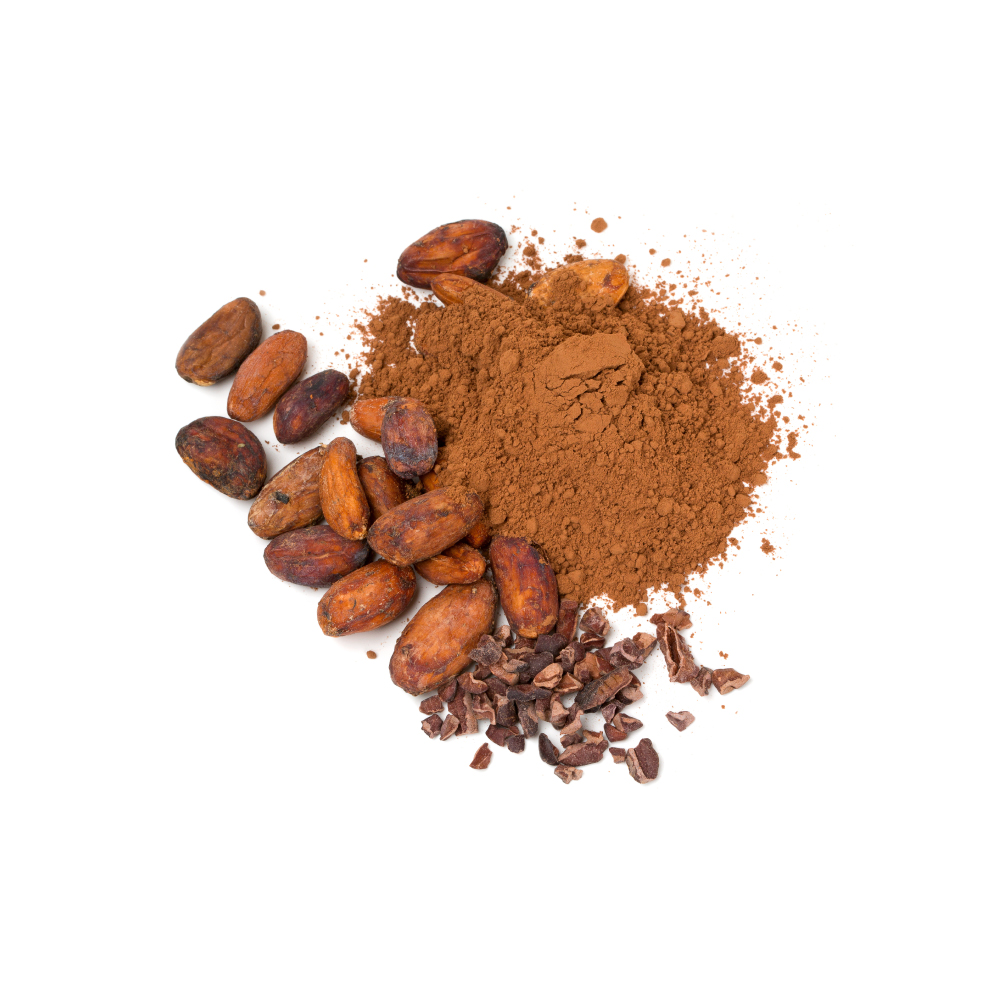
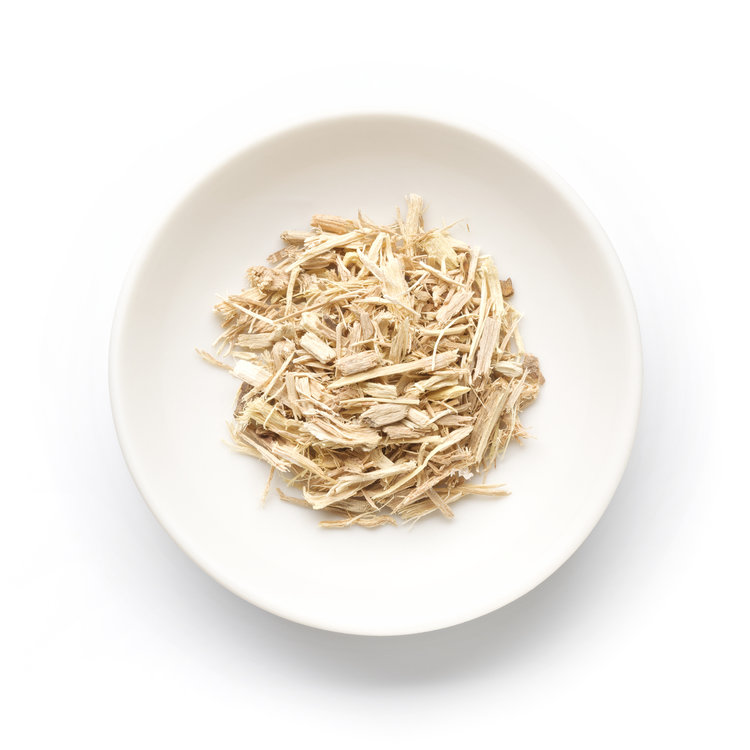
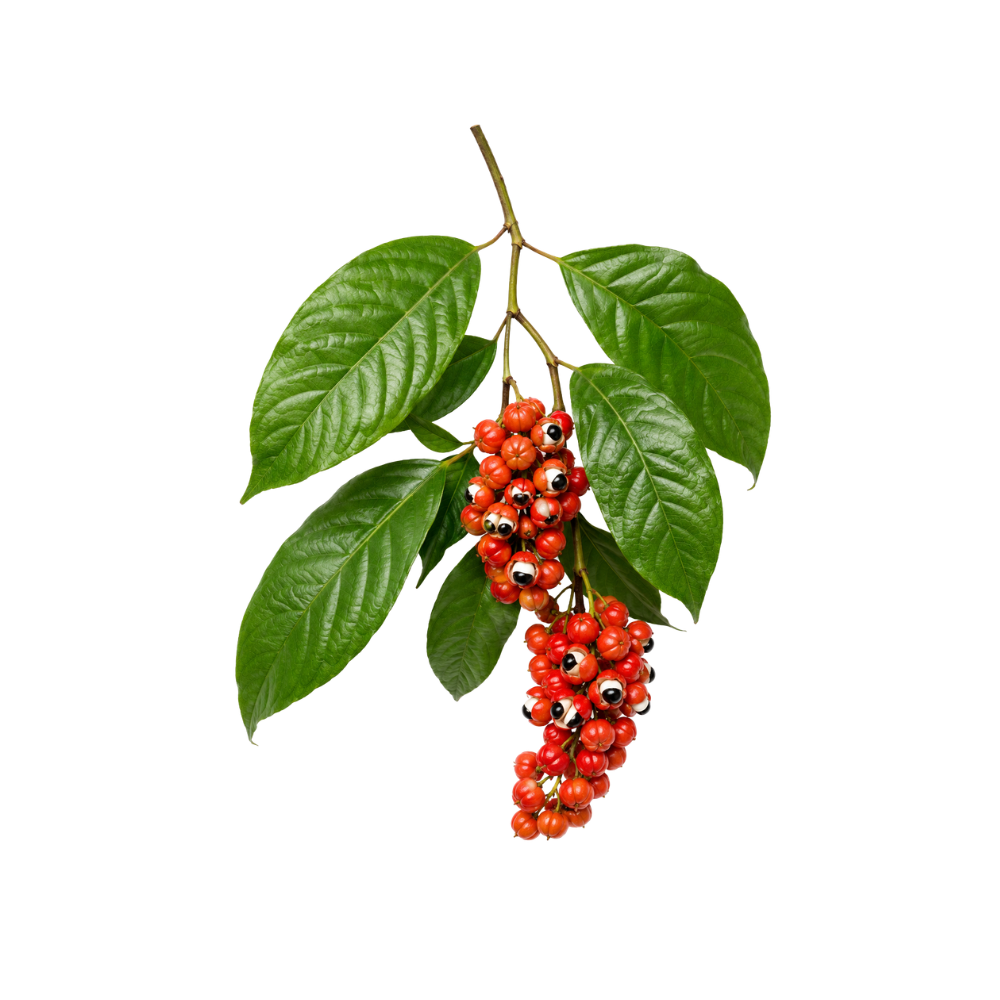
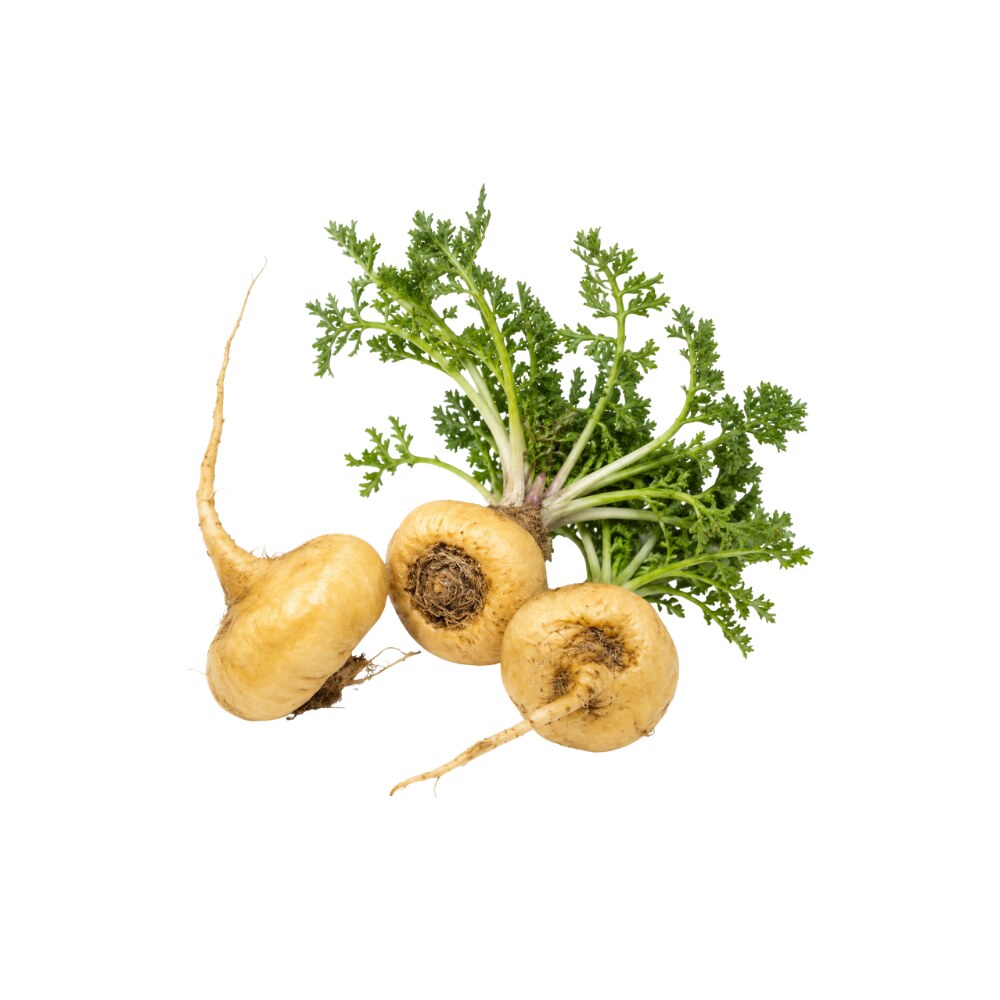
Materia Medica (6)
Herbs traditionally or clinically used for altitude sickness.