
Condition
Atherosclerosis
Atherosclerosis is the build-up of fatty plaques within artery walls, narrowing and hardening the vessels.

Overview
Aetiology
Common Risk Factors
- Smoking
- Hypertension
- Diabetes
- Insulin resistance
- Dyslipidemia
- Hyperhomocysteinemia
- Lipoprotein (a)
- Renal insufficiency
Presentation
Symptoms
Atherosclerosis develops silently over many years and often produces no symptoms until an artery becomes significantly narrowed or a plaque ruptures. Symptoms then depend on the vessels affected: narrowing of the coronary arteries causes angina and can lead to heart attack, involvement of the cerebral arteries can cause stroke or transient ischemic attacks, and disease of the peripheral arteries produces leg pain on walking known as claudication.
Assessment
Diagnostic Considerations
C-Reactive Protein
CRP is a calcium-binding pentameric proetine. It consists of 5 identical 23-kDa subunits that are non-covelently linked. It is mainly produced in the hepatocytes following activation of several key cytokines (IL 1, IL6, TNF-a).
Normal CRP levels are below 1mg/L, but will be increased during states of inflammation and atherosclerotic lesions.
Homocysteine
Homocysteine is believed to be a major contributing factor to the development of atherosclerosis. it appears to be the result of a homocysteinylation of lipoproteins which increases the atherogenicity and cytotoxicity on the endothilial tissue. Thus, testing for concentrations of homocystein is a useful metric for assessing the liklihood of atherosclerosis.
Oxidative Stress
Oxidative stress reflects an imbalance between reactive oxygen species and the body’s antioxidant defenses. In atherosclerosis it promotes the oxidation of LDL cholesterol within the artery wall, which drives inflammation and accelerates plaque formation, making it a useful marker of disease activity.
Assessment
Differential Diagnosis
The complications of atherosclerosis must be distinguished from other causes of their presenting symptoms. Chest pain may arise from non-cardiac causes such as gastro-esophageal reflux or musculoskeletal pain, leg pain may stem from venous disease or musculoskeletal problems rather than arterial claudication, and stroke-like episodes can be mimicked by other neurological conditions.
The Herbs
Materia Medica (13)
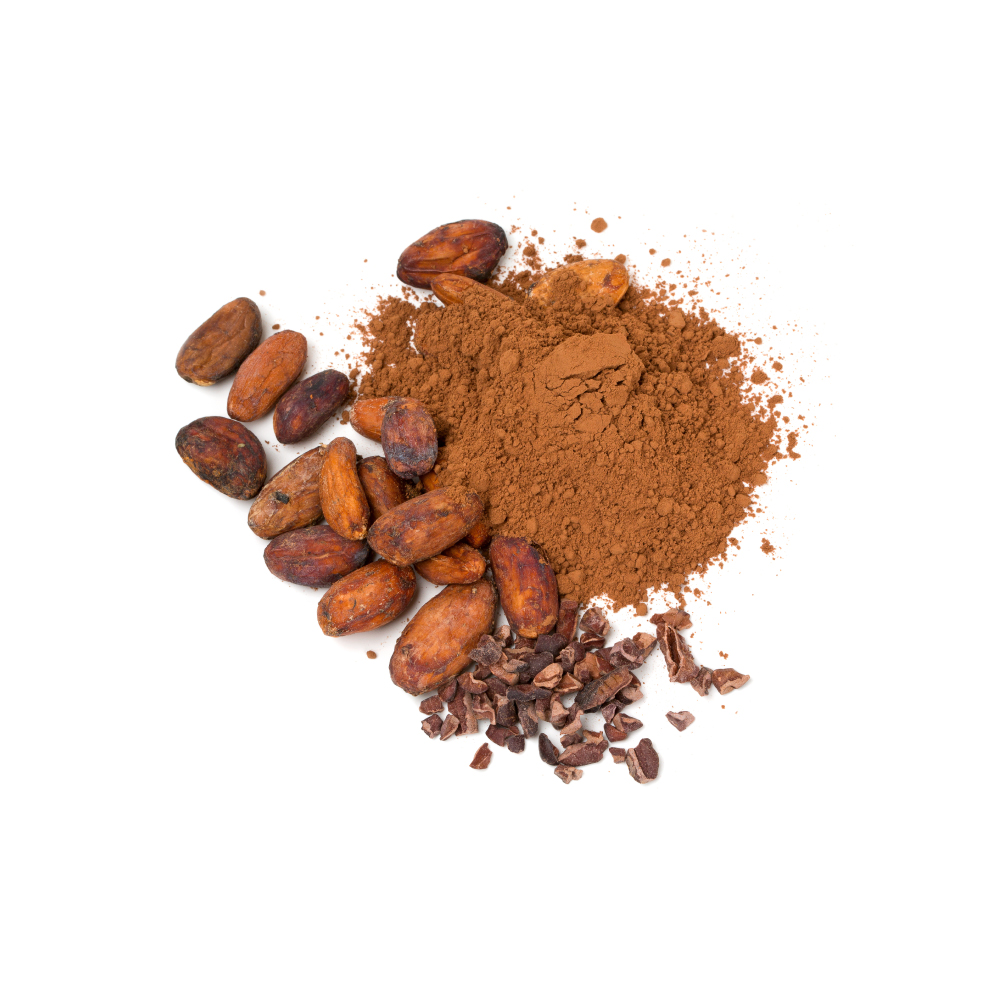
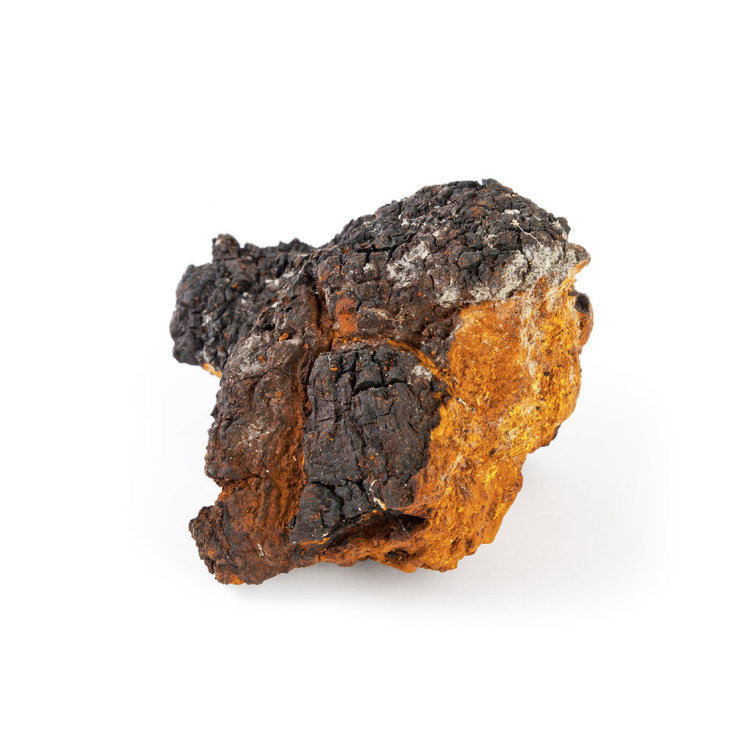
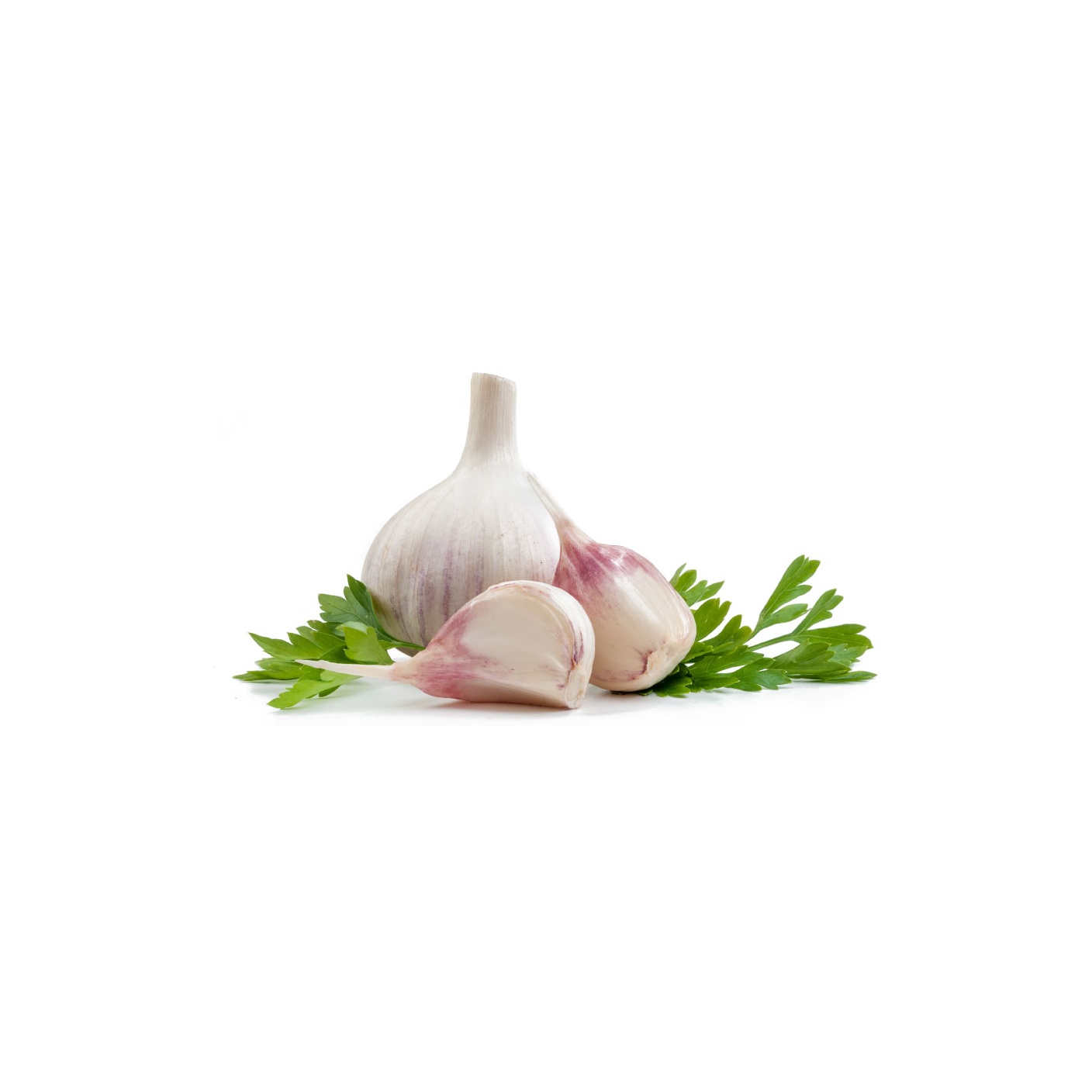
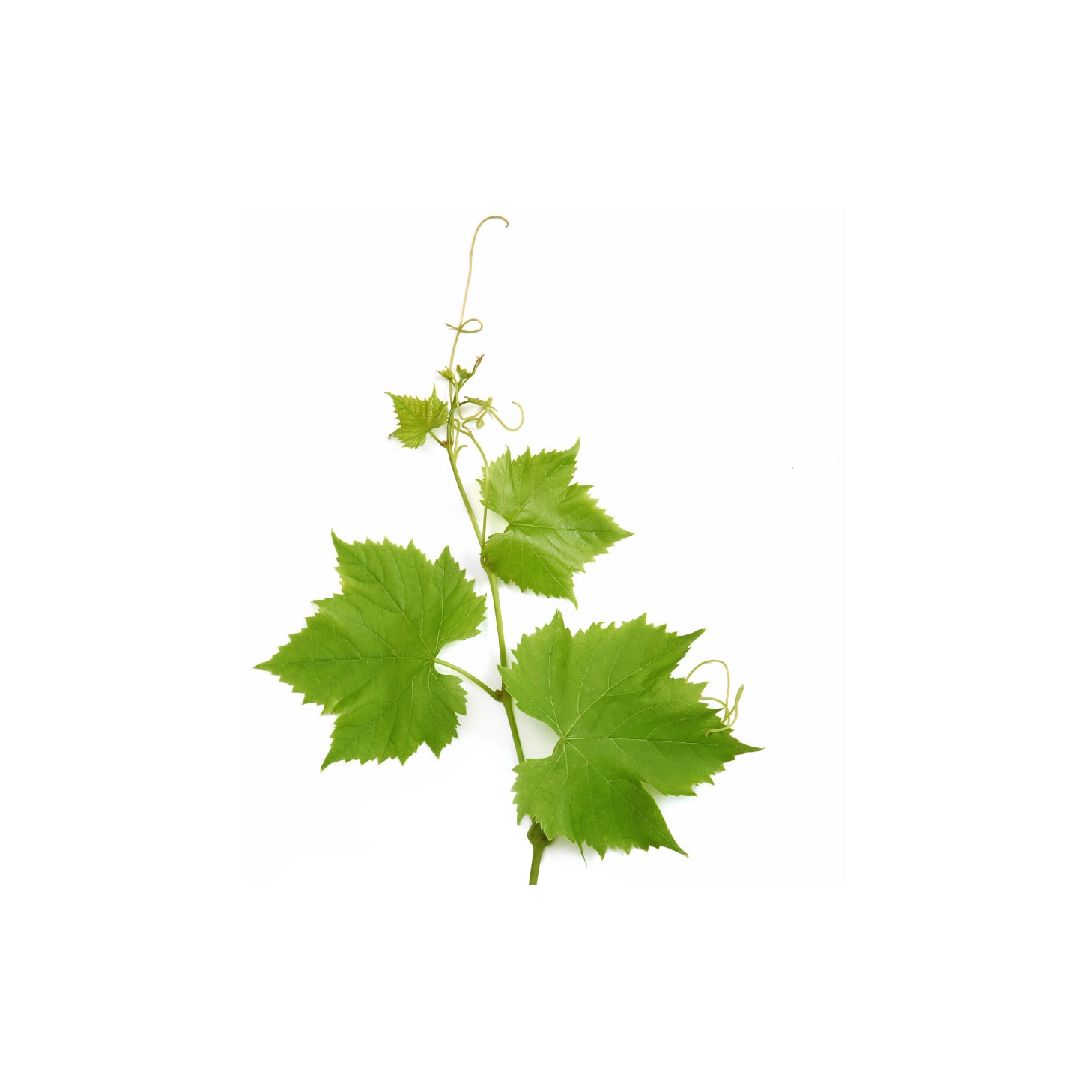
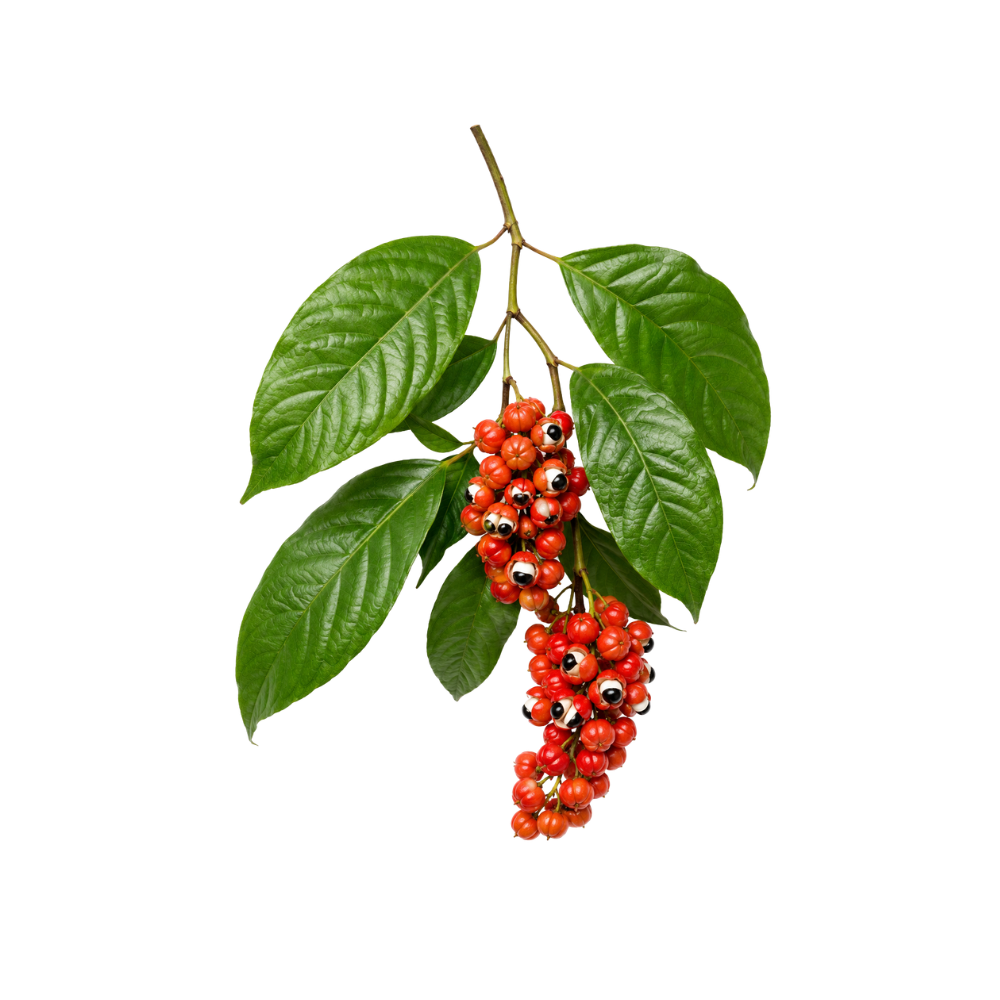
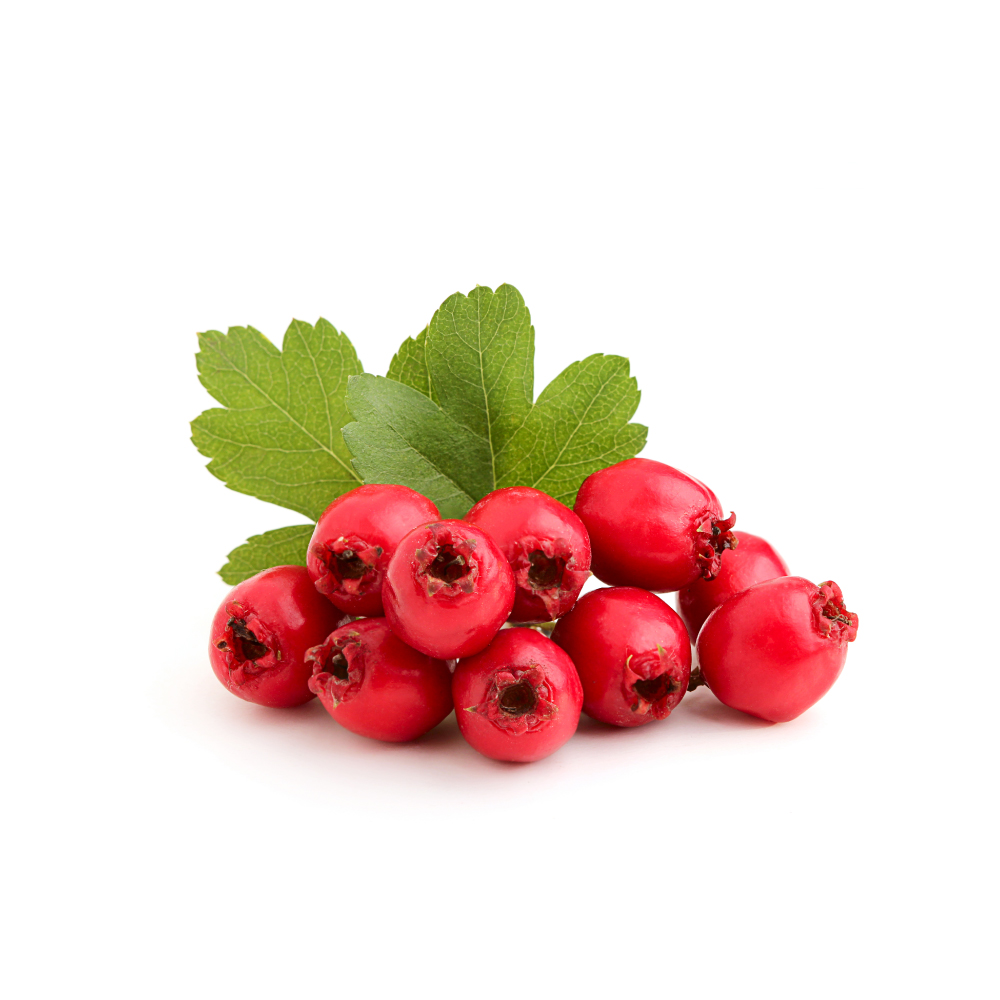
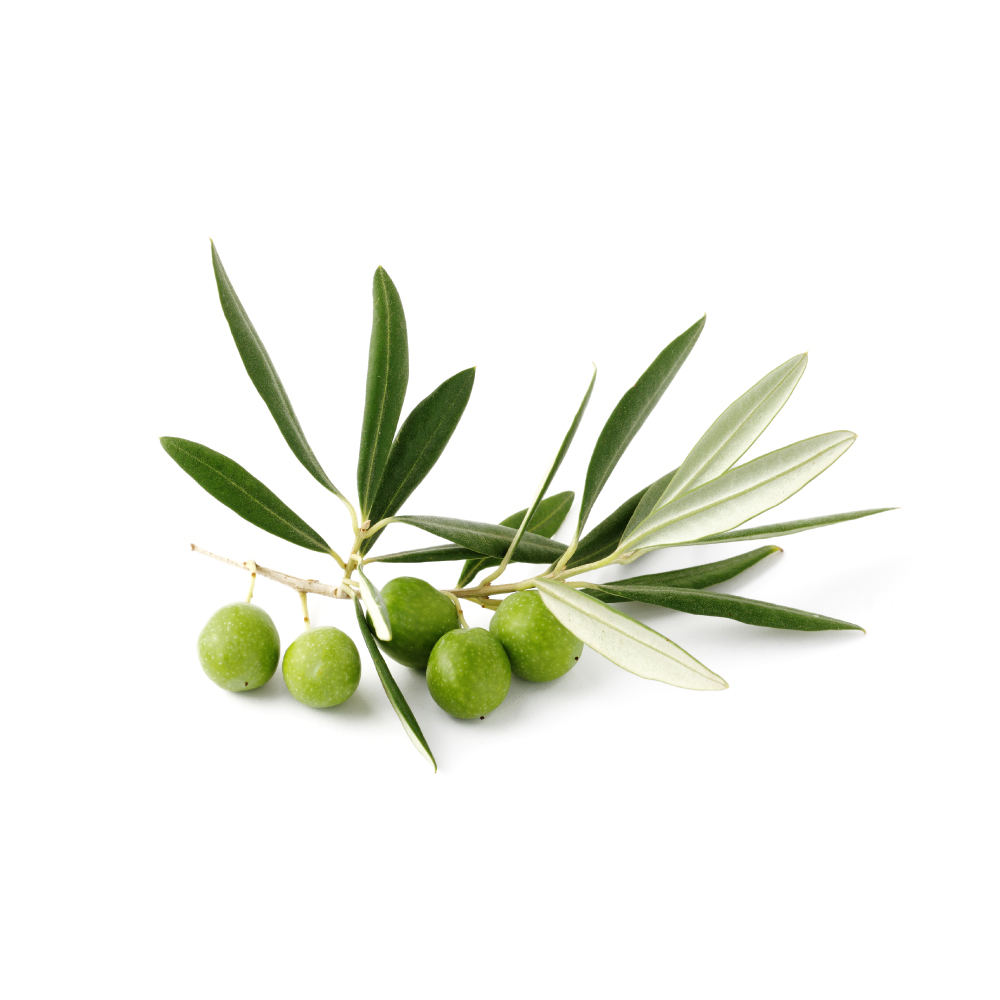
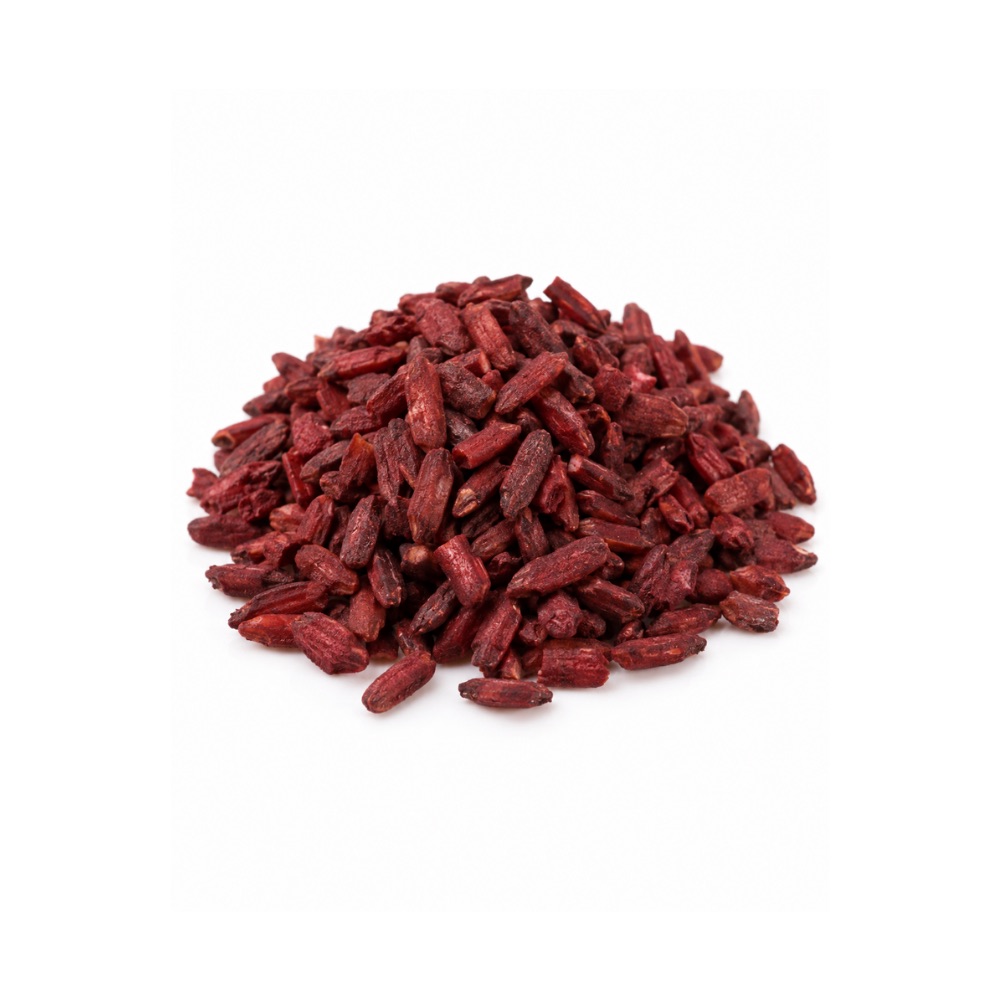
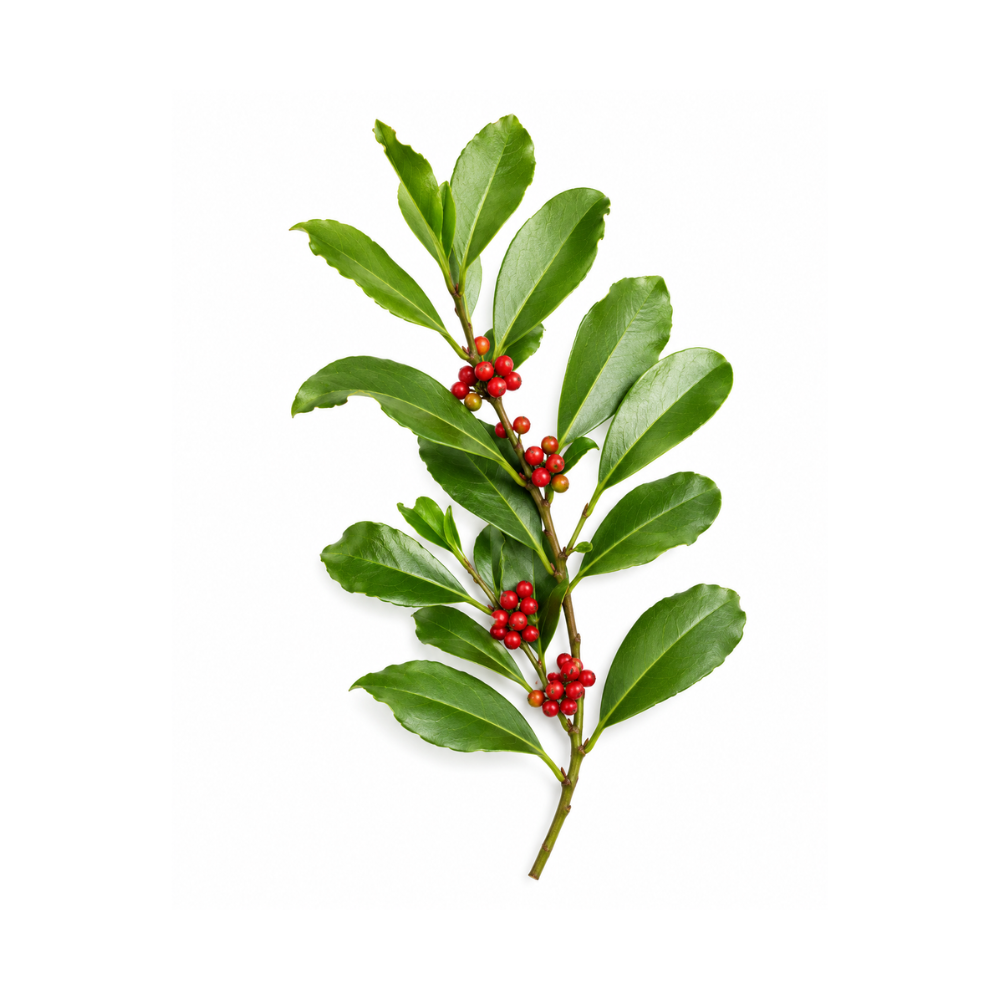
Herbs traditionally or clinically used for atherosclerosis.




Supplementation
Supplementation (1)
Supplements, nutrients and compounds used for atherosclerosis.
Humanin
Mitochondrial-derived peptide (cytoprotective)
An endogenous 24-amino-acid mitochondrial-derived peptide studied preclinically for cytoprotection and neuroprotection, with no human treatment trials.