
Condition
Burns
Minor first-degree and small second-degree thermal burns — and the herbs used topically to soothe inflammation and support healing. Serious burns need medical care.

A burn is coagulative skin injury from transferred heat, and herbal measures apply only to minor, superficial thermal burns — small first-degree and minor second-degree injuries — where the task is to soothe inflammation, keep the wound moist and protected, and support re-epithelialisation. Deep, large, circumferential, facial, chemical or electrical burns are medical emergencies and outside the scope of self-treatment.
Presentation
Types & Variants
Burns are graded by the depth of tissue injury. First-degree (superficial) burns involve only the epidermis — the skin is red, dry and painful but unblistered, as in most sunburn — and heal within days without scarring. Second-degree (partial-thickness) burns extend into the dermis, producing blisters, weeping and marked pain; superficial partial-thickness burns usually heal in two to three weeks, while deeper ones may scar. Third-degree (full-thickness) burns destroy the full skin thickness, appearing white, leathery or charred and often painless where nerve endings are lost, and require surgical care. Burns are also classified by cause — thermal (flame, hot liquid/scald, contact), chemical, electrical and radiation (including UV).
Herbal support is limited to minor, superficial thermal burns. Deep, large (roughly larger than the palm), circumferential, facial or full-thickness burns, and any chemical or electrical burn, are medical emergencies; topical herbs should never be applied to deep, open or infected burn wounds.
Overview
General Pathology
A burn is described as three concentric zones: a central zone of coagulation (irreversibly destroyed tissue), a surrounding zone of stasis (compromised perfusion that may either recover or progress to necrosis), and an outer zone of hyperaemia (inflamed but viable tissue that generally recovers). Damage releases inflammatory mediators — prostaglandins, thromboxanes, histamine and cytokines — that drive vasodilation, increased capillary permeability, oedema and pain.
Healing of superficial burns proceeds through the normal wound-repair sequence of inflammation, proliferation (re-epithelialisation, granulation and angiogenesis) and remodelling, and depends on keeping the wound moist, clean and protected from infection. Herbs act on this sequence through soothing demulcent and emollient barriers, anti-inflammatory constituents that damp the prostaglandin/thromboxane and NF-κB cascades, and antimicrobial wound care. Loss of the skin barrier makes infection the principal complication, so any burn that becomes increasingly painful, red, swollen, purulent or fails to heal warrants medical assessment.
Materia Medica
Materia Medica
None of these herbs is a substitute for professional care, and none belongs on a deep, open or infected burn.
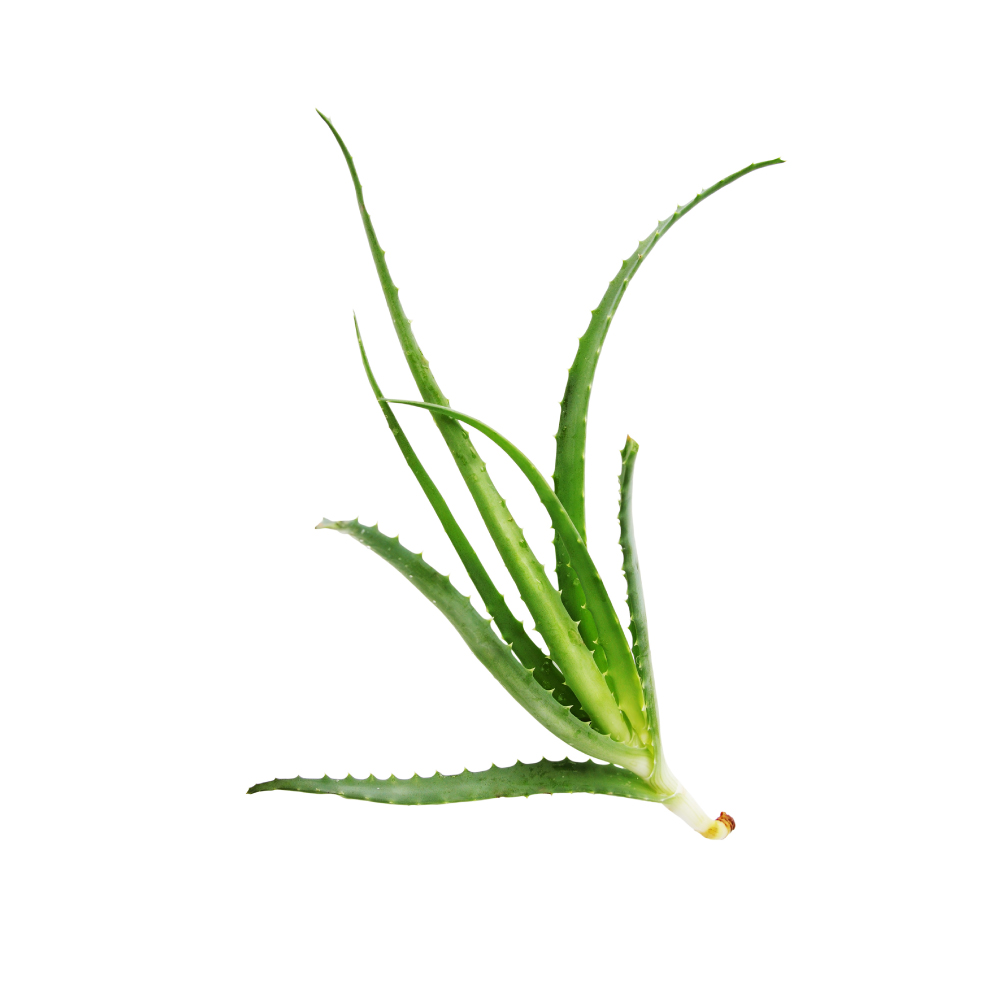 AloeAloe vera/barbadensisModerate
Topical aloe gel applied to burns is reported to inhibit thromboxane B2 and prostaglandin F-2α, preserving dermal circulation and improving the outcome of first- and second-degree burns, alongside aloe’s documented anti-inflammatory and vulnerary actions 1Reference 1A clinical guide to blending liquid herbs: Herbal formulations for the individual patient. The source is a clinical textbook rather than a primary trial.
The inner-leaf gel is applied topically, to minor superficial burns, not to deep or full-thickness wounds.
Full monograph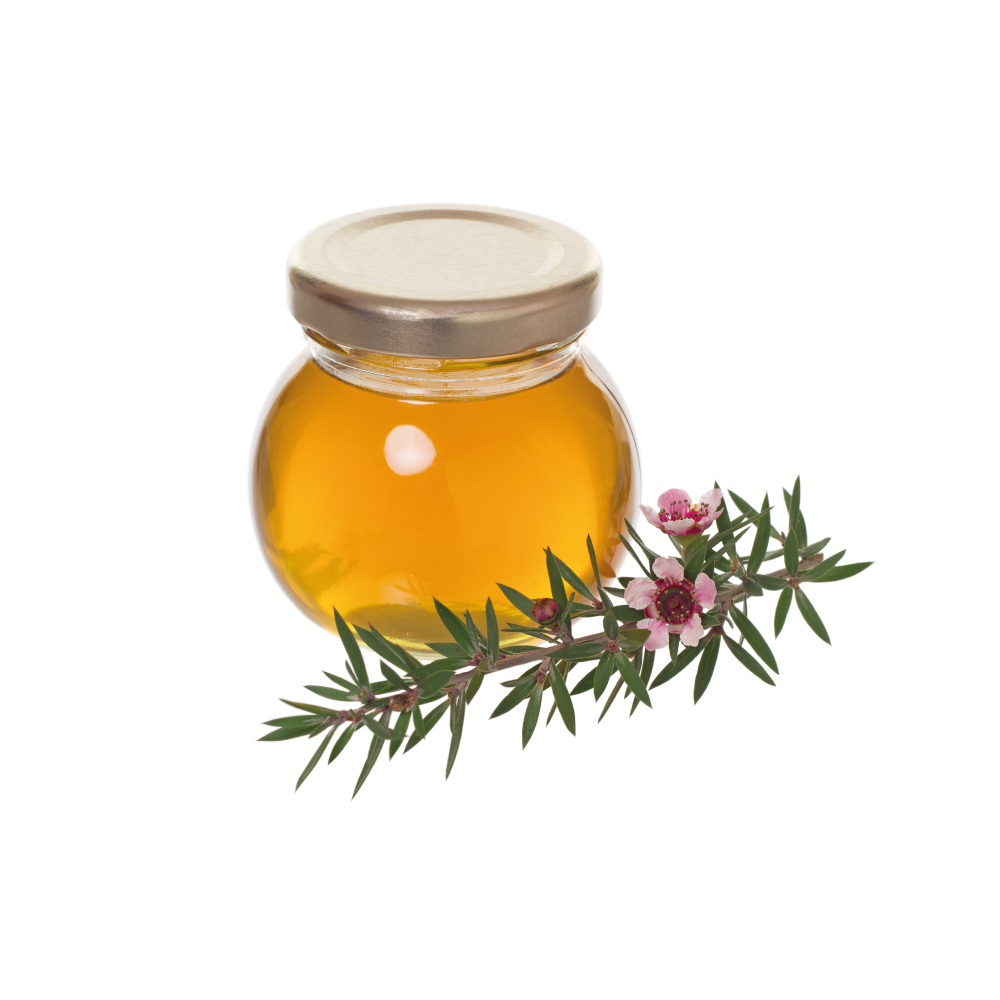 ManukaLeptospermum scopariumModerate
Medical-grade manuka honey dressings may shorten healing of partial-thickness burns, and a Cochrane review of antiseptics for burns ranked honey among the better-supported options, both at low-to-moderate certainty 5,
The evidence is for the honey (osmotic, low-pH and methylglyoxal action), a distinct product from the leaf or essential oil. The manuka herb and oil have no burn evidence.
Full monograph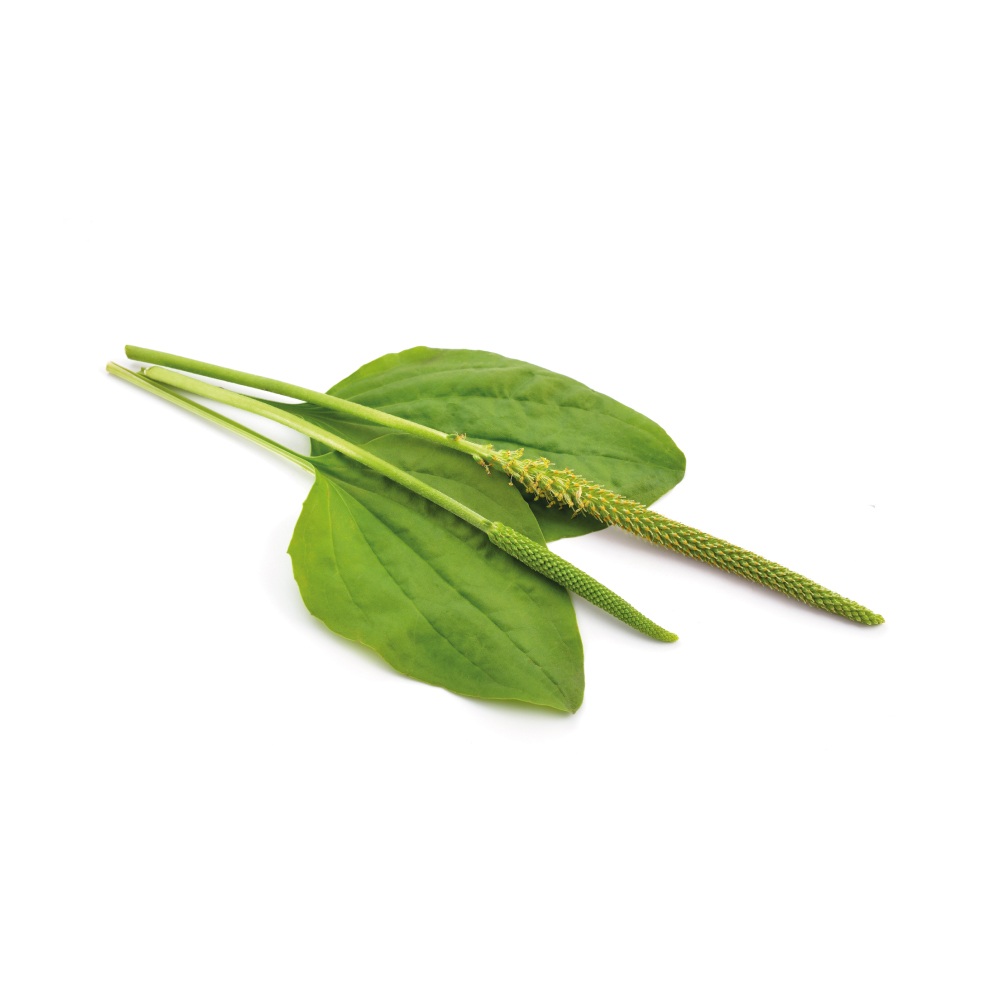 PlantainPlantago majorModerate
In a controlled human study of second-degree burns, a 10% Plantago major leaf ointment matched silver sulfadiazine on healing time, pain and infection control, consistent with the herb’s anti-inflammatory (NF-κB/COX-2), antioxidant and fibroblast-stimulating activity 7Reference 7ObservationalTherapeutic efficacy of great plantain (Plantago major L.) in the treatment of second-degree burn wounds: a case-control studyView study →. The trial is a small non-randomised case-control.
Plantain is used topically, and not on deep or extensive burns. Plantain leaf is a different medicine from psyllium seed.
Full monograph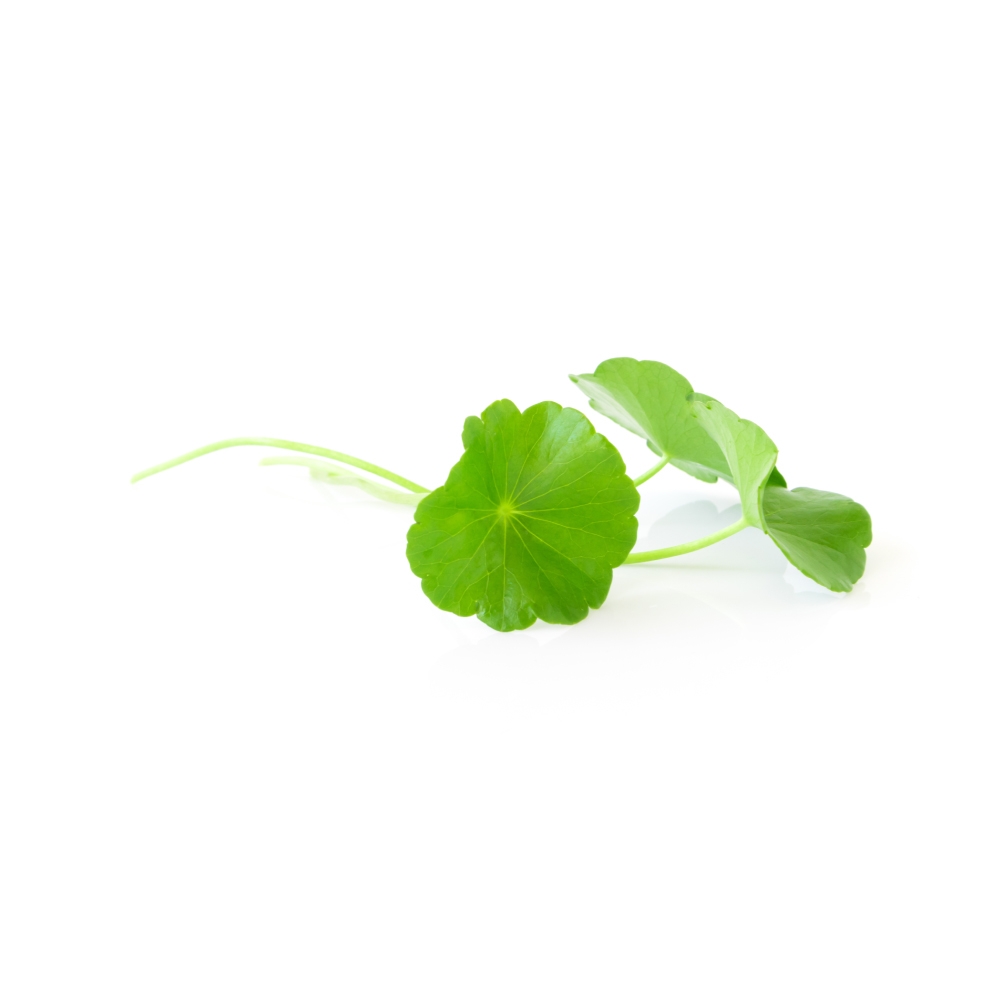 Gotu KolaCentella asiaticaPreclinical
Oral madecassoside accelerated burn-wound closure in mice, raising hydroxyproline (collagen) and reducing inflammatory infiltrate, fitting gotu kola’s well-mapped collagen/angiogenesis (asiaticoside, asiatic acid) mechanism 4Reference 4AnimalMadecassoside isolated from Centella asiatica facilitates burn wound healing in mice — animal modelView study →. The evidence is animal and isolated-compound only; human wound data are for standardized topical/oral extracts (not tea or raw powder) and are not burn-specific.
Full monograph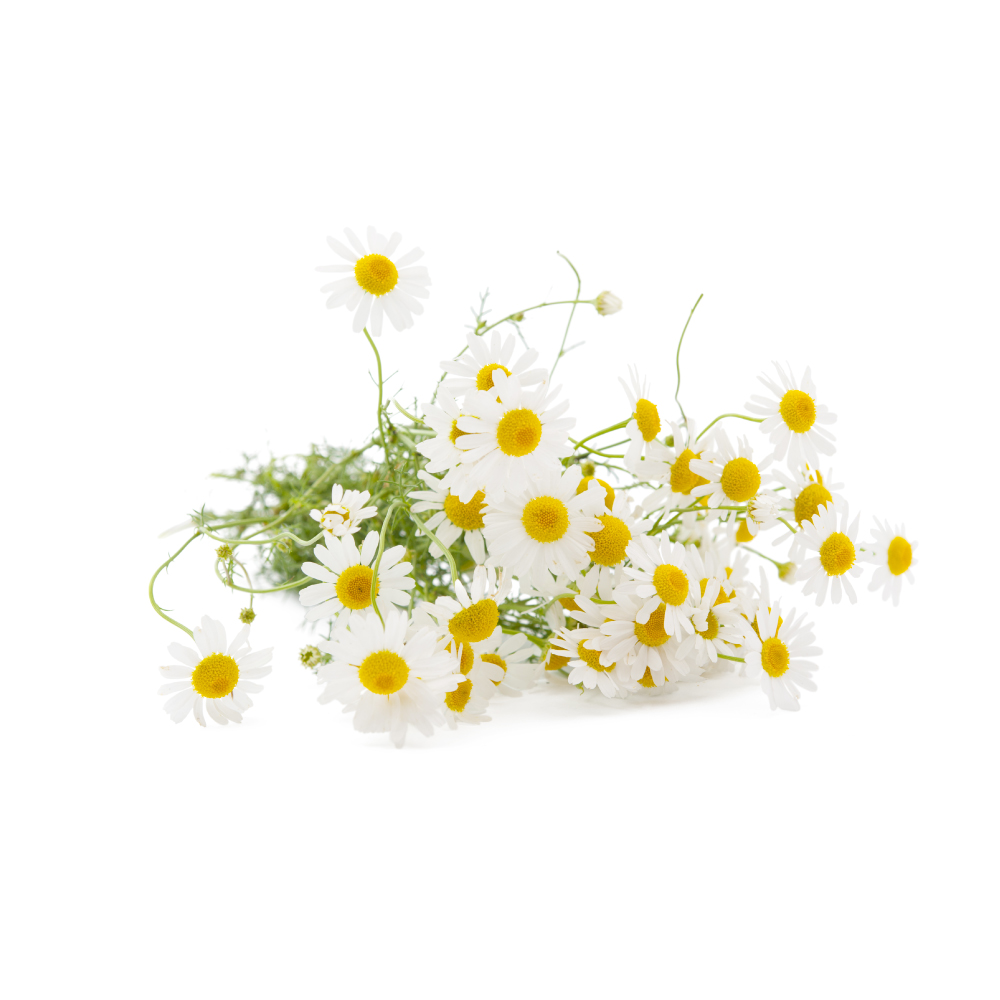 German ChamomileMatricaria chamomillaTraditional only
German chamomile is a long-standing topical remedy for burns and irritated skin, resting on the anti-inflammatory essential-oil sesquiterpenes α-bisabolol and chamazulene 3Reference 3Pharmacological investigations with compounds of chamomile: antiphlogistic effects of (−)-α-bisabolol and bisabolol oxides — animal studyView study →. No burn-specific trial exists — its topical trial evidence is in radiation dermatitis (null on primary outcome) and diabetic neuropathy — so the use rests on tradition and mechanism. Asteraceae allergy is possible.
Full monograph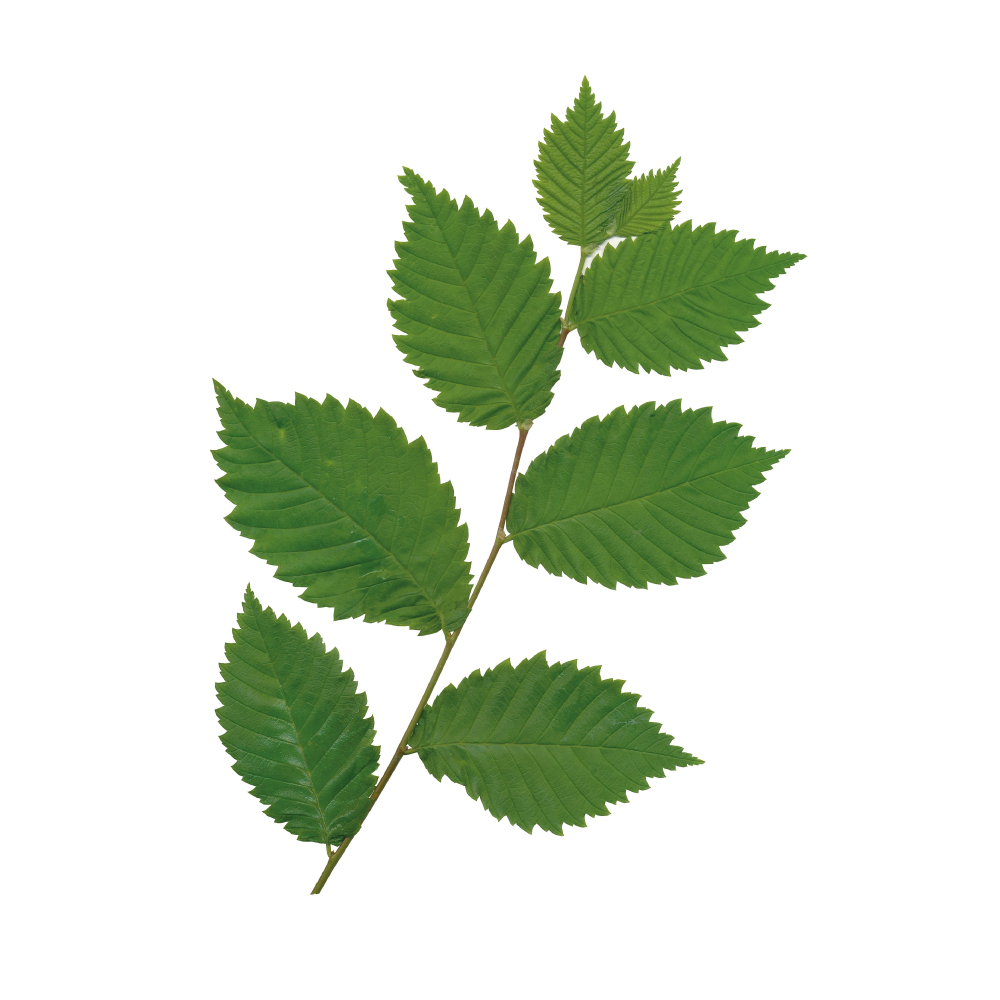 Slippery ElmUlmus rubraTraditional only
Powdered slippery-elm inner bark has a long traditional use as a soothing poultice for burns, boils and inflamed skin, the same ~7% mucilage forming a moist protective barrier over damaged tissue. No study has tested slippery elm itself on burns — supporting wound data come from related Ulmus species with different bark chemistry — so the use rests on mechanism and tradition. It is used on minor superficial burns.
Full monograph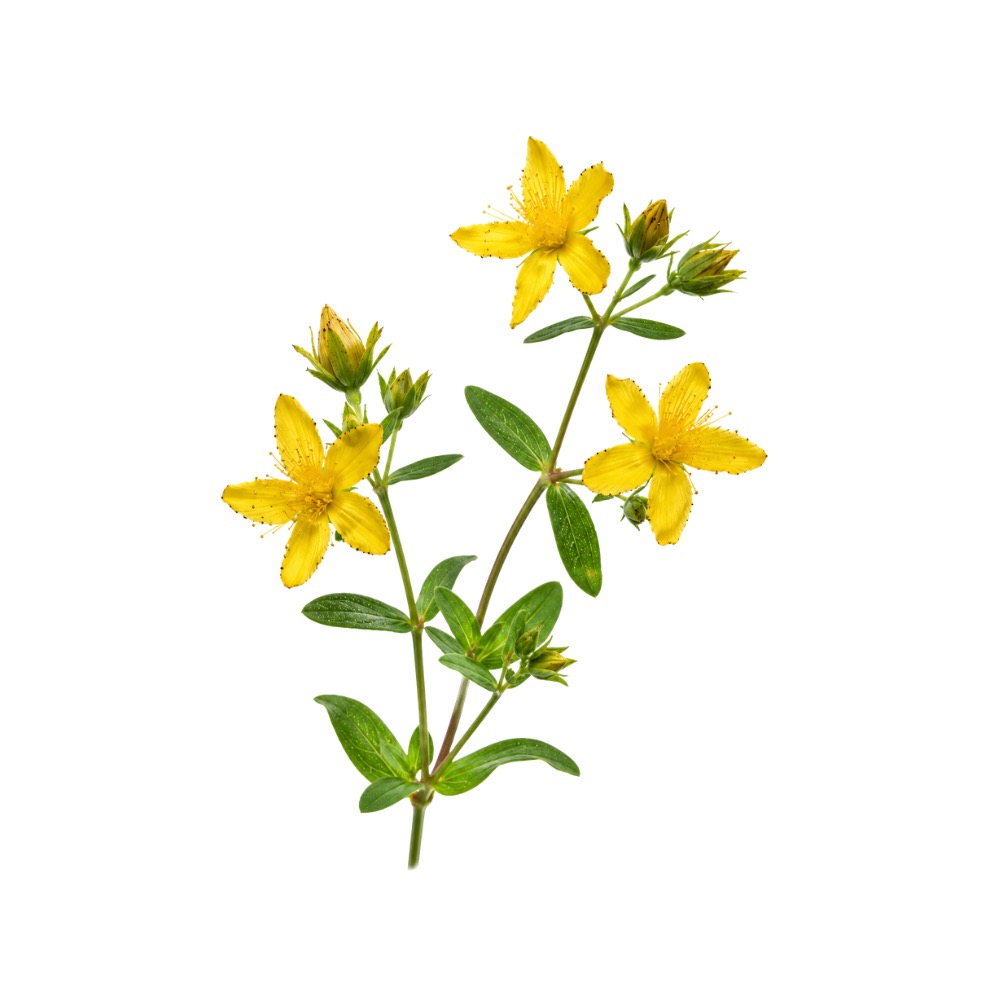 St. John’s WortHypericum perforatumTraditional only
St. John’s wort infused oil has a long traditional vulnerary use for wounds, burns and nerve pain, and a topical hypericum ointment accelerated caesarean-wound healing in one RCT 8Reference 8RCTThe effect of Hypericum perforatum on the wound healing and scar of caesarean — randomised, double-blind trialView study → — but no trial tests it on burns, and a pressure-injury RCT was null 9Reference 9RCTThe Effects of StView study →.
Topical hypericum is photosensitising (hypericin), so it is kept off skin that will be sun-exposed, which matters for a burn remedy.
Full monograph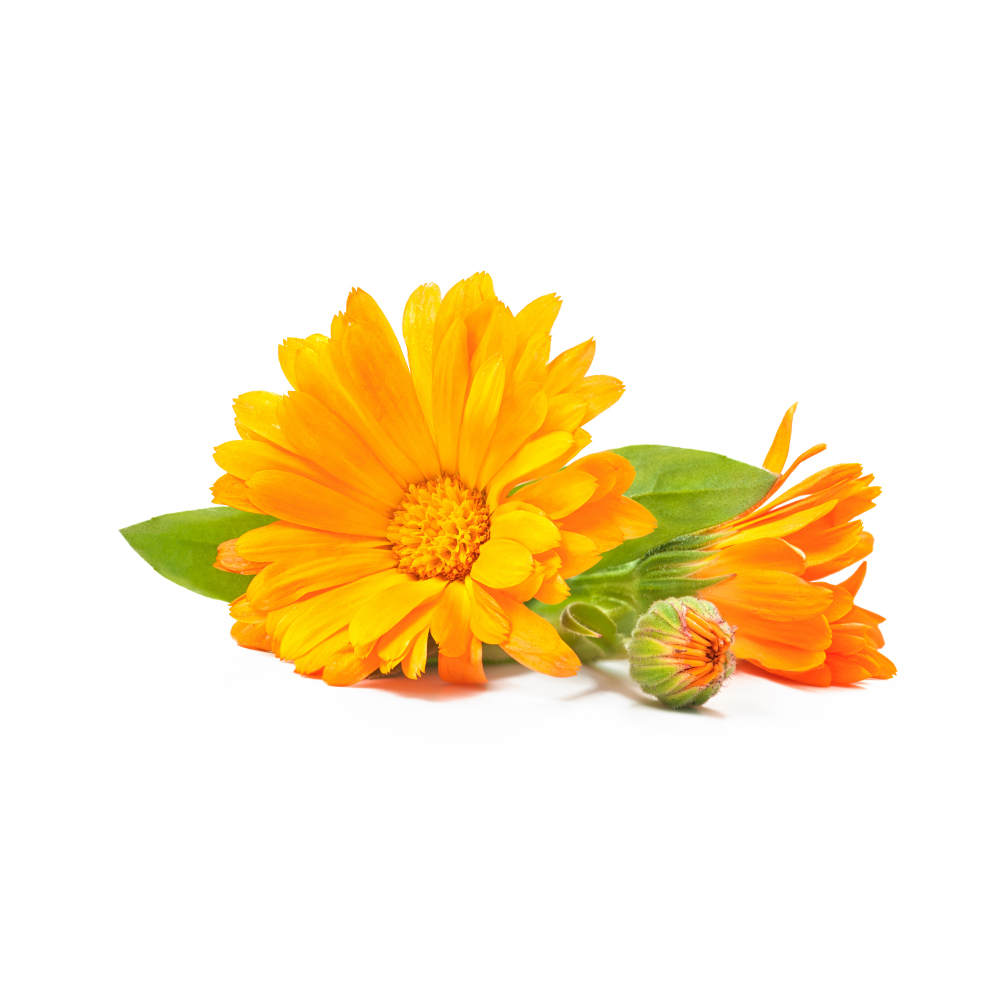 CalendulaCalendula officinalisNo benefit shown
Despite calendula’s long topical vulnerary tradition for cuts, burns and rashes, a burns RCT found the flower preparation gave no advantage over control, and the herb’s clearest wound benefit sits in the inflammation/granulation phase and in post-surgical rather than burn wounds 2Reference 2Systematic reviewA systematic review of Calendula officinalis extract for wound healing — [systematic review]View study →. Calendula is plausible and low-risk but unproven for burns; the strongest calendula data (radiation dermatitis) are themselves null-to-negative on meta-analysis. Asteraceae contact allergy is possible.
Full monographReferences
- Bone, K. (2003). A clinical guide to blending liquid herbs: Herbal formulations for the individual patient. Edinburgh [u.a.: Churchill Livingstone. (Pg. 61-64).
- Givol O, et al. (2019). A systematic review of Calendula officinalis extract for wound healing — [systematic review]. Wound Repair Regen. https://pubmed.ncbi.nlm.nih.gov/31145533/
- Jakovlev V, et al. (1979). Pharmacological investigations with compounds of chamomile: antiphlogistic effects of (−)-α-bisabolol and bisabolol oxides — animal study. Planta Medica. https://pubmed.ncbi.nlm.nih.gov/419180/
- Liu, M., et al. (2008). Madecassoside isolated from Centella asiatica facilitates burn wound healing in mice — animal model. Planta Medica. https://pubmed.ncbi.nlm.nih.gov/18484522/
- Jull, A. B., Cullum, N., Dumville, J. C., et al. (2015). Honey as a topical treatment for wounds [systematic review]. Cochrane Database of Systematic Reviews. https://pubmed.ncbi.nlm.nih.gov/25742878/
- Norman, G., Christie, J., Liu, Z., et al. (2017). Antiseptics for burns [systematic review]. Cochrane Database of Systematic Reviews. https://pubmed.ncbi.nlm.nih.gov/28700086/
- Keshavarzi A, et al. (2022). Therapeutic efficacy of great plantain (Plantago major L.) in the treatment of second-degree burn wounds: a case-control study. International Journal of Clinical Practice. https://pubmed.ncbi.nlm.nih.gov/35966146/
- Samadi, S., Khadivzadeh, T., et al. (2010). The effect of Hypericum perforatum on the wound healing and scar of caesarean — randomised, double-blind trial. Journal of Alternative and Complementary Medicine. https://pubmed.ncbi.nlm.nih.gov/20064022/
- Yıldırım, S., et al. (2025). The Effects of St. John’s Wort on Healing of Stages 1 and 2 Pressure Injuries: A Randomised Controlled Trial. Journal of Wound, Ostomy and Continence Nursing. https://pubmed.ncbi.nlm.nih.gov/40717256/