

Overview
Integumentary at a Glance
The skin, hair and nails make up the body’s largest organ and its barrier against the outside world.
The skin is unusual in herbal medicine because the medicine can often be applied directly to the problem.
That makes route of administration especially important.
A salve can sit over a wound.
An astringent wash can act directly on weeping or inflamed tissue.
An antifungal preparation can be held against the organism it’s meant to affect.
A mucilage-rich gel can protect a damaged surface while it heals.
Most skin herbs fall into a few broad groups.
Vulneraries such as calendula, comfrey, gotu kola, and plantain are used to support wound healing and tissue repair.
Astringents such as witch hazel and yarrow tighten and dry excessively moist, inflamed, or weeping tissue.
Emollients and demulcents soften, soothe, and protect dry or irritated skin.
Antimicrobial and antifungal herbs are used where infection is part of the picture.
Then there are the anti-inflammatory herbs used for conditions such as eczema, psoriasis, dermatitis, and other inflammatory skin problems.
The form of the preparation matters just as much as the plant.
A resin, poultice, infused oil, cream, wash, powder, or tincture can place very different concentrations of the same herb against the skin.
Some preparations also work physically as well as chemically.
Resins can dry into a protective film over a wound.
Poultices hold moist plant material against the tissue for prolonged contact.
Mucilages form a barrier over raw or irritated skin.
Topical use can also change the safety profile of an herb completely.
Comfrey is a good example.
Applied externally, it’s widely used as a vulnerary.
Taken internally, its pyrrolizidine alkaloids can damage the liver.
The skin also has its own particular risks.
Many topical herbs can cause contact dermatitis or sensitisation, including propolis, conifer resins, and several members of the daisy family.
If a rash becomes more irritated after a new herbal cream or salve is introduced, the preparation itself should be considered as a possible cause.
Caution
Persistent, spreading, ulcerating, infected, or unexplained skin lesions need proper diagnosis. A changing pigmented lesion, rapidly worsening rash, extensive blistering, or signs of serious infection should be medically assessed rather than repeatedly treated topically.
The Traditional View
How Herbalists Read the Skin
Traditional Western herbal medicine tends to approach the skin in two ways.
The first is topical and local.
The second treats the skin as a reflection of what’s happening elsewhere in the body.
The topical tradition is the more straightforward of the two.
Vulneraries such as calendula, comfrey, gotu kola, and plantain are applied where tissue needs to repair.
Calendula and plantain are used for irritated or damaged skin.
Comfrey became so closely associated with tissue repair that one of its traditional names is knitbone.
Gotu kola is used more specifically where connective tissue and scar formation are involved.
Astringents such as witch hazel, yarrow, oak bark, and other tannin-rich plants are used where tissue is swollen, loose, weeping, or overly secretory.
Their tannins bind proteins at the surface, which tightens tissue and reduces exudation.
Emollients and demulcents are used where the problem is dryness, irritation, or loss of barrier function.
These herbs soften and protect the surface rather than stimulating it.
Topical antimicrobials and antifungals form another major group, particularly for minor infected wounds, fungal skin problems, and conditions where microbial overgrowth is contributing.
Traditional preparations matter a great deal here.
A poultice holds a relatively concentrated mass of plant material directly against the skin.
A resin or salve can remain in contact for hours and may also form a physical barrier over damaged tissue.
A wash or compress makes more sense where the area is broad, moist, hot, or too sensitive for an occlusive preparation.
The internal tradition is built mainly around the alteratives.
Burdock, yellow dock, red clover, cleavers, and sarsaparilla are traditionally used over longer periods for eczema, psoriasis, acne, boils, and other chronic skin conditions.
Historically, these were described as blood cleansers.
The older explanation was that poor elimination through the liver, kidneys, bowel, or lymph allowed unwanted material to build up and escape through the skin.
That language doesn’t map cleanly onto modern physiology.
But the broader observation that chronic skin disease can reflect systemic inflammation, immune dysfunction, hormonal changes, gut disturbance, or other internal factors is still useful.
So the modern interpretation is less about “cleansing the blood” and more about identifying the systemic processes contributing to the skin problem.
The practical herbal question is:
Does the skin need protection, drying, soothing, tissue repair, antimicrobial action, or treatment of something deeper that’s driving the inflammation?
Key Herbal Actions
What the Herbs Do Here
The actions most often called on for the skin, each linking through to the herbs that carry it:
Vulnerary
Promotes wound healing and tissue repair, and the best-evidenced of the skin actions.
Astringent
Tannins tighten and dry weeping, inflamed or lax tissue, and witch hazel is the archetype.
Anti-Inflammatory
Calms the inflammatory skin conditions, where the topical comparator is often a corticosteroid.
Antimicrobial & Antibacterial & Antifungal
Act on the organisms behind skin infection.
Antimicrobial herbs →Antibacterial herbs →Antifungal herbs →
Alterative
The internal “blood cleanser” tradition for chronic skin disease, and the least evidenced category.
Antioxidant
The mechanism behind the photoprotection and skin-ageing entries, where ultraviolet-driven oxidative damage is the pathology.
Mechanisms
How It Works
Skin herbs reach their effect by unusually concrete routes, and some of those routes are purely physical. Almost all of them work at one of eight points.
01
Fibroblast Proliferation & Collagen Synthesis
Wound healing runs through inflammation, proliferation and remodelling, and the vulnerary herbs act mostly on the second phase.
Gotu kola is the best-characterised of them. Its triterpenes asiaticoside and madecassoside stimulate fibroblast proliferation and type I collagen synthesis, and madecassoside accelerates burn wound healing in mice 19Reference 19AnimalMadecassoside isolated from Centella asiatica facilitates burn wound healing in mice — animal modelView study →.
Dragon’s blood sap carries taspine, isolated in 1989 as the sap’s cicatrizant principle, which promotes fibroblast migration into the wound bed in animal models 67Reference 67AnimalTaspine is the cicatrizant principle in sangre de grado extracted from Croton lechleri — animal model in vivoView study → and is separately anti-inflammatory 68Reference 68AnimalSouth American plants II: taspine isolation and anti-inflammatory activity — animal model in vivoView study →. Calendula tincture drives fibroblast proliferation through PI3K signalling, and comfrey extract induces measurable epidermal regeneration in human skin models 15Reference 15In vitroEpidermal regeneration induced by comfrey extract — in vitro light and electron microscopyView study →.
Two herbs work the other end of the same phase. Lady’s mantle’s quercetin-3-O-β-glucuronide inhibits collagenase, the enzyme that degrades newly laid collagen, out-performing doxycycline in vitro 69Reference 69In vitroIdentification of a collagenase-inhibiting flavonoid from Alchemilla vulgaris using NMR-based metabolomics — in vitroView study →, which makes it a matrix-preserving herb rather than a matrix-building one.
Fireweed’s hyperoside does the same job against hyaluronidase and collagenase together 70Reference 70In vitroPhytochemical profile and biological insights of Epilobium angustifolium L. herb — antioxidant and enzyme-inhibition assays, in vitroView study →.
Anything that drives fibroblast activity has a theoretical capacity to worsen hypertrophic scarring.
Herbs: Gotu KolaCalendulaComfreyDragon’s BloodLady’s MantleFireweed
Key compounds: AsiaticosideMadecassosideTaspineMiquelianinHyperoside
02
Honey as a Physical Antimicrobial
The most physical mechanism in the skin materia medica, and it has four arms at once.
Honey’s high sugar concentration draws water osmotically out of bacterial cells, and its pH of around 3.5 to 4.5 is hostile to most wound pathogens. Glucose oxidase in the honey generates low, sustained hydrogen peroxide.
Manuka adds a fourth component that is not peroxide-dependent, methylglyoxal, derived from dihydroxyacetone in Leptospermum nectar, which is what the UMF rating measures.
That combination is why honey retains activity against antibiotic-resistant organisms.
It is also why the medical-grade product is gamma-irradiated, since raw honey can carry Clostridium botulinum spores.
Herbs: Manuka
03
Tannins, Astringency and Barrier Repair
Tannins are polyphenols that bind and precipitate surface proteins, forming a thin protective layer over damaged tissue that reduces exudate, seals capillaries and creates a physical barrier.
Witch hazel’s highly galloylated tannins also have direct antioxidant activity in skin cells and impair the keratinocyte inflammatory cascade typical of atopic eczema 28Reference 28In vitroWitch hazel (Hamamelis virginiana L.) bark extract impairs the keratinocyte inflammatory cascade typical of atopic eczema — in vitroView study →. The tannins live in the bark and leaf, and the steam distillate sold as “witch hazel water” contains almost none, so the astringency explanation may not be the whole account of what the trials measured.
Where the tannin load is high enough the layer stops being a film and becomes a structure. Barbatimão bark, one of the most condensed-tannin-dense materials in use anywhere, precipitates enough surface protein to form a coagulum that acts as barrier, haemostat and scaffold at once.
The route argument matters more here than anywhere else in herbal medicine. Tannins are large, poorly absorbed polyphenols, which is a fatal limitation when they are swallowed and a non-issue when they are not, since nothing needs to be absorbed for an astringent to work on the tissue it is touching.
The European regulator recognises oak bark for topical use in weeping skin inflammation on exactly that reasoning 71Reference 71ReviewCommunity herbal monograph on Quercus robur L., QView study →, while capping the same herb’s internal use at a few days.
Herbs: Witch HazelBarbatimãoOak Bark
04
Topical Anti-Inflammatory Action
The mechanism that puts these herbs into competition with hydrocortisone.
Calendula’s triterpenoid faradiol esters are its principal topical anti-inflammatory constituents, demonstrated by fractionation 12Reference 12In vitroThe role of triterpenoids in the topical anti-inflammatory activity of Calendula officinalis flowers — in vitro and animal modelView study →. Chamomile contributes bisabolol and chamazulene, and comfrey root extract inhibits NF-κB signalling at two distinct steps.
Oregon grape supplies the most specific version of this: its bisbenzylisoquinoline alkaloids berbamine and oxyacanthine inhibit 5-lipoxygenase 72,
What distinguishes these from corticosteroids is what they lack. No skin thinning, no telangiectasia, no adrenal suppression and no rebound on withdrawal, which is why a herb that only matches a mild steroid over four weeks may still be preferable over four months.
Herbs: CalendulaGerman ChamomileComfreyOregon GrapeDouglas Fir
Key compounds: FaradiolBisabololChamazuleneBerbamineOxyacanthine
05
Oral Photoprotection
The one skin mechanism that works from the inside.
Polypodium leucotomos extract taken orally reduces the erythema, DNA damage and Langerhans-cell depletion caused by ultraviolet exposure 53Reference 53RCTTopical or oral administration with an extract of Polypodium leucotomos prevents acute sunburn and psoralen-induced phototoxic reactions — randomised trialView study →. The route combines free-radical scavenging, inhibition of UV-induced matrix metalloproteinases, and preservation of cutaneous immune surveillance, since ultraviolet exposure is locally immunosuppressive.
That third arm is why the same extract has been trialled in photodermatoses, melasma and as an adjunct to phototherapy in vitiligo.
It is not a sunscreen and does not replace one.
Herbs: Samambaia
06
Antifungal Membrane Disruption
The skin-infection mechanism, and almost all of it is laboratory work.
Horopito’s polygodial is a sesquiterpene dialdehyde that disrupts fungal plasma membrane function, with in vitro activity against Candida albicans established since the early 1980s 46,
Biofilm activity matters disproportionately in skin and wound infection, where established biofilm is a principal reason chronic wounds fail to close.
A subset of these compounds only works in the light, which sounds like a disqualifier and on this one organ is not. Prickly ash’s furanocoumarins inhibit a broad fungal panel in vitro 76Reference 76In vitroAntifungal constituents of northern prickly ash, Zanthoxylum americanum Mill. — in vitroView study →, and the thiophenes of balsamroot root, a family of Asteraceae compounds whose antimicrobial potency rises sharply under ultraviolet, sit behind that plant’s antifungal and antibacterial screening results 77,
Skin is the one tissue a photoactivated antimicrobial can reach in daylight.
The same chemistry is why both plants cause phytophotodermatitis. Furanocoumarins on skin plus sunlight is the classic recipe for a delayed burn, so the therapeutic effect and the injury are the same event under different conditions.
None of this establishes a clinical antifungal.
Herbs: HoropitoUsneaPrickly AshBalsamroot
Key compounds: PolygodialUsnic Acid
07
Sweat Glands & the Skin’s Exocrine Appendages
The one mechanism aimed at a skin structure rather than at the skin surface, and it separates a traditional category into two unrelated things wearing one name.
Eccrine sweat glands are cholinergically innervated, an oddity of the autonomic nervous system, since they are sympathetic fibres releasing acetylcholine. A muscarinic agonist therefore drives them directly.
Pilocarpine, the alkaloid of jaborandi leaf, does exactly that, and does it reliably enough that pilocarpine iontophoresis is still the standard way to raise sweat for cystic-fibrosis chloride testing 79,
Every other diaphoretic works some other way. Yarrow, elder and ginger open the peripheral circulation and let the body sweat as a consequence, so the effect depends on being warm, on being hydrated and on the thermoregulatory response cooperating.
The two categories fail differently. A circulatory diaphoretic does nothing to a cold, shut-down patient, while a muscarinic agonist floods a person whose gland tissue is intact, and profuse sweating is simultaneously the intended effect and the first sign of cholinergic overdose.
Herbs: JaborandiYarrowElderGinger
Key compounds: Pilocarpine
08
The Alterative Hypothesis
The traditional explanation is wrong, and something may still be happening.
There is no metabolic backlog for a herb to flush. But chronic inflammatory skin disease is systemic, since psoriasis is an IL-17-driven immune condition with cardiovascular comorbidity and atopic eczema involves systemic Th2 activation, and several classic alteratives have measurable immune effects.
Smilax species suppress IL-17-driven T-cell responses in psoriasis models 42Reference 42AnimalIntegrated network pharmacological analysis revealed that Smilax glabra Roxb. alleviates IMQ-induced psoriatic skin inflammation through regulating T cell immune response — animal modelView study →. Burdock has anti-acne activity in vitro attributed to root peptides 61Reference 61In vitroAnti-acne action of peptides isolated from burdock root — in vitro and pilot testingView study →, and its lignan arctiin protects dermal fibroblasts against UVB 62Reference 62In vitroArctiin induces a UVB protective effect in human dermal fibroblast cells through microRNA expression — in vitroView study →.
That is a much more modest and more plausible claim than blood cleansing, and it is still preclinical.
Herbs: SarsaparillaBurdock
Key compounds: Arctiin
The Herbs
Materia Medica
The herbs with a written-up skin indication, grouped by what they treat and ordered by strength of evidence.
A changing mole or a rash that does not respond needs a diagnosis rather than a remedy.
Wounds, Burns and Scars
12 herbsThe best-evidenced group and the one closest to conventional practice, since medical-grade honey dressings are stocked in hospitals and several of these herbs have been compared against standard wound care rather than placebo.
The framing caution is about wound type. These are for clean, minor, acute wounds and superficial burns. Deep, dirty, large or non-healing wounds, and any burn beyond superficial partial thickness, are a clinical matter.
The tiers diverge more than usual. Barbatimão, lady’s mantle and dragon’s blood have consistent animal and cell work, named active molecules, comparisons against real drugs rather than placebo, and in one case a randomised trial in cattle, but not one controlled human wound trial between them.
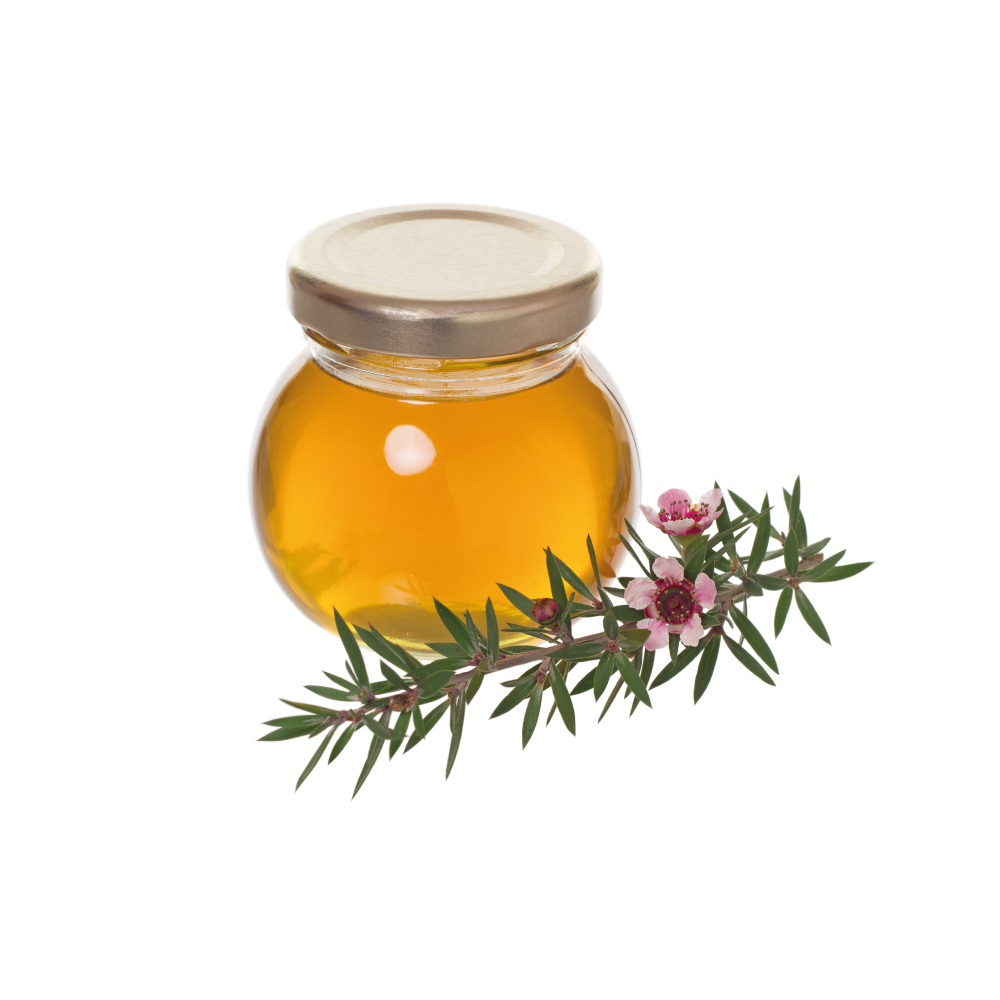 StrongStrongManukaLeptospermum scopariumMedical-grade honey is routine hospital stock. A Cochrane review of honey as a topical wound treatment found it heals partial-thickness burns faster than conventional dressings and infected post-operative wounds faster than antiseptics, while noting the evidence is weaker for other wound types 1Reference 1Systematic reviewHoney as a topical treatment for wounds — Cochrane systematic reviewView study →, and a separate Cochrane review of antiseptics for burns assesses it alongside conventional agents 2Reference 2Systematic reviewAntiseptics for burns — Cochrane systematic reviewView study →.Read the evidenceShow lessMonograph →
A randomised controlled trial found manuka honey improved eyelid wound healing and scar appearance 3Reference 3RCTEffect of manuka honey on eyelid wound healing — randomised controlled trialView study →, and a clinical and mechanistic study found honey effective in atopic dermatitis lesions 4Reference 4Honey is potentially effective in the treatment of atopic dermatitis — clinical and mechanistic studiesView study →.
The mechanism is the four-armed physical and chemical action of osmosis, acidity, peroxide and methylglyoxal, with methylglyoxal the manuka-specific part.
Use medical-grade, gamma-irradiated honey rather than a food jar, because raw honey can carry Clostridium botulinum spores. Never give honey of any kind orally to an infant under twelve months.
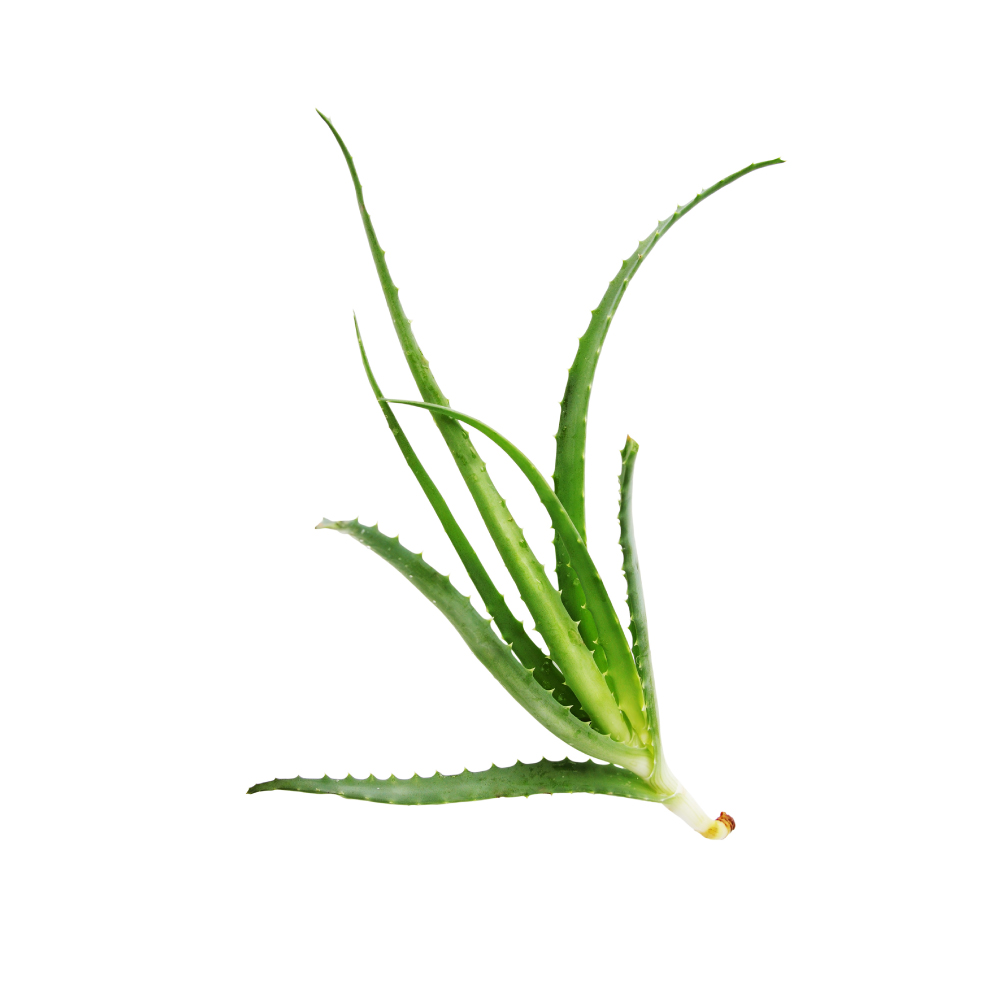 StrongStrongAloeAloe veraThe most familiar burn remedy, and the evidence broadly supports it. A systematic review and meta-analysis of randomised controlled trials found aloe improved outcomes in burn injuries 5Reference 5Meta-analysisEffects of Aloe vera on burn injuries — systematic review and meta-analysis of randomised controlled trialsView study →, with a separate meta-analysis focused on second-degree burns reaching the same conclusion 6Reference 6Meta-analysisSecond-degree burns and Aloe vera — meta-analysis and systematic reviewView study →.Also underPsoriasis ↓Read the evidenceShow lessMonograph →
A double-blind randomised controlled trial found topical aloe gel accelerated healing of split-thickness skin-graft donor sites 7Reference 7Systematic reviewTopical Aloe vera gel for accelerated wound healing of split-thickness skin-graft donor sites — double-blind randomised controlled trial and systematic reviewView study →, which is a standardised, surgically created wound and an unusually clean model.
The medicine is the inner-leaf gel, not the anthraquinone latex. Its psoriasis evidence appears below.
Trials are mostly small and heterogeneous in preparation, which is the recurring weakness. “Aloe vera gel” spans freshly split leaf to a stabilised commercial product, and they are not the same thing.
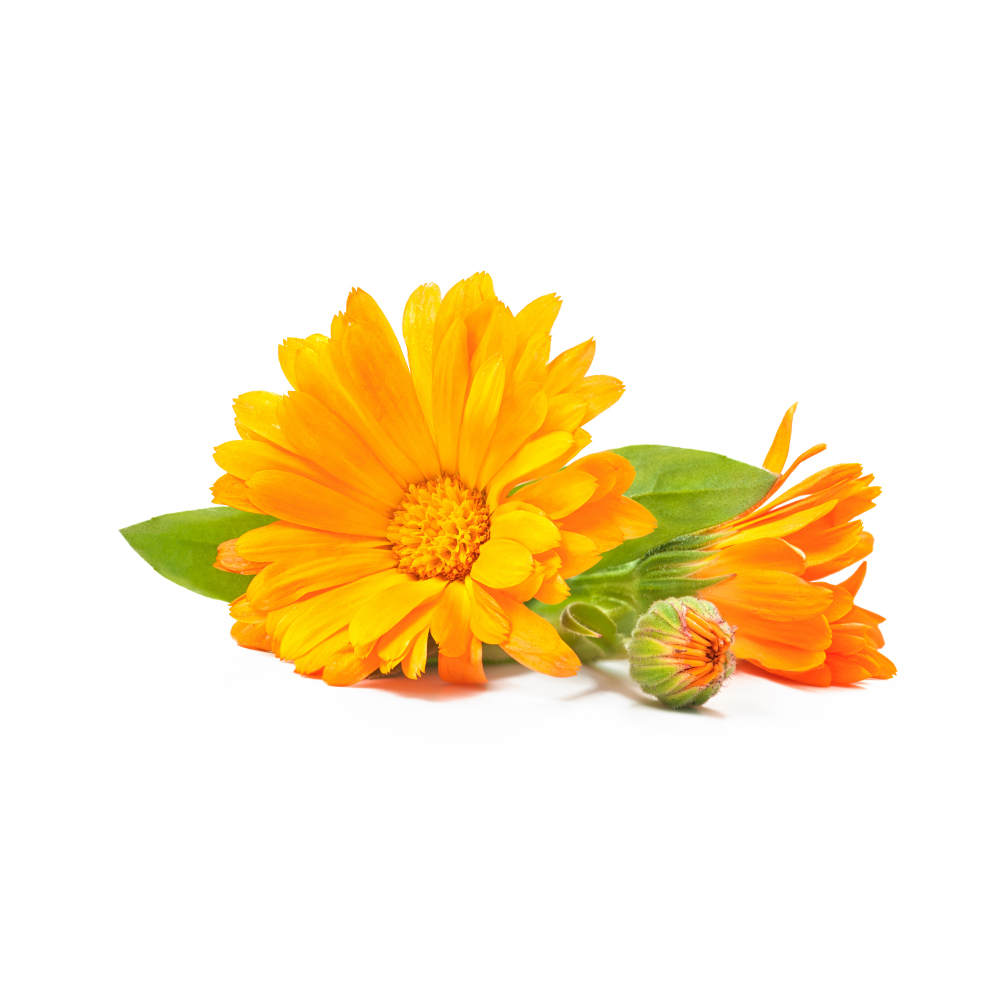 ModerateModerateCalendulaCalendula officinalisThe classic European wound herb, with a split literature. On wounds proper, a systematic review of calendula extract for wound healing supports it 10Reference 10Systematic reviewA systematic review of Calendula officinalis extract for wound healingView study → and a randomised controlled trial found calendula ointment improved caesarean wound healing 11Reference 11RCTThe impact of calendula ointment on cesarean wound healing — randomised controlled clinical trialView study →.Also underEczema ↓Read the evidenceShow lessMonograph →
The anti-inflammatory activity traces to the triterpenoid faradiol esters 12Reference 12In vitroThe role of triterpenoids in the topical anti-inflammatory activity of Calendula officinalis flowers — in vitro and animal modelView study →.
Its most famous result is in radiation dermatitis, where the evidence conflicts; that appears in the next group.
Calendula is an Asteraceae plant, and contact sensitisation to it is documented in patch-test cohorts 65,
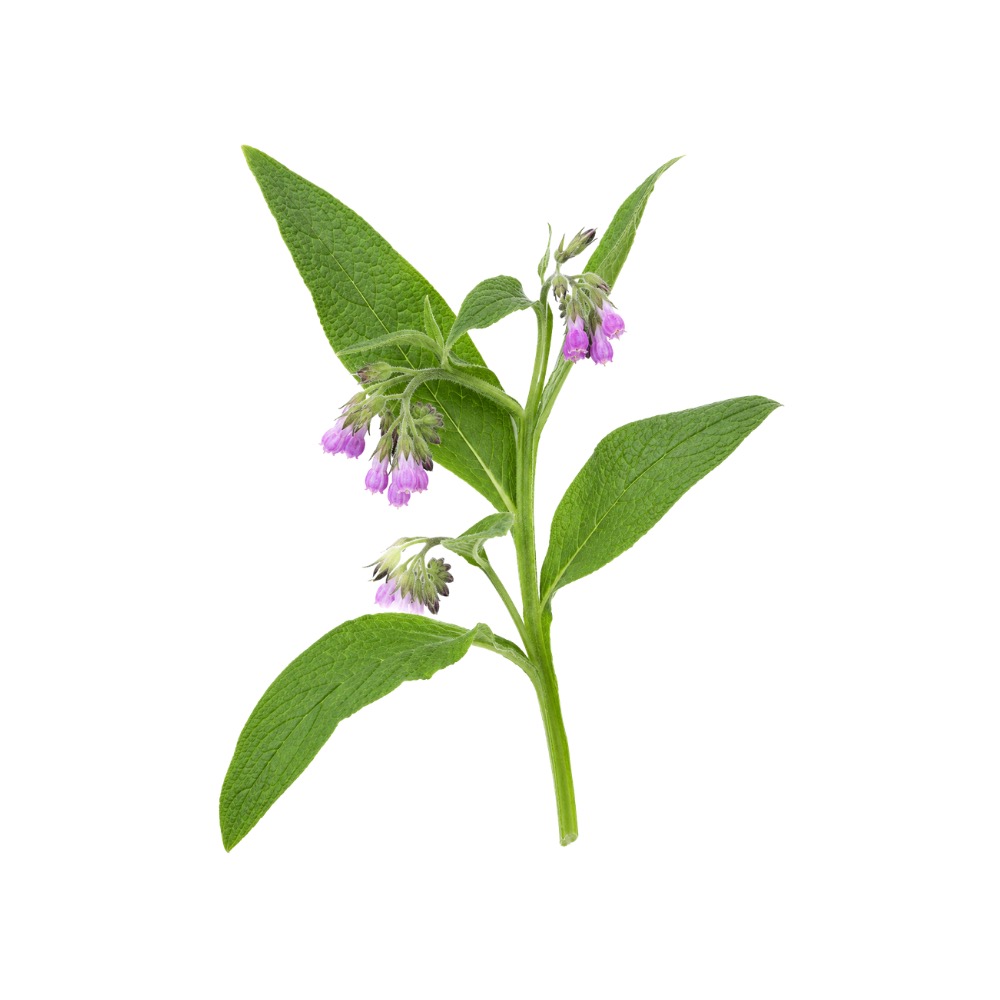 StrongStrongComfreySymphytum officinaleKnitbone, and the topical evidence is real. Randomised, controlled, double-blind trials found a Symphytum herb extract cream improved wound healing, including one conducted in children with fresh abrasions 13,
14Reference 13RCTWound-healing effects of a Symphytum herb extract cream in children — randomised, controlled, double-blind trialView study →Reference 14RCTWound-healing effects of a Symphytum herb extract cream — randomised, controlled, double-blind trialView study → , and comfrey extract induces demonstrable epidermal regeneration in human skin models 15Reference 15In vitroEpidermal regeneration induced by comfrey extract — in vitro light and electron microscopyView study →.Read the evidenceShow lessMonograph →
Its much larger topical record in sprains, back pain and osteoarthritis is on the musculoskeletal page.
The route restriction is absolute. Comfrey’s pyrrolizidine alkaloids cause irreversible hepatic veno-occlusive disease, and comfrey tea has caused serious and fatal liver injury 16Reference 16Case reportHepatotoxicity due to comfrey herb tea — case reportView study →.
Topical use on unbroken skin, limited to around ten days, avoids the first-pass metabolism that generates the toxic species, which is precisely why a wound herb must not be applied to an open wound.
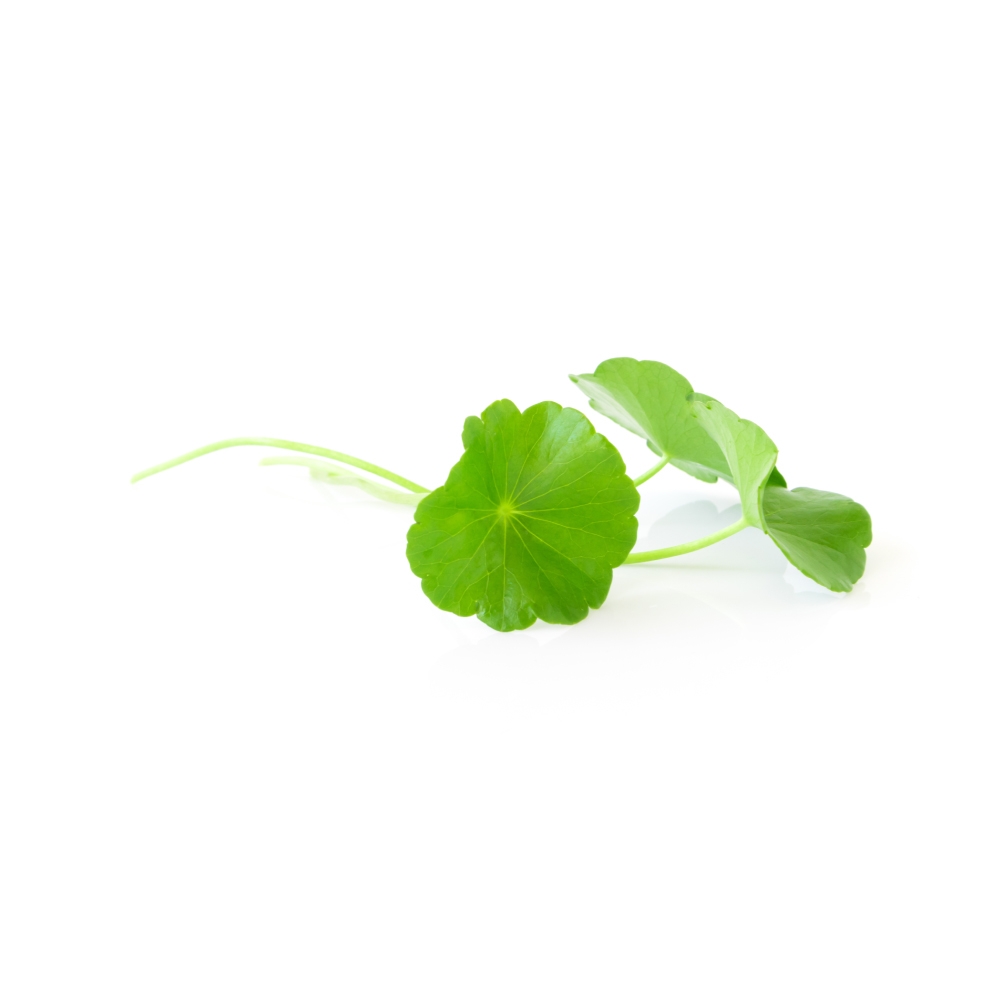 ModerateModerateGotu KolaCentella asiaticaThe Ayurvedic and Chinese wound herb, and the one with the most specific mechanism. A systematic review of Centella asiatica in wound healing supports the effect 17Reference 17Systematic reviewA systematic review of the effect of Centella asiatica on wound healingView study →, and a multicentre randomised controlled trial of a Centella spray film found improved wound outcomes 18Reference 18RCTWound healing efficacy of a polymeric spray film containing Centella asiatica leaf extract — multicentre randomised controlled trialView study →; madecassoside accelerates burn wound healing in mice 19Reference 19AnimalMadecassoside isolated from Centella asiatica facilitates burn wound healing in mice — animal modelView study →.Also underSkin ↓Read the evidenceShow lessMonograph →
The triterpene fraction (TECA/TTFCA) is a licensed pharmaceutical in parts of Europe.
Its scar and wrinkle evidence appears below, and its venous insufficiency data are on the cardiovascular page, which is the same collagen mechanism seen from another angle.
Prolonged high oral doses have been associated with liver injury in case reports.
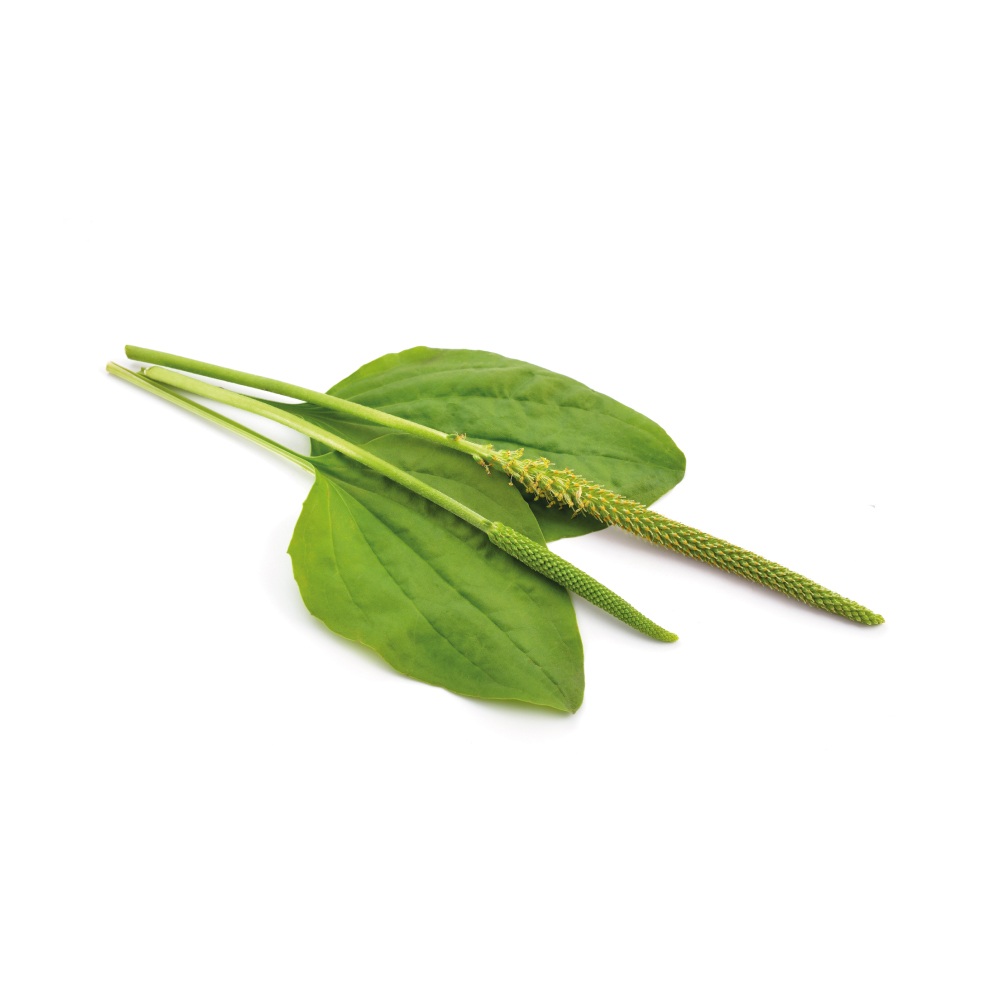 ModerateModeratePlantainPlantago majorThe ubiquitous lawn weed and the folk first-aid plant of half the world, with more human data than that history suggests. A randomised controlled trial found Plantago major effective in pressure ulcer treatment 20Reference 20RCTClinical and phytochemical studies of Plantago major in pressure ulcer treatment — randomised controlled trialView study →, a further randomised controlled trial found a hydroalcoholic extract improved healing of diabetic foot and pressure ulcers 21Reference 21RCTThe effect of Plantago major hydroalcoholic extract on the healing of diabetic foot and pressure ulcers — randomised controlled trialView study →, and a case-control study assessed it in second-degree burns 22Reference 22ObservationalTherapeutic efficacy of great plantain (Plantago major L.) in the treatment of second-degree burn wounds — case-control studyView study →.Read the evidenceShow lessMonograph →
The active constituents are aucubin and verbascoside alongside mucilage and tannins.
A systematic review of the preclinical wound literature found the animal studies insufficient and at high risk of bias 23Reference 23Systematic reviewThe effect of Plantago major on wound healing in preclinical studies — systematic reviewView study →, so the human trials are carrying more weight than the mechanistic base beneath them.
PreclinicalBarbatimãoStryphnodendron adstringensBrazil’s wound bark, with a deep wound-specific evidence base that has never reached a controlled human trial. The mechanism is astringency taken to its limit: the bark is exceptionally dense in condensed tannins, and applied to a raw surface it precipitates protein into a coagulum that seals, staunches and scaffolds at the same time.Read the evidenceShow less
Rodent models are consistent and unusually varied, with improved healing in streptozotocin-diabetic rats 81Reference 81AnimalStryphnodendron adstringens: clarifying wound healing in streptozotocin-induced diabetic rats — animal modelView study → and a comparison against silver sulfadiazine in cutaneous wounds 82Reference 82AnimalEffects of silver sulfadiazine, Tabebuia avellanedae extract and barbatimão (Stryphnodendron adstringens) extract on cutaneous wound healing in rats — animal modelView study →. The largest controlled result is veterinary, a randomised trial of the extract alongside hoof trimming for bovine digital dermatitis 83Reference 83RCTStryphnodendron adstringens extract associated with hoof trimming for bovine digital dermatitis — randomised controlled trial (veterinary)View study →.
A review assembling the traditional record alongside the laboratory work makes the case that this is one of the better-documented traditional wound remedies in the Americas 84Reference 84ReviewEvidence of traditionality of Brazilian medicinal plants: barbatimão barks and copaíba oleoresin in wound healing — reviewView study →.
A 2024 scoping review protocol was registered specifically because the human evidence is scattered across case series rather than trials 85Reference 85ReviewWound-healing properties of Stryphnodendron adstringens (barbatimão) in skin and mucosa injuries — scoping review protocolView study →.
The tannin load that makes it work also makes it drying and potentially irritating on delicate tissue, and the tested material throughout is a standardised bark extract rather than powdered bark.
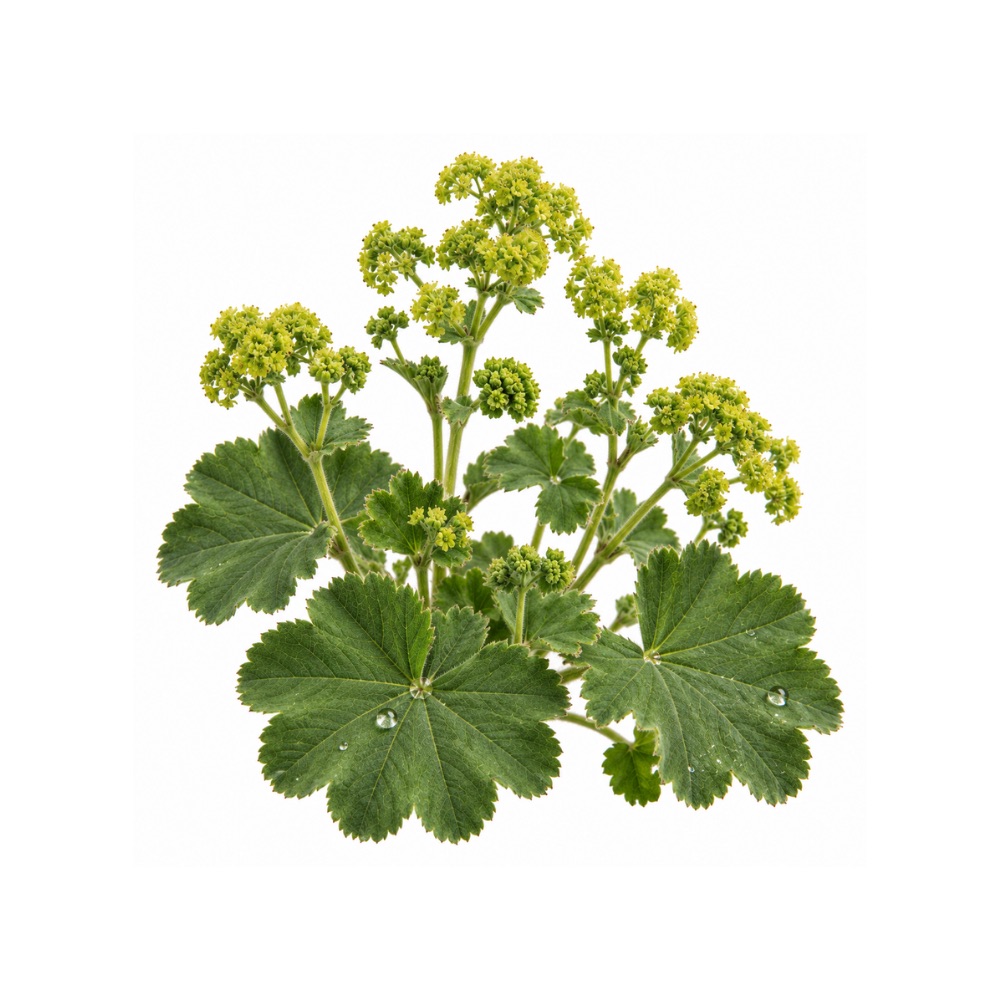 PreclinicalPreclinicalLady’s MantleAlchemilla vulgarisA better-evidenced topical than its folk-remedy reputation suggests. An A. vulgaris gel accelerated fibroblast migration and wound closure in vitro and improved skin-barrier measures in a parallel human skin study 86Reference 86In vitroIn vitro and in vivo evaluation of Alchemilla vulgaris L. gel wound-healing potential — in vitro fibroblast plus human skin studyView study →, rat excisional lesions contracted within two to three days of application 87Reference 87In vitroEffects of Alchemilla vulgaris and glycerine on epithelial and myofibroblast cell growth and cutaneous lesion healing in rats — animal and in vitro studyView study →, and an Alchemilla–Mimosa ointment out-performed fusidic acid, a topical antibiotic rather than a placebo, in a mouse wound model 88Reference 88AnimalEffect of a herbal mixture of Alchemilla vulgaris and Mimosa on the wound-healing process — mouse studyView study →.Read the evidenceShow less
The mechanism has a name attached. Quercetin-3-O-β-glucuronide from the herb inhibits collagenase more strongly than doxycycline in vitro 69Reference 69In vitroIdentification of a collagenase-inhibiting flavonoid from Alchemilla vulgaris using NMR-based metabolomics — in vitroView study →, and doxycycline is the drug prescribed off-label precisely for that property.
Preserving newly deposited collagen rather than stimulating more of it is a different route to the same endpoint, and it gives lady’s mantle a plausible anti-ageing claim that has never been tested.
Its two human studies are both in the mouth, topical Alchemilla in glycerine for aphthous ulcers and a randomised comparison against dexamethasone for post-operative sore throat 89,
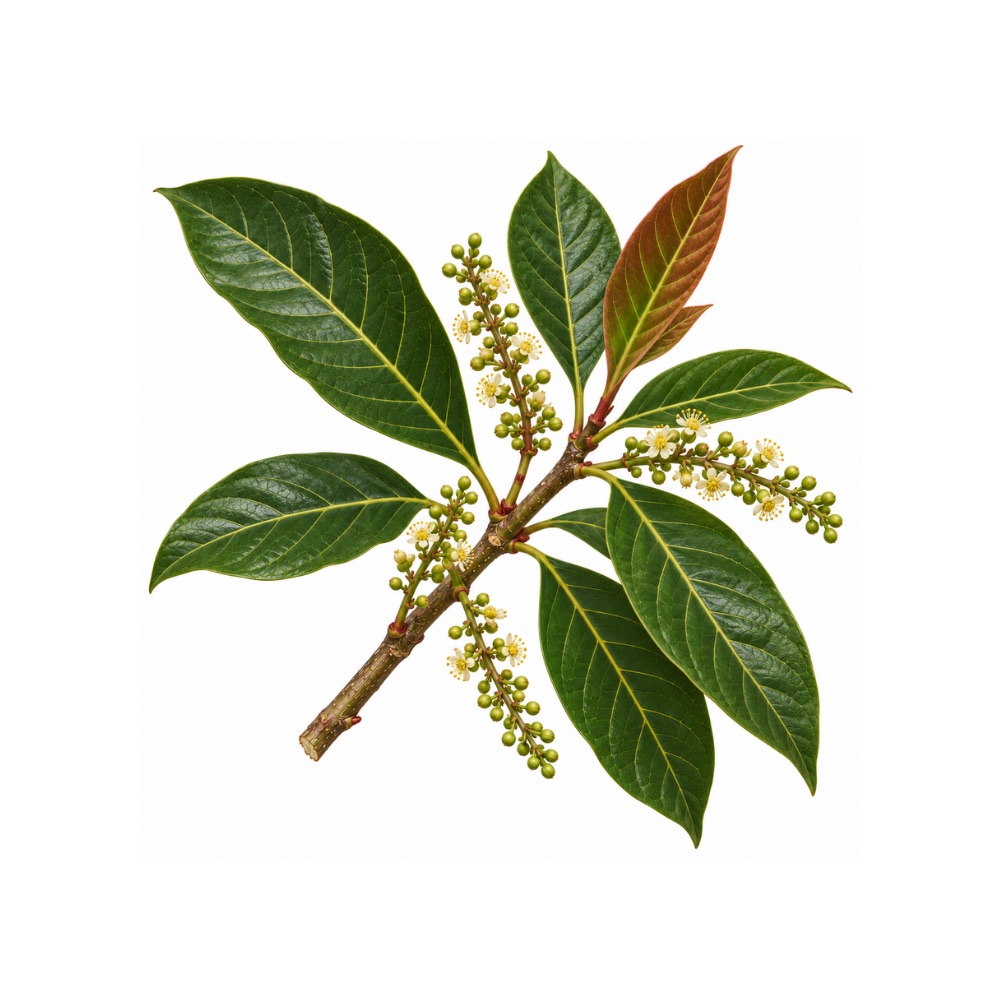 PreclinicalPreclinicalDragon’s BloodCroton lechleriThe Amazonian tree sap does two things at once, one of them purely physical. Painted onto a cut it dries within minutes into a flexible red film, a dressing the patient makes on the spot, and underneath it taspine, isolated as the sap’s cicatrizant principle, promotes fibroblast migration into the wound bed 67Reference 67AnimalTaspine is the cicatrizant principle in sangre de grado extracted from Croton lechleri — animal model in vivoView study →, with dimethylcedrusine contributing and the sap’s proanthocyanidins adding astringency.Read the evidenceShow less
Its anti-inflammatory arm is the more unusual half. Sangre de grado suppresses neurogenic inflammation, the axon-reflex response through which a sensory nerve, once irritated, drives redness and swelling itself, in animal work accompanied by a small human pilot on insect bites and skin irritation 91Reference 91AnimalInhibition of neurogenic inflammation by the Amazonian herbal medicine sangre de grado — animal model in vivo with a pilot human componentView study →.
That fits the traditional use for stings and bites more precisely than a general anti-inflammatory claim would.
The evidence is preclinical throughout, with one pilot.
Adulteration is a live problem, because several unrelated red-sap species sell under the same name and Croton lechleri’s own chemistry varies with provenance. Its purified fraction became a licensed antidiarrhoeal, which is a separate matter covered on the digestive page.
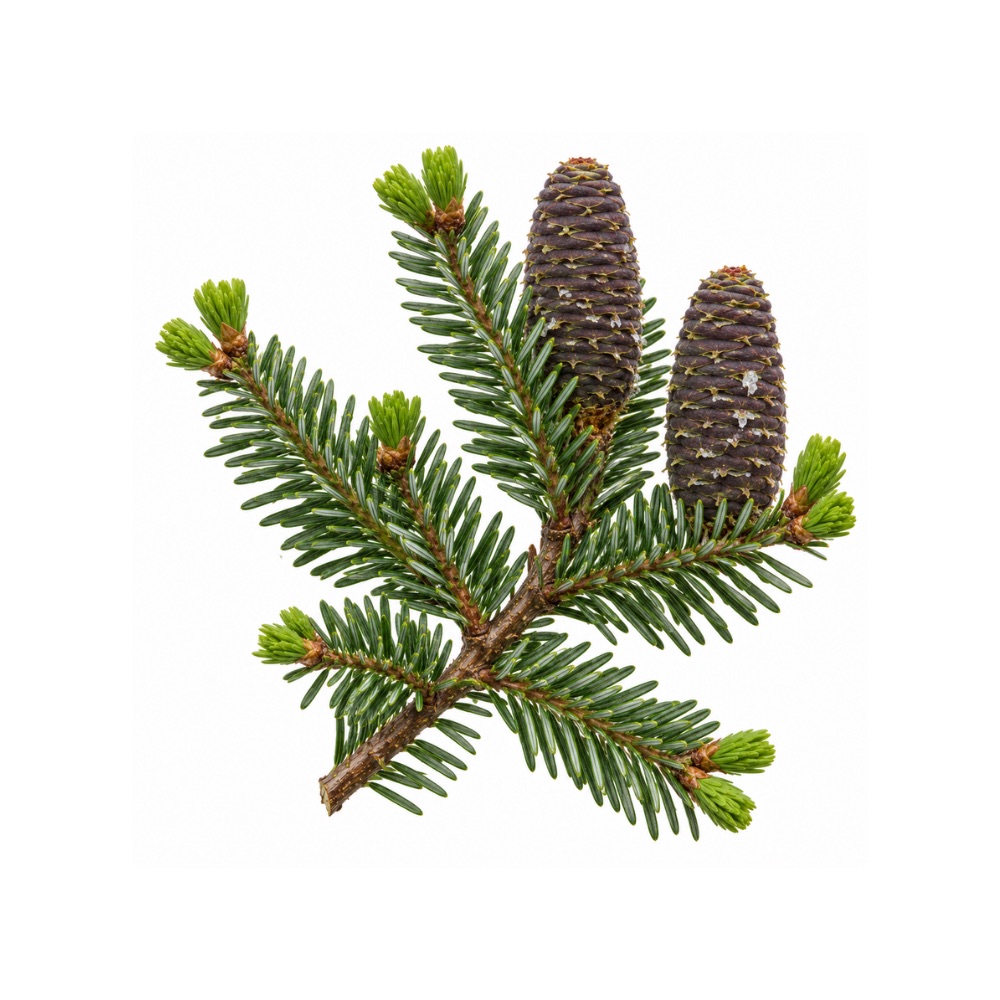 TraditionalTraditionalBalsam FirAbies balsameaCanada balsam is scraped from the trunk blisters and applied straight to cuts and burns — a dressing the patient makes on the spot, with no preparation between the tree and the wound.Read the evidenceShow less
The needle oil shows selective in-vitro activity against Staphylococcus aureus 92Reference 92In vitroComposition and antibacterial activity of Abies balsamea essential oil — in vitroView study →, which is the only measured endpoint the herb has here.
Most of its research is about glucose metabolism rather than skin, and the oil splits into distinct chemotypes, so the laboratory material and the trunk resin are not the same substance.
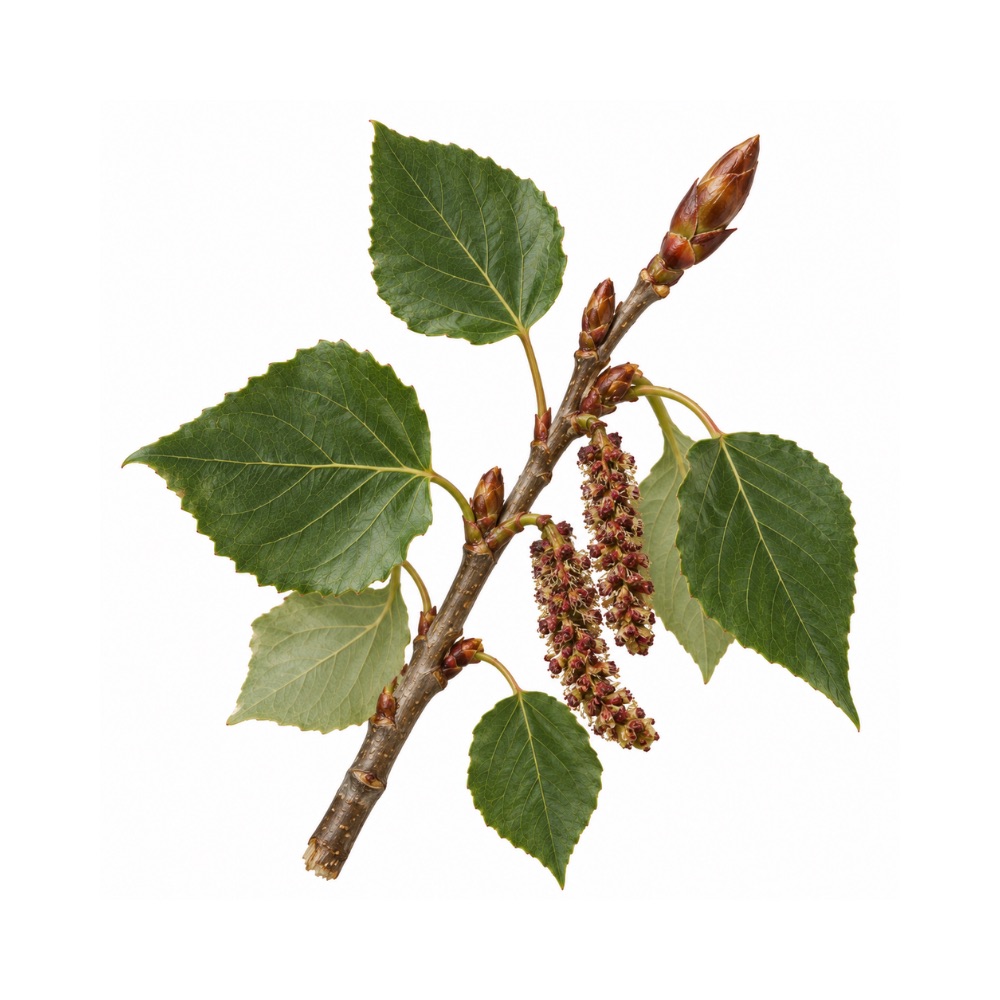 TraditionalTraditionalBalsam PoplarPopulus balsamiferaThe spring buds are infused into oil or fat as balm of Gilead, a salve for wounds, chapped skin and aching joints across the boreal forest.Read the evidenceShow less
The bud resin is chemically close to poplar-type propolis and carries its antioxidant and antibacterial profile in laboratory assays 93Reference 93In vitroComparison of ethanolic and aqueous Populus balsamifera L. bud extracts: chemical composition, antioxidant and antibacterial activities — in vitroView study →, which is a reasonable account of why the salve works and also of why it sensitises.
No controlled trial or human study of the species exists.
TraditionalDouglas FirPseudotsuga menziesiiPitch goes on wounds, cuts and boils, in the same way and for the same reasons as the true firs.Read the evidenceShow less
It is the one member of the resin group tested in human skin cells: the needle essential oil is anti-inflammatory and anti-proliferative in cultured human fibroblasts 75Reference 75In vitroIn vitro biological activities of Douglas fir essential oil in a human skin disease model — in vitro, human dermal fibroblastsView study →, with a taxifolin-dominant phenolic profile behind the antioxidant activity.
Cultured fibroblasts are a long way from a wound, and no human study of any design exists.
These three are one traditional category rather than three findings, and the logic is worth naming. A resin is antimicrobial chemistry and an occlusive dressing in the same substance. It sticks, it seals, it stays put on a moving limb, and it does not need reapplying hourly — a real advantage over a wash, and why the resins outlasted most of the plant washes in practical use.
The same property is the caution. Conifer resins and propolis are both recognised contact sensitisers, and colophony is one of the standard patch-test allergens for exactly this reason.
A dressing designed to stay in contact with skin for days is the worst possible vehicle for something a person turns out to be allergic to.
Eczema, Dermatitis and Irritated Skin
13 herbsTopical corticosteroids are effective, cheap and carry real long-term costs in skin atrophy, telangiectasia and tachyphylaxis, which leaves genuine room for something gentler for maintenance.
One sub-theme runs through the group. Radiation dermatitis is where several of these herbs have been trialled, and where the results conflict.
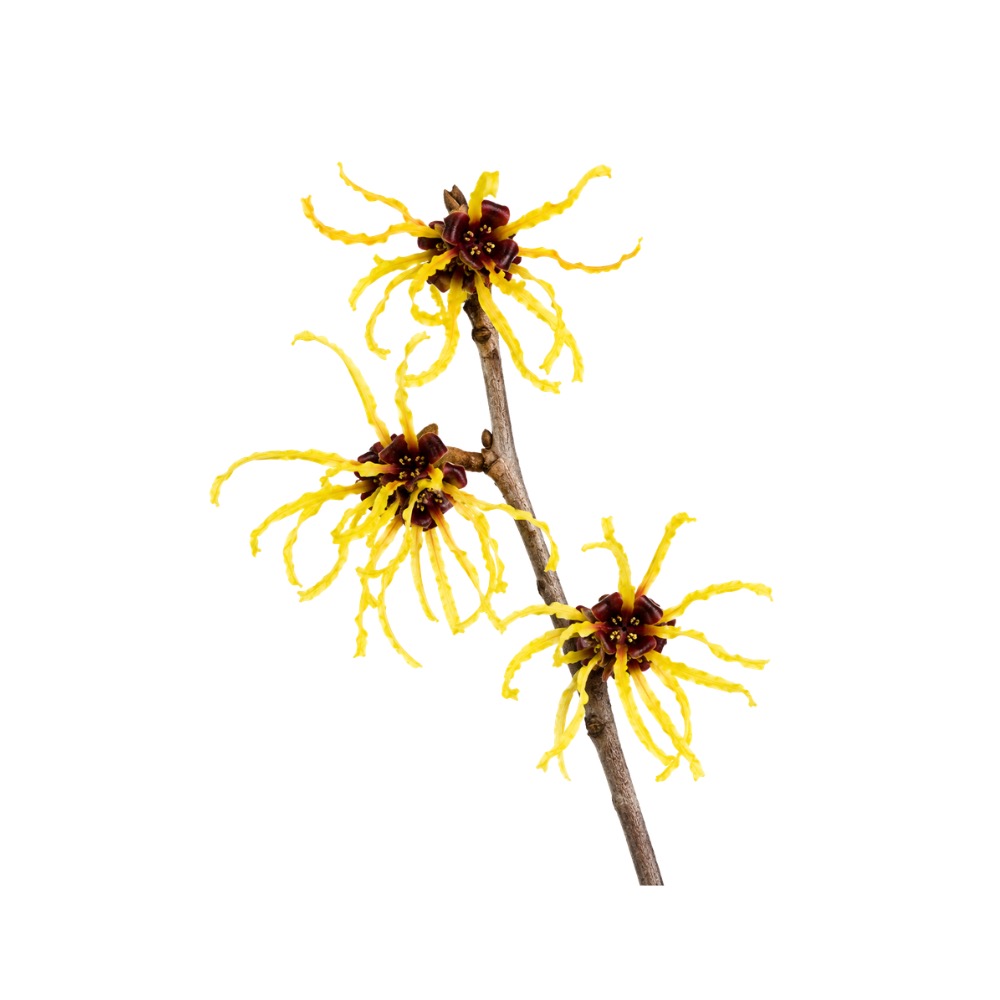 StrongStrongWitch HazelHamamelis virginianaThe best-evidenced topical anti-inflammatory herb for irritated skin, with a head-to-head result. A double-blind randomised controlled trial compared hamamelis distillate cream against hydrocortisone in atopic eczema; the steroid was superior, but hamamelis produced a measurable effect and beat vehicle 24Reference 24RCTComparative efficacy of hamamelis distillate and hydrocortisone cream in atopic eczema — double-blind randomised controlled trialView study →.Read the evidenceShow lessMonograph →
Its anti-inflammatory activity has been established repeatedly in controlled UV-erythema models, the standard experimental test of topical anti-inflammatory potency 25,
An observational study in children with skin disorders and minor injuries supports tolerability 29Reference 29ObservationalHamamelis in children with skin disorders and skin injuries — observational studyView study →, and a systematic review of phytotherapy in paediatric skin disease includes it among the better-supported options 30Reference 30ReviewPhytotherapy in paediatric skin disorders — systematic literature reviewView study →.
It is not as strong as a steroid, and it is useful for maintenance and mild irritation, and very well tolerated.
ModerateModerateCalendulaCalendula officinalisThe radiation-dermatitis evidence conflicts. A phase III randomised trial in the Journal of Clinical Oncology found calendula significantly reduced grade 2+ acute dermatitis during breast irradiation compared with trolamine 8Reference 8RCTPhase III randomized trial of Calendula officinalis compared with trolamine for the prevention of acute dermatitis during irradiation for breast cancerView study →, a striking result in a hard clinical setting.Also underWounds ↓Read the evidenceShow lessMonograph →
A randomised blinded trial then found no difference between calendula cream and plain aqueous cream 9Reference 9RCTNo differences between calendula cream and aqueous cream in the prevention of acute radiation skin reactions — randomised blinded trialView study →, and a later randomised controlled trial was supportive again 31Reference 31RCTEfficacy of topical Calendula officinalis on prevalence of radiation-induced dermatitis — randomised controlled trialView study →. A systematic review and meta-analysis of natural agents for preventing acute radiation dermatitis concludes the evidence across the field is inconsistent 32Reference 32Meta-analysisNatural and miscellaneous agents for the prevention of acute radiation dermatitis — systematic review and meta-analysisView study →.
Separately, calendula preparations protect against experimentally induced irritant contact dermatitis 33Reference 33Clinical trialProtective effects of different marigold (Calendula officinalis L.) and rosemary cream preparations against sodium-lauryl-sulfate-induced irritant contact dermatitis — clinical trialView study →.
The most likely reading is that much of the benefit in the positive trials came from diligent moisturising, which the comparator in the null trial also provided.
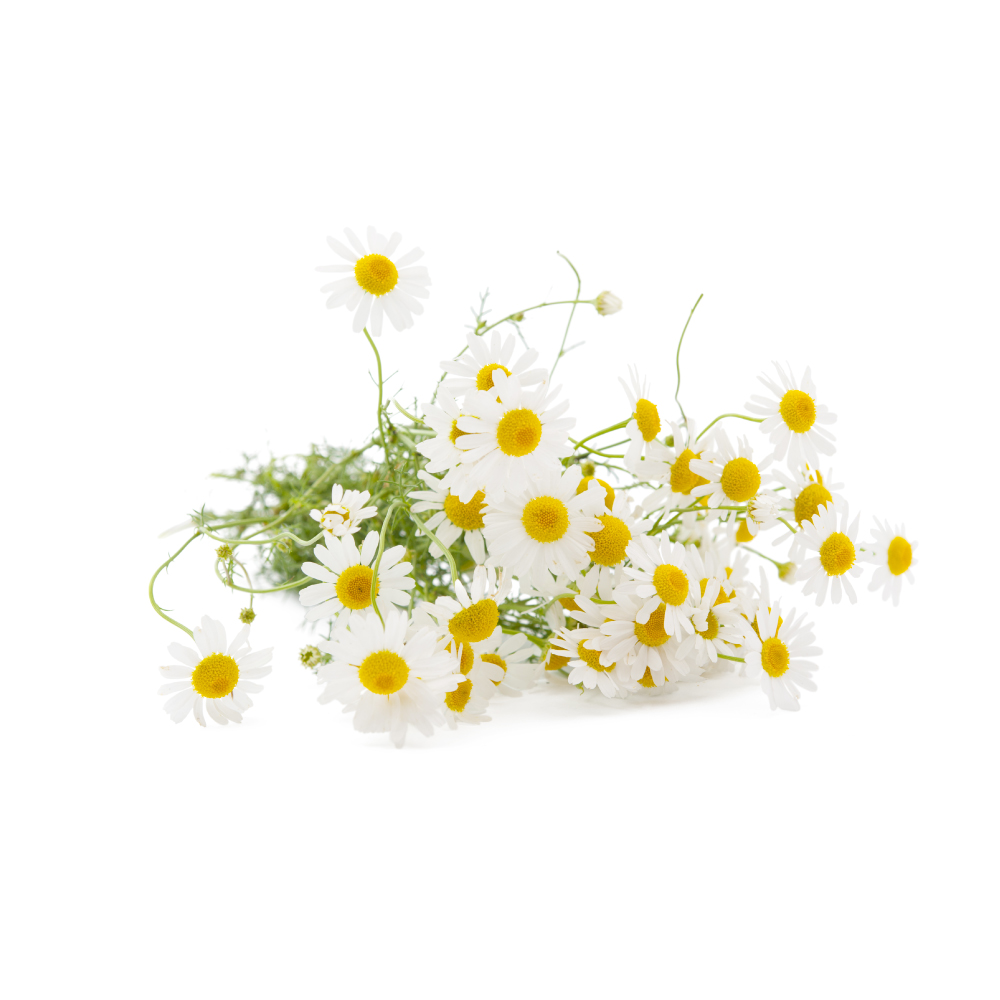 ModerateModerateGerman ChamomileMatricaria chamomillaA traditional skin herb whose topical preparations, Kamillosan and its successors, have a long European history in dermatitis. The recent controlled evidence sits in the same radiation-dermatitis setting: a randomised controlled trial compared a liposomal gel with and without chamomile for preventing radiation dermatitis in breast cancer patients 34Reference 34RCTComparison of liposomal gel with and without chamomile to prevent radiation dermatitis in breast cancer patients — randomised controlled trialView study →.Read the evidenceShow lessMonograph →
The active constituents are bisabolol and chamazulene, with the same triterpenoid and flavonoid anti-inflammatory logic as calendula.
Chamomile is also Asteraceae, so the contact-sensitisation caution applies 66Reference 66ReviewContact sensitization from Compositae-containing herbal remedies and cosmetics — reviewView study →, which matters given how routinely chamomile is recommended for exactly the reactive, atopic skin most likely to react.
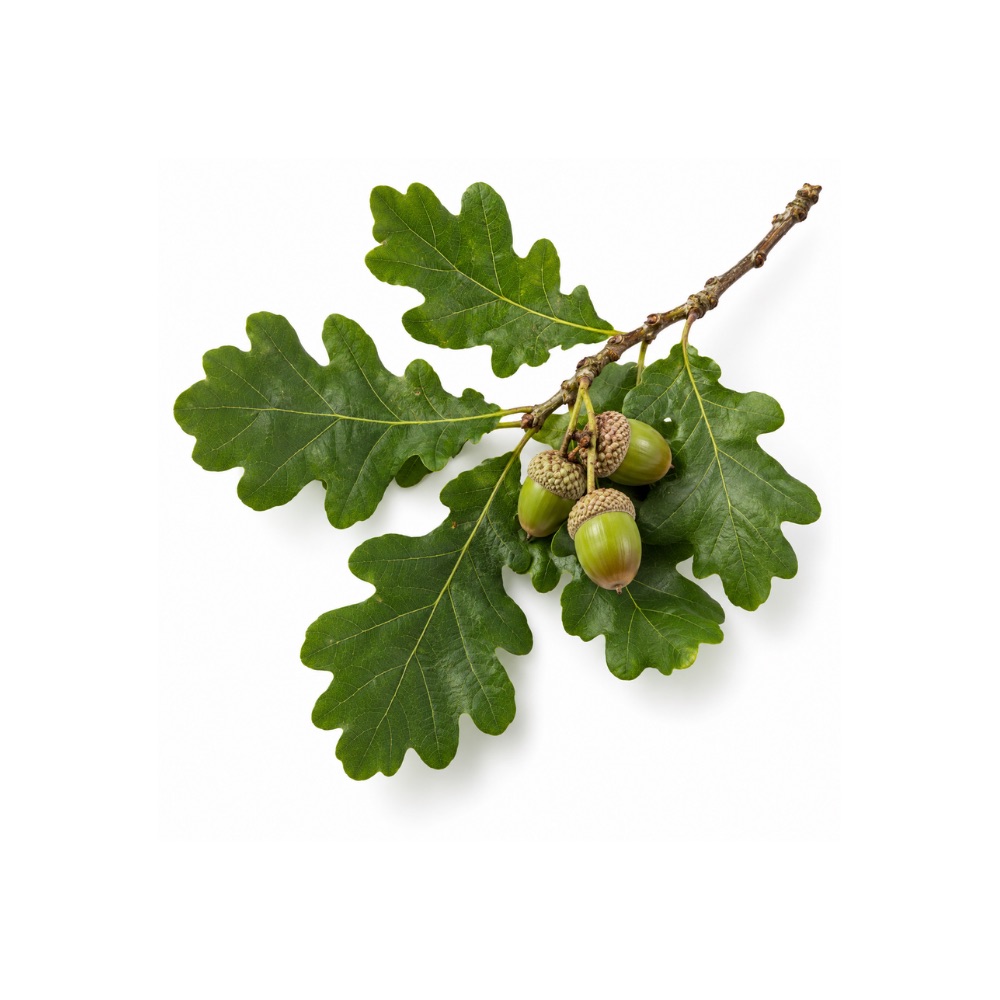 TraditionalTraditionalOak BarkQuercus roburThe reference astringent, on its better route. The European regulator recognises oak bark as a wash, compress or sitz bath for minor skin and mucosal inflammation, weeping eczema and haemorrhoids, capped at two to three weeks 71Reference 71ReviewCommunity herbal monograph on Quercus robur L., QView study →.Read the evidenceShow less
The reasoning is the one the whole astringent tradition rests on. Tannins are large and poorly absorbed, which ruins them as internal medicines and costs them nothing applied to the surface they are meant to act on.
What it treats is a state of skin rather than a diagnosis, meaning wet, weeping, over-reactive and oozing, which is why it crosses eczema, intertrigo, weeping wounds and haemorrhoids in the traditional literature without much distinction between them.
Once the skin is dry the astringent has done its job, and continuing it dries and tightens tissue that no longer needs it, which is what the three-week cap protects against.
There is no controlled trial of oak bark in any skin condition, and the recognition is traditional-use, resting on the mechanism and long use. Robuvit, a standardised oak wood extract studied for fatigue and recovery, is a different part of the tree and has no bearing on this.
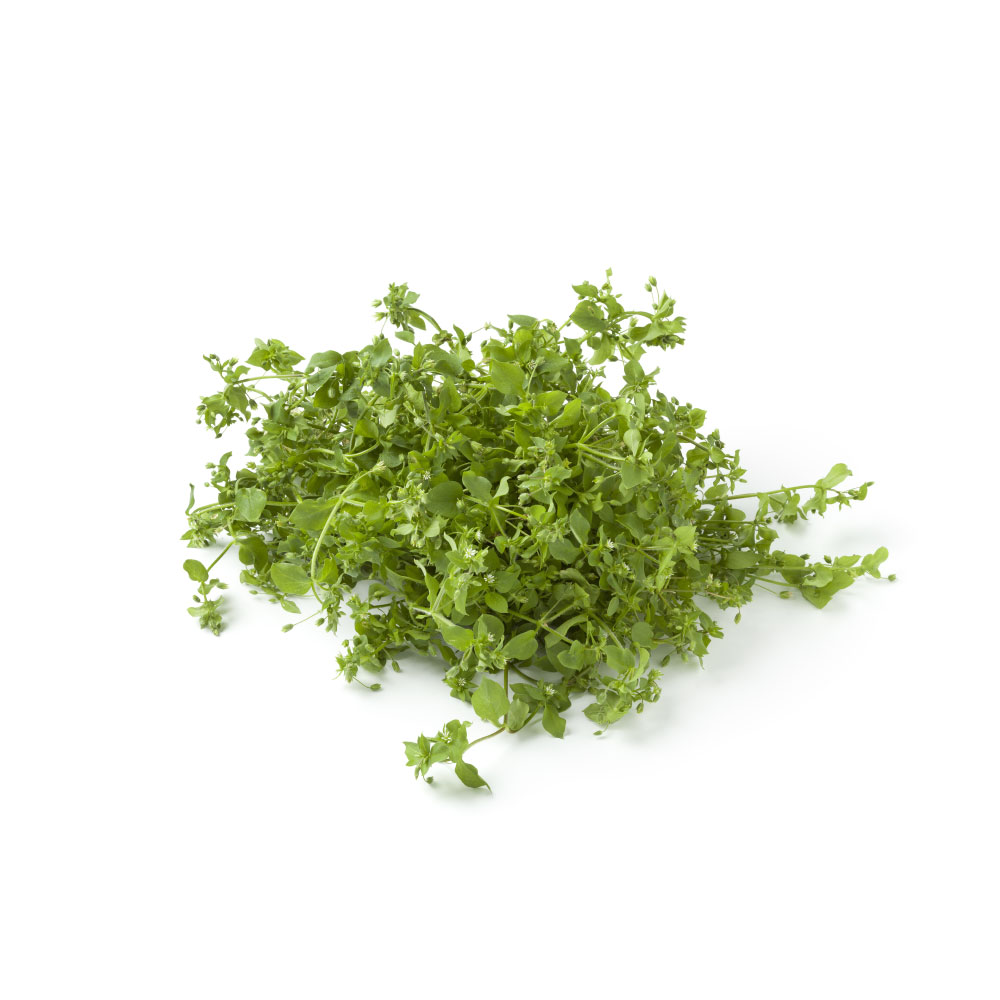 TraditionalTraditionalChickweedStellaria mediaThe classic cooling herb for hot, itchy, irritated skin, used as a poultice, an infused oil or an ointment, and one of the most commonly recommended eczema herbs in Western practice.Read the evidenceShow lessMonograph →
There is no controlled human trial. What exists is chemistry: Stellaria media produces novel antifungal peptides 35Reference 35In vitroA novel antifungal peptide (SmAMP3) from leaves of the weed Stellaria media L. — in vitroView study →.
The plant is edible, abundant and about as low-risk as topical herbal medicine gets.
Contact dermatitis and even erythema multiforme have been reported from handling weeds of this kind 36Reference 36Case reportErythema multiforme due to contact with weeds: a recurrence after patch testing — case reportView study →, so a worsening rash is worth taking at face value.
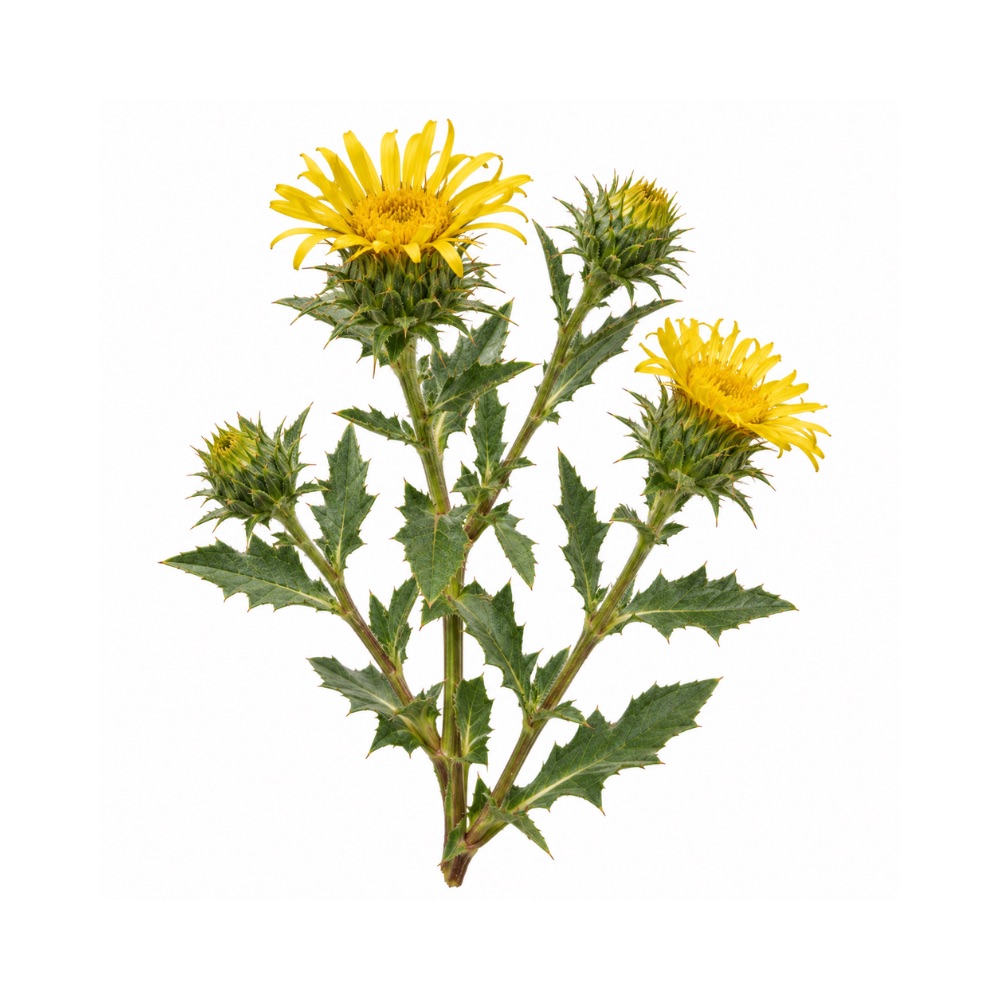 PreclinicalPreclinicalGumweedGrindelia squarrosaThe best-defined of the traditional washes and poultices. The resinous preparation for poison ivy dermatitis is its most consistently attested external use and the one that brought the plant to settler attention, and ESCOP notes clinical data for topical use against pruritus in dermatitis 94Reference 94ReviewCommunity herbal monograph and assessment report on Grindelia robusta Nutt., G. squarrosa (Pursh) Dunal, G. humilis Hook. et Arn., G. camporum Greene, herba — regulatory monograph. https://www.ema.europa.eu/en/documents/herbal-monograph/final-community-herbal-monograph-grindelia-robusta-nutt-grindelia-squarrosa-pursh-dunal-grindelia-humilis-hook-et-arn-grindelia-camporum-greene-herba_en.pdfView study →.Read the evidenceShow less
Grindelia extracts support keratinocyte and fibroblast viability under oxidative stress in vitro 95Reference 95In vitroPhytochemical profile and antioxidant and protective activities of extracts from Hyssopus officinalis L. and Grindelia robusta Nutt. — in vitro, human keratinocytes and fibroblastsView study →, and the herb’s wider anti-inflammatory signal is unusually specific — aerial-part extracts and the diterpene grindelic acid suppress NF-κB signalling and cytokine release in human cells, with potency comparable to budesonide in some assays.
Much of that pharmacology is borrowed from G. robusta, since the European drug pools the flowering tops of several Grindelia species under one definition.
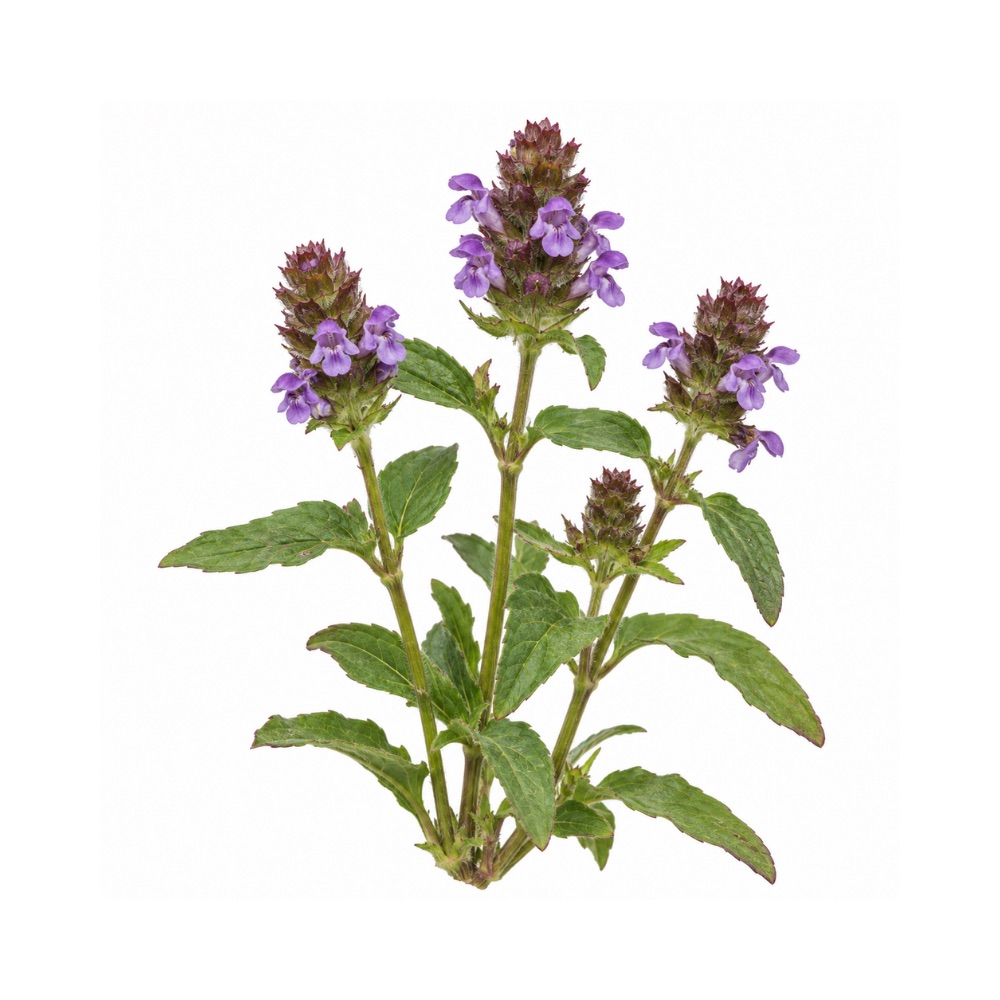 TraditionalTraditionalSelf-HealPrunella vulgarisThe tradition is in the English names — self-heal, heal-all, woundwort — a wash for wounds and for inflamed mouth and skin, running in parallel with the Chinese use of the dried fruit spike as Xia Ku Cao.Read the evidenceShow less
Its literature is large but tier-limited, with more than 200 constituents isolated and the durable threads elsewhere: an antiviral sulfated polysaccharide, and randomised trials in thyroid nodules and Hashimoto’s that have nothing to do with skin.
For the topical use there is no measured endpoint at all.
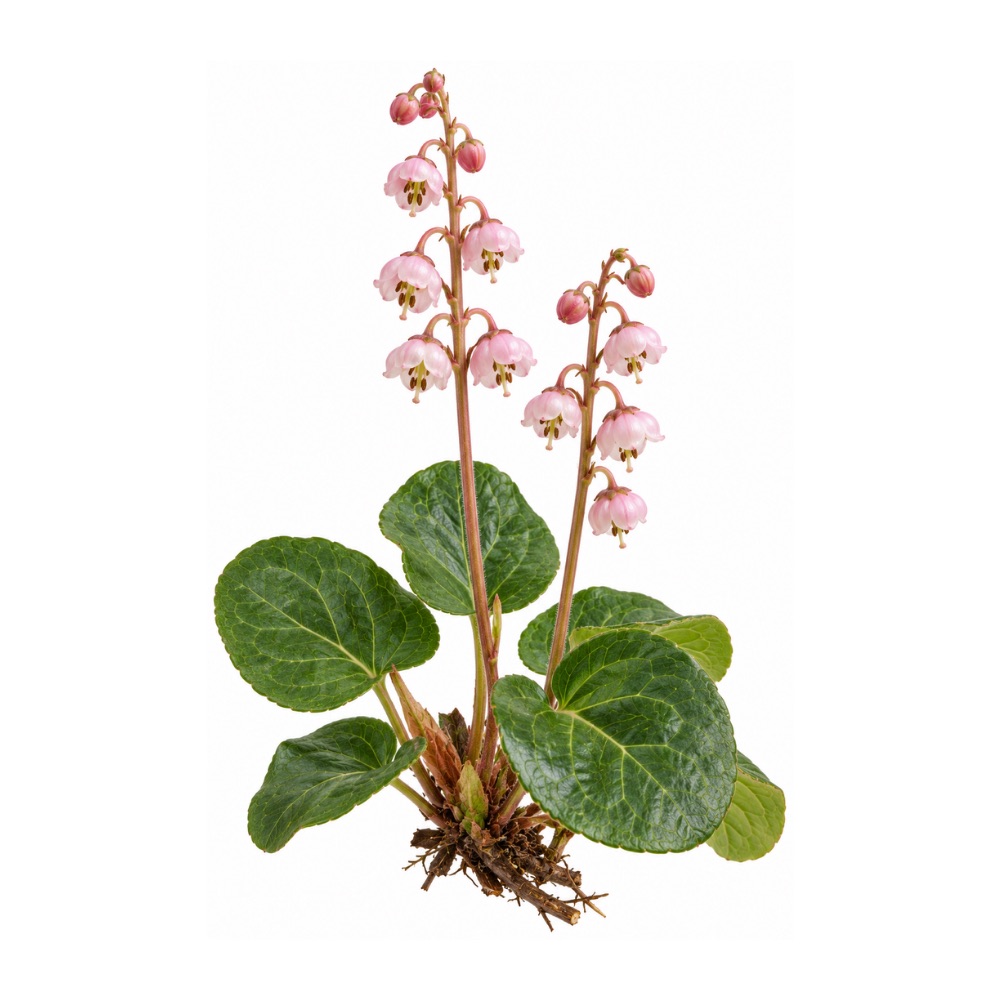 TraditionalTraditionalPink WintergreenPyrola asarifoliaA documented poultice and wash plant across northern North America for sores, bites and swellings, with no measured endpoint.Read the evidenceShow less
Its own pharmacology is genuinely empty: the entire PubMed record for the species is two plant-ecology papers, and there are no studies of medicinal activity in it whatsoever.
Every efficacy signal attached to this plant is genus-level, borrowed from the Chinese drug Pyrolae herba — the dried whole plant of Asian relatives — and no human trial of any Pyrola species exists.
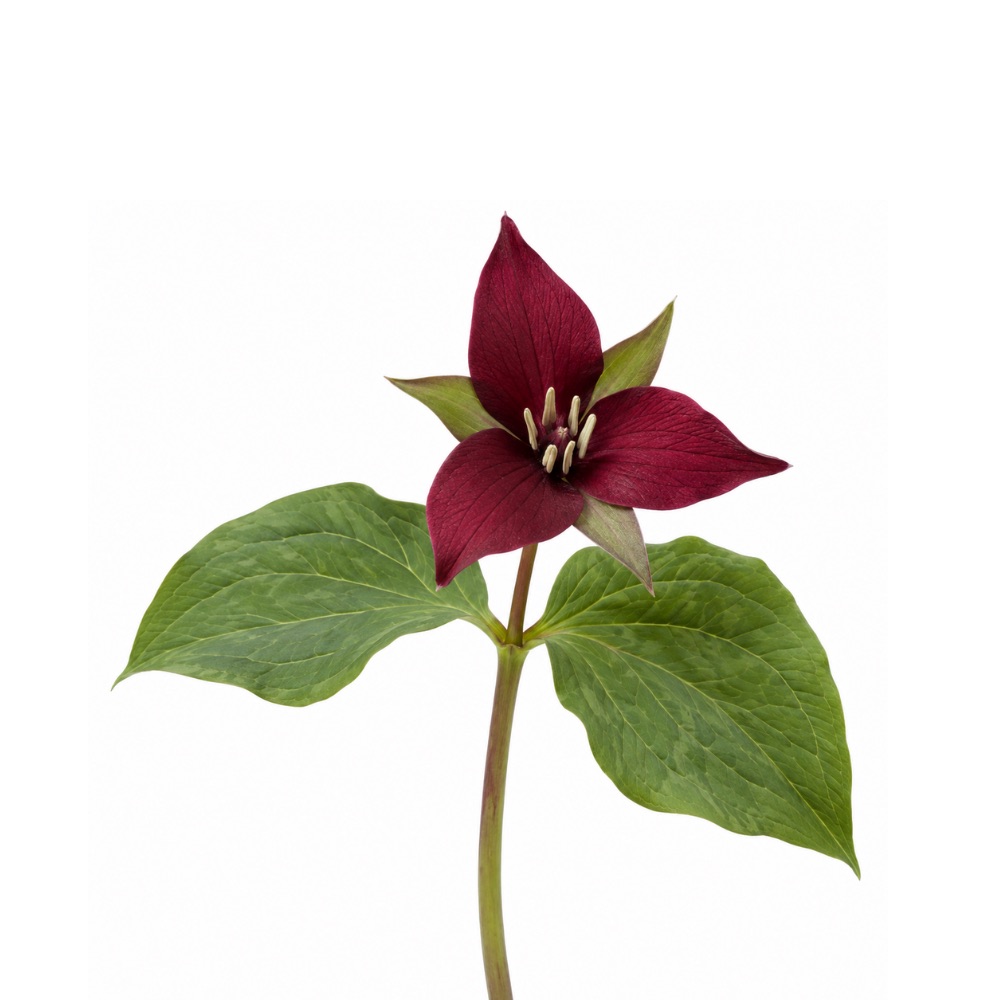 TraditionalTraditionalBeth RootTrillium erectumA poultice and wash plant of eastern North American practice, applied to sores and swellings, though its documented tradition is far stronger as an Eclectic women’s herb than as a skin one.Read the evidenceShow less
No clinical trial has been registered or published, and only two papers study the species at all, both chemistry. The striking pharmacology in the Trillium literature belongs to other species with different chemistry.
It is a United Plant Savers at-risk species, which makes sourcing a real question rather than a footnote.
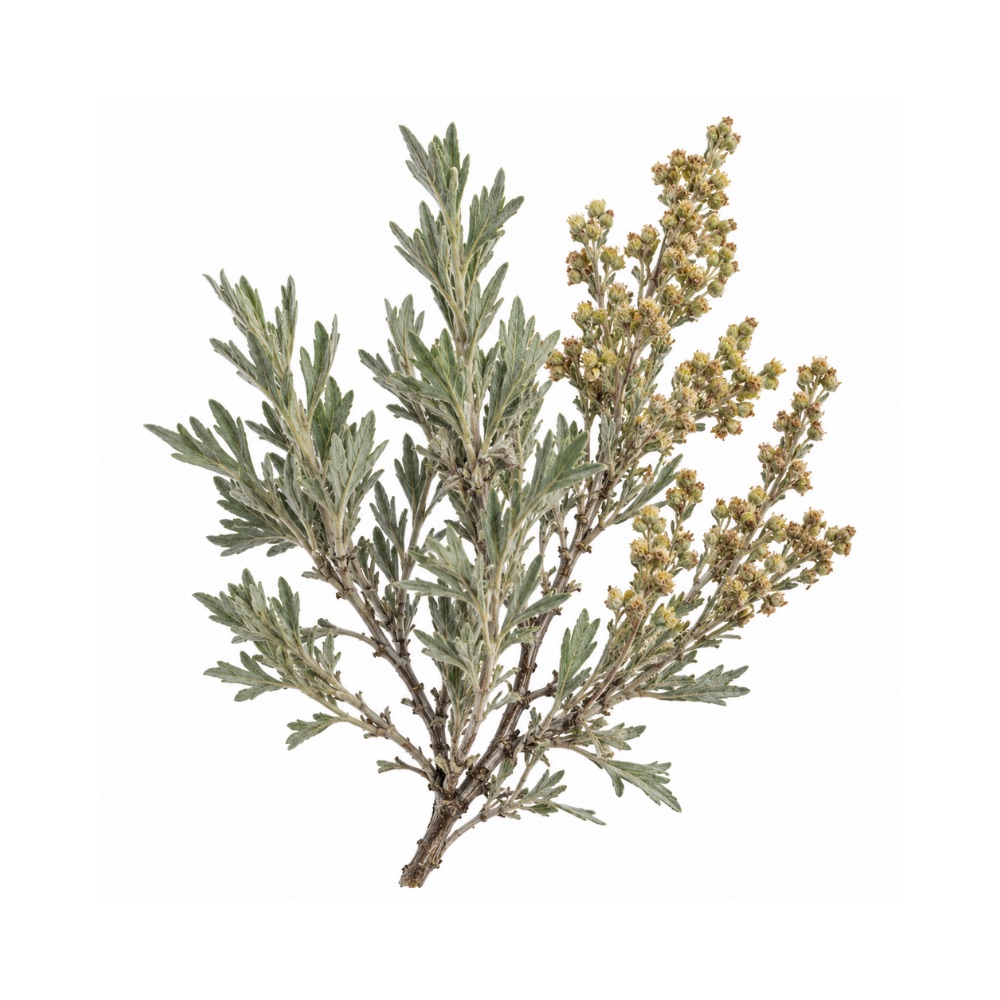 TraditionalTraditionalBig SagebrushArtemisia tridentataA wash and poultice plant across the Great Basin and Plains for sores, bites and swellings, and one of the most culturally important plants of the region.Read the evidenceShow less
Its published literature is small, old and entirely preclinical — essential-oil chemistry and antibacterial ecology from the 1960s, in-vitro antifungal screening, later antioxidant work — with no in-vivo study of any topical use.
Being an Artemisia, it carries the Asteraceae contact-allergen record that runs through this whole section.
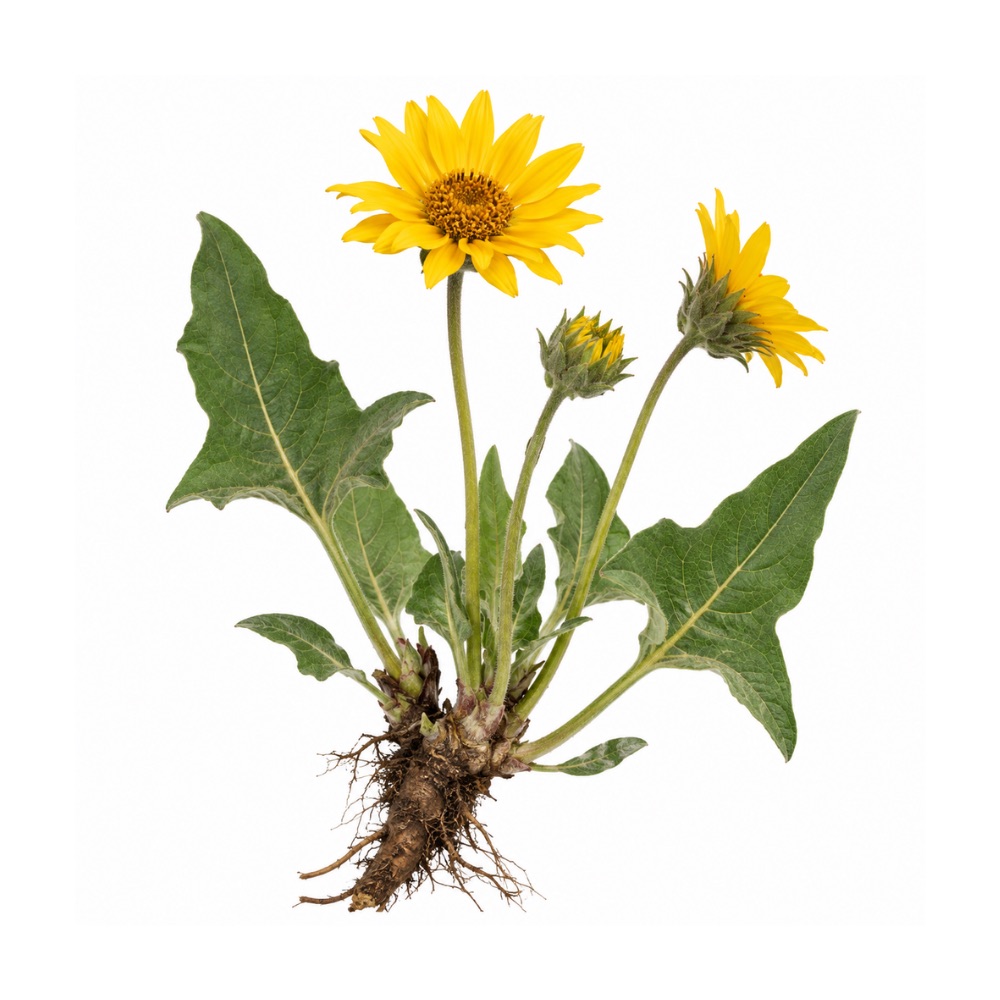 TraditionalTraditionalArrowleaf BalsamrootBalsamorhiza sagittataThe resinous root was used as an antimicrobial poultice for sores and wounds across the interior West.Read the evidenceShow less
The strongest documented signal is a broad in-vitro antifungal effect from the root, which corroborates that use directly. It rests on antimicrobial screens of British Columbian medicinal plants from the 1990s and a 1996 paper isolating an antibacterial thiophene.
No clinical trial, cohort study or animal efficacy study has been published for the species.
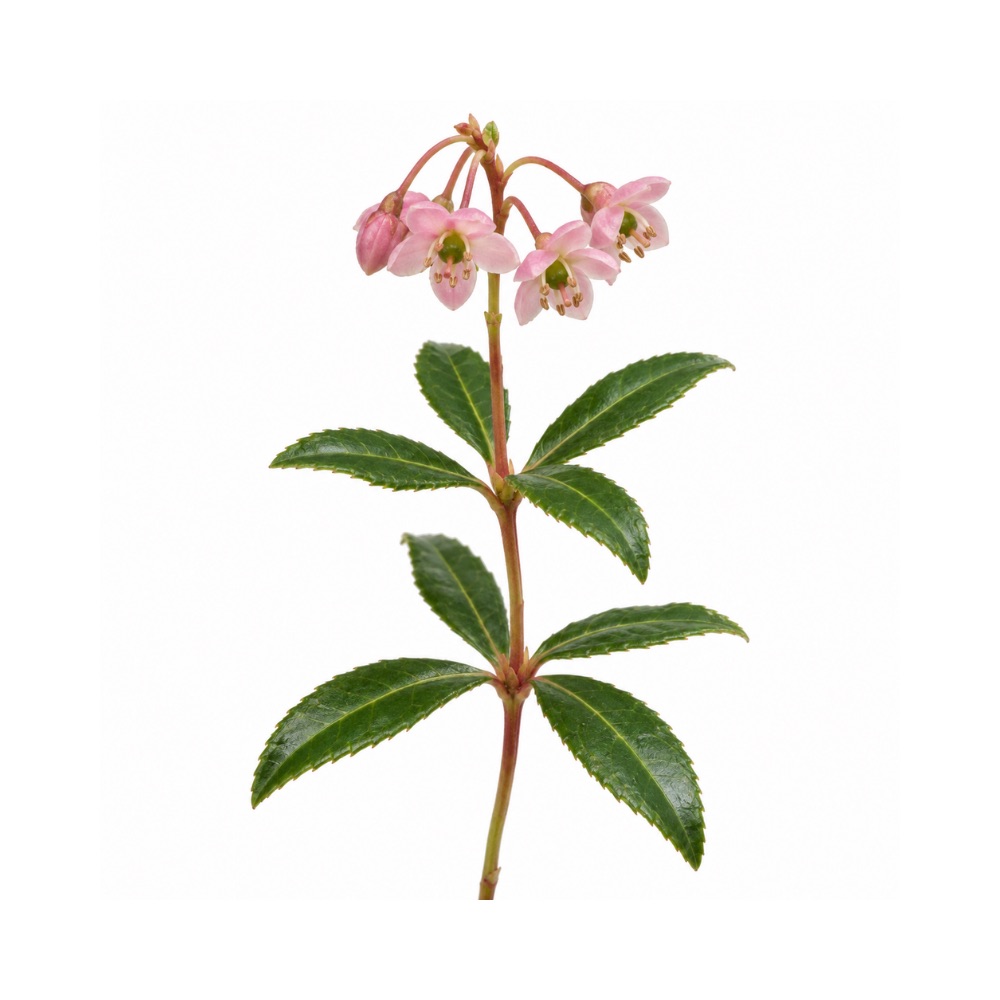 PreclinicalPreclinicalPipsissewaChimaphila umbellataApplied traditionally to sores and blisters, and one of two herbs in this group carrying its own hazard rather than an inherited one.Read the evidenceShow less
Chimaphilin, the leaf naphthoquinone, is the constituent behind the topical antimicrobial use and a demonstrated contact sensitiser in its own right 96Reference 96The sensitizing capacity of chimaphilin, a naturally occurring quinone — experimental sensitisation studyView study →.
Its research base and its traditional reputation point at different plants: modern work is almost entirely about chimaphilin, while the herb’s standing rests on a urinary-antiseptic action largely borrowed from bearberry.
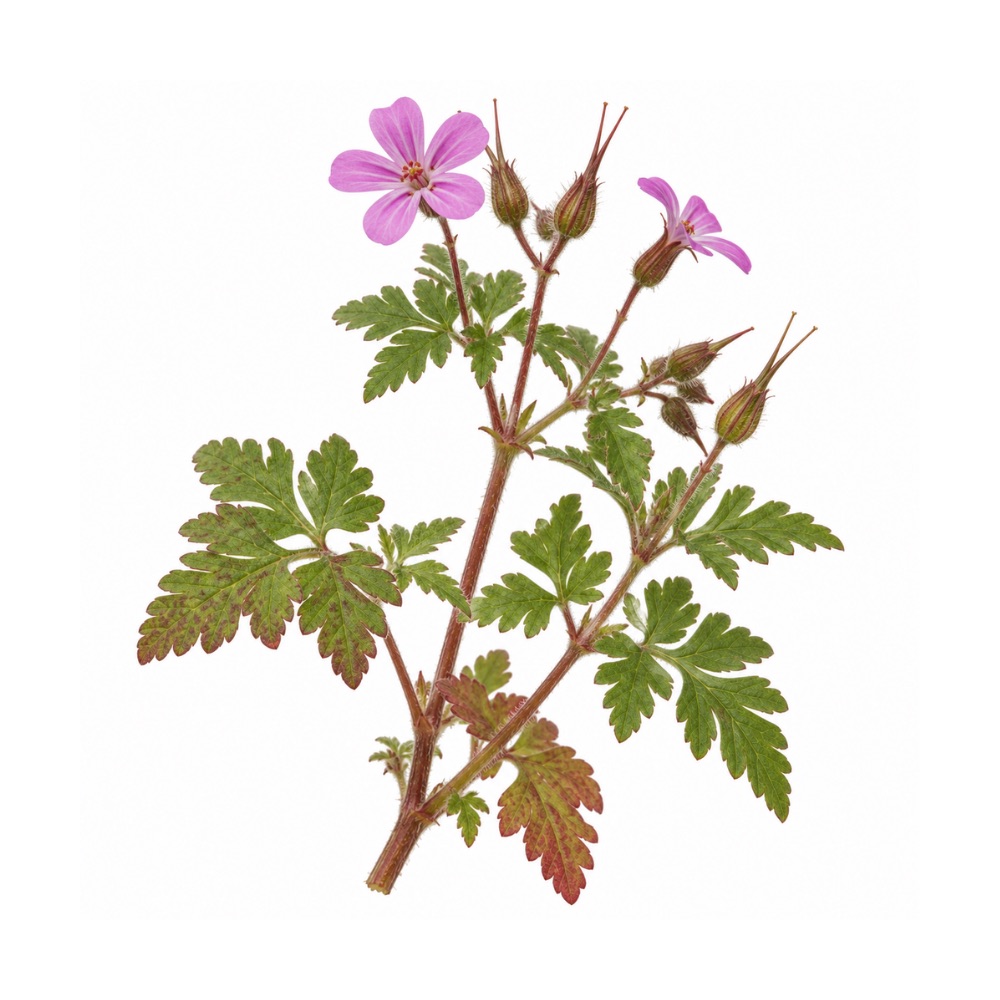 PreclinicalPreclinicalHerb RobertGeranium robertianumThe same double signature more starkly. An ethyl-acetate fraction inhibits Micrococcus luteus at 8 µg/mL in work aimed explicitly at hard-to-heal wounds 97Reference 97In vitroHerb Robert’s gift against human diseases: anticancer and antimicrobial activity of Geranium robertianum L. — in vitroView study →, and it is among the most tannin-dense herbs in the European flora.Read the evidenceShow less
Against that, two case reports document contact dermatitis from handling the fresh plant, one with an erythema-multiforme-like reaction 98,
It is also a documented heavy-metal accumulator including cadmium 100Reference 100Geranium robertianum L. tolerates various soil types burdened with heavy metals — plant physiology studyView study →, and it grows on roadsides and disturbed urban ground, which makes provenance a real question for a plant destined for broken skin.
Beneath the carded entries sits a broad traditional layer of washes and poultices for irritated skin, and this is where most of the world’s topical herbal practice actually lives. None of these has a controlled trial; several have nothing but the tradition and a screen.
Psoriasis
3 herbsA chronic, immune-mediated, relapsing disease that is not curable and is meaningfully treatable.
The topical herbal evidence here is the strongest in the skin materia medica, with a meta-analysis at the head of the group and one comparison against a topical steroid below it.
The limits are the ones that apply to any topical. Severity spans a wide range, and moderate-to-severe disease has systemic and biologic treatments that no herb approaches.
StrongOregon GrapeMahonia aquifoliumThe best-evidenced herb for psoriasis in Western herbal medicine, and one of the few skin entries with a meta-analysis behind it. Five randomised or controlled trials of topical 10% M. aquifolium cream in mild-to-moderate plaque psoriasis point the same way: a double-blind placebo-controlled study 101Reference 101RCTTreatment of mild to moderate psoriasis with Reliéva, a Mahonia aquifolium extract — double-blind, placebo-controlled randomised studyView study →, a randomised intra-individual comparison in which each patient’s own untreated plaque served as control 102Reference 102RCTMahonia aquifolium in patients with psoriasis vulgaris — randomised, placebo-controlled intraindividual studyView study →, a trial measuring adhesion, proliferation and activation markers in psoriatic skin 103Reference 103RCTEffects of Mahonia aquifolium ointment on adhesion, proliferation and activation markers in psoriatic skin — randomised controlled trialView study →, and a collated report of three further trials alongside worldwide clinical experience 41Reference 41Clinical trialA report on three recent clinical trials using Mahonia aquifolium 10% topical cream and a review of the worldwide clinical experience with Mahonia aquifolium for the treatment of plaque psoriasisView study →.Read the evidenceShow less
A 2013 systematic review and meta-analysis of plant extracts for topical psoriasis pooled them at a relative risk of roughly 3.4 against placebo 40Reference 40Meta-analysisPlant extracts for the topical management of psoriasis — systematic review and meta-analysisView study →, and later systematic reviews of botanical and herbal treatments reach the same conclusion 104Reference 104Systematic reviewHerbal medicine for treating psoriasis — systematic reviewView study →.
The mechanism attaches to named molecules, and the surprising part is which ones. Berberine is the famous alkaloid in this bark and is not what does the work.
The bisbenzylisoquinolines berbamine and oxyacanthine are the active antipsoriatics, inhibiting 5-lipoxygenase 72,
Topical is the whole of it. None of this evidence transfers to swallowing Oregon grape, and the traditional internal use as a bitter and “liver congestion” alterative is unevidenced and carries the berberine-class cautions, including in pregnancy and lactation.
The trial literature is old, and a good deal of it is open-label or manufacturer-linked.
The plant is not barberry. Berberis vulgaris is a related but distinct species and is not the tested article, however similar the labels look.
Oregon grape is also widely recommended as a cultivated substitute for at-risk goldenseal.
ModerateModerateAloeAloe veraA placebo-controlled double-blind study found aloe extract in a hydrophilic cream produced high clearance rates in mild to moderate psoriasis 37Reference 37RCTManagement of psoriasis with Aloe vera extract in a hydrophilic cream — placebo-controlled double-blind studyView study →, and a prospective randomised clinical trial comparing topical aloe against 0.1% triamcinolone acetonide found aloe performed at least as well 38Reference 38RCTA prospective, randomized clinical trial comparing topical Aloe vera with 0.1% triamcinolone acetonide in mild to moderate plaque psoriasisView study →.Also underWounds ↓Read the evidenceShow lessMonograph →
Against that, a double-blind placebo-controlled study of a commercial aloe gel found no benefit over placebo 39Reference 39RCTA double-blind, placebo-controlled study of a commercial Aloe vera gel in the treatment of slight to moderate psoriasis vulgaris — randomised controlled trialView study →, with a high placebo response that is characteristic of topical psoriasis trials.
A systematic review and meta-analysis of plant extracts for topical management of psoriasis places aloe among the better-supported 40Reference 40Meta-analysisPlant extracts for the topical management of psoriasis — systematic review and meta-analysisView study →.
Product variability is the most plausible explanation for the disagreement.
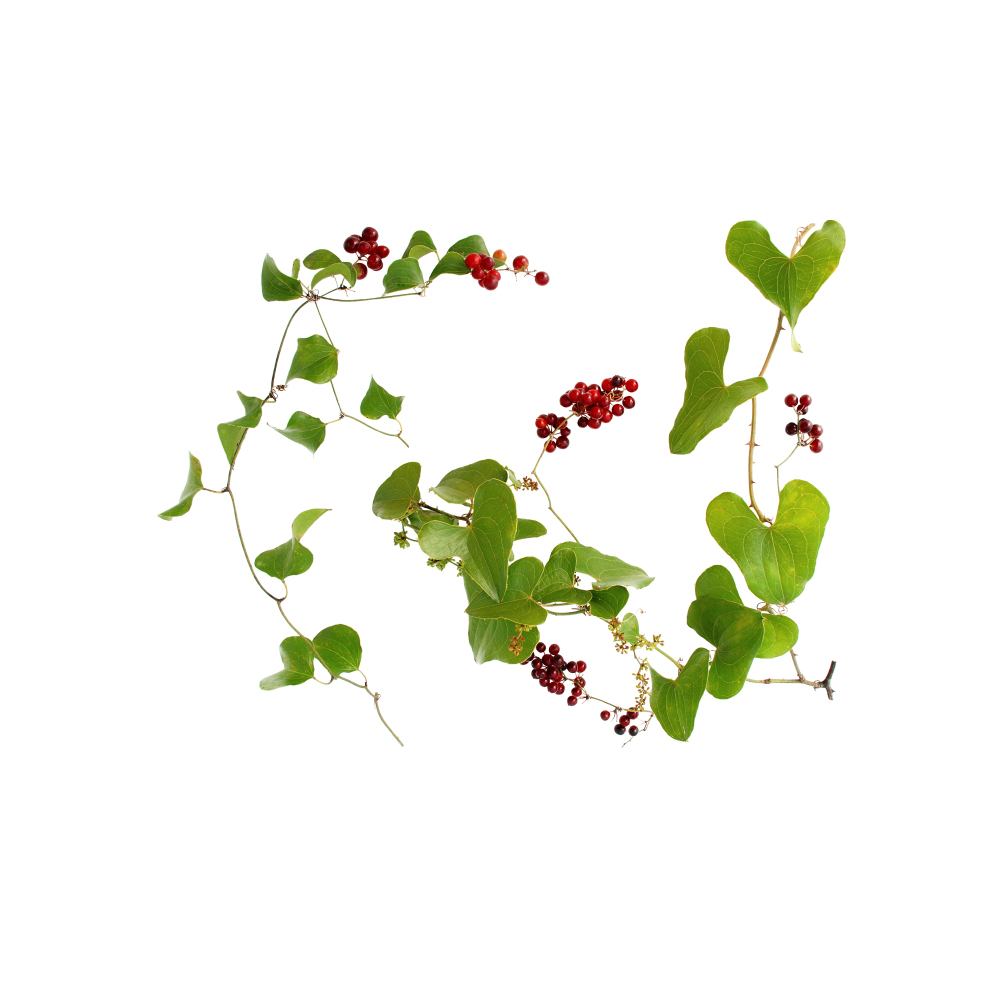 PreclinicalPreclinicalSarsaparillaSmilax spp.The historical alterative for psoriasis, where the modern mechanism is more interesting than the tradition. Smilax glabra alleviates imiquimod-induced psoriatic skin inflammation in animals by regulating T-cell immune responses 42Reference 42AnimalIntegrated network pharmacological analysis revealed that Smilax glabra Roxb. alleviates IMQ-induced psoriatic skin inflammation through regulating T cell immune response — animal modelView study →, and a related Smilax species shows anti-psoriatic activity attributed to quercetin 43Reference 43AnimalScreening of flavonoid quercetin from the rhizome of Smilax china Linn. for anti-psoriatic activity — animal modelView study →.Read the evidenceShow lessMonograph →
Later work points specifically at IL-17-driven T-cell responses, which is the exact pathway the modern psoriasis biologics target.
That is a remarkable convergence between a nineteenth-century blood purifier and twenty-first-century immunology, and it is entirely preclinical.
There is no human trial. Sarsaparilla’s historical reputation rests on its use in syphilis, where it did not work.
Fungal & Bacterial Skin Infection
5 herbsThe group with the widest gap between laboratory activity and clinical evidence. Antimicrobial activity in a dish is easy to demonstrate and easy to over-sell, and none of these herbs has a controlled trial in a skin infection.
Fungal skin infections are common, are frequently misdiagnosed, and have cheap, effective conventional treatments. An infection that spreads or fails to clear needs identifying rather than another remedy.
Several of the compounds in this group are photoactivated, gaining much of their antimicrobial potency under ultraviolet light. That is a liability almost everywhere in pharmacology and an asset on skin, which is the one organ that sees daylight, and it is also why the same plants cause phytophotodermatitis.
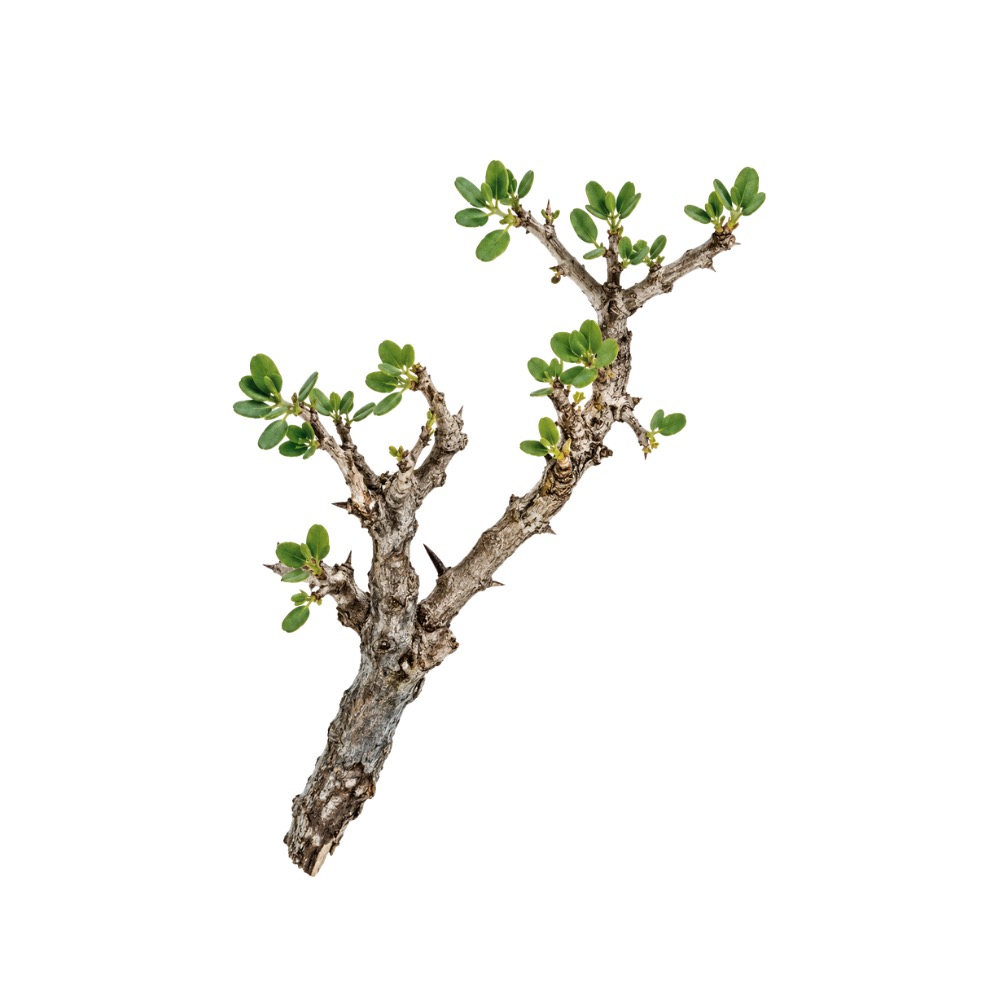 ModerateModerateMyrrhCommiphora myrrhaThe oldest wound antiseptic still in use, with modern controlled data in an unexpected place. A randomised controlled trial found myrrh, with Boswellia, improved episiotomy wound healing in first-time mothers 44Reference 44RCTEpisiotomy wound healing by Commiphora myrrha and Boswellia carteri in primiparous women — randomised controlled trialView study →, and a controlled clinical trial found a myrrh mouthwash improved healing after tooth extraction 45Reference 45Clinical trialEfficacy of myrrh mouthwash on wound healing after tooth extraction — controlled clinical trialView study →.Read the evidenceShow lessMonograph →
Both are mucosal wounds in clean, monitored settings, which is a reasonable proxy for the traditional antiseptic use.
Myrrh is astringent, antimicrobial and mildly analgesic, a coherent combination for a resin applied to a raw surface.
Its internal use carries a uterine-stimulant caution and it is avoided in pregnancy.
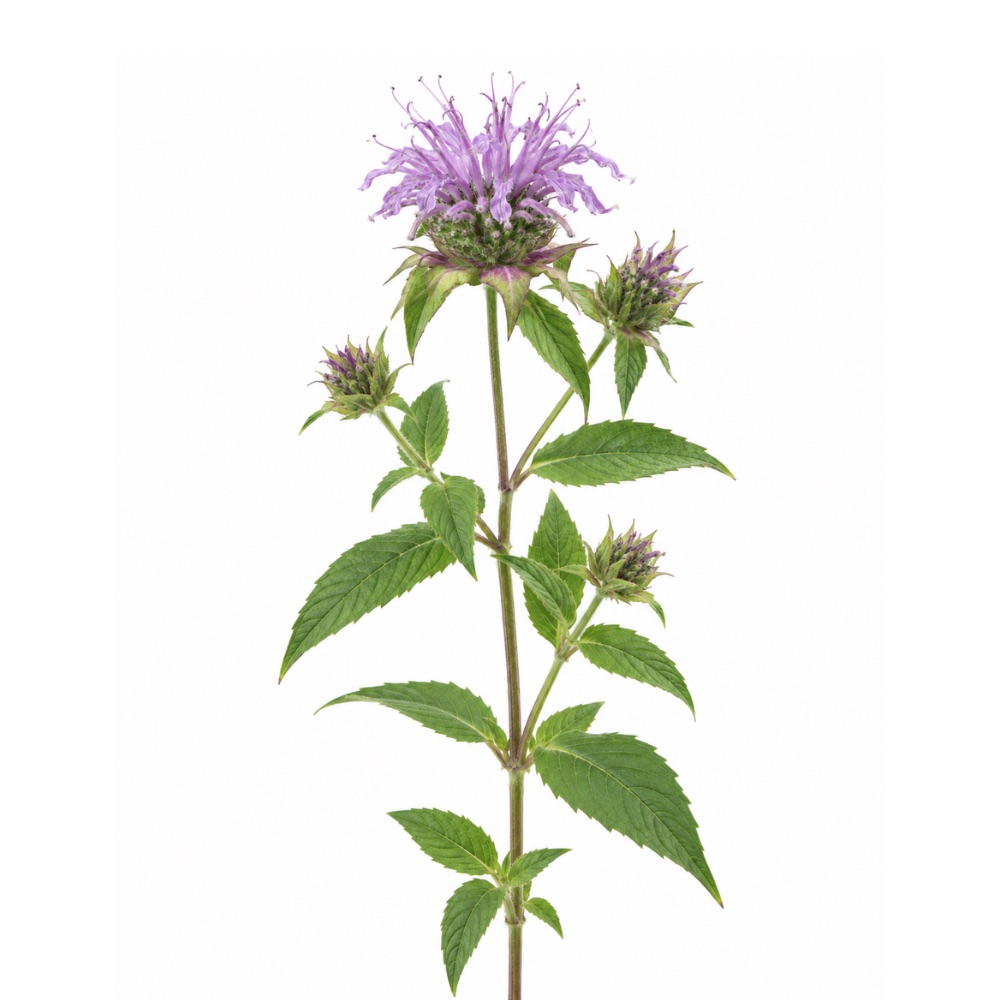 PreclinicalPreclinicalWild BergamotMonarda fistulosaThe North American thymol plant, where the tradition and the laboratory work line up cleanly. Wild bergamot was a topical antiseptic across Plains and eastern Indigenous practice, for wounds, sores, skin infections and burns, and its essential oil is dominated by thymol and carvacrol, the same volatile phenols behind oregano and thyme.Read the evidenceShow less
Broad antibacterial and antifungal activity has been replicated across several independent laboratories working on different cultivars and plant parts 105,
The by-product fraction left after hydrodistillation, the water-soluble polyphenols usually thrown away, carries the plant’s only in-vivo anti-inflammatory result 108Reference 108AnimalPolyphenols and pharmacological screening of a Monarda fistulosa L. dry extract based on a hydrodistilled residue by-product — animal model in vivoView study →, which corrects the assumption that an aromatic mint’s activity is all in the oil.
A traditional wash or poultice and a bottle of neat essential oil are different propositions. Undiluted thymol- and carvacrol-rich oil is a mucous-membrane and skin irritant, and applying it to broken skin at full strength causes the injury it is meant to prevent.
There is no human trial of any preparation, and none of the in-vitro breadth establishes a clinical antifungal. Name the binomial when buying: this is Monarda fistulosa, not M. didyma (Oswego tea), and not the bergamot orange whose oil is a separate and photosensitising thing.
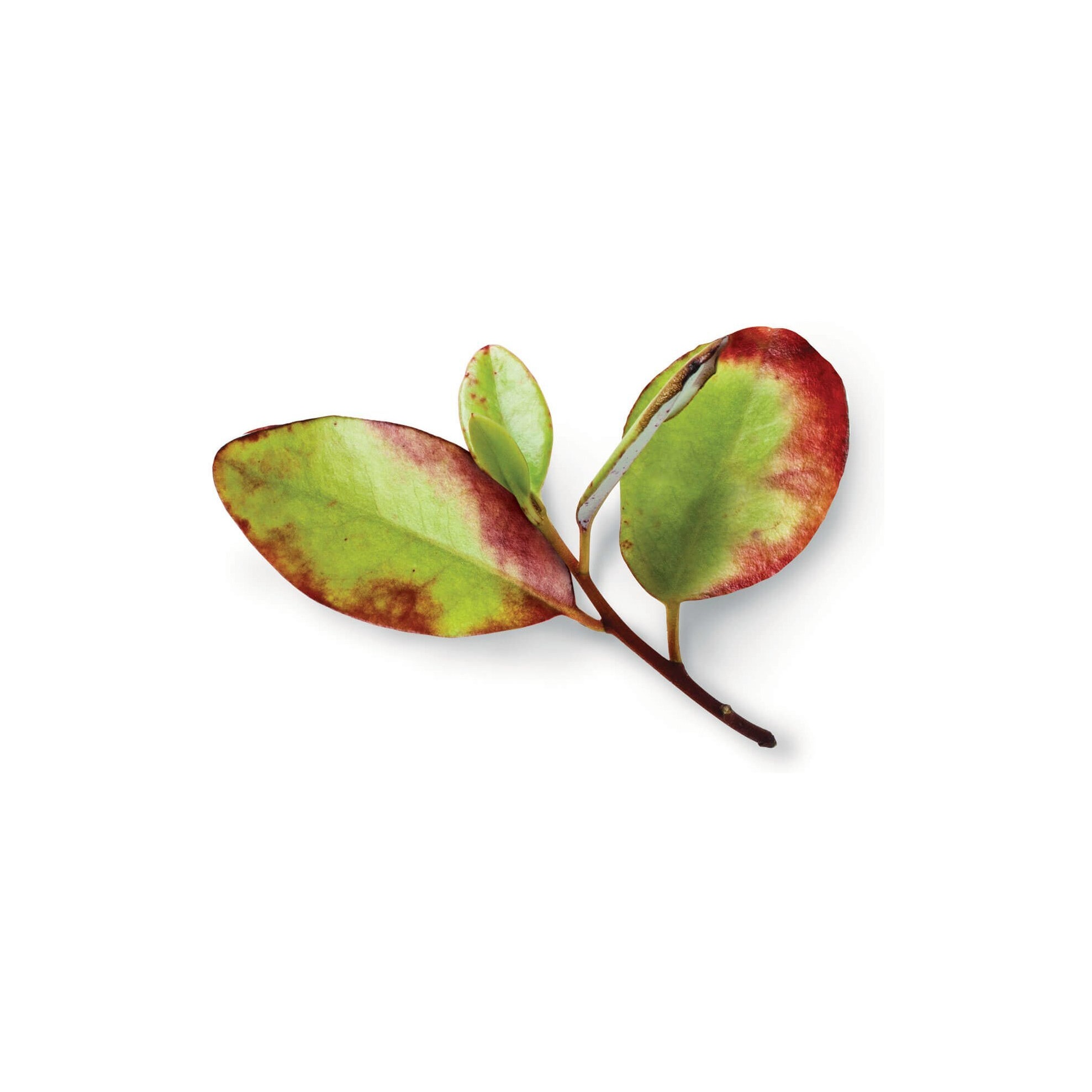 PreclinicalPreclinicalHoropitoPseudowintera colorataThe New Zealand pepper tree carries the most specific antifungal chemistry in the skin materia medica. Polygodial, a sesquiterpene dialdehyde, was identified as an anti-Candida agent from Pseudowintera colorata in 1982 46Reference 46In vitroAntibiotic substances from New Zealand plantsView study →, with later work establishing in vitro susceptibility across fungal pathogens 47Reference 47In vitroIn vitro antifungal susceptibilities of Candida albicans and other fungal pathogens to polygodial, a sesquiterpene dialdehyde — in vitroView study → and characterising the membrane-disrupting mechanism 48Reference 48In vitroAntifungal mechanism of polygodial — in vitroView study →.Read the evidenceShow lessMonograph →
Traditional Māori use for skin complaints and fungal conditions predates all of it.
No controlled human trial in a fungal skin infection exists, which leaves a well-characterised laboratory antifungal with a long traditional record, reasonable to try on a mild superficial complaint and not a treatment for an established one.
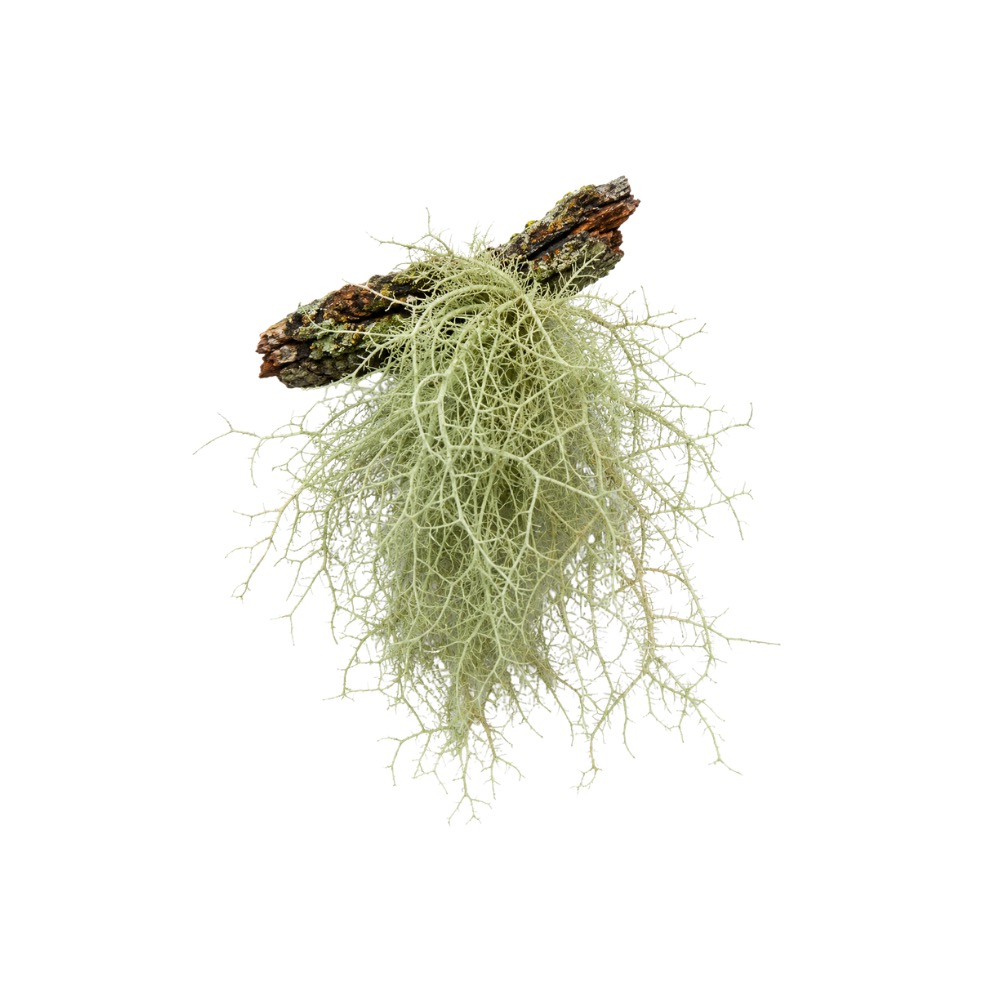 PreclinicalPreclinicalUsneaUsnea spp.The lichen antimicrobial, with notable in-vitro credentials. Usnic acid is active against methicillin-resistant Staphylococcus aureus and inhibits biofilm formation on surfaces 49,
50Reference 49In vitroAntibacterial and antibiofilm mechanisms of usnic acid against methicillin-resistant Staphylococcus aureus — in vitroView study →Reference 50In vitroUsnic acid, a natural antimicrobial agent able to inhibit bacterial biofilm formation on polymer surfaces — in vitroView study → , which matters disproportionately in chronic wounds where established biofilm is a principal reason healing stalls. A review collates the antimicrobial and ethnopharmacological picture 51Reference 51ReviewUsnea sp.: antimicrobial potential, bioactive compounds, ethnopharmacological uses and other pharmacological properties — reviewView study →.Read the evidenceShow lessMonograph →
Traditional use is topical, on wounds and skin infection, and topical application is where it belongs.
Usnic acid is hepatotoxic taken internally, with documented liver failures and deaths from usnic-acid weight-loss supplements, so the topical and internal distinction here is as sharp as comfrey’s.
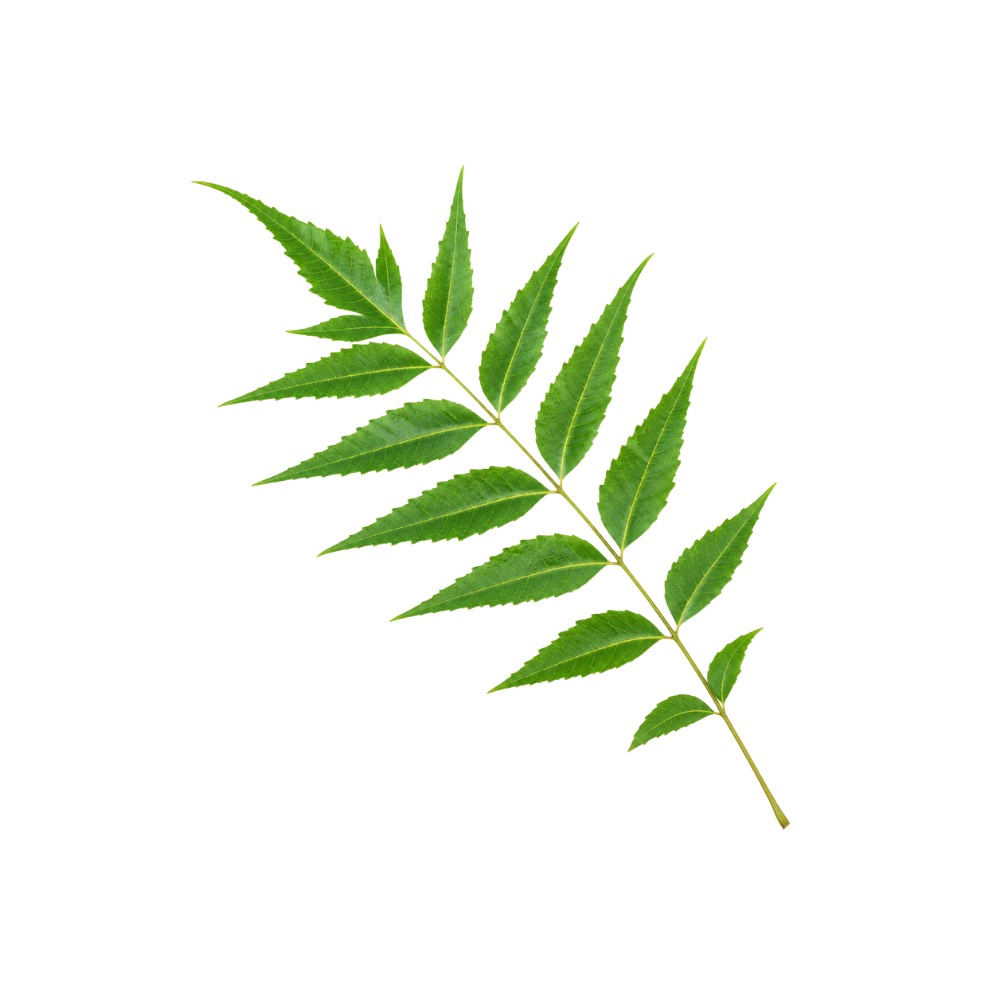 TraditionalTraditionalNeemAzadirachta indicaThe Indian all-purpose antiseptic, used for acne, scabies, lice, fungal infection and wound care across Ayurvedic practice, with a broad in-vitro antimicrobial record including against oral pathogens 52Reference 52In vitroAntibacterial property of Azadirachta indica against oral pathogens — in vitroView study → and no controlled trial for any skin indication.Read the evidenceShow lessMonograph →
Neem oil is insecticidal, and the traditional scabies and head-lice uses are the most plausible of the set.
The safety limits are firm and better documented than the efficacy. Neem seed oil is toxic to infants and young children, with reported encephalopathy after ingestion, and the plant is a documented abortifacient.
Topical adult use is the appropriate scope.
Skin Ageing, Pigment and Sun Damage
4 herbsThe group with the most modern research money behind it, and the one with the best evidence for an orally taken herb.
Read the endpoints carefully. Erythema thresholds and pigment scores are objective, wrinkle scores much less so, and none of this substitutes for sun avoidance and sunscreen.
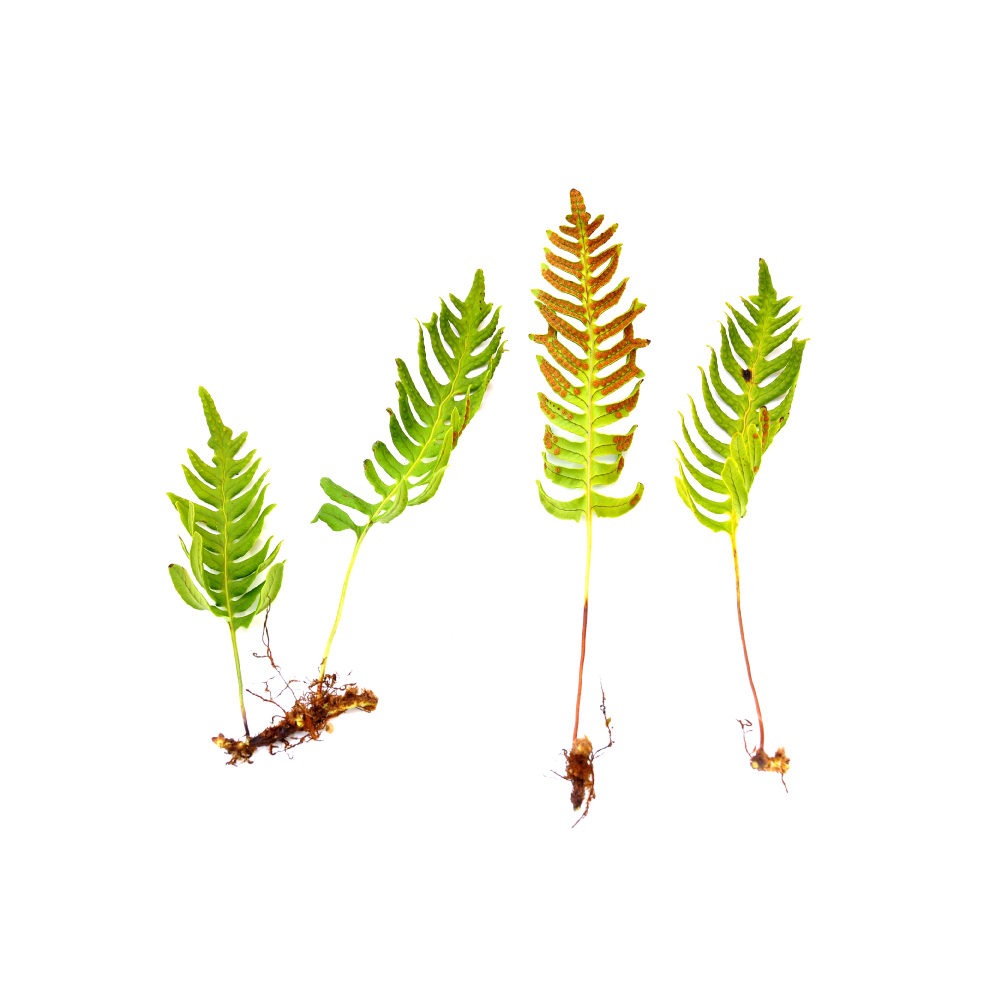 StrongStrongSamambaiaPolypodium leucotomosAn Amazonian and Central American fern with the best oral photoprotection evidence in herbal medicine. Oral or topical Polypodium leucotomos extract prevents acute sunburn and psoralen-induced phototoxic reactions 53Reference 53RCTTopical or oral administration with an extract of Polypodium leucotomos prevents acute sunburn and psoralen-induced phototoxic reactions — randomised trialView study →, and a randomised placebo-controlled trial in healthy adults confirmed safety and photoprotective effect 54Reference 54RCTSafety and efficacy of oral Polypodium leucotomos extract in healthy adult subjects — randomised placebo-controlled trialView study →.Read the evidenceShow lessMonograph →
In melasma, a stubborn pigmentary disorder with few good options, a double-blind, placebo-controlled trial found it effective 55Reference 55RCTDouble-blind, placebo-controlled trial to evaluate the effectiveness of Polypodium leucotomos extract in the treatment of melasmaView study →.
In vitiligo, a randomised double-blind placebo-controlled trial found it improved repigmentation when added to narrowband UVB phototherapy 56Reference 56RCTTreatment of vitiligo vulgaris with narrow-band UVB and oral Polypodium leucotomos extract — randomised double-blind placebo-controlled trialView study →, and a status report collates efficacy and safety across indications 57Reference 57ReviewPolypodium leucotomos extract: a status report on clinical efficacy and safety — reviewView study →.
It raises the threshold for UV damage. It is not a sunscreen, and it does not license more sun exposure.
 ModerateModeratePinePinus spp.Maritime pine bark extract, taken orally, with clinical and molecular evidence on human skin collated in a review 58Reference 58ReviewFrench maritime pine bark extract (Pycnogenol) effects on human skin: clinical and molecular evidence — reviewView study →, including effects on hyperpigmentation in melasma and on skin hydration and elasticity.Read the evidenceShow lessMonograph →
The effect is attributed to the procyanidin fraction’s antioxidant activity and its effects on the dermal extracellular matrix.
The trials are small and largely from research groups connected to the manufacturer, which is the standing caveat for this extract wherever it appears.
Its better-replicated evidence is vascular and metabolic, on the cardiovascular and metabolic pages, and the skin data are a smaller extension of the same antioxidant and microcirculatory story.
ModerateModerateGotu KolaCentella asiaticaThe cosmetic outcomes follow directly from the same collagen mechanism as the wound ones. A systematic review and network meta-analysis of randomised controlled trials assessed Centella asiatica on wrinkles 59Reference 59Meta-analysisEfficacy and safety of Centella asiatica on wrinkles — systematic review and network meta-analysis of randomised controlled trialsView study →, and a randomised, double-blind, placebo-controlled trial of an oral extract found improvement in skin-ageing parameters in middle-aged women 60Reference 60RCTOral Centella asiatica extract on skin aging parameters in middle-aged women — randomised, double-blind, placebo-controlled trialView study →.Also underWounds ↓Read the evidenceShow lessMonograph →
Its traditional and cosmetic use for scars and stretch marks rests on the same fibroblast and type I collagen action, which makes it one of the more mechanistically coherent cosmetic herbs.
Wrinkle and scar endpoints are softer and more susceptible to expectation than erythema or wound closure, so these are encouraging rather than settled.
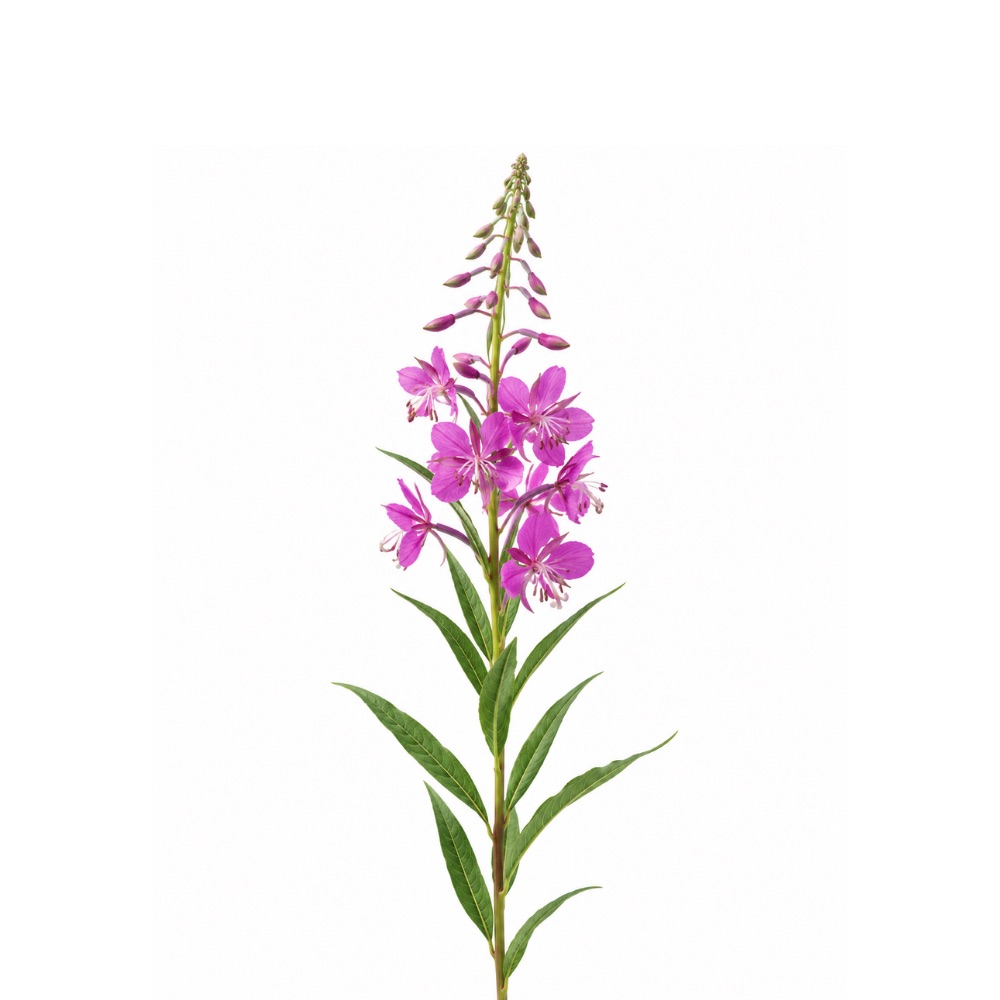 PreclinicalPreclinicalFireweedChamerion angustifoliumBetter known as a prostate herb, and quietly better evidenced as a topical one. Fireweed extracts inhibit three enzymes at once: hyaluronidase, which degrades the dermis’s water-holding matrix, collagenase, which degrades its structure, and tyrosinase, the rate-limiting enzyme of melanin synthesis 70,
109Reference 70In vitroPhytochemical profile and biological insights of Epilobium angustifolium L. herb — antioxidant and enzyme-inhibition assays, in vitroView study →Reference 109ReviewEpilobium angustifolium L. as a potential herbal component of topical products for skin care and treatment — reviewView study → . The activity tracks with hyperoside and the plant’s ellagitannins.Read the evidenceShow less
The unusual part is delivery. Topical hydrogels containing the extract improved fibroblast wound closure in vitro, and the study went further than most by showing the active phenolics penetrate and accumulate in human skin 110Reference 110In vitroAnti-inflammatory, antibacterial and anti-ageing properties and possible skin use of hydrogels containing Epilobium angustifolium L. extracts — in vitro, including human skin penetrationView study →, which is the step that separates a compound working in a dish from one that can reach the tissue it is meant to act on.
A review assembling the topical literature reaches the same conclusion about its plausibility as a skincare ingredient 109Reference 109ReviewEpilobium angustifolium L. as a potential herbal component of topical products for skin care and treatment — reviewView study →, and an ethyl-acetate fraction accelerated healing in rat and mouse wound models 111Reference 111AnimalIn vivo bioactivity assessment of Epilobium species: focus on E. angustifolium and its components on enzymes connected with the healing process — rat and mouse wound models in vivoView study →.
There is no clinical trial of fireweed for any skin indication, and the enzyme-inhibition results are the standard cosmetic-science assay rather than a measured change in anyone’s skin.
Treating Skin From the Inside
3 herbsThe most confidently prescribed and least tested group in Western herbal medicine. These herbs are given orally over months for eczema, psoriasis and acne on the alterative reasoning set out above.
There is essentially no controlled human evidence for any of them in a skin condition.
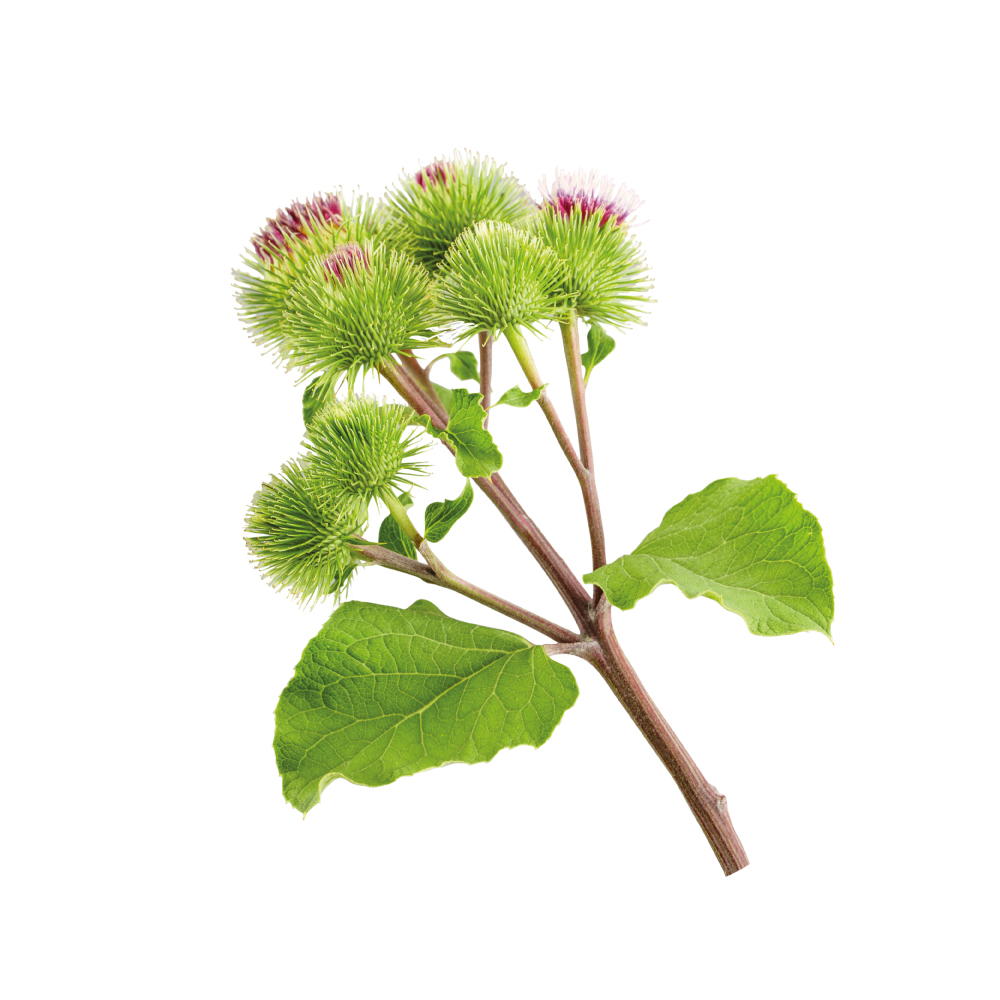 PreclinicalPreclinicalBurdockArctium lappaThe archetypal Western alterative, and the traditional first choice for chronic eczema, acne and boils.Read the evidenceShow lessMonograph →
The modern work is suggestive and preclinical. Peptides isolated from burdock root show anti-acne activity in vitro with pilot testing 61Reference 61In vitroAnti-acne action of peptides isolated from burdock root — in vitro and pilot testingView study →, the lignan arctiin induces a UVB-protective effect in human dermal fibroblasts through microRNA expression 62Reference 62In vitroArctiin induces a UVB protective effect in human dermal fibroblast cells through microRNA expression — in vitroView study →, and a burdock-leaf preparation was assessed in an observational pilot in burn-injured patients 63Reference 63ObservationalThe effect of Burns & Wounds (B&W)/burdock leaf therapy on burn-injured Amish patients — observational pilot studyView study →.
Burdock root is also a food, the Japanese vegetable gobo, which gives it an excellent safety record. It is an Asteraceae plant, so contact sensitisation is possible.
There is no controlled trial in any skin disease.
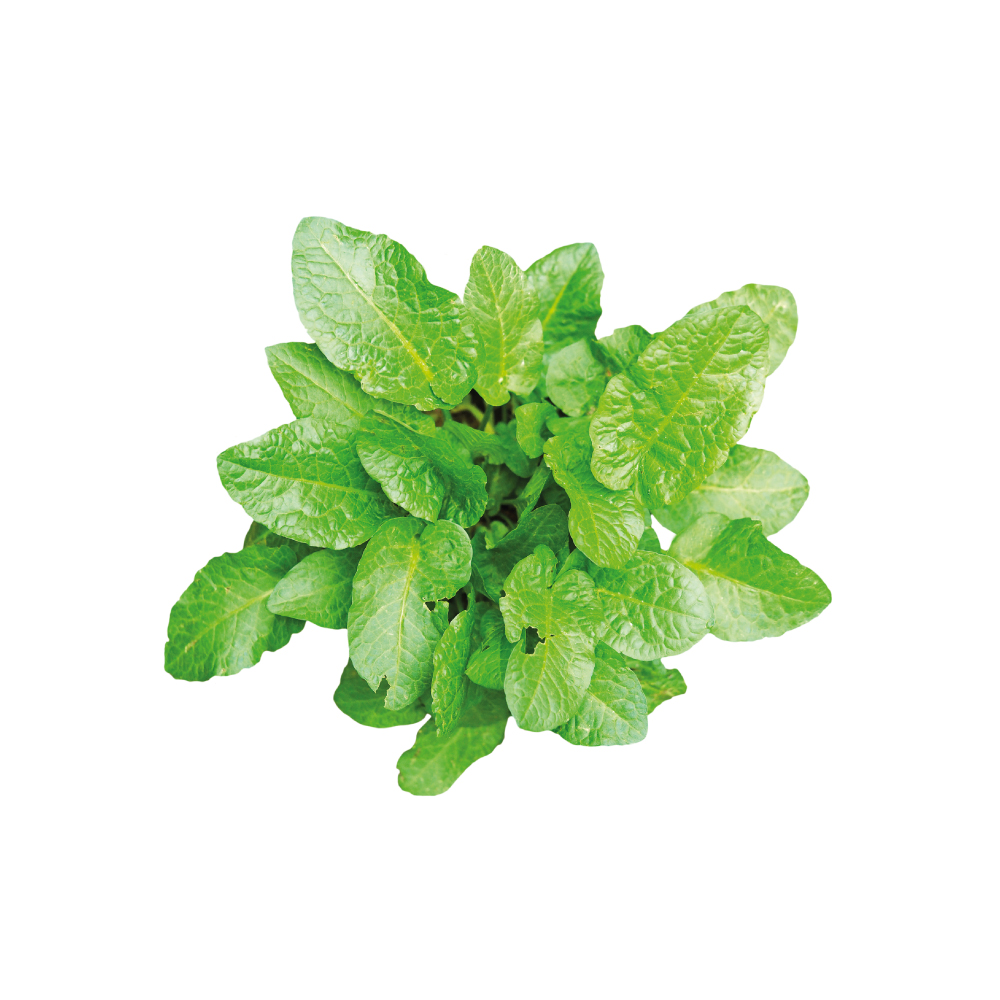 PreclinicalPreclinicalYellow DockRumex crispusThe other classic blood-cleanser, traditionally paired with burdock for chronic scaly skin conditions and distinguished by its mild anthraquinone content, which gives it a gentle laxative action and is very likely why the tradition credits it with clearing chronic skin disease through the bowel.Read the evidenceShow lessMonograph →
Modern work is limited to chemistry. Its naphthalenone nepodin inhibits Candida albicans and polymicrobial biofilm formation in vitro 64Reference 64In vitroInhibition of biofilm formation by Candida albicans and polymicrobial microorganisms by nepodin — in vitroView study →.
No skin trial exists.
The anthraquinones mean it should not be a daily long-term habit, and Rumex species are high in oxalate, which matters with a history of kidney stones.
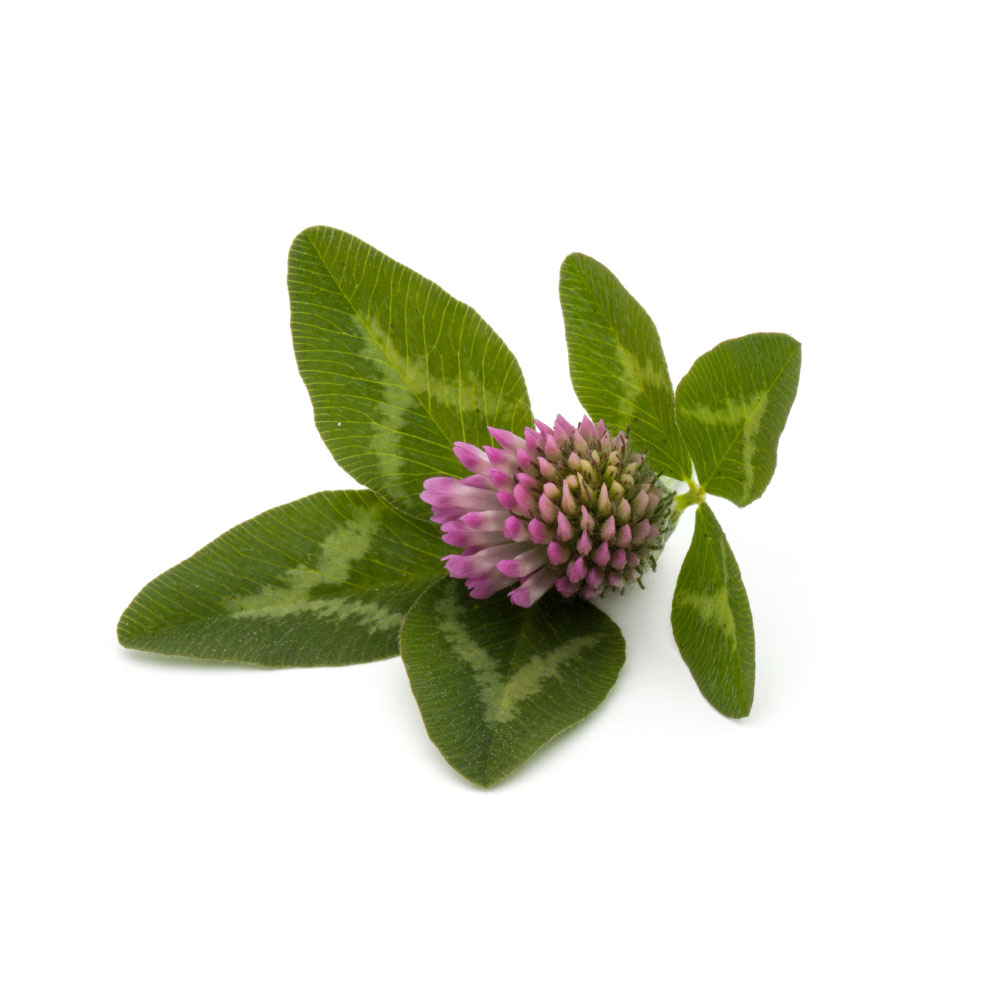 TraditionalTraditionalRed CloverTrifolium pratenseThe third of the traditional alterative trio, given for chronic eczema and psoriasis throughout nineteenth and twentieth-century Western practice, particularly in children, and untested in any skin condition.Read the evidenceShow lessMonograph →
Its entire modern trial literature concerns isoflavones in menopause and bone, which is a different pharmacology and appears on the musculoskeletal page.
Red clover is meaningfully estrogenic, so it warrants care in hormone-sensitive conditions and is not a casual long-term choice for a child’s eczema.
No herbs match these filters.
Also Tagged
21 more herbs are tagged for this system.
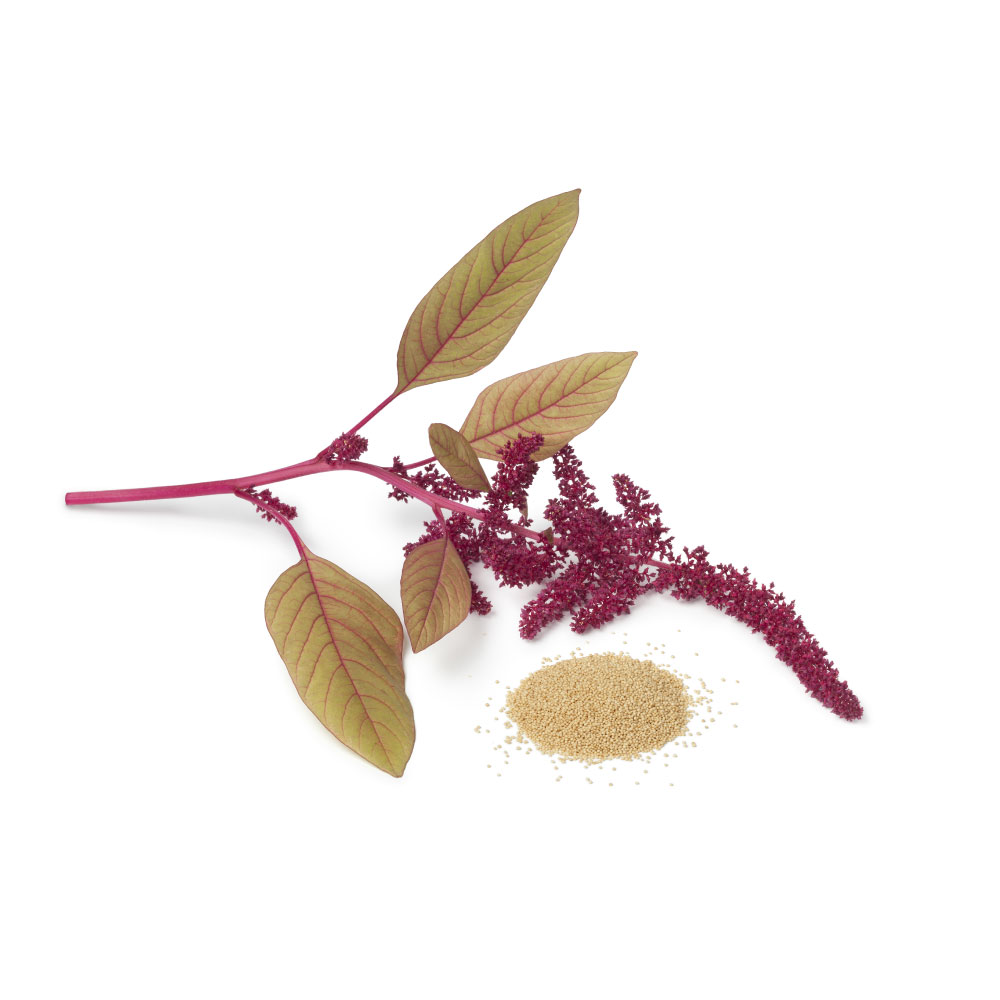
Amaranth
Amaranthus blitum
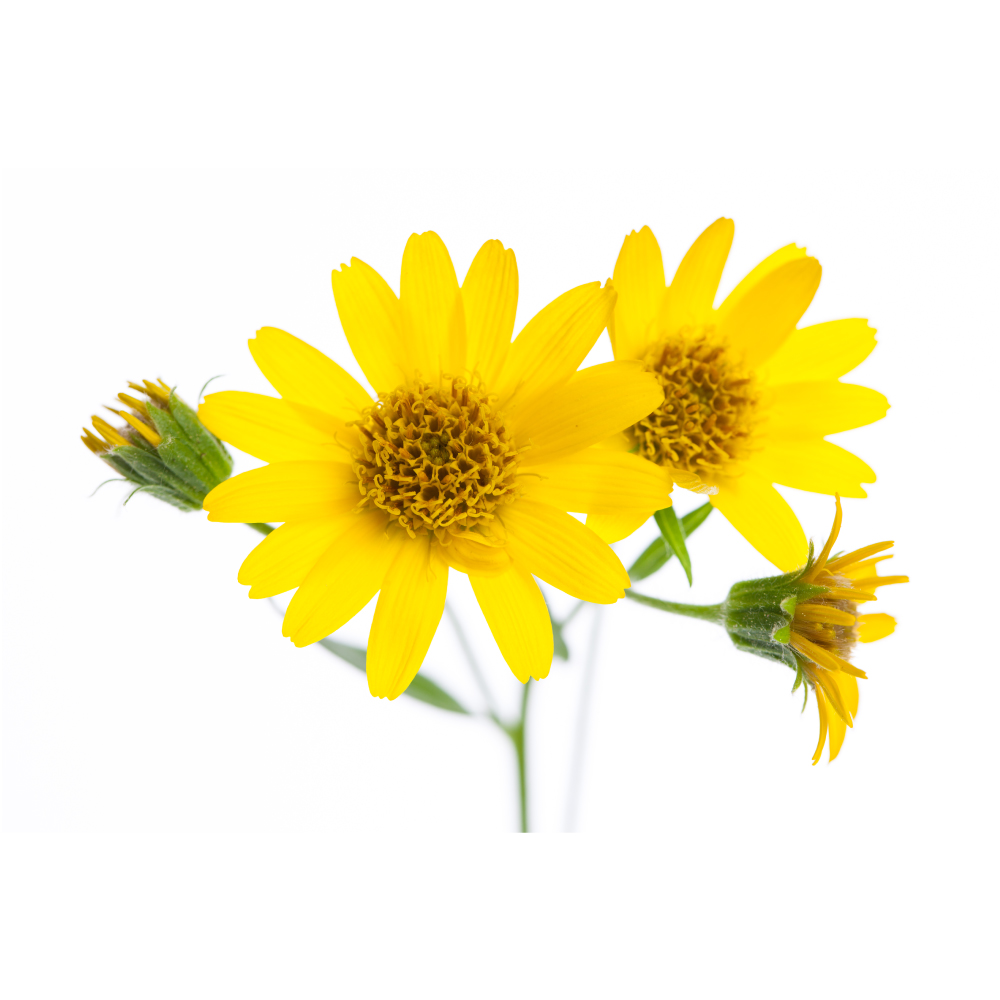
Arnica
Arnica montana
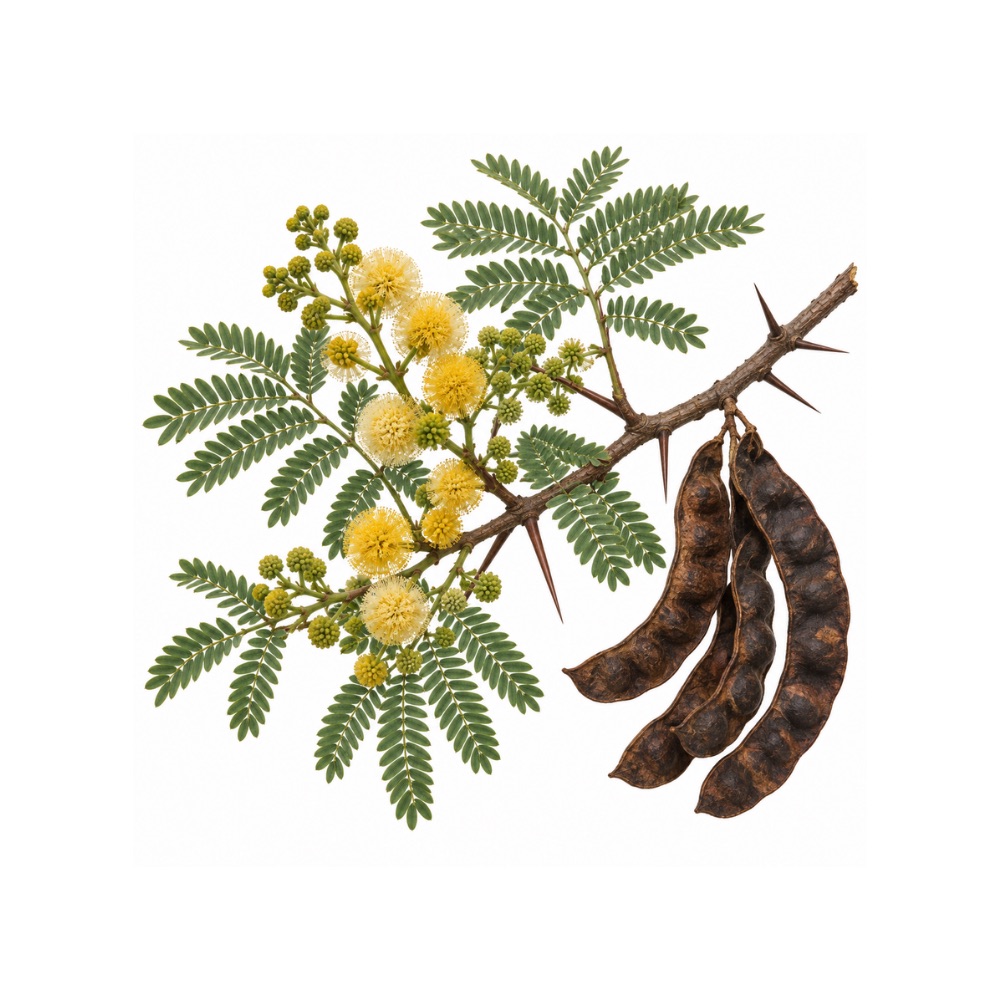
Babul
Vachellia nilotica
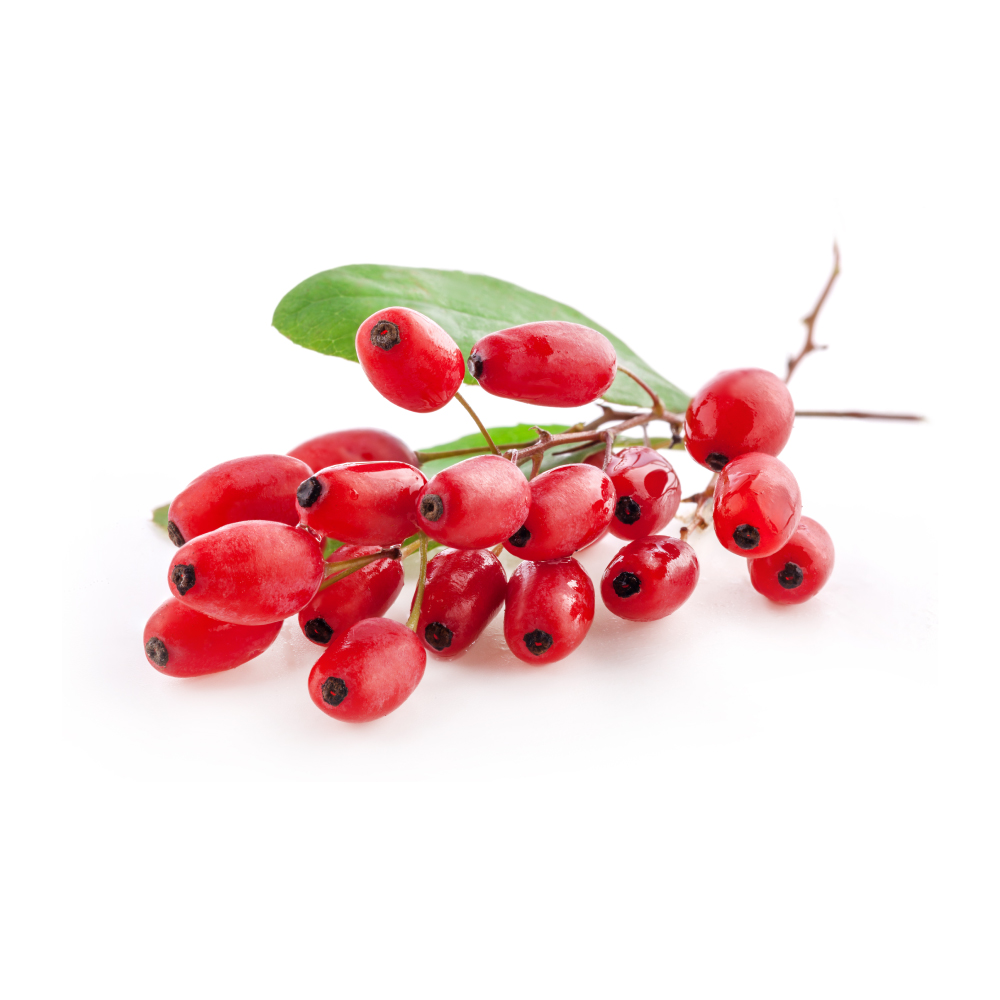
Barberry
Berberis spp.
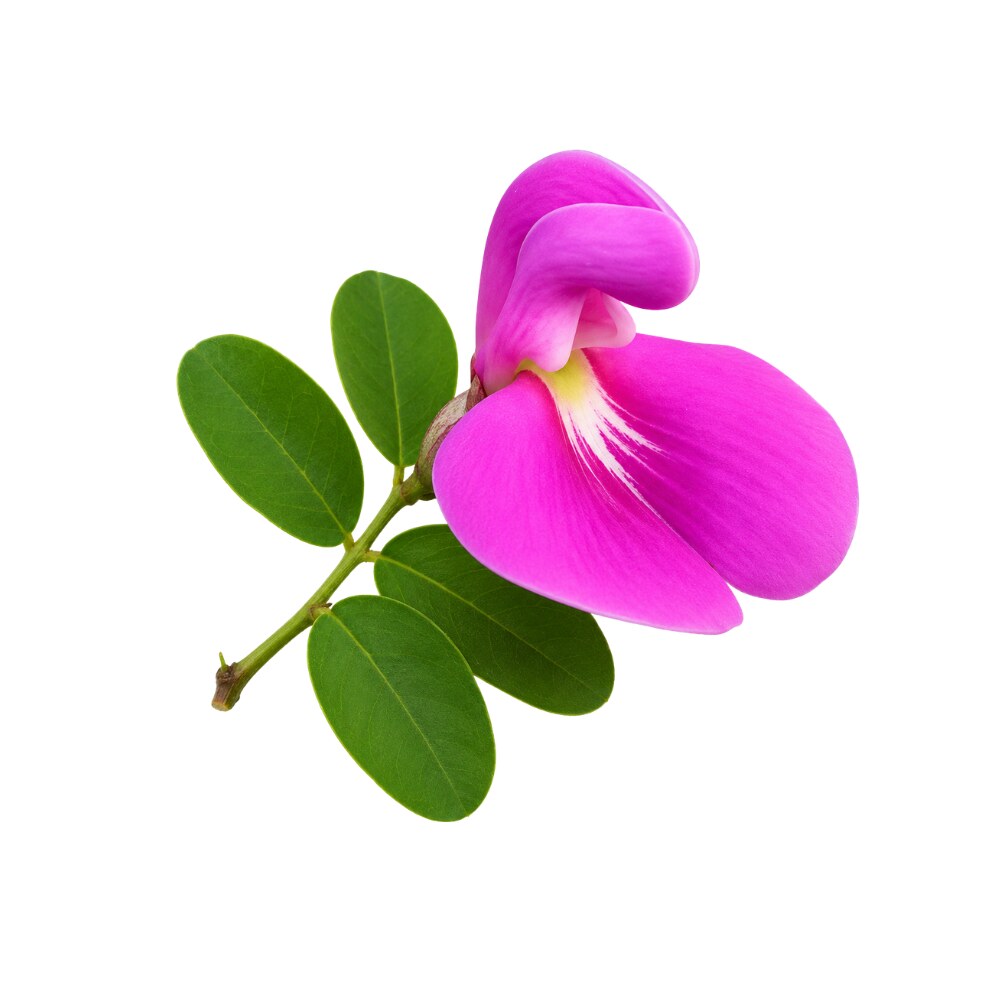
Bay Bean
Canavalia rosea
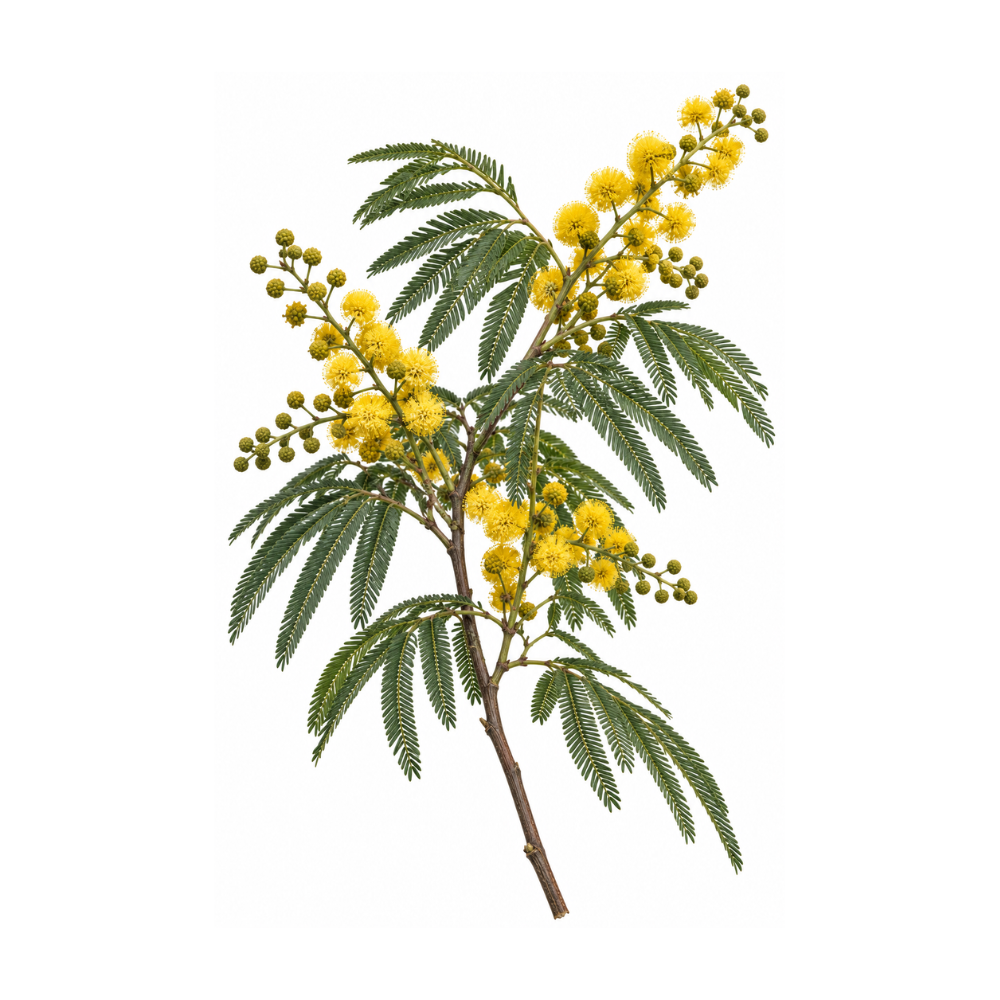
Black Wattle
Acacia mearnsii
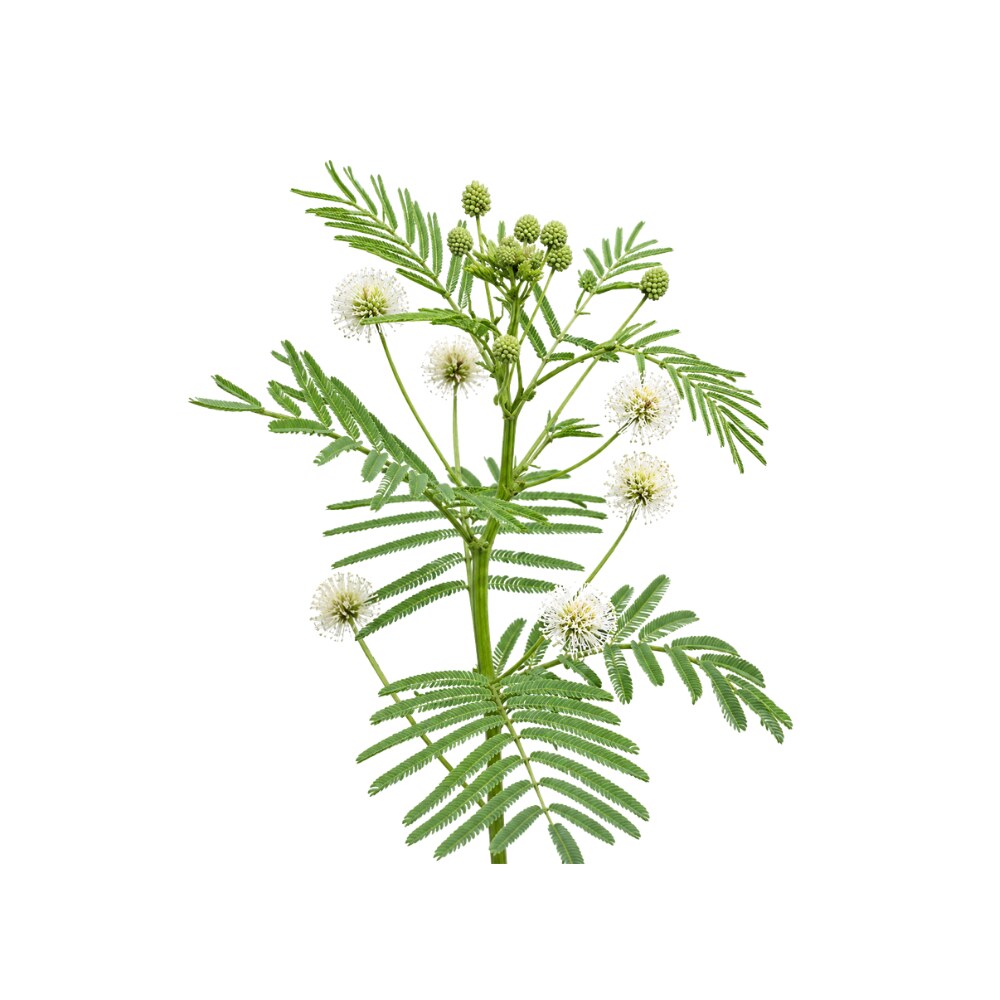
Bundleflower
Desmanthus illinoensis
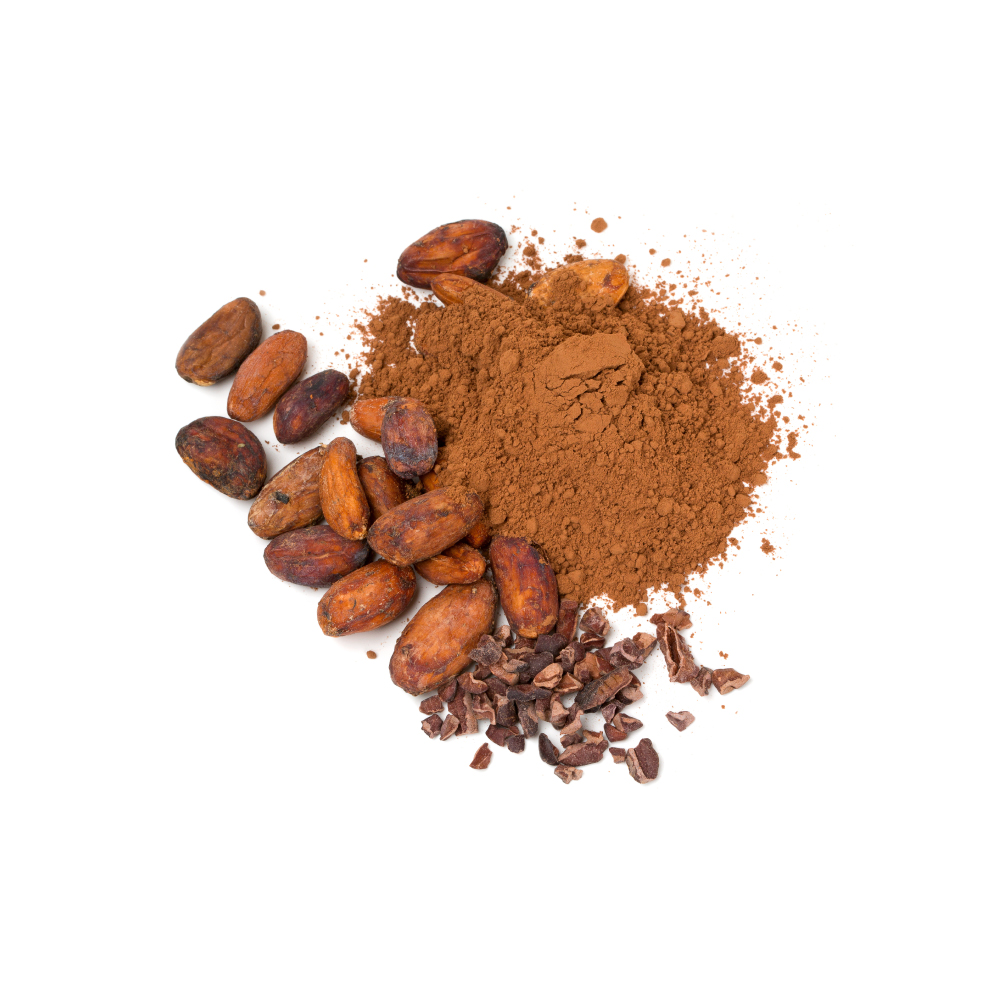
Cacao
Theobroma cacao
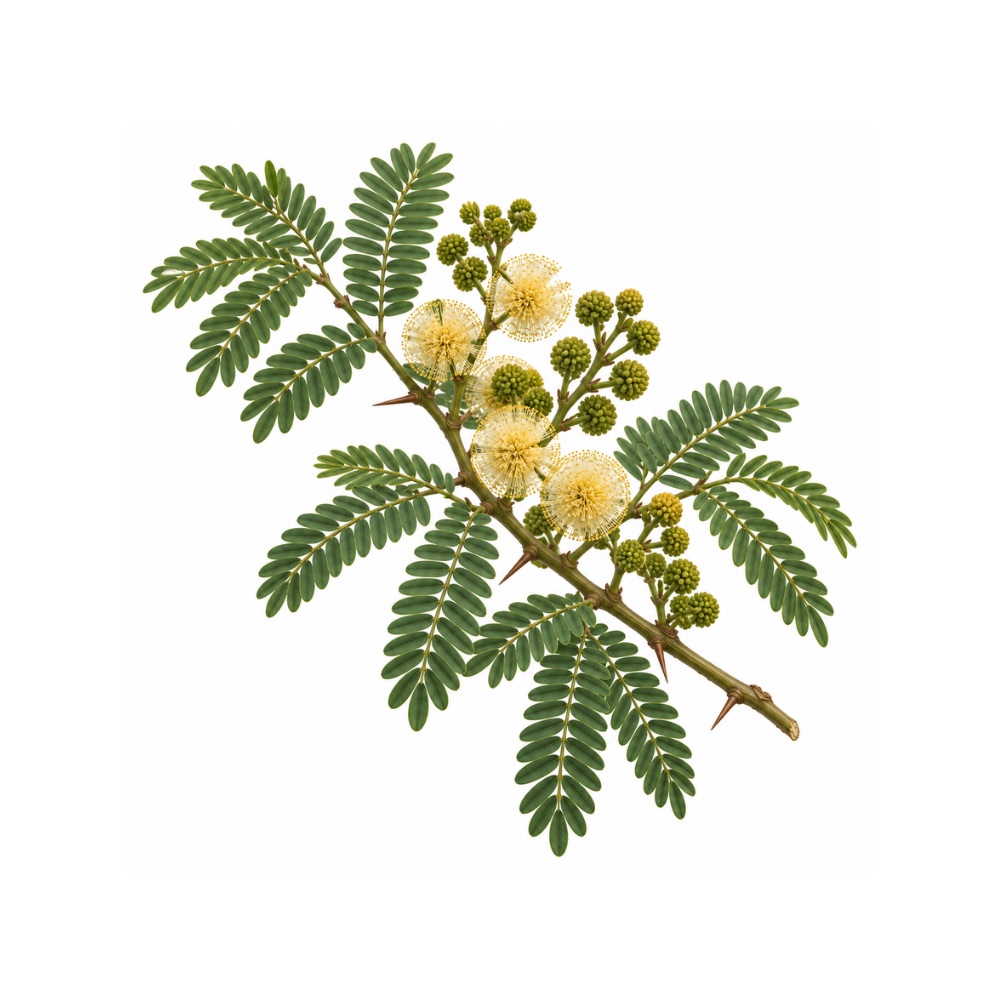
Catechu
Senegalia catechu
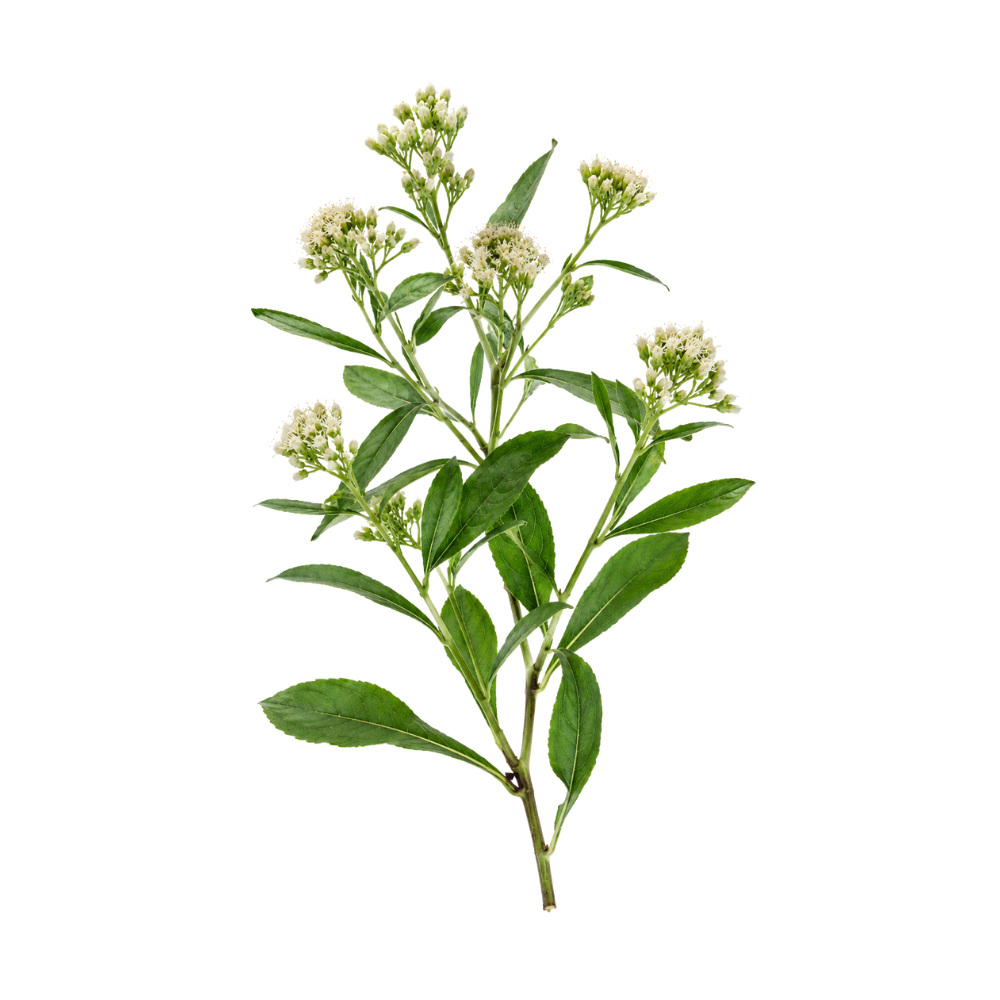
Chilca
Baccharis latifolia
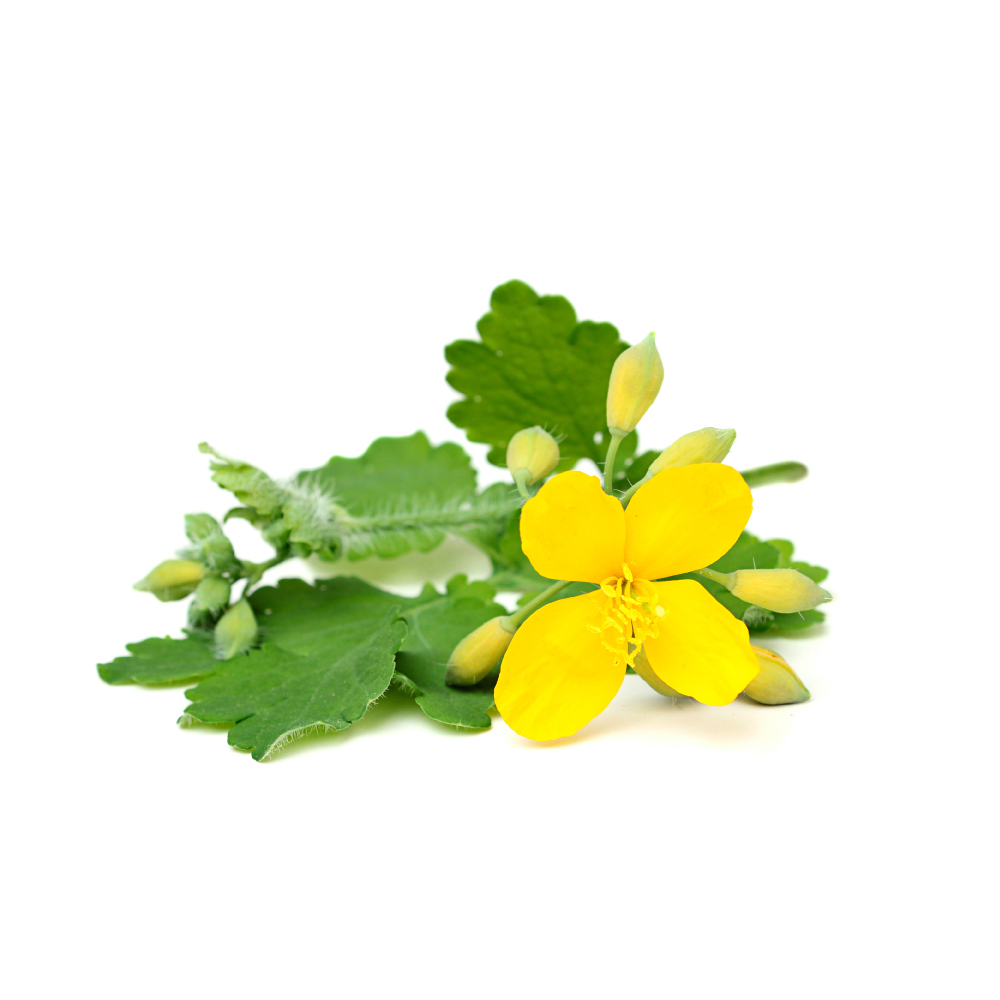
Greater Celandine
Chelidonium majus
Horsetail
Equisetum arvense
Iris
Iris versicolor
Juniper
Juniperus communis
Lavender
Lavandula angustifolia
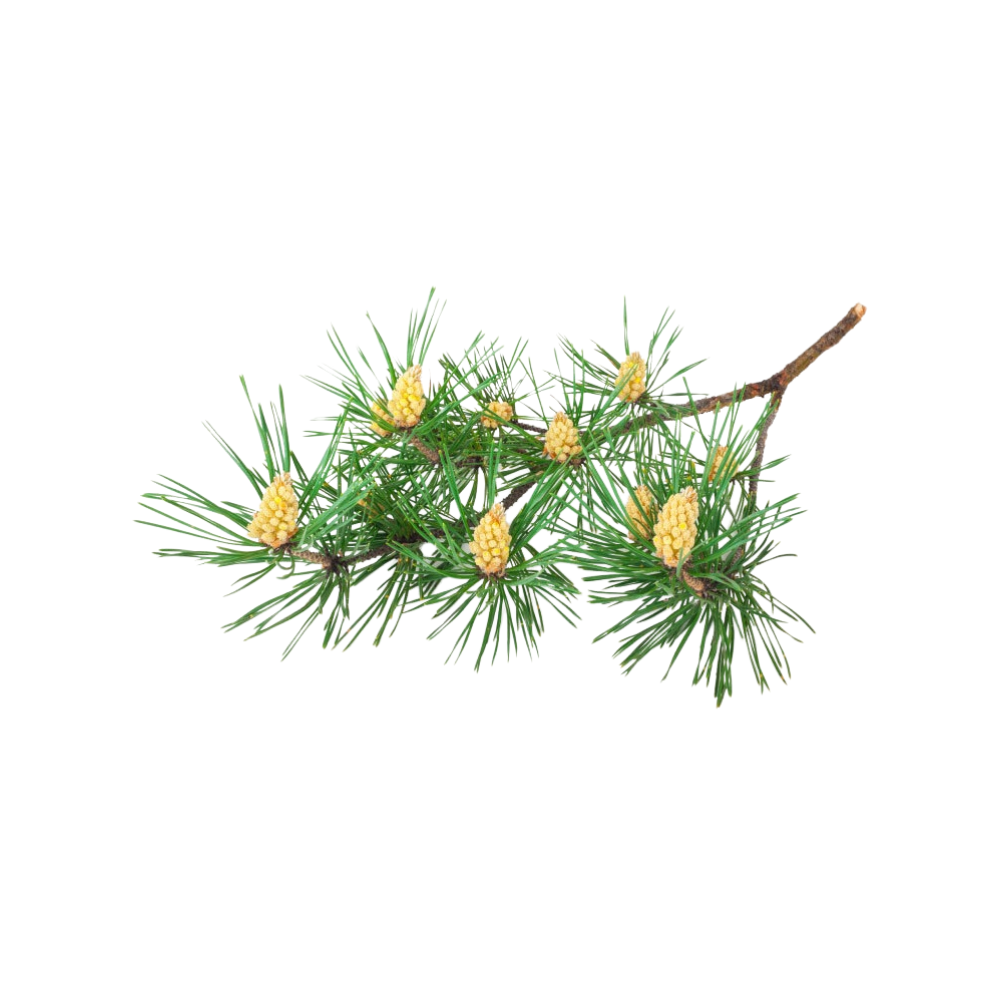
Maritime Pine
Pinus pinaster
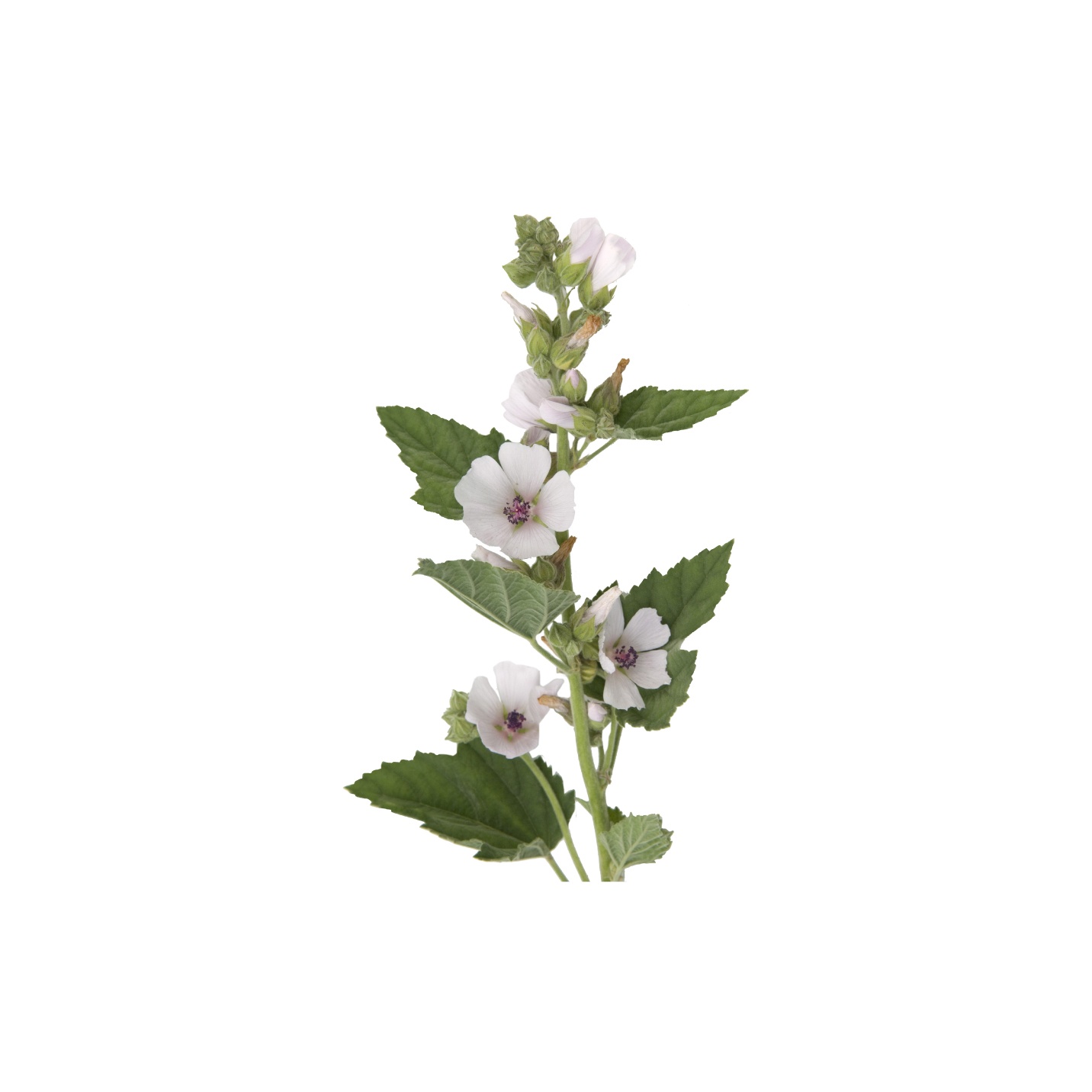
Marshmallow
Althaea officinalis
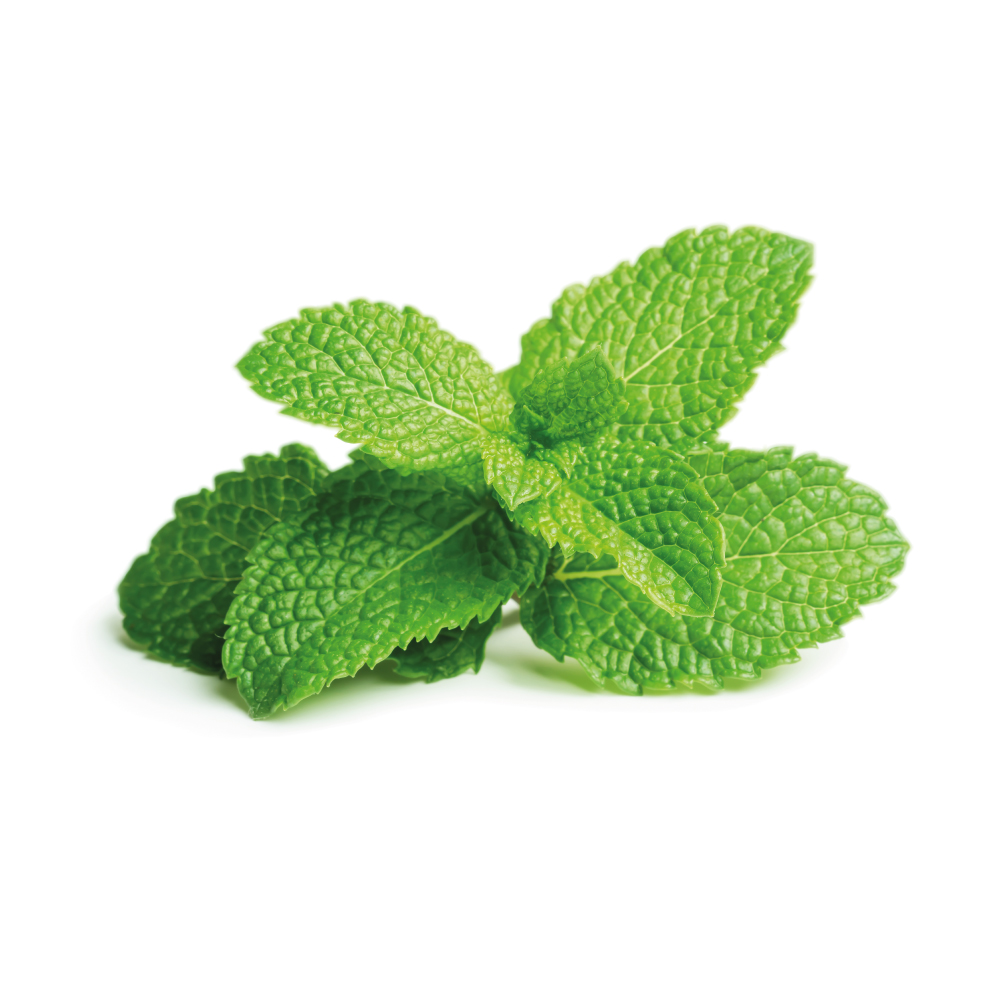
Peppermint
Mentha × piperita
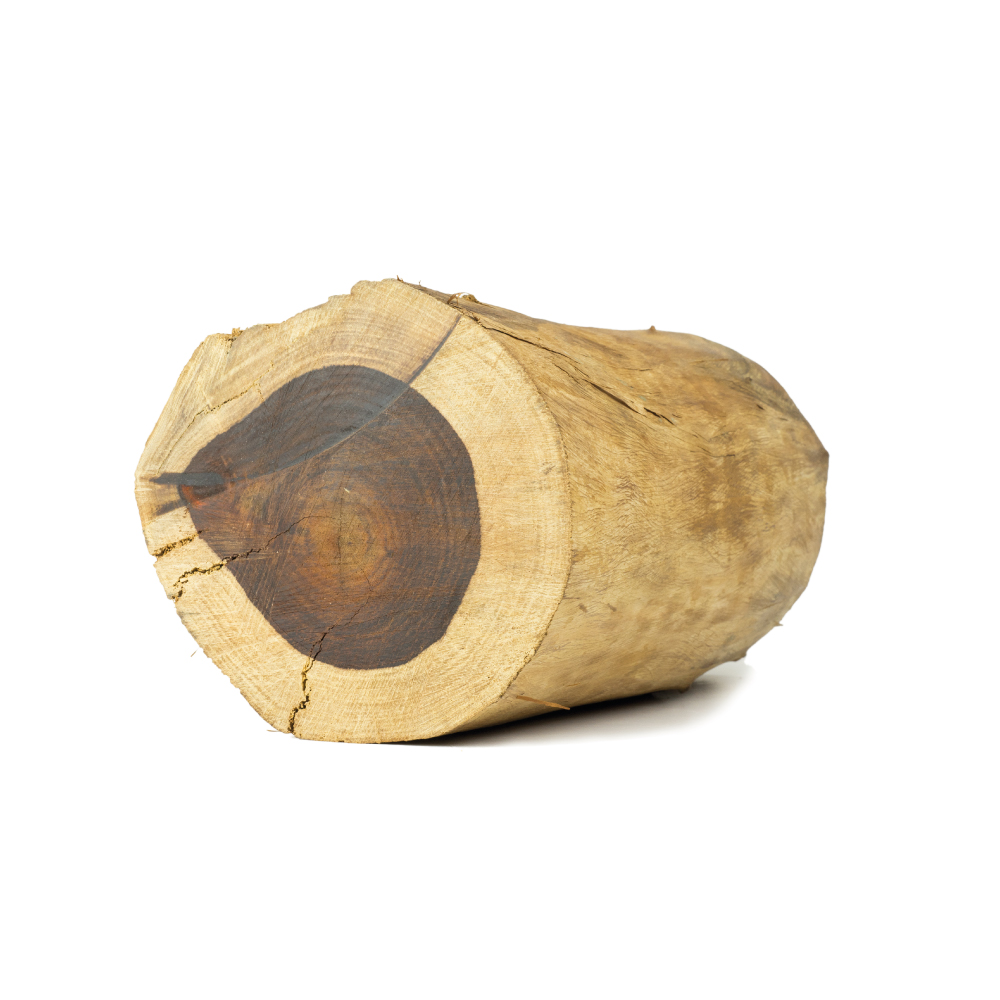
Rosewood
Aniba rosaeodora
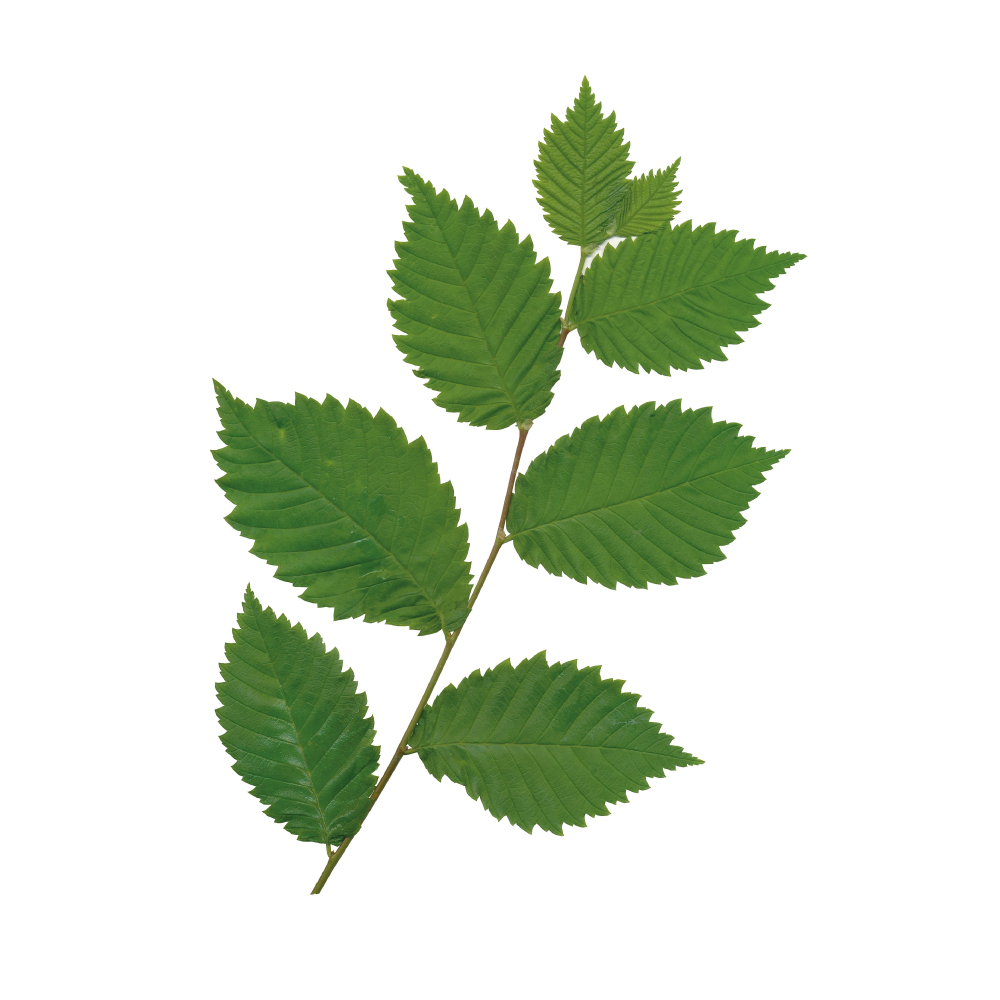
Slippery Elm
Ulmus rubra
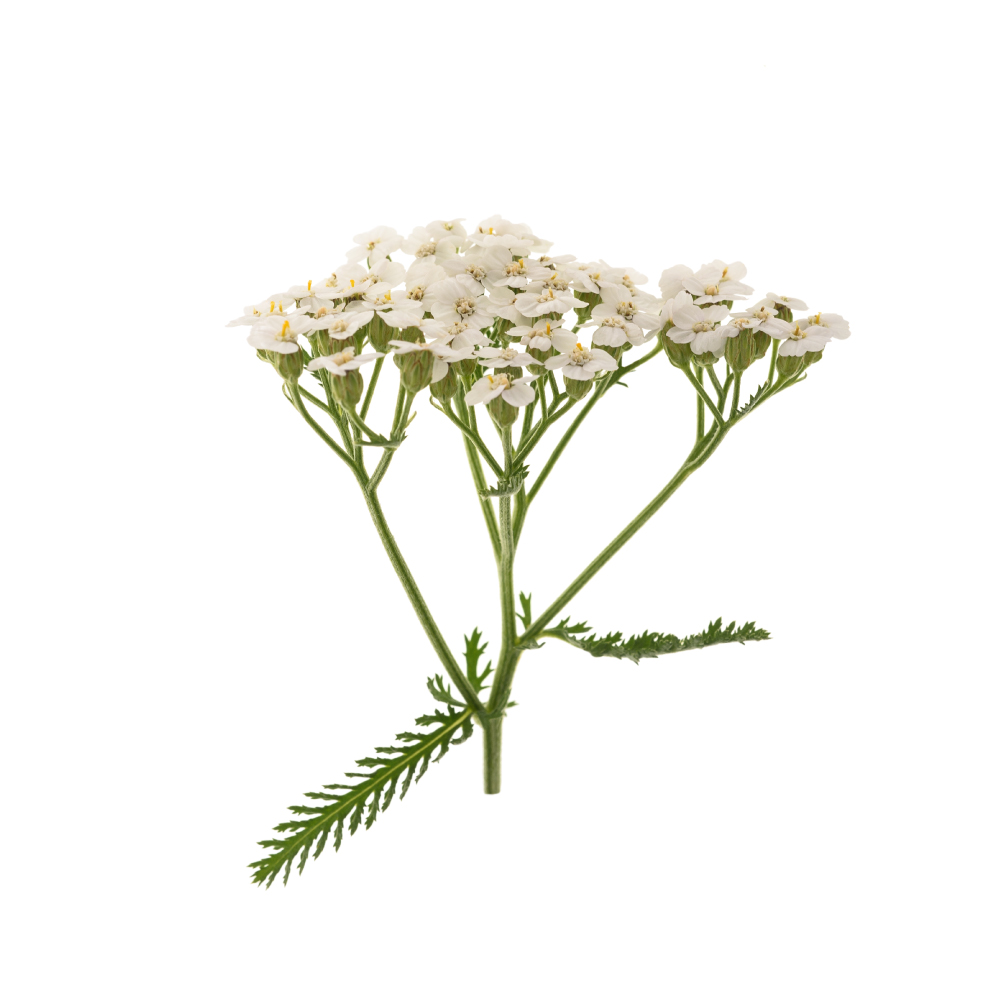
Yarrow
Achillea millefolium
Safety
Pregnancy & lactation
- Topical use on unbroken skin is a far smaller exposure than an internal dose, so emollients and washes are the reasonable options.
- The internal alterative herbs are avoided by default, since none has pregnancy safety data and several are estrogenic, laxative or abortifacient.
- Pyrrolizidine-alkaloid herbs are contraindicated in any form, topical included, because the alkaloids cross the placenta and enter breast milk.
- Itch on the palms and soles, or without a rash, needs obstetric assessment rather than a cream.
- Get a changing lesion looked at. A new or changing mole, a lesion that bleeds or fails to heal in a month, or a rash that does not respond needs assessment, because skin cancer is common and curable when caught early.
- Comfrey and usnea are well evidenced on skin and hepatotoxic swallowed. The toxic species is generated by a first-pass liver metabolism that a topical route never reaches.
- Contact sensitisers. Asteraceae herbs, conifer resins, propolis and neat essential oils are all documented, so patch-test first and treat a rash worsening on a herbal cream as a reaction to it 65,
66Reference 65ObservationalThe seamy side of natural medicines: contact sensitization to arnica (Arnica montana L.) and marigold (Calendula officinalis L.) — patch-test cohortView study →Reference 66ReviewContact sensitization from Compositae-containing herbal remedies and cosmetics — reviewView study → . - Furanocoumarins plus sunlight cause phytophotodermatitis, a delayed blistering burn that often leaves months of pigmentation. It is a handling hazard as much as a treatment one.
- Get medical care for spreading redness with fever, a deep or palm-sized burn, a rapidly spreading or mucosal blistering rash, a non-healing ulcer, or a painful band of rash on one side of the body.
References
- Jull, A. B., Cullum, N., Dumville, J. C., et al. (2015). Honey as a topical treatment for wounds — Cochrane systematic review. Cochrane Database of Systematic Reviews. https://pubmed.ncbi.nlm.nih.gov/25742878/
- Norman, G., Christie, J., Liu, Z., et al. (2017). Antiseptics for burns — Cochrane systematic review. Cochrane Database of Systematic Reviews. https://pubmed.ncbi.nlm.nih.gov/28700086/
- Malhotra, R., Ziahosseini, K., Poitelea, C., et al. (2017). Effect of manuka honey on eyelid wound healing — randomised controlled trial. Ophthalmic Plastic & Reconstructive Surgery. https://pubmed.ncbi.nlm.nih.gov/27429228/
- Alangari, A. A., Morris, K., Lwaleed, B. A., et al. (2017). Honey is potentially effective in the treatment of atopic dermatitis — clinical and mechanistic studies. Immunity, Inflammation and Disease. https://pubmed.ncbi.nlm.nih.gov/28474502/
- Huang, Y. N., Chen, K. C., Wang, J. H., & Lin, Y. K. (2024). Effects of Aloe vera on burn injuries — systematic review and meta-analysis of randomised controlled trials. Journal of Burn Care & Research. https://pubmed.ncbi.nlm.nih.gov/38605441/
- Sharma, S., Alfonso, A. R., Gordon, A. J., et al. (2022). Second-degree burns and Aloe vera — meta-analysis and systematic review. Advances in Skin & Wound Care. https://pubmed.ncbi.nlm.nih.gov/36264753/
- Burusapat, C., Supawan, M., Pruksapong, C., et al. (2018). Topical Aloe vera gel for accelerated wound healing of split-thickness skin-graft donor sites — double-blind randomised controlled trial and systematic review. Plastic and Reconstructive Surgery. https://pubmed.ncbi.nlm.nih.gov/29649056/
- Pommier, P., et al. (2004). Phase III randomized trial of Calendula officinalis compared with trolamine for the prevention of acute dermatitis during irradiation for breast cancer. Journal of Clinical Oncology. https://pubmed.ncbi.nlm.nih.gov/15084618/
- Sharp, L., et al. (2013). No differences between calendula cream and aqueous cream in the prevention of acute radiation skin reactions — randomised blinded trial. European Journal of Oncology Nursing. https://pubmed.ncbi.nlm.nih.gov/23245940/
- Givol, O., et al. (2019). A systematic review of Calendula officinalis extract for wound healing. Wound Repair and Regeneration. https://pubmed.ncbi.nlm.nih.gov/31145533/
- Jahdi, F., et al. (2018). The impact of calendula ointment on cesarean wound healing — randomised controlled clinical trial. Journal of Family Medicine and Primary Care. https://pubmed.ncbi.nlm.nih.gov/30598929/
- Della Loggia, R., et al. (1994). The role of triterpenoids in the topical anti-inflammatory activity of Calendula officinalis flowers — in vitro and animal model. Planta Medica. https://pubmed.ncbi.nlm.nih.gov/7809203/
- Barna, M., et al. (2012). Wound-healing effects of a Symphytum herb extract cream in children — randomised, controlled, double-blind trial. Arzneimittel-Forschung. https://pubmed.ncbi.nlm.nih.gov/22549241/
- Barna, M., et al. (2007). Wound-healing effects of a Symphytum herb extract cream — randomised, controlled, double-blind trial. Wiener Medizinische Wochenschrift. https://pubmed.ncbi.nlm.nih.gov/18157595/
- Dähnhardt, D., et al. (2020). Epidermal regeneration induced by comfrey extract — in vitro light and electron microscopy. Skin Pharmacology and Physiology. https://pubmed.ncbi.nlm.nih.gov/32683369/
- Ridker, P. N., & McDermott, W. V. (1989). Hepatotoxicity due to comfrey herb tea — case report. American Journal of Medicine. https://pubmed.ncbi.nlm.nih.gov/2629737/
- Arribas-López, E., et al. (2022). A systematic review of the effect of Centella asiatica on wound healing. International Journal of Environmental Research and Public Health. https://pubmed.ncbi.nlm.nih.gov/35328954/
- Changsan, N., et al. (2023). Wound healing efficacy of a polymeric spray film containing Centella asiatica leaf extract — multicentre randomised controlled trial. Journal of Wound Care. https://pubmed.ncbi.nlm.nih.gov/38063299/
- Liu, M., et al. (2008). Madecassoside isolated from Centella asiatica facilitates burn wound healing in mice — animal model. Planta Medica. https://pubmed.ncbi.nlm.nih.gov/18484522/
- Ghiasian, M., et al. (2021). Clinical and phytochemical studies of Plantago major in pressure ulcer treatment — randomised controlled trial. Complementary Therapies in Clinical Practice. https://pubmed.ncbi.nlm.nih.gov/33548748/
- Ghanadian, M., et al. (2024). The effect of Plantago major hydroalcoholic extract on the healing of diabetic foot and pressure ulcers — randomised controlled trial. International Journal of Lower Extremity Wounds. https://pubmed.ncbi.nlm.nih.gov/35044254/
- Keshavarzi, A., et al. (2022). Therapeutic efficacy of great plantain (Plantago major L.) in the treatment of second-degree burn wounds — case-control study. International Journal of Clinical Practice. https://pubmed.ncbi.nlm.nih.gov/35966146/
- Cardoso, F. C. I., et al. (2021). The effect of Plantago major on wound healing in preclinical studies — systematic review. Wound Management & Prevention. https://pubmed.ncbi.nlm.nih.gov/33448940/
- Korting, H. C., Schäfer-Korting, M., Klövekorn, W., et al. (1995). Comparative efficacy of hamamelis distillate and hydrocortisone cream in atopic eczema — double-blind randomised controlled trial. European Journal of Clinical Pharmacology. https://pubmed.ncbi.nlm.nih.gov/8582464/
- Korting, H. C., Schäfer-Korting, M., Hart, H., et al. (1993). Anti-inflammatory activity of hamamelis distillate applied topically to the skin — randomised controlled trial. European Journal of Clinical Pharmacology. https://pubmed.ncbi.nlm.nih.gov/8513841/
- Hughes-Formella, B. J., Bohnsack, K., Rippke, F., et al. (1998). Anti-inflammatory effect of hamamelis lotion in a UVB erythema test — randomised controlled trial. Dermatology. https://pubmed.ncbi.nlm.nih.gov/9621139/
- Hughes-Formella, B. J., Filbry, A., Gassmueller, J., & Rippke, F. (2002). Anti-inflammatory efficacy of topical preparations with 10% hamamelis distillate in a UV erythema test — randomised controlled trial. Skin Pharmacology and Applied Skin Physiology. https://pubmed.ncbi.nlm.nih.gov/11867970/
- Piazza, S., Martinelli, G., Magnavacca, A., et al. (2022). Witch hazel (Hamamelis virginiana L.) bark extract impairs the keratinocyte inflammatory cascade typical of atopic eczema — in vitro. International Journal of Molecular Sciences. https://pubmed.ncbi.nlm.nih.gov/36012541/
- Wolff, H. H., & Kieser, M. (2007). Hamamelis in children with skin disorders and skin injuries — observational study. European Journal of Pediatrics. https://pubmed.ncbi.nlm.nih.gov/17177071/
- Kloter, E., Albanese, F., Schweighoffer, R., et al. (2023). Phytotherapy in paediatric skin disorders — systematic literature review. Complementary Therapies in Medicine. https://pubmed.ncbi.nlm.nih.gov/36958415/
- Siddiquee, S., et al. (2021). Efficacy of topical Calendula officinalis on prevalence of radiation-induced dermatitis — randomised controlled trial. Australasian Journal of Dermatology. https://pubmed.ncbi.nlm.nih.gov/32965030/
- Robijns, J., et al. (2023). Natural and miscellaneous agents for the prevention of acute radiation dermatitis — systematic review and meta-analysis. Support Care Cancer. https://pubmed.ncbi.nlm.nih.gov/36859690/
- Fuchs, S. M., et al. (2005). Protective effects of different marigold (Calendula officinalis L.) and rosemary cream preparations against sodium-lauryl-sulfate-induced irritant contact dermatitis — clinical trial. Skin Pharmacology and Physiology. https://pubmed.ncbi.nlm.nih.gov/15908760/
- Meneses, A. G., et al. (2025). Comparison of liposomal gel with and without chamomile to prevent radiation dermatitis in breast cancer patients — randomised controlled trial. Strahlentherapie und Onkologie. https://pubmed.ncbi.nlm.nih.gov/39283344/
- Rogozhin, E. A., et al. (2015). A novel antifungal peptide (SmAMP3) from leaves of the weed Stellaria media L. — in vitro. Biochimie. https://pubmed.ncbi.nlm.nih.gov/26196691/
- Jovanović, M., Poljacki, M., et al. (2003). Erythema multiforme due to contact with weeds: a recurrence after patch testing — case report. Contact Dermatitis. https://pubmed.ncbi.nlm.nih.gov/12641574/
- Syed, T. A., Ahmad, S. A., Holt, A. H., et al. (1996). Management of psoriasis with Aloe vera extract in a hydrophilic cream — placebo-controlled double-blind study. Tropical Medicine & International Health. https://pubmed.ncbi.nlm.nih.gov/8765459/
- Choonhakarn, C., Busaracome, P., Sripanidkulchai, B., & Sarakarn, P. (2010). A prospective, randomized clinical trial comparing topical Aloe vera with 0.1% triamcinolone acetonide in mild to moderate plaque psoriasis. Journal of the European Academy of Dermatology and Venereology. https://pubmed.ncbi.nlm.nih.gov/19686327/
- Paulsen, E., Korsholm, L., & Brandrup, F. (2005). A double-blind, placebo-controlled study of a commercial Aloe vera gel in the treatment of slight to moderate psoriasis vulgaris — randomised controlled trial. Journal of the European Academy of Dermatology and Venereology. https://pubmed.ncbi.nlm.nih.gov/15857459/
- Deng, S., May, B. H., Zhang, A. L., Lu, C., & Xue, C. C. (2013). Plant extracts for the topical management of psoriasis — systematic review and meta-analysis. British Journal of Dermatology. https://pubmed.ncbi.nlm.nih.gov/23909714/
- Gulliver, W. P., & Donsky, H. J. (2005). A report on three recent clinical trials using Mahonia aquifolium 10% topical cream and a review of the worldwide clinical experience with Mahonia aquifolium for the treatment of plaque psoriasis. American Journal of Therapeutics. https://pubmed.ncbi.nlm.nih.gov/16148424/
- Guo, Y., et al. (2024). Integrated network pharmacological analysis revealed that Smilax glabra Roxb. alleviates IMQ-induced psoriatic skin inflammation through regulating T cell immune response — animal model. Journal of Ethnopharmacology. https://pubmed.ncbi.nlm.nih.gov/38301985/
- Vijayalakshmi, A., Ravichandiran, V., Malarkodi, V., et al. (2012). Screening of flavonoid quercetin from the rhizome of Smilax china Linn. for anti-psoriatic activity — animal model. Asian Pacific Journal of Tropical Biomedicine. https://pubmed.ncbi.nlm.nih.gov/23569912/
- Faraji A, Aghdaki M, Hessami K, et al. (2021). Episiotomy wound healing by Commiphora myrrha and Boswellia carteri in primiparous women — randomised controlled trial. Journal of Ethnopharmacology. https://pubmed.ncbi.nlm.nih.gov/32971163/
- Eid RAA (2021). Efficacy of myrrh mouthwash on wound healing after tooth extraction — controlled clinical trial. The Saudi Dental Journal. https://pubmed.ncbi.nlm.nih.gov/33473242/
- McCallion, R. F., Cole, A. L. J., Walker, J. R. L., et al. (1982). Antibiotic substances from New Zealand plants. II. Polygodial, an anti-Candida agent from Pseudowintera colorata — in vitro. Planta Medica. https://pubmed.ncbi.nlm.nih.gov/7089094/
- Lee, S. H., Lee, J. R., Lunde, C. S., & Kubo, I. (1999). In vitro antifungal susceptibilities of Candida albicans and other fungal pathogens to polygodial, a sesquiterpene dialdehyde — in vitro. Planta Medica. https://pubmed.ncbi.nlm.nih.gov/10232062/
- Kubo, I., Fujita, K., & Lee, S. H. (2001). Antifungal mechanism of polygodial — in vitro. Journal of Agricultural and Food Chemistry. https://pubmed.ncbi.nlm.nih.gov/11312903/
- Pompilio, A., et al. (2016). Antibacterial and antibiofilm mechanisms of usnic acid against methicillin-resistant Staphylococcus aureus — in vitro. Future Microbiology. https://pubmed.ncbi.nlm.nih.gov/27633726/
- Francolini, I., et al. (2004). Usnic acid, a natural antimicrobial agent able to inhibit bacterial biofilm formation on polymer surfaces — in vitro. Antimicrobial Agents and Chemotherapy. https://pubmed.ncbi.nlm.nih.gov/15504865/
- Sepahvand, A., et al. (2021). Usnea sp.: antimicrobial potential, bioactive compounds, ethnopharmacological uses and other pharmacological properties — review. Journal of Ethnopharmacology. https://pubmed.ncbi.nlm.nih.gov/33276059/
- Kalita, C., et al. (2019). Antibacterial property of Azadirachta indica against oral pathogens — in vitro. Journal of Conservative Dentistry. https://pubmed.ncbi.nlm.nih.gov/33088074/
- González, S., et al. (1997). Topical or oral administration with an extract of Polypodium leucotomos prevents acute sunburn and psoralen-induced phototoxic reactions — randomised trial. Photodermatology, Photoimmunology & Photomedicine. https://pubmed.ncbi.nlm.nih.gov/9361129/
- Nestor, M. S., et al. (2015). Safety and efficacy of oral Polypodium leucotomos extract in healthy adult subjects — randomised placebo-controlled trial. Journal of Clinical and Aesthetic Dermatology. https://pubmed.ncbi.nlm.nih.gov/25741399/
- Goh, C. L., et al. (2018). Double-blind, placebo-controlled trial to evaluate the effectiveness of Polypodium leucotomos extract in the treatment of melasma. Journal of Clinical and Aesthetic Dermatology. https://pubmed.ncbi.nlm.nih.gov/29606995/
- Middelkamp-Hup, M. A., et al. (2007). Treatment of vitiligo vulgaris with narrow-band UVB and oral Polypodium leucotomos extract — randomised double-blind placebo-controlled trial. Journal of the European Academy of Dermatology and Venereology. https://pubmed.ncbi.nlm.nih.gov/17659004/
- Winkelmann, R. R., et al. (2015). Polypodium leucotomos extract: a status report on clinical efficacy and safety — review. Journal of Drugs in Dermatology. https://pubmed.ncbi.nlm.nih.gov/25738847/
- Grether-Beck, S., Marini, A., Jaenicke, T., & Krutmann, J. (2016). French maritime pine bark extract (Pycnogenol) effects on human skin: clinical and molecular evidence — review. Skin Pharmacology and Physiology. https://pubmed.ncbi.nlm.nih.gov/26492562/
- Kongkaew, C., et al. (2020). Efficacy and safety of Centella asiatica on wrinkles — systematic review and network meta-analysis of randomised controlled trials. Journal of Cosmetic Science. https://pubmed.ncbi.nlm.nih.gov/33413787/
- Hur, N., et al. (2026). Oral Centella asiatica extract on skin aging parameters in middle-aged women — randomised, double-blind, placebo-controlled trial. Nutrients. https://pubmed.ncbi.nlm.nih.gov/42196964/
- Miazga-Karska, M., Michalak, K., Ginalska, G., et al. (2020). Anti-acne action of peptides isolated from burdock root — in vitro and pilot testing. Molecules. https://pubmed.ncbi.nlm.nih.gov/32349230/
- Lee, G. T., Cha, H. J., Lee, K. S., et al. (2014). Arctiin induces a UVB protective effect in human dermal fibroblast cells through microRNA expression — in vitro. International Journal of Molecular Medicine. https://pubmed.ncbi.nlm.nih.gov/24398562/
- Kolacz, N. M., et al. (2014). The effect of Burns & Wounds (B&W)/burdock leaf therapy on burn-injured Amish patients — observational pilot study. Journal of Holistic Nursing. https://pubmed.ncbi.nlm.nih.gov/24668061/
- Lee, J. H., Kim, Y. G., & Khadke, S. K. (2019). Inhibition of biofilm formation by Candida albicans and polymicrobial microorganisms by nepodin — in vitro. ACS Infectious Diseases. https://pubmed.ncbi.nlm.nih.gov/31055910/
- Reider, N., et al. (2001). The seamy side of natural medicines: contact sensitization to arnica (Arnica montana L.) and marigold (Calendula officinalis L.) — patch-test cohort. Contact Dermatitis. https://pubmed.ncbi.nlm.nih.gov/11722485/
- Paulsen, E., et al. (2002). Contact sensitization from Compositae-containing herbal remedies and cosmetics — review. Contact Dermatitis. https://pubmed.ncbi.nlm.nih.gov/12492516/
- Vaisberg, A. J., Milla, M., Planas, M. C., et al. (1989). Taspine is the cicatrizant principle in sangre de grado extracted from Croton lechleri — animal model in vivo. Planta Medica. https://pubmed.ncbi.nlm.nih.gov/2748730/
- Perdue, G. P., Blomster, R. N., Blake, D. A., & Farnsworth, N. R. (1979). South American plants II: taspine isolation and anti-inflammatory activity — animal model in vivo. Journal of Pharmaceutical Sciences. https://pubmed.ncbi.nlm.nih.gov/758452/
- Mandrone, M., Coqueiro, A., Poli, F., et al. (2018). Identification of a collagenase-inhibiting flavonoid from Alchemilla vulgaris using NMR-based metabolomics — in vitro. Planta Medica. https://pubmed.ncbi.nlm.nih.gov/29797306/
- Gevrenova, R., Zengin, G., Ozturk, G., & Zheleva-Dimitrova, D. (2025). Phytochemical profile and biological insights of Epilobium angustifolium L. herb — antioxidant and enzyme-inhibition assays, in vitro. Plants. https://pubmed.ncbi.nlm.nih.gov/39942977/
- European Medicines Agency, Committee on Herbal Medicinal Products (HMPC). Community herbal monograph on Quercus robur L., Q. petraea (Matt.) Liebl., Q. pubescens Willd., cortex — traditional-use regulatory monograph (EMA/HMPC/3203/2009). https://www.ema.europa.eu/en/documents/herbal-monograph/final-community-herbal-monograph-quercus-robur-l-quercus-petraea-matt-liebl-quercus-pubescens-willd-cortex_en.pdf
- Müller, K., & Ziereis, K. (1994). The antipsoriatic Mahonia aquifolium and its active constituents I — pro- and antioxidant properties and inhibition of 5-lipoxygenase, in vitro. Planta Medica. https://pubmed.ncbi.nlm.nih.gov/7997469/
- Bezáková, L., Mišík, V., Máleková, L., & Švajdlenka, E. (1996). Lipoxygenase inhibition and antioxidant properties of bisbenzylisoquinoline alkaloids isolated from Mahonia aquifolium — in vitro. Pharmazie. https://pubmed.ncbi.nlm.nih.gov/8941945/
- Müller, K., & Ziereis, K. (1995). The antipsoriatic Mahonia aquifolium and its active constituents II — antiproliferative activity against human keratinocytes, in vitro. Planta Medica. https://pubmed.ncbi.nlm.nih.gov/7700998/
- Han, X., Beaumont, C., Rodriguez, D., & Bahr, T. (2017). In vitro biological activities of Douglas fir essential oil in a human skin disease model — in vitro, human dermal fibroblasts. Cogent Biology. https://doi.org/10.1080/23312025.2017.1336886
- Bafi-Yeboa, N. F., Arnason, J. T., Baker, J., & Smith, M. L. (2005). Antifungal constituents of northern prickly ash, Zanthoxylum americanum Mill. — in vitro. Phytomedicine. https://pubmed.ncbi.nlm.nih.gov/15957372/
- Matsuura, H., Saxena, G., Farmer, S. W., Hancock, R. E. W., & Towers, G. H. N. (1996). An antibacterial thiophene from Balsamorhiza sagittata — in vitro isolation study. Planta Medica. https://pubmed.ncbi.nlm.nih.gov/8720391/
- McCutcheon, A. R., Ellis, S. M., Hancock, R. E. W., & Towers, G. H. N. (1994). Antifungal screening of medicinal plants of British Columbian native peoples — in vitro screen. Journal of Ethnopharmacology. https://pubmed.ncbi.nlm.nih.gov/7898123/
- LeVeque, F. G., et al. (1993). A multicenter, randomized, double-blind, placebo-controlled, dose-titration study of oral pilocarpine — randomised controlled trial establishing muscarinic gland stimulation and its cholinergic sweating effect. Journal of Clinical Oncology. https://pubmed.ncbi.nlm.nih.gov/8501499/
- Rieke, J. W., et al. (1995). Oral pilocarpine for radiation-induced xerostomia — integrated efficacy and safety results from two prospective randomised clinical trials. International Journal of Radiation Oncology, Biology, Physics. https://pubmed.ncbi.nlm.nih.gov/7852133/
- Pinto, S. C., Bueno, F. G., Panizzon, G. P., et al. (2015). Stryphnodendron adstringens: clarifying wound healing in streptozotocin-induced diabetic rats — animal model. Planta Medica. https://pubmed.ncbi.nlm.nih.gov/26218337/
- Coelho, J. M., Antoniolli, A. B., Nunes e Silva, D., et al. (2010). Effects of silver sulfadiazine, Tabebuia avellanedae extract and barbatimão (Stryphnodendron adstringens) extract on cutaneous wound healing in rats — animal model. Revista do Colégio Brasileiro de Cirurgiões. https://pubmed.ncbi.nlm.nih.gov/20414576/
- Silva, L. A. F., et al. (2013). Stryphnodendron adstringens extract associated with hoof trimming for bovine digital dermatitis — randomised controlled trial (veterinary). Tropical Animal Health and Production. https://pubmed.ncbi.nlm.nih.gov/23443825/
- Ricardo, L. M., et al. (2018). Evidence of traditionality of Brazilian medicinal plants: barbatimão barks and copaíba oleoresin in wound healing — review. Journal of Ethnopharmacology. https://pubmed.ncbi.nlm.nih.gov/29501844/
- Costa, D. C. M., et al. (2024). Wound-healing properties of Stryphnodendron adstringens (barbatimão) in skin and mucosa injuries — scoping review protocol. JBI Evidence Synthesis. https://pubmed.ncbi.nlm.nih.gov/38655623/
- Tasić-Kostov, M., et al. (2019). In vitro and in vivo evaluation of Alchemilla vulgaris L. gel wound-healing potential — in vitro fibroblast plus human skin study. Journal of Ethnopharmacology. https://pubmed.ncbi.nlm.nih.gov/30904703/
- Shrivastava, R., et al. (2007). Effects of Alchemilla vulgaris and glycerine on epithelial and myofibroblast cell growth and cutaneous lesion healing in rats — animal and in vitro study. Phytotherapy Research. https://pubmed.ncbi.nlm.nih.gov/17236169/
- Choi, J., Park, Y. G., Yun, M. S., et al. (2018). Effect of a herbal mixture of Alchemilla vulgaris and Mimosa on the wound-healing process — mouse study. Biomedicine & Pharmacotherapy. https://pubmed.ncbi.nlm.nih.gov/29966977/
- Shrivastava, R., & John, G. W. (2006). Treatment of aphthous stomatitis with topical Alchemilla vulgaris in glycerine — open-label human study. Clinical Drug Investigation. https://pubmed.ncbi.nlm.nih.gov/17163290/
- Lee, J. H., et al. (2021). Prophylactic topical Alchemilla vulgaris in glycerine versus dexamethasone for postoperative sore throat — randomised controlled trial. Anesthesia and Pain Medicine. https://pubmed.ncbi.nlm.nih.gov/33866772/
- Miller, M. J., Vergnolle, N., McKnight, W., et al. (2001). Inhibition of neurogenic inflammation by the Amazonian herbal medicine sangre de grado — animal model in vivo with a pilot human component. Journal of Investigative Dermatology. https://pubmed.ncbi.nlm.nih.gov/11564183/
- Pichette, A., Larouche, P. L., Lebrun, M., & Legault, J. (2006). Composition and antibacterial activity of Abies balsamea essential oil — in vitro. Phytotherapy Research. https://pubmed.ncbi.nlm.nih.gov/16619365/
- Stanciauskaite, M., Marksa, M., Babickaite, L., Majiene, D., & Ramanauskiene, K. (2021). Comparison of ethanolic and aqueous Populus balsamifera L. bud extracts: chemical composition, antioxidant and antibacterial activities — in vitro. Pharmaceuticals. https://pubmed.ncbi.nlm.nih.gov/34681242/
- European Medicines Agency, Committee on Herbal Medicinal Products (HMPC) (2012). Community herbal monograph and assessment report on Grindelia robusta Nutt., G. squarrosa (Pursh) Dunal, G. humilis Hook. et Arn., G. camporum Greene, herba — regulatory monograph. https://www.ema.europa.eu/en/documents/herbal-monograph/final-community-herbal-monograph-grindelia-robusta-nutt-grindelia-squarrosa-pursh-dunal-grindelia-humilis-hook-et-arn-grindelia-camporum-greene-herba_en.pdf
- Michalak, M., Błońska-Sikora, E., Stryjecka, M., et al. (2024). Phytochemical profile and antioxidant and protective activities of extracts from Hyssopus officinalis L. and Grindelia robusta Nutt. — in vitro, human keratinocytes and fibroblasts. Current Topics in Medicinal Chemistry. https://pubmed.ncbi.nlm.nih.gov/39253917/
- Hausen, B. M., & Schiedermair, I. (1988). The sensitizing capacity of chimaphilin, a naturally occurring quinone — experimental sensitisation study. Contact Dermatitis. https://pubmed.ncbi.nlm.nih.gov/3191678/
- Świątek, Ł., et al. (2023). Herb Robert’s gift against human diseases: anticancer and antimicrobial activity of Geranium robertianum L. — in vitro. Pharmaceutics. https://pubmed.ncbi.nlm.nih.gov/37242803/
- Badaoui, A., et al. (2017). Contact dermatitis caused by Geranium robertianum with erythema-multiforme-like reaction — case report. Contact Dermatitis. https://pubmed.ncbi.nlm.nih.gov/29164698/
- Svendsen, M. T., et al. (2015). Contact sensitization to Geranium robertianum L. in an amateur gardener — case report. Contact Dermatitis. https://pubmed.ncbi.nlm.nih.gov/25739532/
- Hasanović, M., et al. (2023). Geranium robertianum L. tolerates various soil types burdened with heavy metals — plant physiology study. Environmental Science and Pollution Research. https://pubmed.ncbi.nlm.nih.gov/37525079/
- Bernstein, S., et al. (2006). Treatment of mild to moderate psoriasis with Reliéva, a Mahonia aquifolium extract — double-blind, placebo-controlled randomised study. American Journal of Therapeutics. https://pubmed.ncbi.nlm.nih.gov/16645428/
- Wiesenauer, M., & Lüdtke, R. (1996). Mahonia aquifolium in patients with psoriasis vulgaris — randomised, placebo-controlled intraindividual study. Phytomedicine. https://pubmed.ncbi.nlm.nih.gov/23195075/
- Augustin, M., et al. (1999). Effects of Mahonia aquifolium ointment on adhesion, proliferation and activation markers in psoriatic skin — randomised controlled trial. Forschende Komplementärmedizin. https://pubmed.ncbi.nlm.nih.gov/10352377/
- Anheyer, M., et al. (2025). Herbal medicine for treating psoriasis — systematic review. Complementary Therapies in Medicine. https://pubmed.ncbi.nlm.nih.gov/40210174/
- Kozyra, M., et al. (2023). Comparative HPLC-DAD-ESI-QTOF/MS/MS analysis of phenolic compounds in flowering herbs of Monarda species and their free-radical-scavenging and antimicrobial activities — in vitro. Pharmaceutics. https://pubmed.ncbi.nlm.nih.gov/36986824/
- Di Vito, M., et al. (2021). Is the antimicrobial activity of hydrolates lower than that of essential oils? — in vitro. Antibiotics. https://pubmed.ncbi.nlm.nih.gov/33477717/
- Zhilyakova, E. T., et al. (2009). Study of Monarda fistulosa essential oil as a prospective antiseborrhoeic agent — in vitro / preclinical. Bulletin of Experimental Biology and Medicine. https://pubmed.ncbi.nlm.nih.gov/20396753/
- Shanaida, M., et al. (2021). Polyphenols and pharmacological screening of a Monarda fistulosa L. dry extract based on a hydrodistilled residue by-product — animal model in vivo. Frontiers in Pharmacology. https://pubmed.ncbi.nlm.nih.gov/33995001/
- Nowak, A., Zielonka-Brzezicka, J., Perużyńska, M., & Klimowicz, A. (2022). Epilobium angustifolium L. as a potential herbal component of topical products for skin care and treatment — review. Molecules. https://pubmed.ncbi.nlm.nih.gov/35684473/
- Nowak, A., Zagórska-Dziok, M., Perużyńska, M., et al. (2022). Anti-inflammatory, antibacterial and anti-ageing properties and possible skin use of hydrogels containing Epilobium angustifolium L. extracts — in vitro, including human skin penetration. Frontiers in Pharmacology. https://pubmed.ncbi.nlm.nih.gov/35846995/
- Karakaya, S., Süntar, I., Yakinci, O. F., et al. (2020). In vivo bioactivity assessment of Epilobium species: focus on E. angustifolium and its components on enzymes connected with the healing process — rat and mouse wound models in vivo. Journal of Ethnopharmacology. https://pubmed.ncbi.nlm.nih.gov/32730870/
Keep Exploring