
Condition
Fungal Infection
Fungal infections: ringworm, athlete's foot, nail fungus and the other skin infections, the yeasts, and the invasive infections of the lungs and blood. How each group is diagnosed and treated, and where the herbal evidence sits.

A fungal infection is an infection caused by a fungus, either a yeast or a mould. Most are superficial, on the skin, hair and nails. Athlete’s foot alone affects about 3% of the world’s population 1Reference 1ReviewTinea pedis: an updated review — reviewView study →.
A much smaller number invade the lungs, blood and brain, mainly in people whose immune defences are weakened. A 2024 estimate put them at about 6.5 million cases and 3.8 million deaths a year worldwide 2Reference 2ObservationalGlobal incidence and mortality of severe fungal disease — epidemiological estimateView study →.
The Main Groups
Fungal infections sort into three groups, which behave very differently in the body.
| Group | What they are | Examples | Page |
|---|---|---|---|
| Dermatophytes | Moulds that live on the dead outer layer of skin, hair and nails | Trichophyton rubrum, T. interdigitale, Microsporum species | Skin, hair and nails |
| Yeasts | Single-celled fungi, many of them normal residents of the skin and gut | Candida (thrush), Malassezia (pityriasis versicolor) | Candidiasis |
| Invasive fungi | Fungi that reach the lungs, blood or brain | Aspergillus, Candida in the bloodstream, Pneumocystis, Cryptococcus | Invasive infections |
Skin, Hair and Nail Infections
The dermatophyte infections are called tinea, named by the part of the body they affect.
- Athlete’s foot (tinea pedis) is one of the most common fungal skin infections. It is caused mostly by Trichophyton rubrum and T. interdigitale, and is most common between the ages of 16 and 45 1Reference 1ReviewTinea pedis: an updated review — reviewView study →.
- Ringworm of the body (tinea corporis) is a dermatophyte infection of the skin of the body 9Reference 9RCTEvaluation of the efficacy of topical Terminalia chebula Retz. with vinegar in the treatment of tinea corporis: a non-inferiority randomized controlled trial — RCTView study →. Despite the name, no worm is involved.
- Nail fungus (onychomycosis, or tinea unguium) affects the fingernails and toenails. In Europe it is mainly caused by dermatophytes 3Reference 3S1 guideline onychomycosis — clinical guidelineView study →.
- Scalp ringworm (tinea capitis) is mostly an infection of children. Microsporum species are the main cause worldwide, and Trichophyton species in North America 4Reference 4ReviewAn update on tinea capitis in children — reviewView study →.
Pityriasis versicolor is a yeast infection of the skin, caused by Malassezia. It shows as scaly patches, paler or darker than the surrounding skin, mainly on the upper trunk, neck and upper arms 5Reference 5ReviewPityriasis versicolor — a narrative review on the diagnosis and management — reviewView study →.
Thrush and other Candida infections of the mouth, vagina and skin folds have their own page: Candidiasis.
Invasive Fungal Infections
Invasive infections happen mainly in people with weakened immunity, such as those with blood cancers, lung cancer, chronic lung disease or a stay in intensive care 2Reference 2ObservationalGlobal incidence and mortality of severe fungal disease — epidemiological estimateView study →.
The largest are invasive aspergillosis, with over 2.1 million cases a year, and Candida bloodstream and invasive infection, with about 1.6 million. Pneumocystis pneumonia and cryptococcal meningitis follow 2Reference 2ObservationalGlobal incidence and mortality of severe fungal disease — epidemiological estimateView study →. Each has a high death rate, even with treatment 2Reference 2ObservationalGlobal incidence and mortality of severe fungal disease — epidemiological estimateView study →.
In 2022 the World Health Organization published its first list of priority fungal pathogens, ranking 19 fungi by how urgently new research and treatments are needed 6Reference 6ReviewThe WHO fungal priority pathogens list: a crucial reappraisal to review the prioritisation — reviewView study →.
How Fungal Infections Are Diagnosed
Skin infections are often recognised by their look, but many rashes look alike, so a test is worth having.
- Microscopy of skin scrapings with potassium hydroxide (a KOH mount) shows the fungus directly and can be done in the clinic 1Reference 1ReviewTinea pedis: an updated review — reviewView study →.
- Fungal culture or molecular tests confirm the diagnosis and name the species 1,
3Reference 1ReviewTinea pedis: an updated review — reviewView study →Reference 3S1 guideline onychomycosis — clinical guidelineView study → . - Nail and scalp infections are confirmed by microscopy and culture of nail material or hair 3,
4Reference 3S1 guideline onychomycosis — clinical guidelineView study →Reference 4ReviewAn update on tinea capitis in children — reviewView study → .
Treatment
Conventional Treatment
Skin infections usually respond to topical antifungals, applied once or twice a day for one to six weeks. These include terbinafine, azoles such as ketoconazole, ciclopirox, tolnaftate and amorolfine 1Reference 1ReviewTinea pedis: an updated review — reviewView study →.
Oral antifungals are kept for severe or widespread infection, for infection that has not cleared with a topical, and for people who are immunosuppressed 1Reference 1ReviewTinea pedis: an updated review — reviewView study →. Terbinafine, itraconazole and fluconazole are the main ones 1Reference 1ReviewTinea pedis: an updated review — reviewView study →.
Nail fungus is treated with an antifungal nail lacquer when mild or moderate. Moderate to severe infection needs oral treatment, usually alongside the lacquer 3Reference 3S1 guideline onychomycosis — clinical guidelineView study →.
Scalp ringworm is treated with oral antifungals. Terbinafine gives the best cure rates for Trichophyton 4Reference 4ReviewAn update on tinea capitis in children — reviewView study →.
Pityriasis versicolor is treated with topical agents such as selenium sulphide, zinc pyrithione or an azole cream. It often comes back in warm, humid weather, and repeated preventive treatment is sometimes used 5Reference 5ReviewPityriasis versicolor — a narrative review on the diagnosis and management — reviewView study →.
Invasive infections need specialist treatment in hospital.
Herbal Treatment
Herbal antifungals are used almost entirely on the skin, and that is also where the human trials are.
- Tea tree oil was tested in 158 people with athlete’s foot. After four weeks, 64% of those using a 50% solution were free of the fungus on culture, against 31% on placebo. About 4% of users developed a skin reaction 7Reference 7RCTTreatment of interdigital tinea pedis with 25% and 50% tea tree oil solution: a randomized, placebo-controlled, blinded study — RCTView study →.
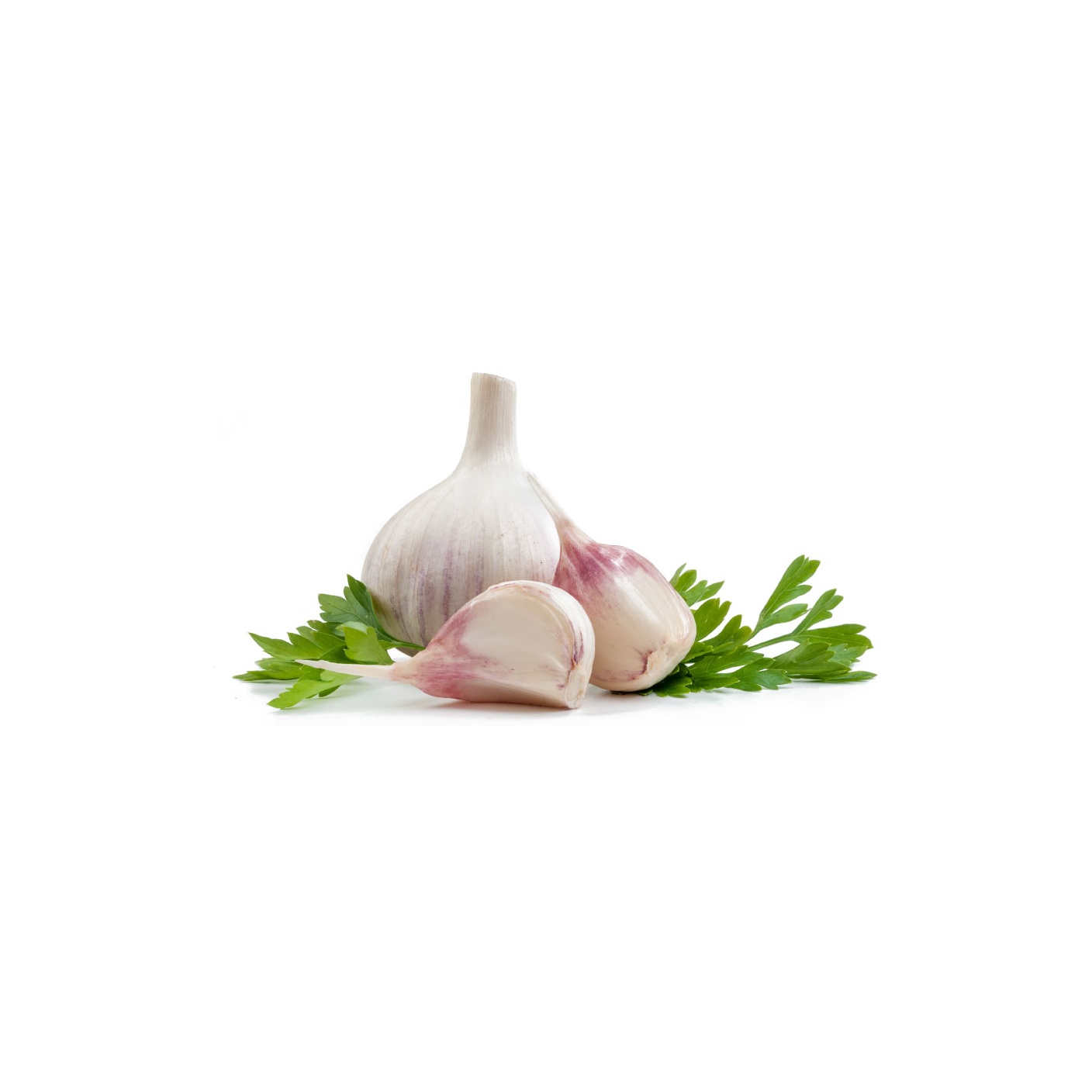
- Ajoene, a sulphur compound from garlic, was tested as a cream against terbinafine in 47 soldiers with athlete’s foot. Sixty days after one week of treatment, the fungus had cleared in 100% of those using 1% ajoene and 94% of those using terbinafine 8Reference 8RCTEfficacy of ajoene in the treatment of tinea pedis: a double-blind and comparative study with terbinafine — RCTView study →.
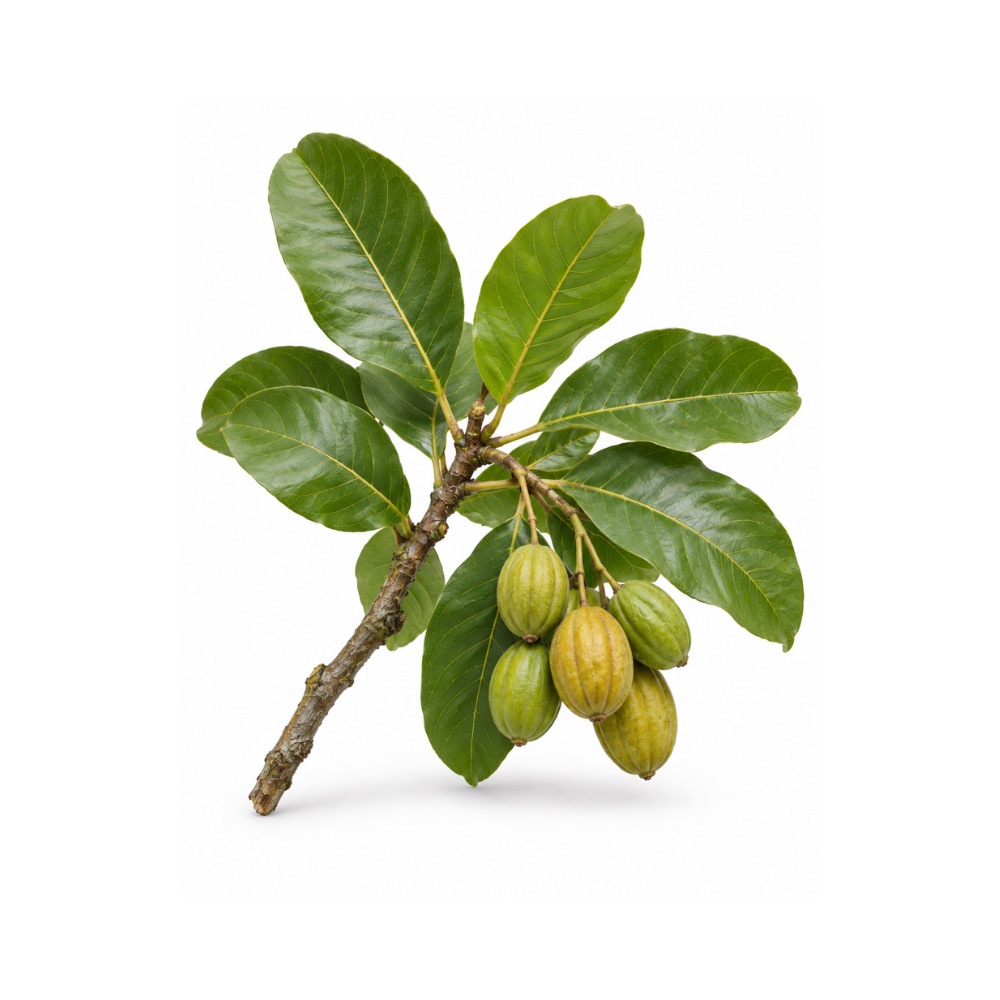
- Haritaki fruit powder mixed with vinegar, a Unani remedy, was not inferior to 1% terbinafine cream for ringworm of the body in a trial of 40 people 9Reference 9RCTEvaluation of the efficacy of topical Terminalia chebula Retz. with vinegar in the treatment of tinea corporis: a non-inferiority randomized controlled trial — RCTView study →.
Many other herbs are applied to ringworm and fungal skin infections in folk medicine, and several are active against dermatophytes in the laboratory.
The Herbs
Materia Medica (15)
Herbs traditionally or clinically used for fungal infection.
References
- Leung AK, Barankin B, Lam JM, Leong KF, Hon KL (2023). Tinea pedis: an updated review — review. Drugs in Context 12:2023-5-1. https://pubmed.ncbi.nlm.nih.gov/37415917/
- Denning DW (2024). Global incidence and mortality of severe fungal disease — epidemiological estimate. Lancet Infectious Diseases 24(7):e428–e438. https://pubmed.ncbi.nlm.nih.gov/38224705/
- Nenoff P, Reinel D, Mayser P, et al. (2023). S1 guideline onychomycosis — clinical guideline. Journal der Deutschen Dermatologischen Gesellschaft 21(6):678–692. https://pubmed.ncbi.nlm.nih.gov/37212291/
- Gupta AK, Polla Ravi S, Wang T, et al. (2024). An update on tinea capitis in children — review. Pediatric Dermatology 41(6):1030–1039. https://pubmed.ncbi.nlm.nih.gov/39113245/
- Łabędź N, Navarrete-Dechent C, Kubisiak-Rzepczyk H, et al. (2023). Pityriasis versicolor — a narrative review on the diagnosis and management — review. Life (Basel) 13(10):2097. https://pubmed.ncbi.nlm.nih.gov/37895478/
- Casalini G, Giacomelli A, Antinori S (2024). The WHO fungal priority pathogens list: a crucial reappraisal to review the prioritisation — review. Lancet Microbe 5(7):717–724. https://pubmed.ncbi.nlm.nih.gov/38608682/
- Satchell AC, Saurajen A, Bell C, Barnetson RS (2002). Treatment of interdigital tinea pedis with 25% and 50% tea tree oil solution: a randomized, placebo-controlled, blinded study — RCT. Australasian Journal of Dermatology 43(3):175–178. https://pubmed.ncbi.nlm.nih.gov/12121393/
- Ledezma E, Marcano K, Jorquera A, et al. (2000). Efficacy of ajoene in the treatment of tinea pedis: a double-blind and comparative study with terbinafine — RCT. Journal of the American Academy of Dermatology 43(5):829–832. https://pubmed.ncbi.nlm.nih.gov/11050588/
- Tasneem Parapur S, Husain N, Khalid M, Mamdapur SAR, Kauser Khan KA (2023). Evaluation of the efficacy of topical Terminalia chebula Retz. with vinegar in the treatment of tinea corporis: a non-inferiority randomized controlled trial — RCT. Drug Metabolism and Personalized Therapy 38(3):237–245. https://pubmed.ncbi.nlm.nih.gov/37012894/