
Condition
Psoriasis
Psoriasis is an immune-driven disease of accelerated skin turnover. Topical Oregon grape carries the strongest herbal trial evidence for it.

Psoriasis is a chronic, immune-mediated disease in which skin cells are produced far faster than they can be shed, building the raised, scaly plaques that characterise it. It affects roughly 2–3% of people worldwide, it runs in families, and it is not a hygiene problem, an allergy, or contagious in any way.
The older description of psoriasis as a disorder of skin turnover has been replaced by a better one: it is an immune disease that happens to show in the skin. The T-cell and cytokine biology is well worked out, which is why the modern biologic drugs targeting IL-17 and IL-23 are so effective — and why anti-inflammatory herbs acting on the same inflammatory pathways have a rational basis rather than a merely traditional one.
Oregon grape carries five controlled trials and a meta-analysis for topical use in psoriasis, and topical botanicals as a class have been assessed in systematic reviews 6,
Presentation
Types & Variants
- Plaque psoriasis (psoriasis vulgaris) — around 80–90% of cases. Well-demarcated red plaques with thick silvery scale, typically on elbows, knees, lower back and scalp. This is the form nearly all the trial evidence addresses.
- Guttate psoriasis — sudden crops of small “drop-like” papules over the trunk and limbs, classically appearing one to three weeks after a streptococcal throat infection, and most common in children and young adults. It often clears on its own.
- Inverse (flexural) psoriasis — smooth, shiny, non-scaly red patches in the skin folds: armpits, groin, under the breasts. Moisture stops the scale forming, so it is frequently mistaken for a fungal infection.
- Pustular psoriasis — sterile pustules, either localised to palms and soles or, rarely, generalised. Generalised pustular psoriasis is a medical emergency with fever and systemic illness.
- Erythrodermic psoriasis — widespread inflammation over most of the body surface, impairing temperature control and fluid balance. Also an emergency.
- Nail psoriasis — pitting, ridging, discolouration and separation from the nail bed. It strongly predicts psoriatic arthritis.
Overview
General Pathology
The engine is a self-sustaining loop between the immune system and the skin. Dendritic cells release IL-23 and IL-12, driving T-helper cells down the Th17 pathway; those cells release IL-17 and TNF-α; and keratinocytes respond by proliferating rapidly and releasing further inflammatory signals that recruit more immune cells. The loop feeds itself, which is why psoriasis persists rather than resolving.
The visible result is a dramatic acceleration of epidermal turnover — from a normal 28–30 days down to as little as 3–5 days. Cells reach the surface before they have matured or lost their nuclei, producing the characteristic thick, poorly adherent scale. Dilated capillaries beneath account for the redness, and for the pinpoint bleeding seen when scale is lifted.
Avoiding the common triggers is effective: streptococcal infection (especially for guttate), skin injury — the Koebner phenomenon, where plaques appear along a scratch or scar — stress, smoking, heavy alcohol use, and certain drugs including lithium, beta-blockers, antimalarials and the abrupt withdrawal of oral corticosteroids.
Psoriasis is a systemic disease, not only a skin one. Up to a third of people develop psoriatic arthritis, and joint damage can be permanent, so new joint pain, stiffness or swelling deserves prompt assessment. There is also a well-established association with cardiovascular disease, metabolic syndrome, obesity, fatty liver and depression — the shared thread being chronic systemic inflammation. The psychological burden is substantial and consistently under-estimated by observers.
Features that need medical rather than self-directed care: rapidly spreading or widespread disease, pustules with fever or feeling unwell, joint symptoms, and any plaque changing in character or failing to respond to treatment. Widespread scaly rash also overlaps with eczema, seborrhoeic dermatitis, fungal infection and cutaneous lymphoma, so a diagnosis is worth having before treating.
Treatment
Conventional Treatment
Topical treatment is first-line for mild-to-moderate disease: vitamin D analogues such as calcipotriol, topical corticosteroids, and coal tar preparations — the last being a long-standing botanical-adjacent therapy in its own right. Phototherapy with narrowband UVB is highly effective for extensive disease. Systemic drugs — methotrexate, ciclosporin, acitretin — and the biologics targeting TNF-α, IL-17 and IL-23 have transformed severe psoriasis, and are effective in a way that no herb approaches.
Emollients matter more than their simplicity suggests: keeping plaques hydrated reduces scaling, cracking and itch, and improves how well every other topical works.
Materia Medica
Materia Medica
As across skin conditions generally, the topicals carry the evidence for psoriasis, because a cream delivers the active into the plaque where it is needed. Most internal psoriasis herbs belong to the Western alterative tradition — the “blood purifiers” given long-term for chronic skin disease — a tradition with real coherence and, so far, almost no trial testing.
Oregon GrapeMahonia aquifoliumStrong
Topical Oregon grape is the best-evidenced psoriasis herb by a wide margin. Five randomised or controlled trials and a 2013 systematic review with meta-analysis converge on a modest but real benefit of topical M. aquifolium in mild-to-moderate plaque psoriasis, with a pooled relative risk of about 3.4 versus placebo 1,
The mechanism is unusually well matched to the disease: bark alkaloids inhibit 5- and 12-lipoxygenase, whose metabolites drive psoriatic inflammation 9,
The effect is modest rather than transformative, trial quality is variable, and the studies test proprietary 10% creams rather than a home preparation. Tolerability across the controlled trials was good, with infrequent and minor local irritation 1,
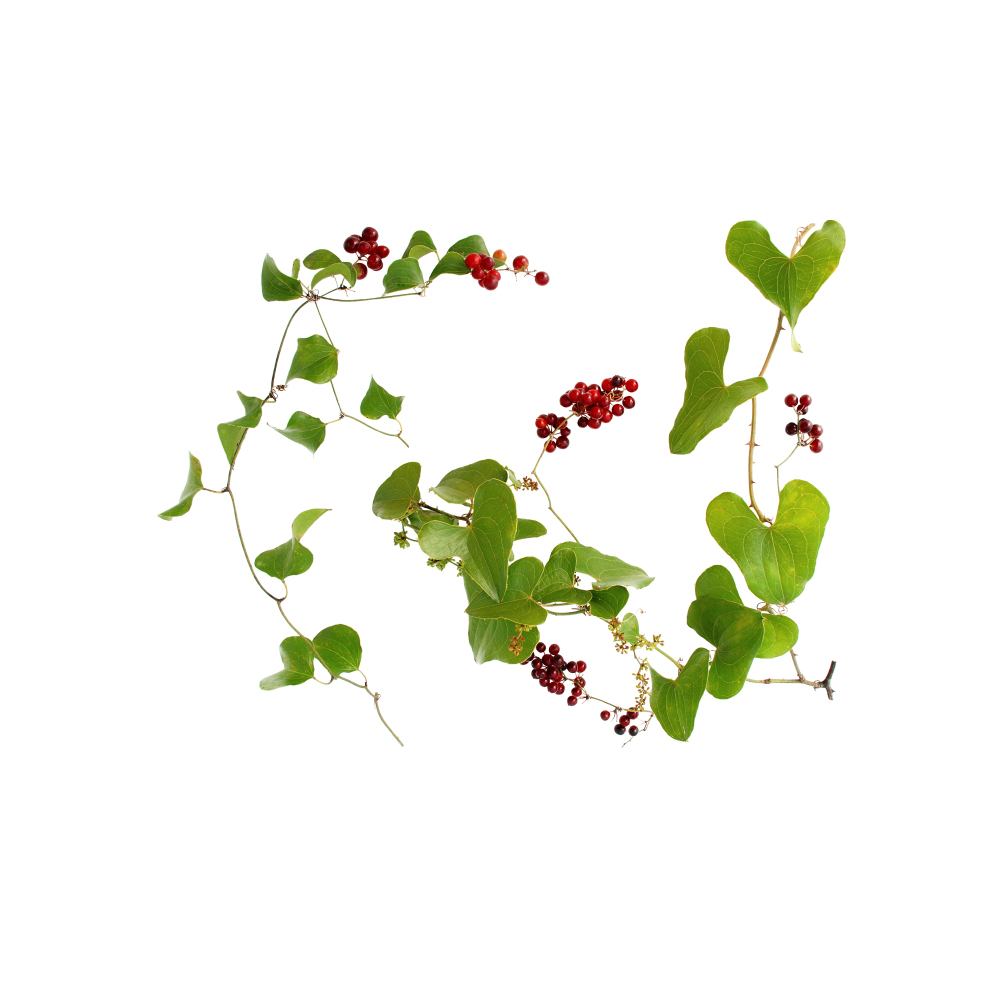 SarsaparillaSmilax spp.Preclinical
Sarsaparilla is the classic Western alterative for psoriasis, and its traditional reputation has begun to acquire an experimental basis. Quercetin isolated from Smilax china rhizome improved epidermal thickness and orthokeratosis in the mouse-tail model of psoriasis 11Reference 11AnimalScreening of flavonoid “quercetin” from the rhizome of Smilax china Linn. for anti-psoriatic activity — animal modelView study →, and a 2024 study combining network pharmacology with an imiquimod-induced mouse model found S. glabra dampens psoriatic skin inflammation by regulating the T-cell immune response 12Reference 12AnimalIntegrated network pharmacological analysis revealed that Smilax glabra Roxb. alleviates IMQ-induced psoriatic skin inflammation through regulating T cell immune response — animal modelView study → — which is the right target, given that psoriasis is a T-cell-driven disease.
Across its very wide geographic range, sarsaparilla has been used for a strikingly consistent triad: skin disease and psoriasis especially, systemic infection, and rheumatic complaints 13Reference 13ReviewEthnomedicine, phytochemistry and pharmacology of Smilax glabra — an important traditional Chinese medicine — reviewView study →. These are animal models rather than human trials, and Smilax is a large genus whose species differ chemically, so results from S. china and S. glabra do not automatically transfer to the S. officinalis group sold as sarsaparilla.
Full monograph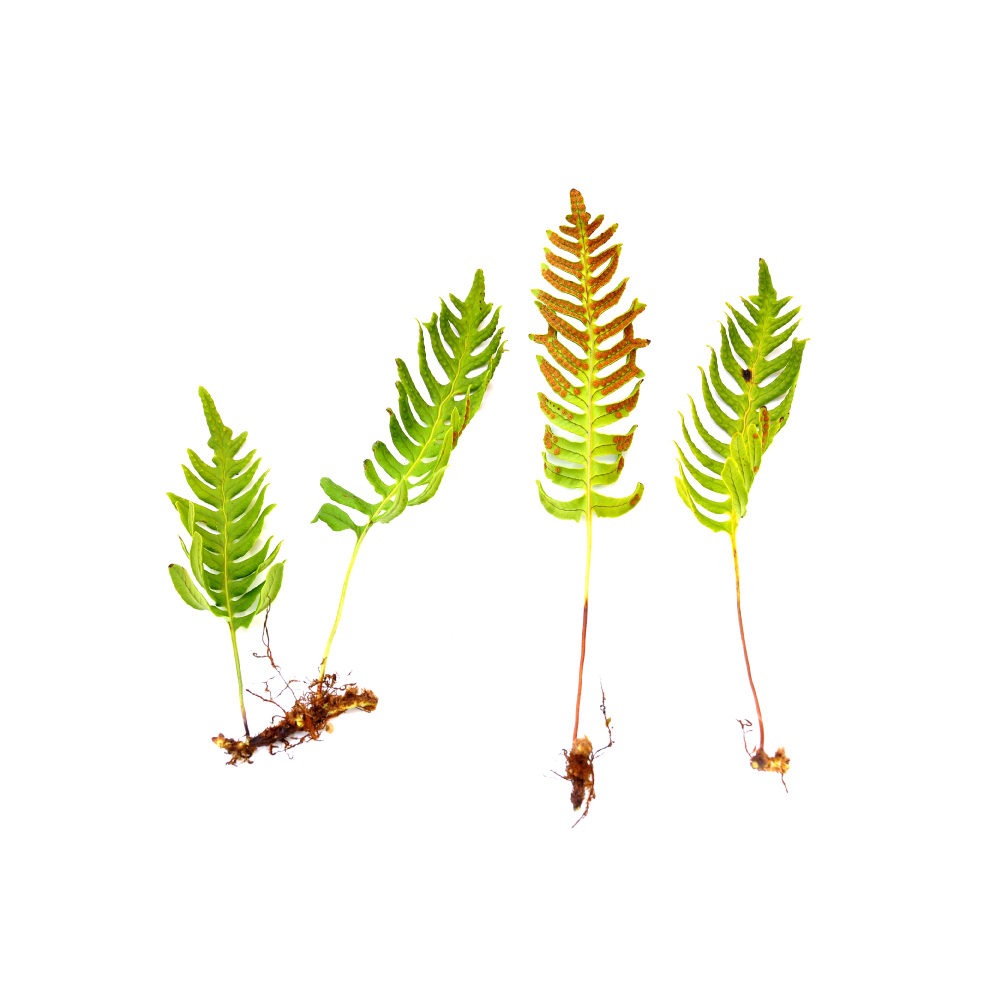 SamambaiaPolypodium leucotomosPreclinical
Samambaia’s reputation and its evidence point in different directions. Samambaia has a human dataset — but it is for photoprotection, not psoriasis: oral extract measurably reduces UV-induced skin damage, and the standardised preparation has been reviewed repeatedly for dermatologic use 14,
The mechanistic work is relevant — the extract upregulates the NRF2 antioxidant pathway in keratinocytes and moderates UV-driven inflammation — and the proprietary extract Anapsos was studied in psoriasis patients historically, which is how its incidental cognitive effects were first noticed. Its best skin evidence lies elsewhere, and its psoriasis use is plausible but untested.
Full monograph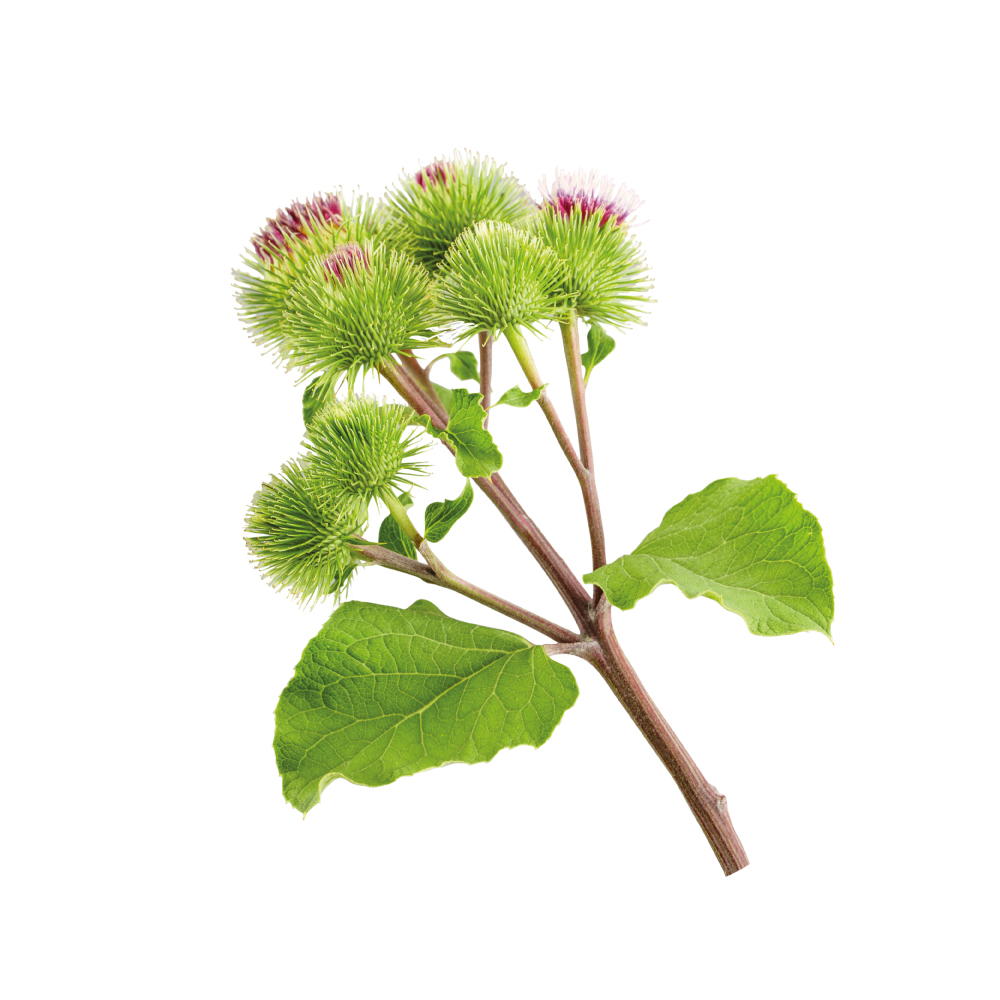 BurdockArctium lappaTraditional only
Burdock is the archetypal Western alterative, and the herb most consistently named for chronic scaly skin disease across Anglo-American herbal practice. The root is taken over weeks to months — not for days — for psoriasis, eczema and acne, on the traditional reasoning that persistent skin disease reflects sluggish elimination and benefits from gentle, sustained support of the liver, bowel and kidneys. It is a food as well as a medicine (gobo in Japanese cooking), which is part of why long courses are unremarkable. There is no controlled trial for this indication; the case rests on a long, coherent and well-documented tradition.
Full monograph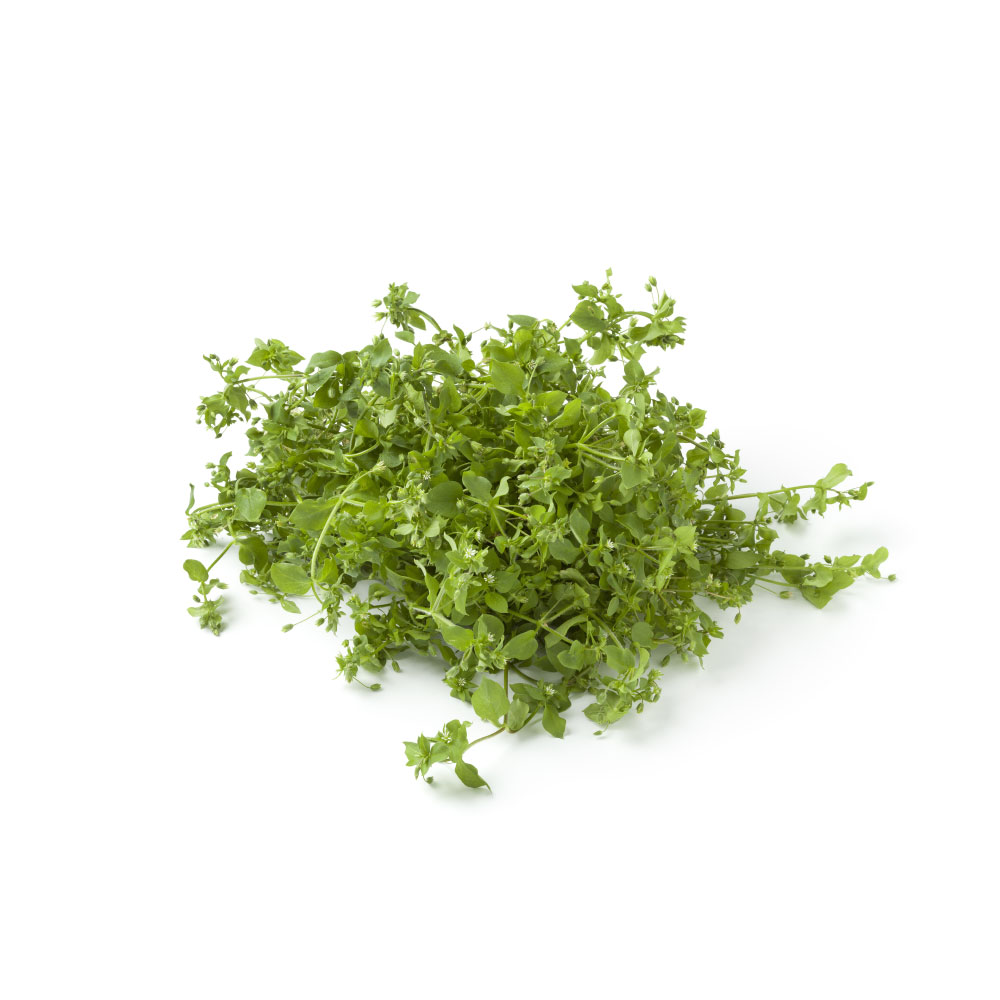 ChickweedStellaria mediaTraditional only
Chickweed is the traditional first reach for an itchy, irritated plaque, used as a cream, salve or poultice. Its reputation is specifically for relief of itch and irritation rather than for clearing psoriasis, and itch is often what people most want addressed. Chickweed is a mild, edible plant with an excellent tolerability record, used as an adjunct alongside other treatment. There are no trials for psoriasis.
Full monograph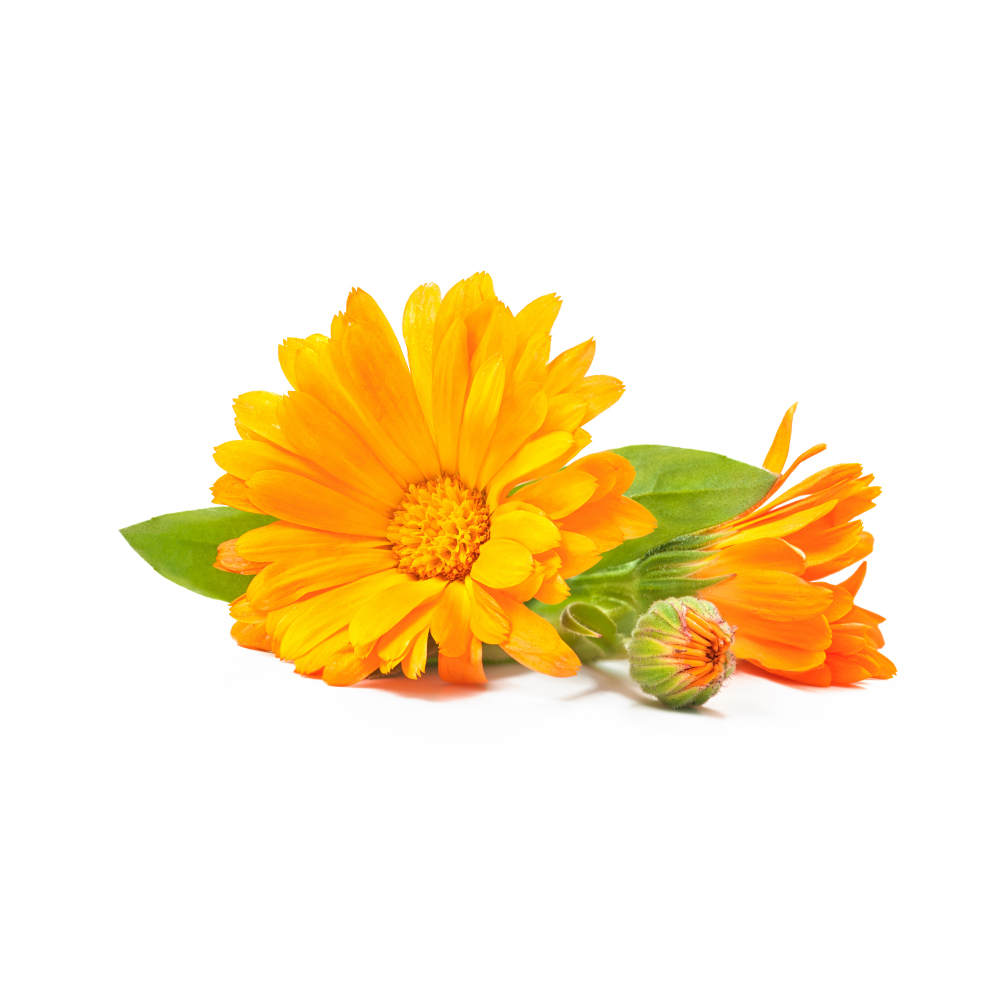 CalendulaCalendula officinalisTraditional only
Calendula is one of the best-established topical anti-inflammatories in Western herbal medicine, used across rashes, burns, wounds and inflammatory skin states including psoriasis. The preclinical basis is real — triterpenoid esters, notably faradiol, account for the anti-inflammatory activity in animal oedema assays. No placebo-controlled trial has tested it in an actual inflammatory skin disease at a defined triterpenoid dose. Calendula serves as a gentle, well-tolerated base for a topical preparation rather than as a treatment for the plaques themselves.
Full monograph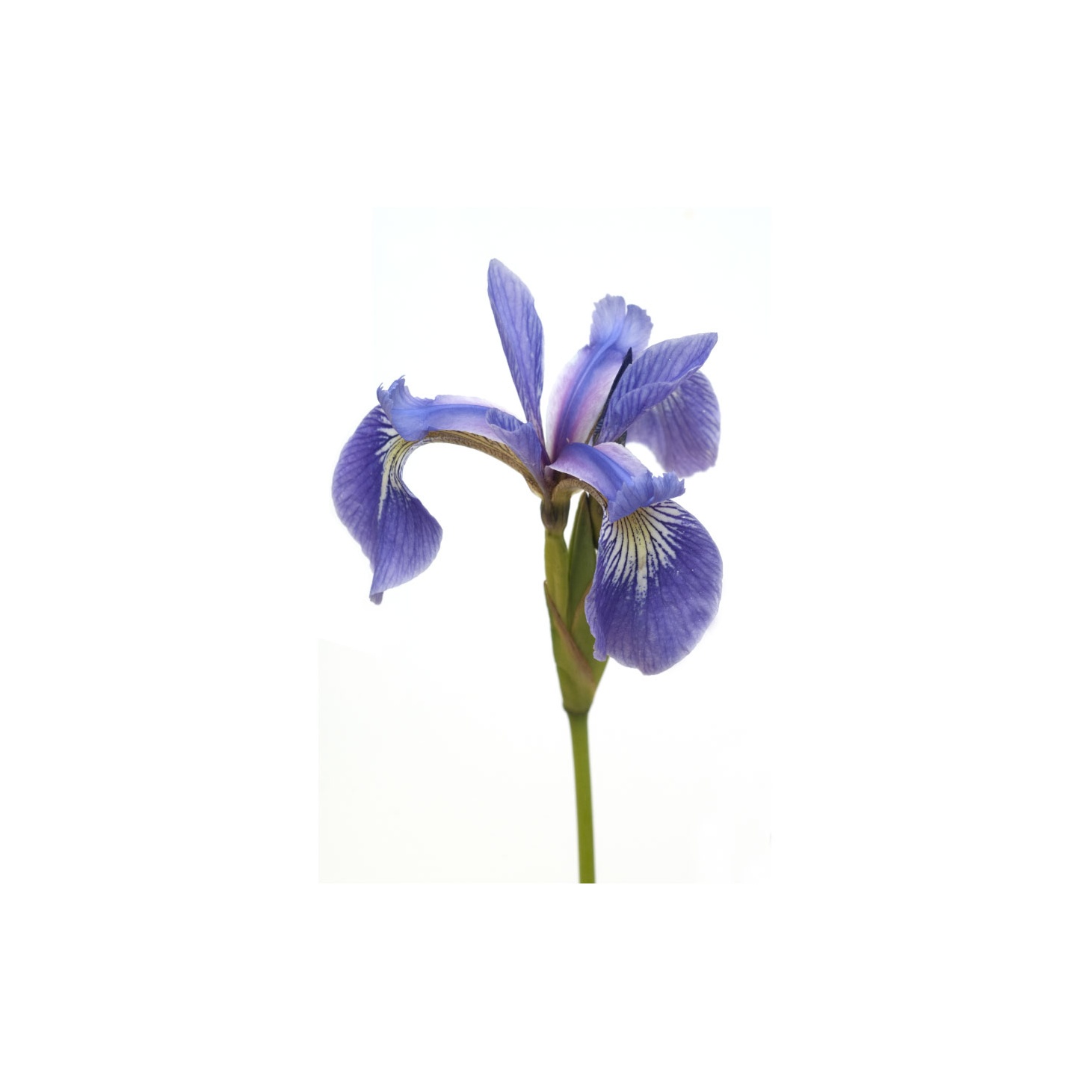 IrisIris versicolorTraditional only
Blue flag holds a specific place in the Western alterative tradition: it was given for skin disease understood as a problem of hepatic and lymphatic elimination, and psoriasis was among its named indications alongside acne and eczema. It is one of the more strongly acting alteratives, traditionally used in small doses and often in formula rather than alone. There is no experimental work behind the traditional role at all — the constituent analysis on record dates to 1881 16Reference 16The constituents of Iris versicolor — constituent analysis.
Full monograph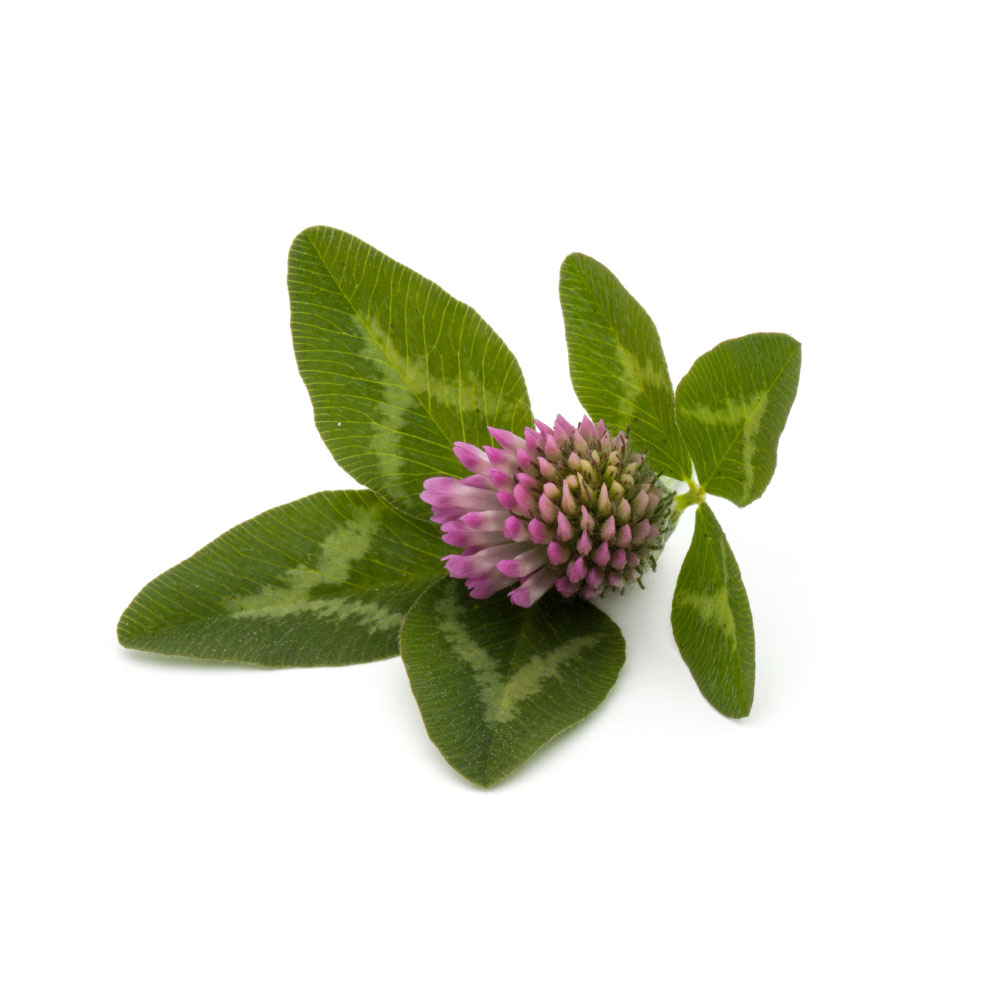 Red CloverTrifolium pratenseTraditional only
Red clover is a gentle alterative of the same school as burdock, and often combined with it for chronic skin conditions. Red clover has a substantial modern research literature, but it concerns its isoflavones in menopausal symptoms and bone density rather than skin. Its psoriasis use is traditional, mild, and untested.
Full monograph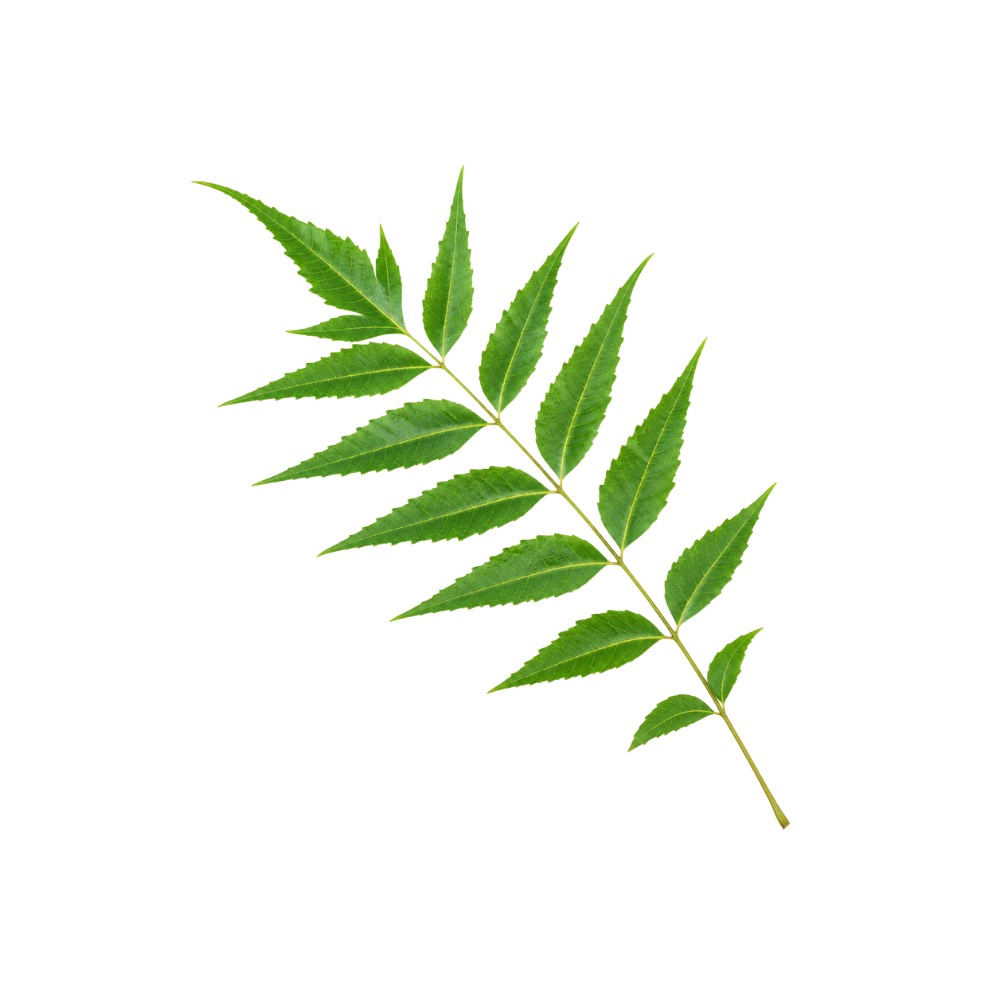 NeemAzadirachta indicaTraditional only
Neem is a major Ayurvedic skin herb, applied as oil or leaf preparation for a wide range of chronic skin disease including psoriasis. Neem has controlled human evidence — but it is for oral health, where neem mouthrinse performs comparably to chlorhexidine across three randomised trials. For skin, the use is traditional and extensive rather than trialled. Neem oil is a reasonable emollient carrier with a long record of topical use.
Full monograph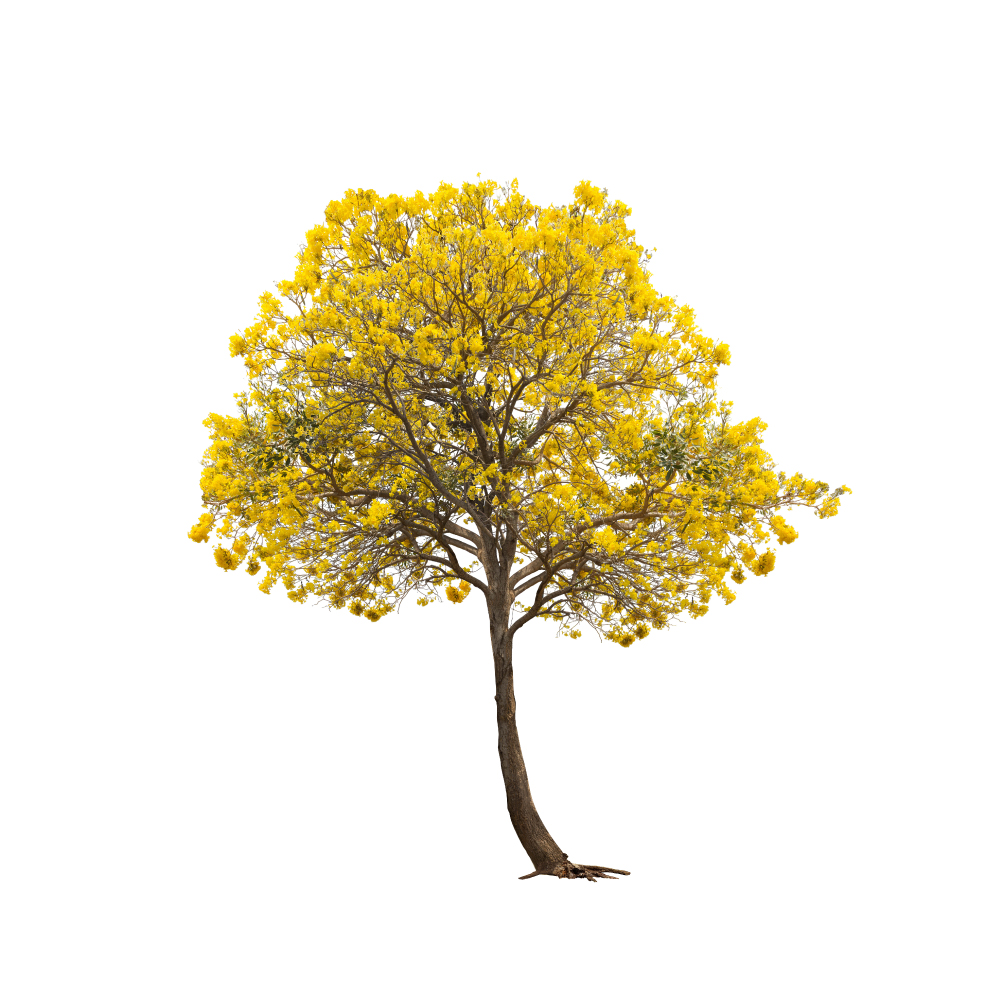 Pau D’ArcoTabebuia impetiginosaTraditional only
Used across South America for a broad range of skin complaints, psoriasis included — the species name impetiginosa records that dermatological reputation directly. The bark’s researched activity is antifungal and antineoplastic rather than anti-inflammatory, so the psoriasis use is not well matched to its known pharmacology.
Full monograph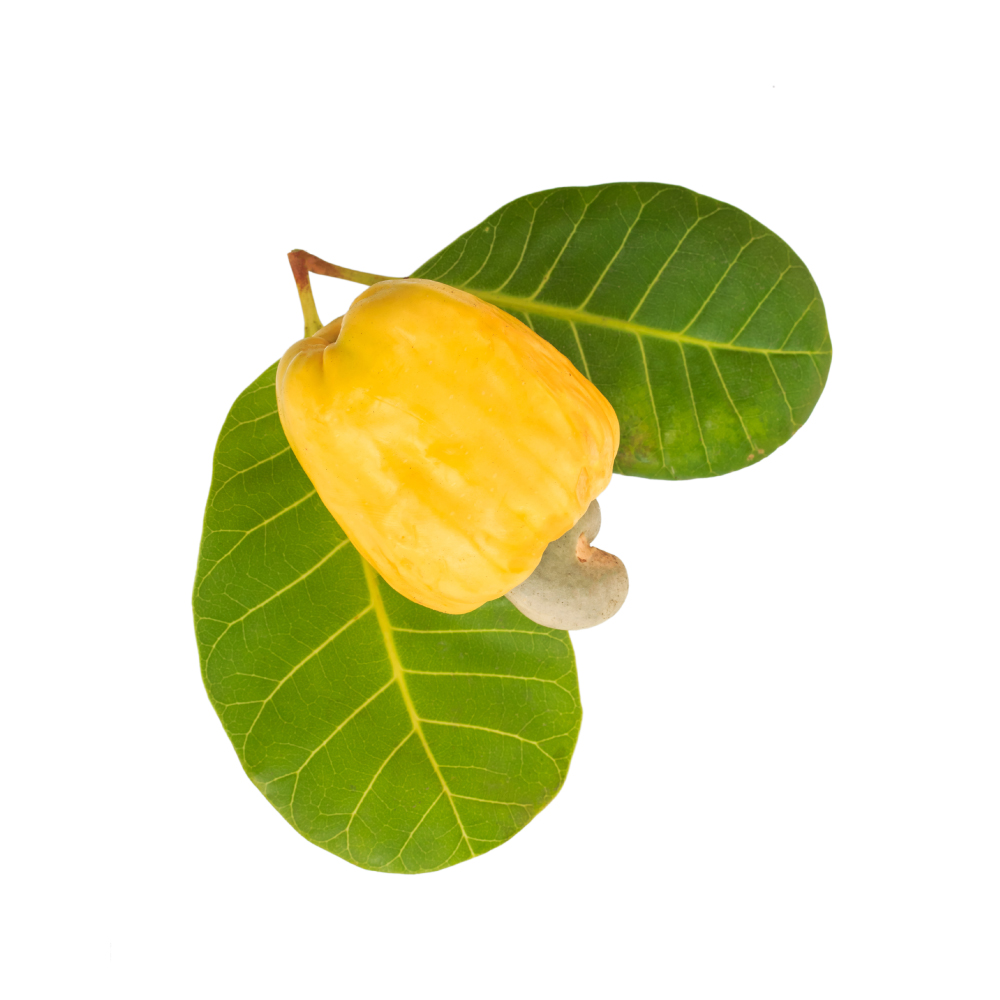 CashewAnacardium occidentaleTraditional only
In Brazilian practice the leaf and bark are used interchangeably for eczema and psoriasis, among a long list of skin and mucosal complaints 17,
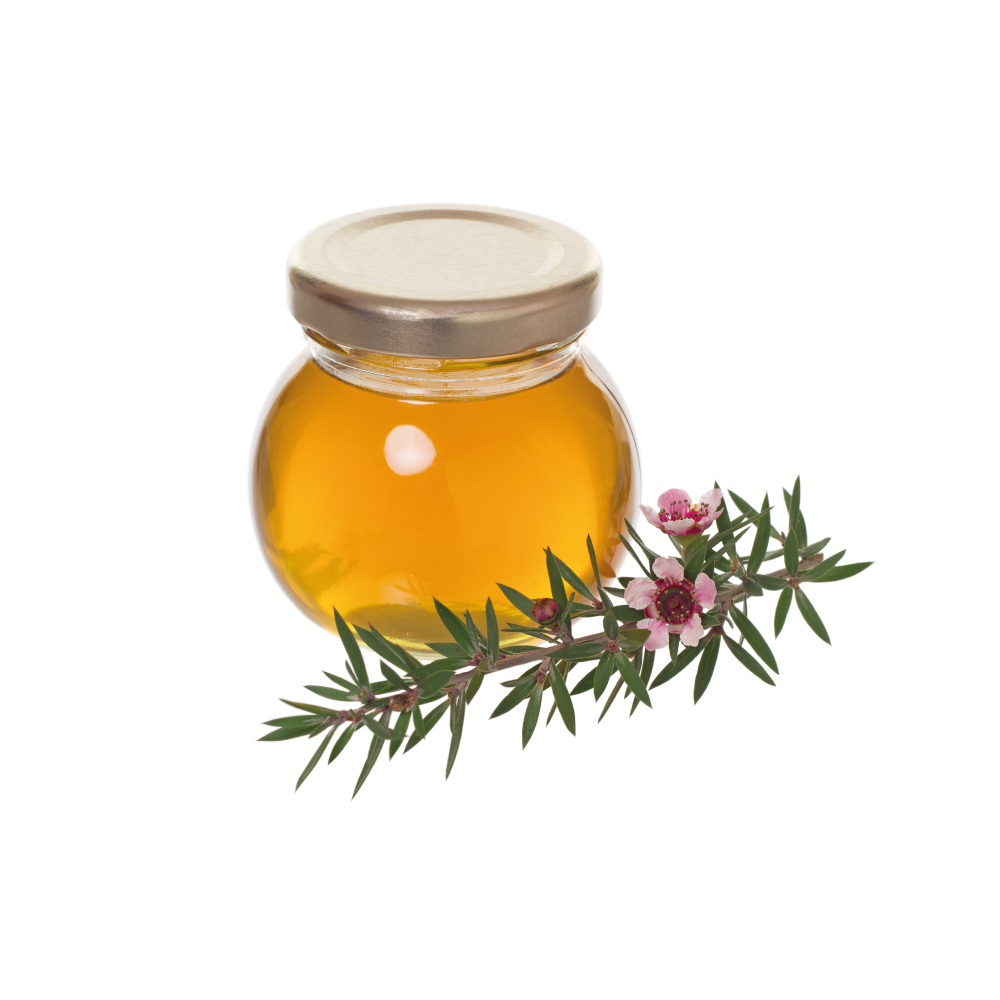 ManukaLeptospermum scopariumTraditional only
Better known for wound healing and its antibacterial honey, manuka is used for general inflammatory skin complaints. Its evidence base concerns infected wounds and oral health rather than psoriasis, which is an immune rather than infective problem.
Full monograph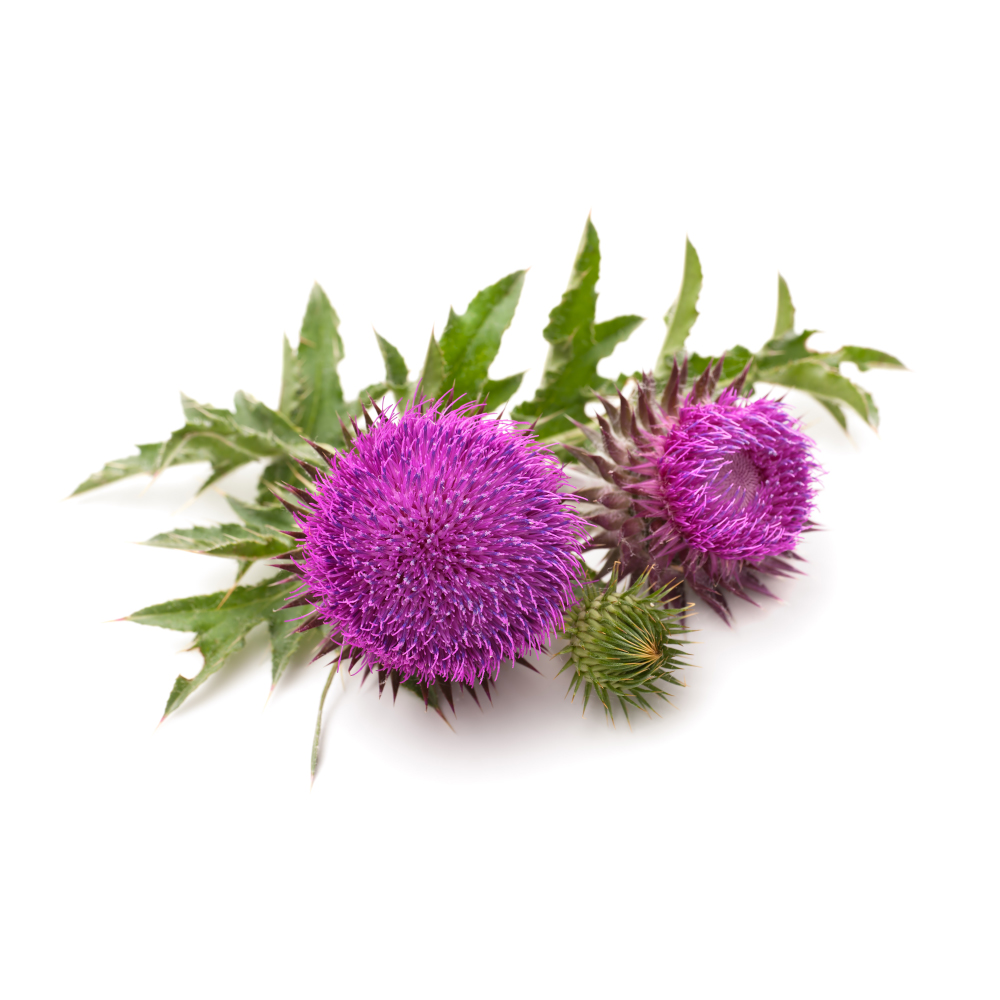 Milk ThistleSilybum marianumTraditional only
Milk thistle’s psoriasis use rests on alterative reasoning — that supporting liver function benefits chronic skin disease — rather than on any dermatological finding. Its evidence is good but hepatological.
Methotrexate, a mainstay systemic drug for severe psoriasis, is hepatotoxic, and silymarin’s best-evidenced role is protecting the liver during drug therapy. That is a question for the prescribing clinician rather than a self-directed combination.
Full monograph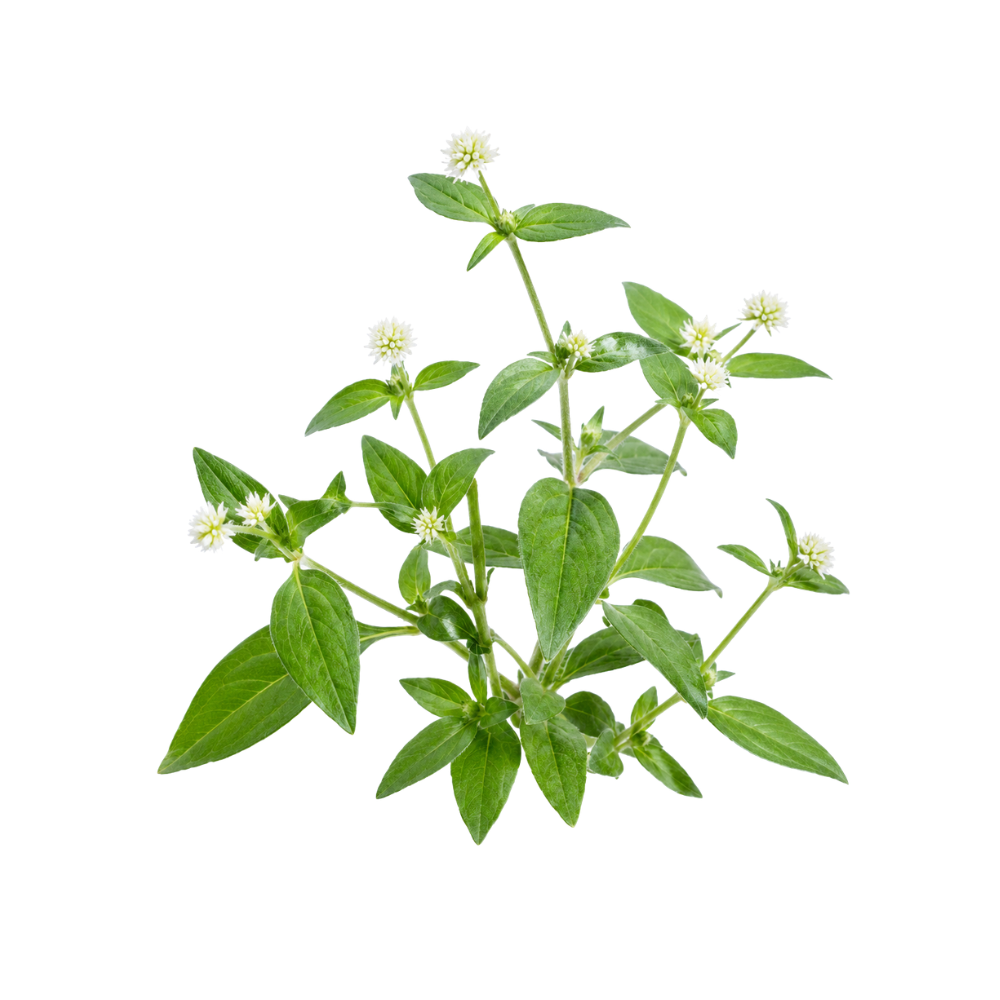 SumaPfaffia paniculataTraditional only
Suma is the Brazilian “para todo” — for everything — used as a general restorative and, among many other things, for skin complaints. Its psoriasis use reflects the breadth of a tonic reputation rather than a specific dermatological tradition.
Full monograph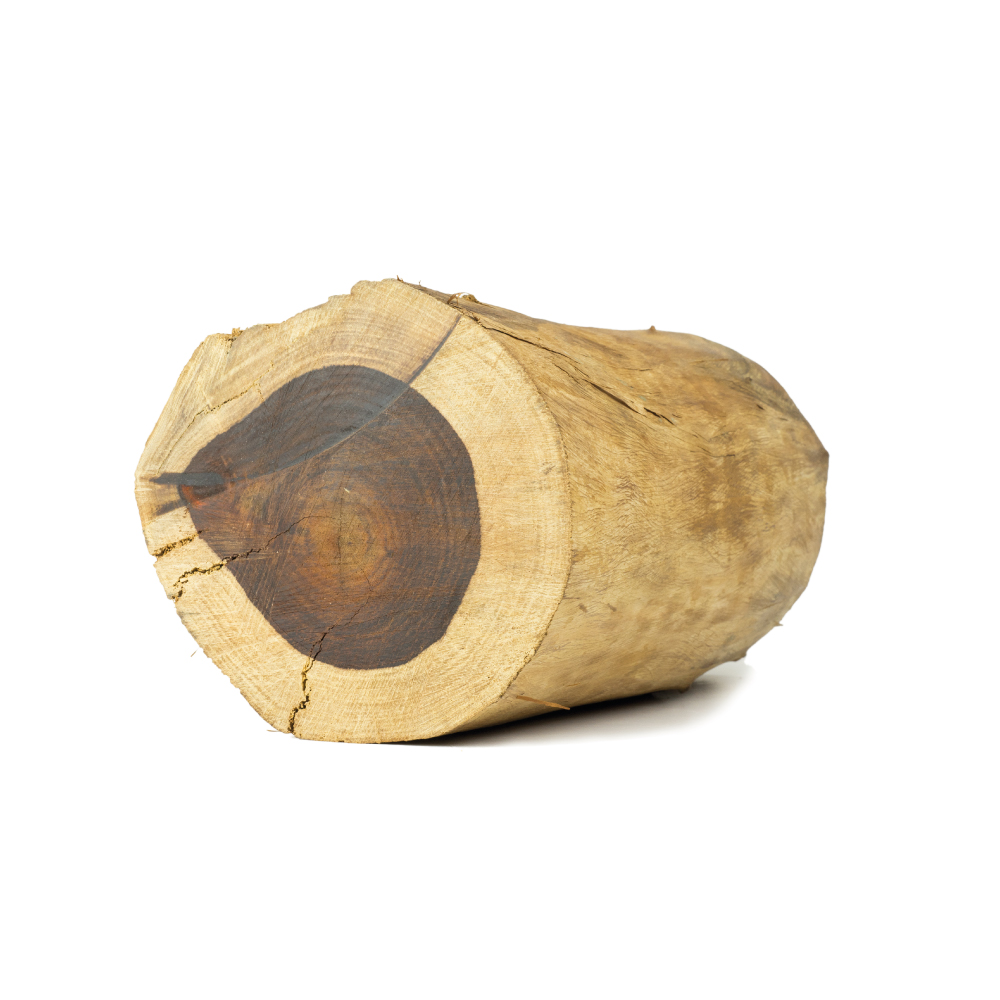 RosewoodAniba rosaeodoraTraditional only
Rosewood is used in Amazonian practice as a skin remedy, with the essential oil applied for a range of dermatological complaints. A. rosaeodora is commercially endangered through over-harvest for the perfume trade, which is a real consideration before buying the oil.
Full monograph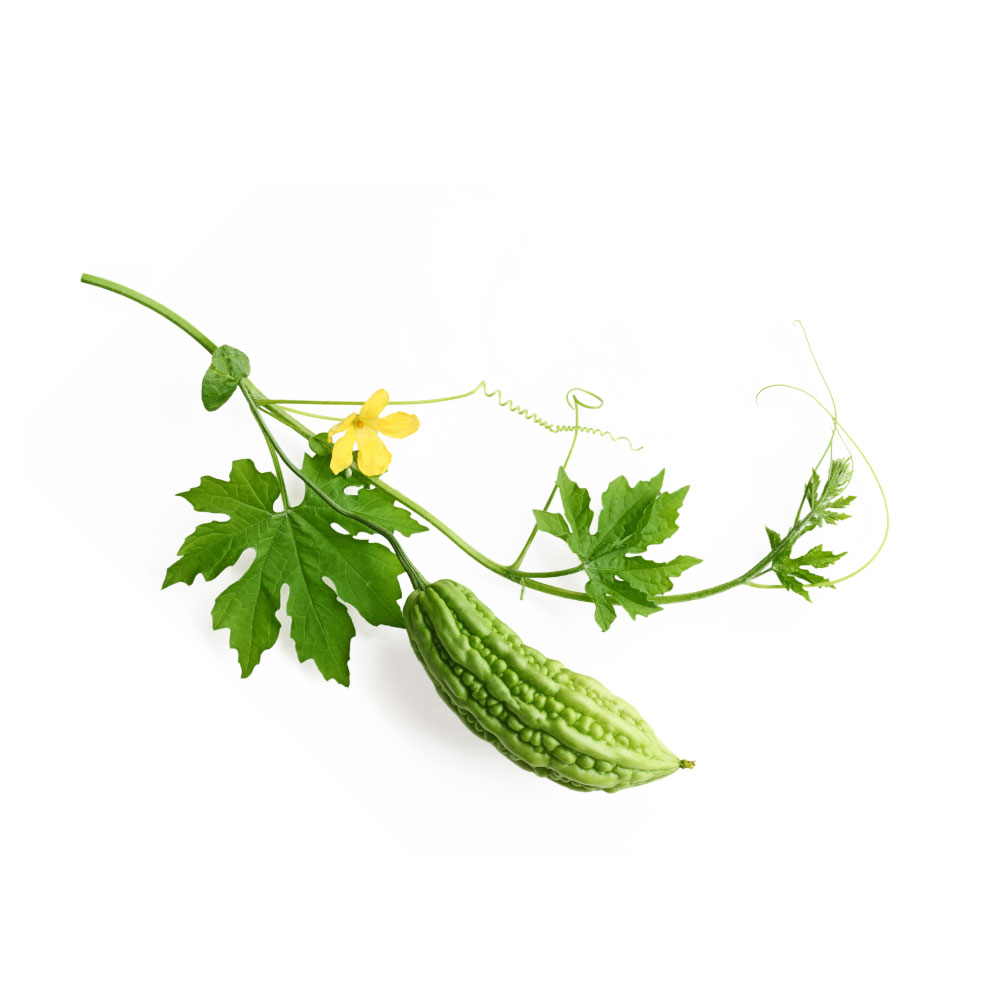 Bitter MelonMomordica charantiaTraditional only
Bitter melon is a food and medicine across Asia, Africa and the Caribbean, with skin complaints among its many traditional uses. Its serious research base is metabolic — blood glucose — not dermatological, and its use for skin reflects the breadth of traditional use rather than any psoriasis-specific evidence.
Full monographSupplementation
Supplementation
Weight loss improves psoriasis in people with obesity, and the association with metabolic syndrome means that metabolic health and skin tend to move together.
References
- Bernstein, S., Donsky, H., Gulliver, W., et al. (2006). Treatment of mild to moderate psoriasis with Reliéva, a Mahonia aquifolium extract — a double-blind, placebo-controlled study. American Journal of Therapeutics. https://pubmed.ncbi.nlm.nih.gov/16645428/
- Gulliver, W. P., & Donsky, H. J. (2005). A report on three recent clinical trials using Mahonia aquifolium 10% topical cream and a review of the worldwide clinical experience with Mahonia aquifolium for the treatment of plaque psoriasis. American Journal of Therapeutics. https://pubmed.ncbi.nlm.nih.gov/16148424/
- Wiesenauer, M., & Lüdtke, R. (1996). Mahonia aquifolium in patients with psoriasis vulgaris — a randomized, placebo-controlled intraindividual study. Phytomedicine. https://pubmed.ncbi.nlm.nih.gov/23195075/
- Augustin, M., Andrees, U., Grimme, H., Schöpf, E., & Simon, J. (1999). Effects of Mahonia aquifolium ointment on the expression of adhesion, proliferation and activation markers in the skin of patients with psoriasis — randomised controlled trial. Forschende Komplementärmedizin. https://pubmed.ncbi.nlm.nih.gov/10352377/
- Deng, S., May, B. H., Zhang, A. L., Lu, C., & Xue, C. C. L. (2013). Plant extracts for the topical management of psoriasis — a systematic review and meta-analysis. British Journal of Dermatology. https://pubmed.ncbi.nlm.nih.gov/23909714/
- Farahnik, B., Sharma, D., Alban, J., & Sivamani, R. K. (2017). Topical botanical agents for the treatment of psoriasis — a systematic review. American Journal of Clinical Dermatology. https://pubmed.ncbi.nlm.nih.gov/28289986/
- Anheyer, M., Anheyer, D., Ostermann, T., et al. (2025). Herbal medicine for treating psoriasis — a systematic review. Complementary Therapies in Medicine. https://pubmed.ncbi.nlm.nih.gov/40210174/
- Müller, K., Ziereis, K., & Gawlik, I. (1995). The antipsoriatic Mahonia aquifolium and its active constituents; II. Antiproliferative activity against cell growth of human keratinocytes — in vitro. Planta Medica. https://pubmed.ncbi.nlm.nih.gov/7700998/
- Müller, K., & Ziereis, K. (1994). The antipsoriatic Mahonia aquifolium and its active constituents; I. Pro- and antioxidant properties and inhibition of 5-lipoxygenase — in vitro. Planta Medica. https://pubmed.ncbi.nlm.nih.gov/7997469/
- Bezáková, L., Misik, V., et al. (1996). Lipoxygenase inhibition and antioxidant properties of bisbenzylisoquinoline alkaloids isolated from Mahonia aquifolium — in vitro. Pharmazie. https://pubmed.ncbi.nlm.nih.gov/8941945/
- Vijayalakshmi, A., Ravichandiran, V., Malarkodi, V., Nirmala, S., & Jayakumari, S. (2012). Screening of flavonoid “quercetin” from the rhizome of Smilax china Linn. for anti-psoriatic activity — animal model. Asian Pacific Journal of Tropical Biomedicine. https://pubmed.ncbi.nlm.nih.gov/23569912/
- Guo, Y., et al. (2024). Integrated network pharmacological analysis revealed that Smilax glabra Roxb. alleviates IMQ-induced psoriatic skin inflammation through regulating T cell immune response — animal model. Journal of Ethnopharmacology. https://pubmed.ncbi.nlm.nih.gov/38301985/
- Hua, S., et al. (2018). Ethnomedicine, phytochemistry and pharmacology of Smilax glabra — an important traditional Chinese medicine — review. American Journal of Chinese Medicine. https://pubmed.ncbi.nlm.nih.gov/29433390/
- Winkelmann, R. R., Del Rosso, J., & Rigel, D. S. (2015). Polypodium leucotomos extract: a status report on clinical efficacy and safety — review. Journal of Drugs in Dermatology. https://pubmed.ncbi.nlm.nih.gov/25738847/
- Zundell, M. P., et al. (2025). The utility of oral Polypodium leucotomos extract for dermatologic diseases — a systematic review. Journal of Drugs in Dermatology. https://doi.org/10.36849/JDD.8410
- American Journal of Pharmacy. (1881). The constituents of Iris versicolor — constituent analysis. American Journal of Pharmacy.
- Taylor, L. (2005). The Healing Power of Rainforest Herbs: A Guide to Understanding and Using Herbal Medicinals. Square One Publishers (cashew / Anacardium occidentale).
- Okpashi, V. E., Bayim, B. P., & Obi-Abang, M. (2014). Comparative effects of some medicinal plants: Anacardium occidentale, Eucalyptus globulus, Psidium guajava and Xylopia aethiopica extracts. Biochemistry Research International.