
Condition
Eczema
Eczema (atopic dermatitis) is a chronic inflammatory skin condition causing itchy, dry, and inflamed patches of skin.

Eczema — atopic dermatitis — is a chronic inflammatory condition of the skin, producing itchy, dry, inflamed patches that tend to flare and settle over time. It is an immune-driven disorder, closely linked to allergy and to the wider “atopic” tendency that also includes asthma and hay fever. Herbal support works on two fronts: soothing and repairing the skin barrier topically, and addressing the underlying inflammation and immune tone internally, often with alterative and anti-inflammatory herbs.
Presentation
Types & Variants
Atopic dermatitis is commonly split by whether an external allergen drives it:
- Extrinsic (allergic) atopic dermatitis — the more common form, driven by a Th2-skewed immune response, interleukin-13-induced B-cell activation and raised IgE, often with identifiable allergen or food triggers and elevated serum histamine.
- Intrinsic atopic dermatitis — a clinically similar picture without the same allergen-specific IgE response, showing lower expression of the Th2 cytokines IL-4, IL-5 and IL-13.
Distinguishing the two relies on investigating allergen-specific serum IgE and histamine levels.
Overview
General Pathology
The inflammation of atopic dermatitis is driven largely by overactive T-cells. In the extrinsic form, T-helper activity skews toward Th2, with interleukin-13-induced B-cell activation and IgE production that are characteristic of allergic, allergen-triggered disease; elevated serum histamine has been linked specifically to food-allergen-driven cases. The intrinsic form shows a similar clinical appearance but a different immune signature, with lower Th2 cytokine expression.
Clinically, eczema presents with intensely itchy skin and rough, dry patches, and is commonly associated with asthma and other atopic features. Physical signs can include Dennie-Morgan folds under the eyes, ichthyosis vulgaris and palmar hyperlinearity (more common in the intrinsic form). Because broken, inflamed skin is prone to infection, secondary bacterial infection — particularly with Staphylococcus — is an important consideration in flares.
Materia Medica
Materia Medica
None of the herbs used for eczema is a substitute for professional care.
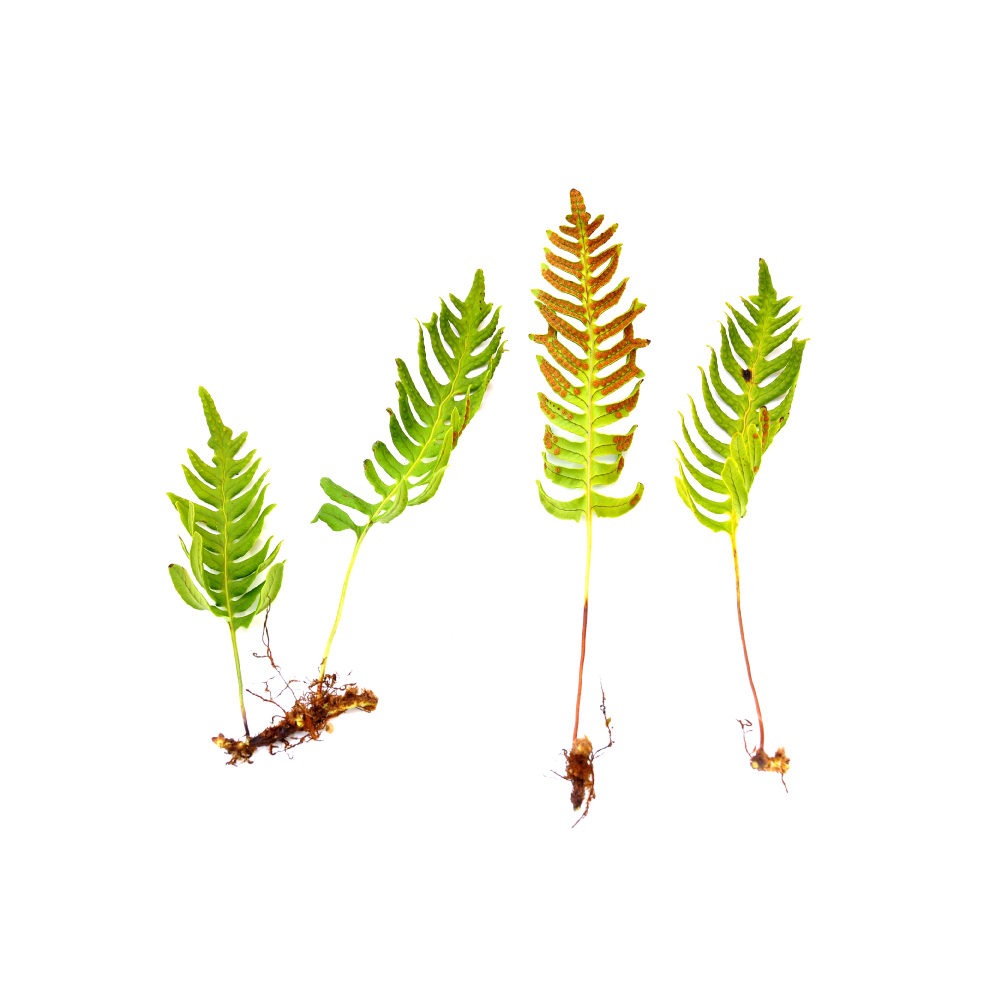 SamambaiaPolypodium leucotomosModerate
Atopic dermatitis is the clinical form of eczema. One phase IV randomised, double-blind, placebo-controlled multicentre trial in 105 children and adolescents (2–17) with moderate atopic dermatitis tested oral standardised extract added to topical corticosteroids over 6 months as a steroid-sparing adjunct 15Reference 15RCTPolypodium leucotomos extract in atopic dermatitis: a randomised, double-blind, placebo-controlled trialView study →. It is a single trial in one population and has not been independently replicated.
Full monograph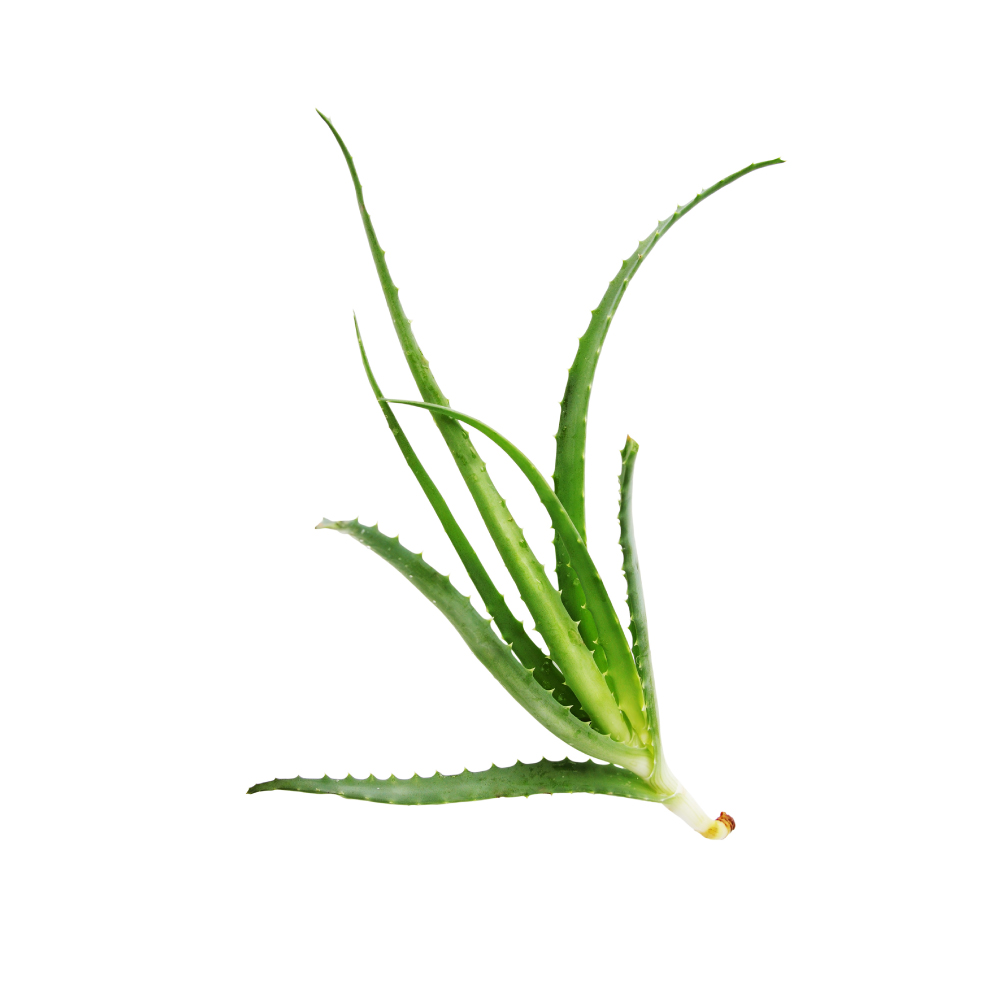 AloeAloe vera/barbadensisPreclinical
Aloe’s skin evidence is for radiation-induced dermatitis (a self-controlled clinical trial 1Reference 1Clinical trialAloe vera for prevention of radiation-induced dermatitis: a self-controlled clinical trial.Current Oncology, 20(4), 345. doi:10.3747/co.20.1356View study →) and thermal burns (thromboxane/prostaglandin inhibition preserving dermal circulation 2Reference 2A clinical guide to blending liquid herbs: Herbal formulations for the individual patient) — not eczema. Its emollient and vulnerary action plausibly extends to eczema, but no eczema-specific trial has tested it.
Full monograph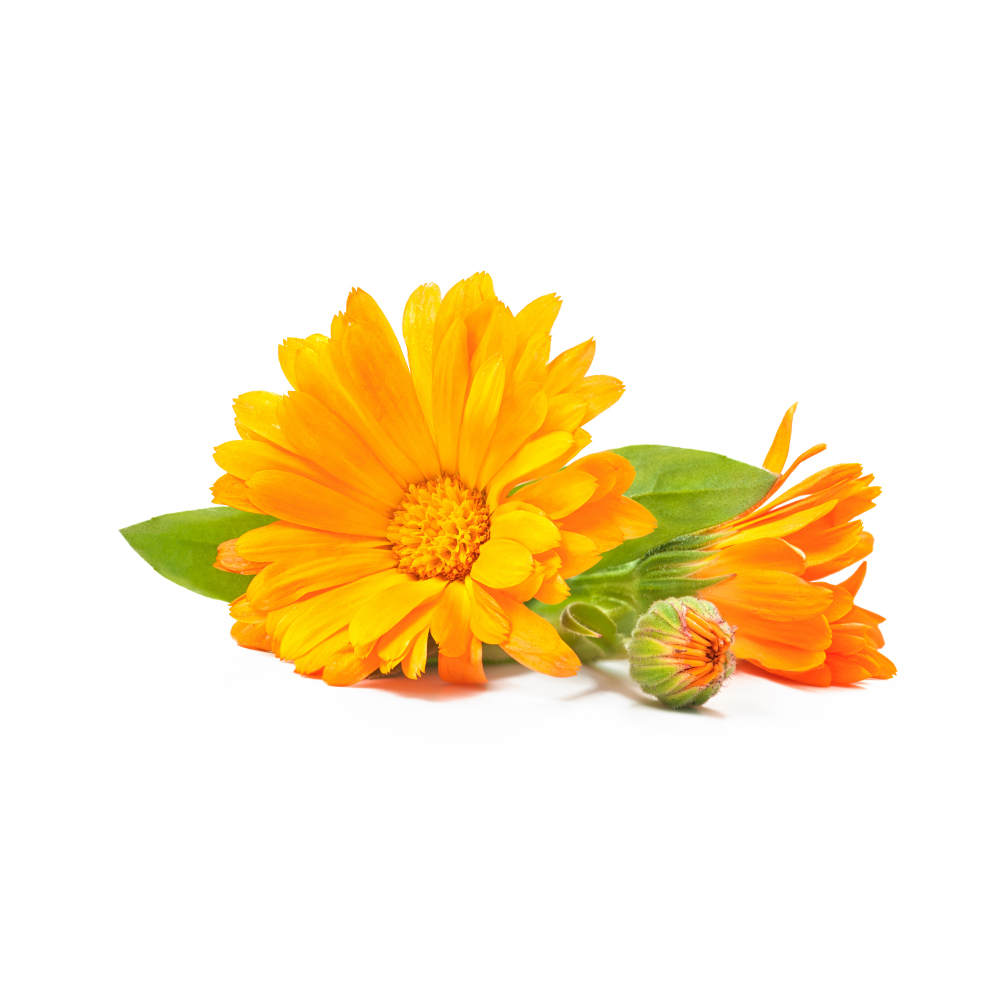 CalendulaCalendula officinalisPreclinical
Calendula’s topical anti-inflammatory action has a resolved mechanism — free faradiol equals indomethacin in the mouse-ear edema assay and the faradiol monoesters carry the whole-extract effect 3,
There is no placebo-controlled trial of calendula for an actual inflammatory skin disease such as eczema or psoriasis.
Full monograph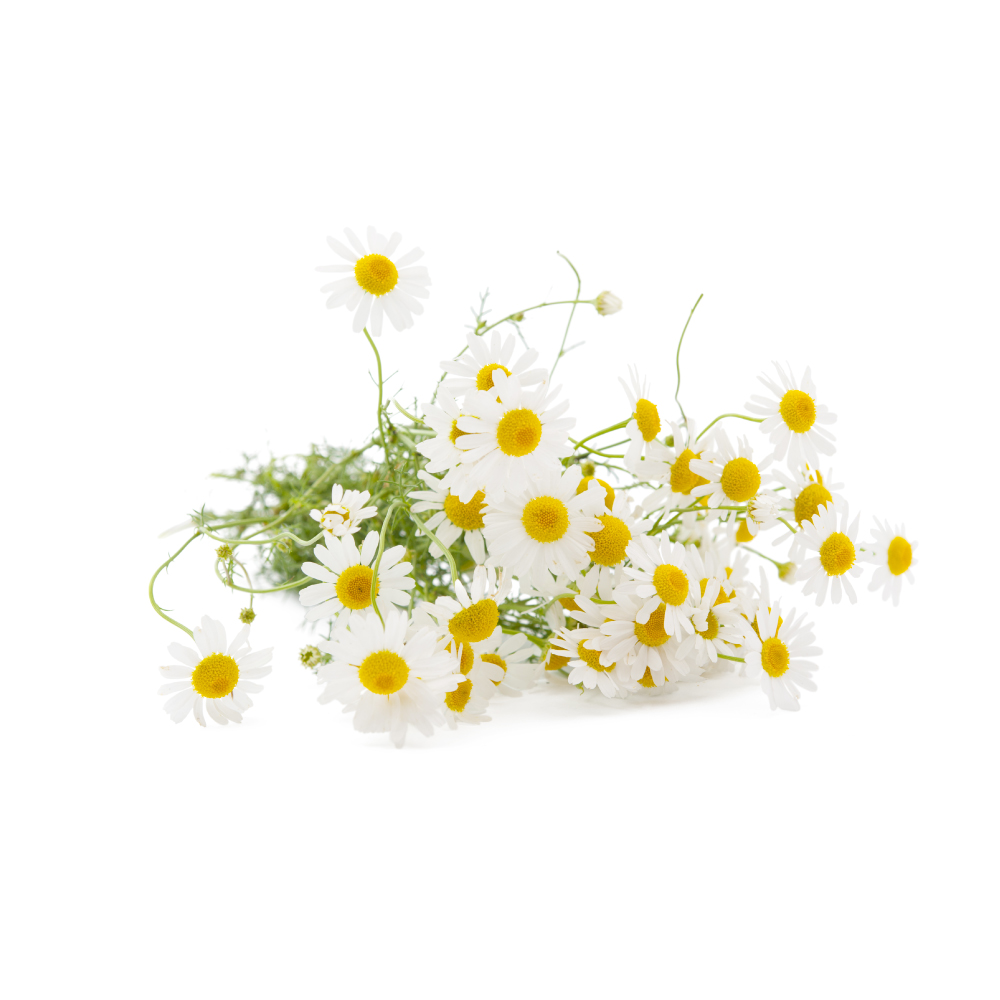 German ChamomileMatricaria chamomillaPreclinical
German chamomile is a classic topical anti-inflammatory for irritated skin, its antiphlogistic action mapped to α-bisabolol and chamazulene 6Reference 6Pharmacological investigations with compounds of chamomile: antiphlogistic effects of (−)-α-bisabolol and bisabolol oxides — animal studyView study → with human anti-inflammatory support in oral mucositis 7Reference 7Meta-analysisAnti-inflammatory effect of chamomile from randomized clinical trials: a systematic review and meta-analysisView study →; Western tradition explicitly lists eczema 8,
No eczema-specific trial has been run, and the best-designed topical skin RCT (radiation dermatitis) was null on its primary outcome 10Reference 10RCTComparison of liposomal gel with and without chamomile to prevent radiation dermatitis in breast cancer patients: a randomized controlled trialView study →. Its eczema use is topical and rests on the anti-inflammatory mechanism and a long dermatological tradition.
Full monograph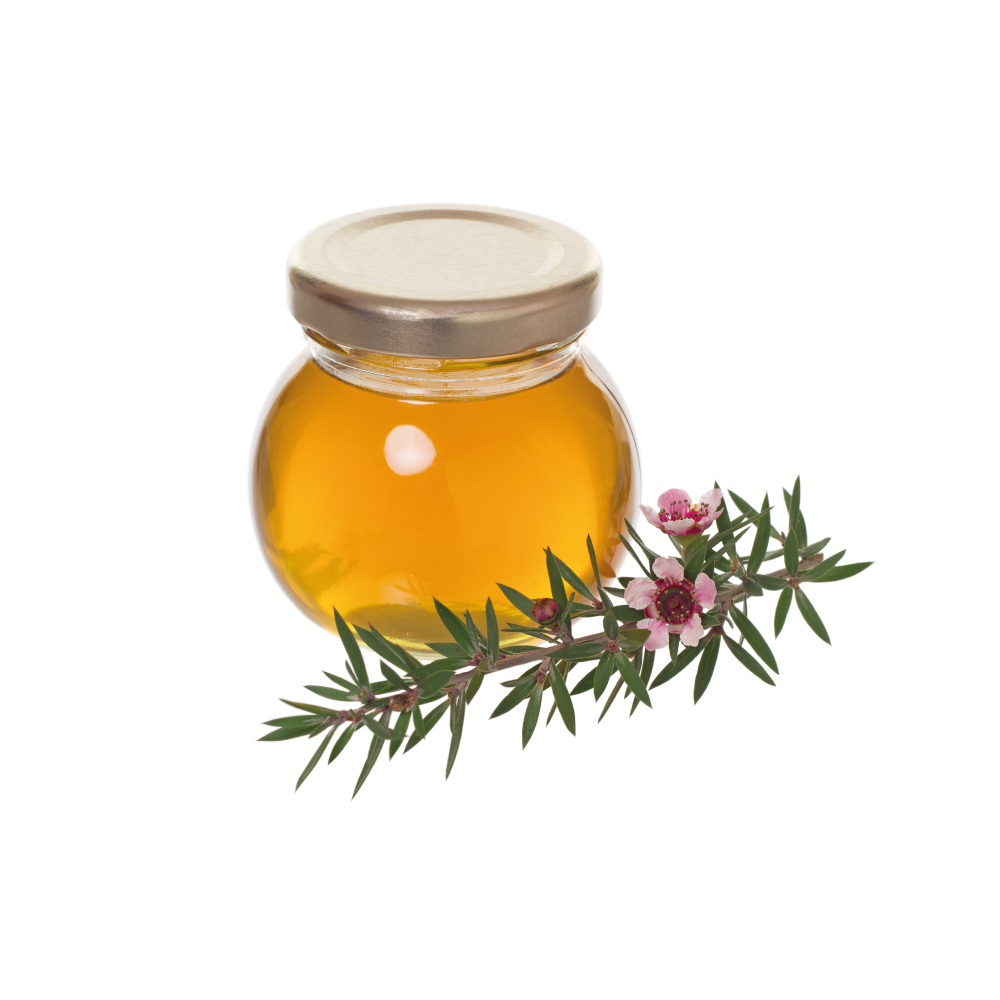 ManukaLeptospermum scopariumPreclinical
In a small clinical study, topical manuka honey reduced atopic-dermatitis lesion severity, attributed partly to immunoregulatory and anti-staphylococcal activity 11Reference 11Clinical trialHoney is potentially effective in the treatment of atopic dermatitis: clinical and mechanistic studies [clinical trial]View study →. The study tested the honey, a distinct product from the leaf and oil, not the plant itself.
Full monograph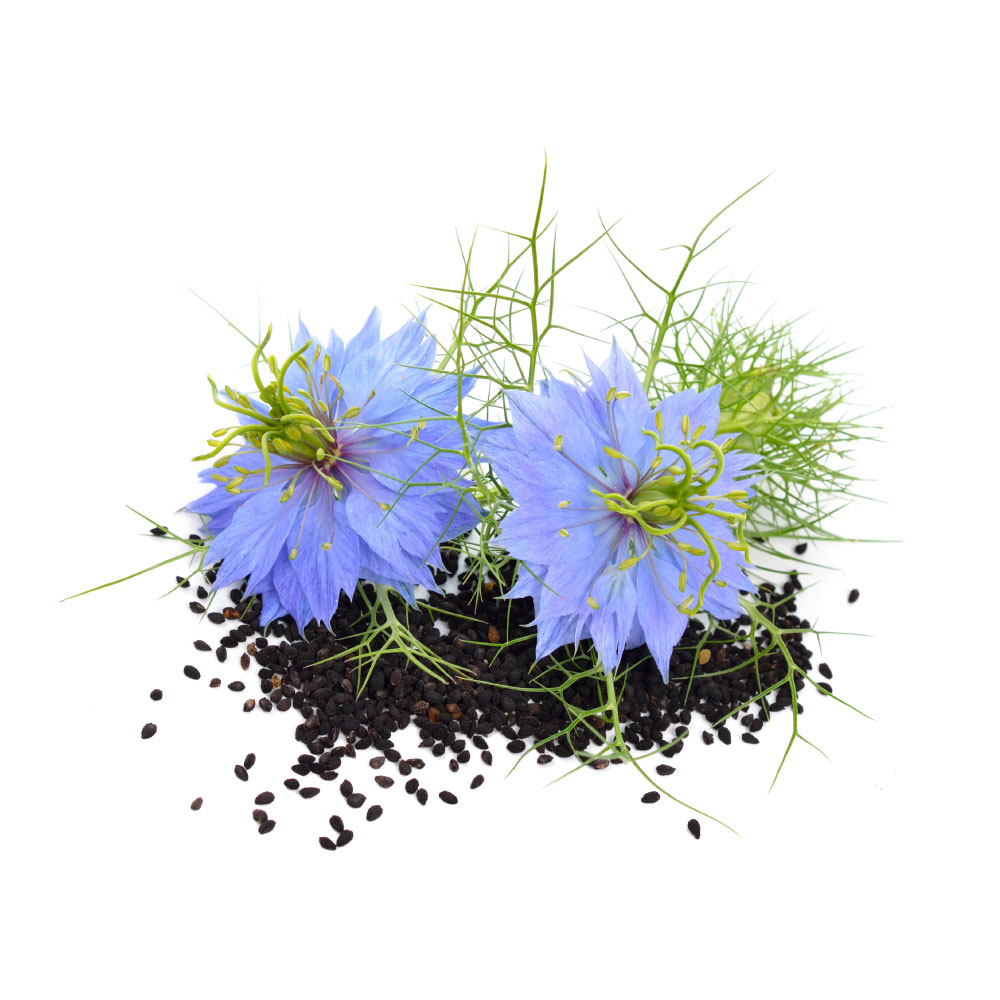 NigellaNigella sativaPreclinical
Black seed is an antiallergic and anti-inflammatory herb with human RCT-level evidence in the sibling atopic conditions — allergic rhinitis (8-RCT meta-analysis) 12Reference 12Meta-analysisMeta-analysis of randomized controlled trials assessing the efficacy of Nigella spp in allergic rhinitisView study → and asthma 13Reference 13Meta-analysisThe influence of Nigella sativa for asthma control — a meta-analysisView study → — plus meta-analytic reductions in CRP/TNF-α/MDA 14Reference 14Meta-analysisThe effect of Nigella sativa on biomarkers of inflammation and oxidative stress — systematic review and meta-analysis of randomized controlled trialsView study →, and it is traditionally applied topically to eczema.
No eczema-specific trial has been run; its eczema use extends from related atopic disease. Topical black-seed oil can itself cause allergic contact dermatitis.
Full monograph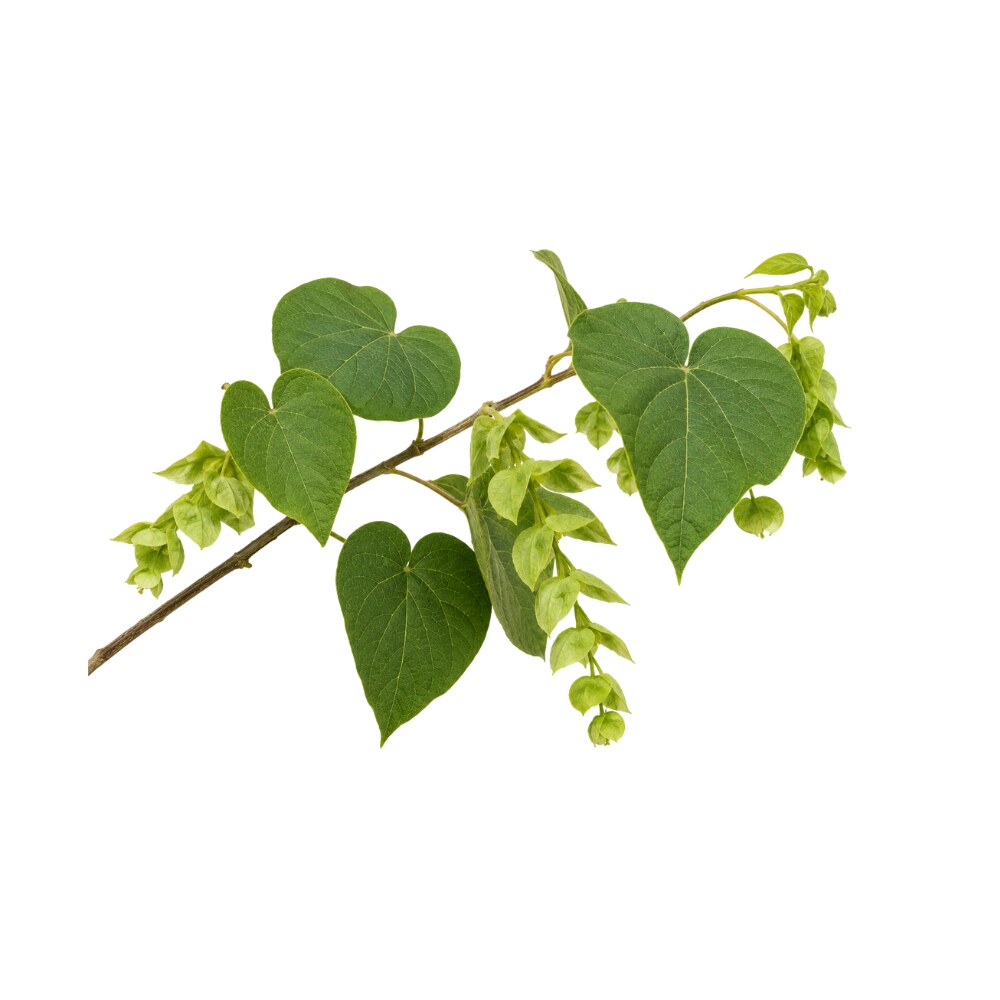 AbutaCissampelos pareiraTraditional only
Amazonian and Indian ethnomedicine lists abuta among topical remedies for sores, boils and childhood eczema. No research addresses this use.
Full monograph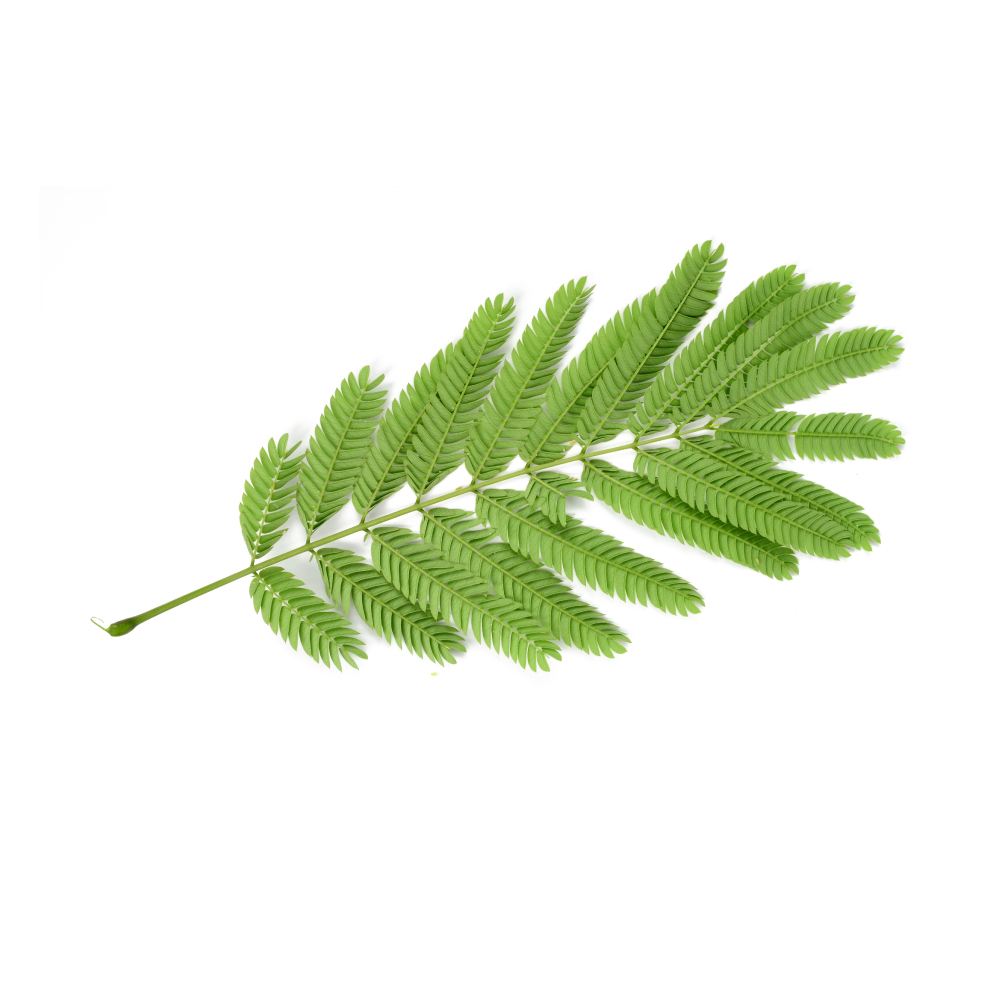 AlbizziaAlbizzia lebbeckTraditional only
Ayurveda used albizzia bark and flowers for eczema and pruritus, and its antihistamine/mast-cell action lends plausibility, but the research is on allergic asthma and rhinitis, never eczema.
Full monograph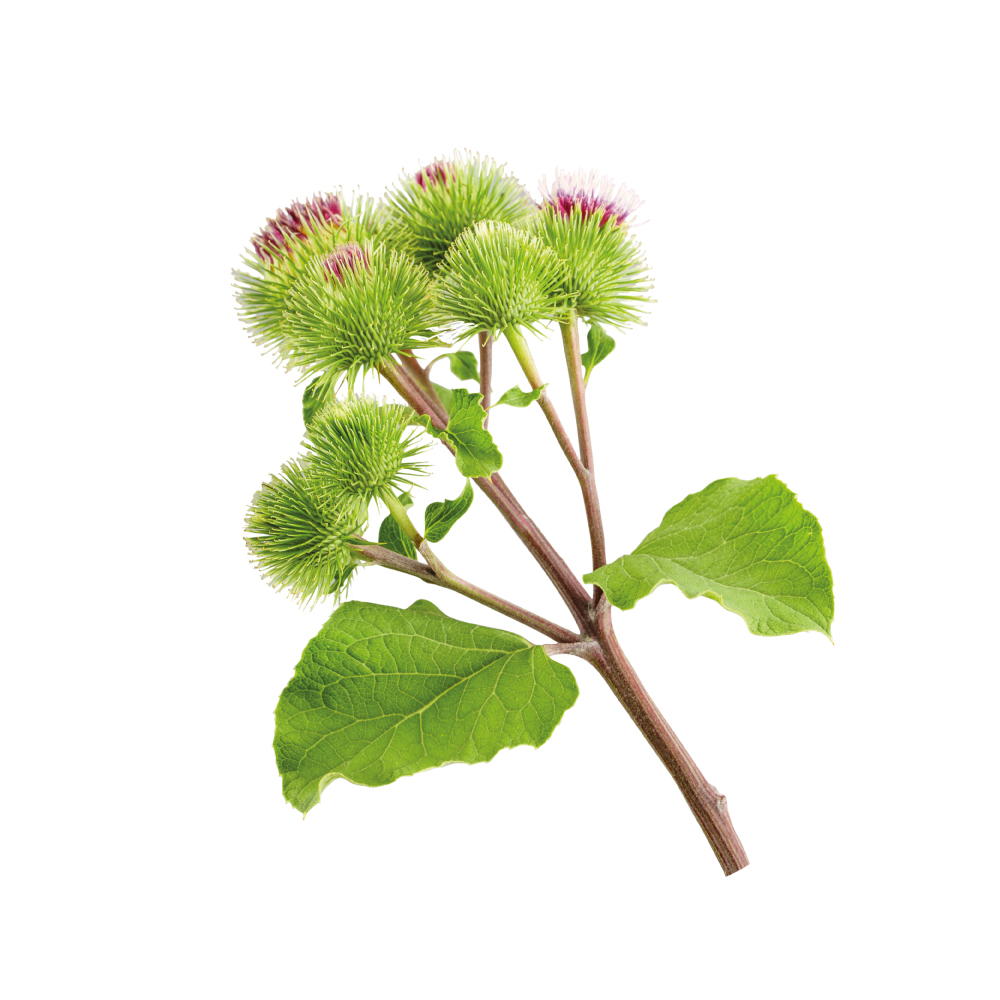 BurdockArctium lappaTraditional only
Burdock is the archetypal Western alterative, or ‘blood cleanser’, for chronic eczema, used long-term in constitutional skin formulas. The mechanism behind this role is thin, and there is no clinical skin trial.
Full monograph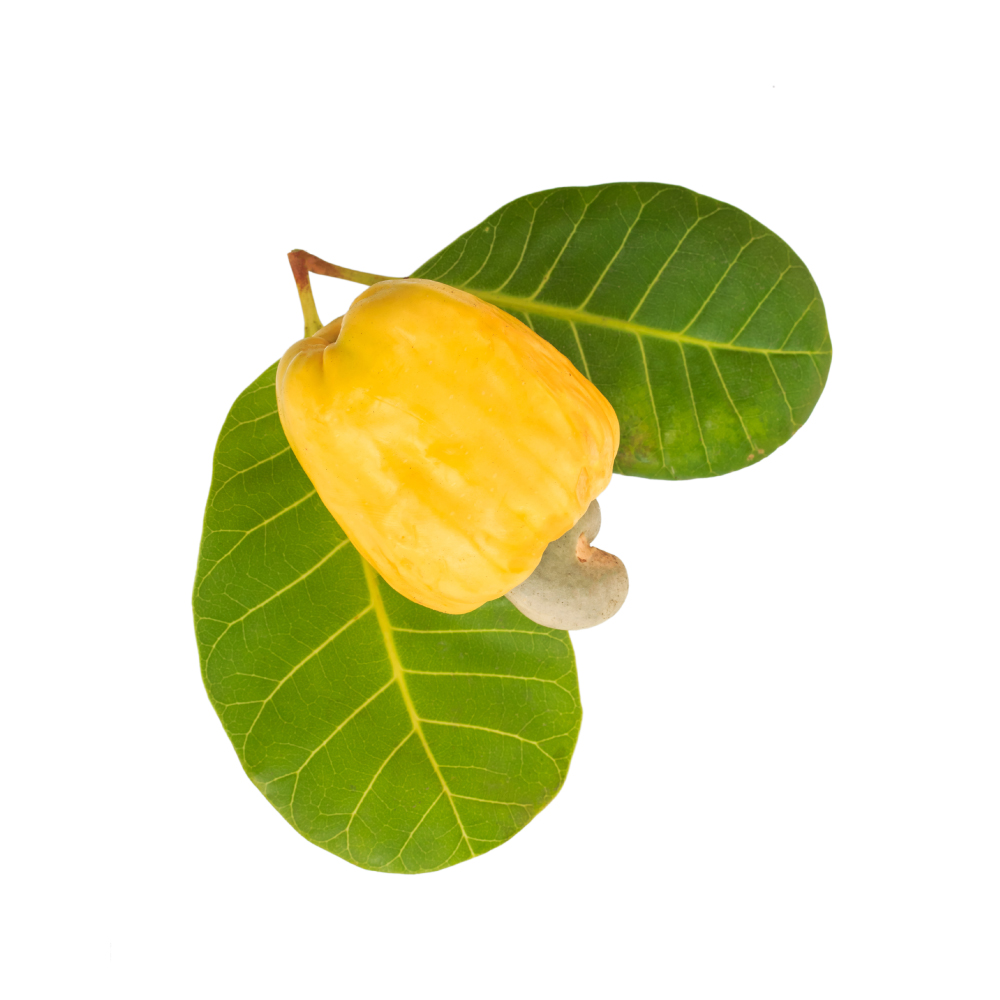 CashewAnacardium occidentaleTraditional only
Brazilian/Amazonian tradition uses cashew leaf and bark (as a tea or wash) for eczema and psoriasis. No research has tested this use. The remedy is the leaf and bark, not the caustic nut-shell oil, which itself causes contact dermatitis.
Full monograph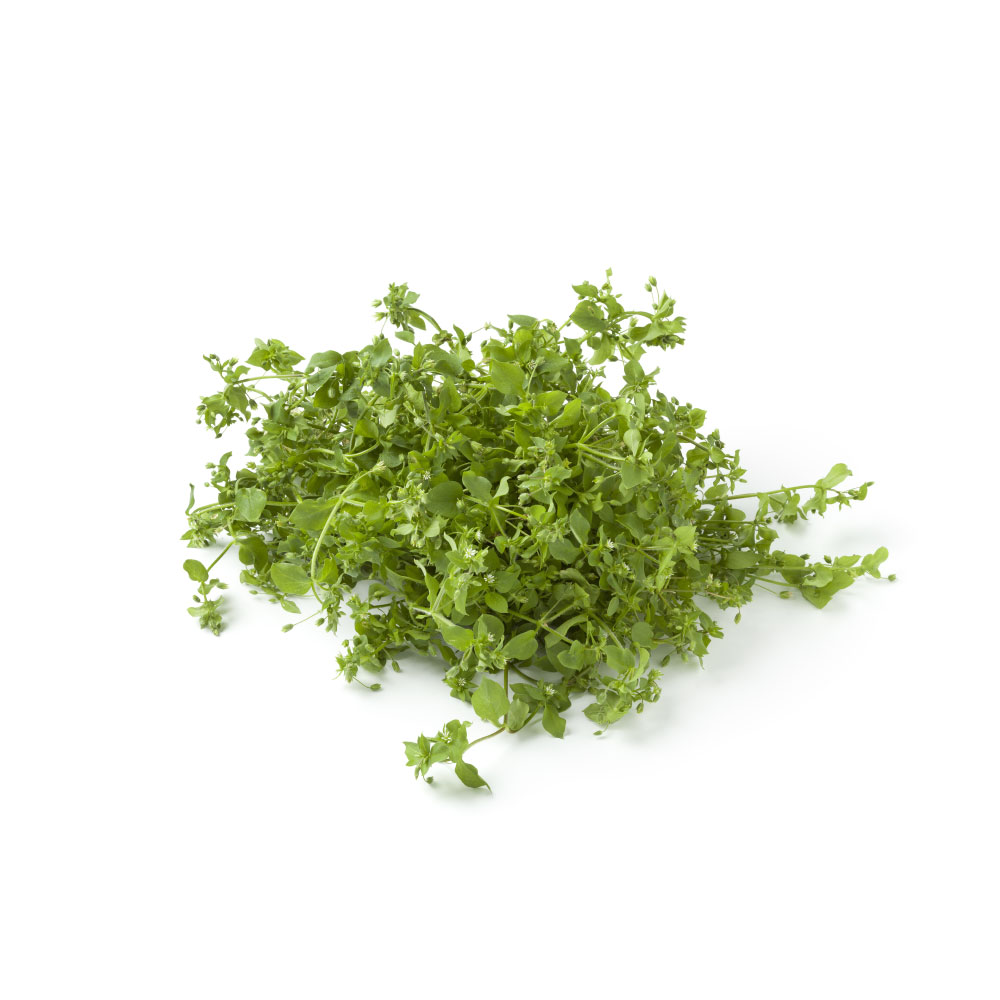 ChickweedStellaria mediaTraditional only
Chickweed is a textbook cooling demulcent and emollient, applied as succus, salve or cream for eczema and itching. The research base is entirely preclinical. The fresh plant is itself a documented contact allergen.
Full monograph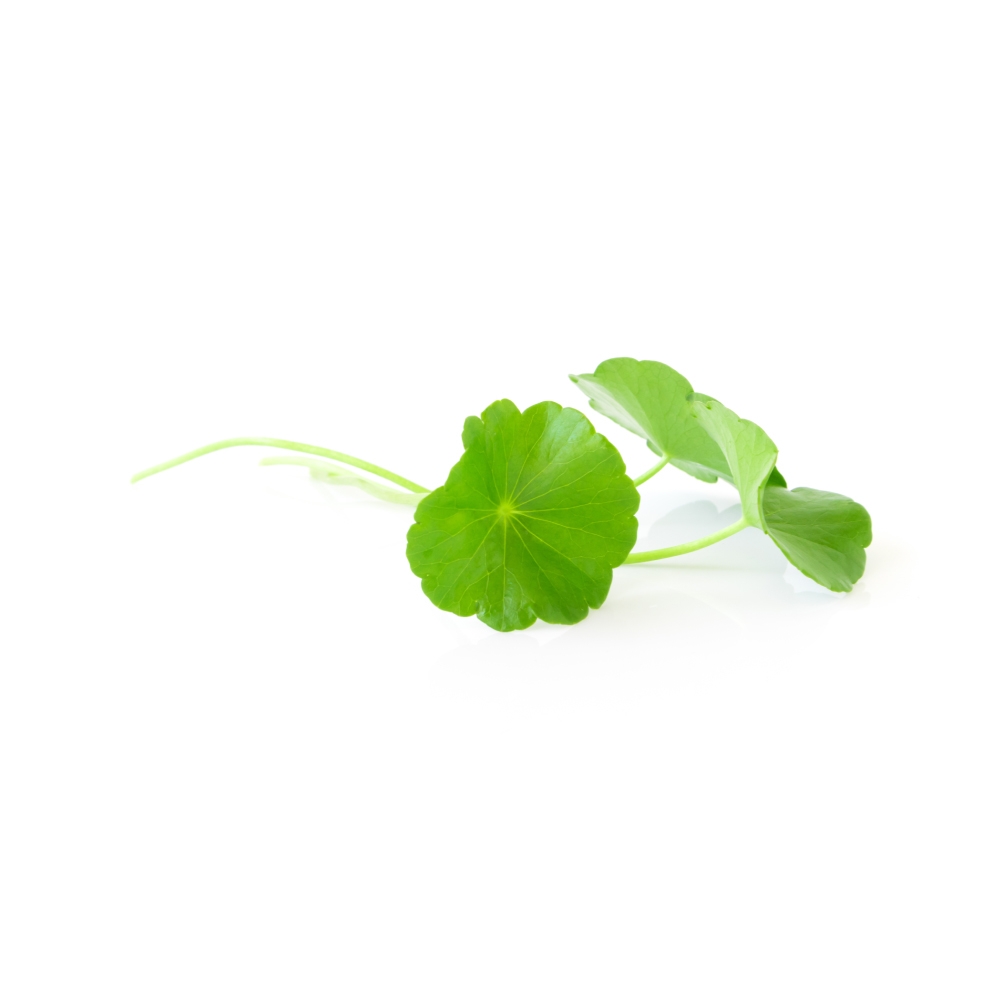 Gotu KolaCentella asiaticaTraditional only
Gotu kola is a traditional Ayurvedic and Western remedy for skin conditions including eczema. Its human skin evidence is for wound and scar healing and venous disease, not eczema.
Full monograph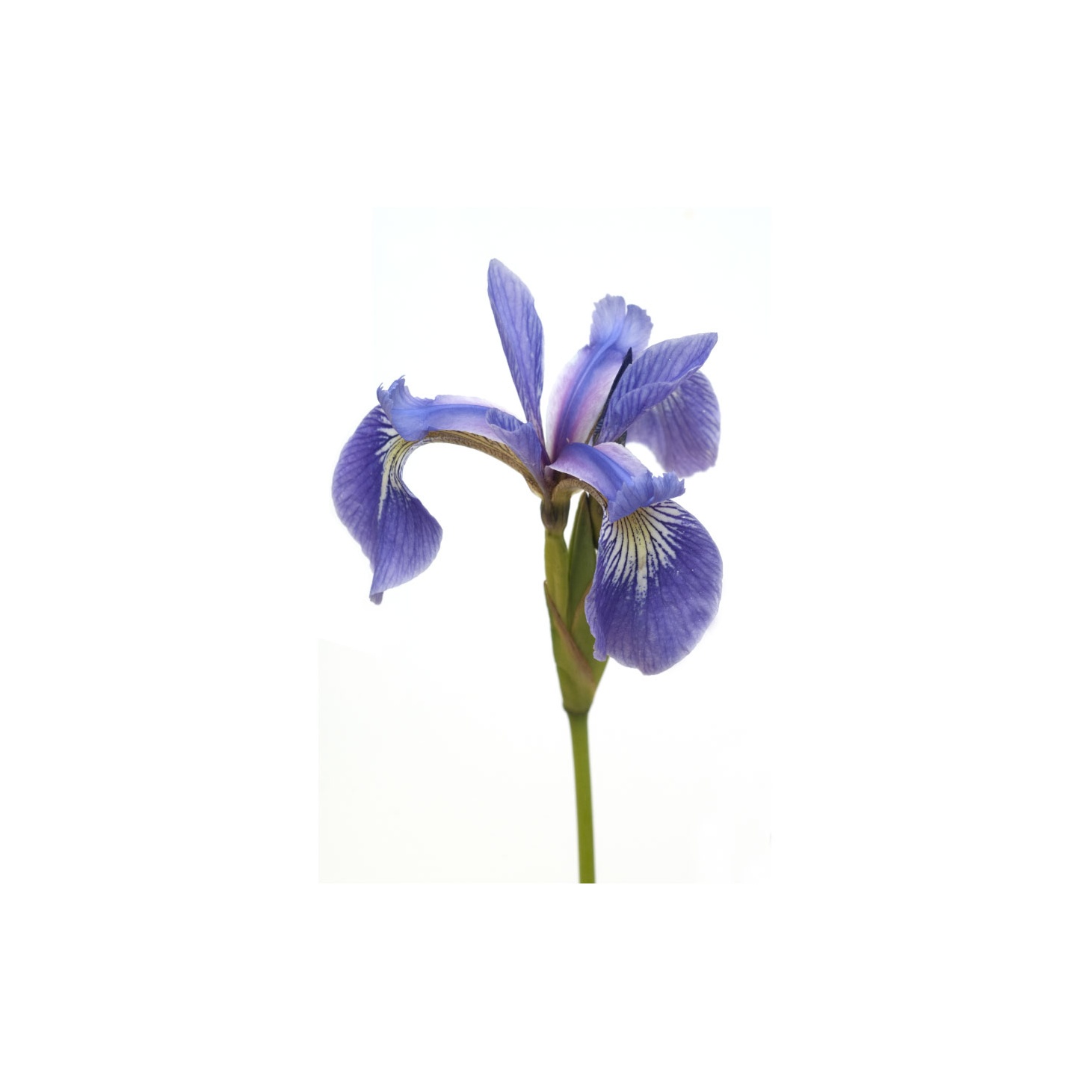 IrisIris versicolorTraditional only
Blue flag is a classic 19th-century Eclectic hepatic/lymphatic ‘alterative’ for skin conditions arising from liver congestion, including eczema. The use is long established, but the evidence base is very thin, and blue flag is an acrid, emetic herb taken in low doses.
Full monograph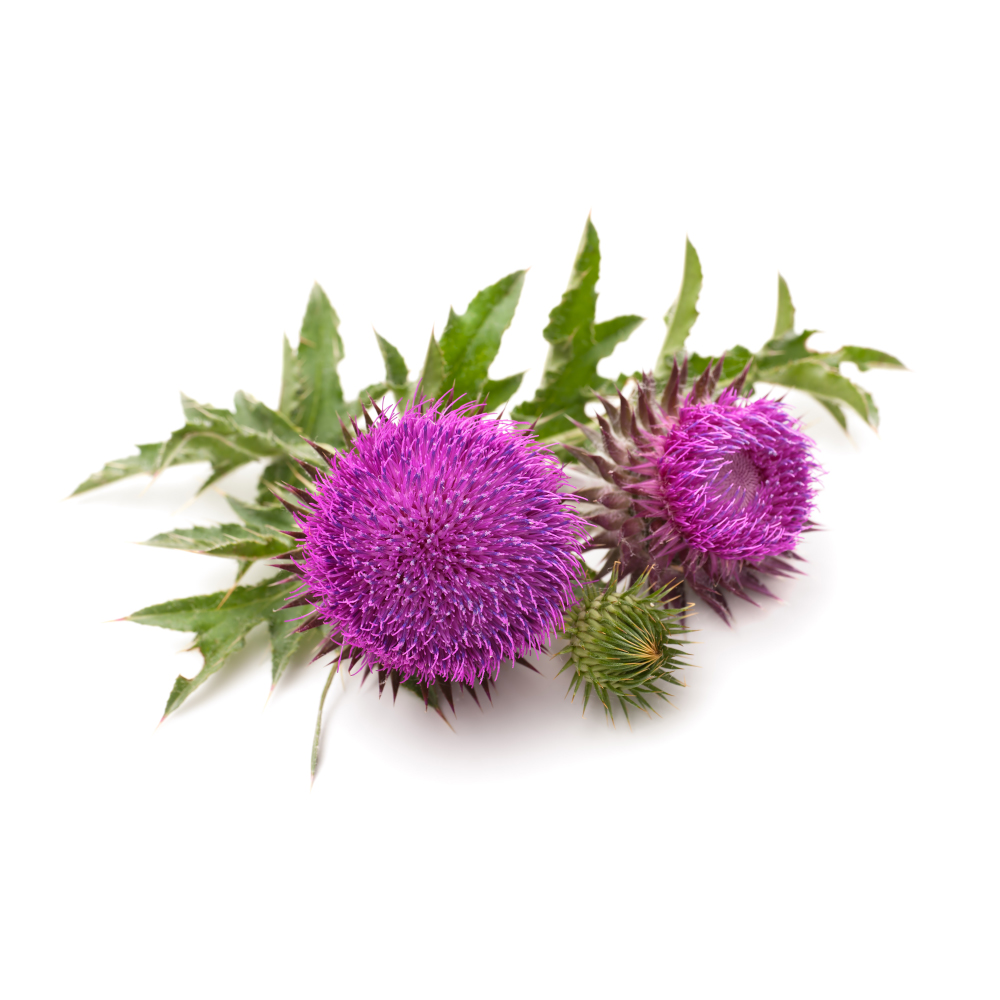 Milk ThistleSilybum marianumTraditional only
Milk thistle is traditionally used for eczema as a secondary effect of poor liver health (the ‘blood cleanser’ rationale). Its research is entirely liver and metabolic, with no skin data.
Full monograph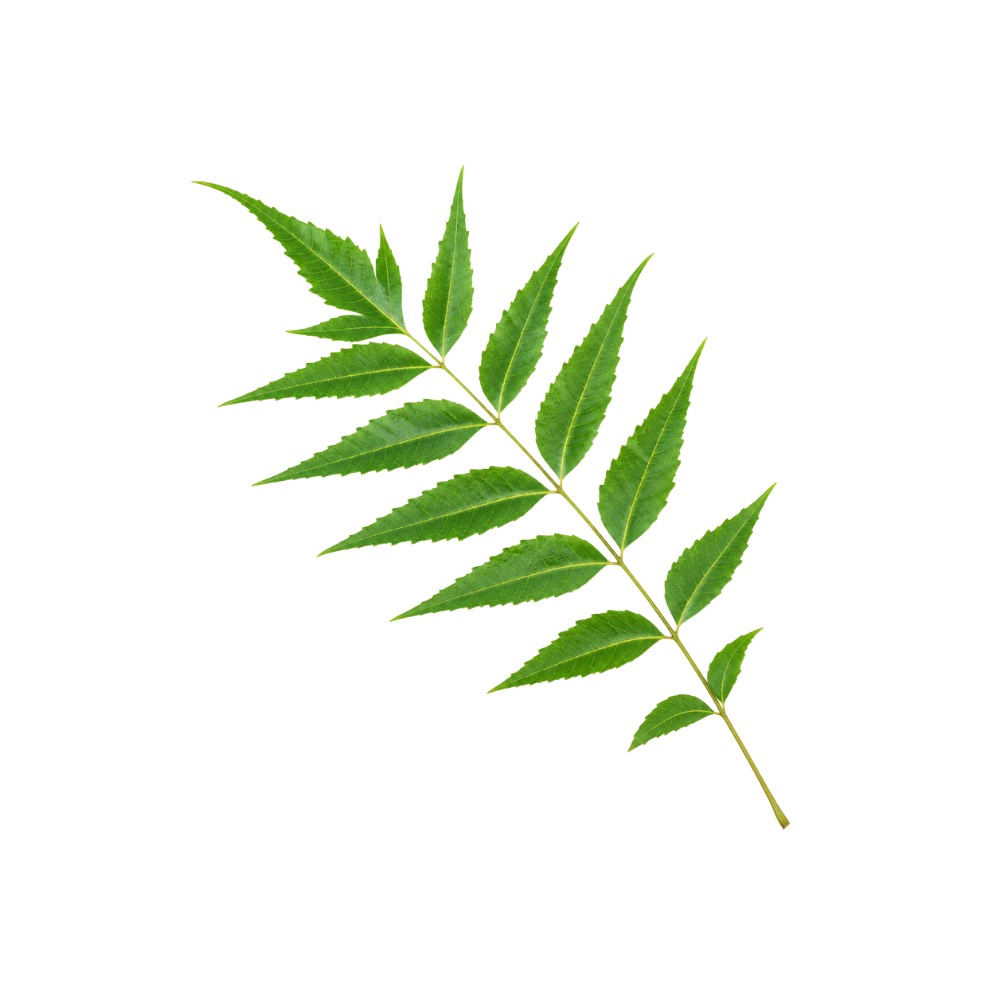 NeemAzadirachta indicaTraditional only
Neem is one of Ayurveda’s cardinal blood-purifiers for skin disease and itching, applied as a leaf paste. The research supports oral/dental and preclinical anti-inflammatory action but nothing eczema-specific. The eczema remedy is the topical leaf paste; neem seed oil is toxic taken internally.
Full monograph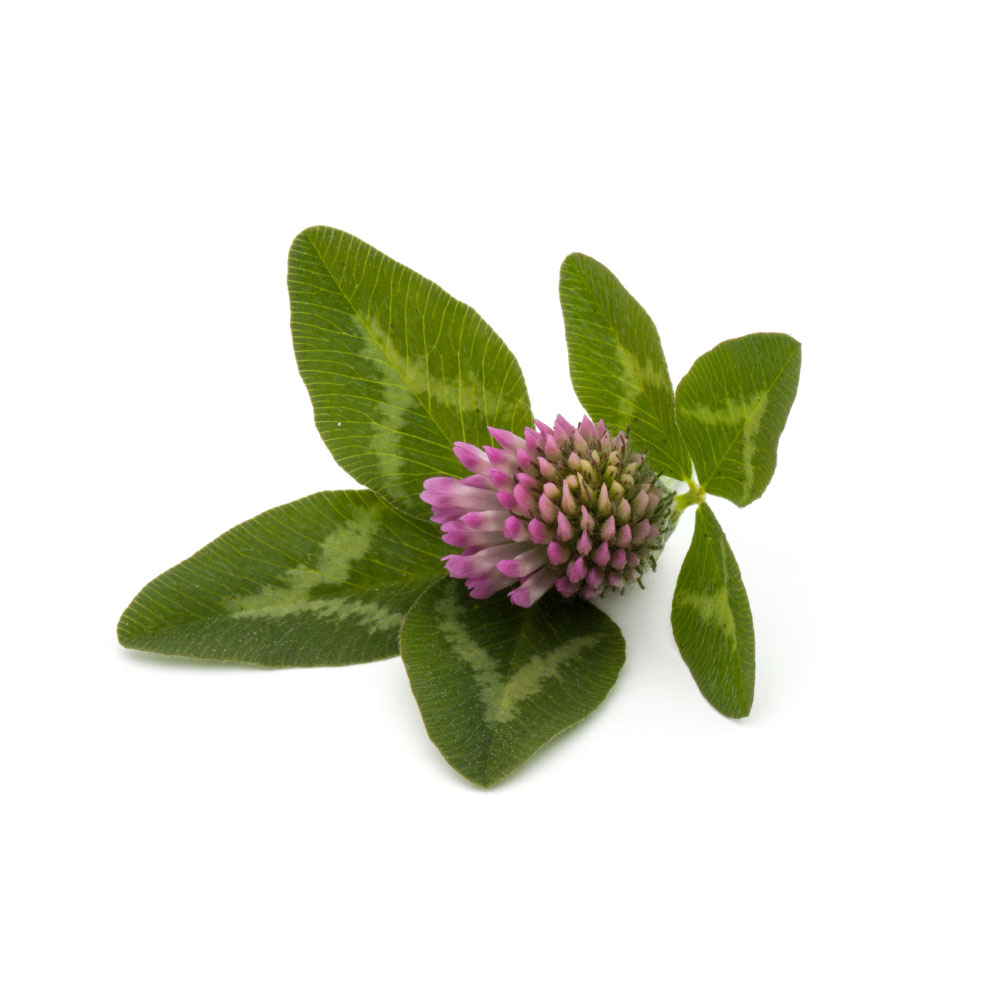 Red CloverTrifolium pratenseTraditional only
Red clover is a classic Western alterative, or ‘blood cleanser’, combined with burdock and yellow dock in long-term eczema formulas. Its human evidence is entirely for menopause and lipids (isoflavones).
Full monograph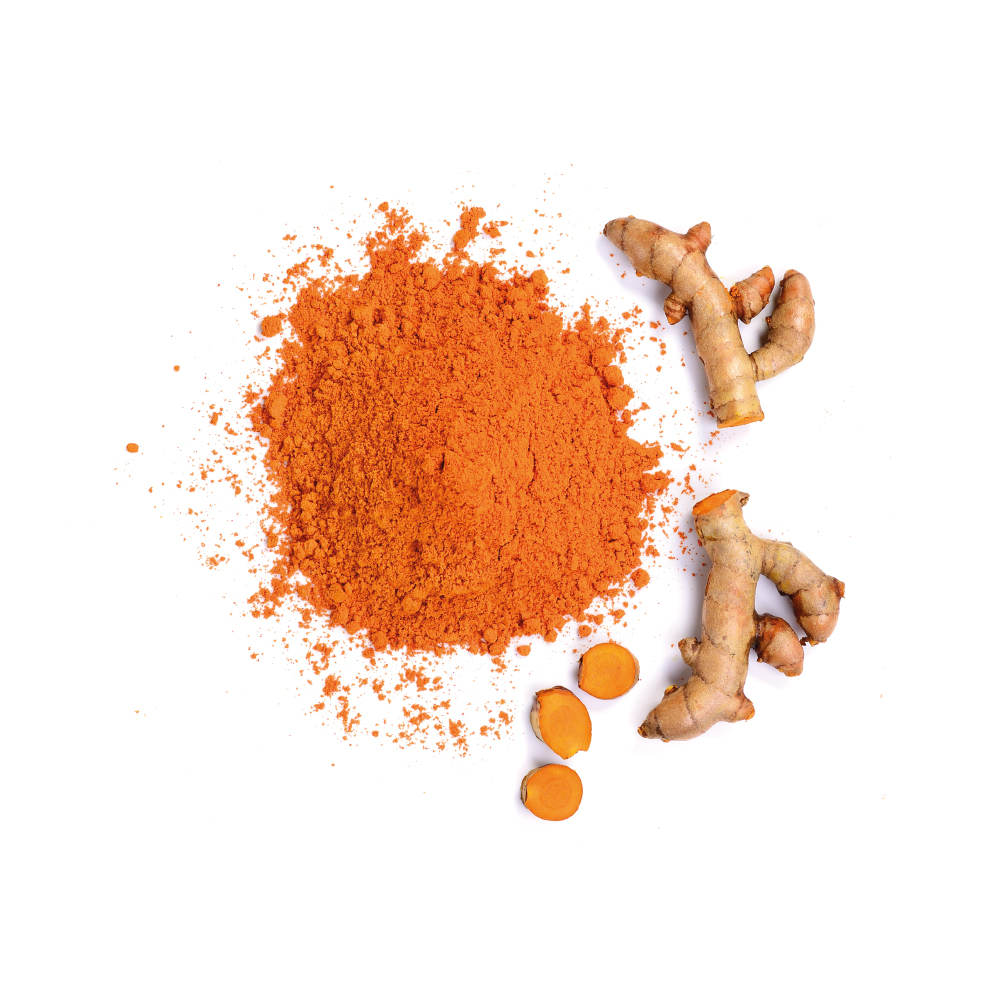 TurmericCurcuma longaTraditional only
Ayurveda applies turmeric topically for eczema. Its anti-inflammatory action is proven in humans, but the data are systemic, joint and metabolic, with no eczema or skin-disease trial.
Full monograph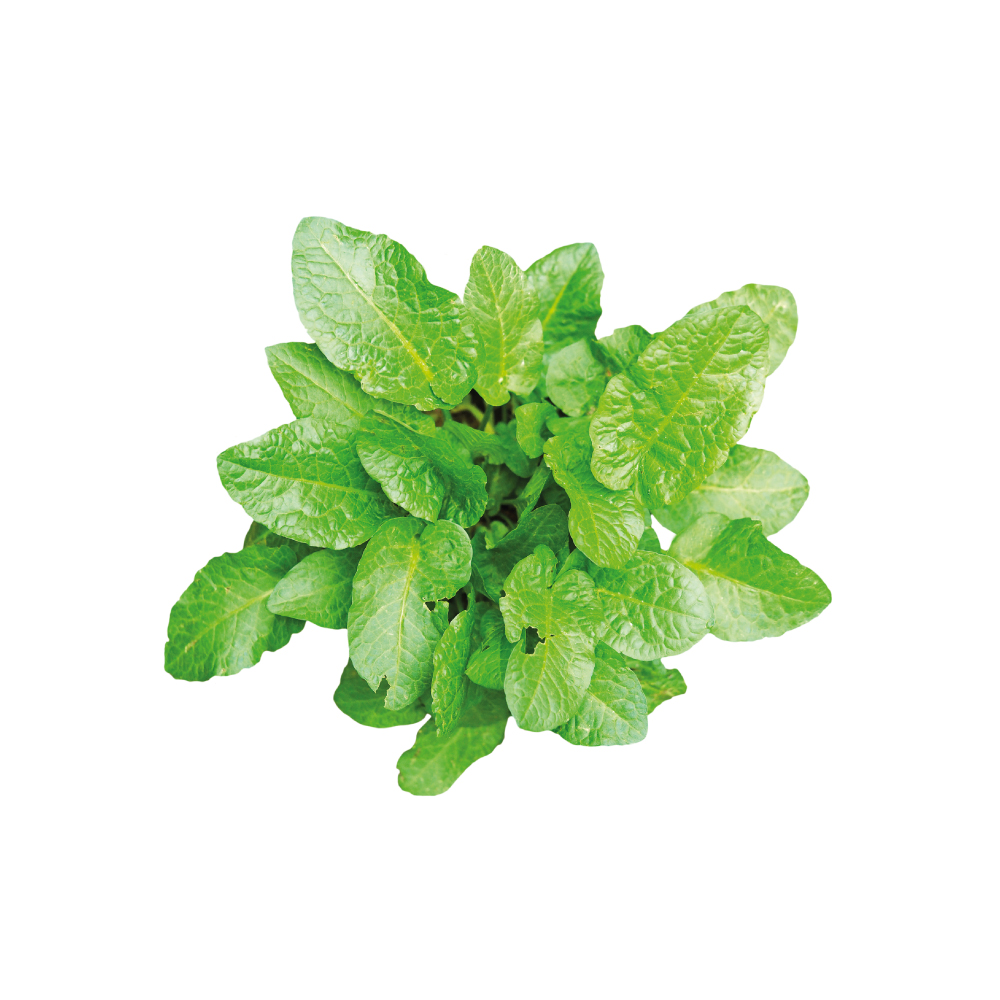 Yellow DockRumex crispusTraditional only
Yellow dock is a quintessential Eclectic alterative, or ‘blood purifier’, for chronic eczema, especially where constipation and skin disease coexist. The research is thin and preclinical, with no eczema data.
Full monographSupplementation
Supplementation
Supplements, nutrients and compounds used for eczema.
References
- Haddad, P., Amouzgar-Hashemi, F., Samsami, S., Chinichian, S., & Oghabian, M. (2013). Aloe vera for prevention of radiation-induced dermatitis: a self-controlled clinical trial.Current Oncology, 20(4), 345. doi:10.3747/co.20.1356
- Bone, K. (2003). A clinical guide to blending liquid herbs: Herbal formulations for the individual patient. Edinburgh [u.a.: Churchill Livingstone. (Pg. 61-64).
- Della Loggia R, et al. (1994). The role of triterpenoids in the topical anti-inflammatory activity of Calendula officinalis flowers — [in vitro / animal model]. Planta Med. https://pubmed.ncbi.nlm.nih.gov/7809203/
- Zitterl-Eglseer K, et al. (1997). Anti-oedematous activities of the main triterpendiol esters of marigold (Calendula officinalis L.) — [in vitro / mouse model]. J Ethnopharmacol. https://pubmed.ncbi.nlm.nih.gov/9254116/
- Fuchs SM, et al. (2005). Protective effects of different marigold (Calendula officinalis L.) and rosemary cream preparations against sodium-lauryl-sulfate-induced irritant contact dermatitis — [clinical trial]. Skin Pharmacol Physiol. https://pubmed.ncbi.nlm.nih.gov/15908760/
- Jakovlev V, et al. (1979). Pharmacological investigations with compounds of chamomile: antiphlogistic effects of (−)-α-bisabolol and bisabolol oxides — animal study. Planta Medica. https://pubmed.ncbi.nlm.nih.gov/419180/
- Valmy J, et al. (2025). Anti-inflammatory effect of chamomile from randomized clinical trials: a systematic review and meta-analysis. Pharmaceutical Biology. https://pubmed.ncbi.nlm.nih.gov/40665590/
- Mehmood MH, et al. (2015). Antidiarrhoeal, antisecretory and antispasmodic activities of Matricaria chamomilla are mediated predominantly through K⁺-channels activation — animal / in vitro study. BMC Complementary and Alternative Medicine. https://pubmed.ncbi.nlm.nih.gov/25886126/
- Battaglia, S. (2003). The Complete Guide to Aromatherapy (2nd ed.) — reference text. Brisbane: The International Centre of Holistic Aromatherapy (pp. 179–180).
- Meneses AG, et al. (2025). Comparison of liposomal gel with and without chamomile to prevent radiation dermatitis in breast cancer patients: a randomized controlled trial. Strahlentherapie und Onkologie. https://pubmed.ncbi.nlm.nih.gov/39283344/
- Alangari, A. A., Morris, K., Lwaleed, B. A., et al. (2017). Honey is potentially effective in the treatment of atopic dermatitis: clinical and mechanistic studies [clinical trial]. Immunity, Inflammation and Disease. https://pubmed.ncbi.nlm.nih.gov/28474502/
- He Y, Hu X, et al. (2024). Meta-analysis of randomized controlled trials assessing the efficacy of Nigella spp in allergic rhinitis. Front Pharmacol. https://pubmed.ncbi.nlm.nih.gov/39372205/
- He T, Xu X. (2020). The influence of Nigella sativa for asthma control — a meta-analysis. Am J Emerg Med. https://pubmed.ncbi.nlm.nih.gov/31892440/
- Montazeri RS, Fatahi S, et al. (2021). The effect of Nigella sativa on biomarkers of inflammation and oxidative stress — systematic review and meta-analysis of randomized controlled trials. J Food Biochem. https://pubmed.ncbi.nlm.nih.gov/33559935/
- Ramírez-Bosca, A., et al. (2012). Polypodium leucotomos extract in atopic dermatitis: a randomised, double-blind, placebo-controlled trial. Actas Dermosifiliogr. https://pubmed.ncbi.nlm.nih.gov/22560125/