
Condition
Helicobacter pylori
H. pylori is the spiral bacterium behind most peptic ulcers and a major cause of gastric cancer — why eradication is the goal, and the narrow role herbs actually play alongside it.

Helicobacter pylori is a spiral, gram-negative bacterium that colonises the stomach lining. It is one of the most common chronic infections in the world — roughly half the global population carries it — and around 70% of infections cause no symptoms at all. It is also the principal cause of peptic ulcer disease and a WHO class I carcinogen, the single largest identified risk factor for gastric cancer.
Most carriers are fine; a minority develop ulcers or cancer; and a drug regimen eradicates the organism, confirmed by a follow-up test. No herb has been shown to eradicate H. pylori. The herbs used for it are either adjuncts taken alongside antibiotics, or laboratory findings with no human data. Their contribution is in raising eradication rates and protecting the stomach lining, not in replacing treatment.
Presentation
Types & Variants
The clinically useful split is not by strain but by what the infection is doing:
- Asymptomatic colonisation — the majority. Chronic gastritis is present on biopsy, but there are no symptoms and often no consequences.
- Peptic ulcer disease — gastric and duodenal ulcers. H. pylori underlies most of them that aren’t caused by NSAIDs, and eradication both heals the ulcer and largely prevents recurrence.
- Chronic atrophic gastritis and intestinal metaplasia — long-standing inflammation destroying gastric glands. This is the pathway toward malignancy.
- Gastric adenocarcinoma and MALT lymphoma — the serious outcomes. MALT lymphoma is remarkable in that eradicating the bacterium alone causes many early cases to regress.
Strain virulence matters. Strains carrying the CagA and certain VacA genotypes are substantially more likely to cause ulcers and cancer, which is part of why outcomes vary so widely between carriers.
Overview
General Pathology
The bacterium secretes urease, which splits urea into ammonia and carbon dioxide, neutralising acid in a cloud around itself. Its helical shape and flagella drive it through the mucus layer to the epithelial surface, where the pH is near neutral, and adhesins anchor it to specific receptors on the gastric epithelium. It then persists for decades, provoking chronic inflammation that damages the mucosa, alters acid secretion, and — over many years in a minority — drives the atrophy-to-metaplasia-to-cancer sequence.
Urease is also the enzyme that makes the urea breath test work, and the target several anti-H. pylori herbs act on.
Symptoms, when present, are burning upper abdominal pain, bloating, nausea, frequent burping and loss of appetite.
Seek urgent care for the alarm features, which suggest ulcer complications or malignancy rather than simple infection: vomiting blood or material like coffee grounds, black tarry stools, difficulty swallowing, persistent vomiting, unexplained weight loss, or anaemia.
Diagnosis is non-invasive in most cases — urea breath test or stool antigen test, both of which detect active infection. Endoscopy with biopsy is used where alarm features or age warrant it. Proton-pump inhibitors and antibiotics cause false negatives; PPIs should generally be stopped two weeks before testing. Serology detects past exposure and cannot confirm current infection.
Distinguish from: NSAID-induced ulcers, GERD, functional dyspepsia and gastric malignancy.
Treatment
Conventional Treatment
Eradication uses combination therapy — typically a PPI with two or three antibiotics for 10–14 days, as quadruple, bismuth-quadruple or concomitant regimens. Regimen choice is increasingly driven by local clarithromycin resistance, which has risen enough to make the old standard triple therapy unreliable in many regions.
Eradication must be confirmed. A breath or stool test at least four weeks after finishing treatment is standard. Symptom improvement is not proof.
Failure is common and mostly about resistance and adherence. Licorice addresses that gap: it does not kill the organism, but it improves the odds that the drugs do.
Materia Medica
Materia Medica
No herb used for H. pylori eradicates the infection on its own.
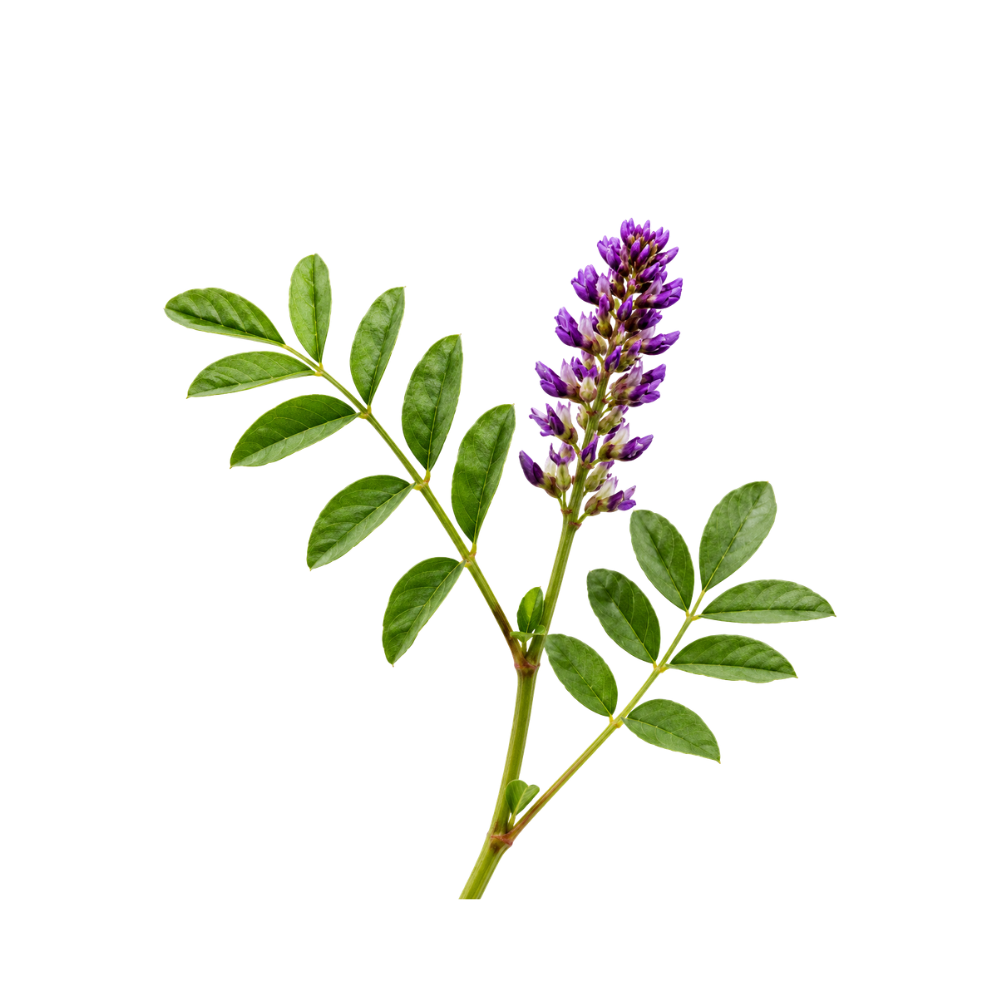 LicoriceGlycyrrhiza glabraModerate
Licorice is the one H. pylori herb with human trials, and it works as an add-on rather than an antimicrobial. Two randomised trials found that adding licorice to a standard eradication regimen improved eradication rates — one against the standard regimen alone 1Reference 1RCTEffect of adding licorice to the standard treatment regimen of Helicobacter pylori — randomised controlled trialView study →, one comparing licorice with bismuth 2Reference 2RCTEffect of licorice versus bismuth on eradication of Helicobacter pylori in patients with peptic ulcer disease — randomised controlled trialView study →. Licorice polysaccharides block H. pylori adhesion to human gastric mucosa in vitro 3Reference 3In vitroAqueous extracts and polysaccharides from liquorice roots inhibit adhesion of Helicobacter pylori to human gastric mucosa — in vitroView study →, so rather than killing the organism it loosens its grip on the epithelium while the antibiotics work.
Licorice separately has a classic antiulcer record — deglycyrrhizinated licorice (DGL) showed endoscopic healing in controlled gastric and duodenal ulcer trials from the late 1960s 4,
The eradication trials are small and single-centre. The DGL ulcer trials predate modern methodology and PPIs, and one found DGL ineffective. Preparations are not interchangeable: whole-root licorice at sustained therapeutic doses causes pseudo-aldosteronism — raised blood pressure and potassium loss — which is why DGL exists.
Full monograph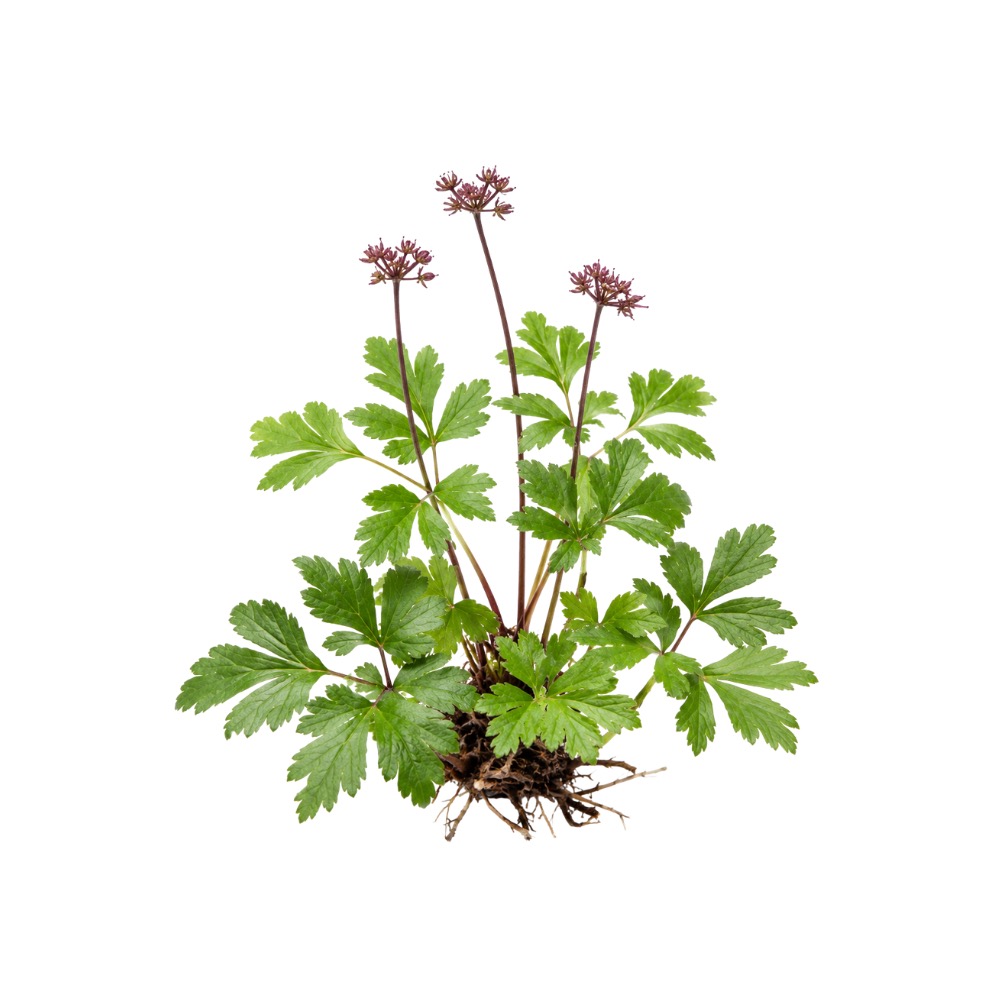 CoptisCoptis chinensisPreclinical
Coptis acts on urease. Epiberberine — one of coptis’s whole-rhizome alkaloids — inhibits H. pylori and reduces host apoptosis and inflammatory damage by down-regulating urease expression, shown in vitro and in a mouse model 7Reference 7In vitroEpiberberine inhibits Helicobacter pylori and reduces host apoptosis and inflammatory damage by down-regulating urease expression — in vitro and mouse modelView study →. Urease is the bacterium’s central survival adaptation. Whole coptis extract outperforms isolated berberine against H. pylori urease, which suggests the traditional whole-rhizome preparation does something the single famous alkaloid does not.
Coptisine separately alleviates colitis in mice via the TXNIP/NLRP3 inflammasome 8Reference 8AnimalCoptisine alleviates colitis through modulating gut microbiota and inhibiting the TXNIP/NLRP3 inflammasome — mouse modelView study →. There is no human trial for this indication. Like other berberine-containing herbs, coptis is not used in pregnancy or in newborns.
Full monograph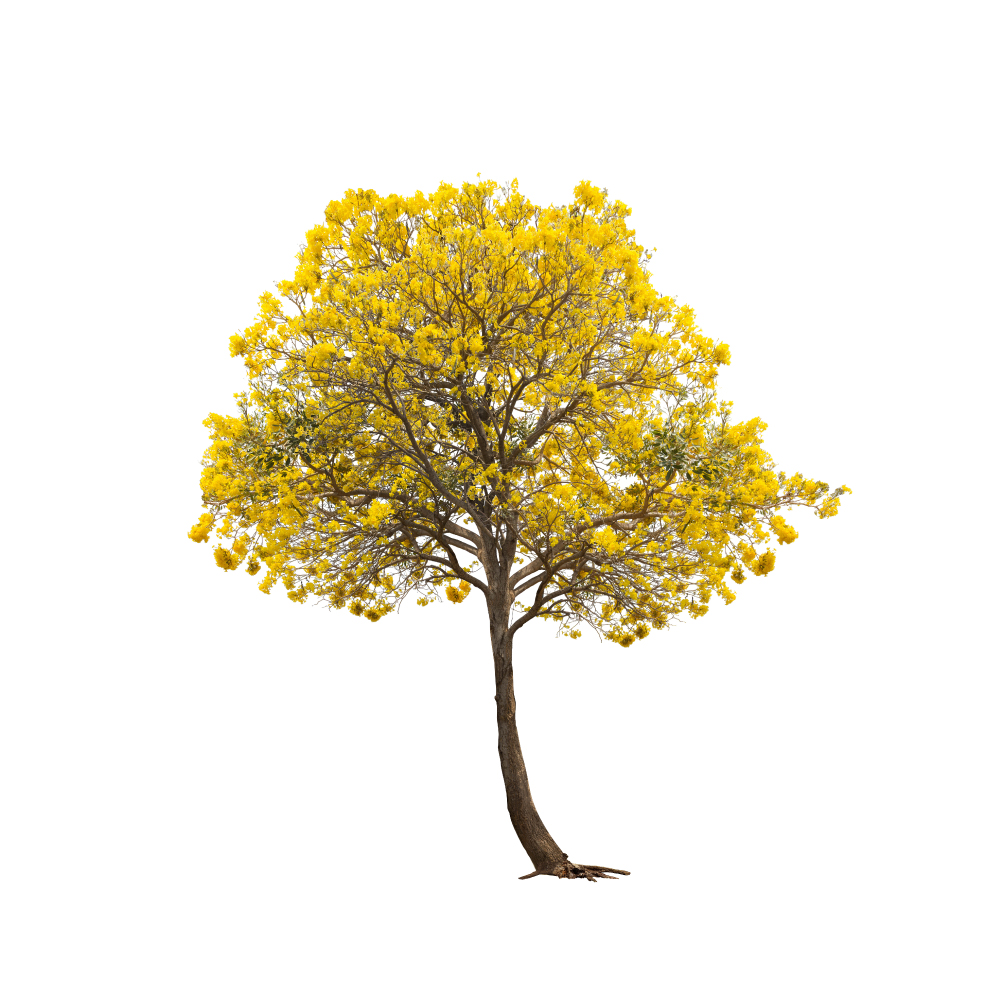 Pau d’ArcoTabebuia impetiginosaPreclinical
A dedicated in-vitro study found taheebo bark extract active against H. pylori 9Reference 9In vitroAntibacterial activity of Tabebuia impetiginosa Martius ex DC (Taheebo) against Helicobacter pylori — in vitroView study →, part of a broader and well-replicated antibacterial profile driven by the bark’s naphthoquinones — the same chemistry that covers Staphylococcus aureus including MRSA. The work is in vitro only, with no animal infection model and no human data for this indication.
The naphthoquinone lapachol is the source of pau d’arco’s toxicity concerns at higher doses; broad in-dish potency is not evidence of a safe, effective oral dose.
Full monograph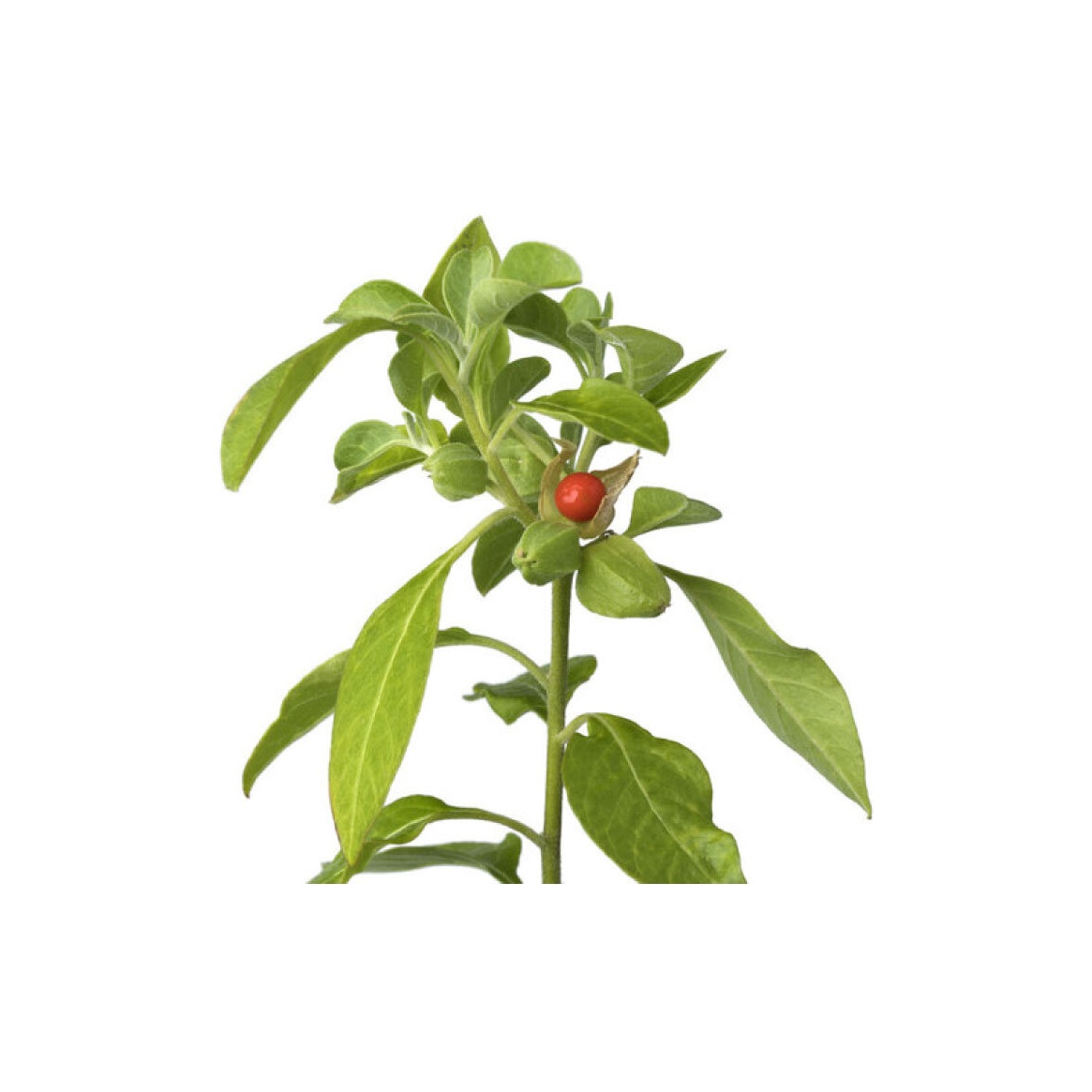 AshwagandhaWithania somniferaPreclinical
Ashwagandha acts on the inflammation H. pylori provokes rather than on the bacterium. Withaferin A inhibits H. pylori-induced IL-1β production in dendritic cells by regulating NF-κB and NLRP3 inflammasome activation 10Reference 10In vitroWithaferin A inhibits Helicobacter pylori-induced production of IL-1β in dendritic cells by regulating NF-κB and NLRP3 inflammasome activation — in vitroView study →. Most H. pylori pathology — the gastritis, the atrophy, the long road to malignancy — is driven by the host inflammatory response rather than by the bacterium directly, so damping that response is a rational target.
The evidence is a single in-vitro study in isolated immune cells. There is no evidence ashwagandha affects the infection, the gastritis or any clinical outcome in a person.
Full monograph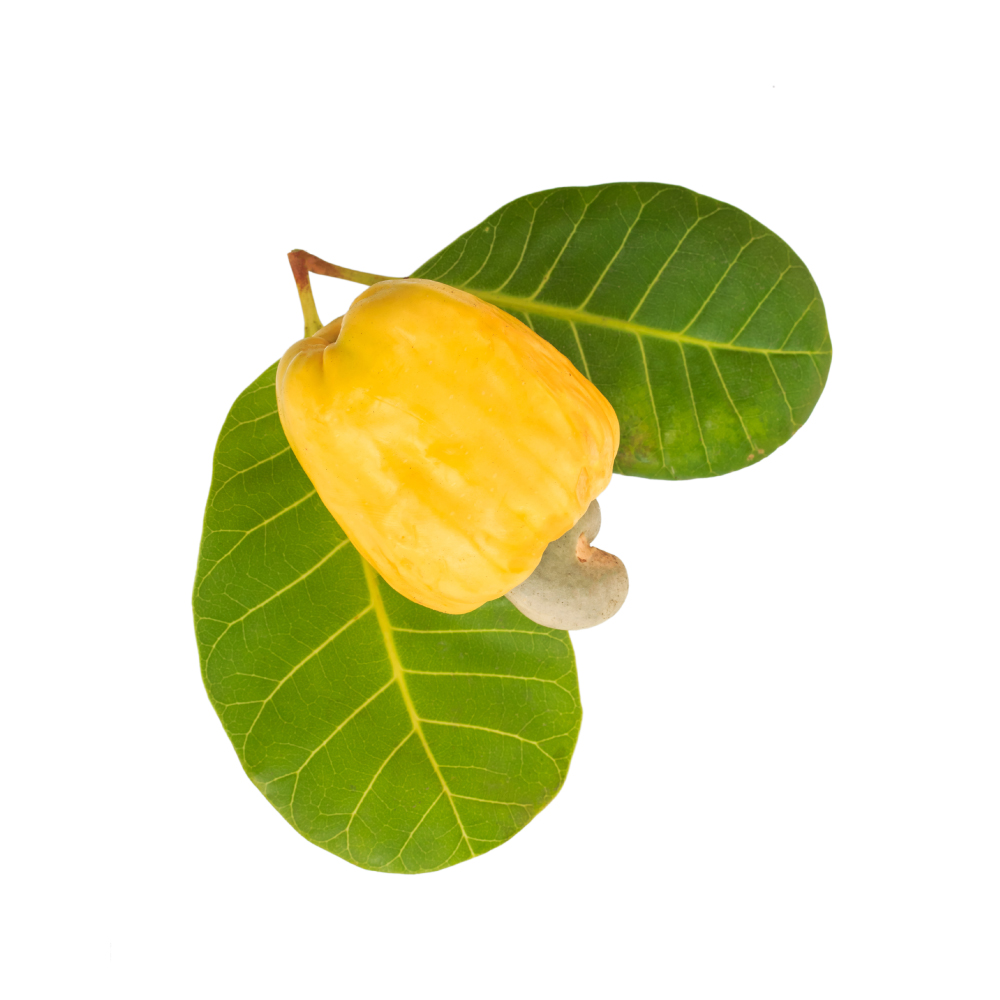 CashewAnacardium occidentaleTraditional only
The leaf and bark decoction is traditionally used for stomach ulcers alongside mouth ulcers, diarrhoea and colic — a tannin-rich astringent applied to an ulcerated surface. Consistent with the pattern of the astringent barks, but there is no trial and no H. pylori-specific testing. Anacardiaceae family, containing the contact allergen urushiol.
Full monographSupplementation
Supplementation
The best non-drug evidence for H. pylori is not herbal. Probiotics as an adjunct to eradication therapy have been studied extensively, and meta-analyses generally find modest improvement in eradication rates and a clearer reduction in the antibiotic side effects — particularly diarrhoea — that drive people to abandon a 14-day regimen. Since adherence is one of the main causes of failure, that second effect may matter as much as the first.
Probiotics are an addition to a proven regimen, never a substitute for one, and they do not remove the need for confirmatory testing after treatment.
References
- Hajiaghamohammadi, A. A., et al. (2016). Effect of adding licorice to the standard treatment regimen of Helicobacter pylori — randomised controlled trial. Brazilian Journal of Infectious Diseases. https://pubmed.ncbi.nlm.nih.gov/27614124/
- Momeni, A., et al. (2014). Effect of licorice versus bismuth on eradication of Helicobacter pylori in patients with peptic ulcer disease — randomised controlled trial. Pharmacognosy Research. https://pubmed.ncbi.nlm.nih.gov/25276073/
- Wittschier, N., et al. (2009). Aqueous extracts and polysaccharides from liquorice roots inhibit adhesion of Helicobacter pylori to human gastric mucosa — in vitro. Journal of Ethnopharmacology. https://pubmed.ncbi.nlm.nih.gov/19607905/
- Turpie, A. G., et al. (1969). Clinical trial of deglycyrrhizinized liquorice in gastric ulcer — controlled trial. Gut. https://pubmed.ncbi.nlm.nih.gov/4889526/
- D’Imperio, N., et al. (1978). Double-blind trial in duodenal and gastric ulcers: cimetidine and deglycyrrhizinized liquorice — randomised controlled trial. Acta Gastro-enterologica Belgica. https://pubmed.ncbi.nlm.nih.gov/373361/
- Rees, W. D., et al. (1979). Effect of deglycyrrhizinated liquorice on gastric mucosal damage by aspirin — animal model. Scandinavian Journal of Gastroenterology. https://pubmed.ncbi.nlm.nih.gov/493863/
- Wu, H., Xie, X., Tang, Q., et al. (2024). Epiberberine inhibits Helicobacter pylori and reduces host apoptosis and inflammatory damage by down-regulating urease expression — in vitro and mouse model. Journal of Ethnopharmacology. https://pubmed.ncbi.nlm.nih.gov/37586440/
- Li, C., Deng, L., Pu, M., Ye, X., & Lu, Q. (2024). Coptisine alleviates colitis through modulating gut microbiota and inhibiting the TXNIP/NLRP3 inflammasome — mouse model. Journal of Ethnopharmacology. https://pubmed.ncbi.nlm.nih.gov/39117021/
- Park, B. S., Lee, H. K., Lee, S. E., et al. (2006). Antibacterial activity of Tabebuia impetiginosa Martius ex DC (Taheebo) against Helicobacter pylori — in vitro. Journal of Ethnopharmacology. https://pubmed.ncbi.nlm.nih.gov/16359837/
- Kim, J. E., et al. (2015). Withaferin A inhibits Helicobacter pylori-induced production of IL-1β in dendritic cells by regulating NF-κB and NLRP3 inflammasome activation — in vitro. Immune Network. https://pubmed.ncbi.nlm.nih.gov/26770181/