
Condition
Inflammatory Bowel Disease (IBD)
Inflammatory bowel disease is a group of chronic inflammatory disorders of the digestive tract that includes Crohn's disease and ulcerative colitis.

T cell regulation:
Nutrients that help regulate T cell activity and modulate the intestinal immune response include:
- vitamin D
- Zinc
- Selenium
- Probiotics
Overview
Aetiology
Inflammatory bowel disease is a group of chronic inflammatory disorders of the digestive tract, the two main forms being Crohn’s disease and ulcerative colitis.
In both of these conditions, an inflammatory response is triggered when contents of the intestinal tract (lumen) enter the inner layers of the epithelial tissue (lamina propria) where immunomodulatory macrophages are located. When these macrophages are activated, inflammatory cytokines are released including TNF-a, IL-1, IL-6, and interferon-gamma. This causes further inflammation, promotes coagulation of blood, and increases the release of free radical compounds from the macrophages in the area.
Depending on the condition (Crohns or Ulcerative colitis), the distribution of TNF-a reactive macrophages are different, which results in slightly different symptoms.
Ultimately, the end result of each condition is a self-perpetuating state of inflammation in the digestive tissue, causing contents to leak out from the lumen, and into the deeper layers of the intestinal tissue. Eventually, this damage becomes so severe, contents begin leaking into the blood stream directly, which then interferes with other organs like the liver, brain, lungs, and skin.
Crohn’s Disease
Increased TNF-a activity reduces anticoagulant mediators (such as thrombomodulin), 7Reference 7Tumor necrosis factor leads to the internalization and degradation of thrombomodulin from the surface of bovine aortic endothelial cells in culture, and promotes procoagulant factors 8Reference 8Location of tumor necrosis factor alpha by immunohistochemistry in chronic inflammatory bowel disease TNF-a activated macrophages clustering around the arterioles and venules infiltrate and disrupt the vascular endothelium 10Reference 10Pathogenesis of Crohn’s disease: multifocal gastrointestinal infarction.
In effect, Crohns has a stronger affect on the vascular tissues of the digestive tract, and tnds to form clusters of inflammation around these areas. It can appear anywhere along the digestive tract, from the mouth to the anus.
Ulcerative Cholitis
In ulcerative colitis, the majority of inflammatory activity can be attributed to the epithelioid macrophages, and is more evenly distributed within the lamina propria 8Reference 8Location of tumor necrosis factor alpha by immunohistochemistry in chronic inflammatory bowel disease.
The result is a more widely distributed inflammatory picture with ulcerative colitis than Crohns, with less clotting and infiltration of the vascular tissue. Ulcerative colitis also has a higher affinity for the large intestines, which is likely the reason why bleeding from the rectum is more common in this condition (closer proximity).
Ulcerative colitis comes with an increased of colon cancer, perforations and obstructions in the digestive tract. Systemically this condition is linked with rheumatoid arthritis, liver disorders, and inflammation involving the sclera of the eyes.
Diverticulitis
This condition is sometimes included under the category of inflammatory bowel disease, but has slightly different pathology. it involves the formation of outpounchings (diverticulae) in the digestive mucosa, which pokes through musclular layers. This usually occurs in the sigmoid colon. Faeces and bacteria can accumulate in these pouches, resulting with infection. This infection si what we refer to as diverticulitis.
This condition is associated with a low fiber diet, poor gut wall integrity, increased intestinal pressure, and a narrowing of the intestinal lumen diameter.
Diverticulitis may be asymptomatic, but most commonly has similar symptoms to other forms of inflammatory bowel disease or IBS.
This condition comes with several red flags, including gastrointestinal hemorrhage, fistula formation, perforations, and abscess formations.
Presentation
Symptoms
Inflammatory bowel disease typically presents with abdominal pain and cramping, persistent or recurrent diarrhea, rectal bleeding or bloody stools, urgency, fatigue, reduced appetite, and unintended weight loss. Symptoms tend to follow a relapsing and remitting course, with periods of flare separated by periods of remission.
Assessment
Diagnostic Considerations
From this pathophysiological process, Crohns has some distinct differences to ulcerative colitis. The affected location can appear anywhere in the digestive tract, whereas ulcerative colitis mainly affects the large intestine. Inflammation in Crohns tends to form patches, compared to the large, uninterrupted sections of inflammation seen in ulcerative colitis. Rectal bleeding is also much more common with ulcerative colitis than with Crohns.
Assessment
Differential Diagnosis
- Irritable bowel syndrome
- Colon cancer
- Celiac Disease
- Food intolerances/allergies
- Bacterial infection
Context
Comorbidities
-
Parasites
-
Candida
-
Asthma
-
immunomodulators
- echinacea
-
antinflammatories
- calendula
- curcuma longa
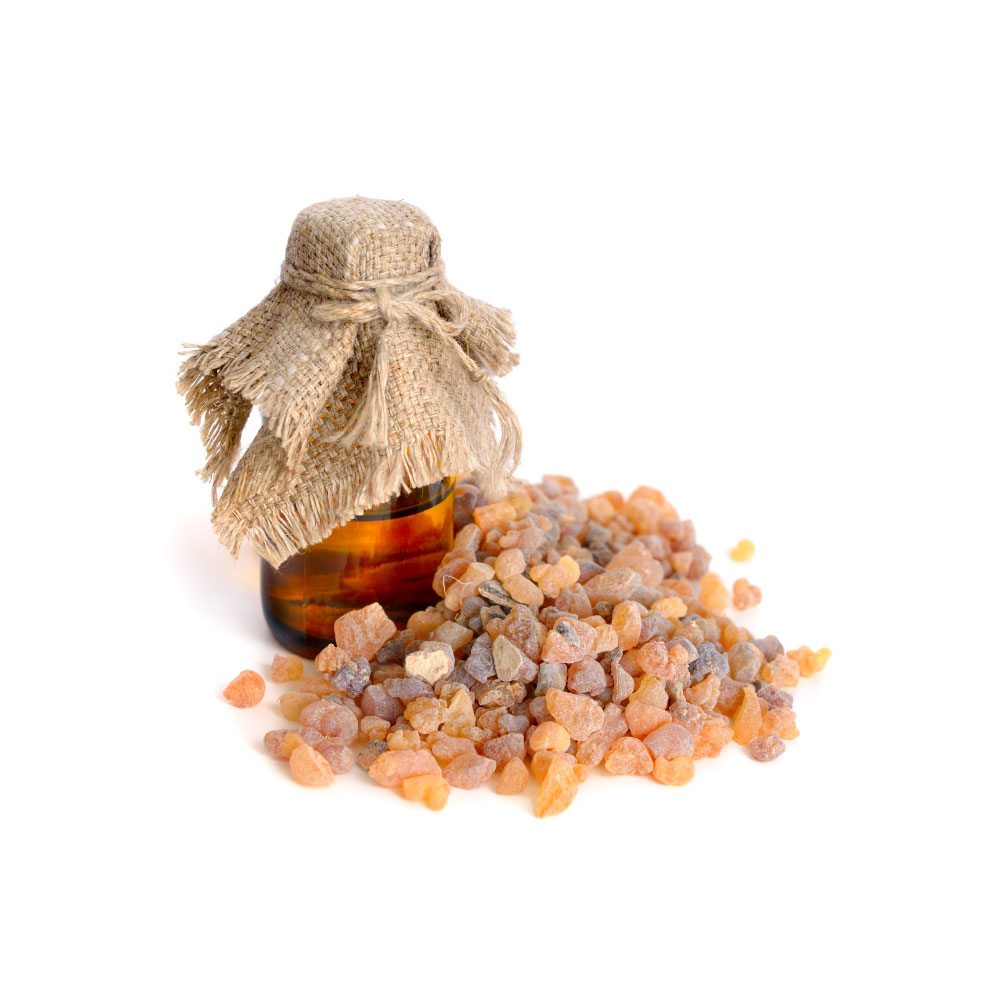
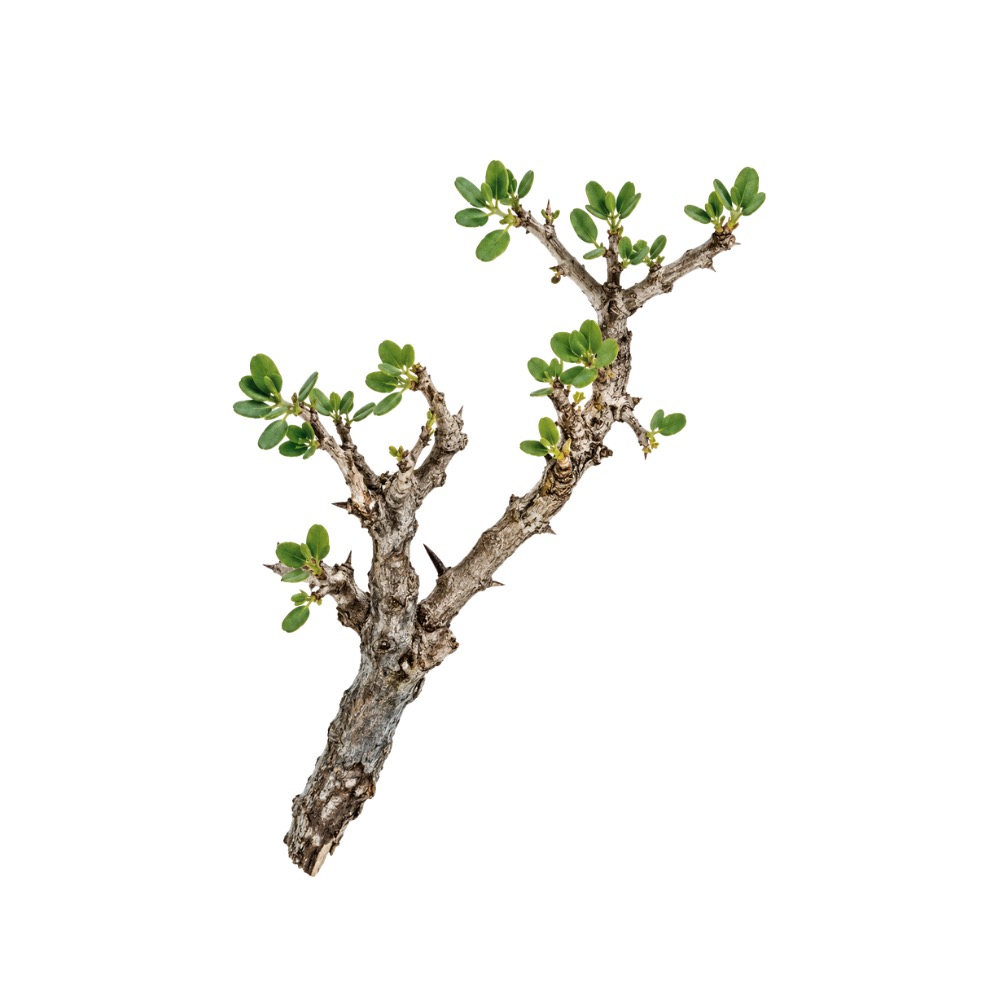
- boswellia
-
Demulcents
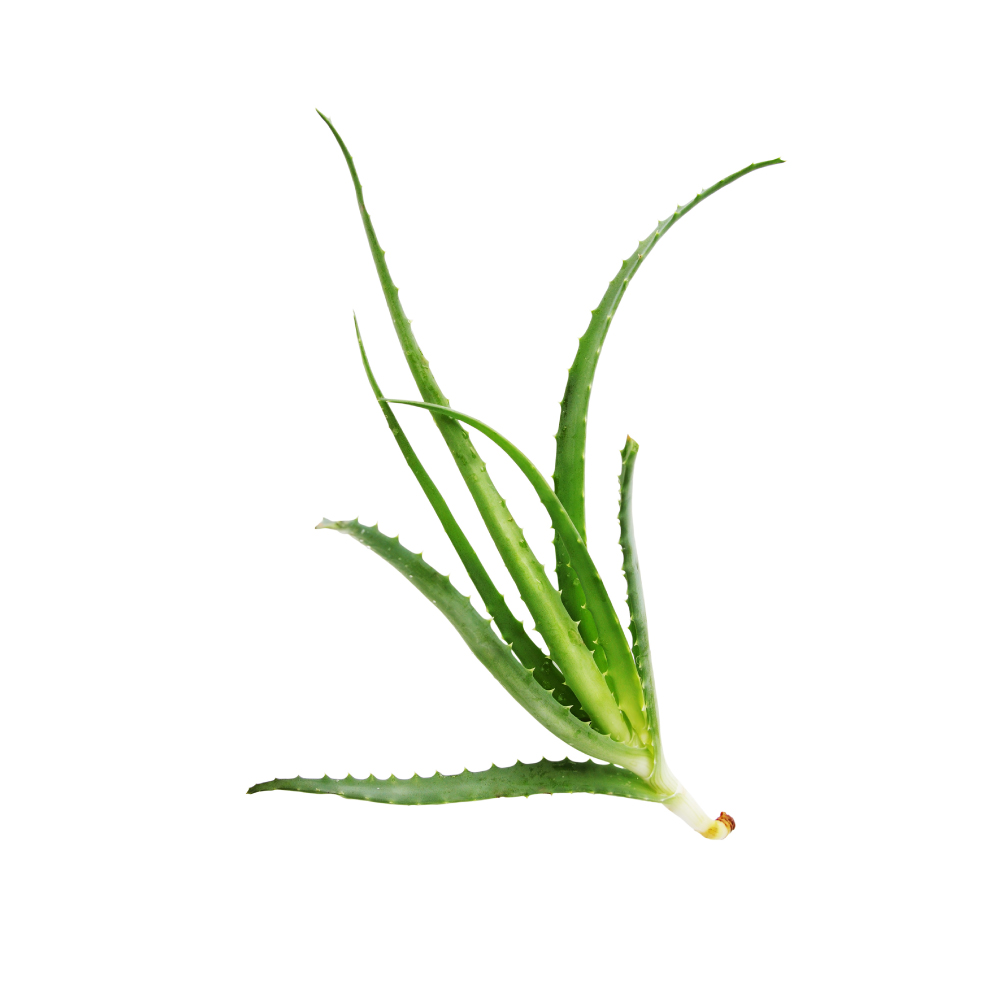
- aloe
- linum
- trigonella
-
hepatics
- cynara
- silybum
- berberis
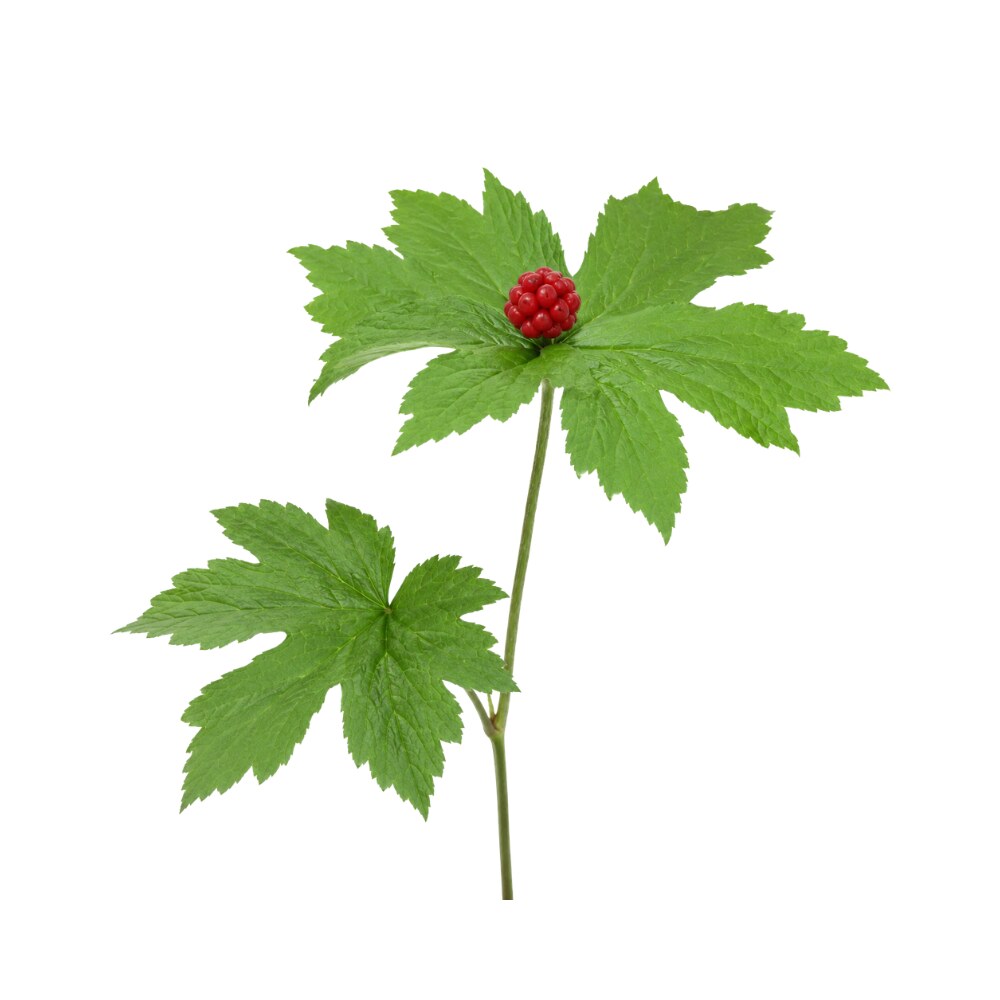
- hydrastis
- berberis
The Herbs
Materia Medica (8)
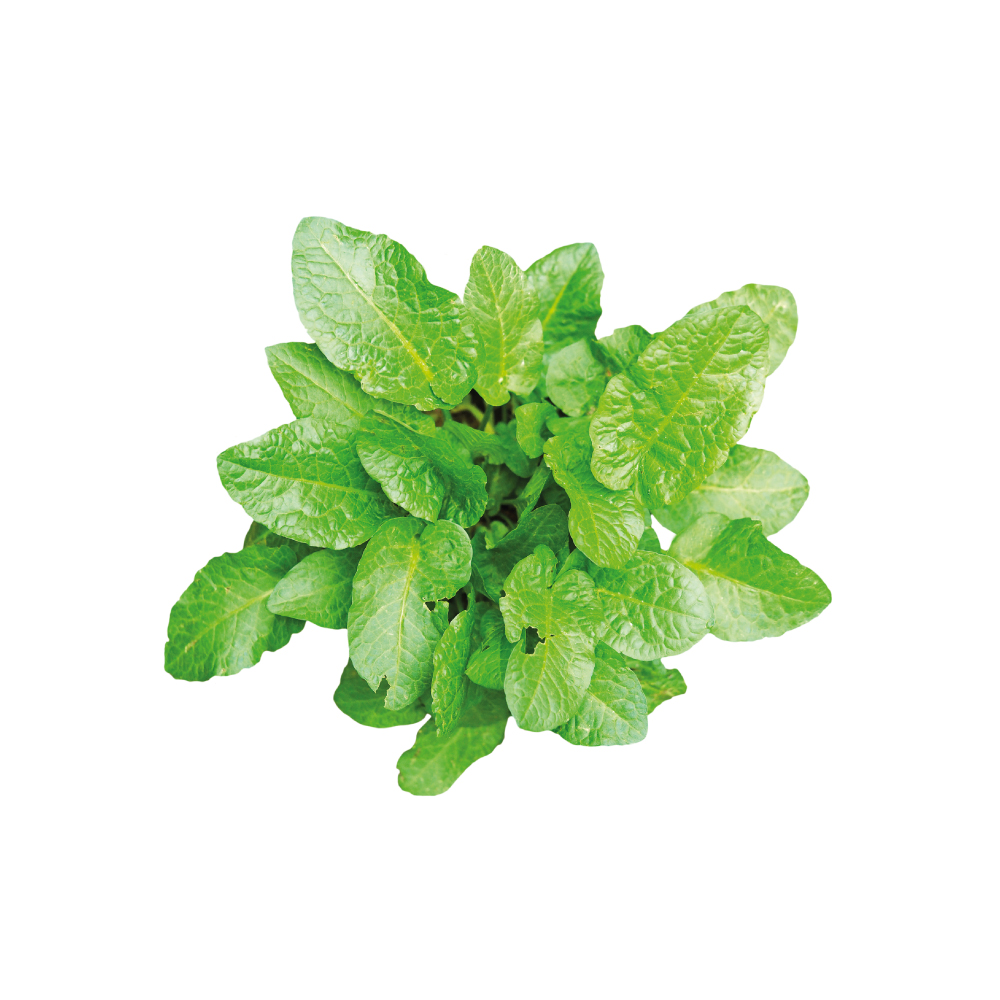
Herbs traditionally or clinically used for inflammatory bowel disease (ibd).



Supplementation
Supplementation (4)
Supplements, nutrients and compounds used for inflammatory bowel disease (ibd).
BPC-157
Body-protective peptide (pentadecapeptide)
A synthetic 15-amino-acid peptide studied in animals for gut, tendon, and soft-tissue repair.
Curcumin (turmeric extract)
Polyphenol (curcuminoid)
Curcumin is the bright-orange principal curcuminoid of turmeric — a genuine but notoriously poorly-absorbed anti-inflammatory with real randomized-trial signals in osteoarthritis and ulcerative colitis, and an equally real reputation as a chemically unstable pan-assay-interference compound whose in-vitro hits often do not translate.
KPV
α-MSH C-terminal tripeptide (Lys-Pro-Val)
The anti-inflammatory C-terminal tripeptide of α-MSH, with a replicated rodent anti-colitis effect and no human data by any route.
Probiotics (multi-strain)
Live microorganisms
Probiotics are live microorganisms taken to support the gut microbiome and digestion; benefits are strain-specific, not a general "probiotic" class effect.
References:
- Roberts-Thomson, I. C., Fon, J., Uylaki, W., Cummins, A. G., & Barry, S. (2011). Cells, cytokines and inflammatory bowel disease: a clinical perspective. Expert review of gastroenterology & hepatology, 5(6), 703-716.
- Deem, R. L., Shanahan, F., & Targan, S. R. (1991). Triggered human mucosal T cells release tumor necrosis factor‐alpha and interferon‐gamma which kill human colonic epithelial cells. Clinical & Experimental Immunology, 83(1), 79-84.
- Doukas, J., & Pober, J. S. (1990). IFN-gamma enhances endothelial activation induced by tumor necrosis factor but not IL-1. The Journal of Immunology, 145(6), 1727-1733.
- Gross, V., Andus, T., Cesar, I., Roth, M., & Schölmerich, J. (1992). Evidence for continuous stimulation of interleukin-6 production in Crohn’s disease. Gastroenterology, 102(2), 514-519.
- Hanauer, S. B. (2006). Inflammatory bowel disease: epidemiology, pathogenesis, and therapeutic opportunities. Inflammatory bowel diseases, 12(suppl_1), S3-S9.
- Kühl, A. A., Erben, U., Kredel, L. I., & Siegmund, B. (2015). Diversity of intestinal macrophages in inflammatory bowel diseases. Frontiers in immunology, 6, 613.
- Moore, K. L., Esmon, C. T., & Esmon, N. L. (1989). Tumor necrosis factor leads to the internalization and degradation of thrombomodulin from the surface of bovine aortic endothelial cells in culture. Blood, 73(1), 159-165.
- Murch, S. H., Braegger, C. P., Walker-Smith, J. A., & MacDonald, T. T. (1993). Location of tumor necrosis factor alpha by immunohistochemistry in chronic inflammatory bowel disease. Gut, 34(12), 1705-1709.
- Sandborn, W. J., & Hanauer, S. B. (1999). Antitumor necrosis factor therapy for inflammatory bowel disease: a review of agents, pharmacology, clinical results, and safety. Inflammatory bowel diseases, 5(2), 119-133.
- Wakefield, A. J., Dhillon, A. P., Rowles, P. M., Sawyerr, A. M., Pittilo, R. M., Lewis, A. A. M., & Pounder, R. E. (1989). Pathogenesis of Crohn’s disease: multifocal gastrointestinal infarction. The Lancet, 334(8671), 1057-1062.