
Condition
Candidiasis
Candidiasis — thrush, vaginal and invasive Candida infection. What the real diagnoses are, why 'systemic candida overgrowth' is not one of them, and the narrow evidence behind the antifungal herbs.

Candidiasis is infection with a yeast of the genus Candida — most often Candida albicans. The organism is a normal resident of the mouth, gut and vagina in healthy people, and it causes disease only when something lets it overgrow or invade: antibiotics clearing competing bacteria, immunosuppression, diabetes, dentures, steroid inhalers, or a breach in a barrier.
Candidiasis is also two different things. It is a set of real, diagnosable infections, and it is one of the most over-diagnosed ideas in alternative medicine. Telling them apart matters more than the choice of any herb.
Presentation
Types & Variants
The genuine clinical entities are localised, visible and confirmable:
- Oral candidiasis (thrush) — white plaques on the tongue, palate and inner cheeks that scrape off leaving a raw base. Common in infants, denture wearers, inhaled-steroid users, and the immunosuppressed. Unexplained oral thrush in a previously healthy adult warrants investigation for an underlying cause.
- Vulvovaginal candidiasis — thick white discharge, itch and soreness. Extremely common; roughly three-quarters of women experience at least one episode. Recurrent disease is defined as four or more episodes a year and is managed differently.
- Cutaneous and intertriginous candidiasis — moist skin folds, nappy rash, and Candida paronychia around the nail.
- Oesophageal candidiasis — painful swallowing. An AIDS-defining illness, and always a marker of significant immunosuppression.
- Invasive / systemic candidiasis (candidaemia) — the organism in the bloodstream and organs. A serious hospital-acquired infection of the critically ill, the neutropenic, and those with central venous lines. Mortality is high and treatment is intravenous antifungals.
Antifungal resistance is now a real issue, and Candida auris in particular is a multidrug-resistant, hospital-transmitted species that public-health agencies track as an urgent threat.
”Candida Overgrowth” — What the Evidence Actually Supports
A great deal of what is written about candida online refers to a proposed syndrome in which intestinal yeast overgrowth causes fatigue, brain fog, bloating, headaches, mood symptoms, joint pain and food sensitivity in otherwise healthy people — diagnosed by questionnaire, saliva-in-a-glass tests, or stool yeast counts, and treated with long antifungal and dietary regimens.
This is not a recognised diagnosis, and the tests used to make it do not work. Candida is a normal gut and mouth commensal, so finding it in stool or saliva is expected rather than diagnostic. The “spit test” has no validity of any kind. The symptom list is broad and non-specific enough to fit almost anyone.
The symptom cluster is real even when the explanation is wrong. Fatigue, bloating and brain fog have causes worth finding — coeliac disease, IBS, SIBO, thyroid disease, anaemia, sleep disorders, depression — and time spent on an antifungal protocol is time not spent identifying one of them.
The genuine, evidence-supported version of the concern is narrower: mucosal candidiasis is real, common, and confirmable, and disturbances of the gut microbiome after antibiotics are also real. Neither supports the syndrome as usually described.
Overview
General Pathology
Candida albicans is dimorphic — it grows as a rounded budding yeast, and switches to an invasive filamentous hypha that penetrates epithelium. That yeast-to-hypha switch is the central virulence event, and several antifungal herbs act on it.
Its second major weapon is the biofilm: a structured community encased in a self-made polysaccharide matrix, formed readily on catheters, dentures and prosthetic material. Biofilm cells are dramatically less susceptible to antifungal drugs than free-floating cells, which is why device-associated infection is so hard to clear. A compound that breaks up biofilm can matter more than one that only slows growth.
Risk factors are consistent across all forms: recent broad-spectrum antibiotics, corticosteroids (inhaled for oral, systemic for other sites), poorly controlled diabetes, immunosuppression and HIV, pregnancy, dentures, and indwelling lines.
Seek medical care for suspected oesophageal or invasive candidiasis, for oral thrush in an adult with no obvious cause, for recurrent vaginal candidiasis, and for any candidiasis in someone immunosuppressed. Effective antifungal drugs exist, and diagnosis matters because the symptoms overlap with other infections that need different treatment.
Materia Medica
Materia Medica
The herbs used for candidiasis rest on one adjunct trial and a large body of laboratory work. Activity against a yeast in a dish is common, easy to demonstrate, and a poor predictor of clinical effect.
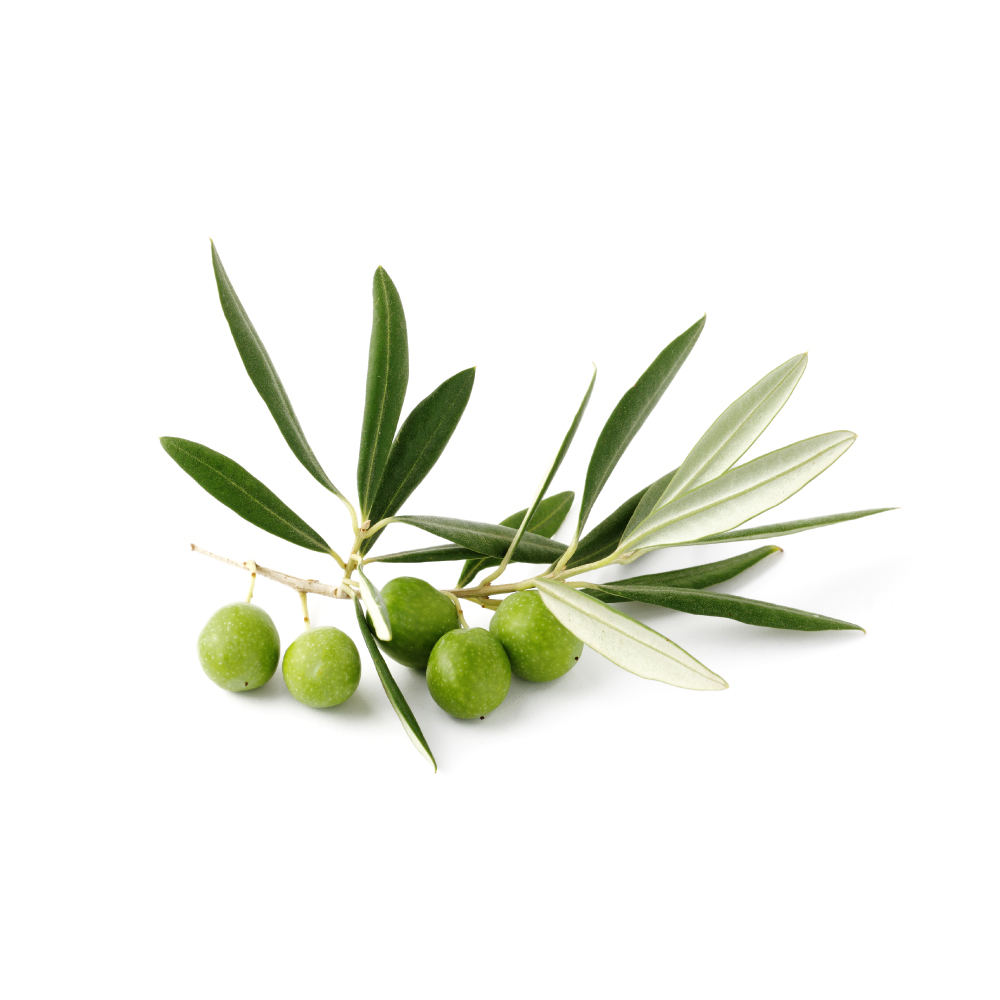 Olive LeafOlea europaeaModerate
Olive leaf is the one candidiasis herb with a human trial. A 2025 randomised controlled trial found the extract beneficial as an adjunct to standard antifungal therapy in Candida-related oral disease 1Reference 1RCTBeneficial effect of olive leaf extract as an adjunct to standard antifungal therapy in treating Candida-related oral diseases — randomised controlled trialView study →. It was added to an antifungal, not used instead of one, and applied in the mouth, where it touches the lesion directly.
The laboratory data are weak. Minimum inhibitory concentrations against C. albicans and C. dubliniensis run to tens of milligrams per millilitre 2Reference 2In vitroOlive leaf extract activity against Candida albicans and C. dubliniensis — in vitro viability studyView study →, too high for a systemic effect from oral dosing to be likely.
Olive leaf phenolics also potentiate ampicillin against bacteria 3Reference 3In vitroPlant phenols as antibiotic boosters: in vitro interaction of olive leaf phenols with ampicillin — in vitroView study →, which points to a wider role alongside antimicrobial drugs.
Full monographBarbatimãoStryphnodendron adstringensPreclinical
Proanthocyanidin polymeric tannins from barbatimão bark inhibited both free-floating and biofilm cells of C. albicans and non-albicans species — including fluconazole-resistant isolates. A topical gel reduced fungal burden in mice with vaginal candidiasis 4Reference 4In vitroProanthocyanidin polymeric tannins from Stryphnodendron adstringens are effective against Candida spp. isolates and for vaginal candidiasis treatment — in vitro and mouse modelView study →, the only animal confirmation among the antifungal herbs.
The gel worked against resistant strains and against biofilm, in a topical form close to how the bark is traditionally used. There is no human trial, and the tested material was a purified tannin fraction, not a bark decoction.
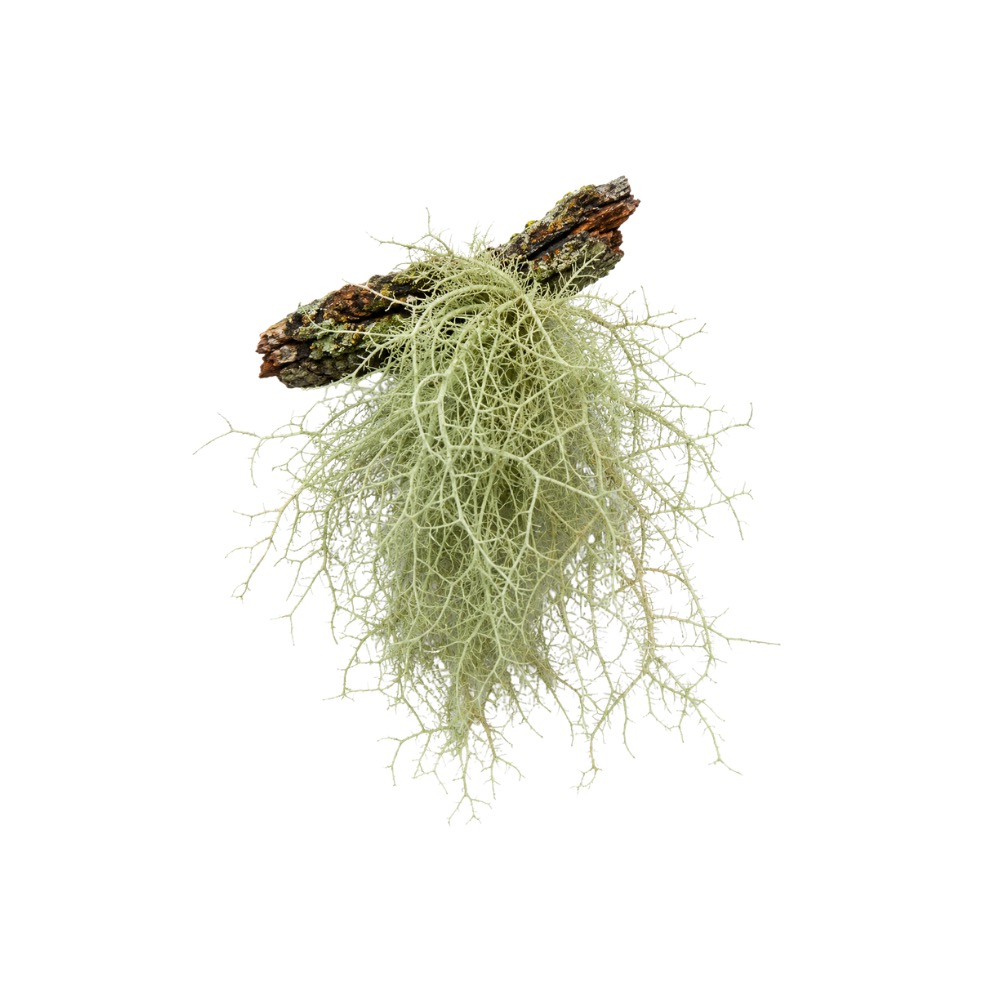 UsneaUsnea spp.Preclinical
Usnea acts on Candida’s virulence rather than its growth. Usnic acid inhibited C. albicans biofilm formation by around 65%, blocked the yeast-to-hypha switch, thinned mature biofilms and reduced the exopolysaccharide matrix 5Reference 5In vitroUsnic acid inhibits biofilm formation and virulent morphological traits of Candida albicans — in vitroView study →; it is also active against C. orthopsilosis and C. parapsilosis 6Reference 6In vitroEffect of usnic acid on Candida orthopsilosis and C. parapsilosis — in vitroView study →. Hyphal switching and biofilm are the two things that make Candida pathogenic and drug-tolerant, so they make a better target than simple killing. None of this has yet been tested in an animal or a person.
The liver injuries on record involved isolated usnic acid concentrated into weight-loss products, not the traditional tincture or wash of the whole lichen — a dose and a preparation apart. Usnea’s antifungal use is topical, which is also where the tradition sits.
Full monograph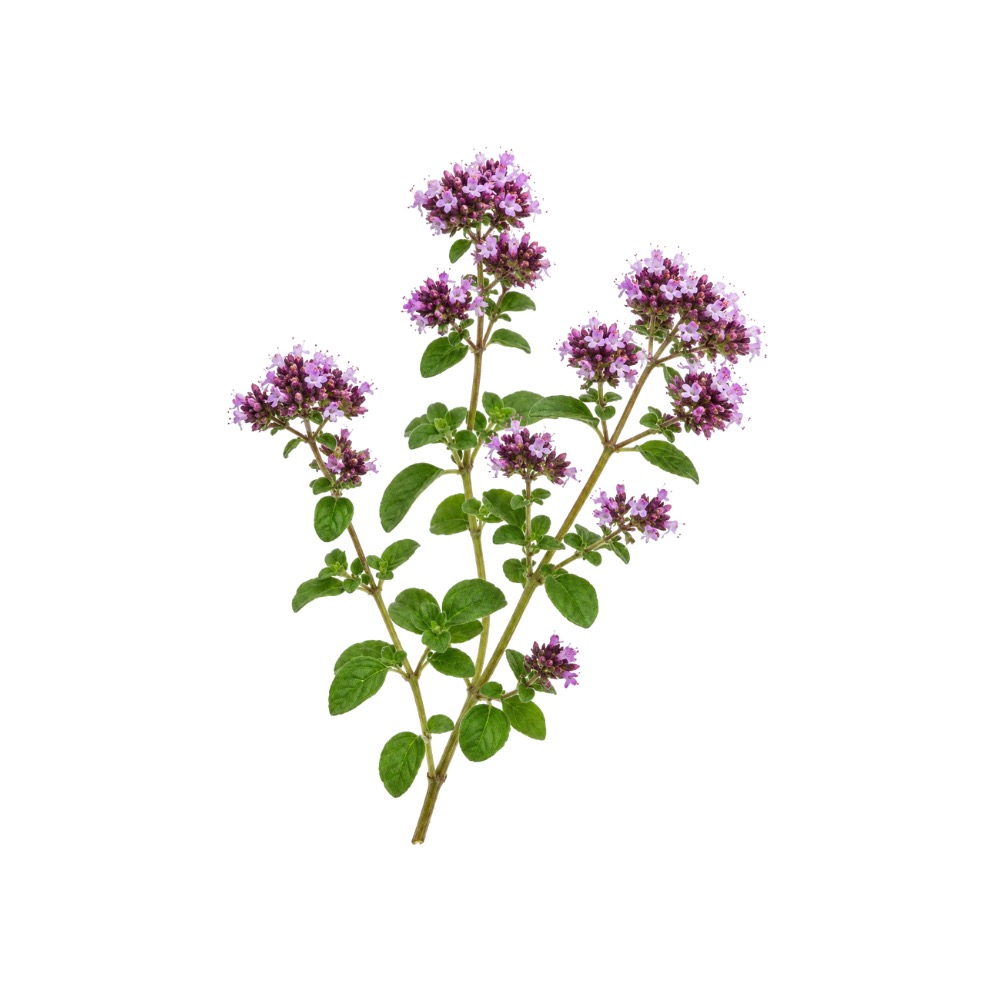 OreganoOriganum vulgarePreclinical
Oregano oil is the most popular “natural antifungal”, and its laboratory record is consistent. A PRISMA systematic review of Origanum essential oils found O. vulgare the best-studied species with reliable activity against Candida and other pathogenic fungi 7Reference 7Systematic reviewOriganum essential oil and antifungal activity — systematic reviewView study →, and mechanistic work shows the oil and carvacrol suppress Malassezia virulence factors 8Reference 8In vitroModulatory effect of Origanum vulgare essential oil and carvacrol on Malassezia spp. virulence factors — in vitroView study →. There are no controlled human trials of oral oregano for candidiasis, and the antifungal concentrations exceed anything achievable from dietary or normal supplemental intake. Oregano oil is taken diluted — undiluted essential oil is an irritant to mucous membranes, as most concentrated volatile oils are.
Full monograph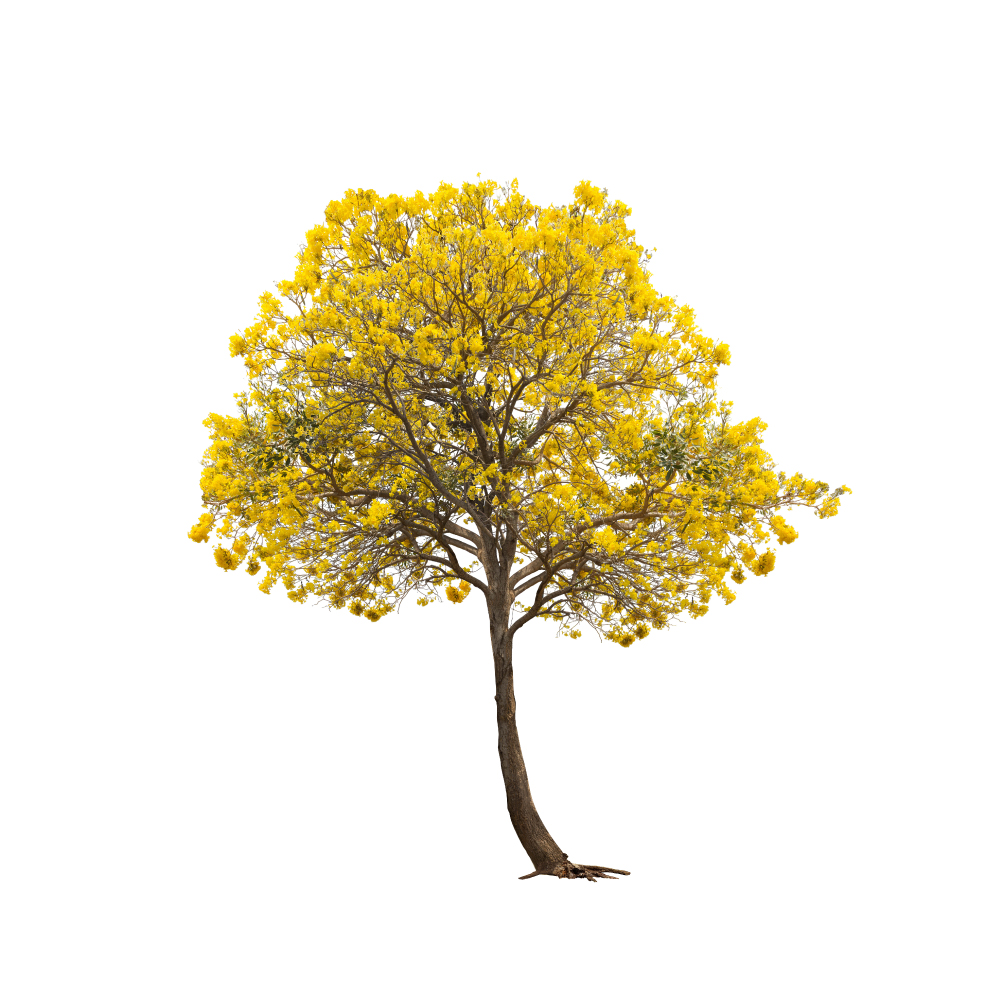 Pau d’ArcoTabebuia impetiginosaPreclinical
Candida is pau d’arco’s best-known folk application — taheebo tea taken for three to four weeks — and the in-vitro data are consistent: Tabebuia extracts inhibit C. albicans and multiple non-albicans species, plus Cryptococcus, Aspergillus and dermatophytes 9,
The activity also tracks the naphthoquinones, which a simple water infusion may extract poorly, so even the traditional tea may not deliver the active fraction. The toxicity data that circulate for pau d’arco come from isolated lapachol given at pharmacological doses, not from the bark decoction.
Full monograph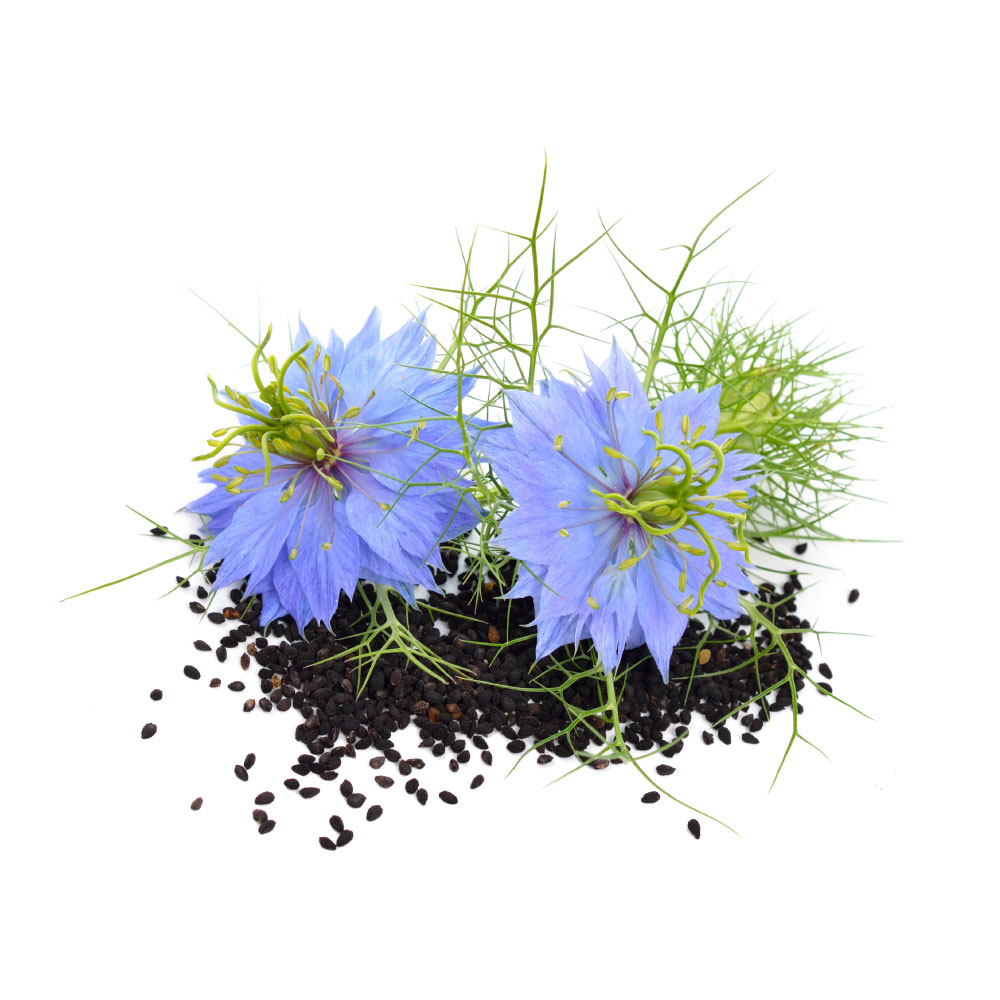 NigellaNigella sativaPreclinical
Black seed has genuine human antimicrobial evidence — but it is for Helicobacter pylori, not Candida. Its antifungal activity, against Candida and dermatophytes, is documented mainly in vitro and has no controlled clinical confirmation 12Reference 12ReviewPreclinical and clinical effects of Nigella sativa and its constituent thymoquinone — reviewView study →.
Full monograph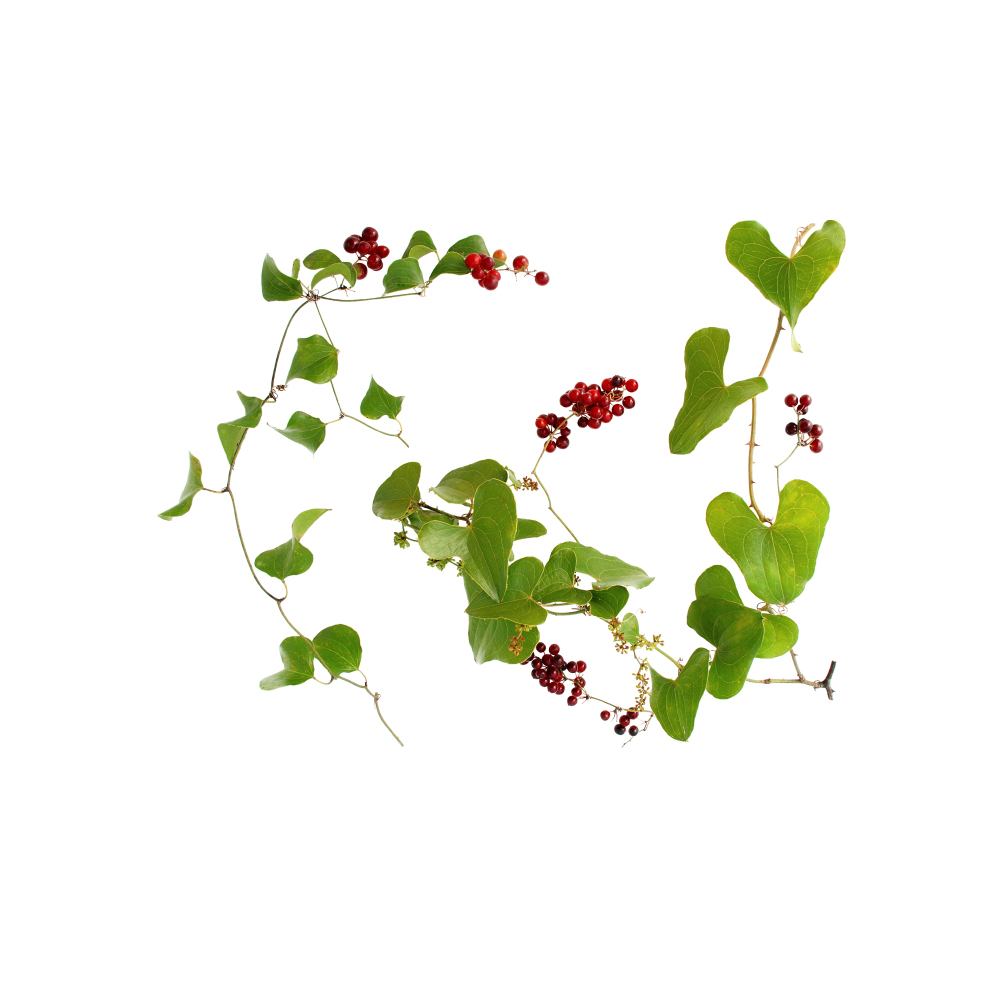 SarsaparillaSmilax spp.Preclinical
A phytochemical survey of S. glabra rhizome isolated 63 phenolic compounds and found activity against gram-positive bacteria and C. albicans 13Reference 13In vitroChemical constituents from the rhizomes of Smilax glabra and their antimicrobial activity — in vitroView study →. This is an incidental finding inside a broad antimicrobial screen rather than a dedicated antifungal investigation, and there is no in-vivo confirmation. Sarsaparilla’s better-supported directions lie elsewhere.
Full monograph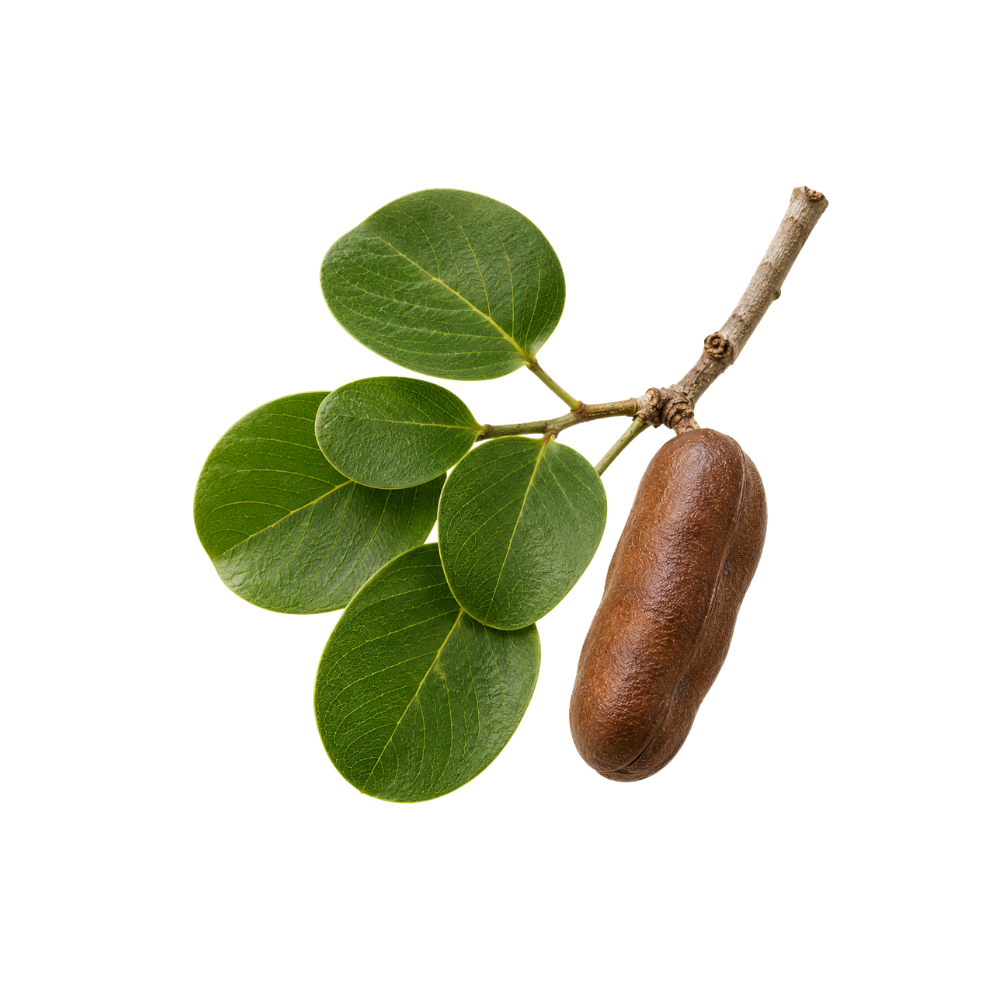 JatobáHymenaea courbarilTraditional only
Traditionally used across Amazonia for fungal infections and “Candida overgrowth”, usually alongside its main urinary indications. The measured antifungal data do not cover Candida: the best work is on the fresh xylem sap and its constituent fisetin against the Cryptococcus neoformans complex and dermatophytes 14Reference 14In vitroAntifungal and cytotoxicity activities of the fresh xylem sap of Hymenaea courbaril L. and its major constituent fisetin — in vitroView study → — different organisms, and a different plant part from the bark that is traditionally sold. The Candida claim rests on tradition alone.
Full monographSupplementation
Supplementation
Probiotics are the most studied non-drug approach, chiefly Lactobacillus species for vulvovaginal candidiasis, where trials suggest a modest role in reducing recurrence alongside antifungal treatment rather than replacing it. Evidence for preventing oral or gut candidiasis in healthy people is weaker.
On antifungal diets: the elaborate anti-candida diets — eliminating sugar, yeast, fermented foods, vinegar and fruit for months — have no trial evidence behind them for the proposed overgrowth syndrome. Reducing free sugars is reasonable general advice, and glycaemic control genuinely does matter in diabetes-associated candidiasis, which is a different and evidence-based point.
For anyone immunosuppressed, or with suspected oesophageal or invasive disease, probiotics and diet are no substitute for prescription antifungals.
References
- Kinkela Devčić, M., et al. (2025). Beneficial effect of olive leaf extract as an adjunct to standard antifungal therapy in treating Candida-related oral diseases — randomised controlled trial. International Journal of Molecular Sciences. https://pubmed.ncbi.nlm.nih.gov/40943119/
- Zorić, N., et al. (2016). Olive leaf extract activity against Candida albicans and C. dubliniensis — in vitro viability study. Acta Pharmaceutica. https://pubmed.ncbi.nlm.nih.gov/27383889/
- Lim, A., et al. (2016). Plant phenols as antibiotic boosters: in vitro interaction of olive leaf phenols with ampicillin — in vitro. Phytotherapy Research. https://pubmed.ncbi.nlm.nih.gov/26931616/
- de Freitas, A. L. D., Kaplum, V., Rossi, D. C. P., et al. (2018). Proanthocyanidin polymeric tannins from Stryphnodendron adstringens are effective against Candida spp. isolates and for vaginal candidiasis treatment — in vitro and mouse model. Journal of Ethnopharmacology. https://pubmed.ncbi.nlm.nih.gov/29325916/
- Nithyanand, P., et al. (2015). Usnic acid inhibits biofilm formation and virulent morphological traits of Candida albicans — in vitro. Microbiological Research. https://pubmed.ncbi.nlm.nih.gov/26411891/
- Pires, R. H., et al. (2012). Effect of usnic acid on Candida orthopsilosis and C. parapsilosis — in vitro. Antimicrobial Agents and Chemotherapy. https://pubmed.ncbi.nlm.nih.gov/22006006/
- Mezzomo, L., et al. (2025). Origanum essential oil and antifungal activity — systematic review. Chemistry & Biodiversity. https://pubmed.ncbi.nlm.nih.gov/39948037/
- Angiolella, L., et al. (2023). Modulatory effect of Origanum vulgare essential oil and carvacrol on Malassezia spp. virulence factors — in vitro. Medical Mycology. https://pubmed.ncbi.nlm.nih.gov/36958865/
- Portillo, A., Vila, R., Freixa, B., Adzet, T., & Cañigueral, S. (2001). Antifungal activity of Paraguayan plants used in traditional medicine — in vitro. Journal of Ethnopharmacology. https://pubmed.ncbi.nlm.nih.gov/11378288/
- Silva, E., Melo, F., De Paula, J. E., & Espindola, L. S. (2009). Evaluation of the antifungal potential of Brazilian Cerrado medicinal plants — in vitro. Mycoses. https://pubmed.ncbi.nlm.nih.gov/19207849/
- Höfling, J. F., Anibal, P. C., Obando-Pereda, G. A., et al. (2010). Antimicrobial potential of some plant extracts against Candida species — in vitro. Brazilian Journal of Biology. https://pubmed.ncbi.nlm.nih.gov/21180915/
- Gholamnezhad, Z., Havakhah, S., et al. (2016). Preclinical and clinical effects of Nigella sativa and its constituent thymoquinone — review. Journal of Ethnopharmacology. https://pubmed.ncbi.nlm.nih.gov/27364039/
- Xu, S., et al. (2013). Chemical constituents from the rhizomes of Smilax glabra and their antimicrobial activity — in vitro. Molecules. https://pubmed.ncbi.nlm.nih.gov/23698042/
- da Costa, M. P., Bozinis, M. C., Andrade, W. M., et al. (2014). Antifungal and cytotoxicity activities of the fresh xylem sap of Hymenaea courbaril L. and its major constituent fisetin — in vitro. BMC Complementary and Alternative Medicine. https://pubmed.ncbi.nlm.nih.gov/25027026/