

Overview
Immune at a Glance
The immune system is the body’s defence network: the barrier tissues, white cells, and lymphoid organs that identify and clear what does not belong.
The immune system is often discussed as though it can simply be strengthened or “boosted.”
It is more complicated than that.
Immune activity can be stimulated, restrained, or modulated, and the appropriate direction depends entirely on what is happening.
Some herbs appear to stimulate innate immune activity, making them most relevant during the early stages of an acute infection. Echinacea is the classic example.
Others are used to reduce excessive immune activity, which is more relevant to inflammatory, allergic, and autoimmune conditions.
A third group are described as immunomodulators. Rather than simply increasing immune activity, these herbs appear to influence immune signalling and regulation more broadly. Medicinal mushrooms such as reishi are commonly placed in this category, along with herbs such as astragalus.
This distinction matters because more immune activity is not always desirable. A person with recurrent respiratory infections and a person with rheumatoid arthritis may both be described as having an “immune problem,” but they require very different strategies.
There is also an important distinction between herbs that act on the host response and those that act directly against a pathogen.
Echinacea, astragalus, and medicinal mushrooms are primarily discussed for their effects on immune function. Other herbs may be useful during infection because they are antibacterial, antiviral, expectorant, diaphoretic, or otherwise help manage the infection without meaningfully “boosting” immunity at all.
Much of the clinical research on immune herbs focuses on upper respiratory infections such as the common cold. The effects, where present, tend to be modest — shortening an illness somewhat, reducing symptom severity, or reducing the number of respiratory infections over a season.
Evidence for individual herbs remains mixed. Echinacea has produced both positive and negative clinical trials, while elderberry has shown encouraging results in some studies without demonstrating consistent benefit across all settings.
Caution
Herbs that stimulate immune activity may be inappropriate in autoimmune disease, following organ transplantation, or alongside immunosuppressant medication. Fever above 39 °C, breathlessness, confusion, a non-blanching rash, or an infection that continues to worsen warrants medical assessment.
The Traditional View
How Herbalists Read the Immune System
Traditional herbal medicine developed its approach to infection long before the modern immune system was understood.
Rather than treating “immunity” as one thing, herbalists tended to distinguish between the acute response to illness and the deeper constitutional factors that influence how often someone becomes sick and how well they recover.
The first group could be thought of as acute immune herbs.
Echinacea, elderflower, yarrow, and warming diaphoretics were traditionally used at the beginning of an infection — particularly with chills, fever, aching, congestion, and the first signs that an illness was developing.
Many of these herbs were taken warm and repeated frequently throughout the day.
The purpose was not necessarily to suppress the fever or eliminate every symptom. In many traditional systems, fever and sweating were understood as part of the body’s attempt to resolve the illness, and treatment was aimed at supporting that response.
Modern herbal practice still uses many of these herbs in much the same way: early, frequently, and for a relatively short period of time.
The second group are the immune tonics.
Astragalus, reishi, cordyceps, codonopsis, and eleuthero are generally used between illnesses rather than at the height of an acute infection. They are taken over weeks or months with the aim of improving resistance, recovery, and overall resilience.
This approach is especially prominent in Chinese herbal medicine.
The concept of wei qi describes the defensive aspect of qi associated with the body’s surface and its resistance to external pathogens. Astragalus is one of the classic herbs used to strengthen it and remains one of the most important long-term immune tonics in Western herbal practice as well.
Around these two strategies sit several other herbal actions.
Lymphatics are used to support lymphatic movement, particularly where swollen glands, sluggish lymphatic drainage, or persistent low-grade inflammation are present.
Alteratives are used more slowly in chronic inflammatory, skin, lymphatic, and immune conditions where the problem is less an acute infection than a poorly resolving underlying state.
Taken together, these traditions point to a more useful way of thinking about immune herbs.
The question is rarely simply “How do we increase immunity?”
It is what part of the immune response needs support, when, and in which direction?
Key Herbal Actions
What the Herbs Do Here
The actions most often called on here, each linking through to the herbs that carry it:
Immunomodulator
Steadies immune function in either direction rather than simply raising it; the best-supported and the most over-used word in the category.
Immunostimulant
Provokes an early innate response; the acute cold herbs, and the group that needs the most care in autoimmune disease.
Antiviral
Acts against viral entry or replication; almost entirely a laboratory action rather than a clinical one.
Antibacterial & Antimicrobial
Act directly on the organism, and the infectious conditions carry that work in full.
Anti-Inflammatory
Restrains the inflammatory arm; the mechanism behind the autoimmune and allergy herbs.
Adaptogen
Buffers the stress axis, which is one of the few well-evidenced routes by which a herb can plausibly affect immunity at all.
Alterative
The traditional slow-acting “blood cleanser” category, used for chronic immune and skin disorder.
Diaphoretic
Promotes sweating and supports the febrile response in acute infection.
Antioxidant
The shared mechanistic backbone of the polyphenol-rich herbs.
Mechanisms
How It Works
Herbs used for immunity can be pulling in opposite directions, one activating macrophages within hours, another suppressing the same cells’ cytokine output over weeks. Almost all of them act at one of eight points.
01
Polysaccharides and the Pattern-Recognition Receptors
Large branched sugars from fungi and tonic roots are read by the innate immune system as microbial material.
β-glucans from reishi, chaga, and cordyceps, astragalus polysaccharide, and the inulin-type fructans of codonopsis bind dectin-1 and Toll-like receptors 2 and 4, because they resemble fungal and bacterial cell wall. Binding activates macrophages and dendritic cells and shifts cytokine output.
Chaga polysaccharides act as direct TLR agonists and drive macrophage anti-cancer activity in vitro 38Reference 38In vitroFungal polysaccharides from Inonotus obliquus are agonists for Toll-like receptors and induce macrophage anti-cancer activity — in vitroView study →, astragalus polysaccharide has an extensive immunomodulatory literature 28Reference 28ReviewAstragalus polysaccharide: a review of its immunomodulatory effectView study →, and codonopsis inulin restores immune function in chemically immunosuppressed mice 39,
The fungal wing is the best-resolved part of it, and the differences between the mushrooms are real rather than branding. Turkey tail’s protein-bound β-glucans mature dendritic cells and shift the Th1/Th2 balance, raising NK and cytotoxic T-cell activity 98Reference 98ReviewBiological mechanism and clinical effect of protein-bound polysaccharide K (KRESTIN) — reviewView study →.
Maitake’s β-(1→3),(1→6)-glucans engage dectin-1, complement receptor 3, and TLR2 together 99Reference 99AnimalOral administration of soluble β-glucans extracted from Grifola frondosa induces a systemic antitumour immune response and decreases immunosuppression in tumour-bearing mice — mouse in vivoView study →. Shiitake’s lentinan works the same receptors and, at an ordinary food dose, raised mucosal secretory IgA and lowered C-reactive protein in healthy adults 100Reference 100RCTConsuming Lentinula edodes (shiitake) mushrooms daily improves human immunity — randomised dietary intervention in healthy young adultsView study →.
Poria’s pachyman, roughly 84% of the sclerotium by weight, signals through TLR4, TRAF6, and NF-κB 101Reference 101In vitroImmunomodulatory effects exerted by Poria cocos polysaccharides via TLR4/TRAF6/NF-κB signalling — in vitro and animal modelView study →, and a chemically modified form is an approved Chinese antitumour adjuvant 102Reference 102ReviewMolecular basis for Poria cocos mushroom polysaccharide used as an antitumour drug in China — reviewView study →.
Not every fungal immune actor is a polysaccharide. FIP-fve from enoki is a small fruiting-body protein that activates T cells and pushes responses toward Th1 and interferon-γ through p38 MAPK, calcium release, and PKC-α 103,
Wild indigo’s actives are the same kind of thing from the plant side, arabinogalactan-proteins that raise lymphocyte proliferation and macrophage output 106,
Delivery is the limit. These are very large molecules with poor oral absorption, so the plausible route is contact with gut-associated lymphoid tissue rather than systemic circulation, and a high-molecular-weight fraction has no marker molecule to standardise to.
Herbs: AstragalusChagaCodonopsisCordycepsEnokiMaitakePoriaReishiShiitakeTurkey TailWild Indigo
02
Macrophage, Neutrophil, and NK-Cell Activation
Direct activation of the cells that meet a pathogen first, which is the acute-response mechanism.
Echinacea’s alkylamides bind the CB2 cannabinoid receptor on immune cells and modulate macrophage cytokine output in cell models 93Reference 93In vitroModulation of macrophage immune responses by Echinacea — in vitroView study →.
Fireweed breaks the rule of thumb that polyphenols are anti-inflammatory. Its ellagitannin oenothein B triggers calcium flux, reactive-oxygen production, and chemotaxis in neutrophils and macrophages, recruits neutrophils in mice 108Reference 108In vitroImmunomodulatory activity of oenothein B isolated from Epilobium angustifolium — phagocyte activation in vitro and in miceView study →, and induces interferon-γ from NK and γδ T cells, which the common polyphenols do not 109Reference 109In vitroOenothein B, a cyclic dimeric ellagitannin from Epilobium angustifolium, enhances IFN-γ production by lymphocytes — in vitroView study →.
The same molecule carries the plant’s anti-inflammatory reputation, and two-directional pharmacology in one compound is the ordinary situation in immunology.
This is where the distance between mechanism and outcome is widest. A herb can activate a macrophage in a dish and still fail to shorten a cold in a blinded trial.
Herbs: EchinaceaFireweed
Key compounds: Oenothein B
03
Direct Action on the Organism
Interference with a virus or a bacterium rather than with the host response, almost all of it measured in cells.
Glycyrrhizin inhibits replication of the SARS-associated coronavirus 41Reference 41In vitroGlycyrrhizin, an active component of liquorice roots, and replication of SARS-associated coronavirus — in vitroView study → and the SARS-CoV-2 main protease 42Reference 42In vitroGlycyrrhizin effectively inhibits SARS-CoV-2 replication by inhibiting the viral main protease — in vitroView study →. Baicalein and baicalin from Chinese skullcap inhibit the SARS-CoV-2 3C-like protease 44Reference 44In vitroScutellaria baicalensis extract and baicalein inhibit replication of SARS-CoV-2 and its 3C-like protease — in vitroView study → and its RNA-dependent RNA polymerase 45Reference 45In vitroBaicalein and baicalin inhibit SARS-CoV-2 RNA-dependent RNA polymerase — in vitroView study →, and block influenza neuraminidase 46Reference 46In vitroBaicalein and Scutellaria baicalensis extracts inhibit the neuraminidase activity of pandemic 2009 H1N1 and seasonal influenza A viruses — in vitroView study →.
Houttuynia’s steam distillate is virucidal against herpes simplex, influenza, and HIV in vitro 48Reference 48In vitroVirucidal effects of the steam distillate from Houttuynia cordata and its components on HSV-1, influenza virus and HIV — in vitroView study →, isatis root polysaccharides inhibit influenza A and the TLR-3-mediated inflammation it provokes 51Reference 51In vitroRadix Isatidis polysaccharides inhibit influenza A virus and influenza A virus-induced inflammation via suppression of host TLR-3 signalling — in vitroView study →, and honeysuckle carries a plant microRNA, MIR2911, that survives decoction and targets influenza A genes directly 54Reference 54Honeysuckle-encoded atypical microRNA2911 directly targets influenza A virusesView study →.
The antibacterial version of the same idea has no immunology in it at all. Herb Robert’s extracts made gentamicin up to thirty-two times more effective against gentamicin-resistant E. coli and Staphylococcus aureus by permeabilising the bacterial membrane 97Reference 97In vitroA comprehensive study on Geranium robertianum L. antibacterial potential, including antibiotic potentiation — in vitroView study →.
These are specific molecular mechanisms, and almost none of them has a controlled human trial. Activity in a dish at a concentration blood never reaches is a laboratory finding rather than a treatment.
Herbs: Chinese SkullcapHerb RobertHoneysuckleHouttuyniaIsatisLicorice
Key compounds: GlycyrrhizinBaicaleinBaicalin
04
NF-κB Suppression
The inflammatory brake, and the mirror image of the mechanism above.
NF-κB is the master transcriptional switch for inflammatory cytokine production, and several herbs inhibit it directly. Cat’s claw suppresses NF-κB activation 64Reference 64In vitroAntiinflammatory actions of cat’s claw: the role of NF-κB — in vitro and animalView study → without killing the cell 65Reference 65In vitroAn extract of Uncaria tomentosa inhibiting cell division and NF-κB activity without inducing cell death — in vitroView study →, which is the distinction between an immunomodulator and a cytotoxin.
Boswellic acids inhibit TNF-α, IL-1β, and nitric oxide production in human peripheral blood mononuclear cells 67Reference 67In vitroPure compound from Boswellia serrata extract exhibits anti-inflammatory property in human PBMCs and mouse macrophages through inhibition of TNF-α, IL-1β, NO and MAP kinases — in vitro and animalView study →, and baicalin, licorice’s glycyrrhetinic acid, and the paeoniflorin fraction of white peony converge on the same node.
One endpoint in this group is more precise than cytokine suppression. In Hashimoto’s thyroiditis, a systematic review of eleven randomised trials of Prunella preparations added to standard treatment reported lower thyroid-peroxidase antibody titres alongside the clinical measures 110Reference 110Meta-analysisPreparations of Xiakucao (Prunella vulgaris) for Hashimoto’s thyroiditis — systematic review, meta-analysis and trial sequential analysisView study →, which is a far more specific claim than calming inflammation.
A herb doing this is suppressing immune activity, the opposite of what the shelf label usually promises.
Herbs: Cat’s ClawChinese SkullcapFrankincenseLicoriceSelf-HealWhite Peony
Key compounds: Boswellic AcidsBaicalinPaeoniflorin
05
5-Lipoxygenase and the Leukotriene Branch
Inhibition of the enzyme that converts arachidonic acid into the leukotrienes driving bronchoconstriction and eosinophil recruitment.
That is a different target from the COX pathway the NSAIDs hit, which is why frankincense has a bronchial asthma trial behind it 66Reference 66RCTEffects of Boswellia serrata gum resin in patients with bronchial asthma — double-blind, placebo-controlled, six-week clinical studyView study → rather than a general anti-inflammatory reputation. The active fraction is the boswellic acids, principally acetyl-11-keto-β-boswellic acid.
Butterbur reaches the same branch and takes it one step further into people. Its petasins inhibit 5-lipoxygenase and COX-2 in leukocytes, and an ex vivo study in allergic patients found reduced leukotriene levels in their own cells 111Reference 111ReviewPetasins in the treatment of allergic diseases: results of preclinical and clinical studies — review including ex vivo human leukotriene dataView study →.
In mice, the standardised extract Ze 339 suppressed Th2 responses, eosinophil recruitment, and airway hyperreactivity 112Reference 112AnimalPetasites extract Ze 339 inhibits allergen-induced Th2 responses, airway inflammation and airway hyperreactivity — mouse allergic-airway modelView study →.
That is allergic-pathway suppression rather than host-defence modulation. The raw butterbur plant carries hepatotoxic pyrrolizidine alkaloids, so all of it belongs to alkaloid-free standardised extracts.
Herbs: ButterburFrankincense
Key compounds: Boswellic AcidsPetasin
06
Histamine, Mast Cells, and the Allergic Axis
The allergy mechanism, and the one place where preclinical work and human trials point the same way.
An allergic reaction begins with the mast cell, a granule-packed sentinel sitting in skin, airway, and gut lining. Its granules are pre-loaded with histamine and its surface is studded with IgE antibodies, and when an allergen cross-links two of those antibodies the cell degranulates within seconds.
Histamine then acts on H1 receptors to produce vasodilation, leaking capillaries, itch, sneezing, and bronchoconstriction, and eosinophils arrive over the following hours to sustain the inflammation.
That chain offers four separate places to intervene. A mast-cell stabiliser raises the threshold for degranulation.
An H1 antagonist blocks the receptor after release, which is what a conventional antihistamine does. A herb can suppress histidine decarboxylase, the enzyme that manufactures histamine in the first place.
And an eosinophil-directed agent works at the late phase instead of the immediate one.
The distinction matters practically, because stabilising and enzyme-suppressing effects have to be in place before exposure while receptor blockade works after the fact.
Albizzia is the fullest worked example, stabilising mast cells so they degranulate less readily 80Reference 80In vitroComparative evaluation of successive extracts of leaf and stem bark of Albizzia lebbeck for mast cell stabilization activity — in vitroView study → and down-regulating transcription of both the H1 receptor and histidine decarboxylase 79Reference 79In vitroAlbizia lebbeck suppresses histamine signaling by the inhibition of histamine H1 receptor and histidine decarboxylase gene transcriptions — animal model and in vitroView study →. Chinese skullcap’s wogonin works the late phase, inducing apoptosis in the eosinophils that sustain allergic airway inflammation 83Reference 83In vitroWogonin induces eosinophil apoptosis and attenuates allergic airway inflammation — in vitro and mouse modelView study →.
Nigella’s thymoquinone is the mechanistic anchor for its allergic rhinitis and asthma trials.
Allergy is immune overactivity, so everything useful in this mechanism restrains it, which makes an immune stimulant the wrong direction entirely.
Herbs: AlbizziaChinese SkullcapNigella
Key compounds: WogoninThymoquinone
07
The Stress Axis
Buffering of the HPA axis, which is the least glamorous route here and arguably the most defensible.
Sustained cortisol elevation suppresses lymphocyte function and raises susceptibility to respiratory infection, so anything that steadies the stress response has a plausible indirect immune effect. This is the adaptogen route, taken by eleuthero, ashwagandha, and Asian ginseng, and the reason those herbs sit under immunity and the nervous system alike.
It is also the most likely account of what a deep immune tonic does over three months in a run-down person: not stimulating immunity, but removing something that was suppressing it.
08
Haematopoietic Support
Action on the marrow that produces immune cells rather than on the cells themselves.
Maitake β-glucan enhanced granulopoiesis and mobilised granulocytes in mice by raising G-CSF output and modulating the CXCR4/SDF-1 axis 113Reference 113AnimalMaitake β-glucan enhances granulopoiesis and mobilisation of granulocytes by increasing G-CSF production and modulating CXCR4/SDF-1 expression — mouse in vivoView study →, and reduced cisplatin-induced myelosuppression in the same species 114Reference 114AnimalMaitake β-glucan enhances therapeutic effect and reduces myelosuppression and nephrotoxicity of cisplatin — mouse in vivoView study →. That addresses the situation where the cells are not there to activate, which is what chemotherapy, radiotherapy, and marrow disease produce.
The human work stops at cell counts and function. A phase II study in myelodysplastic syndrome improved neutrophil and monocyte function without a clear clinical benefit 115Reference 115Clinical trialMaitake mushroom extract in myelodysplastic syndromes — phase II clinical trialView study →.
Raising white-cell production is the one immune claim that would help a person who has too few of them, and it rests on the least human evidence of any mechanism here.
Herbs: Maitake
Key compounds: β-Glucans
The Herbs
Materia Medica
The immune herbs, grouped by use and ordered within each group by the strength of the evidence.
Astragalus, reishi, cat’s claw, and Chinese skullcap appear twice, each carrying a second body of evidence.
Colds & Upper Respiratory Infection
11 herbsThe best-populated group and the most contradictory. Almost all of it concerns a self-limiting illness measured by symptom diary, the effect sizes run to about a day of duration or a modest change in episode frequency, and the same herb often has both a positive meta-analysis and a convincingly null trial.
Timing is the recurring practical theme. Nearly every positive treatment result comes from starting within the first day of symptoms.
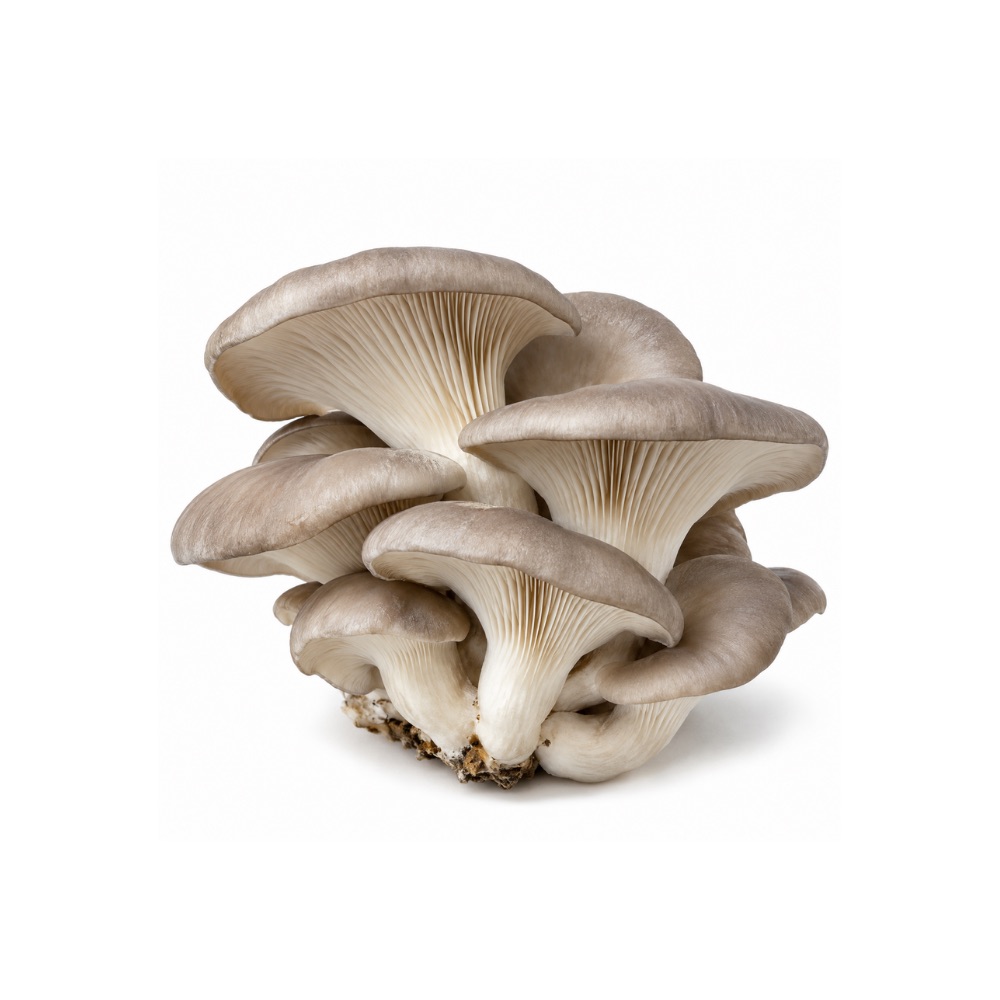 StrongStrongOyster MushroomPleurotus ostreatusThe best prevention evidence in the group, and it belongs to a named fraction rather than to the mushroom. Pleuran is an insoluble β-(1,3/1,6)-D-glucan from the fruiting body, recognised by dectin-1 and complement receptor 3.Read the evidenceShow less
It has been tested the way this category rarely is. A twelve-month randomised placebo-controlled trial in 175 children with recurrent respiratory tract infections found fewer infections in the pleuran arm 95Reference 95RCTImmunomodulatory effect of pleuran (β-glucan from Pleurotus ostreatus) in children with recurrent respiratory tract infections — randomised controlled trialView study →, and a later multicentre trial in 249 children using a chewable formulation reached the same conclusion 116Reference 116RCTA novel chewable pleuran-based supplement decreases respiratory tract infections in children — randomised controlled trialView study →.
A separate randomised trial in athletes under heavy training loads found reduced upper-respiratory symptoms and changes in cellular immune response 117Reference 117RCTPleuran (β-glucan from Pleurotus ostreatus) supplementation, cellular immune response and respiratory tract infections in athletes — randomised controlled trialView study →.
The second half of the record runs the other way. In children with allergic disease and in perennial asthma, the same extract lowered eosinophil counts, stabilised IgE, and improved asthma control 96,
One preparation priming defence in the under-responding child and damping the over-responding one is what the word modulate is supposed to mean.
Nearly all of it comes from one Slovak research group working with one commercial pleuran preparation, and independent replication is thin. The results belong to that isolated β-glucan at a defined dose, which eating oyster mushrooms does not deliver.
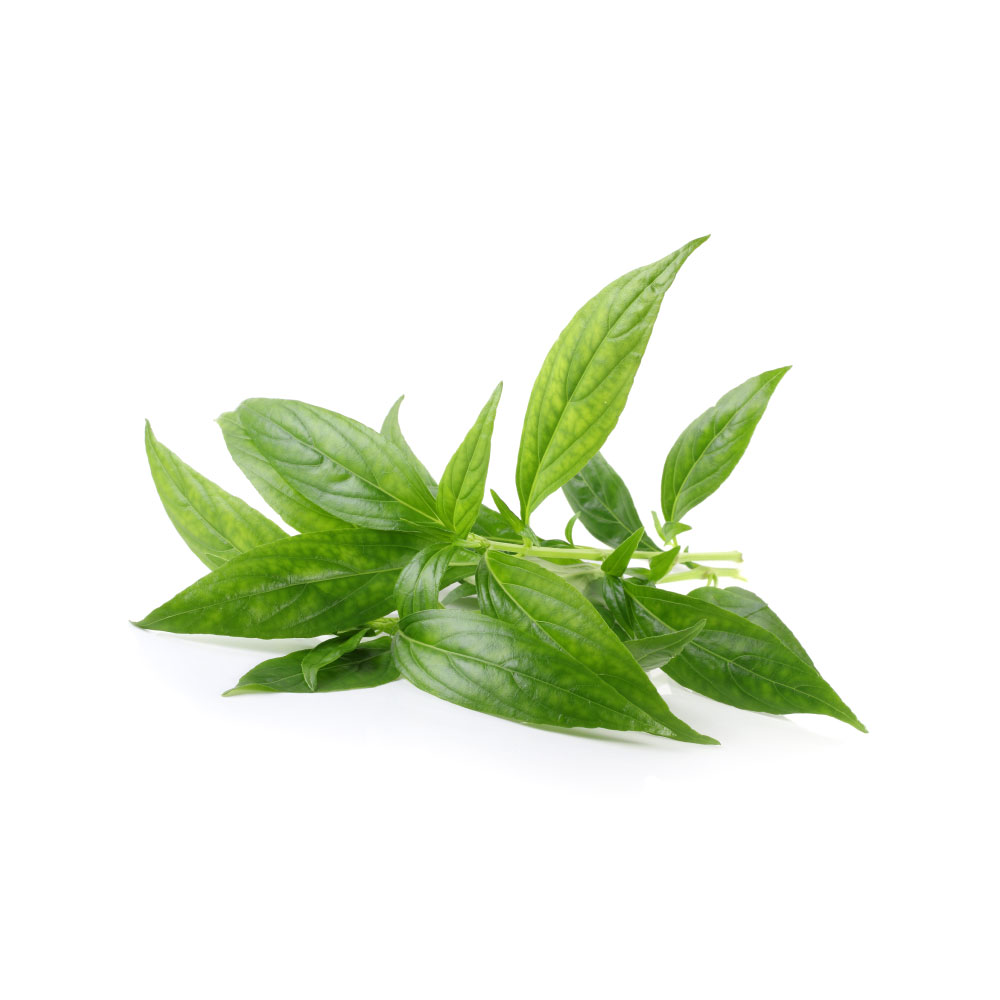 StrongStrongAndrographisAndrographis paniculataThe most consistent performer for symptom relief in the group. A systematic review of safety and efficacy in upper respiratory tract infection found it superior to placebo 8Reference 8Systematic reviewAndrographis paniculata in the treatment of upper respiratory tract infections — systematic review of safety and efficacyView study →, a meta-analysis of randomised trials in uncomplicated infection reached the same conclusion 9Reference 9Systematic reviewAndrographis paniculata in the symptomatic treatment of uncomplicated upper respiratory tract infection — systematic review of randomised controlled trialsView study →, and a later systematic review across adults and children confirmed improvement in cough and sore throat with shortened symptom duration 10Reference 10Meta-analysisAndrographis paniculata for symptomatic relief of acute respiratory tract infections in adults and children — systematic review and meta-analysisView study →. A randomised trial of an andrographis throat spray in acute pharyngitis adds a direct local application 11Reference 11RCTEfficacy of Andrographis paniculata spray in acute pharyngitis — randomised controlled trialView study →.Read the evidenceShow lessMonograph →
The active principle is andrographolide, a bitter diterpene lactone concentrated in the aerial parts.
Many of the trials use fixed combinations rather than andrographis alone, most often with eleuthero as Kan Jang. It is intensely bitter, with a real rate of gastrointestinal upset and occasional allergic reaction, and it is a treatment herb rather than a preventive.
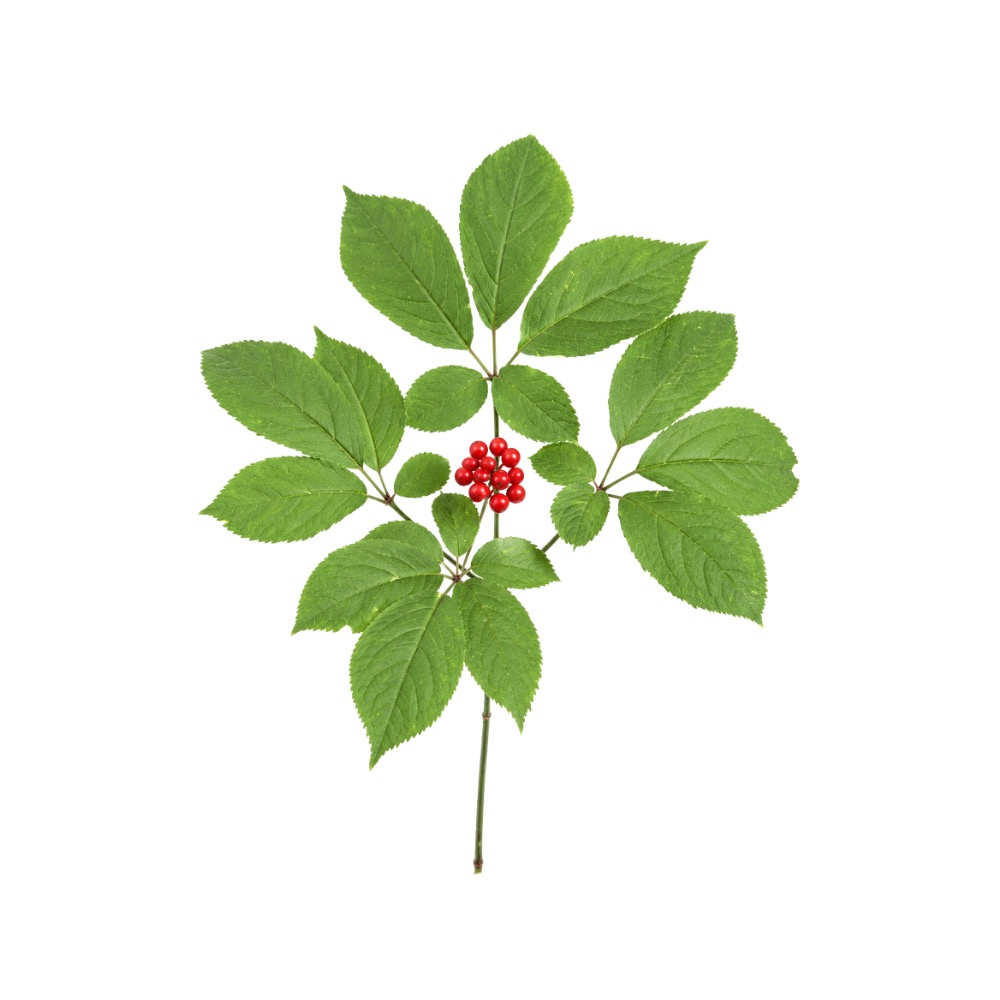 StrongStrongAmerican GinsengPanax quinquefoliusThe best evidence for prevention rather than treatment. In randomised, double-blind, placebo-controlled trials the poly-furanosyl-pyranosyl-saccharide extract CVT-E002 reduced the frequency and duration of respiratory symptoms in community-dwelling adults 12Reference 12RCTEfficacy of COLD-fX (CVT-E002) in the prevention of respiratory symptoms in community-dwelling adults — randomised, double-blind, placebo-controlled trialView study →, including adults who had been influenza-vaccinated 13Reference 13RCTEfficacy and safety of CVT-E002 in the prevention of respiratory infections in influenza-vaccinated community-dwelling adults — multicentre, randomised, double-blind, placebo-controlled trialView study →.Read the evidenceShow lessMonograph →
It also reduced acute respiratory illness in patients with chronic lymphocytic leukaemia 14Reference 14RCTA randomized, controlled trial of Panax quinquefolius extract (CVT-E002) to reduce respiratory infection in patients with chronic lymphocytic leukemiaView study →, an immunocompromised group and a more searching test than a healthy student cohort.
A systematic review of North American and Asian ginseng preparations for cold prevention supports the direction while noting the narrow evidence base 15Reference 15Systematic reviewNorth American (Panax quinquefolius) and Asian ginseng preparations for prevention of the common cold in healthy adults — systematic reviewView study →, and a later meta-analysis for seasonal infection agrees 16Reference 16Meta-analysisGinseng integrative supplementation for seasonal acute upper respiratory infections — systematic review and meta-analysisView study →.
The result belongs to a specific manufactured extract rather than to ginseng root generally.
StrongPelargoniumPelargonium sidoidesThe largest trial programme in the group, and the clearest case of evidence belonging to a product rather than to a plant. EPs 7630, a standardised aqueous-ethanolic root extract, has been through more than fifteen randomised placebo-controlled trials in acute bronchitis, the common cold, rhinosinusitis and non-streptococcal sore throat, and Europe grants it “well-established use” status for acute bronchitis 140Reference 140ReviewEuropean Union herbal monograph on Pelargonium sidoides DC; Pelargonium reniforme Curt., radix — regulatory monograph (well-established and traditional use)View study →.Read the evidenceShow less
Cochrane reads the same literature as low to very low quality — investigator-initiated, unvalidated symptom scores, publication bias suspected 138Reference 138Meta-analysisPelargonium sidoides extract for treating acute respiratory tract infections — systematic review and meta-analysisView study → — and an independent 2026 pragmatic trial against usual care in Swiss primary care found no benefit at all 139Reference 139RCTPelargonium sidoides extract (EPs 7630) versus usual care for acute bronchitis in Swiss primary care (PHYTOBRONCH) — pragmatic, open-label, randomised controlled trialView study →.
Both readings are true at once. A deep, consistent, industry-generated record and a null independent result is a familiar shape, and it is the reason this sits at the top of the group without settling anything.
The trial dose is 30 drops of the liquid or a 20 mg tablet three times daily for about a week, during illness rather than as a preventive. No trial has used whole root, powdered root or a generic tincture, so none of it carries across to a decoction.
 ModerateModerateEchinaceaEchinacea purpureaThe most studied and most argued-over herb in the group, and the effect is weak, mixed, and probably small. The Cochrane review of echinacea for preventing and treating the common cold concluded that individual preparations may carry a weak benefit, that the evidence is inconsistent, and that the products are not comparable 1Reference 1Systematic reviewEchinacea for preventing and treating the common cold — Cochrane systematic reviewView study →. Two earlier meta-analyses were more favourable, reporting reduced incidence and duration 2,
3Reference 2Meta-analysisEvaluation of echinacea for the prevention and treatment of the common cold — meta-analysisView study →Reference 3Meta-analysisEchinacea for the prevention and treatment of upper respiratory tract infections — systematic review and meta-analysisView study → .Read the evidenceShow lessMonograph →
Against that sit well-run negative trials. A large randomised trial in adults found no clinically significant effect on cold duration or severity 4Reference 4RCTEchinacea for treating the common cold — randomised controlled trialView study →, and a JAMA trial in children found no benefit while reporting more rash 5Reference 5RCTEfficacy and safety of echinacea in treating upper respiratory tract infections in children — randomised controlled trialView study →.
More recent paediatric work is more positive, with reduced antibiotic use through infection prevention 6Reference 6RCTEchinacea reduces antibiotic usage in children through respiratory tract infection prevention — randomised controlled trialView study → and a supportive meta-analysis 7Reference 7Meta-analysisEfficacy and safety of Echinacea purpurea in treating upper respiratory infections and otitis media in children — systematic review and meta-analysisView study →.
Echinacea is not one medicine. Three species, three plant parts, and pressed juice against tincture against dried powder share a name without sharing evidence, which is most of why the trials disagree.
Its alkylamides modulate macrophage responses 93Reference 93In vitroModulation of macrophage immune responses by Echinacea — in vitroView study →, a standardised preparation is virucidal against coronaviruses in vitro 92Reference 92In vitroIn vitro virucidal activity of Echinaforce against coronaviruses, including 229E and SARS-CoV-2 — in vitroView study →, and a separate dermatological signal exists in atopic eczema 94Reference 94RCTEchinacea purpurea-derived alkylamides exhibit potent anti-inflammatory effects and alleviate clinical symptoms of atopic eczema — randomised clinical trialsView study →.
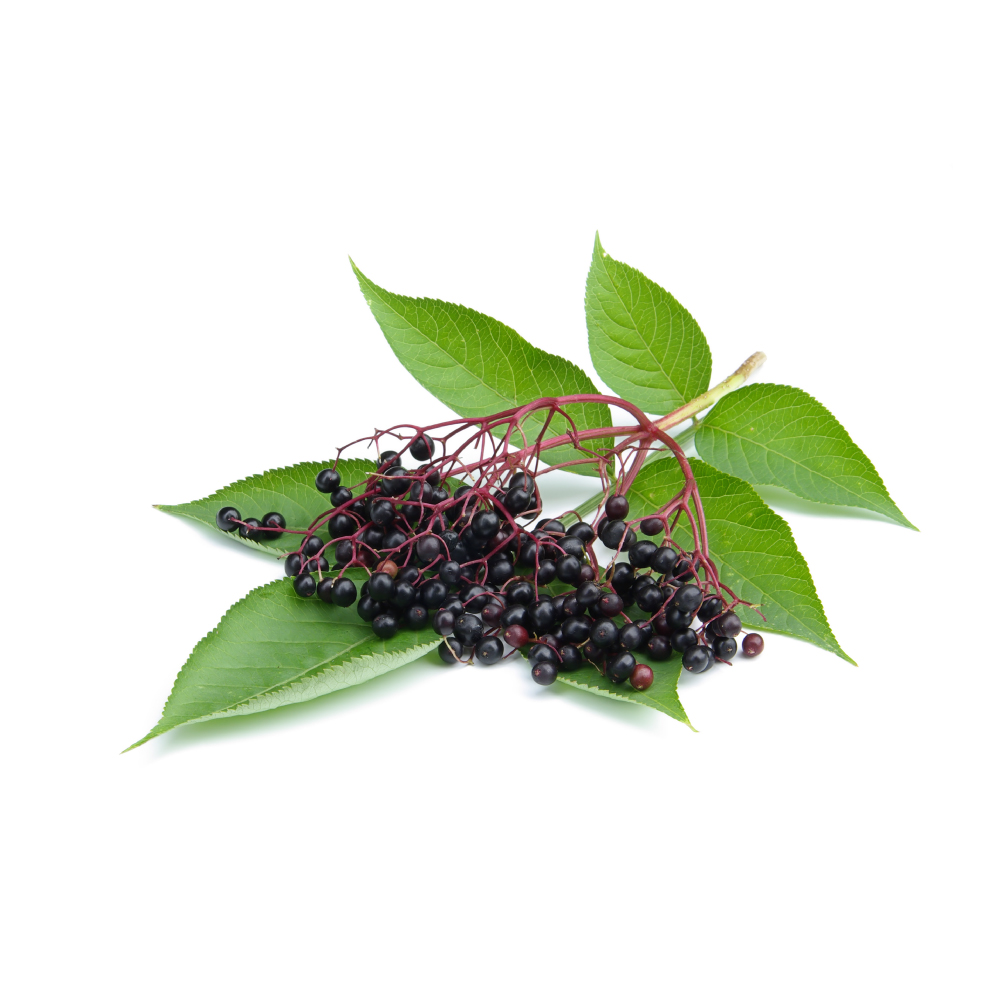 ModerateModerateElderSambucus nigraA positive literature meeting a hard trial. Elderberry extract shortened influenza symptoms by around four days in a small randomised controlled trial 17Reference 17RCTRandomized study of the efficacy and safety of oral elderberry extract in the treatment of influenza A and B virus infectionsView study →, reduced cold duration and severity in air travellers in a larger placebo-controlled trial 18Reference 18RCTElderberry supplementation reduces cold duration and symptoms in air-travellers — randomised, double-blind, placebo-controlled clinical trialView study →, and a meta-analysis of randomised trials found it substantially reduced upper respiratory symptoms 19Reference 19Meta-analysisBlack elderberry (Sambucus nigra) supplementation effectively treats upper respiratory symptoms — meta-analysis of randomised controlled clinical trialsView study →.Read the evidenceShow lessMonograph →
Then a randomised, double-blind, placebo-controlled trial in emergency-department patients with influenza found no benefit on symptom duration, with a hint of slower resolution 20Reference 20RCTElderberry extract outpatient influenza treatment for emergency room patients ages 5 and above — randomised, double-blind, placebo-controlled trialView study →.
The mechanism is plausible. Elderberry flavonoids bind H1N1 virions and block cell entry in vitro 21Reference 21In vitroElderberry flavonoids bind to and prevent H1N1 infection in vitroView study →, and the anthocyanin content is substantial.
Raw or unripe elderberries and all green parts of the plant are cyanogenic and cause vomiting and diarrhoea, so preparations have to be cooked.
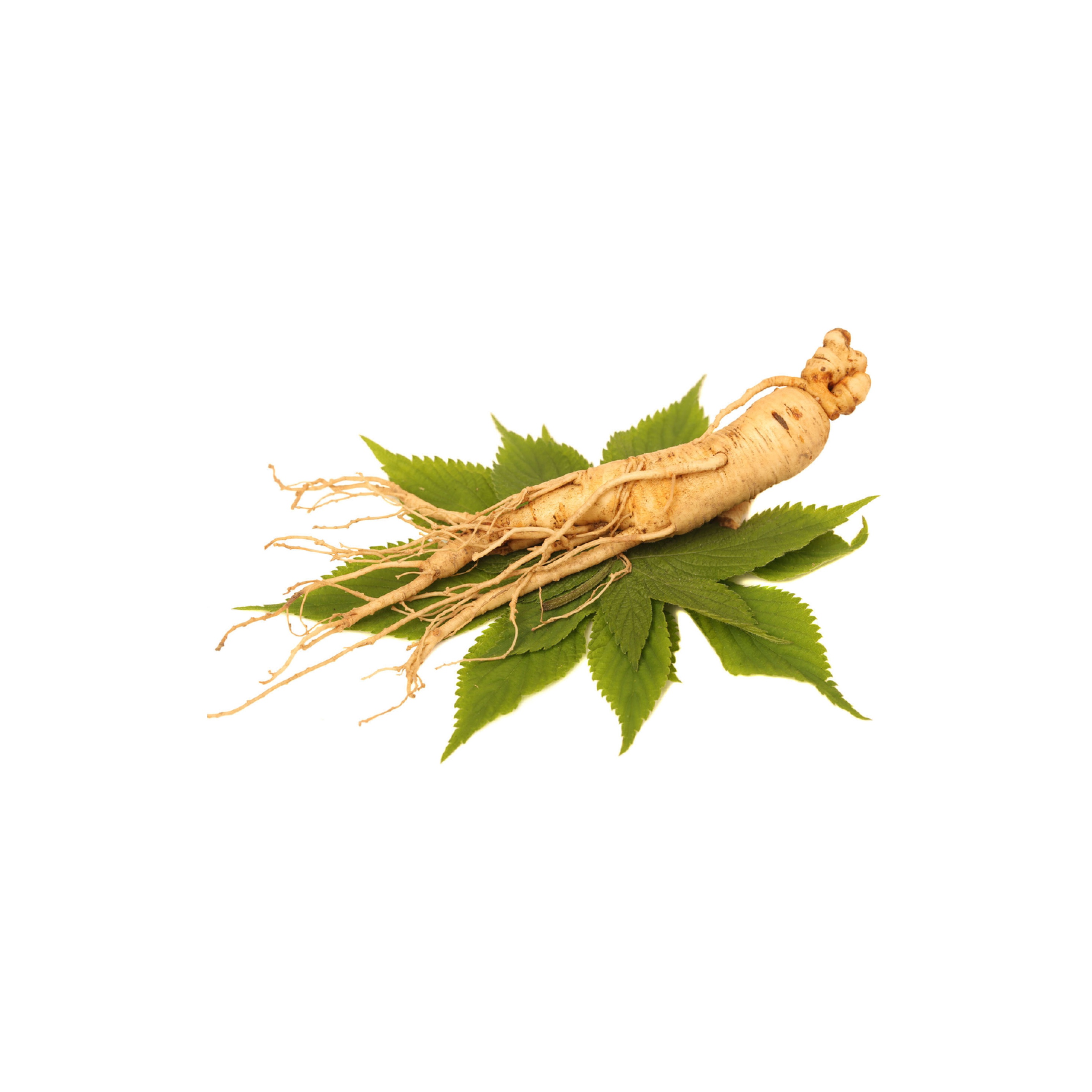 ModerateModerateAsian GinsengPanax ginsengA narrower and older result than its American relative, with an unusual endpoint. In a randomised placebo-controlled trial the standardised extract G115 taken alongside influenza vaccination raised antibody titres and reduced the frequency of influenza and common cold episodes compared with vaccination alone 22Reference 22RCTEfficacy and safety of the standardised ginseng extract G115 for potentiating vaccination against the influenza syndrome and protection against the common cold — randomised placebo-controlled trialView study →.Read the evidenceShow lessMonograph →
That is vaccine potentiation rather than treatment. Supporting immunomodulatory work on standardised extracts predates it 23Reference 23Immunomodulatory effects of two extracts of Panax ginseng C.AView study →.
It is one trial from 1996, unreplicated at scale, so the direction is worth more than the number. Ginseng’s better-evidenced ground is adaptogenic and cognitive, and its stimulating quality makes it a poor fit for an acute feverish illness.
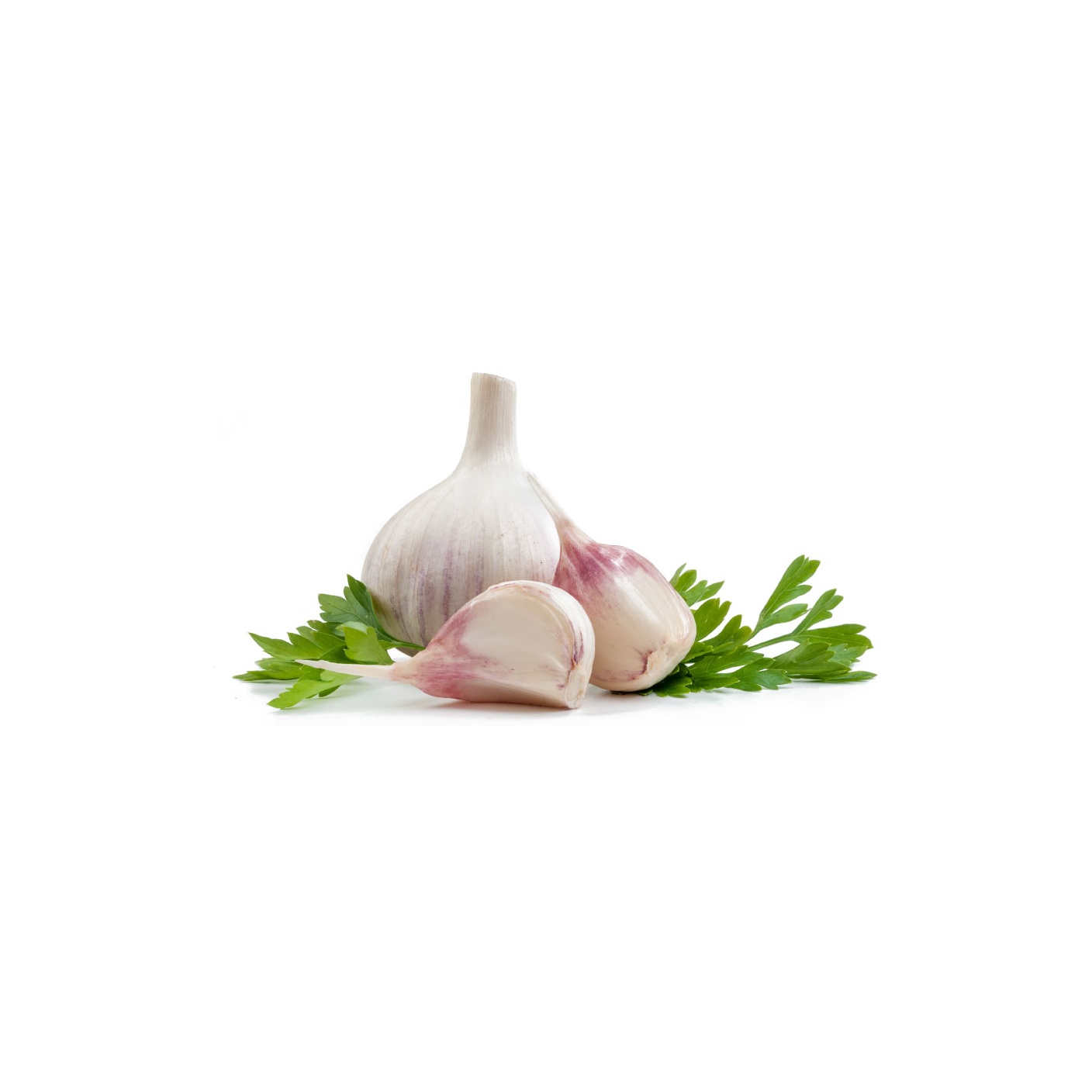 ModerateModerateGarlicAllium sativumPopular, plausible, and thinly supported. The Cochrane review of garlic for the common cold found only one trial of adequate quality, a double-blind placebo-controlled study in which a daily allicin-containing supplement over twelve weeks reduced the number of colds 24,
25Reference 24Systematic reviewGarlic for the common cold — Cochrane systematic reviewView study →Reference 25RCTPreventing the common cold with a garlic supplement — double-blind, placebo-controlled surveyView study → , and concluded that more evidence is needed before any recommendation.Read the evidenceShow lessMonograph →
Allicin has real antimicrobial activity in vitro, and garlic’s stronger evidence lies on the cardiovascular and digestive systems.
Its antiplatelet effect matters alongside anticoagulants and before surgery.
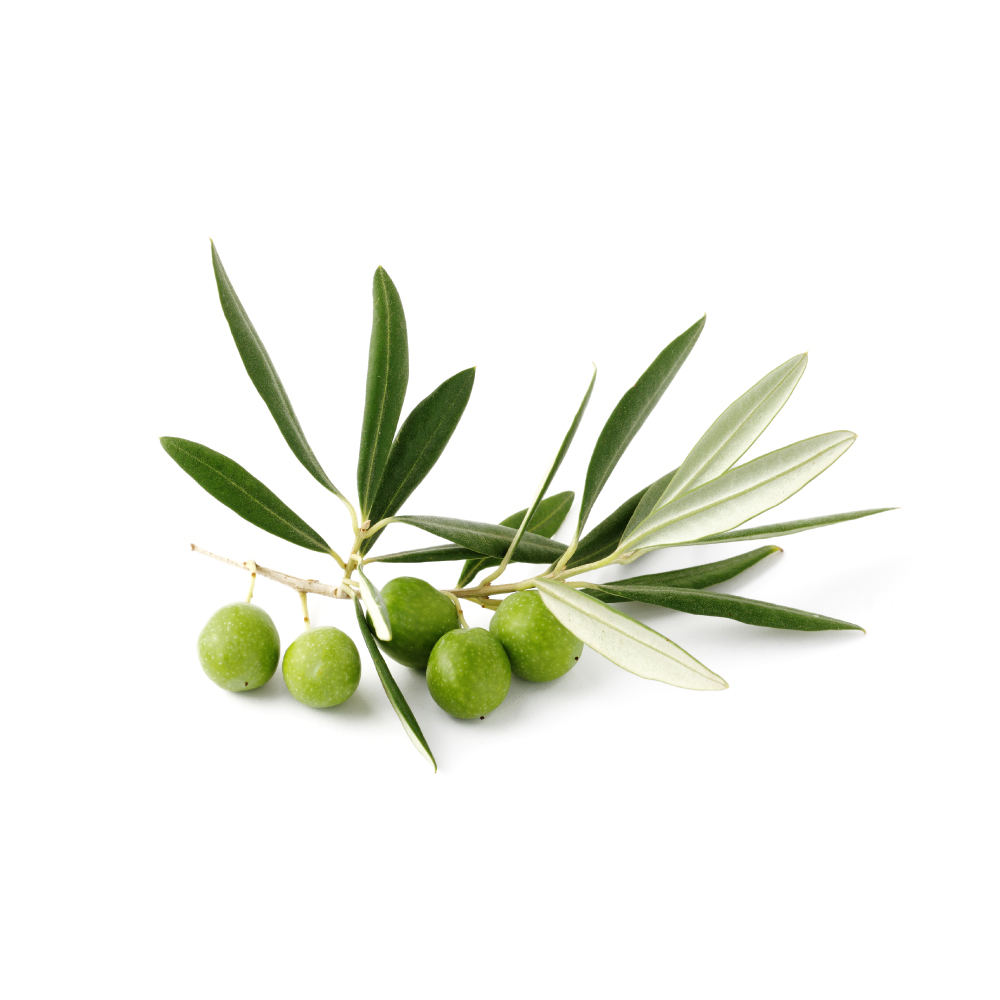 ModerateModerateOlive LeafOlea europaeaOne respectable trial in an unusual population. A randomised controlled trial of olive leaf extract in high-school athletes, a group with raised rates of upper respiratory illness from training load, found fewer sick days but not fewer episodes 26Reference 26RCTThe effect of olive leaf extract on upper respiratory illness in high school athletes — randomised controlled trialView study →.Read the evidenceShow lessMonograph →
The oleuropein fraction has broad anti-inflammatory activity, and olive leaf’s principal evidence is cardiovascular rather than immune.
One trial in adolescent athletes is a thin basis for general use.
PreclinicalBonesetEupatorium perfoliatumThe classic North American febrifuge, named for the bone-deep aching of “break-bone fever” rather than for any use on fractures. It was one of the most-used fever herbs of nineteenth-century practice, given as a hot infusion to carry a fever out through the skin — the same herb taken cold turns emetic and cathartic, which is an unusually clean example of preparation deciding the medicine 141Reference 141In vitroAnti-inflammatory activity of Eupatorium perfoliatum L. extracts, eupafolin, and dimeric guaianolide via iNOS inhibition and cytokine/chemokine modulation — in vitroView study →.Read the evidenceShow less
Its marketing claim is the one thing the research contradicts. Sold as an immune activator, the whole extract produced no stimulation in a lymphocyte transformation test, a macrophage phagocytosis assay or a nitric-oxide induction assay 141Reference 141In vitroAnti-inflammatory activity of Eupatorium perfoliatum L. extracts, eupafolin, and dimeric guaianolide via iNOS inhibition and cytokine/chemokine modulation — in vitroView study →; the immunostimulant reputation rests on isolated polysaccharide fractions and a combination product.
What the work does support is anti-inflammatory activity, and a single in-vitro finding that a hydroalcoholic extract matching the traditional tincture inhibits influenza A attachment 142Reference 142In vitroAntiviral activity of hydroalcoholic extract from Eupatorium perfoliatum L. against the attachment of influenza A virus — in vitroView study →.
Every preparation tested carries hepatotoxic pyrrolizidine alkaloids — 49 of 49 samples in an analytical survey, with tinctures, infusions and decoctions all high 143Reference 143Potentially toxic pyrrolizidine alkaloids in Eupatorium perfoliatum and three related species: implications for herbal use as boneset — analytical surveyView study → — which argues directly against the repeated febrifuge dosing the tradition implies.
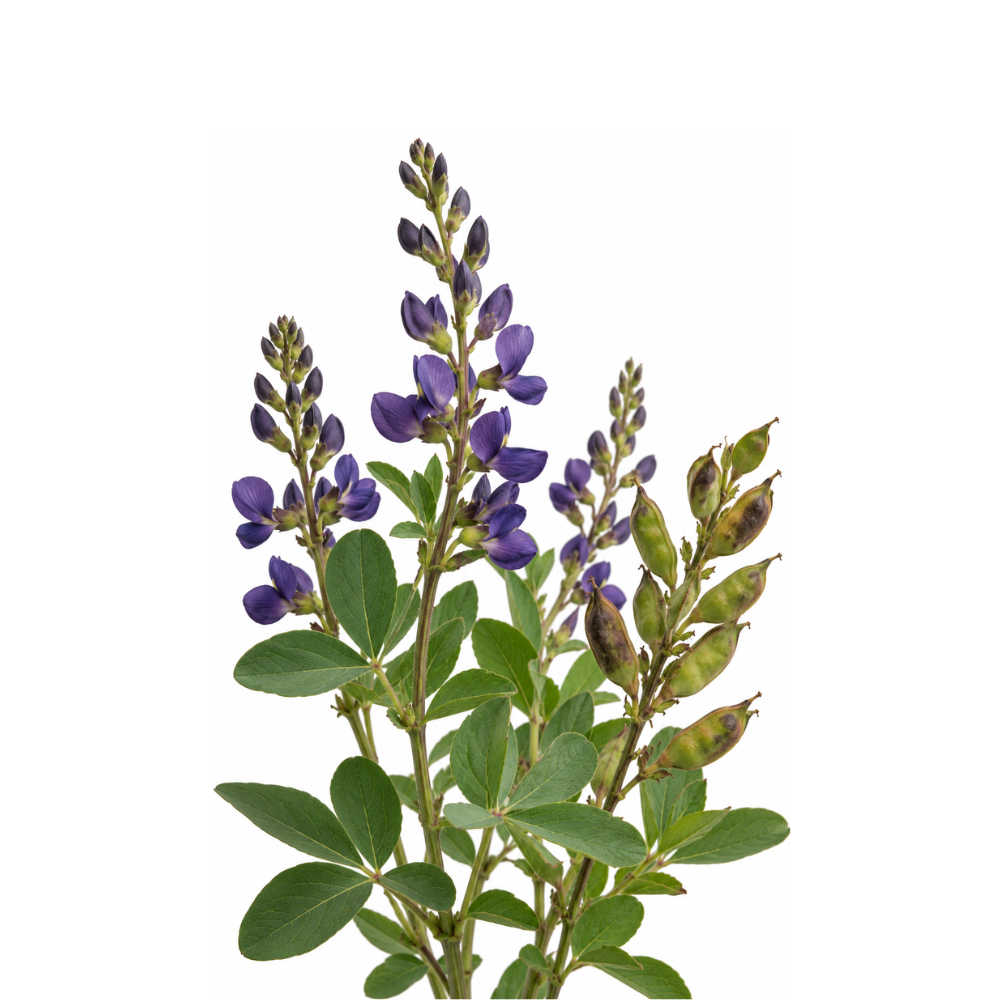 PreclinicalPreclinicalWild IndigoBaptisia tinctoriaThe Eclectic physicians’ herb for septic states and foul infection, and today almost entirely a component of Esberitox, the fixed wild indigo, echinacea, and thuja combination with randomised, placebo-controlled common-cold trials behind it 119,
120Reference 119RCTA randomised, double-blind, placebo-controlled clinical dose–response trial of an extract of Baptisia, Echinacea and Thuja for the treatment of patients with common coldView study →Reference 120RCTEfficacy and safety of a fixed combination phytomedicine in the treatment of the common cold — randomised, double-blind, placebo-controlled multicentre trialView study → . Those results belong to the combination, and wild indigo has no human evidence of its own.Read the evidenceShow less
The actives are arabinogalactan-proteins and related glycoproteins from the root rather than small molecules. They raise lymphocyte proliferation and IgM output and drive macrophage nitrite and IL-6 release in vitro and in mice, and in a head-to-head comparison of purified fractions the Baptisia protein was among the most active tested, ahead of echinacea’s 106,
The same root extract also suppresses inflammatory output in LPS-stimulated macrophages 121Reference 121In vitroAnti-inflammatory effect of wild indigo (Baptisia tinctoria) root on LPS-stimulated RAW 264.7 cells — in vitroView study →, activating and restraining from one preparation depending on what the cell was already doing.
A high-molecular-weight fraction has no marker molecule to standardise to, which is why products differ more than their labels suggest and why the traditional preparation is a decoction rather than a tincture.
Because it activates immune cells, it sits with echinacea and astragalus among the herbs to avoid in autoimmune disease.
Deep Immune Tonics
11 herbsThe opposite strategy, taken for weeks to months between illnesses rather than during them, to raise a baseline rather than mount a response.
The gap between the confidence of the marketing and the quality of the evidence is at its widest here. The polysaccharide mechanism is well characterised and the traditional use is centuries deep, while the human outcome data are mostly small, mostly Chinese-language, and mostly on immune markers rather than on whether anyone got fewer infections.
Two different kinds of plant sit together. The tonic roots, astragalus, eleuthero, and codonopsis, come out of Chinese and Siberian practice and are as much about stamina and the stress axis as about immunity. The fungi are a pharmacological cohort working mostly through the same β-glucan and receptor route, with enoki the exception that carries a protein instead.
The last four are not interchangeable with the first three. Poria is a sclerotium whose headline use is diuretic, enoki has no medicinal tradition at all, agarikon is an endangered old-growth polypore, and chicken of the woods is a wild food.
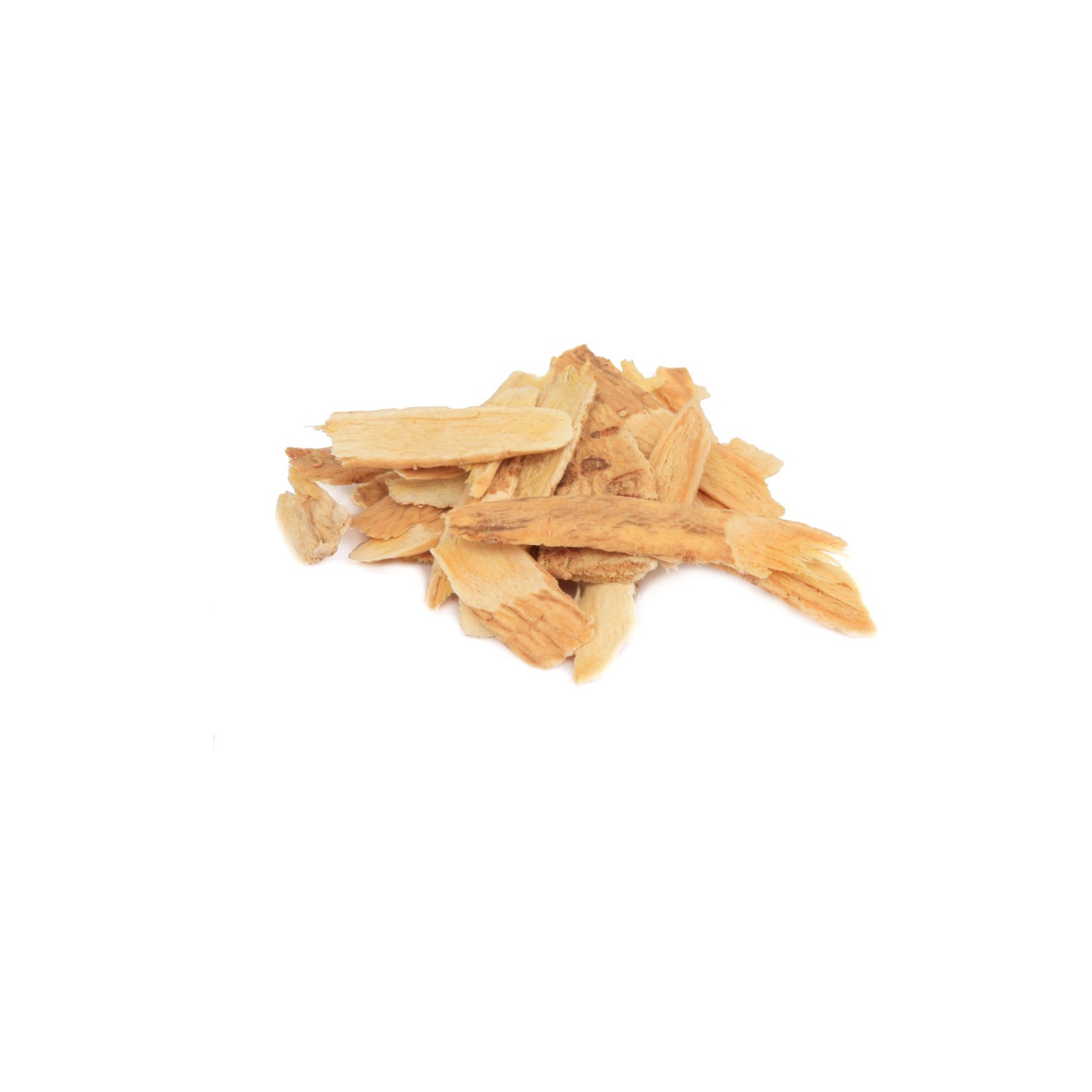 ModerateModerateAstragalusAstragalus membranaceusThe emblem of the category, and the one with a Cochrane review behind it. That review, of oral astragalus for preventing frequent acute respiratory infection in children, found the available trials too few and too poor to support a conclusion 27Reference 27Systematic reviewOral Astragalus (Huang qi) for preventing frequent episodes of acute respiratory tract infection in children — Cochrane systematic reviewView study →, so the question has been asked properly and not yet answered.Also underImmune ↓Read the evidenceShow lessMonograph →
The mechanism is the better-established half. There is an extensive immunomodulatory literature on the polysaccharide fraction 28Reference 28ReviewAstragalus polysaccharide: a review of its immunomodulatory effectView study → and on the saponin astragaloside IV, and a separate randomised trial in seasonal allergic rhinitis 77Reference 77RCTEfficacy and safety of Astragalus membranaceus in the treatment of patients with seasonal allergic rhinitis — double-blind, placebo-controlled randomised trialView study →.
Traditional use is emphatic that this is a between-illnesses herb, classically contraindicated during an acute fever, which is a distinction most modern labelling loses.
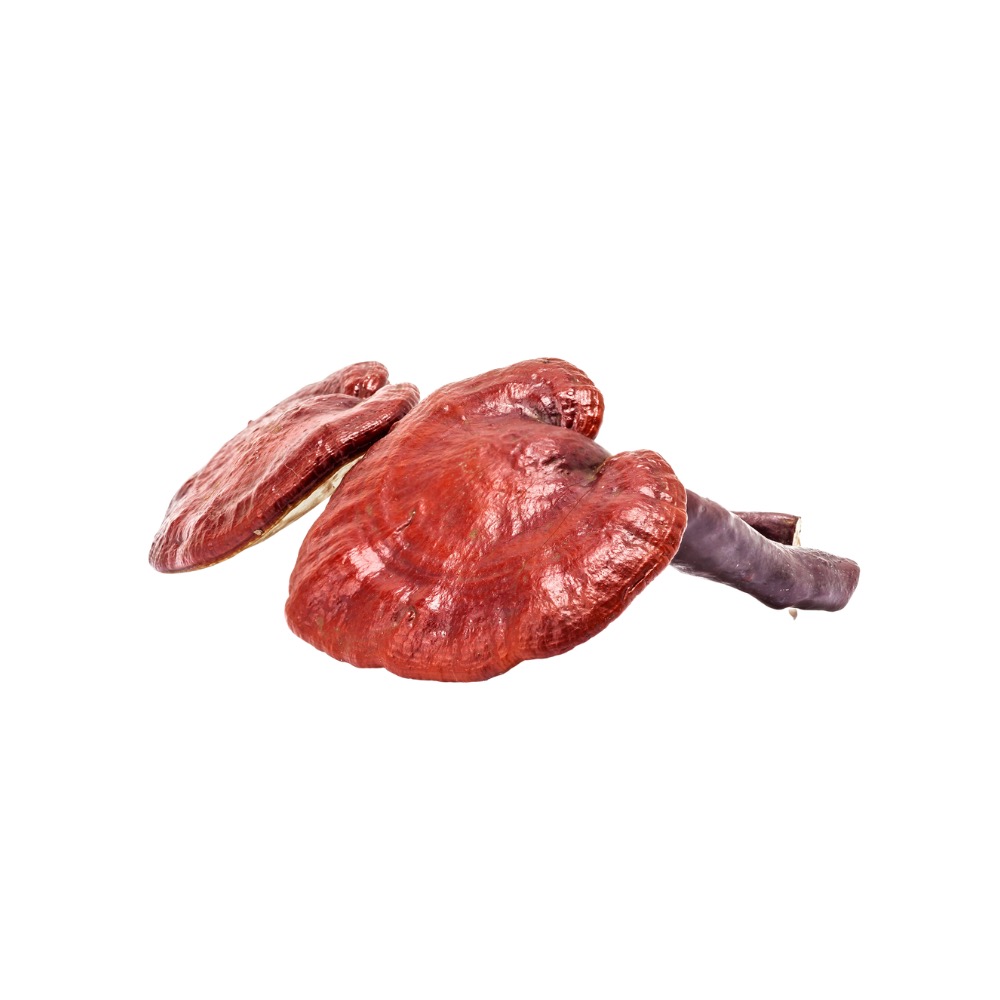 ModerateModerateReishiGanoderma lucidumThe best-known medicinal mushroom, with human data that are real but narrow. Trials of the standardised polysaccharide extract Ganopoly in advanced-stage cancer patients found measurable changes in NK-cell activity and lymphocyte subsets over twelve weeks 29,
30Reference 29Clinical trialEffects of Ganopoly (a Ganoderma lucidum polysaccharide extract) on the immune functions in advanced-stage cancer patients — clinical trialView study →Reference 30Clinical trialEffects of water-soluble Ganoderma lucidum polysaccharides on the immune functions of patients with advanced lung cancer — clinical trialView study → .Also underImmune ↓Read the evidenceShow lessMonograph →
Those are immune markers in a sick population rather than infection outcomes in a healthy one.
The β-glucan mechanism is well characterised, and reishi’s triterpenes add a separate anti-inflammatory action.
Extraction decides what a product contains, because the polysaccharides need hot water and the triterpenes need alcohol, so a single-solvent extract delivers half the fungus. Reishi also has a mild antiplatelet effect worth knowing about before surgery.
ModerateShiitakeLentinula edodesThe one tonic fungus tested at the dose a person would actually eat. In a randomised dietary intervention, healthy young adults eating 5 to 10 g of dried shiitake daily for four weeks showed increased γδ-T and NK-T cell proliferation and activation, raised secretory IgA, and lower C-reactive protein 100Reference 100RCTConsuming Lentinula edodes (shiitake) mushrooms daily improves human immunity — randomised dietary intervention in healthy young adultsView study →.Read the evidenceShow less
More immune-cell activity alongside less systemic inflammation is a better description of modulation than most of what the word gets attached to.
The rest of shiitake’s human record belongs to concentrated preparations. Lentinan, the purified β-glucan given intravenously in Japan, has an individual-patient meta-analysis in unresectable gastric cancer 122Reference 122Meta-analysisIndividual patient based meta-analysis of lentinan for unresectable/recurrent gastric cancer — meta-analysisView study →.
AHCC, a cultured mycelial extract, has placebo-controlled trials in healthy volunteers, one of them showing an improved antibody response to influenza B vaccination 123,
Every endpoint is a surrogate, and no trial has counted whether anyone got fewer infections. What shiitake adds is that the surrogate moved on a plate of food rather than in a capsule.
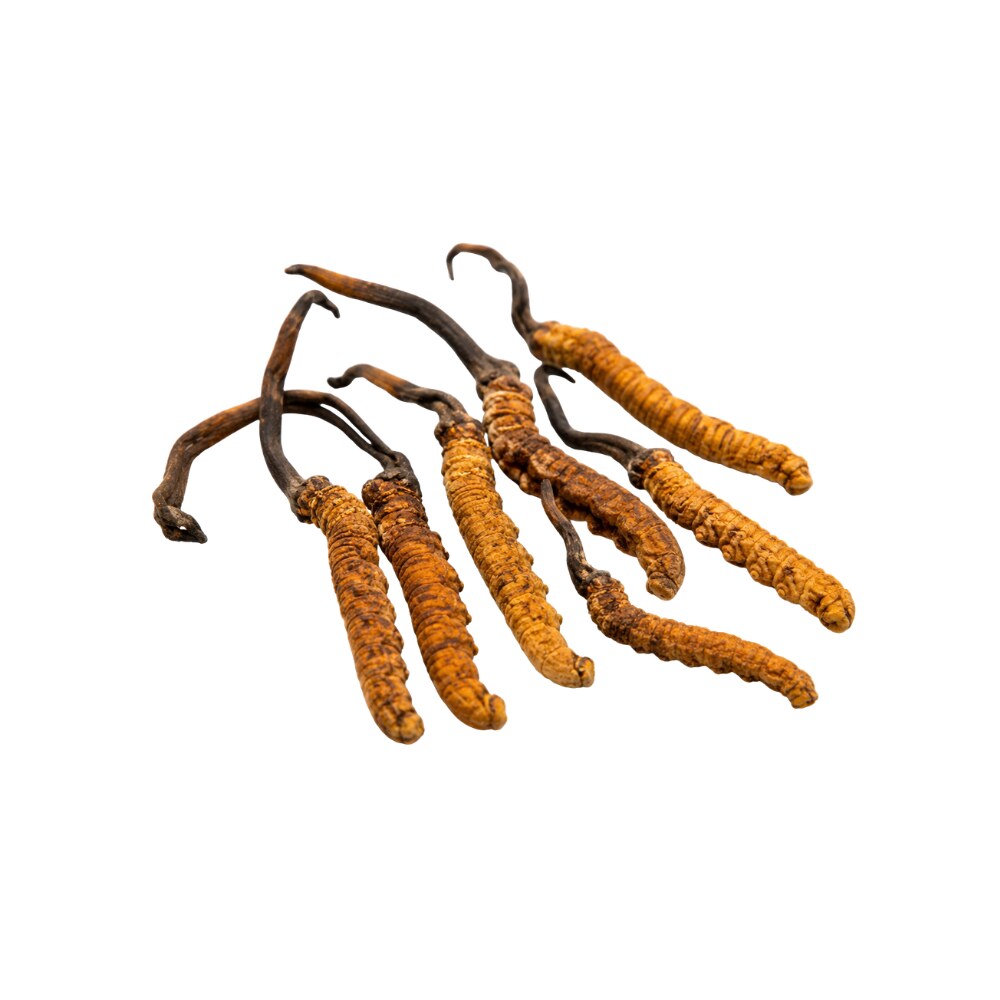 ModerateModerateCordycepsCordyceps sinensisThe mushroom with the cleanest healthy-volunteer trial. A randomised, placebo-controlled trial of Cordyceps militaris in healthy Korean men found increased NK-cell activity and lymphocyte proliferation over eight weeks 31Reference 31RCTCordyceps militaris enhances cell-mediated immunity in healthy Korean men — randomised, placebo-controlled trialView study →, which is the design this category usually lacks.Read the evidenceShow lessMonograph →
A systematic review and meta-analysis of fungal supplementation in athletes found effects on immune and haematological measures alongside endurance outcomes 32Reference 32Meta-analysisEffects of fungal supplementation on endurance, immune function, and hematological profiles in adult athletes — systematic review and meta-analysisView study →, and a defined polysaccharide is immunostimulatory in vitro 33Reference 33In vitroStructural elucidation and immunostimulatory activity of a new polysaccharide from Cordyceps militaris — in vitroView study →.
Almost every commercial product is cultivated C. militaris or a mycelium-on-grain biomass rather than wild C. sinensis, and cordycepin content varies between them by an order of magnitude.
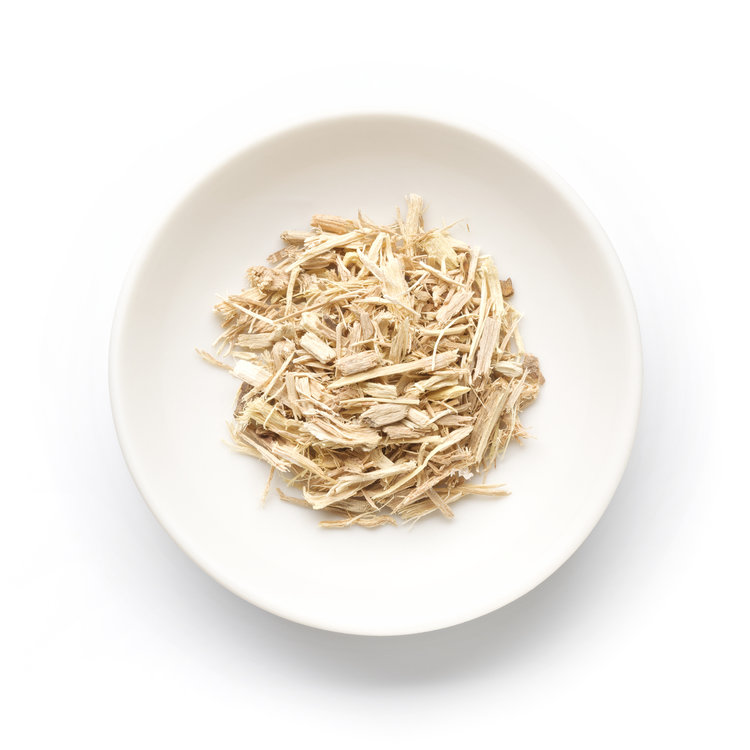 ModerateModerateEleutheroEleutherococcus senticosusBetter evidenced as part of a combination than alone. A randomised placebo-controlled study using flow cytometry found eleuthero extract raised lymphocyte counts in healthy volunteers, particularly T helper and NK cells 34Reference 34RCTFlow-cytometric studies with Eleutherococcus senticosus extract as an immunomodulatory agent — randomised placebo-controlled trialView study →, and an in vitro antiviral signal exists against RNA viruses 36Reference 36In vitroAntiviral activity of an extract derived from roots of Eleutherococcus senticosus — in vitroView study →.Read the evidenceShow lessMonograph →
Its most robust modern appearance is as half of Kan Jang, the fixed andrographis and eleuthero combination, which improved outcomes in mild COVID-19 in a randomised, quadruple-blind, placebo-controlled trial 35Reference 35RCTEfficacy of Kan Jang in patients with mild COVID-19 — randomised, quadruple-blind, placebo-controlled trial of a fixed Andrographis–Eleutherococcus combinationView study →. That result belongs to the pair.
Eleuthero and the other ginsengs interfere with serum digoxin immunoassays, producing misleading readings that have caused clinical confusion 91Reference 91Effect of Asian and Siberian ginseng on serum digoxin measurement by five digoxin immunoassaysView study →, so the prescriber needs telling before a digoxin level is drawn.
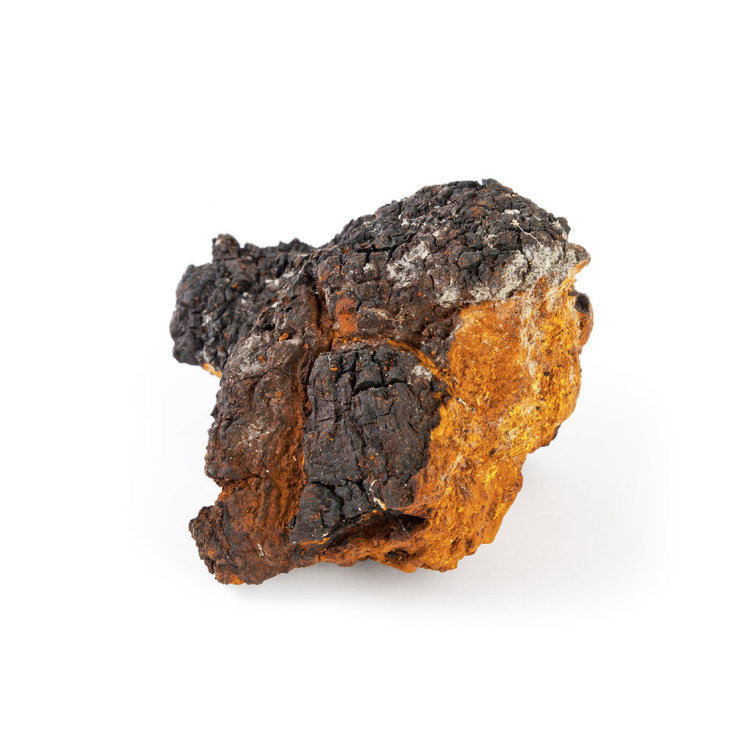 PreclinicalPreclinicalChagaInonotus obliquusMechanistically the most interesting mushroom here and clinically the least tested. Chaga endo-polysaccharides are immunostimulating in vitro 37Reference 37In vitroImmuno-stimulating effect of the endo-polysaccharide from submerged culture of Inonotus obliquus — in vitroView study →, and a 2024 study identified them as direct Toll-like receptor agonists driving macrophage anti-cancer activity 38Reference 38In vitroFungal polysaccharides from Inonotus obliquus are agonists for Toll-like receptors and induce macrophage anti-cancer activity — in vitroView study →, which is an unusually specific finding for a fungal extract.Read the evidenceShow lessMonograph →
No controlled human trial exists for any immune indication.
Chaga is very high in oxalate, with published cases of oxalate nephropathy and kidney failure after prolonged high-dose use, making it a poor choice for anyone with reduced kidney function or a history of stones.
It is also a slow-growing wild-harvested parasite of birch, and commercial demand has outrun what the birch woods produce.
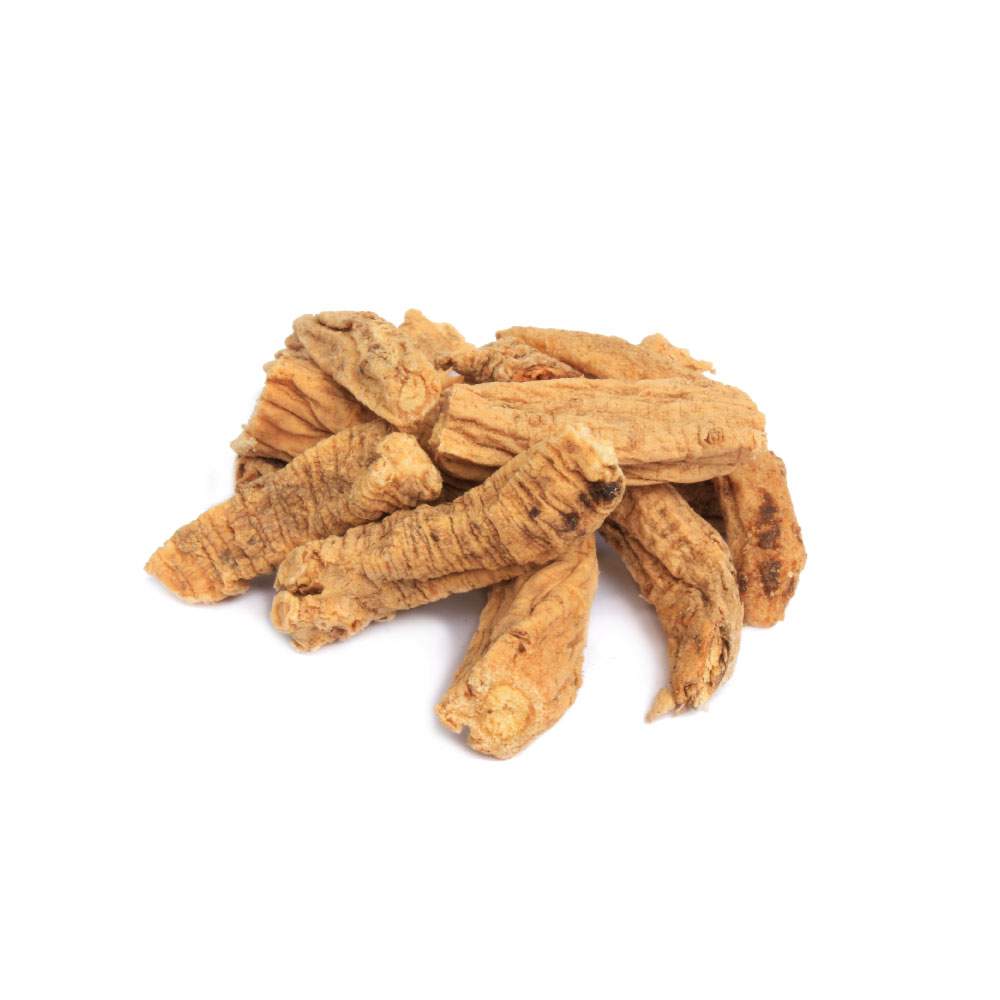 PreclinicalPreclinicalCodonopsisCodonopsis pilosulaThe gentler, cheaper substitute for ginseng, dang shen, used in tonic formulas where ginseng would be too heating. Modern work supports the immune half of that reputation in animals only.Read the evidenceShow lessMonograph →
An inulin-type fructan from the root reversed cyclophosphamide-induced immunosuppression and repaired intestinal barrier injury in mice 39Reference 39AnimalAn inulin-type fructan from Codonopsis pilosula ameliorates cyclophosphamide-induced immunosuppression and intestinal barrier injury in mice — animal modelView study →, and a specific inulin fraction enhances immune function through p65-dependent MAPK and NF-κB signalling 40Reference 40In vitroSpecific inulin in Codonopsis pilosula exerts immunological enhancement by promoting cellular uptake and regulating p65-dependent MAPK and NF-κB pathways — in vitroView study →.
The gut-barrier result points at the gut-associated lymphoid tissue route that the whole polysaccharide category depends on.
There are no human trials, and the Codonopsis literature carries a recurring species mix-up with C. lanceolata, which is chemically different.
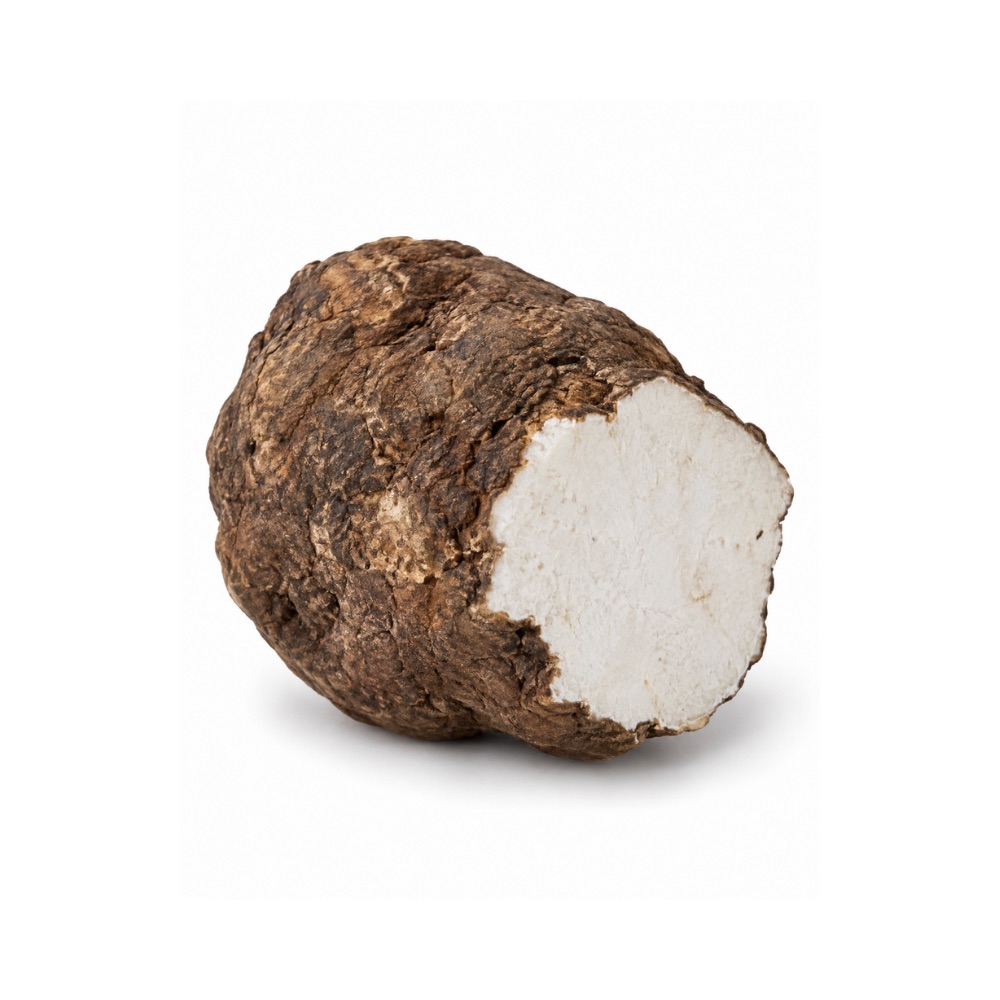 PreclinicalPreclinicalPoriaWolfiporia extensaThe most-used fungus in the Chinese materia medica, and the one least often thought of as a medicinal mushroom. Poria is a sclerotium — a dense underground resting mass on pine roots — rather than a fruiting body, and its headline classical use is draining fluid rather than immunity.Read the evidenceShow less
The immune claim rests on pachyman, the water-insoluble β-(1→3)-glucan that makes up roughly 84% of the dried sclerotium by weight. It signals through TLR4, TRAF6 and NF-κB 101Reference 101In vitroImmunomodulatory effects exerted by Poria cocos polysaccharides via TLR4/TRAF6/NF-κB signalling — in vitro and animal modelView study →, and a chemically modified, water-soluble derivative is an approved antitumour adjuvant in China 102Reference 102ReviewMolecular basis for Poria cocos mushroom polysaccharide used as an antitumour drug in China — reviewView study → — which puts it alongside turkey tail’s PSK as a fungal polysaccharide industrialised into a licensed product.
That licensed product is the argument and also the limit. The approved drug is a modified polysaccharide given as a hospital adjuvant, and a decoction of sliced fu ling is not it.
The species names are genuinely tangled: Poria cocos, Wolfiporia cocos and Wolfiporia extensa all appear on labels for what recent work separates into an East Asian medicinal fungus and a North American one.
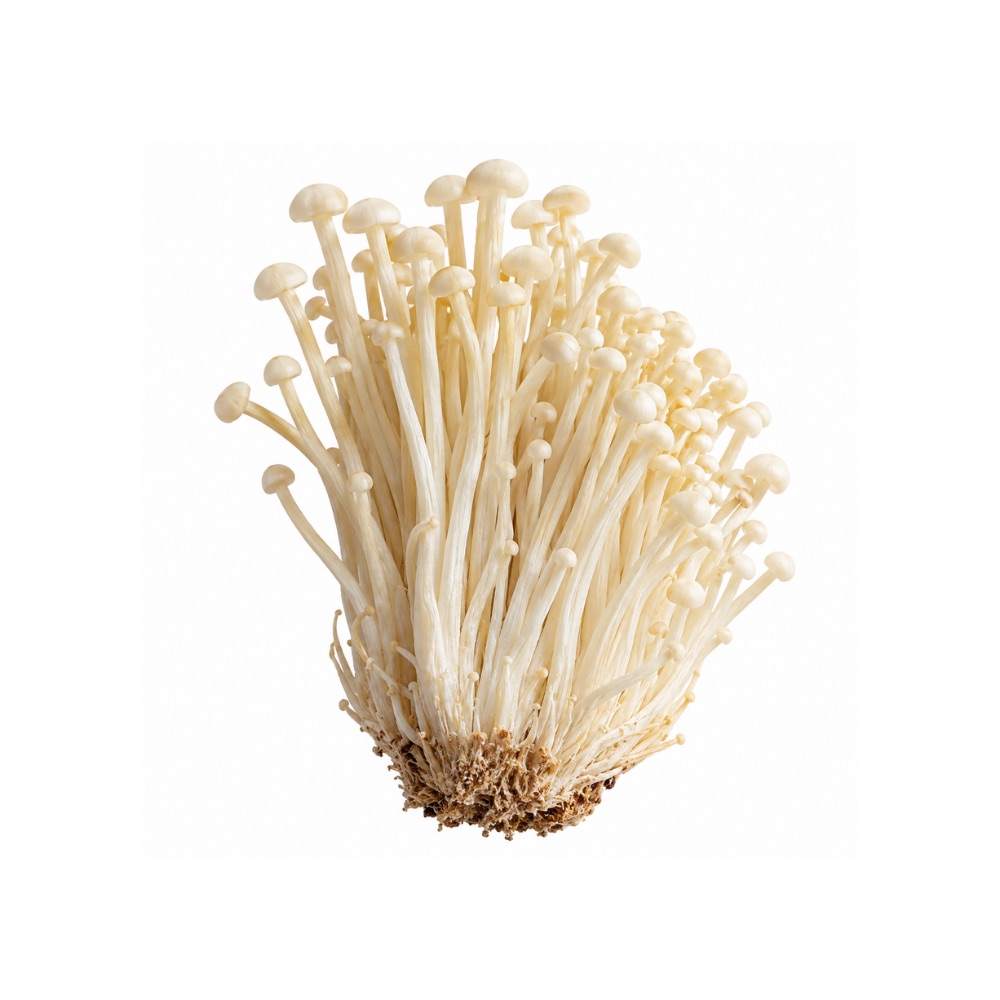 PreclinicalPreclinicalEnokiFlammulina velutipesThe mushroom whose reputation runs backwards. Reishi, chaga and cordyceps all have long traditional use that modern work went looking to explain; enoki’s interest was created in the laboratory and has no medicinal tradition behind it at all.Read the evidenceShow less
What it contributes is a mechanism the rest of the category does not have. FIP-fve is a ~13 kDa fruiting-body protein rather than a glucan, and it activates T cells and pushes responses toward Th1 and interferon-γ through p38 MAPK, calcium release and PKC-α 103,
Its activity survives simulated gastric and intestinal fluid 105Reference 105AnimalOral administration of an edible-mushroom-derived protein inhibits the development of food-allergic reactions — mouse in vivoView study →, which makes oral dosing arguable rather than merely assumed.
No human immunological trial exists, and none of the studied forms — isolated protein, purified polysaccharide, water extract, freeze-dried powder — is what a supermarket bundle delivers.
Cook it. Imported fresh enoki has caused multinational Listeria outbreaks, which is the most practically important fact about this mushroom.
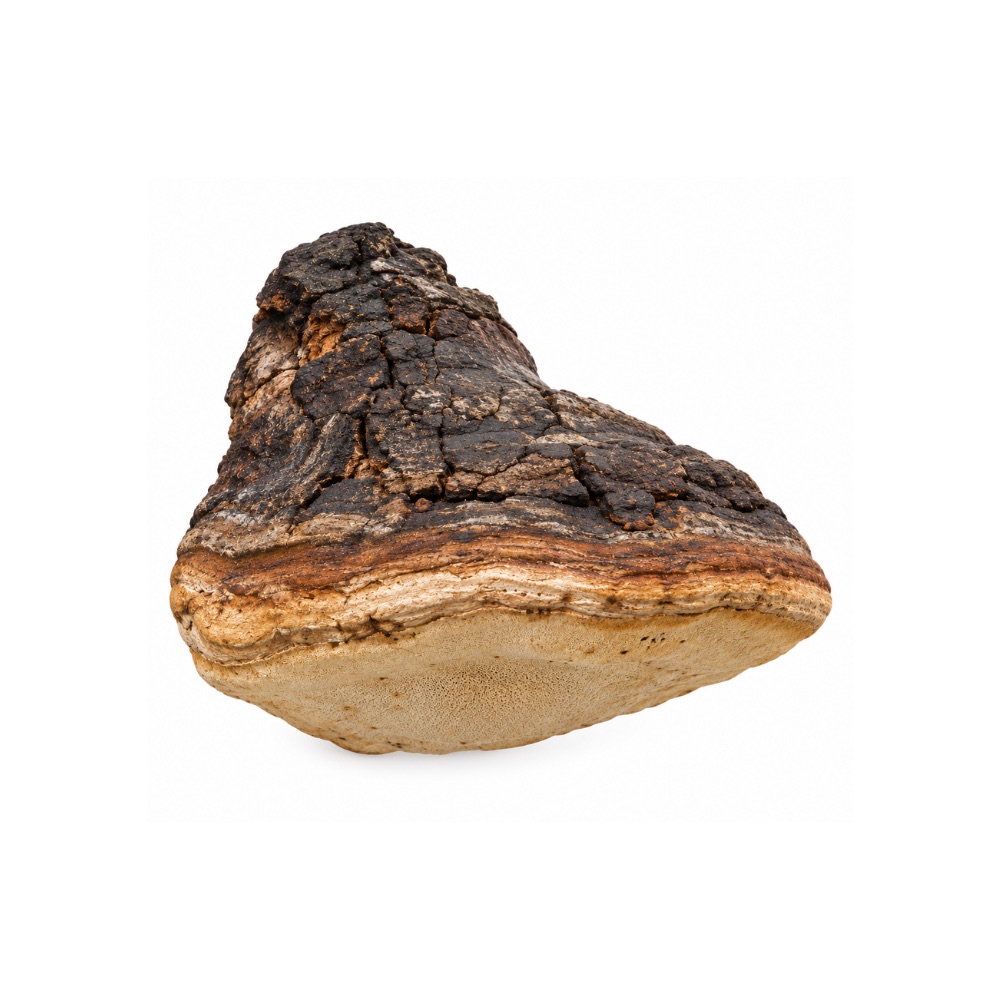 PreclinicalPreclinicalAgarikonFomitopsis officinalisDioscorides’ “elixir of long life”, and one of the few medicinal mushrooms whose scarcity is itself a clinical fact. Its fucogalactan polysaccharides activate TLR-2 and TLR-4 in zebrafish and cell models 125Reference 125AnimalAn antitumour fungal polysaccharide from Fomitopsis officinalis acting by activating immunity and inhibiting angiogenesis — zebrafish in vivoView study →, which is the whole of the immune case.Read the evidenceShow less
Its one human study gave agarikon combined with turkey tail mycelium as a COVID-19 vaccine adjunct and reported a preserved antibody response over four days 126Reference 126RCTPolypore mushroom mycelia as an adjunct to COVID-19 vaccination — randomised clinical trialView study →. A four-day surrogate in a two-fungus combination attributes nothing to agarikon.
Mycelium and conk are chemically different, and almost all modern material is cultured mycelium rather than the bracket that carries the historical reputation.
It is old-growth-dependent and IUCN Endangered, surviving mostly in Pacific Northwest old growth after being lost across much of Europe. A conk takes decades to reach size, so wild collection is indefensible and the forest is the better place for it.
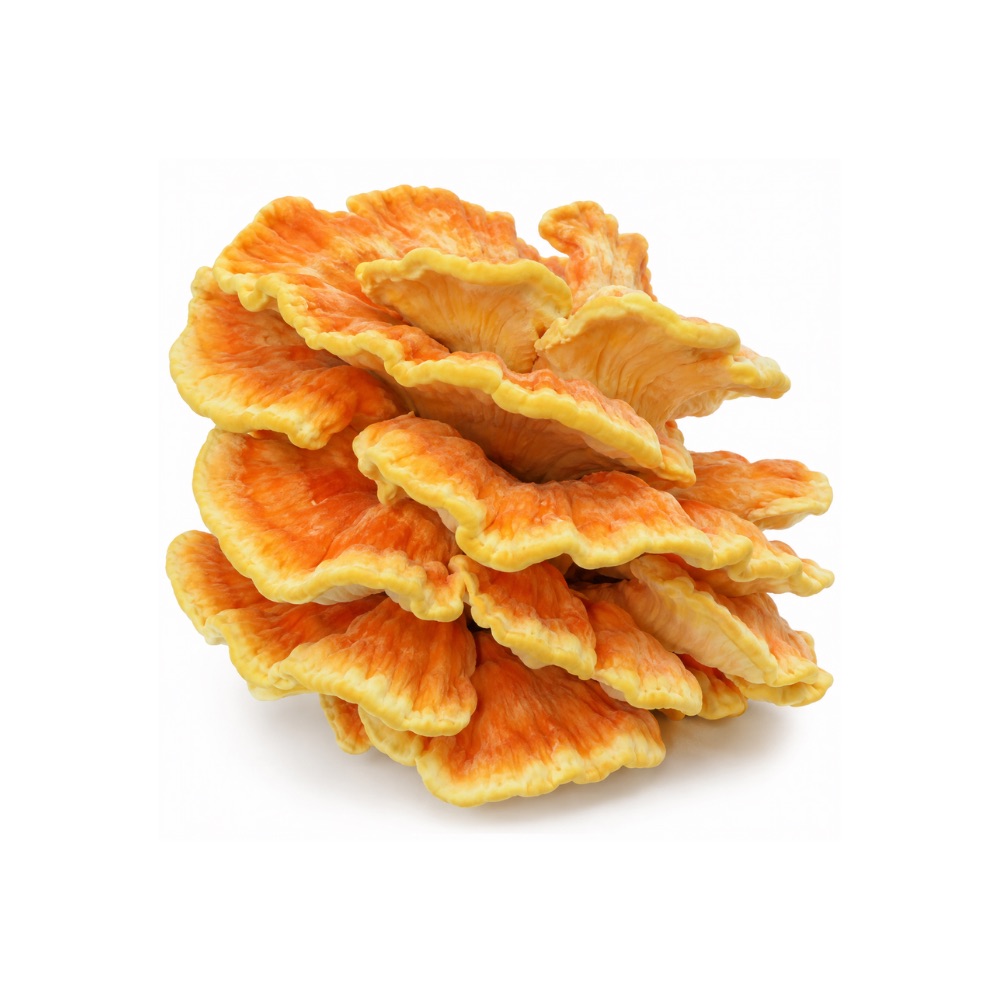 PreclinicalPreclinicalChicken of the WoodsLaetiporus sulphureusThe weakest immune evidence of the four, and the one most often assumed equivalent to turkey tail because both are shelf fungi growing on hardwood. The immune file is NK-cell activation in vitro and a single mouse colitis study 127Reference 127In vitroLemieszek, M. K., et al. (2023). (1→3)-α-D-glucooligosaccharides from Laetiporus sulphureus increase the killing capacity of NK cells against human colon cancer cells — in vitro. Molecules. https://pubmed.ncbi.nlm.nih.gov/37241952/View study →.Read the evidenceShow less
What it actually has is antioxidant and anti-inflammatory chemistry mapped in unusual detail — lanostane triterpenoids and phenolic acids — plus a sulfated polysaccharide class uncommon in fungi. None of it has reached a human trial.
The host tree matters more than the name. Laetiporus has been split into a dozen or more species, and adverse reactions are reported far more often from conifer-, eucalyptus- and yew-grown material than from the oak-grown European fungus the older literature describes.
It is a cooked wild food with an interesting research file, not a medicine.
Antiviral Herbs
5 herbsThe group where laboratory pharmacology is strongest and human evidence weakest. The targets are specific molecules, a protease, a polymerase, or a neuraminidase, and almost none of the work has been carried into a controlled trial in people.
An IC₅₀ in a cell culture says nothing about whether a compound reaches that concentration in human blood at any tolerable dose.
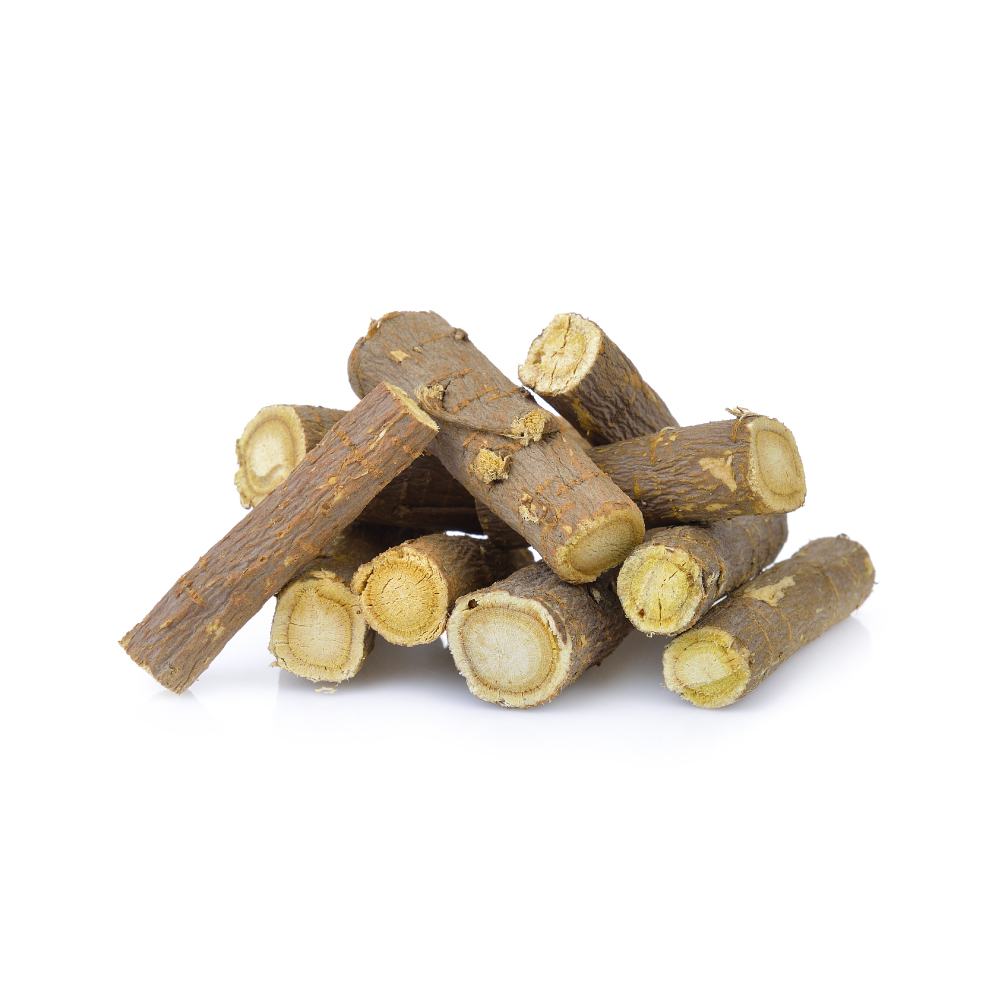 PreclinicalPreclinicalLicoriceGlycyrrhiza glabraThe most studied antiviral molecule in herbal medicine, and still a laboratory result. Glycyrrhizin inhibited replication of the SARS-associated coronavirus in cell culture in a Lancet report during the 2003 outbreak 41Reference 41In vitroGlycyrrhizin, an active component of liquorice roots, and replication of SARS-associated coronavirus — in vitroView study →, later work showed it inhibits the SARS-CoV-2 main protease 42Reference 42In vitroGlycyrrhizin effectively inhibits SARS-CoV-2 replication by inhibiting the viral main protease — in vitroView study →, and a systematic review assessed glycyrrhizin preparations across SARS and MERS 43Reference 43Systematic reviewThe potential of glycyrrhizinate in the management of COVID-19 — systematic review of glycyrrhizin preparations in SARS and MERSView study →.Read the evidenceShow lessMonograph →
Its intravenous form, Stronger Neo-Minophagen C, has been used for chronic hepatitis in Japan for decades. That is the closest thing to a human antiviral track record here, and it is an injection rather than a tea.
Blood pressure sets the ceiling. Glycyrrhizin inhibits 11β-HSD2, causing sodium retention, potassium loss, and hypertension at exactly the sustained doses an antiviral use would require.
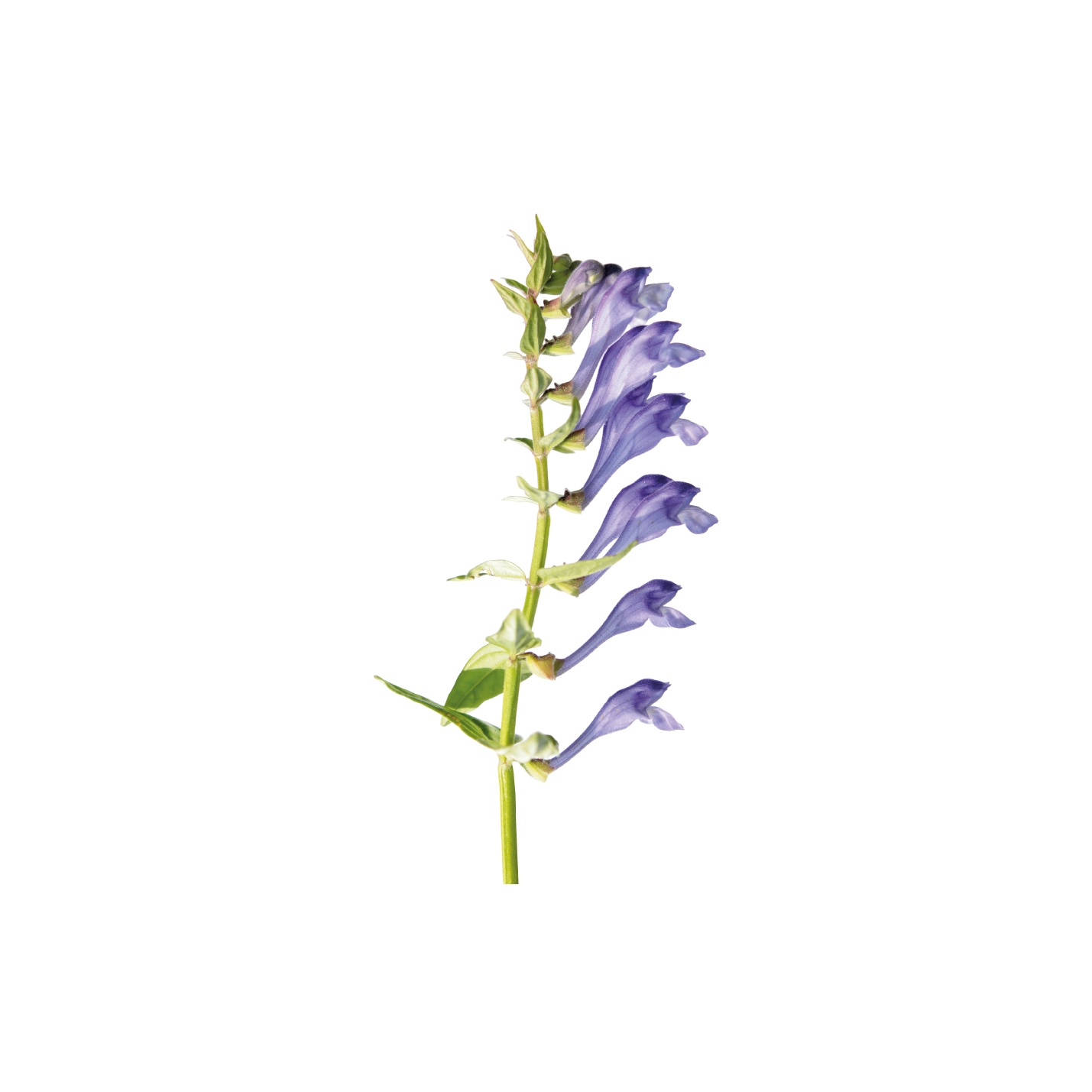 PreclinicalPreclinicalChinese SkullcapScutellaria baicalensisThe broadest and most specific set of antiviral targets in the group. Baicalein and baicalin inhibit the SARS-CoV-2 3C-like protease 44Reference 44In vitroScutellaria baicalensis extract and baicalein inhibit replication of SARS-CoV-2 and its 3C-like protease — in vitroView study → and its RNA-dependent RNA polymerase 45Reference 45In vitroBaicalein and baicalin inhibit SARS-CoV-2 RNA-dependent RNA polymerase — in vitroView study → in vitro, and block the neuraminidase of pandemic 2009 H1N1 and seasonal influenza A 46Reference 46In vitroBaicalein and Scutellaria baicalensis extracts inhibit the neuraminidase activity of pandemic 2009 H1N1 and seasonal influenza A viruses — in vitroView study →.Also underAllergy ↓Read the evidenceShow lessMonograph →
Baicalin also induces an innate interferon response that limits respiratory syncytial virus replication in cells and mice 47Reference 47In vitroBaicalin induces a potent innate immune response to inhibit respiratory syncytial virus replication — in vitro and mouse modelView study →, which is a host-side mechanism rather than a direct antiviral one.
The safety signal is specific. Limbrel, a medical food combining S. baicalensis with Acacia catechu, caused a documented cluster of acute liver injury 90Reference 90Case reportAcute liver injury due to flavocoxid (Limbrel), a medical food for osteoarthritis — case seriesView study → and was withdrawn, so concentrated extracts of this herb carry a real hepatotoxicity risk rather than a theoretical one.
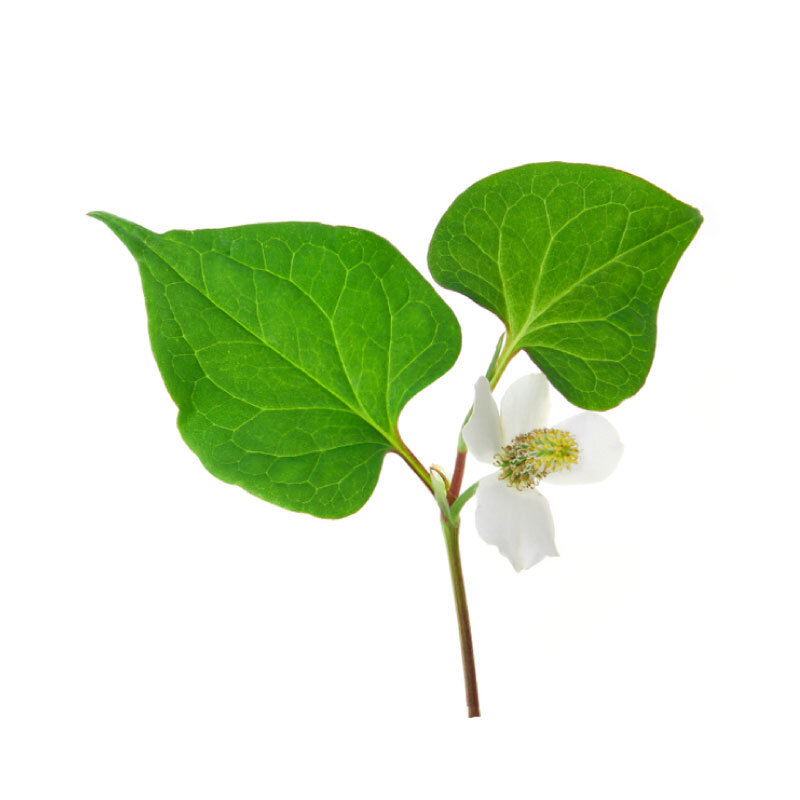 PreclinicalPreclinicalHouttuyniaHouttuynia cordataA staple of Chinese and Japanese practice, yu xing cao, the fish-smell herb, with a coherent in vitro antiviral record. The steam distillate is virucidal against herpes simplex virus type 1, influenza virus, and HIV 48Reference 48In vitroVirucidal effects of the steam distillate from Houttuynia cordata and its components on HSV-1, influenza virus and HIV — in vitroView study →, extracts block herpes infection through inhibition of NF-κB activation 50Reference 50In vitroHouttuynia cordata blocks HSV infection through inhibition of NF-κB activation — in vitroView study →, and a study during the SARS era found combined immunomodulatory and anti-coronaviral activity in cell and animal models 49Reference 49In vitroImmunomodulatory and anti-SARS activities of Houttuynia cordata — in vitro and animal modelView study →.Read the evidenceShow lessMonograph →
It is eaten as a vegetable across Southeast Asia, which gives it a reassuring dietary safety record for a herb with this much antiviral literature.
No controlled human antiviral trial exists.
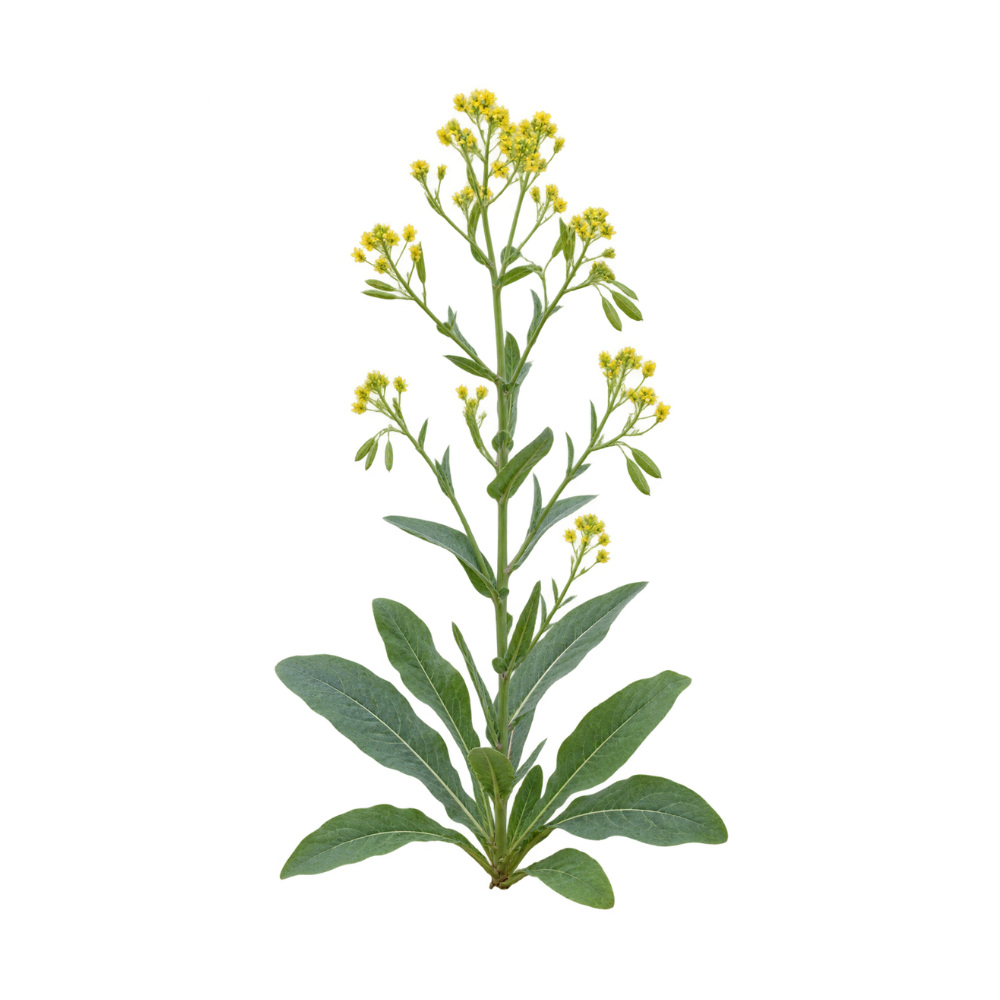 PreclinicalPreclinicalIsatisIsatis indigoticaBan lan gen is among the most widely consumed antiviral herbs on earth by volume, sold across China as a granule taken at the first sign of a cold, and supported almost entirely by laboratory work.Read the evidenceShow lessMonograph →
Root polysaccharides inhibit influenza A and the TLR-3-mediated inflammation it provokes 51Reference 51In vitroRadix Isatidis polysaccharides inhibit influenza A virus and influenza A virus-induced inflammation via suppression of host TLR-3 signalling — in vitroView study →, the lignan clemastanin B is active against human and avian influenza A and B in vitro 52Reference 52In vitroAntiviral activity of Isatis indigotica root-derived clemastanin B against human and avian influenza A and B viruses in vitroView study →, and glucosinolate breakdown products show antiviral activity in cell and egg models 53Reference 53In vitroAntiviral activity of Isatidis Radix-derived glucosinolate isomers and their breakdown products against influenza A in vitro and in ovoView study →.
The scale of the popular use against the absence of a decent efficacy trial is one of the starker mismatches in herbal medicine.
The related preparation qing dai, indigo naturalis, has trial evidence in ulcerative colitis and a documented pulmonary-hypertension signal, and it is a different medicine from the root.
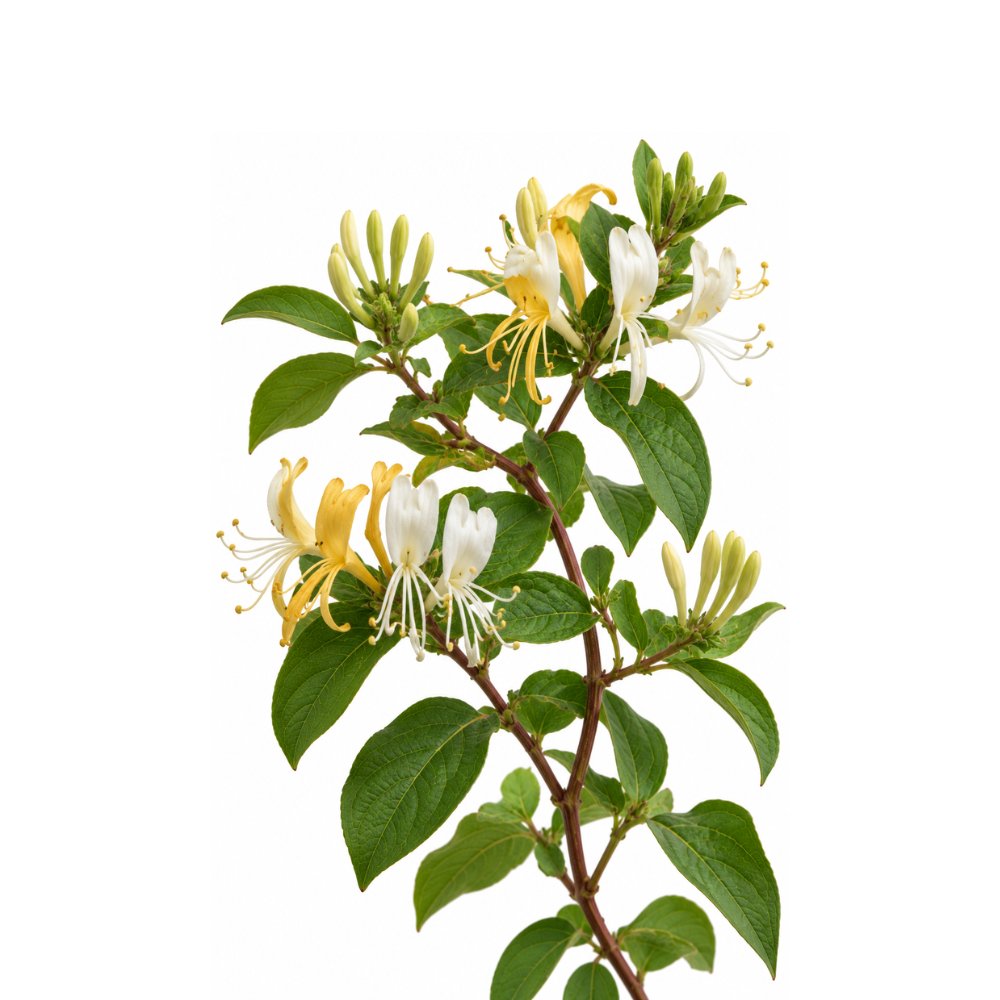 PreclinicalPreclinicalHoneysuckleLonicera japonicaHoneysuckle encodes a plant microRNA, MIR2911, which survives decoction and absorption and targets influenza A viral genes directly 54Reference 54Honeysuckle-encoded atypical microRNA2911 directly targets influenza A virusesView study →. A follow-up reported that absorbed MIR2911 from honeysuckle decoction inhibited SARS-CoV-2 replication and accelerated viral clearance in infected patients 55Reference 55Absorbed plant MIR2911 in honeysuckle decoction inhibits SARS-CoV-2 replication and accelerates the negative conversion of infected patientsView study →.Read the evidenceShow lessMonograph →
Cross-kingdom microRNA transfer would be a real mechanism for a decoction if it holds. It remains contested, and the clinical arm was not a blinded controlled trial.
Honeysuckle is the jin yin hua of the classical Yin Qiao formula, paired with forsythia, and its caffeoylquinic acids carry a separate, more conventional anti-inflammatory literature.
Autoimmune & Immune Overactivity
5 herbsThe restraining half of the system, and the group most likely to be reached for by the people who should avoid the two above.
These are add-ons to standard therapy, tested alongside methotrexate or leflunomide rather than instead of them, and the best evidence sits with a purified fraction rather than a whole herb.
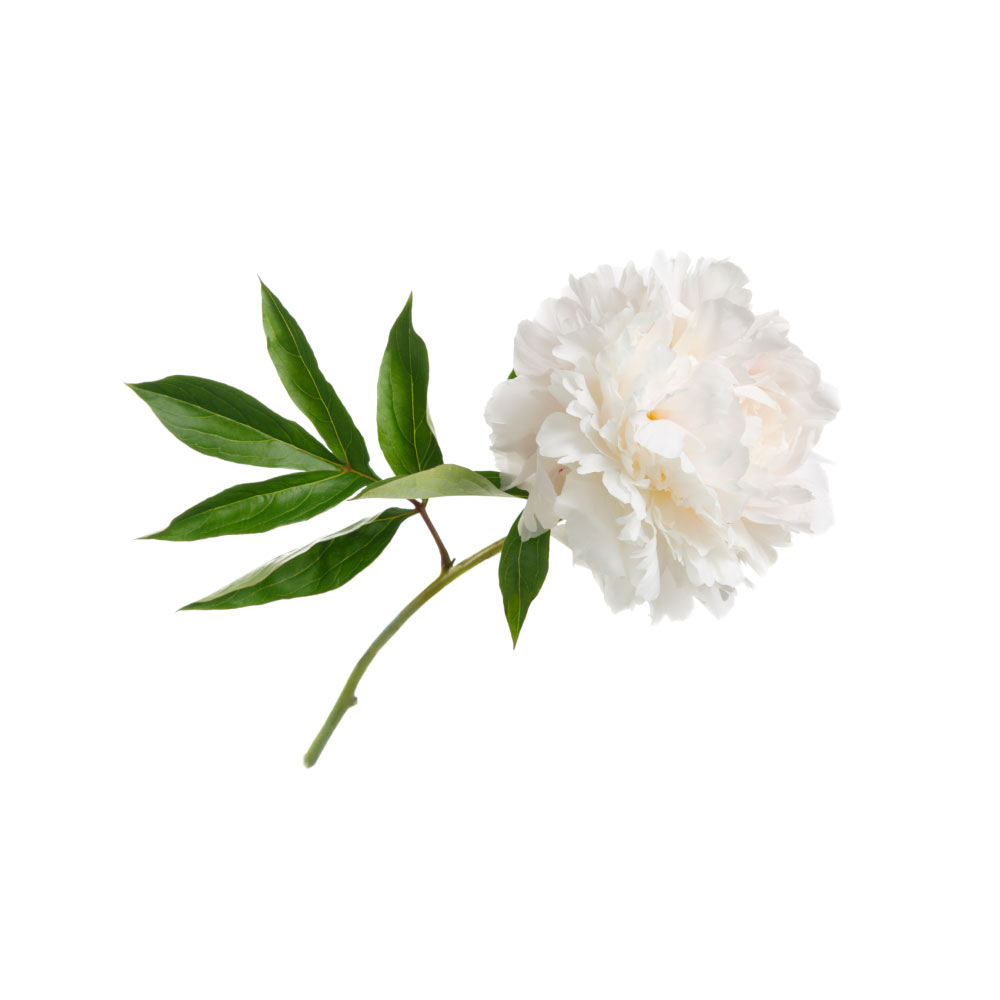 StrongStrongWhite PeonyPaeonia lactifloraThe strongest autoimmune evidence here belongs to a purified fraction, total glucosides of paeony, a standardised extract licensed as a prescription antirheumatic in China. An overview of systematic reviews found it effective as an adjunct in rheumatoid arthritis 57Reference 57Systematic reviewBenefits and safety of Tripterygium glycosides and total glucosides of paeony for rheumatoid arthritis — overview of systematic reviewsView study →, a meta-analysis supported its clinical safety in that role 58Reference 58Meta-analysisClinical safety of total glucosides of paeony adjuvant therapy for rheumatoid arthritis treatment — systematic review and meta-analysisView study →, and randomised trials show benefit alongside leflunomide 59Reference 59RCTClinical observation on effects of leflunomide and total glucosides of paeony on rheumatoid arthritis — randomised controlled trialView study →.Read the evidenceShow lessMonograph →
Its most distinctive result is protective rather than symptomatic. The extract reduces the hepatotoxicity caused by methotrexate and leflunomide combination therapy 60Reference 60RCTTotal glucosides of paeony can reduce the hepatotoxicity caused by methotrexate and leflunomide combination treatment of active rheumatoid arthritis — randomised controlled trialView study →, which is a real clinical problem in the people taking it.
A randomised pilot also found benefit in Sjögren’s syndrome 61Reference 61RCTClinical and immunological consequences of total glucosides of paeony treatment in Sjögren’s syndrome — randomised controlled pilot trialView study →, and the immunomodulatory pharmacology is well reviewed 56Reference 56ReviewAnti-inflammatory and immunomodulatory effects of Paeonia lactiflora Pall., a traditional Chinese herbal medicine — reviewView study →.
Nearly all the trials are Chinese and of variable methodological quality, and the extract at trial doses is not the same medicine as a peony root decoction.
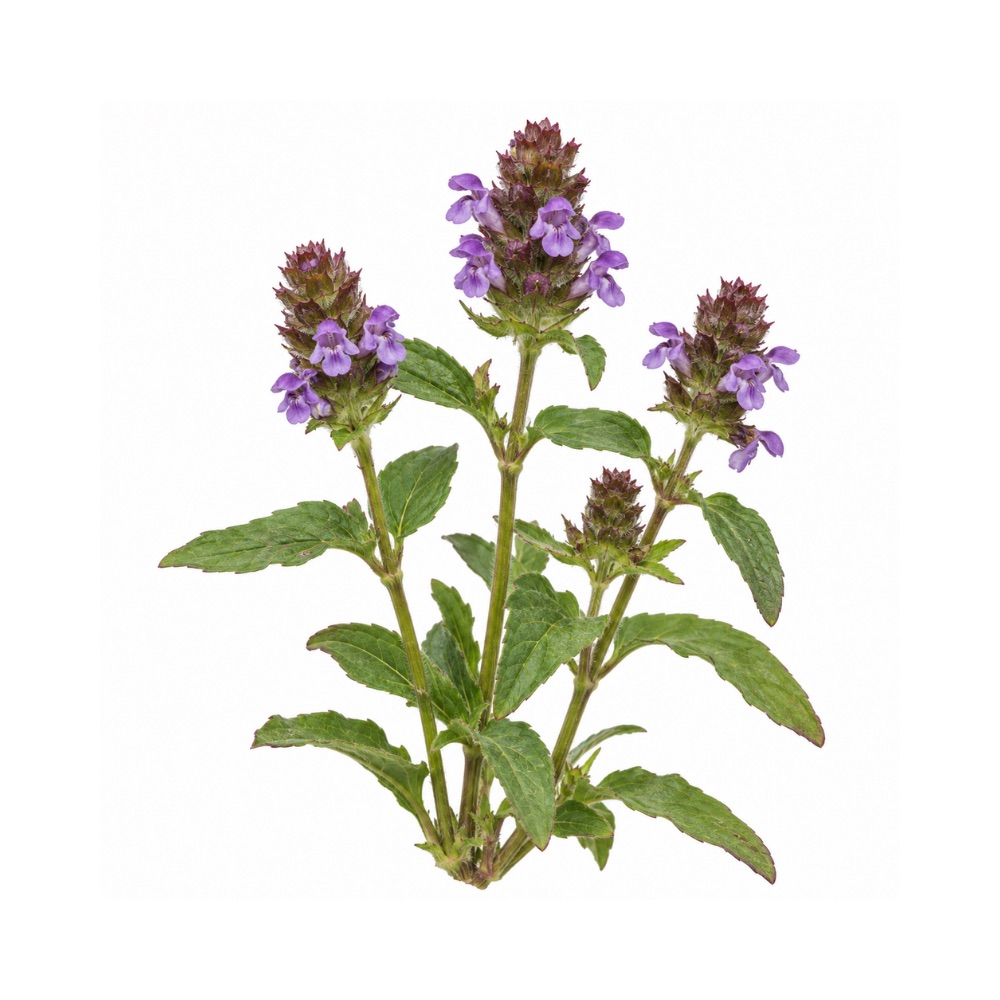 ModerateModerateSelf-HealPrunella vulgarisThe most specific restraint result in the group, because the endpoint is an autoantibody rather than a symptom score. Xia ku cao has been used in Chinese medicine to disperse nodules for centuries, and that classical indication maps neatly onto what modern trials have measured.Read the evidenceShow less
A 2021 meta-analysis of thirteen randomised trials in 1,468 patients found Prunella preparations added to levothyroxine improved clinical efficacy and reduced thyroid nodule diameter 128Reference 128Meta-analysisSafety and efficacy of Prunella vulgaris preparations in the adjuvant treatment of thyroid nodules — meta-analysis of randomised controlled trialsView study →, and a systematic review of eleven randomised trials in 1,215 patients with Hashimoto’s thyroiditis found improved efficacy and lower thyroid-peroxidase antibody titres 110Reference 110Meta-analysisPreparations of Xiakucao (Prunella vulgaris) for Hashimoto’s thyroiditis — systematic review, meta-analysis and trial sequential analysisView study →.
The trials tested it as an adjuvant to levothyroxine rather than instead of it, the interventions were non-standardised Chinese proprietary preparations rather than a self-heal tea, and the evidence was graded low to very low on trial quality. The direction is consistent and the confidence is not.
Self-heal carries a separate antiviral thread. Prunellin, a sulfated polysaccharide characterised since 1989, blocks viral attachment and entry against herpes simplex and HIV in vitro 129,
The polysaccharide is water-soluble, so a decoction and a tincture are not interchangeable.
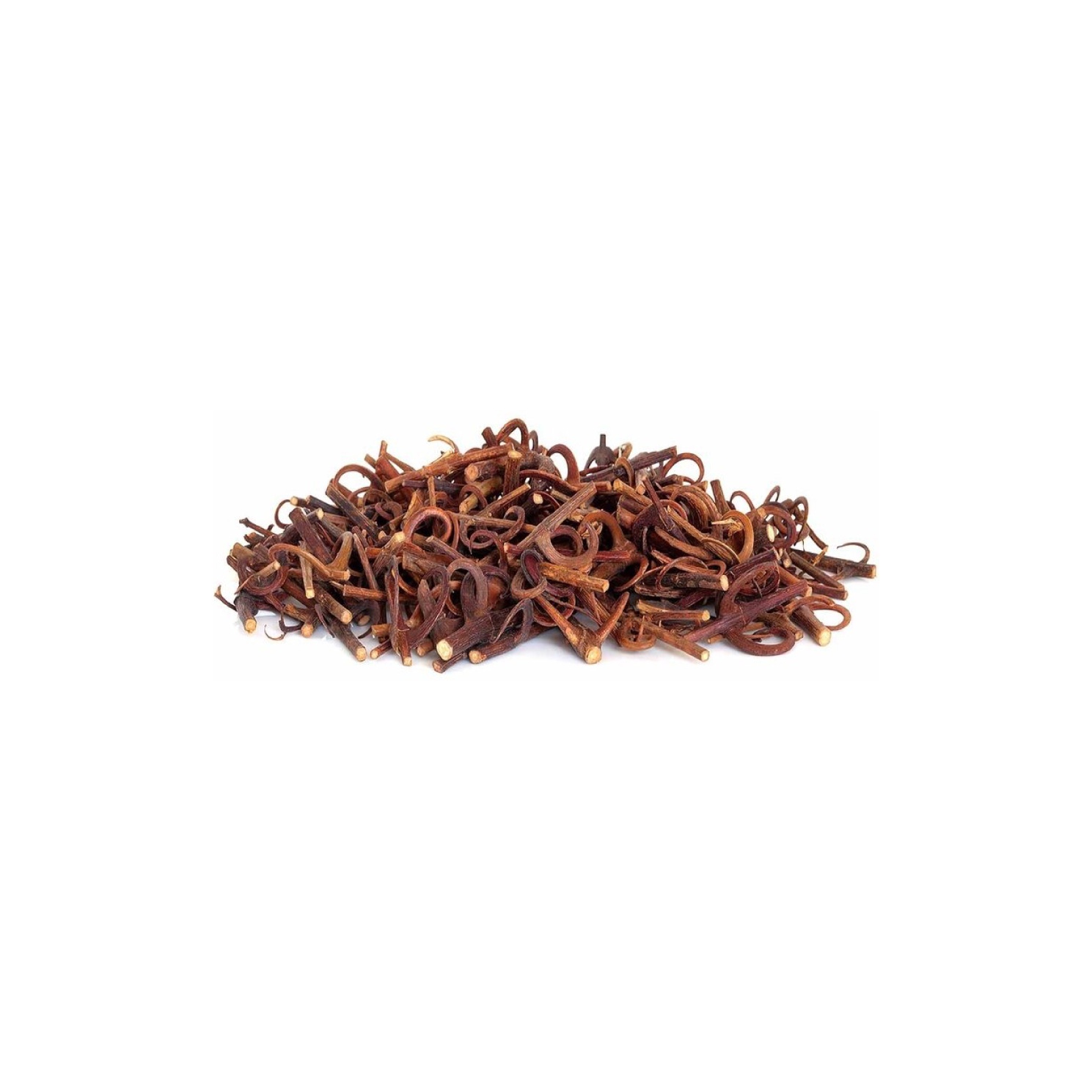 ModerateModerateCat’s ClawUncaria tomentosaThe Amazonian vine, with two small controlled trials behind it. A randomised double-blind trial of the pentacyclic-alkaloid chemotype in rheumatoid arthritis found a modest reduction in the number of painful joints in patients already on sulfasalazine or hydroxychloroquine 62Reference 62RCTRandomized double blind trial of an extract from the pentacyclic alkaloid-chemotype of Uncaria tomentosa for the treatment of rheumatoid arthritisView study →, and a randomised trial in knee osteoarthritis found reduced pain within a week 63Reference 63RCTEfficacy and safety of freeze-dried cat’s claw in osteoarthritis of the knee — randomised controlled trialView study →.Also underImmune ↓Read the evidenceShow lessMonograph →
The mechanism is NF-κB suppression 64Reference 64In vitroAntiinflammatory actions of cat’s claw: the role of NF-κB — in vitro and animalView study →, without the cell death a cytotoxin would cause 65Reference 65In vitroAn extract of Uncaria tomentosa inhibiting cell division and NF-κB activity without inducing cell death — in vitroView study →.
Chemotype decides what a product does. U. tomentosa occurs as pentacyclic and tetracyclic oxindole alkaloid types that look identical, and the tetracyclic alkaloids antagonise the pentacyclic ones, so an unspecified product can contain a fraction working against the one that was tested.
Cat’s claw activates immune cells in other settings, which makes it a poor choice on immunosuppressant medication or after a transplant.
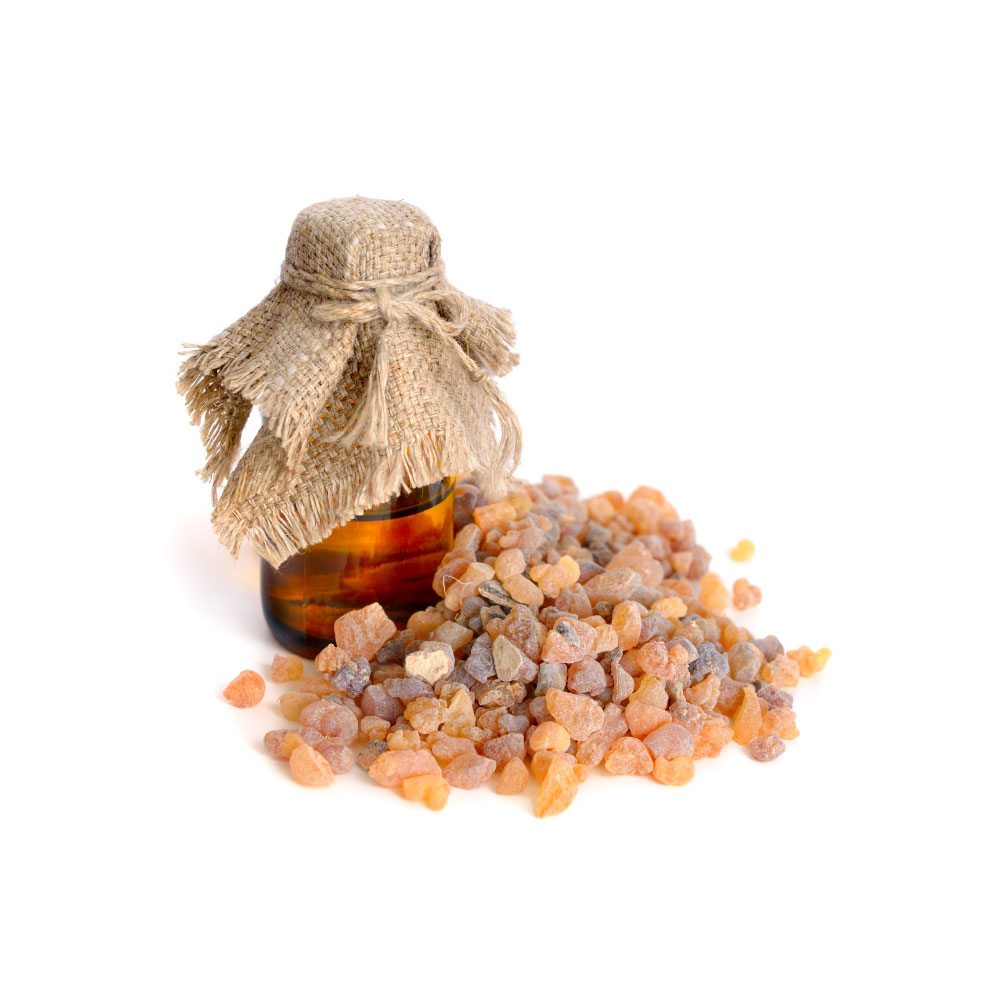 ModerateModerateFrankincenseBoswellia serrataFrankincense’s immune claim is respiratory rather than joint. A double-blind, placebo-controlled six-week trial of Boswellia serrata gum resin in bronchial asthma reported improvement in symptoms and lung function 66Reference 66RCTEffects of Boswellia serrata gum resin in patients with bronchial asthma — double-blind, placebo-controlled, six-week clinical studyView study →.Read the evidenceShow lessMonograph →
That fits the 5-lipoxygenase mechanism exactly, since leukotrienes are the mediators the asthma drug montelukast targets. In human peripheral blood mononuclear cells the boswellic acids suppress TNF-α, IL-1β, and nitric oxide 67Reference 67In vitroPure compound from Boswellia serrata extract exhibits anti-inflammatory property in human PBMCs and mouse macrophages through inhibition of TNF-α, IL-1β, NO and MAP kinases — in vitro and animalView study →, and a broad review covers targets and toxicities 68Reference 68Systematic reviewAnti-inflammatory and anti-cancer activities of frankincense: targets, treatments and toxicities — systematic reviewView study →.
Its larger osteoarthritis literature belongs to the musculoskeletal system, and its inflammatory bowel disease record, including a decisive negative Crohn’s trial, is on the digestive page.
The asthma trial is a single 1998 study and has not been replicated.
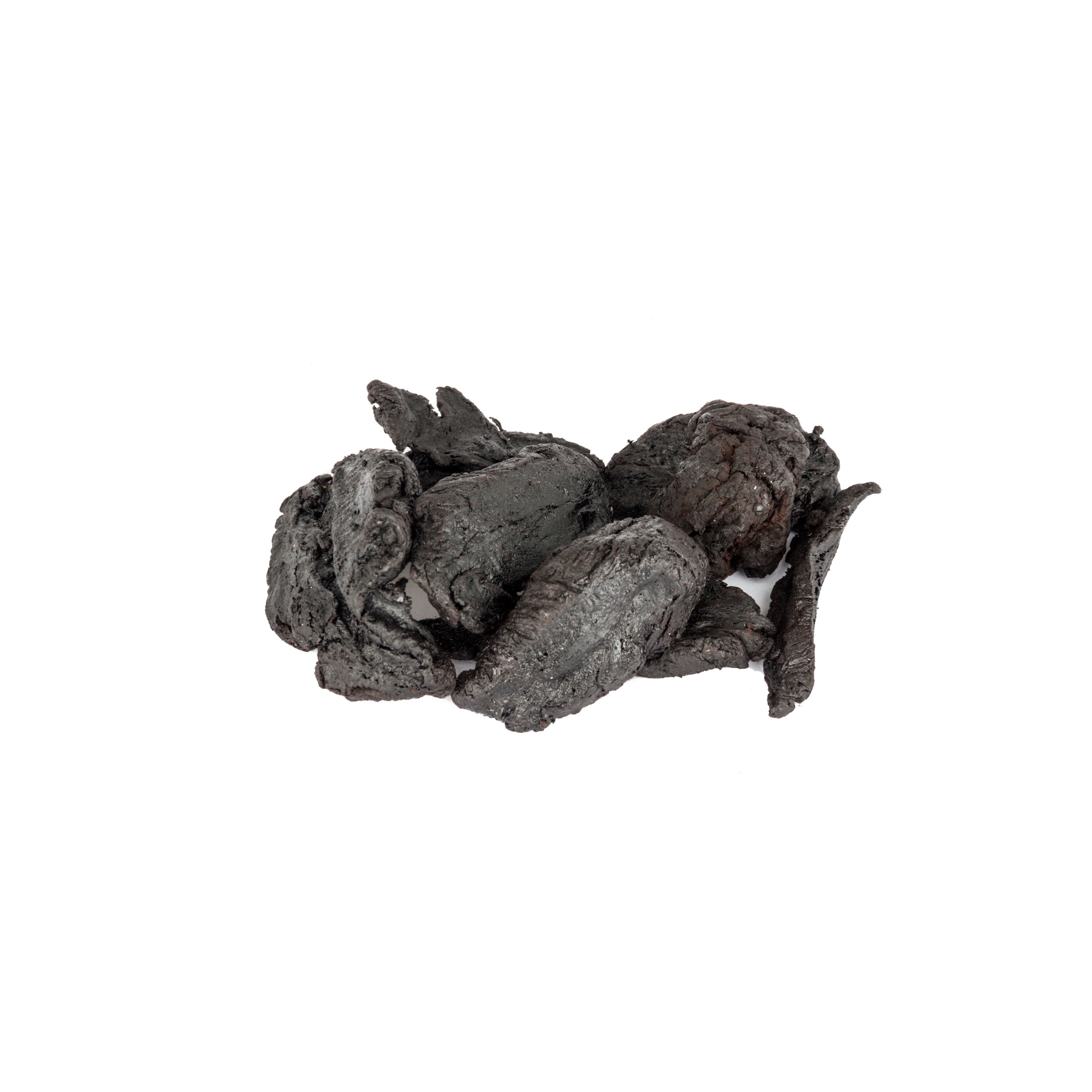 PreclinicalPreclinicalRehmanniaRehmannia glutinosaThe Western herbal reputation is as a steroid-sparing herb for autoimmune and inflammatory conditions, and it rests on tradition and animal data rather than trials.Read the evidenceShow lessMonograph →
Rehmannia polysaccharide restores immune function in immunosuppressed mice with associated gut-microbiota changes 69Reference 69In vitroPolysaccharide from hot-compressed steamed Rehmannia glutinosa on the immune system and gut microbiota in immunosuppressed mice — animal model and in vitroView study →, an arabinan fraction is anti-inflammatory in vivo and in vitro 71Reference 71In vitroStructural characterization and anti-inflammatory effects of an arabinan from Rehmannia glutinosa — in vivo and in vitroView study →, and an older animal study found suppression of immediate-type allergic reaction 70Reference 70AnimalEffect of Rehmannia glutinosa on immediate-type allergic reaction — animal modelView study →. The iridoid catalpol is a principal active.
Prepared, steamed shu di huang and raw sheng di huang are treated as different medicines in Chinese practice, the raw form for heat and inflammation and the prepared form as a blood tonic. Western products rarely make the distinction.
Allergy & Histamine
3 herbsThe most coherent group, because the preclinical mechanism and the human trial evidence point the same way.
Allergy is immune overactivity, so the stimulants in the first two groups are the wrong direction. Astragalus is the exception, with its own randomised trial in seasonal allergic rhinitis 77Reference 77RCTEfficacy and safety of Astragalus membranaceus in the treatment of patients with seasonal allergic rhinitis — double-blind, placebo-controlled randomised trialView study → despite sitting among the tonics.
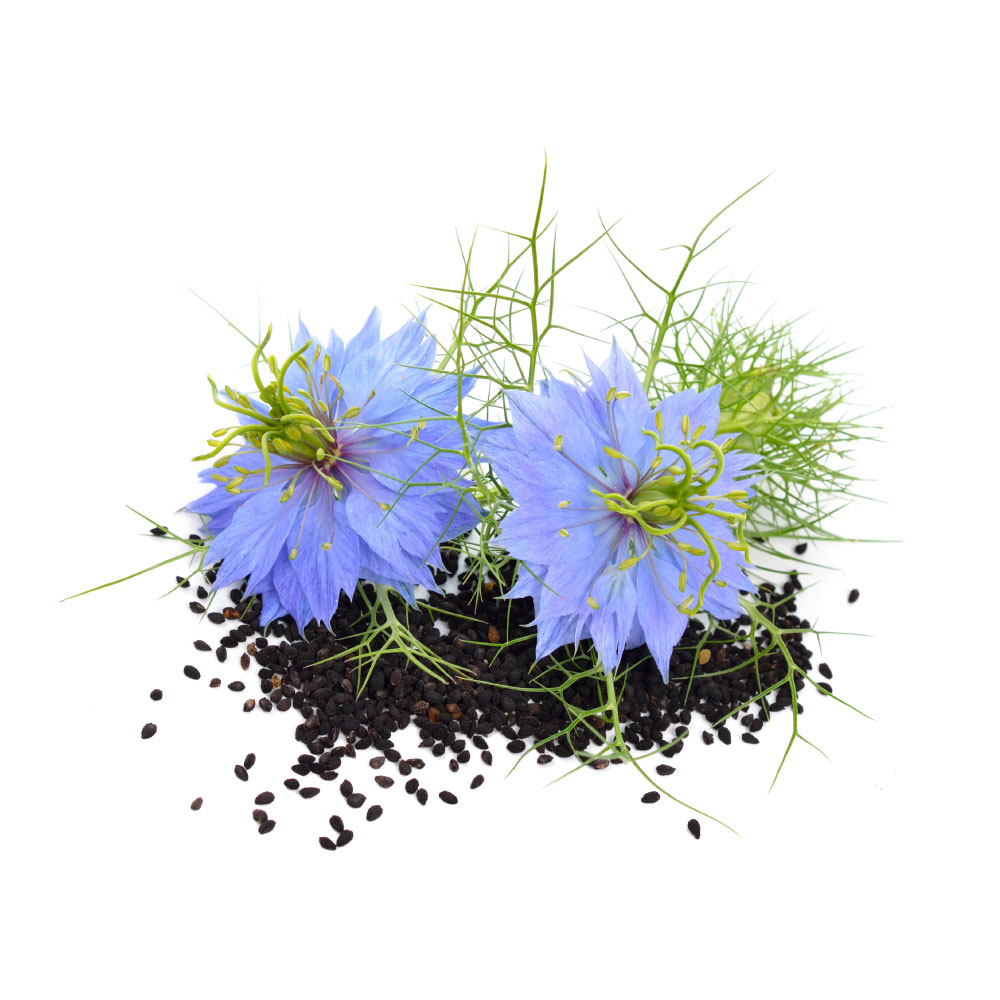 StrongStrongNigellaNigella sativaThe best-evidenced allergy herb here, across two conditions. In allergic rhinitis, a meta-analysis of randomised controlled trials found Nigella preparations significantly reduced symptom scores 72Reference 72Meta-analysisMeta-analysis of randomized controlled trials assessing the efficacy of Nigella spp in allergic rhinitisView study →, supported by an earlier controlled study 73Reference 73Herbal treatment of allergic rhinitis: the use of Nigella sativaView study → and a randomised, double-blind, placebo-controlled trial of a standardised 5% thymoquinone oil in seasonal allergy 74Reference 74RCTA randomized, double-blind, placebo-controlled study of a standardized Nigella sativa oil containing 5% thymoquinone in reducing symptoms of seasonal allergyView study →.Read the evidenceShow lessMonograph →
In asthma, a meta-analysis found improved asthma control 75Reference 75Meta-analysisThe influence of Nigella sativa for asthma control — meta-analysisView study →, and a randomised, double-blind, placebo-controlled trial found improved control scores alongside a fall in blood eosinophils 76Reference 76RCTNigella sativa supplementation improves asthma control and biomarkers — randomised, double-blind, placebo-controlled trialView study →.
The trials are mostly small and regionally concentrated, and the oil and the ground seed are not interchangeable doses. Nigella inhibits CYP enzymes, which matters alongside narrow-therapeutic-index medication.
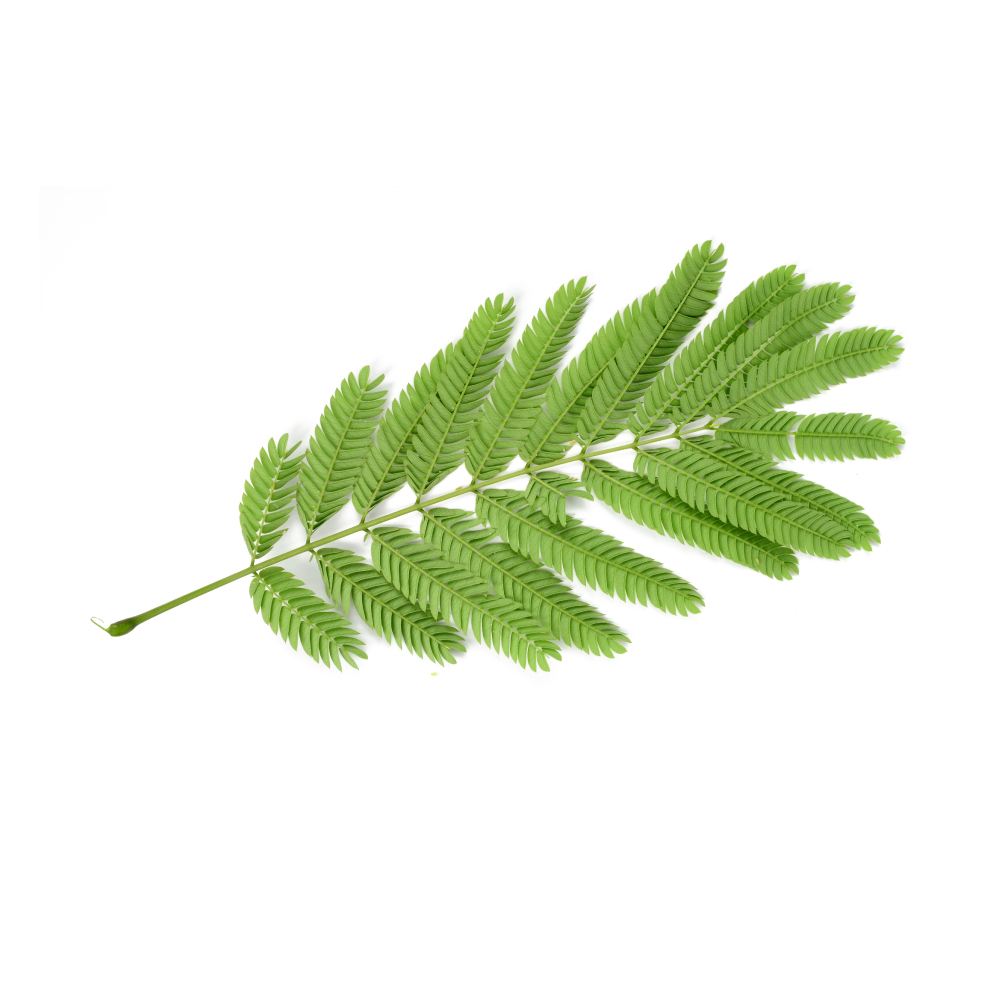 PreclinicalPreclinicalAlbizziaAlbizzia lebbeckThe Ayurvedic antiallergic herb, shirisha, classically the remedy for urticaria and asthma, and the one with the most precisely characterised mechanism.Read the evidenceShow lessMonograph →
It stabilises mast cells so they degranulate less readily 78,
There is no controlled human trial. The clinical work is on polyherbal Ayurvedic formulations in which albizzia is one component.
PreclinicalPreclinicalChinese SkullcapScutellaria baicalensisBaicalein, wogonin, and the ethanol extract alleviate ovalbumin-induced allergic airway inflammation in animals 82Reference 82AnimalBaicalein, wogonin, and Scutellaria baicalensis ethanol extract alleviate ovalbumin-induced allergic airway inflammation — animal modelView study →, and wogonin induces apoptosis specifically in eosinophils, the cell that sustains allergic airway inflammation, while attenuating that inflammation in vivo 83Reference 83In vitroWogonin induces eosinophil apoptosis and attenuates allergic airway inflammation — in vitro and mouse modelView study →.Also underAntiviral ↓Read the evidenceShow lessMonograph →
Targeted eosinophil apoptosis is an unusually precise mechanism for a plant flavonoid, and it maps onto the modern anti-eosinophil asthma biologics.
There is no human allergy trial, and the flavocoxid liver-injury signal applies to concentrated preparations of this herb generally.
Immune Support During Cancer Treatment
5 herbsA distinct clinical context with its own literature, mostly Chinese, and mostly as an adjuvant to platinum-based chemotherapy.
The endpoints need reading carefully. Most of this evidence is about immune markers, performance status, and chemotherapy tolerability rather than survival, with one exception that leads the group.
None of it is a cancer treatment, several of these herbs interact with chemotherapy and immunotherapy, and this is an oncologist conversation rather than a self-directed one.
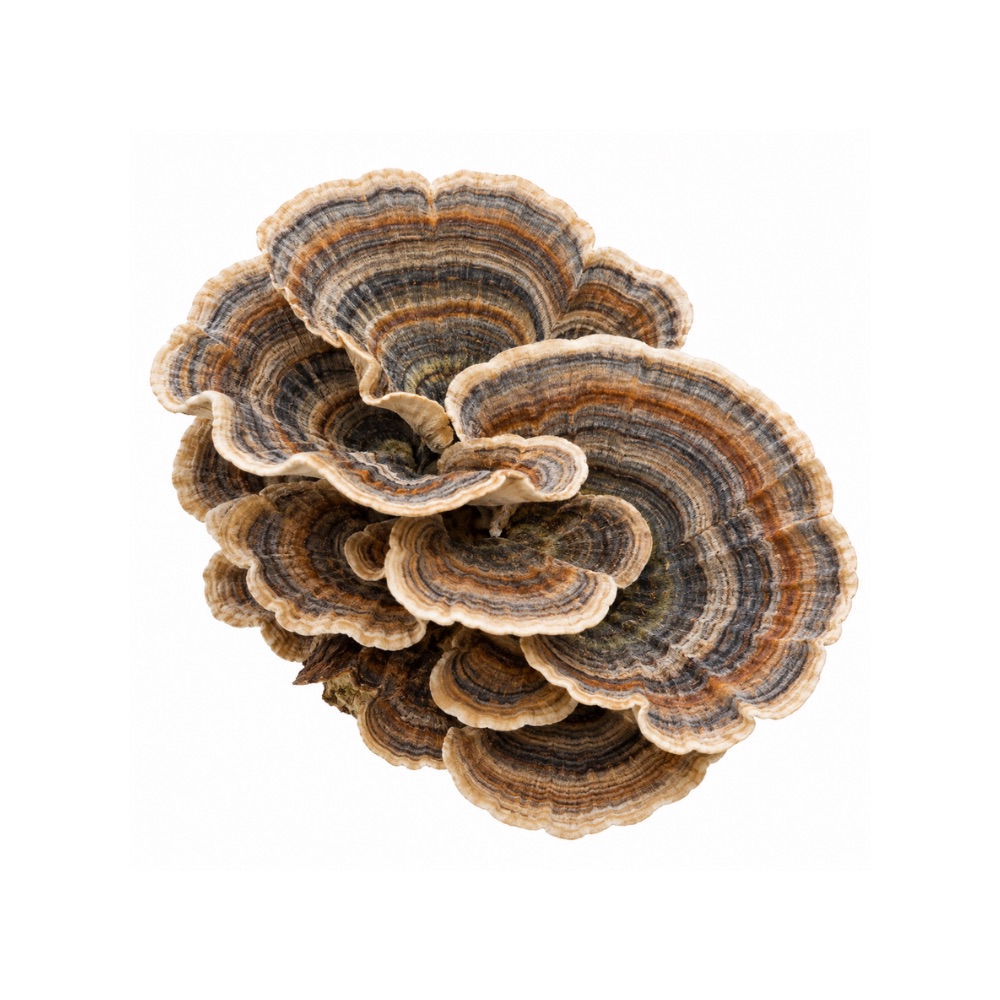 StrongStrongTurkey TailTrametes versicolorThe strongest evidence anywhere in this system, and the only place an immune mechanism has been followed all the way to a randomised survival endpoint. PSK, a protein-bound polysaccharide from Trametes versicolor and a licensed prescription product in Japan since 1977, has been tested as an addition to chemotherapy after curative resection.Read the evidenceShow less
A meta-analysis of randomised trials in gastric cancer found a survival benefit 131Reference 131Meta-analysisEfficacy of adjuvant immunochemotherapy with polysaccharide K for patients with curative resections of gastric cancer — meta-analysis of randomised controlled trialsView study →, as did a meta-analysis of centrally randomised trials in colorectal cancer 132Reference 132Meta-analysisEfficacy of adjuvant immunochemotherapy with polysaccharide K for patients with curatively resected colorectal cancer — meta-analysis of centrally randomised controlled clinical trialsView study →, and a later network meta-analysis in gastrointestinal cancer reached the same direction 133Reference 133Meta-analysisCan polysaccharide K improve therapeutic efficacy and safety in gastrointestinal cancer? — systematic review and network meta-analysisView study →.
The mechanism was worked out in the same order. Protein-bound β-glucans engage dectin-1 and TLR2, dendritic cells mature, the Th1/Th2 balance shifts, and NK and cytotoxic T-cell activity rises 98Reference 98ReviewBiological mechanism and clinical effect of protein-bound polysaccharide K (KRESTIN) — reviewView study →.
A phase I dose-escalation trial in women after breast-cancer radiotherapy showed dose-related increases in lymphocyte counts and NK functional activity 134Reference 134Clinical trialPhase I clinical trial of Trametes versicolor in women with breast cancer — dose-escalation clinical trialView study →.
The framing is narrow. This is a purified, standardised extract, given alongside chemotherapy, in patients whose tumour had already been surgically removed, under oncological supervision.
It is not a cancer treatment and not a mushroom powder from a shelf, and nothing is taken during cancer treatment without telling the treating team.
ModerateModerateAstragalusAstragalus membranaceusAstragalus has its strongest human evidence in cancer care. A meta-analysis of randomised trials in the Journal of Clinical Oncology found that astragalus-based Chinese herbal formulas added to platinum-based chemotherapy for advanced non-small-cell lung cancer improved survival and tumour response 84Reference 84Meta-analysisAstragalus-based Chinese herbs and platinum-based chemotherapy for advanced non-small-cell lung cancer — meta-analysis of randomised trialsView study →.Also underDeep ↓Read the evidenceShow lessMonograph →
A later systematic review and meta-analysis of astragalus injection in the same setting agreed 85Reference 85Meta-analysisEvidence of Astragalus injection combined with platinum-based chemotherapy in advanced non-small cell lung cancer — systematic review and meta-analysisView study →, and a meta-analysis of the Kangai injection found improved immune function during chemotherapy 86Reference 86Meta-analysisEffect of Kangai injection combined with platinum-based chemotherapy on immune function in advanced NSCLC — meta-analysisView study →.
Much of that evidence uses injectable preparations unavailable outside China rather than oral root, and the contributing trials are small, of variable quality, and subject to likely publication bias.
Astragalus activates immune cells, which raises a theoretical concern alongside checkpoint-inhibitor immunotherapy.
ModerateModerateReishiGanoderma lucidumReishi’s human trials were run in exactly this population. Ganopoly, a standardised G. lucidum polysaccharide extract, changed NK-cell activity, CD4/CD8 ratios, and lymphocyte mitogenic response in advanced-stage cancer patients over twelve weeks 29Reference 29Clinical trialEffects of Ganopoly (a Ganoderma lucidum polysaccharide extract) on the immune functions in advanced-stage cancer patients — clinical trialView study →, reproduced in a trial in advanced lung cancer where quality-of-life measures also improved 30Reference 30Clinical trialEffects of water-soluble Ganoderma lucidum polysaccharides on the immune functions of patients with advanced lung cancer — clinical trialView study →.Also underDeep ↓Read the evidenceShow lessMonograph →
Both are open or small trials with surrogate endpoints, and a change in an immune marker in a cancer patient is not an anticancer effect.
Reishi is among the better-tolerated options in this group, with the antiplatelet effect relevant around surgery.
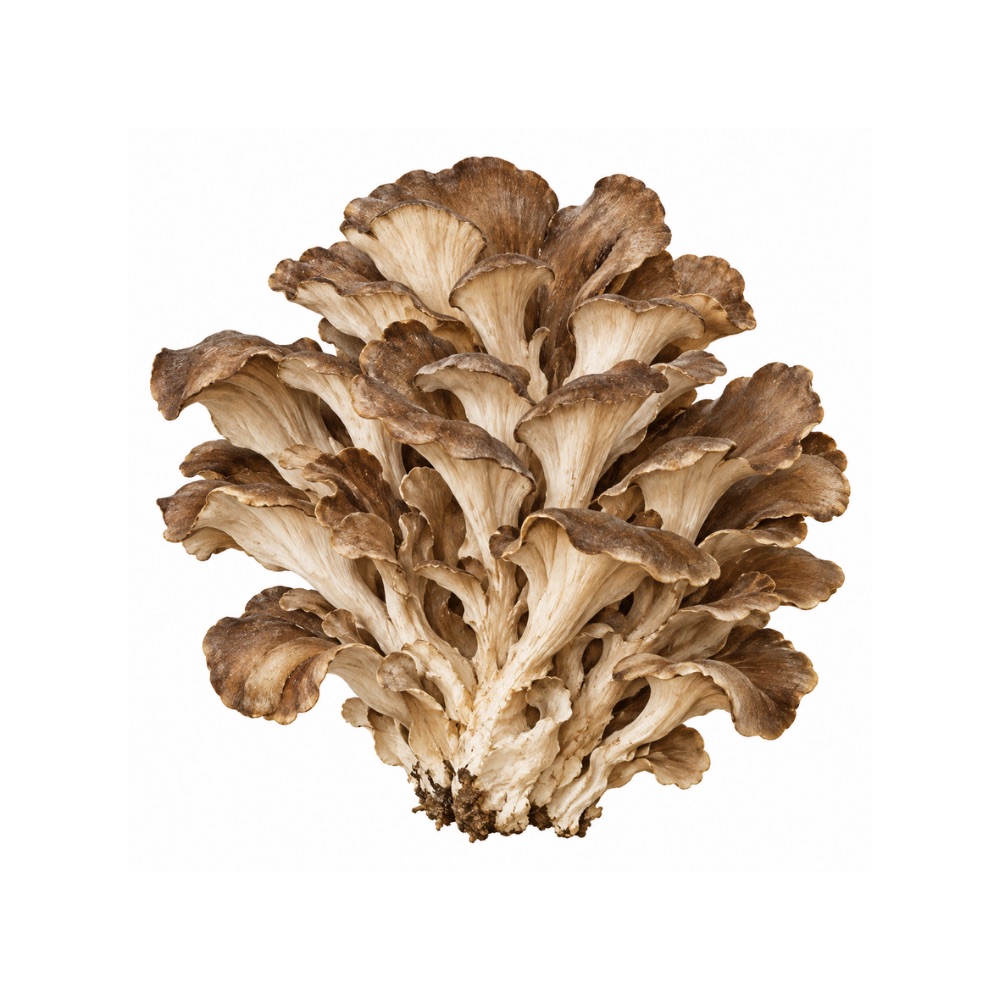 ModerateModerateMaitakeGrifola frondosaThe bone-marrow end of the immune story, working on the production of immune cells rather than on the activation of the ones already there. Maitake β-glucan raised G-CSF output and enhanced granulopoiesis in mice, mobilising granulocytes through the CXCR4/SDF-1 axis 113Reference 113AnimalMaitake β-glucan enhances granulopoiesis and mobilisation of granulocytes by increasing G-CSF production and modulating CXCR4/SDF-1 expression — mouse in vivoView study →, and reduced cisplatin-induced myelosuppression and nephrotoxicity in the same model 114Reference 114AnimalMaitake β-glucan enhances therapeutic effect and reduces myelosuppression and nephrotoxicity of cisplatin — mouse in vivoView study →.Read the evidenceShow less
For anyone whose problem is a neutrophil count rather than a sluggish response, that is the more relevant proposition.
The human data stop short of it. A phase I/II trial in breast cancer patients found dose-dependent immune-cell changes 135Reference 135Clinical trialA phase I/II trial of a polysaccharide extract from Grifola frondosa in breast cancer patients: immunological effects — clinical trialView study →, D-fraction raised NK activity in cancer patients 136Reference 136Clinical trialEffect of maitake (Grifola frondosa) D-fraction on the activation of NK cells in cancer patients — clinical studyView study →, and a phase II study in myelodysplastic syndrome improved neutrophil and monocyte function without clear clinical benefit 115Reference 115Clinical trialMaitake mushroom extract in myelodysplastic syndromes — phase II clinical trialView study →.
Improving how the cells work is not the same as improving how the patient does, and here both were measured while only one moved.
The tested article throughout is a standardised soluble β-glucan fraction rather than the culinary mushroom, and oral dosing has an animal rationale behind it 137Reference 137ReviewAdvances in the extraction, purification, structure–property relationships and bioactive molecular mechanisms of fungal polysaccharides — reviewView study →. Maitake also carries a hypoglycaemic effect that matters alongside diabetes medication.
PreclinicalPreclinicalCat’s ClawUncaria tomentosaThe second body of cat’s claw work is on DNA repair and myelosuppression, around the water-soluble extract C-Med-100. In a randomised controlled trial, supplementation produced a more persistent antibody response to pneumococcal vaccination 87Reference 87RCTPersistent response to pneumococcal vaccine in individuals supplemented with a novel water-soluble extract of Uncaria tomentosa, C-Med-100 — randomised controlled trialView study →, which is an immune-competence endpoint rather than a marker, and earlier work reported enhanced DNA repair and immune function in animals and humans 88Reference 88Enhanced DNA repair, immune function and reduced toxicity of C-MED-100, a novel aqueous extract from Uncaria tomentosa — animal and humanView study →.Also underAutoimmune ↓Read the evidenceShow lessMonograph →
In a rat model it reduced chemotherapy-induced leukopenia 89Reference 89AnimalTreatment of chemotherapy-induced leukopenia in a rat model with aqueous extract from Uncaria tomentosa — animal modelView study →, which is the origin of its use for supporting white-cell counts through treatment.
The human evidence is one small vaccine trial and the chemotherapy application is animal only. The chemotype and immunosuppressant cautions apply with more force in this setting.
No herbs match these filters.
Also Tagged
45 more herbs are tagged for this system.
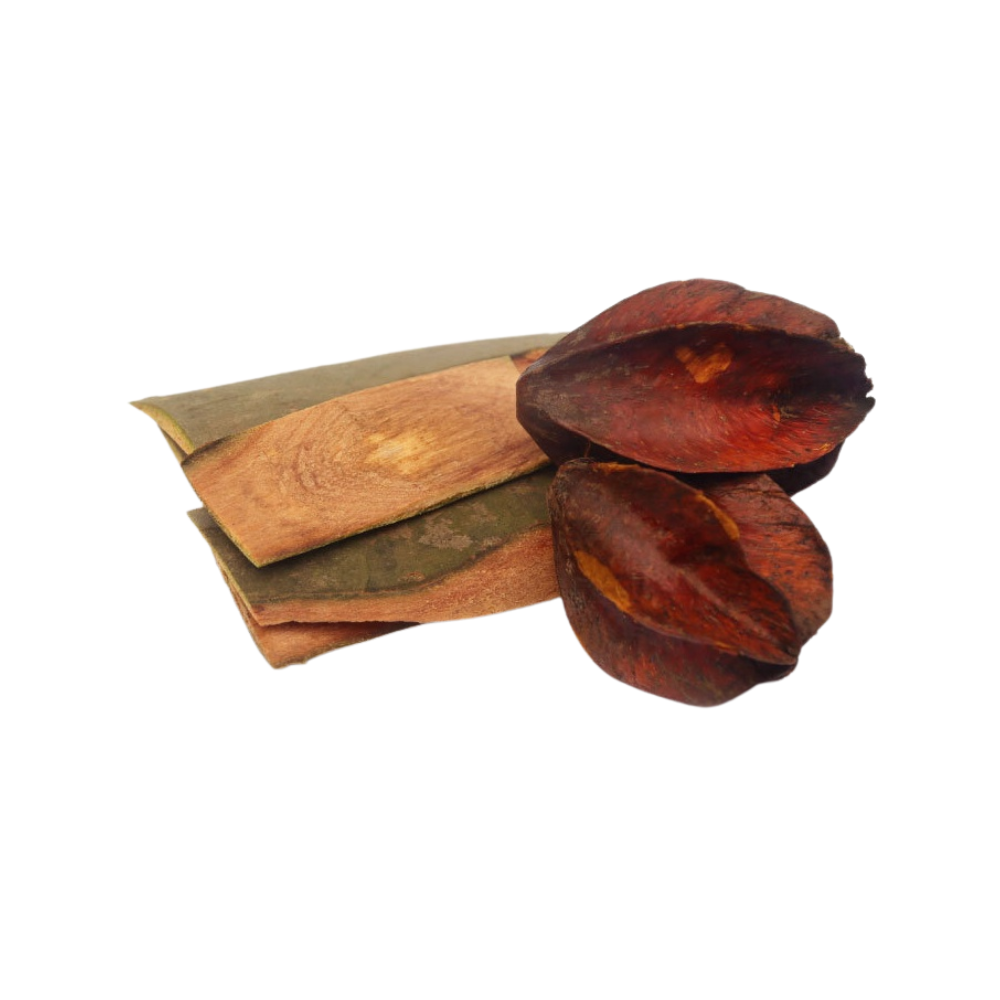
Arjuna
Terminalia arjuna
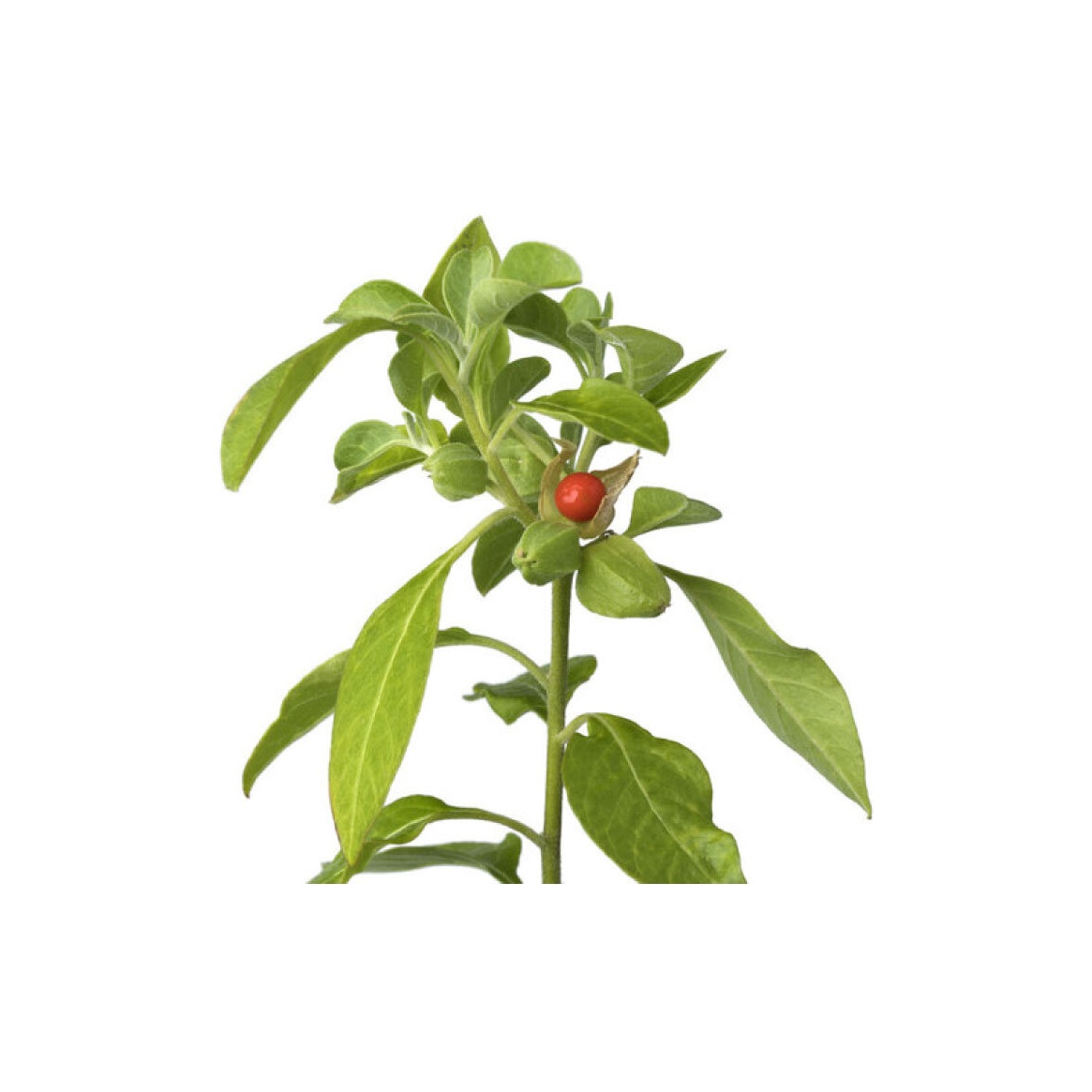
Ashwagandha
Withania somnifera
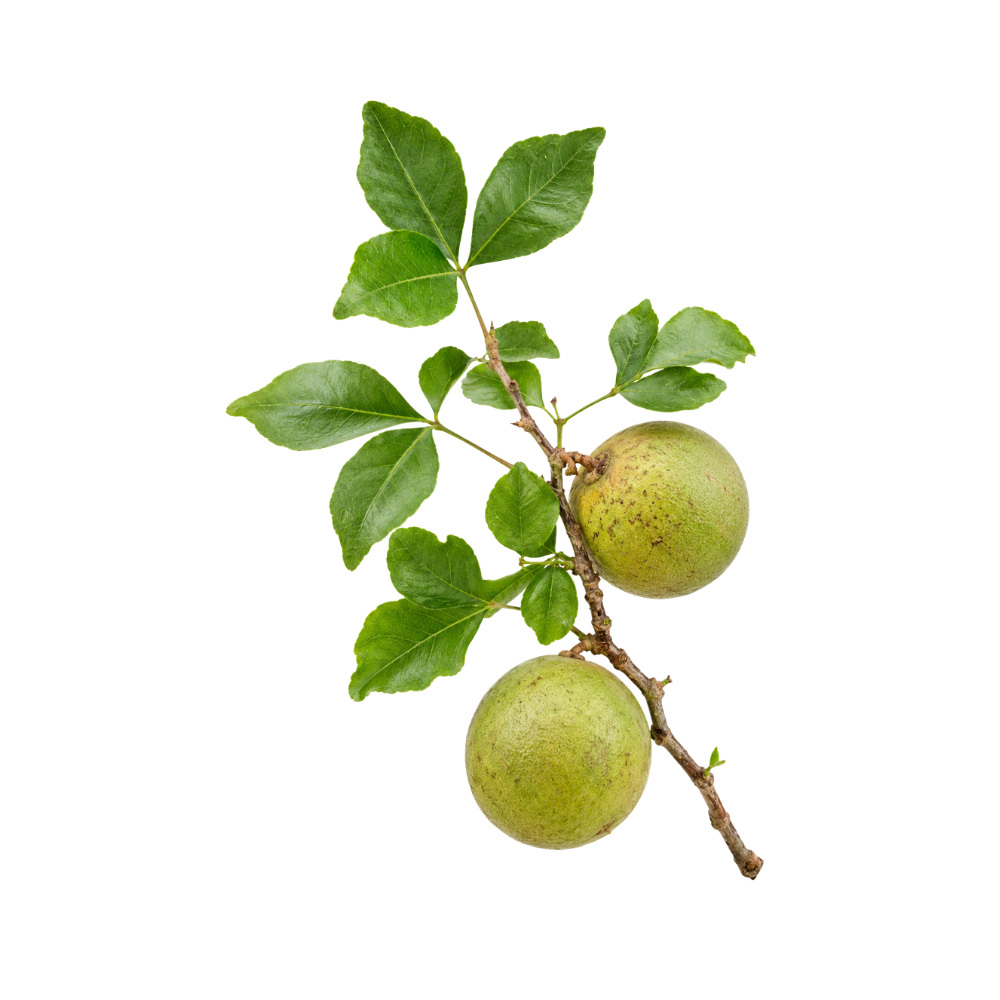
Bael
Aegle marmelos
Black Ant
Polyrhachis spp.
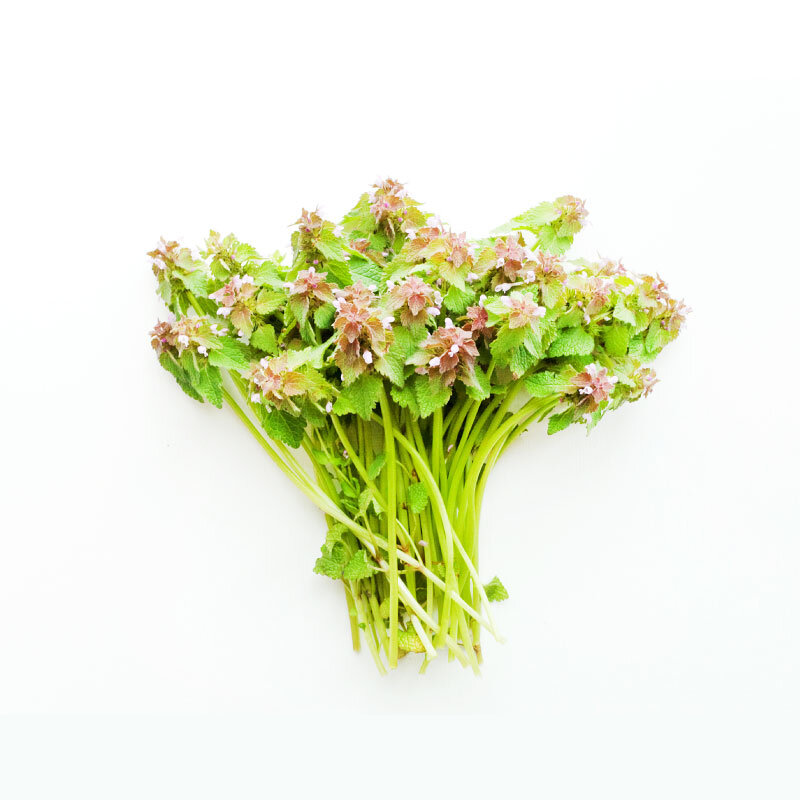
Black Horehound
Ballota nigra
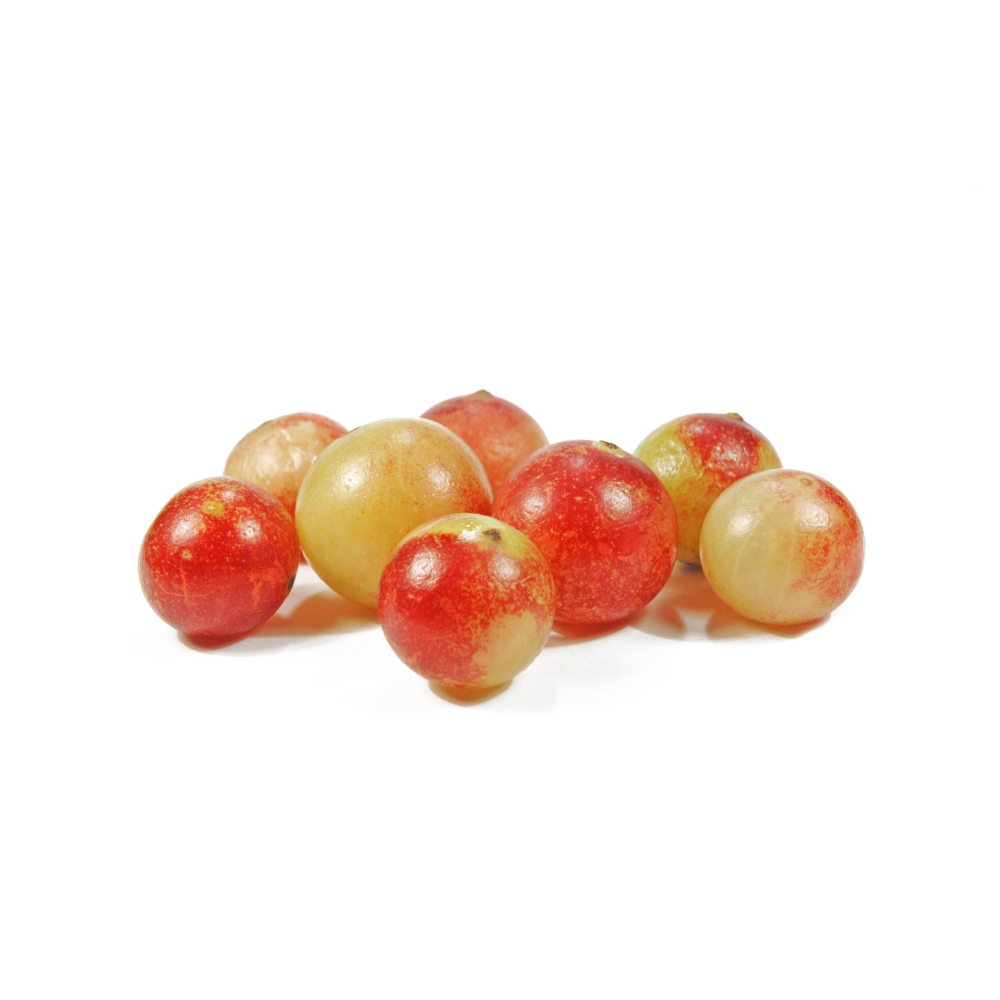
Camu-camu
Myrciaria dubia

Cannabis
Cannabis sativa
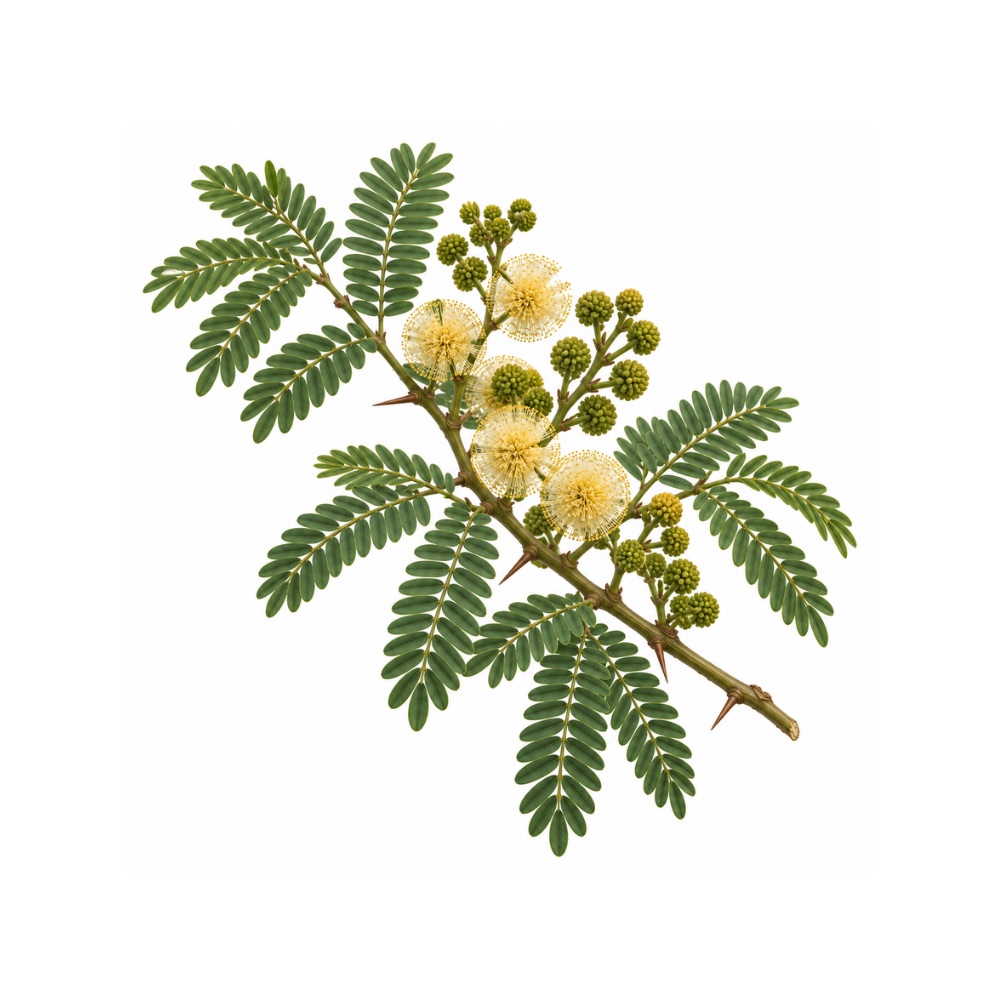
Catechu
Senegalia catechu
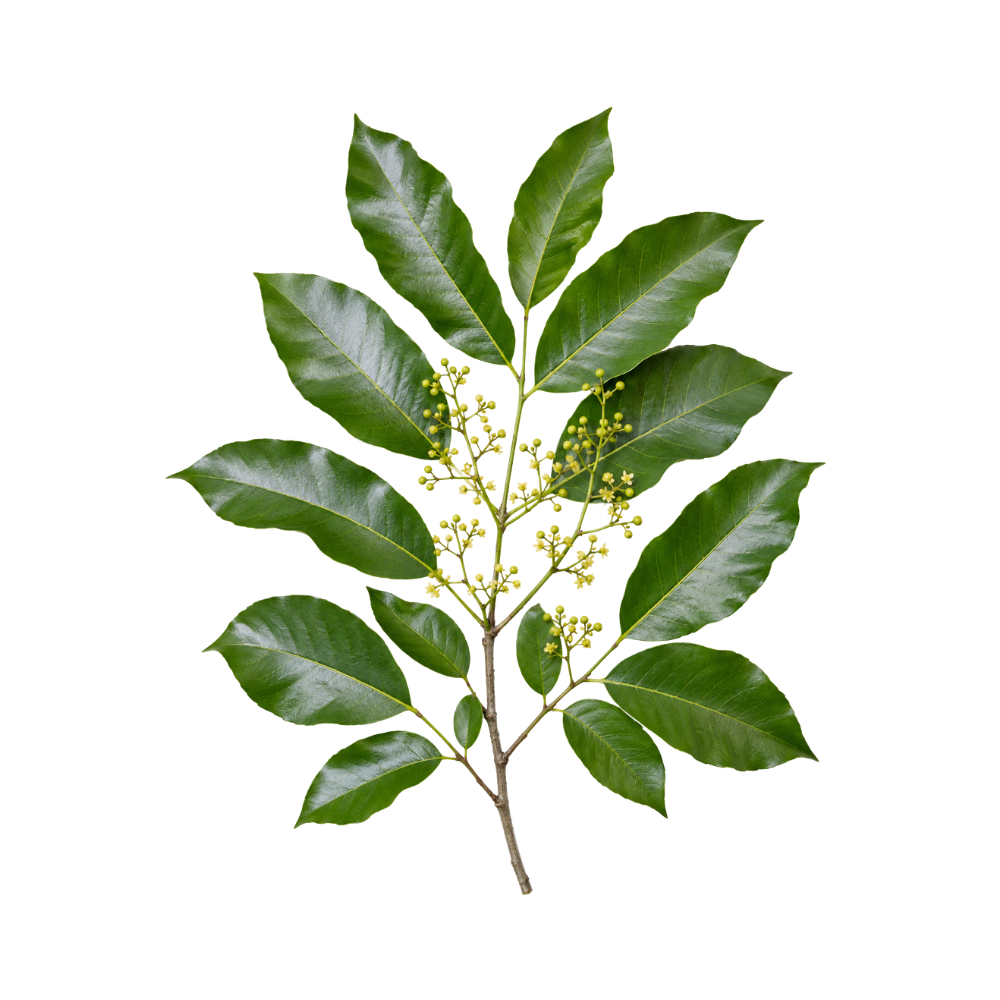
Catuaba
Trichilia catigua
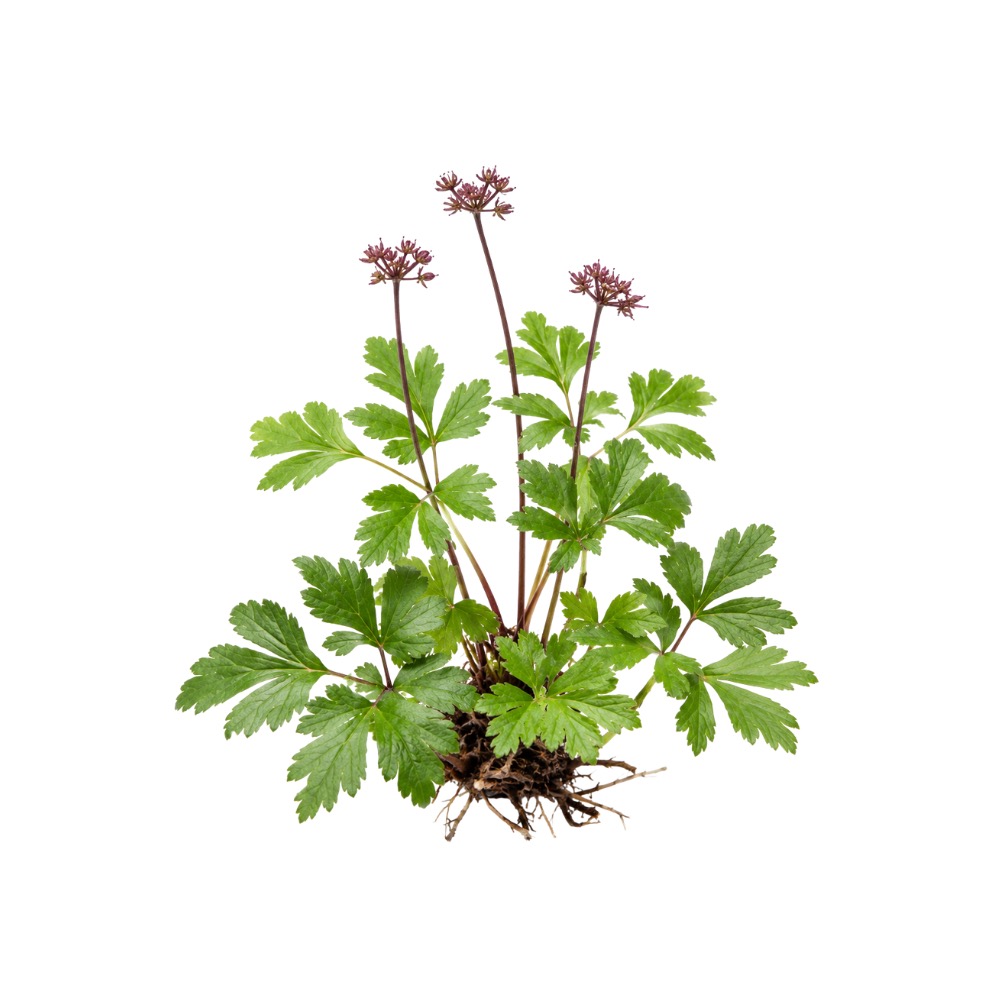
Coptis
Coptis chinensis
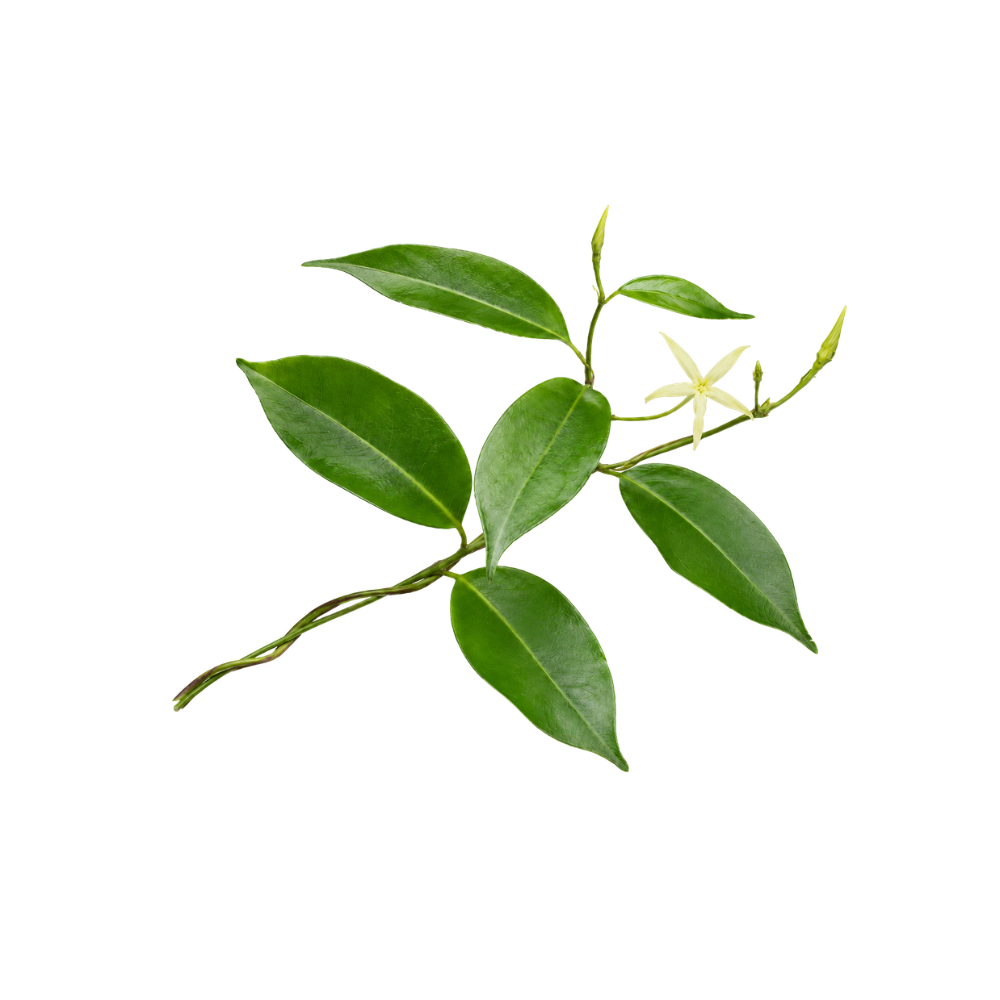
Cryptolepis
Cryptolepis sanguinolenta
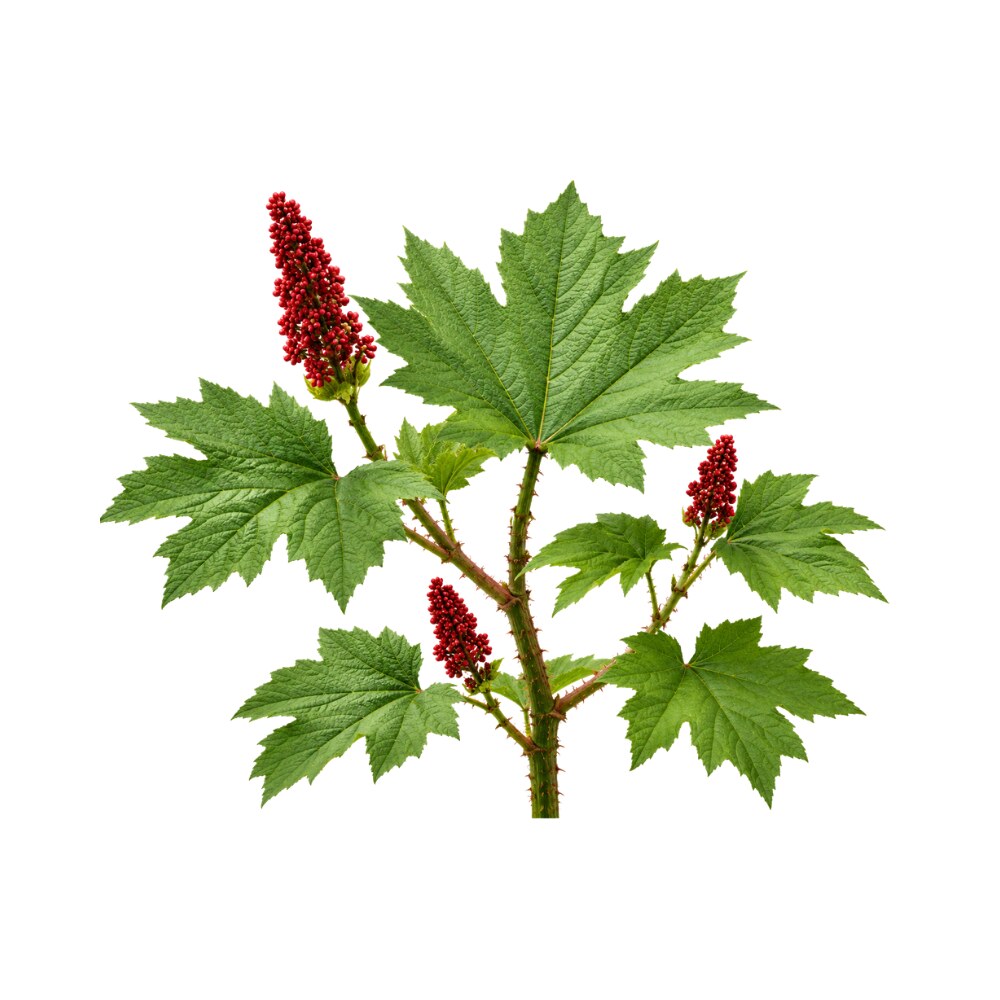
Devil's Club
Oplopanax horridus
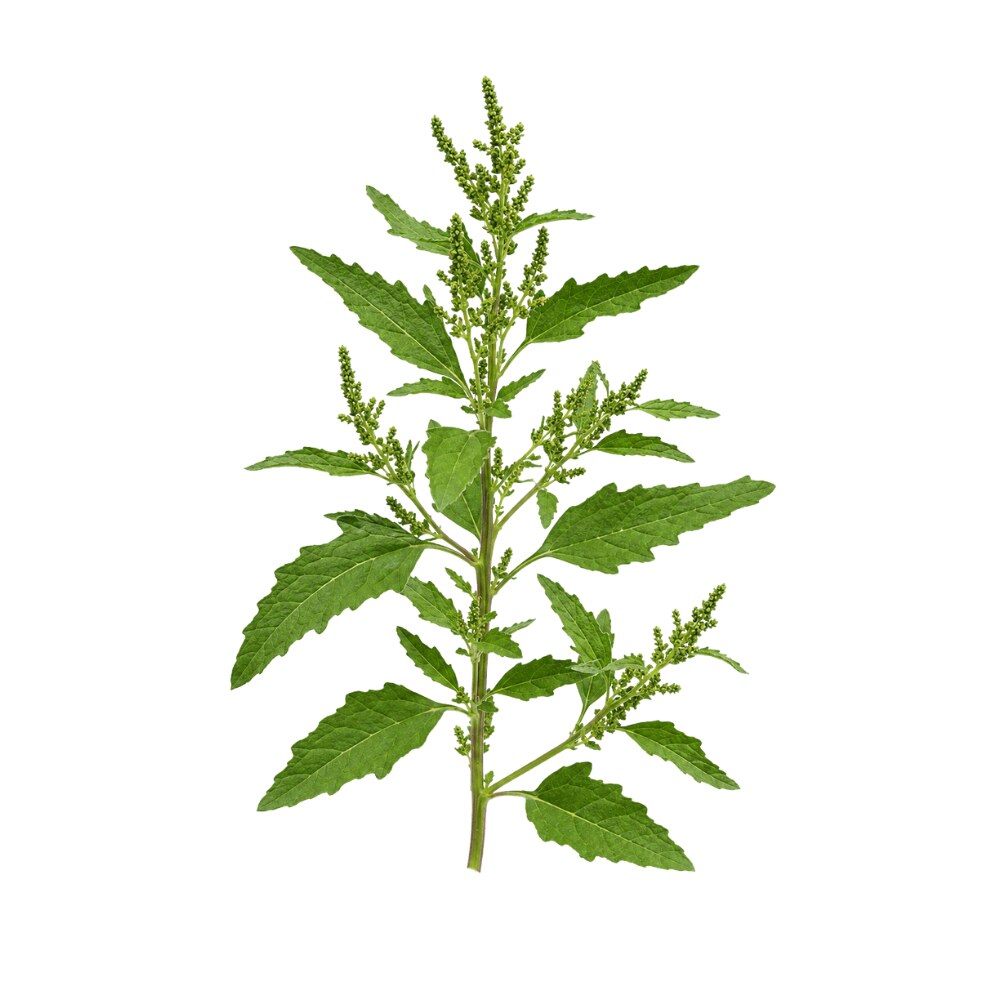
Epazote
Dysphania ambrosioides
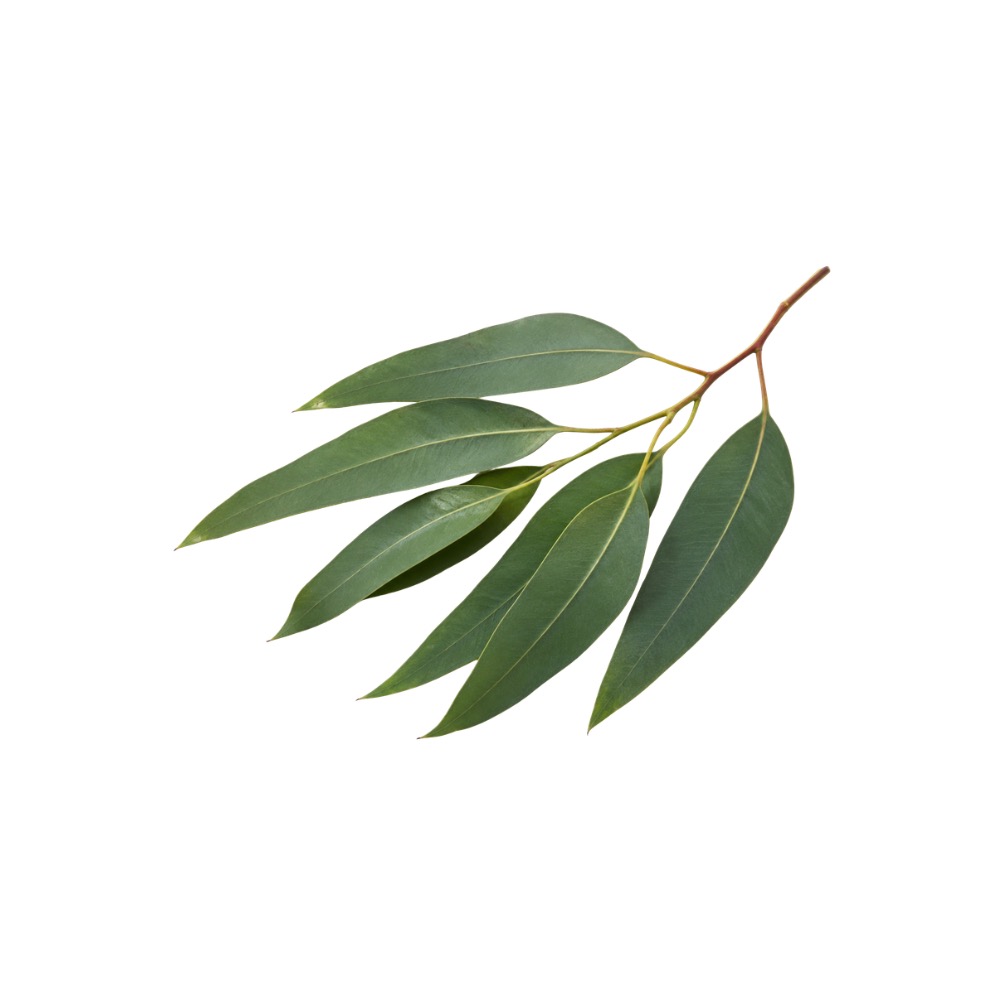
Eucalyptus
Eucalyptus globulus
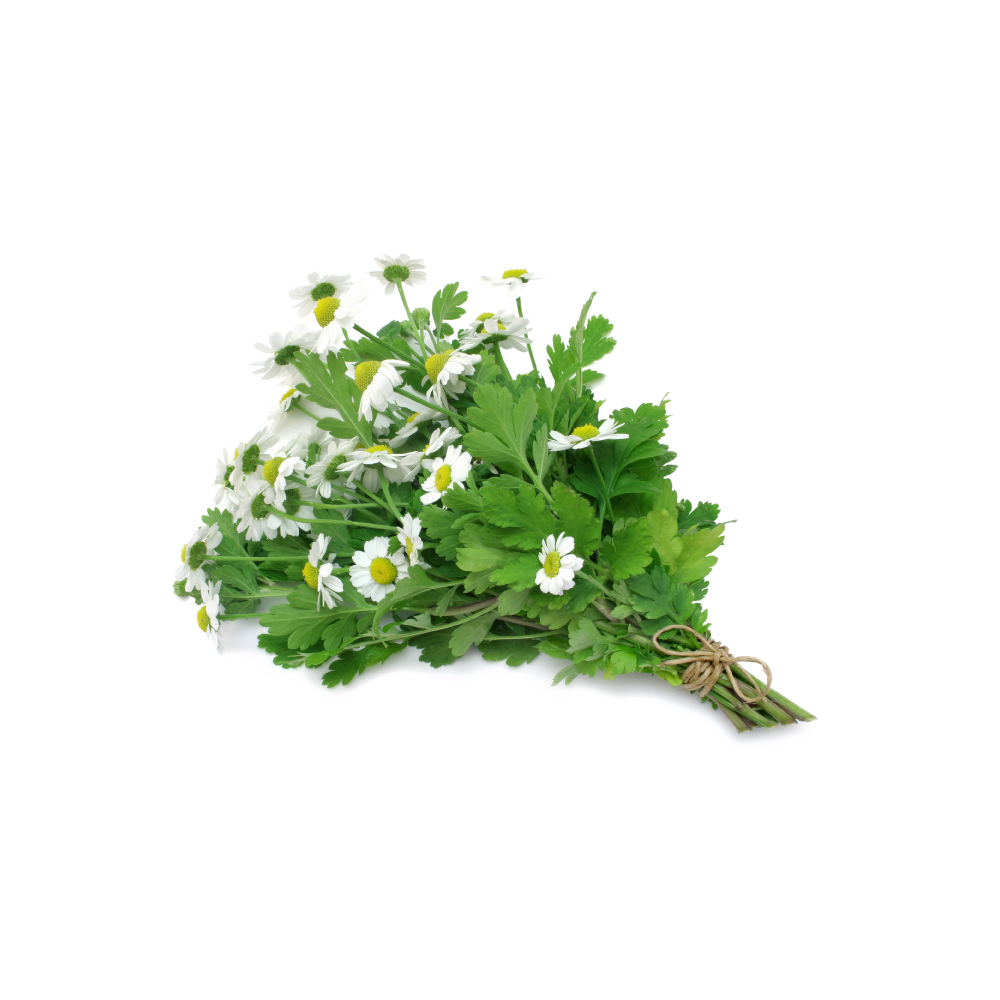
Feverfew
Tanacetum parthenium
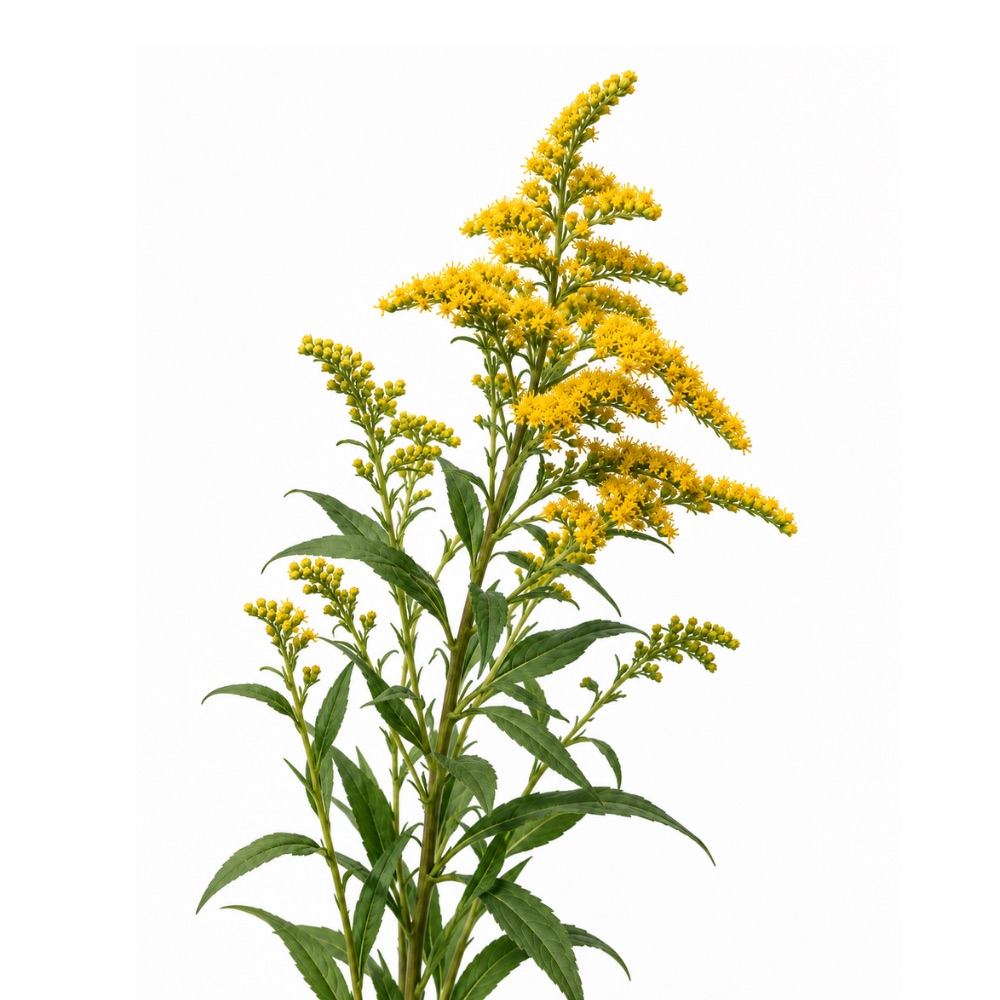
Goldenrod
Solidago virgaurea
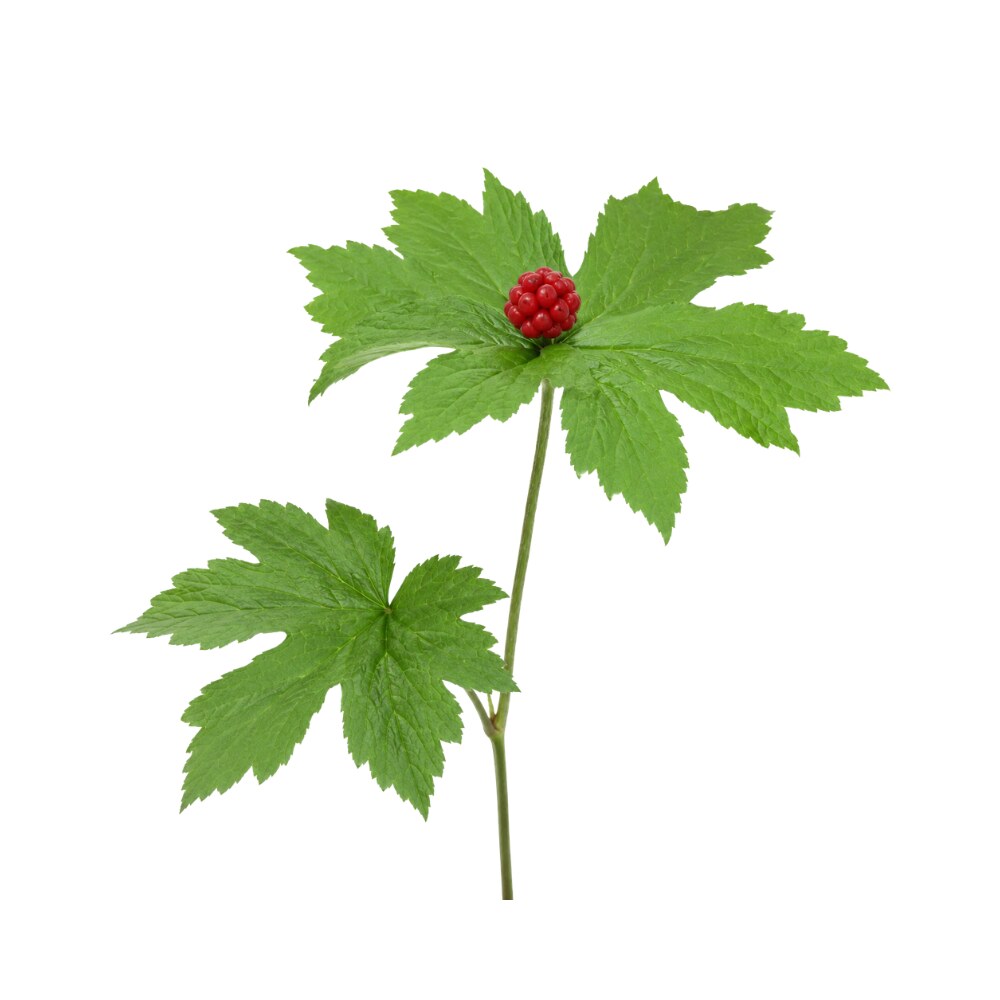
Goldenseal
Hydrastis canadensis
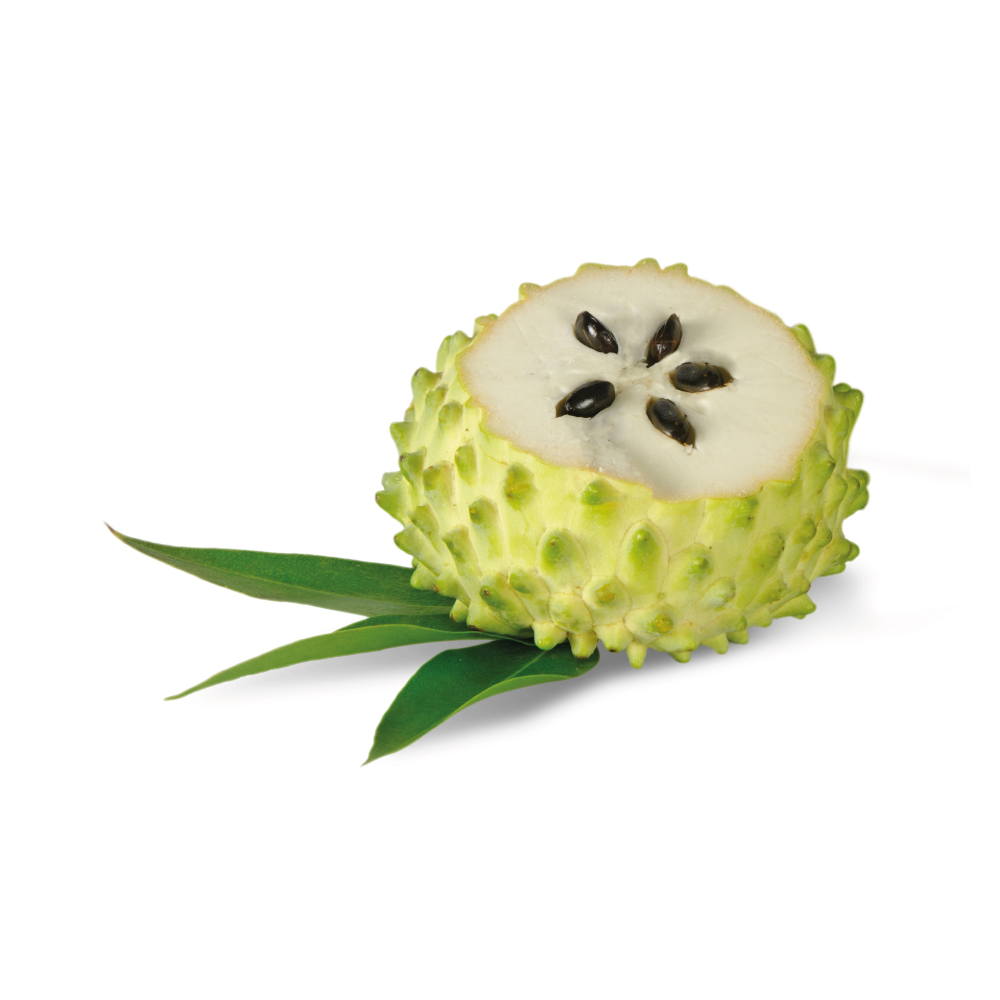
Graviola
Annona muricata
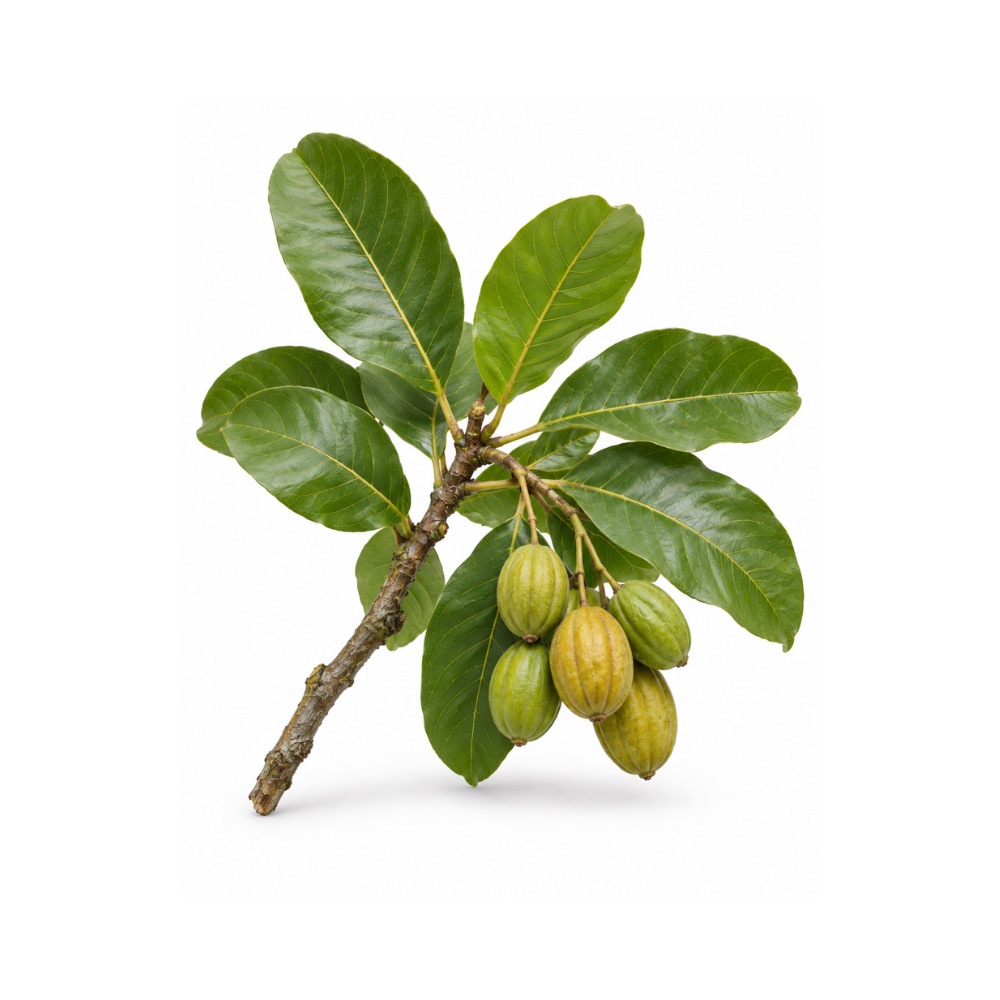
Haritaki
Terminalia chebula
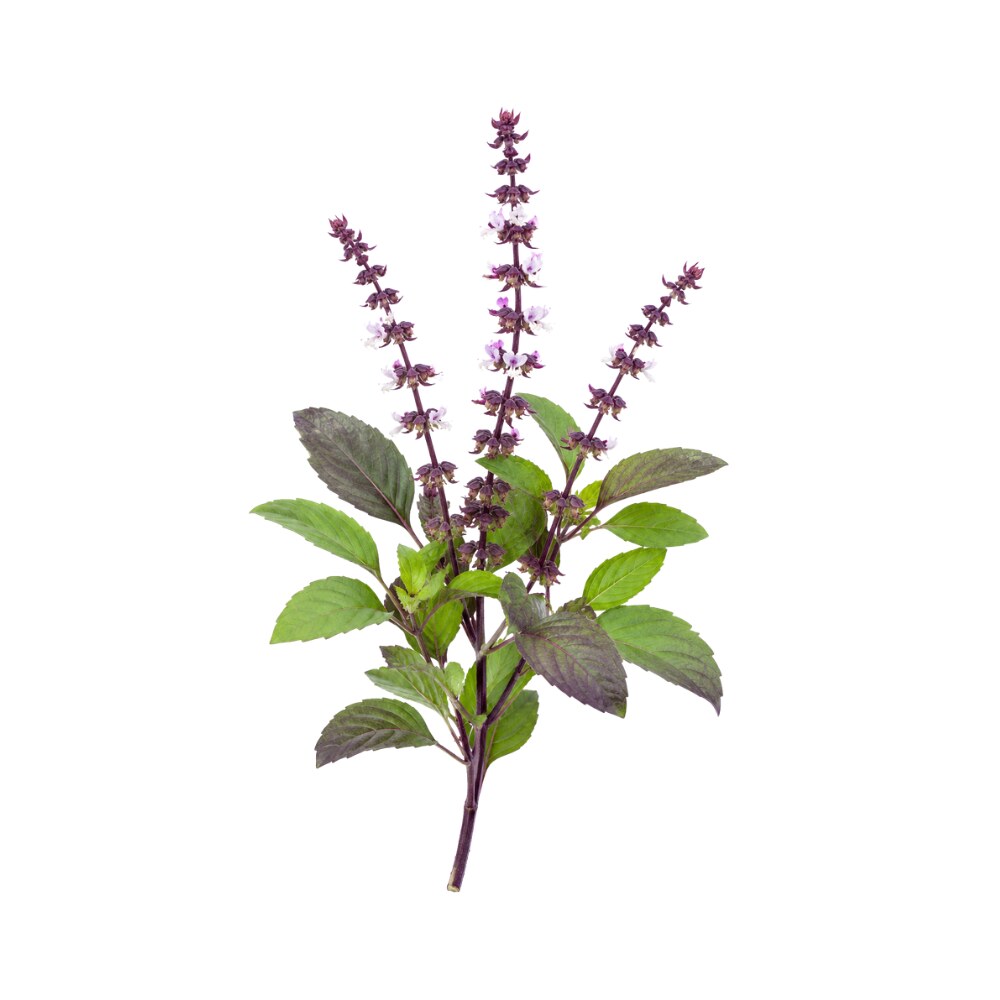
Holy Basil
Ocimum tenuiflorum
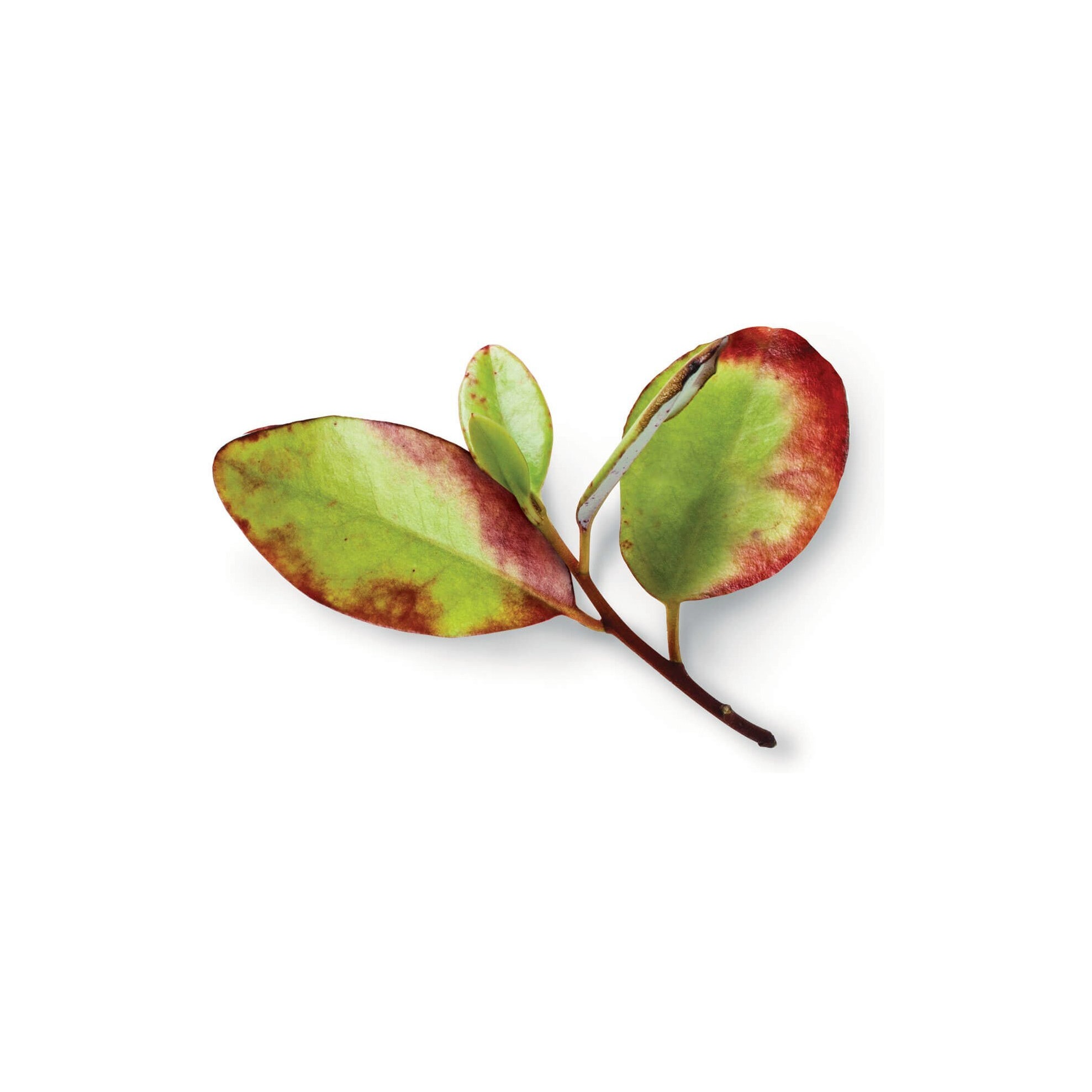
Horopito
Pseudowintera colorata
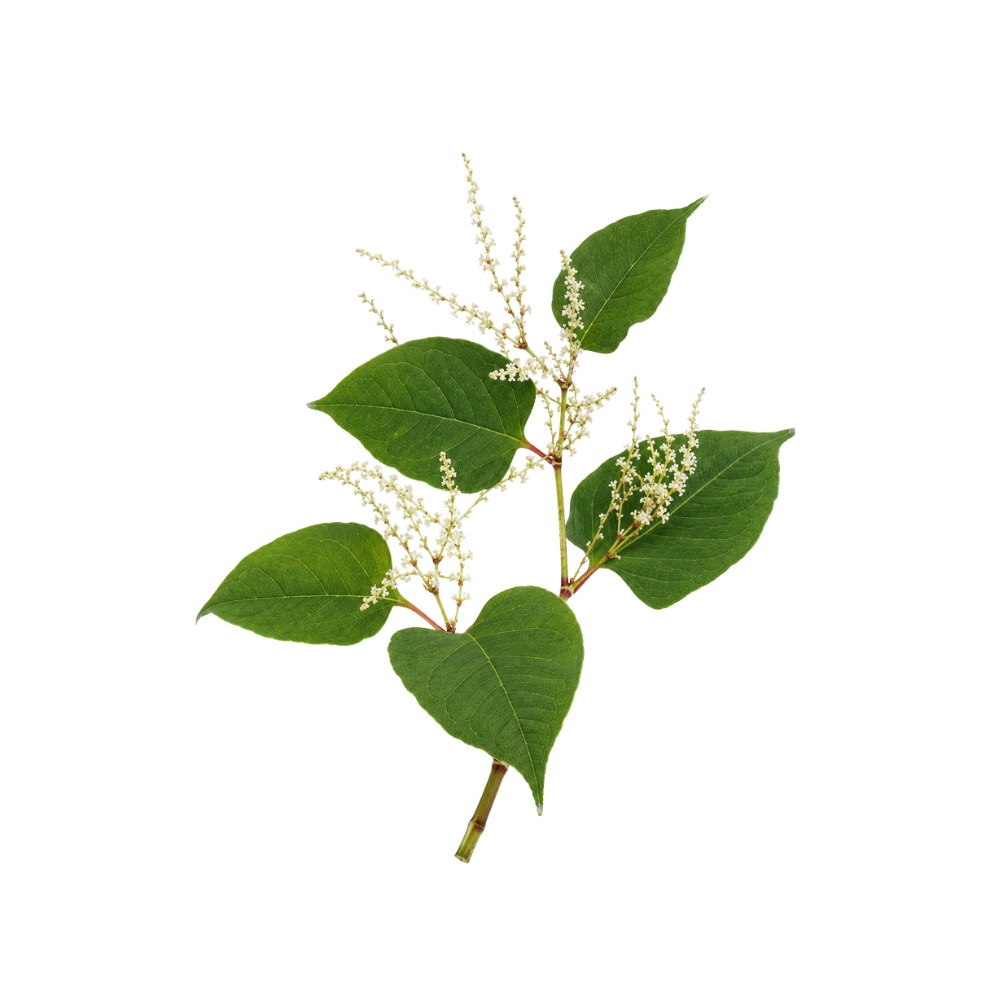
Japanese Knotweed
Reynoutria japonica
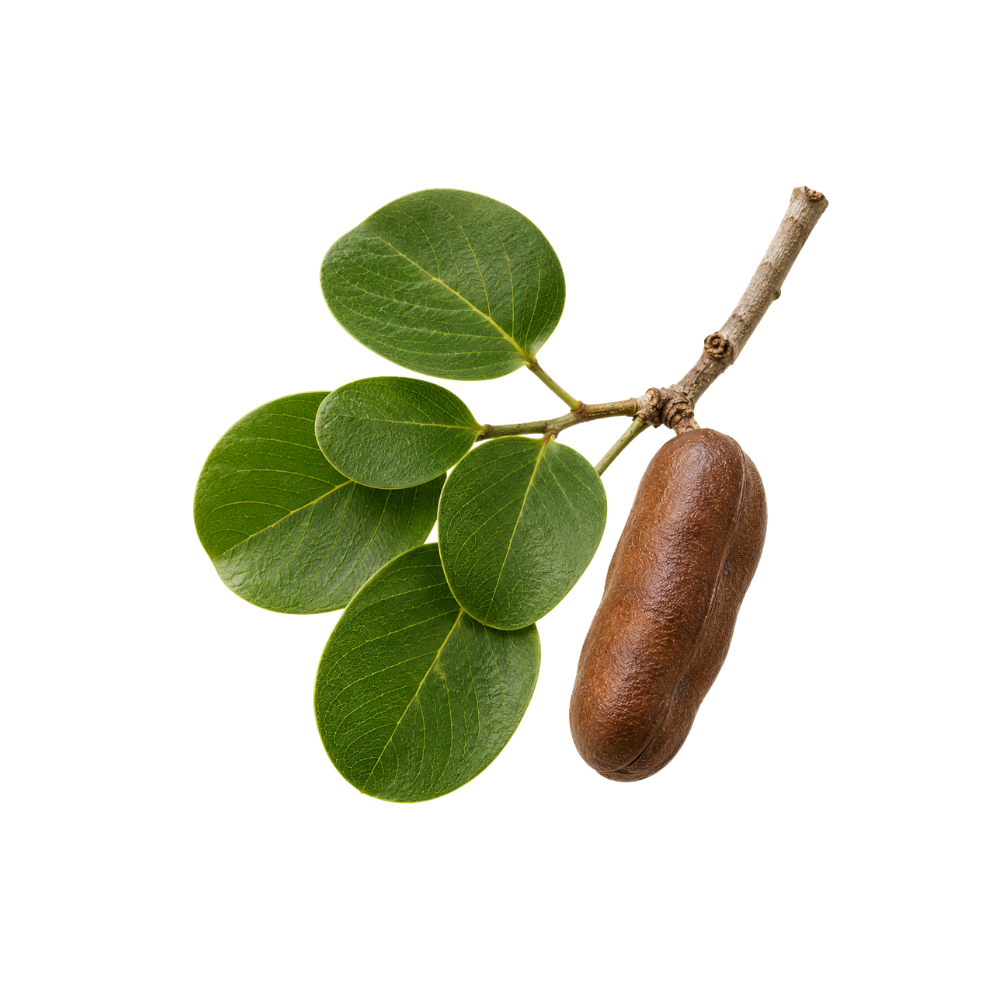
Jatobá
Hymenaea courbaril
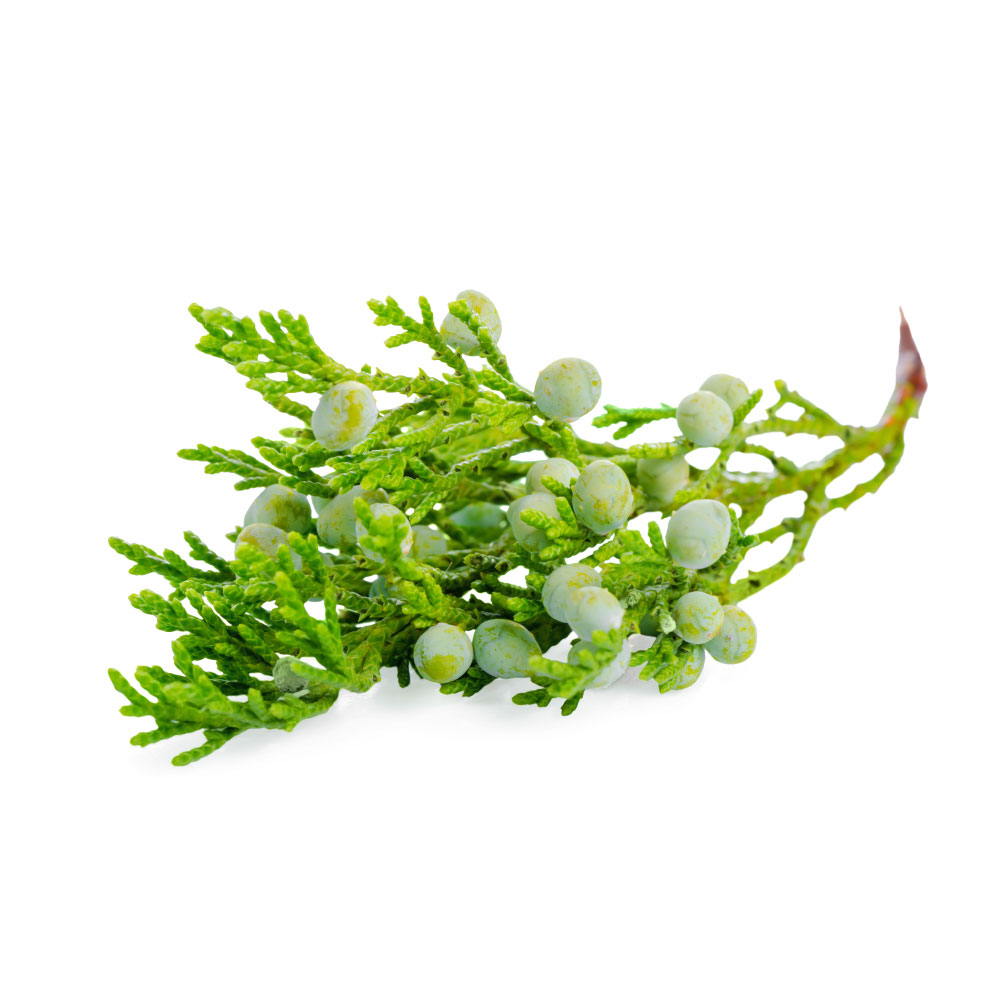
Juniper
Juniperus communis
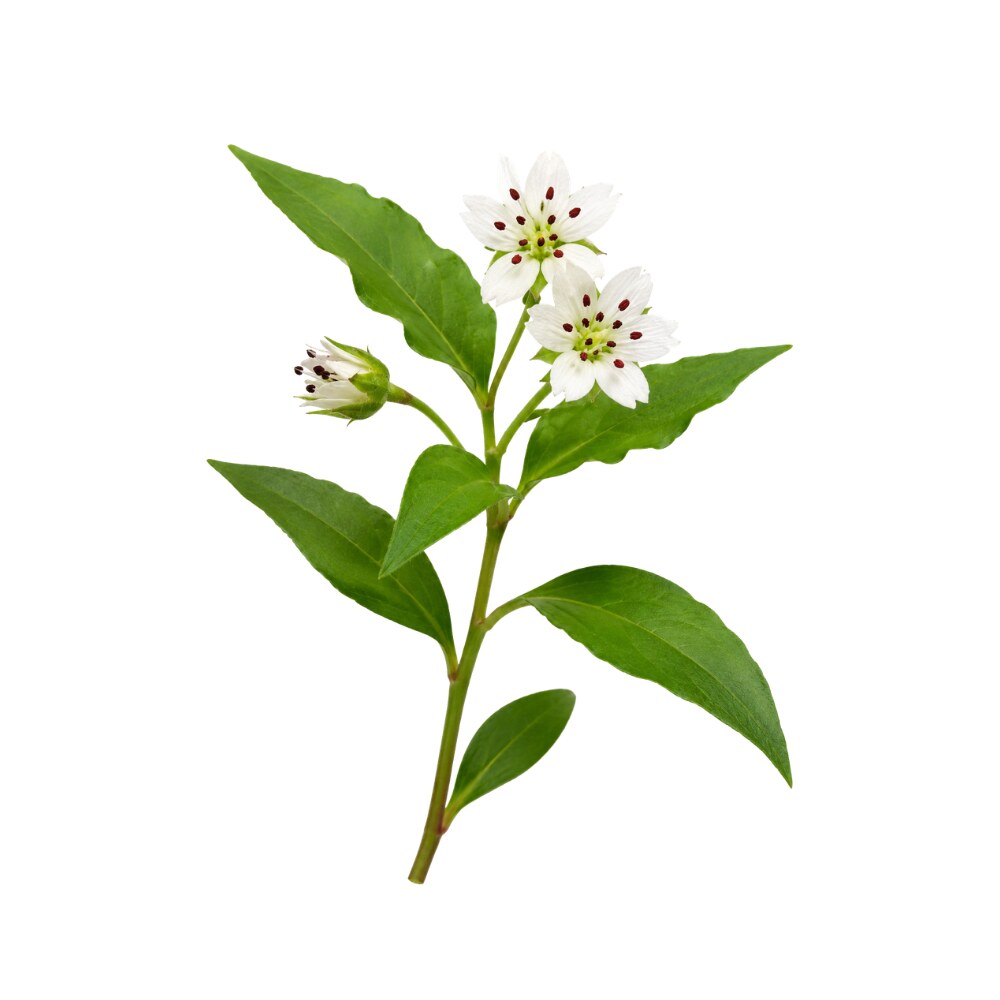
Kid Ginseng
Pseudostellaria heterophylla
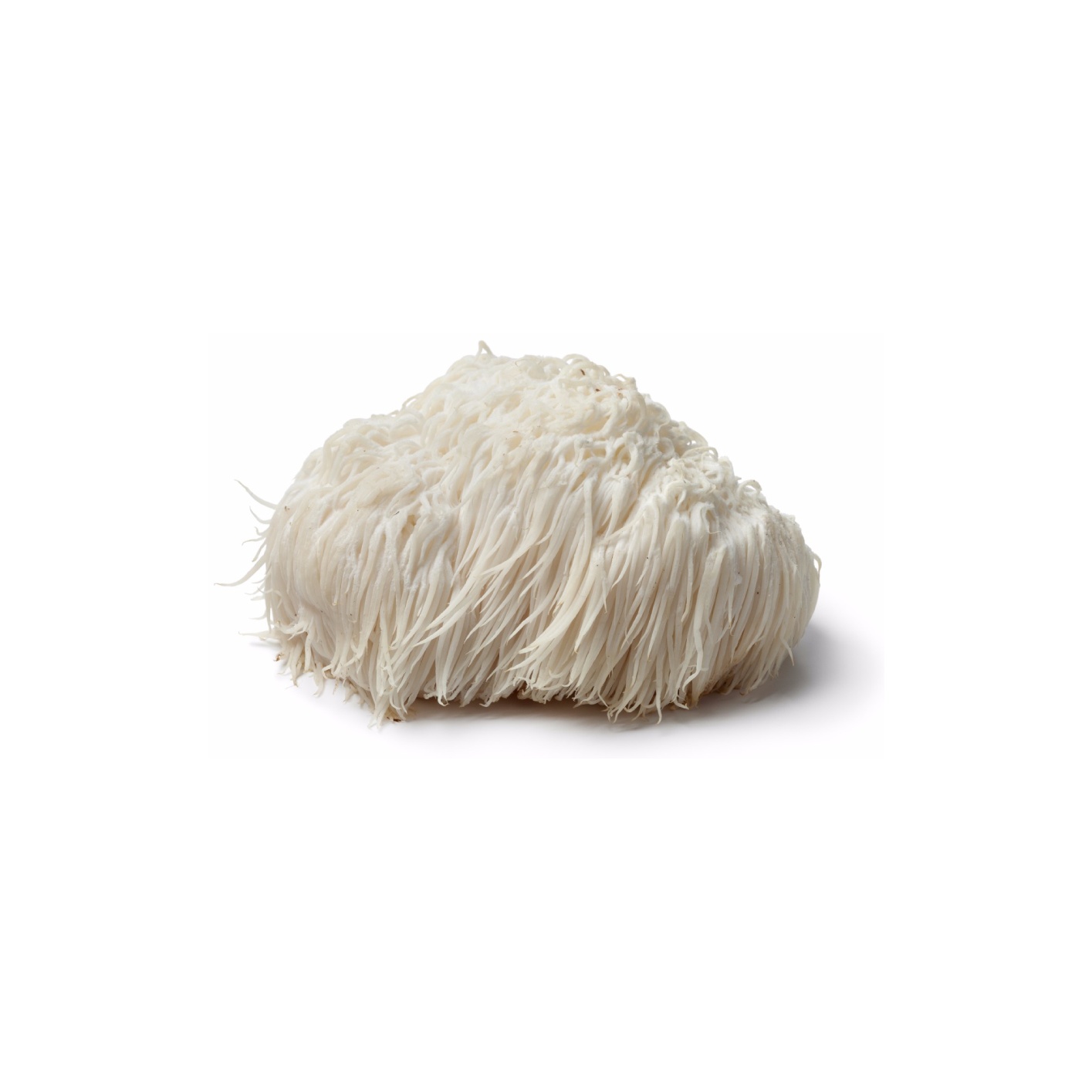
Lion's Mane
Hericium erinaceus
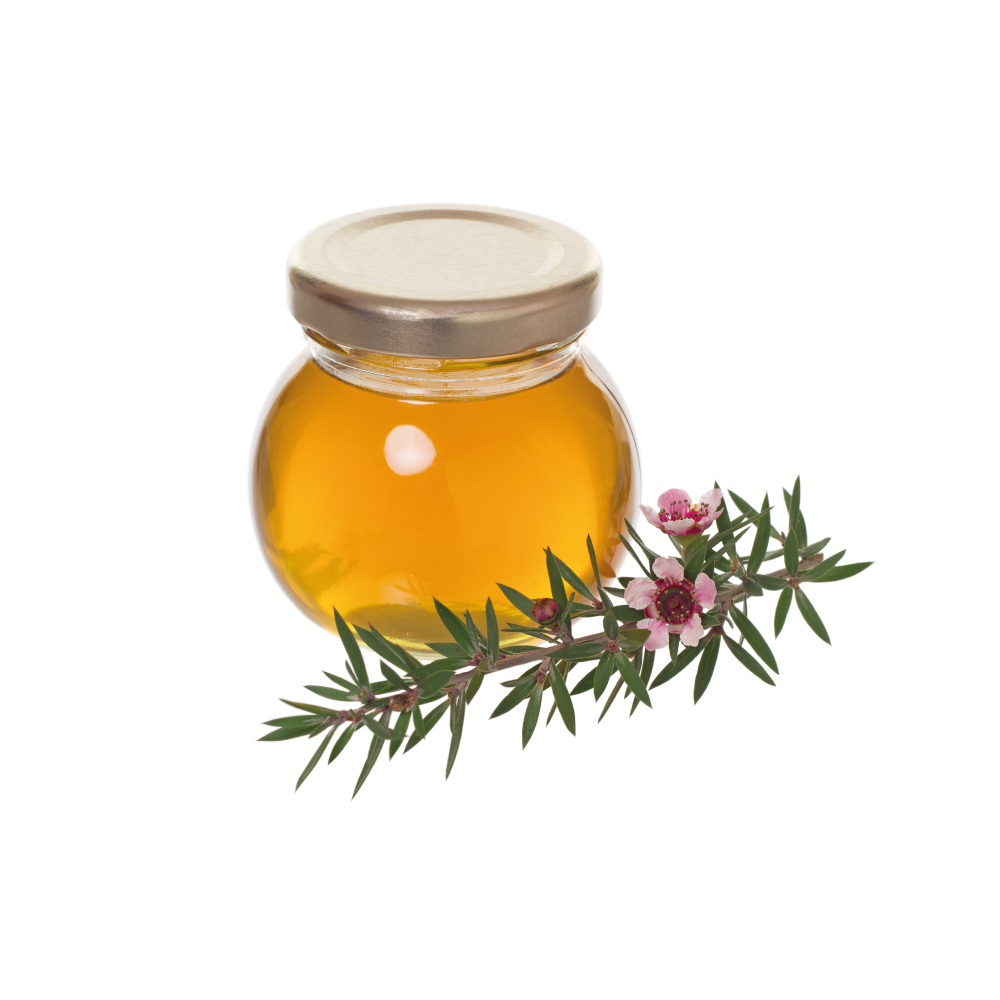
Manuka
Leptospermum scoparium
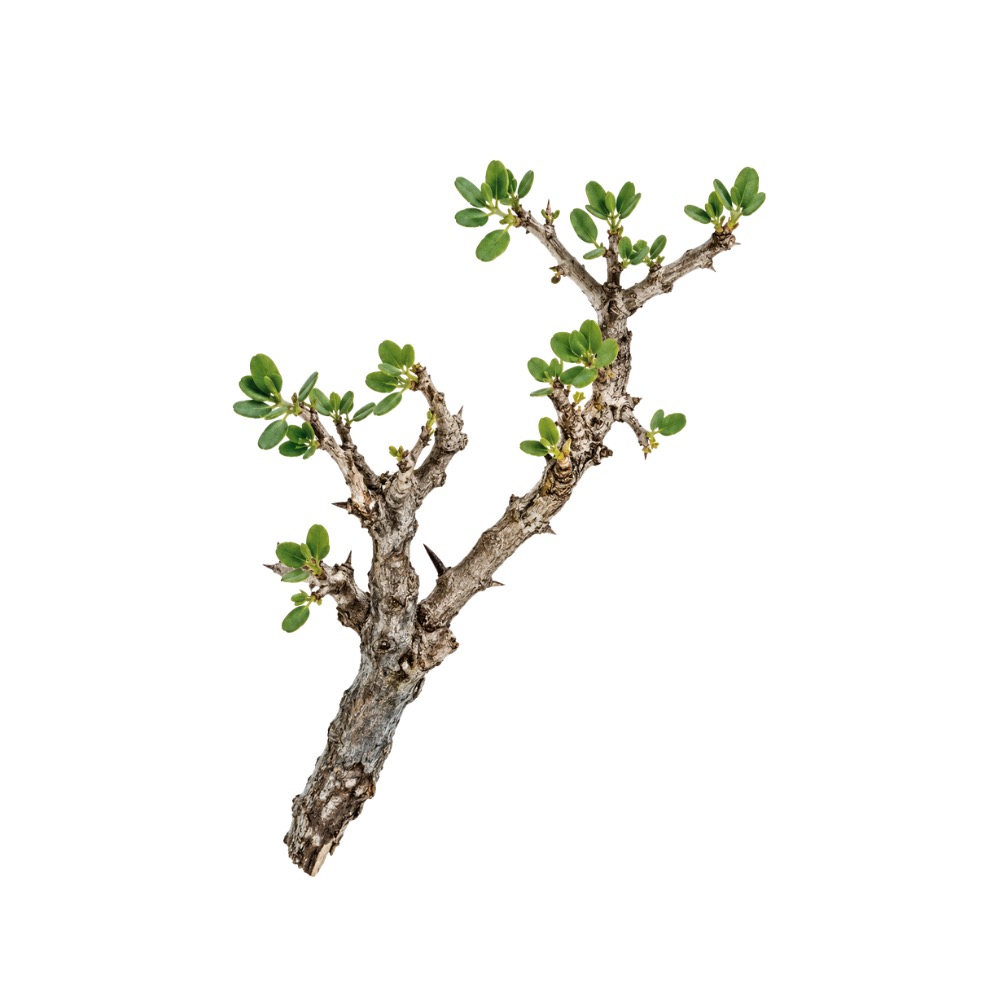
Myrrh
Commiphora myrrha
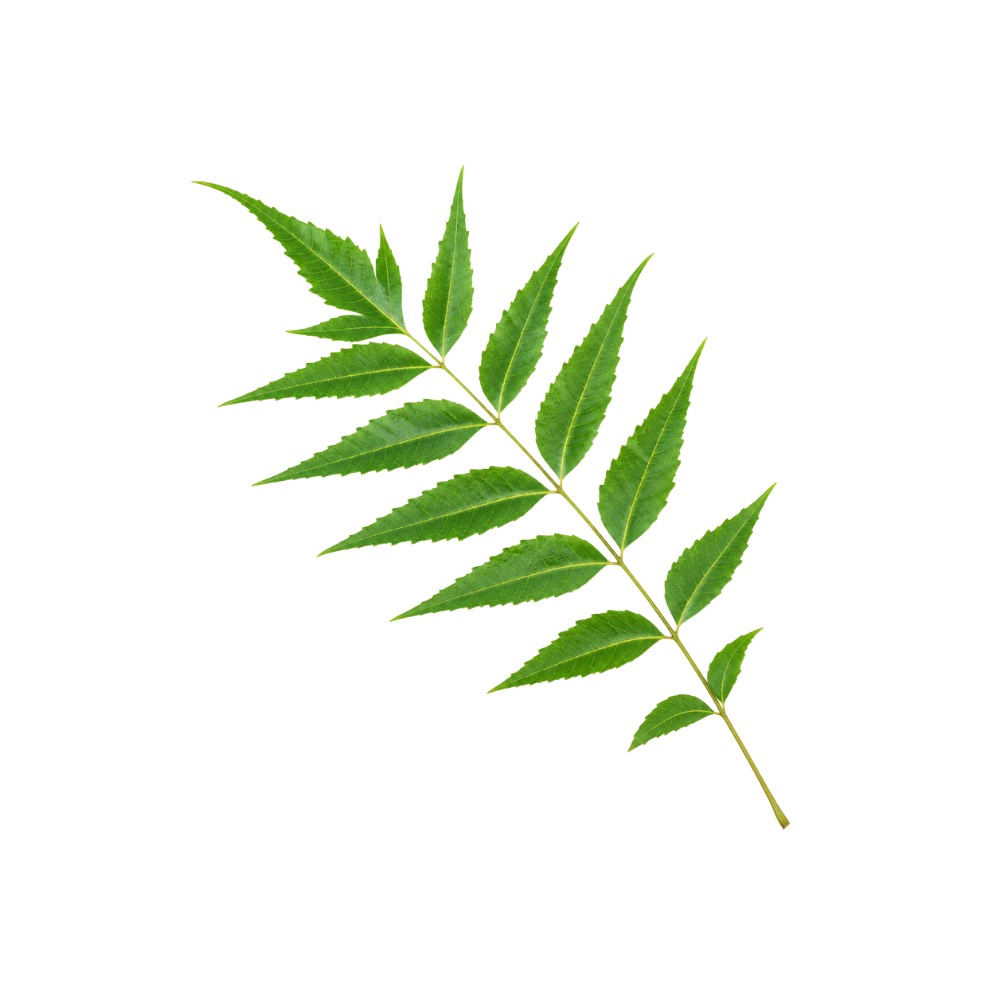
Neem
Azadirachta indica
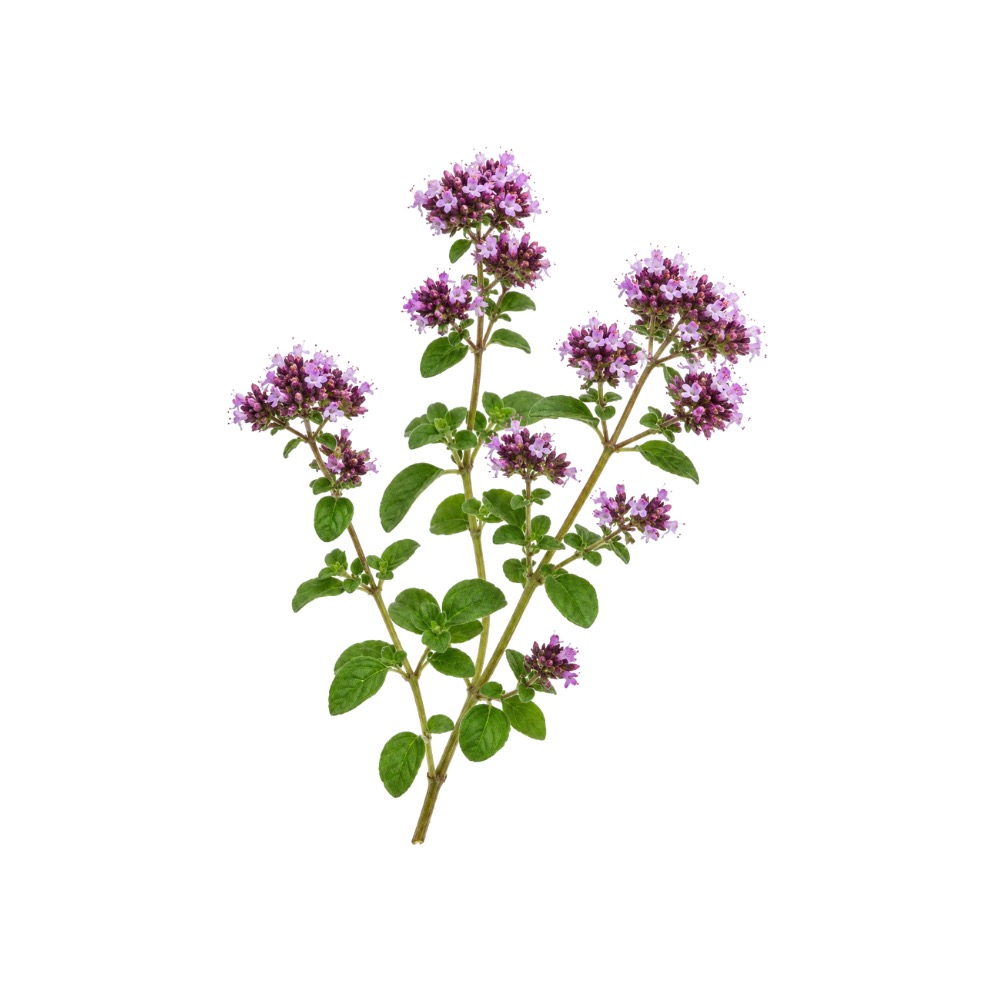
Oregano
Origanum vulgare
Pau D'Arco
Tabebuia impetiginosa
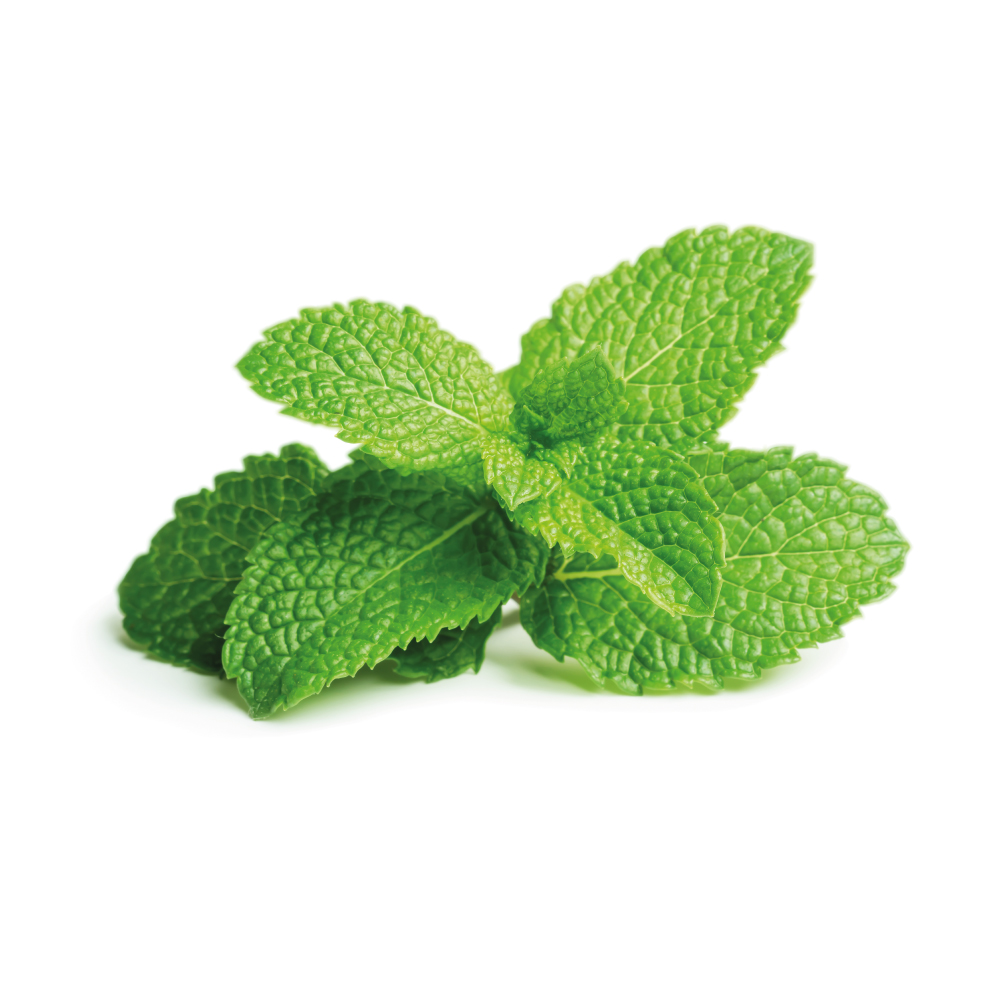
Peppermint
Mentha × piperita
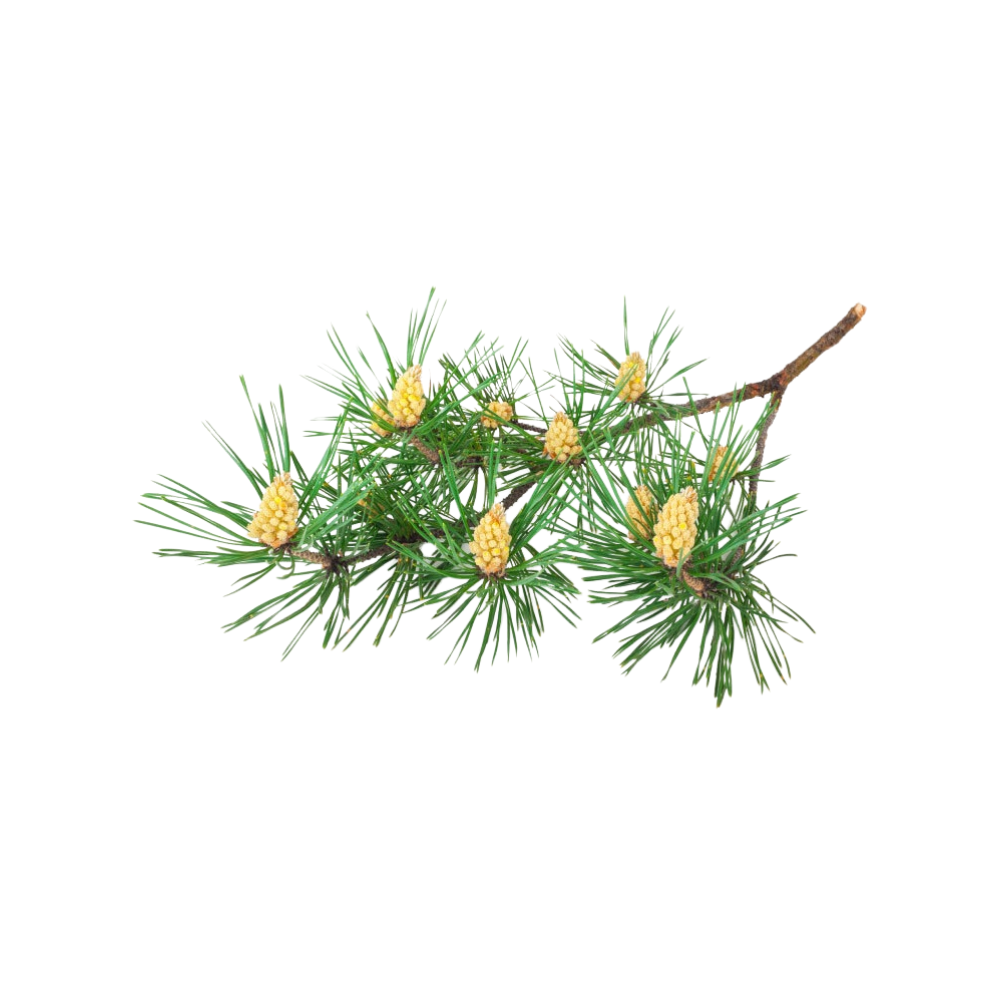
Pine
Pinus sylvestris
Rosewood
Aniba rosaeodora
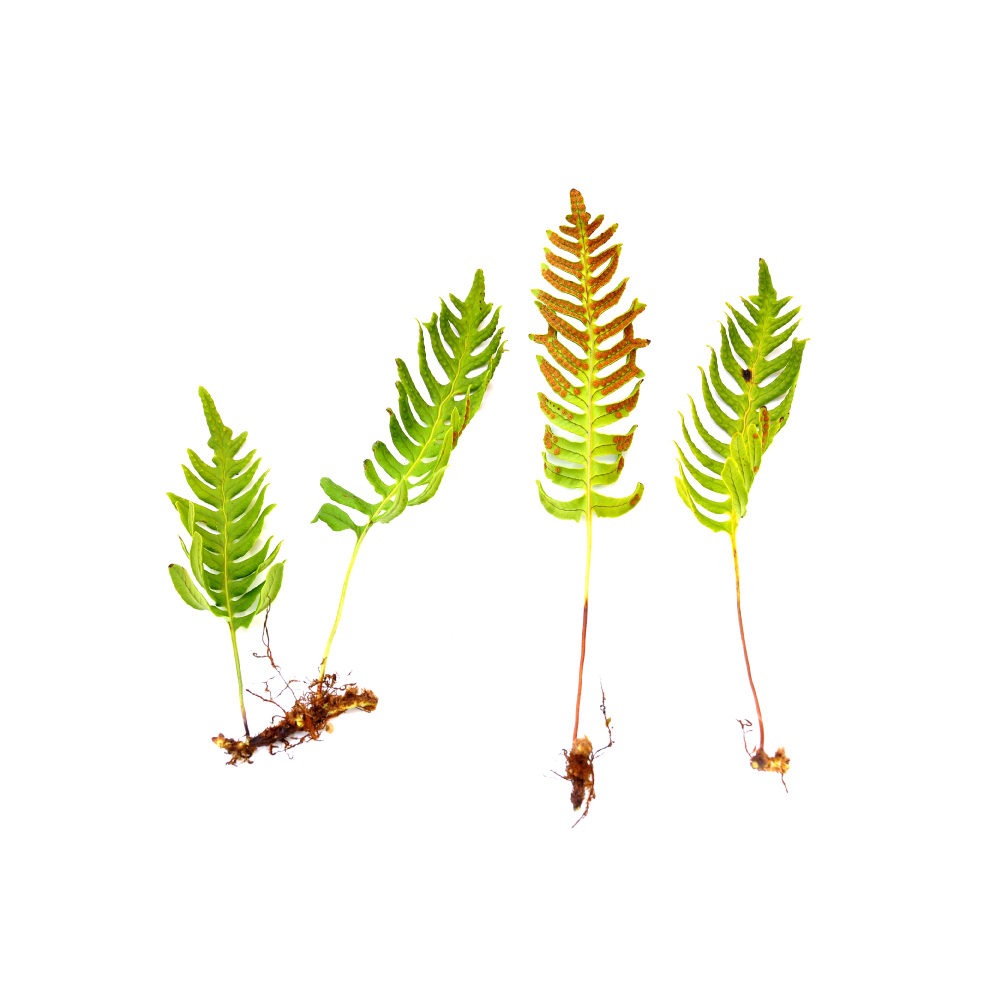
Samambaia
Polypodium leucotomos
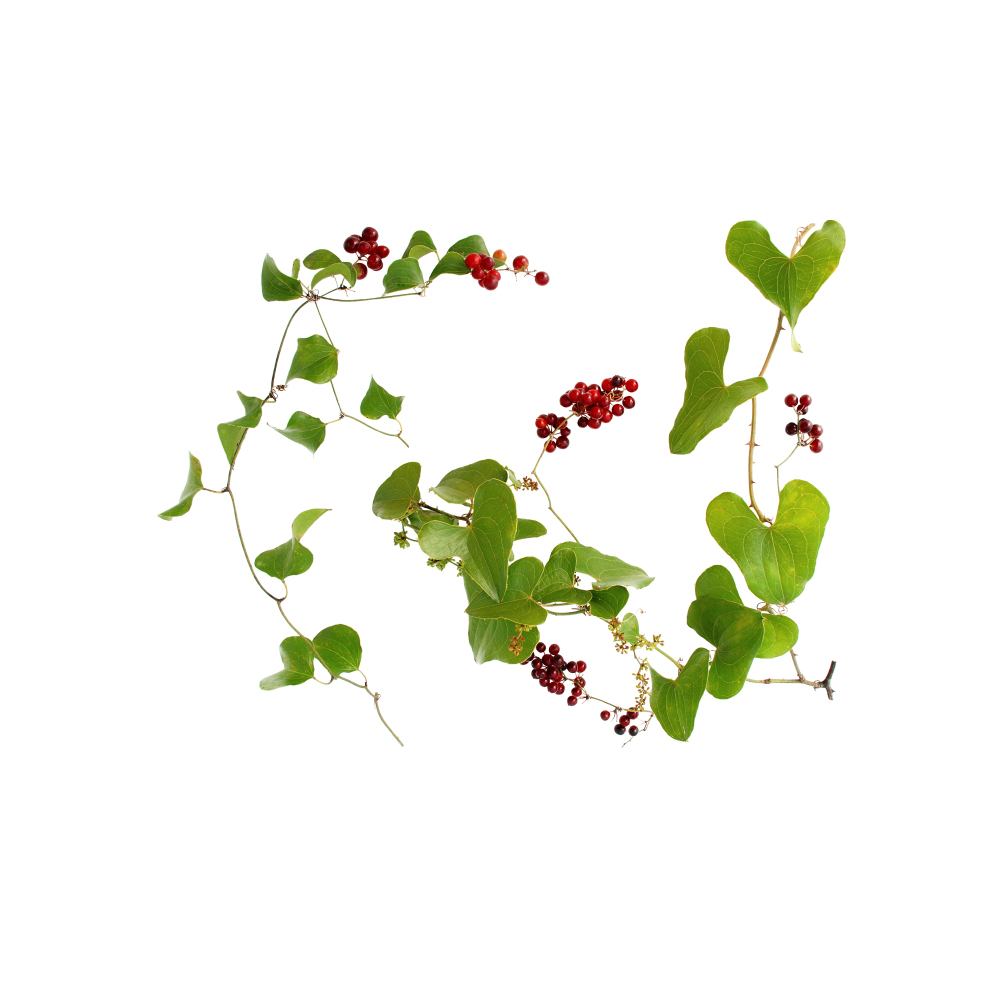
Sarsaparilla
Smilax spp.
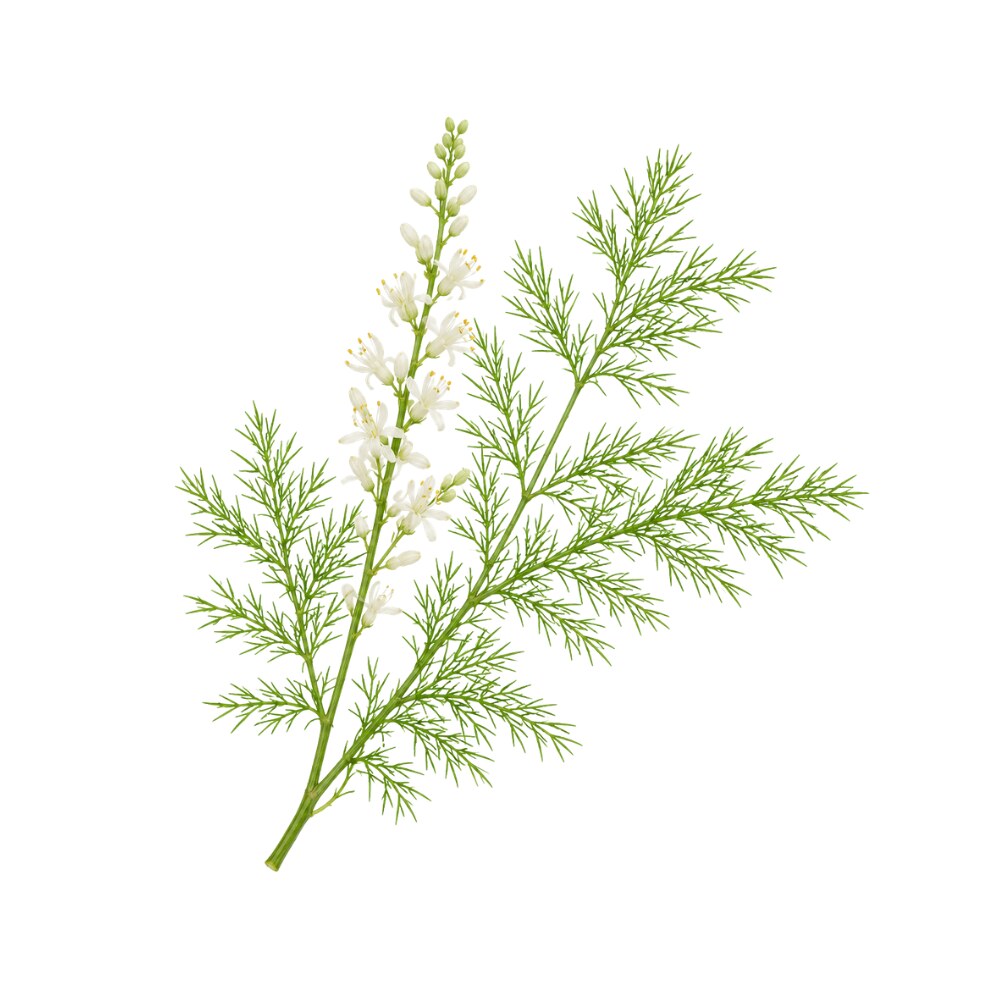
Shatavari
Asparagus racemosus
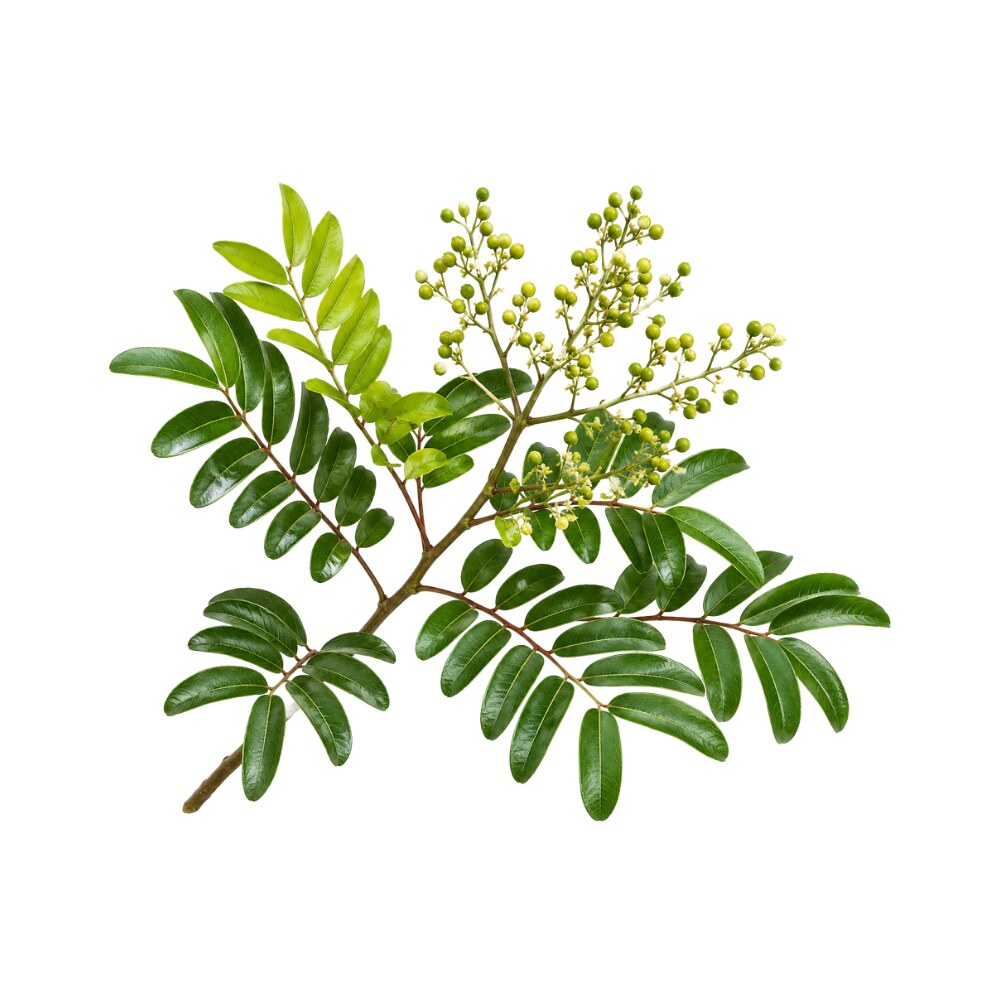
Simarouba
Simarouba amara
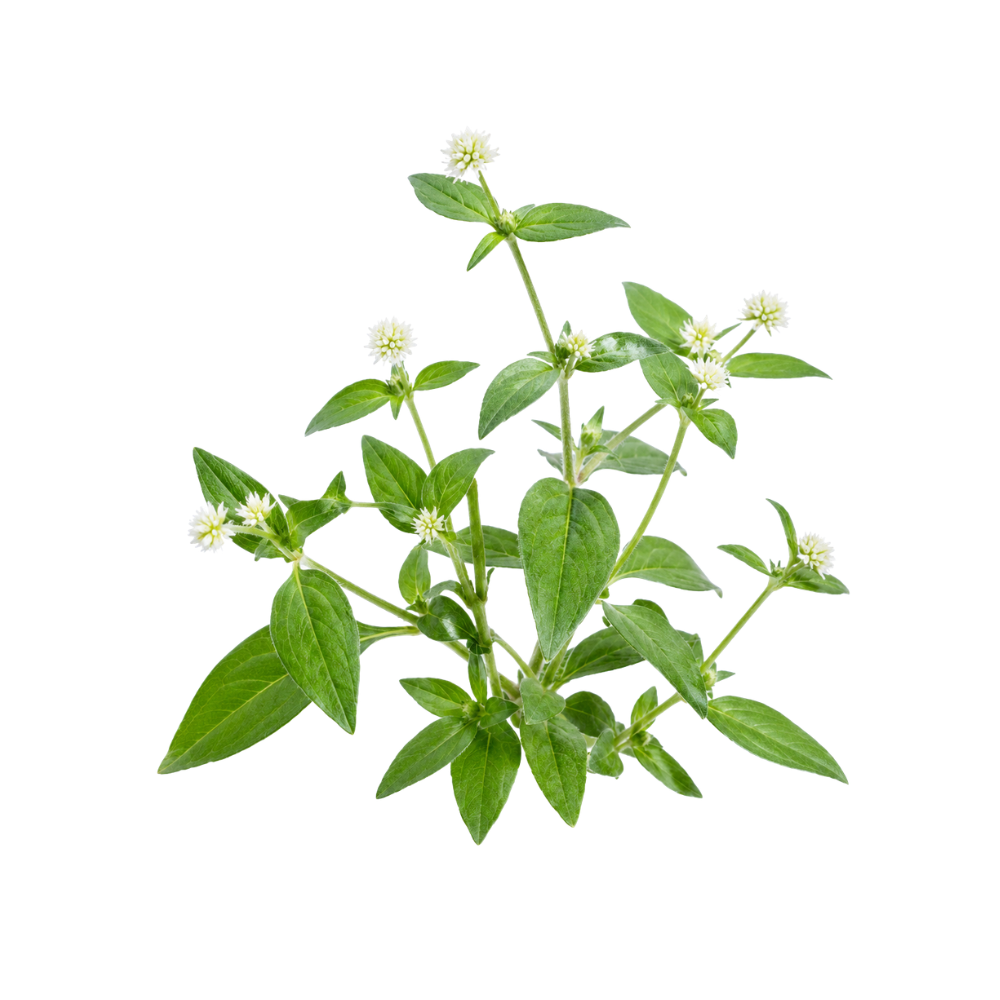
Suma
Pfaffia paniculata
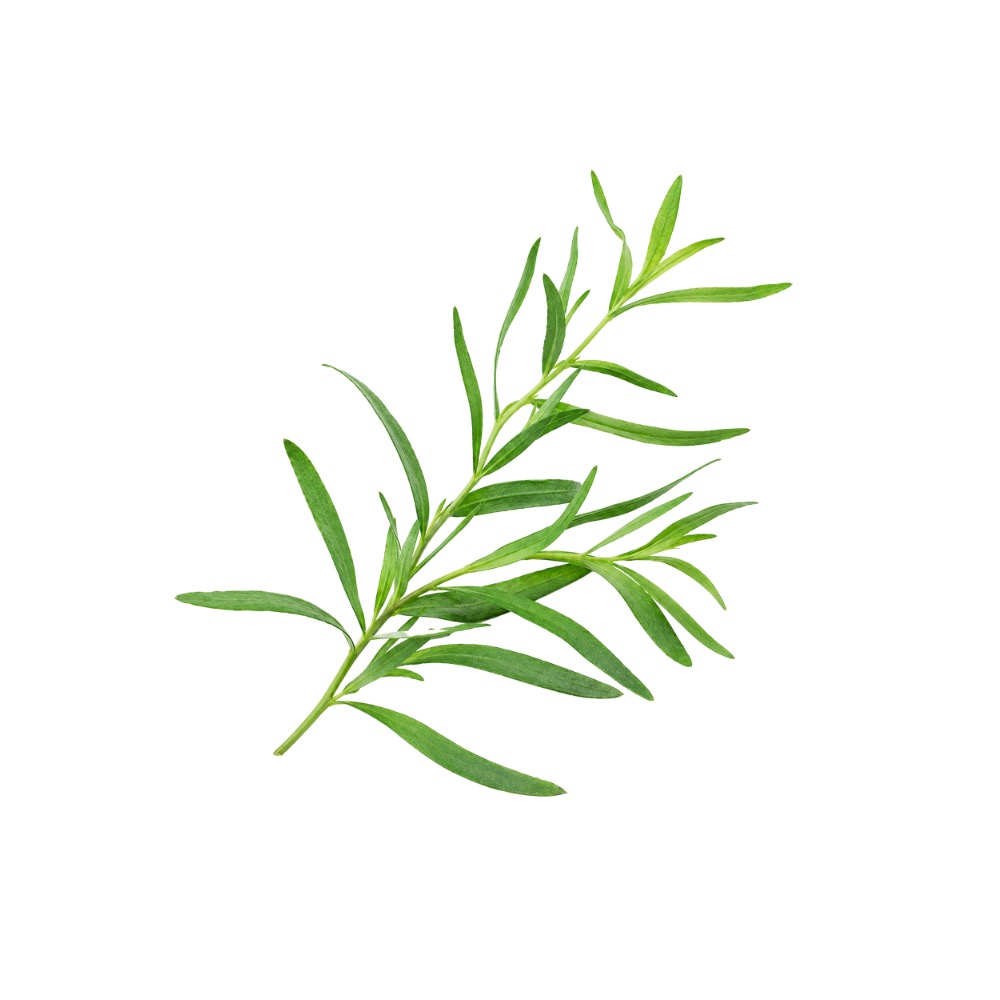
Tarragon
Artemisia dracunculus
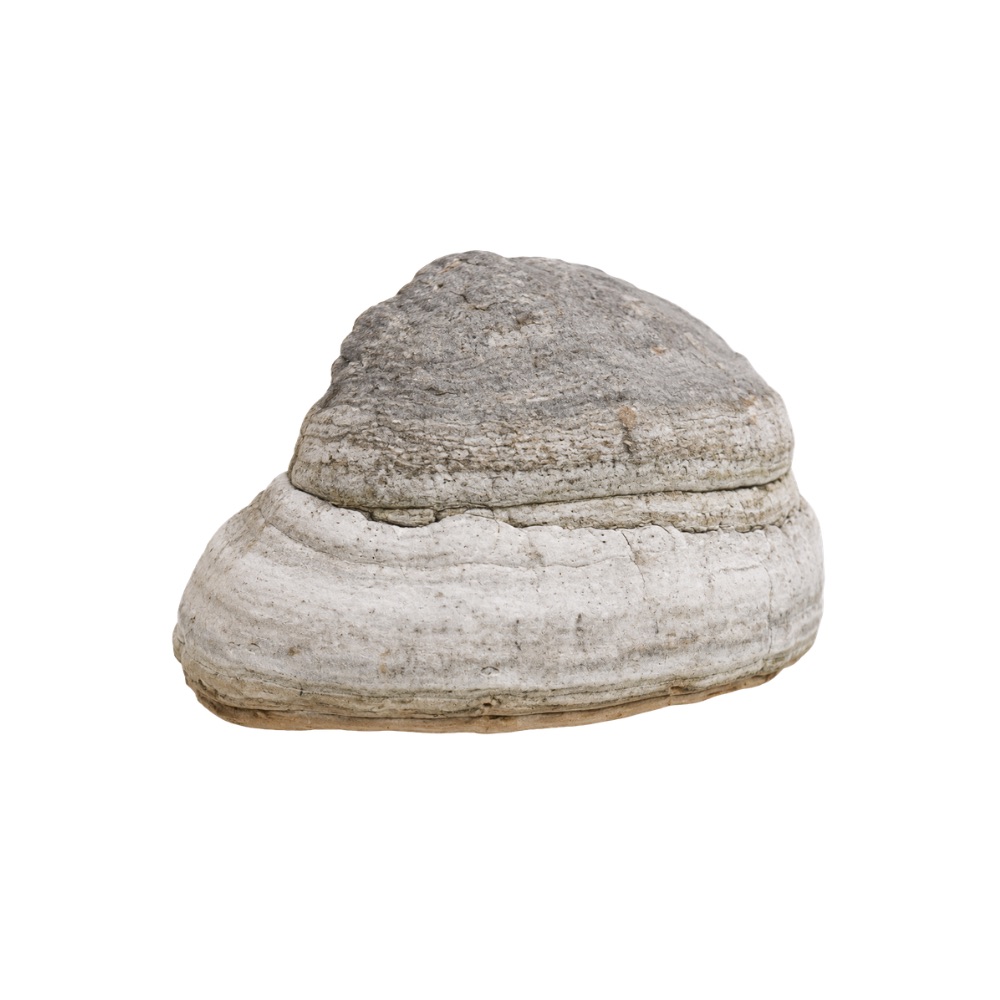
Tinder Conk
Fomes fomentarius
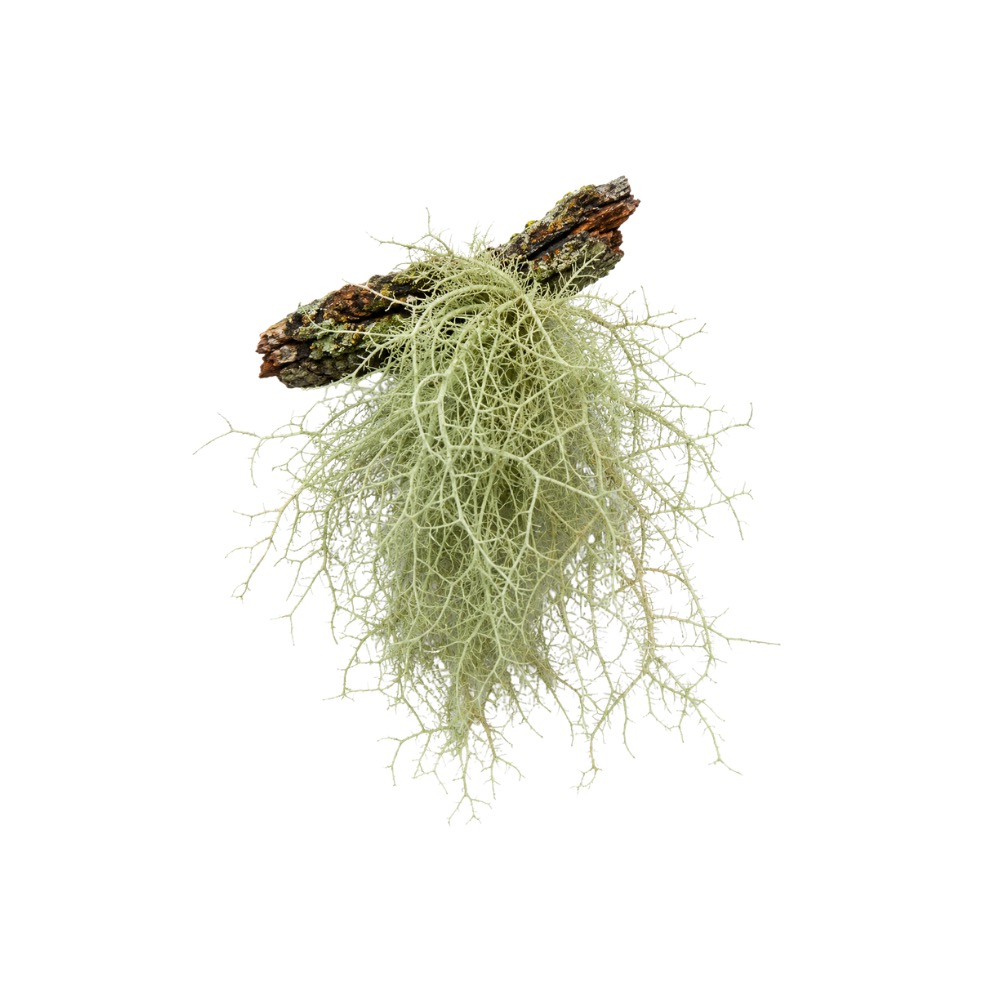
Usnea
Usnea spp.
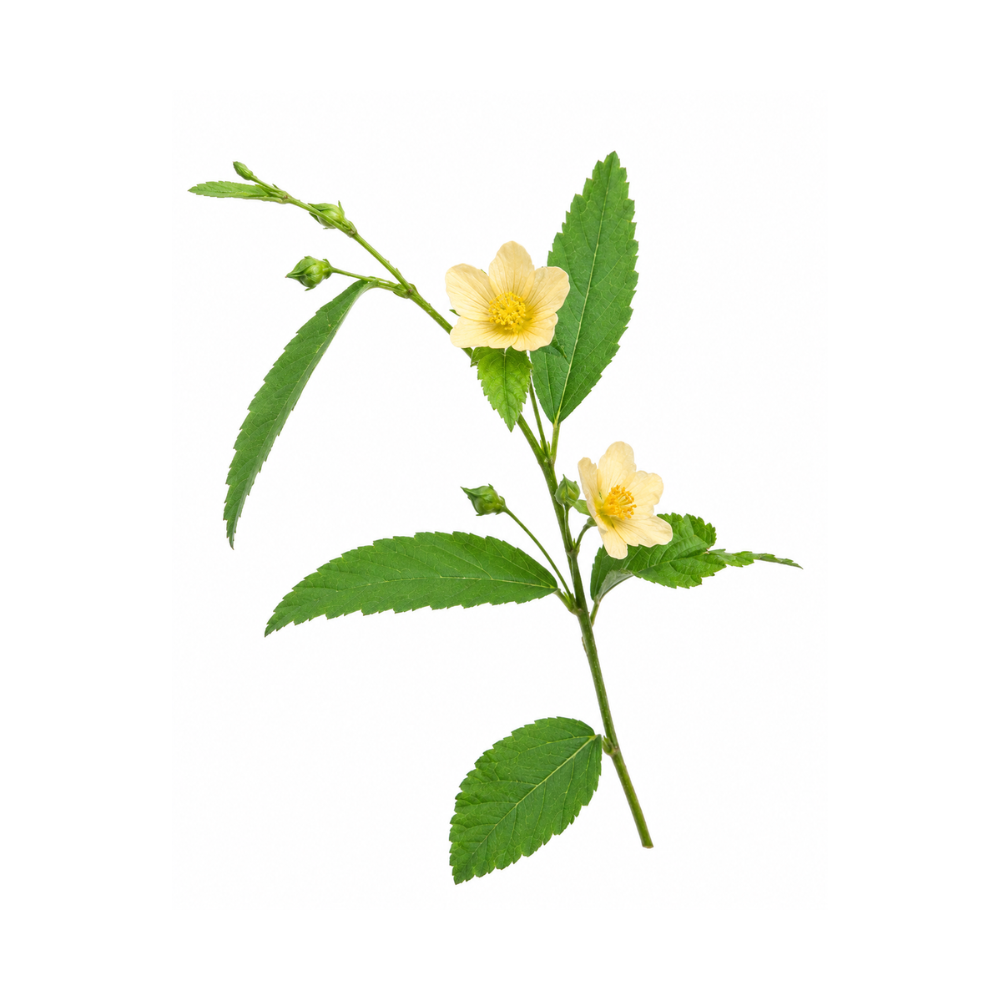
Wireweed
Sida acuta
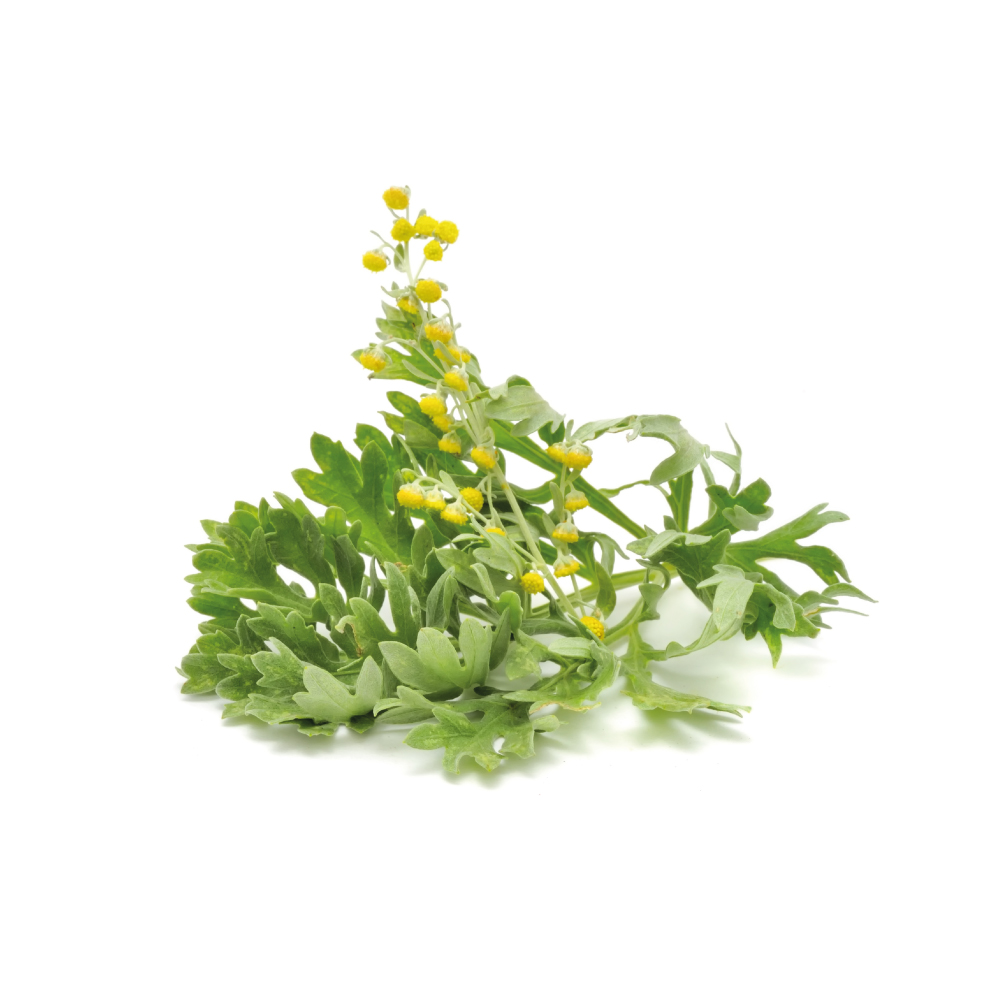
Wormwood
Artemisia absinthium
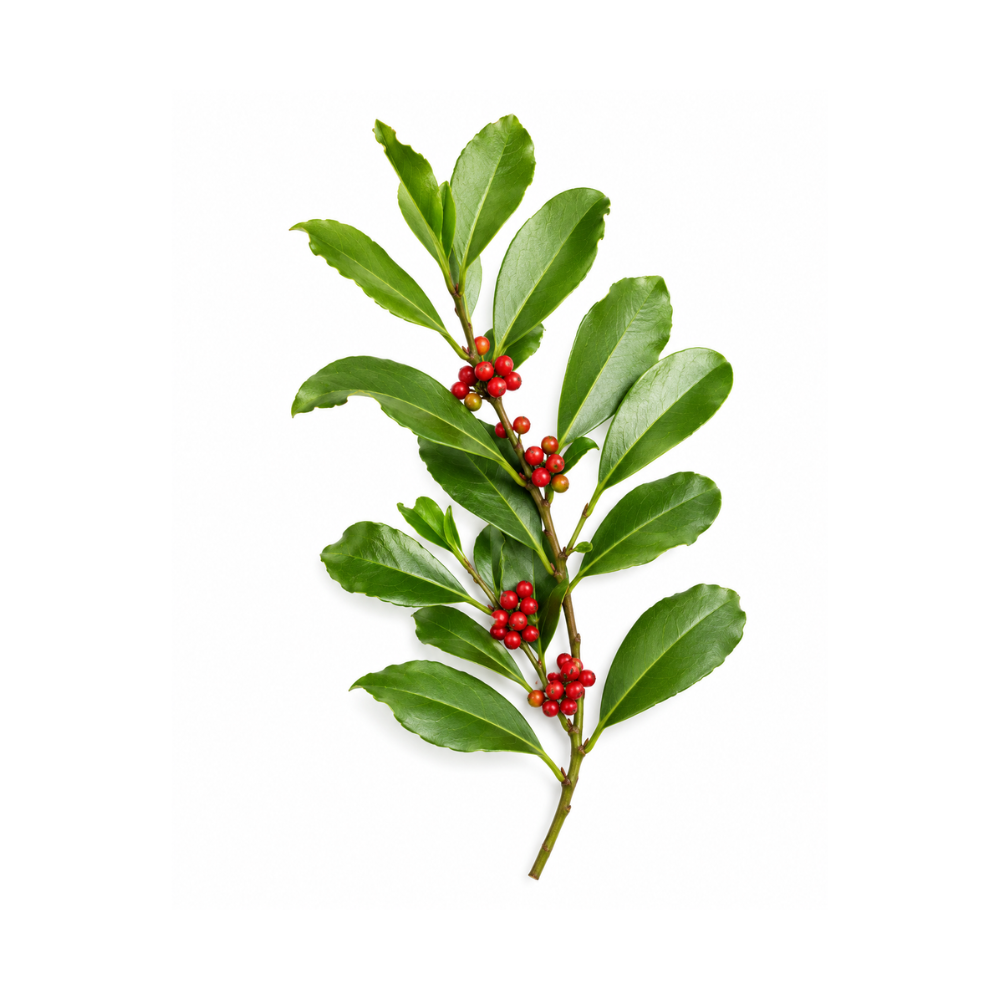
Yerba Maté
Ilex paraguariensis
Safety
- Immune stimulants are the wrong direction in autoimmune disease. Echinacea, astragalus, cat’s claw and the polysaccharide mushrooms provoke innate immunity, which is wrong in rheumatoid arthritis, lupus, multiple sclerosis, psoriasis or thyroid autoimmunity.
- Not alongside immunosuppressant medication. Ciclosporin, tacrolimus, azathioprine, a biologic or a steroid course is prescribed to suppress the response these herbs provoke.
- Cancer support goes past the oncologist first, since several of these herbs interact with chemotherapy metabolism or with checkpoint-inhibitor immunotherapy.
- A clinical result belongs to the fraction that was tested, not to a powdered fruiting body, and a single-solvent fungal extract delivers half the fungus whatever the label says.
- Dose and duration ceilings. Licorice, chaga, butterbur and concentrated Chinese skullcap each carry their own, worth reading before a long course.
- Garlic and reishi reduce platelet aggregation, which matters alongside anticoagulants and before surgery.
- Get medical care for a fever above 39 °C or lasting beyond three days, breathlessness, confusion, a stiff neck, a non-blanching rash, or fever in an infant or an immunocompromised person.
Pregnancy & Lactation
Pregnancy · AvoidLactation · Caution
- Assume avoid unless a clinician advises otherwise, since immunity in pregnancy is deliberately modulated to tolerate the fetus.
- The stimulants are the group to leave alone, and the extracts carrying the best evidence are untested in pregnancy and lactation.
- Culinary quantities are a different question from a therapeutic extract, and a fever in pregnancy is assessed rather than self-treated.
References
- Karsch-Völk, M., Barrett, B., Kiefer, D., Bauer, R., Ardjomand-Woelkart, K., & Linde, K. (2014). Echinacea for preventing and treating the common cold — Cochrane systematic review. Cochrane Database of Systematic Reviews. https://pubmed.ncbi.nlm.nih.gov/24554461/
- Shah, S. A., Sander, S., White, C. M., Rinaldi, M., & Coleman, C. I. (2007). Evaluation of echinacea for the prevention and treatment of the common cold — meta-analysis. The Lancet Infectious Diseases. https://pubmed.ncbi.nlm.nih.gov/17597571/
- David, S., & Cunningham, R. (2019). Echinacea for the prevention and treatment of upper respiratory tract infections — systematic review and meta-analysis. Complementary Therapies in Medicine. https://pubmed.ncbi.nlm.nih.gov/31126553/
- Barrett, B., Brown, R., Rakel, D., et al. (2010). Echinacea for treating the common cold — randomised controlled trial. Annals of Internal Medicine. https://pubmed.ncbi.nlm.nih.gov/21173411/
- Taylor, J. A., Weber, W., Standish, L., et al. (2003). Efficacy and safety of echinacea in treating upper respiratory tract infections in children — randomised controlled trial. JAMA. https://pubmed.ncbi.nlm.nih.gov/14657066/
- Ogal, M., Johnston, S. L., Klein, P., & Schoop, R. (2021). Echinacea reduces antibiotic usage in children through respiratory tract infection prevention — randomised controlled trial. European Journal of Medical Research. https://pubmed.ncbi.nlm.nih.gov/33832544/
- Pham, T. P., et al. (2025). Efficacy and safety of Echinacea purpurea in treating upper respiratory infections and otitis media in children — systematic review and meta-analysis. Clinical Nutrition ESPEN. https://pubmed.ncbi.nlm.nih.gov/40311928/
- Coon, J. T., & Ernst, E. (2004). Andrographis paniculata in the treatment of upper respiratory tract infections — systematic review of safety and efficacy. Planta Medica. https://pubmed.ncbi.nlm.nih.gov/15095142/
- Poolsup, N., Suthisisang, C., Prathanturarug, S., et al. (2004). Andrographis paniculata in the symptomatic treatment of uncomplicated upper respiratory tract infection — systematic review of randomised controlled trials. Journal of Clinical Pharmacy and Therapeutics. https://pubmed.ncbi.nlm.nih.gov/14748896/
- Hu, X. Y., Wu, R. H., Logue, M., et al. (2017). Andrographis paniculata for symptomatic relief of acute respiratory tract infections in adults and children — systematic review and meta-analysis. PLoS One. https://pubmed.ncbi.nlm.nih.gov/28783743/
- Okonogi, R., et al. (2023). Efficacy of Andrographis paniculata spray in acute pharyngitis — randomised controlled trial. Drug Discoveries & Therapeutics. https://pubmed.ncbi.nlm.nih.gov/37821383/
- McElhaney, J. E., Goel, V., Toane, B., et al. (2006). Efficacy of COLD-fX (CVT-E002) in the prevention of respiratory symptoms in community-dwelling adults — randomised, double-blind, placebo-controlled trial. Journal of Alternative and Complementary Medicine. https://pubmed.ncbi.nlm.nih.gov/16566675/
- McElhaney, J. E., et al. (2011). Efficacy and safety of CVT-E002 in the prevention of respiratory infections in influenza-vaccinated community-dwelling adults — multicentre, randomised, double-blind, placebo-controlled trial. Influenza Research and Treatment. https://pubmed.ncbi.nlm.nih.gov/23074661/
- High, K. P., Case, D., Hurd, D., et al. (2012). A randomized, controlled trial of Panax quinquefolius extract (CVT-E002) to reduce respiratory infection in patients with chronic lymphocytic leukemia. The Journal of Supportive Oncology. https://pubmed.ncbi.nlm.nih.gov/22266154/
- Seida, J. K., Durec, T., & Kuhle, S. (2011). North American (Panax quinquefolius) and Asian ginseng preparations for prevention of the common cold in healthy adults — systematic review. Evidence-Based Complementary and Alternative Medicine. https://pubmed.ncbi.nlm.nih.gov/19592479/
- Antonelli, M., Donelli, D., & Firenzuoli, F. (2020). Ginseng integrative supplementation for seasonal acute upper respiratory infections — systematic review and meta-analysis. Complementary Therapies in Medicine. https://pubmed.ncbi.nlm.nih.gov/32951718/
- Zakay-Rones, Z., Thom, E., Wollan, T., & Wadstein, J. (2004). Randomized study of the efficacy and safety of oral elderberry extract in the treatment of influenza A and B virus infections. Journal of International Medical Research. https://pubmed.ncbi.nlm.nih.gov/15080016/
- Tiralongo, E., Wee, S. S., & Lea, R. A. (2016). Elderberry supplementation reduces cold duration and symptoms in air-travellers — randomised, double-blind, placebo-controlled clinical trial. Nutrients. https://pubmed.ncbi.nlm.nih.gov/27023596/
- Hawkins, J., Baker, C., Cherry, L., & Dunne, E. (2019). Black elderberry (Sambucus nigra) supplementation effectively treats upper respiratory symptoms — meta-analysis of randomised controlled clinical trials. Complementary Therapies in Medicine. https://pubmed.ncbi.nlm.nih.gov/30670267/
- Macknin, M., Wolski, K., Negrey, J., & Mace, S. (2020). Elderberry extract outpatient influenza treatment for emergency room patients ages 5 and above — randomised, double-blind, placebo-controlled trial. Journal of General Internal Medicine. https://pubmed.ncbi.nlm.nih.gov/32929634/
- Roschek, B. Jr., Fink, R. C., McMichael, M. D., Li, D., & Alberte, R. S. (2009). Elderberry flavonoids bind to and prevent H1N1 infection in vitro. Phytochemistry. https://pubmed.ncbi.nlm.nih.gov/19682714/
- Scaglione, F., Cattaneo, G., Alessandria, M., & Cogo, R. (1996). Efficacy and safety of the standardised ginseng extract G115 for potentiating vaccination against the influenza syndrome and protection against the common cold — randomised placebo-controlled trial. Drugs under Experimental and Clinical Research. https://pubmed.ncbi.nlm.nih.gov/8879982/
- Scaglione, F., Ferrara, F., Dugnani, S., et al. (1990). Immunomodulatory effects of two extracts of Panax ginseng C.A. Meyer. Drugs under Experimental and Clinical Research. https://pubmed.ncbi.nlm.nih.gov/2100737/
- Lissiman, E., Bhasale, A. L., & Cohen, M. (2014). Garlic for the common cold — Cochrane systematic review. Cochrane Database of Systematic Reviews. https://pubmed.ncbi.nlm.nih.gov/25386977/
- Josling, P. (2001). Preventing the common cold with a garlic supplement — double-blind, placebo-controlled survey. Advances in Therapy. https://pubmed.ncbi.nlm.nih.gov/11697022/
- Somerville, V., Moore, R., & Braakhuis, A. (2019). The effect of olive leaf extract on upper respiratory illness in high school athletes — randomised controlled trial. Nutrients. https://pubmed.ncbi.nlm.nih.gov/30744092/
- Su, G., Chen, X., Liu, Z., et al. (2016). Oral Astragalus (Huang qi) for preventing frequent episodes of acute respiratory tract infection in children — Cochrane systematic review. Cochrane Database of Systematic Reviews. https://pubmed.ncbi.nlm.nih.gov/27905672/
- Li, C. X., Liu, Y., Zhang, Y. Z., et al. (2022). Astragalus polysaccharide: a review of its immunomodulatory effect. Archives of Pharmacal Research. https://pubmed.ncbi.nlm.nih.gov/35713852/
- Gao, Y., Zhou, S., Jiang, W., et al. (2003). Effects of Ganopoly (a Ganoderma lucidum polysaccharide extract) on the immune functions in advanced-stage cancer patients — clinical trial. Immunological Investigations. https://pubmed.ncbi.nlm.nih.gov/12916709/
- Gao, Y., Tang, W., Dai, X., et al. (2005). Effects of water-soluble Ganoderma lucidum polysaccharides on the immune functions of patients with advanced lung cancer — clinical trial. Journal of Medicinal Food. https://pubmed.ncbi.nlm.nih.gov/16117607/
- Kang, H. J., Baik, H. W., Kim, S. J., et al. (2015). Cordyceps militaris enhances cell-mediated immunity in healthy Korean men — randomised, placebo-controlled trial. Journal of Medicinal Food. https://pubmed.ncbi.nlm.nih.gov/26284906/
- Shu, M. Y., Zhang, X. C., Zuo, L., et al. (2025). Effects of fungal supplementation on endurance, immune function, and hematological profiles in adult athletes — systematic review and meta-analysis. Frontiers in Nutrition. https://pubmed.ncbi.nlm.nih.gov/41280379/
- Bi, S., Jing, Y., Zhou, Q., et al. (2018). Structural elucidation and immunostimulatory activity of a new polysaccharide from Cordyceps militaris — in vitro. Food & Function. https://pubmed.ncbi.nlm.nih.gov/29168868/
- Bohn, B., Nebe, C. T., & Birr, C. (1987). Flow-cytometric studies with Eleutherococcus senticosus extract as an immunomodulatory agent — randomised placebo-controlled trial. Arzneimittel-Forschung. https://pubmed.ncbi.nlm.nih.gov/2963645/
- Ratiani, L., Pachkoria, E., Mamageishvili, N., et al. (2023). Efficacy of Kan Jang in patients with mild COVID-19 — randomised, quadruple-blind, placebo-controlled trial of a fixed Andrographis–Eleutherococcus combination. Pharmaceuticals (Basel). https://pubmed.ncbi.nlm.nih.gov/37765004/
- Glatthaar-Saalmüller, B., Sacher, F., & Esperester, A. (2001). Antiviral activity of an extract derived from roots of Eleutherococcus senticosus — in vitro. Antiviral Research. https://pubmed.ncbi.nlm.nih.gov/11397509/
- Kim, Y. O., Han, S. B., Lee, H. W., et al. (2005). Immuno-stimulating effect of the endo-polysaccharide from submerged culture of Inonotus obliquus — in vitro. Life Sciences. https://pubmed.ncbi.nlm.nih.gov/15970296/
- Wold, C. W., Christopoulos, P. F., Arias, M. A., et al. (2024). Fungal polysaccharides from Inonotus obliquus are agonists for Toll-like receptors and induce macrophage anti-cancer activity — in vitro. Communications Biology. https://pubmed.ncbi.nlm.nih.gov/38396285/
- Xie, X., Gu, Y., Liu, Y., et al. (2025). An inulin-type fructan from Codonopsis pilosula ameliorates cyclophosphamide-induced immunosuppression and intestinal barrier injury in mice — animal model. International Journal of Biological Macromolecules. https://pubmed.ncbi.nlm.nih.gov/40250123/
- Gao, Z., Ren, J., Ke, C., et al. (2025). Specific inulin in Codonopsis pilosula exerts immunological enhancement by promoting cellular uptake and regulating p65-dependent MAPK and NF-κB pathways — in vitro. Journal of Agricultural and Food Chemistry. https://pubmed.ncbi.nlm.nih.gov/40758307/
- Cinatl, J., Morgenstern, B., Bauer, G., et al. (2003). Glycyrrhizin, an active component of liquorice roots, and replication of SARS-associated coronavirus — in vitro. The Lancet. https://pubmed.ncbi.nlm.nih.gov/12814717/
- van de Sand, L., Bormann, M., Alt, M., et al. (2021). Glycyrrhizin effectively inhibits SARS-CoV-2 replication by inhibiting the viral main protease — in vitro. Viruses. https://pubmed.ncbi.nlm.nih.gov/33918301/
- Li, H., Hu, J., Ma, L., et al. (2020). The potential of glycyrrhizinate in the management of COVID-19 — systematic review of glycyrrhizin preparations in SARS and MERS. American Journal of Chinese Medicine. https://pubmed.ncbi.nlm.nih.gov/33202150/
- Liu, H., Ye, F., Sun, Q., et al. (2021). Scutellaria baicalensis extract and baicalein inhibit replication of SARS-CoV-2 and its 3C-like protease — in vitro. Journal of Enzyme Inhibition and Medicinal Chemistry. https://pubmed.ncbi.nlm.nih.gov/33491508/
- Zandi, K., Musall, K., Oo, A., et al. (2021). Baicalein and baicalin inhibit SARS-CoV-2 RNA-dependent RNA polymerase — in vitro. Microorganisms. https://pubmed.ncbi.nlm.nih.gov/33921971/
- Hour, M. J., Huang, S. H., Chang, C. Y., et al. (2013). Baicalein and Scutellaria baicalensis extracts inhibit the neuraminidase activity of pandemic 2009 H1N1 and seasonal influenza A viruses — in vitro. Evidence-Based Complementary and Alternative Medicine. https://pubmed.ncbi.nlm.nih.gov/23864896/
- Qin, S., Huang, X., & Qu, S. (2022). Baicalin induces a potent innate immune response to inhibit respiratory syncytial virus replication — in vitro and mouse model. Frontiers in Immunology. https://pubmed.ncbi.nlm.nih.gov/35812414/
- Hayashi, K., Kamiya, M., & Hayashi, T. (1995). Virucidal effects of the steam distillate from Houttuynia cordata and its components on HSV-1, influenza virus and HIV — in vitro. Planta Medica. https://pubmed.ncbi.nlm.nih.gov/7617766/
- Lau, K. M., Lee, K. M., Koon, C. M., et al. (2008). Immunomodulatory and anti-SARS activities of Houttuynia cordata — in vitro and animal model. Journal of Ethnopharmacology. https://pubmed.ncbi.nlm.nih.gov/18479853/
- Chen, X., Wang, Z., Yang, Z., et al. (2011). Houttuynia cordata blocks HSV infection through inhibition of NF-κB activation — in vitro. Antiviral Research. https://pubmed.ncbi.nlm.nih.gov/21951655/
- Li, Z., Li, L., Zhou, H., et al. (2017). Radix Isatidis polysaccharides inhibit influenza A virus and influenza A virus-induced inflammation via suppression of host TLR-3 signalling — in vitro. Molecules. https://pubmed.ncbi.nlm.nih.gov/28085062/
- Yang, Z., Wang, Y., Zhong, S., et al. (2013). Antiviral activity of Isatis indigotica root-derived clemastanin B against human and avian influenza A and B viruses in vitro. International Journal of Molecular Medicine. https://pubmed.ncbi.nlm.nih.gov/23403777/
- Nie, L. X., Wu, Y. L., Dai, Z., & Ma, S. C. (2020). Antiviral activity of Isatidis Radix-derived glucosinolate isomers and their breakdown products against influenza A in vitro and in ovo. Journal of Ethnopharmacology. https://pubmed.ncbi.nlm.nih.gov/31918015/
- Zhou, Z., Li, X., Liu, J., et al. (2015). Honeysuckle-encoded atypical microRNA2911 directly targets influenza A viruses. Cell Research. https://pubmed.ncbi.nlm.nih.gov/25287280/
- Zhou, L. K., Zhou, Z., Jiang, X. M., et al. (2020). Absorbed plant MIR2911 in honeysuckle decoction inhibits SARS-CoV-2 replication and accelerates the negative conversion of infected patients. Cell Discovery. https://pubmed.ncbi.nlm.nih.gov/32802404/
- He, D. Y., & Dai, S. M. (2011). Anti-inflammatory and immunomodulatory effects of Paeonia lactiflora Pall., a traditional Chinese herbal medicine — review. Frontiers in Pharmacology. https://pubmed.ncbi.nlm.nih.gov/21687505/
- Luo, J., Song, W. J., Xu, Y., et al. (2019). Benefits and safety of Tripterygium glycosides and total glucosides of paeony for rheumatoid arthritis — overview of systematic reviews. Chinese Journal of Integrative Medicine. https://pubmed.ncbi.nlm.nih.gov/31385219/
- Liu, B., Xu, L., Yu, X., et al. (2021). Clinical safety of total glucosides of paeony adjuvant therapy for rheumatoid arthritis treatment — systematic review and meta-analysis. BMC Complementary Medicine and Therapies. https://pubmed.ncbi.nlm.nih.gov/33771151/
- Zhao, Y. X., et al. (2006). Clinical observation on effects of leflunomide and total glucosides of paeony on rheumatoid arthritis — randomised controlled trial. Zhongguo Zhong Xi Yi Jie He Za Zhi. https://pubmed.ncbi.nlm.nih.gov/16689008/
- Xiang, N., Li, X. M., Zhang, M. J., et al. (2015). Total glucosides of paeony can reduce the hepatotoxicity caused by methotrexate and leflunomide combination treatment of active rheumatoid arthritis — randomised controlled trial. International Immunopharmacology. https://pubmed.ncbi.nlm.nih.gov/26292180/
- Zhou, Y., Jin, L., Kong, F., et al. (2016). Clinical and immunological consequences of total glucosides of paeony treatment in Sjögren’s syndrome — randomised controlled pilot trial. International Immunopharmacology. https://pubmed.ncbi.nlm.nih.gov/27517517/
- Mur, E., Hartig, F., Eibl, G., & Schirmer, M. (2002). Randomized double blind trial of an extract from the pentacyclic alkaloid-chemotype of Uncaria tomentosa for the treatment of rheumatoid arthritis. Journal of Rheumatology. https://pubmed.ncbi.nlm.nih.gov/11950006/
- Piscoya, J., Rodriguez, Z., Bustamante, S. A., et al. (2001). Efficacy and safety of freeze-dried cat’s claw in osteoarthritis of the knee — randomised controlled trial. Inflammation Research. https://pubmed.ncbi.nlm.nih.gov/11603848/
- Sandoval-Chacón, M., Thompson, J. H., Zhang, X. J., et al. (1998). Antiinflammatory actions of cat’s claw: the role of NF-κB — in vitro and animal. Alimentary Pharmacology & Therapeutics. https://pubmed.ncbi.nlm.nih.gov/9882039/
- Åkesson, C., Lindgren, H., Pero, R. W., et al. (2003). An extract of Uncaria tomentosa inhibiting cell division and NF-κB activity without inducing cell death — in vitro. International Immunopharmacology. https://pubmed.ncbi.nlm.nih.gov/14636838/
- Gupta, I., Gupta, V., Parihar, A., et al. (1998). Effects of Boswellia serrata gum resin in patients with bronchial asthma — double-blind, placebo-controlled, six-week clinical study. European Journal of Medical Research. https://pubmed.ncbi.nlm.nih.gov/9810030/
- Gayathri, B., Manjula, N., Vinaykumar, K. S., et al. (2007). Pure compound from Boswellia serrata extract exhibits anti-inflammatory property in human PBMCs and mouse macrophages through inhibition of TNF-α, IL-1β, NO and MAP kinases — in vitro and animal. International Immunopharmacology. https://pubmed.ncbi.nlm.nih.gov/17321470/
- Efferth, T., & Oesch, F. (2022). Anti-inflammatory and anti-cancer activities of frankincense: targets, treatments and toxicities — systematic review. Seminars in Cancer Biology. https://pubmed.ncbi.nlm.nih.gov/32027979/
- Jia, Y., et al. (2024). Polysaccharide from hot-compressed steamed Rehmannia glutinosa on the immune system and gut microbiota in immunosuppressed mice — animal model and in vitro. International Immunopharmacology. https://pubmed.ncbi.nlm.nih.gov/39303540/
- Kim, H., Lee, E., Lee, S., et al. (1998). Effect of Rehmannia glutinosa on immediate-type allergic reaction — animal model. International Journal of Immunopharmacology. https://pubmed.ncbi.nlm.nih.gov/9730258/
- Zhang, H., et al. (2023). Structural characterization and anti-inflammatory effects of an arabinan from Rehmannia glutinosa — in vivo and in vitro. Carbohydrate Polymers. https://pubmed.ncbi.nlm.nih.gov/36657836/
- He, Y., Hu, X., et al. (2024). Meta-analysis of randomized controlled trials assessing the efficacy of Nigella spp in allergic rhinitis. Frontiers in Pharmacology. https://pubmed.ncbi.nlm.nih.gov/39372205/
- Nikakhlagh, S., Rahim, F., Aryani, F. H., et al. (2011). Herbal treatment of allergic rhinitis: the use of Nigella sativa. American Journal of Otolaryngology. https://pubmed.ncbi.nlm.nih.gov/20947211/
- Majeed, A., Majeed, S., et al. (2024). A randomized, double-blind, placebo-controlled study of a standardized Nigella sativa oil containing 5% thymoquinone in reducing symptoms of seasonal allergy. Medicine (Baltimore). https://pubmed.ncbi.nlm.nih.gov/39121267/
- He, T., & Xu, X. (2020). The influence of Nigella sativa for asthma control — meta-analysis. American Journal of Emergency Medicine. https://pubmed.ncbi.nlm.nih.gov/31892440/
- Koshak, A., Wei, L., Koshak, E., et al. (2017). Nigella sativa supplementation improves asthma control and biomarkers — randomised, double-blind, placebo-controlled trial. Phytotherapy Research. https://pubmed.ncbi.nlm.nih.gov/28093815/
- Matkovic, Z., Zivkovic, V., Korica, M., et al. (2010). Efficacy and safety of Astragalus membranaceus in the treatment of patients with seasonal allergic rhinitis — double-blind, placebo-controlled randomised trial. Phytotherapy Research. https://pubmed.ncbi.nlm.nih.gov/19504468/
- Tripathi, R. M., Sen, P. C., & Das, P. K. (1979). Studies on the mechanism of action of Albizzia lebbeck, an Indian indigenous drug used in the treatment of atopic allergy — animal and in vitro mast-cell study. Journal of Ethnopharmacology. https://pubmed.ncbi.nlm.nih.gov/544953/
- Nurul, I. M., et al. (2011). Albizia lebbeck suppresses histamine signaling by the inhibition of histamine H1 receptor and histidine decarboxylase gene transcriptions — animal model and in vitro. International Immunopharmacology. https://pubmed.ncbi.nlm.nih.gov/21782040/
- Shashidhara, S., Bhandarkar, A. V., Deepak, M. (2008). Comparative evaluation of successive extracts of leaf and stem bark of Albizzia lebbeck for mast cell stabilization activity — in vitro. Fitoterapia. https://pubmed.ncbi.nlm.nih.gov/18342456/
- Venkatesh, P., et al. (2010). Anti-allergic activity of standardized extract of Albizia lebbeck with reference to catechin as a phytomarker — animal model and in vitro. Immunopharmacology and Immunotoxicology. https://pubmed.ncbi.nlm.nih.gov/20109037/
- Bui, T. T., Piao, C. H., Song, C. H., et al. (2017). Baicalein, wogonin, and Scutellaria baicalensis ethanol extract alleviate ovalbumin-induced allergic airway inflammation — animal model. Anatomy & Cell Biology. https://pubmed.ncbi.nlm.nih.gov/28713616/
- Lucas, C. D., Dorward, D. A., Sharma, S., et al. (2015). Wogonin induces eosinophil apoptosis and attenuates allergic airway inflammation — in vitro and mouse model. American Journal of Respiratory and Critical Care Medicine. https://pubmed.ncbi.nlm.nih.gov/25629436/
- McCulloch, M., See, C., Shu, X. J., et al. (2006). Astragalus-based Chinese herbs and platinum-based chemotherapy for advanced non-small-cell lung cancer — meta-analysis of randomised trials. Journal of Clinical Oncology. https://pubmed.ncbi.nlm.nih.gov/16421421/
- Cao, A., He, H., Wang, Q., et al. (2019). Evidence of Astragalus injection combined with platinum-based chemotherapy in advanced non-small cell lung cancer — systematic review and meta-analysis. Medicine. https://pubmed.ncbi.nlm.nih.gov/30882655/
- Zhu, D., et al. (2022). Effect of Kangai injection combined with platinum-based chemotherapy on immune function in advanced NSCLC — meta-analysis. Phytomedicine. https://pubmed.ncbi.nlm.nih.gov/35397286/
- Lamm, S., Sheng, Y., & Pero, R. W. (2001). Persistent response to pneumococcal vaccine in individuals supplemented with a novel water-soluble extract of Uncaria tomentosa, C-Med-100 — randomised controlled trial. Phytomedicine. https://pubmed.ncbi.nlm.nih.gov/11515716/
- Sheng, Y., Bryngelsson, C., & Pero, R. W. (2000). Enhanced DNA repair, immune function and reduced toxicity of C-MED-100, a novel aqueous extract from Uncaria tomentosa — animal and human. Journal of Ethnopharmacology. https://pubmed.ncbi.nlm.nih.gov/10687868/
- Sheng, Y., Pero, R. W., & Wagner, H. (2000). Treatment of chemotherapy-induced leukopenia in a rat model with aqueous extract from Uncaria tomentosa — animal model. Phytomedicine. https://pubmed.ncbi.nlm.nih.gov/10839217/
- Chalasani, N., Vuppalanchi, R., Navarro, V., et al. (2012). Acute liver injury due to flavocoxid (Limbrel), a medical food for osteoarthritis — case series. Annals of Internal Medicine. https://pubmed.ncbi.nlm.nih.gov/22711078/
- Dasgupta, A., Wu, S., Actor, J., et al. (2003). Effect of Asian and Siberian ginseng on serum digoxin measurement by five digoxin immunoassays. American Journal of Clinical Pathology. https://pubmed.ncbi.nlm.nih.gov/12580002/
- Signer, J., Jonsdottir, H. R., Albrich, W. C., et al. (2020). In vitro virucidal activity of Echinaforce against coronaviruses, including 229E and SARS-CoV-2 — in vitro. Virology Journal. https://pubmed.ncbi.nlm.nih.gov/32907596/
- Stevenson, L. M., Matthias, A., Banbury, L., et al. (2005). Modulation of macrophage immune responses by Echinacea — in vitro. Molecules. https://pubmed.ncbi.nlm.nih.gov/18007520/
- Oláh, A., Szabó-Papp, J., Soeberdt, M., et al. (2017). Echinacea purpurea-derived alkylamides exhibit potent anti-inflammatory effects and alleviate clinical symptoms of atopic eczema — randomised clinical trials. Journal of Dermatological Science. https://pubmed.ncbi.nlm.nih.gov/28610718/
- Jesenak, M., Majtan, J., Rennerova, Z., et al. (2013). Immunomodulatory effect of pleuran (β-glucan from Pleurotus ostreatus) in children with recurrent respiratory tract infections — randomised controlled trial. International Immunopharmacology. https://pubmed.ncbi.nlm.nih.gov/23261366/
- Jesenak, M., Hrubisko, M., Majtan, J., et al. (2014). Anti-allergic effect of pleuran (β-glucan from Pleurotus ostreatus) in children with recurrent respiratory tract infections — randomised controlled trial. Phytotherapy Research. https://pubmed.ncbi.nlm.nih.gov/23744488/
- Stanković, M. M., et al. (2024). A comprehensive study on Geranium robertianum L. antibacterial potential, including antibiotic potentiation — in vitro. Journal of Applied Microbiology. https://pubmed.ncbi.nlm.nih.gov/38658191/
- Maehara, Y., Tsujitani, S., Saeki, H., et al. (2012). Biological mechanism and clinical effect of protein-bound polysaccharide K (KRESTIN) — review. Surgery Today. https://pubmed.ncbi.nlm.nih.gov/22139128/
- Masuda, Y., Inoue, H., Ohta, H., et al. (2013). Oral administration of soluble β-glucans extracted from Grifola frondosa induces a systemic antitumour immune response and decreases immunosuppression in tumour-bearing mice — mouse in vivo. International Journal of Cancer. https://pubmed.ncbi.nlm.nih.gov/23280601/
- Dai, X., Stanilka, J. M., Rowe, C. A., et al. (2015). Consuming Lentinula edodes (shiitake) mushrooms daily improves human immunity — randomised dietary intervention in healthy young adults. Journal of the American College of Nutrition. https://pubmed.ncbi.nlm.nih.gov/25866155/
- Tian, H., et al. (2019). Immunomodulatory effects exerted by Poria cocos polysaccharides via TLR4/TRAF6/NF-κB signalling — in vitro and animal model. Biomedicine & Pharmacotherapy. https://pubmed.ncbi.nlm.nih.gov/30970514/
- Li, X., et al. (2019). Molecular basis for Poria cocos mushroom polysaccharide used as an antitumour drug in China — review. Progress in Molecular Biology and Translational Science. https://pubmed.ncbi.nlm.nih.gov/31030751/
- Wang, P. H., Hsu, C. I., Tang, S. C., et al. (2004). Fungal immunomodulatory protein from Flammulina velutipes induces interferon-γ production through p38 MAPK signalling — in vitro. Journal of Agricultural and Food Chemistry. https://pubmed.ncbi.nlm.nih.gov/15113182/
- Ou, C. C., Hsiao, Y. M., Wu, W. J., et al. (2009). FIP-fve stimulates interferon-γ production via modulation of calcium release and PKC-α activation in human PBMCs — in vitro. Journal of Agricultural and Food Chemistry. https://pubmed.ncbi.nlm.nih.gov/19919129/
- Hsieh, K. Y., Hsu, C. I., Lin, J. Y., et al. (2003). Oral administration of an edible-mushroom-derived protein inhibits the development of food-allergic reactions — mouse in vivo. Clinical & Experimental Allergy. https://pubmed.ncbi.nlm.nih.gov/14616874/
- Classen, B., Thude, S., Blaschek, W., Wack, M., & Bodinet, C. (2006). Immunomodulatory effects of arabinogalactan-proteins from Baptisia and Echinacea — in vitro (mouse lymphocytes and macrophages). Phytomedicine. https://pubmed.ncbi.nlm.nih.gov/17085292/
- Beuscher, N., & Kopanski, L. (1985). Stimulation of immunity by the contents of Baptisia tinctoria — in vitro and animal model. Planta Medica. https://pubmed.ncbi.nlm.nih.gov/17342588/
- Schepetkin, I. A., Kirpotina, L. N., Jakiw, L., et al. (2009). Immunomodulatory activity of oenothein B isolated from Epilobium angustifolium — phagocyte activation in vitro and in mice. Journal of Immunology. https://pubmed.ncbi.nlm.nih.gov/19846877/
- Ramstead, A. G., Schepetkin, I. A., Quinn, M. T., & Jutila, M. A. (2012). Oenothein B, a cyclic dimeric ellagitannin from Epilobium angustifolium, enhances IFN-γ production by lymphocytes — in vitro. PLoS ONE. https://pubmed.ncbi.nlm.nih.gov/23226309/
- Zhang YL, Hu RX, Zhao H, et al. (2020). Preparations of Xiakucao (Prunella vulgaris) for Hashimoto’s thyroiditis — systematic review, meta-analysis and trial sequential analysis. Zhongguo Zhong Yao Za Zhi. https://pubmed.ncbi.nlm.nih.gov/33496119/
- Thomet, O. A., & Simon, H. U. (2002). Petasins in the treatment of allergic diseases: results of preclinical and clinical studies — review including ex vivo human leukotriene data. International Archives of Allergy and Immunology. https://pubmed.ncbi.nlm.nih.gov/12403927/
- Brattström, A., Schapowal, A., Maillet, I., et al. (2010). Petasites extract Ze 339 inhibits allergen-induced Th2 responses, airway inflammation and airway hyperreactivity — mouse allergic-airway model. Phytotherapy Research. https://pubmed.ncbi.nlm.nih.gov/19827027/
- Ito, K., Masuda, Y., Yamasaki, Y., et al. (2009). Maitake β-glucan enhances granulopoiesis and mobilisation of granulocytes by increasing G-CSF production and modulating CXCR4/SDF-1 expression — mouse in vivo. International Immunopharmacology. https://pubmed.ncbi.nlm.nih.gov/19573626/
- Masuda, Y., Inoue, M., Miyata, A., et al. (2009). Maitake β-glucan enhances therapeutic effect and reduces myelosuppression and nephrotoxicity of cisplatin — mouse in vivo. International Immunopharmacology. https://pubmed.ncbi.nlm.nih.gov/19249389/
- Wesa, K. M., Cunningham-Rundles, S., Klimek, V. M., et al. (2015). Maitake mushroom extract in myelodysplastic syndromes — phase II clinical trial. Cancer Immunology, Immunotherapy. https://pubmed.ncbi.nlm.nih.gov/25351719/
- Jesenak, M., et al. (2025). A novel chewable pleuran-based supplement decreases respiratory tract infections in children — randomised controlled trial. Advances in Therapy. https://pubmed.ncbi.nlm.nih.gov/41085920/
- Bergendiova, K., Tibenska, E., & Majtan, J. (2011). Pleuran (β-glucan from Pleurotus ostreatus) supplementation, cellular immune response and respiratory tract infections in athletes — randomised controlled trial. European Journal of Applied Physiology. https://pubmed.ncbi.nlm.nih.gov/21249381/
- Jesenak, M., et al. (2025). Beneficial effects of pleuran on asthma control and respiratory tract-infection frequency in children with perennial asthma — randomised controlled trial. Scientific Reports. https://pubmed.ncbi.nlm.nih.gov/40021713/
- Naser, B., Lund, B., Henneicke-von Zepelin, H. H., et al. (2005). A randomised, double-blind, placebo-controlled clinical dose–response trial of an extract of Baptisia, Echinacea and Thuja for the treatment of patients with common cold. Phytomedicine. https://pubmed.ncbi.nlm.nih.gov/16323289/
- Henneicke-von Zepelin, H. H., Hentschel, C., Schnitker, J., et al. (1999). Efficacy and safety of a fixed combination phytomedicine in the treatment of the common cold — randomised, double-blind, placebo-controlled multicentre trial. Current Medical Research and Opinion. https://pubmed.ncbi.nlm.nih.gov/10621929/
- Sultanov, A., Lee, E. H., Park, H. J., & Cho, Y. J. (2022). Anti-inflammatory effect of wild indigo (Baptisia tinctoria) root on LPS-stimulated RAW 264.7 cells — in vitro. Horticultural Science and Technology. https://doi.org/10.7235/hort.20220011
- Oba, K., Kobayashi, M., Matsui, T., et al. (2009). Individual patient based meta-analysis of lentinan for unresectable/recurrent gastric cancer — meta-analysis. Anticancer Research. https://pubmed.ncbi.nlm.nih.gov/19596954/
- Terakawa, N., Matsui, Y., Satoi, S., et al. (2008). Immunological effect of active hexose correlated compound (AHCC) in healthy volunteers — double-blind, placebo-controlled randomised trial. Nutrition and Cancer. https://pubmed.ncbi.nlm.nih.gov/18791928/
- Roman, B. E., Beli, E., Duriancik, D. M., & Gardner, E. M. (2013). Short-term supplementation with active hexose correlated compound improves the antibody response to influenza B vaccine — randomised controlled trial. Nutrition Research. https://pubmed.ncbi.nlm.nih.gov/23351405/
- Shen, Y., Hou, J., Liu, W., et al. (2024). An antitumour fungal polysaccharide from Fomitopsis officinalis acting by activating immunity and inhibiting angiogenesis — zebrafish in vivo. International Journal of Biological Macromolecules. https://pubmed.ncbi.nlm.nih.gov/38569989/
- Saxe, G., Smith, C. N., Golshan, S., et al. (2026). Polypore mushroom mycelia as an adjunct to COVID-19 vaccination — randomised clinical trial. BMC Immunology. https://pubmed.ncbi.nlm.nih.gov/41620671/
- Lemieszek, M. K., et al. (2023). (1→3)-α-D-glucooligosaccharides from Laetiporus sulphureus increase the killing capacity of NK cells against human colon cancer cells — in vitro. Molecules. https://pubmed.ncbi.nlm.nih.gov/37241952/
- Han, Q., Xu, N., Chen, B., et al. (2021). Safety and efficacy of Prunella vulgaris preparations in the adjuvant treatment of thyroid nodules — meta-analysis of randomised controlled trials. Medicine (Baltimore). https://pubmed.ncbi.nlm.nih.gov/34731129/
- Tabba, H. D., Chang, R. S., & Smith, K. M. (1989). Isolation, purification and partial characterisation of prunellin, an anti-HIV component from aqueous extracts of Prunella vulgaris — in vitro. Antiviral Research. https://pubmed.ncbi.nlm.nih.gov/2802570/
- Xu, H. X., Lee, S. H., Lee, S., White, R. L., & Blay, J. (1999). Isolation and characterisation of an anti-HSV polysaccharide from Prunella vulgaris — in vitro. Antiviral Research. https://pubmed.ncbi.nlm.nih.gov/10588332/
- Oba, K., Teramukai, S., Kobayashi, M., et al. (2007). Efficacy of adjuvant immunochemotherapy with polysaccharide K for patients with curative resections of gastric cancer — meta-analysis of randomised controlled trials. Cancer Immunology, Immunotherapy. https://pubmed.ncbi.nlm.nih.gov/17106715/
- Sakamoto, J., Morita, S., Oba, K., et al. (2006). Efficacy of adjuvant immunochemotherapy with polysaccharide K for patients with curatively resected colorectal cancer — meta-analysis of centrally randomised controlled clinical trials. Cancer Immunology, Immunotherapy. https://pubmed.ncbi.nlm.nih.gov/16133112/
- Ma, Y., Wu, X., Yu, J., et al. (2017). Can polysaccharide K improve therapeutic efficacy and safety in gastrointestinal cancer? — systematic review and network meta-analysis. Oncotarget. https://pubmed.ncbi.nlm.nih.gov/29179503/
- Torkelson, C. J., Sweet, E., Martzen, M. R., et al. (2012). Phase I clinical trial of Trametes versicolor in women with breast cancer — dose-escalation clinical trial. ISRN Oncology. https://pubmed.ncbi.nlm.nih.gov/22701186/
- Deng, G., Lin, H., Seidman, A., et al. (2009). A phase I/II trial of a polysaccharide extract from Grifola frondosa in breast cancer patients: immunological effects — clinical trial. Journal of Cancer Research and Clinical Oncology. https://pubmed.ncbi.nlm.nih.gov/19253021/
- Kodama, N., Komuta, K., & Nanba, H. (2003). Effect of maitake (Grifola frondosa) D-fraction on the activation of NK cells in cancer patients — clinical study. Journal of Medicinal Food. https://pubmed.ncbi.nlm.nih.gov/14977447/
- Wang, Y., & Zhang, H. (2021). Advances in the extraction, purification, structure–property relationships and bioactive molecular mechanisms of fungal polysaccharides — review. International Journal of Biological Macromolecules. https://pubmed.ncbi.nlm.nih.gov/33278442/
- Timmer A, Günther J, Motschall E, et al. (2013). Pelargonium sidoides extract for treating acute respiratory tract infections — systematic review and meta-analysis. Cochrane Database of Systematic Reviews. https://pubmed.ncbi.nlm.nih.gov/24146345/
- Bourqui A, Corpataux O, Bonofiglio F, et al. (2026). Pelargonium sidoides extract (EPs 7630) versus usual care for acute bronchitis in Swiss primary care (PHYTOBRONCH) — pragmatic, open-label, randomised controlled trial. NPJ Primary Care Respiratory Medicine. https://doi.org/10.1038/s41533-026-00499-1
- Committee on Herbal Medicinal Products (HMPC), European Medicines Agency. (2022). European Union herbal monograph on Pelargonium sidoides DC; Pelargonium reniforme Curt., radix — regulatory monograph (well-established and traditional use). EMA/HMPC/648100/2022. https://www.ema.europa.eu/en/documents/herbal-monograph/final-european-union-herbal-monograph-pelargonium-sidoides-dc-pelargonium-reniforme-curt-radix-revision-2_en.pdf
- Maas M, Deters AM, Hensel A. (2011). Anti-inflammatory activity of Eupatorium perfoliatum L. extracts, eupafolin, and dimeric guaianolide via iNOS inhibition and cytokine/chemokine modulation — in vitro. Journal of Ethnopharmacology. https://pubmed.ncbi.nlm.nih.gov/21669270/
- Derksen A, Kühn J, Hafezi W, et al. (2016). Antiviral activity of hydroalcoholic extract from Eupatorium perfoliatum L. against the attachment of influenza A virus — in vitro. Journal of Ethnopharmacology. https://pubmed.ncbi.nlm.nih.gov/27178637/
- Colegate SM, Upton R, Gardner DR, Panter KE, Betz JM. (2018). Potentially toxic pyrrolizidine alkaloids in Eupatorium perfoliatum and three related species: implications for herbal use as boneset — analytical survey. Phytochemical Analysis. https://pubmed.ncbi.nlm.nih.gov/29968391/
Keep Exploring