

Overview
Digestive at a Glance
The digestive system runs from the mouth to the colon, and takes in digestion, absorption, the microbiome, and the enteric nervous system that runs the whole length of it.
Digestive function depends on a balance between secretion, motility, absorption, microbial activity, and the condition of the gut lining.
Herbal treatment tends to work by shifting one or more of those variables.
Bitters and cholagogues increase digestive activity, particularly where appetite, gastric secretion, or bile flow is sluggish.
Carminatives and antispasmodics reduce excessive contraction, making them useful for cramping, bloating, trapped gas, and functional bowel spasm.
Demulcents protect irritated mucosa, while astringents tighten excessively secretory tissue and help slow diarrhoea.
Laxatives work in the opposite direction again. Some add bulk and water to the stool, while others stimulate the colon directly.
There are also herbs used for nausea, inflammation, intestinal infection, and disturbances in the gut microbiome.
The important point is that digestive herbs can push the system in very different directions.
A herb that’s appropriate for sluggish digestion may be exactly the wrong choice for an inflamed or irritable gut.
Preparation matters too.
Peppermint’s strongest evidence for irritable bowel syndrome comes from enteric-coated oil designed to release further down the digestive tract. Peppermint tea isn’t equivalent and may actually aggravate reflux by relaxing the lower oesophageal sphincter.
Licorice provides another example. Deglycyrrhizinated licorice, or DGL, removes most of the glycyrrhizin responsible for the rise in blood pressure associated with the whole root.
Aloe contains two quite different medicines in the same plant: the inner gel is soothing and anti-inflammatory, while the latex is a strong stimulant laxative.
Caution
New, persistent, or unexplained digestive symptoms should be investigated rather than repeatedly suppressed. Blood in the stool, vomiting blood, unexplained weight loss, painful swallowing, severe abdominal pain, or a persistent change in bowel habits all warrant medical assessment.
The Traditional View
How Herbalists Read the Digestive System
Traditional herbal medicine tends to read digestion in terms of function and direction.
Is digestion sluggish, weak, or underactive?
Or is the gut irritated, overactive, spasmodic, or moving too quickly?
A large part of the digestive materia medica falls naturally onto this axis.
For sluggish digestion, treatment often begins with the bitters.
Gentian, wormwood, artichoke, dandelion root, boldo, and other bitter herbs are traditionally taken before meals to stimulate appetite and digestive secretions.
The taste itself is part of the treatment.
Bitterness triggers reflexes involved in salivation and digestion, which is why traditional bitters are usually taken as tinctures, teas, or aperitifs rather than hidden completely inside a capsule.
Where the problem is tension rather than sluggishness, herbalists reach for the carminatives and antispasmodics.
Peppermint, fennel, ginger, caraway, chamomile, and other aromatic herbs help relax intestinal smooth muscle, making them useful for cramping, bloating, and trapped gas.
Then there are herbs aimed at the condition of the digestive lining itself.
Demulcents such as marshmallow, slippery elm, and licorice are used where the mucosa is irritated, dry, inflamed, or sensitive.
Astringents such as guava leaf, oak bark, meadowsweet, and lady’s mantle are used in the opposite sort of tissue state — loose, inflamed, or excessively secretory tissue, particularly with diarrhoea.
Bowel motility brings another important split.
Bulk-forming herbs such as psyllium and flaxseed increase stool volume and water content gently, while stimulant laxatives such as senna, cascara, rhubarb, and aloe latex act much more forcefully on the colon.
These aren’t interchangeable approaches.
One supports normal stool formation. The other provokes bowel movement directly and is generally better suited to short-term use.
Behind digestion sits the liver and bile system.
Hepatics, choleretics, and cholagogues are traditionally used where poor bile flow or sluggish fat digestion is part of the picture, with the fuller discussion covered under the hepatobiliary system.
Antimicrobial herbs form another branch entirely.
Berberine-containing plants, garlic, oregano, and other antimicrobial herbs are used when infection, dysbiosis, or intestinal overgrowth is suspected, though this is very different from simply “improving digestion.”
The specific plants vary between traditions, but the underlying questions remain much the same:
Does the gut need more activity, less activity, protection, tightening, lubrication, or help moving in the right direction?
Key Herbal Actions
What the Herbs Do Here
The actions most often called on here, each linking through to the herbs that carry it:
Bitter
Stimulates secretion of saliva, gastric acid, enzymes and bile through the bitter taste receptors. It is the traditional opening move for sluggish digestion, and the one action that has to be tasted to work as described.
Carminative
Relaxes the gut wall and eases trapped gas, bloating and cramping. Almost always an aromatic, essential-oil-bearing plant.
Antispasmodic
Damps smooth-muscle contraction directly. It is the best-evidenced digestive action there is, and the mechanism behind peppermint oil in IBS.
Demulcent
Soothes and physically coats inflamed mucosa with polysaccharide mucilage.
Astringent
Tannins tighten and seal lax, weeping tissue. This is the basis of the antidiarrhoeal herbs.
Laxative
Moves the bowel, either by bulk (psyllium, flaxseed) or by direct stimulation of the colon (senna, cascara, rhubarb). The two mechanisms have completely different safety profiles.
Antiemetic
Settles nausea and vomiting. In this system it is very nearly a synonym for ginger.
Choleretic & Cholagogue
Increase bile production and bile release respectively, behind good fat digestion.
Hepatic
Supports liver function, and the fuller picture lives on the hepatobiliary system page.
Anti-Inflammatory
Is the shared backbone of the inflammatory bowel disease herbs, from curcumin to the boswellic acids.
Antimicrobial
Addresses gut infection, overgrowth and parasites, and the berberine-bearing plants dominate it.
Mechanisms
How It Works
Herbs used for digestion can be doing opposite things. One drives acid secretion within minutes, another blocks a calcium channel to stop a cramp, and a third puts a physical gel between an irritant and the gut wall. Almost all of them act at one of nine points.
01
Bitter Taste Receptors & the Secretory Cascade
The oldest mechanism in Western herbal medicine, and one with a modern receptor behind it.
The TAS2R family of bitter taste receptors is expressed on the tongue, throughout the gut epithelium, and on enteroendocrine cells. Tasting a bitter triggers a vagal reflex that raises gastric acid, pancreatic enzyme and bile output, while direct luminal contact with the same molecules modulates gut hormone release.
Gentian extracts raise bile output in rats 11Reference 11AnimalCholeretic activity of Gentiana lutea ssp. symphyandra in rats — animal modelView study → and increase gastric secretion 12Reference 12In vitroIridoids and flavonoids of four Siberian gentians: chemical profile and gastric stimulatory effect — animal / in vitroView study →.
Pilocarpine, the alkaloid of jaborandi leaf, reaches a secretory gland by the other route. It is a muscarinic agonist, binding the M3 receptor on the gland itself rather than signalling it through a reflex, and taken orally it drives salivary output from whatever functional tissue survives radiotherapy or autoimmune destruction.
The difference between reflex and receptor is why the pilocarpine effect is measured in millilitres of saliva across several meta-analyses while the bitters literature is still arguing about whether tasting gentian raises gastric acid in a human being. The mechanism as described also requires the bitter to reach the taste receptors, which a capsule bypasses.
Herbs: GentianWormwoodGlobe ArtichokeCinchonaBoldoJaborandi
Key compounds: GentiopicrosideAmarogentinAbsinthinCynarinPilocarpine
02
Smooth-Muscle Relaxation & Calcium Channels
The best-characterised mechanism here, and a direct pharmacological action rather than an inference.
Menthol, the dominant monoterpene in peppermint oil, blocks L-type calcium channels in intestinal smooth muscle and cuts the calcium influx that drives contraction, demonstrated by patch clamp in isolated tissue 19,
Chamomile reaches a similar endpoint through a different door, activating potassium channels to hyperpolarize the muscle 28Reference 28In vitroAntidiarrhoeal, antisecretory and antispasmodic activities of Matricaria chamomilla are mediated predominantly through K⁺-channel activation — animal / in vitroView study →, and fennel’s anethole is the same family of effect in a milder key. Spearmint’s carvone relaxes agonist-induced contraction with a potency comparable to a calcium-channel blocker 116Reference 116Souza, F. V., et al. (2013). (−)-Carvone: antispasmodic effect and mode of action — ex vivo guinea-pig ileum. Fitoterapia. https://pubmed.ncbi.nlm.nih.gov/23103297/View study → without menthol’s effect on the oesophageal sphincter.
03
Mucosal Defence & the Mucilage Barrier
The demulcent mechanism, and the most physical one here.
Marshmallow, slippery elm and licorice carry large branched polysaccharides that hydrate into a viscous gel, which coats irritated mucosa and buffers it from acid, bile and mechanical irritation. A secondary and less passive component runs alongside it: some of these extracts stimulate mucin secretion and prostaglandin-mediated mucosal defence, and animal ulcer models show real gastroprotection for marshmallow 44Reference 44AnimalGastro-protective and anti-oxidant potential of Althaea officinalis and Solanum nigrum on pyloric ligation / indomethacin-induced ulceration in rats — animal modelView study → and meadowsweet 46Reference 46AnimalAntioxidant, anti-inflammatory and gastroprotective activity of Filipendula ulmaria and Filipendula vulgaris — ex vivo and animal modelView study →.
The mechanism is well described, plausible and low-risk, while the human evidence stays at the level of tradition and small open studies 45Reference 45ReviewPopular remedies for esophageal symptoms: a critical appraisal — reviewView study →. A slippery substance also cannot be blinded, which is part of why it stays there.
04
Astringency & Protein Precipitation
The mechanism behind every antidiarrhoeal bark, root and leaf in the group, working by chemistry rather than by pharmacology.
Hydrolysable and condensed tannins bind and precipitate proteins on contact, so a tannin-rich decoction reaching an inflamed, weeping bowel wall coagulates surface protein into a thin adherent layer. That cuts exudation, blunts the sensory irritation driving urgency, and buys the mucosa a few hours to repair.
Europe’s two regulators recognise the effect on that basis and essentially no other, the EMA for oak bark in acute non-specific diarrhoea 94Reference 94ReviewCommunity herbal monograph on Quercus robur L., QView study → and the German Commission E for lady’s mantle 95Reference 95ReviewAlchemillae herba (lady’s mantle) — German Commission E monograph, approved for non-specific diarrhoea at 5–10 g dried herb dailyView study →.
Two features decide how these herbs are used. The effect is contact-dependent, so the tannin has to physically reach the surface, which suits acute diarrhoea far better than anything requiring absorption.
It is also self-limiting, because the same protein binding that seals a raw surface binds dietary protein, digestive enzymes and non-haem iron passing through the same gut, which is why the traditional courses run three or four days rather than as a maintenance habit.
A slower thread runs underneath it. The ellagitannins, agrimoniin and potentillin in silverweed and the ellagitannin fraction in oak bark and herb Robert, are barely absorbed intact and are converted by gut bacteria into urolithins, which carry much of the anti-inflammatory activity credited to the parent plants 96Reference 96In vitroRole of human gut microbiota metabolism in the anti-inflammatory effect of traditionally used ellagitannin-rich plant materials — in vitro / ex vivoView study →.
That makes the astringents quietly microbiome-dependent, in the same way the anthraquinone laxatives are.
Herbs: Oak BarkLady’s MantleGuavaSilverweedHerb Robert
Key compounds: AgrimoniinUrolithin A
05
Anthraquinone Stimulation of the Colon
The laxative mechanism, and pharmacologically the strongest single action in this section.
Senna’s sennoside A, rhubarb’s emodin and rhein, and cascara’s cascarosides are all prodrugs. They pass the small intestine intact and are cleaved by colonic bacteria into active anthrones, which irritate the myenteric plexus to trigger propulsive contractions and inhibit water and electrolyte absorption so the stool stays wet.
The bacterial activation step is why the effect takes 6 to 12 hours and cannot usefully be rushed. It is also why the dose is unpredictable between people, since it depends on the microbiome doing the conversion.
Herbs: SennaRhubarbCascara SagradaAloe
Key compounds: Sennoside AEmodinRhein
06
Bulk, Viscosity & Fermentation
Psyllium and flaxseed work by physics before biology.
Their soluble fibres absorb many times their weight in water to form a viscous gel, which increases stool mass and softens it in constipation, and because the same gel slows transit and binds water it also firms loose stool. That dual action is why psyllium is one of the few agents recommended across both constipation-predominant and diarrhoea-predominant IBS.
Partial colonic fermentation adds short-chain fatty acids that feed the epithelium, the plausible route behind psyllium’s showing in ulcerative colitis maintenance 90Reference 90RCTRandomized clinical trial of Plantago ovata seeds (dietary fiber) as compared with mesalamine in maintaining remission in ulcerative colitisView study →.
Fibre is not the only fermentable substrate here. Fungal β-glucans and protein-bound polysaccharides are indigestible by human enzymes and are eaten instead by the colonic flora: in a randomised trial in 24 healthy volunteers, turkey tail polysaccharopeptide produced consistent prebiotic-shaped shifts in the faecal microbiome while amoxicillin disrupted it in the same study 97Reference 97RCTEffects of polysaccharopeptide from Trametes versicolor and amoxicillin on the gut microbiome of healthy volunteers — randomised clinical trialView study →, and in-vitro fermentation of the same material with human faeces raised Bifidobacterium and Lactobacillus while lowering Clostridium and Enterococcus 98Reference 98In vitroTrametes versicolor extract modifies human fecal microbiota composition — in vitroView study →.
Comparable shifts run through most of the medicinal fungi and through several fruit and bark extracts, usually reported alongside a rodent colitis result. A measured change in community composition is not yet a measured change in a patient.
07
Anti-Inflammatory Signalling in the Gut Epithelium
The inflammatory bowel disease mechanism.
Curcumin and the boswellic acids, principally β-boswellic acid and its acetyl-keto derivative, both suppress NF-κB activation in intestinal epithelial and immune cells, and boswellia adds a distinctive inhibition of 5-lipoxygenase and leukotriene synthesis. Berberine converges on the same node from a different direction, with a large preclinical colitis literature behind it 93Reference 93ReviewBerberine and inflammatory bowel disease: a concise reviewView study →.
This is the one route on which an add-on herb has moved an endoscopically scored endpoint rather than a symptom score, and only in ulcerative colitis, on top of standard therapy.
Herbs: TurmericFrankincenseCoptisBarberry
Key compounds: Curcuminβ-Boswellic AcidBerberine
08
Antimicrobial & Antiprotozoal Action in the Lumen
The gut-infection mechanism, with berberine at the centre of it.
Berberine is a cationic isoquinoline alkaloid that accumulates in bacterial and protozoal cells, intercalates DNA, disrupts cell division and inhibits enterotoxin-driven secretion, which is why its clearest human result is against secretory diarrhoea rather than as a broad antibiotic 66Reference 66RCTRandomized controlled trial of berberine sulfate therapy for diarrhoea due to enterotoxigenic Escherichia coli and Vibrio choleraeView study →.
The volatile phenols carvacrol and thymol work far more crudely, dissolving into and permeabilizing bacterial membranes 77Reference 77In vitroThe antibacterial mechanism of carvacrol and thymol against Escherichia coli — in vitroView study →, and garlic’s allicin is a reactive thiosulfinate that attacks microbial thiol enzymes. Epazote’s ascaridole is a monoterpene peroxide with anthelmintic activity and a narrow margin above it.
Poor systemic absorption, usually a weakness, is an advantage here, because these compounds stay in the lumen where the target is.
Herbs: BarberryCoptisOreganoGarlicEpazote
Key compounds: BerberineCarvacrolThymolAllicinAscaridole
09
Luminal Antisecretion & the Chloride Channels
The most precisely defined mechanism here, and the only one carried all the way from a traditional preparation to a licensed drug.
Secretory diarrhoea is not a motility problem. Enterotoxins and inflammatory mediators raise cAMP and calcium inside the enterocyte, which opens chloride channels on its luminal face, chloride floods into the gut, water follows it, and the stool is the water.
The oligomeric proanthocyanidin fraction of Croton lechleri sap blocks both of the channels that matter, CFTR and the calcium-activated chloride channel, from the luminal side 99,
Naming the mechanism also names what the rest of this group does not do. Neither tannin astringency nor a luminal antimicrobial addresses secretion directly, and in the purely secretory diarrhoeas of cholera, enterotoxigenic E. coli and HIV therapy, secretion is the whole of the problem.
Herbs: Dragon’s Blood
Key compounds: CrofelemerTaspine
The Herbs
Materia Medica
The digestive herbs, grouped by use and ordered within each group by strength of evidence rather than size of effect.
Six herbs appear in more than one group, because the gut asks different things of them.
Functional Dyspepsia & Sluggish Digestion
11 herbsUpper-gut complaints with no lesion behind them: fullness after a few mouthfuls, upper abdominal discomfort, bloating, and nausea without vomiting. This is the traditional home of the bitters, and the place where the gap between a well-loved traditional category and its trial record is widest, since the two best-evidenced options are a standardized capsule and a fixed oil combination, neither of which is tasted at all.
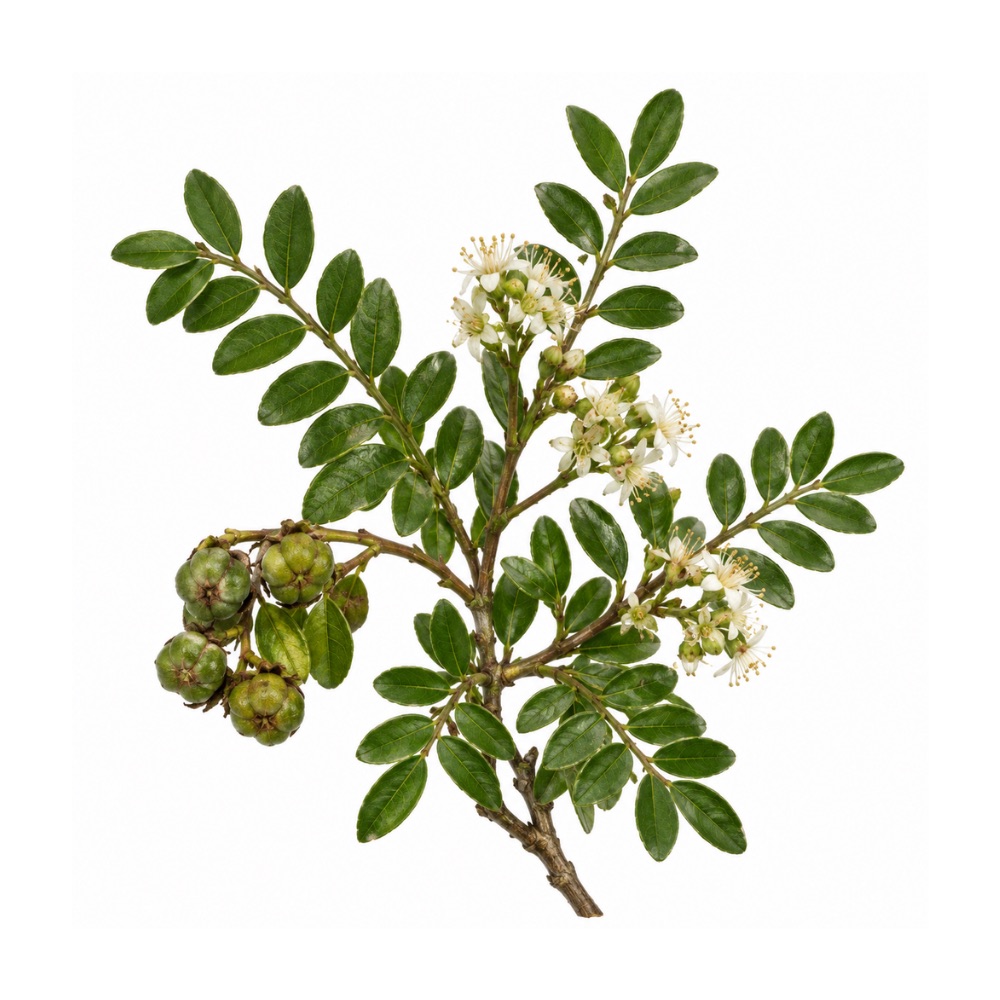 StrongStrongJaborandiPilocarpus microphyllusPilocarpine, the leaf’s principal alkaloid, is a muscarinic agonist that acts on a secretory organ by receptor rather than by reflex. Oral pilocarpine carries more high-quality human evidence than anything else in this system: systematic reviews and meta-analyses find it improves salivary flow and dry-mouth symptoms after head-and-neck radiotherapy 101,
102,103Reference 101Meta-analysisIs pilocarpine effective in preventing radiation-induced xerostomia? — systematic review and meta-analysisView study →Reference 102Meta-analysisEfficacy and safety of pilocarpine for radiation-induced xerostomia in patients with head and neck cancer — systematic review and meta-analysisView study →Reference 103Meta-analysisInterventions for the management of radiotherapy-induced xerostomia and hyposalivation — systematic review and meta-analysisView study → and in Sjögren’s syndrome 104,105Reference 104Meta-analysisInterventions for dry mouth and hyposalivation in Sjögren’s syndrome — systematic review and meta-analysisView study →Reference 105Meta-analysisPilocarpine treatment of Sjögren’s syndrome — meta-analysis of randomised controlled trialsView study → , on the back of multicentre placebo-controlled dose-titration trials 106,107Reference 106RCTA multicenter, randomized, double-blind, placebo-controlled, dose-titration study of oral pilocarpine for treatment of radiation-induced xerostomia — randomised controlled trialView study →Reference 107RCTPilocarpine tablets for the treatment of dry mouth and dry eye symptoms in Sjögren syndrome — randomised, placebo-controlled, fixed-dose, multicentre trialView study → .Read the evidenceShow less
Saliva is the first digestive secretion, wetting the bolus, starting starch breakdown and buffering acid, and losing it makes eating difficult well before it makes digestion inefficient.
Every one of those trials used 5 mg standardised tablets. The leaf has never been through a controlled trial, its pilocarpine content runs around 0.5 to 1% and shifts with season and plant part 108Reference 108Characterization of the variation in the imidazole alkaloid profile of Pilocarpus microphyllus in different seasons and parts of the plant — phytochemical analysisView study →, and the estimated lethal dose is a few grams, which is why the pharmaceutical industry uses it as a raw material rather than as a preparation.
The predictable effects follow straight from the receptor. Sweating is the commonest, with flushing, urinary frequency and cramping above it, and muscarinic agonism is the wrong direction entirely in asthma, COPD or uncontrolled cardiac disease.
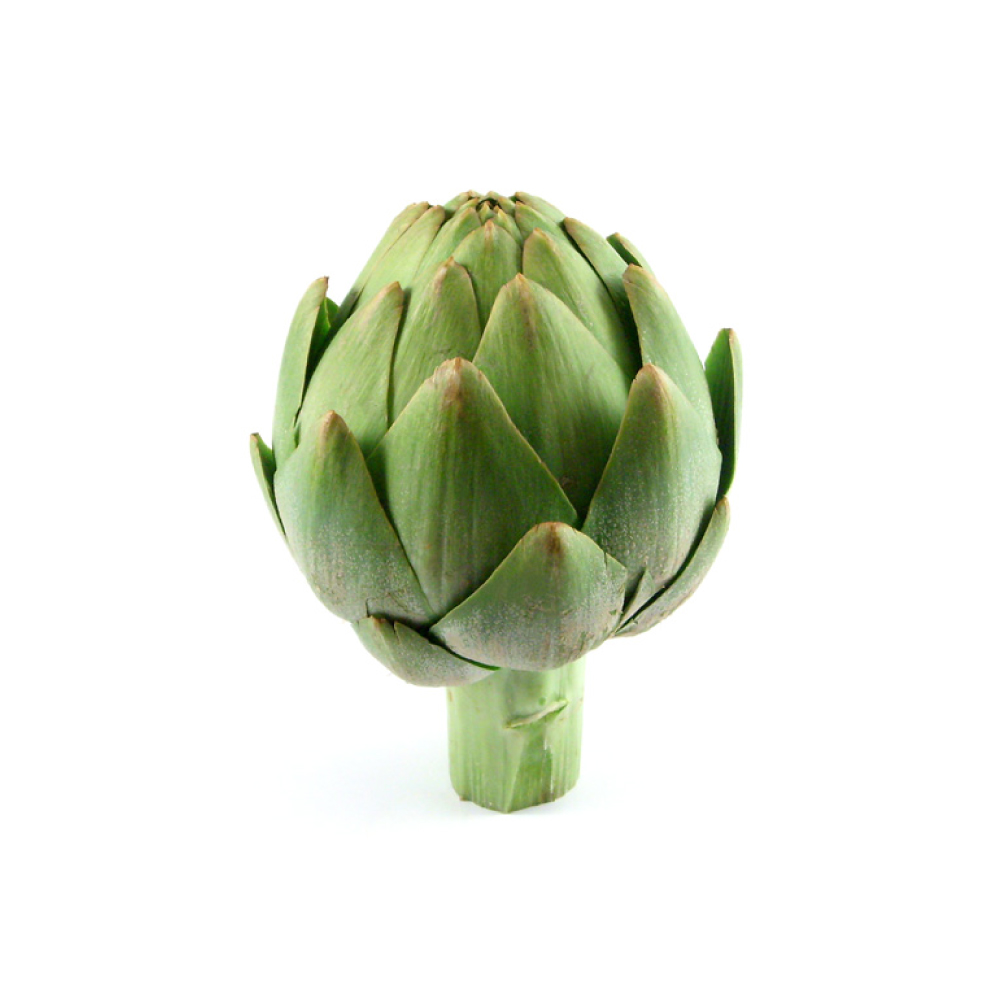 StrongStrongGlobe ArtichokeCynara scolymusThe best-evidenced bitter there is. A six-week double-blind, placebo-controlled multicentre RCT found artichoke leaf extract significantly improved global dyspepsia symptoms and quality of life against placebo 1Reference 1RCTEfficacy of artichoke leaf extract in the treatment of patients with functional dyspepsia — six-week placebo-controlled, double-blind, multicentre randomised trialView study →, following an earlier open study in mild dyspepsia 2Reference 2Artichoke leaf extract reduces mild dyspepsia in an open studyView study →.Read the evidenceShow lessMonograph →
Mechanistically it is a genuine choleretic. Cynarin and the caffeoylquinic acids increase bile output, the plausible route for its effect on fat intolerance and upper-gut fullness, and its bitterness is the traditional credential.
The tested article is a standardized leaf extract, not the boiled edible head and not a tea. Artichoke’s evidence is also spread across several systems, with a cardiovascular lipid-lowering signal and a fatty-liver literature on the hepatobiliary page, none of which transfers automatically to dyspepsia.
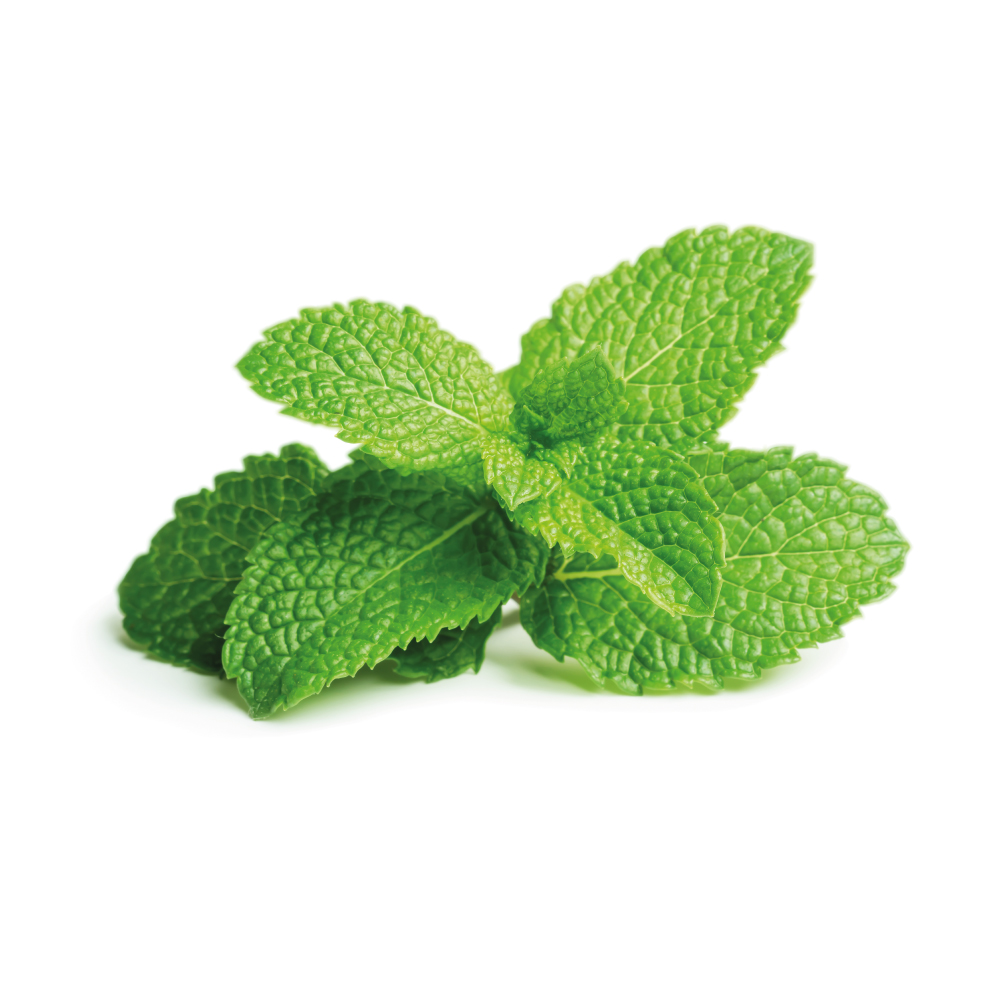 StrongStrongPeppermintMentha × piperitaA fixed combination of peppermint and caraway oils has a dyspepsia record of its own, separate from peppermint’s IBS evidence below, and a good one. Two double-blind RCTs of the combination found significant improvement in epigastric pain and dyspeptic discomfort against placebo 5,
6Reference 5RCTEfficacy and tolerability of a fixed combination of peppermint oil and caraway oil in patients suffering from functional dyspepsia — randomised controlled trialView study →Reference 6RCTA randomized placebo-controlled trial on the effects of Menthacarin, a proprietary peppermint- and caraway-oil-preparation, on symptoms and quality of life in patients with functional dyspepsia — randomised controlled trialView study → , and a systematic review and meta-analysis confirmed the direction 7Reference 7Meta-analysisA combination of peppermint oil and caraway oil for the treatment of functional dyspepsia — systematic review and meta-analysisView study →.Also underIrritable ↓Nausea ↓Read the evidenceShow lessMonograph →
That evidence belongs to a specific proprietary preparation in a defined ratio, not to peppermint tea for indigestion.
Peppermint’s smooth-muscle relaxation, useful lower down, works against you at the lower oesophageal sphincter, where it can worsen reflux. If heartburn is the dominant symptom, this is the wrong herb.
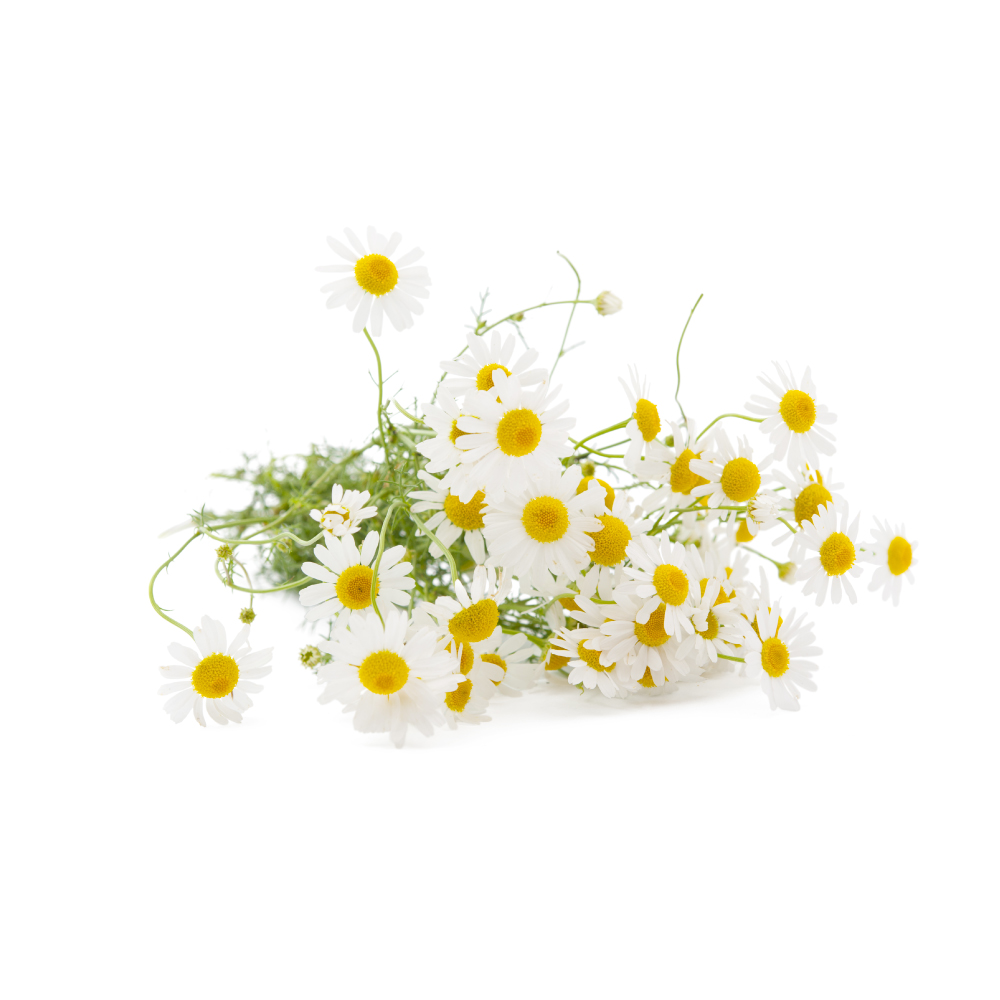 ModerateModerateGerman ChamomileMatricaria chamomillaChamomile’s clearest digestive evidence belongs to STW 5 (Iberogast), the nine-herb German fixed combination in which it sits alongside bitter candytuft, angelica, milk thistle, celandine, caraway, licorice, lemon balm and peppermint. A meta-analysis of placebo-controlled trials of that preparation found a consistent benefit in functional dyspepsia 3Reference 3Meta-analysisMeta-analysis: phytotherapy of functional dyspepsia with the herbal drug preparation STW 5 (Iberogast) — meta-analysisView study →, and a systematic review of herbal medicines for paediatric gastrointestinal complaints reached the same conclusion for the combination 4Reference 4Systematic reviewHerbal medicines for gastrointestinal disorders in children and adolescents — systematic reviewView study →.Read the evidenceShow lessMonograph →
Chamomile’s own contribution is antispasmodic, through apigenin and bisabolol acting largely on potassium-channel activation 28Reference 28In vitroAntidiarrhoeal, antisecretory and antispasmodic activities of Matricaria chamomilla are mediated predominantly through K⁺-channel activation — animal / in vitroView study →.
The trial evidence belongs to the formula rather than to a chamomile teabag. The tea is a reasonable and very low-risk carminative on tradition alone.
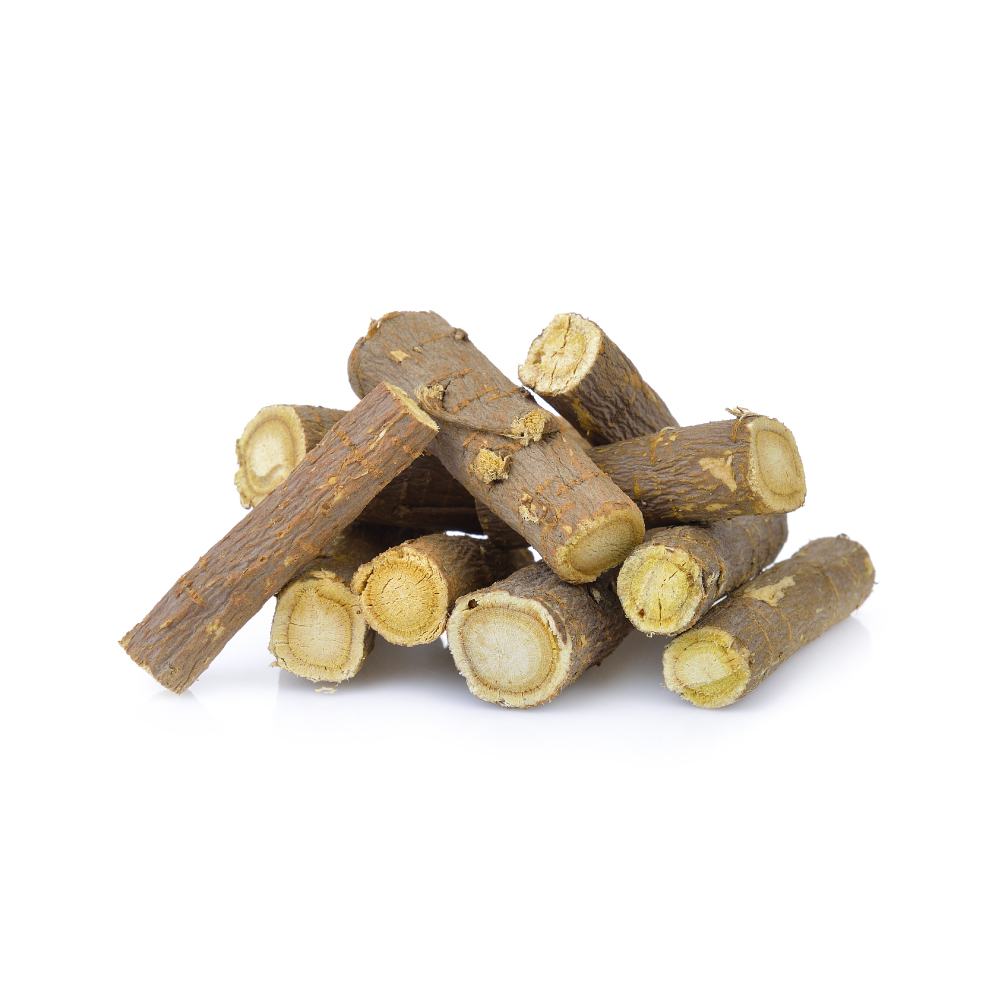 ModerateModerateLicoriceGlycyrrhiza glabraA flavonoid-rich, low-glycyrrhizin licorice extract (GutGard) significantly reduced functional dyspepsia symptom scores in a randomized, double-blind, placebo-controlled trial 9Reference 9RCTAn extract of Glycyrrhiza glabra (GutGard) alleviates symptoms of functional dyspepsia — randomised, double-blind, placebo-controlled studyView study →, the cleanest human result licorice has on this system. Its larger role is in the gut lining, below.Also underReflux ↓Read the evidenceShow lessMonograph →
Whole licorice raises blood pressure and depletes potassium. Glycyrrhetinic acid inhibits 11β-HSD2 and produces a genuine pseudo-aldosteronism at sustained doses.
The deglycyrrhizinated (DGL) and low-glycyrrhizin extracts exist precisely to remove that liability, and they are what the digestive trials use.
 ModerateModerateCayenneCapsicum annuumCounter-intuitive and better supported than it sounds. In a randomized controlled trial, red pepper powder taken before meals for five weeks significantly reduced functional dyspepsia symptom scores compared with placebo 8Reference 8RCTThe treatment of functional dyspepsia with red pepper — randomised controlled trialView study →.Read the evidenceShow lessMonograph →
The mechanism is defensible. Capsaicin initially stimulates and then desensitizes TRPV1-bearing sensory afferents in the gastric wall, which plausibly lowers the visceral hypersensitivity driving functional pain.
The first weeks are typically worse before they are better, which is exactly when most people stop, and this is not a herb for anyone with active ulceration, reflux or an inflamed gut.
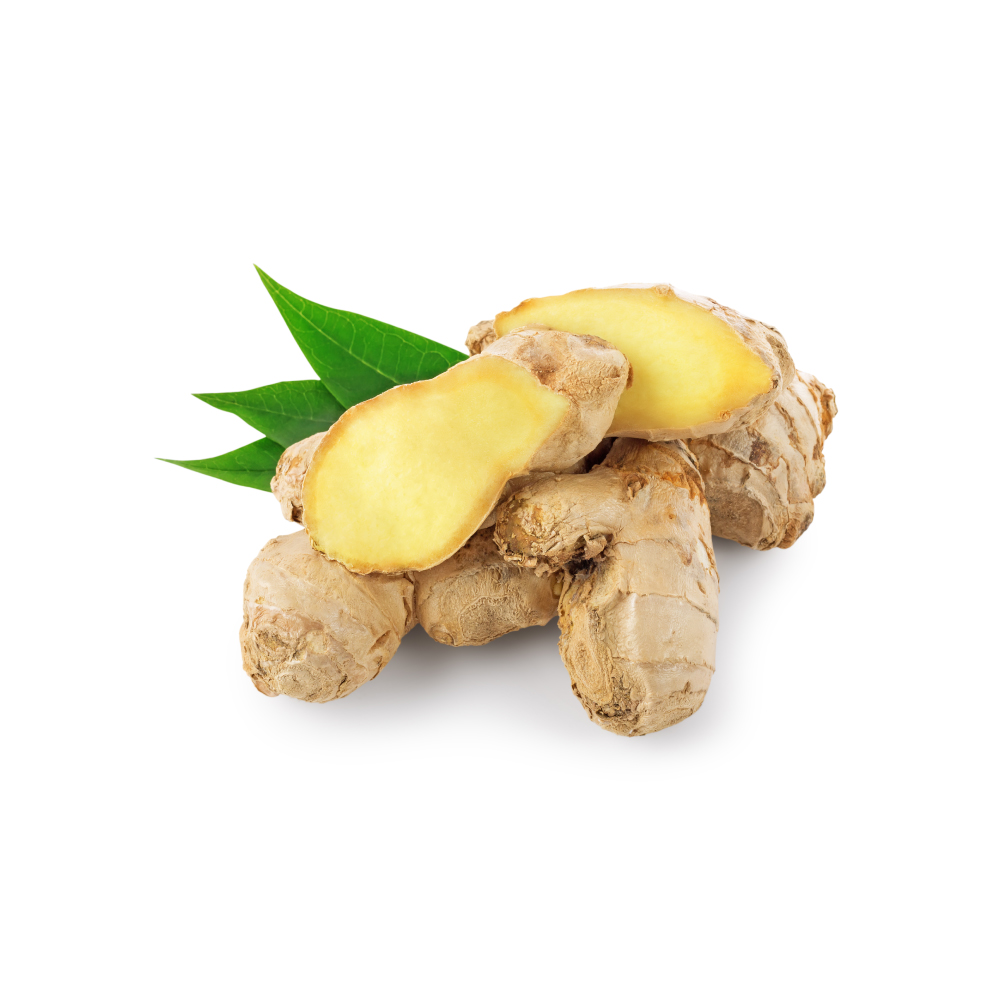 ModerateModerateGingerZingiber officinaleGinger carries a real prokinetic signal alongside its antiemetic evidence below. A systematic review of clinical trials across gastrointestinal disorders found consistent acceleration of gastric emptying and improved antral contractility 14Reference 14Systematic reviewGinger in gastrointestinal disorders — systematic review of clinical trialsView study →, the measurable version of the traditional claim that it warms and moves a sluggish stomach.Also underNausea ↓Read the evidenceShow lessMonograph →
It is the one herb in this group that plausibly helps both the fullness and the nausea of functional dyspepsia.
Doses used in trials are 1 to 2 g/day of dried powder, and the fresh root is not equivalent gram for gram.
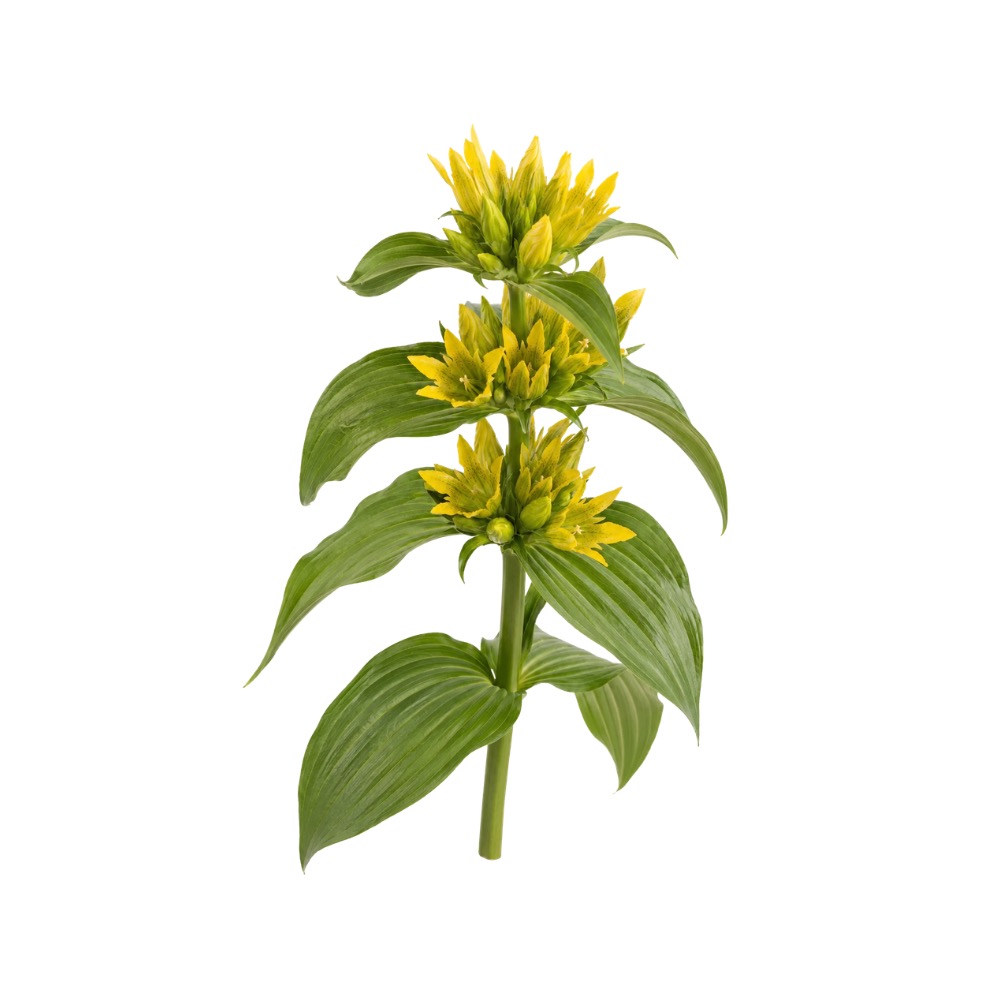 PreclinicalPreclinicalGentianGentiana luteaThe archetypal European bitter, and everything supporting it is animal or ex vivo. Gentian extracts increase bile output in rats 11Reference 11AnimalCholeretic activity of Gentiana lutea ssp. symphyandra in rats — animal modelView study →, stimulate gastric secretion 12Reference 12In vitroIridoids and flavonoids of four Siberian gentians: chemical profile and gastric stimulatory effect — animal / in vitroView study →, and relax rat ileum ex vivo 13Reference 13AnimalSpasmolytic activity of Gentiana lutea L. root extracts on rat ileum — ex vivoView study →, a coherent picture that matches the traditional use exactly with no controlled human trial behind it.Read the evidenceShow lessMonograph →
The active principles are the secoiridoid bitters, chiefly gentiopicroside and amarogentin, the latter among the most bitter compounds known.
Traditional practice is specific about delivery: a small dose in water 10 to 15 minutes before eating, tasted, not a capsule.
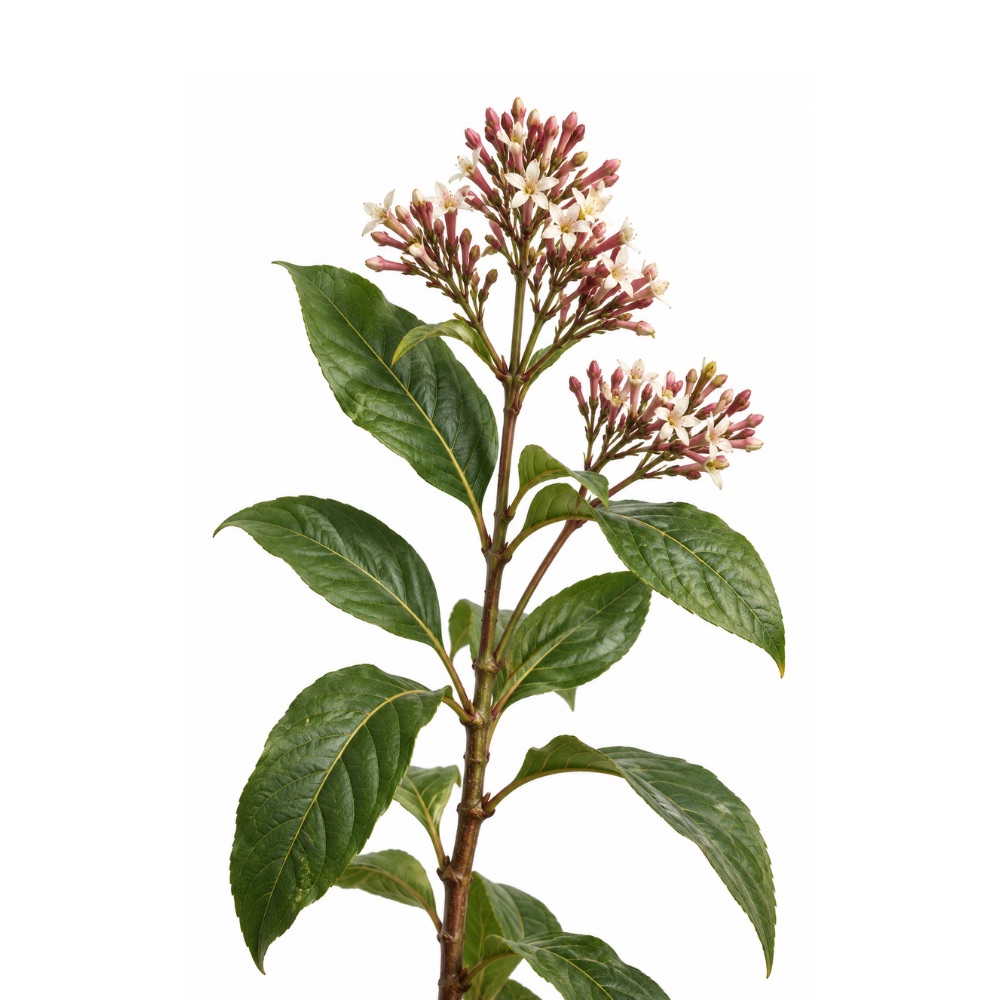 TraditionalTraditionalCinchonaCinchona officinalisThe most famous bark in the history of medicine, in its humblest role. The German Commission E approves cinchona bark for loss of appetite and dyspeptic complaints 109Reference 109ReviewPrimary monograph not retrieved directly; classification cross-checked against the secondary phytotherapy summary at https://www.altmeyers.org/en/naturopathy/cinchonae-cortex-143547View study →: a bitter, taken in small amounts before food, working through the same TAS2R reflex as gentian.Read the evidenceShow less
Quinine and the quinovin bitter glycosides together make this one of the most intensely bitter materials in the materia medica, and the traditional dose is correspondingly tiny.
Cinchona’s modern reputation rests on quinine against malaria, quinidine against arrhythmia, and quinine sulfate against leg cramps, none of which is a herbal dose or a herbal use. What is left at bitter-tonic dose is the taste and the reflex behind it.
The caution that does carry across is not about dose. Quinine’s worst reactions are immune-mediated rather than dose-dependent, and thrombocytopenia and haemolytic uraemic syndrome are the reason the FDA carries a boxed warning against using quinine sulfate for cramps 110,
Those events are rare at a bitters dose, and they are why cinchona is a herb for occasional use before a meal rather than a daily habit.
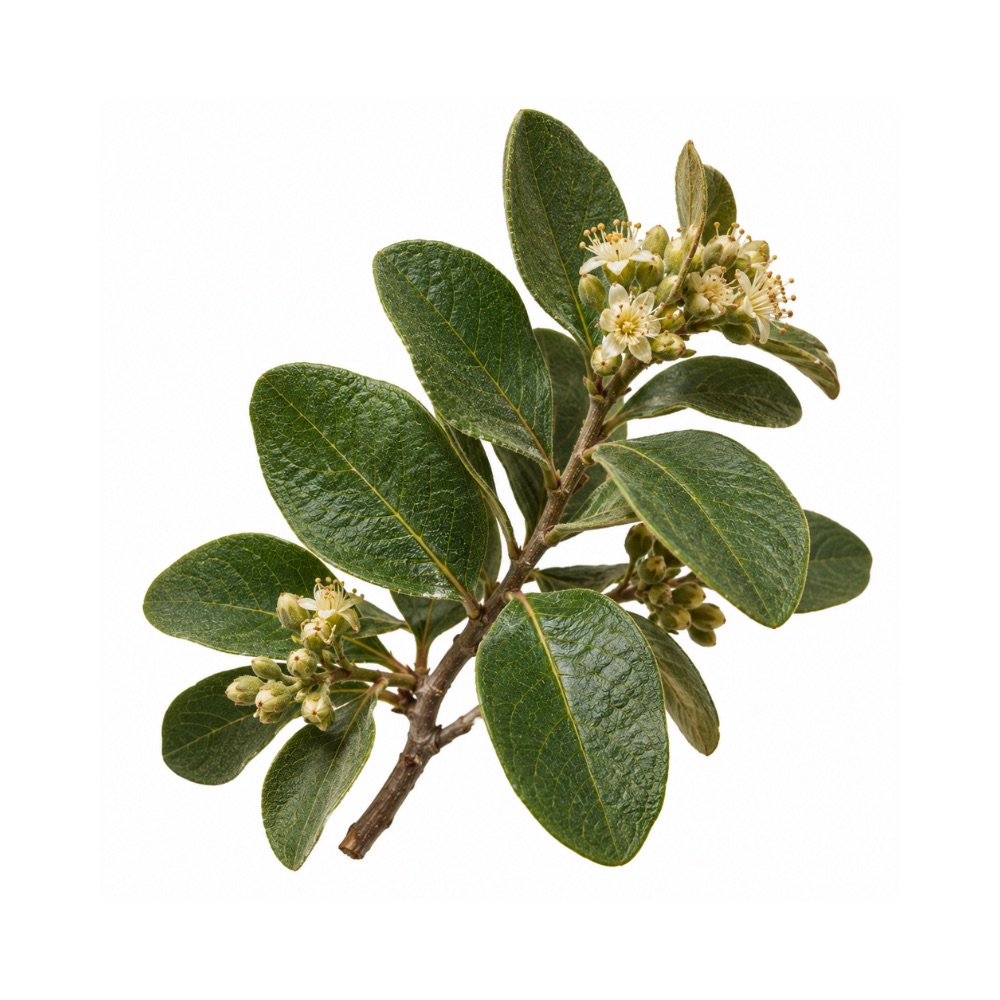 TraditionalTraditionalBoldoPeumus boldusChile’s household digestive tea. The EMA recognises boldo leaf for mild dyspeptic complaints and gastrointestinal spasm as a traditional use, with no well-established-use claim behind it 112Reference 112ReviewAssessment report on Peumus boldus Molina, folium — regulatory monographView study →.Read the evidenceShow less
The one piece of human pharmacodynamic data is a placebo-controlled crossover in twelve healthy volunteers, and it found a dry extract prolonged oro-caecal transit 113Reference 113RCTEffect of a dry boldo extract on oro-cecal intestinal transit in healthy volunteers — randomised, placebo-controlled crossover trialView study →, a slowing effect from a herb sold almost everywhere as the thing that gets a sluggish digestion moving. Whether the slowing is the route to the traditional benefit or a finding running beside it is unresolved.
Boldine, the aporphine alkaloid, carries most of the plant’s laboratory pharmacology.
The practical limits are firm and well documented. The EMA caps use at two to four weeks, boldo is contraindicated in biliary obstruction, and hepatotoxicity case reports exist, most of them where boldo appeared as one component of a multi-herb laxative product 114Reference 114Case reportCaution in the use of boldo in herbal laxatives: a case of hepatotoxicity — case reportView study →, which is also the setting where nobody knows how much of it was taken.
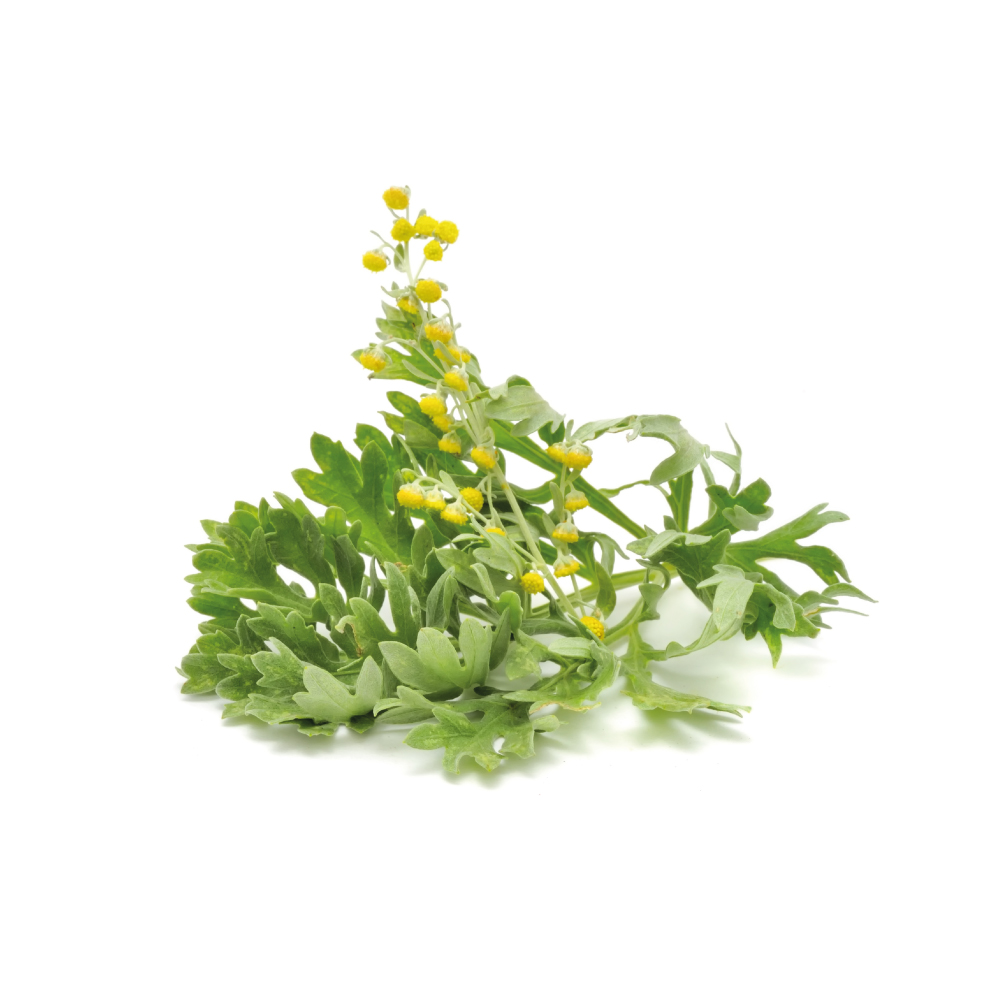 ModerateModerateWormwoodArtemisia absinthiumWormwood’s dyspeptic use is supported indirectly, its serious evidence being in Crohn’s disease below. A randomized controlled study of a multi-herb preparation containing Artemisia absinthium found benefit in functional upper abdominal complaints 10Reference 10RCTPhytotherapy in functional upper abdominal complaints: results of a clinical study with a preparation of several plants (inclView study →.Also underInflammatory ↓Read the evidenceShow lessMonograph →
As a bitter it sits at the extreme end of the category, since absinthin is intensely bitter at very low concentration and traditional dosing is correspondingly small.
The thujone in the essential oil is the reason for that restraint. It is neurotoxic at high or prolonged intake, which caps both the dose and the duration, and rules out the essential oil entirely.
Irritable Bowel Syndrome & Gut Spasm
5 herbsCramping abdominal pain, bloating and disordered bowel habit with no structural cause, and the single best-evidenced indication in herbal medicine. Two of the herbs below appear in mainstream gastroenterology guidance. IBS subtypes matter, because what helps the constipated form can worsen the diarrhoeal form and the reverse.
StrongStrongPeppermintMentha × piperitaThe strongest herbal evidence for any functional gut disorder. Multiple independent meta-analyses of placebo-controlled RCTs find enteric-coated peppermint oil significantly improves global IBS symptoms and abdominal pain, with a number-needed-to-treat in the range of 3 to 4 15,16Reference 15Meta-analysisSystematic review and meta-analysis: efficacy of peppermint oil in irritable bowel syndromeView study →Reference 16Meta-analysisThe impact of peppermint oil on the irritable bowel syndrome: a meta-analysis of the pooled clinical dataView study → , and it works in children as well as adults 18Reference 18RCTEnteric-coated, pH-dependent peppermint oil capsules for the treatment of irritable bowel syndrome in children — randomised controlled trialView study →. The mechanism is direct L-type calcium channel blockade in intestinal smooth muscle 19,20Reference 19The mechanism of action of peppermint oil on gastrointestinal smooth muscle — patch clamp electrophysiology and isolated tissue pharmacologyView study →Reference 20In vitroThe actions of peppermint oil and menthol on calcium channel dependent processes in intestinal, neuronal and cardiac preparations — in vitroView study → .Also underFunctional ↓Nausea ↓Read the evidenceShow lessMonograph →
The largest and most rigorous single trial, the Dutch PERSUADE study in 190 patients, missed its primary endpoint on the strict FDA-recommended responder definition while still showing benefit on secondary measures 17Reference 17RCTEfficacy and safety of peppermint oil in a randomized, double-blind trial of patients with irritable bowel syndrome — randomised controlled trialView study →, which is a real check on the pooled optimism.
The delivery system is not optional. The evidence belongs to an enteric-coated capsule that releases in the small bowel, and uncoated oil is largely absorbed too early and reliably causes heartburn.
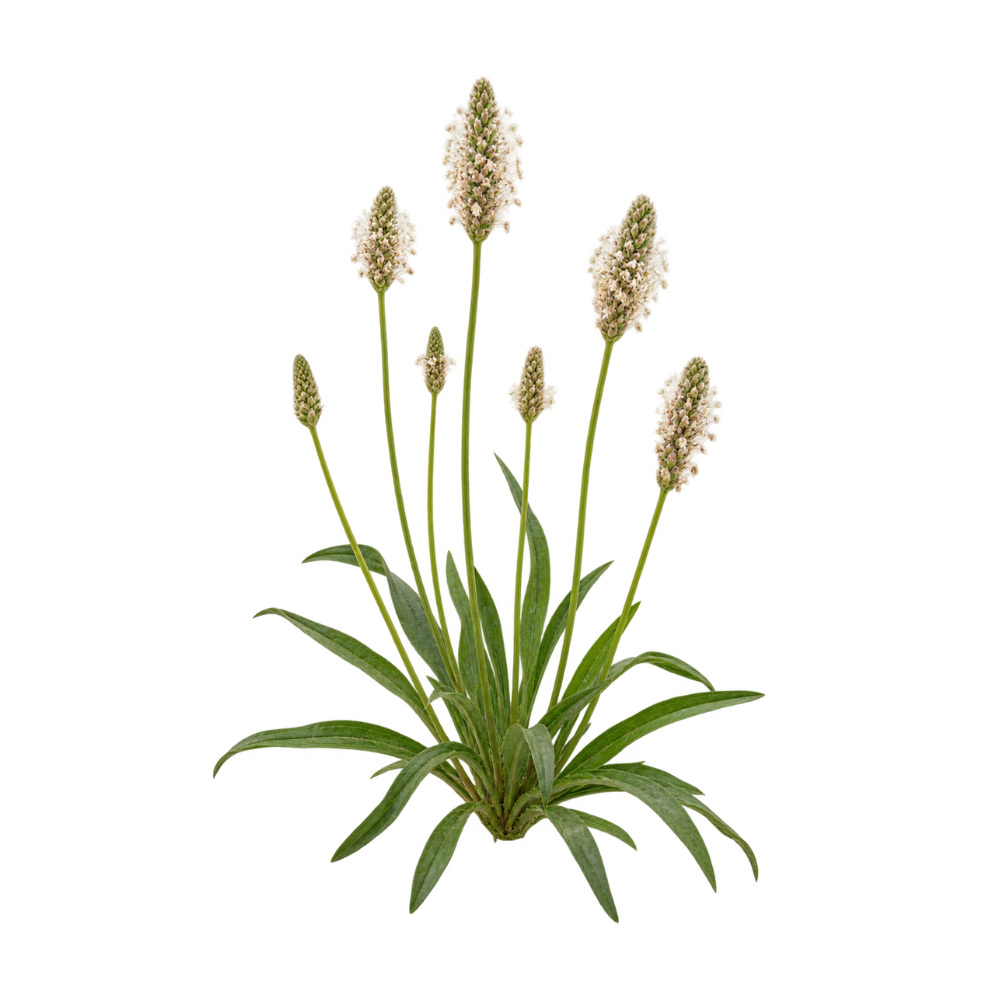 StrongStrongPsylliumPlantago ovataThe other guideline-grade option, and unusual in working at both ends of the IBS spectrum. Randomized trials support ispaghula husk for overall IBS symptoms and wellbeing in adults 21Reference 21RCTDouble blind study of ispaghula in irritable bowel syndrome — randomised controlled trialView study →, and two paediatric RCTs found it reduced abdominal pain in children with IBS 22,
23Reference 22RCTPsyllium fiber reduces abdominal pain in children with irritable bowel syndrome — randomised, double-blind trialView study →Reference 23RCTEfficacy of oral psyllium in pediatric irritable bowel syndrome — double-blind randomised controlled trialView study → .Also underConstipation ↓Inflammatory ↓Read the evidenceShow lessMonograph →
The mechanism is physical rather than pharmacological: a viscous gel that adds bulk and water to a hard stool while slowing and firming a loose one, which is why it is the rare agent recommended across subtypes.
Two practical points decide whether it works. It has to be taken with a substantial volume of water, and it should be started low and increased slowly, because the initial fermentation reliably causes a week or two of more bloating, which is when most people abandon it.
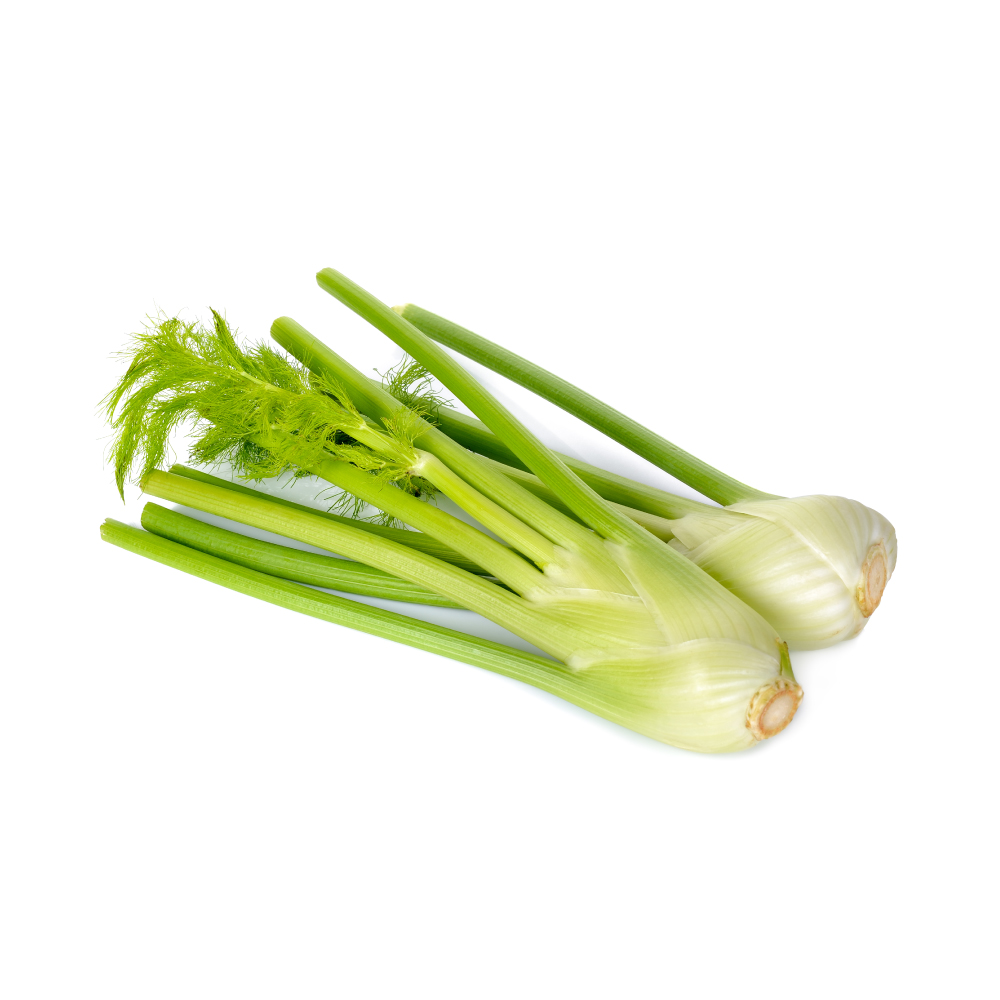 ModerateModerateFennelFoeniculum vulgareThe best-supported carminative. Two randomized controlled trials of a combination of essential fennel oil with curcumin found significant improvement in IBS symptoms and quality of life against placebo 25,
26Reference 25RCTCurcumin and fennel essential oil improve symptoms and quality of life in patients with irritable bowel syndrome — randomised controlled trialView study →Reference 26RCTEfficacy of bio-optimized extracts of turmeric and essential fennel oil on the quality of life in patients with irritable bowel syndrome — randomised controlled trialView study → , though the combination design means fennel’s individual contribution is not isolated.Read the evidenceShow lessMonograph →
Its better-known use is infant colic, where a systematic review of interventions for breast-fed infants found fennel preparations among the few with supporting trial data 27Reference 27Systematic reviewInfant colic — what works: a systematic review of interventions for breast-fed infantsView study →, and where it is the traditional backbone of gripe water. Anethole, the dominant compound in the volatile oil, is the antispasmodic principle.
Fennel is also mildly estrogenic, which is worth knowing before it becomes a daily habit.
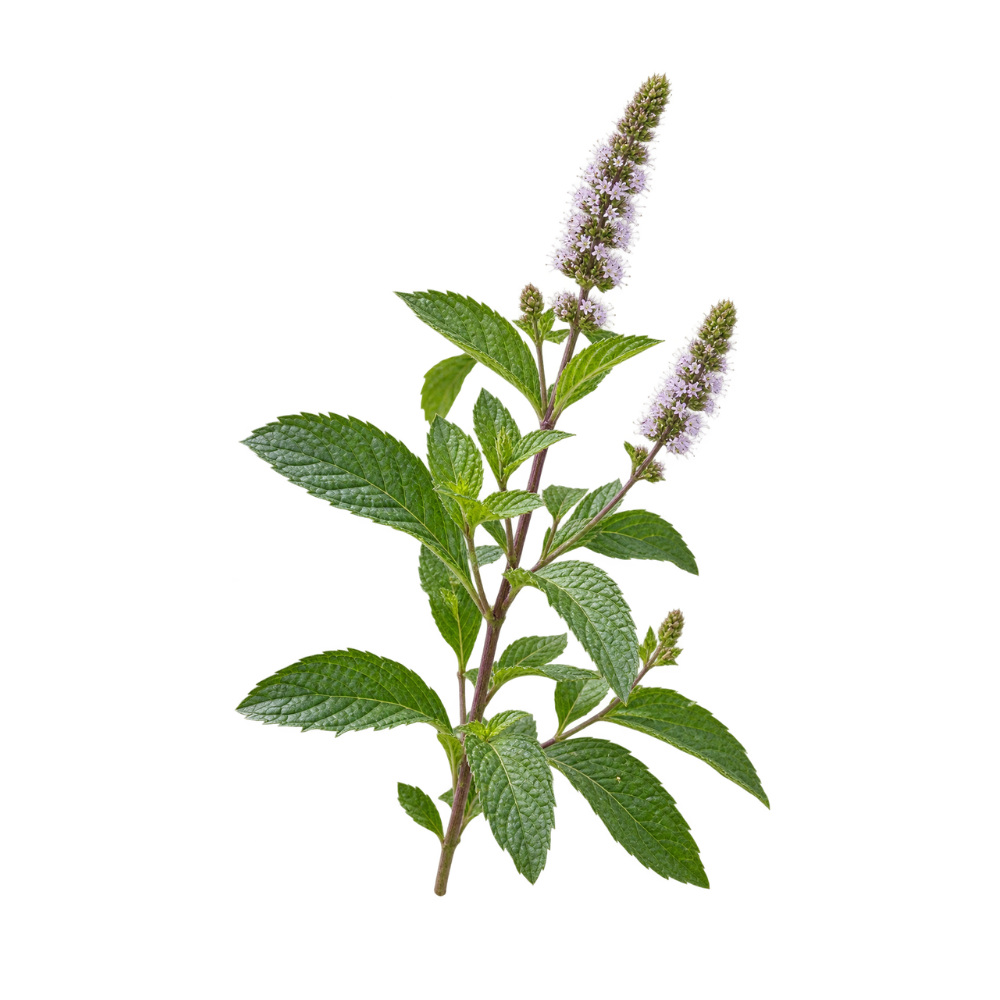 PreclinicalPreclinicalSpearmintMentha spicataThe mint for someone whose bloating and heartburn arrive together. Spearmint’s dominant monoterpene is (−)-carvone rather than menthol, and it carries very little menthol at all 115Reference 115ReviewThe traditional uses, phytochemistry and pharmacology of spearmint (Mentha spicata L.) — reviewView study →. In isolated guinea-pig ileum, carvone relaxed agonist-induced contraction with a potency comparable to a calcium-channel blocker 116Reference 116Souza, F. V., et al. (2013). (−)-Carvone: antispasmodic effect and mode of action — ex vivo guinea-pig ileum. Fitoterapia. https://pubmed.ncbi.nlm.nih.gov/23103297/View study →, the same endpoint peppermint reaches by a different molecule.Read the evidenceShow lessMonograph →
Menthol relaxes the lower oesophageal sphincter along with everything else, which is why peppermint reliably worsens reflux. A carvone-dominant mint eases cramping and trapped wind without that liability.
What spearmint does not have is a trial. There is no controlled human study of it for IBS, dyspepsia or gut spasm, and the case for it is chemical and traditional rather than clinical.
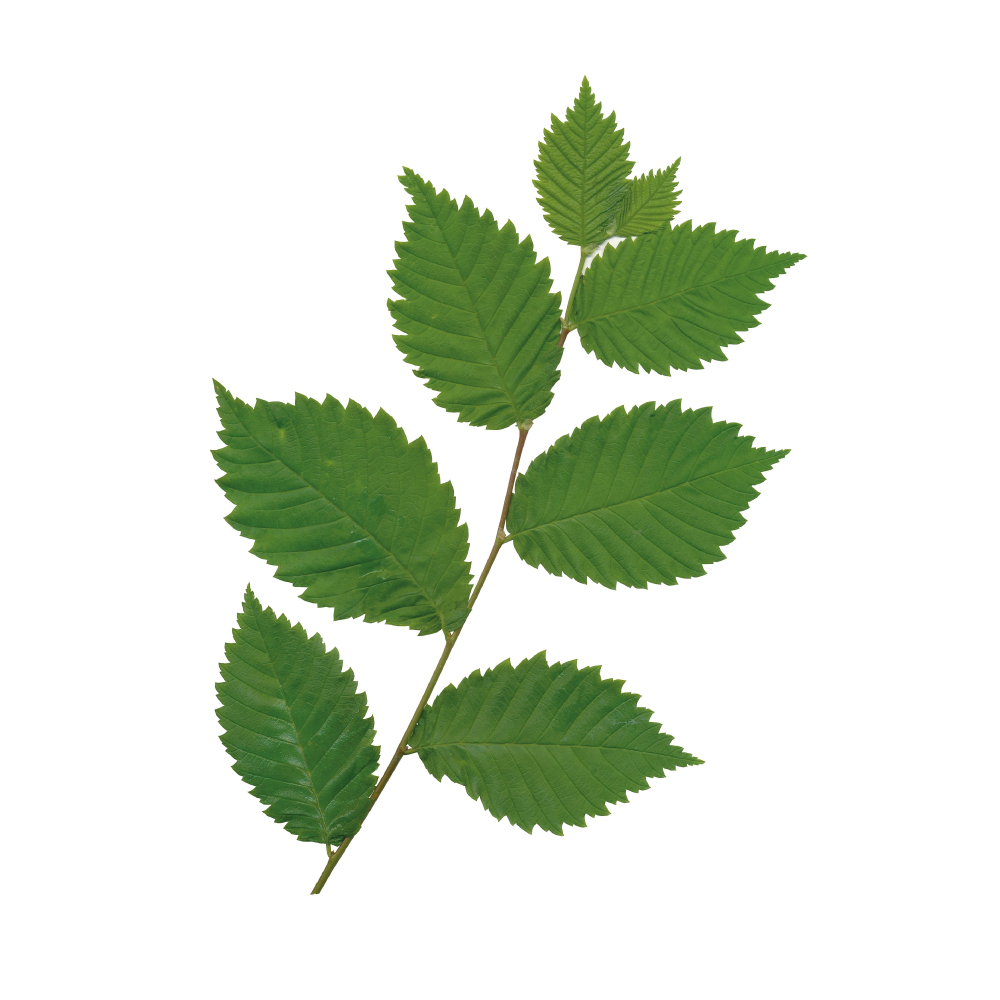 TraditionalTraditionalSlippery ElmUlmus rubraWidely used, thinly evidenced. The human data amount to an open-label pilot of two multi-herb formulations containing slippery elm, which reported improvement in bowel habit and symptom scores in both constipation- and diarrhoea-predominant IBS 29Reference 29Effects of two natural medicine formulations on irritable bowel syndrome symptoms — open-label clinical pilot studyView study →, uncontrolled, unblinded, and confounded by the other ingredients.Also underReflux ↓Read the evidenceShow lessMonograph →
The mucilage mechanism is real and the safety profile is about as benign as a herb gets, which makes it a reasonable low-risk adjunct on tradition rather than a treatment with evidence behind it.
The conservation caveat matters more than the pharmacology. Ulmus rubra is harvested for its inner bark, and demand has put pressure on wild stands.
Nausea & Vomiting
3 herbsA narrow group with one dominant herb, and one that runs the other way. Ginger is among the most thoroughly trialled herbs in existence for this indication, and the evidence spans four separate clinical contexts with different strengths in each: pregnancy, chemotherapy, post-operative and motion sickness. Ipecacuanha closes the group as its mirror image, the herb that causes vomiting rather than settling it.
StrongStrongGingerZingiber officinaleThe best-evidenced antiemetic in herbal medicine. In pregnancy, meta-analyses of placebo-controlled trials find ginger significantly reduces nausea in early pregnancy, with an effect on vomiting that is less consistent 30Reference 30Meta-analysisA systematic review and meta-analysis of the effect and safety of ginger in the treatment of pregnancy-associated nausea and vomitingView study →, and it appears in the Cochrane review of interventions for nausea and vomiting in early pregnancy 31Reference 31Systematic reviewInterventions for nausea and vomiting in early pregnancy — Cochrane systematic reviewView study →.Also underFunctional ↓Read the evidenceShow lessMonograph →
In chemotherapy-induced nausea, a systematic review of RCTs supports it as an adjunct to standard antiemetics 32Reference 32Meta-analysisEffects of ginger intake on chemotherapy-induced nausea and vomiting — systematic review and meta-analysis of randomised clinical trialsView study →, and a multicentre double-blind RCT of a standardized root powder regimen confirmed benefit 33Reference 33RCTEffect of a standardized ginger root powder regimen on chemotherapy-induced nausea and vomiting — multicentre, double-blind, placebo-controlled randomised trialView study →. A meta-analysis also supports it for post-operative nausea and vomiting 34Reference 34Meta-analysisEfficacy of ginger in preventing postoperative nausea and vomiting — systematic review and meta-analysisView study →.
The mechanism is 5-HT₃ receptor antagonism plus prokinetic acceleration of gastric emptying 35Reference 35ReviewGinger — mechanism of action in chemotherapy-induced nausea and vomiting: a reviewView study →, driven by the gingerols and, in dried root, the shogaols. The dose that was tested is 1 to 1.5 g/day of dried powder in divided doses.
Ginger has a real antiplatelet effect, which matters alongside anticoagulants and before surgery, and the pregnancy evidence is for short-term symptomatic use rather than continuous high-dose intake.
ModerateModeratePeppermintMentha × piperitaA different route and a weaker one. Inhaled peppermint aromatherapy has been trialled for chemotherapy-induced nausea, and a meta-analysis of aromatherapy RCTs in cancer patients found a measurable reduction in nausea scores 36Reference 36Meta-analysisEffects of aromatherapy on nausea and vomiting in patients with cancer — systematic review and meta-analysis of randomised controlled trialsView study →.Also underFunctional ↓Irritable ↓Read the evidenceShow lessMonograph →
The trials are small, blinding is close to impossible with a strong odour, and the effect is on the sensation rather than the emetic reflex.
It is a low-risk comfort measure with a modest signal, not an alternative to an antiemetic.
TraditionalIpecacuanhaCarapichea ipecacuanhaThe most forceful thing any plant here does to the gut. Ipecac root works by two routes at once, direct gastric irritation and central stimulation of the chemoreceptor trigger zone through 5-HT₃ receptors 117Reference 117AnimalStudies for the emetic mechanisms of ipecac syrup (TJN-119) and its active components in ferrets: involvement of 5-HT₃ receptors — animal modelView study →, and at 0.25 to 1 g of root, or the matching syrup dose, it induces vomiting reliably enough that it sat in household medicine cabinets for most of a century.Read the evidenceShow less
It is no longer recommended for poisoning, and that question is settled. The clinical-toxicology position statement withdrew routine ipecac syrup from out-of-hospital management of ingested poisons 118,
The other reason it left the cabinet is chronic misuse in eating disorders, where emetine accumulates and produces a documented and sometimes fatal cardiomyopathy and myopathy 120,
At much smaller, non-emetic doses ipecac survives in old formularies as an expectorant, on the reasoning that the vagal irritation which would empty the stomach at a higher dose thins bronchial secretion at a lower one. That use has no modern evidence either.
Reflux, Gastritis and the Gut Lining
6 herbsHeartburn, gastritis, and gastric or duodenal ulceration. This is the weakest-evidenced group relative to how heavily these herbs are sold, and the one where the modern picture has moved furthest. Most peptic ulceration is Helicobacter pylori or NSAID-driven, and the herbs below are at best adjuncts to eradication or protection, never a replacement for it.
ModerateModerateLicoriceGlycyrrhiza glabraDeglycyrrhizinated licorice (DGL) has controlled trial data in gastric ulcer going back decades 37Reference 37Clinical trialClinical trial of deglycyrrhizinized liquorice in gastric ulcerView study →, including a double-blind comparison in gastric and duodenal ulcer against cimetidine 38Reference 38RCTDouble-blind trial in duodenal and gastric ulcers: cimetidine and deglycyrrhizinized liquorice — randomisedView study →. Those trials are old, small by modern standards and methodologically loose, but properly controlled.Also underFunctional ↓Read the evidenceShow lessMonograph →
The modern angle is H. pylori. Adding licorice extract to a standard eradication regimen improved eradication rates in a randomized trial 39Reference 39RCTTo evaluate of the effect of adding licorice to the standard treatment regimen of Helicobacter pylori — randomised trialView study →, and a separate trial found it comparable to bismuth 40Reference 40RCTEffect of licorice versus bismuth on eradication of Helicobacter pylori in patients with peptic ulcer disease — randomisedView study →.
In vitro, licorice polysaccharides inhibit H. pylori adhesion to gastric mucosa 41Reference 41In vitroAqueous extracts and polysaccharides from liquorice roots inhibit adhesion of Helicobacter pylori to human gastric mucosa — in vitroView study → rather than killing it, which fits an adjunct role rather than a monotherapy.
Use the DGL form. Whole licorice carries the blood-pressure liability described above.
 ModerateModerateNigellaNigella sativaA small but real H. pylori record. A randomized trial in non-ulcer dyspepsia compared N. sativa seed powder with standard triple therapy and found the 2 g/day dose comparable on eradication and dyspepsia scores 42Reference 42RCTComparative study of Nigella sativa and triple therapy in eradication of Helicobacter pylori in patients with non-ulcer dyspepsia — randomised controlled trialView study →, and a later randomized, double-blind, placebo-controlled trial supported the direction 43Reference 43RCTNigella sativa powder for Helicobacter pylori infected patients — randomised, double-blinded, placebo-controlled clinical trialView study →. The active principle is thymoquinone.Read the evidenceShow lessMonograph →
The trials are small, single-centre and mostly Middle Eastern, and none has been replicated at scale.
This is a plausible adjunct with early human data rather than an eradication protocol, and failed eradication means persistent inflammation and a real cancer risk over decades.
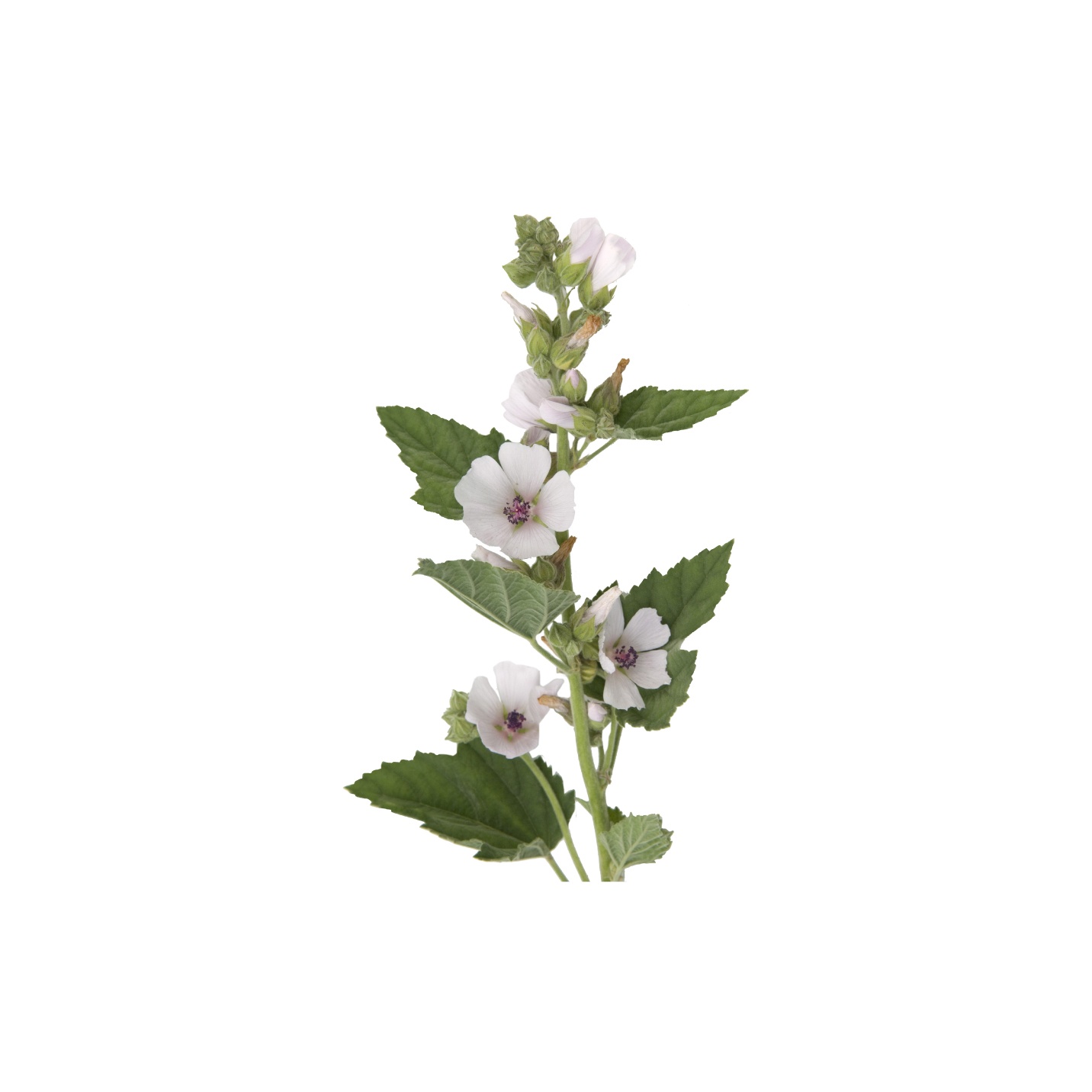 PreclinicalPreclinicalMarshmallowAlthaea officinalisThe demulcent archetype. Root mucilage, a large and highly branched polysaccharide, hydrates into a viscous gel that physically coats irritated mucosa, and animal ulcer models show genuine gastroprotection against indomethacin- and ligation-induced ulceration 44Reference 44AnimalGastro-protective and anti-oxidant potential of Althaea officinalis and Solanum nigrum on pyloric ligation / indomethacin-induced ulceration in rats — animal modelView study →. There is no controlled human trial.Read the evidenceShow lessMonograph →
Two practical points follow from the mechanism rather than the evidence. It has to be prepared as a cold infusion, since heat degrades the mucilage, and because it coats the gut wall it can delay absorption of medication taken at the same time, so doses should be separated by a couple of hours.
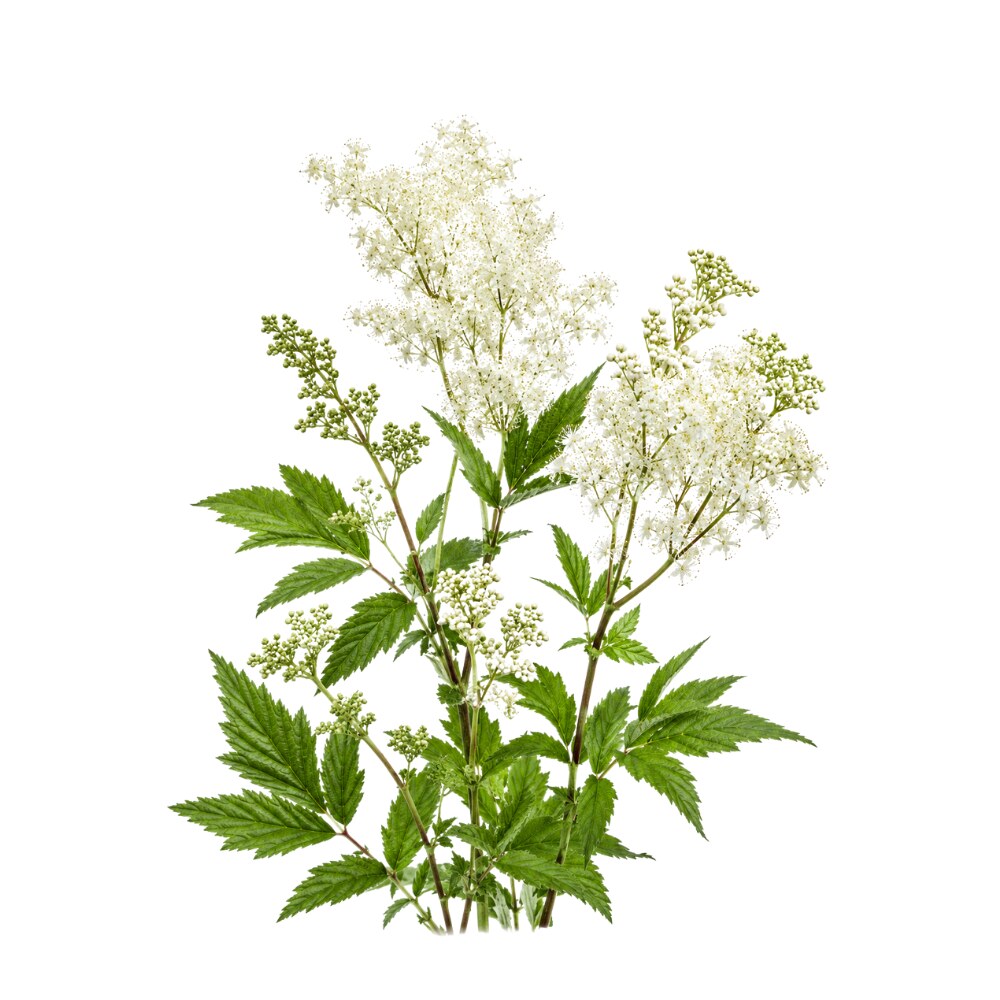 PreclinicalPreclinicalMeadowsweetFilipendula ulmariaTraditionally the herbalist’s answer to hyperacidity. It contains salicylates, and yet its animal record is anti-ulcer: decoctions of the flowers show anti-ulcer activity in animal models 47Reference 47AnimalAnti-ulcer action of a decoction of the flowers of Filipendula ulmaria — animal modelView study →, and extracts are gastroprotective and anti-inflammatory ex vivo 46Reference 46AnimalAntioxidant, anti-inflammatory and gastroprotective activity of Filipendula ulmaria and Filipendula vulgaris — ex vivo and animal modelView study →.Read the evidenceShow lessMonograph →
The traditional explanation is that the tannins and mucilage buffer the salicylate that would otherwise irritate. Plausible, unproven, and the reason meadowsweet is described as an aspirin that protects the stomach it came from.
That salicylate content is also the caution, and it is a genuine issue in salicylate sensitivity and with anticoagulants.
TraditionalTraditionalSlippery ElmUlmus rubraThe most-recommended remedy for reflux with the least behind it. A critical appraisal of popular remedies for oesophageal symptoms concluded that the demulcent rationale is coherent but the human evidence is essentially absent 45Reference 45ReviewPopular remedies for esophageal symptoms: a critical appraisal — reviewView study →.Also underIrritable ↓Read the evidenceShow lessMonograph →
The physical logic of a mucilage gel coating an inflamed oesophagus is easy to accept and hard to test, since a slippery substance cannot be blinded. It is low-risk and cheap.
Reflux that is frequent, nocturnal, or accompanied by difficulty swallowing, weight loss or anaemia needs investigation, not demulcents.
 PreclinicalPreclinicalNeemAzadirachta indicaA small clinical study of neem bark extract found a dose-dependent reduction in gastric acid secretion, with healing of duodenal ulcers on endoscopy at higher doses over ten weeks 48Reference 48Clinical trialClinical studies on the effect of neem (Azadirachta indica) bark extract on gastric acid secretion — clinical trialView study →, and a review of the acid-suppressing literature reaches the same conclusion 49Reference 49ReviewThe use of neem for controlling gastric hyperacidity and ulcer — reviewView study →. That is uncontrolled and never replicated, but a direct human observation rather than a rodent one.Read the evidenceShow lessMonograph →
The safety limits are firm and well documented. Neem seed oil is toxic to infants and children, and the plant is a documented abortifacient.
Constipation
6 herbsThe group with the clearest efficacy and the clearest harm. Two mechanisms belong to this group and should never be blurred together: bulk-forming fibres, which are safe indefinitely, and stimulant anthraquinone laxatives, which work extremely well and are appropriate for short-term or supervised use. Chronic self-directed anthraquinone use is the commonest genuine harm in herbal medicine.
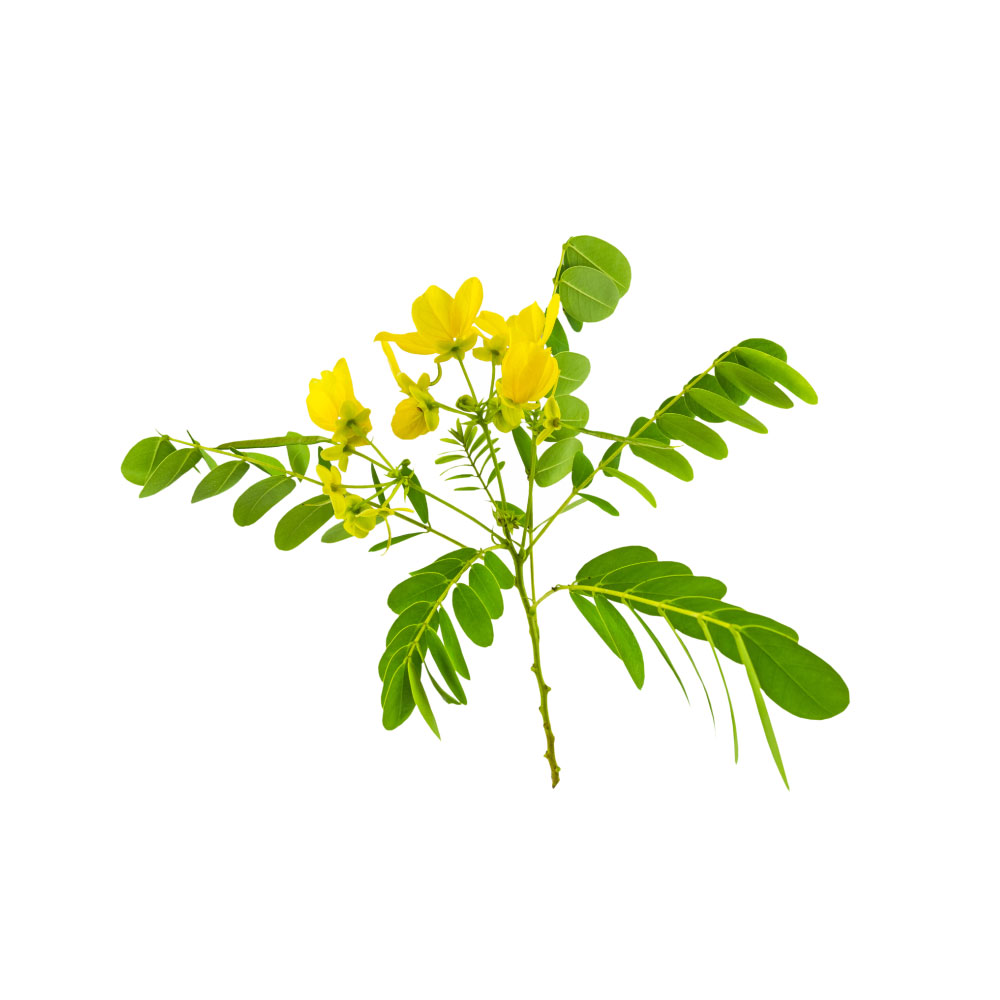 StrongStrongSennaCassia angustifoliaThe most effective plant laxative there is, and one of the few herbs named in a mainstream gastroenterology guideline. The joint AGA–ACG guideline on chronic idiopathic constipation includes senna among recommended agents 50Reference 50American Gastroenterological Association – American College of Gastroenterology clinical practice guideline: pharmacological management of chronic idiopathic constipation — practice guidelineView study →, as does a systematic review of over-the-counter therapies 51Reference 51Systematic reviewEfficacy and safety of over-the-counter therapies for chronic constipation — systematic reviewView study →. It outperformed magnesium oxide in a randomized trial 52Reference 52RCTSenna versus magnesium oxide for the treatment of chronic constipation — randomised, placebo-controlled trialView study →, and is supported by Cochrane reviews in palliative care 53Reference 53Systematic reviewLaxatives or methylnaltrexone for the management of constipation in palliative care patients — Cochrane systematic reviewView study → and childhood constipation 54Reference 54Systematic reviewOsmotic and stimulant laxatives for the management of childhood constipation — Cochrane systematic reviewView study →.Read the evidenceShow lessMonograph →
It works through bacterial cleavage of sennoside A to the active anthrone in the colon.
The safety picture has been substantially revised. The feared “cathartic colon” and the colorectal-cancer link are not supported by the current evidence 55,
What remains true is that stimulant laxatives are for short-term or supervised use, that dependence is a real pattern of habitual use, and that they are contraindicated in bowel obstruction and inflammatory bowel disease.
StrongStrongPsylliumPlantago ovataThe first-line bulk laxative and the safest effective option here. An updated systematic review and meta-analysis of fibre supplementation in adults with chronic constipation found psyllium significantly increased stool frequency and improved consistency 24Reference 24Meta-analysisThe effect of fiber supplementation on chronic constipation in adults — updated systematic review and meta-analysis of randomised controlled trialsView study →, and it appears in the same guidelines as senna 50Reference 50American Gastroenterological Association – American College of Gastroenterology clinical practice guideline: pharmacological management of chronic idiopathic constipation — practice guidelineView study →.Also underIrritable ↓Inflammatory ↓Read the evidenceShow lessMonograph →
Because it works by physics rather than by irritating the bowel, it carries none of the stimulant-laxative concerns and can be used indefinitely.
The two failure modes are both practical. Taken with too little water it can worsen an impaction rather than relieve it, and it needs titrating up over a couple of weeks or the initial bloating drives people off it.
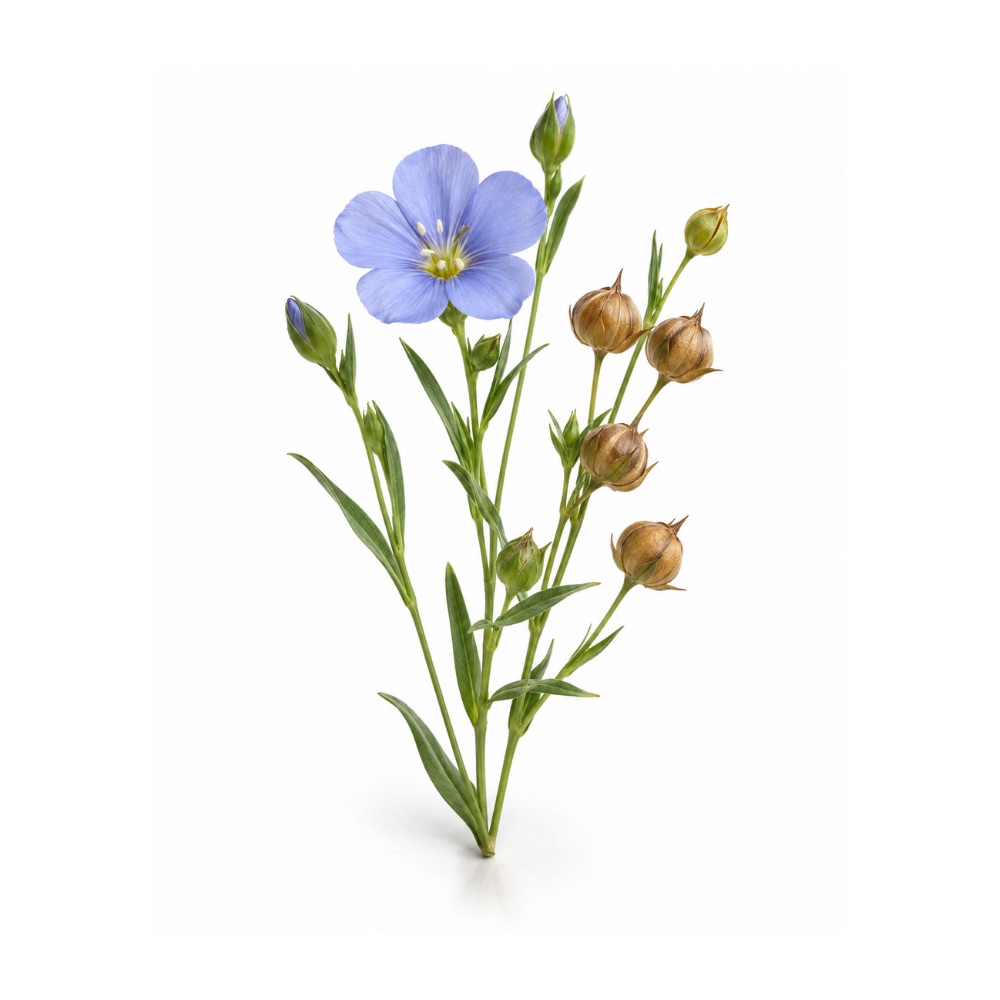 ModerateModerateFlaxseedLinum usitatissimumThe other bulk-forming option, with a smaller but real human record. A trial in a Chinese population found flaxseed supplementation improved functional constipation and quality of life 58Reference 58Clinical trialEffects of flaxseed supplementation on functional constipation and quality of life in a Chinese population — clinical trialView study →, and a randomized comparison in constipated patients with type 2 diabetes found flaxseed at least as effective as psyllium while also modestly improving glycaemic and lipid measures 59Reference 59RCTEffect of flaxseed or psyllium vs. placebo on management of constipation, weight, glycemia and lipids in constipated patients with type 2 diabetes — randomised controlled trialView study →.Read the evidenceShow lessMonograph →
The mucilage is in the seed coat, so whole seeds pass through largely intact. Ground or milled is what works, and it oxidizes quickly once ground.
Flaxseed is also meaningfully lignan-rich and weakly phytoestrogenic, which is a separate conversation from constipation.
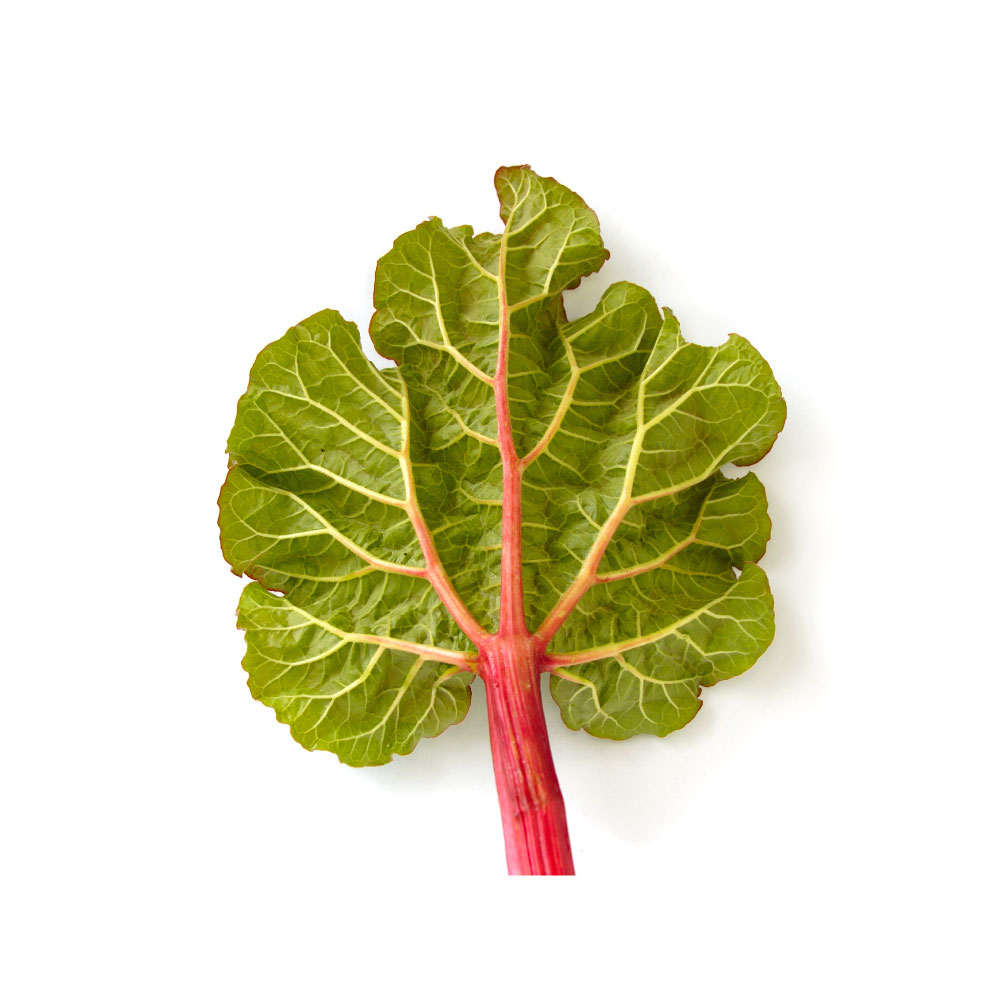 ModerateModerateRhubarbRheum palmatumThe gentler anthraquinone, and the one with a modern trial. A double-blind randomized placebo-controlled trial in middle-aged adults found a rhubarb extract mitigated constipation, with the effect linked to measurable modulation of the gut microbiome 61Reference 61RCTConstipation mitigation by rhubarb extract in middle-aged adults is linked to gut microbiome modulation — double-blind randomised placebo-controlled trialView study →, and ex vivo work shows the classic anthranoid effect on intestinal ion transport 62Reference 62AnimalEffect of ethanol extracts of three Chinese medicinal plants with laxative properties on ion transport of the rat intestinal epithelia — animal, in vivoView study →.Read the evidenceShow lessMonograph →
Its traditional character is dose-dependent in a way senna’s is not. Small doses are astringent and were used for diarrhoea because of the tannins, while larger doses are laxative because of the anthraquinones, emodin and rhein.
The same short-term-use rule applies as for senna. This is medicinal Rheum palmatum root, not the garden rhubarb stalk, whose leaves are separately oxalate-toxic.
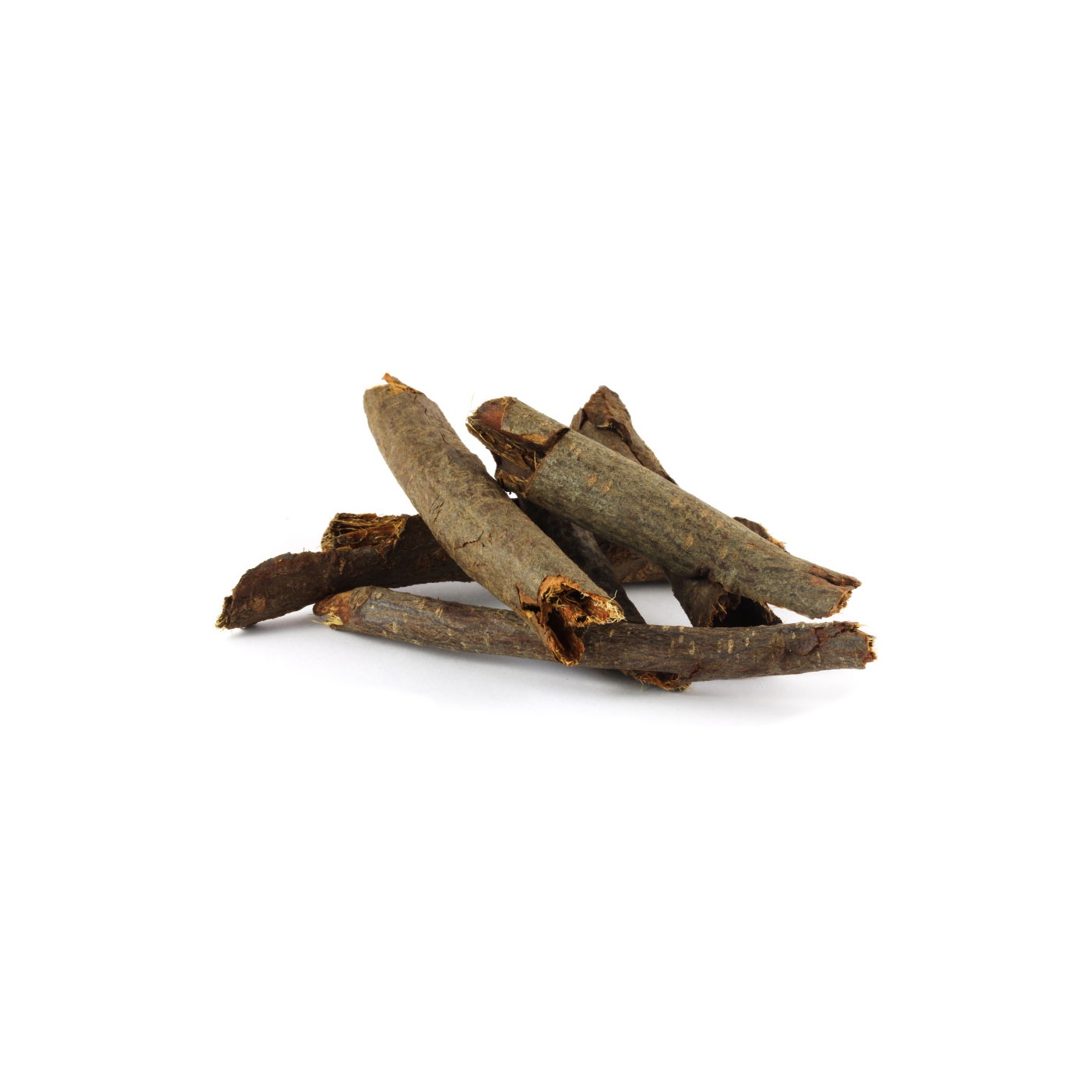 ModerateModerateCascara SagradaFrangula purshianaThe third anthraquinone, and the one carrying the clearest documented harm. It works, since the cascarosides follow the same colonic-activation route as senna’s sennosides.Read the evidenceShow lessMonograph →
A case report of cascara-induced intrahepatic cholestasis progressing to portal hypertension 63Reference 63Case reportCascara sagrada-induced intrahepatic cholestasis causing portal hypertension: case report and review of herbal hepatotoxicityView study → is a serious signal that senna does not have, and cascara was withdrawn from the US over-the-counter laxative market in 2002 when manufacturers did not submit efficacy and safety data to the FDA. A meta-analysis of observational studies found no convincing link between anthraquinone laxatives generally and colorectal cancer 56Reference 56Meta-analysisAnthraquinone laxatives use and colorectal cancer — systematic review and meta-analysis of observational studiesView study →.
Senna and rhubarb do the same job with a cleaner record.
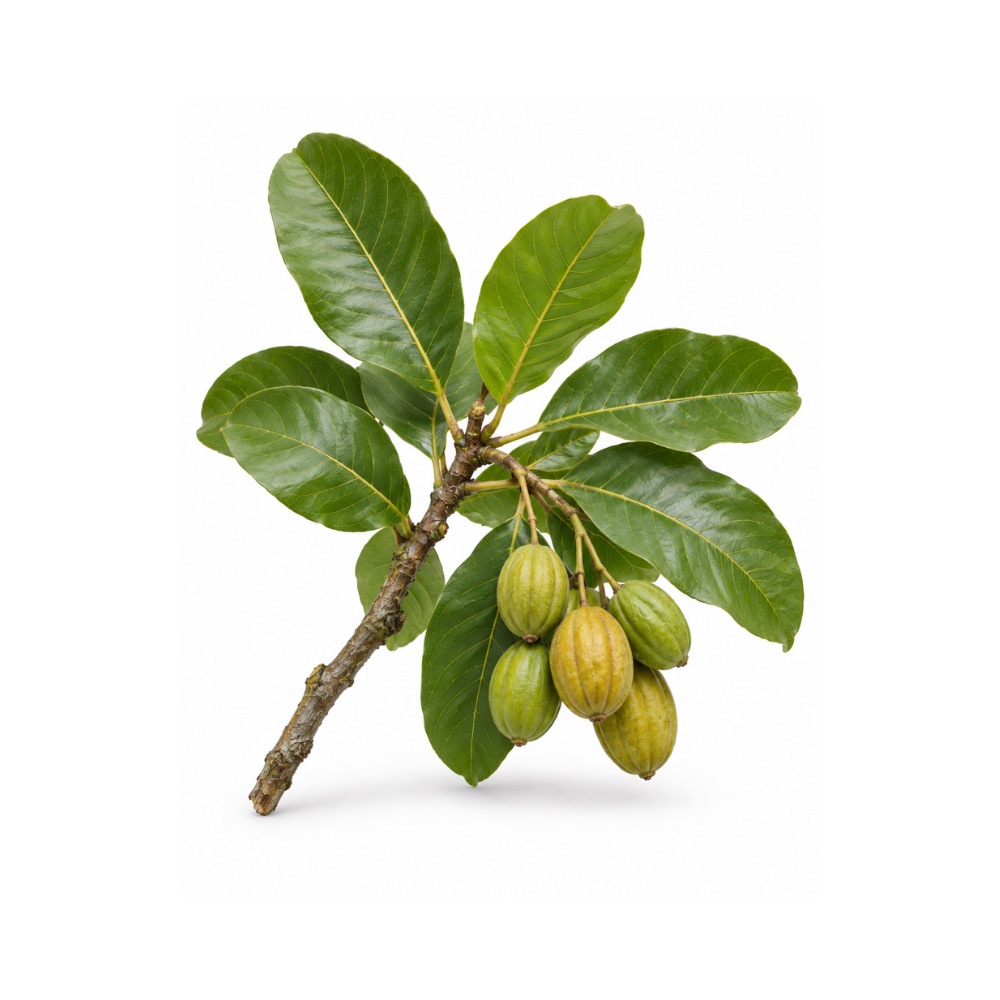 TraditionalTraditionalHaritakiTerminalia chebulaThe Ayurvedic bowel regulator, and one third of the classical Triphala formula. Its reputation is for being corrective in both directions, laxative at higher doses and astringent and antidiarrhoeal at lower ones, which is the same tannin-versus-anthraquinone tension seen in rhubarb.Read the evidenceShow lessMonograph →
Animal work shows it accelerates gastric emptying 64Reference 64AnimalEffect of oral administration of Terminalia chebula on gastric emptying — experimental study, ratView study →, and chebulagic acid ameliorates chemically-induced colitis in mice with associated microbiome changes 65Reference 65AnimalChebulagic acid ameliorates DSS-induced colitis in mice by improving oxidative stress, inflammation and the gut microbiota — animal modelView study →. There is no controlled human trial for the digestive indication.
The classical use is a small daily dose as a tonic rather than an acute purgative.
Diarrhoea & Gut Infection
16 herbsAcute infectious diarrhoea, dysentery, protozoal and helminth infection, and bacterial overgrowth. The plants here are antimicrobial, astringent or antisecretory rather than symptomatic. In acute diarrhoea the thing that saves lives is rehydration, not the antimicrobial, herbs are at most an adjunct, and blood, fever or dehydration means medical care.
The three mechanisms suit different diarrhoeas. An antimicrobial addresses the organism and does nothing for the fluid loss. An astringent works on the surface and does nothing for the organism. An antisecretory agent closes the channel the fluid is leaving through and touches neither, which is why it is the only one of the three that helps when the diarrhoea has no infection behind it at all.
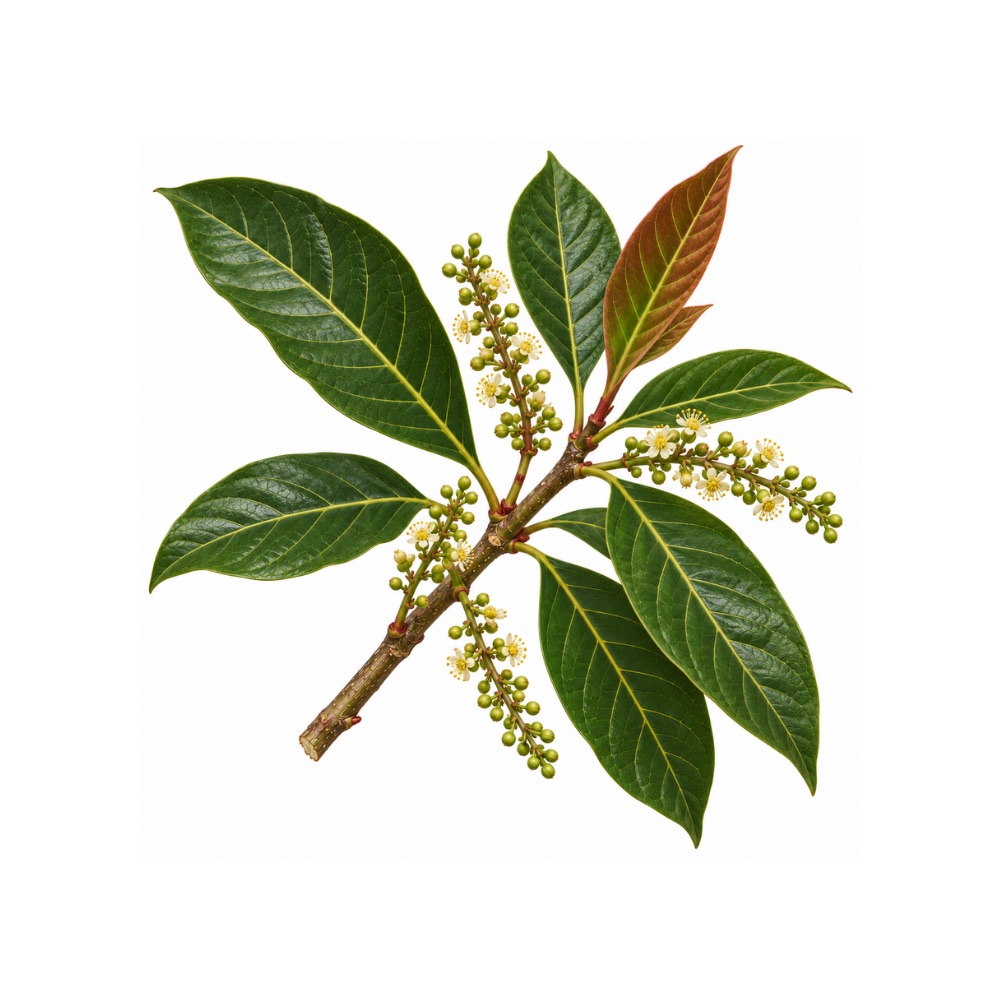 StrongStrongDragon’s BloodCroton lechleriThe red sap of this Amazonian croton has been used the length of the upper Amazon for diarrhoea and for wounds, and its oligomeric proanthocyanidin fraction was developed into crofelemer. A double-blind placebo-controlled study in travellers to Jamaica and Mexico found benefit in acute diarrhoea 122Reference 122RCTA double-blind, randomized, placebo-controlled study of SP-303 (Provir) in the symptomatic treatment of acute diarrhea among travelers to Jamaica and Mexico — randomised controlled trialView study →, a phase II trial in AIDS-related diarrhoea found the same 123Reference 123RCTA double-blind, randomized, placebo-controlled phase II study of orally administered SP-303 for the symptomatic treatment of diarrhea in patients with AIDS — randomised controlled trialView study →, and the ADVENT trial, randomised, double-blind and placebo-controlled in HIV-seropositive patients with non-infectious diarrhoea, carried it to approval 124Reference 124RCTEfficacy and safety of crofelemer for noninfectious diarrhea in HIV-seropositive individuals (ADVENT trial) — randomised, double-blind, placebo-controlled, two-stage studyView study →.Read the evidenceShow less
The mechanism is specific in a way almost nothing else here is: blockade of CFTR and the calcium-activated chloride channel at the enterocyte’s luminal face, cutting the fluid secretion that becomes the stool 99,
The evidence belongs to a standardised purified polymer at a defined pharmaceutical dose, not to sap from a cut tree. Crude latex carries taspine and a variable phenolic load, has never been trialled for this, and is not interchangeable with the drug.
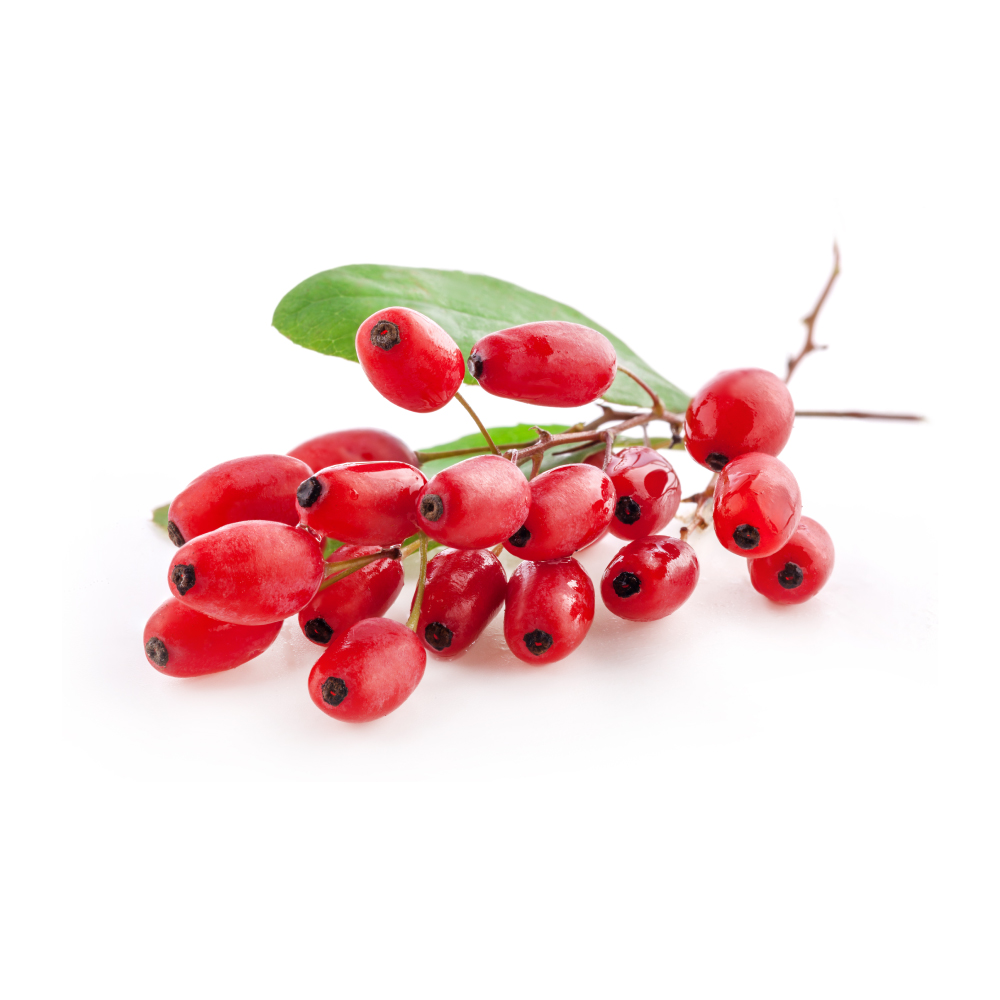 StrongStrongBarberryBerberis spp.The berberine plant with the best human data behind its active compound. A randomized controlled trial of berberine sulfate in acute watery diarrhoea due to enterotoxigenic E. coli and Vibrio cholerae found a significant reduction in stool volume 66Reference 66RCTRandomized controlled trial of berberine sulfate therapy for diarrhoea due to enterotoxigenic Escherichia coli and Vibrio choleraeView study →, an old trial but a properly controlled one with a hard endpoint.Read the evidenceShow lessMonograph →
A separate randomized, double-blind, placebo-controlled trial found berberine hydrochloride reduced diarrhoea frequency and urgency in diarrhoea-predominant IBS 67Reference 67RCTA randomised clinical trial of berberine hydrochloride in patients with diarrhoea-predominant irritable bowel syndrome — randomised, double-blind, placebo-controlled trialView study →, and a large multicentre RCT found berberine reduced recurrence of colorectal adenoma 68Reference 68RCTBerberine versus placebo for the prevention of recurrence of colorectal adenoma — multicentre, double-blinded, randomised controlled studyView study →. In vitro, berberine inhibits Entamoeba histolytica, Giardia lamblia and Trichomonas vaginalis 69Reference 69In vitroIn vitro effects of berberine sulphate on the growth and structure of Entamoeba histolytica, Giardia lamblia and Trichomonas vaginalis — in vitroView study →.
Nearly all of this is berberine the isolate rather than barberry the herb, and berberine is a significant CYP450 and P-glycoprotein inhibitor with real drug-interaction potential.
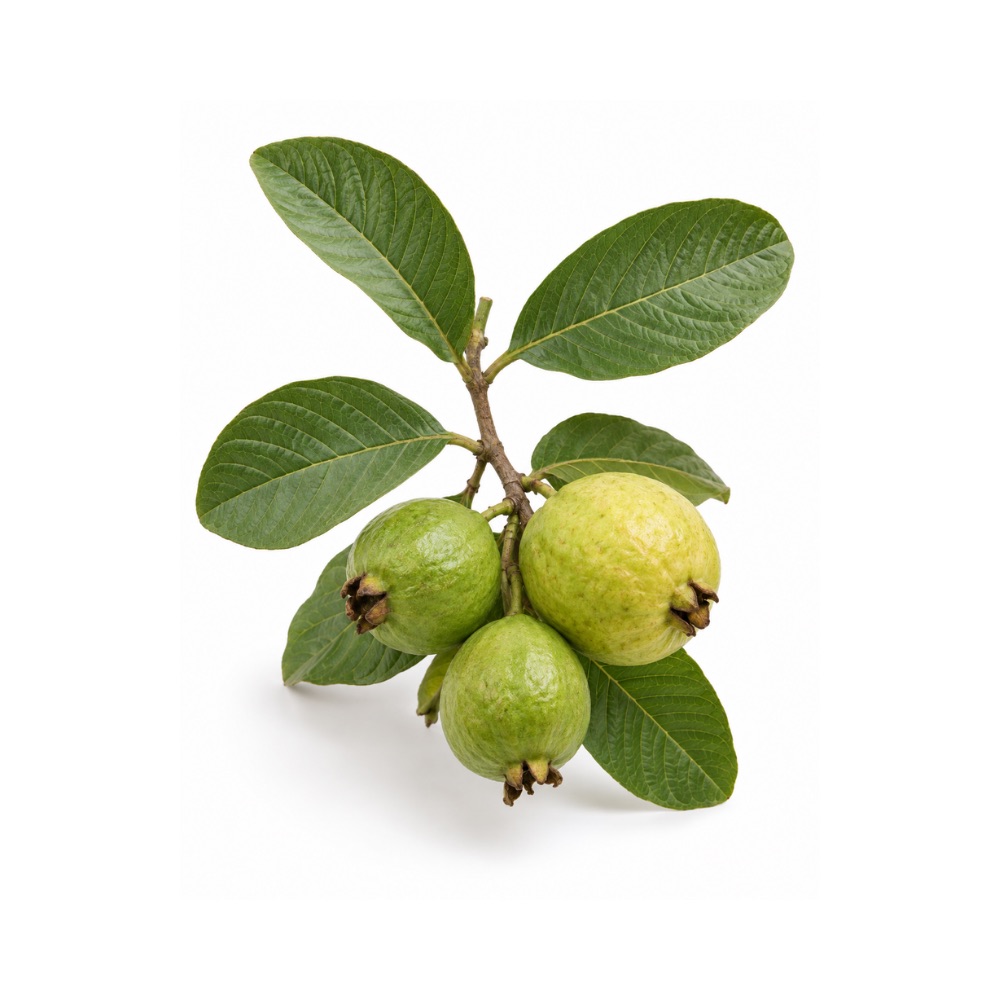 ModerateModerateGuavaPsidium guajavaAn unglamorous leaf with a respectable antidiarrhoeal record. A randomized open-label trial of guava leaf decoction in acute infectious diarrhoea found faster symptom resolution 70Reference 70RCTA randomized open label efficacy clinical trial of oral guava leaf decoction in patients with acute infectious diarrhoeaView study →, a randomized double-blind trial of a standardized leaf phytodrug found reduced abdominal pain and shorter duration in acute diarrhoeic disease 71Reference 71RCTIntestinal anti-spasmodic effect of a phytodrug of Psidium guajava folia in the treatment of acute diarrheic disease — randomised, double-blind clinical trialView study →, and a systematic review supports the direction across the available trials 72Reference 72Systematic reviewAntidiarrheal effect of Psidium guajava L. extract in acute diarrhea — systematic reviewView study →.Read the evidenceShow less
The mechanism is dual and coherent: quercetin-driven intestinal antispasmodic activity plus a large tannin fraction that astringes the mucosa, with in vitro activity against common enteric pathogens.
It is the leaf, not the fruit.
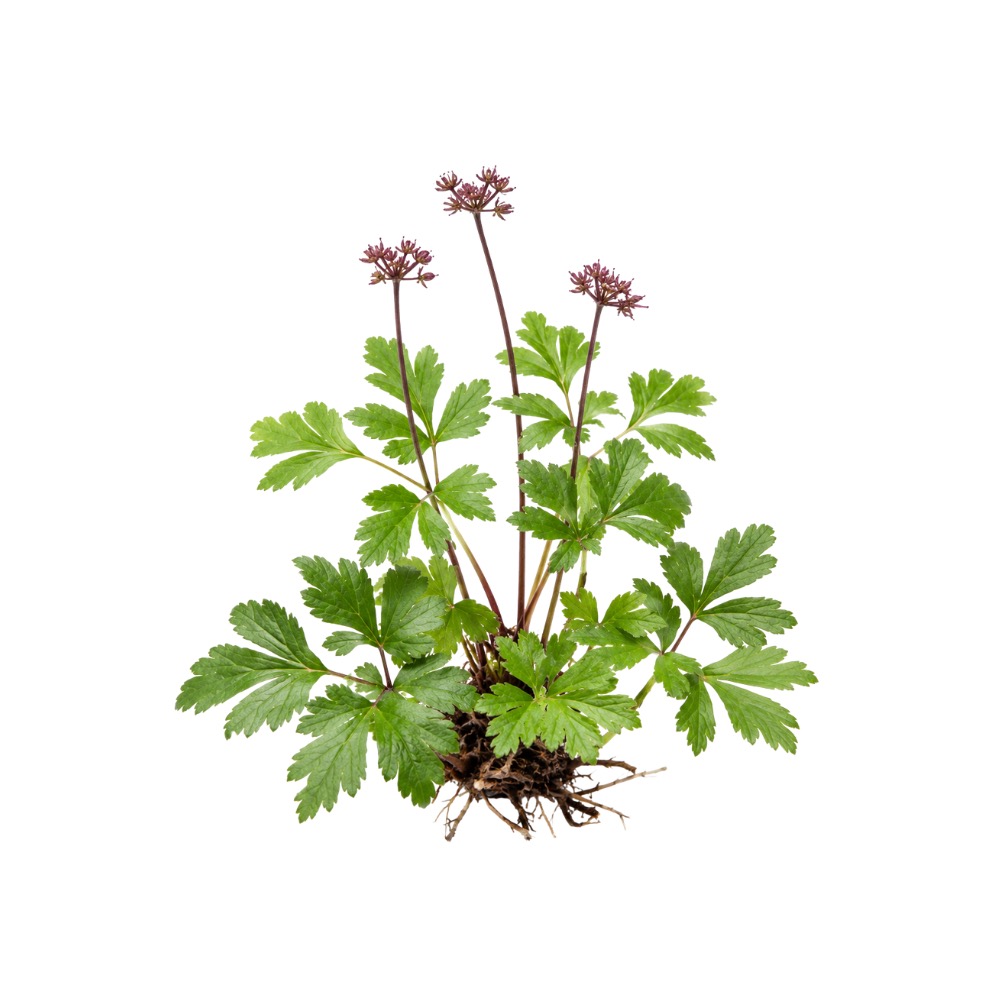 ModerateModerateCoptisCoptis chinensisThe Chinese berberine herb, huang lian, and the richest natural source of the alkaloid, which means it inherits the berberine trial evidence above 66,
67Reference 66RCTRandomized controlled trial of berberine sulfate therapy for diarrhoea due to enterotoxigenic Escherichia coli and Vibrio choleraeView study →Reference 67RCTA randomised clinical trial of berberine hydrochloride in patients with diarrhoea-predominant irritable bowel syndrome — randomised, double-blind, placebo-controlled trialView study → while carrying its own.Read the evidenceShow lessMonograph →
Against H. pylori, coptis and berberine inhibit bacterial urease in vitro 73Reference 73In vitroComparison of Helicobacter pylori urease inhibition by Rhizoma Coptidis, Cortex Phellodendri and berberine — in vitroView study →, the enzyme that lets the organism survive gastric acid. A large preclinical colitis literature adds NF-κB and inflammasome-mediated anti-inflammatory effects in the colon 93Reference 93ReviewBerberine and inflammatory bowel disease: a concise reviewView study →.
Traditional use is emphatically short-term. It is classified as intensely cold and bitter, and prolonged use is held to damage digestion, a caution that maps neatly onto what a potent luminal antimicrobial does to the microbiome.
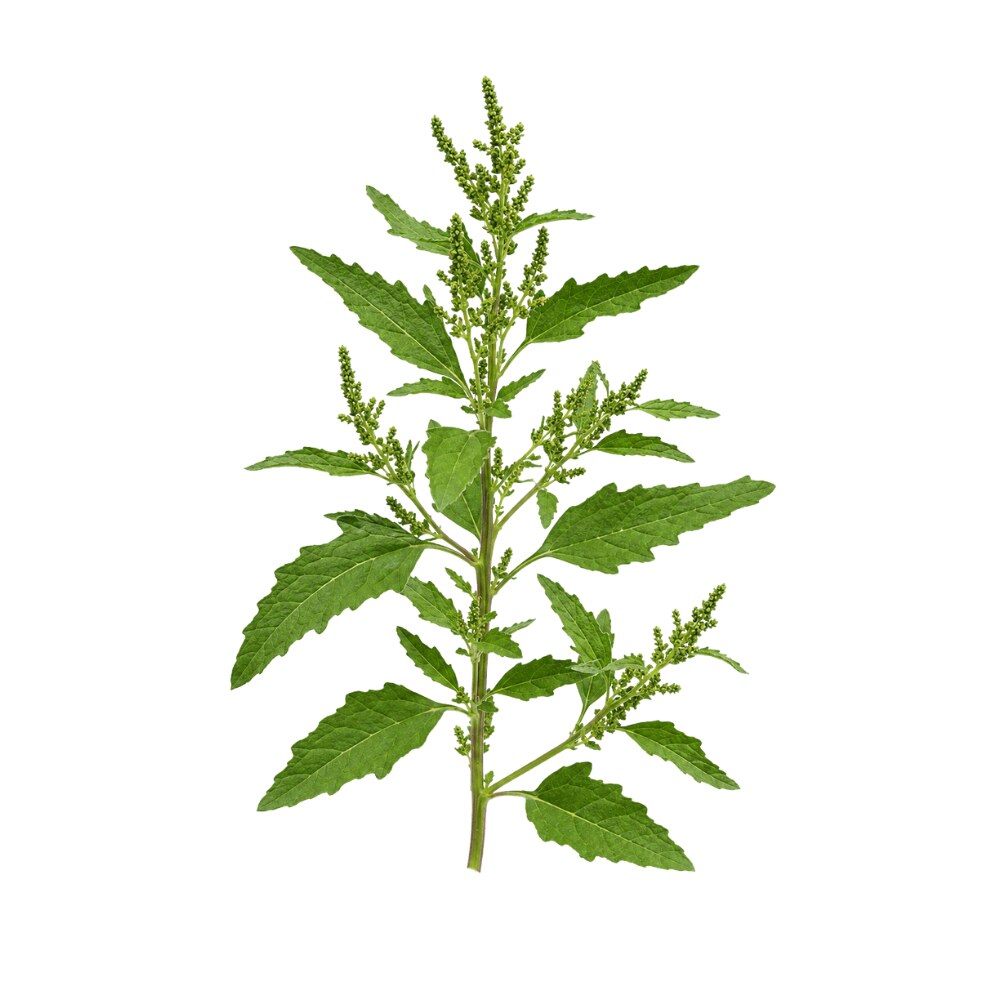 ModerateModerateEpazoteDysphania ambrosioidesThe traditional Latin American anthelmintic, with two direct human trials. A randomized clinical trial in Peruvian children compared paico against albendazole for ascariasis 74Reference 74RCTAscariasis: comparison of the therapeutic efficacy between paico and albendazole in children from Huaraz — randomised clinical trialView study →, and earlier ethnopharmacological field trials assessed its anthelmintic use directly 75Reference 75Studies on the traditional herbal anthelmintic Chenopodium ambrosioides L.: ethnopharmacological evaluation and clinical field trialsView study →. Both found real but lower efficacy than the pharmaceutical.Read the evidenceShow lessMonograph →
The active principle is the monoterpene peroxide ascaridole, and it is also the problem. Epazote essential oil is toxic, with a narrow margin between the anthelmintic and the harmful dose, and historical fatalities from overdose of the oil.
The culinary use of the leaf, a few sprigs in a pot of beans, is a different thing entirely from the therapeutic oil, and only the former is casually safe.
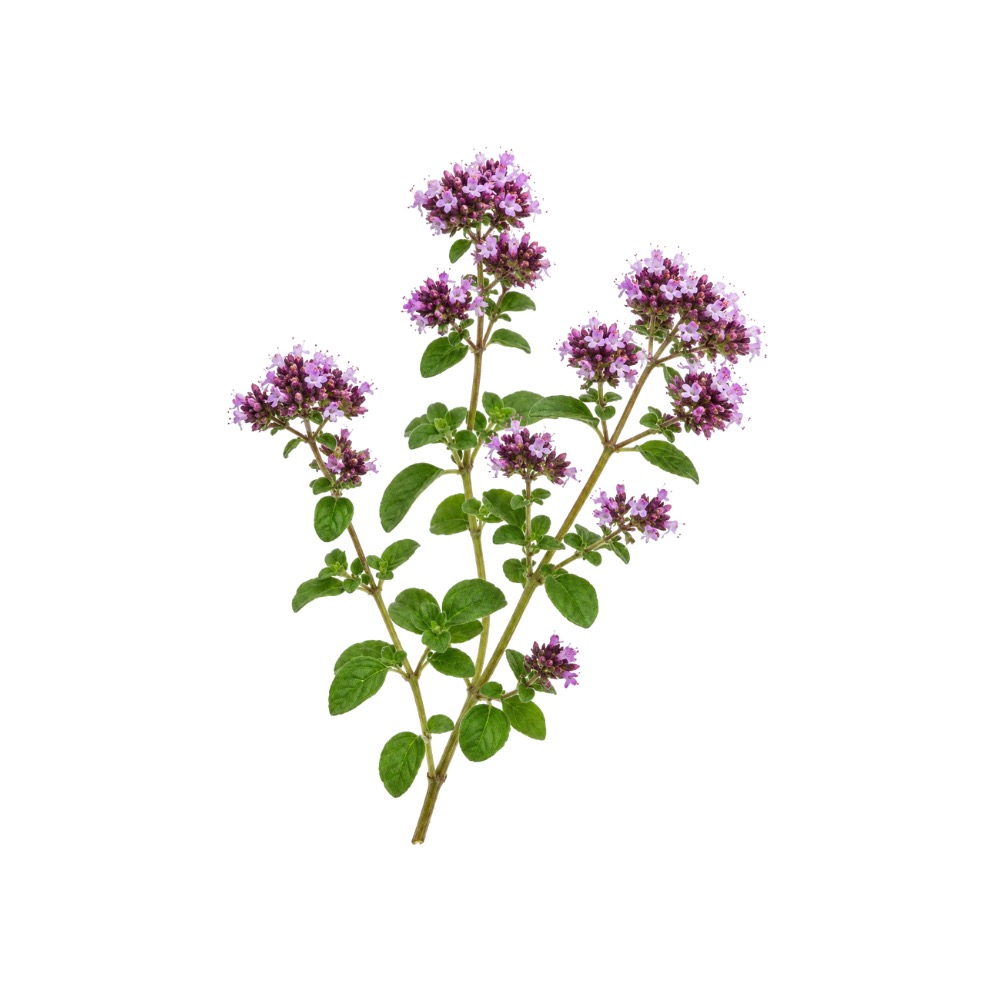 ModerateModerateOreganoOriganum vulgareThe basis of the “oil of oregano” category, with one small human trial. Emulsified oregano oil taken for six weeks was associated with clearance of enteric parasites (Blastocystis hominis, Entamoeba hartmanni, Endolimax nana) in a small open study 76Reference 76Clinical trialInhibition of enteric parasites by emulsified oil of oregano in vivo — clinical trialView study →, uncontrolled and the only human data there is.Read the evidenceShow lessMonograph →
The in vitro antimicrobial evidence is strong, with carvacrol and thymol permeabilizing bacterial membranes 77Reference 77In vitroThe antibacterial mechanism of carvacrol and thymol against Escherichia coli — in vitroView study →, but in vitro breadth is exactly what gets over-sold in SIBO and candida protocols.
The oil is a mucous-membrane irritant and must be diluted, since undiluted oregano oil burns.
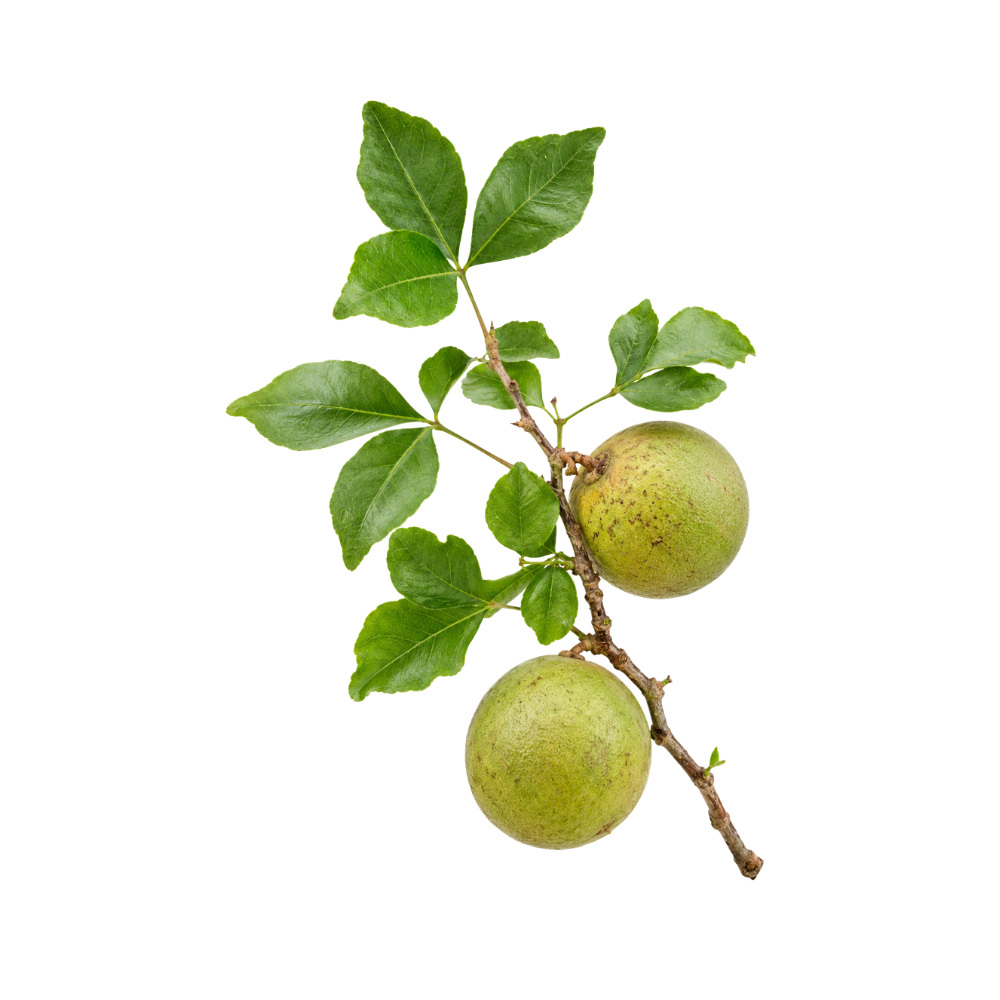 PreclinicalPreclinicalBaelAegle marmelosThe Ayurvedic dysentery remedy, with an unusually consistent preclinical record and no controlled human trial. Unripe fruit extracts show antidiarrhoeal activity against enterotoxigenic E. coli in validated in vitro models 78Reference 78In vitroStudies on the antidiarrhoeal activity of Aegle marmelos unripe fruit: validating its traditional usage — in vitroView study →, and the extract interferes with Shigella dysenteriae outer-membrane proteins in a way that alters its antibiotic susceptibility 79Reference 79In vitroDifferential expression of ompC and ompF in multidrug-resistant Shigella dysenteriae and Shigella flexneri by aqueous extract of Aegle marmelos — in vitroView study →. A parallel body of rodent work shows benefit in chemically-induced colitis.Read the evidenceShow lessMonograph →
The traditional distinction is the opposite of intuition and worth preserving. The unripe fruit is the astringent antidiarrhoeal, while the ripe fruit is mildly laxative.
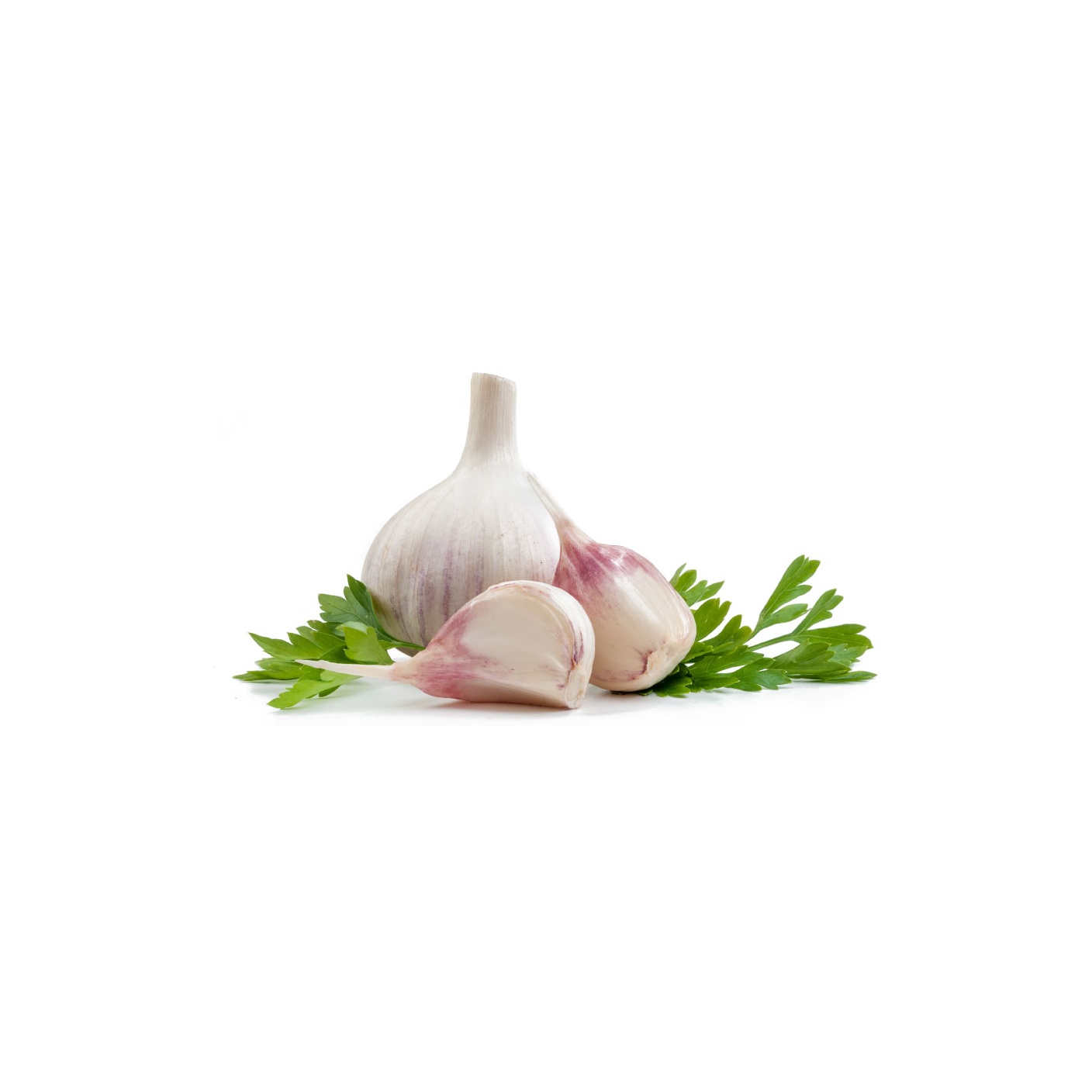 ModerateModerateGarlicAllium sativumGarlic’s digestive claim is narrow and epidemiological, its stronger cardiovascular evidence living on the cardiovascular page. A systematic review and meta-analysis found an inverse association between garlic intake and both H. pylori infection and gastric cancer risk 80Reference 80Meta-analysisThe association of garlic with Helicobacter pylori infection and gastric cancer risk — systematic review and meta-analysisView study →, observational data with all the confounding that implies, but consistent across studies and biologically plausible given allicin’s activity against the organism in vitro.Read the evidenceShow lessMonograph →
What it does not support is garlic as an eradication therapy or as a treatment for established infection.
Culinary intake is the exposure that was measured.
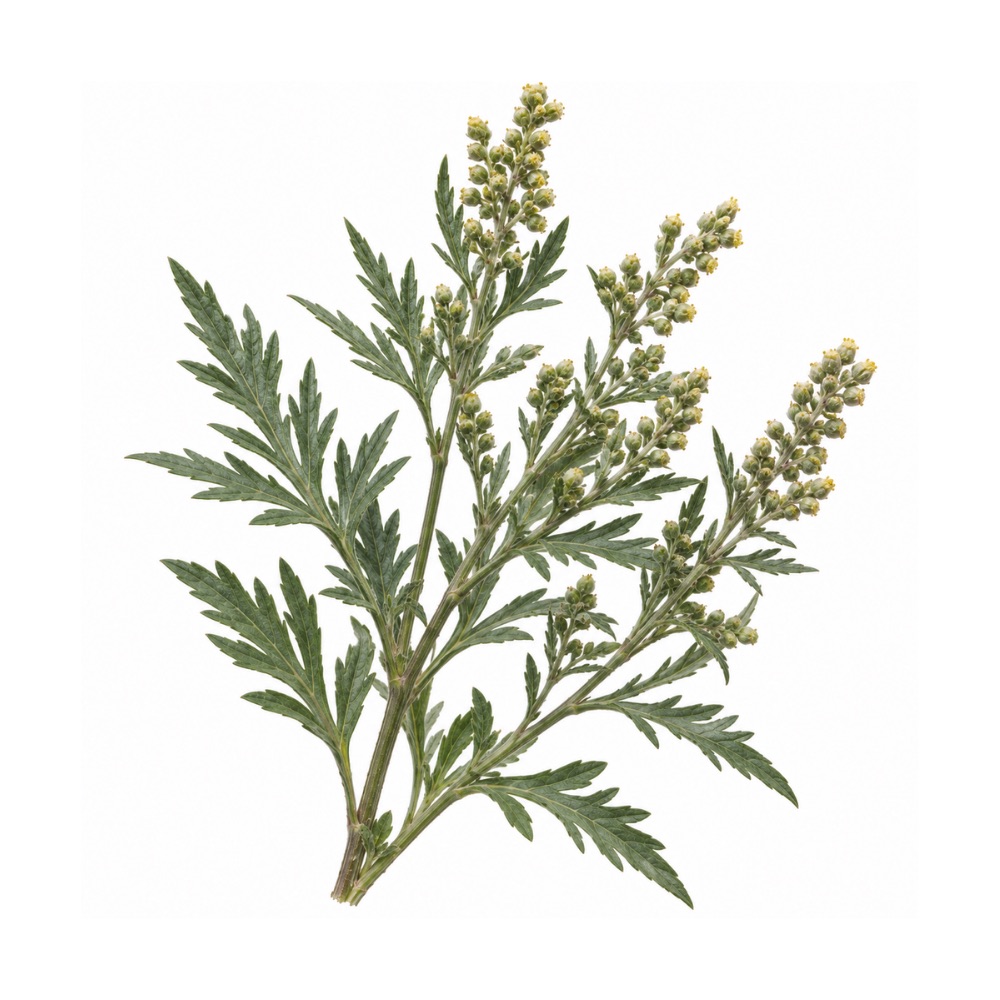 PreclinicalPreclinicalEstafiateArtemisia ludovicianaBy most Mexican ethnobotanical surveys the country’s most widely used medicinal plant, and its core indications are all gastrointestinal: stomach pain, diarrhoea, worms, and empacho, the culture-specific complaint of food stuck and not moving.Read the evidenceShow less
Three separate laboratory threads land on exactly that territory. Leaf extracts are active in vitro against Entamoeba histolytica and Giardia lamblia 125Reference 125In vitroIn vitro antiprotozoal activity of the leaves of Artemisia ludoviciana — in vitroView study → and against newly excysted Fasciola hepatica 126Reference 126In vitroEfficacy of purified fractions of Artemisia ludoviciana Nutt. against newly excysted juveniles of Fasciola hepatica — in vitroView study →.
The extract inhibits Helicobacter pylori in vitro 127Reference 127In vitroAnti-Helicobacter pylori activity of plants used in Mexican traditional medicine for gastrointestinal disorders — in vitroView study → and damages Vibrio cholerae membranes 128Reference 128In vitroExtracts of edible and medicinal plants damage membranes of Vibrio cholerae — in vitroView study →. And it relaxes isolated smooth muscle 129Reference 129AnimalRelaxant effects of Artemisia ludoviciana on isolated rat smooth muscle tissues — ex vivoView study → and slows charcoal transit in rats 130Reference 130AnimalEffect of plants used in Mexico to treat gastrointestinal disorders on charcoal-gum acacia-induced hyperperistalsis — animal modelView study →, the antispasmodic and antidiarrhoeal half of the traditional account.
Every one of those is in a dish or a rodent, and there is no human trial of any kind.
Estafiate is a close wormwood relative and shares the family’s constraints: intensely bitter sesquiterpene lactones, a documented Asteraceae contact-allergen record 131Reference 131The sensitizing capacity of Compositae plants VI — guinea-pig sensitization experimentsView study →, and a traditional dose that is small and short.
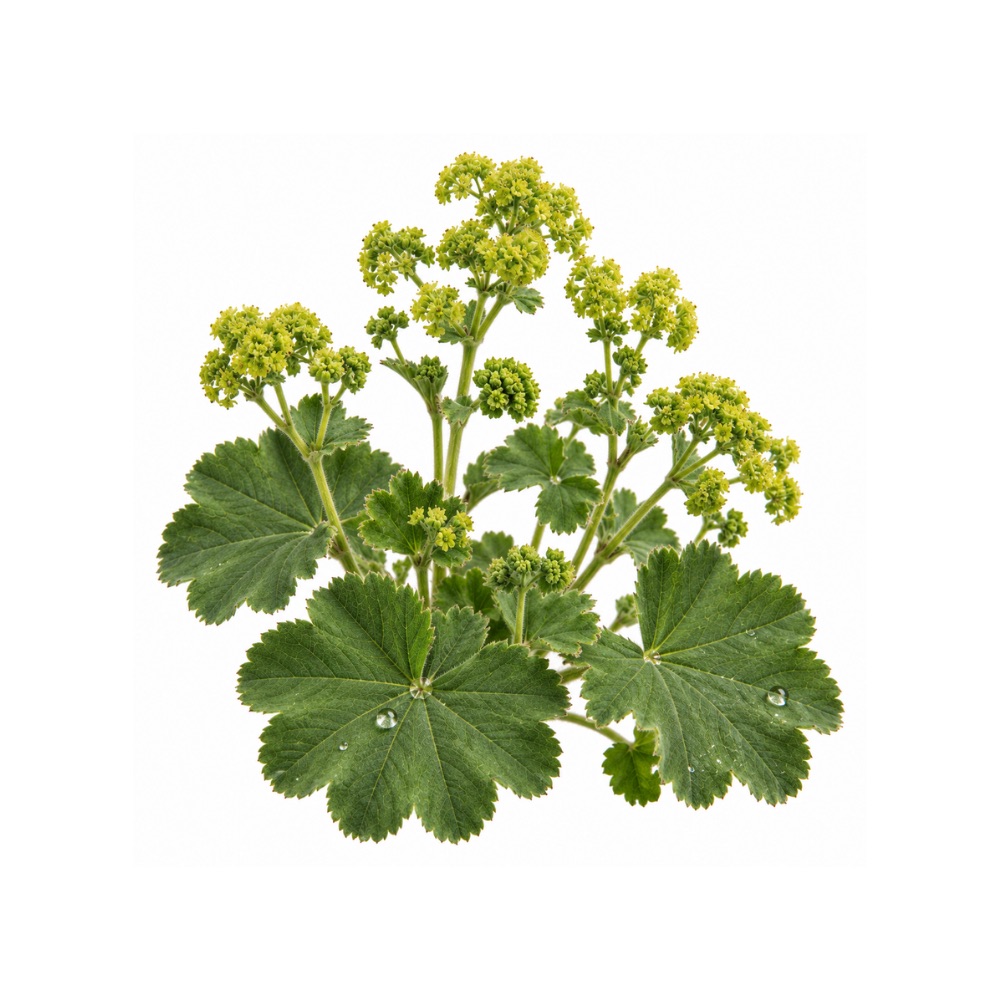 PreclinicalPreclinicalLady’s MantleAlchemilla vulgarisOak bark’s closest European peer, and the other astringent in this group with a regulator behind it. German Commission E approves the dried herb for non-specific diarrhoea at 5 to 10 g daily 95Reference 95ReviewAlchemillae herba (lady’s mantle) — German Commission E monograph, approved for non-specific diarrhoea at 5–10 g dried herb dailyView study →, and that narrow indication is the whole of its formal footprint.Read the evidenceShow less
A second thread runs underneath the astringency. The extract reduced indomethacin-induced gastric lesions in rats 133Reference 133AnimalProtective effects of Aronia melanocarpa juices alone or combined with Rosa canina or Alchemilla vulgaris in a rat model of indomethacin-induced gastric ulcers — animal modelView study →, and it inhibits clinical Helicobacter pylori isolates in vitro at concentrations down to 4 µg/mL 134Reference 134In vitroAnti-Helicobacter pylori activity of four Alchemilla species (Rosaceae) — in vitroView study → — which points at the stomach rather than the bowel.
The active fraction is tannin, chiefly the ellagitannin agrimoniin, so the three-to-four-day ceiling that governs oak bark governs this too.
Alchemilla vulgaris is not one species but an aggregate of many apomictic microspecies traded interchangeably, which is a plausible source of variability in the material studied.
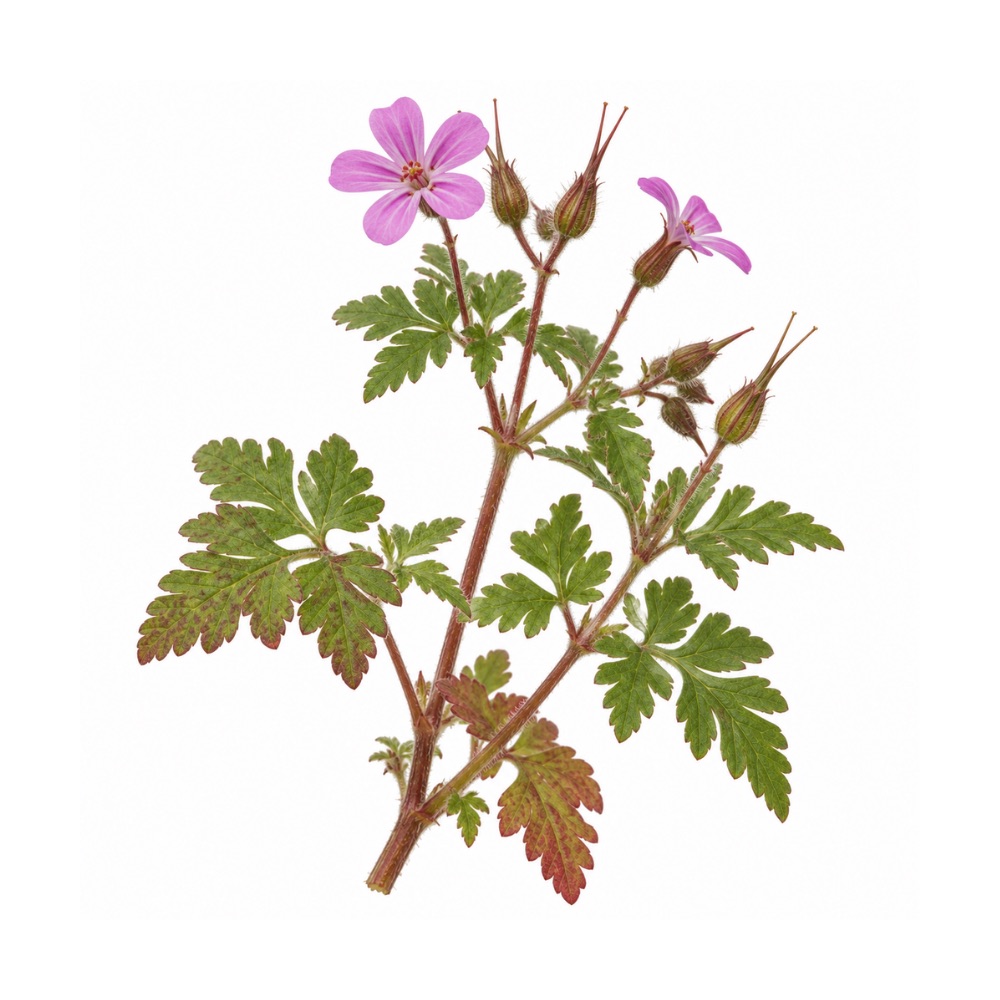 PreclinicalPreclinicalHerb RobertGeranium robertianumThe strongest animal result in the astringent group. Leaf extract matched famotidine on gastric architecture, gastric pH and ulcer index in aspirin-induced ulceration in rats 135Reference 135AnimalPromising effect of Geranium robertianum L. leaves and Aloe vera gel powder on aspirin-induced gastric ulcers — animal modelView study → — though it was given alongside aloe gel powder in that study, which blurs the attribution between the two.Read the evidenceShow less
It is among the most tannin-dense herbs in the European flora, which is the ordinary explanation for the traditional internal use.
There is no trial of the whole herb for anything, and the two human reports both tested multi-herb combination products.
One practical caution has nothing to do with pharmacology. Herb Robert is a heavy-metal accumulator that grows by preference on roadsides and disturbed urban ground, so provenance matters more here than for a cultivated herb.
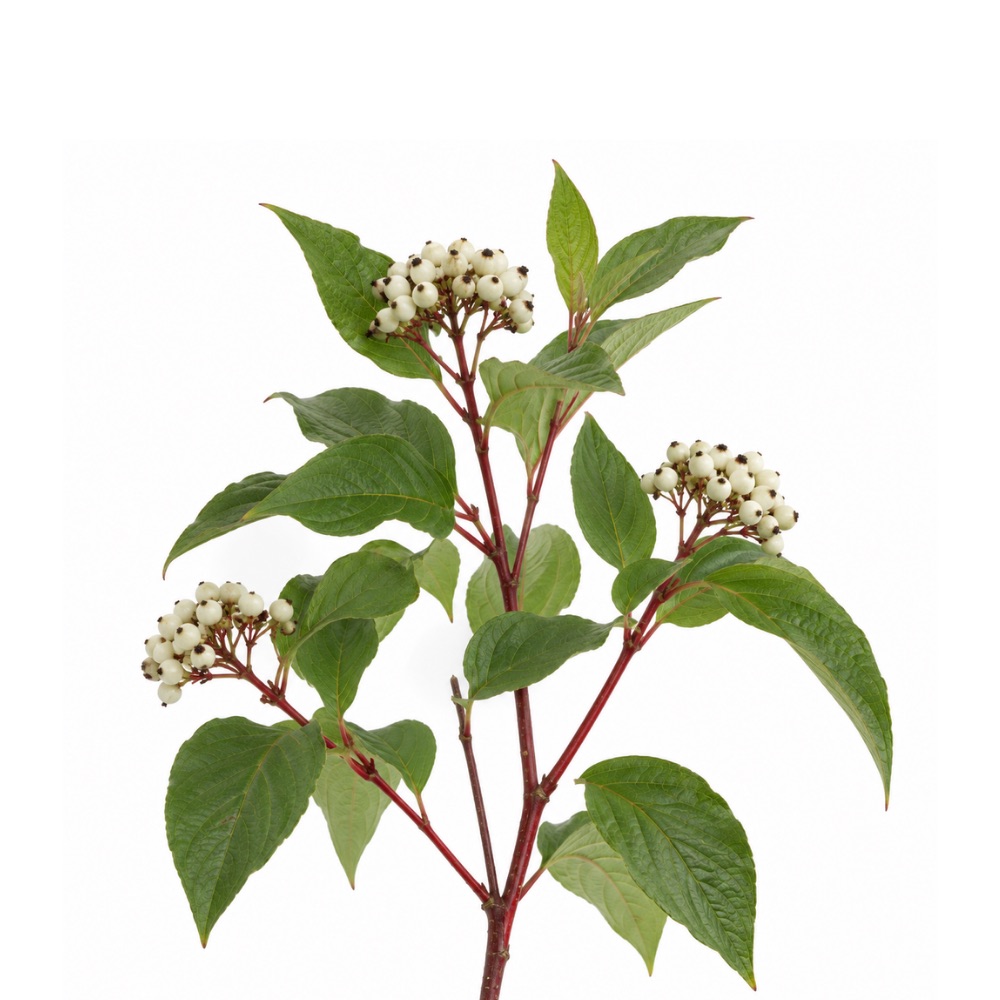 PreclinicalPreclinicalRed-Osier DogwoodCornus sericeaThe outlier of the group, with more in-vivo work behind it than most preclinical entries can point to. Its anti-inflammatory activity is demonstrated in human intestinal cell models 136Reference 136In vitroRed-osier dogwood extracts prevent inflammatory responses in Caco-2 cells and a Caco-2 BBe1/EA.hy926 co-culture model — in vitroView study →, and rather than the usual single rodent study it has a sizeable run of livestock feeding trials — broiler chickens under Salmonella challenge 137Reference 137RCTEffect of red osier dogwood extract on growth performance, blood biochemical parameters and gut functionality of broiler chickens challenged with Salmonella Enteritidis lipopolysaccharide — randomised animal model in vivoView study → and pigs 138Reference 138AnimalDietary supplementation of red-osier dogwood polyphenol extract changes the ileal microbiota structure and increases Lactobacillus in a pig model — animal model in vivoView study → — reporting shifts in gut microbiota and reduced enteric pathogen load.Read the evidenceShow less
That is a great deal of animal evidence at scale, and it is still not human evidence.
The evidence is lopsided in a second way that matters more. The traditional medicine is a dried-bark decoction; the modern research is built on polyphenol-rich leaf and stem extracts developed as functional-food and feed ingredients.
Different plant part, different preparation.
The drying instruction is not folklore either — fresh bark is traditionally regarded as purgative, and drying is what removes that.
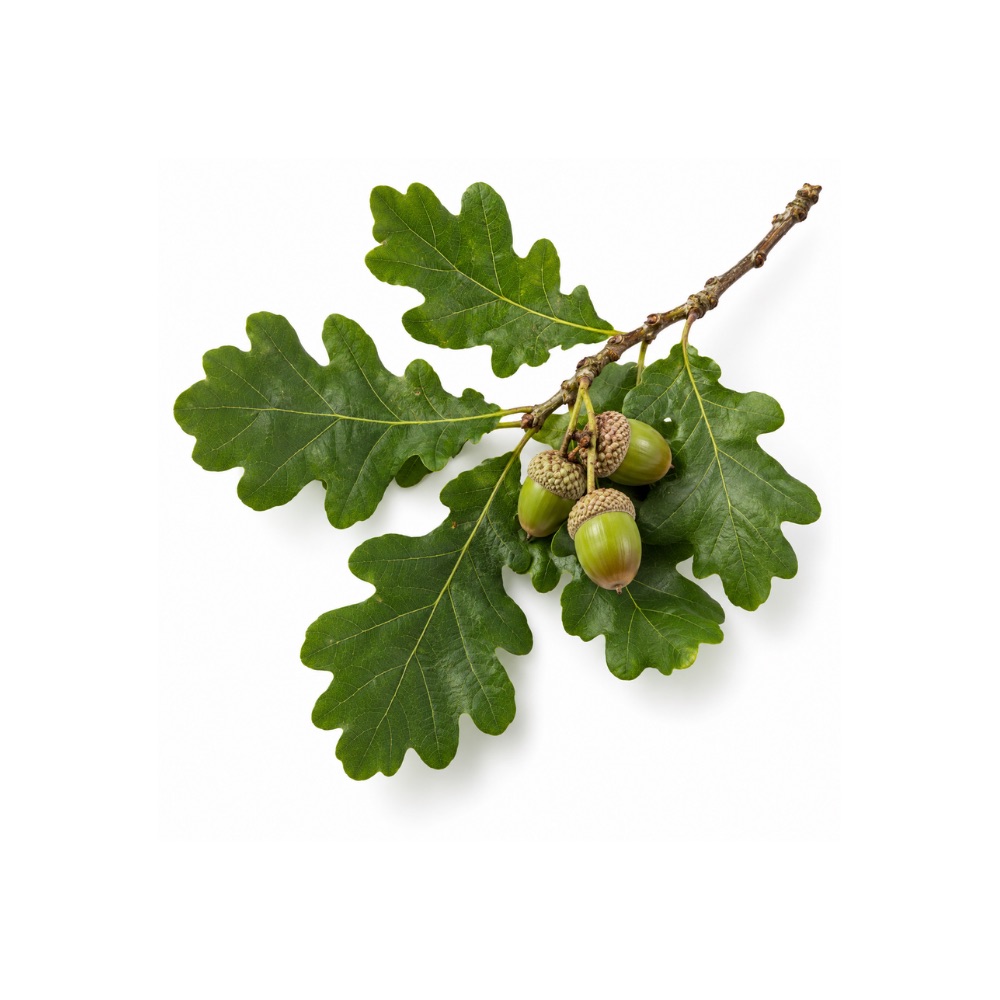 TraditionalTraditionalOak BarkQuercus roburThe reference tannin astringent, and one of the few herbs here with a regulator behind its digestive use. The EMA’s herbal committee recognises oak bark for mild non-specific acute diarrhoea as a traditional-use indication 94Reference 94ReviewCommunity herbal monograph on Quercus robur L., QView study →.Read the evidenceShow less
The mechanism is the best-understood thing about it: a bark dense in hydrolysable and condensed tannins, precipitating protein on contact and laying a thin protective film over inflamed mucosa.
Two limits are part of the indication rather than footnotes to it. Internal use is capped at three to four days, because the protein binding that seals a raw gut wall also binds dietary protein and non-haem iron and irritates the stomach over longer courses.
And diarrhoea that outlasts that window, or arrives with blood or fever, is a reason to be assessed rather than to keep dosing.
There is no controlled trial of oak bark for diarrhoea anywhere, and the recognition rests on the mechanism and on several centuries of use.
One point of confusion is worth heading off. Almost all the modern clinical literature on Quercus robur concerns Robuvit, a standardised French oak wood extract with pilot and registry studies in fatigue, energy and recovery 132Reference 132ReviewClinical effects and presumed mechanism of action of the French oak wood extract Robuvit — reviewView study →.
Different plant part, different preparation, and no bearing at all on what the bark does to a bowel.
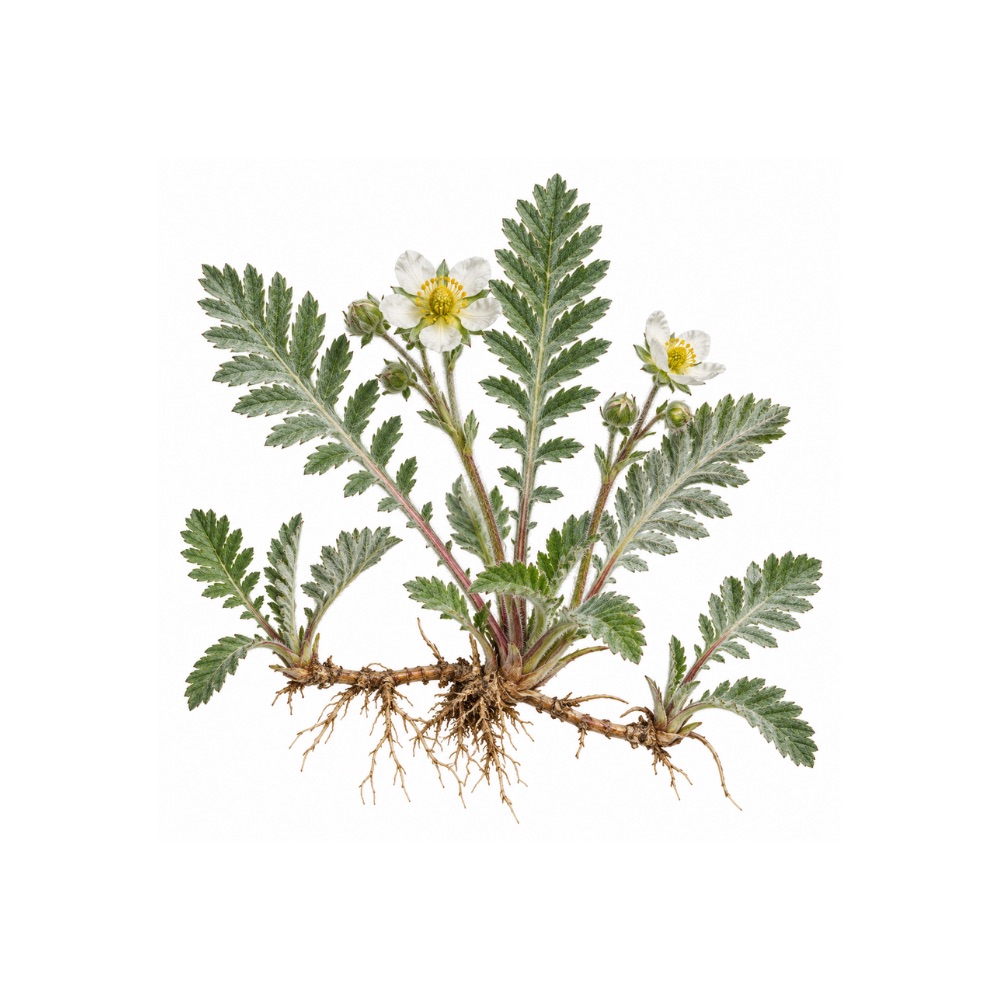 TraditionalTraditionalSilverweedArgentina anserinaThe same chemistry arrived at twice by unconnected routes. European folk practice and Tibetan plateau medicine both use it for diarrhoea, and both rest on the ellagitannins agrimoniin and potentillin rather than on anything species-specific.Read the evidenceShow less
On the plateau the tuberous root, ren shen guo, is a cultivated staple as much as a medicine, which is why a Potentilla has an unusually well-funded research file — roughly thirty pharmacology studies and a 2024 systematic review cataloguing 154 constituents.
Almost none of that work is about the bowel. The reproducible signals are antioxidant and organ-protective, including a distinct high-altitude thread, and no human randomised trial exists for any indication.
TraditionalBarbatimãoStryphnodendron adstringensA traditional internal astringent whose evidence is almost entirely somewhere else. Condensed tannins run to 20–30% of the dry bark, among the highest of any medicinal bark, and the species epithet records it.Read the evidenceShow less
The documented use is topical — wound healing, supported by consistent rodent models, a large veterinary randomised trial in cattle and small human case series. The internal decoction for diarrhoea and gastric complaints is tradition without a measured endpoint.
There is no standardised oral dose, and a tannin load that high is a real consideration for anything beyond a short course.
TraditionalHorseweedErigeron canadensisA traditional internal astringent whose tannin content has never been quantified in the species, which leaves the digestive use resting on category membership rather than on measurement.Read the evidenceShow less
Its one striking laboratory result belongs to a different system: a purified complex from the flowering tops produced a dose-dependent antitussive effect approaching codeine in guinea pigs, alongside a bronchodilator effect. The respiratory file is the interesting one.
Two things belong on any internal use. It has a reproducible anticoagulant fraction acting through heparin cofactor II — an untested but genuine interaction concern — and it is a heavy-metal accumulator growing on exactly the roadsides and pavement cracks where it is easiest to gather.
Inflammatory Bowel Disease
5 herbsUlcerative colitis and Crohn’s disease, autoimmune, relapsing-remitting, and the one group here where the underlying disease can cause permanent structural damage. Every herb here is an add-on to standard therapy, tested on top of mesalazine or steroids rather than instead of them. A meta-analysis of herbal medicines in IBD found genuine signals for induction of response and remission while flagging the small size and poor quality of most contributing trials 92Reference 92Meta-analysisInduction of clinical response and remission of inflammatory bowel disease by use of herbal medicines — meta-analysisView study →, which is the ceiling on this whole group.
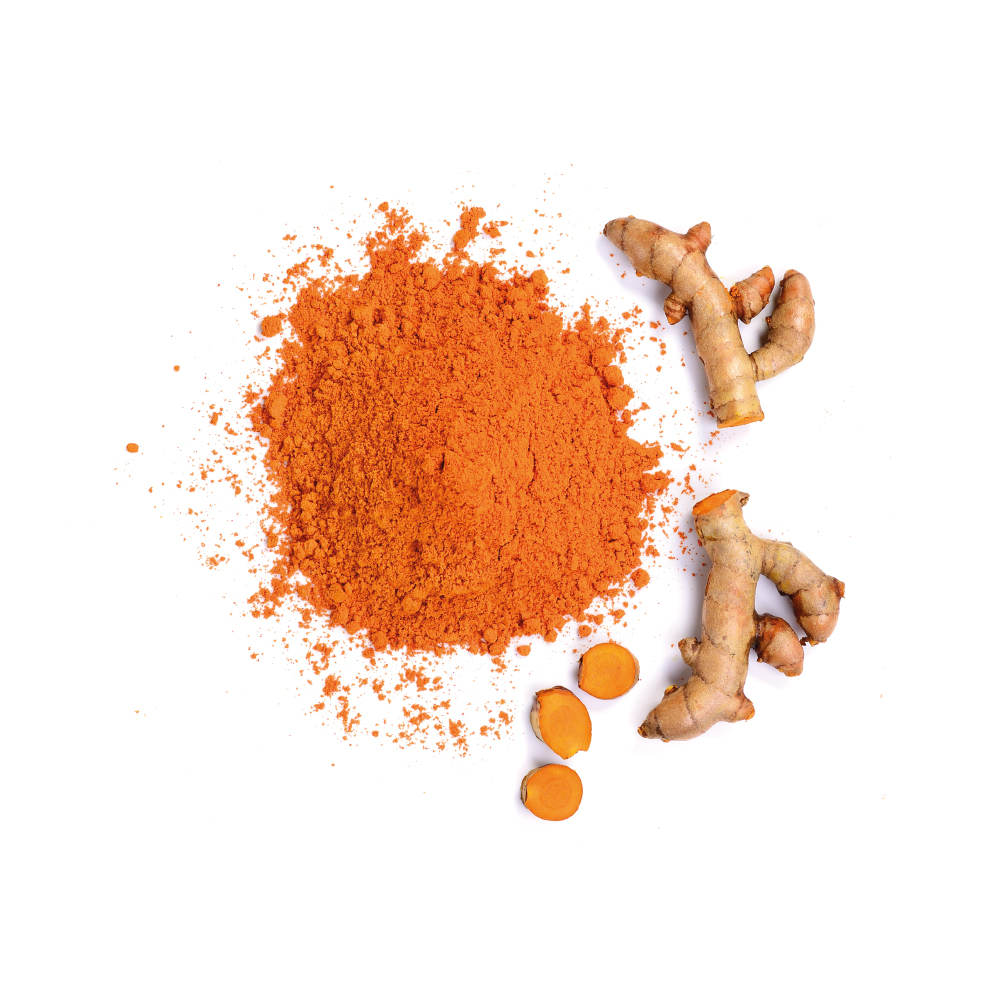 StrongStrongTurmericCurcuma longaThe only herb here to move an endoscopically-scored endpoint. A systematic review and meta-analysis of RCTs found curcumin added to standard therapy significantly increased both clinical and endoscopic remission rates in ulcerative colitis compared with standard therapy alone 81Reference 81Meta-analysisUse of curcumin in achieving clinical and endoscopic remission in ulcerative colitis — systematic review and meta-analysis of randomised controlled trialsView study →, and a more recent randomized, double-blinded, placebo-controlled trial of a curcumin–QingDai combination in active UC reinforced the direction 82Reference 82RCTCurcumin-QingDai combination for patients with active ulcerative colitis — randomised, double-blinded, placebo-controlled trialView study →.Read the evidenceShow lessMonograph →
Two limits define the result. It is add-on evidence, since nobody has shown curcumin replacing mesalazine, and the trials use bioavailability-enhanced formulations at gram-level doses, because curcumin is notoriously poorly absorbed.
Plain turmeric powder in food does not deliver the tested exposure.
The Crohn’s evidence is much weaker than the UC evidence.
ModerateModerateWormwoodArtemisia absinthiumA double-blind placebo-controlled study found that adding wormwood to standard therapy in Crohn’s disease produced a steroid-sparing effect, with patients tapering off prednisone with sustained remission where the placebo group relapsed 83Reference 83RCTSteroid-sparing effect of wormwood (Artemisia absinthium) in Crohn’s disease — double-blind placebo-controlled studyView study →, and a follow-up controlled trial reported suppression of TNF-α alongside clinical improvement 84Reference 84Clinical trialWormwood (Artemisia absinthium) suppresses tumour necrosis factor alpha and accelerates healing in patients with Crohn’s disease — controlled clinical trialView study →. That is a mechanism consistent with the biologic drugs used in Crohn’s, from a herb.Also underFunctional ↓Read the evidenceShow lessMonograph →
The reasons to stay cautious are substantial. Both trials are small, from the same German group, and have never been independently replicated in over fifteen years.
The thujone dose ceiling applies here as above.
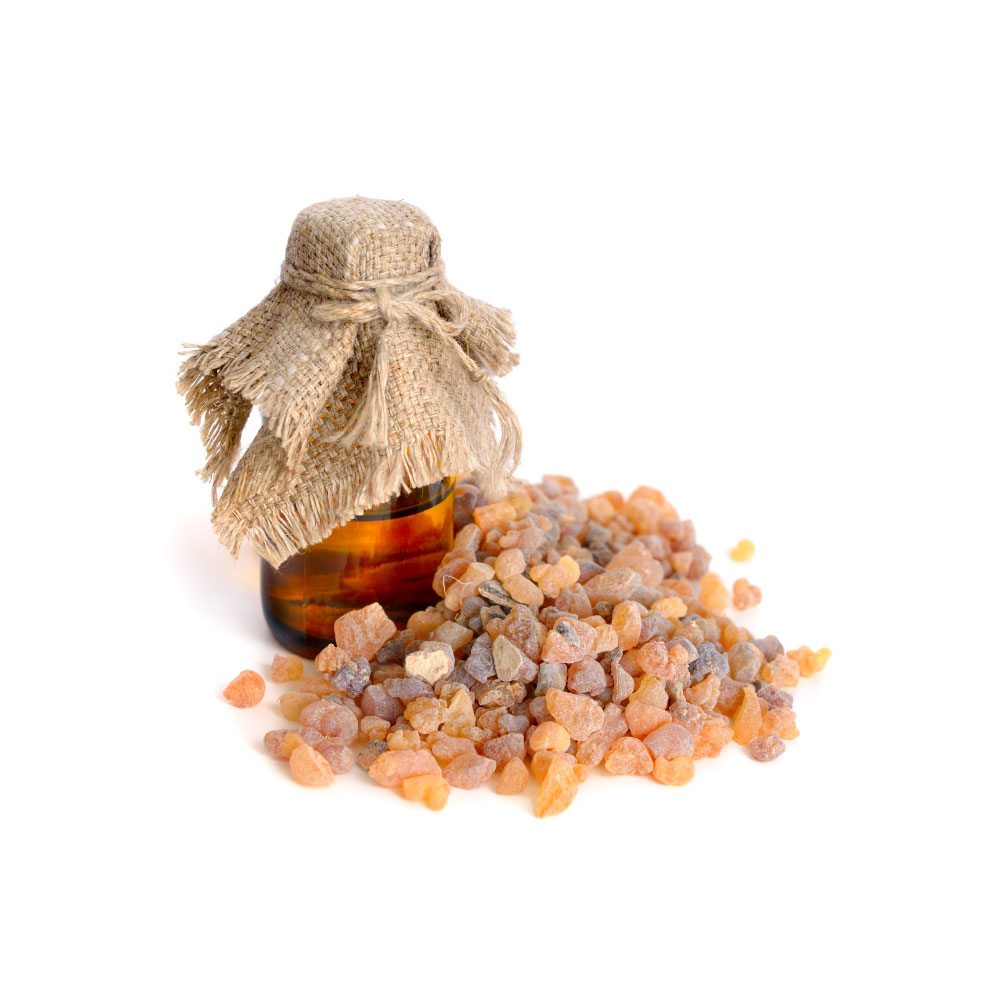 ModerateModerateFrankincenseBoswellia serrataEarly promise that did not survive a proper trial. Small controlled studies suggested benefit in ulcerative colitis 85Reference 85Clinical trialEffects of Boswellia serrata gum resin in patients with ulcerative colitis — controlled clinical trialView study → and in active Crohn’s disease, where boswellia extract H15 was comparable to mesalazine 86Reference 86RCTTherapy of active Crohn disease with Boswellia serrata extract H 15 — randomised controlled trialView study →.Read the evidenceShow lessMonograph →
Then the definitive study, a randomized, placebo-controlled, double-blind trial of Boswellia serrata for maintaining remission in Crohn’s, found a good safety profile and no efficacy 87Reference 87RCTRandomized, placebo-controlled, double-blind trial of Boswellia serrata in maintaining remission of Crohn’s disease: good safety profile but lack of efficacyView study →. A separate randomized placebo-controlled multicentre trial did find benefit in collagenous colitis, a distinct and rarer condition 88Reference 88RCTBoswellia serrata extract for the treatment of collagenous colitis — double-blind, randomised, placebo-controlled, multicentre trialView study →.
The mechanism is genuine and unusual, 5-lipoxygenase inhibition by the boswellic acids blocking leukotriene synthesis, which makes the negative Crohn’s result the more instructive. A good mechanism is not a result.
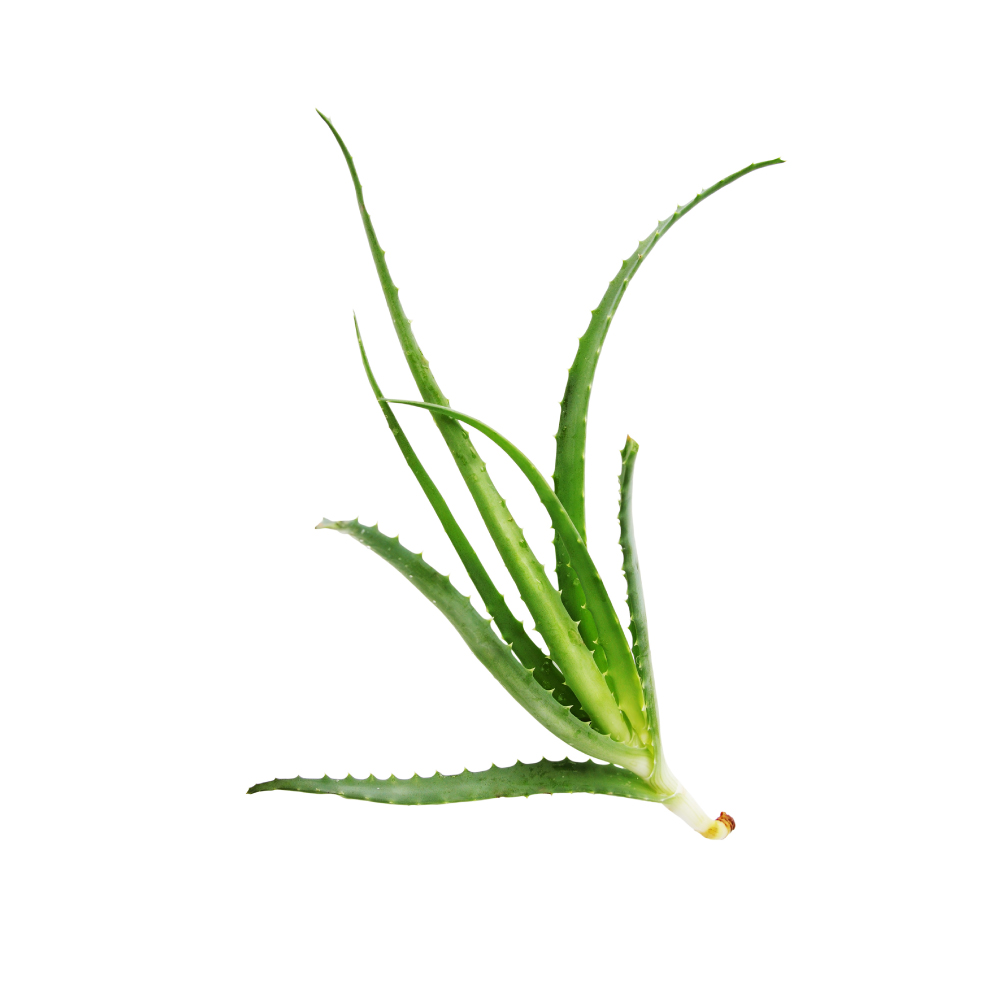 ModerateModerateAloeAloe veraOne plant, two completely different medicines, and confusing them is the main hazard. The inner-leaf gel taken orally produced clinical response and remission more often than placebo in a randomized, double-blind, placebo-controlled trial in mild-to-moderately active ulcerative colitis 89Reference 89RCTRandomized, double-blind, placebo-controlled trial of oral Aloe vera gel for active ulcerative colitisView study →, a small single trial, never replicated, but properly controlled.Read the evidenceShow lessMonograph →
The latex, the bitter yellow exudate just under the rind, is an anthraquinone stimulant laxative in the senna family and has nothing to do with the colitis result.
The distinction has a safety edge. Non-decolorized whole-leaf extract, which carries the latex fraction, produced large-intestinal tumours in a two-year rat study 91Reference 91AnimalAloe vera non-decolorized whole-leaf extract-induced large intestinal tumors in F344 rats share molecular pathways with human sporadic colorectal tumors — animal modelView study → and is classified by IARC as possibly carcinogenic to humans.
Decolorized inner-leaf gel is the form with the evidence and without that signal.
ModerateModeratePsylliumPlantago ovataA randomized clinical trial found Plantago ovata seeds as effective as mesalazine at maintaining remission in ulcerative colitis 90Reference 90RCTRandomized clinical trial of Plantago ovata seeds (dietary fiber) as compared with mesalamine in maintaining remission in ulcerative colitisView study →, a non-inferiority result against an actual drug.Also underIrritable ↓Constipation ↓Read the evidenceShow lessMonograph →
The plausible mechanism is fermentation of the fibre to short-chain fatty acids, principally butyrate, which is the preferred fuel of the colonic epithelium.
One trial, from 1999, never replicated at scale. Combined with psyllium’s excellent safety profile it makes a reasonable adjunct in UC maintenance, discussed with the gastroenterologist rather than substituted for the prescription.
No herbs match these filters.
Also Tagged
76 more herbs are tagged for this system.
Acacia
Acacia, Vachellia & Senegalia spp.
Amaranth
Amaranthus blitum
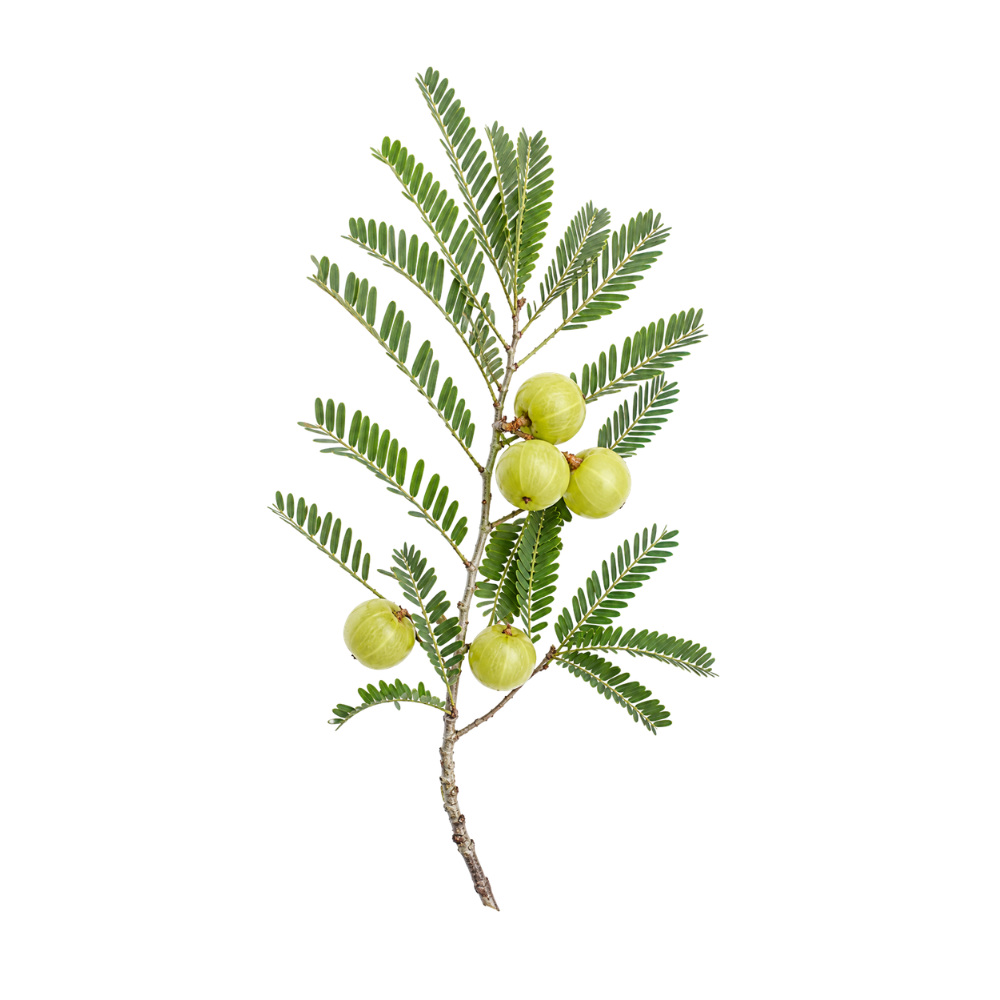
Amla
Phyllanthus emblica
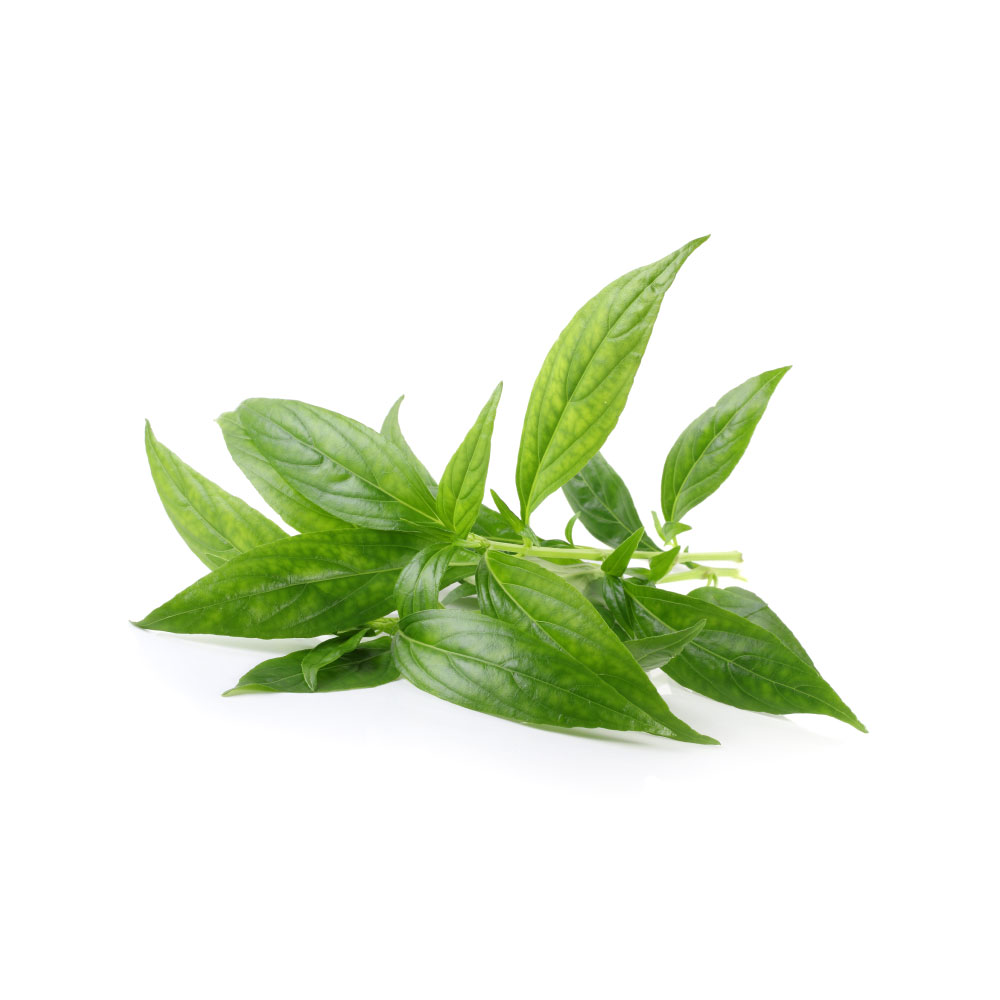
Andrographis
Andrographis paniculata
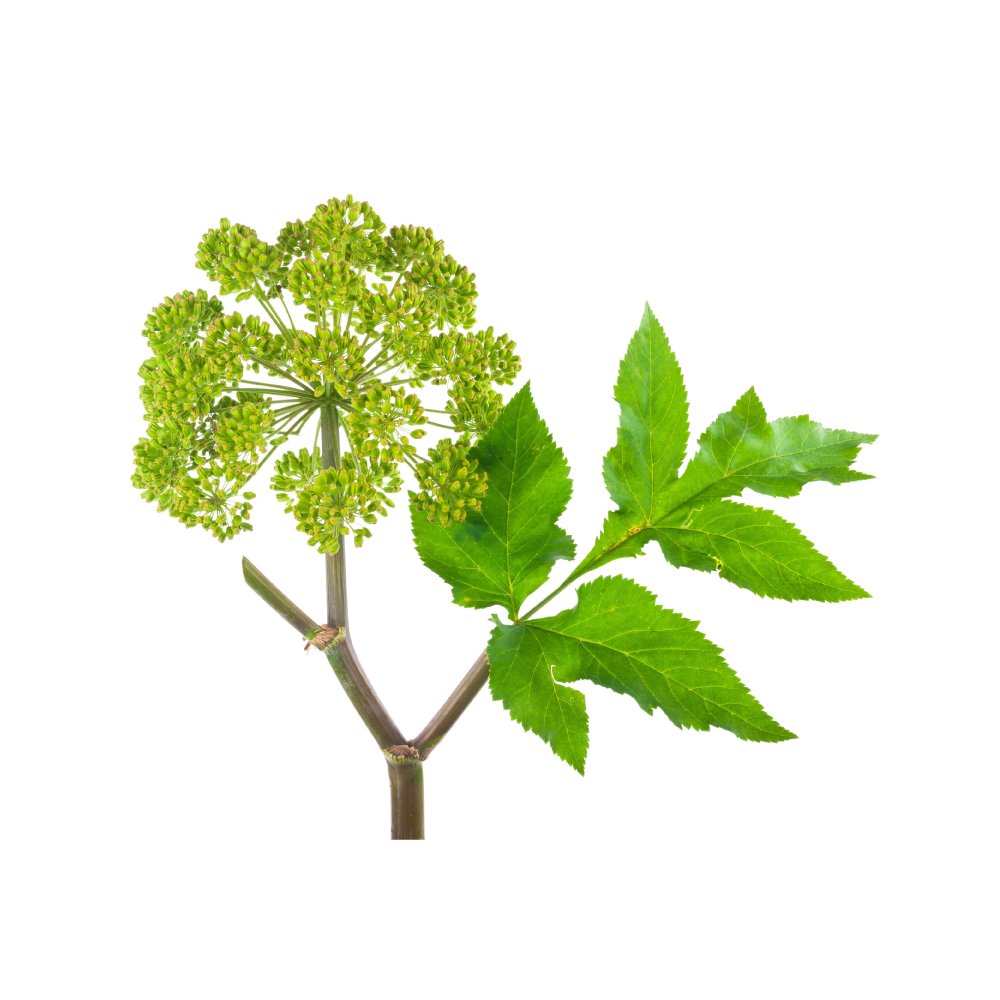
Angelica
Angelica archangelica
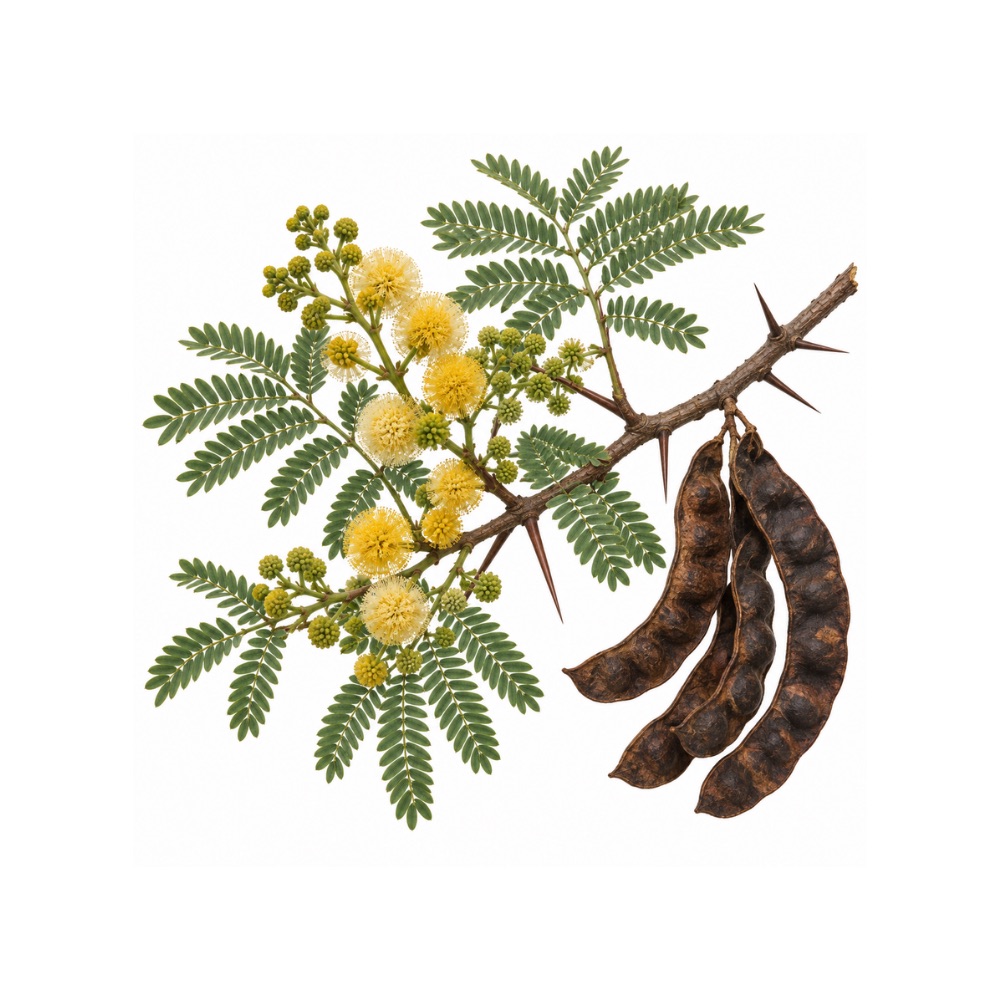
Babul
Vachellia nilotica
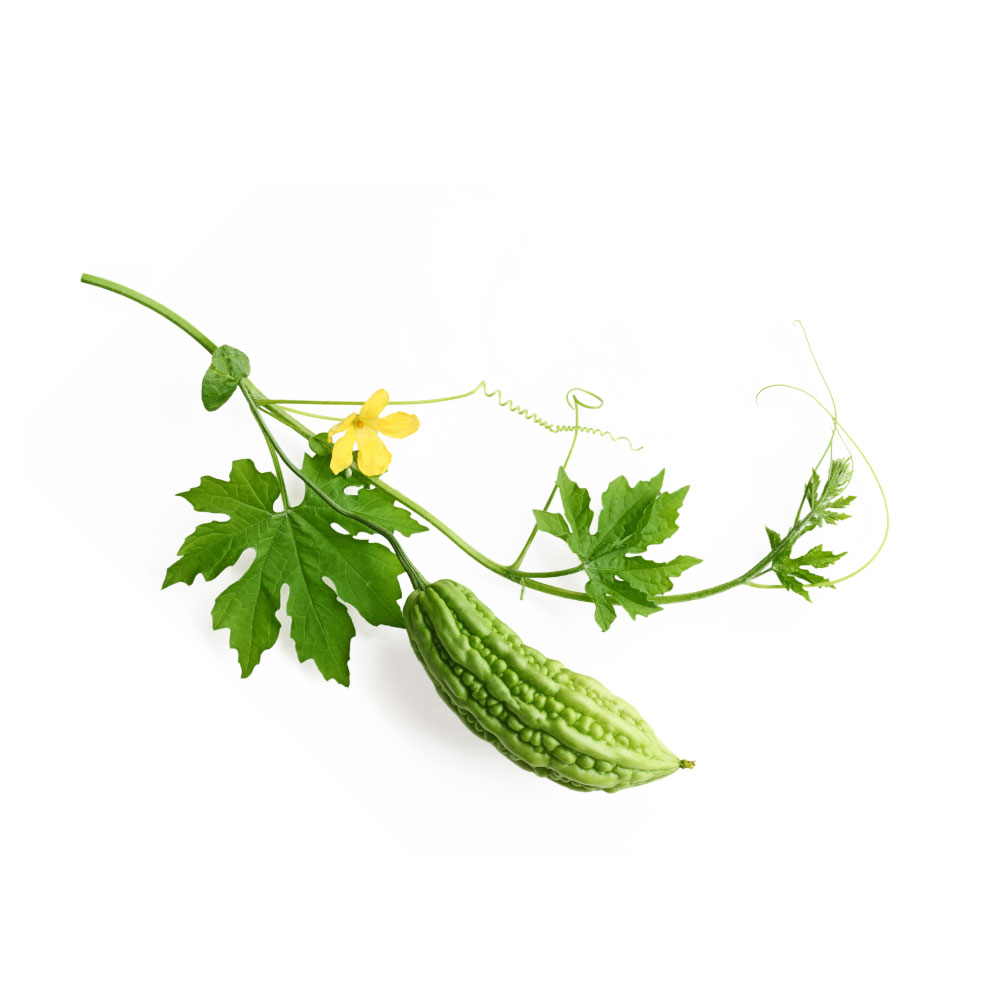
Bitter Melon
Momordica charantia
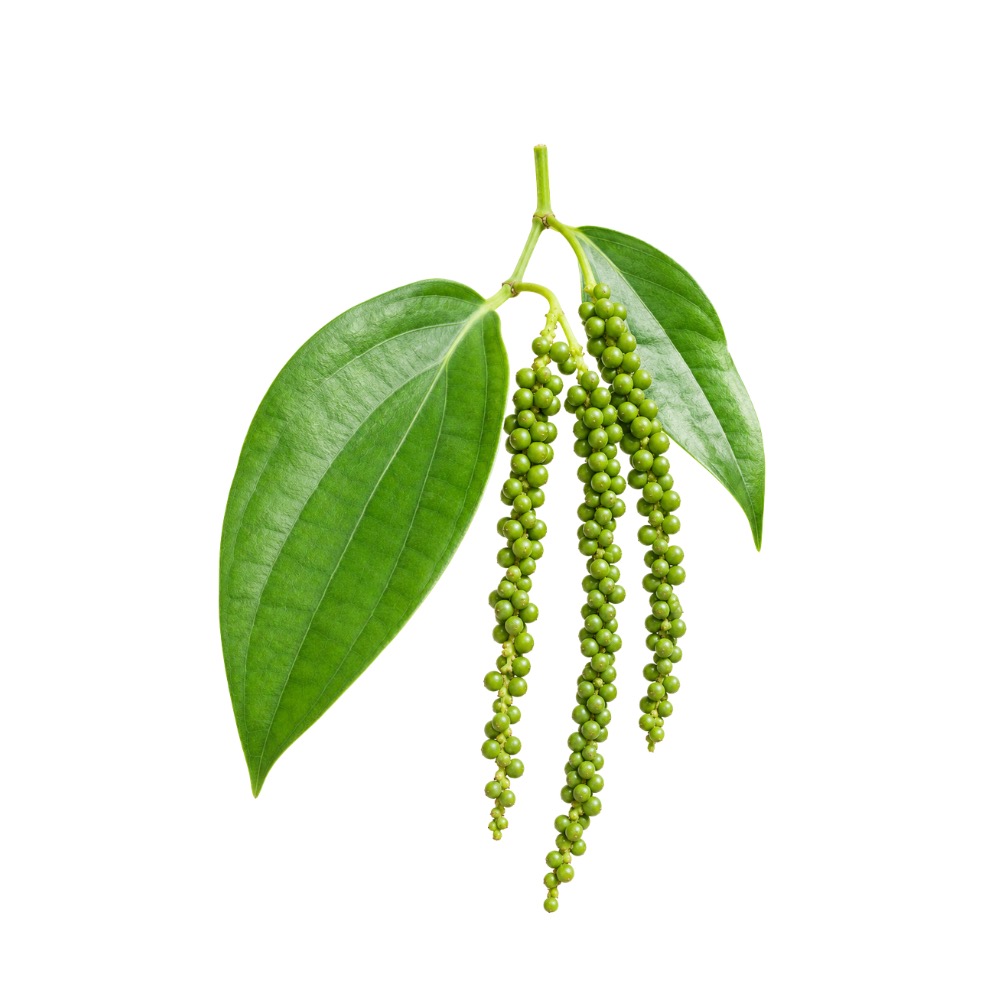
Black Pepper
Piper nigrum
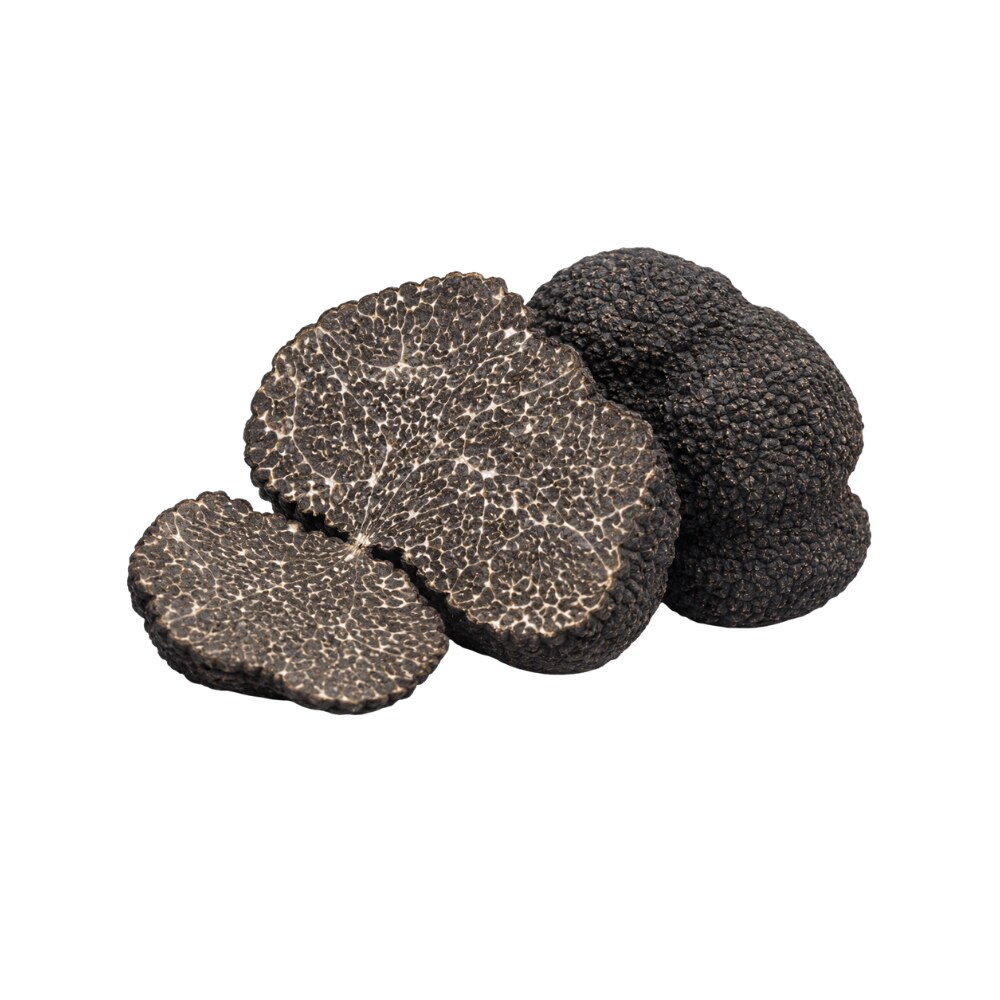
Black Truffle
Tuber melanosporum
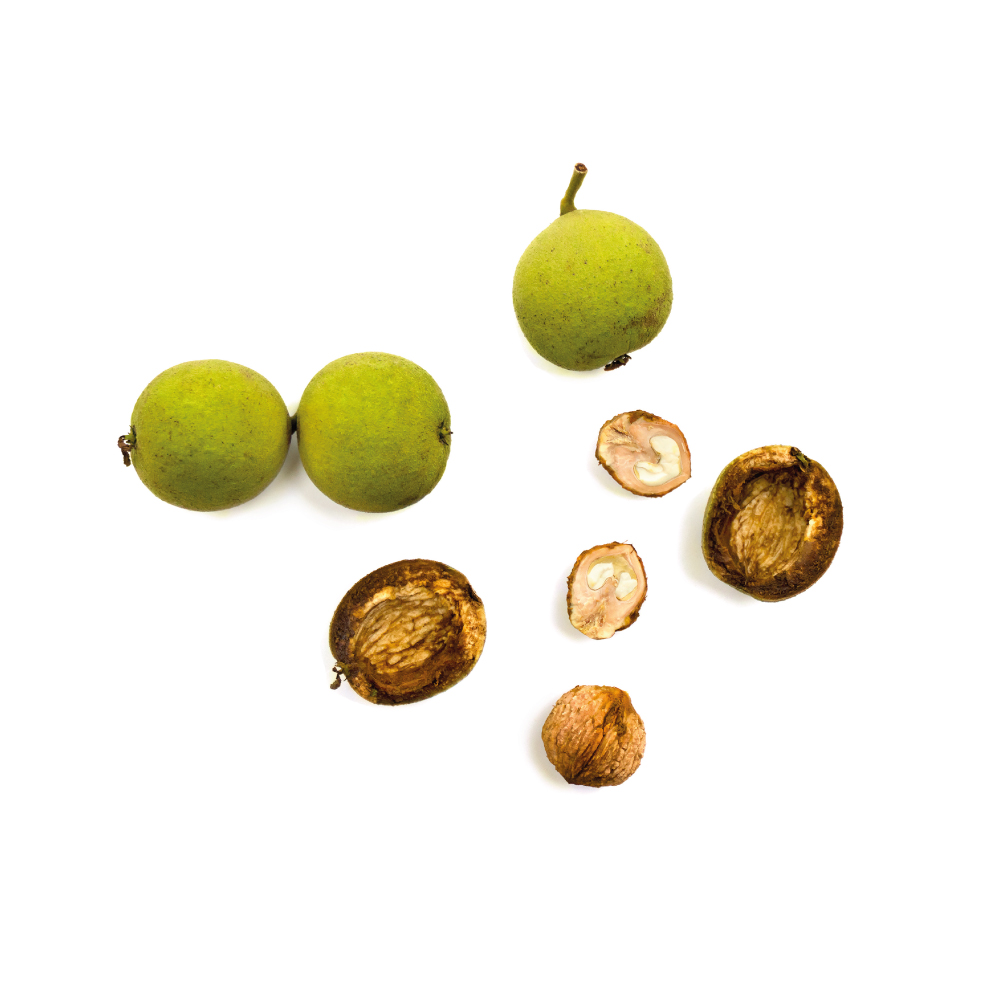
Black Walnut
Juglans nigra
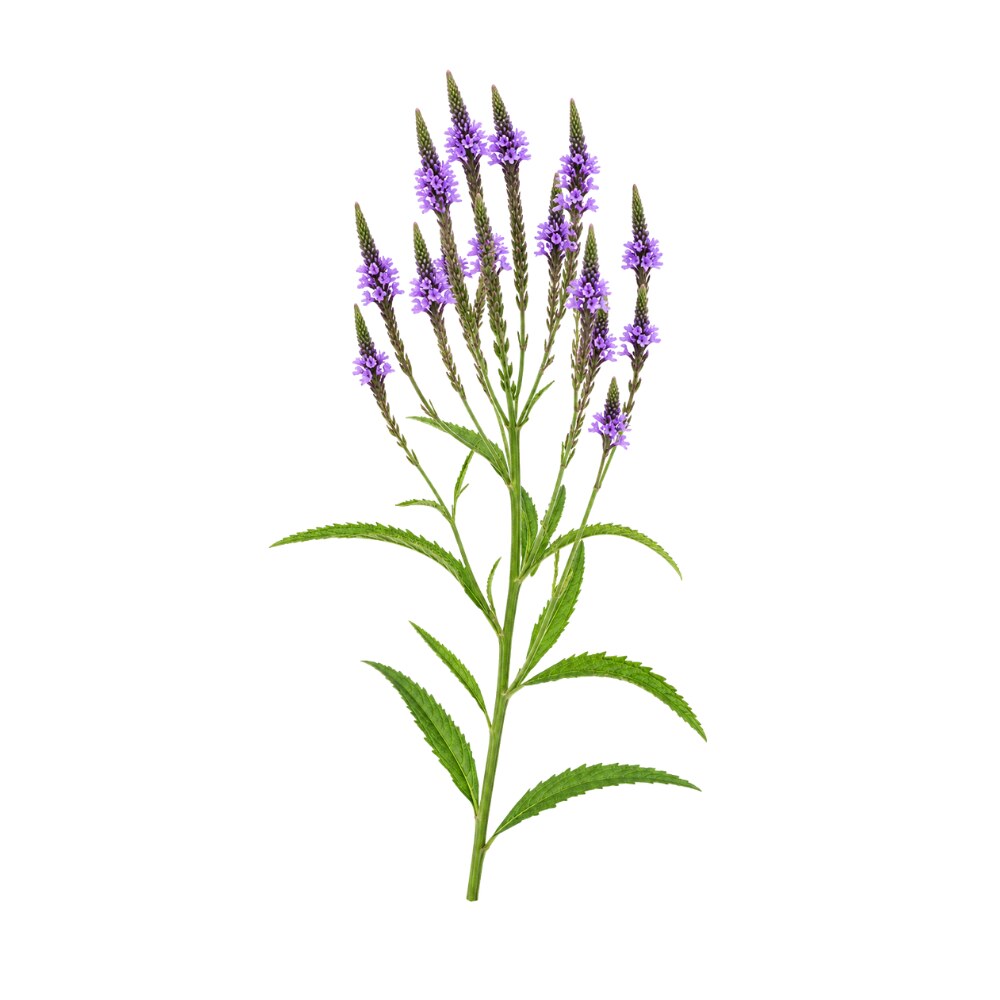
Blue Vervain
Verbena hastata
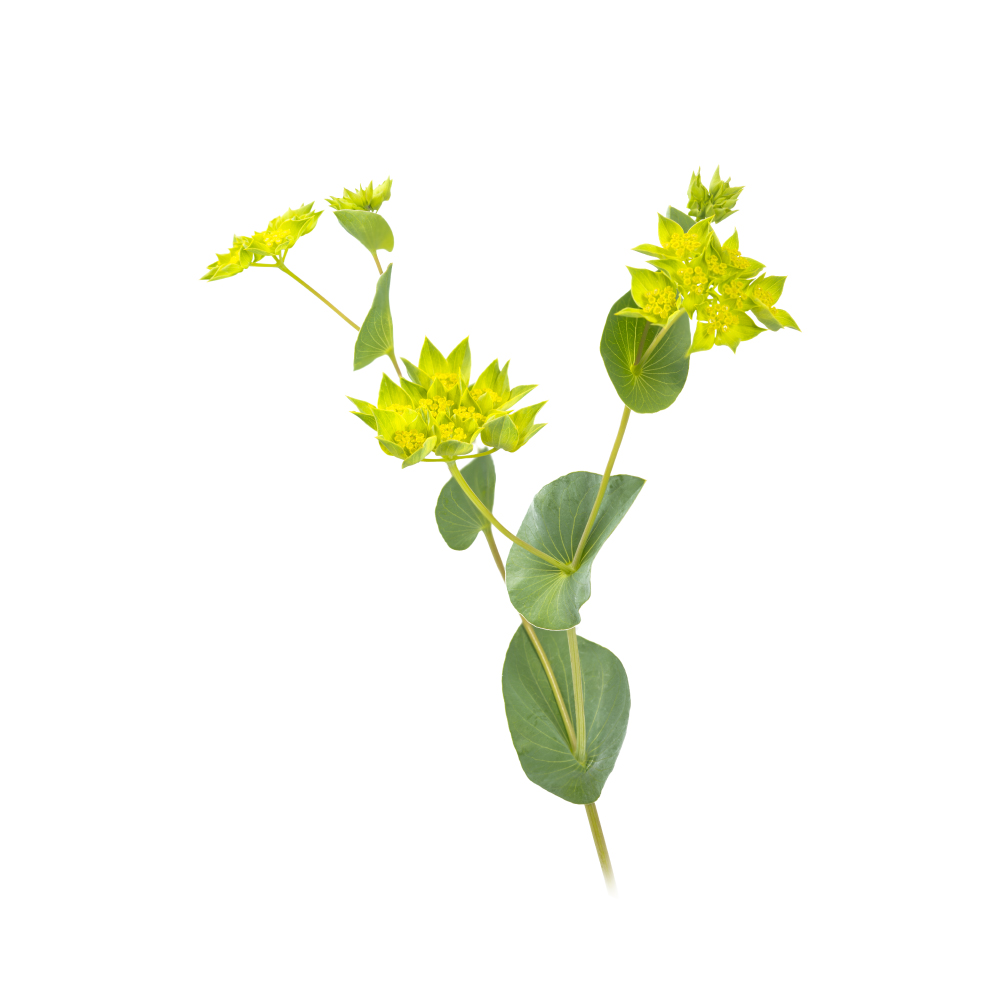
Bupleurum
Bupleurum falcatum
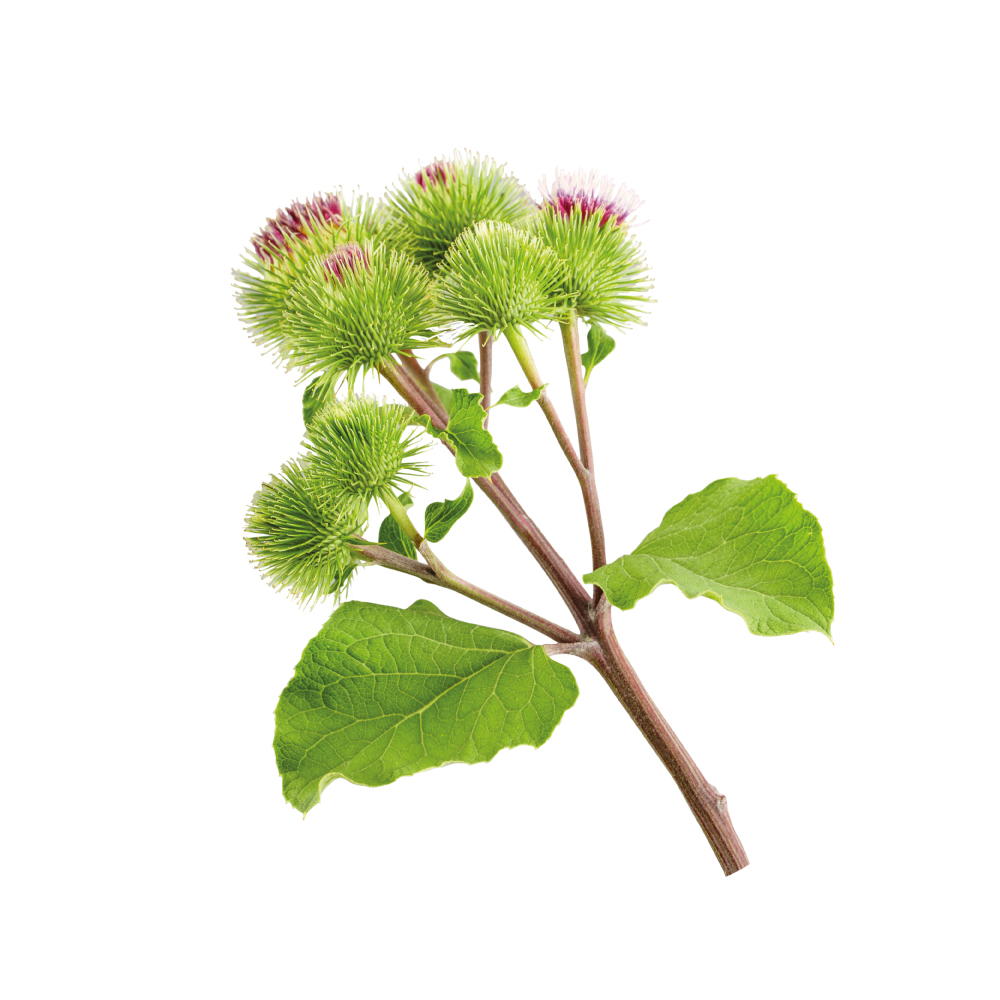
Burdock
Arctium lappa
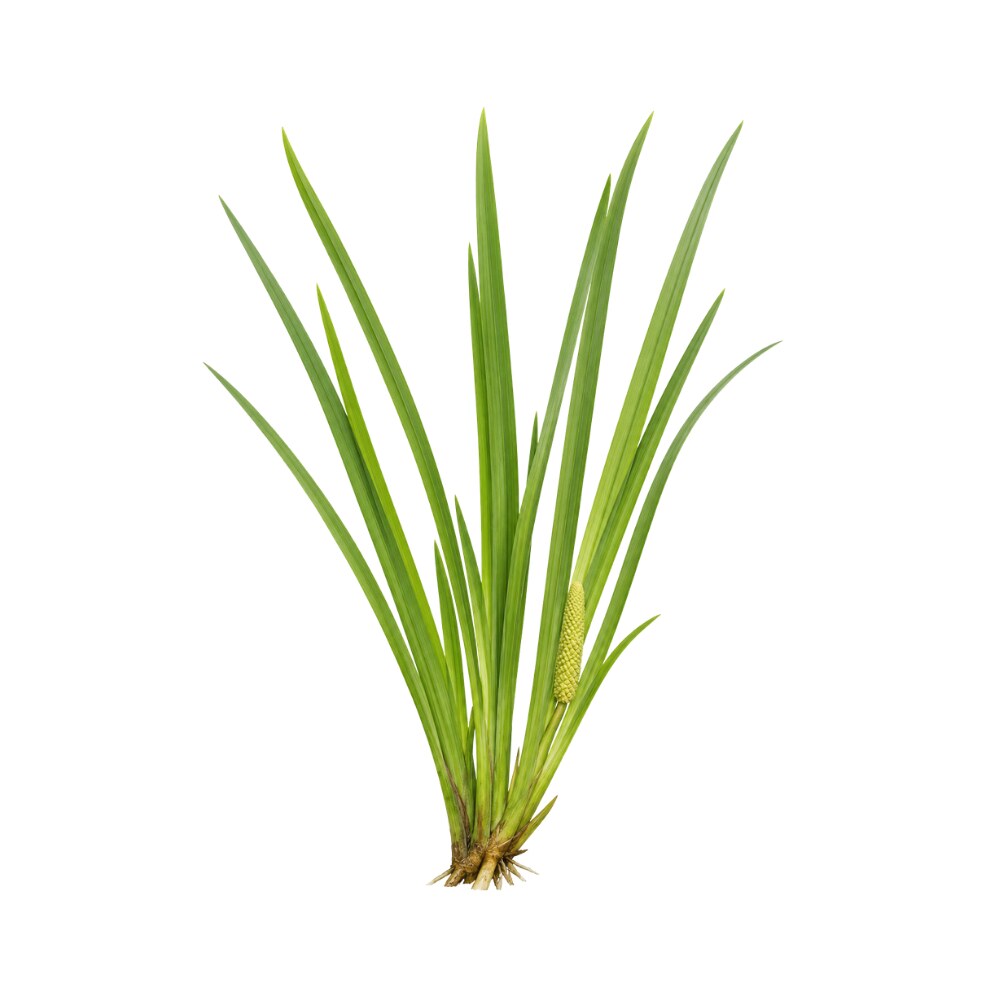
Calamus
Acorus calamus
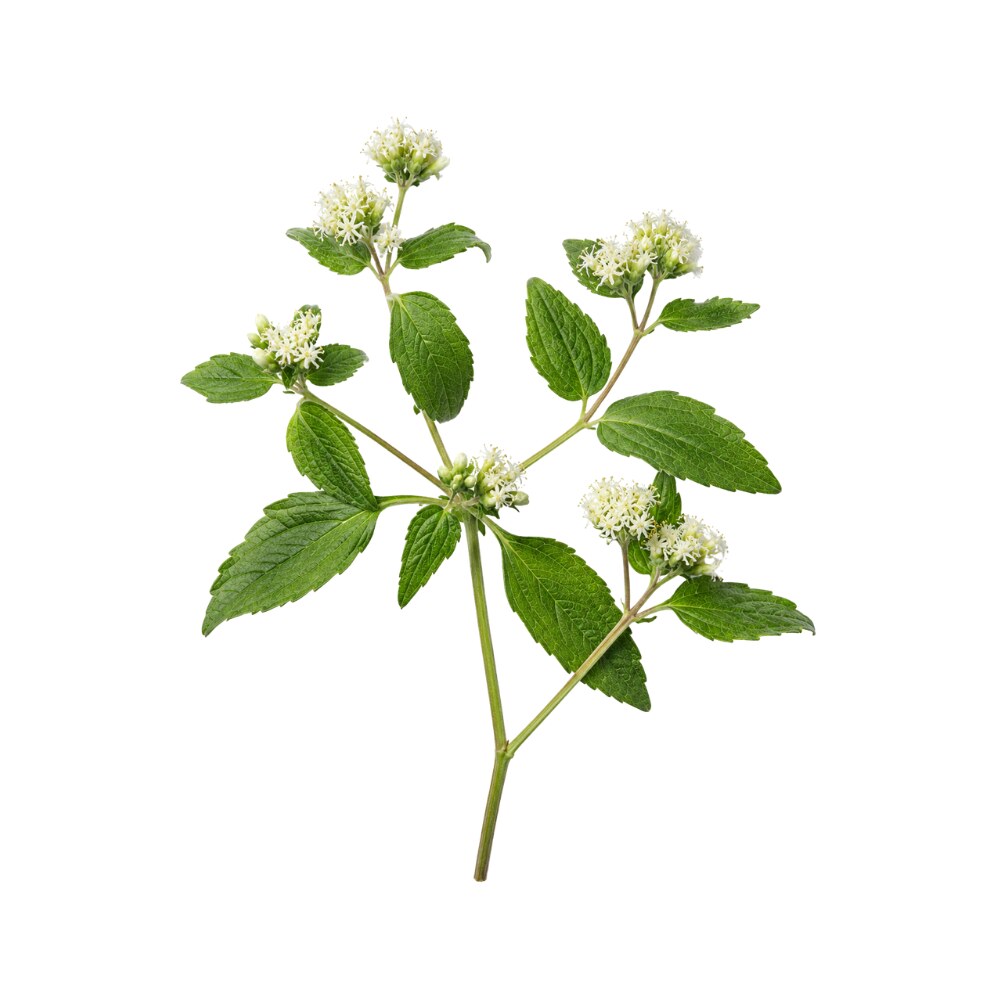
Calea zacatechichi
Calea ternifolia

Calendula
Calendula officinalis

Cannabis
Cannabis sativa
Cassia Cinnamon
Cinnamomum cassia
Catechu
Senegalia catechu
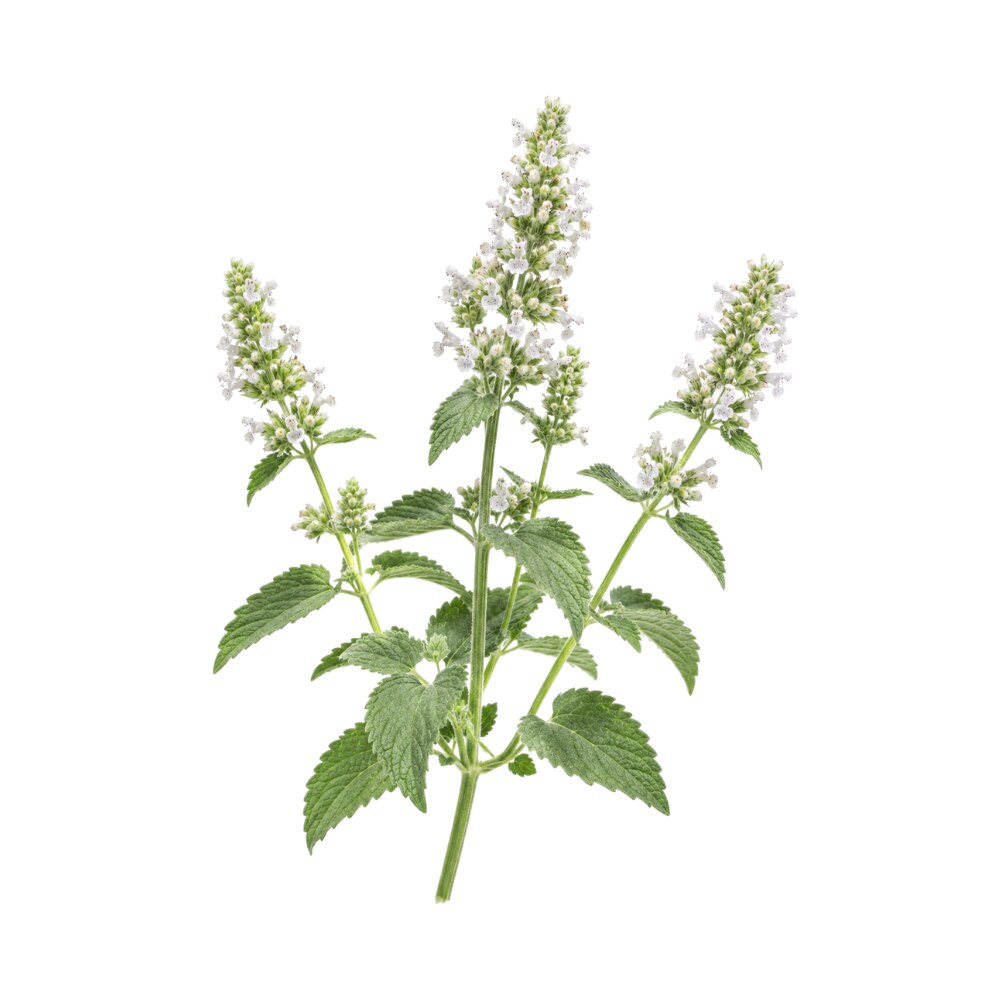
Catnip
Nepeta cataria
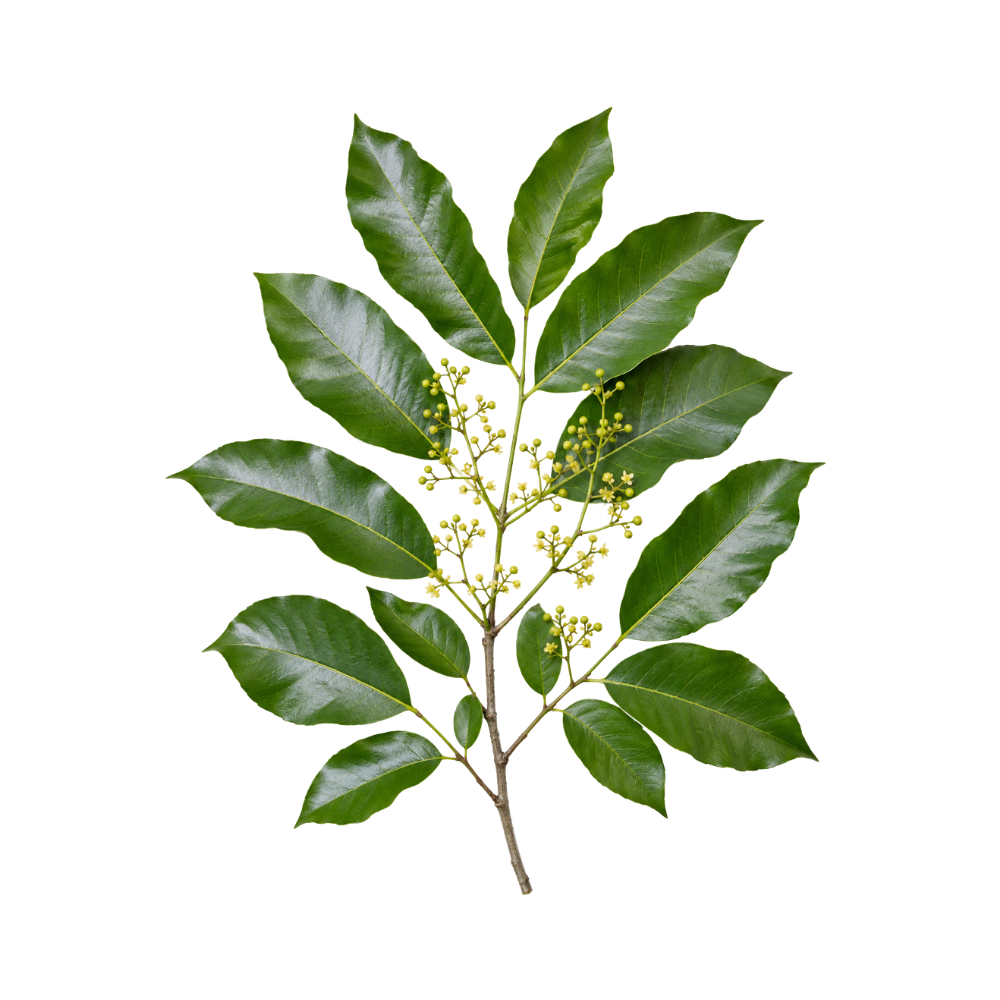
Catuaba
Trichilia catigua
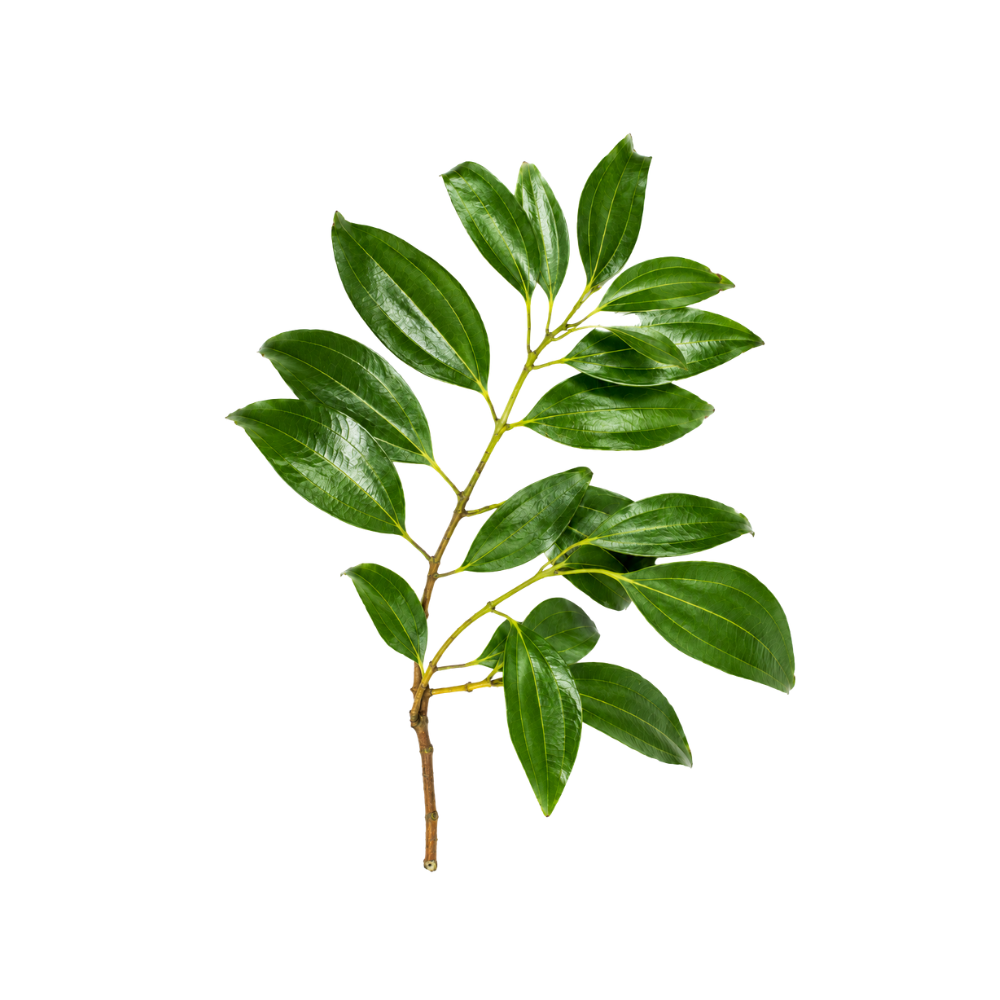
Ceylon Cinnamon
Cinnamomum verum
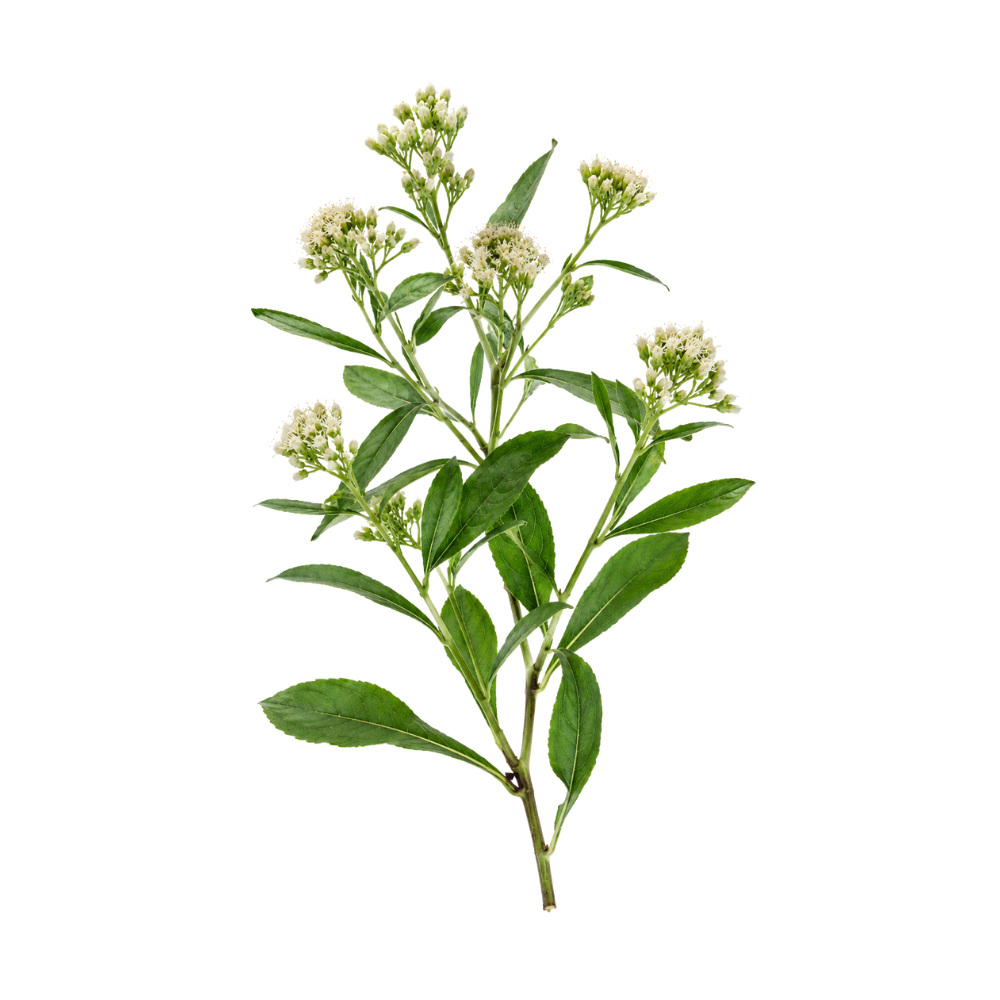
Chilca
Baccharis latifolia
Clavo Huasca
Tynanthus panurensis
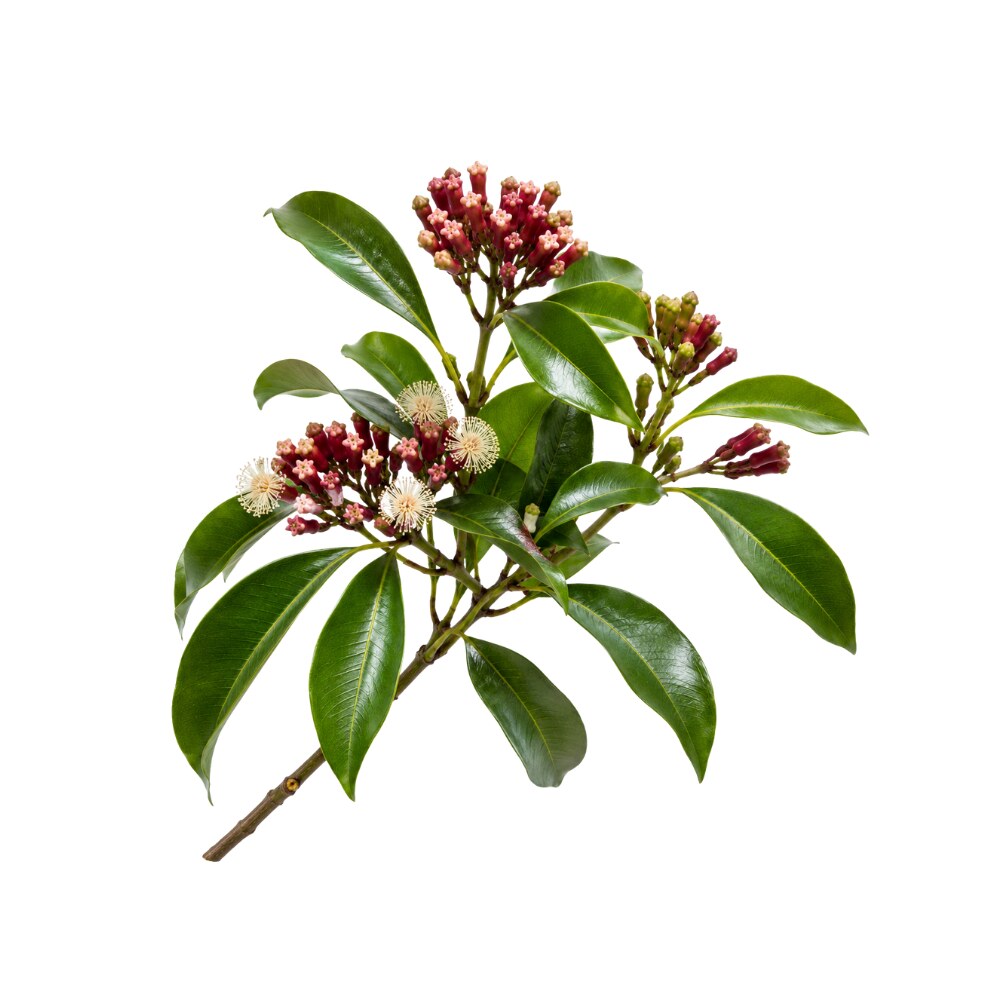
Clove
Syzygium aromaticum
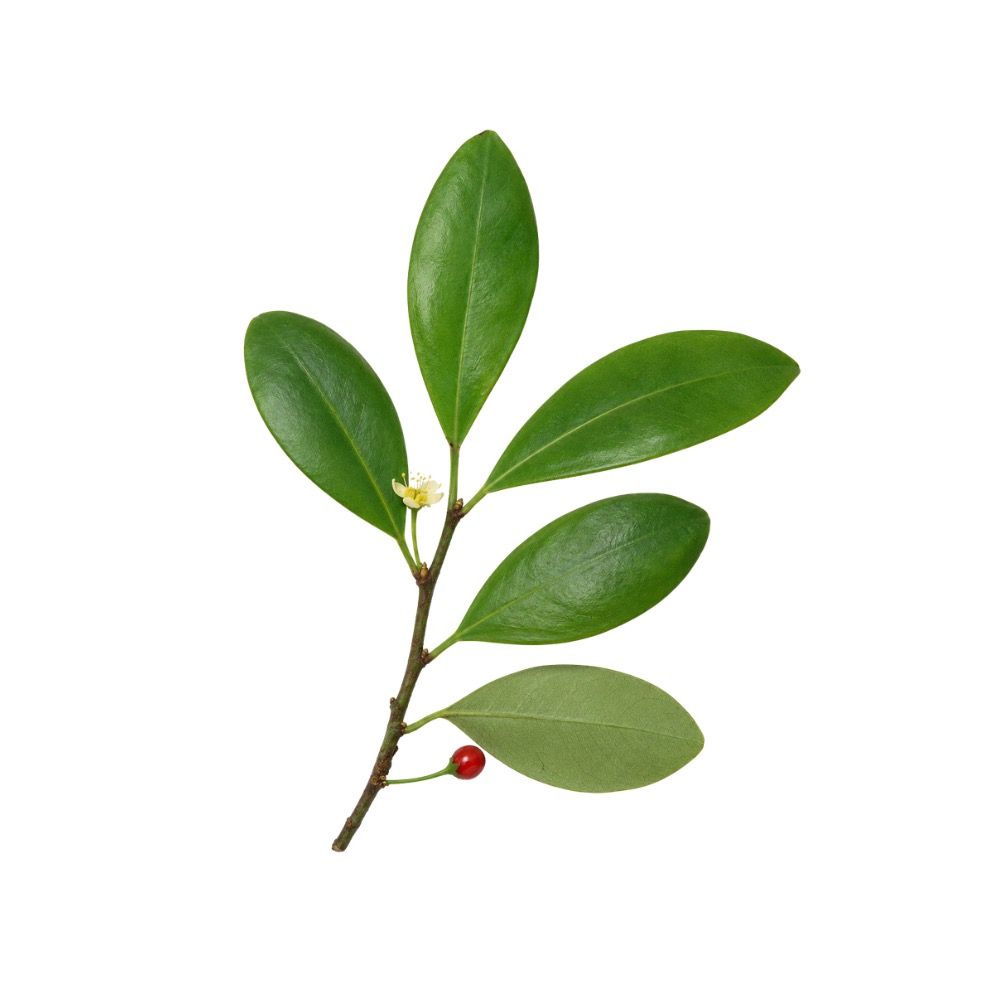
Coca
Erythroxylum coca
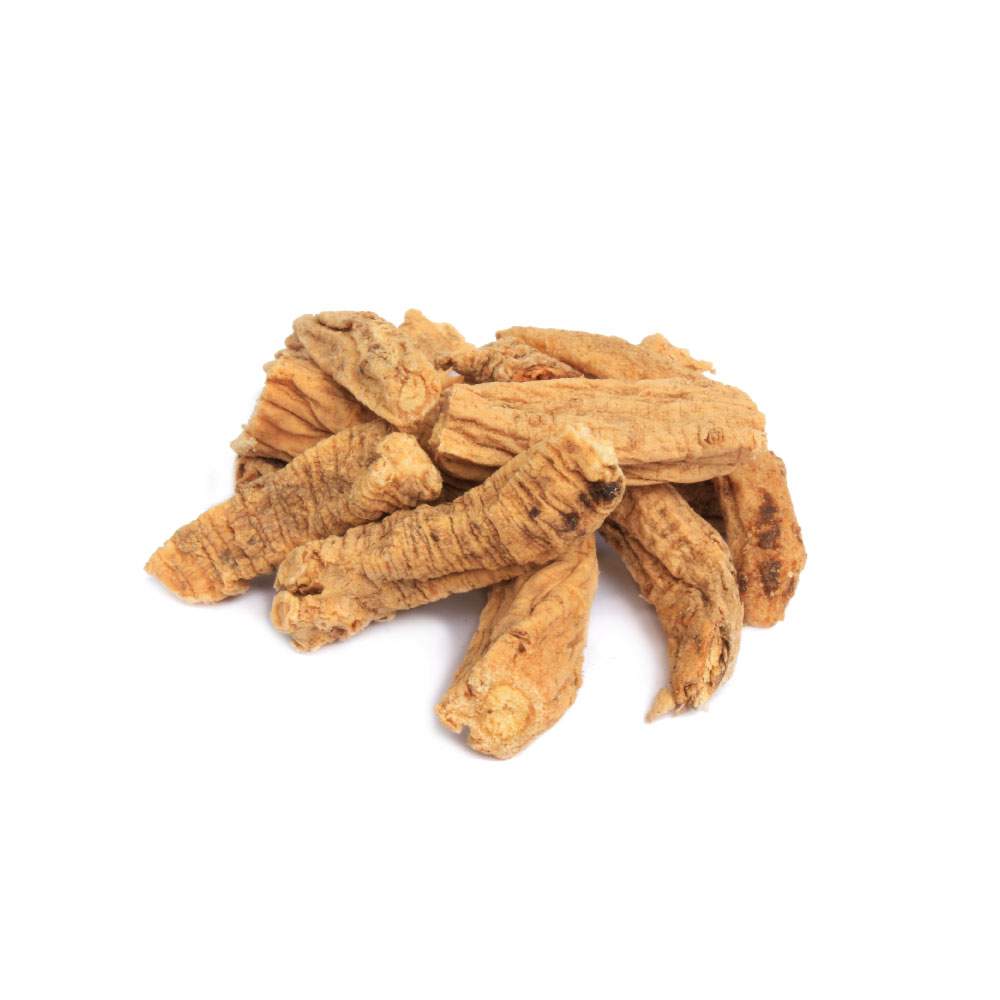
Codonopsis
Codonopsis pilosula

Cornflower
Centaurea cyanus
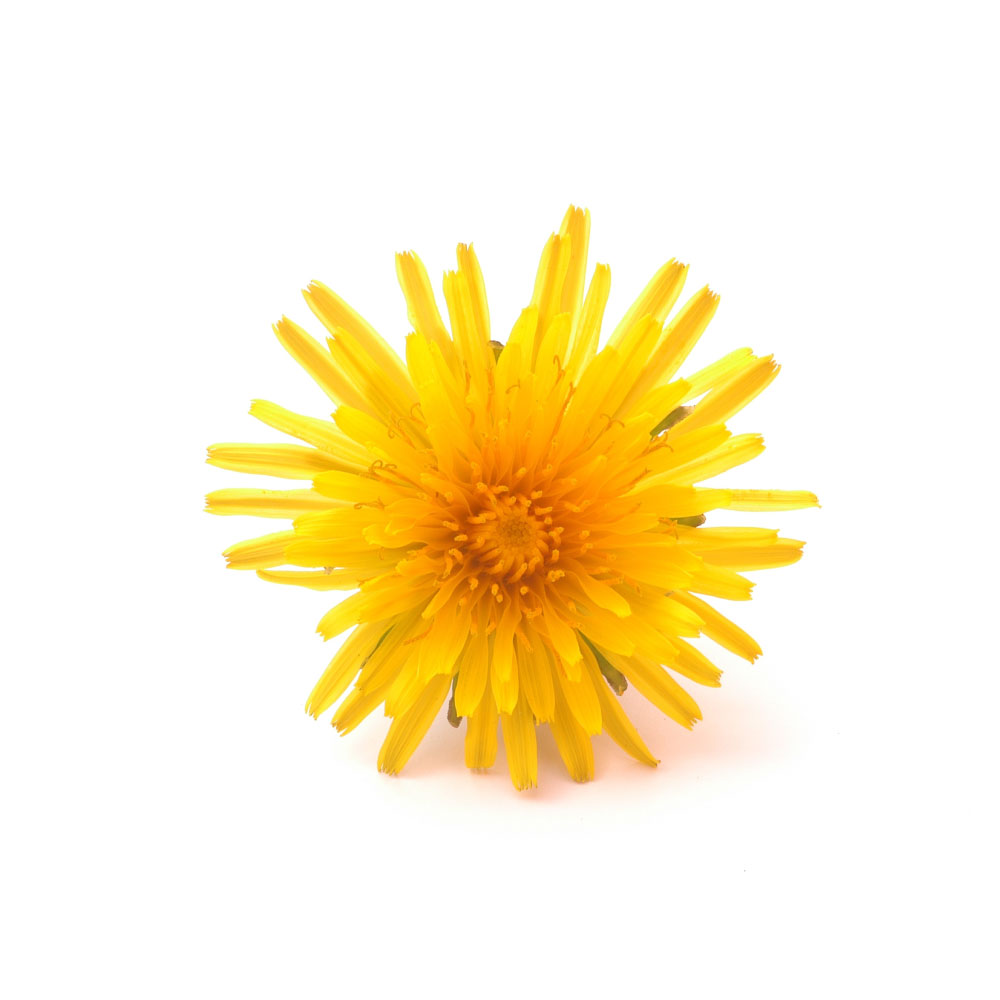
Dandelion
Taraxacum officinale
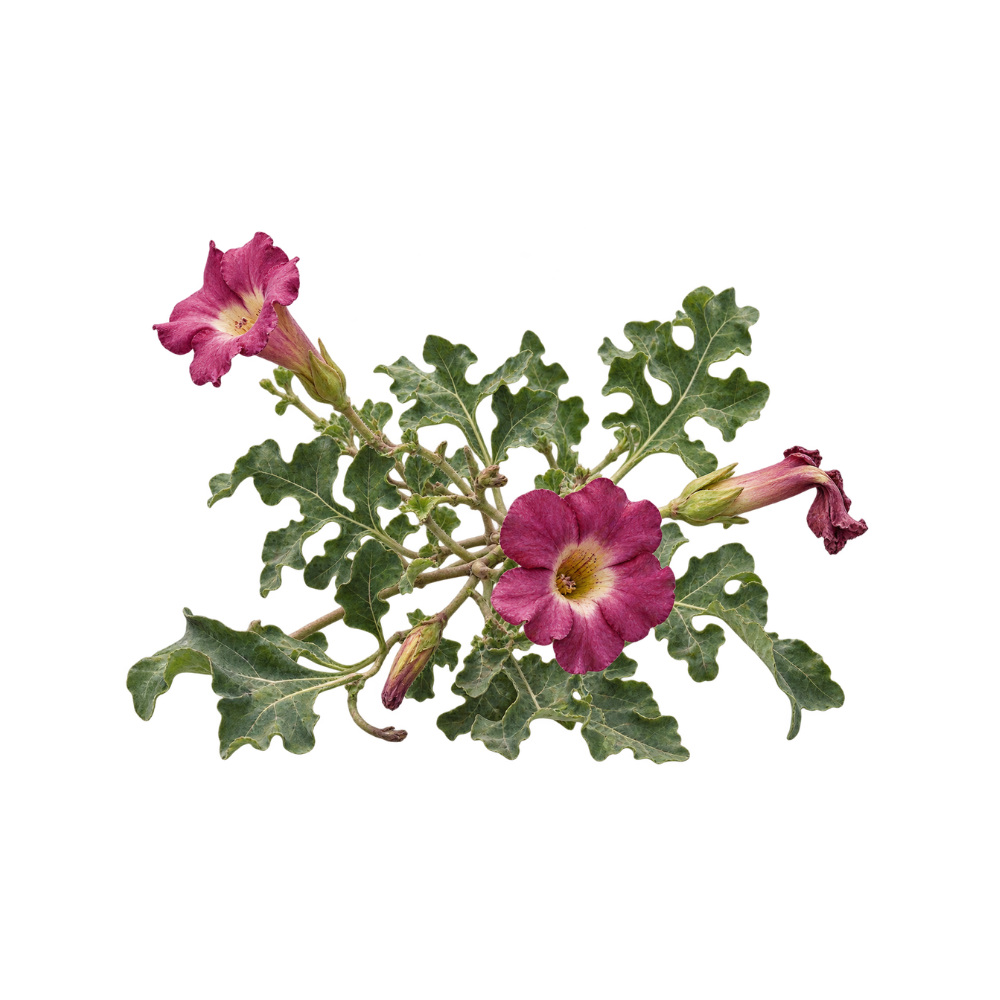
Devil's Claw
Harpagophytum procumbens
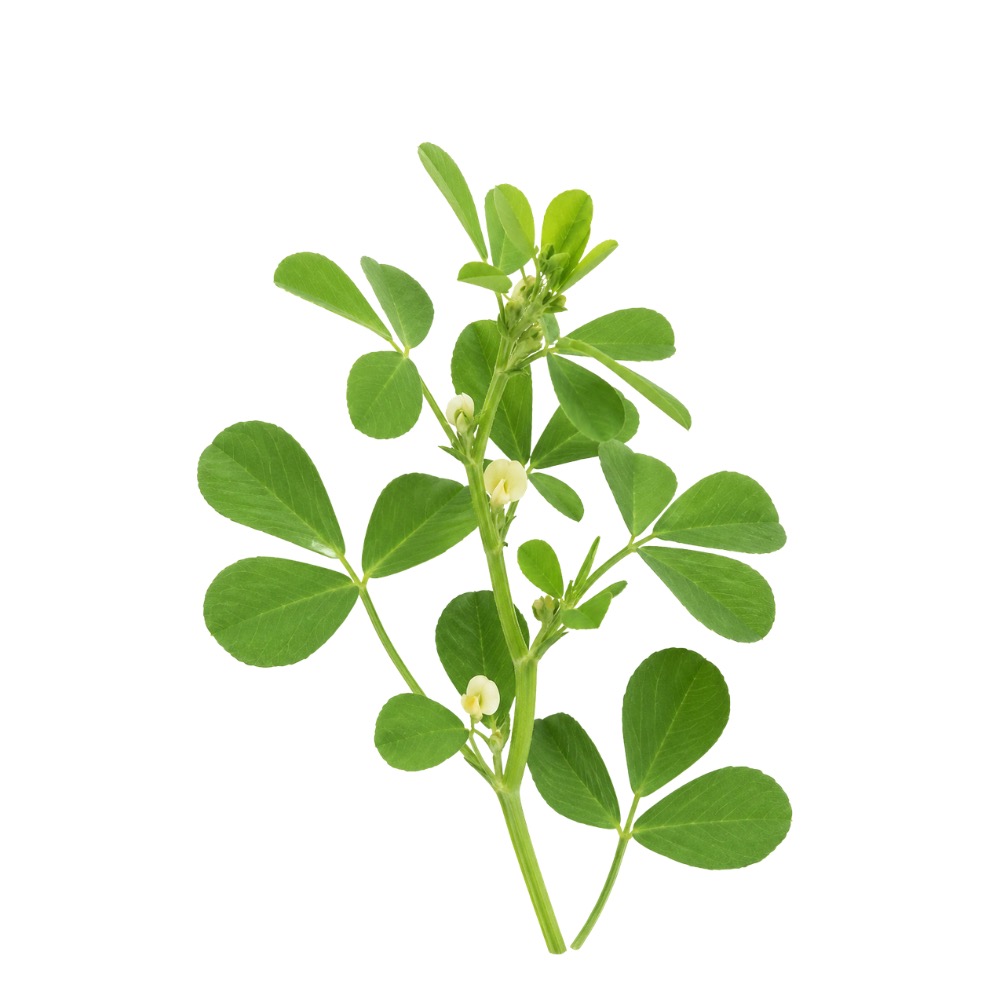
Fenugreek
Trigonella foenum-graecum
Fish Mint
Houttuynia cordata
Goldenseal
Hydrastis canadensis
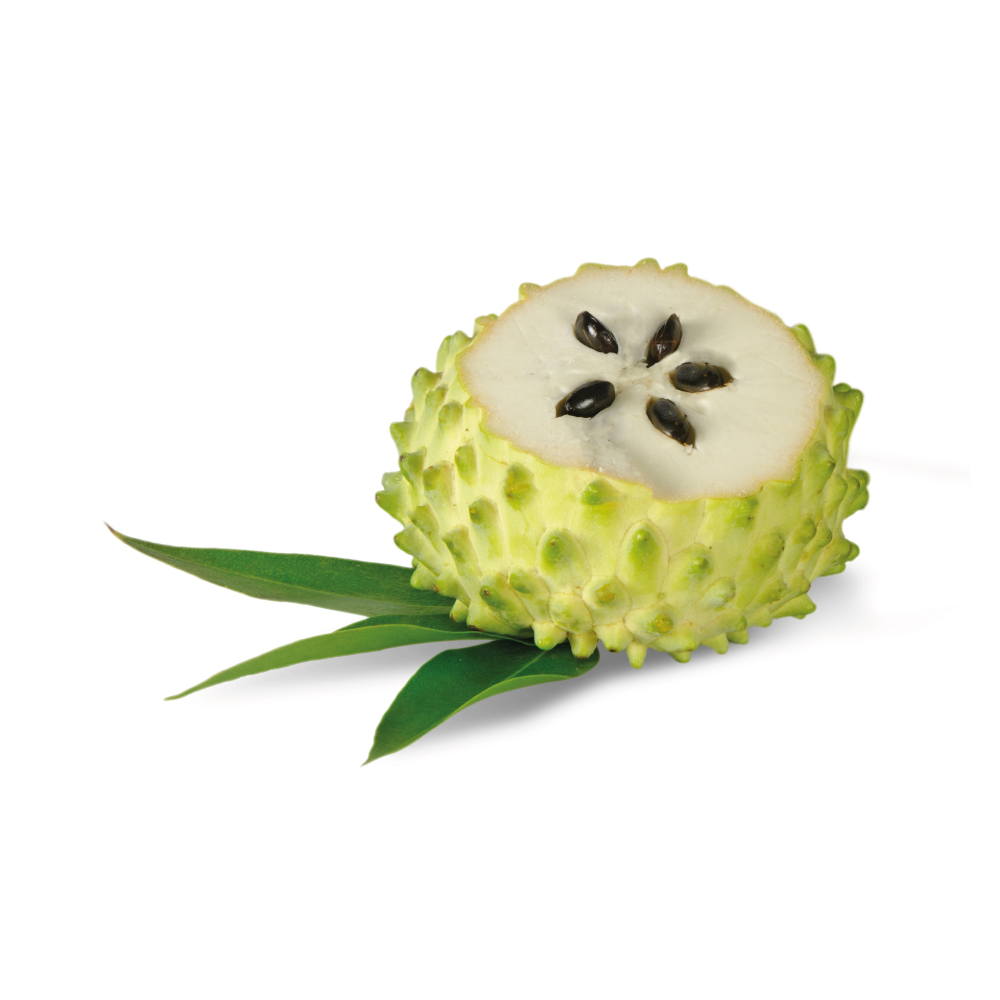
Graviola
Annona muricata
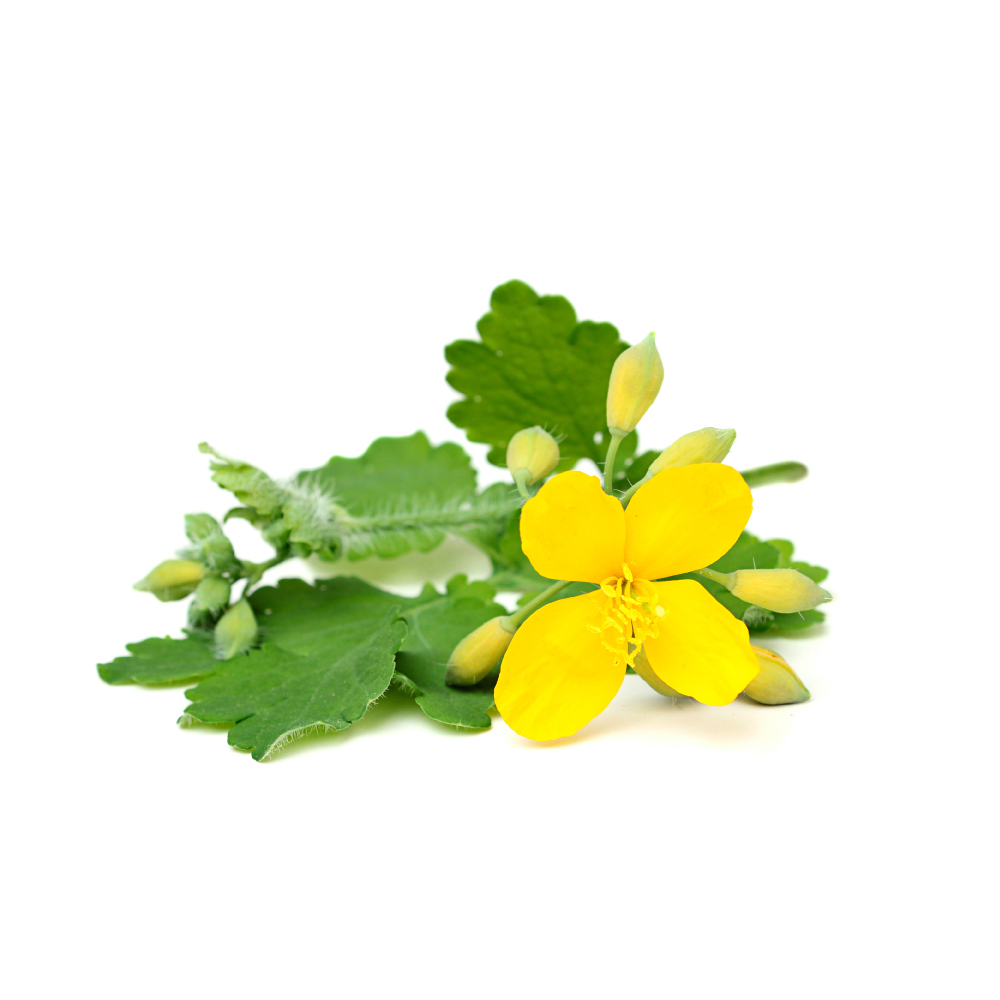
Greater Celandine
Chelidonium majus
Guayusa
Ilex guayusa
Gymnema
Gymnema sylvestre
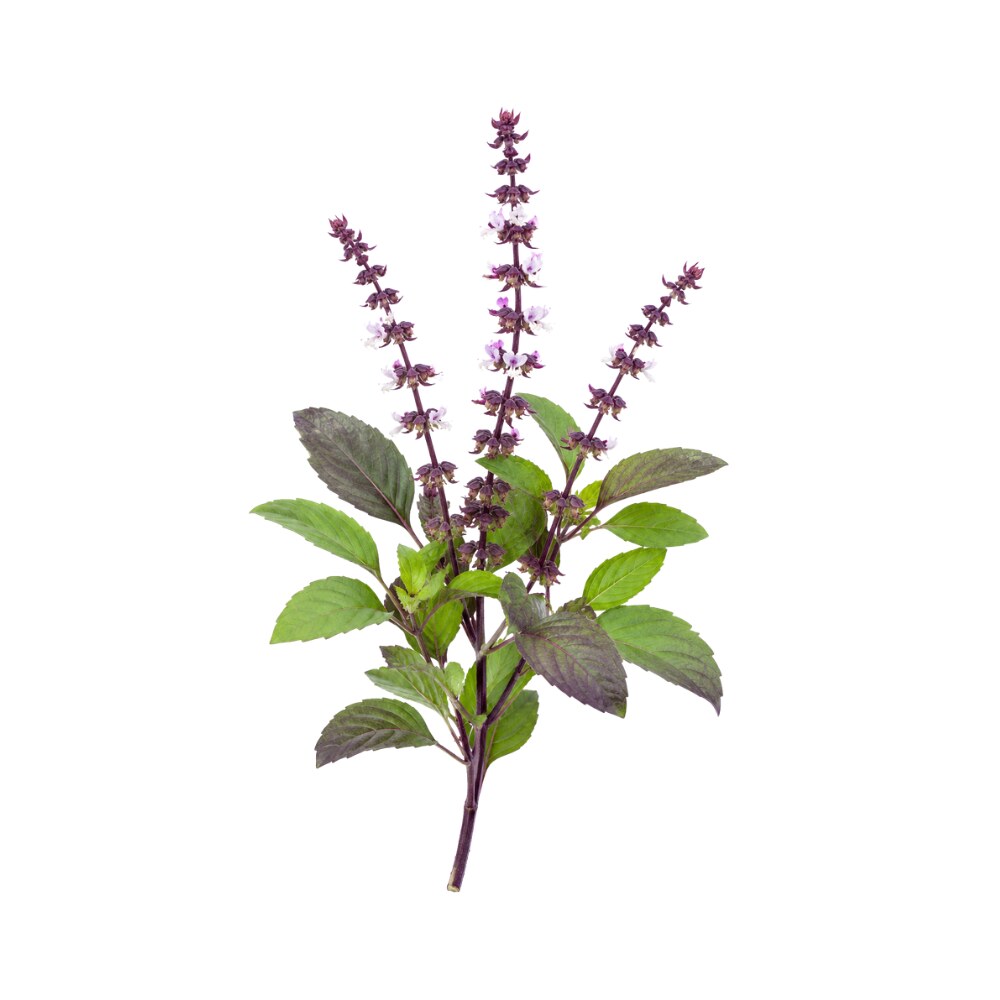
Holy Basil
Ocimum tenuiflorum
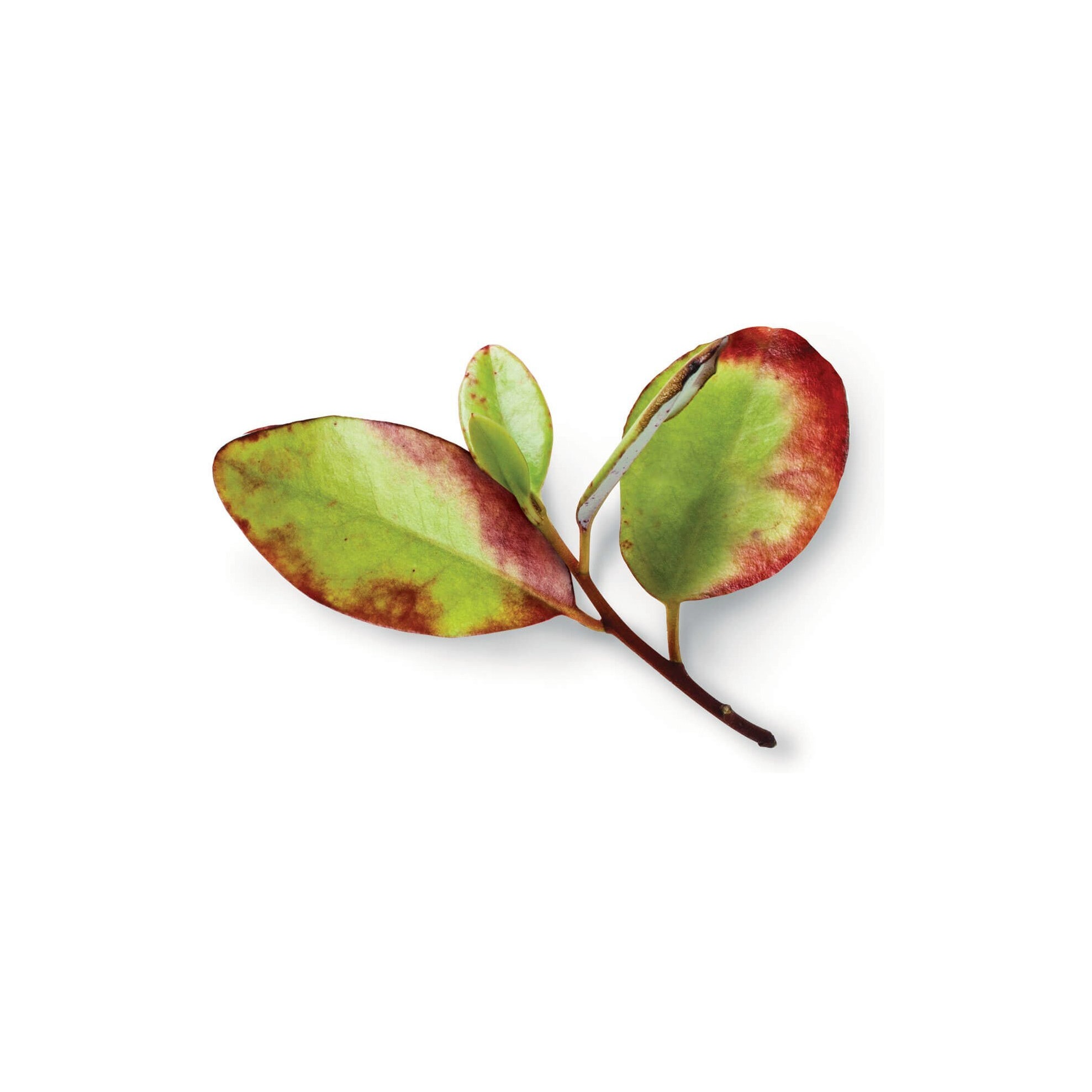
Horopito
Pseudowintera colorata
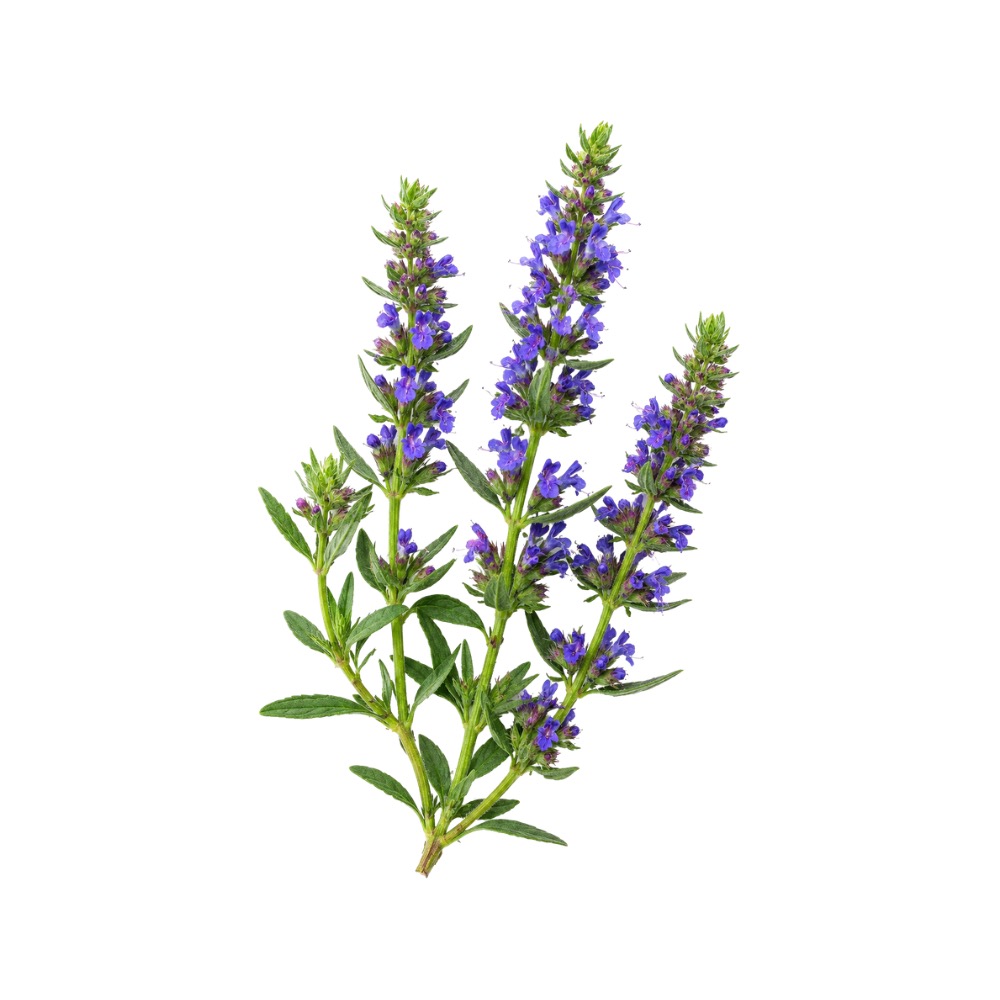
Hyssop
Hyssopus officinalis
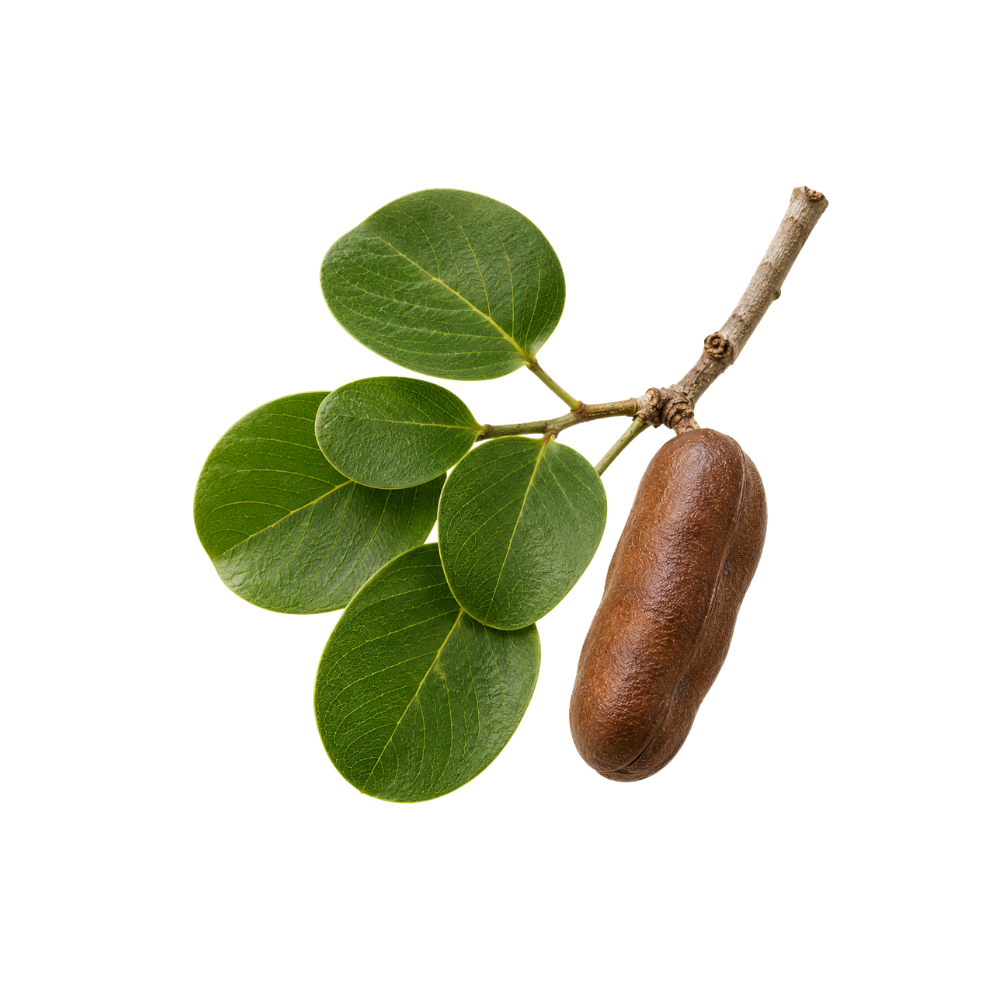
Jatobá
Hymenaea courbaril
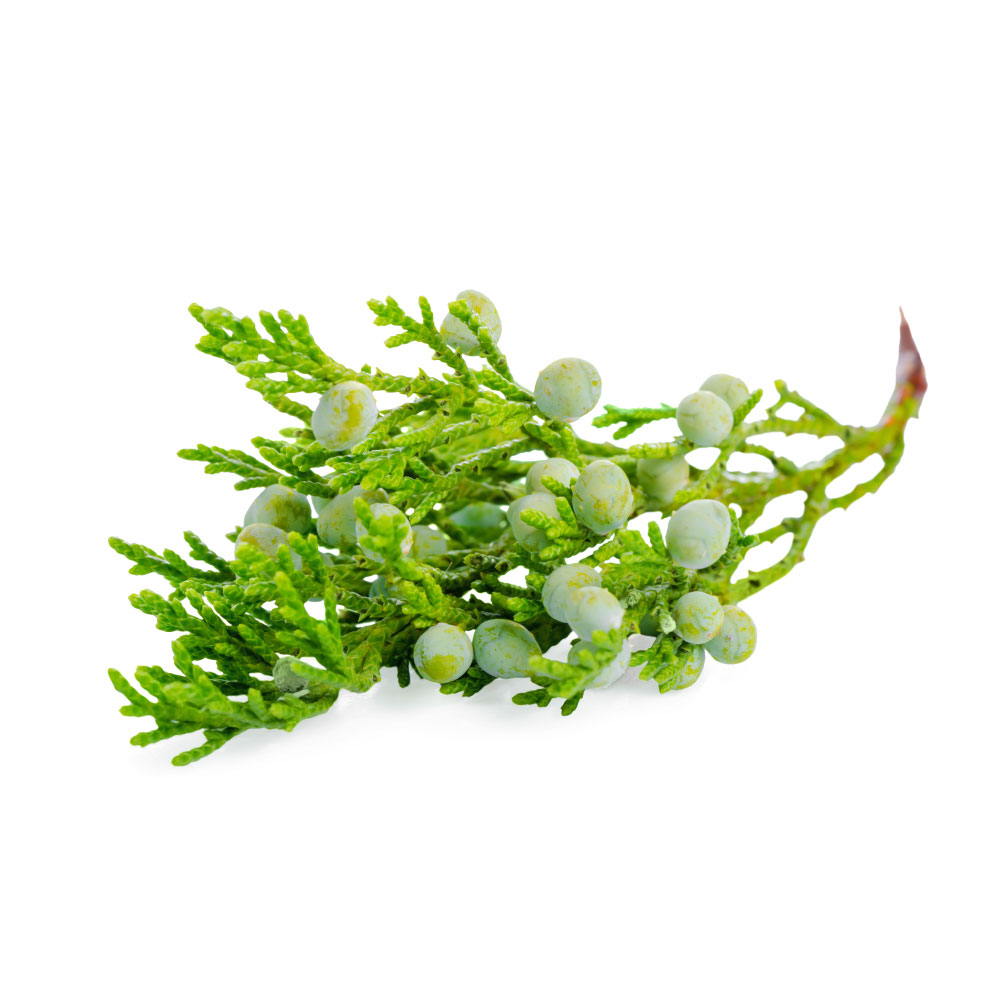
Juniper
Juniperus communis
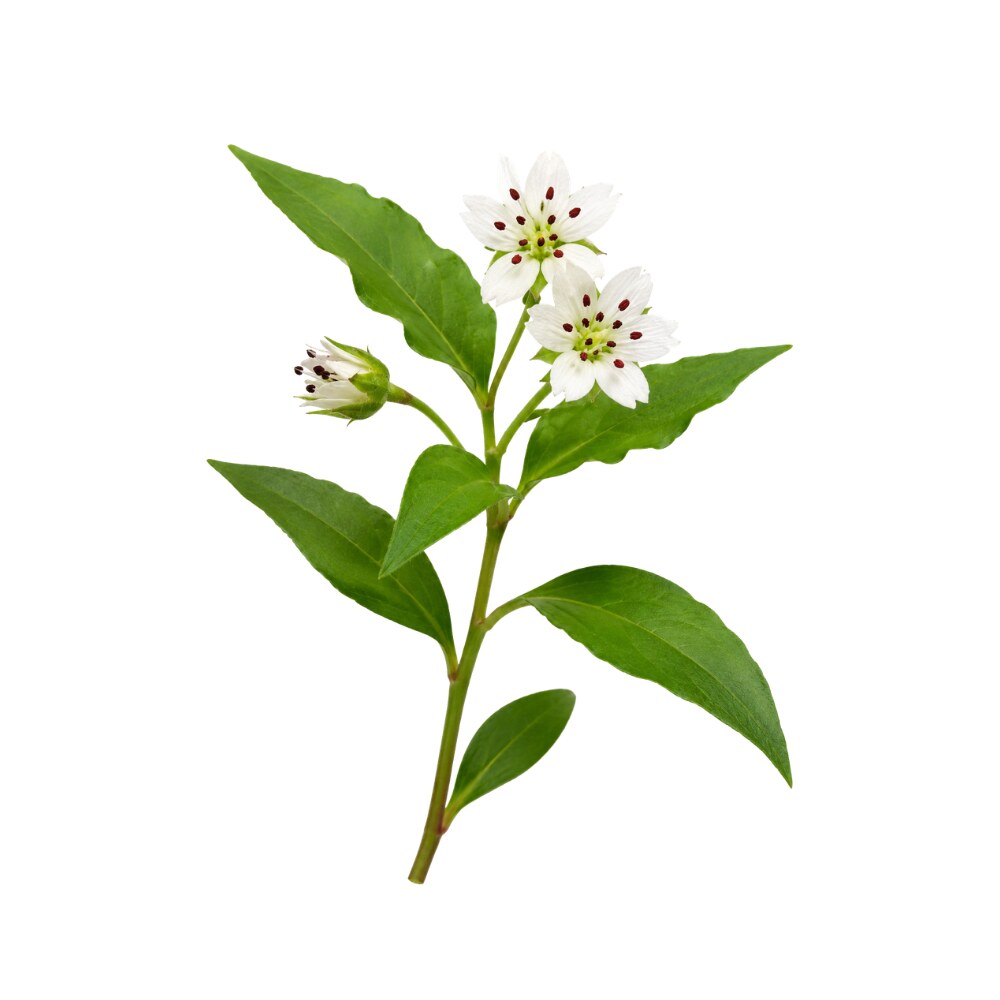
Kid Ginseng
Pseudostellaria heterophylla
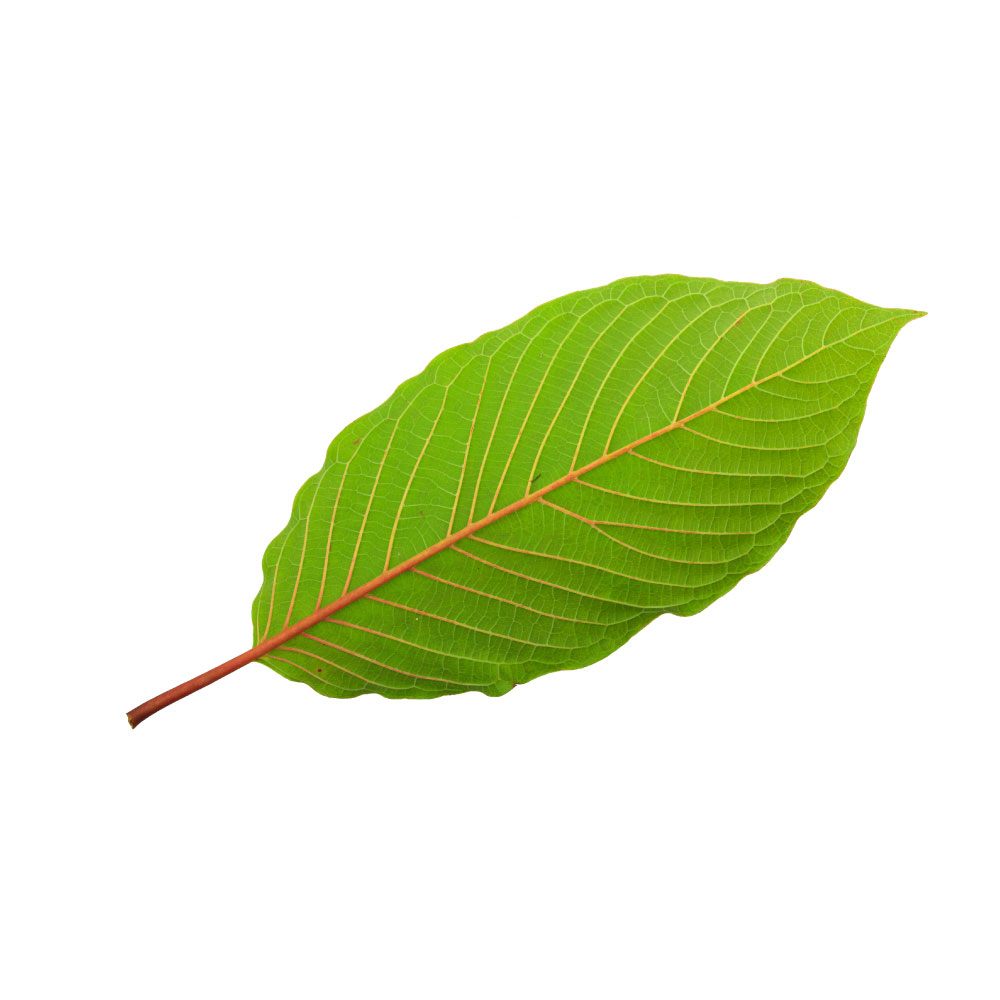
Kratom
Mitragyna speciosa
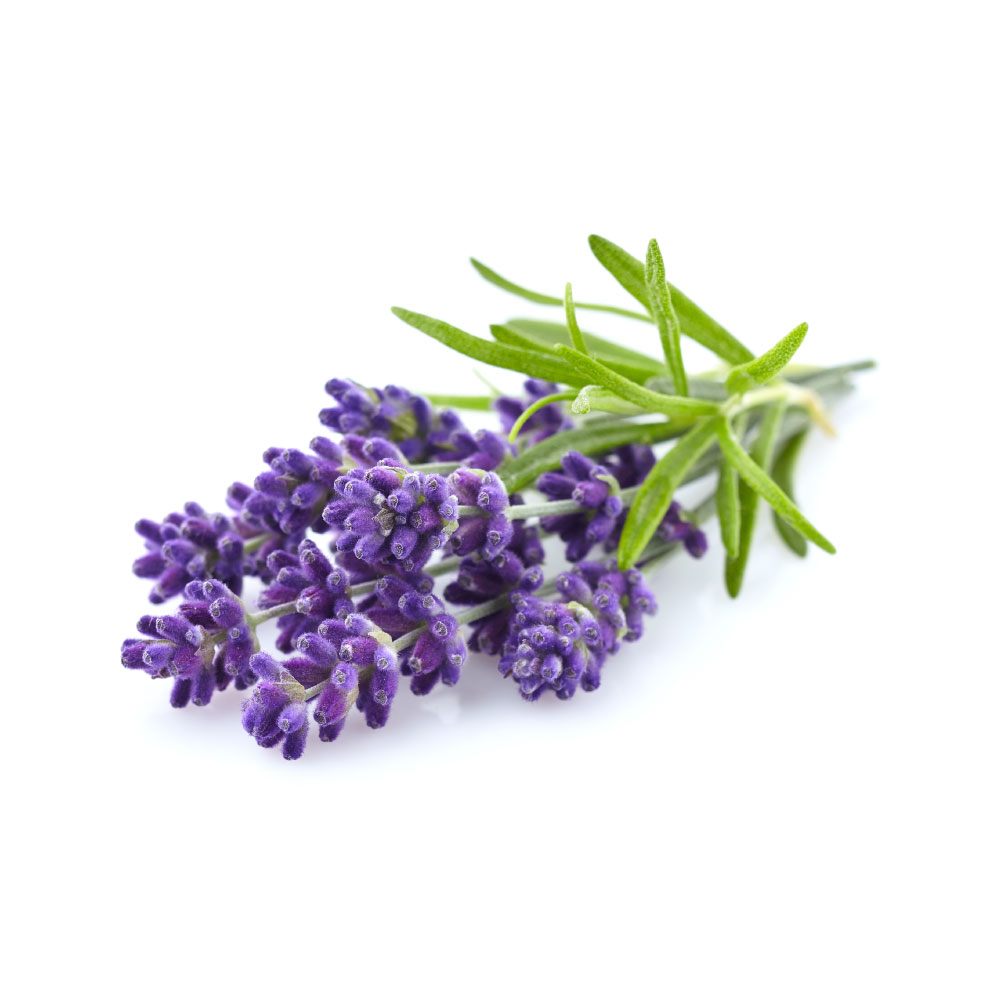
Lavender
Lavandula angustifolia
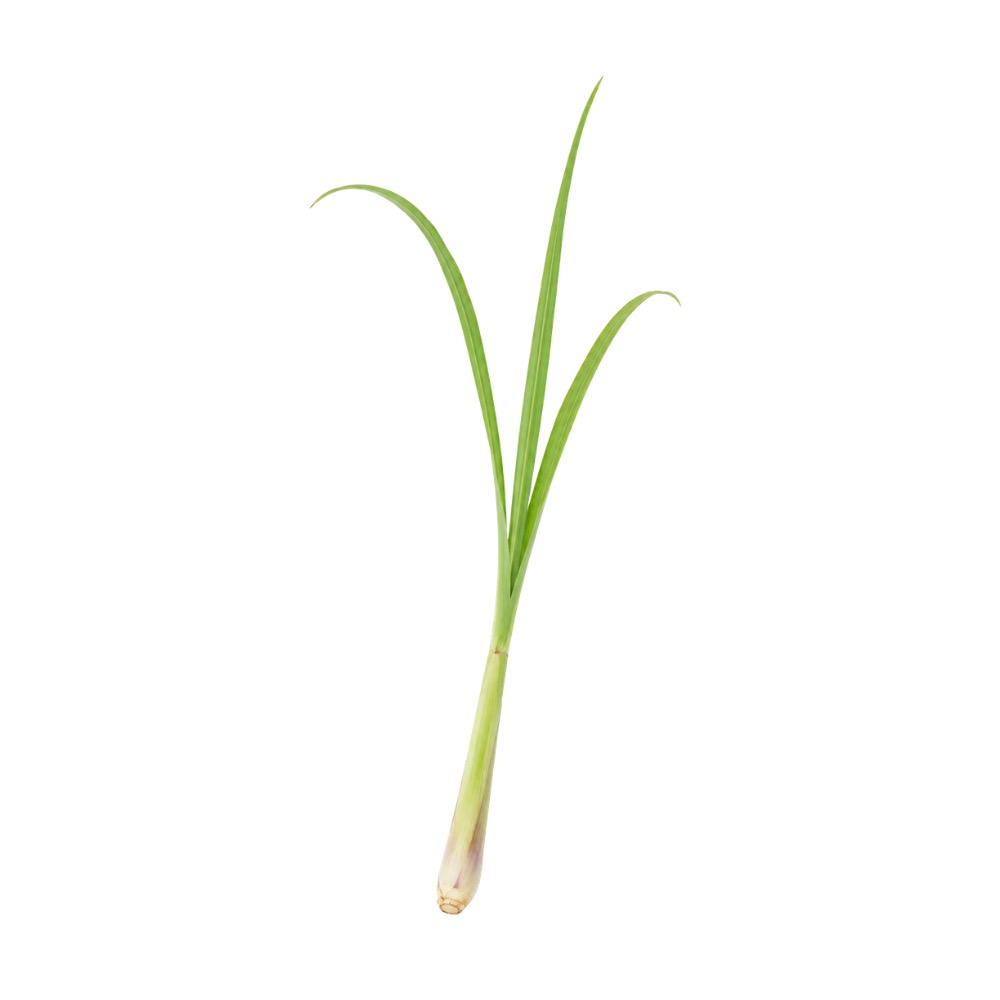
Lemongrass
Cymbopogon citratus
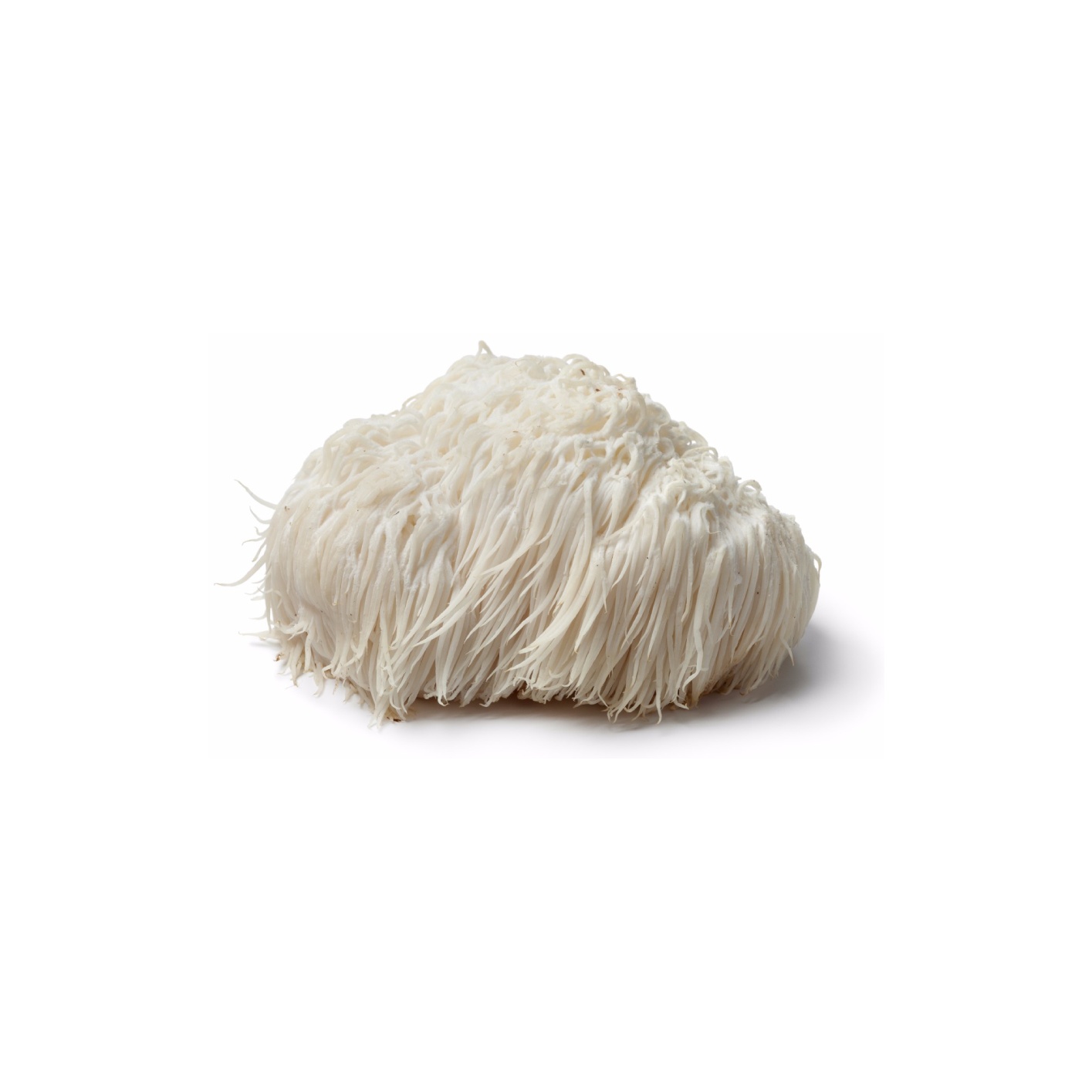
Lion's Mane
Hericium erinaceus

Magnolia
Magnolia officinalis
Manuka
Leptospermum scoparium
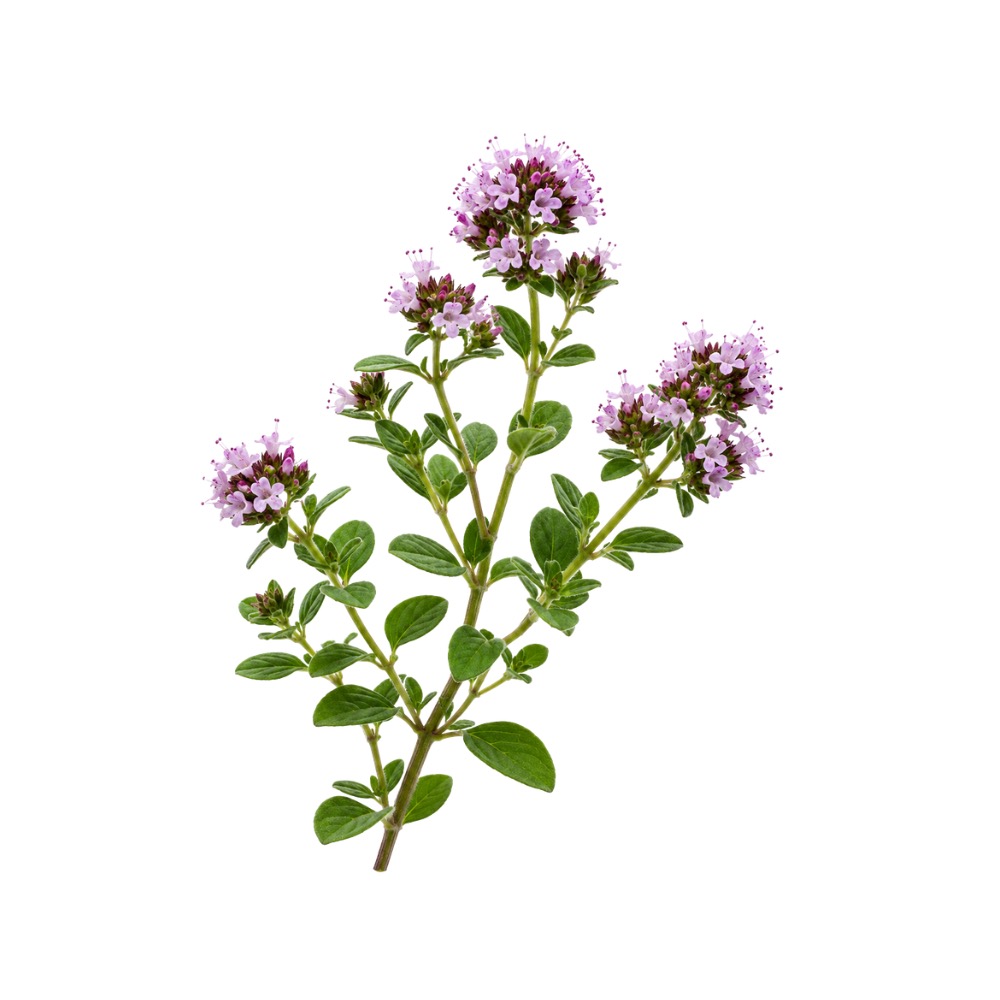
Marjoram
Origanum majorana
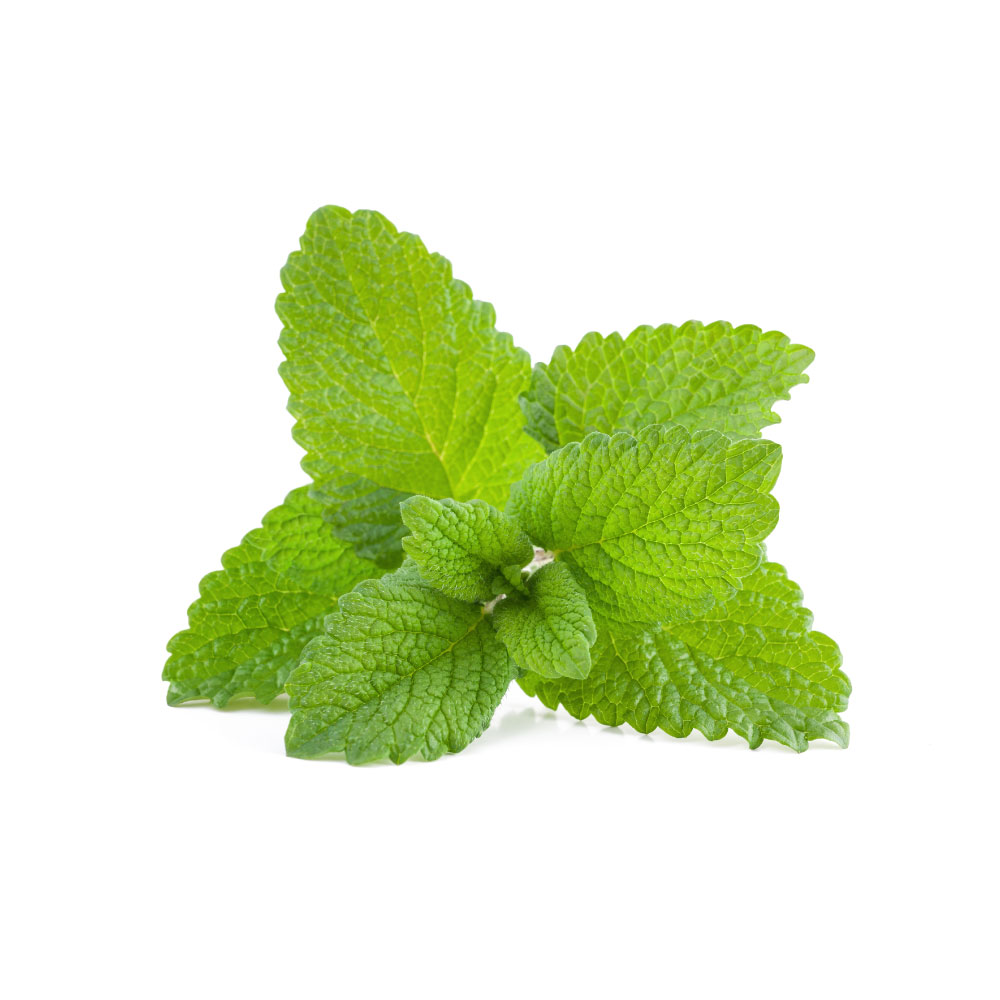
Melissa
Melissa officinalis
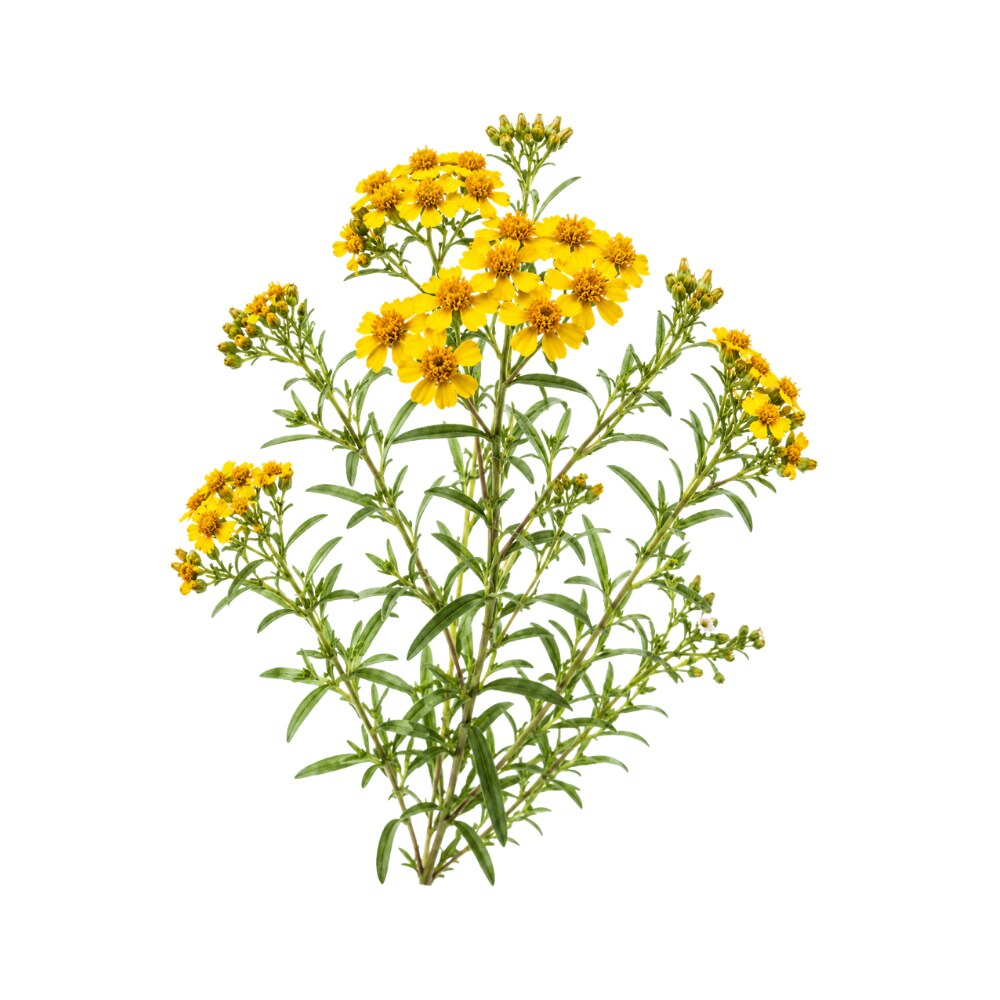
Mexican Tarragon
Tagetes lucida
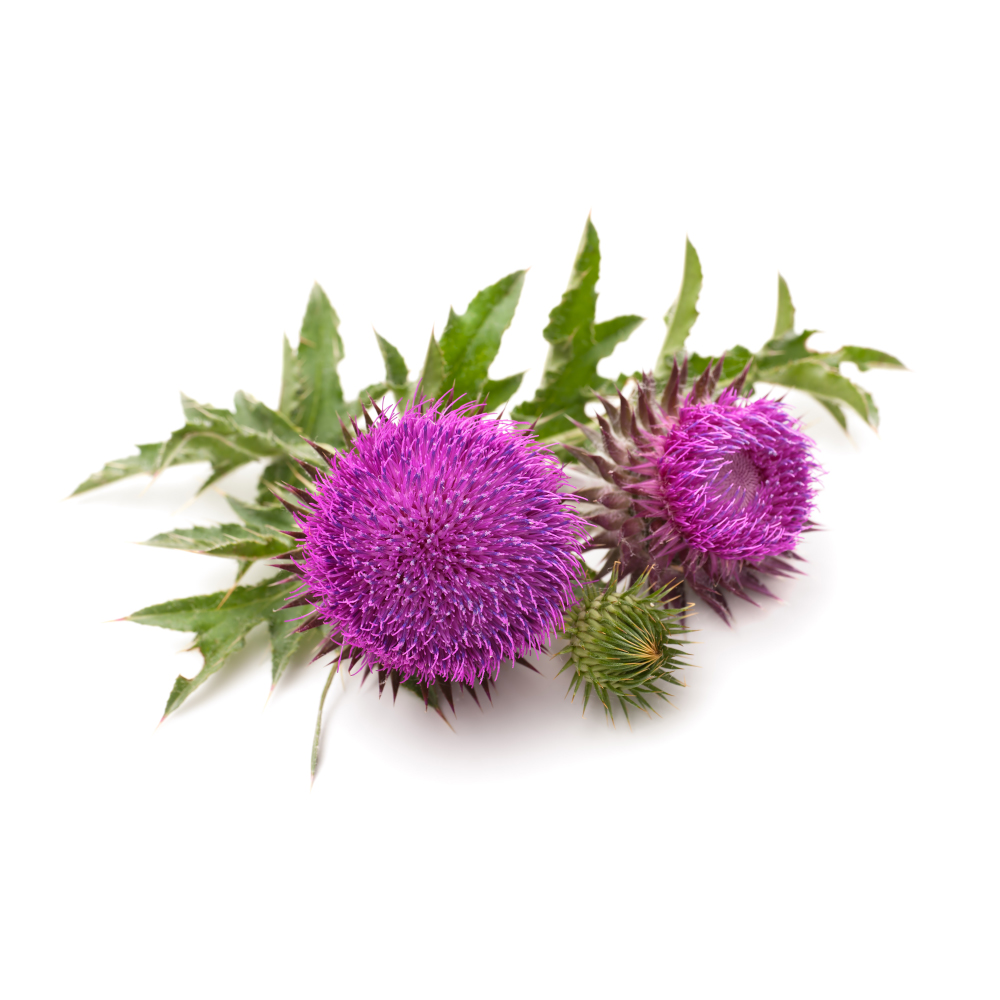
Milk Thistle
Silybum marianum
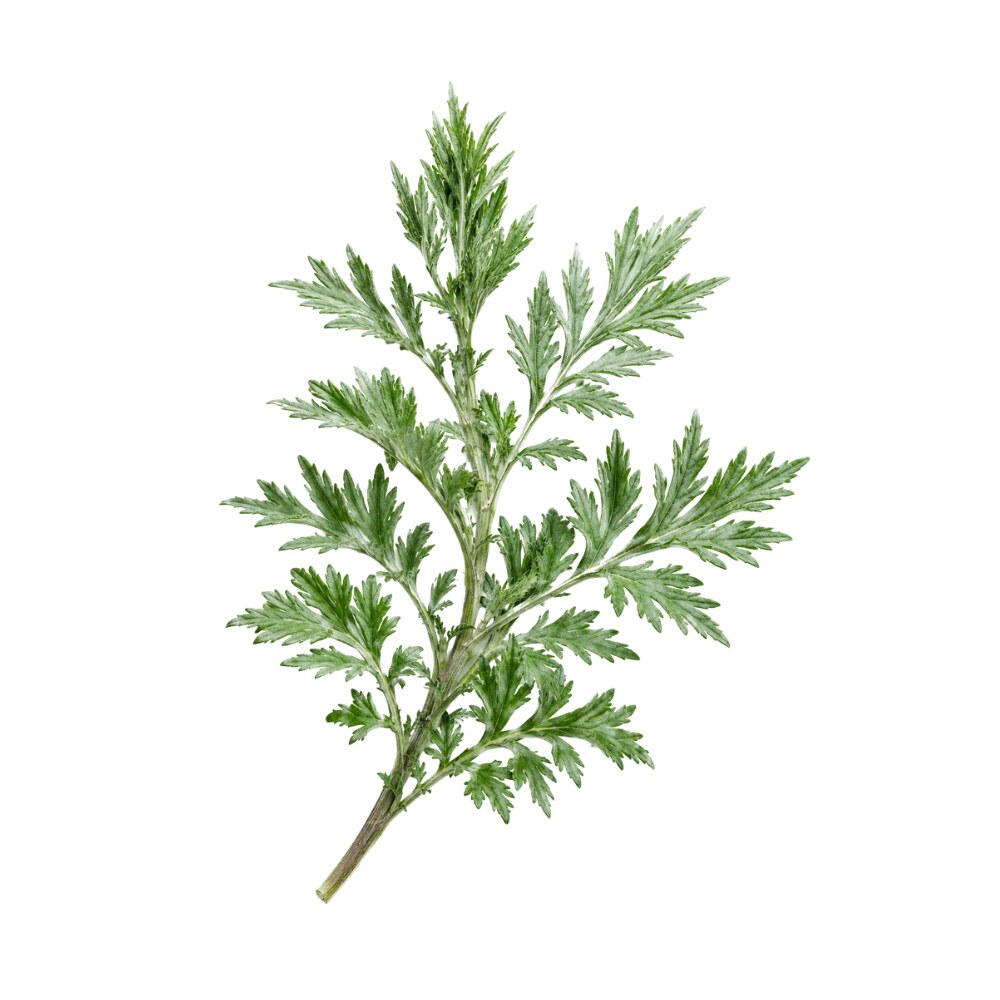
Mugwort
Artemisia vulgaris
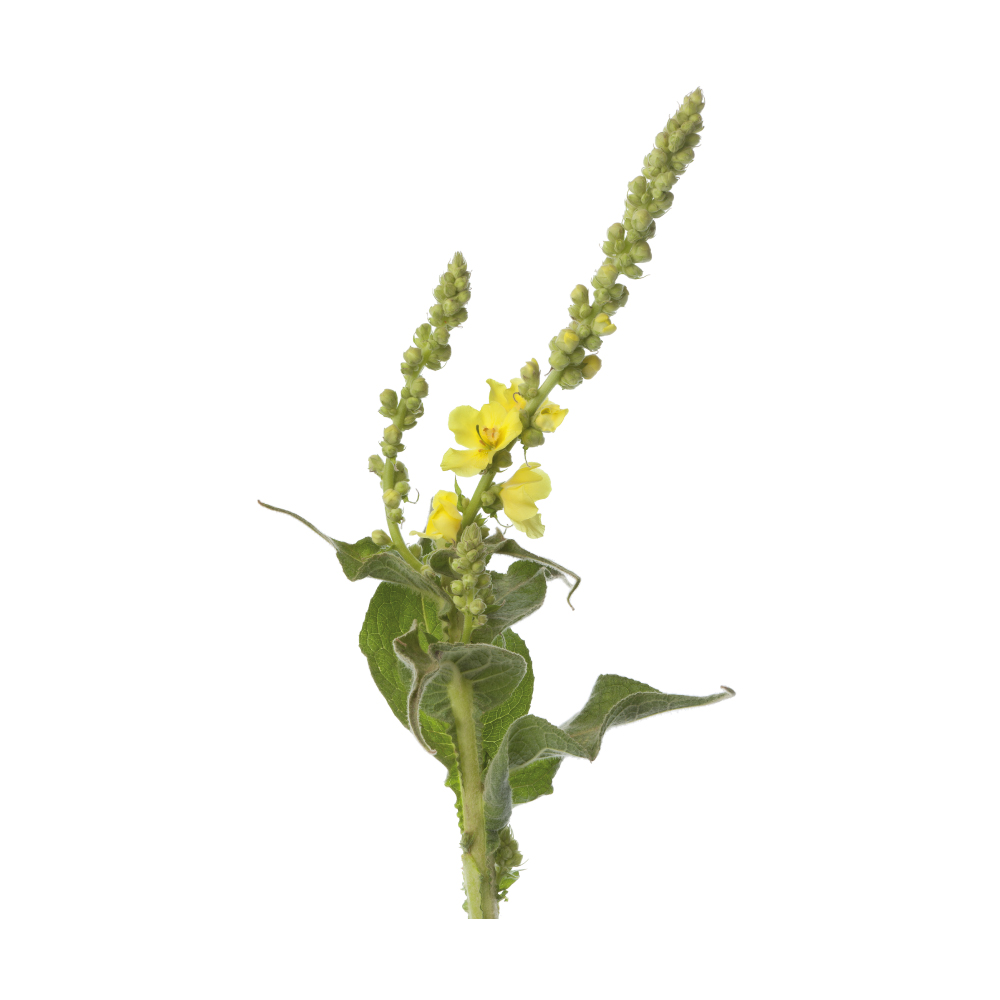
Mullein
Verbascum thapsus
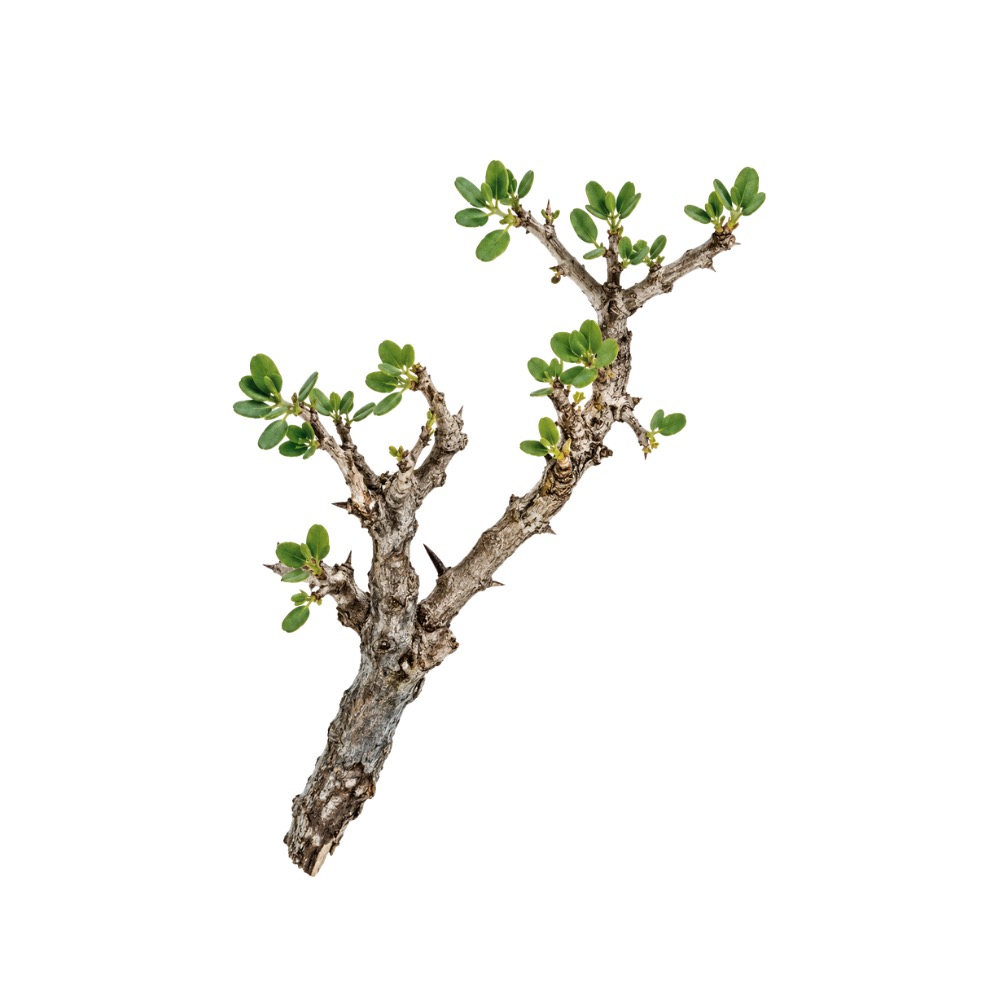
Myrrh
Commiphora myrrha
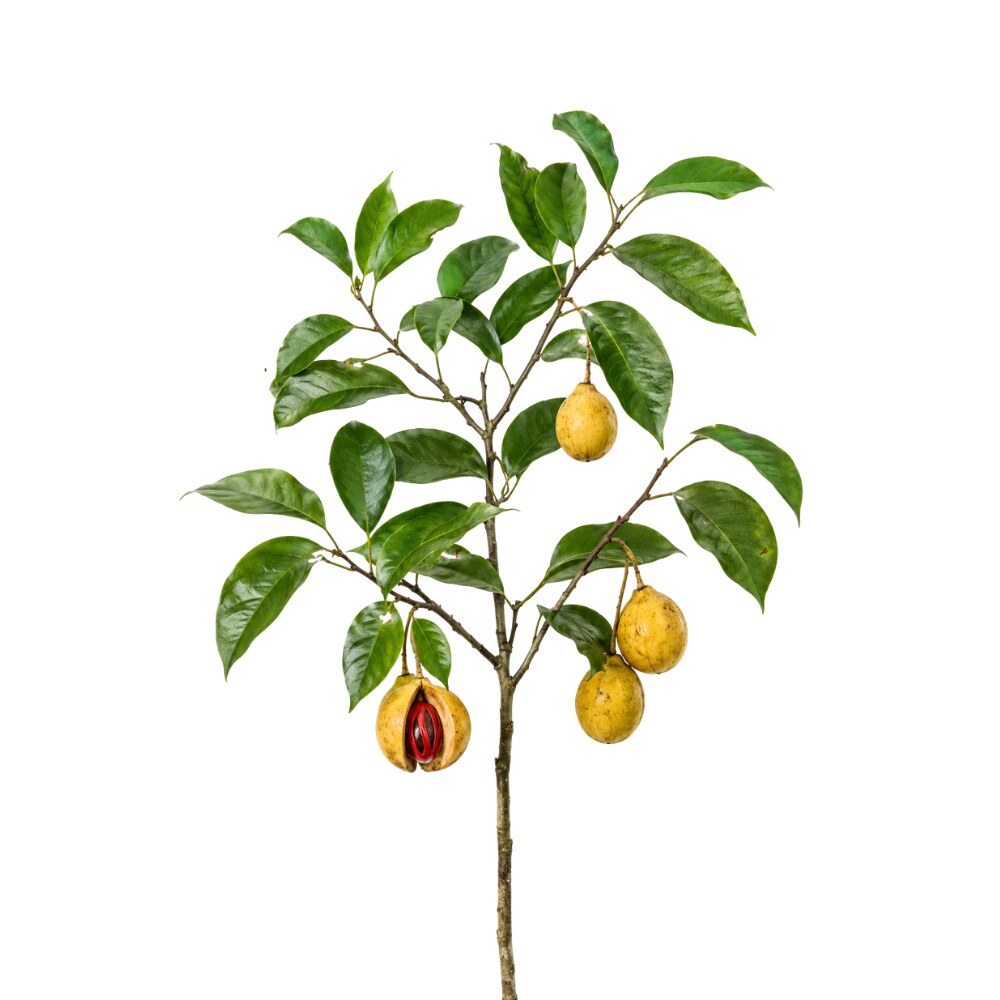
Nutmeg
Myristica fragrans
Pau D'Arco
Tabebuia impetiginosa
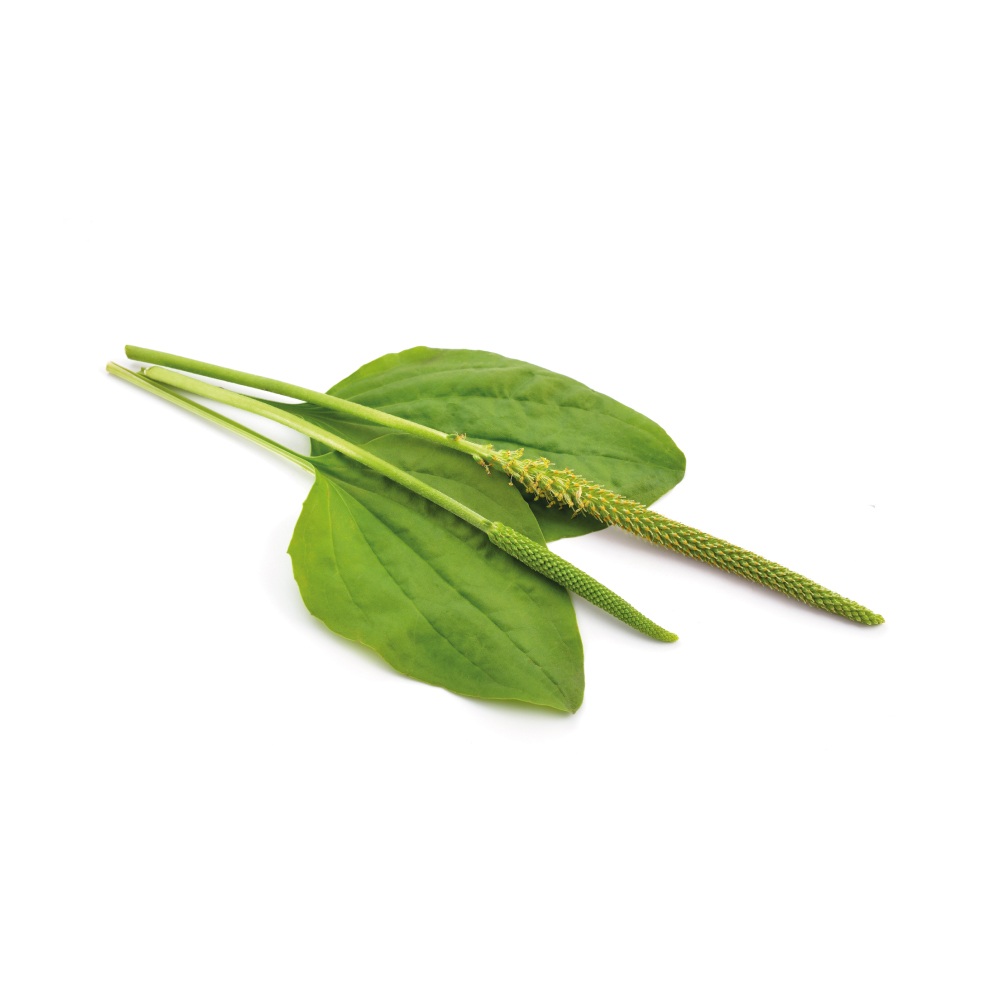
Plantain
Plantago major
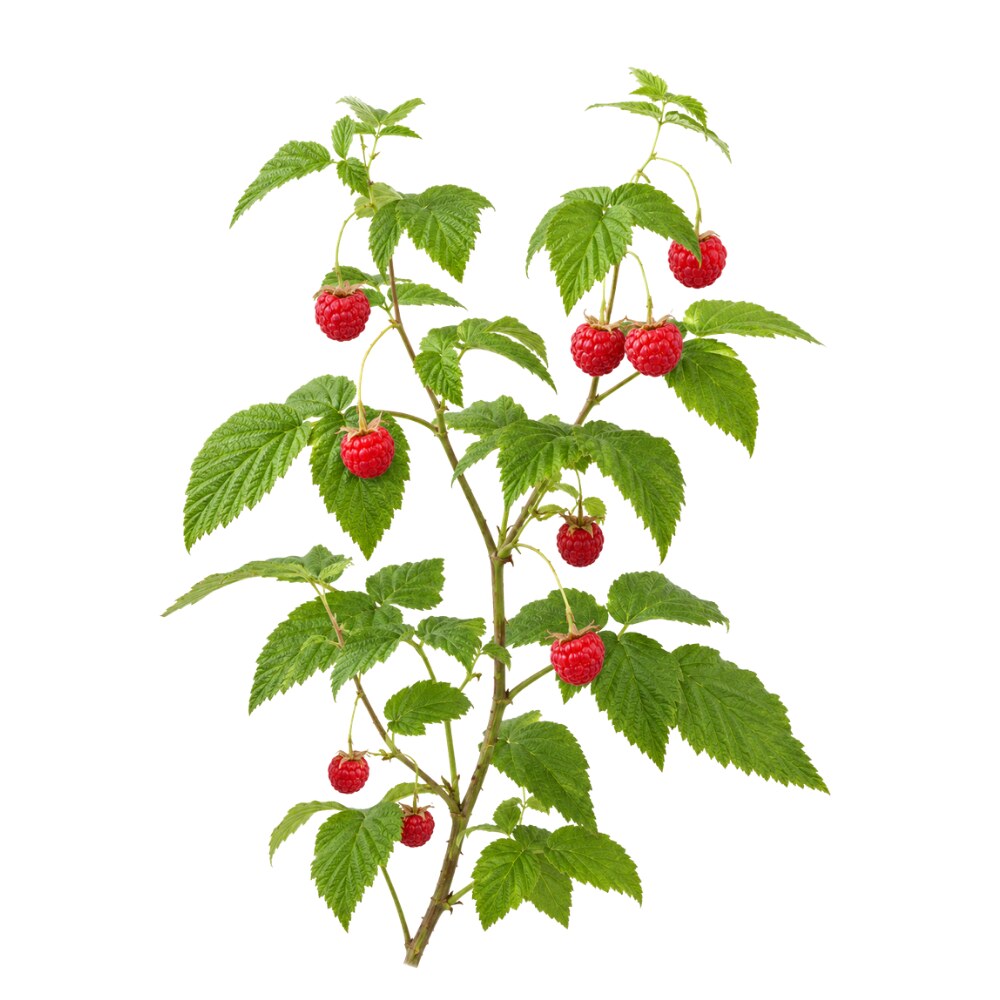
Raspberry Leaf
Rubus idaeus
Rooibos
Aspalathus linearis
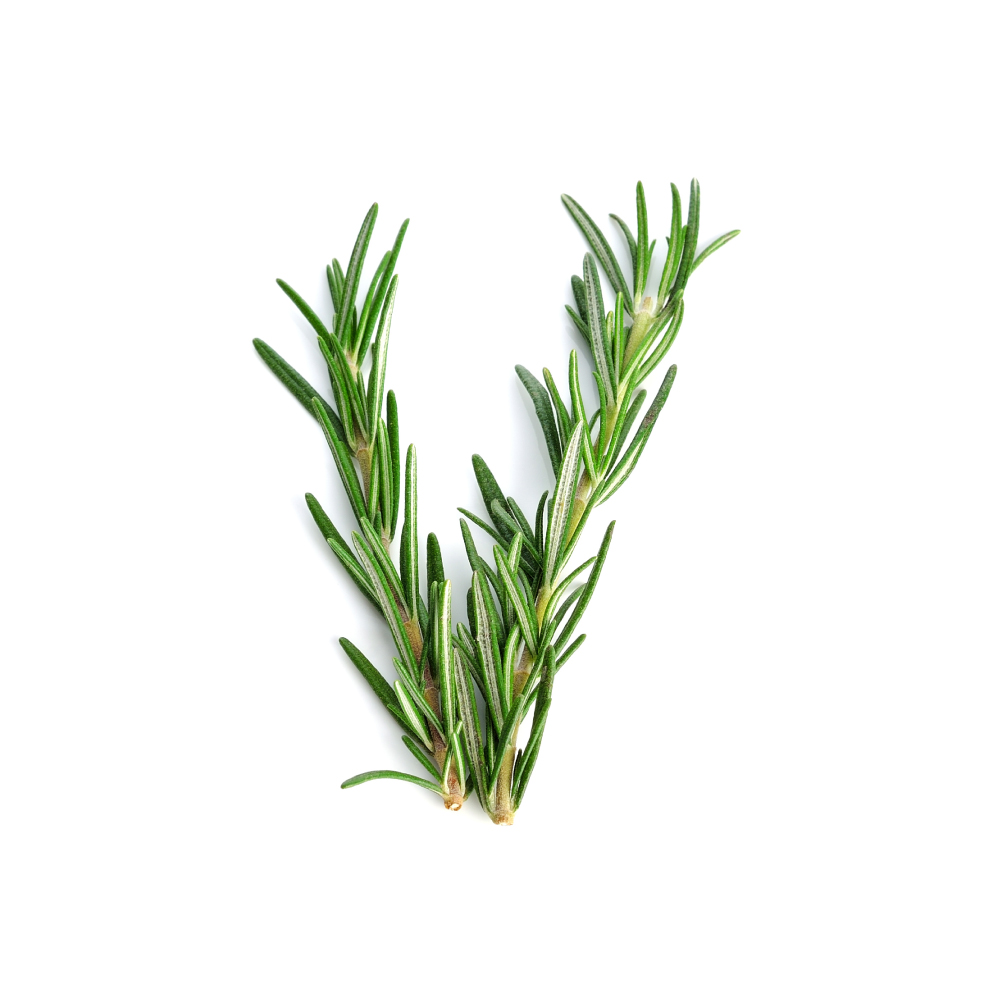
Rosemary
Rosmarinus officinalis
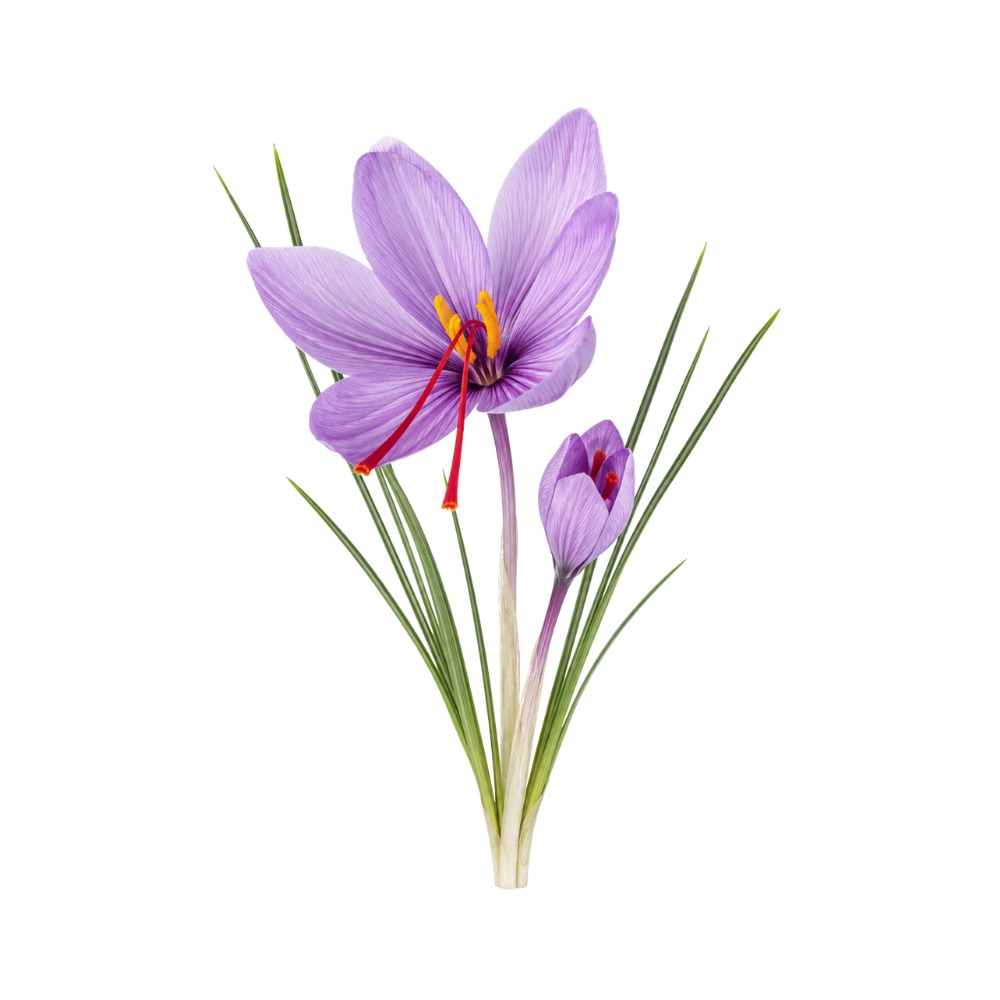
Saffron
Crocus sativus
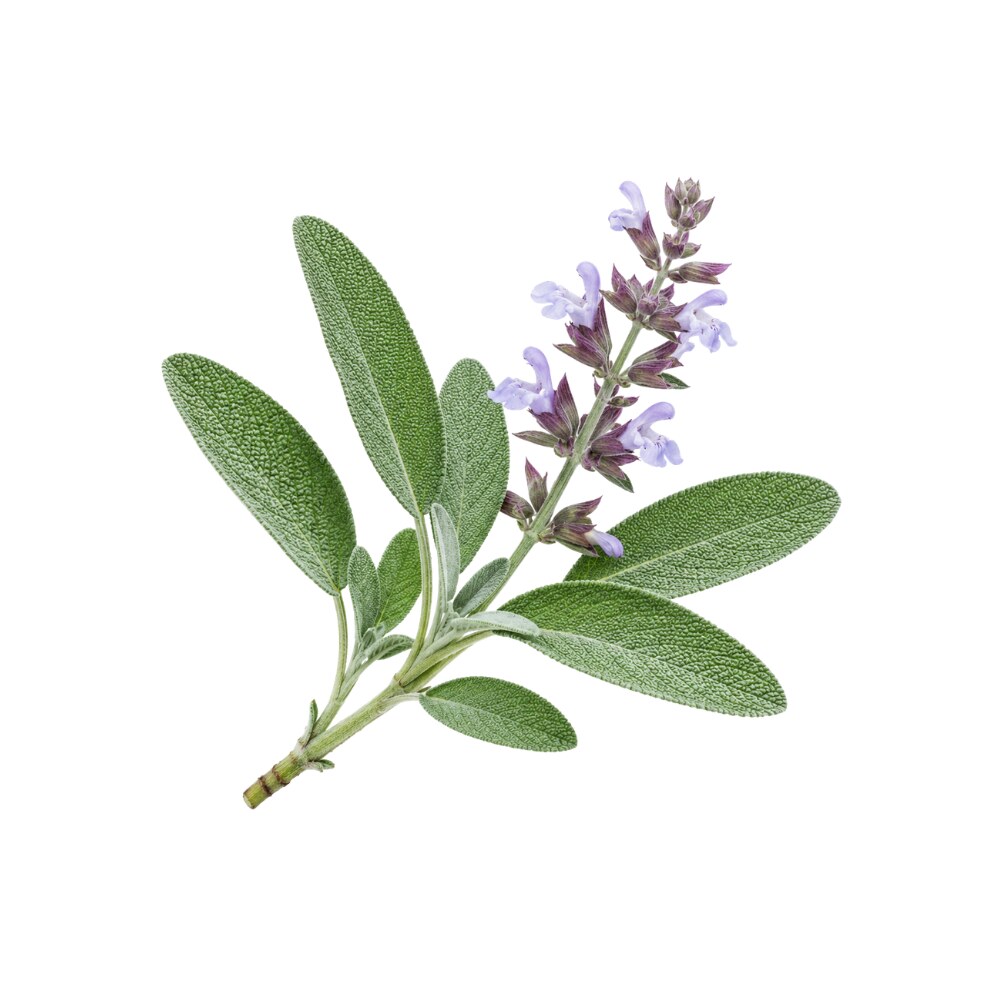
Sage
Salvia officinalis
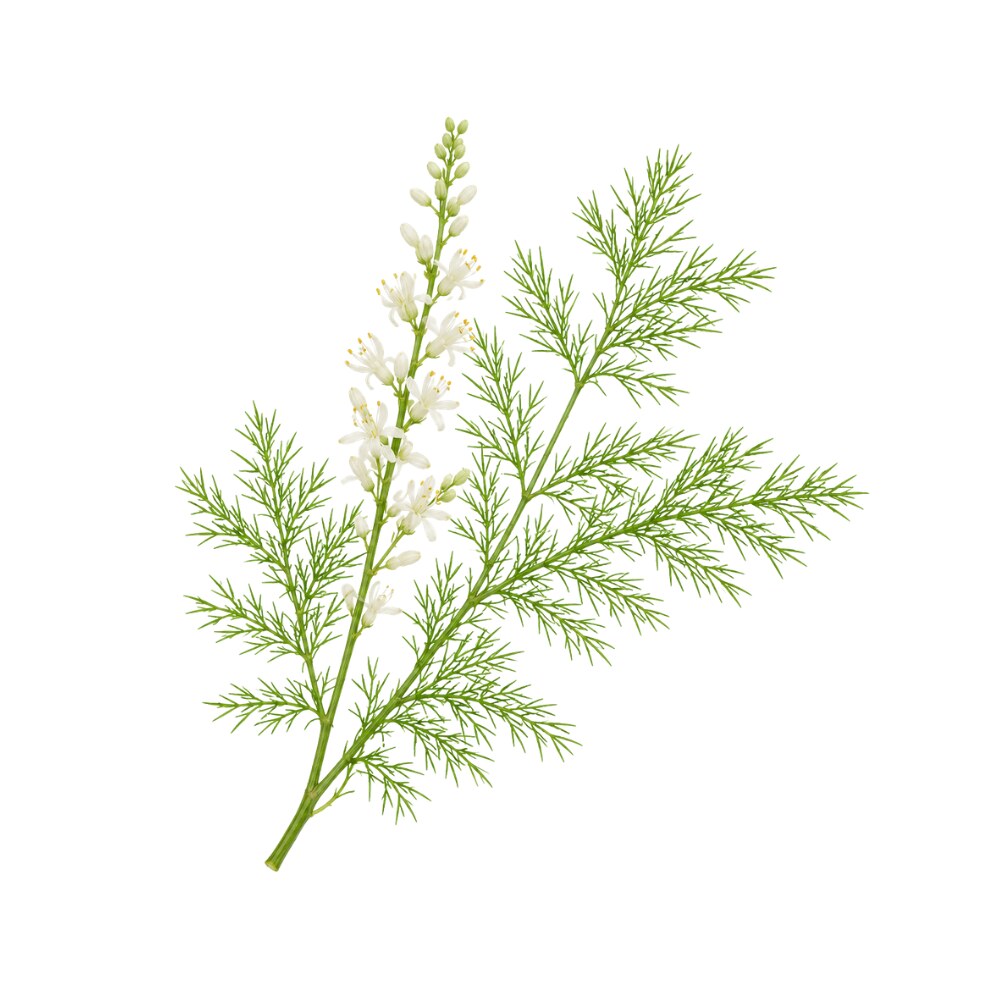
Shatavari
Asparagus racemosus
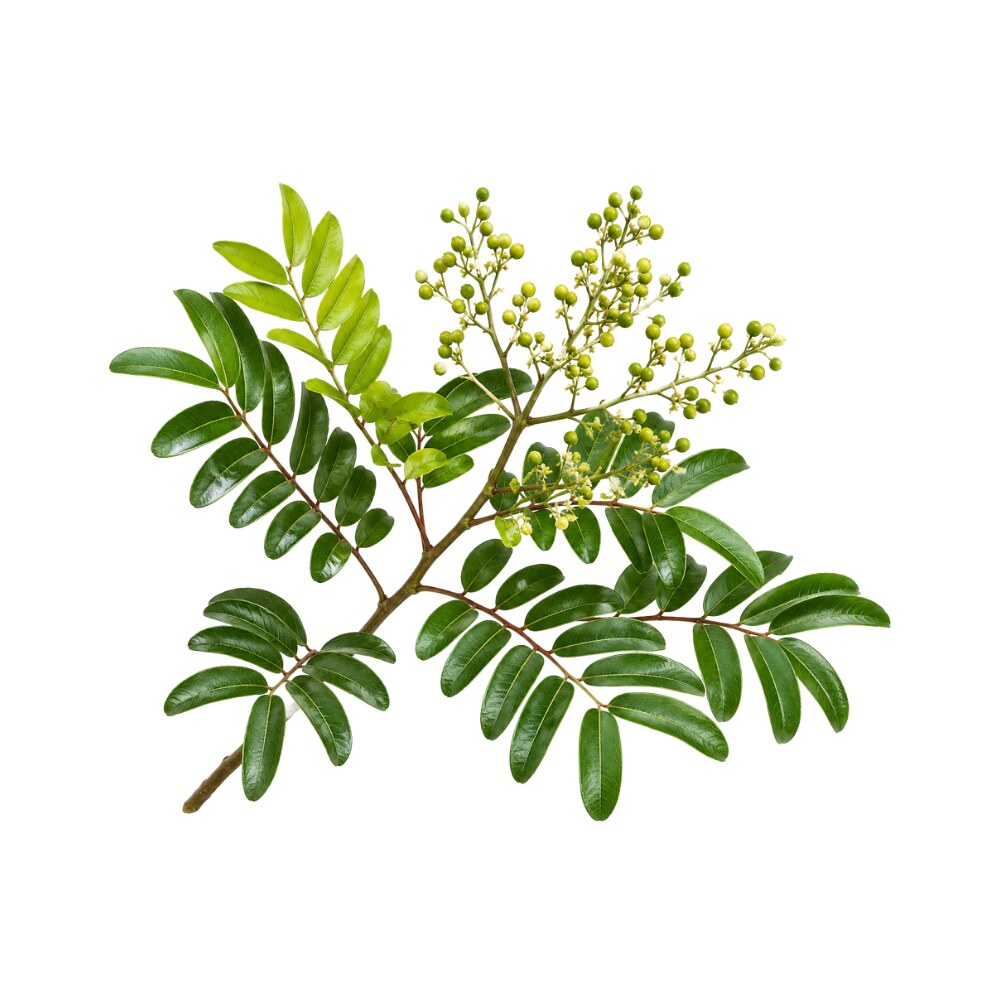
Simarouba
Simarouba amara
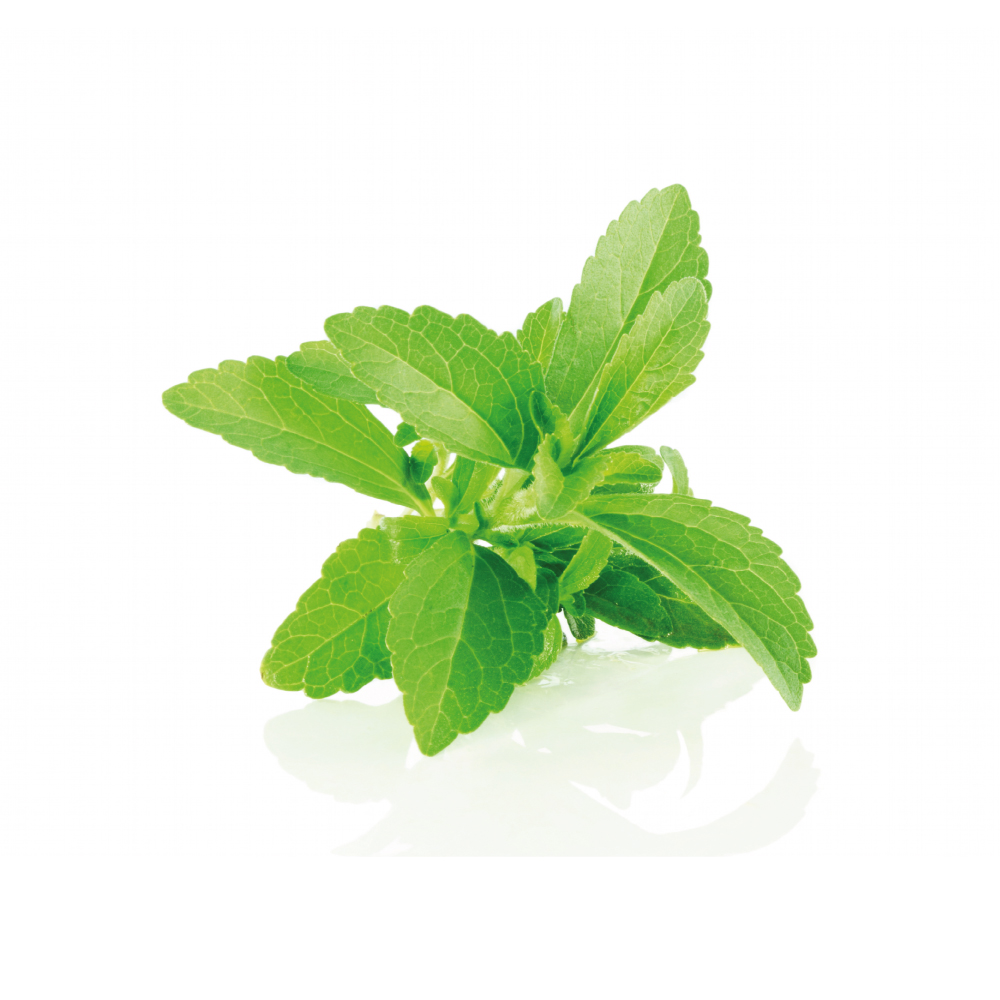
Stevia
Stevia rebaudiana
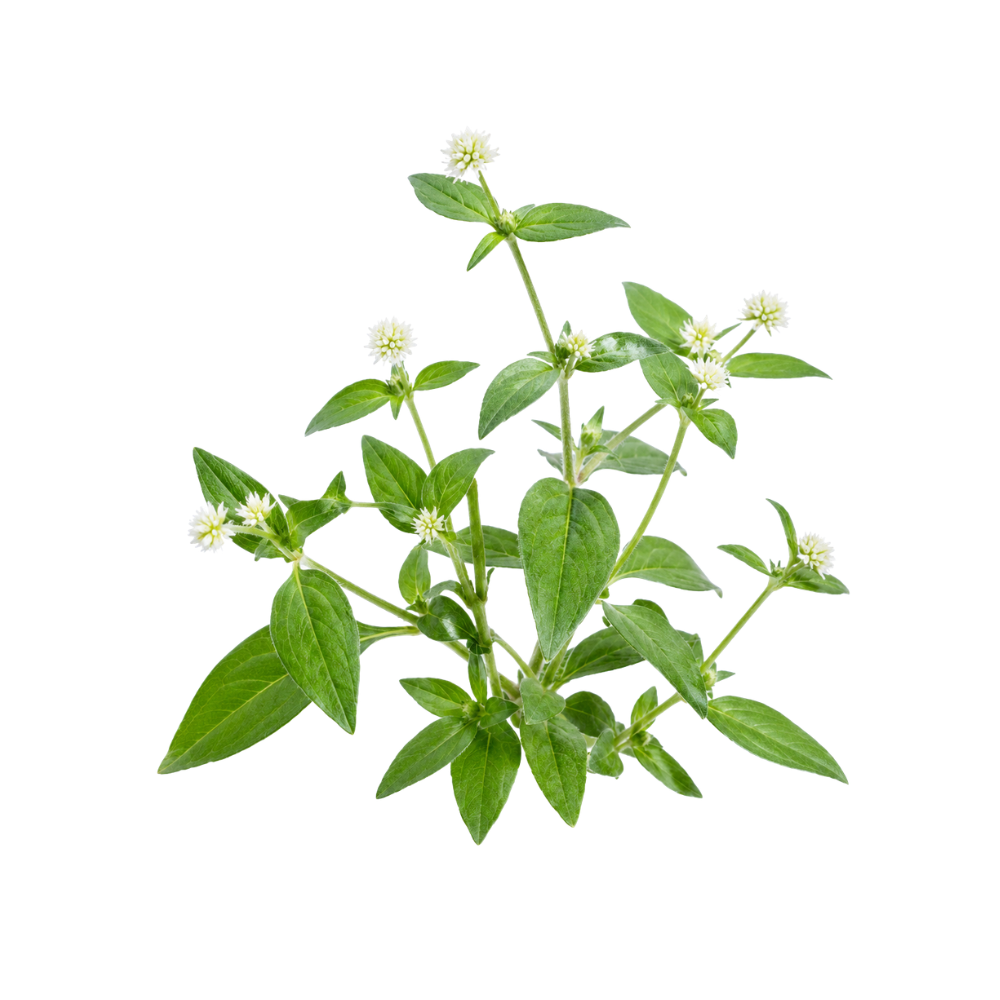
Suma
Pfaffia paniculata
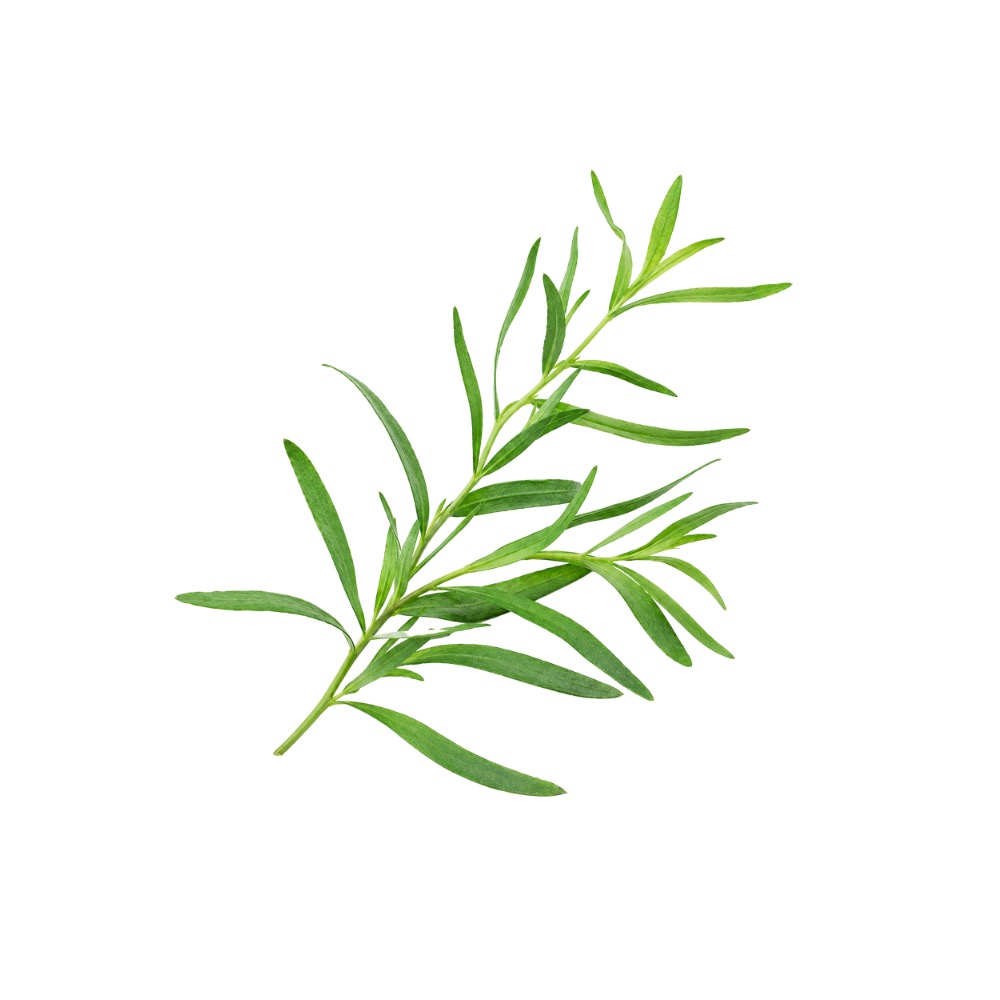
Tarragon
Artemisia dracunculus
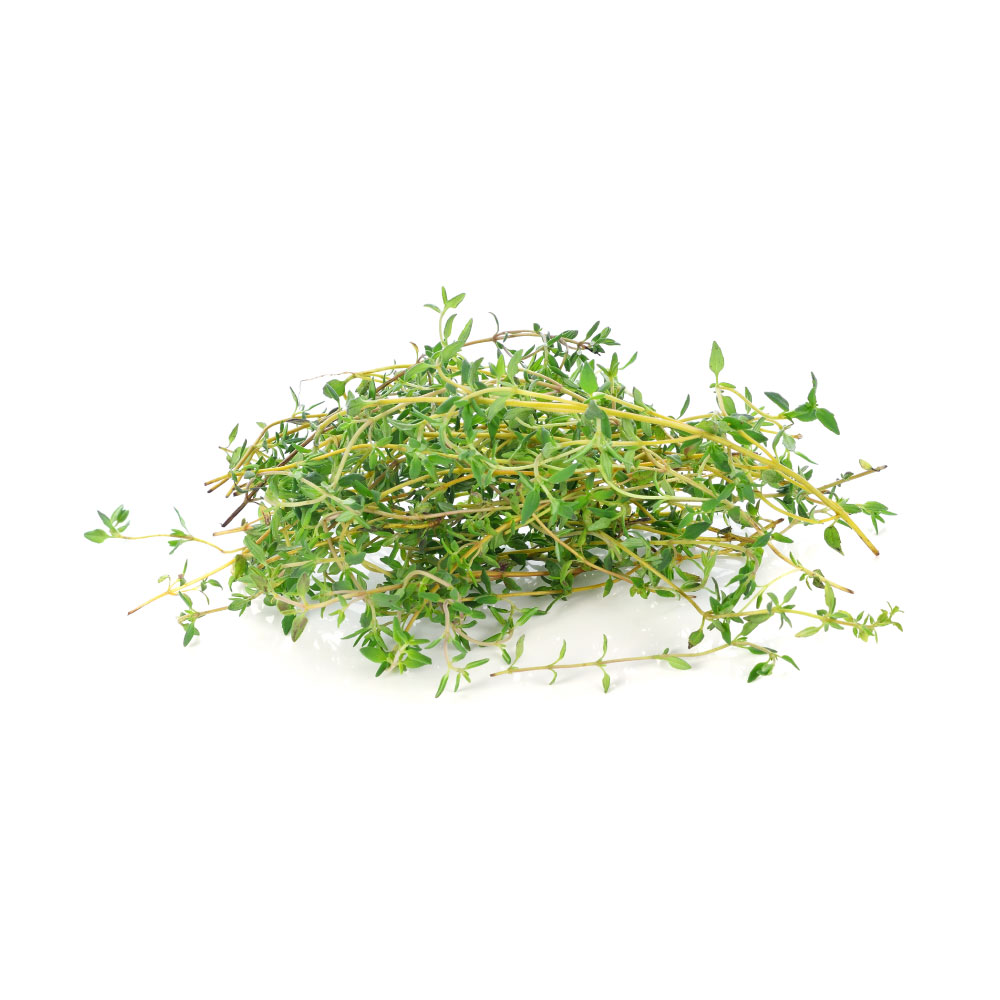
Thyme
Thymus vulgaris
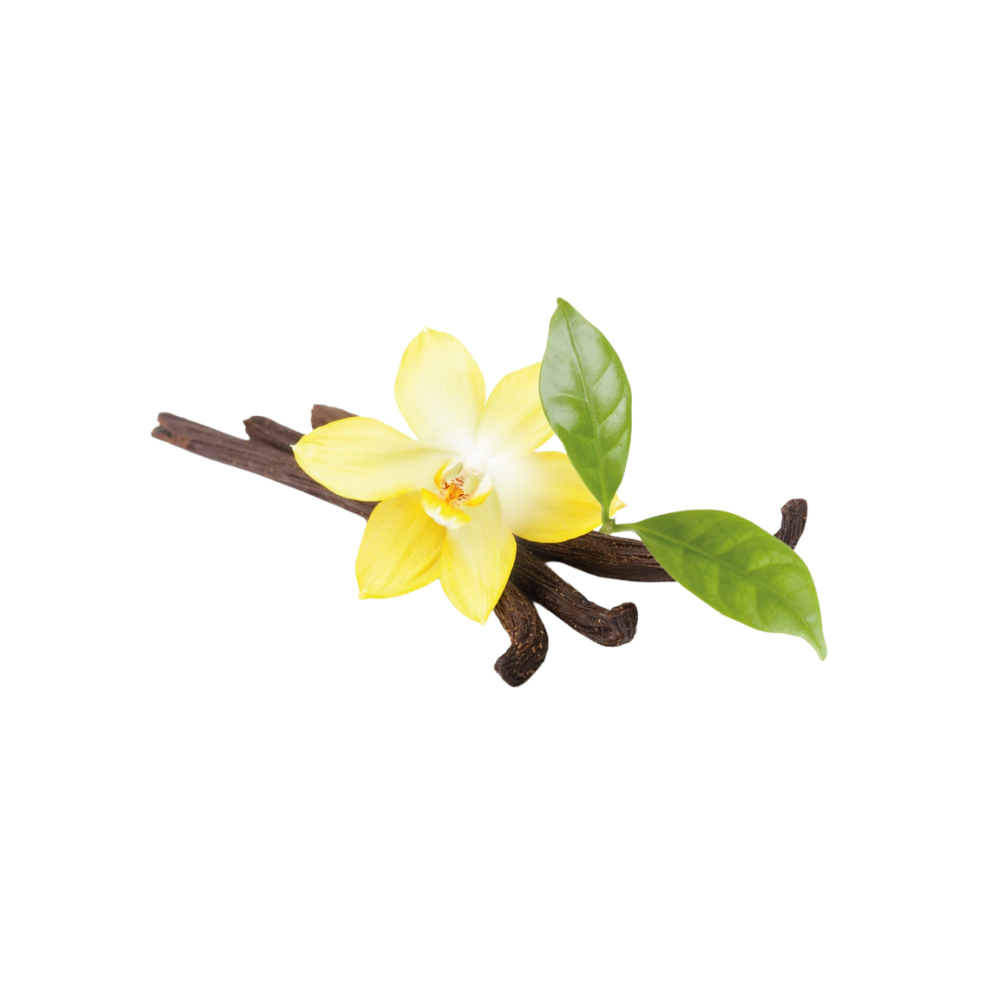
Vanilla
Vanilla planifolia

Wild Yam
Dioscorea villosa
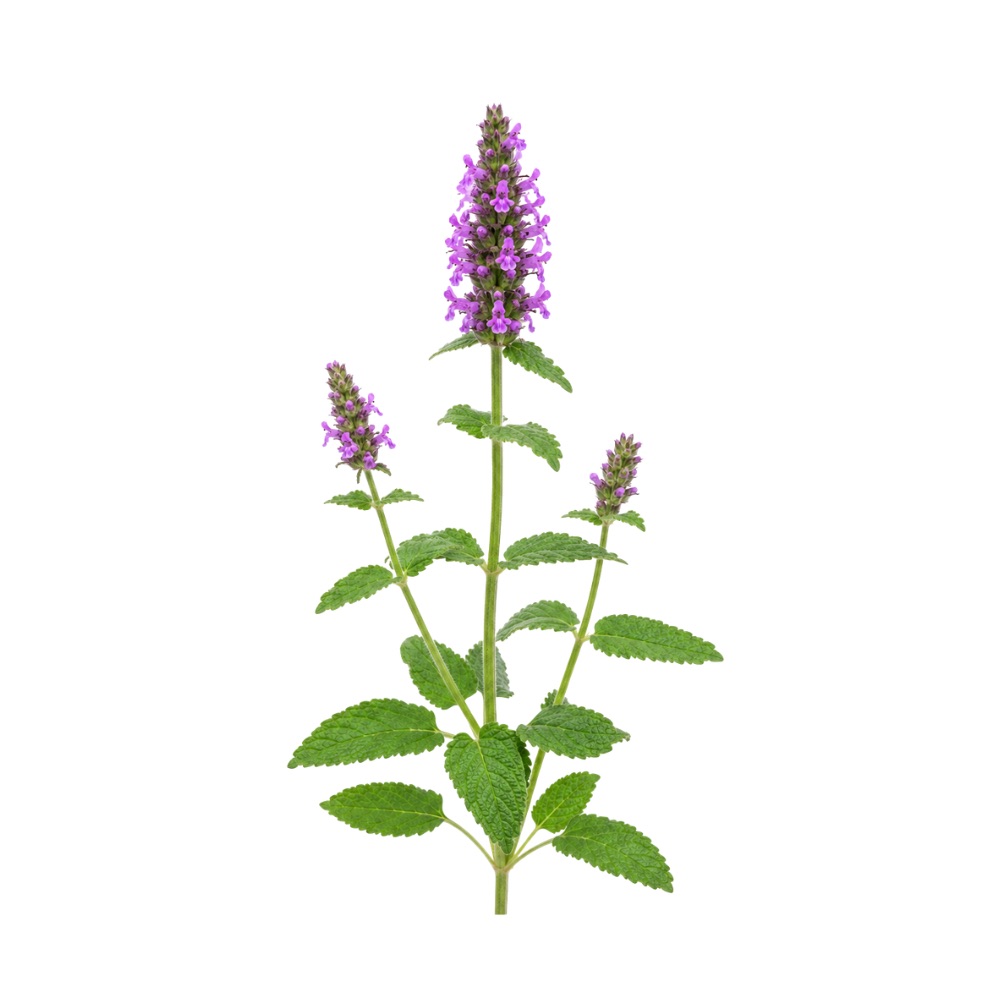
Wood Betony
Stachys officinalis
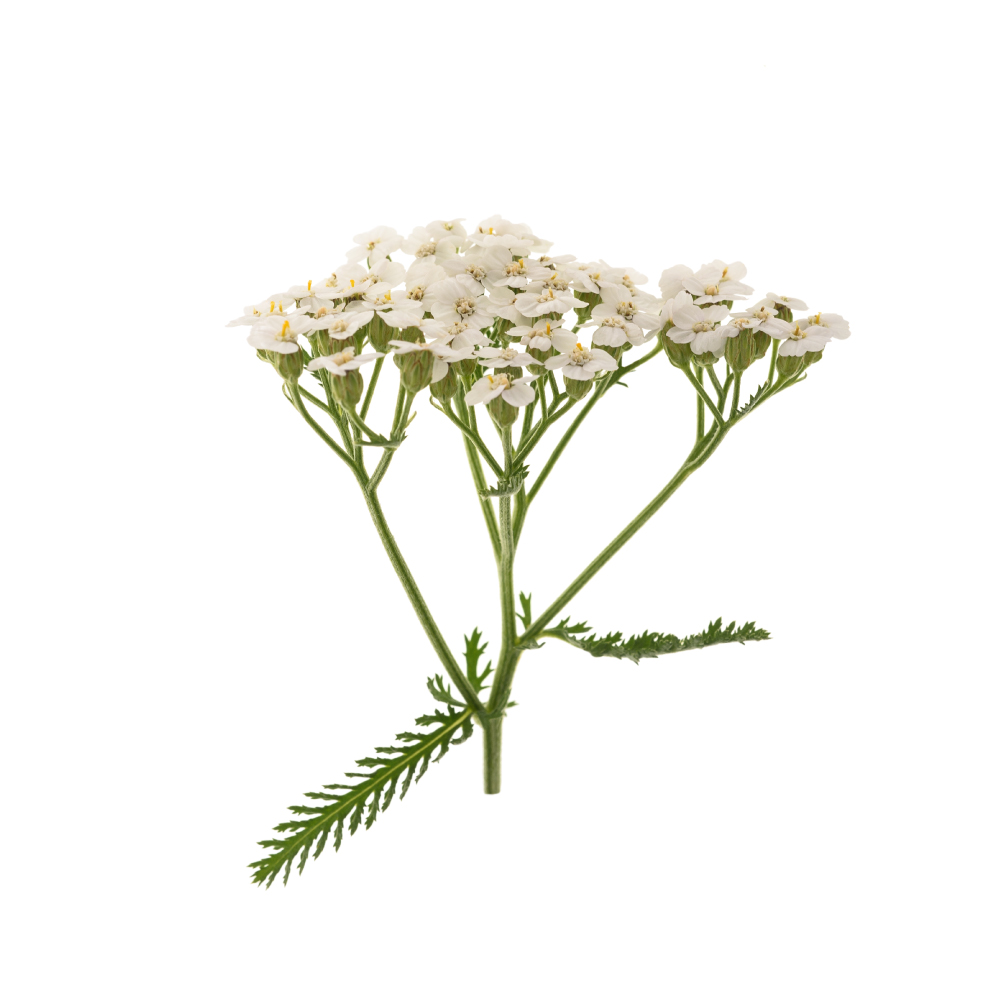
Yarrow
Achillea millefolium
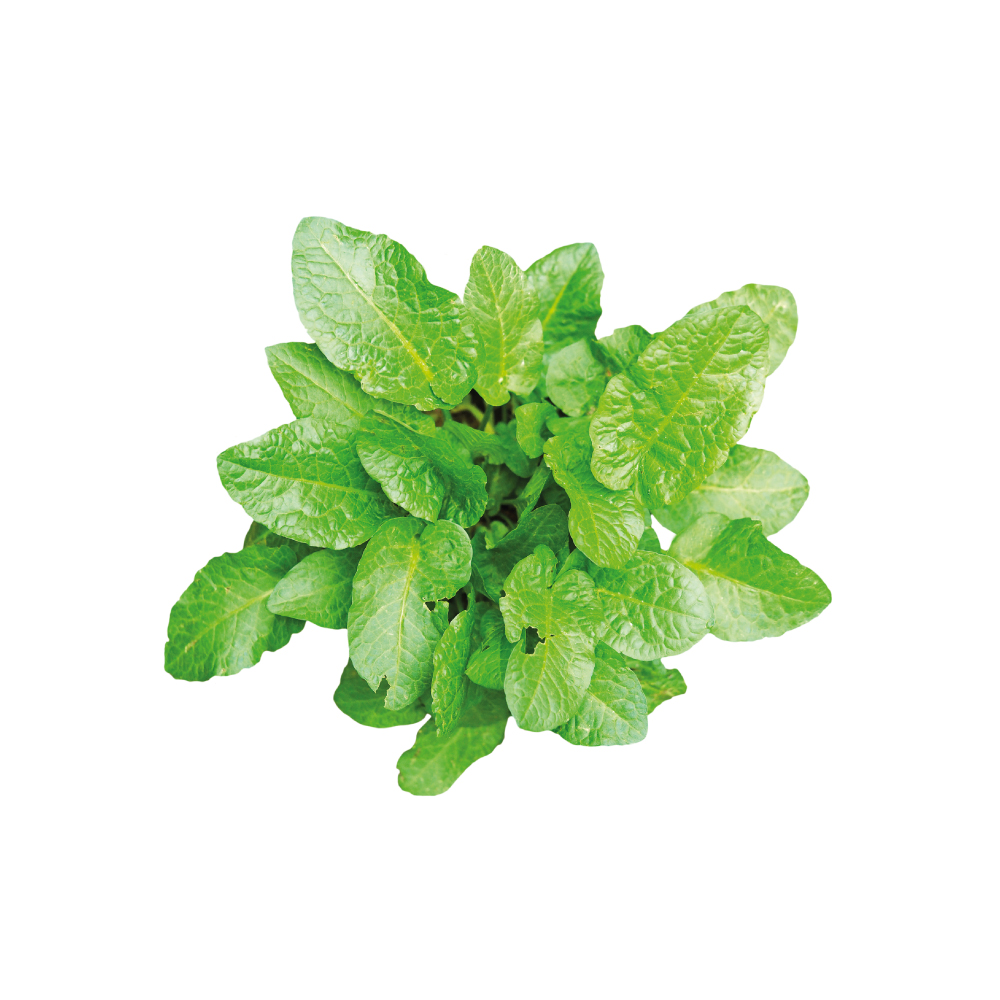
Yellow Dock
Rumex crispus
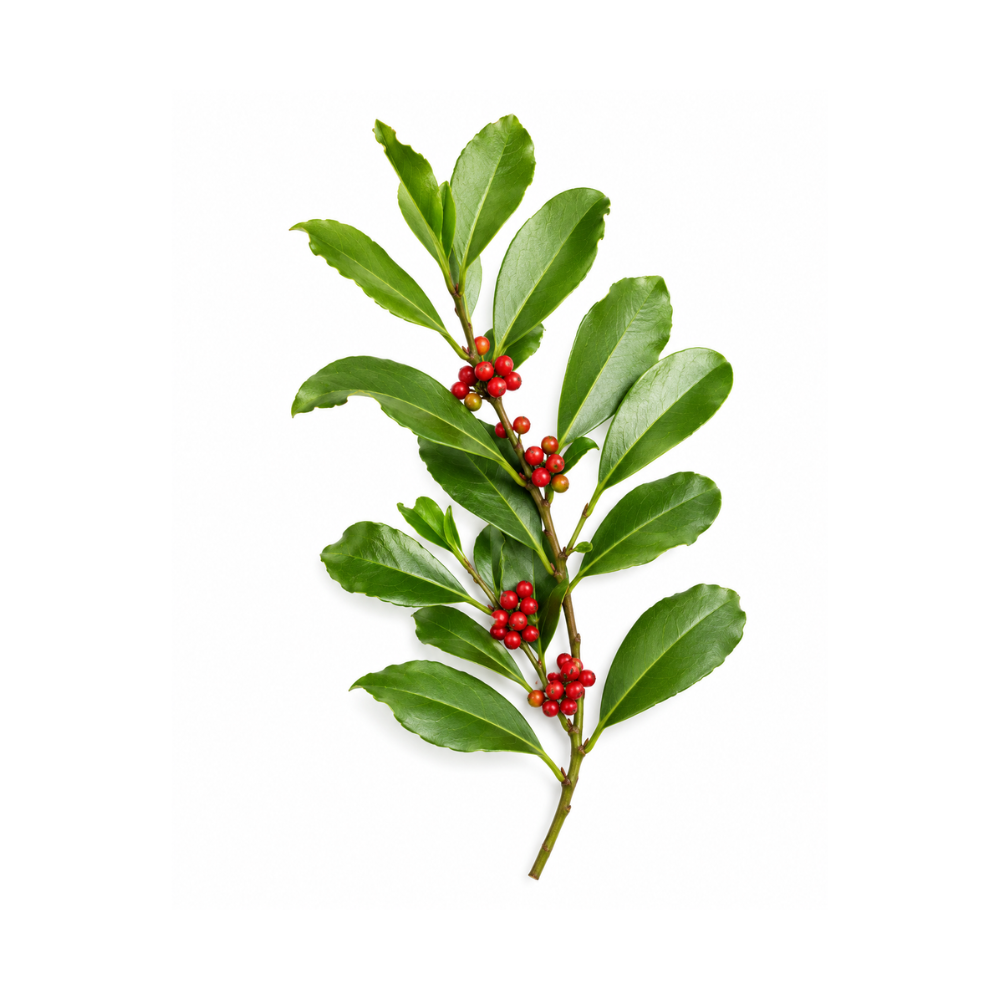
Yerba Maté
Ilex paraguariensis
Safety
- Stimulant laxatives are short-term medicines. Habitual anthraquinone use brings dependence and potassium loss, and they are contraindicated in bowel obstruction and inflammatory bowel disease 55,
56, .57Reference 55ReviewReview article: do stimulant laxatives damage the gut? A critical analysis of current knowledge — reviewView study →Reference 56Meta-analysisAnthraquinone laxatives use and colorectal cancer — systematic review and meta-analysis of observational studiesView study →Reference 57ReviewIs senna laxative use associated with cathartic colon, genotoxicity, or carcinogenicity? — reviewView study → - Detox and colon-cleanse products pair an undeclared anthraquinone laxative with a diuretic for continuous use, the commonest avoidable harm here.
- Bitters raise acid and enzyme secretion, the wrong direction in ulceration, gastritis or reflux, where peppermint also relaxes the sphincter and worsens heartburn.
- Mucilage and bulk fibres need a substantial volume of water and slow the absorption of anything taken with them, so separate prescription doses by a couple of hours.
- Tannin astringents are three- or four-day medicines. The binding that seals a raw gut wall also takes in dietary protein, digestive enzymes and non-haem iron.
- Two real interaction risks: berberine inhibits CYP450 enzymes and P-glycoprotein, and whole licorice inhibits 11B-HSD2 and raises blood pressure.
- Investigate rather than treat: blood in the stool, vomited blood, weight loss, painful swallowing, a changed bowel habit after 45, or fever with diarrhoea.
Pregnancy & Lactation
Pregnancy · AvoidLactation · Caution
- Assume avoid in pregnancy and while breastfeeding unless a clinician has advised otherwise.
- Anthraquinone laxatives are avoided throughout, since their metabolites pass into breast milk.
- The strong bitters, the anthelmintic oils and the concentrated seed oils include documented abortifacients and reproductive toxins.
- Bulk-forming fibres are the least problematic option for constipation in pregnancy, the commonest reason the question comes up.
References
- Holtmann, G., Adam, B., Haag, S., et al. (2003). Efficacy of artichoke leaf extract in the treatment of patients with functional dyspepsia — six-week placebo-controlled, double-blind, multicentre randomised trial. Alimentary Pharmacology & Therapeutics. https://pubmed.ncbi.nlm.nih.gov/14653829/
- Marakis, G., Walker, A. F., Middleton, R. W., et al. (2002). Artichoke leaf extract reduces mild dyspepsia in an open study. Phytomedicine. https://pubmed.ncbi.nlm.nih.gov/12587688/
- Melzer, J., Rösch, W., Reichling, J., et al. (2004). Meta-analysis: phytotherapy of functional dyspepsia with the herbal drug preparation STW 5 (Iberogast) — meta-analysis. Alimentary Pharmacology & Therapeutics. https://pubmed.ncbi.nlm.nih.gov/15606389/
- Anheyer, D., Frawley, J., Koch, A. K., et al. (2017). Herbal medicines for gastrointestinal disorders in children and adolescents — systematic review. Pediatrics. https://pubmed.ncbi.nlm.nih.gov/28562281/
- May, B., Köhler, S., & Schneider, B. (2000). Efficacy and tolerability of a fixed combination of peppermint oil and caraway oil in patients suffering from functional dyspepsia — randomised controlled trial. Alimentary Pharmacology & Therapeutics. https://pubmed.ncbi.nlm.nih.gov/11121917/
- Rich, G., Shah, A., Koloski, N., et al. (2017). A randomized placebo-controlled trial on the effects of Menthacarin, a proprietary peppermint- and caraway-oil-preparation, on symptoms and quality of life in patients with functional dyspepsia — randomised controlled trial. Neurogastroenterology & Motility. https://pubmed.ncbi.nlm.nih.gov/28695660/
- Li, J., Lv, L., Zhang, J., et al. (2019). A combination of peppermint oil and caraway oil for the treatment of functional dyspepsia — systematic review and meta-analysis. Evidence-Based Complementary and Alternative Medicine. https://pubmed.ncbi.nlm.nih.gov/31827561/
- Bortolotti, M., Coccia, G., Grossi, G., & Miglioli, M. (2002). The treatment of functional dyspepsia with red pepper — randomised controlled trial. Alimentary Pharmacology & Therapeutics. https://pubmed.ncbi.nlm.nih.gov/12030948/
- Raveendra, K. R., Jayachandra, Srinivasa, V., et al. (2012). An extract of Glycyrrhiza glabra (GutGard) alleviates symptoms of functional dyspepsia — randomised, double-blind, placebo-controlled study. Evidence-Based Complementary and Alternative Medicine. https://pubmed.ncbi.nlm.nih.gov/21747893/
- Westphal, J., Hörning, M., & Leonhardt, K. (1996). Phytotherapy in functional upper abdominal complaints: results of a clinical study with a preparation of several plants (incl. Artemisia absinthium) — randomised controlled study. Phytomedicine. https://pubmed.ncbi.nlm.nih.gov/23194763/
- Oztürk, N., et al. (1998). Choleretic activity of Gentiana lutea ssp. symphyandra in rats — animal model. Phytomedicine. https://pubmed.ncbi.nlm.nih.gov/23195900/
- Olennikov, D. N., Kashchenko, N. I., Chirikova, N. K., et al. (2015). Iridoids and flavonoids of four Siberian gentians: chemical profile and gastric stimulatory effect — animal / in vitro. Molecules. https://pubmed.ncbi.nlm.nih.gov/26506331/
- Kitić, N., et al. (2024). Spasmolytic activity of Gentiana lutea L. root extracts on rat ileum — ex vivo. Plants (Basel). https://pubmed.ncbi.nlm.nih.gov/38337986/
- Nikkhah Bodagh, M., Maleki, I., & Hekmatdoost, A. (2019). Ginger in gastrointestinal disorders — systematic review of clinical trials. Food Science & Nutrition. https://pubmed.ncbi.nlm.nih.gov/30680163/
- Ingrosso, M. R., Ianiro, G., Nee, J., et al. (2022). Systematic review and meta-analysis: efficacy of peppermint oil in irritable bowel syndrome. Alimentary Pharmacology & Therapeutics. https://pubmed.ncbi.nlm.nih.gov/35942669/
- Alammar, N., Wang, L., Saberi, B., et al. (2019). The impact of peppermint oil on the irritable bowel syndrome: a meta-analysis of the pooled clinical data. BMC Complementary and Alternative Medicine. https://pubmed.ncbi.nlm.nih.gov/30654773/
- Weerts, Z. Z. R. M., Masclee, A. A. M., Witteman, B. J. M., et al. (2020). Efficacy and safety of peppermint oil in a randomized, double-blind trial of patients with irritable bowel syndrome — randomised controlled trial. Gastroenterology. https://pubmed.ncbi.nlm.nih.gov/31470006/
- Kline, R. M., Kline, J. J., Di Palma, J., & Barbero, G. J. (2001). Enteric-coated, pH-dependent peppermint oil capsules for the treatment of irritable bowel syndrome in children — randomised controlled trial. Journal of Pediatrics. https://pubmed.ncbi.nlm.nih.gov/11148527/
- Hills, J. M., & Aaronson, P. I. (1991). The mechanism of action of peppermint oil on gastrointestinal smooth muscle — patch clamp electrophysiology and isolated tissue pharmacology. Gastroenterology. https://pubmed.ncbi.nlm.nih.gov/1646142/
- Hawthorn, M., Ferrante, J., Luchowski, E., et al. (1988). The actions of peppermint oil and menthol on calcium channel dependent processes in intestinal, neuronal and cardiac preparations — in vitro. Alimentary Pharmacology & Therapeutics. https://pubmed.ncbi.nlm.nih.gov/2856502/
- Prior, A., & Whorwell, P. J. (1987). Double blind study of ispaghula in irritable bowel syndrome — randomised controlled trial. Gut. https://pubmed.ncbi.nlm.nih.gov/3322956/
- Shulman, R. J., Hollister, E. B., Cain, K., et al. (2017). Psyllium fiber reduces abdominal pain in children with irritable bowel syndrome — randomised, double-blind trial. Clinical Gastroenterology and Hepatology. https://pubmed.ncbi.nlm.nih.gov/27080737/
- Menon, J., Thapa, B. R., Kumari, R., et al. (2023). Efficacy of oral psyllium in pediatric irritable bowel syndrome — double-blind randomised controlled trial. Journal of Pediatric Gastroenterology and Nutrition. https://pubmed.ncbi.nlm.nih.gov/36136861/
- van der Schoot, A., Drysdale, C., Whelan, K., & Dimidi, E. (2022). The effect of fiber supplementation on chronic constipation in adults — updated systematic review and meta-analysis of randomised controlled trials. American Journal of Clinical Nutrition. https://pubmed.ncbi.nlm.nih.gov/35816465/
- Portincasa, P., Bonfrate, L., Scribano, M. L., et al. (2016). Curcumin and fennel essential oil improve symptoms and quality of life in patients with irritable bowel syndrome — randomised controlled trial. Journal of Gastrointestinal and Liver Diseases. https://pubmed.ncbi.nlm.nih.gov/27308645/
- Di Ciaula, A., Portincasa, P., Maes, N., & Albert, A. (2018). Efficacy of bio-optimized extracts of turmeric and essential fennel oil on the quality of life in patients with irritable bowel syndrome — randomised controlled trial. Annals of Gastroenterology. https://pubmed.ncbi.nlm.nih.gov/30386118/
- Harb, T., Matsuyama, M., David, M., & Hill, R. J. (2016). Infant colic — what works: a systematic review of interventions for breast-fed infants. Journal of Pediatric Gastroenterology and Nutrition. https://pubmed.ncbi.nlm.nih.gov/26655941/
- Mehmood, M. H., Munir, S., Khalid, U. A., et al. (2015). Antidiarrhoeal, antisecretory and antispasmodic activities of Matricaria chamomilla are mediated predominantly through K⁺-channel activation — animal / in vitro. BMC Complementary and Alternative Medicine. https://pubmed.ncbi.nlm.nih.gov/25886126/
- Hawrelak, J. A., & Myers, S. P. (2010). Effects of two natural medicine formulations on irritable bowel syndrome symptoms — open-label clinical pilot study. Journal of Alternative and Complementary Medicine. https://pubmed.ncbi.nlm.nih.gov/20954962/
- Viljoen, E., Visser, J., Koen, N., & Musekiwa, A. (2014). A systematic review and meta-analysis of the effect and safety of ginger in the treatment of pregnancy-associated nausea and vomiting. Nutrition Journal. https://pubmed.ncbi.nlm.nih.gov/24642205/
- Matthews, A., Haas, D. M., O’Mathúna, D. P., & Dowswell, T. (2015). Interventions for nausea and vomiting in early pregnancy — Cochrane systematic review. Cochrane Database of Systematic Reviews. https://pubmed.ncbi.nlm.nih.gov/26348534/
- Choi, J., Lee, J., Kim, K., et al. (2022). Effects of ginger intake on chemotherapy-induced nausea and vomiting — systematic review and meta-analysis of randomised clinical trials. Nutrients. https://pubmed.ncbi.nlm.nih.gov/36501010/
- Crichton, M., Marshall, S., Isenring, E., et al. (2024). Effect of a standardized ginger root powder regimen on chemotherapy-induced nausea and vomiting — multicentre, double-blind, placebo-controlled randomised trial. Journal of the Academy of Nutrition and Dietetics. https://pubmed.ncbi.nlm.nih.gov/37699474/
- Zhu, W., Dai, Y., Huang, M., et al. (2021). Efficacy of ginger in preventing postoperative nausea and vomiting — systematic review and meta-analysis. Journal of Nursing Scholarship. https://pubmed.ncbi.nlm.nih.gov/34312974/
- Marx, W., Ried, K., McCarthy, A. L., et al. (2017). Ginger — mechanism of action in chemotherapy-induced nausea and vomiting: a review. Critical Reviews in Food Science and Nutrition. https://pubmed.ncbi.nlm.nih.gov/25848702/
- Ahn, J. H., Kim, M., & Kim, H. (2024). Effects of aromatherapy on nausea and vomiting in patients with cancer — systematic review and meta-analysis of randomised controlled trials. Complementary Therapies in Clinical Practice. https://pubmed.ncbi.nlm.nih.gov/38330531/
- Turpie, A. G., Runcie, J., & Thomson, T. J. (1969). Clinical trial of deglycyrrhizinized liquorice in gastric ulcer. Gut. https://pubmed.ncbi.nlm.nih.gov/4889526/
- D’Imperio, N., Piccari, G. G., Sarti, F., et al. (1978). Double-blind trial in duodenal and gastric ulcers: cimetidine and deglycyrrhizinized liquorice — randomised. Acta Gastro-enterologica Belgica. https://pubmed.ncbi.nlm.nih.gov/373361/
- Hajiaghamohammadi, A. A., Zargar, A., Oveisi, S., et al. (2016). To evaluate of the effect of adding licorice to the standard treatment regimen of Helicobacter pylori — randomised trial. Brazilian Journal of Infectious Diseases. https://pubmed.ncbi.nlm.nih.gov/27614124/
- Momeni, A., Rahimian, G., Kiasi, A., et al. (2014). Effect of licorice versus bismuth on eradication of Helicobacter pylori in patients with peptic ulcer disease — randomised. Pharmacognosy Research. https://pubmed.ncbi.nlm.nih.gov/25276073/
- Wittschier, N., Faller, G., & Hensel, A. (2009). Aqueous extracts and polysaccharides from liquorice roots inhibit adhesion of Helicobacter pylori to human gastric mucosa — in vitro. Journal of Ethnopharmacology. https://pubmed.ncbi.nlm.nih.gov/19607905/
- Salem, E. M., Yar, T., Bamosa, A. O., et al. (2010). Comparative study of Nigella sativa and triple therapy in eradication of Helicobacter pylori in patients with non-ulcer dyspepsia — randomised controlled trial. Saudi Journal of Gastroenterology. https://pubmed.ncbi.nlm.nih.gov/20616418/
- Yousefnejad, H., Mohammadi, F., Alizadeh-Naini, M., et al. (2023). Nigella sativa powder for Helicobacter pylori infected patients — randomised, double-blinded, placebo-controlled clinical trial. BMC Complementary Medicine and Therapies. https://pubmed.ncbi.nlm.nih.gov/37069587/
- Zaghlool, S. S., Abo-Seif, A. A., Rabeh, M. A., et al. (2019). Gastro-protective and anti-oxidant potential of Althaea officinalis and Solanum nigrum on pyloric ligation / indomethacin-induced ulceration in rats — animal model. Antioxidants (Basel). https://pubmed.ncbi.nlm.nih.gov/31731465/
- Ahuja, A., & Ahuja, N. K. (2019). Popular remedies for esophageal symptoms: a critical appraisal — review. Current Gastroenterology Reports. https://pubmed.ncbi.nlm.nih.gov/31289950/
- Samardžić, S., Arsenijević, J., Božić, D., et al. (2018). Antioxidant, anti-inflammatory and gastroprotective activity of Filipendula ulmaria and Filipendula vulgaris — ex vivo and animal model. Journal of Ethnopharmacology. https://pubmed.ncbi.nlm.nih.gov/29132911/
- Barnaulov, O. D., & Denisenko, P. P. (1980). Anti-ulcer action of a decoction of the flowers of Filipendula ulmaria — animal model. Farmakologiia i Toksikologiia. https://pubmed.ncbi.nlm.nih.gov/7450008/
- Bandyopadhyay, U., Biswas, K., Sengupta, A., et al. (2004). Clinical studies on the effect of neem (Azadirachta indica) bark extract on gastric acid secretion — clinical trial. Life Sciences. https://pubmed.ncbi.nlm.nih.gov/15454339/
- Maity, P., Biswas, K., Chattopadhyay, I., et al. (2009). The use of neem for controlling gastric hyperacidity and ulcer — review. Phytotherapy Research. https://pubmed.ncbi.nlm.nih.gov/19140119/
- Chang, L., Chey, W. D., Imdad, A., et al. (2023). American Gastroenterological Association – American College of Gastroenterology clinical practice guideline: pharmacological management of chronic idiopathic constipation — practice guideline. Gastroenterology. https://pubmed.ncbi.nlm.nih.gov/37211380/
- Rao, S. S. C., & Brenner, D. M. (2021). Efficacy and safety of over-the-counter therapies for chronic constipation — systematic review. American Journal of Gastroenterology. https://pubmed.ncbi.nlm.nih.gov/33767108/
- Morishita, D., Tomita, T., Mori, S., et al. (2021). Senna versus magnesium oxide for the treatment of chronic constipation — randomised, placebo-controlled trial. American Journal of Gastroenterology. https://pubmed.ncbi.nlm.nih.gov/32969946/
- Candy, B., Jones, L., Goodman, M. L., et al. (2011). Laxatives or methylnaltrexone for the management of constipation in palliative care patients — Cochrane systematic review. Cochrane Database of Systematic Reviews. https://pubmed.ncbi.nlm.nih.gov/21249653/
- Gordon, M., MacDonald, J. K., Parker, C. E., et al. (2016). Osmotic and stimulant laxatives for the management of childhood constipation — Cochrane systematic review. Cochrane Database of Systematic Reviews. https://pubmed.ncbi.nlm.nih.gov/27531591/
- Whorwell, P., Lange, R., & Scarpignato, C. (2024). Review article: do stimulant laxatives damage the gut? A critical analysis of current knowledge — review. Therapeutic Advances in Gastroenterology. https://pubmed.ncbi.nlm.nih.gov/38887508/
- Lombardi, N., Crescioli, G., Bettiol, A., et al. (2022). Anthraquinone laxatives use and colorectal cancer — systematic review and meta-analysis of observational studies. Phytotherapy Research. https://pubmed.ncbi.nlm.nih.gov/35040201/
- Morales, M. A., Hernández, D., Bustamante, S., et al. (2009). Is senna laxative use associated with cathartic colon, genotoxicity, or carcinogenicity? — review. Journal of Toxicology. https://pubmed.ncbi.nlm.nih.gov/20107583/
- Sun, J., Bai, H., Ma, J., et al. (2020). Effects of flaxseed supplementation on functional constipation and quality of life in a Chinese population — clinical trial. Asia Pacific Journal of Clinical Nutrition. https://pubmed.ncbi.nlm.nih.gov/32229443/
- Soltanian, N., & Janghorbani, M. (2019). Effect of flaxseed or psyllium vs. placebo on management of constipation, weight, glycemia and lipids in constipated patients with type 2 diabetes — randomised controlled trial. Clinical Nutrition ESPEN. https://pubmed.ncbi.nlm.nih.gov/30661699/
- Yang, N., Ruan, M., & Jin, S. (2020). Melanosis coli: a comprehensive review. Gastroenterología y Hepatología. https://pubmed.ncbi.nlm.nih.gov/32094046/
- Neyrinck, A. M., Rodriguez, J., Taminiau, B., et al. (2022). Constipation mitigation by rhubarb extract in middle-aged adults is linked to gut microbiome modulation — double-blind randomised placebo-controlled trial. International Journal of Molecular Sciences. https://pubmed.ncbi.nlm.nih.gov/36499011/
- Tsai, J. C., Tsai, S., & Chang, W. (2004). Effect of ethanol extracts of three Chinese medicinal plants with laxative properties on ion transport of the rat intestinal epithelia — animal, in vivo. Biological & Pharmaceutical Bulletin. https://pubmed.ncbi.nlm.nih.gov/14758025/
- Nadir, A., Reddy, D., & Van Thiel, D. H. (2000). Cascara sagrada-induced intrahepatic cholestasis causing portal hypertension: case report and review of herbal hepatotoxicity. American Journal of Gastroenterology. https://pubmed.ncbi.nlm.nih.gov/11151906/
- Tamhane, M. D., Thorat, S. P., Rege, N. N., & Dahanukar, S. A. (1997). Effect of oral administration of Terminalia chebula on gastric emptying — experimental study, rat. Journal of Postgraduate Medicine. https://pubmed.ncbi.nlm.nih.gov/10740705/
- Zhang, S., Ren, Y., Li, M., et al. (2025). Chebulagic acid ameliorates DSS-induced colitis in mice by improving oxidative stress, inflammation and the gut microbiota — animal model. American Journal of Translational Research. https://pubmed.ncbi.nlm.nih.gov/40672593/
- Rabbani, G. H., Butler, T., Knight, J., et al. (1987). Randomized controlled trial of berberine sulfate therapy for diarrhoea due to enterotoxigenic Escherichia coli and Vibrio cholerae. Journal of Infectious Diseases. https://pubmed.ncbi.nlm.nih.gov/3549923/
- Chen, C., Tao, C., Liu, Z., et al. (2015). A randomised clinical trial of berberine hydrochloride in patients with diarrhoea-predominant irritable bowel syndrome — randomised, double-blind, placebo-controlled trial. Phytotherapy Research. https://pubmed.ncbi.nlm.nih.gov/26400188/
- Chen, Y.-X., Gao, Q.-Y., Zou, T.-H., et al. (2020). Berberine versus placebo for the prevention of recurrence of colorectal adenoma — multicentre, double-blinded, randomised controlled study. The Lancet Gastroenterology & Hepatology. https://pubmed.ncbi.nlm.nih.gov/31926918/
- Kaneda, Y., Torii, M., Tanaka, T., & Aikawa, M. (1991). In vitro effects of berberine sulphate on the growth and structure of Entamoeba histolytica, Giardia lamblia and Trichomonas vaginalis — in vitro. Annals of Tropical Medicine and Parasitology. https://pubmed.ncbi.nlm.nih.gov/1796883/
- Birdi, T., Krishnan, G. G., Kataria, S., et al. (2020). A randomized open label efficacy clinical trial of oral guava leaf decoction in patients with acute infectious diarrhoea. Journal of Ayurveda and Integrative Medicine. https://pubmed.ncbi.nlm.nih.gov/32507357/
- Lozoya, X., Reyes-Morales, H., Chávez-Soto, M. A., et al. (2002). Intestinal anti-spasmodic effect of a phytodrug of Psidium guajava folia in the treatment of acute diarrheic disease — randomised, double-blind clinical trial. Journal of Ethnopharmacology. https://pubmed.ncbi.nlm.nih.gov/12413703/
- Garrido, G., Garrido-Suárez, B. B., Martínez-Tapia, N., et al. (2024). Antidiarrheal effect of Psidium guajava L. extract in acute diarrhea — systematic review. Journal of the Science of Food and Agriculture. https://pubmed.ncbi.nlm.nih.gov/38578668/
- Li, C., Xie, J., Chen, X., et al. (2016). Comparison of Helicobacter pylori urease inhibition by Rhizoma Coptidis, Cortex Phellodendri and berberine — in vitro. Planta Medica. https://pubmed.ncbi.nlm.nih.gov/26669678/
- López De Guimaraes, D., Neyra Llanos, R. S., & Romero Acevedo, J. H. (2001). Ascariasis: comparison of the therapeutic efficacy between paico and albendazole in children from Huaraz — randomised clinical trial. Revista de Gastroenterología del Perú. https://pubmed.ncbi.nlm.nih.gov/11818981/
- Kliks, M. M. (1985). Studies on the traditional herbal anthelmintic Chenopodium ambrosioides L.: ethnopharmacological evaluation and clinical field trials. Social Science & Medicine. https://pubmed.ncbi.nlm.nih.gov/3906906/
- Force, M., Sparks, W. S., & Ronzio, R. A. (2000). Inhibition of enteric parasites by emulsified oil of oregano in vivo — clinical trial. Phytotherapy Research. https://pubmed.ncbi.nlm.nih.gov/10815019/
- Xu, J., Zhou, F., Ji, B.-P., et al. (2008). The antibacterial mechanism of carvacrol and thymol against Escherichia coli — in vitro. Letters in Applied Microbiology. https://pubmed.ncbi.nlm.nih.gov/19552781/
- Brijesh, S., Daswani, P., Tetali, P., et al. (2009). Studies on the antidiarrhoeal activity of Aegle marmelos unripe fruit: validating its traditional usage — in vitro. BMC Complementary and Alternative Medicine. https://pubmed.ncbi.nlm.nih.gov/19930633/
- Raja, S. B., Murali, M. R., & Devaraj, S. N. (2008). Differential expression of ompC and ompF in multidrug-resistant Shigella dysenteriae and Shigella flexneri by aqueous extract of Aegle marmelos — in vitro. Diagnostic Microbiology and Infectious Disease. https://pubmed.ncbi.nlm.nih.gov/18358664/
- Li, Z., Ying, X., Shan, F., & Ji, J. (2018). The association of garlic with Helicobacter pylori infection and gastric cancer risk — systematic review and meta-analysis. Helicobacter. https://pubmed.ncbi.nlm.nih.gov/30155945/
- Iqbal, U., Anwar, H., & Quadri, A. A. (2018). Use of curcumin in achieving clinical and endoscopic remission in ulcerative colitis — systematic review and meta-analysis of randomised controlled trials. American Journal of the Medical Sciences. https://pubmed.ncbi.nlm.nih.gov/30360803/
- Ben-Horin, S., Salomon, N., Karampekos, G., et al. (2024). Curcumin-QingDai combination for patients with active ulcerative colitis — randomised, double-blinded, placebo-controlled trial. Clinical Gastroenterology and Hepatology. https://pubmed.ncbi.nlm.nih.gov/37302449/
- Omer, B., Krebs, S., Omer, H., & Noor, T. O. (2007). Steroid-sparing effect of wormwood (Artemisia absinthium) in Crohn’s disease — double-blind placebo-controlled study. Phytomedicine. https://pubmed.ncbi.nlm.nih.gov/17240130/
- Krebs, S., Omer, T. N., & Omer, B. (2010). Wormwood (Artemisia absinthium) suppresses tumour necrosis factor alpha and accelerates healing in patients with Crohn’s disease — controlled clinical trial. Phytomedicine. https://pubmed.ncbi.nlm.nih.gov/19962291/
- Gupta, I., Parihar, A., Malhotra, P., et al. (1997). Effects of Boswellia serrata gum resin in patients with ulcerative colitis — controlled clinical trial. European Journal of Medical Research. https://pubmed.ncbi.nlm.nih.gov/9049593/
- Gerhardt, H., Seifert, F., Buvari, P., et al. (2001). Therapy of active Crohn disease with Boswellia serrata extract H 15 — randomised controlled trial. Zeitschrift für Gastroenterologie. https://pubmed.ncbi.nlm.nih.gov/11215357/
- Holtmeier, W., Zeuzem, S., Preiss, J., et al. (2011). Randomized, placebo-controlled, double-blind trial of Boswellia serrata in maintaining remission of Crohn’s disease: good safety profile but lack of efficacy. Inflammatory Bowel Diseases. https://pubmed.ncbi.nlm.nih.gov/20848527/
- Madisch, A., Miehlke, S., Eichele, O., et al. (2007). Boswellia serrata extract for the treatment of collagenous colitis — double-blind, randomised, placebo-controlled, multicentre trial. International Journal of Colorectal Disease. https://pubmed.ncbi.nlm.nih.gov/17764013/
- Langmead, L., Feakins, R. M., Goldthorpe, S., et al. (2004). Randomized, double-blind, placebo-controlled trial of oral Aloe vera gel for active ulcerative colitis. Alimentary Pharmacology & Therapeutics. https://pubmed.ncbi.nlm.nih.gov/15043514/
- Fernández-Bañares, F., Hinojosa, J., Sánchez-Lombraña, J. L., et al. (1999). Randomized clinical trial of Plantago ovata seeds (dietary fiber) as compared with mesalamine in maintaining remission in ulcerative colitis. American Journal of Gastroenterology. https://pubmed.ncbi.nlm.nih.gov/10022641/
- Pandiri, A. R., Sills, R. C., Hoenerhoff, M. J., et al. (2011). Aloe vera non-decolorized whole-leaf extract-induced large intestinal tumors in F344 rats share molecular pathways with human sporadic colorectal tumors — animal model. Toxicologic Pathology. https://pubmed.ncbi.nlm.nih.gov/21937742/
- Rahimi, R., Nikfar, S., & Abdollahi, M. (2013). Induction of clinical response and remission of inflammatory bowel disease by use of herbal medicines — meta-analysis. World Journal of Gastroenterology. https://pubmed.ncbi.nlm.nih.gov/24039370/
- Habtemariam, S. (2016). Berberine and inflammatory bowel disease: a concise review. Pharmacological Research. https://pubmed.ncbi.nlm.nih.gov/27697643/
- European Medicines Agency, Committee on Herbal Medicinal Products (HMPC). Community herbal monograph on Quercus robur L., Q. petraea (Matt.) Liebl., Q. pubescens Willd., cortex — traditional-use regulatory monograph (EMA/HMPC/3203/2009). https://www.ema.europa.eu/en/documents/herbal-monograph/final-community-herbal-monograph-quercus-robur-l-quercus-petraea-matt-liebl-quercus-pubescens-willd-cortex_en.pdf
- Blumenthal, M., et al. (1998). Alchemillae herba (lady’s mantle) — German Commission E monograph, approved for non-specific diarrhoea at 5–10 g dried herb daily. American Botanical Council. https://www.herbalgram.org/resources/commission-e-monographs/
- Piwowarski, J. P., Granica, S., & Kiss, A. K. (2014). Role of human gut microbiota metabolism in the anti-inflammatory effect of traditionally used ellagitannin-rich plant materials — in vitro / ex vivo. Journal of Ethnopharmacology. https://pubmed.ncbi.nlm.nih.gov/24969824/
- Pallav, K., Dowd, S. E., Villafuerte, J., et al. (2014). Effects of polysaccharopeptide from Trametes versicolor and amoxicillin on the gut microbiome of healthy volunteers — randomised clinical trial. Gut Microbes. https://pubmed.ncbi.nlm.nih.gov/25006989/
- Yu, Z. T., Liu, B., Mukherjee, P., & Newburg, D. S. (2013). Trametes versicolor extract modifies human fecal microbiota composition — in vitro. Plant Foods for Human Nutrition. https://pubmed.ncbi.nlm.nih.gov/23435630/
- Gabriel, S. E., Davenport, S. E., Steagall, R. J., et al. (1999). A novel plant-derived inhibitor of cAMP-mediated fluid and chloride secretion — animal model in vivo. American Journal of Physiology. https://pubmed.ncbi.nlm.nih.gov/9886979/
- Tradtrantip, L., Namkung, W., & Verkman, A. S. (2010). Crofelemer, an antisecretory antidiarrheal proanthocyanidin oligomer extracted from Croton lechleri, targets two distinct intestinal chloride channels — in vitro. Molecular Pharmacology. https://pubmed.ncbi.nlm.nih.gov/19808995/
- Yang, W. F., et al. (2016). Is pilocarpine effective in preventing radiation-induced xerostomia? — systematic review and meta-analysis. International Journal of Radiation Oncology, Biology, Physics. https://pubmed.ncbi.nlm.nih.gov/26867879/
- Cheng, C. Q., et al. (2016). Efficacy and safety of pilocarpine for radiation-induced xerostomia in patients with head and neck cancer — systematic review and meta-analysis. Journal of the American Dental Association. https://pubmed.ncbi.nlm.nih.gov/26563850/
- Mercadante, V., et al. (2017). Interventions for the management of radiotherapy-induced xerostomia and hyposalivation — systematic review and meta-analysis. Oral Oncology. https://pubmed.ncbi.nlm.nih.gov/28249650/
- Al Hamad, A., et al. (2019). Interventions for dry mouth and hyposalivation in Sjögren’s syndrome — systematic review and meta-analysis. Oral Diseases. https://pubmed.ncbi.nlm.nih.gov/30086205/
- Wu, J., et al. (2024). Pilocarpine treatment of Sjögren’s syndrome — meta-analysis of randomised controlled trials. Clinical and Experimental Rheumatology. https://pubmed.ncbi.nlm.nih.gov/39699871/
- LeVeque, F. G., et al. (1993). A multicenter, randomized, double-blind, placebo-controlled, dose-titration study of oral pilocarpine for treatment of radiation-induced xerostomia — randomised controlled trial. Journal of Clinical Oncology. https://pubmed.ncbi.nlm.nih.gov/8501499/
- Vivino, F. B., et al. (1999). Pilocarpine tablets for the treatment of dry mouth and dry eye symptoms in Sjögren syndrome — randomised, placebo-controlled, fixed-dose, multicentre trial. Archives of Internal Medicine. https://pubmed.ncbi.nlm.nih.gov/9927101/
- Abreu, I. N., et al. (2007). Characterization of the variation in the imidazole alkaloid profile of Pilocarpus microphyllus in different seasons and parts of the plant — phytochemical analysis. Rapid Communications in Mass Spectrometry. https://pubmed.ncbi.nlm.nih.gov/17330216/
- German Commission E monograph: cinchona bark (Chinae cortex) — regulatory monograph of the Federal Institute for Drugs and Medical Devices (BfArM), Germany, approving use for loss of appetite and dyspeptic complaints. Primary monograph not retrieved directly; classification cross-checked against the secondary phytotherapy summary at https://www.altmeyers.org/en/naturopathy/cinchonae-cortex-143547
- US Food and Drug Administration (2013). QUALAQUIN (quinine sulfate) prescribing information — boxed warning against use for nocturnal leg cramps. FDA drug label. https://www.accessdata.fda.gov/drugsatfda_docs/label/2013/021799s023lbl.pdf
- Gottschall, J. L., Neahring, B., McFarland, J. G., et al. (1994). Quinine-induced immune thrombocytopenia with hemolytic uremic syndrome — case series. American Journal of Hematology. https://pubmed.ncbi.nlm.nih.gov/7977300/
- European Medicines Agency, Committee on Herbal Medicinal Products (HMPC) (2016). Assessment report on Peumus boldus Molina, folium — regulatory monograph. EMA/HMPC/453726/2016. https://www.ema.europa.eu/en/documents/herbal-report/final-assessment-report-peumus-boldus-molina-folium_en.pdf
- Gotteland, M., et al. (1995). Effect of a dry boldo extract on oro-cecal intestinal transit in healthy volunteers — randomised, placebo-controlled crossover trial. Revista Médica de Chile. https://pubmed.ncbi.nlm.nih.gov/8657963/
- Piscaglia, F., et al. (2005). Caution in the use of boldo in herbal laxatives: a case of hepatotoxicity — case report. Scandinavian Journal of Gastroenterology. https://pubmed.ncbi.nlm.nih.gov/15764158/
- Mahendran, G., et al. (2021). The traditional uses, phytochemistry and pharmacology of spearmint (Mentha spicata L.) — review. Journal of Ethnopharmacology. https://pubmed.ncbi.nlm.nih.gov/34087400/
- Souza, F. V., et al. (2013). (−)-Carvone: antispasmodic effect and mode of action — ex vivo guinea-pig ileum. Fitoterapia. https://pubmed.ncbi.nlm.nih.gov/23103297/
- Hasegawa, M., et al. (2002). Studies for the emetic mechanisms of ipecac syrup (TJN-119) and its active components in ferrets: involvement of 5-HT₃ receptors — animal model. Japanese Journal of Pharmacology. https://pubmed.ncbi.nlm.nih.gov/12120752/
- American Academy of Clinical Toxicology & European Association of Poisons Centres and Clinical Toxicologists (2005). Position paper: ipecac syrup — guideline on the use of ipecac syrup in the out-of-hospital management of ingested poisons. Clinical Toxicology. https://pubmed.ncbi.nlm.nih.gov/15732439/
- Quang, L. S., Woolf, A. D. (2000). Past, present, and future role of ipecac syrup — review. Current Opinion in Pediatrics. https://pubmed.ncbi.nlm.nih.gov/10763766/
- Dresser, L. P., Massey, E. W., Johnson, E. E., et al. (1993). Ipecac myopathy and cardiomyopathy — case report. Journal of Neurology, Neurosurgery & Psychiatry. https://pubmed.ncbi.nlm.nih.gov/8099367/
- Ho, P. C., et al. (1998). Rapidly reversible cardiomyopathy associated with chronic ipecac ingestion — case report. Clinical Cardiology. https://pubmed.ncbi.nlm.nih.gov/9789704/
- DiCesare, D., DuPont, H. L., Mathewson, J. J., et al. (2002). A double-blind, randomized, placebo-controlled study of SP-303 (Provir) in the symptomatic treatment of acute diarrhea among travelers to Jamaica and Mexico — randomised controlled trial. American Journal of Gastroenterology. https://pubmed.ncbi.nlm.nih.gov/12385443/
- Holodniy, M., Koch, J., Mistal, M., et al. (1999). A double-blind, randomized, placebo-controlled phase II study of orally administered SP-303 for the symptomatic treatment of diarrhea in patients with AIDS — randomised controlled trial. American Journal of Gastroenterology. https://pubmed.ncbi.nlm.nih.gov/10566728/
- Macarthur, R. D., Hawkins, T. N., Brown, S. J., et al. (2013). Efficacy and safety of crofelemer for noninfectious diarrhea in HIV-seropositive individuals (ADVENT trial) — randomised, double-blind, placebo-controlled, two-stage study. HIV Clinical Trials. https://pubmed.ncbi.nlm.nih.gov/24334179/
- Said-Fernández, S., et al. (2005). In vitro antiprotozoal activity of the leaves of Artemisia ludoviciana — in vitro. Fitoterapia. https://pubmed.ncbi.nlm.nih.gov/15975735/
- Ezeta-Miranda, A., et al. (2020). Efficacy of purified fractions of Artemisia ludoviciana Nutt. against newly excysted juveniles of Fasciola hepatica — in vitro. Veterinary Parasitology. https://pubmed.ncbi.nlm.nih.gov/32835931/
- Castillo-Juárez, I., et al. (2009). Anti-Helicobacter pylori activity of plants used in Mexican traditional medicine for gastrointestinal disorders — in vitro. Journal of Ethnopharmacology. https://pubmed.ncbi.nlm.nih.gov/19162157/
- Sánchez, E., et al. (2010). Extracts of edible and medicinal plants damage membranes of Vibrio cholerae — in vitro. Applied and Environmental Microbiology. https://pubmed.ncbi.nlm.nih.gov/20802077/
- Estrada-Soto, S., et al. (2012). Relaxant effects of Artemisia ludoviciana on isolated rat smooth muscle tissues — ex vivo. Journal of Ethnopharmacology. https://pubmed.ncbi.nlm.nih.gov/22155473/
- Calzada, F., et al. (2010). Effect of plants used in Mexico to treat gastrointestinal disorders on charcoal-gum acacia-induced hyperperistalsis — animal model. Journal of Ethnopharmacology. https://pubmed.ncbi.nlm.nih.gov/20035855/
- Zeller, W., et al. (1985). The sensitizing capacity of Compositae plants VI — guinea-pig sensitization experiments. Archives of Dermatological Research. https://pubmed.ncbi.nlm.nih.gov/3970585/
- Weichmann, F., Avaltroni, F., et al. (2021). Clinical effects and presumed mechanism of action of the French oak wood extract Robuvit — review. Journal of Medicinal Food. https://pubmed.ncbi.nlm.nih.gov/33512270/
- Valcheva-Kuzmanova, S., Denev, P., Eftimov, M., et al. (2019). Protective effects of Aronia melanocarpa juices alone or combined with Rosa canina or Alchemilla vulgaris in a rat model of indomethacin-induced gastric ulcers — animal model. Food and Chemical Toxicology. https://pubmed.ncbi.nlm.nih.gov/31374297/
- Krivokuća, M., Niketić, M., Milenković, M., et al. (2015). Anti-Helicobacter pylori activity of four Alchemilla species (Rosaceae) — in vitro. Natural Product Communications. https://pubmed.ncbi.nlm.nih.gov/26434119/
- Bawish, B. M., et al. (2023). Promising effect of Geranium robertianum L. leaves and Aloe vera gel powder on aspirin-induced gastric ulcers — animal model. Inflammopharmacology. https://pubmed.ncbi.nlm.nih.gov/37184667/
- Jiang, X., et al. (2019). Red-osier dogwood extracts prevent inflammatory responses in Caco-2 cells and a Caco-2 BBe1/EA.hy926 co-culture model — in vitro. Antioxidants. https://pubmed.ncbi.nlm.nih.gov/31557846/
- Erinle, T. J., MacIsaac, J., et al. (2022). Effect of red osier dogwood extract on growth performance, blood biochemical parameters and gut functionality of broiler chickens challenged with Salmonella Enteritidis lipopolysaccharide — randomised animal model in vivo. Poultry Science. https://pubmed.ncbi.nlm.nih.gov/35544959/
- Zheng, Y., et al. (2021). Dietary supplementation of red-osier dogwood polyphenol extract changes the ileal microbiota structure and increases Lactobacillus in a pig model — animal model in vivo. AMB Express. https://pubmed.ncbi.nlm.nih.gov/34714436/
Keep Exploring