
Peony
Paeonia lactiflora
Plant Family
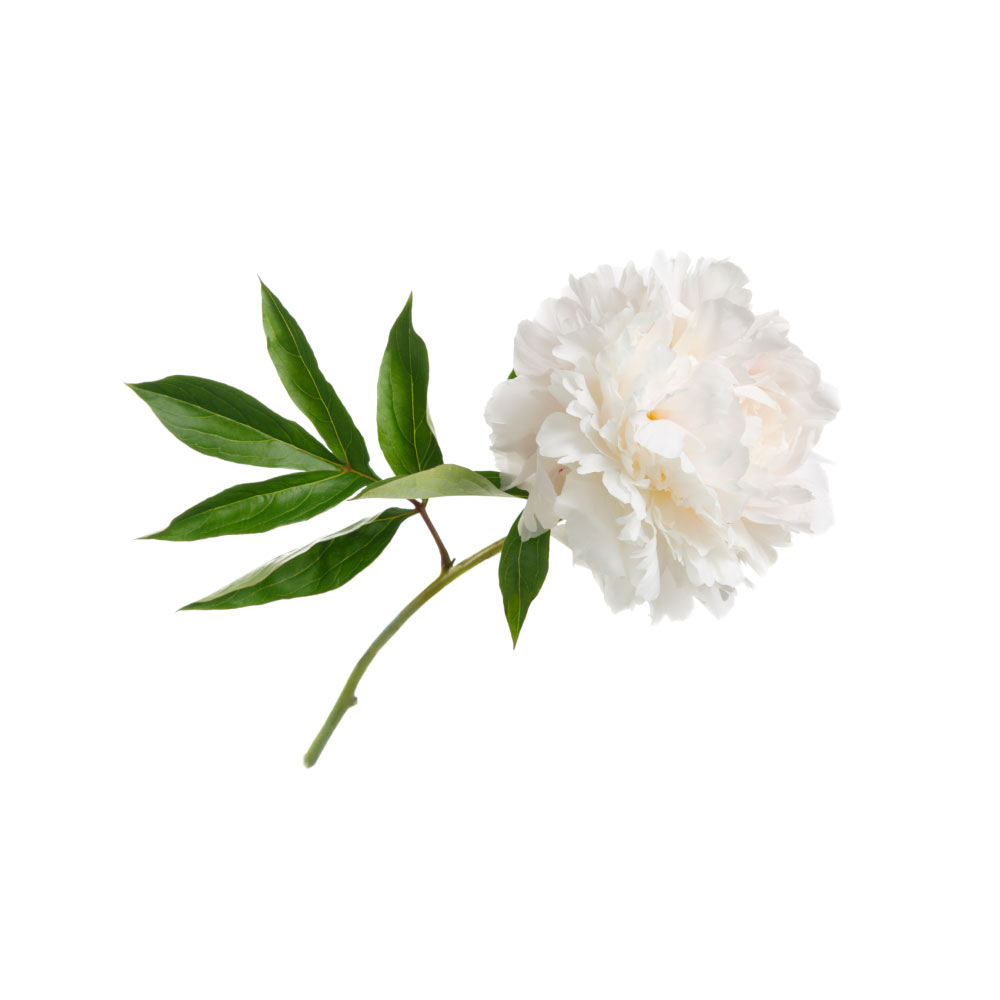
Pictured: Peony
Peony family
A single-genus family whose roots are central to Chinese herbal practice, carrying the monoterpene glycoside paeoniflorin used for cramping, pain and hyperandrogenism.
1 Herb // 11 Constituents // 4 Notable Members
Overview
A family of exactly one genus, Paeonia, with about 33 species of herbaceous perennials and woody shrubs across temperate Eurasia and western North America. Its taxonomic position was argued over for a century — the large showy flowers with numerous stamens suggested buttercup relatives, but molecular work placed it firmly in the Saxifragales, on its own branch.
Shared Traits
In Practice
Peony root is one of the most frequently prescribed herbs in Chinese medicine, and the tradition distinguishes two preparations that Western sources often conflate. White peony (bai shao, the peeled root of P. lactiflora) is used to nourish blood, soften the liver and relieve cramping; red peony (chi shao, unpeeled) is used to move blood and clear heat. Peony here refers to the P. lactiflora material.
The principal constituent is paeoniflorin, a monoterpene glycoside of the unusual pinane type, with antispasmodic, anti-inflammatory, analgesic and immunomodulatory activity in preclinical work.
Two clinical applications stand out. The first is the classical pairing with licorice — shakuyaku- kanzo-to in Japanese Kampo — used for muscle cramp and spasm, including nocturnal leg cramps and the cramping associated with cirrhosis and haemodialysis, with a reasonable body of Japanese clinical work behind it. The second is PCOS and hyperandrogenism, where the peony-licorice combination has small trials reporting reduced serum testosterone; the mechanism proposed involves aromatase promotion and effects on androgen synthesis. Both applications are promising rather than settled, and both come with the licorice caveat — glycyrrhizin’s pseudoaldosteronism risk is the limiting factor in prolonged use of these formulas, not the peony.
Total glucosides of paeony (TGP) are used in China as an adjunct in rheumatoid arthritis with a modest trial literature.
Safety for peony itself is good. Anticoagulant interaction is a theoretical concern given reported antiplatelet activity.
Materia Medica
The monograph in the database whose Paeoniaceae membership is recorded on the herb itself — so this list keeps itself current as new herbs land.
Paeonia lactiflora
Phytochemistry
Monoterpene glycosides of the paeoniflorin series are the family marker and are essentially unique to it. Alongside them: gallotannins, paeonol (in the tree peony bark), flavonoids and proanthocyanidins.
The compounds recorded for this family's single member, grouped by class.
Beyond the Database
Notable members without a monograph yet.
Keep Exploring