
Compound Monograph
Tellimagrandin II
Tellimagrandin II — the same molecule long published under the name eugeniin — is the first ellagitannin of the hydrolysable-tannin pathway, made by laccase oxidation of pentagalloylglucose. It occurs in meadowsweet flower, clove bud, Geum and water caltrop, and is the best in-vivo-tested monomeric ellagitannin: orally active against herpes simplex in mice, a histidine-decarboxylase inhibitor behind meadowsweet's odd stomach-friendliness, and an MRSA resistance-breaker in vitro.

Sources · 10
Where Does It Come From?
Tellimagrandin II is a naturally occurring ellagitannin (hydrolysable tannin; 1,2,3-tri-o-galloyl-4,6-(s)-hhdp-β-d-glucose), found in Meadowsweet, Clove, Bearberry and 7 other sources. It is well tolerated orally (low toxicity).
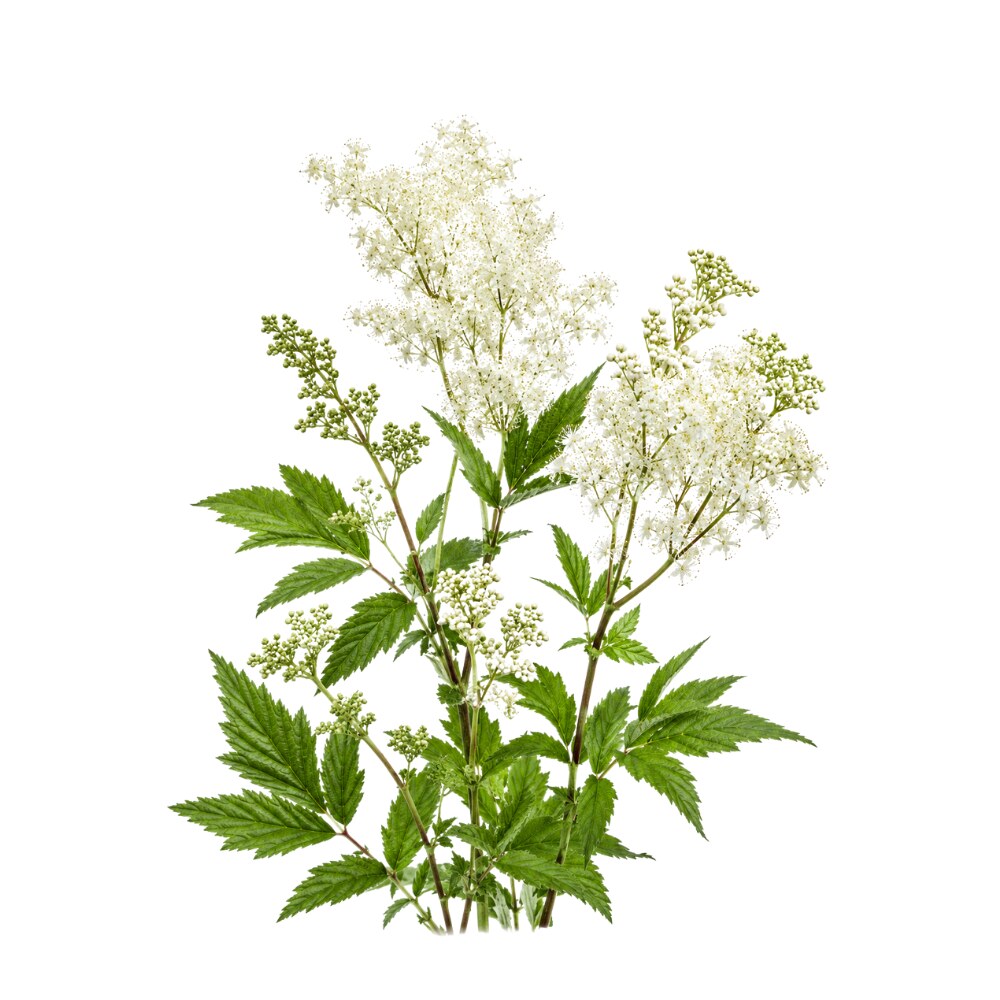 Principal source Meadowsweet Filipendula ulmaria Herb monograph →
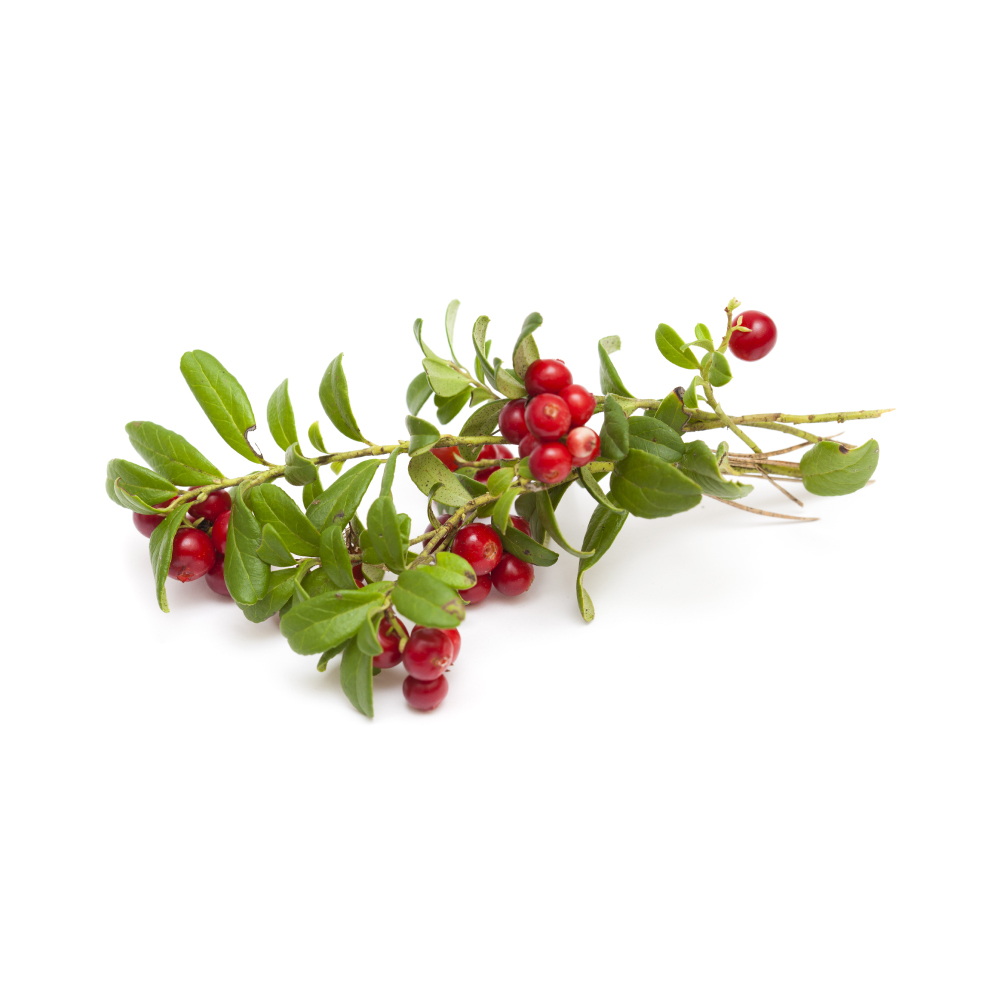 Source Bearberry Arctostaphylos uva-ursi Herb monograph →
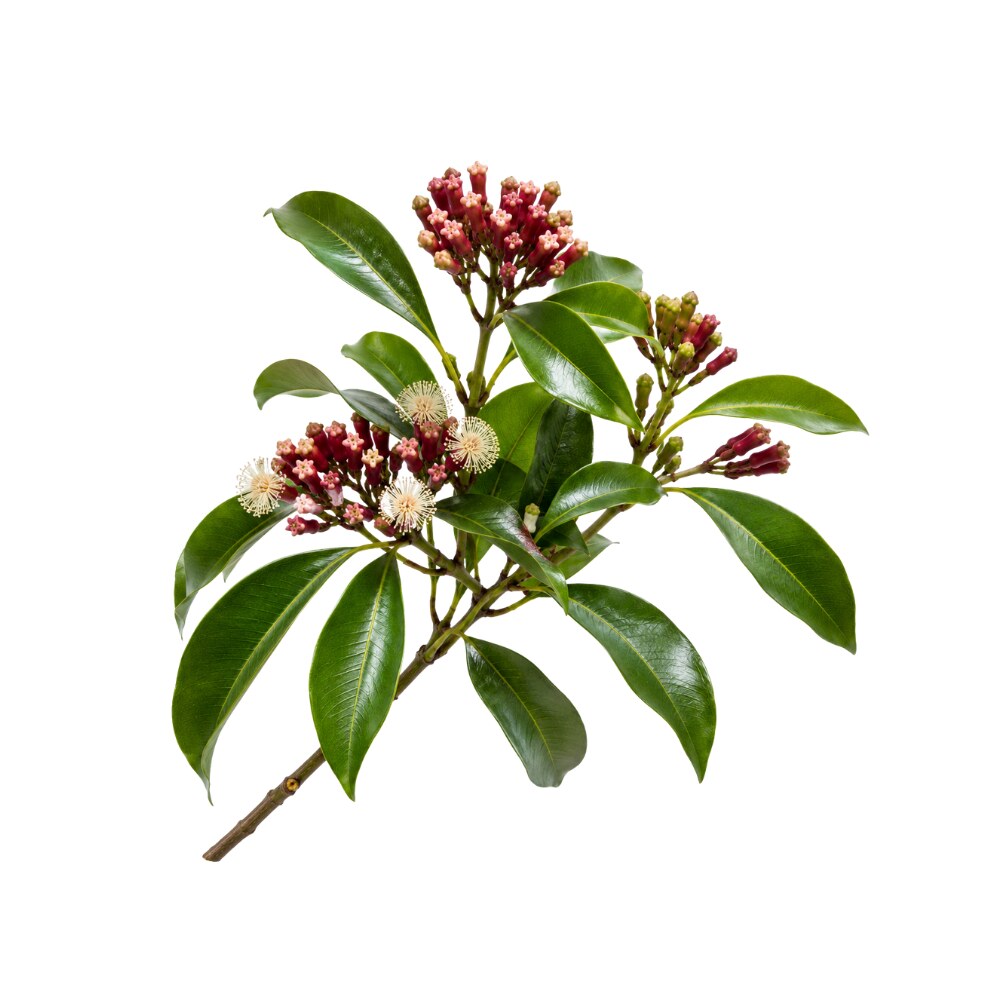 Source Clove Syzygium aromaticum Herb monograph →
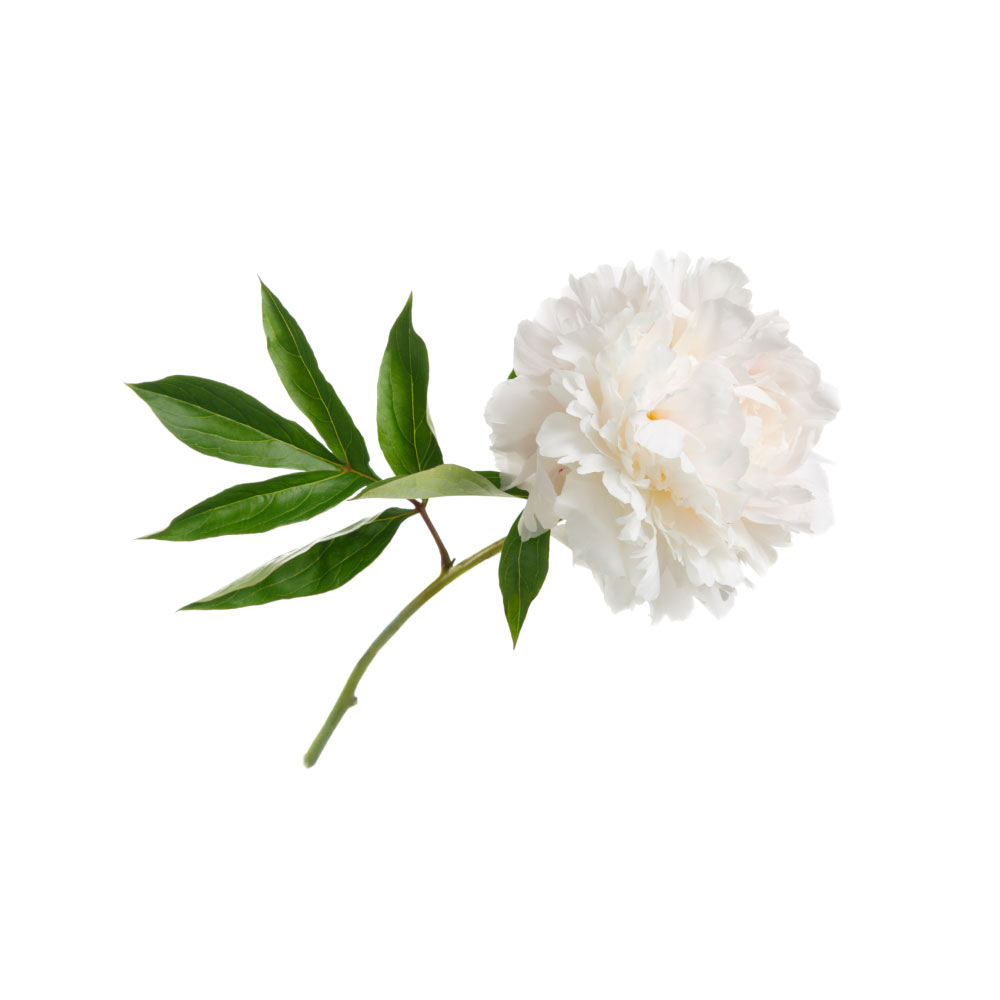 Source Peony Paeonia lactiflora Herb monograph →
Concentration
Content by Source
Reported concentrations across the plants that contain tellimagrandin II — the bar marks the typical level, the line shows the reported range.
Literature figures for varying plant parts and preparations. Read them as a comparative guide, not exact assays.
Tellimagrandin II at a Glance
Tellimagrandin II is a monomeric ellagitannin: a glucose core carrying three gallic acid esters at positions 1, 2 and 3, plus a hexahydroxydiphenoyl (HHDP) bridge locked across positions 4 and 6. That single HHDP bridge is what separates it from its precursor pentagalloylglucose and makes it, formally, the first ellagitannin of the hydrolysable-tannin pathway 10,
It is also a molecule with two names in two literatures. Everything published as eugeniin — the anti-herpes compound of clove bud — is the same substance, and reading the two names as one compound roughly doubles the evidence base (see below) 2,
The practical picture: tellimagrandin II turns up in meadowsweet flower, clove bud, Geum, rose petals, water-caltrop hulls and peony root, and it is unusually well tested in animals for an ellagitannin — orally active against herpes simplex in mice 4Reference 4In vitroBiological characterization of eugeniin as an anti-herpes simplex virus type 1 compound in vitro and in vivoView study →, ulcer-preventive in rats at 40 mg/kg 7Reference 7Antioxidant, anti-inflammatory and gastroprotective activity of Filipendula ulmaria (L.) Maxim. and Filipendula vulgaris MoenchView study →, and memory-improving in scopolamine-amnesiac mice at 100–200 mg/kg 17Reference 17In vitroHydrolysable tannins exhibit acetylcholinesterase inhibitory and anti-glycation activities in vitro and learning and memory function improvements in scopolamine-induced amnesiac miceView study →. It is also the ellagitannin behind part of meadowsweet’s strangest property: a salicylate-bearing plant that protects the stomach rather than irritating it, via histidine-decarboxylase inhibition 5,
The standing caveat for the whole hydrolysable-tannin class still applies and should be read first: these are large (MW 939), protein-binding polyphenols that are largely hydrolysed in the gut to ellagic acid and then to microbial urolithins, with wide inter-individual variation. Most in-vitro micromolar results describe the gut lumen, not plasma. Tellimagrandin II is a partial exception rather than a refutation — see Pharmacokinetics.
One Molecule, Two Names
The single most important thing to know about this compound is a naming accident.
Tellimagrandin II was named in 1976, when Wilkins and Bohm isolated it (with tellimagrandin I) from the Saxifragaceous garden weed Tellima grandiflora, fringe cups 1Reference 1Ellagitannins from Tellima grandifloraView study →. Eugeniin was the name already attached to the same molecule in the Japanese pharmacognosy literature, taken from Eugenia caryophyllata — the old binomial for the clove tree, now Syzygium aromaticum 2Reference 2Purification and characterization of antiviral substance from the bud of Syzygium aromaticaView study →. Both names describe 1,2,3-tri-O-galloyl-4,6-(S)-HHDP-β-D-glucose, C₄₁H₃₀O₂₆, MW 938.7. A third name, cornustannin 2, comes from the Cornus (dogwood) tannin literature.
The duplication survives into modern databases: PubChem carries the molecule twice, as CID 151590 (tellimagrandin II, CAS 81571-72-4) and CID 442679 (eugeniin, CAS 58970-75-5), with identical formula and mass. Commercial suppliers now list it as “Tellimagrandin II (Eugeniin)”.
Why it matters here: the antiviral evidence is filed under “eugeniin” and the enzyme-inhibition and gastroprotection evidence under “tellimagrandin II.” A search for either name alone returns roughly half the picture. The herpes work — including the only oral in-vivo antiviral data on any monomeric ellagitannin — is entirely in the eugeniin papers 2,
Where It Sits In The Pathway
Tellimagrandin II has an unusually well-defined biosynthetic position, because the enzymology was worked out — in Tellima grandiflora, the plant it was named for — by Niemetz and Gross.
Step one: pentagalloylglucose → tellimagrandin II. A laccase-type phenol oxidase purified from T. grandiflora leaves catalyses the O₂-dependent oxidative C–C coupling of the 4- and 6-galloyl groups of pentagalloylglucose, producing the (S)-configured HHDP bridge that defines tellimagrandin II. The authors proposed the systematic name pentagalloylglucose: O₂ oxidoreductase 10Reference 10Oxidation of pentagalloylglucose to the ellagitannin, tellimagrandin II, by a phenol oxidase from Tellima grandiflora leavesView study →. This makes tellimagrandin II, in their words, the first intermediate of the ⁴C₁-glucose-derived ellagitannin series — the point at which a gallotannin becomes an ellagitannin.
Step two: tellimagrandin II → the dimers. A second, distinct laccase from the same leaves oxidises two tellimagrandin II units into a dimeric ellagitannin, identified as cornusiin E, bridged by an (S)-valoneoyl group between glucose positions 2, 4′ and 6′ 11,
Two corrections worth stating plainly, because both are commonly muddled:
- Tellimagrandin I is not its precursor. Tellimagrandin I is the degalloylated relative (two galloyls instead of three, MW 787), not an intermediate on the way to II. The enzymology goes pentagalloylglucose → tellimagrandin II directly 10,
13Reference 10Oxidation of pentagalloylglucose to the ellagitannin, tellimagrandin II, by a phenol oxidase from Tellima grandiflora leavesView study →Reference 13Enzymology of gallotannin and ellagitannin biosynthesisView study → . - The evening-primrose connection belongs to tellimagrandin I. The macrocyclic Oenothera tannin oenothein B is built from tellimagrandin I units, not from tellimagrandin II.
The functional consequence is structural. Miyamoto’s survey of 45 ellagitannins in mice found that antitumour activity tracked with galloyl groups at glucose O-2 and O-3 — the tellimagrandin substitution pattern — and that ellagitannins built on casuarictin or potentillin units (which lack it) were largely inactive 14Reference 14AnimalAntitumor activities of ellagitannins against sarcoma-180 in miceView study →. Tellimagrandin II was the most active monomer tested. Structure, in this family, is not decorative.
What It's Used For
Tellimagrandin II is better tested in animals than most plant tannins, and the isolate work is genuinely isolate work — purified compound, not a crude tannin fraction. There are still no human trials of any kind.
Support is an experimental score — weighted by study type (human > animal > in vitro) and volume. A beta, not a validated metric. There are no human trials of this molecule, so every score is capped by design.
The deepest part of the file, and all of it is published under eugeniin. The molecule was first purified as the antiviral principle of clove bud, active against herpes simplex at 10 µg/mL 2Reference 2Purification and characterization of antiviral substance from the bud of Syzygium aromaticaView study →.
Kurokawa’s group then purified it independently from Geum japonicum, showing 50% plaque reduction of wild-type HSV-1 at 5.0 µg/mL with a 13.9-fold margin to cytotoxicity, and activity against acyclovir/phosphonoacetic-acid-resistant HSV-1, thymidine-kinase-deficient HSV-1 and HSV-2 3Reference 3Purification and characterization of eugeniin as an anti-herpesvirus compound from Geum japonicum and Syzygium aromaticumView study →.
Mechanistically it inhibits viral DNA synthesis: purified HSV-1 DNA polymerase was inhibited non-competitively with respect to dTTP, with an apparent Ki 8.2- and 5.8-fold lower than for human DNA polymerases α and β — a different mode of action from the nucleoside analogues 3Reference 3Purification and characterization of eugeniin as an anti-herpesvirus compound from Geum japonicum and Syzygium aromaticumView study →.
The in-vivo follow-up is what lifts this above the usual in-vitro tannin report. In cutaneously HSV-1-infected mice, oral and intraperitoneal dosing gave similar efficacy at 0.3 mg/kg; at 6 or 50 mg/kg both routes significantly prolonged survival and reduced mortality without toxicity; and oral 50 mg/kg reduced virus yields in skin and brain 4Reference 4In vitroBiological characterization of eugeniin as an anti-herpes simplex virus type 1 compound in vitro and in vivoView study →.
Isobolograms showed eugeniin enhanced acyclovir but was antagonistic with phosphonoacetic acid, consistent with binding near the PAA site on the polymerase 4Reference 4In vitroBiological characterization of eugeniin as an anti-herpes simplex virus type 1 compound in vitro and in vivoView study →.
Gap: no human data, and no modern replication — the core work is 1981–2001 from two Japanese groups. The 50% plaque-reduction concentration (5 µg/mL ≈ 5 µM) is far above anything plasma would plausibly reach from tea, so the mouse result depends on an absorption claim that was inferred from equal oral/i.p. efficacy rather than measured 4Reference 4In vitroBiological characterization of eugeniin as an anti-herpes simplex virus type 1 compound in vitro and in vivoView study →.
This is the meadowsweet thread. Searching the ethyl-acetate extract of Filipendula ulmaria petal for inhibitors of recombinant human histidine decarboxylase (HDC) — the enzyme that converts histidine to histamine — Nitta and colleagues found four ellagitannins as the main components: rugosin D, rugosin A, rugosin A methyl ester (a novel compound) and tellimagrandin II. All four were non-competitive inhibitors with Ki values of approximately 0.35–1 µM, comparable to the substrate-analogue inhibitor histidine methyl ester (Ki = 0.46 µM) 5Reference 5Inhibitory activity of Filipendula ulmaria constituents on recombinant human histidine decarboxylaseView study →.
Because gastric histamine drives acid secretion, this gives a concrete mechanism for a salicylate-bearing plant being gentle on the stomach.
A follow-up tested the same four against the bacterial HDC of Morganella morganii, the enzyme responsible for scombroid histamine poisoning in spoiled fish, and this time reported them separately: rugosin D 1.5 µM, rugosin A methyl ester 4.4 µM, tellimagrandin II 6.1 µM, rugosin A 6.8 µM (IC₅₀) — meadowsweet extract at 2 wt% also cut histamine accumulation in mackerel meat 6Reference 6Inhibition of Morganella morganii histidine decarboxylase activity and histamine accumulation in mackerel muscle derived from Filipendula ulmaria extractsView study →. Tellimagrandin II is therefore a genuine member of the group but the third of four, roughly four-fold weaker than rugosin D.
The isolate has separate in-vivo support for the downstream endpoint: in rat ethanol-induced acute gastric injury, tellimagrandin II at 40 mg/kg orally showed ulcer-preventive activity, alongside spiraeoside at 50 mg/kg and the whole flower infusions 7Reference 7Antioxidant, anti-inflammatory and gastroprotective activity of Filipendula ulmaria (L.) Maxim. and Filipendula vulgaris MoenchView study →.
Gap: the human-HDC paper does not break out per-compound Ki values, so the ranking above comes from the bacterial enzyme; the rat ulcer study tested a single dose with no dose–response; and the histamine mechanism has never been demonstrated in a human stomach.
Isolate work, in both mouse and human cells. In RAW 264.7 macrophages and human monocyte-derived macrophages, tellimagrandin II (non-cytotoxic below 50 µM) reduced LPS-induced NOS2 protein and mRNA and COX-2 protein, cutting downstream nitric oxide and PGE₂; upstream it suppressed phospho-p65, c-fos, phospho-c-jun and phospho-p38, placing the effect on the NF-κB / AP-1 / MAPK axis 16Reference 16AnimalLipopolysaccharide-induced nitric oxide and prostaglandin E2 production is inhibited by tellimagrandin II in mouse and human macrophagesView study →.
In CCl₄-challenged HepG2 cells it was among the more protective of a set of isolated ellagitannins, reducing ALT/AST and producing one of the largest increases in glutathione (comparable to silymarin) 21Reference 21Hepatoprotective and antioxidant effect of ellagitannins and galloyl esters isolated from Melaleuca styphelioides on carbon tetrachloride-induced hepatotoxicity in HepG2 cellsView study →.
Gap: cell models only — no animal inflammation model with the isolate, no human data, and the concentrations used (µM) are luminal-gut-plausible but not plasma-plausible. The antioxidant component is a shared property of the whole hydrolysable-tannin class rather than something specific to this molecule.
One study, but a mechanistically specific one. Tellimagrandin II purified from Trapa bispinosa (water caltrop) shells inhibited methicillin-resistant Staphylococcus aureus with an MIC of 128 µg/mL, and combined synergistically with low doses of conventional antibiotics. The mechanism was not simple membrane lysis: it reduced mecA expression and hence penicillin-binding protein 2a (PBP2a) — the resistance determinant itself — while TEM showed cell-wall disruption and loss of cytoplasmic contents 15Reference 15Tellimagrandin II, a type of plant polyphenol extracted from Trapa bispinosa, inhibits antibiotic resistance of drug-resistant Staphylococcus aureusView study →.
That is the same resistance target that its close relative tellimagrandin I hits by a different route (direct PBP2a inactivation) in bearberry.
Gap: a single in-vitro paper, at a fairly high MIC (128 µg/mL ≈ 136 µM) that is only reachable topically or in the gut lumen; no animal infection model, and no data on whether the synergy survives serum protein binding — a real concern for a promiscuous protein-binding tannin.
The notable result is old and comparative. Screening 45 ellagitannins by single intraperitoneal injection against sarcoma-180 in mice, Miyamoto found 21 active — and tellimagrandin II was the most active of the monomeric ellagitannins, with the structure–activity conclusion that galloyl groups at the O-2 and O-3 positions of the glucose core are required 14Reference 14AnimalAntitumor activities of ellagitannins against sarcoma-180 in miceView study →. Oligomers built from tellimagrandin units were also broadly active. More recent cell work reports that tellimagrandin II drives apoptosis and inhibits invasion in ectopic endometrial cells via 3-aminopropanal accumulation and inflammasome activation, and identifies peony root (Paeoniae Radix) as its source in that context 26Reference 26Tellimagrandin II stimulates inflammasomes by causing an accumulation of 3-aminopropanal, which promotes apoptosis of endometriotic cells while inhibiting invasionView study →.
Gap: the mouse study is intraperitoneal injection of a purified tannin — a route that bypasses the absorption problem entirely and says little about oral use — and it is over thirty years old with no isolate follow-up in a modern tumour model. The endometriosis work is cell-line plus docking, explicitly awaiting in-vivo confirmation 26Reference 26Tellimagrandin II stimulates inflammasomes by causing an accumulation of 3-aminopropanal, which promotes apoptosis of endometriotic cells while inhibiting invasionView study →.
A cluster of assays that all reflect the same underlying chemistry — dense polyphenol surfaces binding enzyme active sites. As eugeniin it inhibits rat intestinal maltase, though weakly (IC₅₀ ≈ 10⁻³ M), with a clear structure–activity trend that more galloyl units means more inhibition — it also inhibited maltase in Caco-2 cells 19Reference 19Alpha-glucosidase inhibitors from clove (Syzygium aromaticum)View study →.
From Geum japonicum it appears among fatty-acid-synthase inhibitors 22Reference 22Fatty acid synthase inhibitors from Geum japonicum Thunb. var. chinenseView study → and as a mixed non-competitive inhibitor of thrombin with competitive inhibition of factor Xa, prolonging rabbit-plasma clotting 20Reference 20Effects of tannins from Geum japonicum on the catalytic activity of thrombin and factor Xa of blood coagulation cascadeView study →.
From water-caltrop hulls, tellimagrandin II was among the strongest acetylcholinesterase inhibitors of eight isolated compounds, also inhibited amyloid-β aggregation, and — dosed orally at 100 and 200 mg/kg — improved learning in scopolamine-amnesiac mice on passive-avoidance and water-maze testing 17Reference 17In vitroHydrolysable tannins exhibit acetylcholinesterase inhibitory and anti-glycation activities in vitro and learning and memory function improvements in scopolamine-induced amnesiac miceView study →.
Gap: this is the promiscuity signature of a tannin as much as a drug-like activity. The cautionary companion study is Kosuge’s: eugeniin, like galloyl pedunculagin, precipitates protein kinase A outright in vitro through non-specific binding to a proline-rich domain 23Reference 23In vitroBiochemical characterization of galloyl pedunculagin (ellagitannin) as a selective inhibitor of the beta-regulatory subunit of A-kinase in vitroView study → — a reminder that some of these “inhibitions” are protein complexation, not active-site pharmacology.
Mechanisms
| Target / pathway | Effect | Relevant to |
|---|---|---|
| HSV-1 DNA polymerase | non-competitive inhibition w.r.t. dTTP, near the PAA-binding site → viral DNA synthesis blocked | antiviral (incl. acyclovir-resistant strains) |
| Histidine decarboxylase (human + bacterial) | non-competitive inhibition, Ki ≈ 0.35–1 µM → less histamine | gastroprotectionantihistaminefood-spoilage control |
| mecA / PBP2a (MRSA) | down-regulation → loss of β-lactam resistance; cell-wall disruption | antibacterialantibiotic potentiation |
| NF-κB (p65), AP-1 (c-fos/c-jun), p38 MAPK | suppression → ↓ NOS2, ↓ COX-2, ↓ NO, ↓ PGE₂ | anti-inflammatory |
| Thrombin, factor Xa | mixed non-competitive / competitive inhibition → prolonged clotting in vitro | anticoagulant signal (safety-relevant) |
| Acetylcholinesterase; amyloid-β aggregation | inhibition | neuro / cognitive (rodent) |
| α-Glucosidase / maltase, fatty-acid synthase | weak-to-moderate inhibition, galloyl-number dependent | metabolic (luminal) |
| Dietary and structural proteins | complexation and precipitation (astringency) | astringent action; also the source of assay promiscuity |
The unifying theme is the same as for every hydrolysable tannin: a protein-binding polyphenol surface. What varies is whether the protein it binds happens to be a useful target (a viral polymerase, HDC, PBP2a) or an artefact of the assay 23Reference 23In vitroBiochemical characterization of galloyl pedunculagin (ellagitannin) as a selective inhibitor of the beta-regulatory subunit of A-kinase in vitroView study →.
Pharmacokinetics
This is where tellimagrandin II is genuinely interesting — and where the page has to be careful.
The class default is poor absorption. Ellagitannins of this size (MW 939) are not meaningfully absorbed intact; they are hydrolysed along the gut to ellagic acid and then converted by colonic microbiota to urolithins (A/B/C/D), with large person-to-person variation (the urolithin metabotypes). On that model, a micromolar in-vitro IC₅₀ describes the gut lumen, not plasma, and the honest reading of most of the assays above is luminal.
Tellimagrandin II is a partial exception, with a caveat. In HSV-infected mice, oral and intraperitoneal eugeniin produced similar therapeutic efficacy across a 0.3–50 mg/kg range, and oral dosing reduced virus yield in the brain — findings the authors read as evidence that “the oral bioavailability of eugeniin was high with respect to absorption” 4Reference 4In vitroBiological characterization of eugeniin as an anti-herpes simplex virus type 1 compound in vitro and in vivoView study →. That is a strong functional argument, but it is an inference from efficacy, not a measured plasma concentration: no Cmax, no AUC, no metabolite identification was reported, and an active gut-derived metabolite could in principle explain the same result.
Stability data fill in the gut picture. Tested directly, tellimagrandin II is stable in simulated gastric fluid (>96% remaining after 4 h at 37 °C) but degrades in simulated intestinal fluid (down to 31.4% at 9 h) — notably more robust there than pentagalloylglucose (12.5%) 18Reference 18Stability of principal hydrolysable tannins from Trapa taiwanensis hullsView study →. It also degrades in hot water (<44% remaining at 100 °C in aqueous solution, versus >94% in ethanol), which matters for tea preparation 18Reference 18Stability of principal hydrolysable tannins from Trapa taiwanensis hullsView study →. So: it survives the stomach, begins breaking down in the small intestine, and much of what remains reaches the colon for microbial conversion.
The practical consequence: treat the gut-luminal activities (HDC inhibition affecting gastric histamine, gastroprotection, α-glucosidase inhibition, antibacterial action) as the most plausible real-world effects, and treat the systemic activities (antiviral in brain, antitumour after injection) as promising but resting on a single unmeasured absorption claim.
Clinical Trials
There are no clinical trials of tellimagrandin II / eugeniin — none completed, none registered. Human exposure is entirely dietary, through clove, meadowsweet, rose-petal and water-caltrop preparations. Every result here is in vitro or in rodents.
| Completed | Planned | Terminated | Preclinical |
|---|---|---|---|
| — | — | — | Substantial: mouse HSV (oral + i.p.), rat gastric ulcer, mouse sarcoma-180, mouse cognition, plus in-vitro enzyme/antimicrobial work |
Last checked: August 2026.
Isolate vs. Plant Studies
Unusually for this class, the majority of the pharmacology here is purified-isolate work — the HSV plaque and polymerase assays 3Reference 3Purification and characterization of eugeniin as an anti-herpesvirus compound from Geum japonicum and Syzygium aromaticumView study →, the HDC kinetics 5,
Two places where the distinction still bites:
- The meadowsweet skin-barrier finding is fraction-level, not molecule-level. In the F. ulmaria profiling study, CPC fractions containing tellimagrandins I and II (alongside quercetin, kaempferol glycosides, ursolic acid, pomolic acid, naringenin and β-sitosterol) up-regulated keratinocyte barrier and renewal genes 25Reference 25Rapid chemical profiling of Filipendula ulmaria using CPC fractionation, 2-D mapping of ¹³C NMR data, and high-resolution LC-MSView study →. That is a mixture result and must not be credited to this molecule.
- The SARS-CoV-2 mention is in-silico only. Tellimagrandin II from clove scored well in a molecular-docking and MD screen against the spike receptor-binding domain 24Reference 24Phytochemical moieties from Indian traditional medicine for targeting dual hotspots on SARS-CoV-2 spike protein: an integrative in-silico approachView study →. Docking is a hypothesis, not an activity; no wet-lab confirmation for this molecule exists.
Conversely, when tellimagrandin II is measured against its own siblings, it is usually mid-pack — third of four on bacterial HDC 6Reference 6Inhibition of Morganella morganii histidine decarboxylase activity and histamine accumulation in mackerel muscle derived from Filipendula ulmaria extractsView study →, and outperformed by tellimagrandin I on hepatoprotective GSH restoration in one head-to-head 21Reference 21Hepatoprotective and antioxidant effect of ellagitannins and galloyl esters isolated from Melaleuca styphelioides on carbon tetrachloride-induced hepatotoxicity in HepG2 cellsView study →. It is a competent member of a potent family rather than the family’s star.
Prevalence in Nature
Tellimagrandin II is a taxonomically wide ellagitannin, which is what you would expect of the first committed intermediate in the pathway. Documented occurrences span:
- Rosaceae — meadowsweet flower 7,
8, , Geum japonicum and G. aleppicum 3,9Reference 7Antioxidant, anti-inflammatory and gastroprotective activity of Filipendula ulmaria (L.) Maxim. and Filipendula vulgaris MoenchView study →Reference 8Qualitative and quantitative determination of hydrolysable tannins and other polyphenols in herbal products from meadowsweet and dog roseView study →Reference 9Meadowsweet teas as new functional beverages: comparative analysis of nutrients, phytochemicals and biological effects of four Filipendula speciesView study → 20, , Rosa rugosa and Rosa canina petals and hips 8Reference 8Qualitative and quantitative determination of hydrolysable tannins and other polyphenols in herbal products from meadowsweet and dog roseView study →22Reference 3Purification and characterization of eugeniin as an anti-herpesvirus compound from Geum japonicum and Syzygium aromaticumView study →Reference 20Effects of tannins from Geum japonicum on the catalytic activity of thrombin and factor Xa of blood coagulation cascadeView study →Reference 22Fatty acid synthase inhibitors from Geum japonicum Thunb. var. chinenseView study → - Myrtaceae — clove bud (as eugeniin) 2,
19Reference 2Purification and characterization of antiviral substance from the bud of Syzygium aromaticaView study →Reference 19Alpha-glucosidase inhibitors from clove (Syzygium aromaticum)View study → , Melaleuca styphelioides leaf 21Reference 21Hepatoprotective and antioxidant effect of ellagitannins and galloyl esters isolated from Melaleuca styphelioides on carbon tetrachloride-induced hepatotoxicity in HepG2 cellsView study → - Saxifragaceae — Tellima grandiflora, the type source 1,
10Reference 1Ellagitannins from Tellima grandifloraView study →Reference 10Oxidation of pentagalloylglucose to the ellagitannin, tellimagrandin II, by a phenol oxidase from Tellima grandiflora leavesView study → - Lythraceae — water caltrop (Trapa bispinosa, T. taiwanensis) hulls 15,
17, 18Reference 15Tellimagrandin II, a type of plant polyphenol extracted from Trapa bispinosa, inhibits antibiotic resistance of drug-resistant Staphylococcus aureusView study →Reference 17In vitroHydrolysable tannins exhibit acetylcholinesterase inhibitory and anti-glycation activities in vitro and learning and memory function improvements in scopolamine-induced amnesiac miceView study →Reference 18Stability of principal hydrolysable tannins from Trapa taiwanensis hullsView study → - Paeoniaceae — peony root 26Reference 26Tellimagrandin II stimulates inflammasomes by causing an accumulation of 3-aminopropanal, which promotes apoptosis of endometriotic cells while inhibiting invasionView study →
- Cornaceae — Cornus species (hence the synonym cornustannin 2)
- Juglandaceae — walnut seed
In meadowsweet it is a quantified constituent rather than a trace: a standard flower decoction (1 g per 100 mL, boiled 10 minutes) delivered 2.02 mg per 100 mL of tellimagrandin II — roughly 2 mg in a cup — and the compound is described as a chemotaxonomic marker of the Filipendula genus, present across F. ulmaria, F. denudata, F. stepposa and F. camtschatica 9Reference 9Meadowsweet teas as new functional beverages: comparative analysis of nutrients, phytochemicals and biological effects of four Filipendula speciesView study →. Meadowsweet flower carries 55.5–124.8 mg/g of total ellagitannins, of which tellimagrandins I and II and the rugosins A, B, D and E are the identified members 8Reference 8Qualitative and quantitative determination of hydrolysable tannins and other polyphenols in herbal products from meadowsweet and dog roseView study →.
Major Natural Sources
| Source | Plant part | Reported level |
|---|---|---|
| Meadowsweet (Filipendula ulmaria) | flower decoction | 2.02 mg/100 mL (1 g/100 mL brew) 9Reference 9Meadowsweet teas as new functional beverages: comparative analysis of nutrients, phytochemicals and biological effects of four Filipendula speciesView study → |
| Clove (Syzygium aromaticum) | flower bud | present — the original “eugeniin” source 2, |
| Water caltrop (Trapa bispinosa / T. taiwanensis) | hulls | present (isolated in quantity for pharmacology) 15, |
| Geum japonicum | whole plant / aerial | present 3, |
| Rose (Rosa rugosa, Rosa canina) | petals, hips | present 8Reference 8Qualitative and quantitative determination of hydrolysable tannins and other polyphenols in herbal products from meadowsweet and dog roseView study → |
| Peony (Paeonia lactiflora) | root | present 26Reference 26Tellimagrandin II stimulates inflammasomes by causing an accumulation of 3-aminopropanal, which promotes apoptosis of endometriotic cells while inhibiting invasionView study → |
| Fringe cups (Tellima grandiflora) | leaf | present — the type source 1, |
Only the meadowsweet figure is a firmly quantified concentration; the rest are qualitative pending measured values (tracked in the gaps file).
Other Reported Sources
- Melaleuca styphelioides (Myrtaceae) leaf
- Cornus officinalis and other Cornus species
- Walnut (Juglans regia) seed
- Lawsonia inermis (henna) leaf
- Myrothamnus flabellifolia
- Symplocos species
Discovery & Synthesis
The molecule entered the literature twice. In Japan it was characterised as eugeniin, the antiviral principle of clove bud (Eugenia caryophyllata), purified to homogeneity and shown to inhibit herpes simplex virus at 10 µg/mL 2Reference 2Purification and characterization of antiviral substance from the bud of Syzygium aromaticaView study →. Independently, Wilkins and Bohm reported “Ellagitannins from Tellima grandiflora” in Phytochemistry in 1976, naming tellimagrandins I and II after the plant 1Reference 1Ellagitannins from Tellima grandifloraView study →. The identity of the two was subsequently established, and both names remain in active use in their respective sub-literatures.
Its biosynthesis was solved in the same plant a quarter-century later, when Niemetz and Gross isolated the two successive laccase-type phenol oxidases that make it from pentagalloylglucose and then dimerise it 10,
Supply today is by extraction — clove bud, water-caltrop hulls and rose or meadowsweet flower are the practical starting materials, with the water-caltrop hull (an agricultural waste stream) used specifically because it is cheap and tannin-rich 17,
Patents: not yet researched.
Toxicity & Safety
Tellimagrandin II carries a low toxicity flag. It is a dietary hydrolysable tannin with long human exposure through clove, rose, meadowsweet and water-caltrop preparations, and the rodent work is reassuring at the doses used — mice tolerated 6–50 mg/kg orally and intraperitoneally “without toxicity” in the HSV study 4Reference 4In vitroBiological characterization of eugeniin as an anti-herpes simplex virus type 1 compound in vitro and in vivoView study →, and 100–200 mg/kg orally in the cognition study 17Reference 17In vitroHydrolysable tannins exhibit acetylcholinesterase inhibitory and anti-glycation activities in vitro and learning and memory function improvements in scopolamine-induced amnesiac miceView study →. Its cautions are those of the tannin class, plus one molecule-specific signal worth naming.
- A dietary tannin with a benign rodent record. Present in commonly consumed plants (clove, rose petals, meadowsweet tea, water caltrop) and well tolerated at the oral doses used in mouse and rat studies 4,
7, .17Reference 4In vitroBiological characterization of eugeniin as an anti-herpes simplex virus type 1 compound in vitro and in vivoView study →Reference 7Antioxidant, anti-inflammatory and gastroprotective activity of Filipendula ulmaria (L.) Maxim. and Filipendula vulgaris MoenchView study →Reference 17In vitroHydrolysable tannins exhibit acetylcholinesterase inhibitory and anti-glycation activities in vitro and learning and memory function improvements in scopolamine-induced amnesiac miceView study → - An in-vitro anticoagulant signal. Isolated tellimagrandin II is a mixed non-competitive inhibitor of thrombin and a competitive inhibitor of factor Xa, and significantly prolonged clotting of rabbit plasma 20Reference 20Effects of tannins from Geum japonicum on the catalytic activity of thrombin and factor Xa of blood coagulation cascadeView study →. This has never been tested in people, but it is the same direction as the anticoagulant caution already attached to meadowsweet — relevant to anyone on warfarin, DOACs or antiplatelets, or approaching surgery.
- Reduces non-heme iron absorption. A class-wide hydrolysable-tannin effect — it binds dietary iron in the gut. Matters for people who are iron-deficient or rely on plant iron; separate strong tannin drinks from iron-rich meals.
- GI astringency and protein binding at concentrate doses. Concentrated tannin intake can cause astringency, nausea or gut irritation and binds dietary and digestive proteins. A concentrate concern, not a trace-dietary one.
- Preclinical only — do not read the mouse antiviral data as a treatment. There are no human trials, no measured human pharmacokinetics, and the herpes work is 1981–2001 with no modern replication 3,
4Reference 3Purification and characterization of eugeniin as an anti-herpesvirus compound from Geum japonicum and Syzygium aromaticumView study →Reference 4In vitroBiological characterization of eugeniin as an anti-herpes simplex virus type 1 compound in vitro and in vivoView study → . - Assay promiscuity is part of this molecule’s profile. Like other galloyl-rich tannins it can precipitate proteins outright rather than inhibit them specifically 23Reference 23In vitroBiochemical characterization of galloyl pedunculagin (ellagitannin) as a selective inhibitor of the beta-regulatory subunit of A-kinase in vitroView study →, so some reported “inhibitions” overstate what a selective drug-like action would mean.
Pregnancy and lactation are adjudicated per herb and per supplement, not on this molecule page; no isolate-specific reproductive dataset exists for tellimagrandin II, and no verdict is issued here.
Dosage
There is no established or recommended human dose for tellimagrandin II, and it is not sold as a standardised supplement.
The figures that exist are research figures:
| Setting | Dose / concentration | Note |
|---|---|---|
| Mouse HSV-1 infection (oral or i.p.) | 0.3–50 mg/kg 4Reference 4In vitroBiological characterization of eugeniin as an anti-herpes simplex virus type 1 compound in vitro and in vivoView study → | efficacy in a rodent infection model, no human equivalent |
| Rat ethanol gastric injury (oral) | 40 mg/kg 7Reference 7Antioxidant, anti-inflammatory and gastroprotective activity of Filipendula ulmaria (L.) Maxim. and Filipendula vulgaris MoenchView study → | single dose, no dose–response |
| Mouse scopolamine amnesia (oral) | 100 and 200 mg/kg 17Reference 17In vitroHydrolysable tannins exhibit acetylcholinesterase inhibitory and anti-glycation activities in vitro and learning and memory function improvements in scopolamine-induced amnesiac miceView study → | learning/memory endpoints |
| HSV-1 plaque reduction (in vitro) | 5.0 µg/mL (EC₅₀) 3Reference 3Purification and characterization of eugeniin as an anti-herpesvirus compound from Geum japonicum and Syzygium aromaticumView study → | ≈5 µM; a cell-culture concentration |
| MRSA (in vitro) | 128 µg/mL (MIC) 15Reference 15Tellimagrandin II, a type of plant polyphenol extracted from Trapa bispinosa, inhibits antibiotic resistance of drug-resistant Staphylococcus aureusView study → | luminal/topical concentration only |
| Histidine decarboxylase (in vitro) | Ki ≈ 0.35–1 µM; IC₅₀ 6.1 µM (bacterial) 5, | enzyme kinetics, not a dose |
Human exposure is dietary and indirect — clove, meadowsweet flower tea (~2 mg per cup 9Reference 9Meadowsweet teas as new functional beverages: comparative analysis of nutrients, phytochemicals and biological effects of four Filipendula speciesView study →), rose-petal preparations, water-caltrop hulls. These are research figures and dietary contexts, not a personal recommendation.
References
- Wilkins CK, Bohm BA (1976). Ellagitannins from Tellima grandiflora. Phytochemistry 15:211–214. https://doi.org/10.1016/S0031-9422(00)89087-1
- Takechi M, Tanaka Y (1981). Purification and characterization of antiviral substance from the bud of Syzygium aromatica. Planta Medica. https://pubmed.ncbi.nlm.nih.gov/17401883/
- Kurokawa M, Hozumi T, Basnet P, Nakano M, Kadota S, Namba T, Kawana T, Shiraki K (1998). Purification and characterization of eugeniin as an anti-herpesvirus compound from Geum japonicum and Syzygium aromaticum. Journal of Pharmacology and Experimental Therapeutics. https://pubmed.ncbi.nlm.nih.gov/9454821/
- Kurokawa M, Hozumi T, Tsurita M, Kadota S, Namba T, Shiraki K (2001). Biological characterization of eugeniin as an anti-herpes simplex virus type 1 compound in vitro and in vivo. Journal of Pharmacology and Experimental Therapeutics. https://pubmed.ncbi.nlm.nih.gov/11259565/
- Nitta Y, Kikuzaki H, Azuma T, Ye Y, Sakaue M, Higuchi Y, Komori H, Ueno H (2013). Inhibitory activity of Filipendula ulmaria constituents on recombinant human histidine decarboxylase. Food Chemistry. https://pubmed.ncbi.nlm.nih.gov/23411280/
- Nitta Y, Yasukata F, Kitamoto N, Ito M, Sakaue M, Kikuzaki H, Ueno H (2016). Inhibition of Morganella morganii histidine decarboxylase activity and histamine accumulation in mackerel muscle derived from Filipendula ulmaria extracts. Journal of Food Protection. https://pubmed.ncbi.nlm.nih.gov/26939657/
- Samardžić S, Arsenijević J, Božić D, Milenković M, Tešević V, Maksimović Z (2018). Antioxidant, anti-inflammatory and gastroprotective activity of Filipendula ulmaria (L.) Maxim. and Filipendula vulgaris Moench. Journal of Ethnopharmacology. https://pubmed.ncbi.nlm.nih.gov/29132911/
- Fecka I (2009). Qualitative and quantitative determination of hydrolysable tannins and other polyphenols in herbal products from meadowsweet and dog rose. Phytochemical Analysis. https://pubmed.ncbi.nlm.nih.gov/19291675/
- Olennikov DN, Kashchenko NI, Chirikova NK (2016). Meadowsweet teas as new functional beverages: comparative analysis of nutrients, phytochemicals and biological effects of four Filipendula species. Molecules. https://pubmed.ncbi.nlm.nih.gov/28035976/
- Niemetz R, Gross GG (2003). Oxidation of pentagalloylglucose to the ellagitannin, tellimagrandin II, by a phenol oxidase from Tellima grandiflora leaves. Phytochemistry. https://pubmed.ncbi.nlm.nih.gov/12620341/
- Niemetz R, Gross GG (2003). Ellagitannin biosynthesis: laccase-catalyzed dimerization of tellimagrandin II to cornusiin E in Tellima grandiflora. Phytochemistry. https://pubmed.ncbi.nlm.nih.gov/14599517/
- Niemetz R, Schilling G, Gross GG (2003). Biosynthesis of the dimeric ellagitannin, cornusiin E, in Tellima grandiflora. Phytochemistry. https://pubmed.ncbi.nlm.nih.gov/12946409/
- Niemetz R, Gross GG (2005). Enzymology of gallotannin and ellagitannin biosynthesis. Phytochemistry. https://pubmed.ncbi.nlm.nih.gov/16153405/
- Miyamoto K, Nomura M, Murayama T, Furukawa T, Hatano T, Yoshida T, Koshiura R, Okuda T (1993). Antitumor activities of ellagitannins against sarcoma-180 in mice. Biological & Pharmaceutical Bulletin. https://pubmed.ncbi.nlm.nih.gov/8358389/
- Chang YW, Huang WC, Lin CY, Wang WH, Hung LC, Chen YH (2019). Tellimagrandin II, a type of plant polyphenol extracted from Trapa bispinosa, inhibits antibiotic resistance of drug-resistant Staphylococcus aureus. International Journal of Molecular Sciences. https://pubmed.ncbi.nlm.nih.gov/31752109/
- Lin CY, Kao SH, Hung LC, Chien HJ, Wang WH, Chang YW, Chen YH (2021). Lipopolysaccharide-induced nitric oxide and prostaglandin E2 production is inhibited by tellimagrandin II in mouse and human macrophages. Life. https://pubmed.ncbi.nlm.nih.gov/33946374/
- Chen LG, Lin SY, Lee YS, Wang CC, Hou WC (2021). Hydrolysable tannins exhibit acetylcholinesterase inhibitory and anti-glycation activities in vitro and learning and memory function improvements in scopolamine-induced amnesiac mice. Biomedicines. https://pubmed.ncbi.nlm.nih.gov/34440270/
- Wang CC, Chen HF, Wu JY, Chen LG (2019). Stability of principal hydrolysable tannins from Trapa taiwanensis hulls. Molecules. https://pubmed.ncbi.nlm.nih.gov/30669614/
- Toda M, Kawabata J, Kasai T (2000). Alpha-glucosidase inhibitors from clove (Syzygium aromaticum). Bioscience, Biotechnology, and Biochemistry. https://pubmed.ncbi.nlm.nih.gov/10737184/
- Dong H, Chen SX, Kini RM, Xu HX (1998). Effects of tannins from Geum japonicum on the catalytic activity of thrombin and factor Xa of blood coagulation cascade. Journal of Natural Products. https://pubmed.ncbi.nlm.nih.gov/9834152/
- Al-Sayed E, Esmat A (2016). Hepatoprotective and antioxidant effect of ellagitannins and galloyl esters isolated from Melaleuca styphelioides on carbon tetrachloride-induced hepatotoxicity in HepG2 cells. Pharmaceutical Biology. https://pubmed.ncbi.nlm.nih.gov/26731241/
- Liu H, Li J, Zhao W, Bao L, Song X, Xia Y, Wang X, Zhang C, Wang X, Yao X, Li M (2009). Fatty acid synthase inhibitors from Geum japonicum Thunb. var. chinense. Chemistry & Biodiversity. https://pubmed.ncbi.nlm.nih.gov/19319862/
- Kosuge S, Maekawa T, Saito C, Tanaka T, Kouno I, Ohtsuki K (2001). Biochemical characterization of galloyl pedunculagin (ellagitannin) as a selective inhibitor of the beta-regulatory subunit of A-kinase in vitro. Journal of Biochemistry. https://pubmed.ncbi.nlm.nih.gov/11226880/
- Umashankar V, Deshpande SH, Hegde HV, Singh I, Chattopadhyay D (2021). Phytochemical moieties from Indian traditional medicine for targeting dual hotspots on SARS-CoV-2 spike protein: an integrative in-silico approach. Frontiers in Medicine. https://pubmed.ncbi.nlm.nih.gov/34026798/
- Pannakal ST, Eilstein J, Hubert J, Kotland A, Prasad A, Gueguiniat-Prevot A, Juchaux F, Beaumard F, Seru G, John S, Roy D (2023). Rapid chemical profiling of Filipendula ulmaria using CPC fractionation, 2-D mapping of ¹³C NMR data, and high-resolution LC-MS. Molecules. https://pubmed.ncbi.nlm.nih.gov/37687176/
- Fan W, Zhang Y, Zhao R (2025). Tellimagrandin II stimulates inflammasomes by causing an accumulation of 3-aminopropanal, which promotes apoptosis of endometriotic cells while inhibiting invasion. Journal of Inflammation Research. https://pubmed.ncbi.nlm.nih.gov/41487967/



