Few topics in natural medicine have become as muddled as Candida.
Candida yeasts naturally live on the skin and in parts of the mouth, digestive tract, and reproductive system. Most of the time they cause no problems. Under certain conditions, however, they can multiply beyond what the body can control and produce an infection known as candidiasis.
Antibiotic use is the classic trigger — it clears out the bacteria that ordinarily compete with Candida for space and food. Pregnancy, diabetes, corticosteroids, weakened immunity, and certain medical procedures can also tip the balance.
Pau d’arco is the herb most consistently reached for here, in both traditional Amazonian practice and modern clinical herbalism — and unlike a lot of folk antifungals, its reputation has held up in the laboratory. Extracts of the bark inhibit Candida species again and again, across independent labs, including strains that no longer respond to conventional antifungal drugs.
What it doesn’t have is a human trial for candidiasis specifically. So the honest framing is this: pau d’arco is the best-supported herbal antifungal available to us, it works through a mechanism that makes good sense against yeast, and it’s a supportive herb rather than a replacement for a diagnosis when one is needed.
Bottom line — The strongest herbal antifungal we have for Candida — consistently active against the yeast in the lab, backed by centuries of Amazonian use, but never formally trialled in people with candidiasis.
- Pau d’arco’s antifungal activity against Candida species is real and consistently replicated — but it’s laboratory evidence and traditional practice, not a human clinical trial for candidiasis.
- Its naphthoquinones attack fungal energy production, a completely different target from the azole drugs — which is why it stays active against fluconazole-resistant strains in culture.
- Quality varies enormously: most commercial bark is under-dosed or mis-sourced, so where you buy matters as much as how you use it.
- It has to be decocted (simmered), not steeped, and taken consistently for weeks — and it carries real interactions worth knowing before you commit to a long course.
What Candida Actually Is
Candida is a genus of yeast containing numerous species. Several of them normally live in or on the human body without causing any symptoms at all — they’re part of the furniture.
Candidiasis is what happens when this ordinarily harmless organism starts causing a localized or invasive infection. The recognized forms are:
- Vaginal candidiasis: itching, soreness, irritation, and abnormal discharge.
- Oral candidiasis (thrush): white patches, redness, soreness, altered taste, and cracking at the corners of the mouth.
- Esophageal candidiasis: pain or difficulty swallowing.
- Invasive candidiasis: Candida entering the blood, organs, bones, or other internal tissues.
These are not interchangeable. A vaginal yeast infection in an otherwise healthy person is a very different situation from invasive candidiasis in a critically ill hospital patient — the latter primarily affects people who are already seriously unwell, with risk factors like prolonged hospitalization, central venous catheters, abdominal surgery, chemotherapy, organ transplantation, kidney failure, and broad-spectrum antibiotic use.
The reason Candida gets its opening so often is ecological rather than mysterious. The gut is a crowded place, and the resident bacteria hold the yeast in check simply by occupying the space and consuming the fuel. Clear the bacteria out with a course of broad-spectrum antibiotics — which have no effect on fungi whatsoever — and the yeast has room to expand.
The “Candida Overgrowth” Picture
Alongside the clearly defined infections above sits a broader, looser pattern that herbalists and naturopaths see constantly, usually in someone with a recent history of antibiotics, a high-sugar diet, or a long stretch of stress:
- Bad breath
- Bloating
- Constipation or diarrhea
- Fatigue
- Brain fog
- Mood swings
- Vaginal itchiness
- Insomnia
- Painful or swollen joints
Worth being straight about what this list is and isn’t. These symptoms are real and the pattern is recognizable in practice, but they’re non-specific — they overlap heavily with IBS, small-intestinal bacterial overgrowth, food intolerance, and plain old stress — and there’s no validated test that confirms “systemic candida overgrowth” as a diagnosis. Online questionnaires that score you for it aren’t measuring anything.
What is well established is the underlying situation these symptoms usually point at: a gut flora knocked out of balance, often by antibiotics, in which yeast has more room than it should. That’s a sensible thing to work on, and it’s the situation pau d’arco is actually suited to. It just isn’t a reason to skip a proper diagnosis when there are specific, treatable symptoms on the table.
How Candida Is Treated Conventionally
Candida infections are treated with antifungal medications, not antibiotics — a distinction that matters, because antibiotics are frequently what caused the problem.
The specific treatment depends on where the infection is and how severe it is: topical antifungals, nystatin, fluconazole, other azole medications, or intravenous drugs such as echinocandins for invasive infections. These work, and for a diagnosed infection — particularly oral, esophageal, or invasive disease — they’re the right tool.
Antifungal resistance is increasing, though it isn’t distributed evenly. The greatest concern involves invasive candidiasis and species such as Candida auris, C. glabrata, and C. parapsilosis, where laboratory identification and susceptibility testing help clinicians pick something that will actually work.
Rising resistance is often used as an argument for herbs, and it’s worth handling that carefully. It’s a genuine reason to be interested in plants with different mechanisms — pau d’arco among them — but it isn’t evidence that a herb will clear an infection a drug couldn’t. What we have on that front is laboratory data, and it’s promising rather than proven.
The Herbal Toolkit, Ranked
Here’s the honest state of the evidence for everything discussed below, scored by how strong the support is for use against Candida specifically. Click a bar to jump to that section.
- Proven
- Promising
- Shaky
- Unsupported
What Pau D’Arco Does To Candida
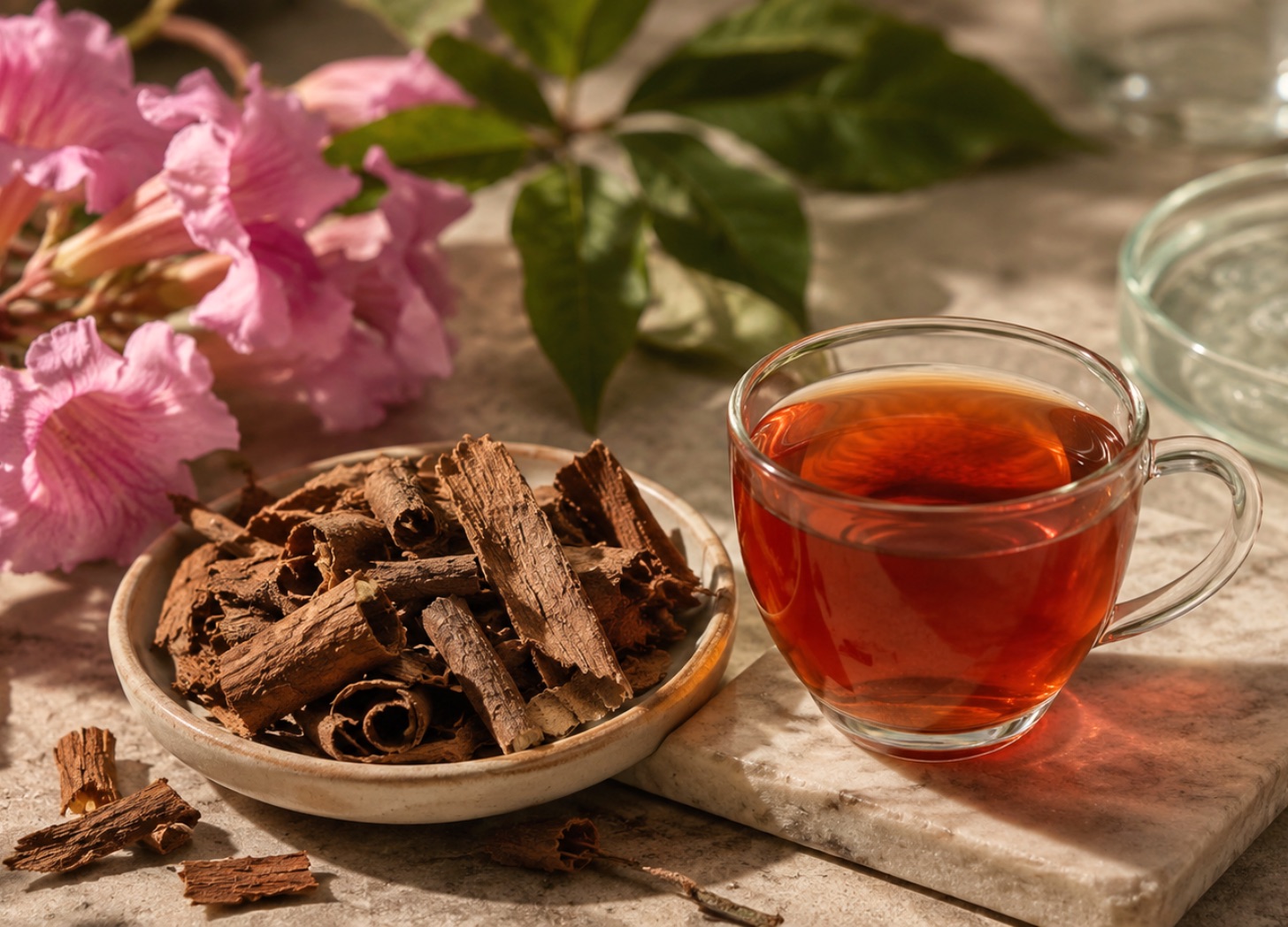
Pau d’arco is a massive canopy tree of the Amazon rainforest. Its inner bark and heartwood are made into a tea and used for all kinds of bacterial, fungal, and parasitic infections.
The bark has shown consistent, replicated activity against multiple species of Candida in culture — C. albicans along with non-albicans species, plus Cryptococcus, Aspergillus, and the dermatophytes behind athlete’s foot and ringworm 1,
The reason it holds up is mechanistic, and it’s the most interesting thing about this herb. The activity tracks with lapachol and β-lapachone, the bark’s marker naphthoquinones 4,
That is a completely different target from the azole drugs, which work by blocking a single enzyme in the ergosterol pathway that builds the fungal membrane. A yeast that has mutated its way around the azole target hasn’t done anything to protect its respiratory chain — which is exactly why fluconazole-resistant strains stay sensitive to the naphthoquinones in a culture dish.
Structure–activity work on the bark’s naphthoquinones supports the same picture: the quinone core is what does the work, and small changes to it change potency predictably 6Reference 6In vitroStructure-activity relationship studies of antimicrobial naphthoquinones derived from constituents of Tabebuia avellanedae — in vitroView study →. And unlike a lot of “kills things in a dish” findings, this one comes with a reassuring toxicity profile at the whole-herb level — bark extract was non-toxic to primary human immune cells while suppressing inflammatory cytokines 7Reference 7The medicinal plant Tabebuia impetiginosa potently reduces pro-inflammatory cytokine responses in primary human lymphocytes — ex vivo human cell studyView study →, and an aqueous extract showed low acute toxicity in rodents 8Reference 8AnimalAntinociceptive and antiedematogenic properties and acute toxicity of Tabebuia avellanedae inner bark aqueous extract — mouse and rat modelView study →.
The limitation stands: none of this is a trial in people with candidiasis. It’s a strong mechanistic and preclinical case supporting a use that herbalists have relied on for a very long time — which is a good position for a herb to be in, but not the same thing as proof.
The Traditional Case
Indigenous peoples across the Amazon have used pau d’arco bark for centuries as an antibacterial, antifungal, and antiparasitic remedy, taken as a tea — “taheebo” or “lapacho” 9Reference 9ReviewTabebuia impetiginosa: a comprehensive review on traditional uses, phytochemistry, and immunopharmacological properties — reviewView study →.
It’s worth being period-correct about this. Nobody in the traditional record was treating “Candida albicans overgrowth” — the yeast wasn’t described until the 19th century and the modern gut-flora framing is newer still. The traditional language is different and broader: pau d’arco was a remedy for fungal and parasitic infection of the skin and gut, for persistent infections that wouldn’t clear, for wounds and inflammatory conditions, and as a general cleansing tonic taken over weeks rather than days.
That’s a legitimate evidence tier in its own right, and it lines up unusually well with what the laboratory later found. A bark used for centuries against fungal skin and gut complaints turns out to contain molecules that reliably kill fungi — the tradition and the chemistry are pointing at the same thing, which is not something you can say about every folk remedy.
The other thing tradition tells us is how to use it, and that turns out to matter enormously.
Buy The Real Thing
One practical catch before you start: most bark sold as “pau d’arco” isn’t very good pau d’arco. It’s largely a byproduct of the Amazon timber trade, and once a log reaches the mill there’s no easy way to tell species — or heartwood from lower-quality outer wood — apart.
The landmark analysis here is stark. A 1988 survey of twelve commercial taheebo products found only one that contained detectable lapachol at all, and even that was present in trace amounts against the levels found in genuine bark 10,
A cheap bag of bark with no sourcing information behind it may be doing close to nothing. This is, realistically, the single biggest reason people try pau d’arco and conclude it doesn’t work.
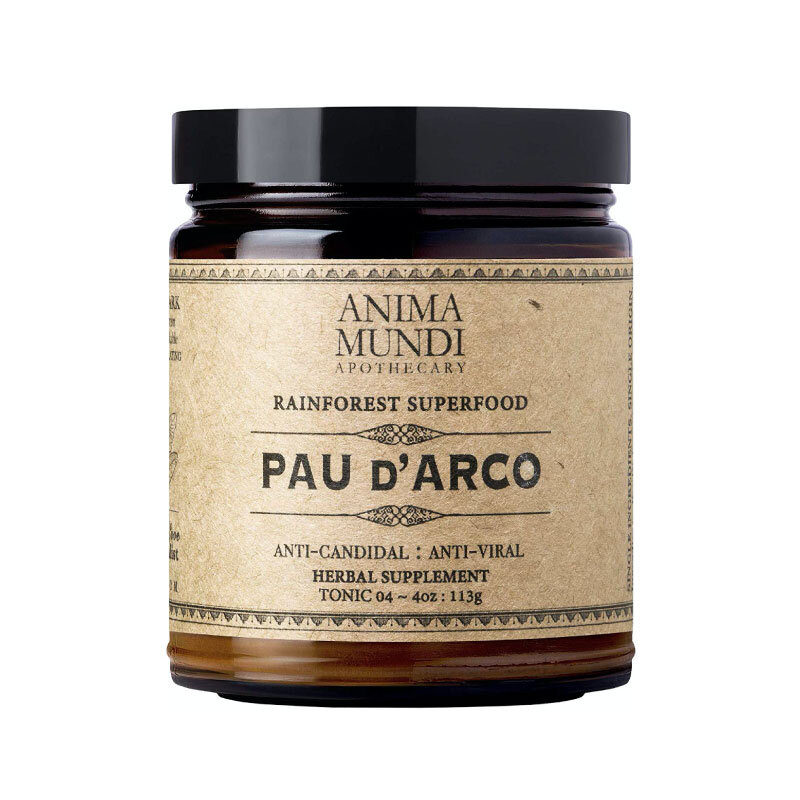
Look for a supplier that’s specific about using inner bark and heartwood — not a generic timber byproduct — or better, one that publishes a quinone or lapachol-content assay.
How To Use Pau D’Arco For Candida
Herbs like pau d’arco do the direct antifungal work, but they work best as one half of a pair — the other half being the dietary and gut-flora changes that stop the yeast being handed its opening again (covered below).
Making The Decoction
In order to use pau d’arco bark you’ll need to turn it into a decoction. A decoction is different from a tea in that you actually simmer the bark in water for a while rather than just letting it steep.
This isn’t a stylistic preference. The active naphthoquinones are only weakly water-soluble and they’re locked inside the densely packed cells of woody heartwood — a five-minute infusion barely touches them. You need real heat and real time to pull them out.
For dried bark made into a decoction, use a 1:30 ratio of water to dried bark. I usually use 100 grams of bark with 3 L of water to prepare a couple of days’ supply. You could also make a smaller batch with 50 grams of bark and 1.5 liters (6 cups) of water.
Pau d’arco bark powder works as well — add it to a teabag before simmering, or pass the finished liquid through a strainer.
Simmer for about 30 minutes, until roughly 30% of the water has boiled away (leaving you with a 1:20 ratio in the final liquid). Refrigerate it and drink it over the next couple of days.
Traditional use calls for ½ to 1 cup (125–250 mL), 2–4 times a day, for the first couple of weeks, then tapering to a lower dose once you see improvement. Don’t drink more than a cup at a single sitting — larger amounts at once have reportedly caused nausea and GI upset.
Capsules & Tinctures
Pau d’arco capsules are another convenient option, though they aren’t as strong or cost-effective as a proper decoction. Most companies recommend about 2 capsules twice a day; for more established overgrowth I’d use a bit more, such as 2 capsules 3 times a day. Follow the label — capsule strength varies a lot between brands.
Tinctures are the most convenient option of all — no decoctions or powders required. Add them directly to water, juice, or tea. Strength varies a lot here too, from 1:1 all the way to 1:10 (the higher the second number, the more diluted, and the more you’ll need). Most commercial tinctures are 1:2 or 1:3; aim for around 5–7 mL, 2–3 times a day.
That’s meaningfully more concentrated than the general maintenance dose on the pau d’arco monograph (20–50 mL/week of a 1:2 extract) — reasonable for a defined, weeks-long antifungal course, but not something to run indefinitely (see Safety, below).
Be Consistent
In order for the herb to work, you’ll need to take it fairly regularly. The naphthoquinones work by disrupting fungal respiration over time rather than poisoning the cell on contact 4Reference 4ReviewAnti-infectious activity in plants of the genus Tabebuia — reviewView study → — so the herb needs to reach the yeast repeatedly, at a decent concentration, for weeks.
Expect to use it steadily for a few weeks to knock the overgrowth back far enough to resolve symptoms.
Feed The Bacteria, Starve The Yeast
Pau d’arco is an excellent herb for this job, but it works best alongside changes that address why the yeast got its opening in the first place. There are two halves to that.
Cut the easy fuel. Candida thrives on simple sugars. White bread, confectionery, sweetened sauces, juice, and a heavy fruit load all provide the yeast with exactly what it grows fastest on. Swapping sugary meals for complex carbohydrates, proteins, and fats for a few weeks is the part of this you control completely. A ketogenic or paleo-style pattern suits the job well, though there’s no need to be dogmatic — the goal is simply to stop handing the yeast free glucose while you’re working on it.
Be aware that this half rests on mechanism and clinical experience rather than trial data. The reasoning is sound and the change is harmless, but nobody has run the controlled study.
Rebuild the competition. This is the half people skip, and it’s arguably the more important one. Killing yeast leaves empty real estate; if nothing moves into it, the overgrowth simply returns when you stop treatment. What repopulates that space is bacteria, and what bacteria need is fermentable fibre — the soluble, gel-forming kind that your own enzymes can’t break down but gut microbes can ferment happily.
Good sources of fermentable fibre include:
- Oats and barley
- Legumes and beans
- Onions, leeks, garlic, and asparagus
- Slightly under-ripe bananas and cooked-then-cooled potato or rice (resistant starch)
- Psyllium husk
- Slippery elm, which adds a soothing mucilage layer on top of its prebiotic effect
Insoluble fibre — wheat bran, the tough parts of vegetables — is worth having too, for transit and bulk, but it’s the soluble, fermentable kind that actually feeds the bacteria you’re trying to bring back. Live-culture foods (yoghurt, kefir, sauerkraut, kimchi) are a reasonable addition on the same logic.

How Long Does It Take To Work?
Pau d’arco won’t work right away. Candida took a while to establish and will take a while to shift.
Expect 1–3 weeks before you notice anything, with 3–4 weeks being the typical point at which people report a change. Whether you’re also making the dietary changes above has a big impact on how fast that goes.
Mild to moderate overgrowth usually settles after about two months on a consistent diet-and-herb plan. More entrenched cases can take considerably longer and may need other medical support alongside — which is a good reason to be working with a practitioner rather than self-managing indefinitely.
Some people report feeling briefly worse in the first few days — flu-like malaise, headache, foggy irritability. This is usually called “die-off,” and it’s worth knowing that the mechanism behind that name has never actually been demonstrated for Candida. What’s certain is the practical response either way: if you feel rough, reduce the dose and build back up more slowly, and if it doesn’t settle within a few days, get it looked at rather than pushing through.
Addressing candida is best approached as a change to how you eat and live, rather than a short-term treatment.
Other Herbs For Candida
Pau d’arco is by far the most famous herb for this, but it’s not the only one. Most herbalists combine it with others to attack the yeast from a different angle — and given that these are all working through distinct mechanisms, there’s a reasonable rationale for stacking them.
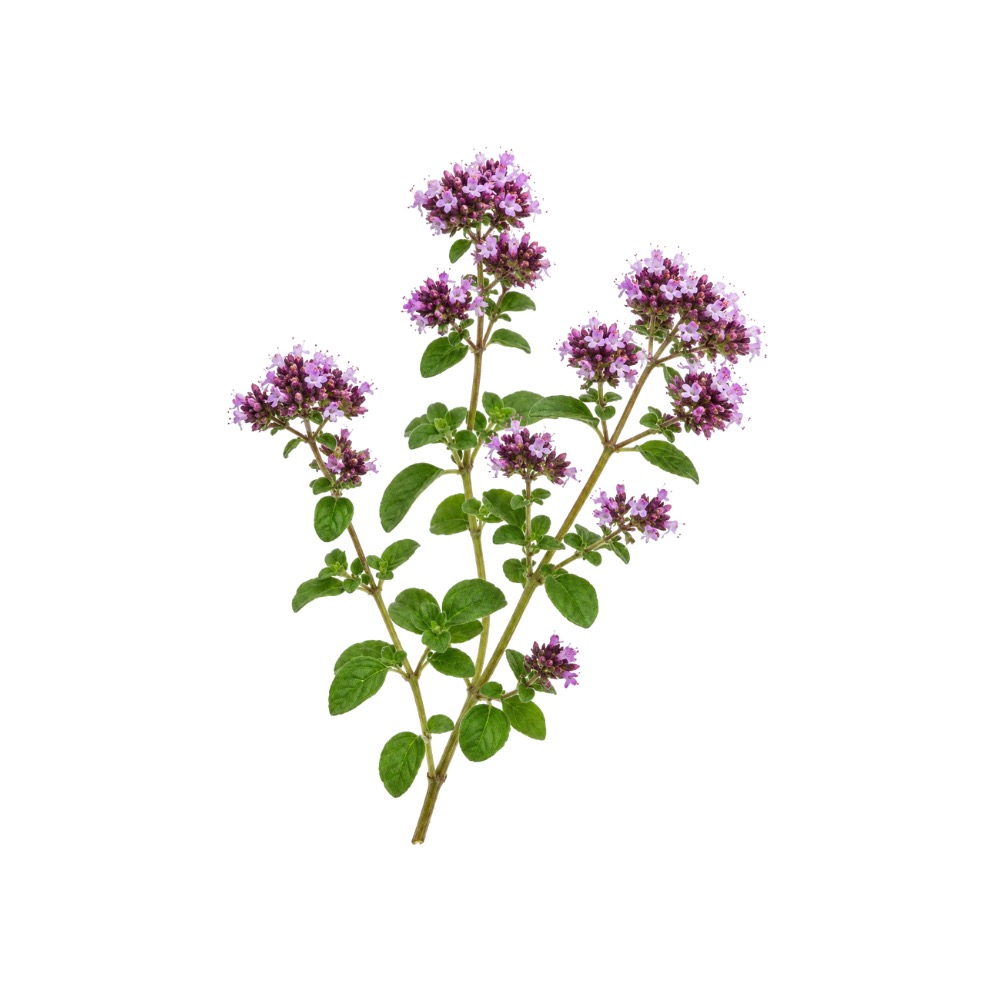
Oregano
Oregano’s pungent oil is dominated by carvacrol, a phenolic monoterpene with strong, well-replicated antifungal activity. A PRISMA systematic review of Origanum essential oils found O. vulgare the most-studied species with reliable activity against Candida and other pathogenic fungi 13Reference 13Systematic reviewOriganum essential oil and antifungal activity: a systematic reviewView study →, and mechanistic work shows the oil suppresses fungal virulence factors — lipase and phospholipase secretion, biofilm formation — rather than simply killing cells outright 14Reference 14In vitroModulatory effect of Origanum vulgare essential oil and carvacrol on Malassezia spp. virulence factors — in vitroView study →. Carvacrol also works synergistically with quercetin against Candida albicans biofilms in culture 15Reference 15In vitroQuercetin and carvacrol act synergistically to inhibit Candida albicans biofilms in vitro via membrane disruption and oxidative stressView study →.
It’s the natural partner for pau d’arco: carvacrol disrupts the fungal membrane, the naphthoquinones hit respiration. Note the potency caveat, though — these results are at essential-oil concentrations, so oregano oil capsules do this job, not oregano tea.
Black Walnut
The green hull of black walnut is a classic antifungal and antiparasitic remedy, built around the naphthoquinone juglone — chemically a close cousin of pau d’arco’s own quinones, and presumably working the same redox-disrupting way. Its best-documented use is topical, for skin infections like athlete’s foot and ringworm, so treat it as a supporting herb for skin-level candida rather than a substitute for an internal decoction. Keep courses short; the hulls are hard on the liver and kidneys at length.
Goldenseal & Barberry
Goldenseal and barberry both concentrate berberine, a broad-spectrum antimicrobial alkaloid traditionally used for gut infections. Berberine’s antifungal and anti-biofilm activity against Candida — including fluconazole-resistant strains — is well reviewed 16,
Both carry real interaction risk of their own — goldenseal is a potent CYP3A4/CYP2D6 inhibitor, and both are contraindicated in pregnancy — so treat them the same way as pau d’arco: a short, defined course, not an indefinite daily habit.
Garlic
Garlic’s allicin — generated when a raw clove is crushed — inactivates microbial thiol-containing enzymes and shows broad antimicrobial and antifungal activity in vitro 19Reference 19ReviewAntimicrobial properties of allicin used alone or in combination with other medications — reviewView study →. It’s also the easiest thing on this list to act on: it’s food, and it doubles as a source of the fermentable fibre discussed above.
Two practical notes. Allicin only forms in fresh, crushed garlic — aged extracts and long-cooked cloves contain very little — and garlic’s antiplatelet effect stacks with pau d’arco’s own bleeding risk. If you’re combining both at therapeutic doses, or you’re on blood thinners, loop in your prescriber first.
Myrrh
Resinous myrrh shows up constantly in traditional anti-candida formulas alongside pau d’arco, oregano, and goldenseal, particularly for oral thrush where its astringency and topical antiseptic action are genuinely useful as a mouthwash. That combination is folk practice rather than trial-tested, and myrrh’s own best-documented pharmacology is anti-inflammatory rather than antifungal — so include it for the tradition and the local action, not for its anti-Candida evidence.
The formula most herbalists build around — direct antifungal action from two different mechanisms, plus a berberine herb for the gut. A defined course of several weeks, not an ongoing regimen.
Safety
Pau d’arco is well tolerated at customary doses — an 8-week human trial of encapsulated bark reported only mild adverse events with laboratory markers largely within normal limits 20Reference 20Safety and tolerability of Pau d’Arco (Tabebuia avellanedae) for primary dysmenorrhea: a single-arm, open-label trial (n=12)View study →, and whole-bark extract shows low acute toxicity in animals 8Reference 8AnimalAntinociceptive and antiedematogenic properties and acute toxicity of Tabebuia avellanedae inner bark aqueous extract — mouse and rat modelView study →. But the same naphthoquinones that make it work against candida carry two real risks: lapachol is a vitamin-K antagonist 21Reference 21AnimalPromotion or suppression of experimental metastasis of B16 melanoma cells after oral administration of lapachol — mouse model; vitamin K antagonismView study →, and safety in pregnancy hasn’t been established. Both are worth knowing before you commit to a multi-week protocol.
- Bleeding risk. Lapachol is a vitamin-K antagonist — use caution with anticoagulants, antiplatelets, or around surgery.
- Avoid in pregnancy and lactation. Not established as safe; excluded from human trials.
- CYP3A4 interaction. Bark phenylpropanoid glycosides inhibit CYP3A4 in vitro — worth checking against other medications 22Reference 22In vitroBioactive phenylpropanoid glycosides from Tabebuia avellanedae — in vitro antioxidant and CYP3A4 inhibitionView study →.
- GI upset at high doses. More than about a cup of decoction at once has reportedly caused nausea and diarrhea.
- Otherwise well tolerated. Mild adverse events only in the human safety trial, at 1,050 mg/day for 8 weeks.
Full detail, interactions and pregnancy notes: Pau D’Arco — Safety & Pregnancy.
Can pau d’arco replace fluconazole?
Can I just steep it like a normal tea?
Is a tincture as good as a decoction?
What about “die-off” symptoms?
How long can I stay on it?
Does it matter which brand I buy?
References
- Portillo, A., Vila, R., Freixa, B., Adzet, T., & Cañigueral, S. (2001). Antifungal activity of Paraguayan plants used in traditional medicine — in vitro. Journal of Ethnopharmacology, 76(1), 93-98. https://pubmed.ncbi.nlm.nih.gov/11378288/
- Silva, E., Melo, F., De Paula, J. E., & Espindola, L. S. (2009). Evaluation of the antifungal potential of Brazilian Cerrado medicinal plants — in vitro. Mycoses, 52(6), 511-517. https://pubmed.ncbi.nlm.nih.gov/19207849/
- Höfling, J. F., Anibal, P. C., Obando-Pereda, G. A., et al. (2010). Antimicrobial potential of some plant extracts against Candida species — in vitro. Brazilian Journal of Biology, 70(4), 1065-1068. https://pubmed.ncbi.nlm.nih.gov/21180915/
- Jiménez-González, F. J., Veloza, L. A., & Sepúlveda-Arias, J. C. (2013). Anti-infectious activity in plants of the genus Tabebuia — review. Universitas Scientiarum, 18(3), 257-267. https://doi.org/10.11144/javeriana.sc18-3.aapg
- Guiraud, P., Steiman, R., Campos-Takaki, G. M., Seigle-Murandi, F., & de Buochberg, M. S. (1994). Comparison of antibacterial and antifungal activities of lapachol and β-lapachone — in vitro. Planta Medica, 60(4), 373-374.
- Yamashita, M., Sawano, J., Umeda, R., et al. (2021). Structure-activity relationship studies of antimicrobial naphthoquinones derived from constituents of Tabebuia avellanedae — in vitro. Chemical and Pharmaceutical Bulletin, 69(7), 661-673. https://pubmed.ncbi.nlm.nih.gov/34193715/
- Ryan, R. Y. M., Fernandez, A., Wong, Y., Miles, J. J., & Cock, I. E. (2021). The medicinal plant Tabebuia impetiginosa potently reduces pro-inflammatory cytokine responses in primary human lymphocytes — ex vivo human cell study. Scientific Reports, 11, 5519. https://pubmed.ncbi.nlm.nih.gov/33750911/
- de Miranda, F. G. G., Vilar, J. C., Alves, I. A. N., Cavalcanti, S. C., & Antoniolli, A. R. (2001). Antinociceptive and antiedematogenic properties and acute toxicity of Tabebuia avellanedae inner bark aqueous extract — mouse and rat model. BMC Pharmacology, 1, 6. https://pubmed.ncbi.nlm.nih.gov/11574048/
- Zhang, J., Hunto, S. T., Yang, Y., Lee, J., & Cho, J. Y. (2020). Tabebuia impetiginosa: a comprehensive review on traditional uses, phytochemistry, and immunopharmacological properties — review. Molecules, 25(18), 4294. https://pubmed.ncbi.nlm.nih.gov/32962180/
- Awang, D. V. C. (1988). Commercial taheebo lacks active ingredient. Canadian Pharmaceutical Journal, 121(5), 323-326.
- Taylor, L. (2005). The Healing Power of Rainforest Herbs. Square One Publishers (pau d’arco, pp. 122–125).
- Jin, Y., Jeong, K. M., Lee, J., et al. (2018). Development and validation of an analytical method for quality control of Tabebuia impetiginosa (taheebo) ethanolic extract — analytical method, veratric acid marker. Journal of AOAC International, 101(3), 695-700. https://pubmed.ncbi.nlm.nih.gov/28927490/
- Mezzomo, L., et al. (2025). Origanum essential oil and antifungal activity: a systematic review. Chemistry & Biodiversity. https://pubmed.ncbi.nlm.nih.gov/39948037/
- Angiolella, L., et al. (2023). Modulatory effect of Origanum vulgare essential oil and carvacrol on Malassezia spp. virulence factors — in vitro. Medical Mycology. https://pubmed.ncbi.nlm.nih.gov/36958865/
- Kannan, S., et al. (2026). Quercetin and carvacrol act synergistically to inhibit Candida albicans biofilms in vitro via membrane disruption and oxidative stress. Microbial Pathogenesis. https://pubmed.ncbi.nlm.nih.gov/42385849/
- Ding, J., et al. (2024). Inhibitory effects of berberine on fungal growth, biofilm formation, virulence, and drug resistance — review. World Journal of Microbiology and Biotechnology. https://pubmed.ncbi.nlm.nih.gov/39690297/
- Da Silva, A. R., et al. (2016). Berberine antifungal activity in fluconazole-resistant pathogenic yeasts: action mechanism evaluated by flow cytometry and biofilm growth inhibition in Candida spp. — in vitro. Antimicrobial Agents and Chemotherapy, 60(6), 3551-3557. https://pubmed.ncbi.nlm.nih.gov/27021328/
- Cho, E., et al. (2026). Synergistic antifungal effects of botanical extracts against Candida albicans — in vitro. PLoS One. https://pubmed.ncbi.nlm.nih.gov/41525270/
- Choo, S., et al. (2020). Antimicrobial properties of allicin used alone or in combination with other medications — review. Folia Microbiologica, 65(3), 451-465. https://pubmed.ncbi.nlm.nih.gov/32207097/
- McClure, C., Bollen, M., Buttolph, L., et al. (2022). Safety and tolerability of Pau d’Arco (Tabebuia avellanedae) for primary dysmenorrhea: a single-arm, open-label trial (n=12). Advances in Integrative Medicine, 9(3), 159-166. https://pubmed.ncbi.nlm.nih.gov/36960315/
- Maeda, M., Murakami, M., Takegami, T., & Ota, T. (2008). Promotion or suppression of experimental metastasis of B16 melanoma cells after oral administration of lapachol — mouse model; vitamin K antagonism. Toxicology and Applied Pharmacology, 229(2), 232-238. https://pubmed.ncbi.nlm.nih.gov/18294668/
- Suo, M., Ohta, T., Takano, F., & Jin, S. (2013). Bioactive phenylpropanoid glycosides from Tabebuia avellanedae — in vitro antioxidant and CYP3A4 inhibition. Molecules, 18(7), 7336-7345. https://pubmed.ncbi.nlm.nih.gov/23797703/
Clinical herbalist and the writer behind The Sunlight Experiment — an evidence-based pharmacopoeia of herbs, supplements, and the chemistry behind them.