
Condition
Irritable bowel Syndrome
Irritable bowel syndrome (IBS) is a common functional disorder of the gut diagnosed by its symptom pattern once other conditions have been excluded.

Overview
Overview
Irritable bowel syndrome (IBS) is a common, idiopathic, and complex condition involving a long list of widespread gastrointestinal dysfunctions. The diagnosis is made only after no other known disorder can be found to account for the symptoms.
Overview
Aetiology
IBS has no single cause. It is understood as a disorder of gut–brain interaction in which altered gut motility, visceral hypersensitivity, low-grade intestinal inflammation, disturbances of the gut microbiome, and psychological stress interact. Symptoms are frequently triggered or worsened by certain foods, infection (post-infectious IBS), and periods of emotional stress.
Context
Special Considerations
IBS commonly overlaps with anxiety, depression, and other functional conditions, and symptoms often fluctuate with mood and stress. Because presentations vary widely between individuals — diarrhea-predominant, constipation-predominant, or mixed — management is tailored to the dominant pattern rather than applied uniformly.
Herbs for IBS
- Spasmolytics
- Matricaria
- Humulus
- Viburnum opulus
- Mentha piperita
- Visceral pain
- Corydalis
- Ginger
- Hepatics
- Silybum
- Cynara
- Schisandra
- Gastrointestinal antiseptics
- Hydrastis
- Propolis
- Anti-inflammatories
- Filipendula
- Matricaria
- Laxatives (gentle)
- Juglans cinerea
- Taraxacum
- Rumex crispus
- PMS herbs (where symptoms coincide)
- Vitex
- Trigonella foenum-graecum
The Herbs
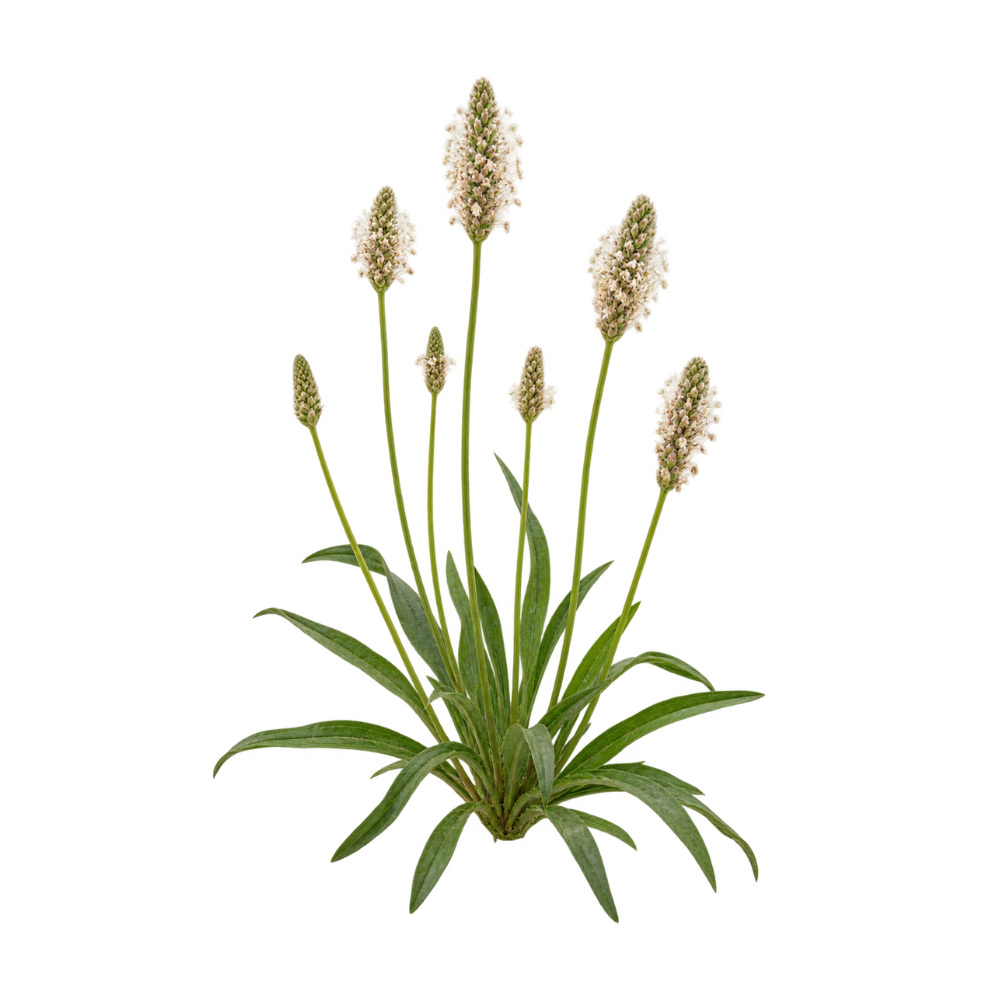
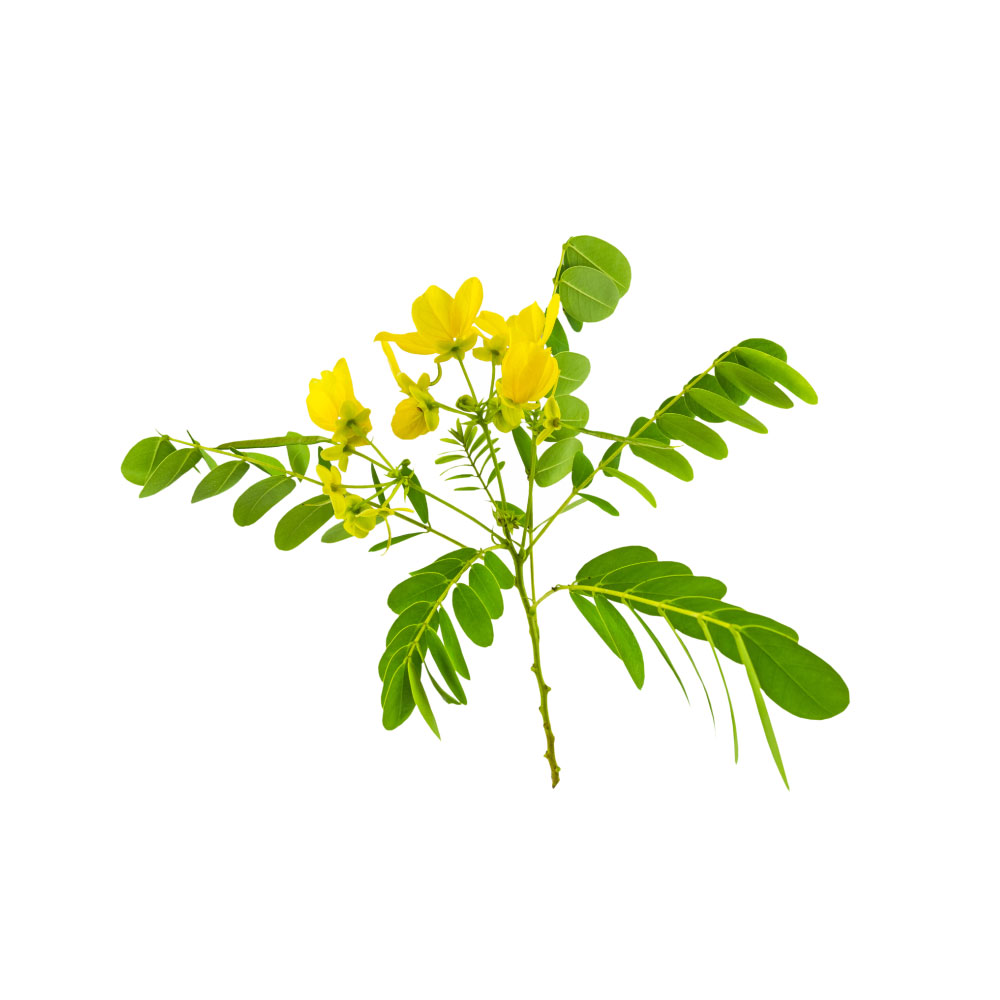
Materia Medica (6)
Herbs traditionally or clinically used for irritable bowel syndrome.
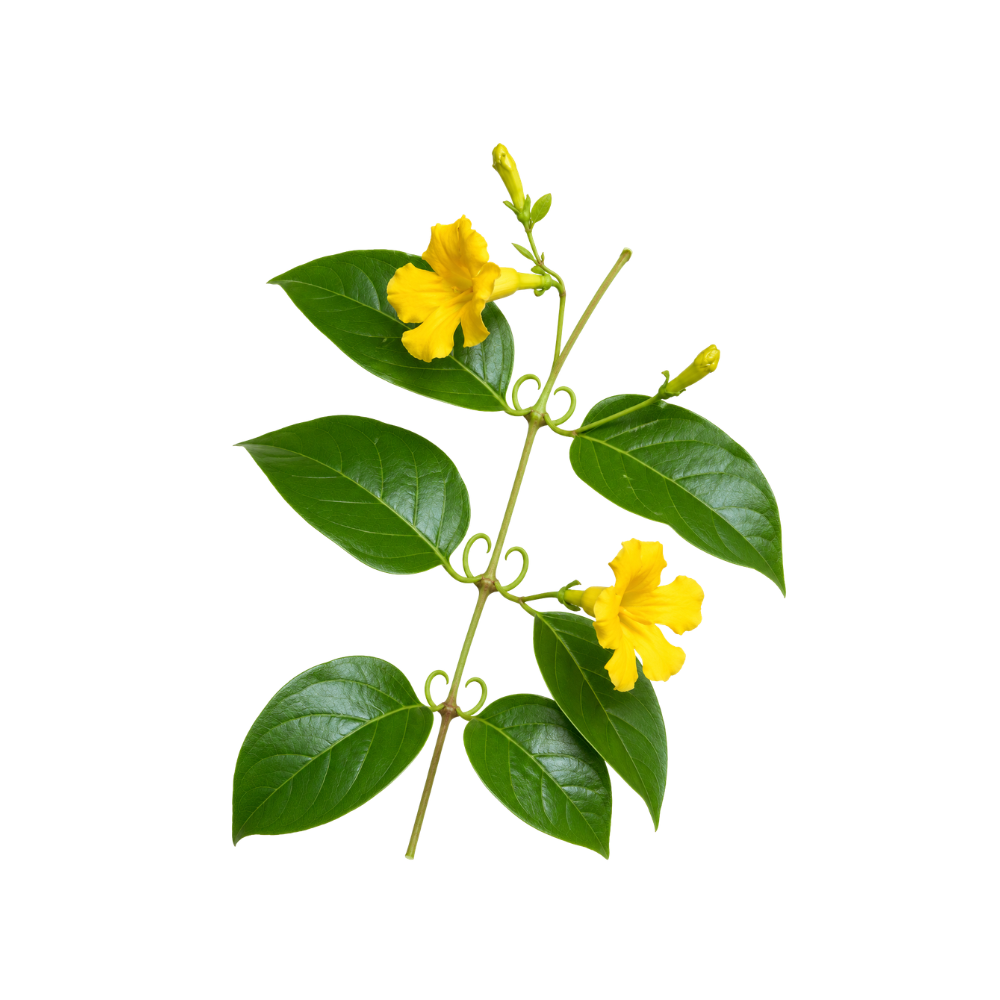
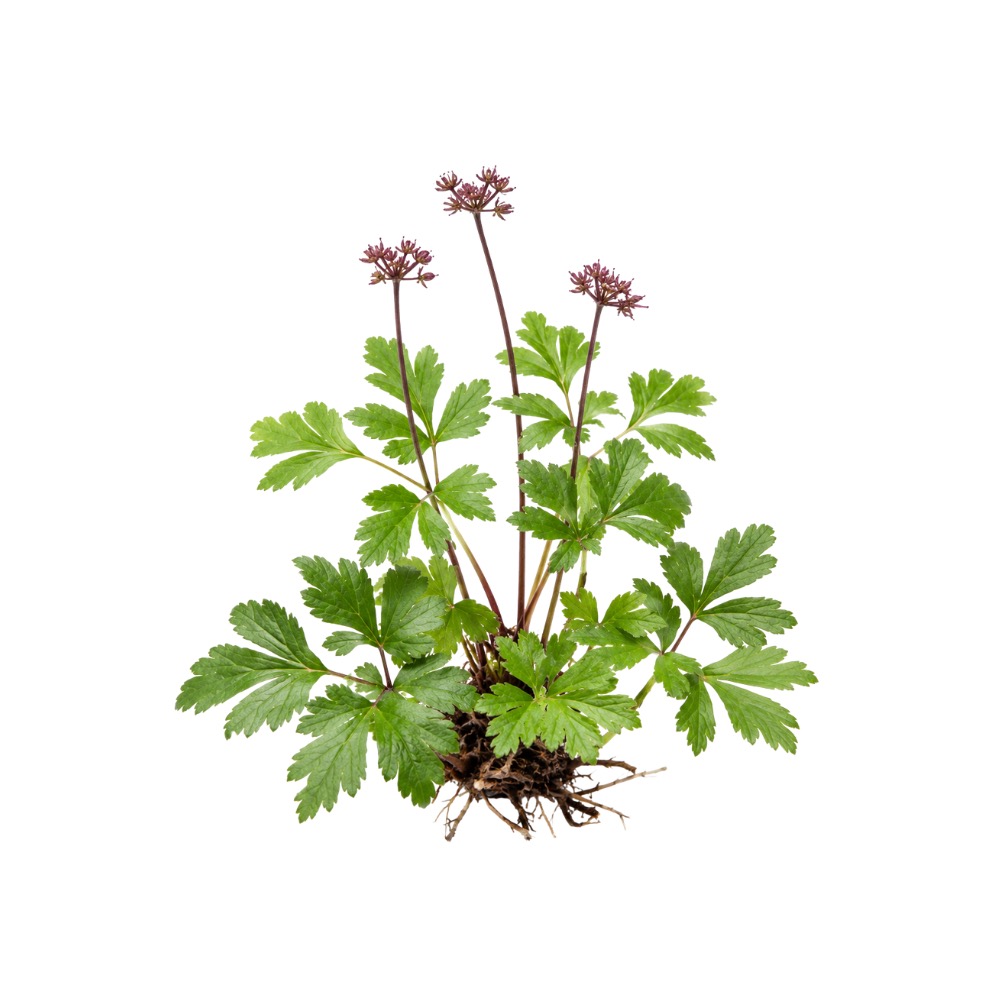
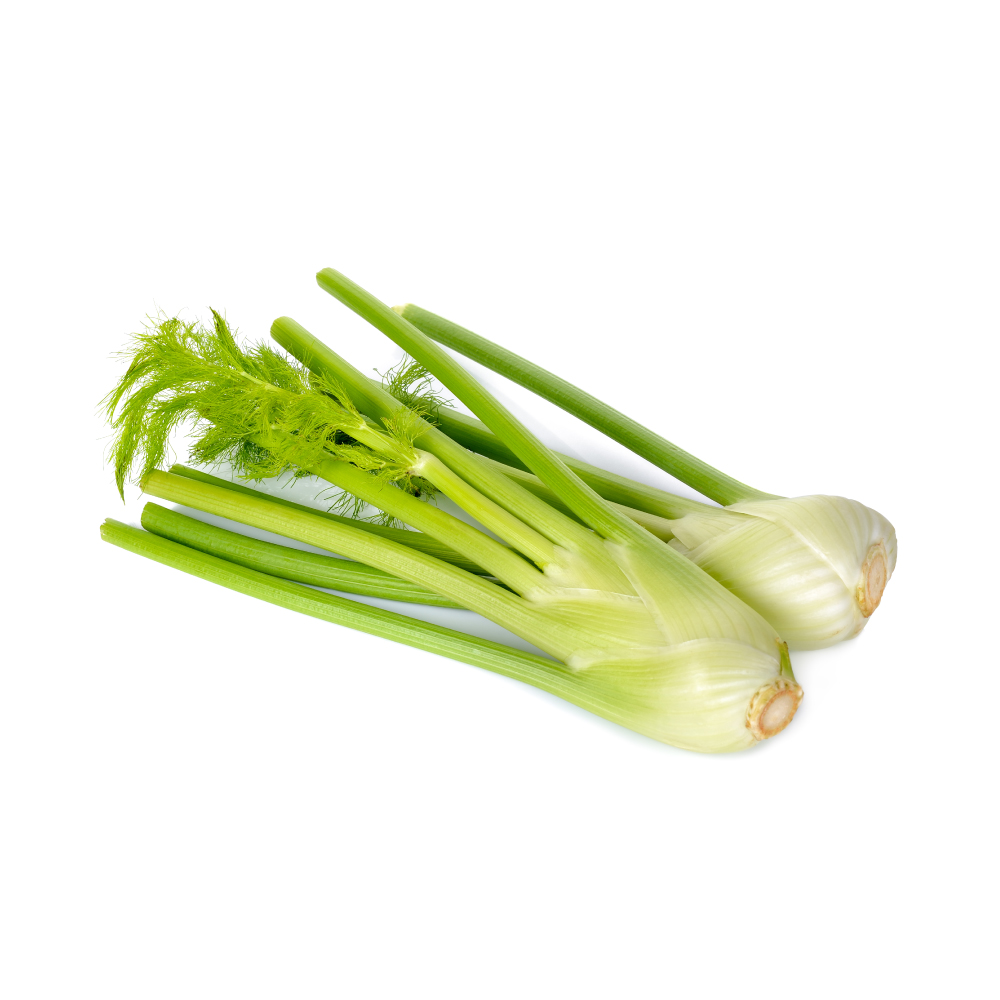
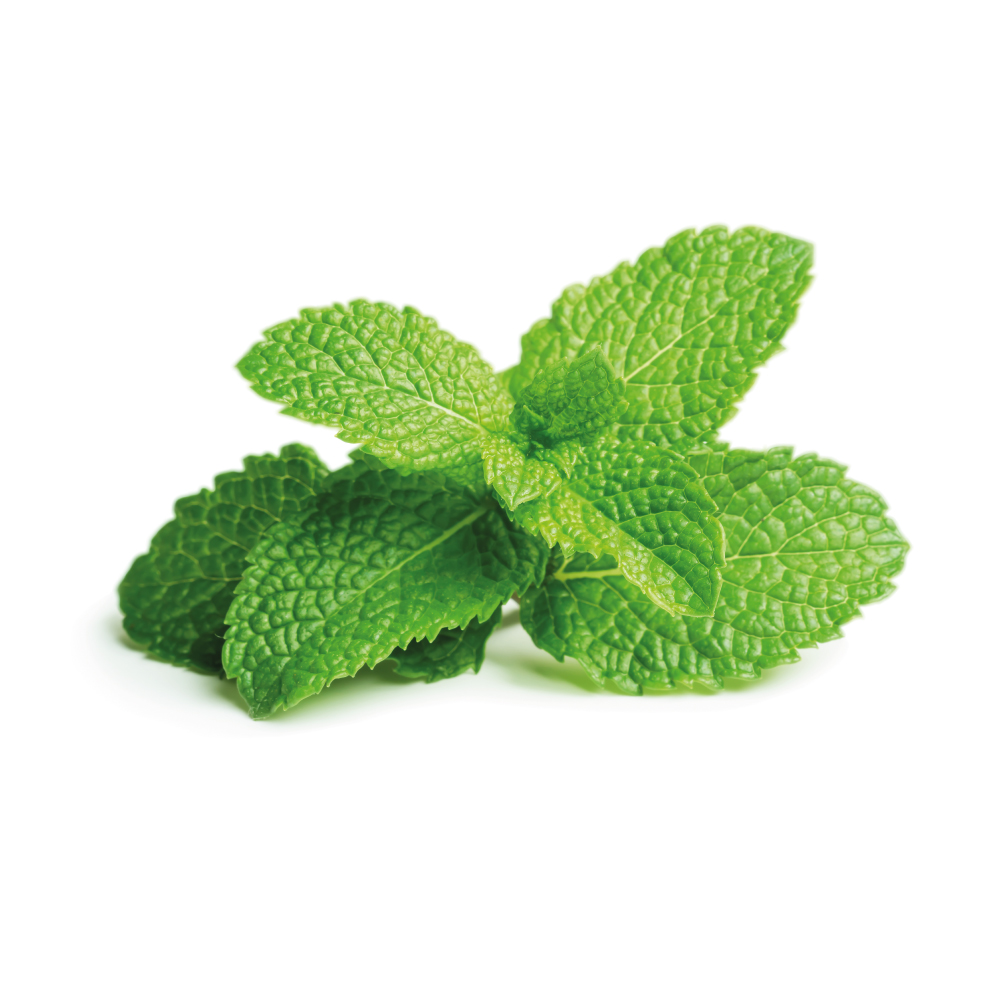
Supplementation
Supplementation (2)
Supplements, nutrients and compounds used for irritable bowel syndrome.
L-Glutamine
Amino acid (conditionally essential)
The most abundant free amino acid in the body and a key fuel for gut and immune cells, taken for gut-lining support and exercise recovery.
Probiotics (multi-strain)
Live microorganisms
Probiotics are live microorganisms taken to support the gut microbiome and digestion; benefits are strain-specific, not a general "probiotic" class effect.