
Compound Monograph
4,5-Dicaffeoylquinic Acid
4,5-Dicaffeoylquinic acid (isochlorogenic acid C) is a dicaffeoylquinic acid of the chlorogenic-acid family, found in yerba maté, sweet potato leaf, honeysuckle and chicory, with mostly preclinical antioxidant, anti-inflammatory, hepatoprotective and antiviral data.

Sources · 9
Where Does It Come From?
4,5-Dicaffeoylquinic Acid is a naturally occurring dicaffeoylquinic acid (caffeoylquinic / chlorogenic-acid ester), found in Yerba maté, Sweet potato leaf, Japanese honeysuckle and 6 other sources. It is well tolerated orally (low toxicity).
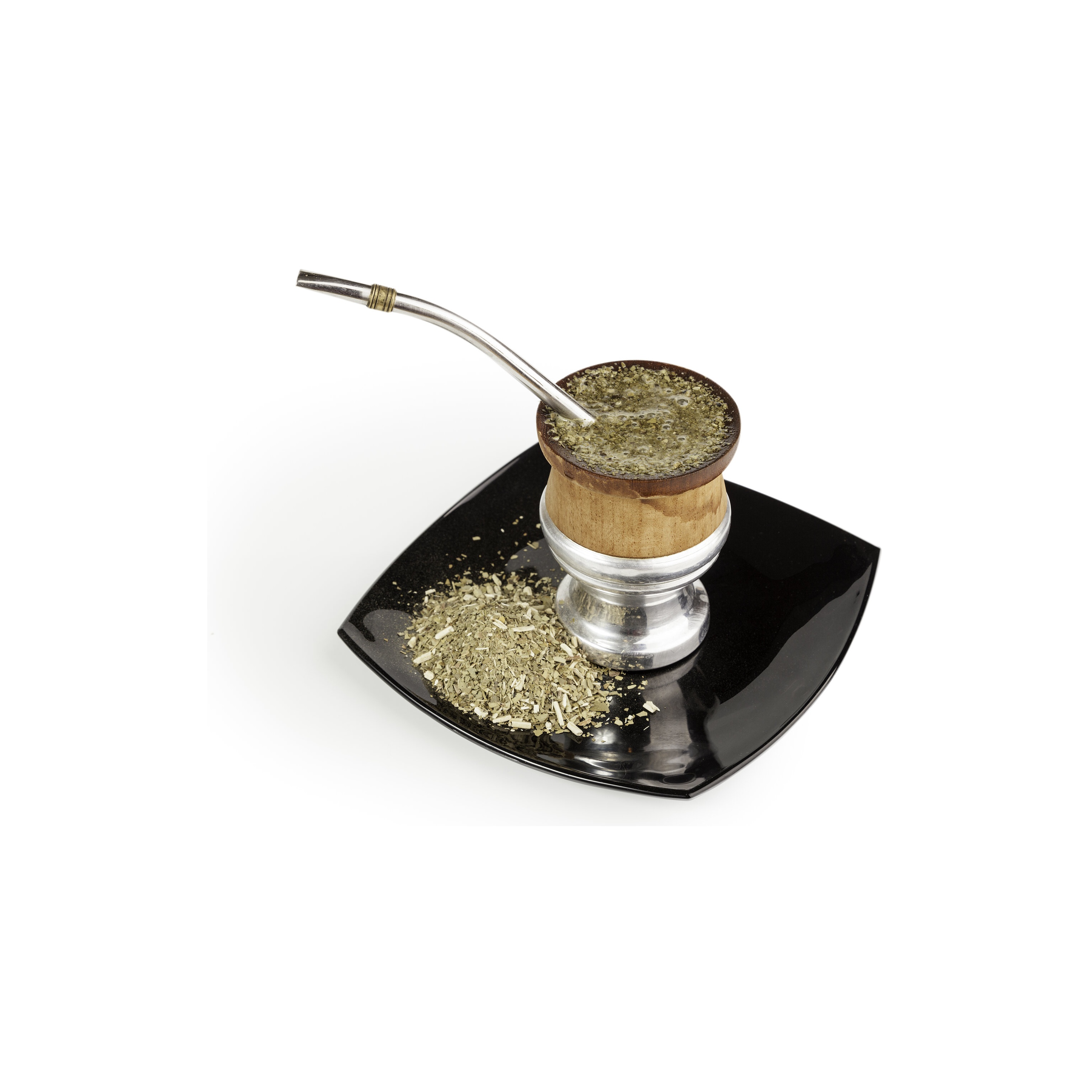 Principal source Yerba Maté Ilex paraguariensis Herb monograph →
 Source Chrysanthemum Chrysanthemum morifolium Herb monograph →
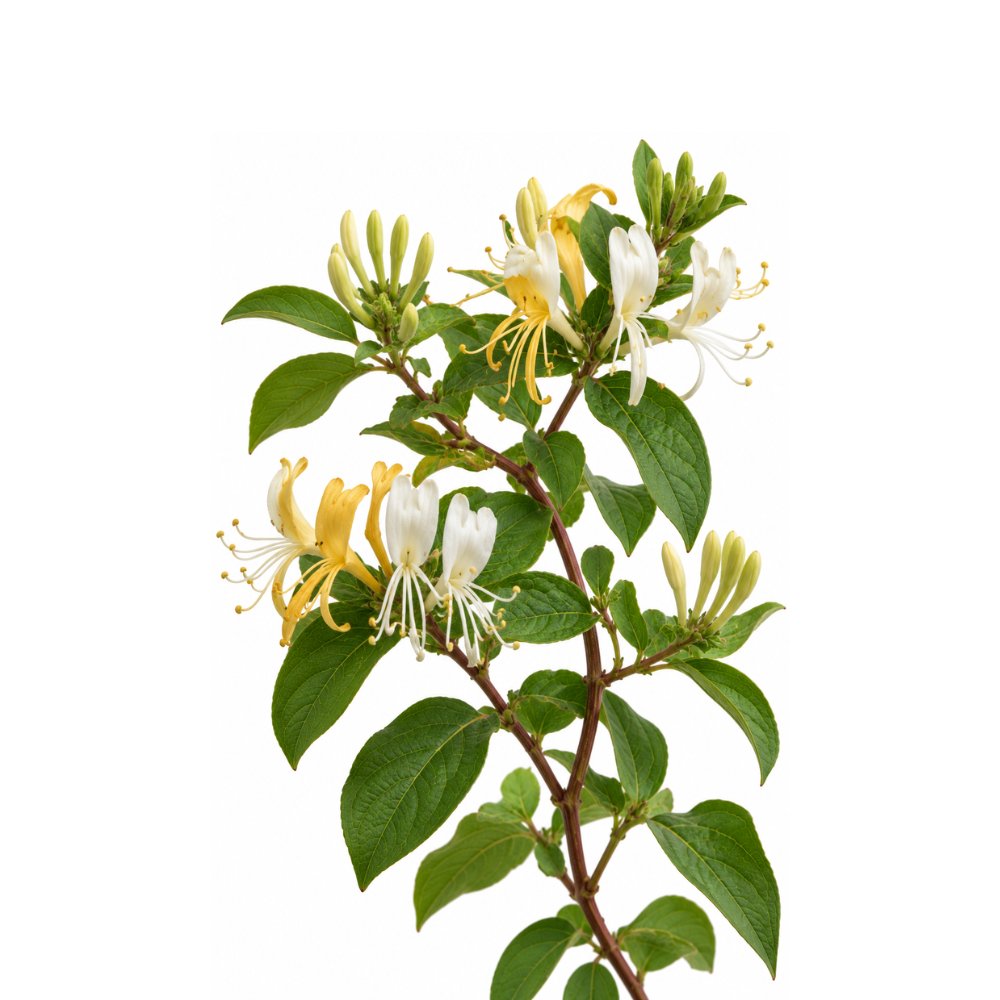 Source Honeysuckle Lonicera japonica Herb monograph →
Concentration
Content by Source
Concentrations not reported. No percent-dry-weight or mg/g figures have been published for this compound in its source plants.
4,5-Dicaffeoylquinic Acid at a Glance
4,5-Dicaffeoylquinic acid — better known as isochlorogenic acid C — is a dicaffeoylquinic acid: a molecule of quinic acid esterified with two caffeic-acid (caffeoyl) units, at the 4- and 5-positions. It belongs to the wider chlorogenic-acid / caffeoylquinic-acid family and is one of three positional “isochlorogenic acid” isomers, alongside 3,5-dicaffeoylquinic acid (isochlorogenic acid A) and 3,4-dicaffeoylquinic acid (isochlorogenic acid B). It is a close relative of the mono-ester chlorogenic acid and shares the same reactive caffeic acid backbone, and it is a positional cousin of cynarin (1,5-di-CQA).
It occurs across a range of edible and medicinal plants — yerba maté, sweet potato leaf, honeysuckle flower, chicory, chrysanthemum and various Artemisia — so most human exposure is dietary and low-level.
The research picture is preclinical but genuinely present: unlike many minor phenolics, 4,5-di-CQA has been studied as the isolated molecule in cell and rodent models for antioxidant, anti-inflammatory, antiviral, lipid-lowering and antiproliferative effects. What it does not yet have is any human clinical trial, and its intact oral bioavailability is modest — so the in-vitro potencies should be read with that caveat.
What It's Used For
The distinctive feature of this molecule’s evidence base is that a fair share of it uses purified 4,5-di-CQA / isochlorogenic acid C itself, not just the extracts it comes in. That is a real strength for a compound this far down the phenolic hierarchy. The ceiling is that everything remains cell-culture and animal work — there are no human trials — and the compound’s own pharmacokinetics (modest bioavailability, heavy metabolism) temper how far the in-vitro numbers translate.
Support is an experimental score — weighted by study type (human > animal > in vitro) and volume. A beta, not a validated metric. Every row here is preclinical (no human data), so the scores rank depth of laboratory evidence, not clinical proof; read the per-row basis.
The best-developed isolate story. Purified 4,5-di-CQA suppressed pro-inflammatory mediators in LPS-stimulated RAW264.7 macrophages and reduced inflammation in a rat model, acting through inhibition of NF-κB and MAPK signalling 2Reference 2AnimalAnti-inflammatory effect of 4,5-dicaffeoylquinic acid on RAW264.7 cells and a rat model of inflammationView study →.
The same group showed it is chondroprotective in osteoarthritis models, again by damping NF-κB signalling and cartilage-degrading markers 3Reference 3Chondroprotective effects of 4,5-dicaffeoylquinic acid in osteoarthritis through NF-κB signaling inhibitionView study →.
A later study reported it disrupts a DPP4–MYH9 interaction that drives osteoarthritis progression, ameliorating disease in mice 14Reference 14Dipeptidyl peptidase 4 (DPP4) exacerbates osteoarthritis progression in an enzyme-independent mannerView study →.
Gap: all cell and rodent work — no human anti-inflammatory data — and the effective concentrations should be weighed against the compound’s modest oral bioavailability (see Pharmacokinetics) 2,
As a two-caffeoyl catechol, 4,5-di-CQA is intrinsically radical-scavenging. Beyond that chemistry, an isolated-compound study showed it protects mouse embryonic fibroblasts from H₂O₂ oxidative damage by restoring SIRT3–SOD2 activity — i.e. reactivating a mitochondrial antioxidant enzyme axis — with MAPK involvement 4Reference 4AnimalIsochlorogenic acid C protects mouse embryonic fibroblast cells from oxidative damage via restoring SIRT3-SOD2 activityView study →.
Its antiviral work also turns on redox: it normalises the glutathione (GSH/GSSG) ratio and lowers ROS in infected cells 10Reference 10Isochlorogenic acid C prevents enterovirus 71 infection via modulating redox homeostasis of glutathioneView study →.
Gap: mechanistically defined but entirely in-vitro/ex-vivo; no human antioxidant biomarker outcome rests on the isolated molecule 4,
One of the more striking isolate findings: purified isochlorogenic acid C prevented enterovirus 71 (EV71) infection in cell culture and in a mouse model, working by modulating glutathione redox homeostasis rather than directly on a viral enzyme 10Reference 10Isochlorogenic acid C prevents enterovirus 71 infection via modulating redox homeostasis of glutathioneView study →. Separately, in a Lonicerae japonicae Flos fractionation study it was identified as a main effective ingredient against respiratory syncytial virus (RSV), improving lung index and cytokine levels in vivo — though there the vehicle was the herb fraction 15Reference 15Analyzing the material basis of anti-RSV efficacy of Lonicerae japonicae Flos based on the PK-PD modelView study →.
Gap: the EV71 result is a genuine isolated-compound in-vivo signal; the RSV result is extract-attributed. Neither has progressed to human study 10Reference 10Isochlorogenic acid C prevents enterovirus 71 infection via modulating redox homeostasis of glutathioneView study →.
Isolated isochlorogenic acid C alleviated high-fat-diet-induced hyperlipidaemia in mice by promoting reverse cholesterol transport, lowering serum and liver lipids without inducing hepatic steatosis 5Reference 5Isochlorogenic acid C alleviates high-fat diet-induced hyperlipemia by promoting cholesterol reverse transportView study →. This is the clearest metabolic-organ result for the pure compound and fits the broader antioxidant/anti-inflammatory profile of the caffeoylquinic class.
Gap: single rodent model, isolated compound; no human lipid or liver-function data 5Reference 5Isochlorogenic acid C alleviates high-fat diet-induced hyperlipemia by promoting cholesterol reverse transportView study →.
Two isolated-compound, cell-only reports: 4,5-di-CQA arrested prostate cancer cells in S phase (with low-micromolar potency across several lines) 6Reference 6Inhibition of prostate cancer cells by 4,5-dicaffeoylquinic acid through cell cycle arrestView study →, and isochlorogenic acid C reversed epithelial–mesenchymal transition in MDA-MB-231 breast cancer cells by down-regulating the EGFR pathway, curbing migration and invasion 8Reference 8Isochlorogenic acid C reverses epithelial-mesenchymal transition via down-regulation of EGFR pathway in MDA-MB-231 cellsView study →.
Gap: in-vitro only, no animal tumour or human data; anticancer claims for dietary phenolics rarely survive the bioavailability gap, so treat as mechanistic leads 6,
Here 4,5-di-CQA is usually one caffeoylquinic acid within an active fraction, not the tested isolate. A Sigesbeckia orientalis fraction in which isochlorogenic acid C is a key component reduced hippocampal neuroinflammation and improved perioperative neurocognitive outcomes in mice 7Reference 7Sigesbeckia orientalis L. derived active fraction ameliorates perioperative neurocognitive disorders through alleviating hippocampal neuroinflammationView study →.
A Gynura divaricata extract rich in 3,5-/4,5-di-CQA and chlorogenic acid reduced islet-cell apoptosis and improved pancreatic function in type-2-diabetic mice 9Reference 9AnimalGynura divaricata rich in 3,5-/4,5-dicaffeoylquinic acid and chlorogenic acid reduces islet cell apoptosis and improves pancreatic function in type 2 diabetic miceView study →.
Gap: extract-level evidence — the specific contribution of 4,5-di-CQA versus co-occurring chlorogenic and 3,5-di-CQA is not isolated 7,
Mechanisms
| Target / pathway | Effect | Relevant to |
|---|---|---|
| NF-κB & MAPK signalling | suppresses pro-inflammatory transcription and cartilage-degrading mediators | anti-inflammatorychondroprotective |
| SIRT3–SOD2 mitochondrial axis | restores antioxidant enzyme activity, protecting cells from oxidative damage | antioxidant / cytoprotection |
| Glutathione redox (GSH/GSSG), ROS | normalises redox balance, lowers reactive oxygen species | antiviral (EV71)antioxidant |
| Reverse cholesterol transport | promotes cholesterol efflux → lower serum/liver lipids without steatosis | hepatoprotective / lipid-lowering |
| EGFR pathway / EMT markers | down-regulation → reduced cancer-cell migration & invasion | antiproliferative (breast) |
| Cell cycle (S-phase) | arrest → reduced proliferation | antiproliferative (prostate) |
| o-Diphenol (catechol) radical scavenging | direct free-radical quenching from two caffeoyl units | general antioxidant capacity |
The unifying thread is redox and NF-κB: two caffeoyl catechols give strong radical-scavenging and glutathione-restoring chemistry, which feeds an anti-inflammatory NF-κB/MAPK signature that recurs across the inflammation, antiviral and metabolic models.
Pharmacokinetics
Like other dicaffeoylquinic acids, 4,5-di-CQA is a large, polar polyphenol with modest intact oral bioavailability — the one study to measure isochlorogenic acid C directly reported ~14.4–16.9%, and framed part of its activity as depending on gut-microbiome bioactivation into downstream metabolites 1Reference 1Isochlorogenic acid C alleviates allergic asthma via interactions between its bioactive form and the gut microbiomeView study →. A rat metabolite study found the compound is extensively metabolised — roughly fifteen plasma and sixteen urinary metabolites via methylation, glucuronidation and sulfation — consistent with heavy phase-II conjugation and microbial hydrolysis to caffeic and quinic acid fragments 11Reference 11AnimalZhan MR, et al. (2020). [Analysis of metabolites of 4,5-dicaffeoylquinic acid in rat plasma and urine based on LC-MS]. Zhongguo Zhong Yao Za Zhi. https://pubmed.ncbi.nlm.nih.gov/32237323/View study →. The practical implication is the standard caffeoylquinic caveat: plasma levels of the intact molecule are low relative to the concentrations used in cell assays, so high-potency in-vitro results do not translate one-to-one to oral exposure.
Clinical Trials
There are no human clinical trials of isolated 4,5-dicaffeoylquinic acid / isochlorogenic acid C. The entire evidence base is preclinical — isolated-compound cell and rodent studies plus whole-extract animal work.
| Completed | Planned | Terminated | Preclinical |
|---|---|---|---|
| None(isolate) | — | — | Anti-inflammatory, antioxidant, antiviral, lipid, antiproliferative (cell + rodent) |
Last checked: July 2026.
Isolate vs. Plant Studies
Unusually for a minor phenolic, a solid block of this molecule’s data uses the purified compound: the anti-inflammatory 2Reference 2AnimalAnti-inflammatory effect of 4,5-dicaffeoylquinic acid on RAW264.7 cells and a rat model of inflammationView study →, chondroprotective 3Reference 3Chondroprotective effects of 4,5-dicaffeoylquinic acid in osteoarthritis through NF-κB signaling inhibitionView study →, antioxidant/SIRT3 4Reference 4AnimalIsochlorogenic acid C protects mouse embryonic fibroblast cells from oxidative damage via restoring SIRT3-SOD2 activityView study →, antiviral EV71 10Reference 10Isochlorogenic acid C prevents enterovirus 71 infection via modulating redox homeostasis of glutathioneView study →, hepatoprotective 5Reference 5Isochlorogenic acid C alleviates high-fat diet-induced hyperlipemia by promoting cholesterol reverse transportView study → and anticancer 6,
Its Role in Plants
Dicaffeoylquinic acids are products of the phenylpropanoid pathway. Plants build them by esterifying quinic acid with caffeoyl-CoA through hydroxycinnamoyl-CoA transferase enzymes (HCT/HQT); a first caffeoylation gives chlorogenic acid, and a second caffeoylation at another quinic-acid hydroxyl gives a dicaffeoylquinic acid such as the 4,5-isomer. Functionally these phenolics serve as antioxidant and defensive metabolites — quenching reactive oxygen, absorbing UV, and deterring herbivores and pathogens. This is plant biology, not human pharmacology, and should not be read as evidence of a medicinal effect.
Prevalence in Nature
4,5-Dicaffeoylquinic acid is one of the isochlorogenic acids distributed across many Asteraceae, Convolvulaceae and Caprifoliaceae plants. It is a recognised phenolic of yerba maté (Ilex paraguariensis), where the caffeoylquinic-acid family collectively reaches ~10–16% of dried leaf, and of sweet potato leaf (Ipomoea batatas), where purple-fleshed cultivars carry comparatively high 4,5-di-CQA 12Reference 12Analysis of chlorogenic acid in sweet potato leaf extractsView study →. Japanese honeysuckle (Lonicera japonica) flower buds and chrysanthemum (Chrysanthemum morifolium) are rich enough to serve as the standard sources for isolating the compound by counter-current and preparative chromatography 13Reference 13Isolation of isochlorogenic acid isomers in flower buds of Lonicera japonica by high-speed counter-current chromatography and preparative high performance liquid chromatographyView study →. It is further reported in chicory (Cichorium intybus), various Artemisia, Laggera, Erigeron breviscapus and Gynura divaricata 9Reference 9AnimalGynura divaricata rich in 3,5-/4,5-dicaffeoylquinic acid and chlorogenic acid reduces islet cell apoptosis and improves pancreatic function in type 2 diabetic miceView study →.
It is the 4,5-positional isomer of the isochlorogenic-acid set — distinct from 3,5-dicaffeoylquinic acid (isochlorogenic acid A) and 3,4-dicaffeoylquinic acid (isochlorogenic acid B). No single, reliably measured percentage is resolved specifically to the 4,5-isomer across these sources; most assays report the caffeoylquinic acids as a group, so the source-by-source quantities remain a gap to chase.
Discovery & Synthesis
4,5-Dicaffeoylquinic acid was not “discovered” as a headline molecule so much as characterised within the broader chlorogenic-acid chemistry of the mid-20th century, once the three isochlorogenic-acid isomers (A = 3,5-, B = 3,4-, C = 4,5-) were resolved and assigned by the IUPAC quinic-acid numbering. The name isochlorogenic acid C dates from that isomer-mapping era.
Manufacture today is by extraction, not synthesis. The compound is obtained from phenolic-rich botanicals — most often honeysuckle flower buds or chrysanthemum — using high-speed counter-current chromatography and preparative HPLC to separate the closely related isochlorogenic isomers to high purity 13Reference 13Isolation of isochlorogenic acid isomers in flower buds of Lonicera japonica by high-speed counter-current chromatography and preparative high performance liquid chromatographyView study →. Selective double-caffeoylation of quinic acid is chemically possible but regioselectivity between the 3-, 4- and 5-positions is difficult, so plant extraction remains the practical route for research-grade material.
Patents: not yet researched.
Toxicity & Safety
4,5-Dicaffeoylquinic acid carries a low toxicity flag. It is a dietary phenolic acid present in commonly consumed plants — yerba maté, sweet potato leaf, chicory and honeysuckle tea — and the caffeoylquinic-acid class it belongs to has a long history of food and beverage exposure without notable toxicity. No dedicated repeat-dose, genotoxicity or reproductive-toxicity dataset has been characterised for the isolated molecule, so safety here is inferred from its class and dietary background rather than demonstrated for the pure compound.
- Dietary phenolic with low expected toxicity. Consumed routinely in maté, sweet potato leaf, chicory and honeysuckle preparations as part of the caffeoylquinic-acid family.
- No isolate safety package. Repeat-dose, genotoxicity, drug-interaction and reproductive-toxicity data for the pure compound are absent — safety is inferred, not established.
- Caffeoylquinic-acid allergenicity. Chlorogenic-type acids are documented (if uncommon) contact and respiratory sensitisers; the same class caution applies here.
No formal drug-interaction studies (CYP or transporter) have been reported for the isolated compound. Because caffeoylquinic acids are heavily conjugated by phase-II enzymes and hydrolysed by gut microbiota (see Pharmacokinetics), any interaction potential would most plausibly involve those routes, but this has not been assessed. Reproductive and developmental safety of the isolated molecule is uncharacterised; intake decisions belong to the herb or product page where exposure is set, not to this molecule page.
Dosage
There is no established or recommended human dose for isolated 4,5-dicaffeoylquinic acid. Every quantitative figure in the literature is a research dose in cells or animals — for example low-micromolar concentrations in the antiproliferative cell studies 6Reference 6Inhibition of prostate cancer cells by 4,5-dicaffeoylquinic acid through cell cycle arrestView study → and milligram-per-kilogram oral dosing in the rodent anti-inflammatory, antiviral and lipid models 2,
These are doses studied in research and are not a personal recommendation.
References
- Xu JY, et al. (2025). Isochlorogenic acid C alleviates allergic asthma via interactions between its bioactive form and the gut microbiome. International Journal of Molecular Sciences. https://pubmed.ncbi.nlm.nih.gov/40430003/
- Jang G, et al. (2021). Anti-inflammatory effect of 4,5-dicaffeoylquinic acid on RAW264.7 cells and a rat model of inflammation. Nutrients. https://pubmed.ncbi.nlm.nih.gov/34684537/
- Jang G, et al. (2022). Chondroprotective effects of 4,5-dicaffeoylquinic acid in osteoarthritis through NF-κB signaling inhibition. Antioxidants (Basel). https://pubmed.ncbi.nlm.nih.gov/35326137/
- Li M, et al. (2025). Isochlorogenic acid C protects mouse embryonic fibroblast cells from oxidative damage via restoring SIRT3-SOD2 activity. Bioorganic Chemistry. https://pubmed.ncbi.nlm.nih.gov/40664151/
- Zheng L, et al. (2022). Isochlorogenic acid C alleviates high-fat diet-induced hyperlipemia by promoting cholesterol reverse transport. Frontiers in Pharmacology. https://pubmed.ncbi.nlm.nih.gov/35959429/
- Lodise O, et al. (2019). Inhibition of prostate cancer cells by 4,5-dicaffeoylquinic acid through cell cycle arrest. Prostate Cancer. https://pubmed.ncbi.nlm.nih.gov/31263600/
- Chu JMT, et al. (2022). Sigesbeckia orientalis L. derived active fraction ameliorates perioperative neurocognitive disorders through alleviating hippocampal neuroinflammation. Frontiers in Pharmacology. https://pubmed.ncbi.nlm.nih.gov/35370714/
- Yu JK, et al. (2018). Isochlorogenic acid C reverses epithelial-mesenchymal transition via down-regulation of EGFR pathway in MDA-MB-231 cells. Anticancer Research. https://pubmed.ncbi.nlm.nih.gov/29599331/
- Yin XL, et al. (2018). Gynura divaricata rich in 3,5-/4,5-dicaffeoylquinic acid and chlorogenic acid reduces islet cell apoptosis and improves pancreatic function in type 2 diabetic mice. Nutrition & Metabolism (London). https://pubmed.ncbi.nlm.nih.gov/30337946/
- Cao Z, et al. (2017). Isochlorogenic acid C prevents enterovirus 71 infection via modulating redox homeostasis of glutathione. Scientific Reports. https://pubmed.ncbi.nlm.nih.gov/29176678/
- Zhan MR, et al. (2020). [Analysis of metabolites of 4,5-dicaffeoylquinic acid in rat plasma and urine based on LC-MS]. Zhongguo Zhong Yao Za Zhi. https://pubmed.ncbi.nlm.nih.gov/32237323/
- Chiu CH, et al. (2022). Analysis of chlorogenic acid in sweet potato leaf extracts. Plants (Basel). https://pubmed.ncbi.nlm.nih.gov/35956541/
- Guo W, et al. (2015). Isolation of isochlorogenic acid isomers in flower buds of Lonicera japonica by high-speed counter-current chromatography and preparative high performance liquid chromatography. Journal of Chromatography B. https://pubmed.ncbi.nlm.nih.gov/25596381/
- Li X, et al. (2025). Dipeptidyl peptidase 4 (DPP4) exacerbates osteoarthritis progression in an enzyme-independent manner. Advanced Science (Weinheim). https://pubmed.ncbi.nlm.nih.gov/39680708/
- Liang Y, et al. (2023). Analyzing the material basis of anti-RSV efficacy of Lonicerae japonicae Flos based on the PK-PD model. Molecules. https://pubmed.ncbi.nlm.nih.gov/37764214/



