
Compound Monograph
3,5-Dicaffeoylquinic Acid
3,5-Dicaffeoylquinic acid (isochlorogenic acid A) is the most abundant dicaffeoylquinic acid in many plants — two caffeic acids on a quinic-acid core, twice the phenolic firepower of chlorogenic acid. A strong antioxidant with hepatoprotective, anti-RSV, neuroprotective and anti-inflammatory data, almost all of it preclinical.

Sources · 9
Where Does It Come From?
3,5-Dicaffeoylquinic Acid is a naturally occurring hydroxycinnamic acid ester (dicaffeoylquinic acid), found in Honeysuckle, Sweet potato leaf, Spikenard and 6 other sources. It is well tolerated orally (low toxicity).
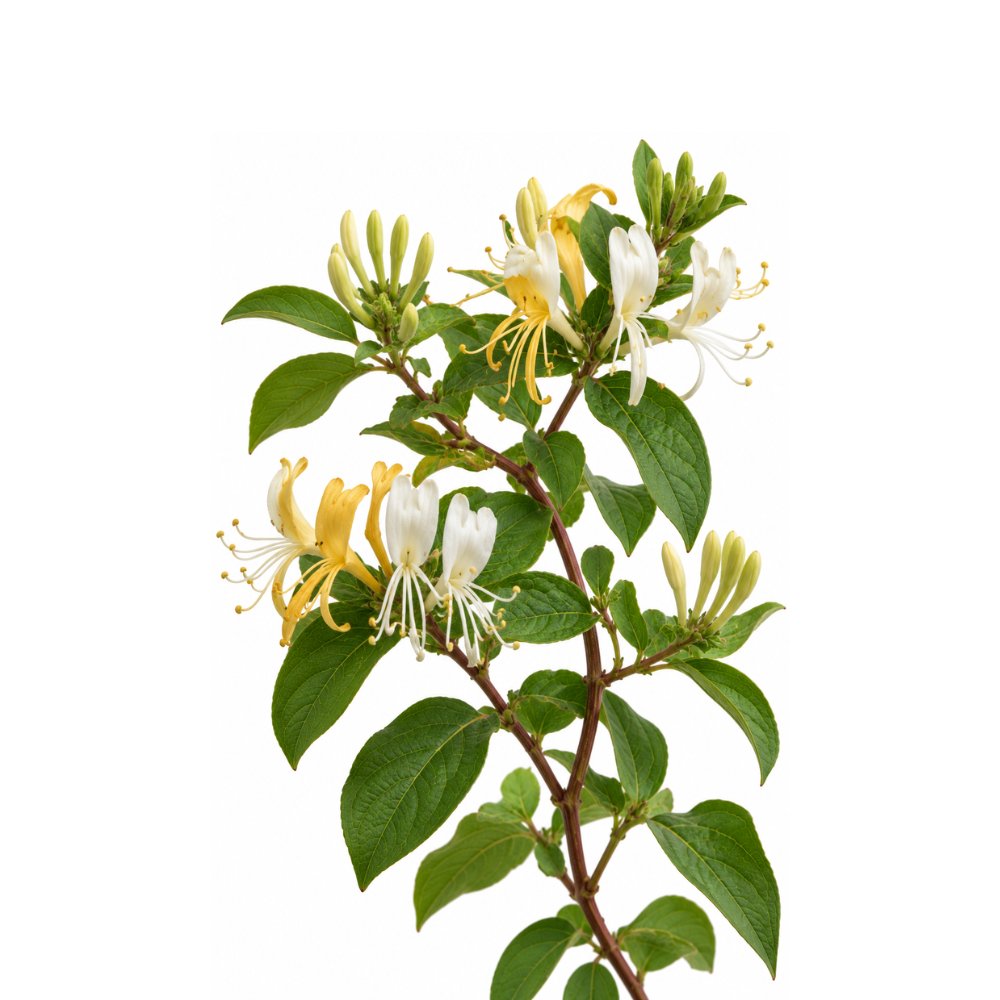 Principal source Honeysuckle Lonicera japonica Herb monograph →
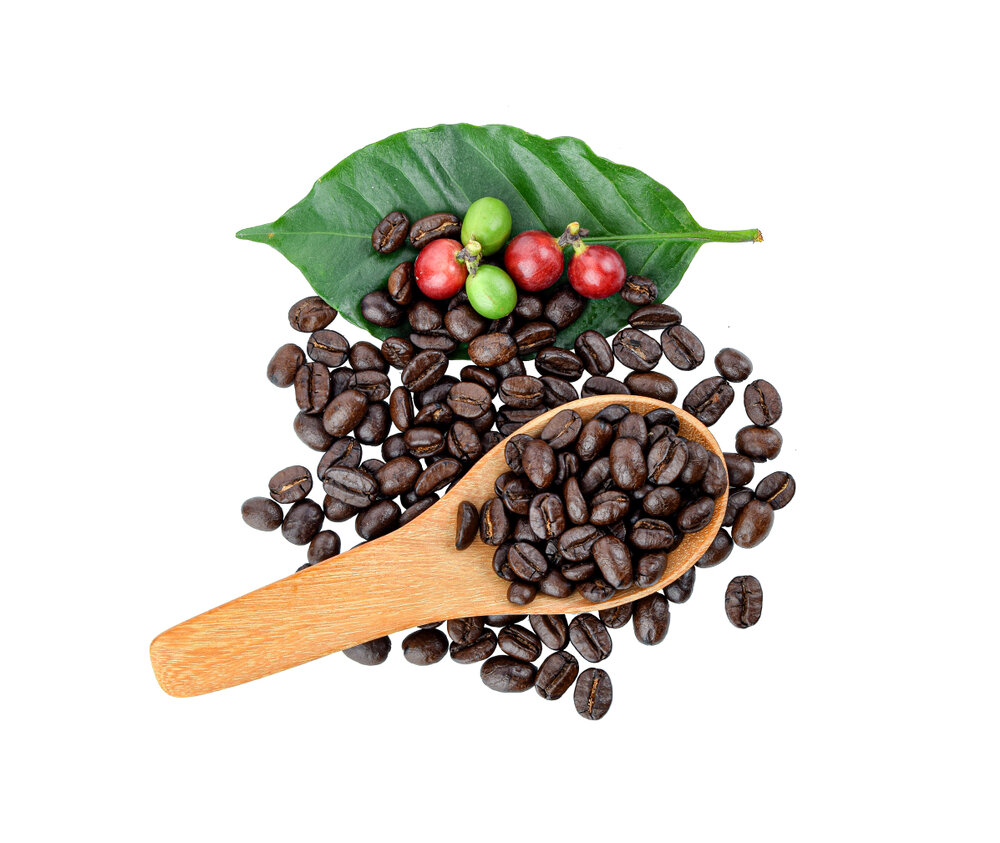 Source Coffee Coffea arabica Herb monograph →
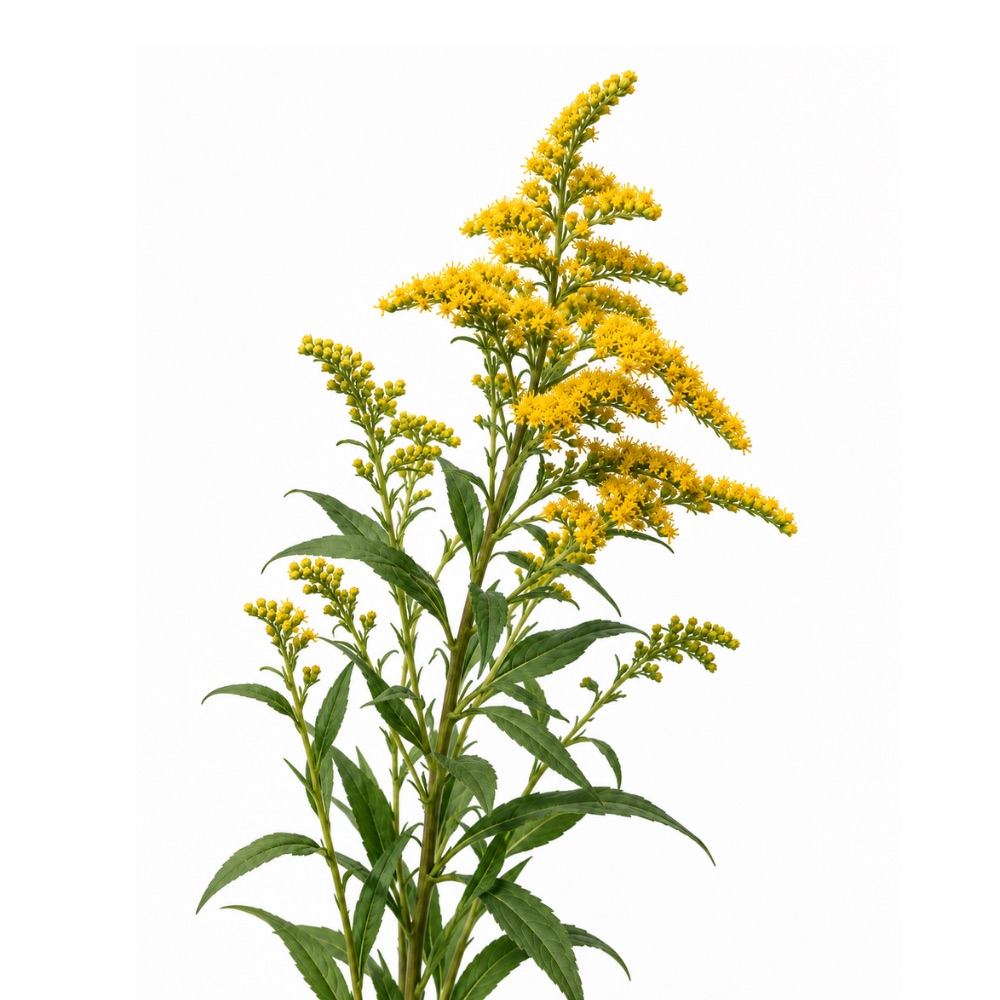 Source Goldenrod Solidago virgaurea Herb monograph →
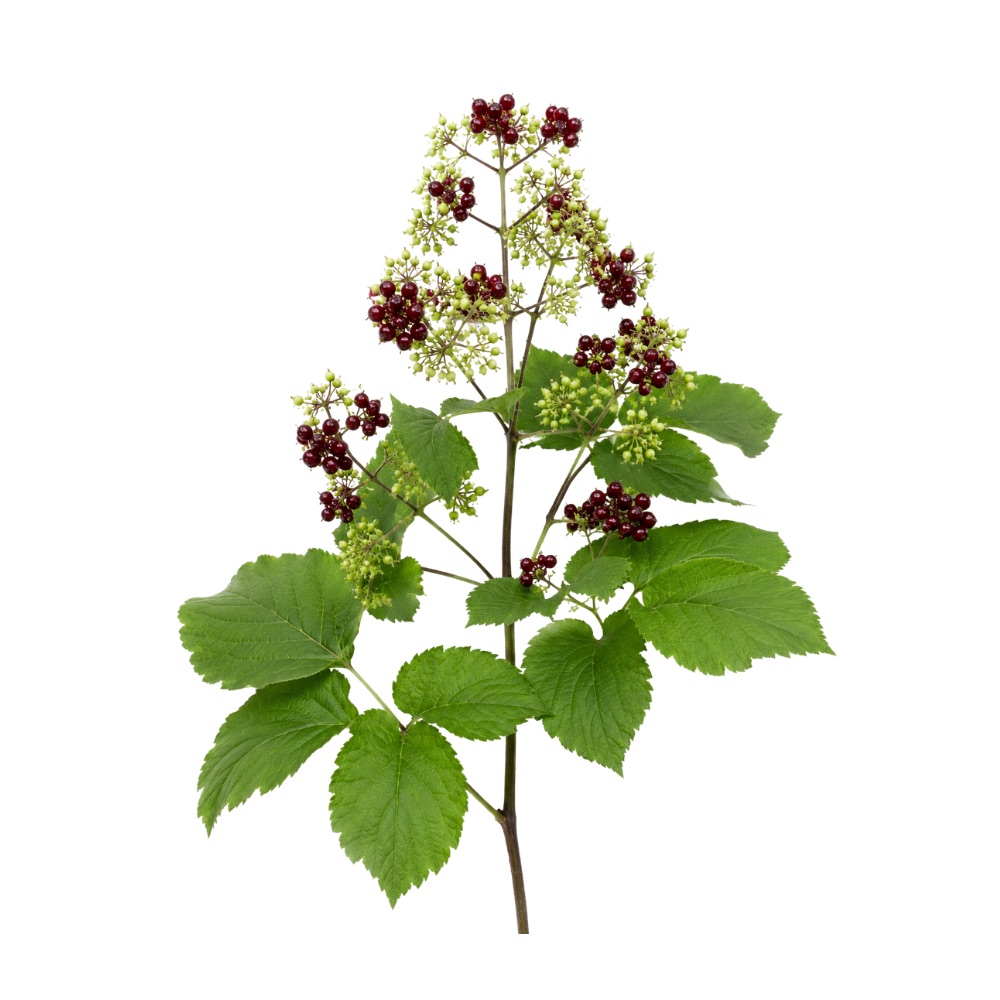 Source Spikenard Aralia racemosa Herb monograph →
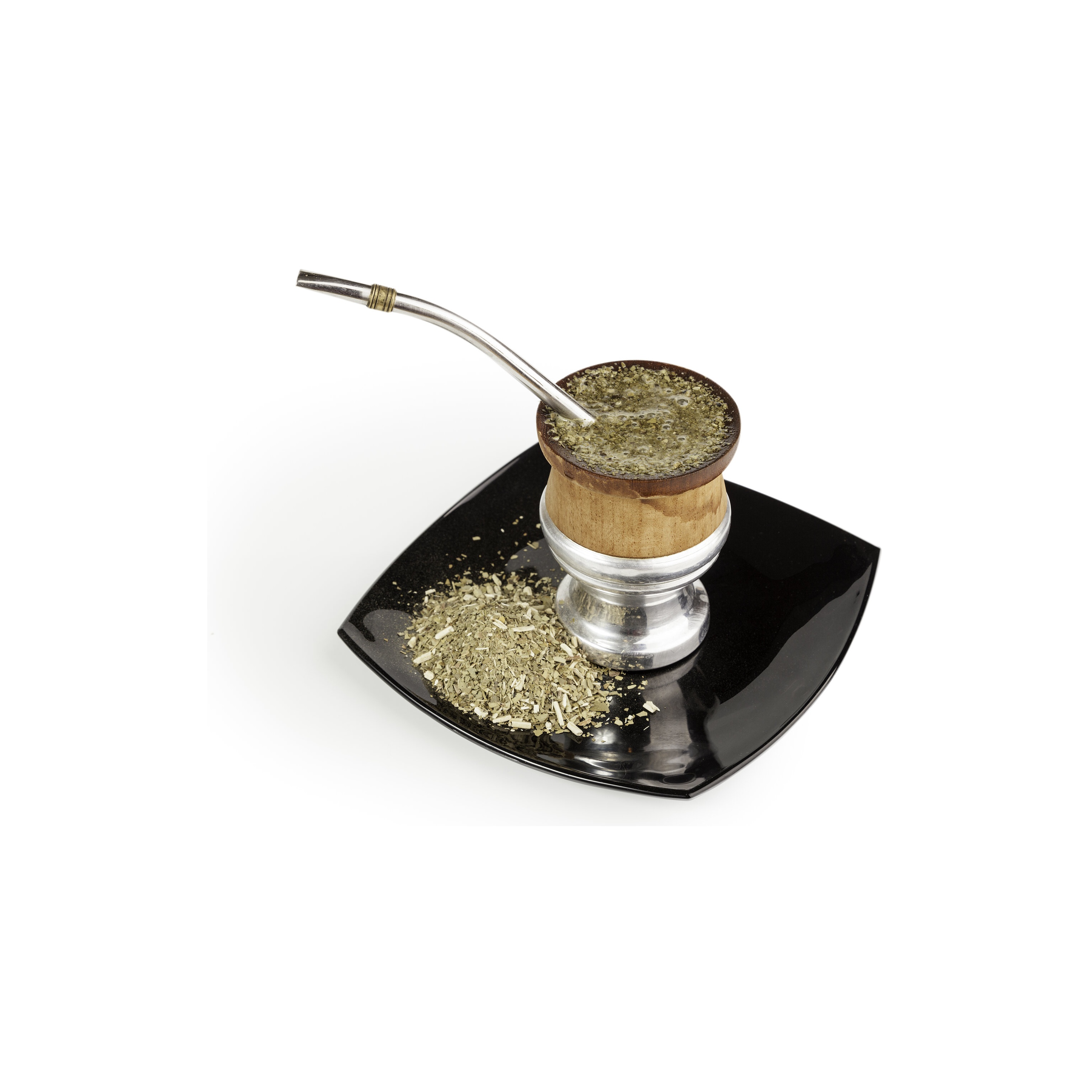 Source Yerba Maté Ilex paraguariensis Herb monograph →
Concentration
Content by Source
Concentrations not reported. No percent-dry-weight or mg/g figures have been published for this compound in its source plants.
3,5-Dicaffeoylquinic Acid at a Glance
3,5-Dicaffeoylquinic acid — better known by its older name isochlorogenic acid A — is a dicaffeoylquinic acid: two molecules of caffeic acid esterified onto a single quinic-acid core. It is effectively chlorogenic acid (which carries one caffeoyl group) with a second caffeoyl added, giving it four phenolic hydroxyls and, with them, markedly stronger radical-scavenging capacity than the mono-ester.
It is the most abundant di-CQA in a long list of plants — sweet-potato leaf, Japanese honeysuckle (Lonicera), yerba maté, chrysanthemum, Artemisia, goldenrod and spikenard among them — and a recurring “isochlorogenic acid” of coffee. In the lab it reads as a broad-spectrum polyphenol: antioxidant, hepatoprotective, antiviral (notably against RSV), neuroprotective and anti-inflammatory.
The honest caveat runs through all of it: the evidence is overwhelmingly in-vitro and animal, there are no human trials of the isolated molecule, and — as with all caffeoylquinic esters — oral bioavailability of the intact diester is poor. Dietary human exposure is real but comes as one polyphenol among many in coffee, maté and leafy greens, not as an isolated dose.
The Di-CQA Family: Where 3,5-Di-CQA Sits
Caffeoylquinic acids are named by how many caffeic acids are attached and at which positions on quinic acid. Getting the family straight is the point:
- Chlorogenic acid = 5-O-caffeoylquinic acid — one caffeoyl group (the mono-CQA).
- 3,5-Dicaffeoylquinic acid = isochlorogenic acid A — two caffeoyls, at the 3 and 5 positions. Usually the most abundant di-CQA in a plant.
- 4,5-Dicaffeoylquinic acid = isochlorogenic acid C.
- 3,4-Dicaffeoylquinic acid = isochlorogenic acid B.
- Cynarin = 1,5-dicaffeoylquinic acid — the artichoke di-CQA.
The three “isochlorogenic acids” (A/B/C) are positional isomers that co-occur and are easily confused, and much older literature reports them as a lumped “isochlorogenic acid” fraction. Because activity can differ between isomers — 3,5-di-CQA is the strongest anti-RSV member, while the anti-influenza signal belongs to its 3,4-sibling (see below) — the isomer label matters, and care is taken to attribute findings to 3,5-di-CQA specifically where the source resolved them.
What It's Used For
Isochlorogenic acid A behaves like a potent polyphenol with several overlapping mechanisms — direct radical scavenging plus suppression of the NF-κB / TLR4 / STAT3 inflammatory axis and activation of Nrf2 antioxidant defences 10Reference 10Pharmacological profile of dicaffeoylquinic acids and their role in the treatment of respiratory diseasesView study →. The applications below are ranked by how much evidence supports them, but read the per-row basis: this is a preclinical portfolio.
Support is an experimental score — weighted by study type (human > animal > in vitro) and volume. A beta, not a validated metric. No application here rests on human trials of the isolated molecule, so every score is capped accordingly.
The molecule’s foundational property and its strongest evidence base. Carrying two caffeoyl (catechol) groups — four phenolic hydroxyls in all, versus two on chlorogenic acid — it is a powerful hydrogen/electron donor: in DPPH-guided isolation from Lonicera japonica leaves it was among the compounds showing “strong antioxidant activities” 8Reference 8An efficient method for the preparative isolation and purification of flavonoid glycosides and caffeoylquinic acid derivatives from leaves of Lonicera japonica using HSCCC and prep-HPLC guided by DPPH-HPLCView study →, and it is a marker hydroxycinnamate protecting retinal cells from oxidative-stress-induced damage 7Reference 7Hydroxycinnamic acids in Crepidiastrum denticulatum protect against oxidative-stress-induced retinal damageView study →.
A dedicated review of di-CQAs concludes the class works by scavenging radicals and by activating the Nrf2 pathway while lowering oxidative stress 10Reference 10Pharmacological profile of dicaffeoylquinic acids and their role in the treatment of respiratory diseasesView study →.
Gap: these are isolate and whole-extract in-vitro assays; the radical-scavenging superiority over chlorogenic acid is chemistry, not a demonstrated human antioxidant outcome, and no clinical antioxidant endpoint rests on the isolate 8,
A consistent animal-model signal. Against d-galactosamine-injured hepatocytes, isolated 3,5-di-CQA from Laggera alata gave the highest cell survival of the three di-CQA isomers tested and outperformed the reference drug silibinin at 100 µg/mL 3Reference 3Protective properties of Laggera alata extract and its principle components against d-galactosamine-injured hepatocytesView study →.
In a mouse liver-fibrosis model, isochlorogenic acid A attenuated fibrosis progression by suppressing the HMGB1/TLR4/NF-κB signalling pathway 4Reference 4Isochlorogenic acid A attenuates the progression of liver fibrosis through regulating HMGB1/TLR4/NF-κB signaling pathwayView study →.
The anti-fibrotic and hepatoprotective actions track its antioxidant and anti-inflammatory mechanisms.
Gap: all liver data are isolate-in-animal/cell; there is no human hepatoprotection trial, and the Laggera work is a whole-plant that also contains sibling isomers 3,
The cleanest isolate pharmacology on the page. Purified from Schefflera heptaphylla, 3,5-di-CQA inhibited respiratory syncytial virus with an IC50 of 1.16 µM (0.6 µg/mL) in plaque-reduction assay while showing cytotoxicity only above 1000 µM — a wide selectivity window. Mechanistically it blocked virus–cell fusion early and cell–cell fusion late in the RSV cycle, without preventing viral attachment 1Reference 1Antiviral activity and mode of action of caffeoylquinic acids from Schefflera heptaphylla (L.) FrodinView study →.
Notably, the same study found it inactive against influenza A, coxsackie B3 and herpes simplex — the RSV effect is specific.
Gap: a single in-vitro study, no animal or human antiviral data for the isolate; and the popular “anti-influenza dicaffeoylquinic acid” story belongs to a different isomer (see next section), not to 3,5-di-CQA 1Reference 1Antiviral activity and mode of action of caffeoylquinic acids from Schefflera heptaphylla (L.) FrodinView study →.
Moderate, mechanism-anchored preclinical data. 3,5-Di-O-caffeoylquinic acid protected neuronal cells against amyloid-β(1–42) toxicity, raising expression of the glycolytic enzyme phosphoglycerate kinase-1 (PGK1) and intracellular ATP; administered to senescence-accelerated SAMP8 mice it improved spatial learning and memory 5Reference 5In vitroNeuroprotective effects of 3,5-di-O-caffeoylquinic acid in vitro and in vivoView study →. As a hydroxycinnamate it also shields retinal neurons from oxidative injury 7Reference 7Hydroxycinnamic acids in Crepidiastrum denticulatum protect against oxidative-stress-induced retinal damageView study →, consistent with an antioxidant-led neuroprotective mechanism.
Gap: in-vitro plus one mouse cognition model; no human neuroprotection data, and the isolate’s poor CNS bioavailability is uncharacterised 5,
An extract-and-isolate signal running through the NF-κB axis. Among caffeoylquinic acids isolated from an anti-inflammatory fraction of goldenrod (Solidago virgaurea), the di-CQAs reduced carrageenan paw-oedema and TNF-α/IL-1β in rats (the tri-CQA was the most potent member) 2Reference 2AnimalIn vivo anti-inflammatory activity of caffeoylquinic acid derivatives from Solidago virgaurea in ratsView study →.
In a mouse ulcerative-colitis model, isochlorogenic acid A alleviated disease by inhibiting STAT3/NF-κB signalling 6Reference 6AnimalIsochlorogenic acid A alleviates dextran sulfate sodium-induced ulcerative colitis in mice through STAT3/NF-κB pathwayView study →.
This anti-inflammatory action underlies much of its hepatoprotective and neuroprotective activity.
Gap: rat/mouse models only; in the goldenrod work the di-CQAs were part of a fraction and less potent than the tri-CQA, and no human anti-inflammatory outcome rests on the isolate 2,
3,5- vs. 3,4-Di-CQA: The Antiviral Split
A frequent error is to credit “dicaffeoylquinic acid” with anti-influenza activity. The isomers diverge:
- 3,5-di-CQA (isochlorogenic acid A) is the potent anti-RSV member (fusion inhibitor, sub-µM) but was inactive against influenza A in direct testing 1Reference 1Antiviral activity and mode of action of caffeoylquinic acids from Schefflera heptaphylla (L.) FrodinView study →.
- 3,4-di-CQA (isochlorogenic acid B), a major constituent of Brazilian propolis, is the anti-influenza member: it extended the lifetimes of influenza-A-infected mice by increasing TRAIL expression to enhance viral clearance 9Reference 9AnimalTakemura T, Urushisaki T, Fukuoka M, et al. (2012). 3,4-Dicaffeoylquinic acid, a major constituent of Brazilian propolis, increases TRAIL expression and extends the lifetimes of mice infected with the influenza A virus. Evidence-Based Complementary and Alternative Medicine. https://pubmed.ncbi.nlm.nih.gov/21876716/View study →.
So the antiviral reputation of the di-CQA family is real but isomer-specific — RSV for 3,5, influenza for 3,4.
Mechanisms
| Target / pathway | Effect | Relevant to |
|---|---|---|
| Free radicals (DPPH, ROS) | direct H/electron donation from four phenolic OH — stronger than mono-CQA | antioxidant |
| Nrf2 / antioxidant-response element | activation → induced endogenous antioxidant defences | antioxidanthepatoprotection |
| HMGB1 / TLR4 / NF-κB | suppression → less fibrogenic and inflammatory signalling | hepatoprotectionanti-inflammatory |
| STAT3 / NF-κB | inhibition → reduced colonic inflammation | anti-inflammatory (colitis) |
| RSV fusion (virus–cell & cell–cell) | blocks fusion without preventing attachment | antiviral (RSV) |
| PGK1 / cellular ATP | upregulation → neuronal energy support against amyloid-β | neuroprotection |
The unifying thread is antioxidant + NF-κB-axis suppression; the RSV fusion block is a distinct, structure-specific antiviral action.
Pharmacokinetics
Like all caffeoylquinic diesters, isochlorogenic acid A is a large, polar polyphenol with poor oral bioavailability of the intact molecule. In the gut much of the ingested diester is hydrolysed and extensively metabolised by the colonic microbiota before absorption, so little parent compound reaches systemic circulation — the same absorption bottleneck documented for chlorogenic acid. This is the central caveat undercutting the in-vitro potency figures: concentrations that inhibit RSV or scavenge radicals in a dish are not obviously achievable in plasma from oral intake. Dedicated human pharmacokinetic data for the isolated compound are lacking.
Clinical Trials
There are no clinical trials of isolated 3,5-dicaffeoylquinic acid. All efficacy data are in-vitro or in animal models; human exposure is dietary, as a minor polyphenol within coffee, yerba maté, honeysuckle preparations and leafy greens.
| Completed | Planned | Terminated | Preclinical |
|---|---|---|---|
| None(isolate) | — | — | Antioxidant, hepatoprotective, anti-RSV, neuroprotective, anti-inflammatory (cell + rodent) |
Last checked: July 2026.
Isolate vs. Plant Studies
The evidence is an unusually isolate-heavy portfolio for a plant polyphenol — the anti-RSV, hepatocyte-protection and neuroprotection studies all tested the purified compound 1,
Prevalence in Nature
3,5-Dicaffeoylquinic acid is widespread across flowering plants and is typically the dominant di-CQA wherever caffeoylquinic diesters occur. It is the most abundant phenolic acid of sweet-potato leaf (Ipomoea batatas), where it sits alongside chlorogenic, 3,4- and 4,5-di-CQA and drives the leaves’ antioxidant capacity 11Reference 11Phytochemical profiling and antimicrobial properties of various sweet potato (Ipomoea batatas L.) leaves assessed by RP-HPLC-DADView study →. It is a major caffeoylquinic acid of Japanese honeysuckle (Lonicera japonica) leaf and flower bud 8Reference 8An efficient method for the preparative isolation and purification of flavonoid glycosides and caffeoylquinic acid derivatives from leaves of Lonicera japonica using HSCCC and prep-HPLC guided by DPPH-HPLCView study →, and among the most abundant phenolics of spikenard (Aralia racemosa) root. It also occurs prominently in yerba maté (Ilex paraguariensis), chrysanthemum flowers, goldenrod (Solidago virgaurea) 2Reference 2AnimalIn vivo anti-inflammatory activity of caffeoylquinic acid derivatives from Solidago virgaurea in ratsView study →, Artemisia species, coffee (as an “isochlorogenic acid”) and Brazilian propolis.
Reliable percentage-of-dry-weight figures are scarce — most sources describe it qualitatively as “the major di-CQA” or “among the most abundant phenolics” rather than reporting a quantified content — so no comparative source chart is drawn here; the quantitative holes are logged in the gaps tracker.
Discovery & Synthesis
The compound entered the literature not as a single molecule but as part of coffee’s “isochlorogenic acid” fraction, described in the mid-twentieth century and only later resolved into three positional isomers — A (3,5-), B (3,4-) and C (4,5-) — as chromatography improved. In that scheme 3,5-di-CQA is isochlorogenic acid A; the “iso” prefix simply distinguished this fraction from ordinary chlorogenic acid, the mono-ester named a century earlier. (These attributions are commonly cited but were not independently re-verified.)
Manufacture today is by extraction from plant material — sweet-potato leaf, honeysuckle, Stevia, sunflower and coffee by-products are all practical feedstocks — followed by chromatographic purification (counter-current and preparative HPLC methods are well described for Lonicera leaf) 8Reference 8An efficient method for the preparative isolation and purification of flavonoid glycosides and caffeoylquinic acid derivatives from leaves of Lonicera japonica using HSCCC and prep-HPLC guided by DPPH-HPLCView study →. Because it is a simple diester of two caffeic acids on quinic acid, it is also accessible by regioselective esterification, but plant extraction dominates commercial supply of the reference standard.
Patents: not yet researched.
Toxicity & Safety
3,5-Dicaffeoylquinic acid carries a low toxicity flag. It is a dietary polyphenol consumed routinely in coffee, yerba maté, honeysuckle tea, sweet-potato greens and artichoke-family plants, with no signal of significant toxicity from that food-level exposure. In the antiviral study its cytotoxic concentration against human epithelial cells exceeded 1000 µM — roughly a thousandfold above its antiviral IC50 — indicating a wide margin in vitro 1Reference 1Antiviral activity and mode of action of caffeoylquinic acids from Schefflera heptaphylla (L.) FrodinView study →, and the hepatoprotective and anti-inflammatory data point to a net protective, rather than harmful, profile in animal models 3,
- Low-toxicity dietary polyphenol. Consumed routinely in coffee, maté, honeysuckle and leafy greens with no established toxicity at food levels.
- Wide in-vitro safety margin. Cytotoxic only above ~1000 µM against human cells — far above its bioactive concentrations 1Reference 1Antiviral activity and mode of action of caffeoylquinic acids from Schefflera heptaphylla (L.) FrodinView study →.
- Isolate safety is uncharacterised at pharmacological doses. No repeat-dose, genotoxicity or human safety dataset exists for the concentrated isolate; caffeoylquinic esters can be pro-oxidant at very high concentration.
- Interactions not assessed. No CYP/transporter interaction data for the isolate; the compound’s poor oral bioavailability also limits systemic exposure.
Reproductive and developmental toxicity have not been characterised for the isolated molecule; any such decision belongs to the herb or product where intake is decided, not to this phytochemistry page.
Dosage
There is no established human dose for isolated 3,5-dicaffeoylquinic acid, and none is recommended here. Human exposure is dietary and indirect — as one caffeoylquinic acid among many in coffee, yerba maté, honeysuckle preparations and sweet-potato greens. The only quantitative figures come from animal and cell research: rat anti-inflammatory work used caffeoylquinic-acid fractions at 25–50 mg/kg 2Reference 2AnimalIn vivo anti-inflammatory activity of caffeoylquinic acid derivatives from Solidago virgaurea in ratsView study →, and mouse liver-fibrosis and colitis studies dosed isochlorogenic acid A in the tens-of-mg/kg range 4,
References
- Li Y, But PP, Ooi VE (2005). Antiviral activity and mode of action of caffeoylquinic acids from Schefflera heptaphylla (L.) Frodin. Antiviral Research. https://pubmed.ncbi.nlm.nih.gov/16140400/
- Abdel Motaal A, Ezzat SM, Tadros MG, El-Askary HI (2016). In vivo anti-inflammatory activity of caffeoylquinic acid derivatives from Solidago virgaurea in rats. Pharmaceutical Biology. https://pubmed.ncbi.nlm.nih.gov/27249953/
- Wu YH, Hao BJ, Shen E, Meng QL, Hu MH, Zhao Y (2012). Protective properties of Laggera alata extract and its principle components against d-galactosamine-injured hepatocytes. Scientia Pharmaceutica. https://pubmed.ncbi.nlm.nih.gov/22896829/
- Liu X, Huang K, Zhang RJ, Mei D, Zhang B (2020). Isochlorogenic acid A attenuates the progression of liver fibrosis through regulating HMGB1/TLR4/NF-κB signaling pathway. Frontiers in Pharmacology. https://pubmed.ncbi.nlm.nih.gov/32425800/
- Han J, Isoda H (2011). Neuroprotective effects of 3,5-di-O-caffeoylquinic acid in vitro and in vivo. BMC Proceedings. https://pubmed.ncbi.nlm.nih.gov/22373134/
- Tang S, Zhong W, Li T, Li Y, Song G (2023). Isochlorogenic acid A alleviates dextran sulfate sodium-induced ulcerative colitis in mice through STAT3/NF-κB pathway. International Immunopharmacology. https://pubmed.ncbi.nlm.nih.gov/36958213/
- Ahn HR, Lee HJ, Kim KA, et al. (2014). Hydroxycinnamic acids in Crepidiastrum denticulatum protect against oxidative-stress-induced retinal damage. Journal of Agricultural and Food Chemistry. https://pubmed.ncbi.nlm.nih.gov/24428171/
- Wang D, Du N, et al. (2017). An efficient method for the preparative isolation and purification of flavonoid glycosides and caffeoylquinic acid derivatives from leaves of Lonicera japonica using HSCCC and prep-HPLC guided by DPPH-HPLC. Molecules. https://pubmed.ncbi.nlm.nih.gov/28157166/
- Takemura T, Urushisaki T, Fukuoka M, et al. (2012). 3,4-Dicaffeoylquinic acid, a major constituent of Brazilian propolis, increases TRAIL expression and extends the lifetimes of mice infected with the influenza A virus. Evidence-Based Complementary and Alternative Medicine. https://pubmed.ncbi.nlm.nih.gov/21876716/
- Hufnagel M, Rademaekers A, Weisert A, Häberlein H, Franken S (2024). Pharmacological profile of dicaffeoylquinic acids and their role in the treatment of respiratory diseases. Frontiers in Pharmacology. https://pubmed.ncbi.nlm.nih.gov/39239645/
- Sultana T, Islam S, Azad MAK, et al. (2024). Phytochemical profiling and antimicrobial properties of various sweet potato (Ipomoea batatas L.) leaves assessed by RP-HPLC-DAD. Foods. https://pubmed.ncbi.nlm.nih.gov/39272552/



